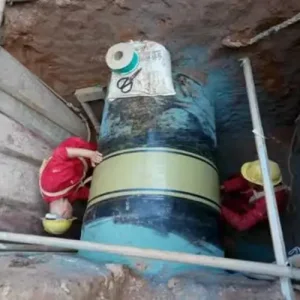
Within the highly demanding landscape of pipeline infrastructure, particularly in high-temperature transport sectors like geothermal systems, petroleum, and chemical pipelines, traditional barrier coatings often show signs of early thermal degradation. This degradation compromises pipeline longevity. As a leading high-temperature epoxy manufacturer in China, CYCT addresses these thermal limits through the production of advanced thermosetting materials designed to withstand continuous operating temperatures up to 85°C, 120°C, and 150°C.
Our formulation engineering targets the molecular mechanics of cross-linking. Unlike conventional coatings, CYCT's High-Temperature Solvent-Free Epoxy Primers establish high cross-link densities through the reaction of modified cycloaliphatic amines or phenalkamines with bisphenol epoxy resins. This creates a dense, three-dimensional thermoset matrix that retains adhesion and mechanical integrity even under thermal stress.
"Thermal integrity is not merely a material parameter; it is the cornerstone of asset preservation and operational safety. Modern pipeline designs require coatings that act as reliable, low-permeability thermodynamic barriers."
Integrating phenolic novolac backbones to increase functionality, providing high cross-link density, low permeability, and resistance to chemical attack under elevated thermal states.
Minimizing cathodic disbondment at elevated operational temperatures by utilizing surface-coupling chemistry and functional fillers that stabilize the steel-primer interface.
Targeting glass transition temperatures (Tg) well above actual field operation thresholds, preventing the polymer network from entering a rubbery phase where mechanical integrity drops.
Our technological development focuses on the transition from traditional solvent-containing epoxies to zero-VOC, 100% solids, solvent-free epoxy systems. Eliminating solvents reduces environmental impact and prevents solvent entrapment during application, which can cause micro-voids, blisters, and early failure in high-temperature service.
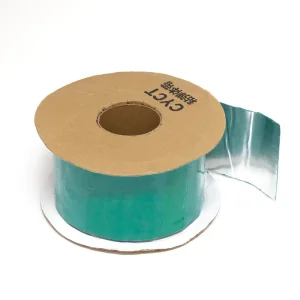
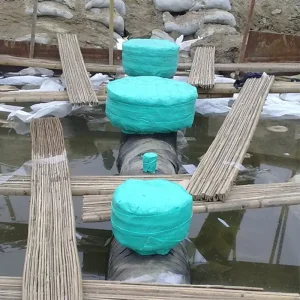
For field joint coating (FJC) application, CYCT designs high-temperature epoxy primers as part of a multi-layer system. For example, in 3-layer polyolefin systems (3LPE/3LPP), our solvent-free epoxy is applied directly to blast-cleaned steel. This is followed by a hot-melt copolymer adhesive layer and a protective outer polyolefin wrap. Our system prevents degradation from high temperatures, moisture, and soil stress, providing long-term asset protection.
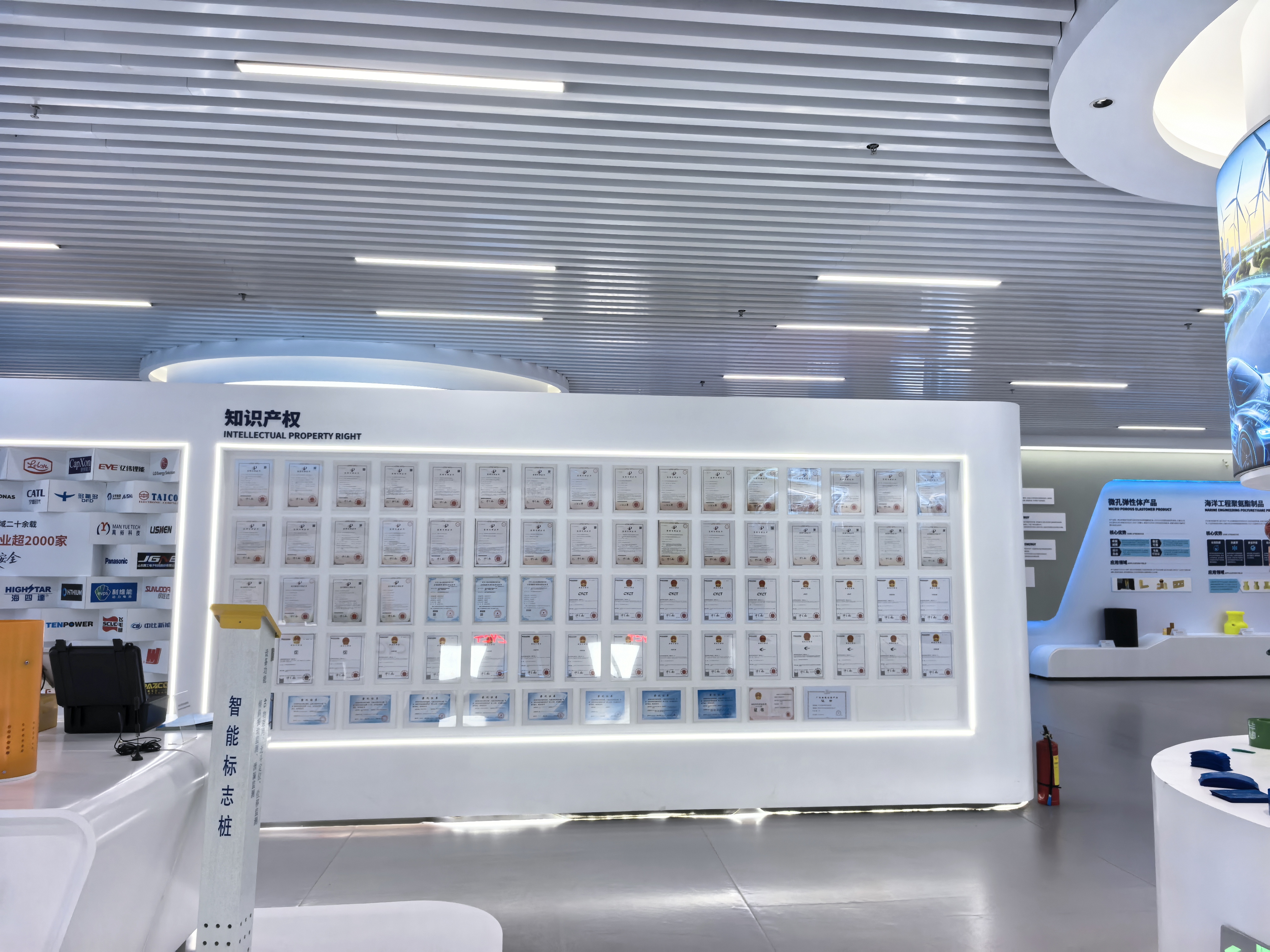
CYCT New Materials Company Limited (CYCT) is a state-level high-tech enterprise. We integrate the R&D, manufacturing, and distribution of pipeline corrosion protection materials, as well as providing buried pipeline inspection and field coating application services.
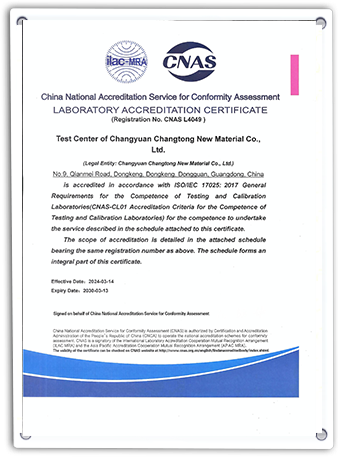
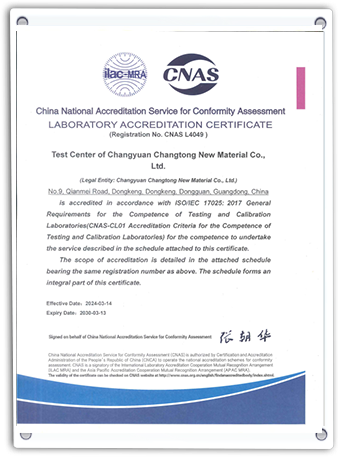
CYCT has spent decades focusing on the development, production, and sale of pipeline corrosion protection materials. Our facility features advanced testing and R&D systems, supported by a professional R&D team and a national CNAS-accredited laboratory.
CYCT is a long-term field joint coating supplier for PetroChina, Sinopec, PipeChina, and various municipal pipeline networks, maintaining a strong domestic market position. We have developed and introduced several specialty corrosion protection products, including viscoelastic coatings, photocurable sleeves for horizontal directional drilling (HDD) protection, and polyurea-based materials.
High-temperature epoxy coatings require consistent manufacturing processes to prevent batch-to-batch variation, which can affect curing profiles and performance. CYCT's manufacturing plants employ automation to control reaction temperatures, raw material feeding, mixing speed, and vacuum levels.
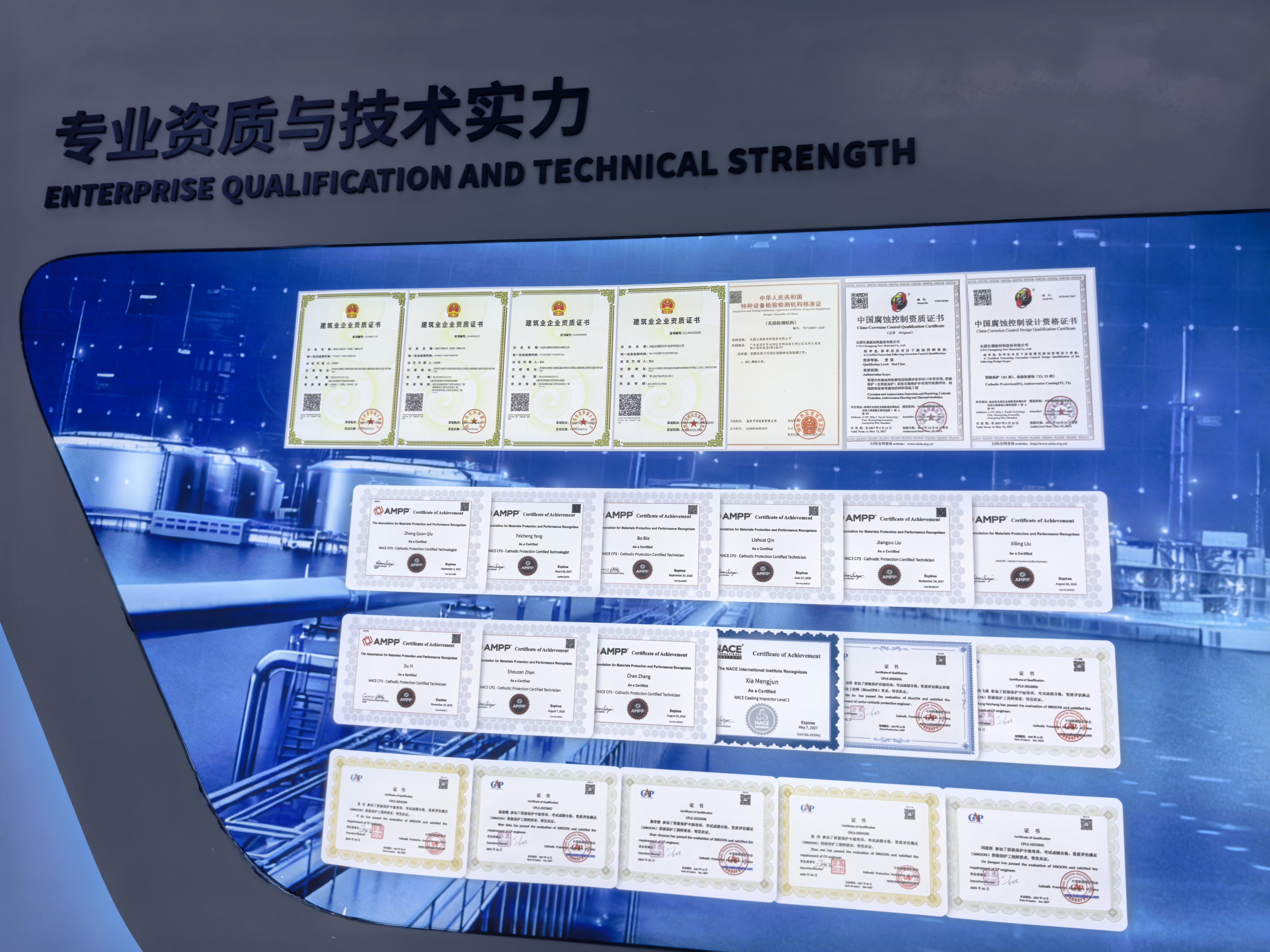
This automated production is integrated with our quality control system. Our CNAS-accredited laboratory tests every batch of raw materials and finished products. We verify performance characteristics including cure rate, glass transition temperature (Tg), pull-off adhesion strength, and cathodic disbondment resistance. This technical oversight ensures our products meet international standards, including ISO 21809-3, NACE SP0169, and AMPP benchmarks.
Collaborating with institutes like the CNPC Pipeline Science Research Institute, CYCT is capable of supporting in-service pipelines with varied technical services. These include pipeline inspection, coating design, cathodic protection design, rehabilitation planning, and integrated solutions for pipeline safety.
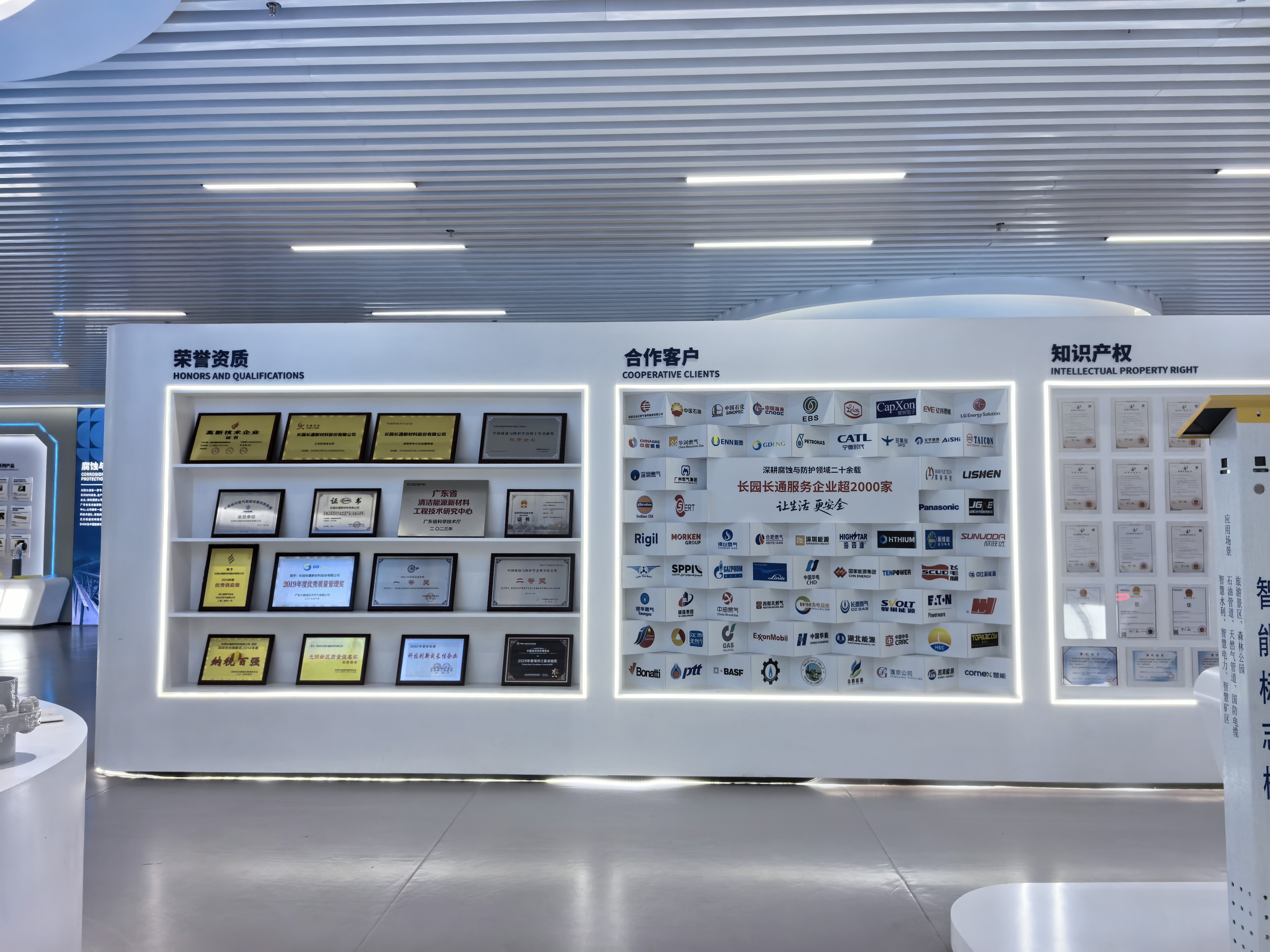
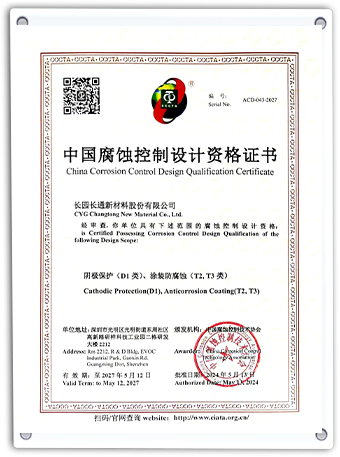
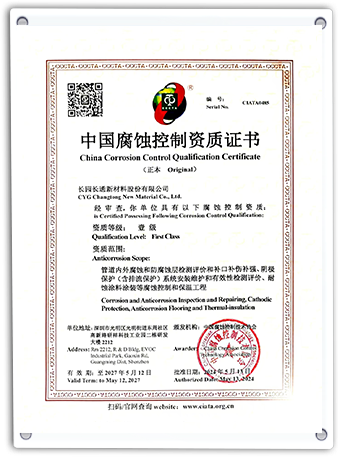
CYCT is a Council Member of the Chinese Society for Corrosion and Protection (CSCP). We hold qualifications in Corrosion Protection Construction and Pipeline Inspection. CYCT is recognized as a pipeline corrosion protection brand in China, a Corporate Member of the China Association of Petroleum Engineering Construction (CAPEC), a State-Level High-Tech Enterprise, and an approved supplier for PetroChina, Sinopec, China Gas Group, and Indian Oil.
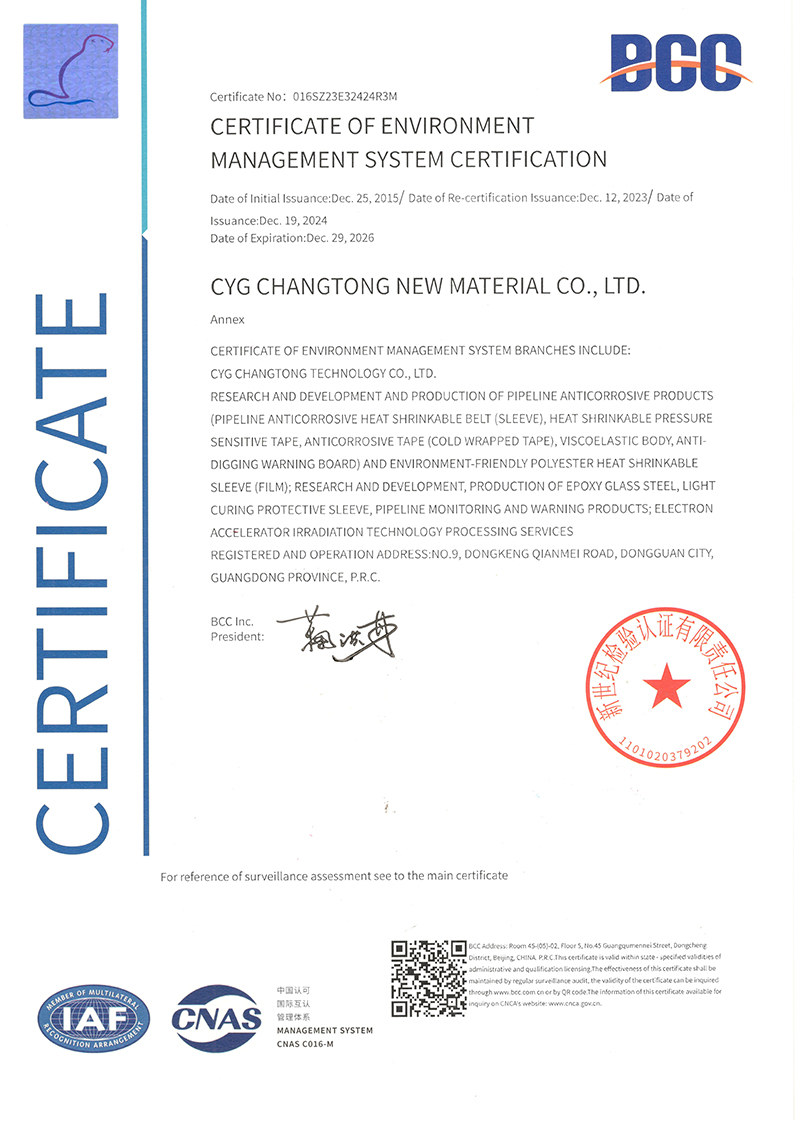
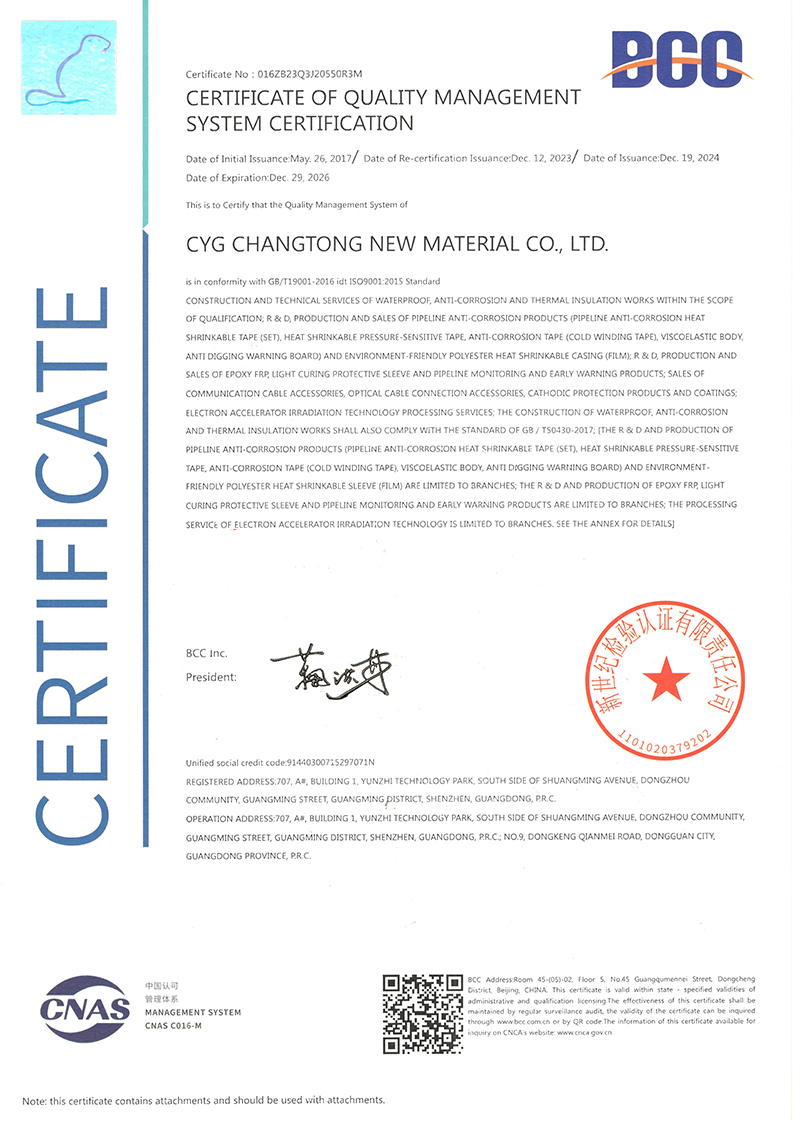
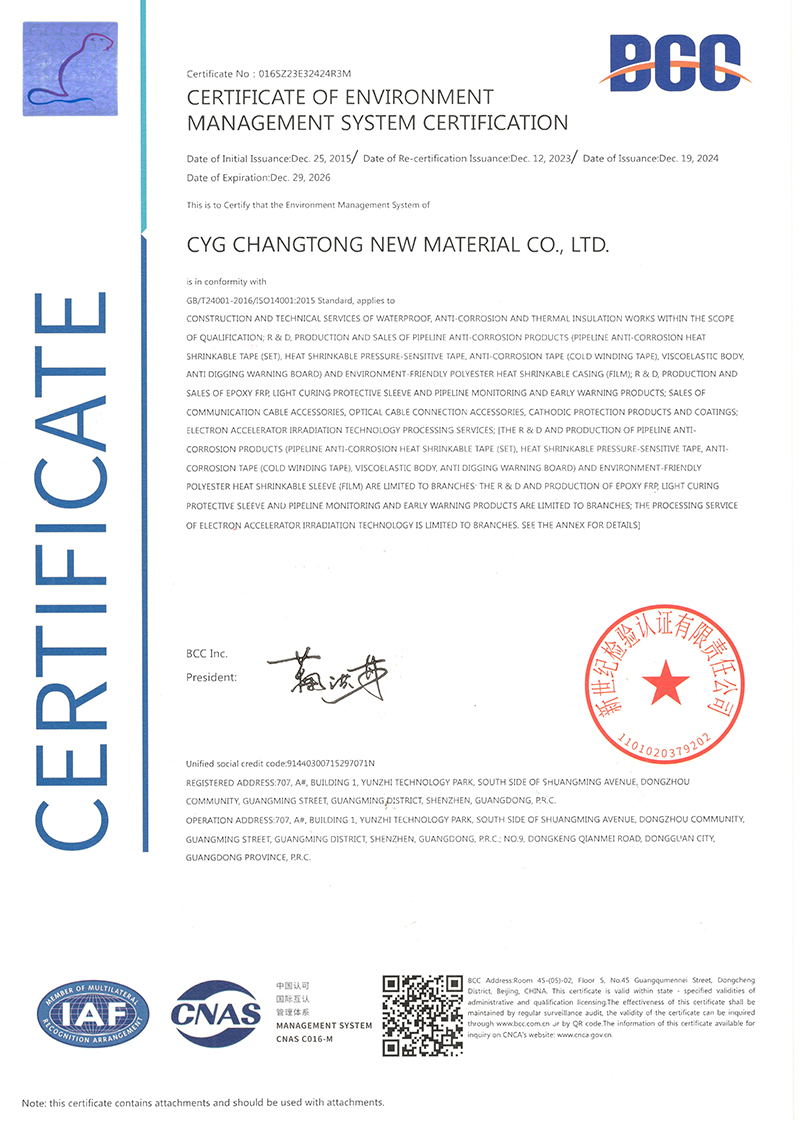
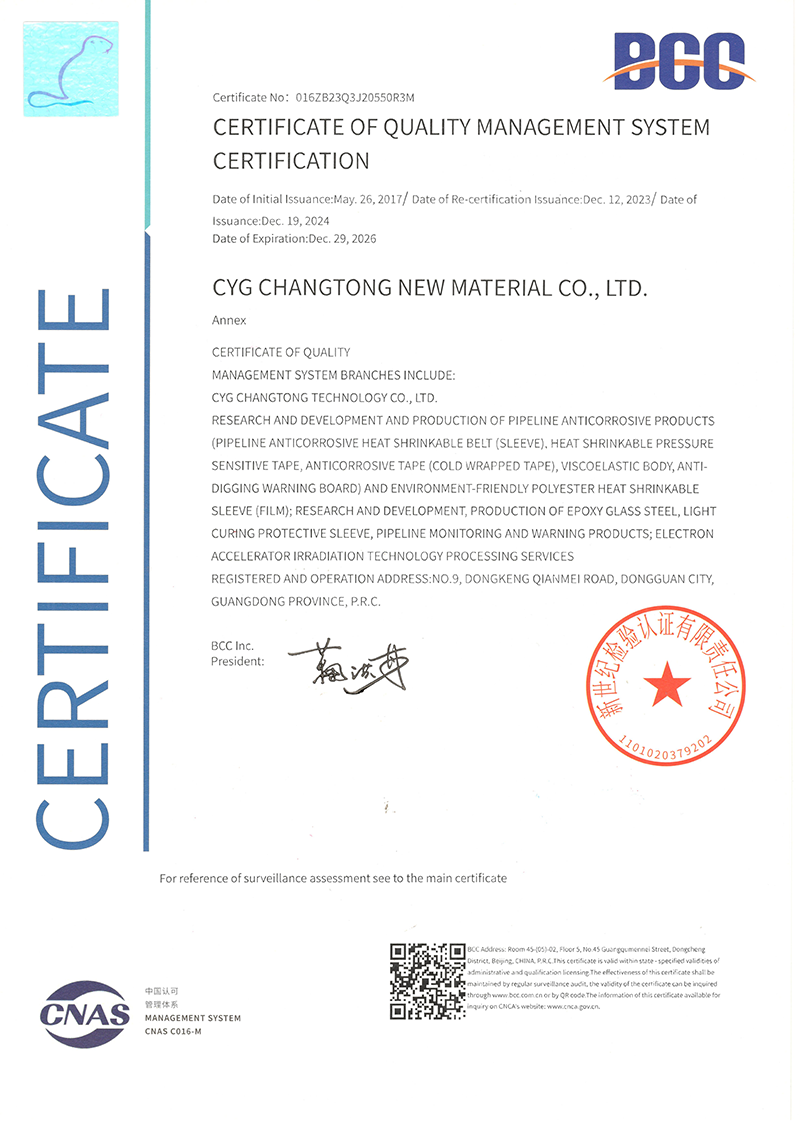
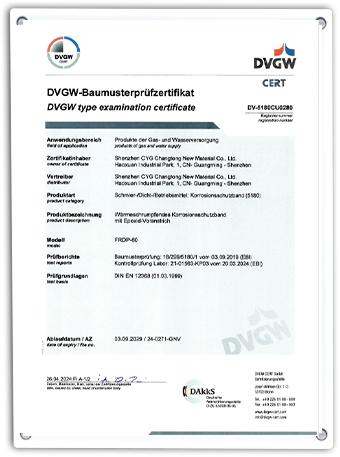
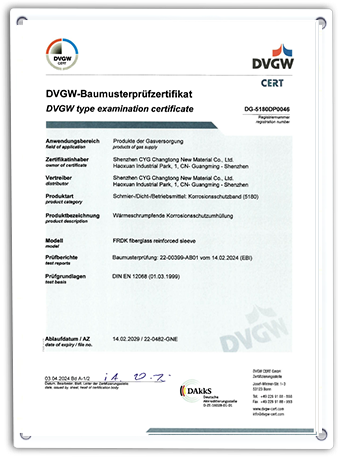
For international buyers, EPC contractors, and pipeline operators, choosing a high-temperature epoxy manufacturer involves evaluating chemical expertise, technical support, and supply chain logistics. Large infrastructure projects require long-term durability and consistent quality. Sourcing agents prioritize partners that offer:
Adapting curing agents to match regional climates, from sub-zero environments in Arctic regions to warm conditions in Middle Eastern oil fields.
Utilizing high-barrier packaging to prevent moisture contamination and maintain stability during sea transport.
Providing detailed technical documentation, including chemical compatibility data, material safety data sheets (MSDS), third-party performance reports, and application guides.
CYCT offers technical assistance to global engineering contractors. Our engineers provide support from design stages through on-site application training, helping to verify that high-temperature primer coatings are applied correctly under field conditions.
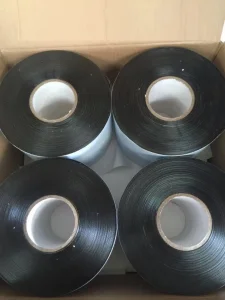
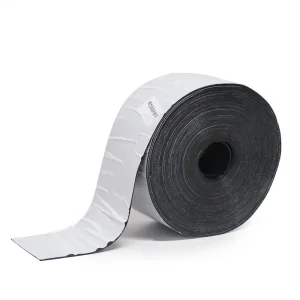
 CYCT
CYCT