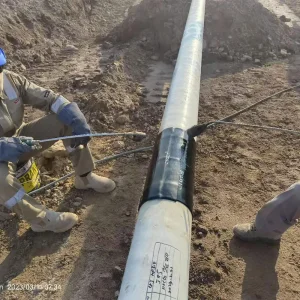
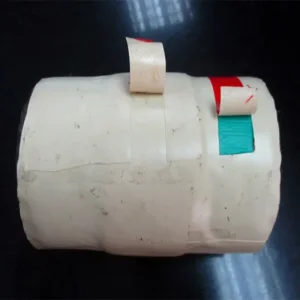
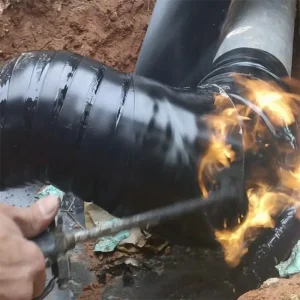
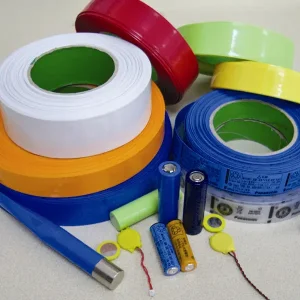
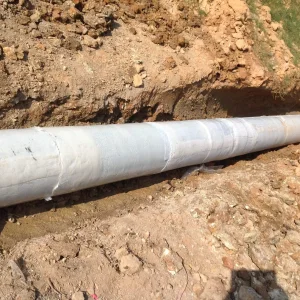
In the pipeline engineering landscape, corrosion remains one of the costliest and structurally hazardous degradation problems. Modern pipeline protection requires advanced solutions capable of isolating steel surfaces from highly corrosive underground soils, deepwater marine environments, and aggressive high-temperature process conditions. As a leading China Heat Shrinkable Tubing Manufacturer, CYCT New Materials has pioneered the engineering, compound formulation, and radiation processing of high-performance polyolefin and polypropylene systems since our founding in 2000.
Our research division continually designs materials that comply with major global infrastructure frameworks, meeting specifications dictated by the Association for Materials Protection and Performance (AMPP) - formerly NACE International. By maintaining high-precision execution across raw material processing, high-density polymer extrusion, and electron beam cross-linking, China’s industrial manufacturers are delivering solutions that compete directly with traditional Western market leaders, offering superior performance indices at optimal delivery scales.
Heat shrinkable products rely on "elastic memory". Polymers, such as polyethylene (PE) or polypropylene (PP), are processed by extrusion and subsequently exposed to high-energy electron beam radiation. This physical bombardment induces covalent cross-linking between individual polymer chains, effectively transforming a standard thermoplastic (which would melt into a flowing fluid when heated) into an elastomer network.
When this cross-linked matrix is heated beyond its crystalline melting point, it becomes highly pliable, allowing it to be mechanically stretched and subsequently cooled below its melting point in this expanded state. When field crews apply thermal energy during installation, the micro-crystalline sections melt again, causing the polymer to return to its original, non-expanded dimensions.
| Material Class | Maximum Continuous Operating Temp | Peel Strength (N/cm to Steel) | Key Application Scenarios |
|---|---|---|---|
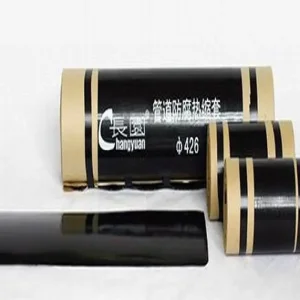
| PE Heat Shrink Tape / Sleeve (FRDS) | Up to 60°C - 80°C | > 80 N/cm | Standard buried oil, gas, and water distribution networks. Excellent soil stress resistance. |
| PP Heat Shrink Sleeve (3LPP system) | Up to 110°C - 120°C | > 120 N/cm | High-temperature deep oil wells, offshore trunklines, directional drilling crossings. |
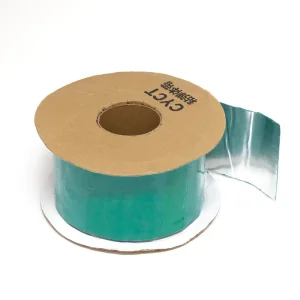
| Viscoelastic Coating Tape | Ambient to 85°C | Excellent self-healing (viscous flow) | Irregular structural valves, pipeline repairs, urban distribution piping with minimal surface prep. |
| FRP / Photo-Curing Sleeve | Structural Reinforcement | High Mechanical Impact Resistance | Horizontal Directional Drilling (HDD) protective shields to prevent rock gouging. |
For optimal field joint performance, the compound must contain high-quality stabilizer packages, including carbon black to mitigate UV degradation and advanced antioxidants to delay thermal aging. By choosing a manufacturer that maintains structural control over the copolymer adhesive formulas, end-users guarantee low shear creep, preventing the sleeve from slipping down the pipe over its 30+ year lifespan.
In the current global economic landscape, raw material availability, manufacturing stability, and supply chain lead times are vital factors in project execution. China's industrial infrastructure offers unique benefits that allow domestic manufacturers like CYCT to optimize costs and expedite global shipping schedules.
Proximity to major chemical refiners ensures direct sourcing of high-purity Polyethylene and Polypropylene resins. This reduces internal logistics costs and maintains consistent chemical properties across production batches.
High-power industrial electron accelerators run in-house. This gives engineers real-time control over the radiation dose, guaranteeing uniform cross-linking density throughout the backing's thickness.
Beyond producing raw sleeves, we offer comprehensive services: from pipeline detection and system design to field coating application services. This full-spectrum capability simplifies procurement for site owners.
This structural integration reduces the risk of global logistics disruption. By collaborating with advanced transportation hubs in Ningbo and Shanghai, products can be packaged, certified through local customs, and dispatched to critical energy infrastructure hubs in Asia, Europe, and the Middle East within minimal time frames.
Different regions present unique challenges that standard anti-corrosion products cannot address alone. CYCT has engineered specialized product lines for difficult geological and environmental conditions.
In municipal pipeline crossings and riverbed paths, pipes are pulled through pre-drilled boreholes containing loose stones, shale, and gravel. Standard PE heat shrinkable sleeves often peel or tear under these high-shear conditions. CYCT’s solution incorporates an Epoxy FRP (Fiberglass Reinforced Polymer) Solution alongside a photo-curing protective sleeve. The combination of chemical epoxy primers and structural fiberglass grids creates a rigid, impact-resistant shield that prevents deep mechanical gouging during installation.
When transporting crude oil at elevated temperatures, standard PE sleeves risk degradation and mastic flow, which compromises the seal. For these scenarios, CYCT manufactures a 3LPP (3-Layer Polypropylene) Field Joint System. Polypropylene boasts superior mechanical resistance and a high melting point, enabling it to withstand continuous operating temperatures of up to 120°C.
CYCT New Materials Company Limited (CYCT) is a state-level high-tech enterprise integrating R&D, production, and sales of pipeline corrosion protection materials. We also offer buried pipeline detection services and field coating application services. For decades, CYCT has committed to developing and manufacturing industrial anti-corrosion systems that protect critical public infrastructure.
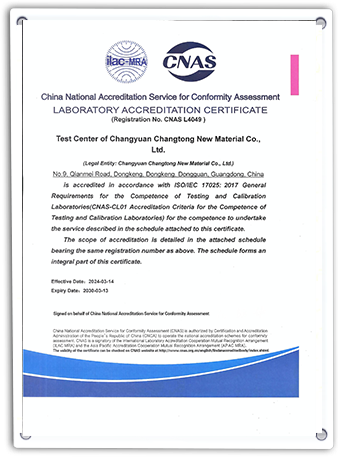
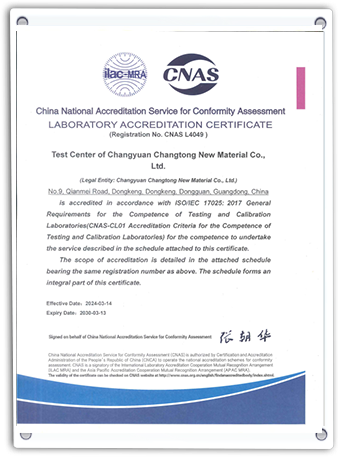
CYCT maintains leading testing and R&D facilities, backed by a professional engineering team and a national CNAS-accredited laboratory. Through long-term collaboration with major scientific institutes, including the CNPC Pipeline Science Research Institute, we provide comprehensive, in-service pipeline technical services. These services include cathodic protection design, pipeline health detection, and integrated rehabilitation projects.
Our company is a trusted, long-term supplier of field joint coatings for PetroChina, Sinopec, PipeChina, regional distribution networks, and the Indian Oil Corporation. In addition to standard products, CYCT has developed advanced specialty materials, including viscoelastic putty and tapes, photo-curing sleeves for HDD protection, and protective polyurea coatings.
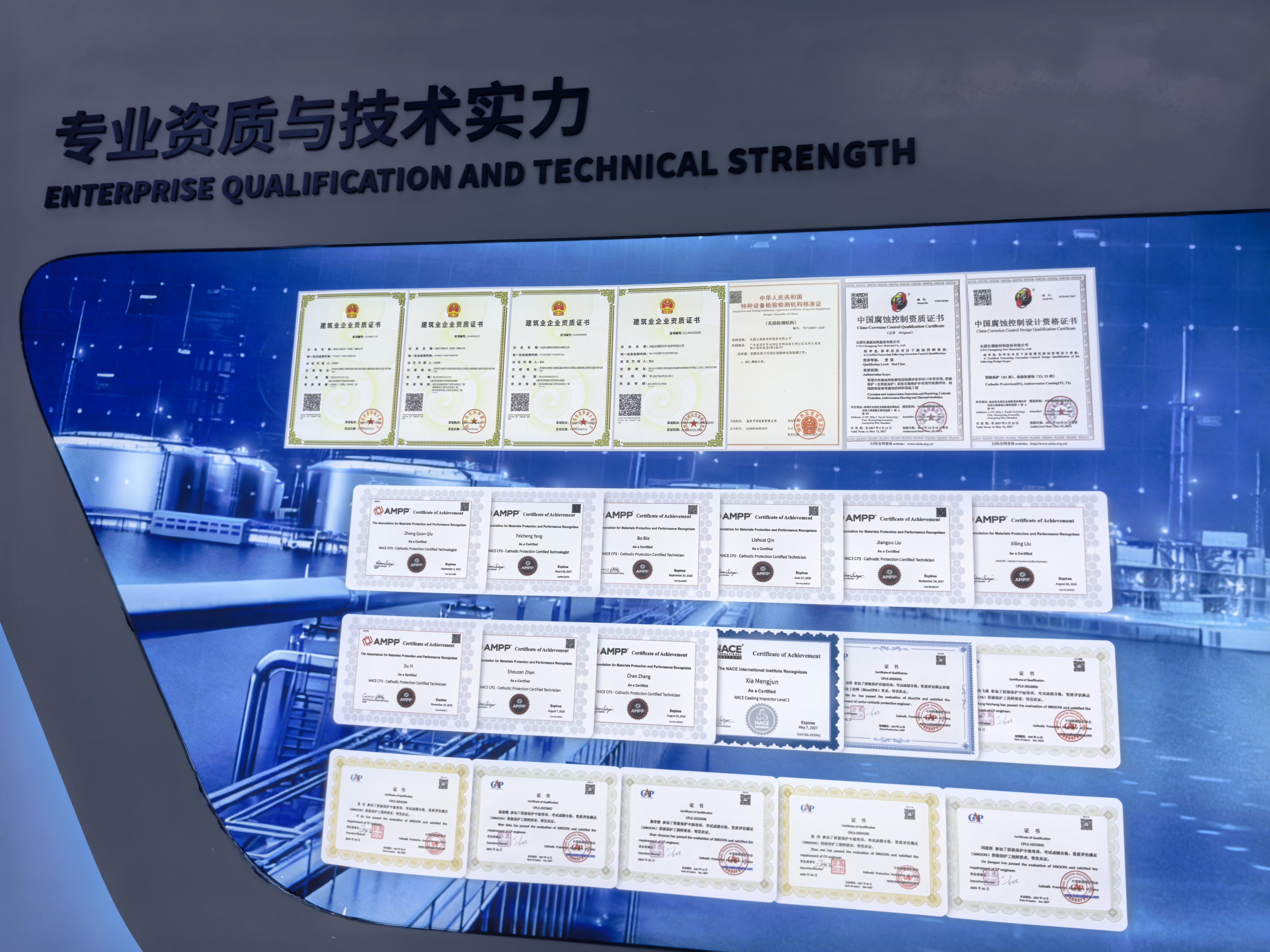
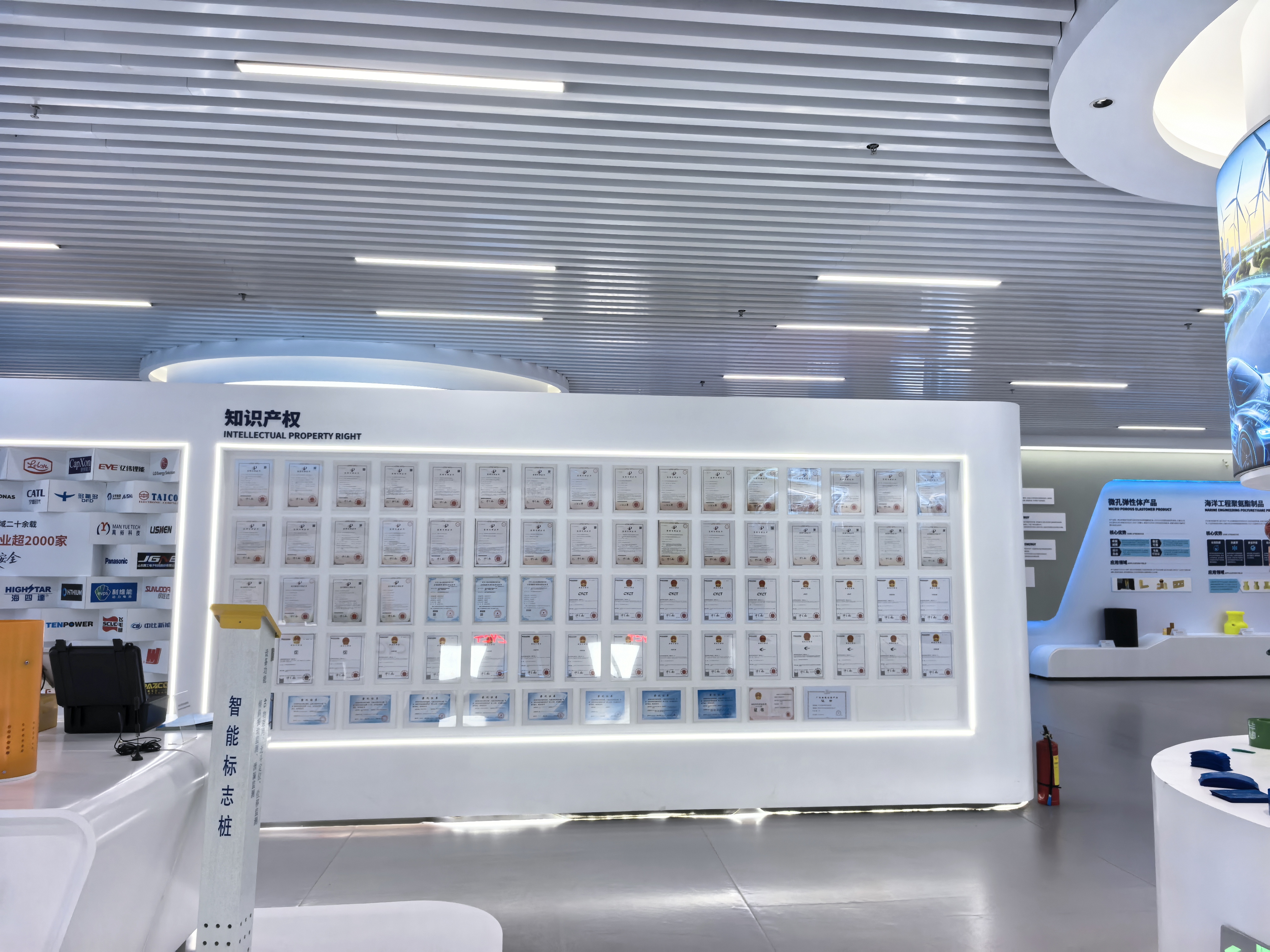
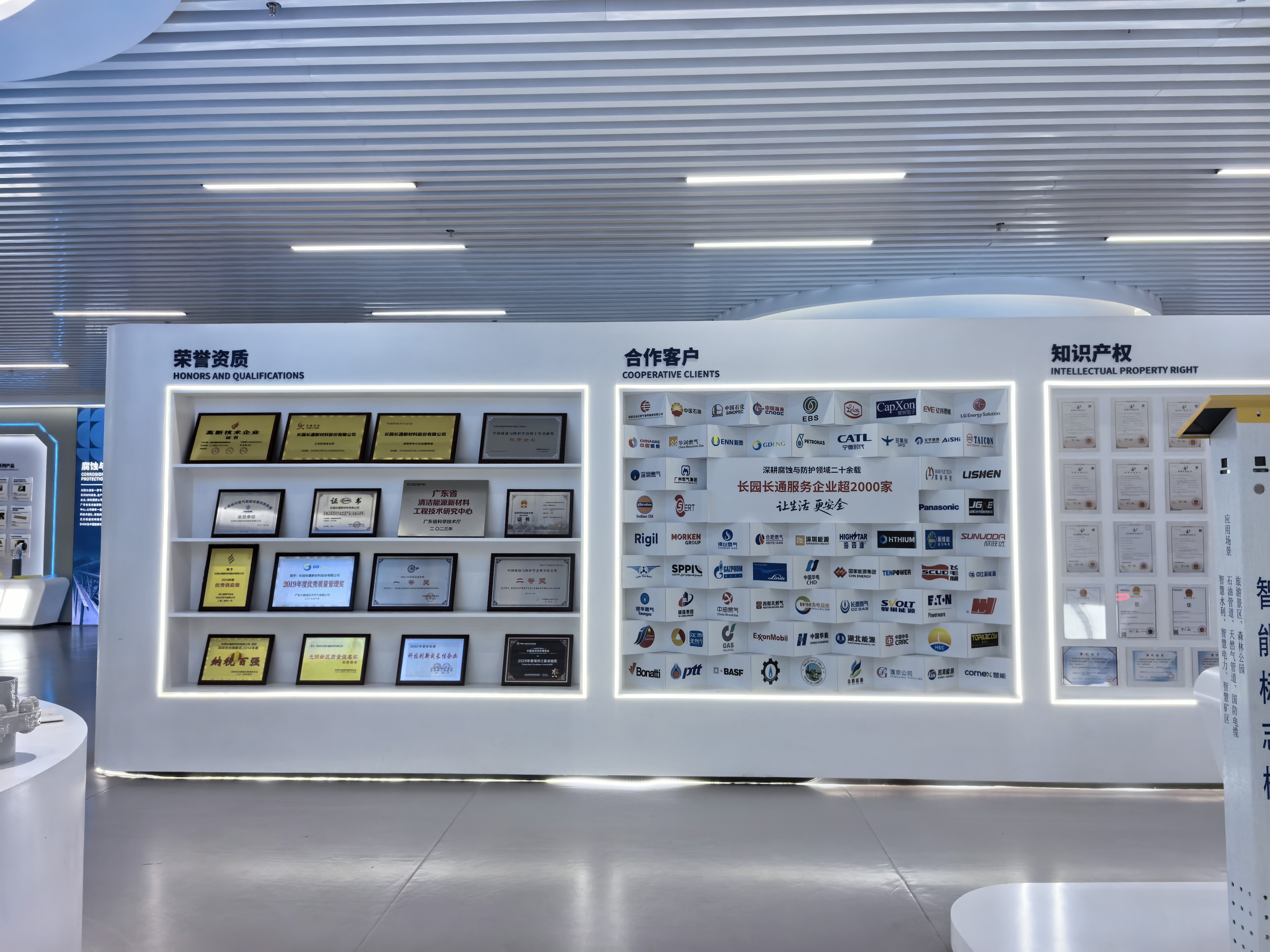
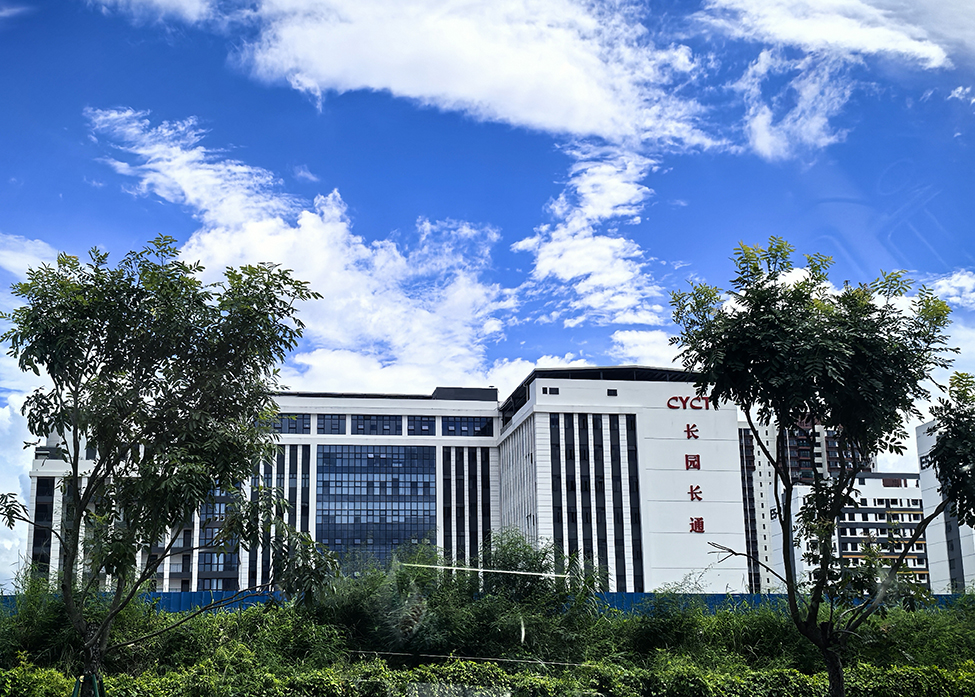
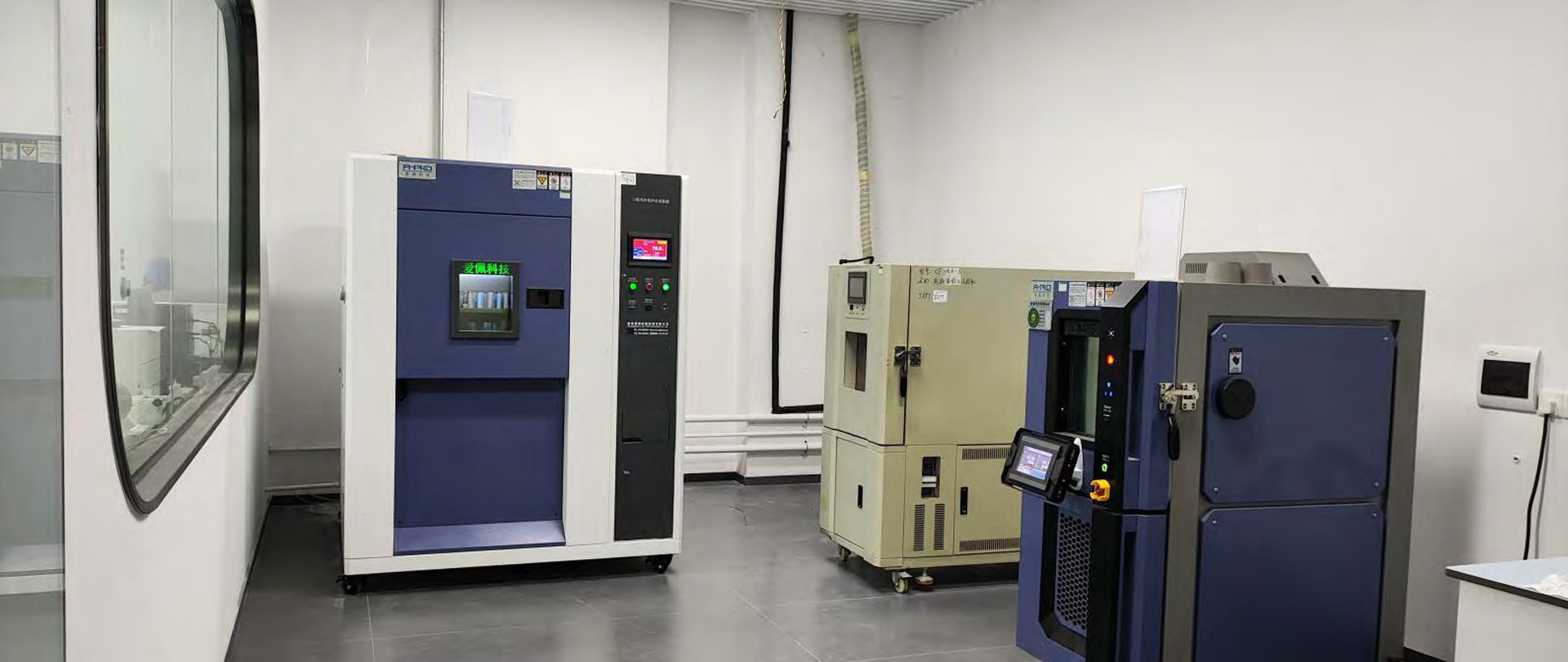
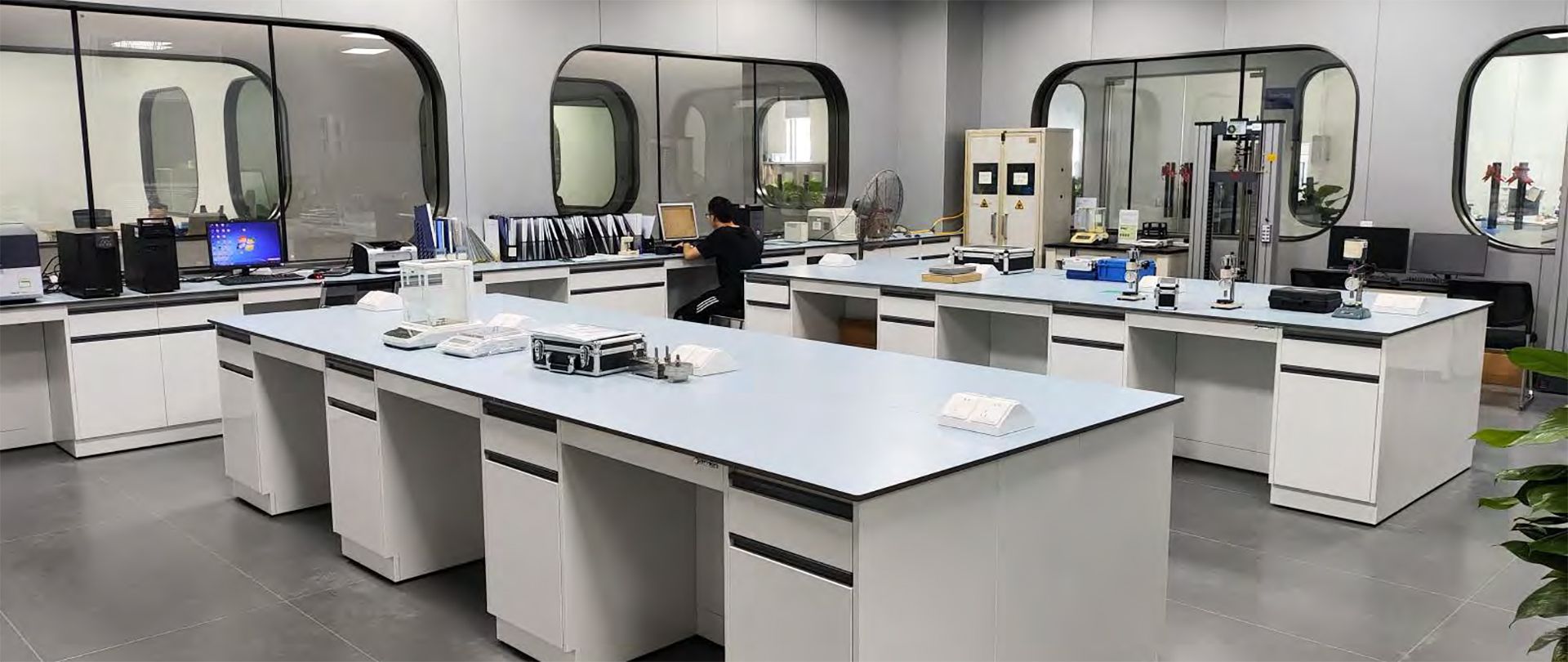
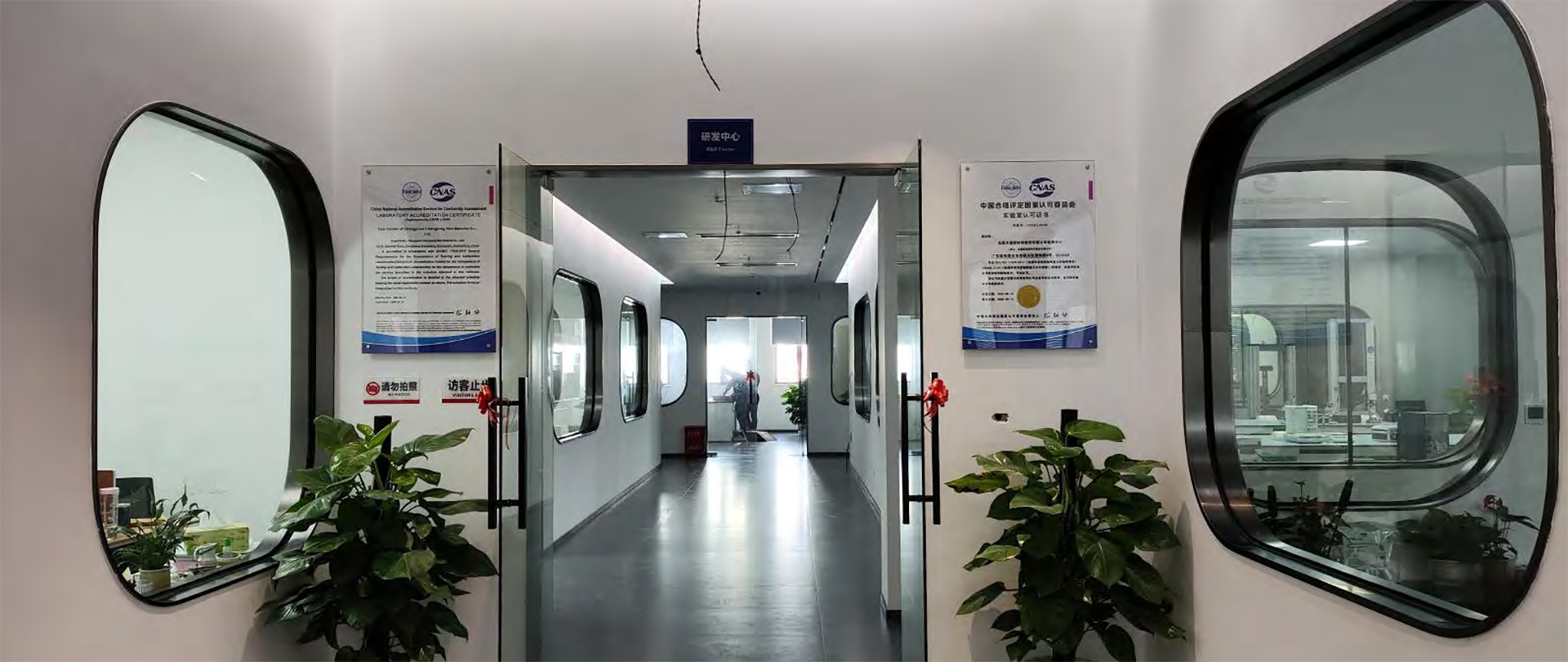
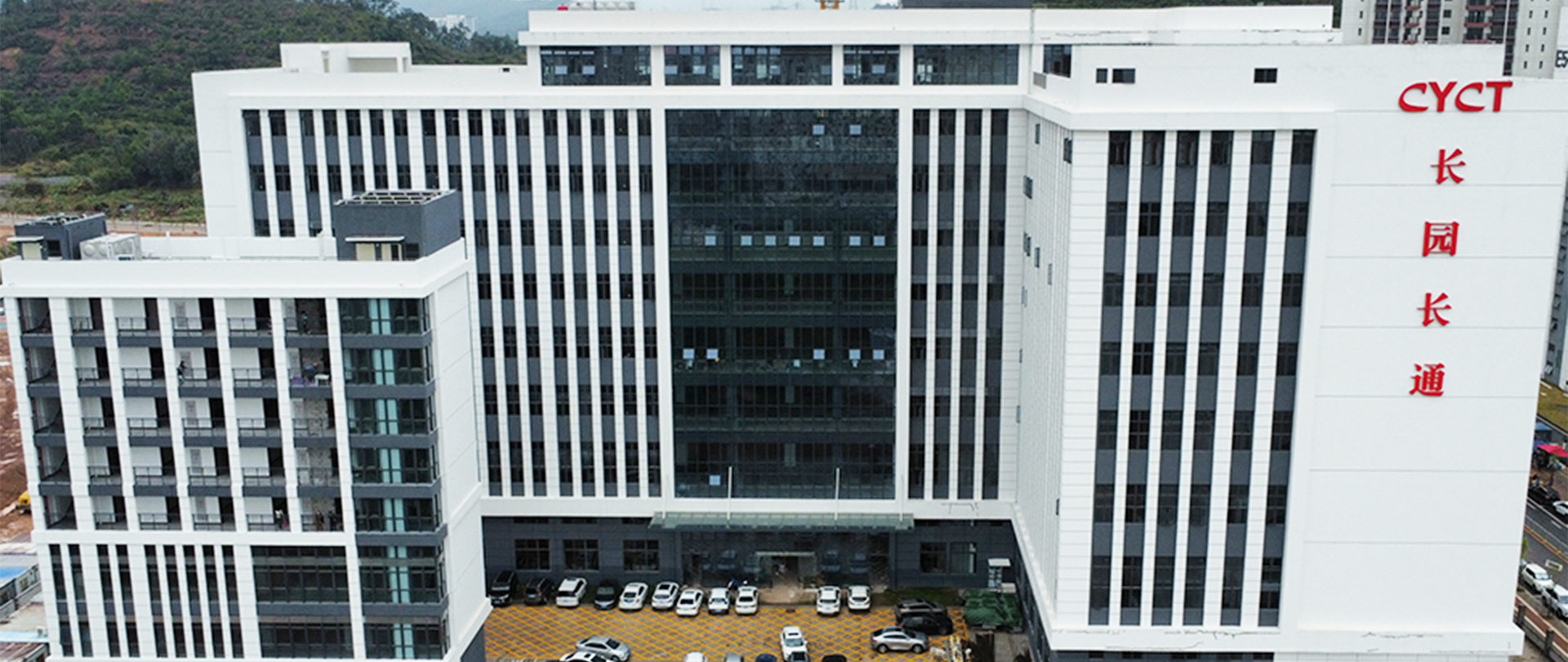
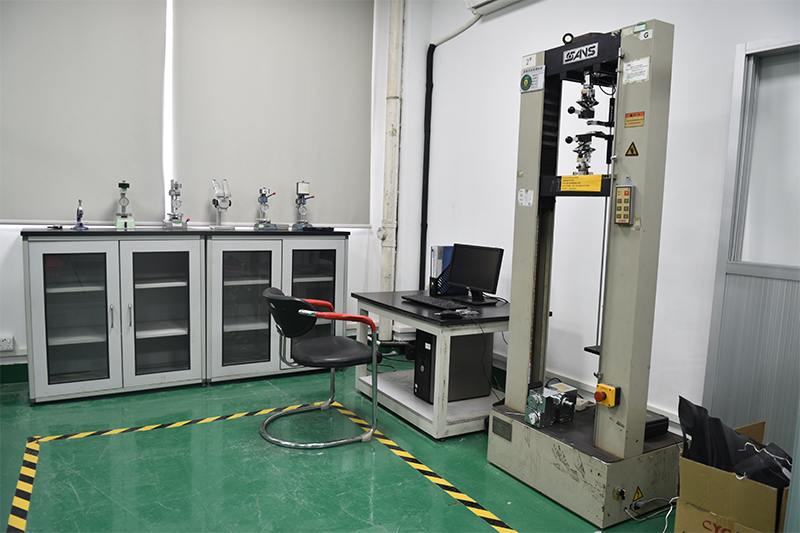
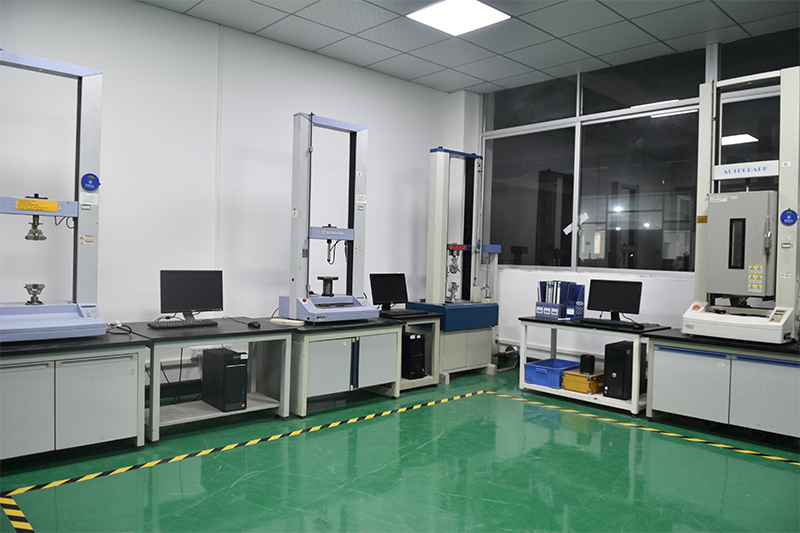
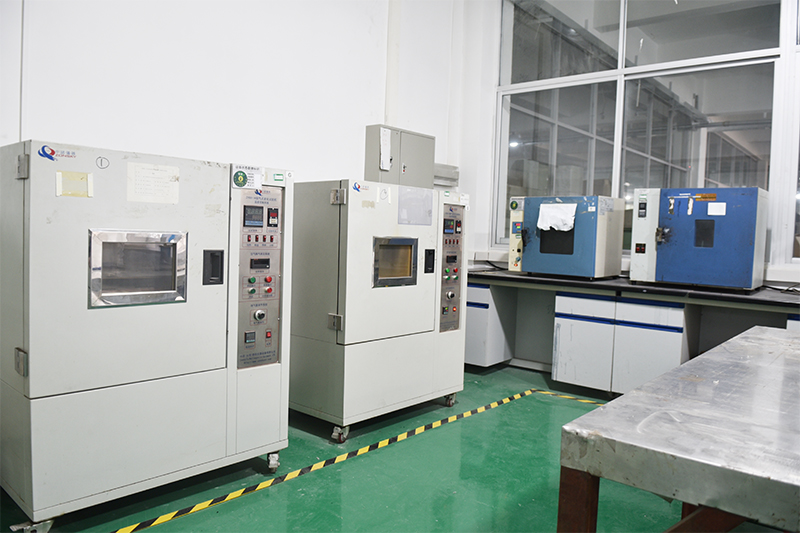
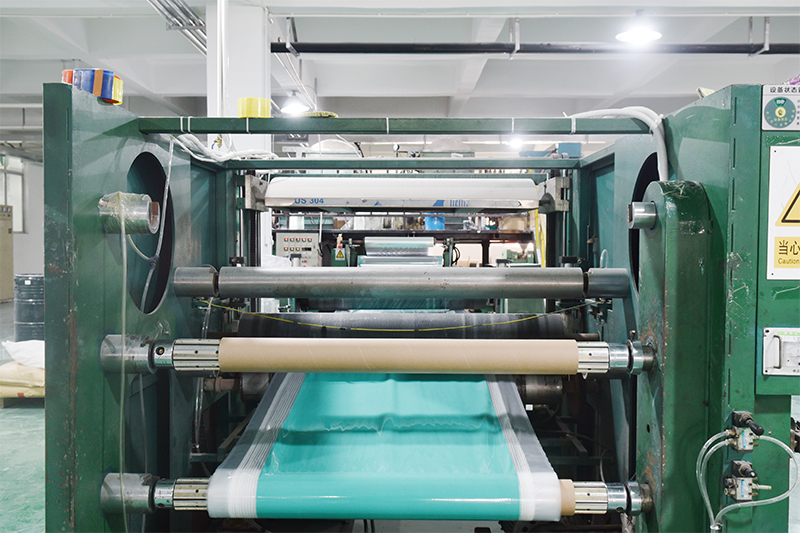
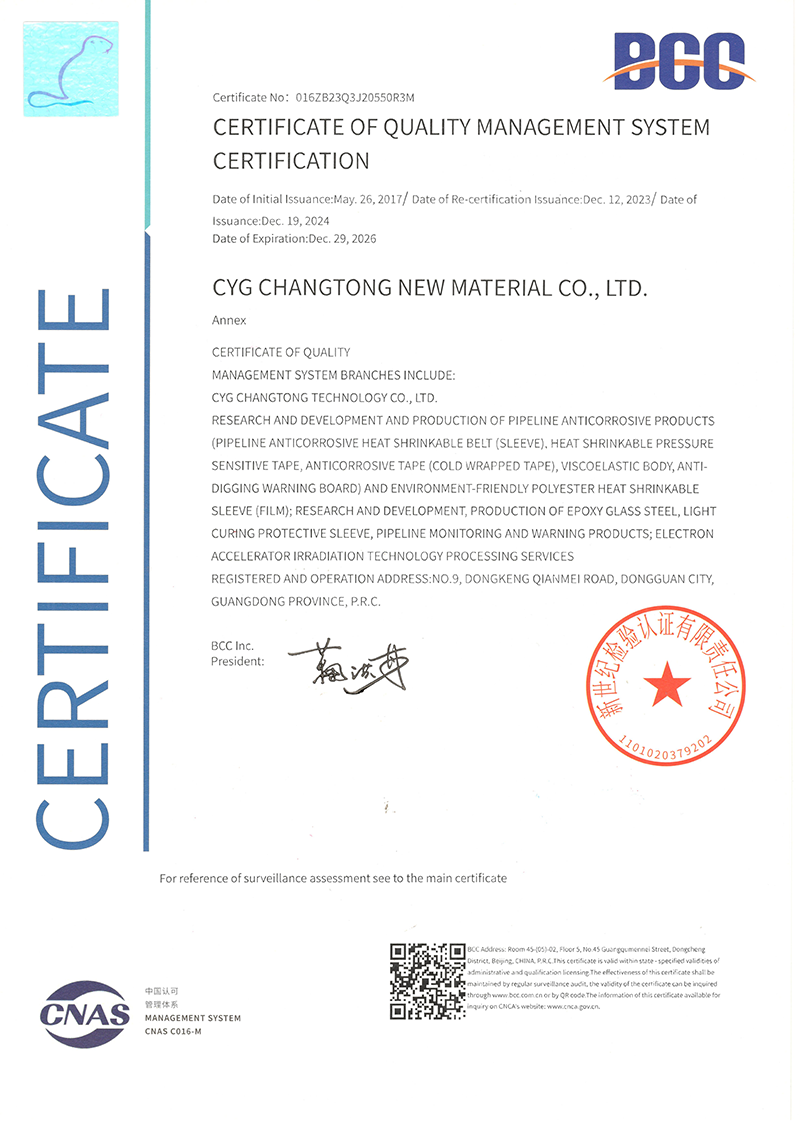
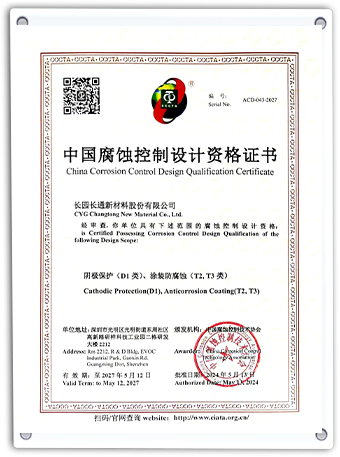
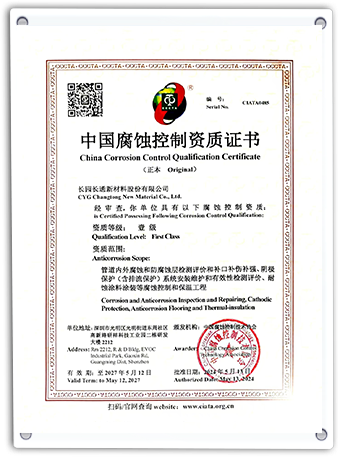
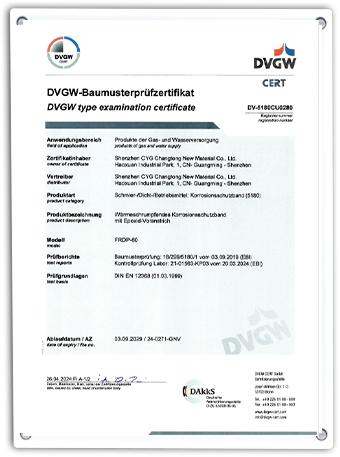
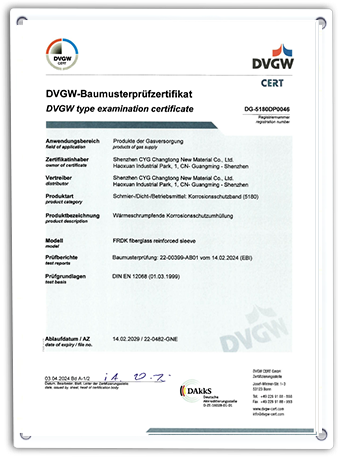
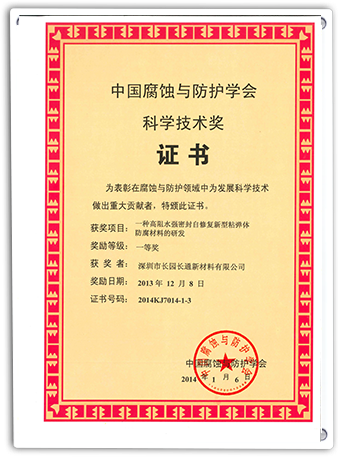
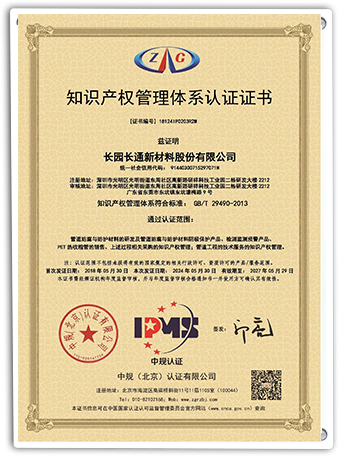
Our organization is an active Council Member of the Chinese Society for Corrosion and Protection (CSCP). We hold official Qualification Certificates for Corrosion Protection Construction and Pipeline Detection, and we are a registered Corporate Member of the China Association of Petroleum Engineering Construction (CAPEC). Our production facilities maintain rigorous quality compliance protocols verified by independent classification societies and international organizations.
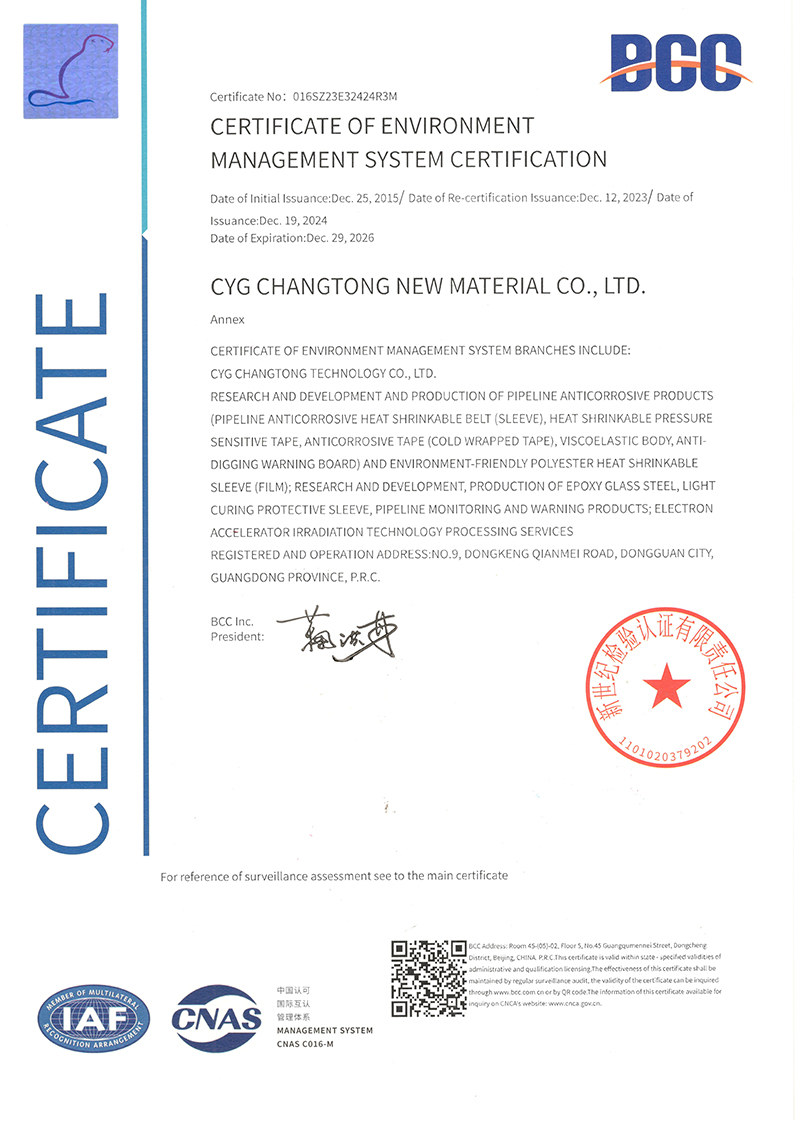
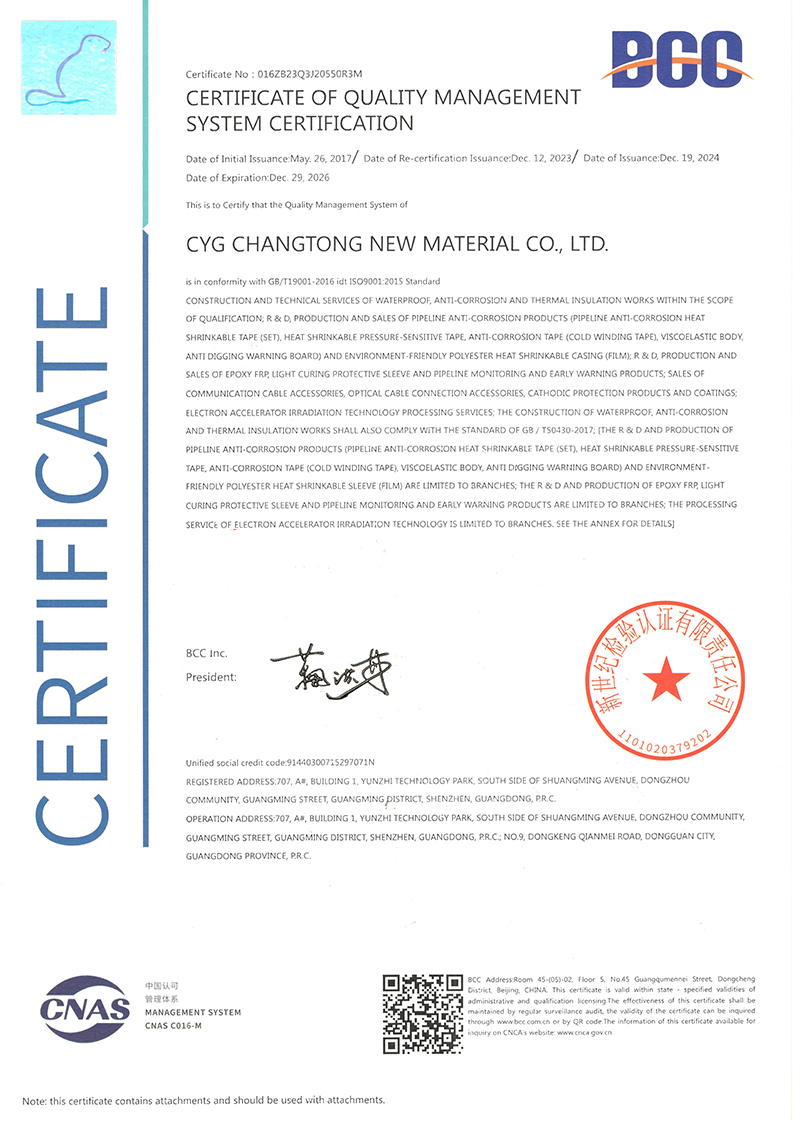
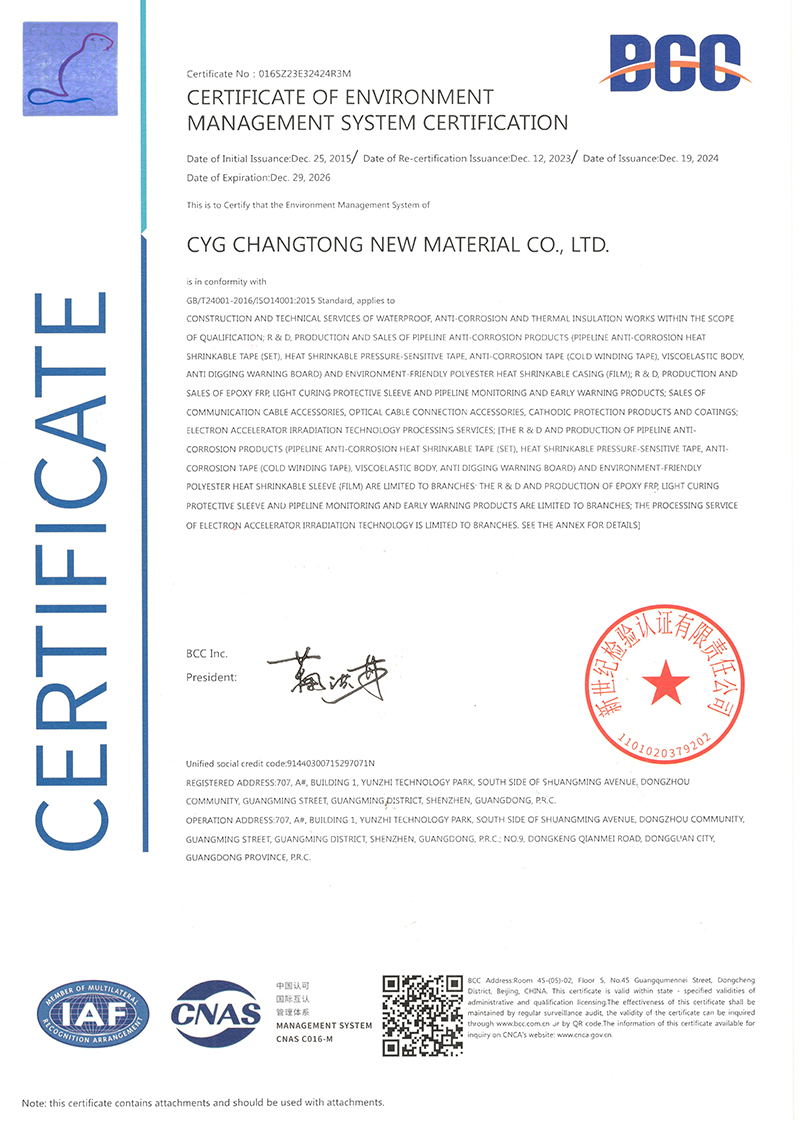
Looking ahead, pipeline infrastructure projects face increasing environmental challenges and shifting operating requirements. Cyber-physical integration and green manufacturing regulations require the development of next-generation anti-corrosion materials. CYCT’s technology roadmap focuses on three main developments:
We are researching smart polymers that integrate micro-capsules filled with self-healing agents. If the backing is scratched or punctured, the localized mechanical pressure ruptures these capsules, releasing reactive prepolymers that seal the damage. This technology helps prevent cathodic disbondment before moisture can reach the steel surface.
In response to global decarbonization mandates, CYCT is developing bio-based raw polymer resins for our backing materials. These eco-friendly materials maintain the high physical and chemical properties of traditional petroleum-based plastics while helping contractors meet sustainability requirements on infrastructure projects.
 CYCT
CYCT