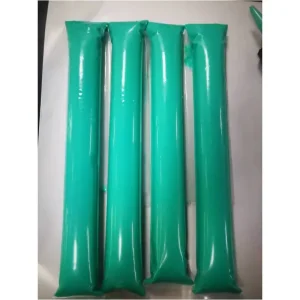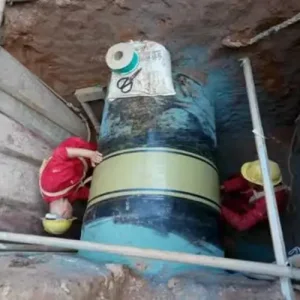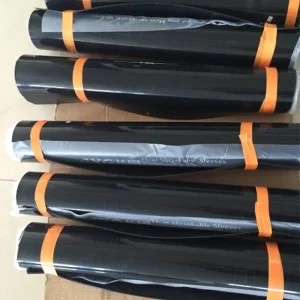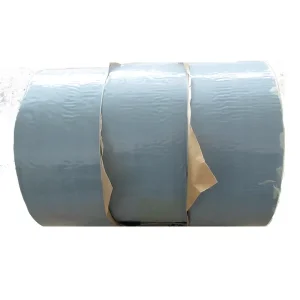
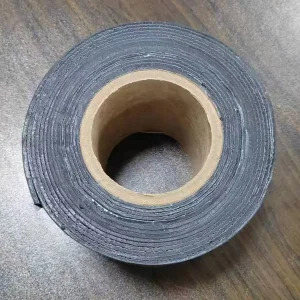
Modern electrical, marine, automotive, and pipeline infrastructure demands insulation technologies that go far beyond simple electrical resistance. High-performance projects now require active moisture-barrier isolation, superior mechanical strain relief, and defense against galvanic corrosion. This is where dual-wall, glue-lined heat shrink tubing has emerged as the premier choice for engineers worldwide.
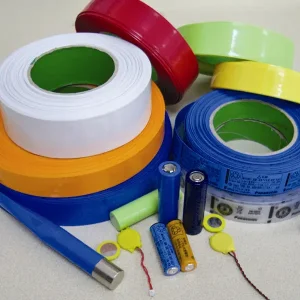
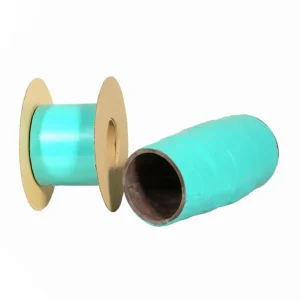
At its core, this specialty material consists of a co-extruded outer layer of cross-linked polyolefin combined with an inner layer of specially formulated hot-melt adhesive (typically EVA or polyamide-based). Upon the application of heat, the outer layer shrinks tightly while the inner adhesive melts, flows, and encapsulates the underlying components. As it cools, the adhesive cures to form a watertight, chemically resistant seal that prevents moisture ingress, which is the primary cause of insulation failure and mechanical decay.
Deep-sea offshore energy fields, petrochemical processing sites, and municipal pipe networks operate in harsh microclimates. The deployment of high-shrinkage-ratio (3:1, 4:1) glue-lined tubes ensures that irregular connector shapes and pipe transits are fully covered and waterproofed.
Traditional EVA adhesives are increasingly replaced by high-temperature, polyamide-based hot-melt adhesives. These advanced compounds maintain structural integrity at continuous operating temperatures up to 125°C, expanding their usefulness in automotive engines and heavy machinery.
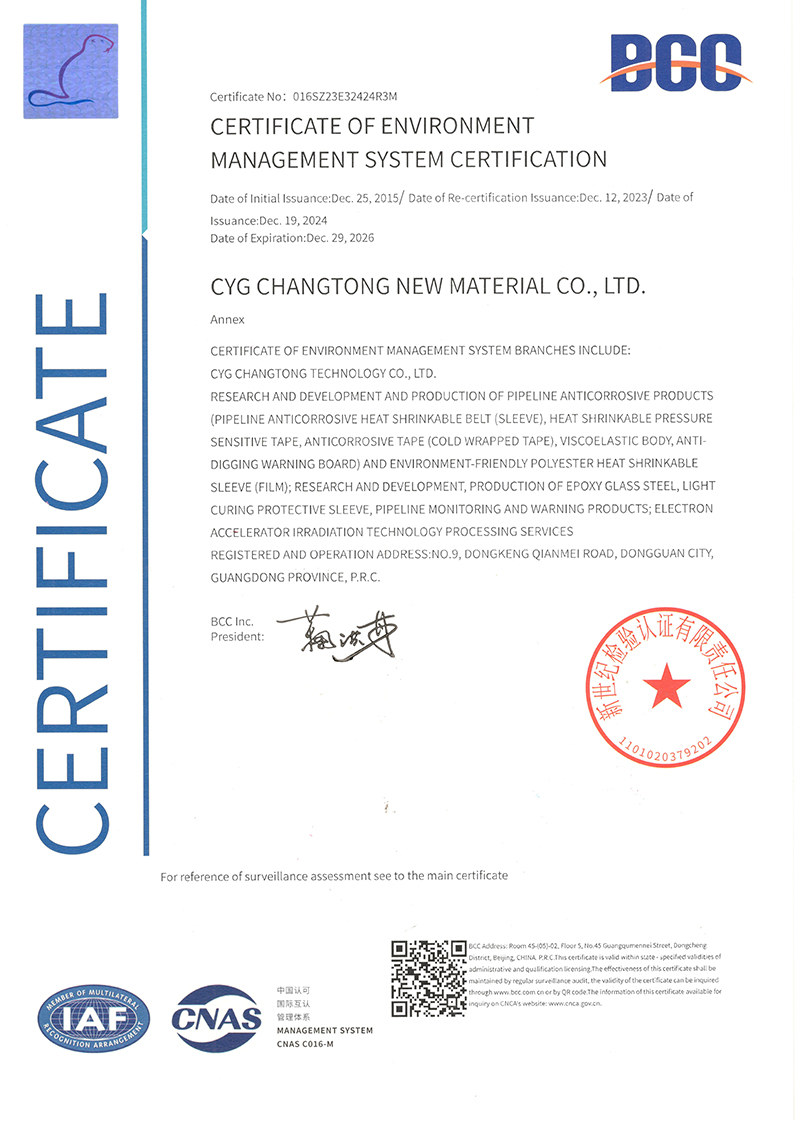
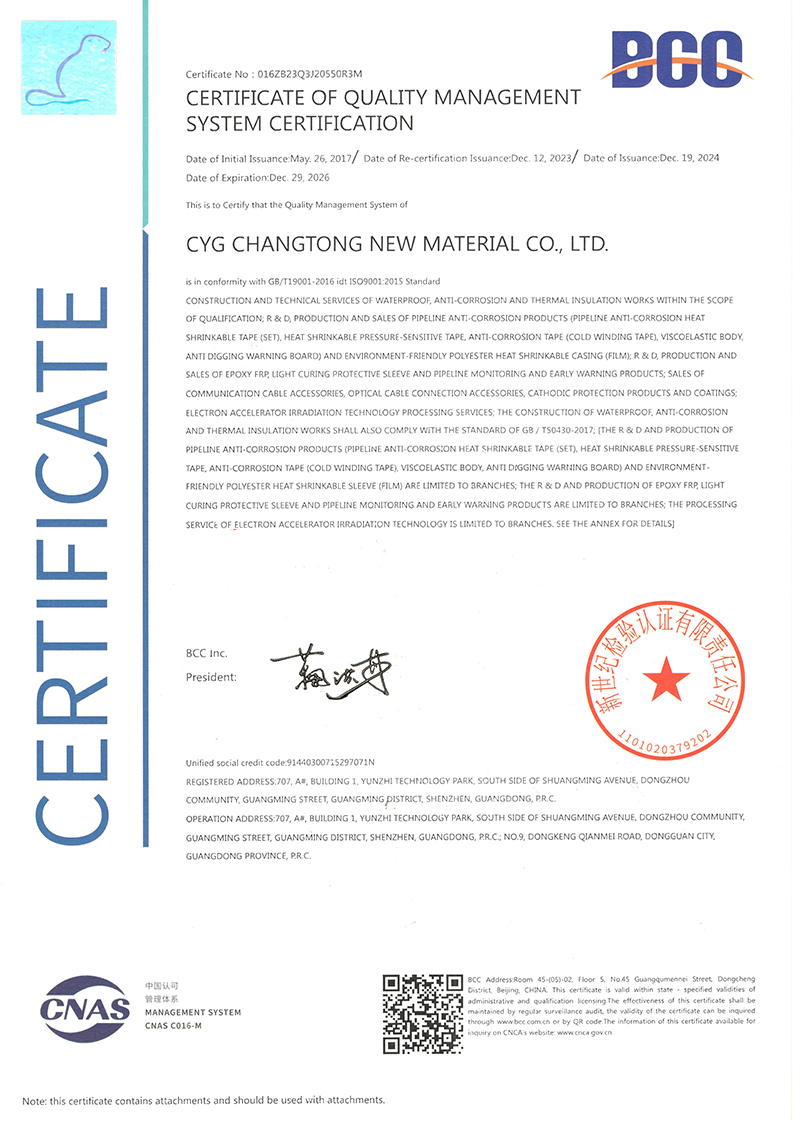
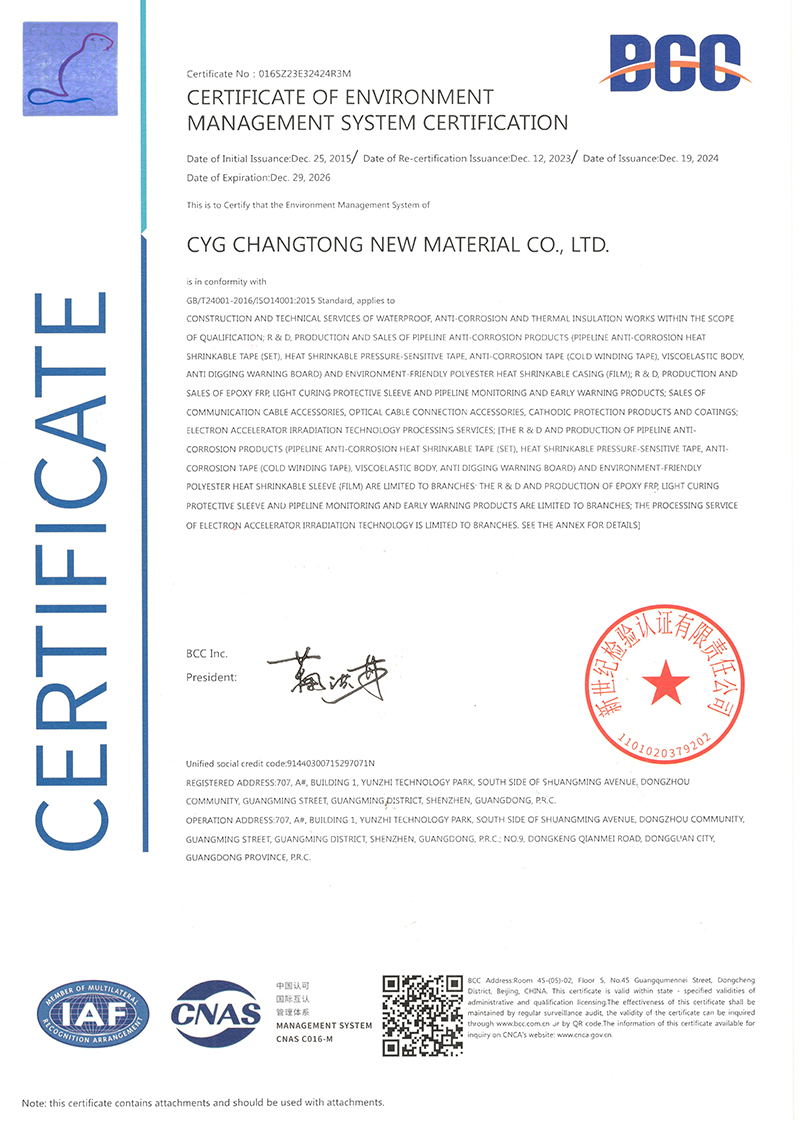
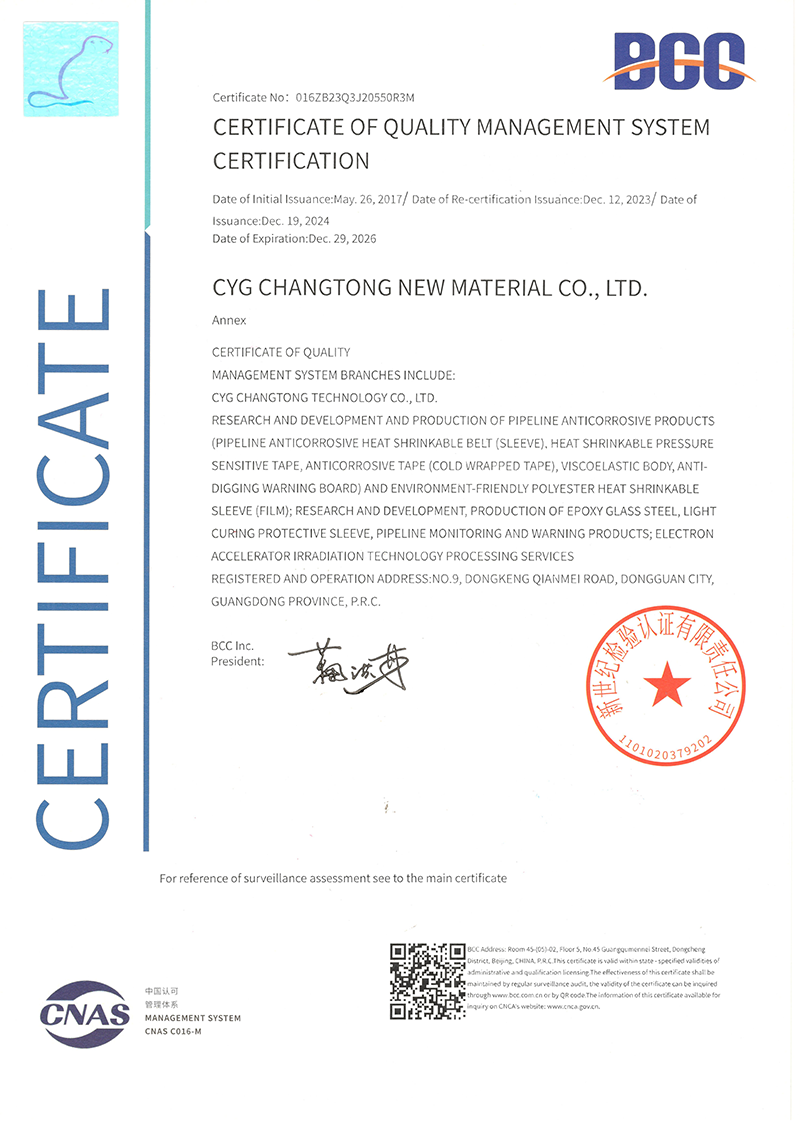
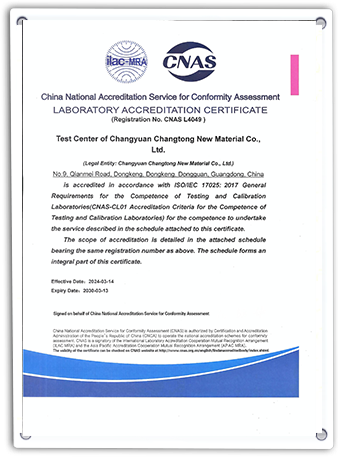
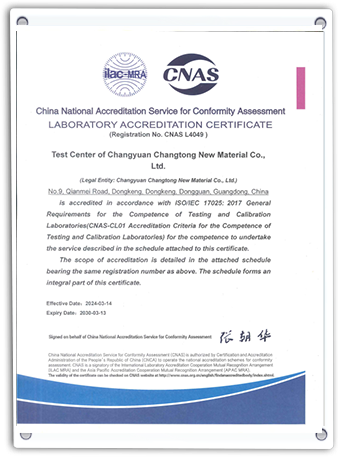
Global supply chains now mandate UL, CSA, RoHS, and REACH certifications. Industrial procurement teams exclusively buy from manufacturers with ISO-9001 and CNAS laboratory accreditations to guarantee material reliability.
For procurement directors in multi-billion dollar engineering companies, choosing a Chinese heat shrink tubing glue-lined factory is not merely a question of price per meter. It requires matching material specifications with strict international engineering standards. Whether it's field joint coatings for transcontinental gas pipelines or wire harness assemblies in marine vessels, key material parameters determine performance outcomes.
The table below highlights the standard physical and chemical criteria that global procurement managers look for when evaluating heat shrink tubing suppliers:
| Property Parameter | Typical Industrial Requirement | Test Standard Compliance | Significance in Local Application Scenarios |
|---|---|---|---|
| Shrinkage Ratio | 3:1, 4:1 (High Expansion) | ASTM D2671 | Accommodates large diameter transitions between metal pipes, cables, and connectors. |
| Adhesive Flow Temperature | 85°C to 110°C | ISO 21809-3 / NACE SP0169 | Ensures proper flow and void-filling during installation without damaging substrate wires. |
| Tensile Strength | ≥ 12.0 MPa (Before aging) | ASTM D638 / IEC 60684 | Protects against soil movement, axial strain, and heavy mechanical loading. |
| Dielectric Strength | ≥ 20 kV/mm | IEC 60243 | Crucial for high-voltage insulation in utility power grids and electrical cabinets. |
| Water Absorption | ≤ 0.2% | ASTM D570 | Maintains chemical and electrical isolation in underwater or marine field applications. |
Furthermore, local applications in extreme environments (such as Siberia's cold regions or Middle Eastern deserts) place different demands on the co-polymer backing. Cold-flexibility down to -55°C and thermal aging resistance at temperatures above 150°C are common baseline requirements. China's top-tier manufacturers address these demands by custom-blending raw materials in their own laboratories.
The global manufacturing ecosystem has experienced significant volatility in recent years. In response, China's leading heat shrink factories have upgraded to Industry 4.0 frameworks. These smart manufacturing systems combine automated co-extrusion lines, electron-beam irradiation accelerators, and real-time computer-guided inspection to deliver consistent product quality at scale.
This operational shift delivers real-world benefits for international buyers, including:
By utilizing high-energy electron accelerators, factories can alter the molecular structure of polyethylene. This cross-linking process changes the polymer from a thermoplastic to an elastomeric material. This modification ensures the tubing will not melt or run during heating, providing excellent structural memory and heat resistance.
By manufacturing their own proprietary hot-melt adhesives, leading factories maintain complete control over raw material quality. This vertical integration buffers the supply chain against market shocks, ensuring stable pricing and predictable production lead times for global projects.
Modern co-extrusion technology applies the adhesive liner during the primary extrusion stage rather than as a secondary coating. This method guarantees a uniform adhesive thickness along the entire length of the tube, eliminating air pockets and weak spots in the finished product.
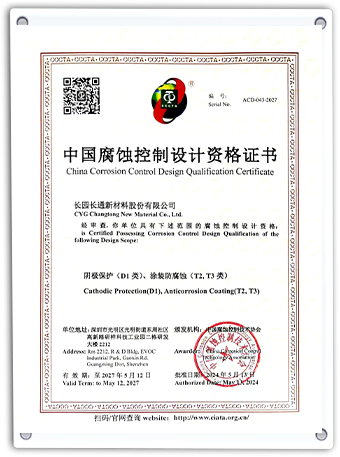
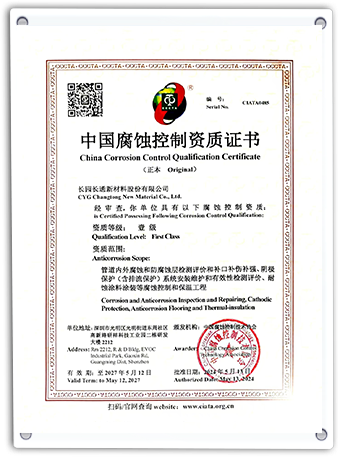
CYCT New Materials Company Limited (for short, CYCT) is a state-level high-tech enterprise integrating R&D, production, and sales of pipeline corrosion protection materials. Founded in 2000, CYCT also provides buried pipeline detection services and pipeline coating field application services. With a dedication to R&D spanning decades, CYCT has established itself as an authority in the pipeline corrosion protection industry.
CYCT features state-of-the-art testing capabilities, a professional R&D team, and a national CNAS-accredited laboratory. This lab allows for rigorous testing of all raw materials and finished products, ensuring every batch meets international standards. Through close collaboration with leading institutes like the CNPC Pipeline Science Research Institute, CYCT offers comprehensive technical support for in-service pipelines. This support includes buried pipeline detection, design schemes, cathodic protection, rehabilitation projects, and integrated safety protection solutions.
CYCT is a stable, long-term supplier of field joint coatings for major energy corporations, including PetroChina, Sinopec, PipeChina, and local municipal pipeline networks. This established footprint is supported by a large market share in China's critical energy infrastructure.
In addition to traditional heat shrink sleeves and tubing, CYCT has developed a range of specialty materials. These include viscoelastic anti-corrosion products, photo-curing protective sleeves for Horizontal Directional Drilling (HDD) applications, and high-durability polyurea coatings.
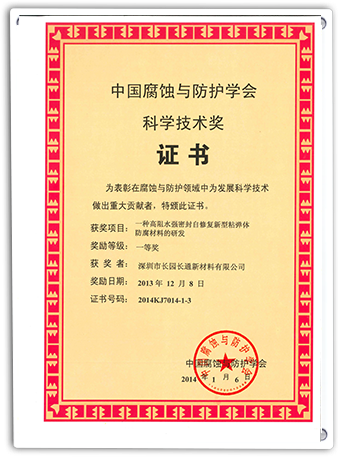
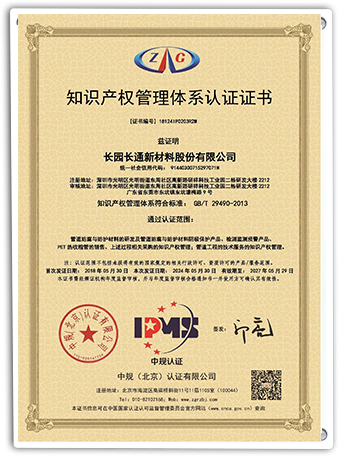
As a council member of the Chinese Society for Corrosion and Protection (CSCP) and a corporate member of the China Association of Petroleum Engineering Construction (CAPEC), CYCT actively contributes to industry standards and best practices.
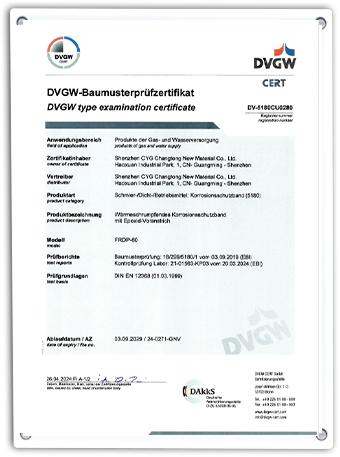
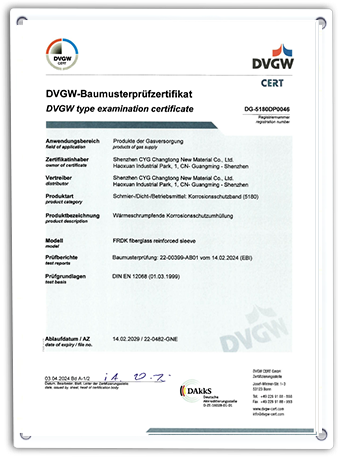
Different engineering projects present unique environmental challenges. Adhesive-lined protective sleeves must be carefully selected to match the specific conditions of each installation site.
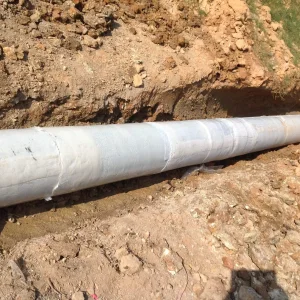
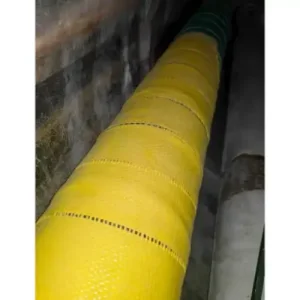
Buried piping is vulnerable to soil stress, shear forces, and moisture. In these environments, heavy-duty dual-wall tubing prevents water ingress and protects connections from galvanic corrosion. The outer backing shields the joint from structural shifts in the surrounding soil.
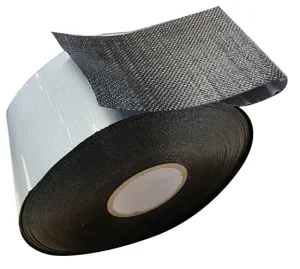
Offshore infrastructure must withstand high salinity and heavy mechanical wear. Specialized photo-curing sleeves and mastic tapes are used to wrap pipeline field joints, preventing seawater from contacting the underlying steel and causing rapid oxidation.
In petrochemical facilities, electrical conduits are exposed to corrosive gases and moisture. Applying dual-wall heat shrink tubing prevents hazardous fumes from penetrating electrical junctions. The adhesive seal isolates the connection, maintaining system uptime and safety.

 CYCT
CYCT