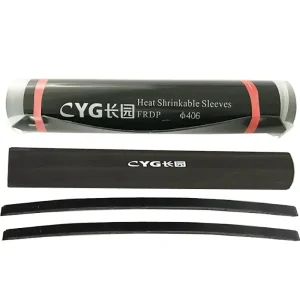
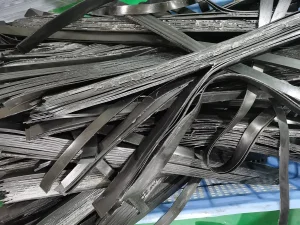
Explore our primary range of heat shrink sleeves, PE repair patches, and advanced anti-corrosion mastic tapes engineered for global pipeline infrastructure protection.
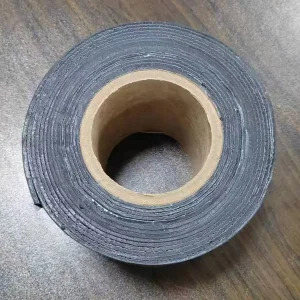
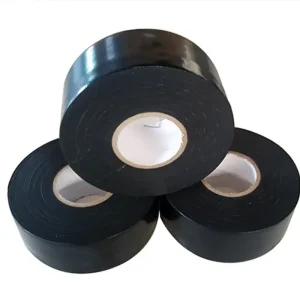
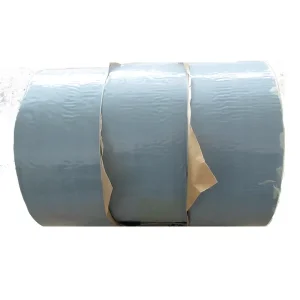
Fabric Viscoelastic Tape represents a revolutionary leap forward in pipeline corrosion prevention systems. Derived from synthetic, non-crystalline low-viscosity polyolefins (typically high-molecular-weight polyisobutene bases), this material exhibits a unique physical duality: it flows like a viscous liquid to wet the entire substrate surface down to the micro-pore level, while simultaneously exhibiting the elastic resilience of a solid polymer.
Unlike traditional crystalline polyethylene (PE) or polyvinyl chloride (PVC) backing tapes, Viscoelastic Tape does not cure, dry out, or degrade over time. It is engineered with a reinforced synthetic fabric mesh embedded directly into the viscoelastic compound. This fabric core significantly enhances the tape's mechanical resistance, preventing cold-flow indentation under soil stress while keeping the material completely impermeable to water, oxygen, and electrolytes. Under ISO 21809-3, viscoelastic coatings are highly regarded for field joint coatings, bend wraps, and complex geometric fittings due to their self-healing properties and minimal surface preparation requirements (SSP-SP2 / St2 rating is sufficient).
The liquid-like behavior allows the viscoelastic compound to flow into micro-cavities and self-heal minor mechanical cuts or pinholes caused during transport or pipeline burial, ensuring continuous, unbroken barrier protection.
Its exceptionally low surface tension enables intimate, 100% contact wrapping over steel surfaces, eliminating voids where moisture might otherwise accumulate and trigger localized galvanic or microbiological corrosion.
Unlike rigid coatings that peel under mechanical soil settlement, the viscoelastic layer absorbs shear and displacement stress, remaining flexible under operational pipeline temperatures.
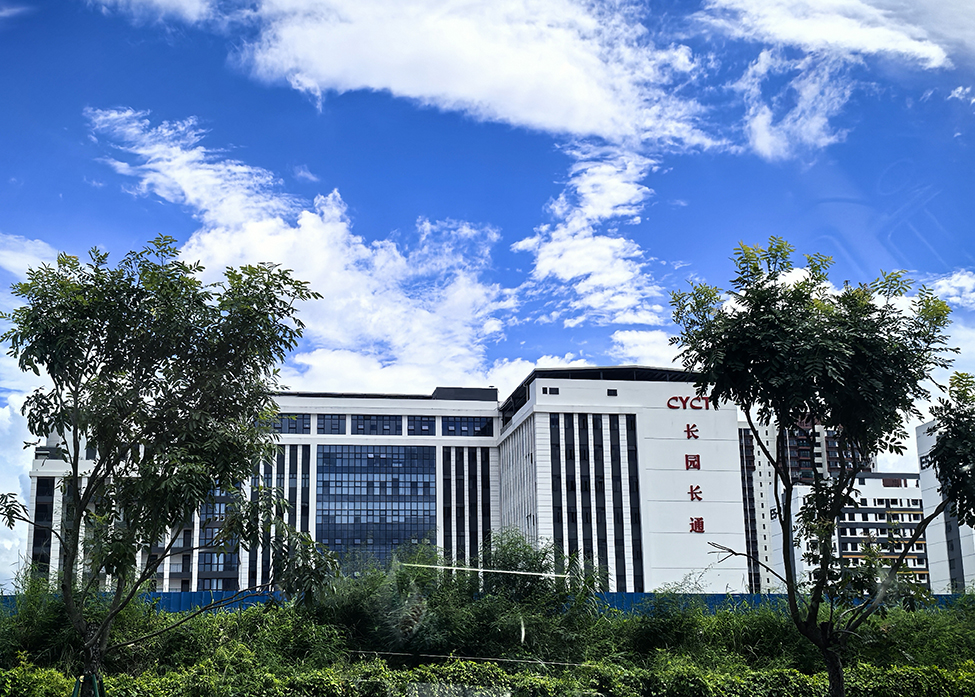
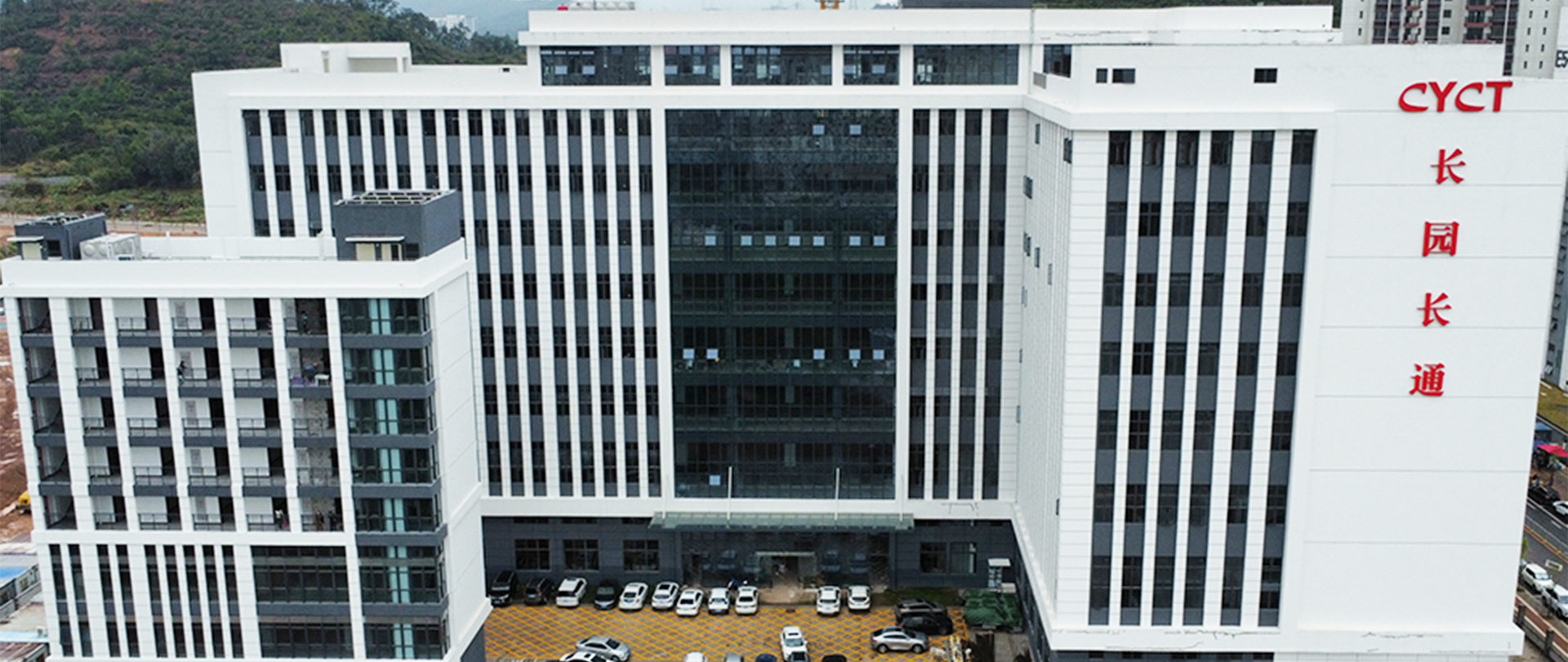
CYCT New Materials Company Limited (CYCT) is a prominent, state-level high-tech enterprise integrating R&D, production, and sales of pipeline corrosion protection materials. Beyond standard production, CYCT specializes in buried pipeline detection services and pipeline coating field application engineering.
For decades, CYCT has committed to refining pipeline preservation technologies. By working in close cooperation with leading research centers, including the CNPC Pipeline Science Research Institute, CYCT delivers integrated safety protection solutions, cathodic protection engineering, design schemes, and rehabilitation projects for in-service pipeline networks worldwide.
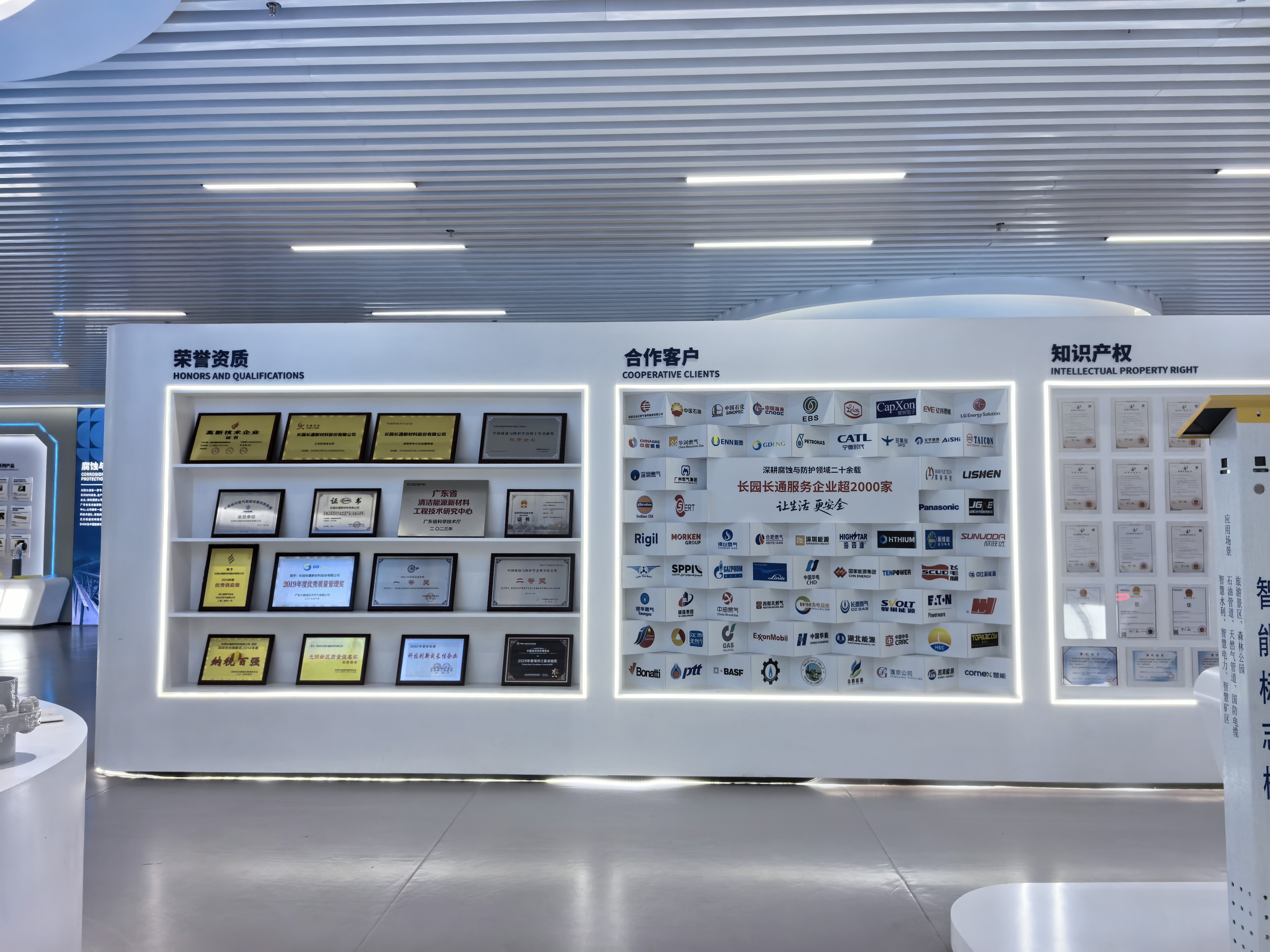
As a stable, long-term vendor, CYCT maintains high market shares in major infrastructure projects managed by PetroChina, Sinopec, PipeChina, and municipal pipeline grids, extending its engineering footprint globally to include international entities like the Indian Oil Corporation.
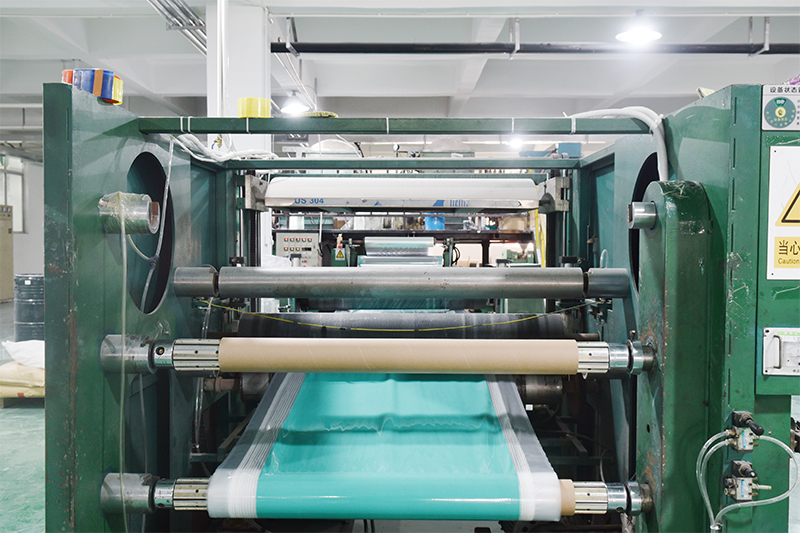
How China's domestic supply chain, tech clustering, and raw material access optimize total cost of ownership (TCO) for global energy operators.
Chinese factories leverage direct, low-cost access to primary polyisobutene (PIB) production, synthetic elastomer polymerizers, and custom textile mills weave reinforcing fabrics, minimizing external pricing volatility.
Advanced extrusion machinery and modern curing stations enable continuous mass production. Orders for thousands of rolls of visco-elastic wrap can be fulfilled with shorter lead times than Western counterparts.
By locating facilities close to petrochemical hubs and partnering with elite institutions like the CNPC Pipeline Science Research Institute, Chinese manufacturers rapidly iterate high-temp formulations.
Understanding where fabric viscoelastic tapes are deployed in modern engineering, and how global procurement teams align material capabilities with project site specifics.
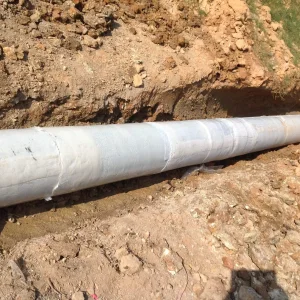
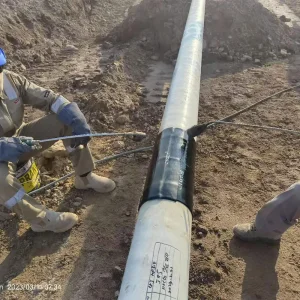
During pipeline construction, the girth welds (field joints) represent the most vulnerable interface. Fabric viscoelastic tapes are hand-wrapped or machine-wrapped over the joint, forming a seamless water barrier that integrates perfectly with the factory-applied 3LPE/3LPP parent coating.
Pull-back operations under riverbeds and roads subject the pipeline coating to extreme abrasion. Wrapping viscoelastic tape with an outer protective mechanical layer (like photo-curing GRP sheets) ensures the primary chemical barrier remains intact through rough gravel substrates.
Valves, Tees, and Flanges present complex geometries that cannot accommodate rigid heat-shrinkable sleeves. The malleable, cold-flowing properties of viscoelastic paste and tape allow them to wrap tightly around irregular metal components, sealing out oxygen completely.
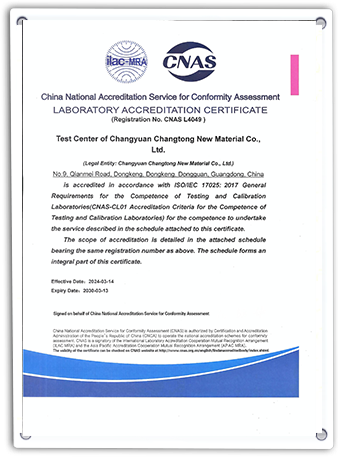
Procurement managers evaluating Chinese factories must balance unit pricing against total landed cost, lead time, and compliance verification. Our facility supports these operations by offering comprehensive documentation (Material Test Reports, Certificate of Compliance to ISO 21809-3, and independent lab certifications), along with seaworthy container packaging and custom spool dimensions.
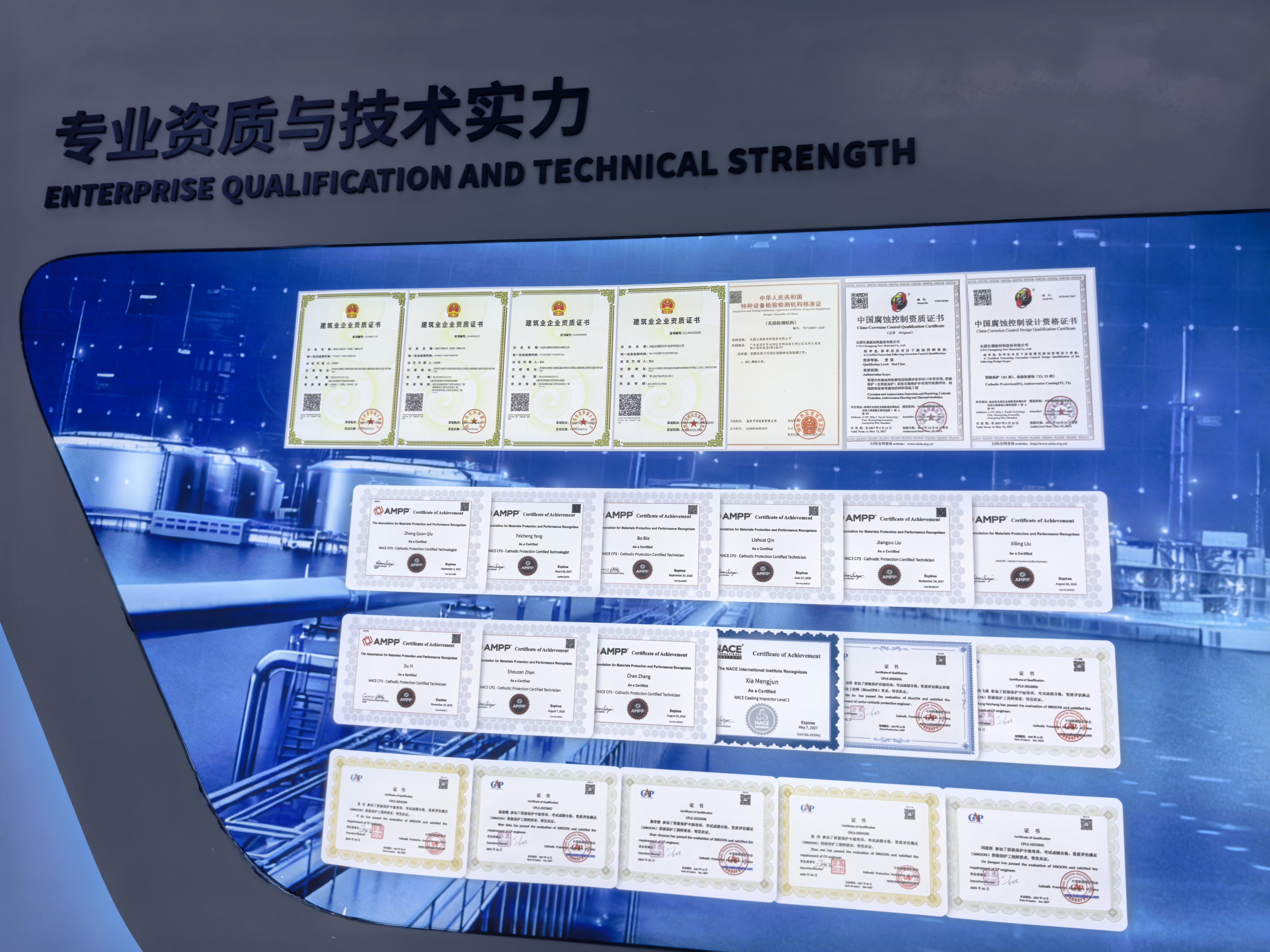
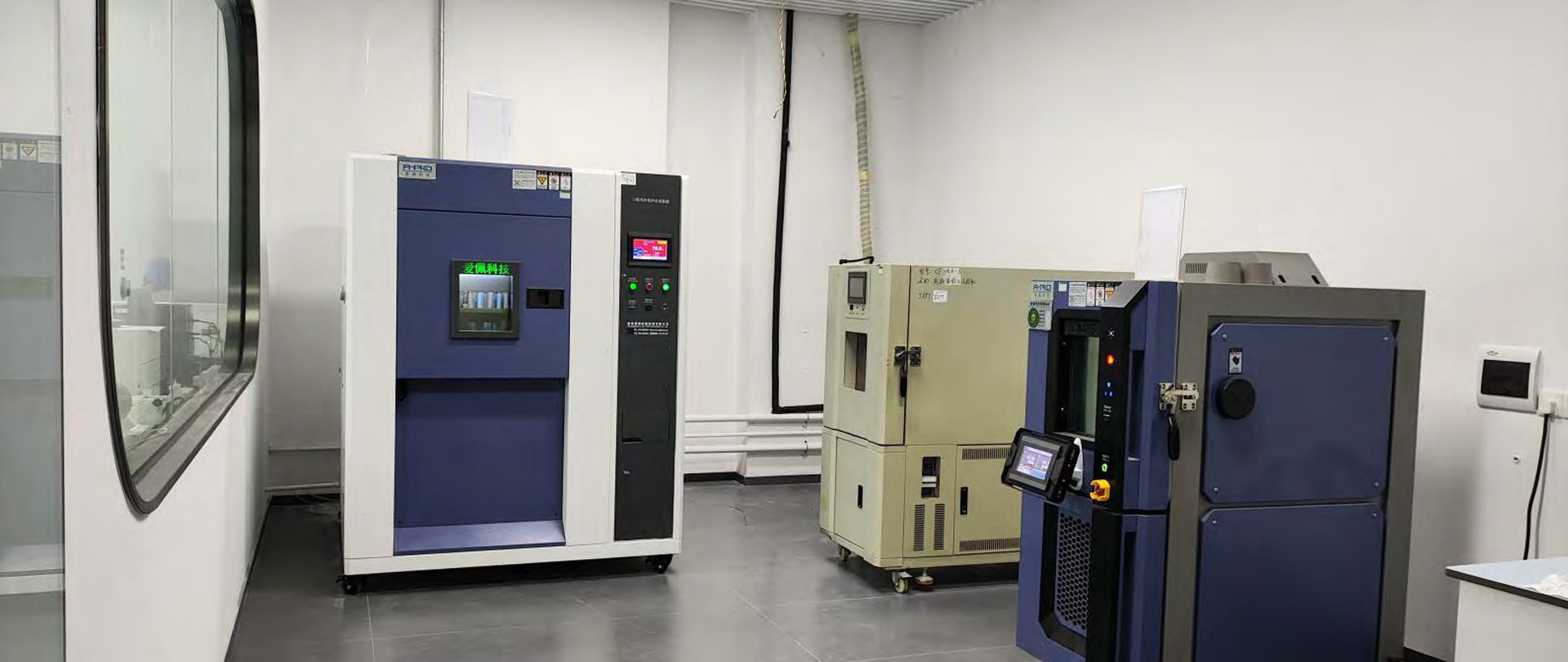
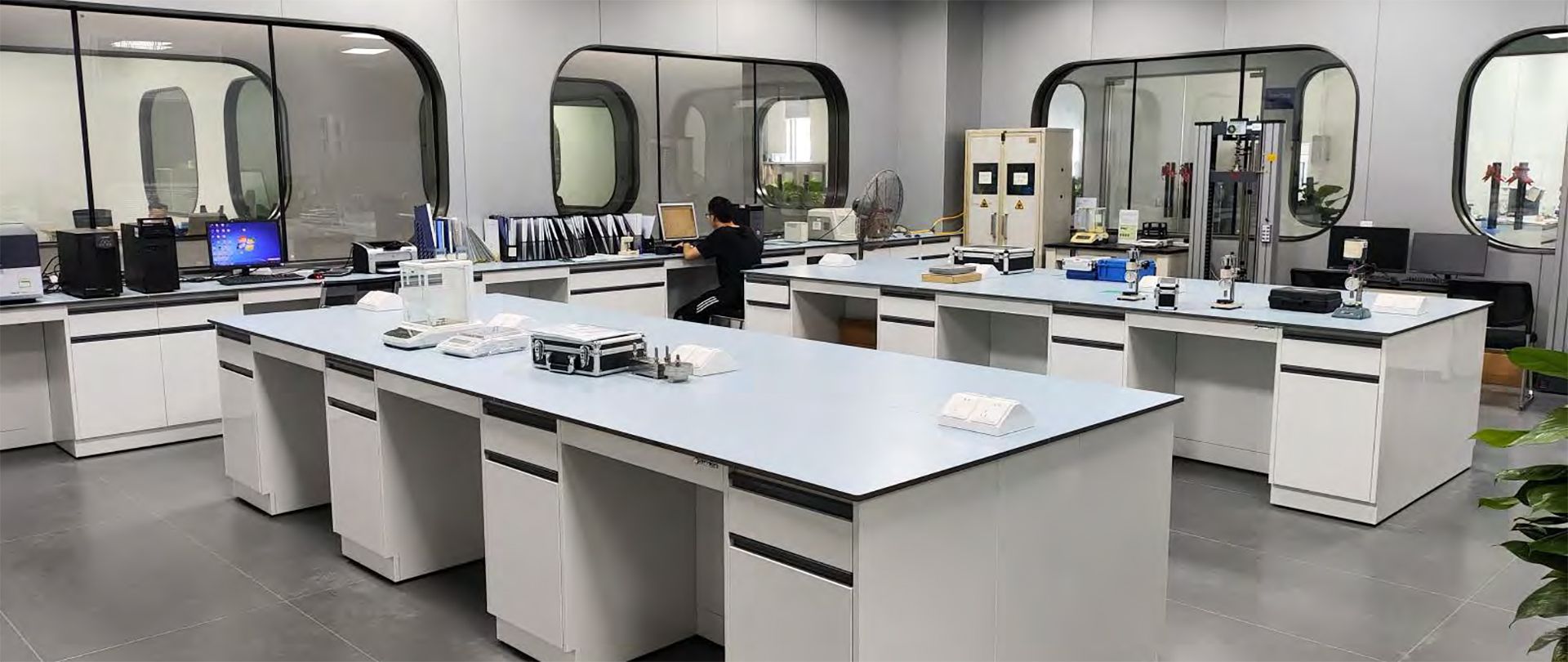
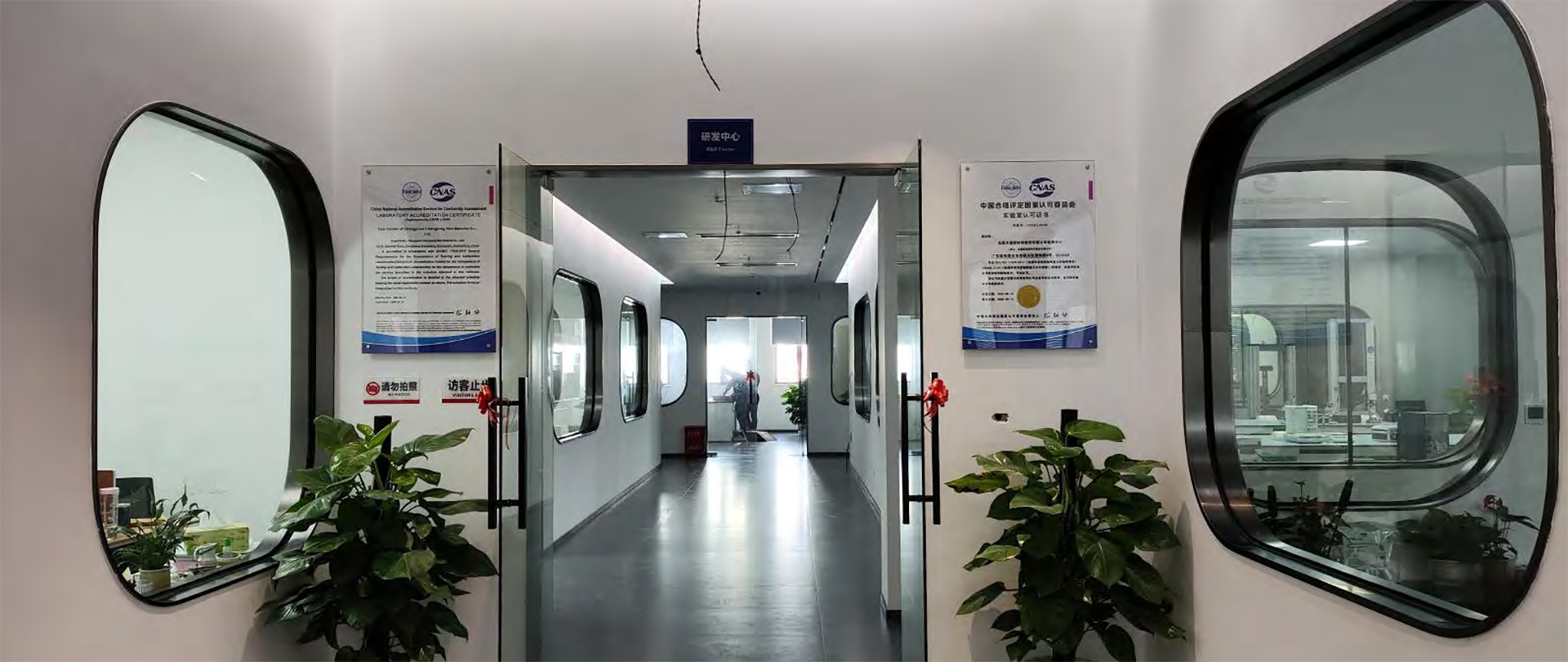
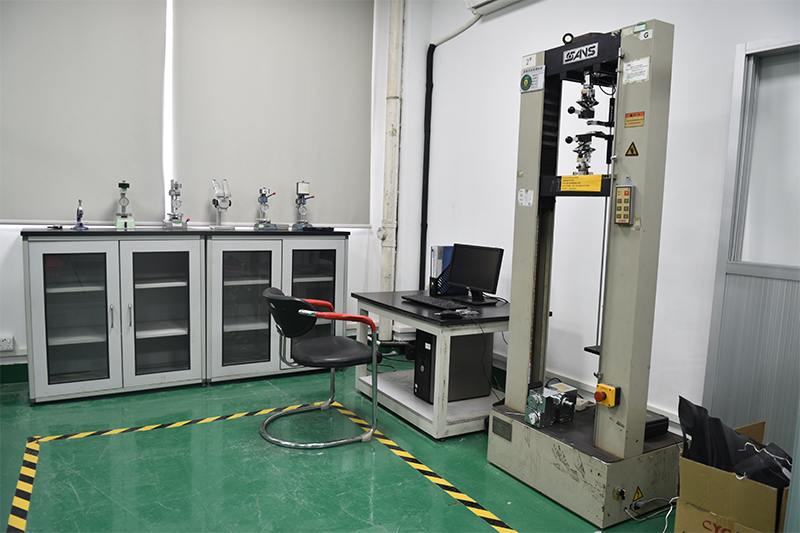
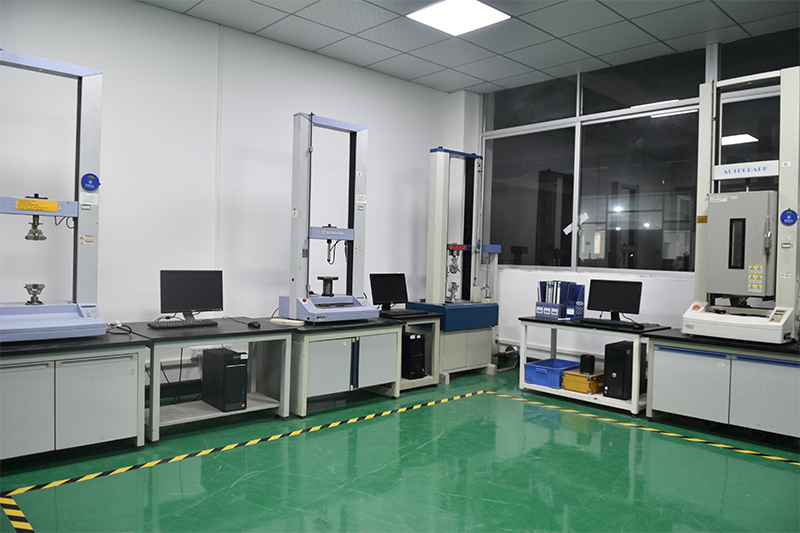
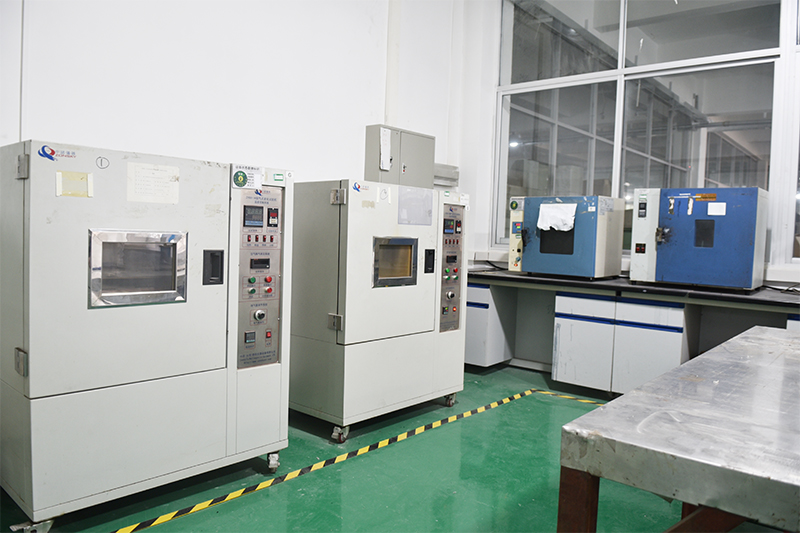
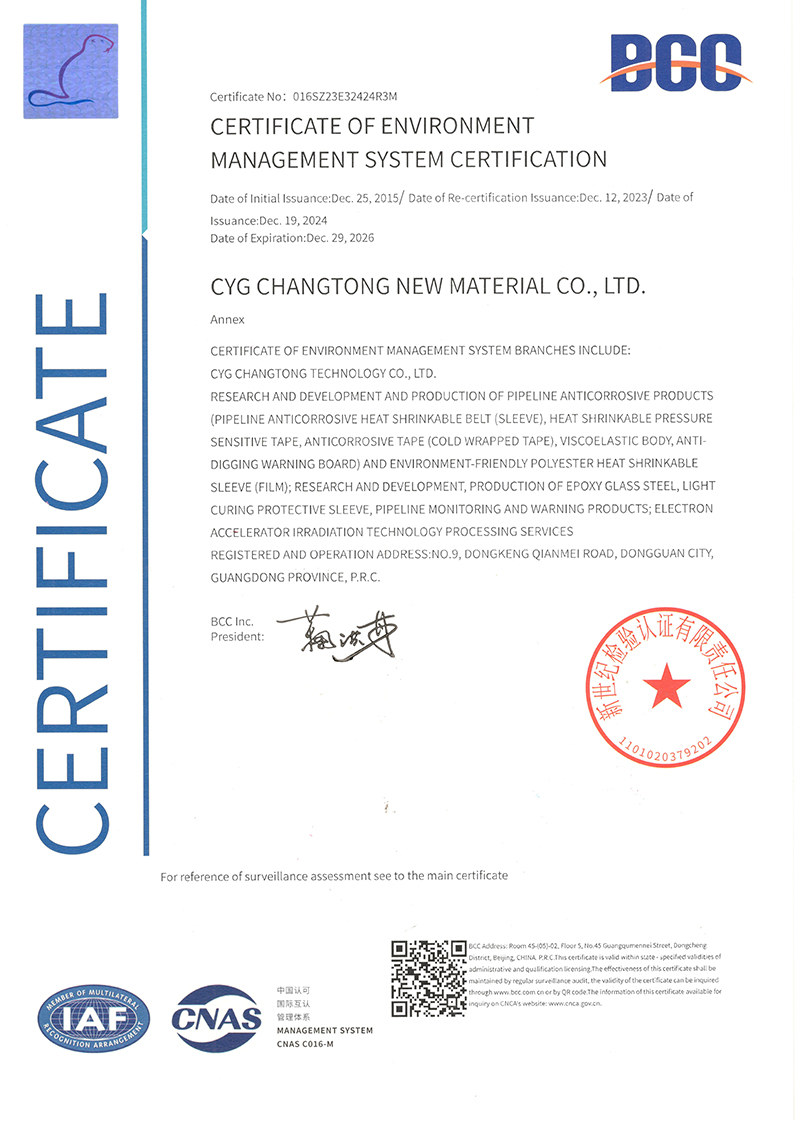
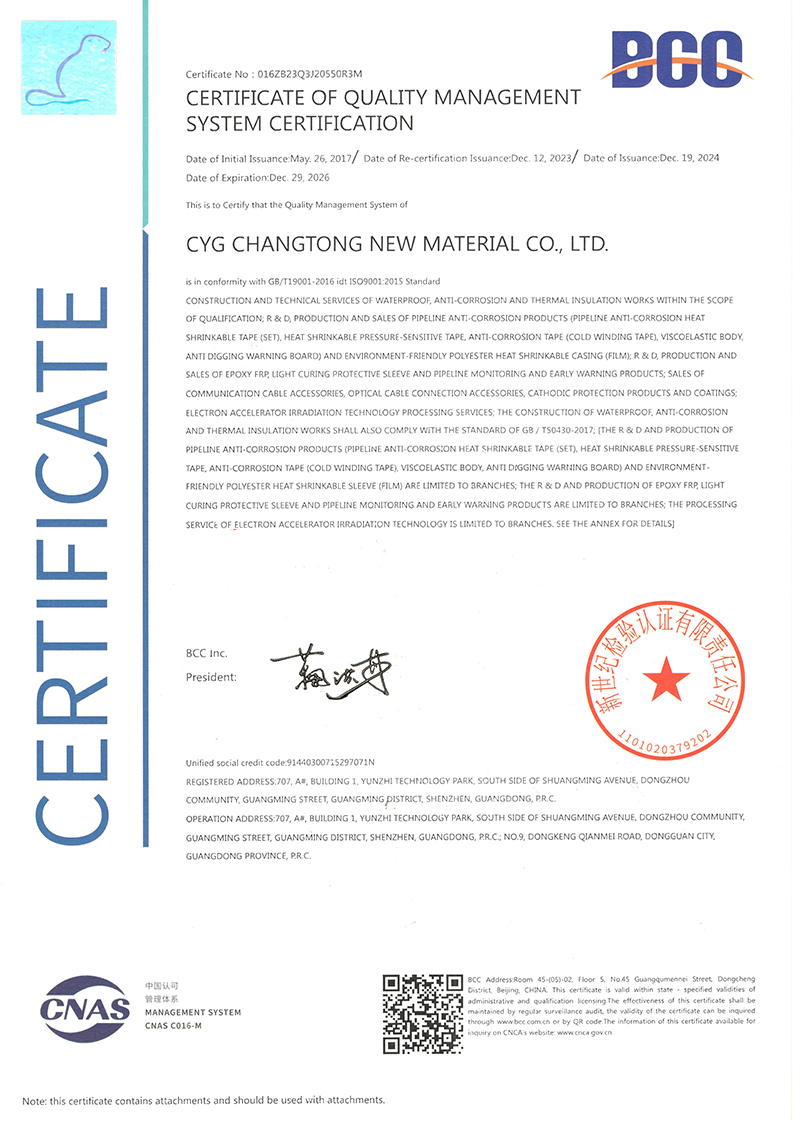
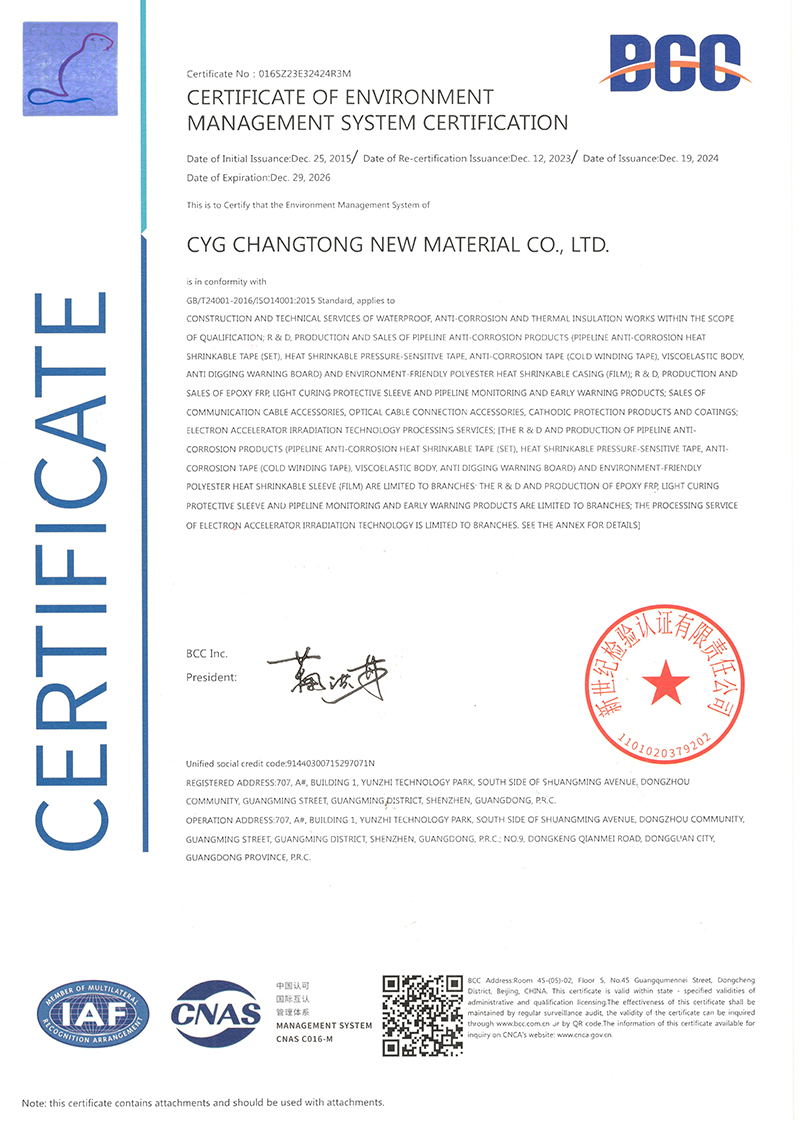
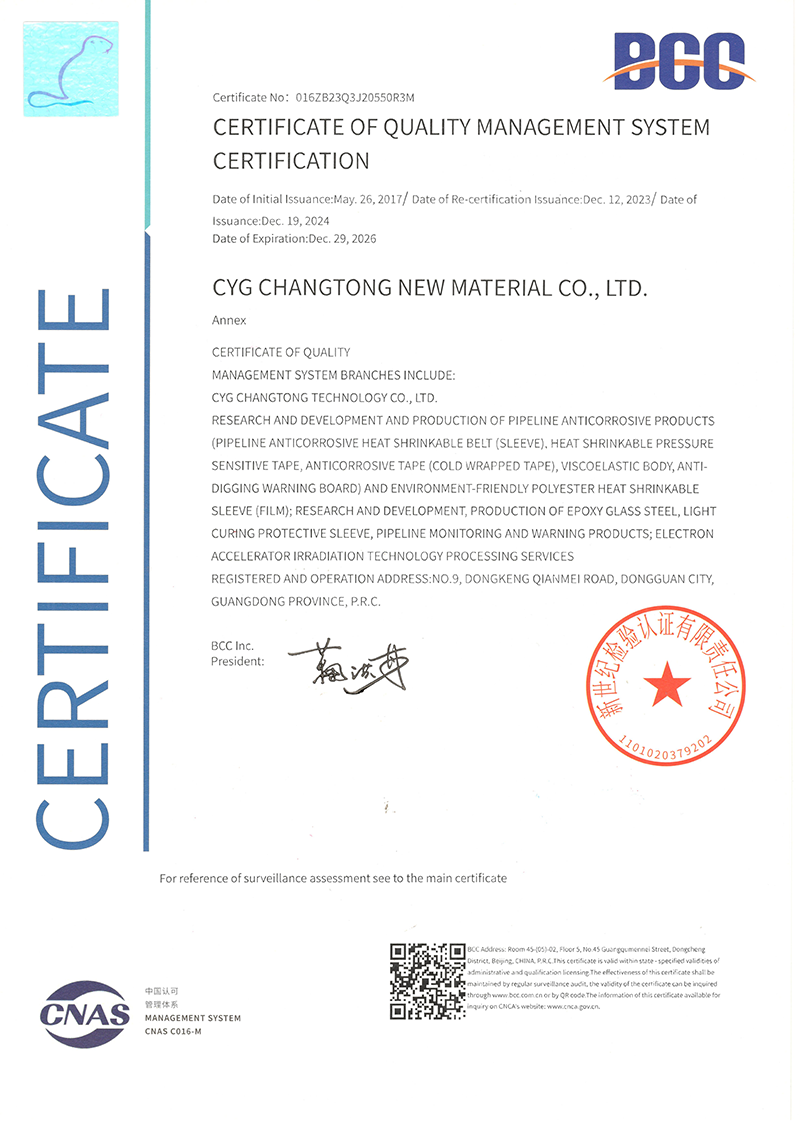
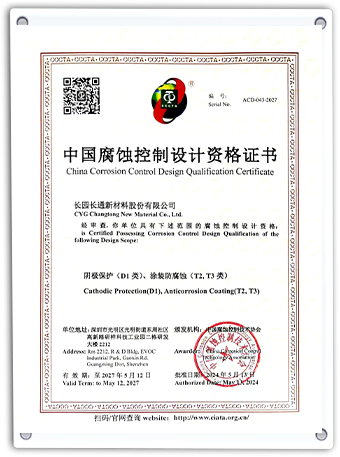
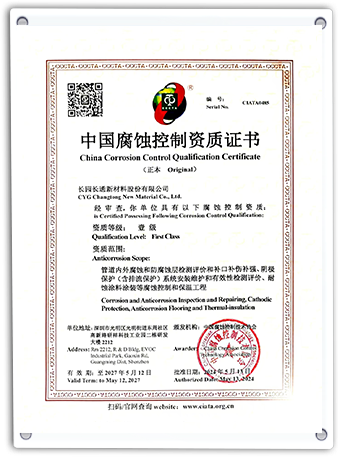
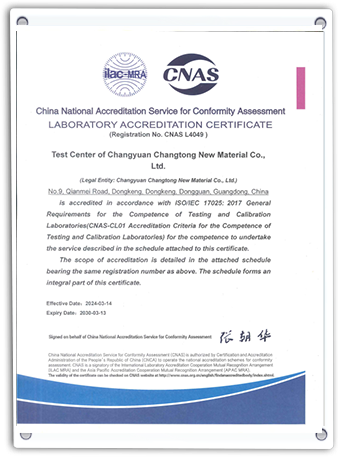
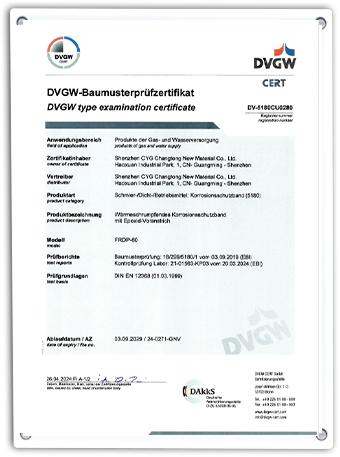
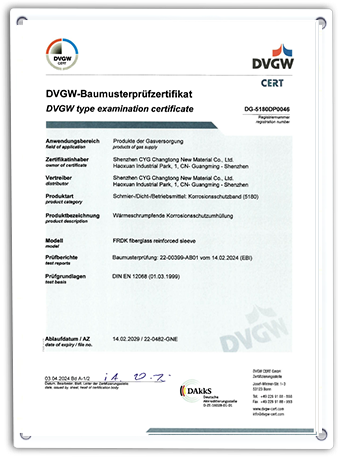
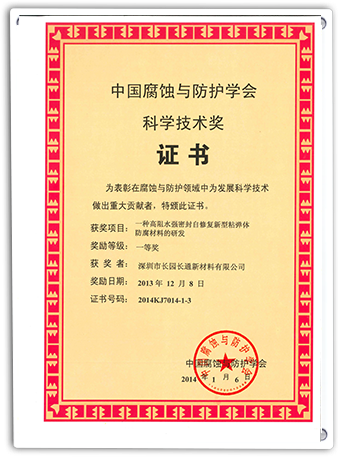
CYCT maintains a strict quality management system verified by major classification societies and national laboratories. We hold council positions in domestic corrosion associations and actively participate in international AMPP standards development.
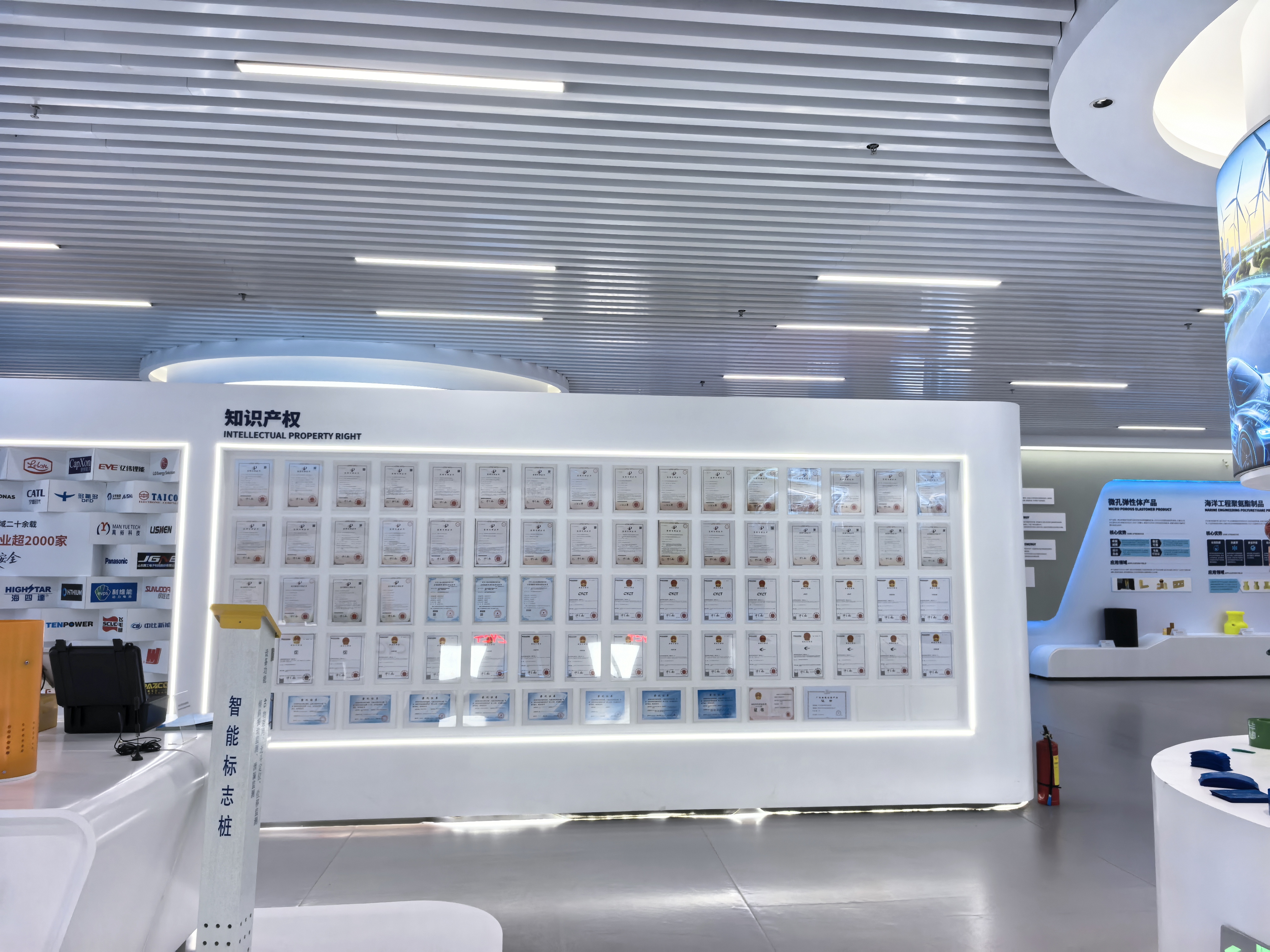
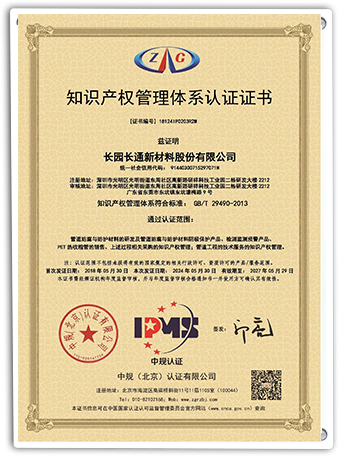
Corporate Member / Certification Status: Member of Council in Chinese Society for Corrosion and Protection (CSCP), Qualification Certificate of Corrosion Protection Construction, Qualification Certificate of Pipeline Detection, Well-known Brand of Pipeline Corrosion Protection in China, Corporate Member of China Association of Petroleum Engineering Construction (CAPEC), State-Level High-Tech Enterprise with more than ten proprietary intellectual property rights. Stable supplier of PetroChina, Sinopec, China Gas Group, Supplier of Indian Oil.
How evolving infrastructure demands and international environmental guidelines drive next-generation tape design.
Deepwater extraction and hot oil trunklines operate at temperatures exceeding 85°C to 100°C. Development efforts concentrate on compounding modified polyisobutene formulations that prevent sag and excessive fluid creep under continuous thermal loading.
Global environmental regulations require manufacturers to abandon volatile organic compound (VOC) emissions during production. Viscoelastic compounds naturally align with green initiatives as they contain no solvents and produce zero toxic byproduct leachates.
Combining the high-wetting capability of viscoelastic inner tapes with rapid-hardening UV photo-curable external wraps creates a composite barrier. This approach delivers structural protection against puncture and chemical resistance against acids, salts, and oils.
Get professional answers to technical queries regarding properties, installation, standards, and global purchasing of viscoelastic anti-corrosion materials.
Browse our complete array of PE repair patches, bitumen woven wraps, and high-temp hot melt repair products direct from our factories.
 CYCT
CYCT