China Extreme Epoxy Coatings Manufacturers & Factory

Heavy-Duty Corrosion Protection & Integrity Systems for High-Stress Global Pipeline Infrastructures

CYCT At A Glance: Key Performance Metrics

Decades of state-level technical expertise, research-driven formulations, and industry dominance in heavy industrial pipeline defense.

2000
Established Year
CNAS
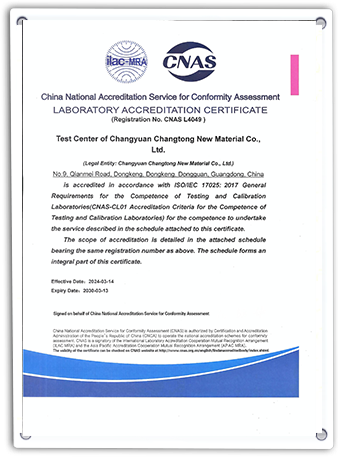
National Accredited Laboratory
10+
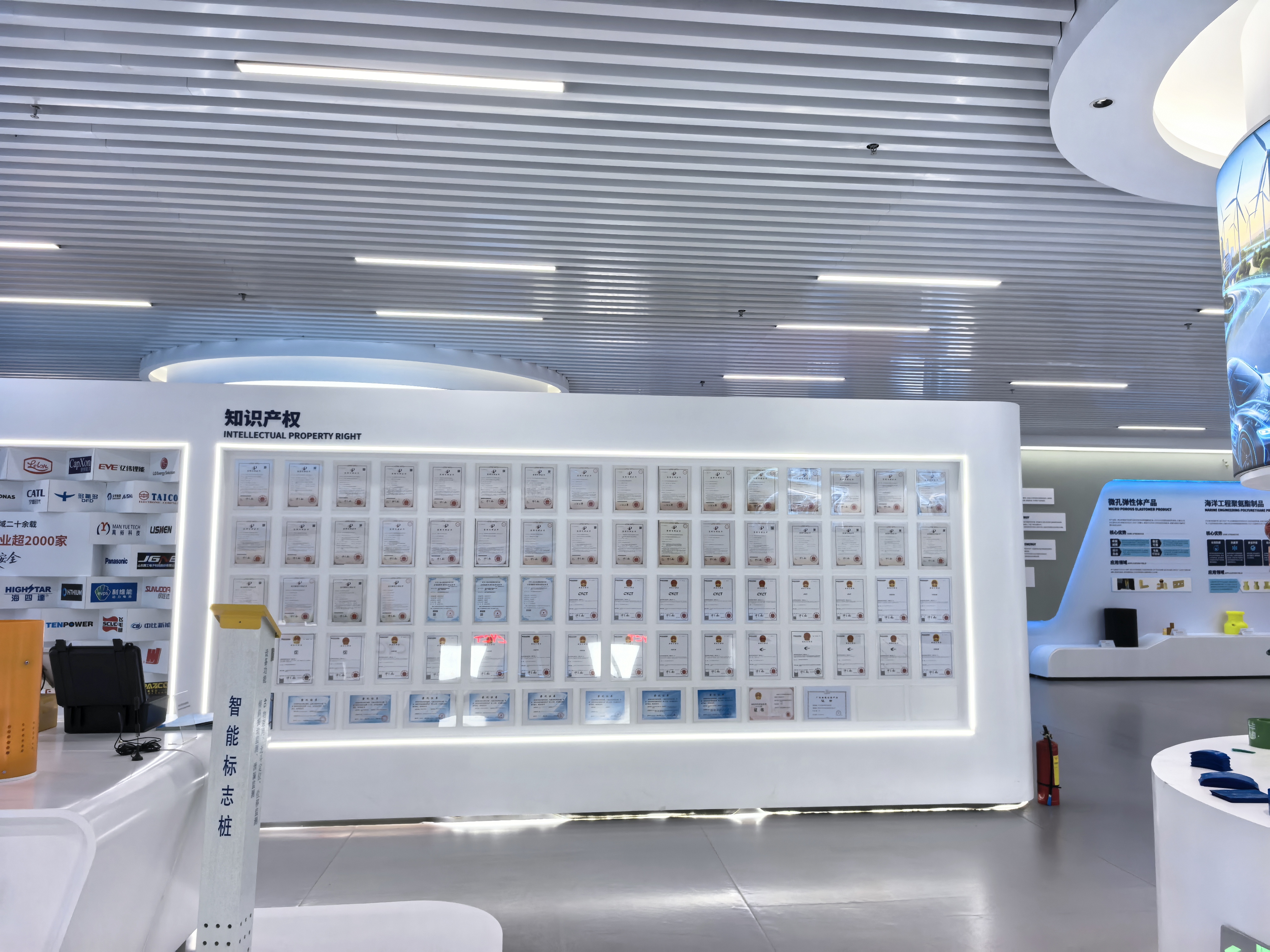
Proprietary Intellectual Properties
AMPP
Active Corporate Member

State-Level High-Tech Innovation: CYCT New Materials

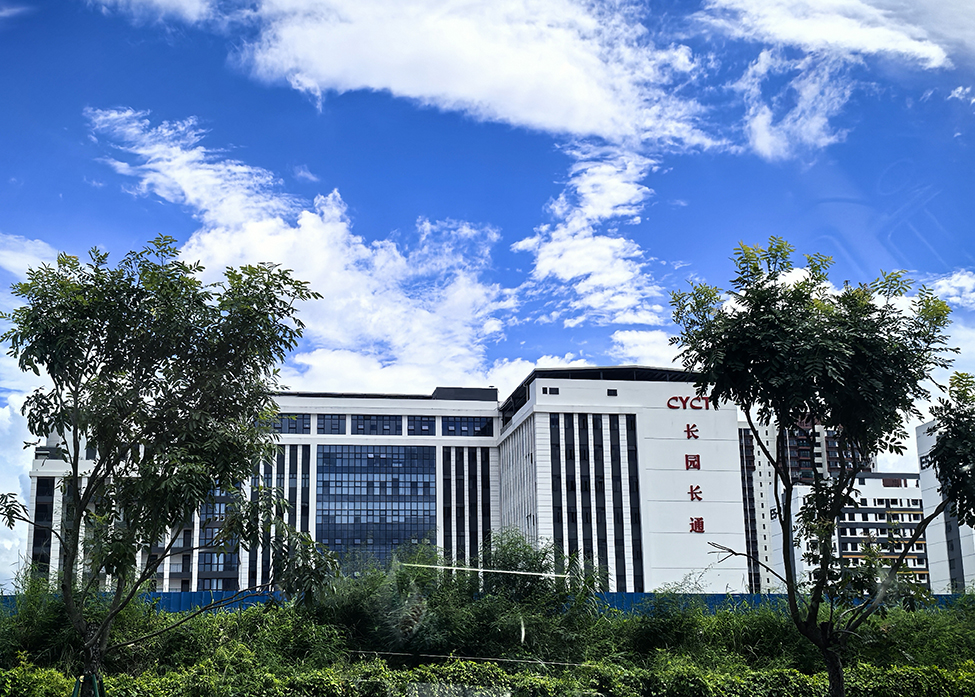
CYCT New Materials Company Limited (for short, CYCT) is a premier state-level high-tech enterprise integrating R&D, production, and sales of pipeline corrosion protection materials. Our scope extends to comprehensive buried pipeline detection services and professional pipeline coating field application solutions. Established in 2000, CYCT has dedicated itself to the scientific development of pipeline corrosion prevention materials for over two decades.

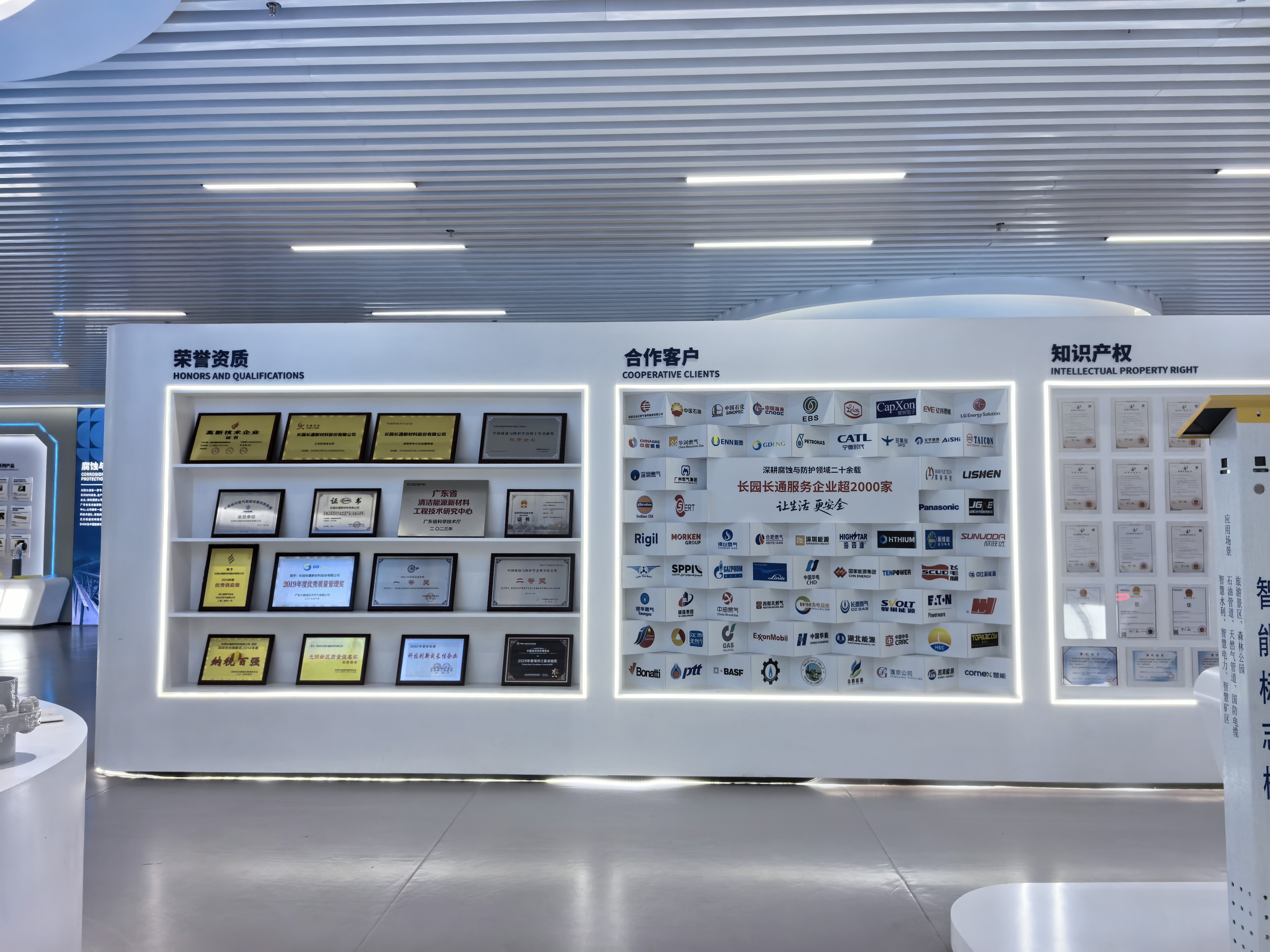
With an authoritative footprint in global pipeline infrastructure, CYCT is an active council member of the Chinese Society for Corrosion and Protection (CSCP) and a corporate member of the China Association of Petroleum Engineering Construction (CAPEC). We maintain stable long-term vendor status with top-tier energy conglomerates including PetroChina, Sinopec, PipeChina, and Indian Oil.
Technical White Paper: Extreme Epoxy Coatings & Joint Protection Systems

A comprehensive analysis of heavy-duty pipeline corrosion mitigation, supply chain optimization, and field application engineering.

1. Understanding Extreme Epoxy Coatings and Coating Defect Dynamics

In modern energy transmission, pipelines traverse some of the most hostile environments on Earth. From the sub-zero permafrost of Siberia to the high-salinity marine beds of the Persian Gulf, pipeline steel is subject to continuous electrochemical attack. Extreme Epoxy Coatings act as primary defensive barriers. These formulations utilize highly cross-linked polymer matrices, frequently reinforced with ceramic or glass flake additions, to minimize permeability to water, oxygen, and corrosive ions (such as chlorides).

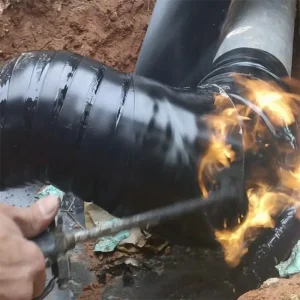
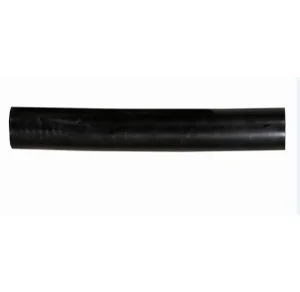
However, a pipeline is only as secure as its weakest link. Field joints—the welded connections between pre-coated factory pipe lengths—are highly susceptible to corrosion. Factory coatings typically utilize 3-layer polyolefin systems (3LPE or 3LPP), where a Fusion Bonded Epoxy (FBE) primer is coated with a copolymer adhesive and a thick polyethylene or polypropylene topcoat. When pipelines are joined in the field, this continuous barrier is interrupted. Providing a seamless rehabilitation system that duplicates the high performance of factory-applied 3-layer systems requires specialized, field-applied technologies. These include heat-shrinkable sleeves, viscoelastic materials, and liquid epoxy resins optimized for field joint application.

Critical Performance Indicators of Extreme Epoxy Coatings:

Heavy-duty coatings must maintain high cathodic disbondment resistance (CDR), excellent shear strength, chemical resistance across a broad pH spectrum, and flexibility under extreme temperatures. CYCT's R&D focus ensures that our field joint coatings match the lifespan of the main pipeline line-pipe coating, exceeding 30 to 50 years of design life.

2. The Chinese Supply Chain Advantage: Scaling Quality & Precision

China has emerged as the premier global hub for high-performance pipeline corrosion protection materials. This dominance is not merely a function of manufacturing volume, but of comprehensive, vertically integrated supply chains, sophisticated R&D infrastructures, and a high density of specialized engineering talent.

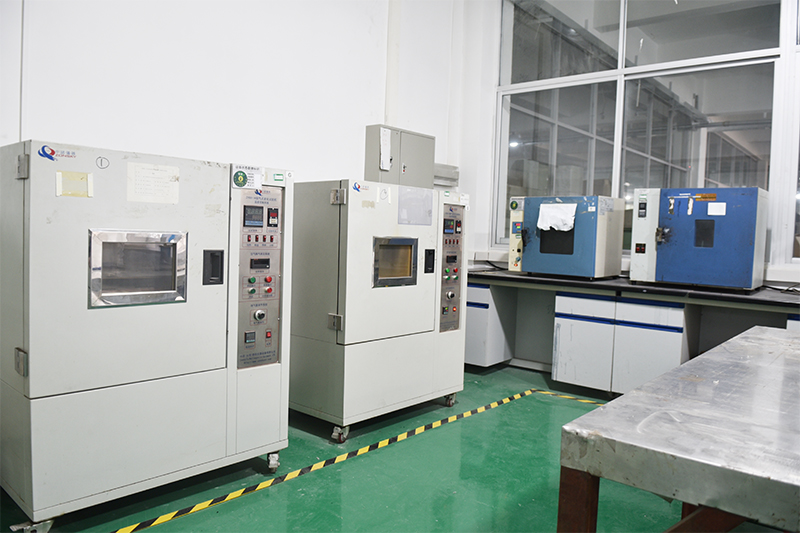
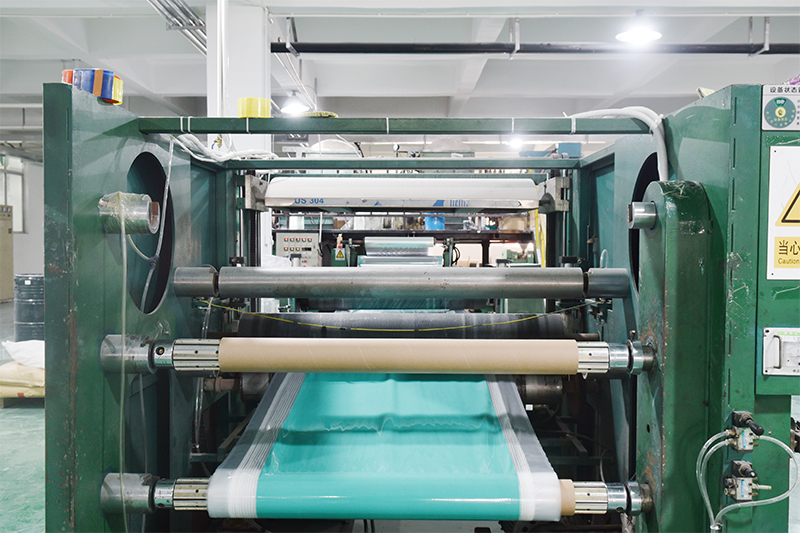
CYCT's advanced production facilities utilize fully automated compounding, extrusion, and coating lines to synthesize proprietary polyolefins, visco-elastic compounds, and specialized hot-melt adhesives. Our integration allows us to secure raw materials directly from major chemical synthesis bases in China, protecting our production against global market volatility and ensuring consistent batch-to-batch polymer quality. By maintaining a national CNAS-accredited laboratory, we run stringent testing protocols covering tensile strength, elongation, heat aging, peel strength under varying temperatures, and cathodic disbondment before any batch is cleared for shipment.

Furthermore, our proximity to major international shipping ports in Eastern China ensures swift logistics, enabling us to deliver high-capacity industrial orders globally with optimized transit schedules and minimized freight costs.

3. Localized Support & Compliance for Global Engineering Projects

For multinational oil and gas developers, municipal water infrastructure planners, and EPC (Engineering, Procurement, and Construction) contractors, compliance with local regulatory frameworks and international standards is non-negotiable. Pipeline failures result in massive financial liabilities and environmental hazards. Therefore, corrosion materials must satisfy strict certifications, including ISO 21809, DIN 30670, ASTM, and AMPP (formerly NACE/SSPC) codes.

CYCT does not simply ship materials; we provide complete engineering support. Through strategic partnerships with leading scientific entities such as the CNPC Pipeline Science Research Institute, we offer:

  • Buried Pipeline Detection: In-situ assessment of coating conditions, identifying holidays, shielding, and localized corrosion hotspots.
  • Cathodic Protection (CP) Design: Coordinating sacrificial anodes or impressed current systems (ICCP) to work in synergy with our coating solutions.
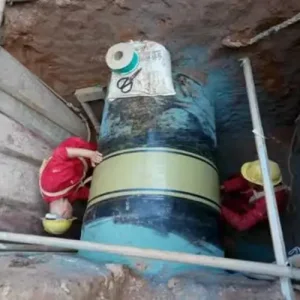
  • Rehabilitation Engineering: Tailoring custom restoration systems (e.g., PP repair patches, heat-shrinkable fiberglass sleeves) designed to repair aging coatings without requiring complete excavation of the line.
  • Field Supervision: Sending AMPP-certified coating inspectors to project sites globally to oversee surface preparation (SSPC-SP10/Sa 2.5) and coating application.

Case Study Snapshot: High-Stress Joint Execution

In a major high-temperature pipeline installation for PetroChina, CYCT implemented its proprietary high-temperature heat shrinkable sleeves (design temperatures up to 85°C). Field application was verified by joint inspection teams, resulting in zero defects during post-installation holiday detection.

4. Global Enterprise Procurement & Intent-Specific Engineering Needs

Procurement divisions of global energy operators look for specific technological parameters depending on their geological and mechanical installation challenges. Intent mining shows that modern buyers prioritize the following attributes:

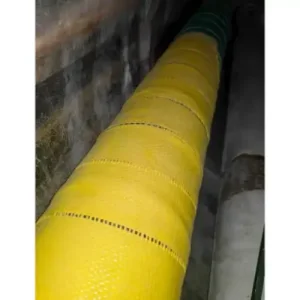
  • Horizontal Directional Drilling (HDD) Mechanical Resistance: HDD installations pull pipes through abrasive rock and soil. Traditional coatings shear off, leading to rapid corrosion. CYCT’s FRDP heat shrinkable fiberglass-reinforced sleeves are specifically designed to withstand the extreme shear and impact forces of trenchless pipeline installations.
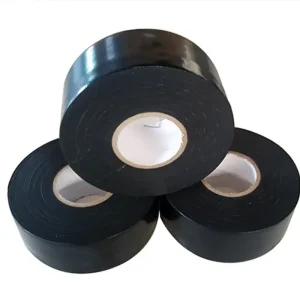
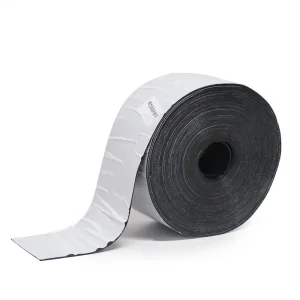
  • Viscoelastic Cold-Applied Tapes: For valve stations, flanges, and complex geometries where field heating is impractical, buyers require viscoelastic corrosion protection. These materials exhibit unique "self-healing" cold-flow properties, automatically sealing minor mechanical penetrations and providing excellent wetting behavior on steel.
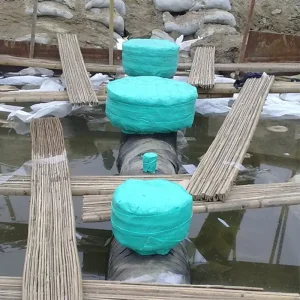
  • Moisture-Curing Shields for Splash Zones: In marine environments, coatings must cure in high-humidity or submerged conditions. The CYG Changtong GRF moisture-curing shield provides critical offshore defense, curing via atmospheric moisture to form a heavy-duty mechanical shield.

5. Future Trends in Pipeline Corrosion Protection

The pipeline corrosion protection sector is undergoing rapid evolution. Key technological advancements include:

  • Active Corrosion Inhibition: Transitioning from passive barriers to "smart" coatings loaded with micro-encapsulated corrosion inhibitors. When the coating suffers mechanical damage, these capsules rupture, releasing chemical agents that passivate the exposed steel substrate.
  • Extended Temperature Ranges: As deep-well oil extraction and geothermal transmission expand, pipelines operate at higher temperatures. Developing polymeric tapes and patches that remain stable above 100°C without melting or sliding is a key R&D objective.
  • Eco-Friendly Formulations: Eliminating volatile organic compounds (VOCs) and hazardous curing agents from liquid epoxies to satisfy stringent environmental protection regulations worldwide.

CYCT Manufacturing & Testing Infrastructure

A glimpse into our advanced production lines, research and development center, and state-of-the-art testing equipment.
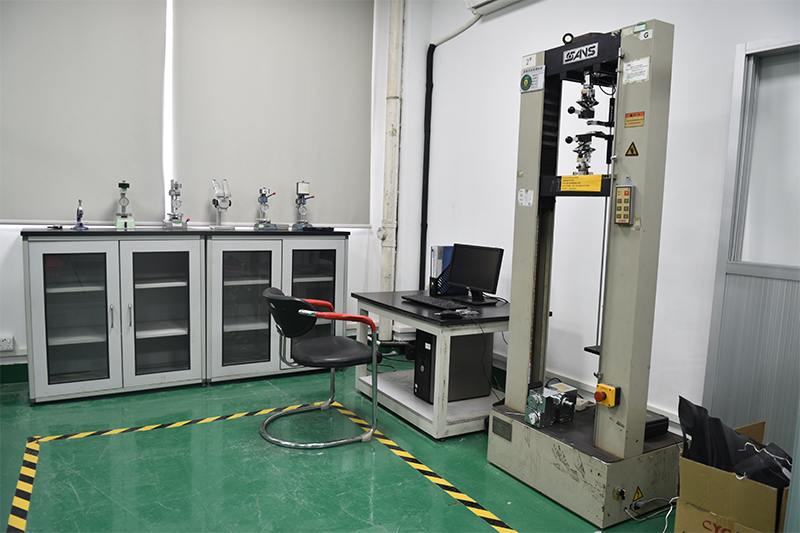
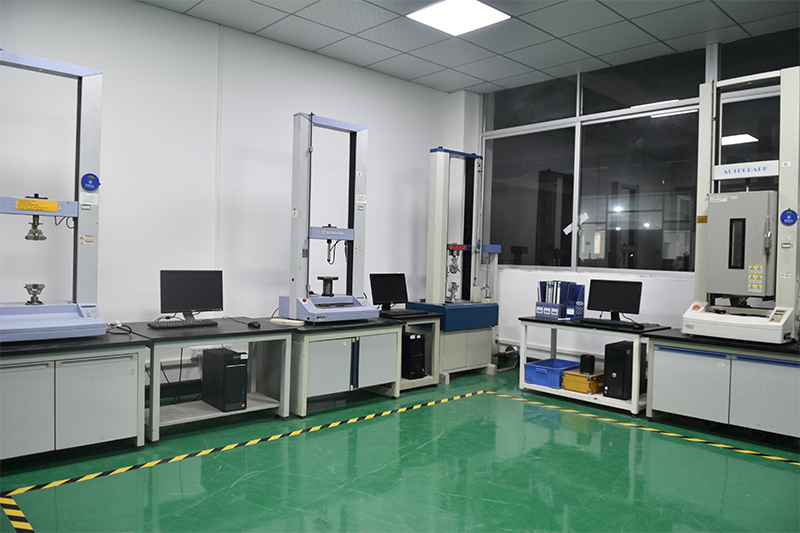
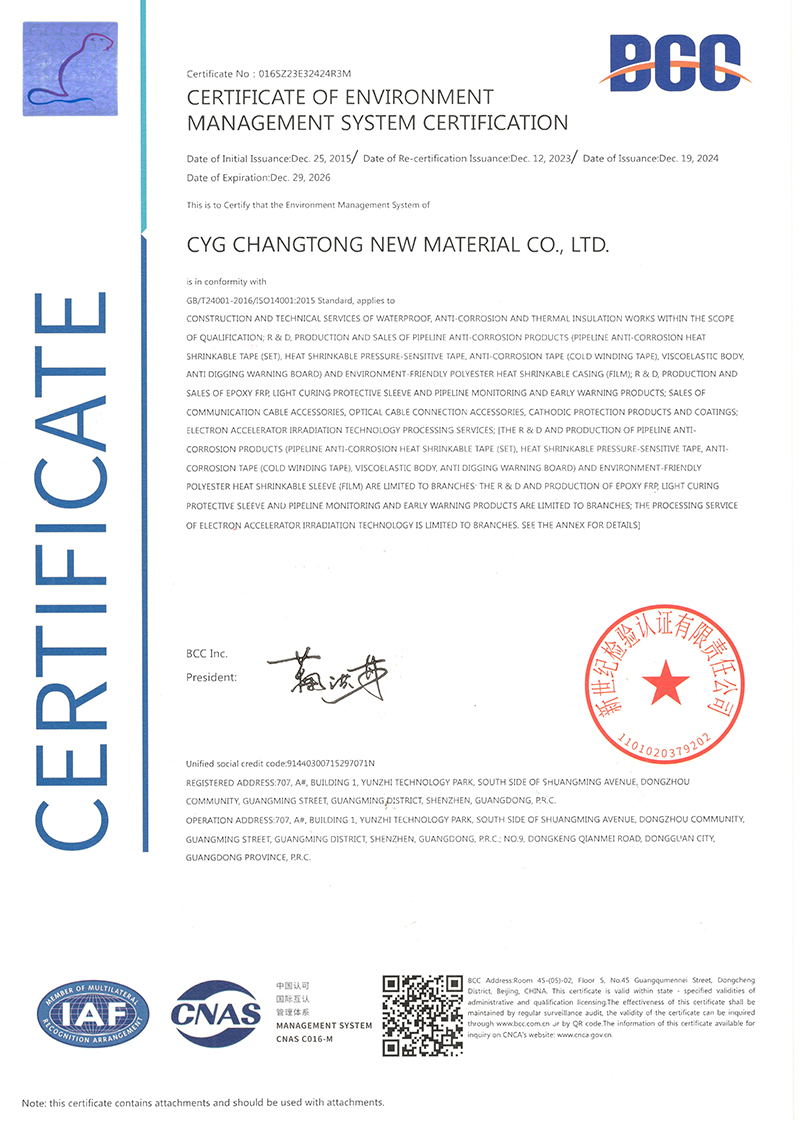
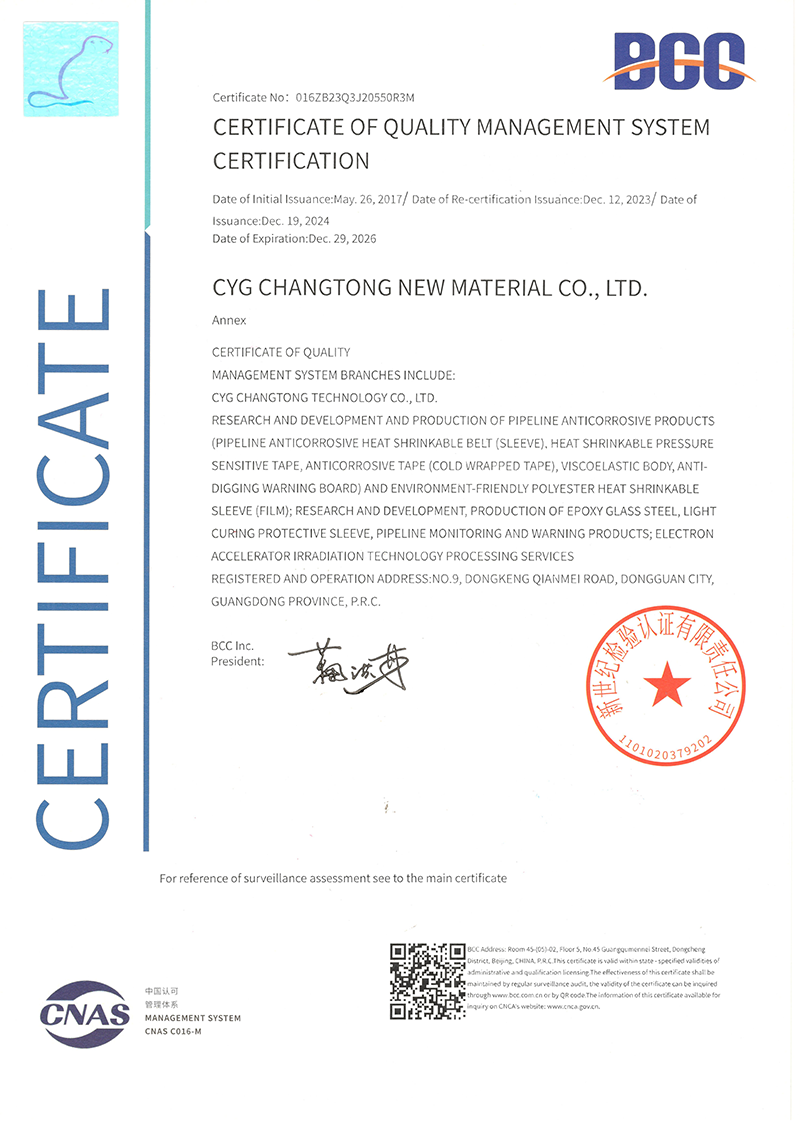
Collaborating closely with leading domestic and international research institutes, CYCT provides pipeline asset owners with field-proven solutions. Our advanced manufacturing facility processes specialized polymers, heat-recoverable crosslinked backings, and high-performance adhesives under strict quality management systems (ISO 9001, ISO 14001, ISO 45001).

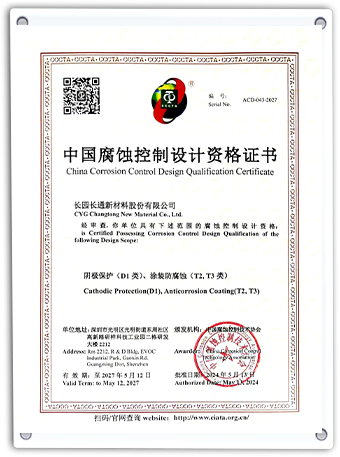
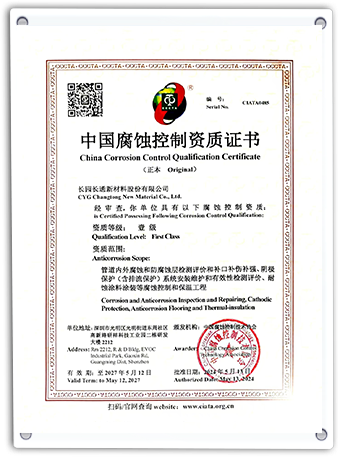
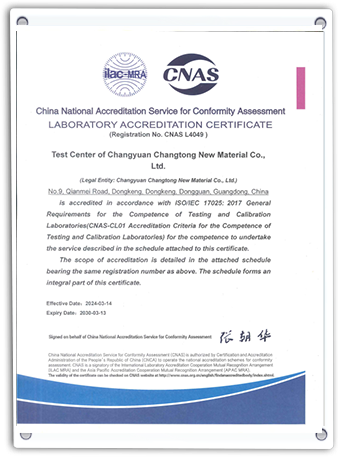
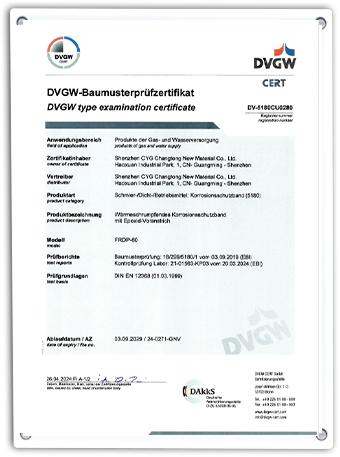
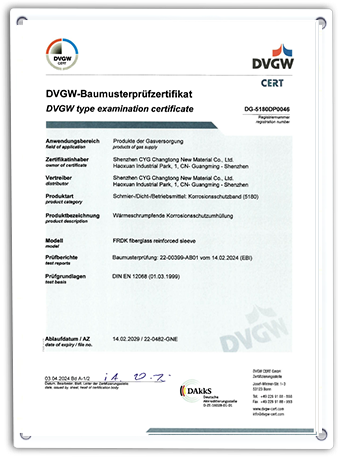
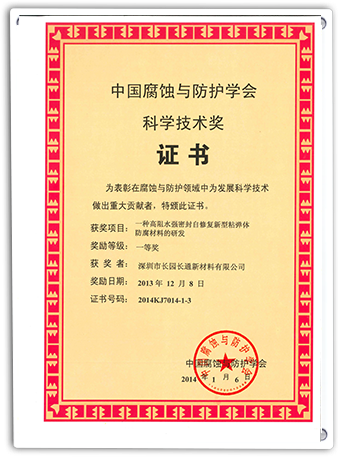
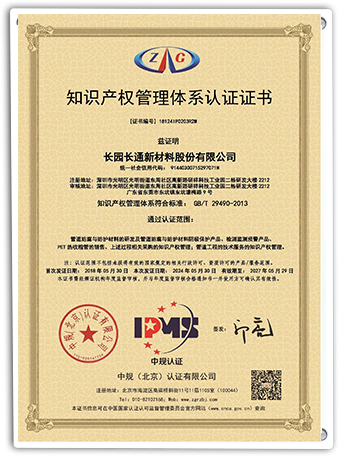
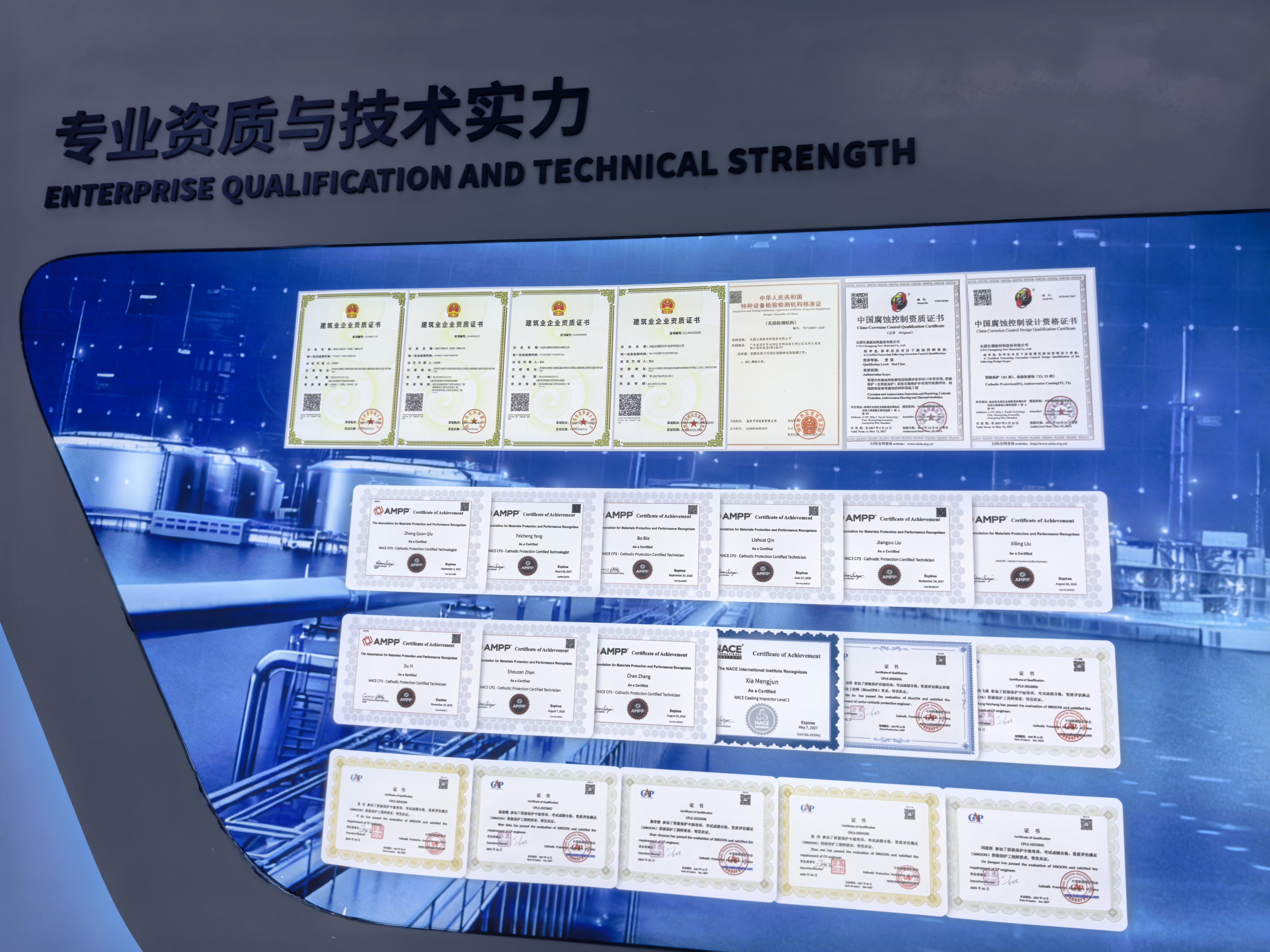
CYCT Honors & Certifications

Our commitment to quality is validated by leading third-party certification bodies and industry societies.
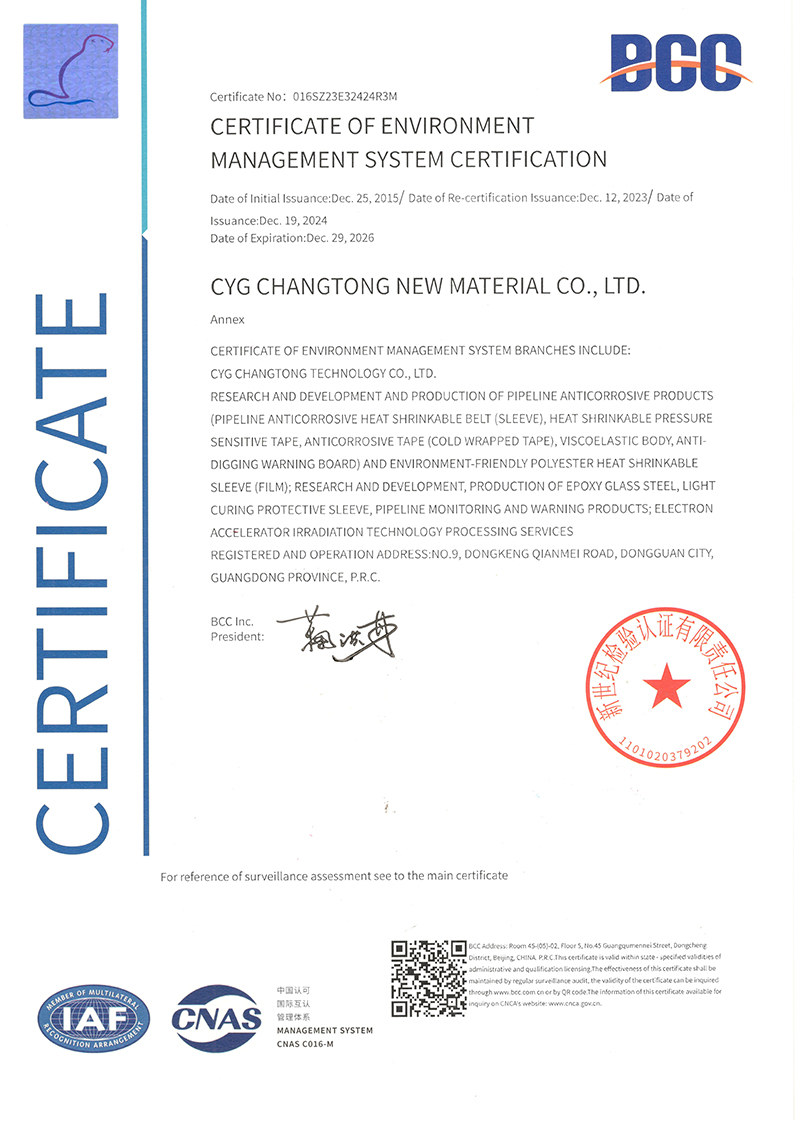
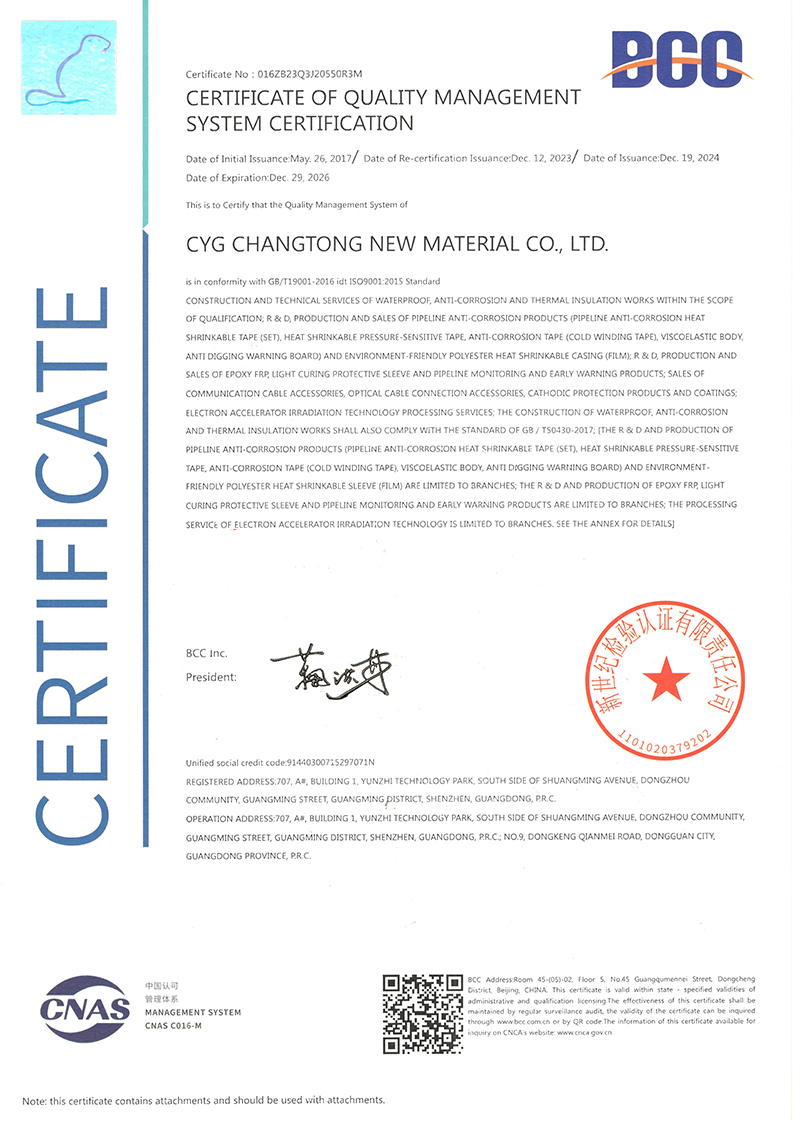
CYCT Certificate

Company Certificate

CYCT Certificate

Company Certificate

CYCT Certificate

Company Certificate

CYCT Certificate

Company Certificate

CYCT Certificate

Company Certificate

CYCT Certificate

Company Certificate

CYCT Certificate

Company Certificate

CYCT Certificate

Company Certificate

CYCT Certificate

Company Certificate

CYCT Certificate

Company Certificate

CYCT Certificate

Company Certificate

CYCT Certificate

Company Certificate

Industrial Q&A: Technical & Procurement Clarifications

Addressing engineering specifications, standards compliance, application guidelines, and procurement procedures.

Q1: What are the primary advantages of Viscoelastic Anticorrosion Tapes compared to traditional heat shrinkable sleeves?
Viscoelastic tapes offer significant application flexibility because they do not require primer application or pre-heating of the steel substrate. These cold-applied systems possess cold-flow and self-healing behaviors, meaning they automatically seal micro-defects or mechanical punctures. However, for pipelines operating at very high temperatures (up to 85°C or 95°C) or subjected to intense mechanical shear (e.g., HDD installations), cross-linked heat-shrink sleeves or polypropylene-reinforced systems are preferred due to their superior shear resistance.
Q2: How does CYCT guarantee compliance with global pipeline standards such as ISO 21809?
CYCT operates a fully accredited national CNAS laboratory equipped with specialized testing apparatus. We run batch-level testing on raw polymeric materials and finished products, verifying properties like peel strength to steel/pipe coating, lap shear strength, cathodic disbondment resistance at elevated temperatures, water absorption, and thermal aging. Every shipment is accompanied by a Factory Acceptance Test (FAT) report detailing compliance with ISO 21809-3, DIN 30670, or EN 12068 standards.
Q3: Which field joint coating solution is recommended for Horizontal Directional Drilling (HDD)?
For trenchless HDD applications, coatings face severe mechanical stress and abrasion. We recommend our specialized FRDP Heat Shrinkable Fiberglass Reinforced Sleeve. The inclusion of high-strength fiberglass backing provides outstanding resistance to puncture, abrasion, and shear forces, ensuring the joint remains intact during the pulling operation.
Q4: Can CYCT supply custom-sized Heat Shrink Sleeves and PP Repair Patches?
Yes. As a direct manufacturer, CYCT can customize dimensions (width, length, and thickness of backing and adhesive) to match specific project designs. We support pipeline diameters ranging from small distribution lines (2 inches) up to large transmission pipelines exceeding 56 inches. We also tailor hot-melt sticks and PP repair patches for 3LPE/3LPP damage repair.
Q5: What is the design life of CYCT's pipeline joint coatings?
When applied correctly over a properly prepared surface (typically Sa 2.5 near-white metal clean with a defined anchor profile), CYCT coatings are engineered to match the design life of the primary pipeline structure, which is typically 30 to 50 years under standard operating environments.
Q6: Do you provide on-site technical support for international projects?
Yes. Through our technical services department, we can deploy certified coating engineers and AMPP-certified inspectors to project sites globally. They provide supervisor services, train local contractors on application protocols, ensure proper pre-heating, and calibrate holiday detectors to verify defect-free joint wraps.
Q7: How do your moisture-curing shields protect offshore and splash-zone installations?
Our CYG Changtong GRF Moisture Curing Shield uses atmospheric or water moisture to initiate its curing process. This is ideal for offshore splash zones or wet environments where standard coatings cannot cure. The resulting shield forms an exceptionally hard, protective outer armor that resists waves, salt spray, and mechanical impact.
Q8: How does the procurement process work for new international clients?
Clients submit project specifications (pipe diameter, operating temperature, soil conditions, and factory coating type). CYCT engineers review these parameters to recommend the most compatible coating system. Once the specification is agreed upon, we manufacture samples for laboratory testing and validation. Upon approval, mass production is initiated at our facility in China, followed by export logistics coordination.