Engineered to exceed international engineering standards for mechanical strength, chemical resistance, and long-term joint integrity.
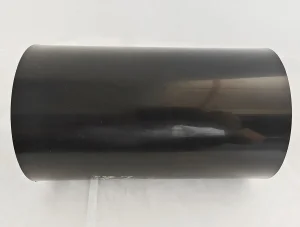
In modern industrial fluid conveyance and structural design, corrosion represents a primary threat to long-term reliability and asset lifecycle management. Epoxies and viscoelastic sealing polymers serve as the first line of defense for critical infrastructure, particularly in high-consequence pipeline operations. CYCT New Materials Company Limited (CYCT) stands at the forefront of this industrial front, providing highly engineered epoxy seals, viscoelastic tapes, and composite repair solutions that address complex micro-environmental degradation mechanisms.
This whitepaper outlines the scientific principles behind advanced epoxy seals and field-joint coatings (FJC), exploring their microstructural attributes, performance thresholds under high temperatures, and structural reinforcing capabilities. As a leading China Epoxy Seal Supplier & Factory, CYCT is committed to technical transparency and rigorous research, enabling global operators to select and deploy reliable corrosion protection systems with absolute confidence.
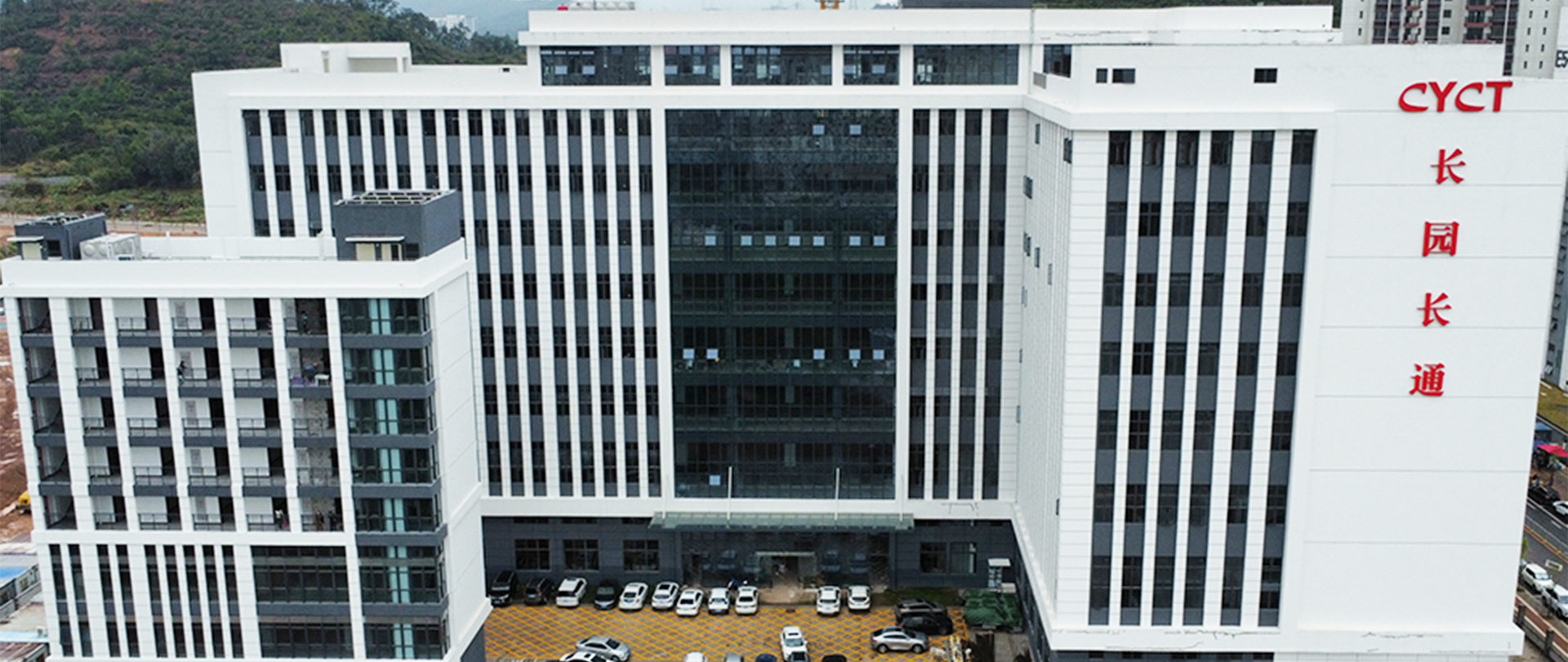
CYCT New Materials Company Limited (for short, CYCT) is a state-level high-tech enterprise integrating R&D, production, and sales of pipeline corrosion protection materials, buried pipeline detection services, and pipeline coating field application services into a single, cohesive engineering entity. CYCT has devoted itself to the R&D, production, and sales of pipeline corrosion protection materials for decades, accumulating unmatched expertise and engineering data in extreme service environments.
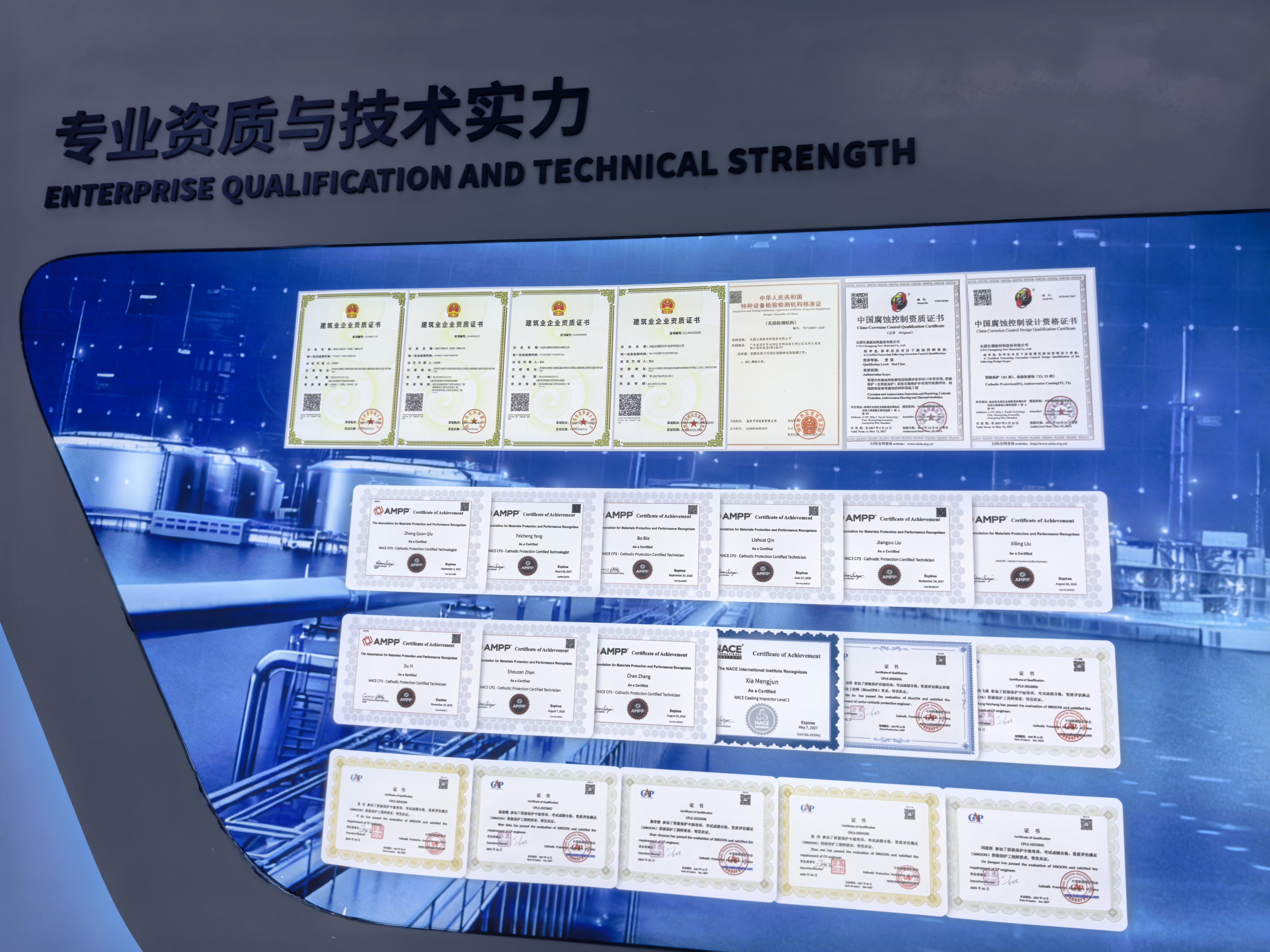
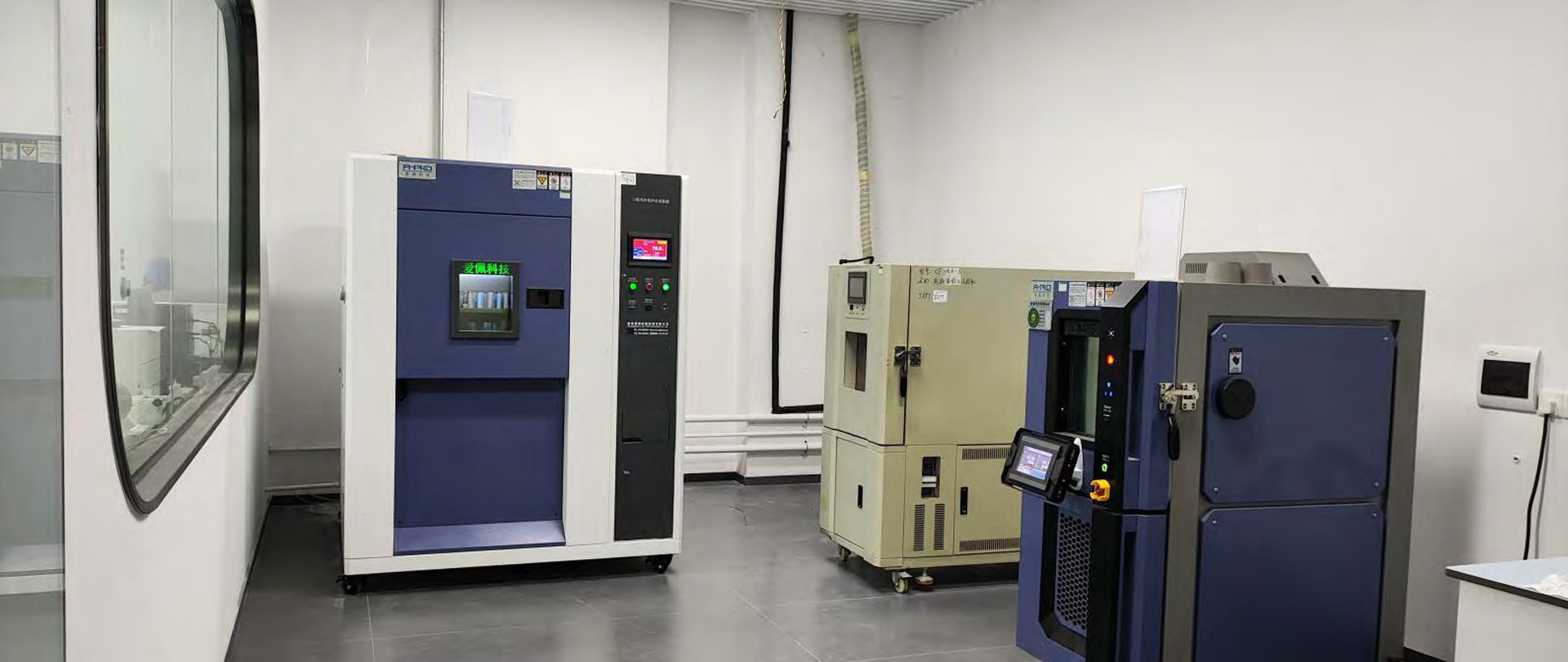
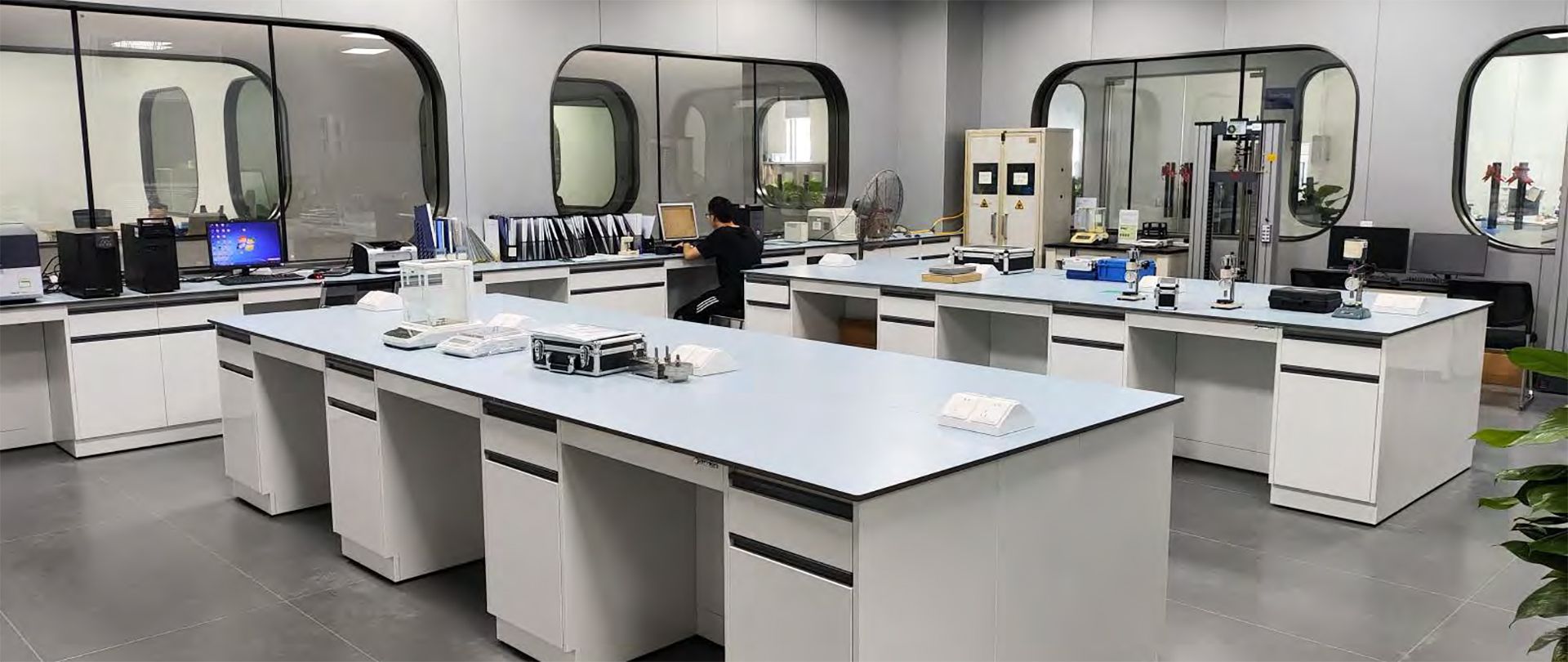
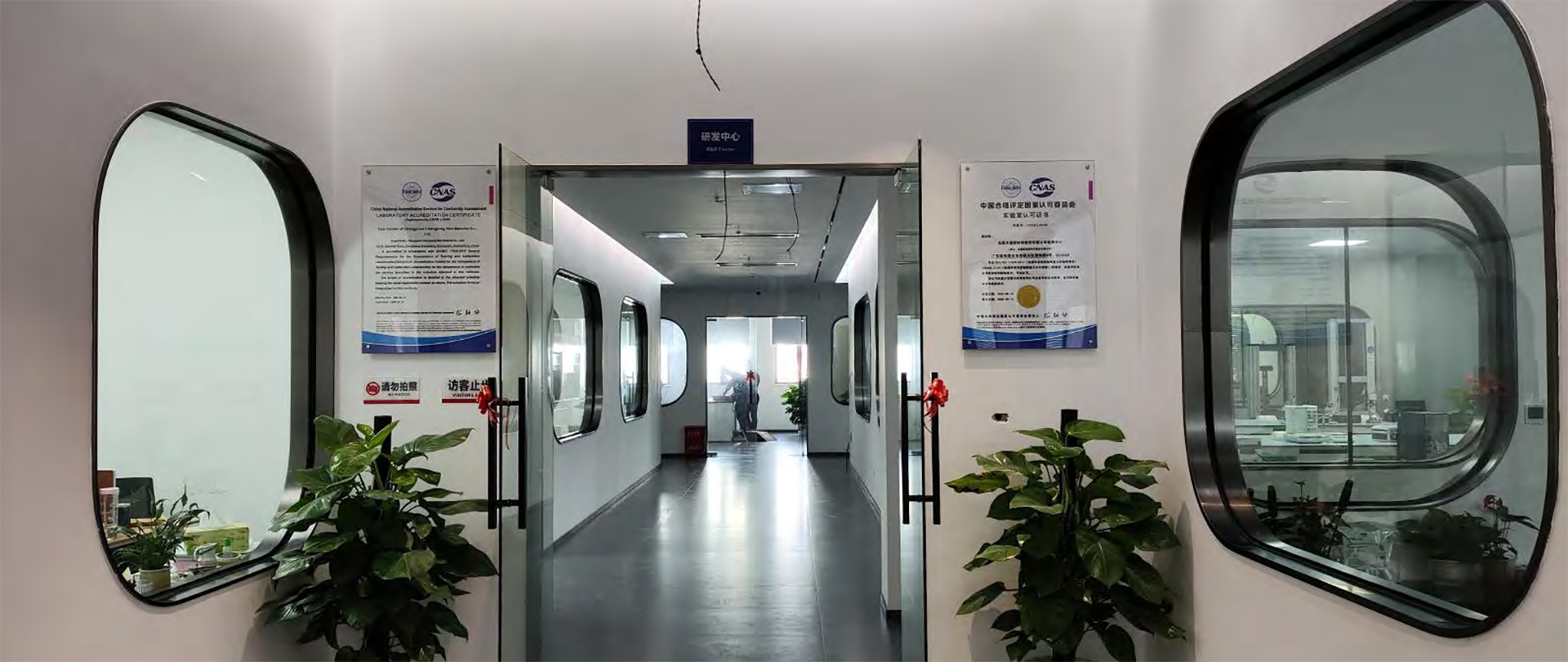
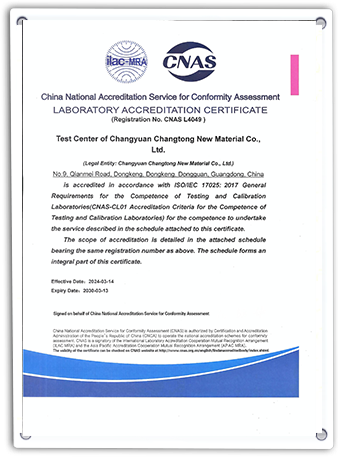
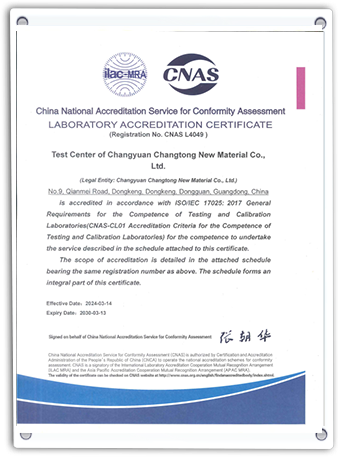
CYCT owns leading testing and R&D capabilities, supported by a professional R&D team and a national CNAS-accredited laboratory. This laboratory performs rigorous testing on peel strength, cathodic disbondment, shear resistance, and thermal aging parameters. By collaborating with leading domestic scientific bodies, including the CNPC Pipeline Science Research Institute, CYCT delivers targeted, field-ready solutions. This comprehensive capability allows the company to support in-service pipelines with varied technical services, including buried pipeline detection, bespoke design schemes, cathodic protection engineering, rehabilitation projects, and integrated safety designs.
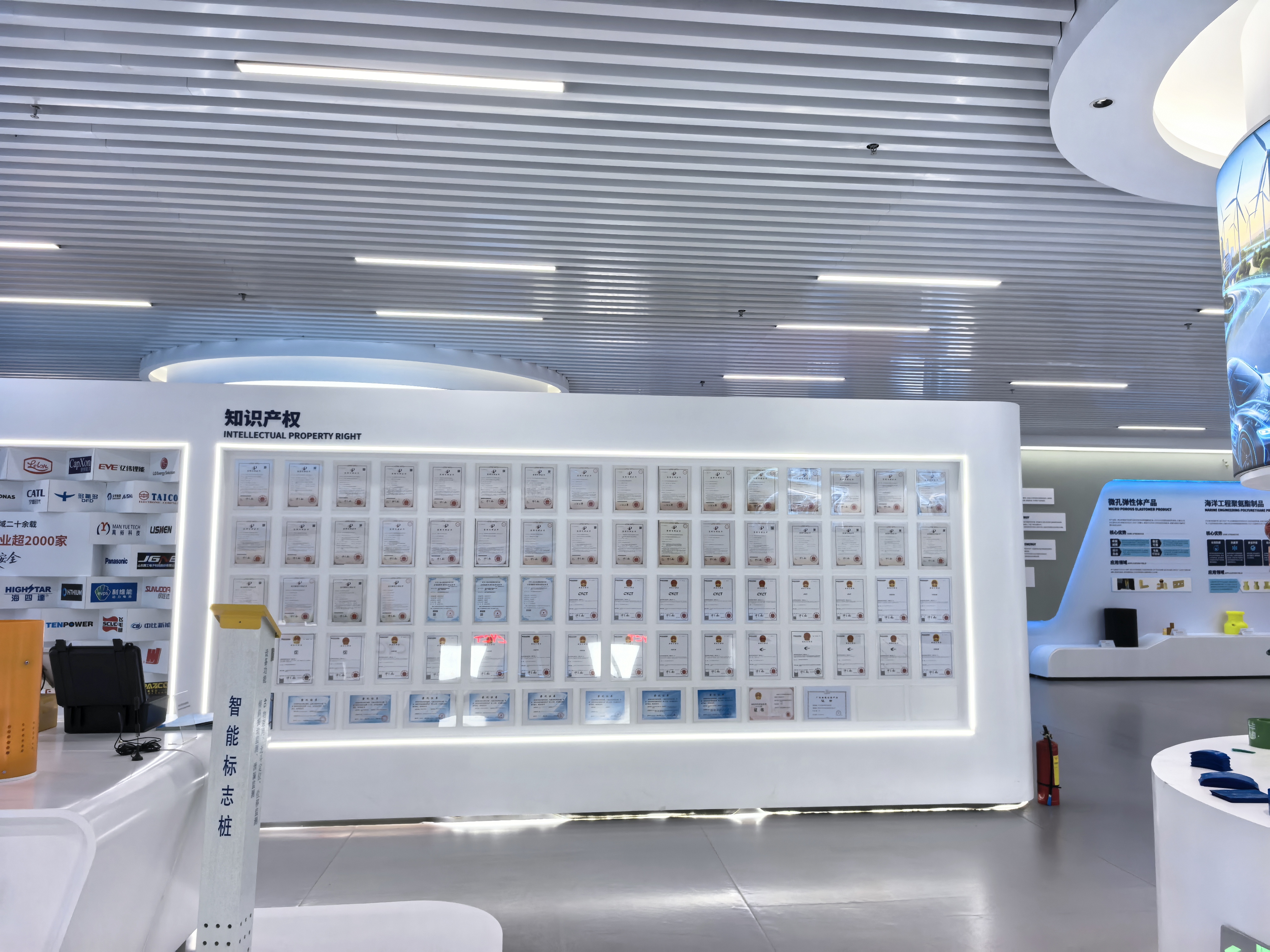
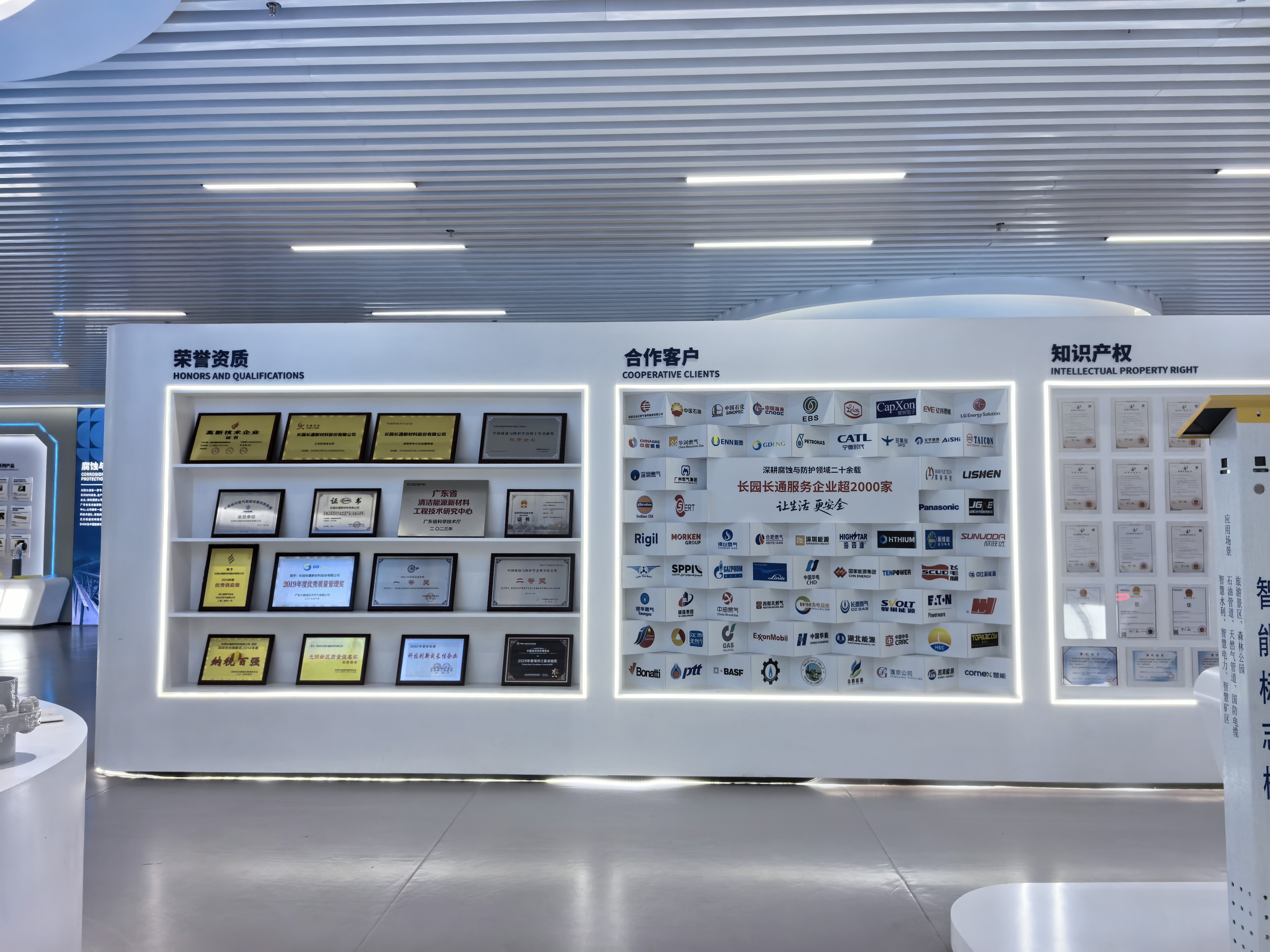
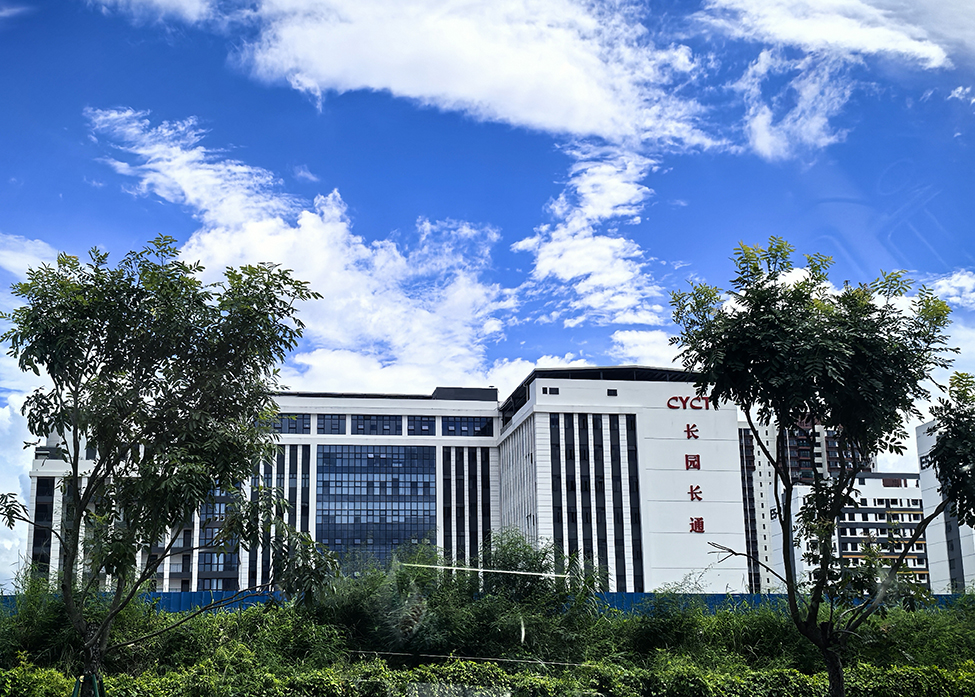
Through decades of rigorous field validation, CYCT has become a stable supplier of field joint coatings for PetroChina, Sinopec, PipeChina, and major municipal gas networks. The company maintains a leading domestic market share and has successfully expanded its brand globally, supplying international utilities like the Indian Oil Corporation. To meet evolving technical demands, CYCT has developed an array of specialty protective materials, including visco-elastic coatings, photo-curing protective sleeves for Horizontal Directional Drilling (HDD), and solvent-free polyurea linings.
Corrosion mitigation is a critical economic and environmental concern for global piping and industrial assets. According to international corrosion engineering associations (such as AMPP, formerly NACE), the global cost of corrosion exceeds $2.5 trillion USD annually. Standardizing high-quality epoxy seals and outer joint wraps can prevent over 35% of these losses.
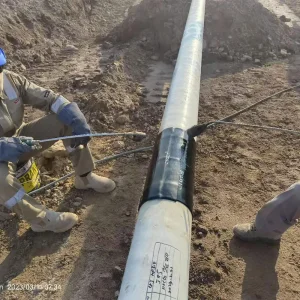
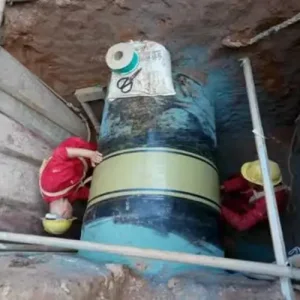
From the freezing conditions of Siberian gas transit lines to the high-salinity marine environments of Middle Eastern offshore oil blocks, sealing materials must resist chemical attack, soil shear, and temperature fluctuations. CYCT's high-temperature cold-applied PP/PE tapes and viscoelastic sealants provide robust, multi-layered defense configurations:
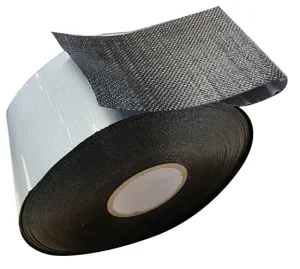
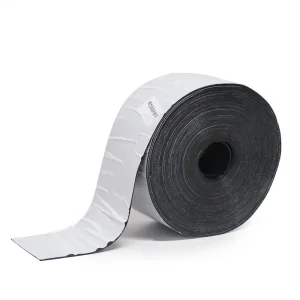
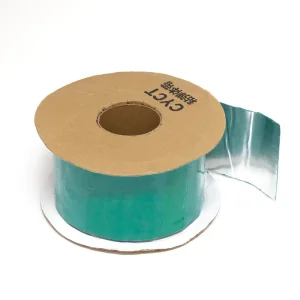
Utilizing unique cold-flow characteristics, these materials exhibit self-healing capabilities on contact, filling micro-fissures and providing continuous wetting to steel substrates, preventing under-film water migration.
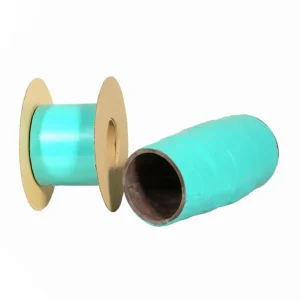
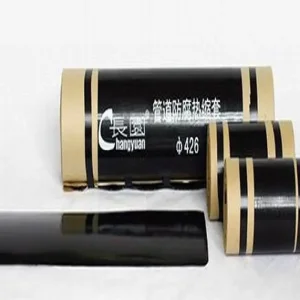
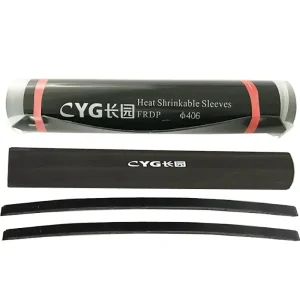
Leveraging cross-linked polymer backings and thick, high-performance hot-melt adhesives, these sleeves shrink tightly around field joints to match the performance of parent plant-applied coatings like 3LPE or 3LPP.
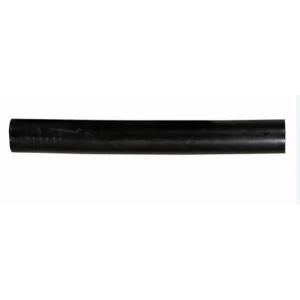
Glass Fiber Reinforced Polymer structural sleeves protect pipelines against severe mechanical stresses during Horizontal Directional Drilling (HDD) and pull-back installations.
To understand the performance of modern anti-corrosion materials, we must examine their underlying material science. High-performance epoxy coatings create dense cross-linked networks via reaction with polyamine or polyamide curing agents, forming a rigid, highly chemical-resistant barrier. However, field joint coating requires adaptability and ease of application.
Our Viscoelastic Coating Systems (such as the VT95 Series) represent a significant advance in polymer technology. Characterized by low glass-transition temperatures, these coatings maintain liquid-like flow properties over decades, maintaining constant contact with the steel surface. This ensures continuous protection, even when subjected to soil movement, thermal expansion, or vibration. These systems act as a permanent, non-crystalline barrier that prevents moisture and oxygen ingress, eliminating the risks of osmotic blistering or cathodic disbondment.
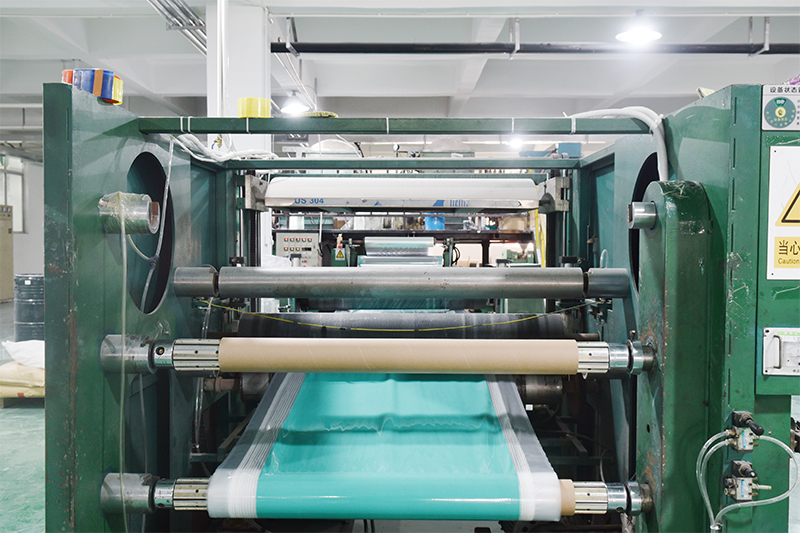
For high-shear and high-temperature lines (ranging from 60°C to 85°C), CYCT relies on radiation cross-linked polyolefin backings combined with copolymer hot-melt adhesives. Radiation cross-linking alters the molecular structure of polyethylene from linear chains to a stable three-dimensional network. This cross-linking process imparts a "shape memory" effect, enabling the sleeve to shrink tight when heated. Concurrently, the internal hot-melt adhesive flows into surface anchor patterns, sealing the joint against moisture and corrosive agents.
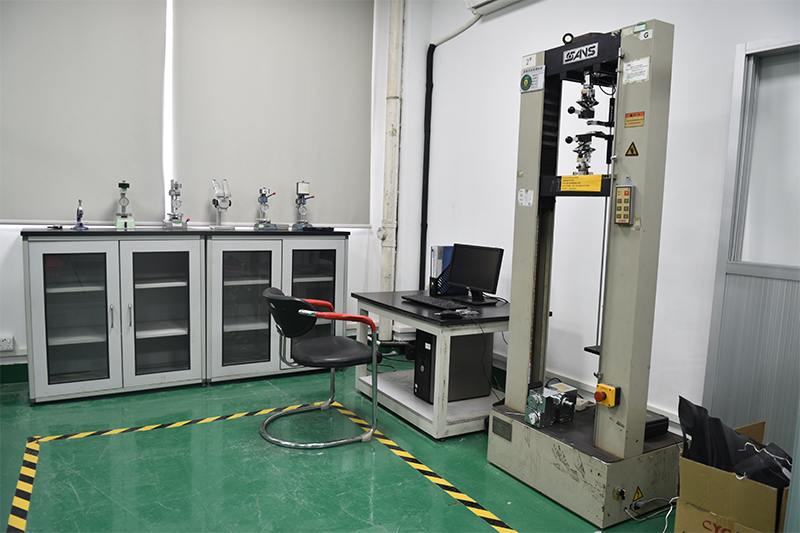
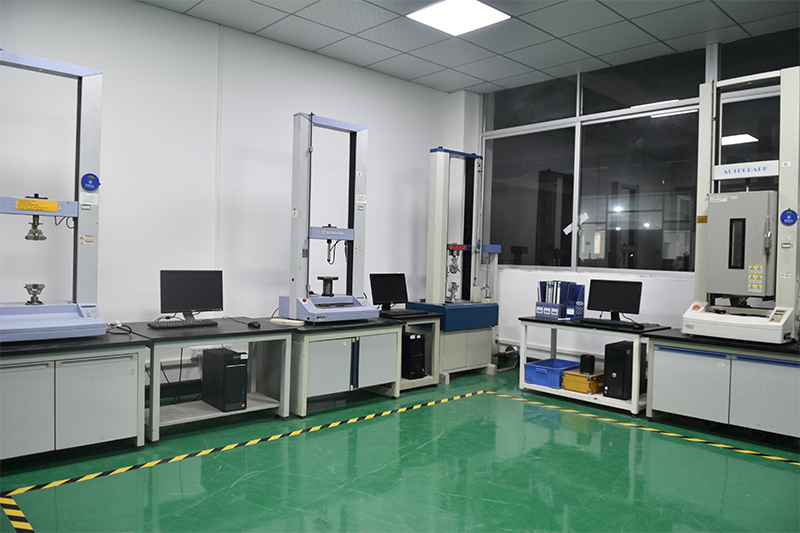
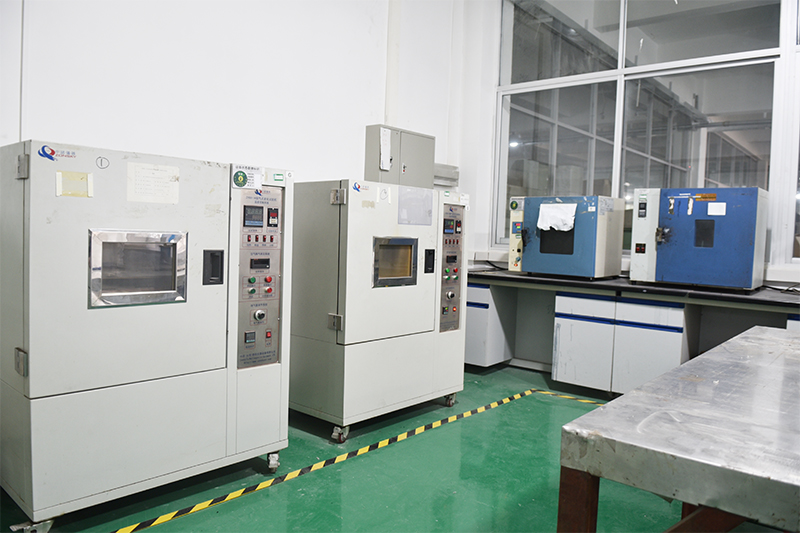
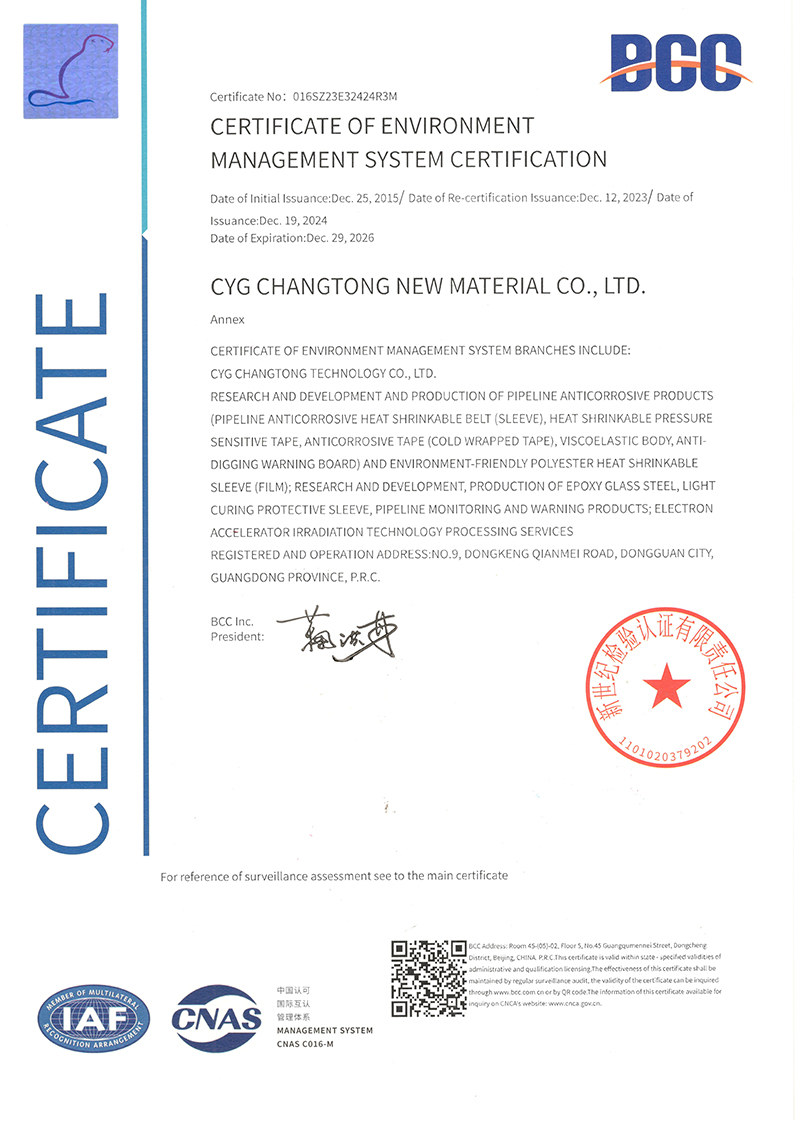
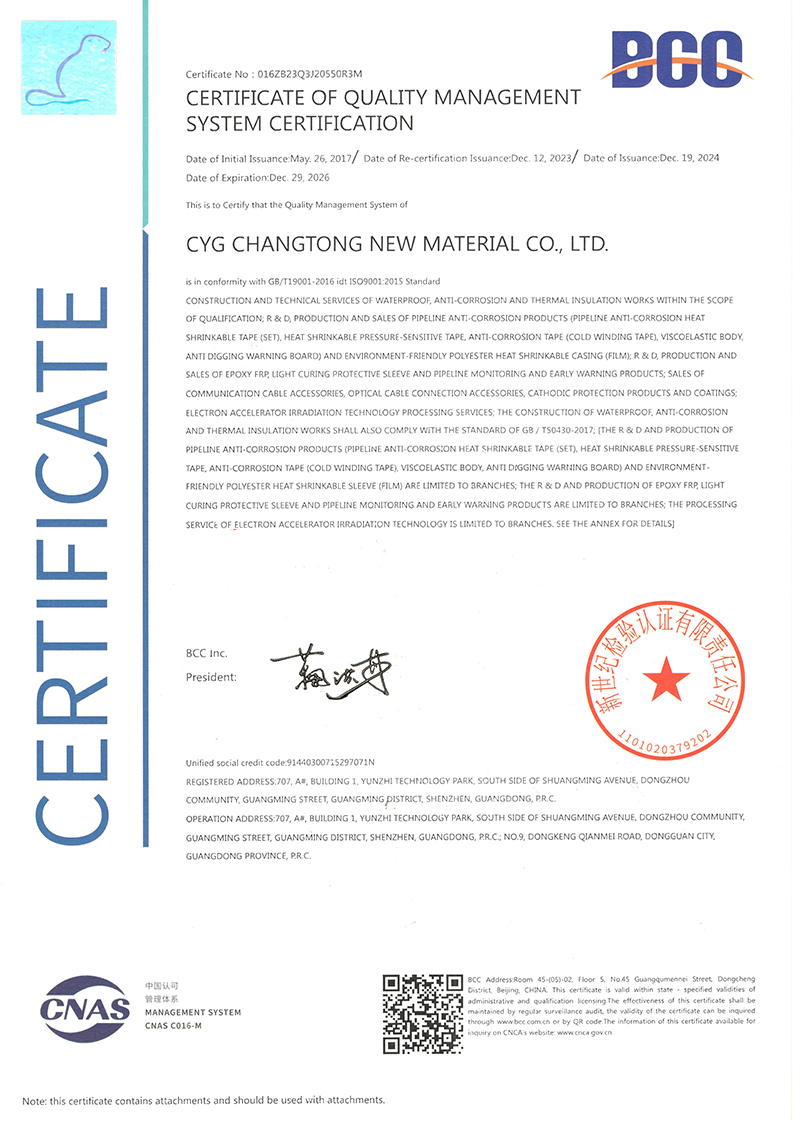
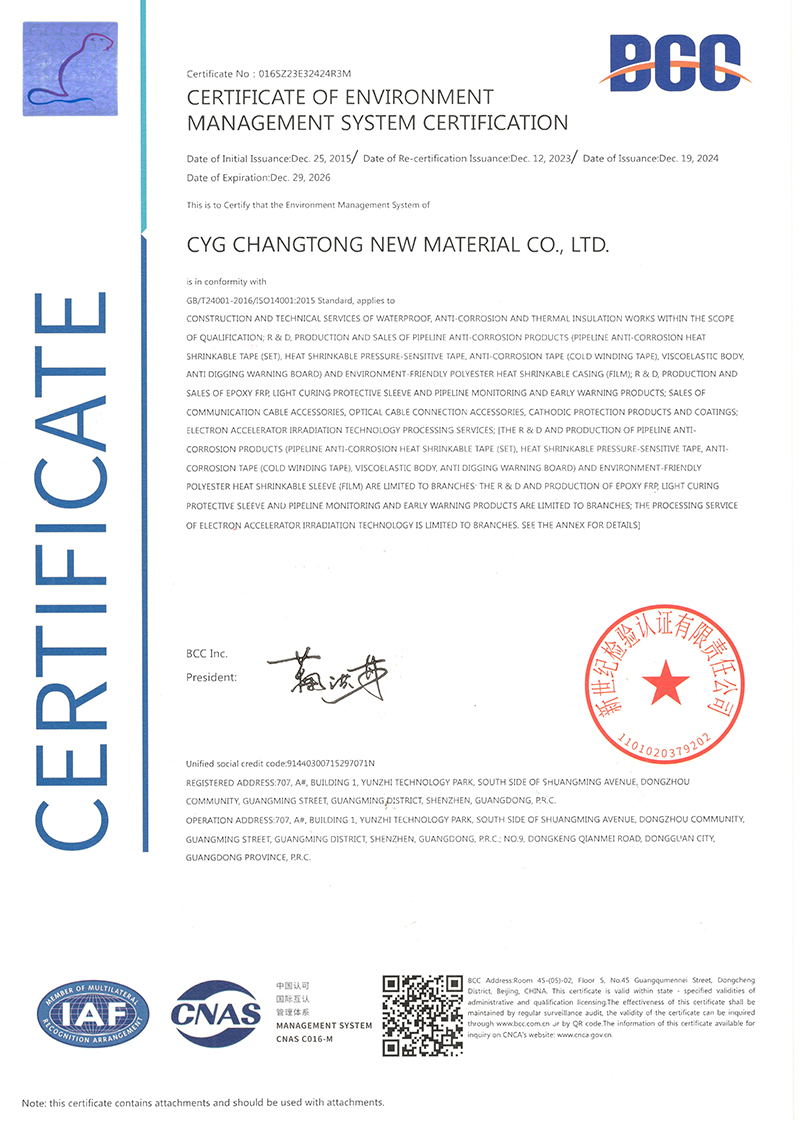
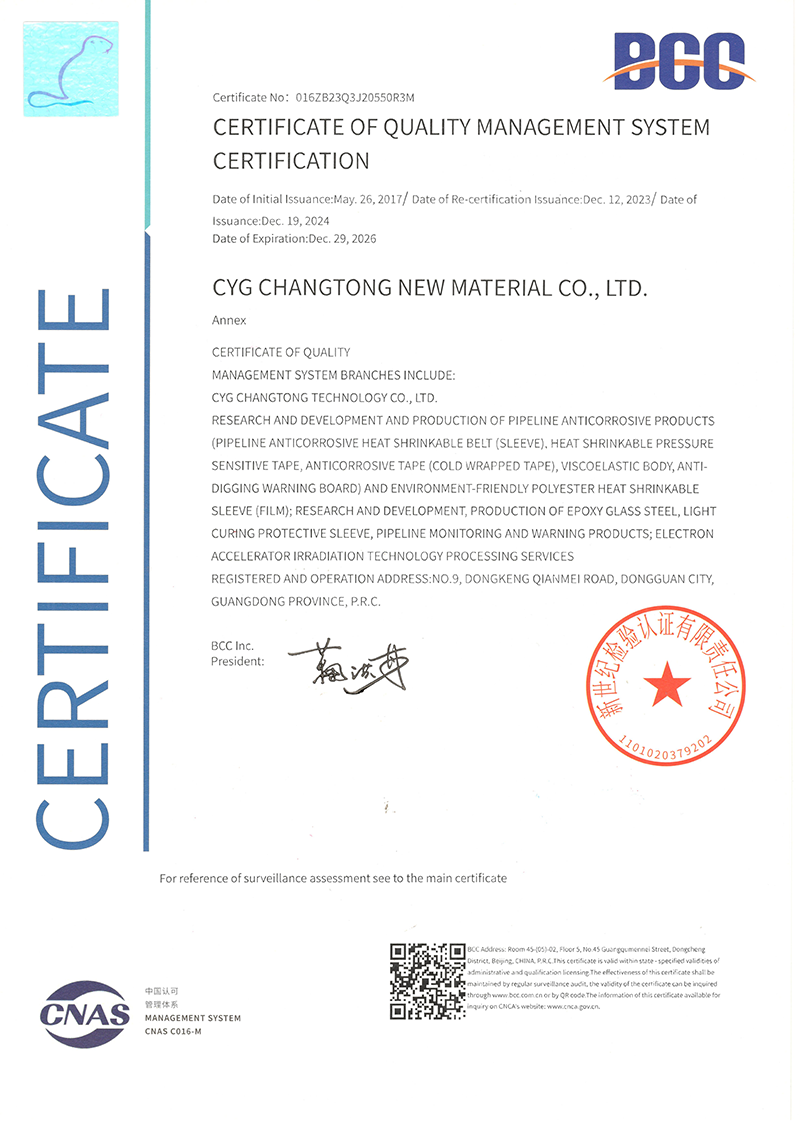
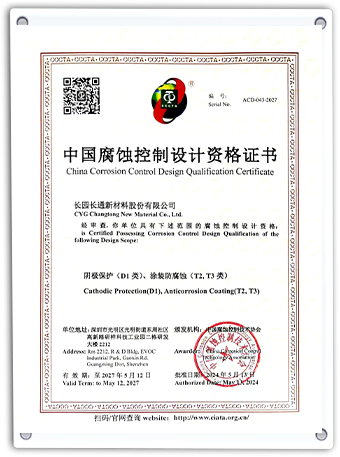
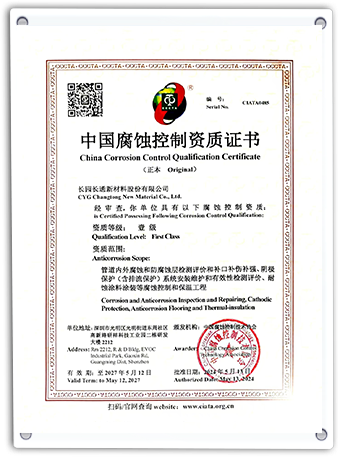
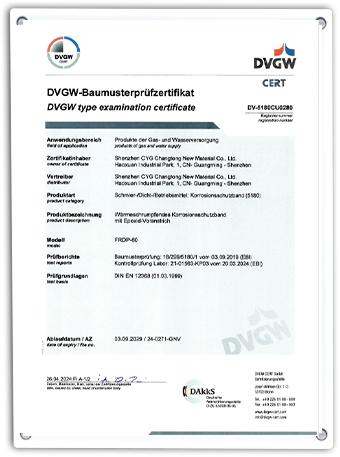
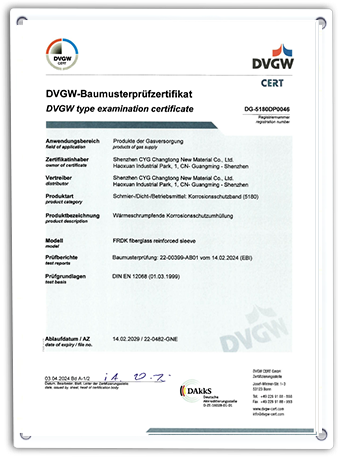
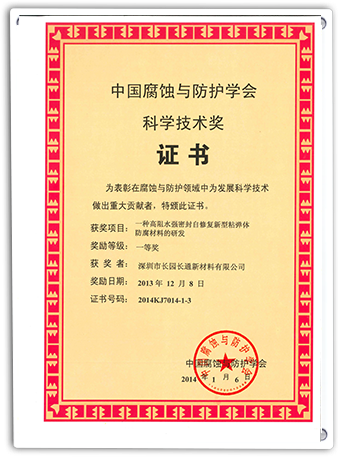
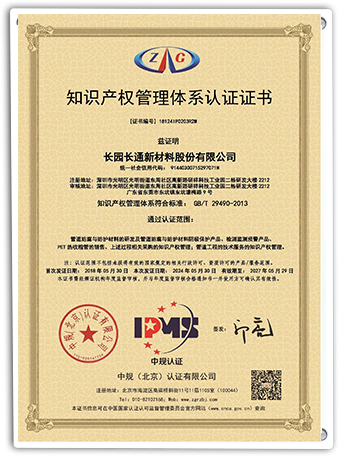
Operating internationally requires strict alignment with localized regulations, safety codes, and performance certifications. CYCT maintains compliance across all global operations, ensuring our materials meet or exceed ISO, EN, and ASTM standards. We are an active Council Member of the Chinese Society for Corrosion and Protection (CSCP) and hold qualifications for professional corrosion protection construction and pipeline detection.
CYCT holds ISO 9001 for quality management, ISO 14001 for environmental management, and ISO 45001 for occupational health and safety. Our products undergo rigorous testing according to standards like ISO 21809-3 (specifying field joint coatings for pipeline transportation systems) and EN 12068. These certifications confirm that CYCT's products deliver high peel strength, shear resistance, and electrical isolation across their design lifetime.
Anti-corrosion materials must perform reliably across diverse geological and climate conditions. A single type of sealant cannot address every environmental challenge. CYCT develops specialized products tailored to specific, localized engineering scenarios:
As pipeline networks expand into deeper waters and hotter reservoirs, CYCT continues to advance its technology to meet these demanding conditions. Our research roadmap focuses on improving the thermal and mechanical properties of our products through materials science innovations:
By incorporating functionalized silica and carbon-based nanomaterials into our copolymer adhesives, we aim to improve shear resistance and cohesive strength at temperatures exceeding 100°C.
CYCT is developing solvent-free, bio-derived polyurea coatings that reduce environmental impact during manufacture and field application, supporting global sustainability initiatives.
We are researching micro-encapsulated healing agents within viscoelastic matrices. When damaged mechanically, these capsules rupture to release low-viscosity prepolymers, sealing the breach automatically.
Explore our full line of specialized composite repairs, viscoelastic wraps, and high-performance pipeline repair patches.
 CYCT
CYCT