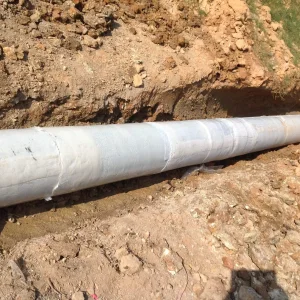
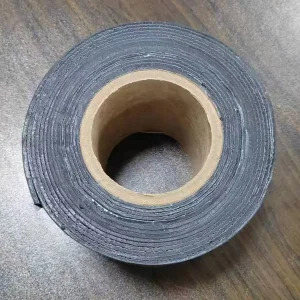
Explore our industrial-grade GFRP reinforcement, heat shrinkable sleeves, and high-temperature repair solutions engineered for harsh operating environments.
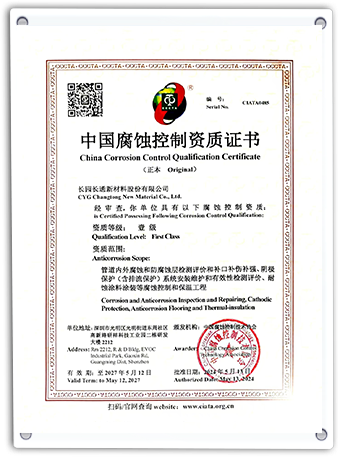
Founded in 2000, CYCT New Materials Company Limited (for short, CYCT) has grown into a state-level high-tech enterprise. We seamlessly integrate the research, development, manufacturing, and distribution of pipeline corrosion protection materials with specialized buried pipeline detection and in-field application services.
By focusing intensely on structural polymer chemistry, CYCT has emerged as a cornerstone supplier of field joint coatings (FJC) and advanced epoxy adhesive formulations. Our products secure massive energy corridors across China and international markets. We are an authorized, stable supplier to global titans including PetroChina, Sinopec, PipeChina, China Gas Group, and Indian Oil, holding substantial market shares through verified technical excellence.
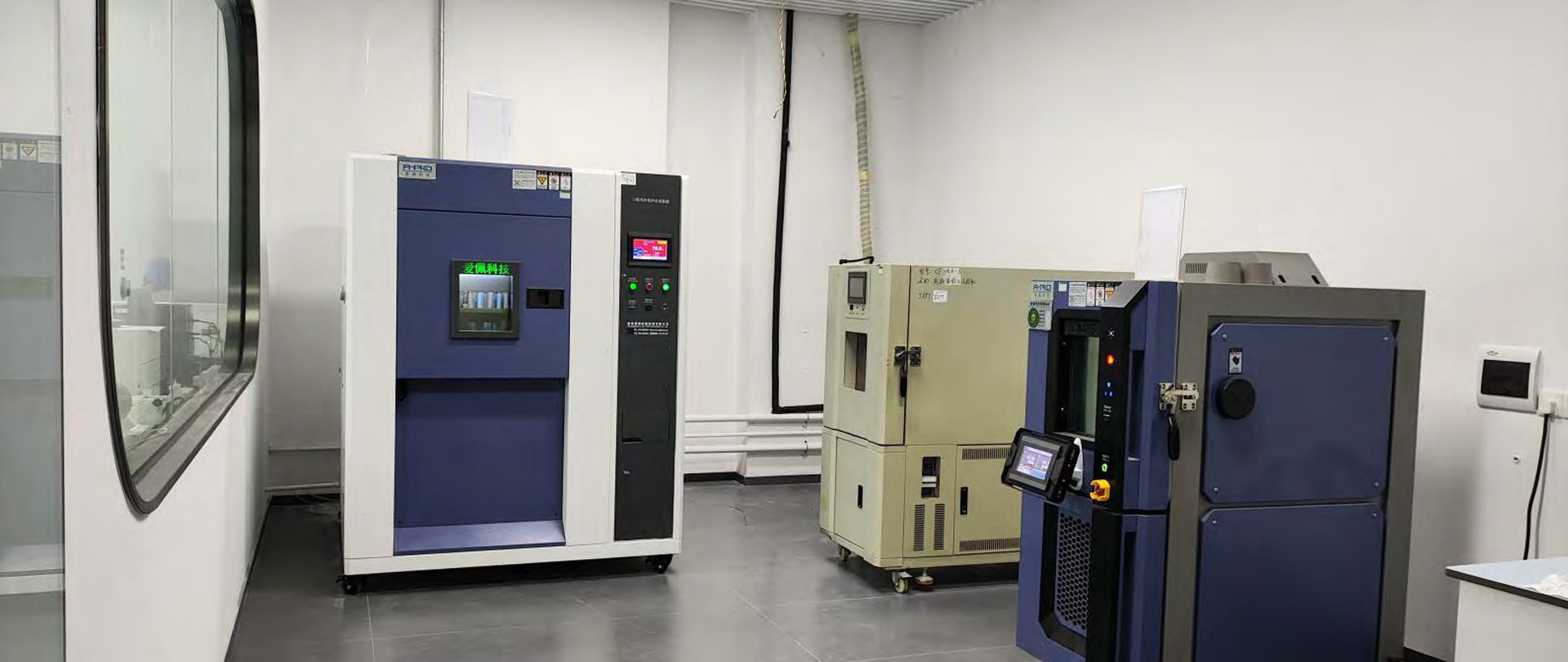
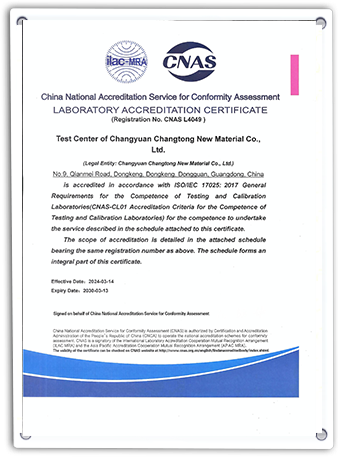
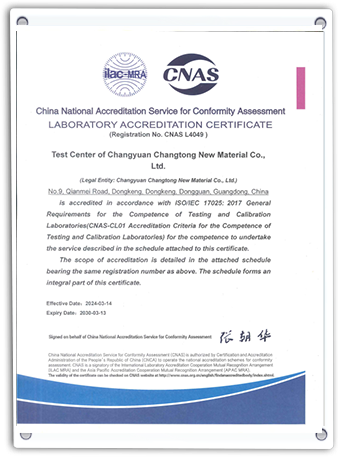
Backed by our national CNAS-accredited laboratory and partnership with the CNPC Pipeline Science Research Institute, CYCT delivers integrated engineering design, cathodic protection, structural rehabilitation, and long-term pipeline safety assessments.
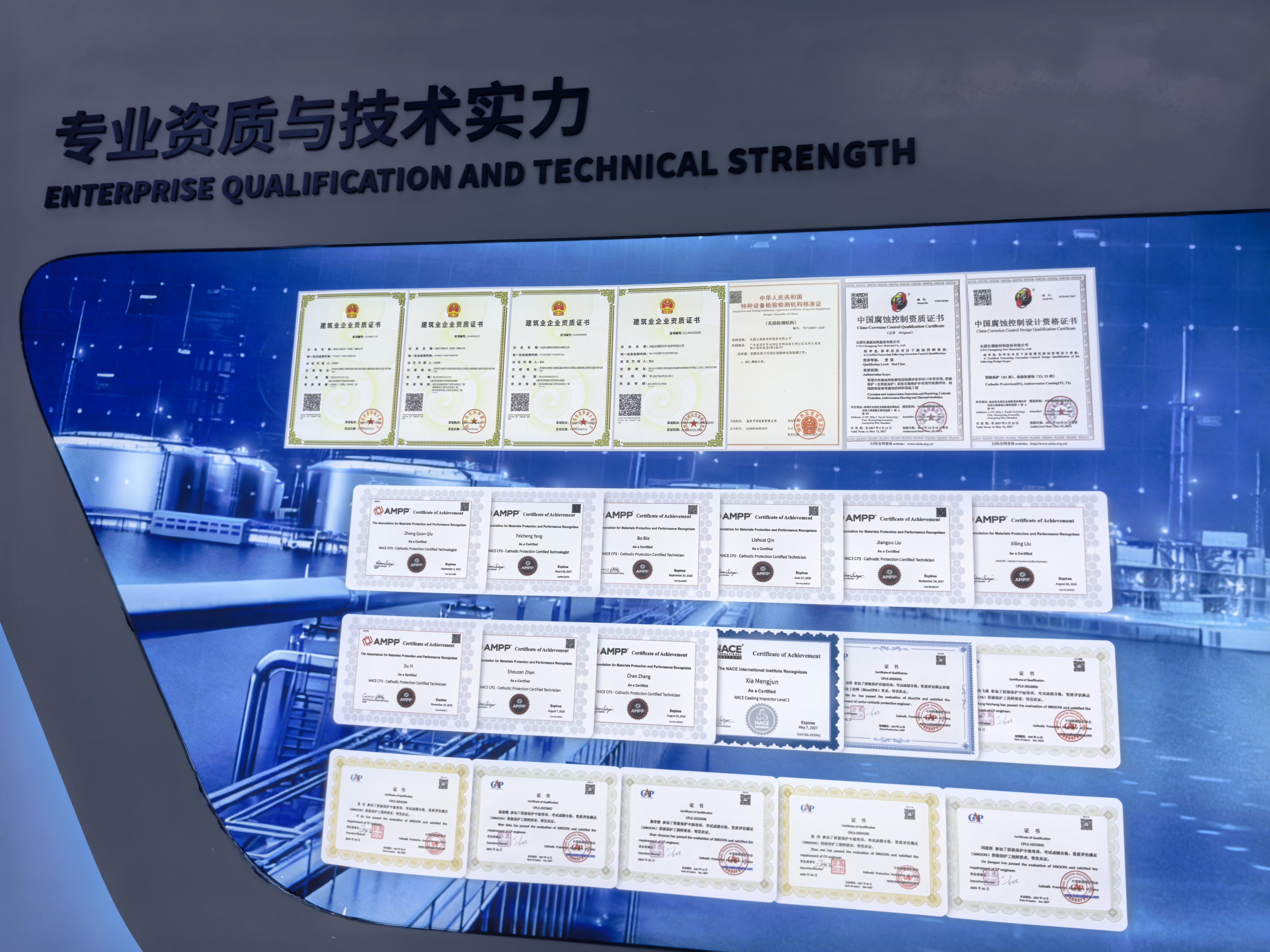
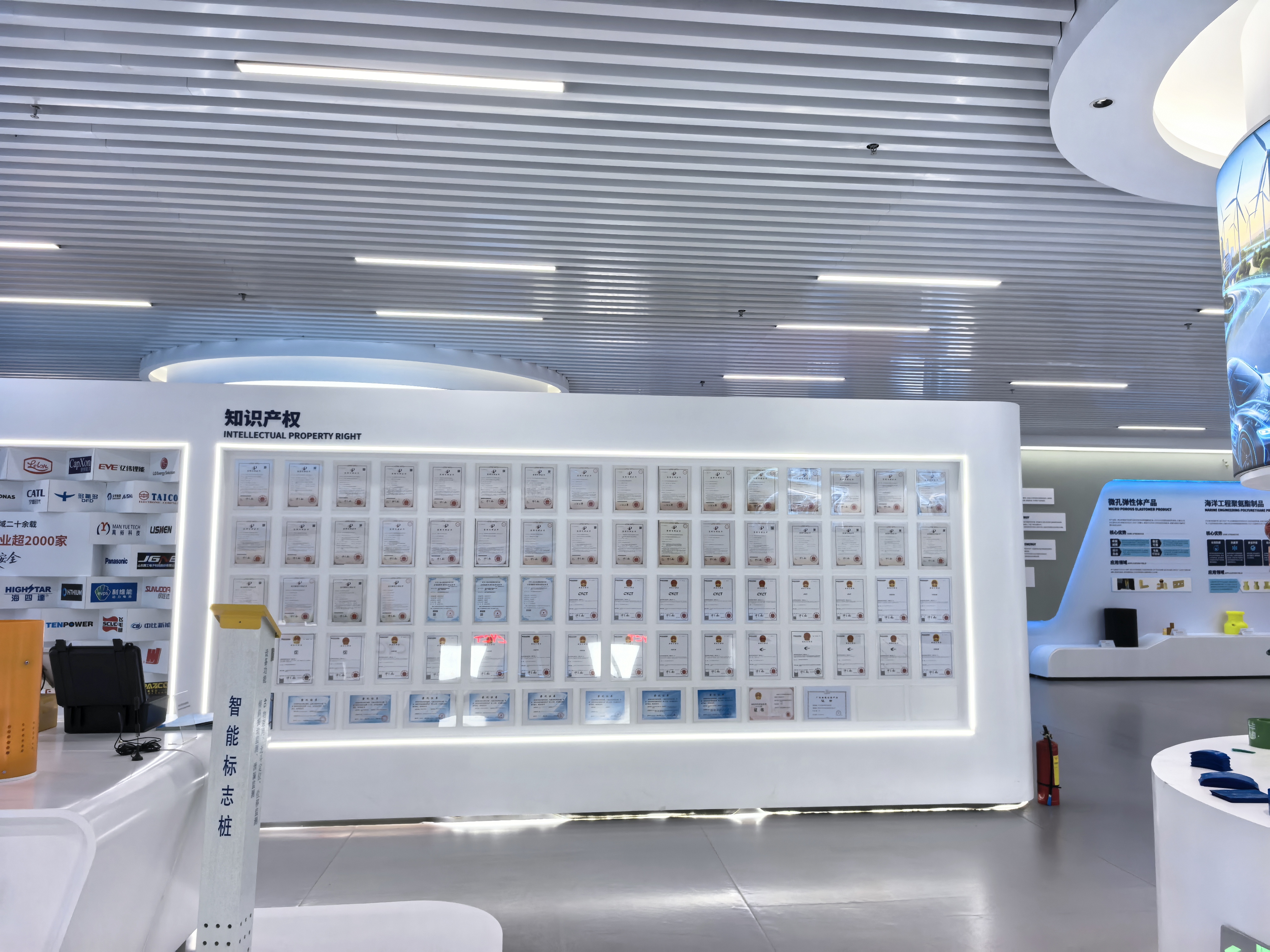
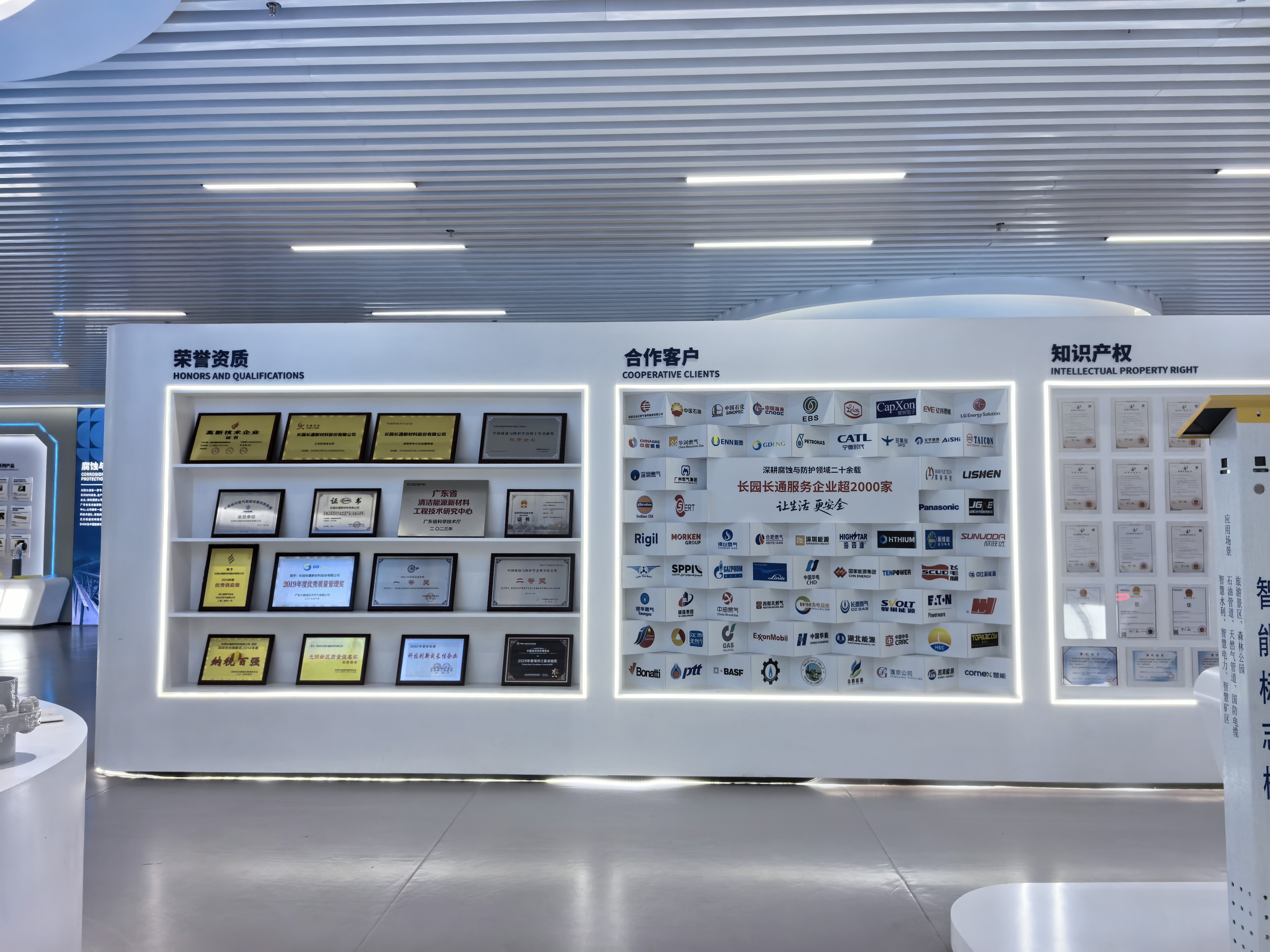
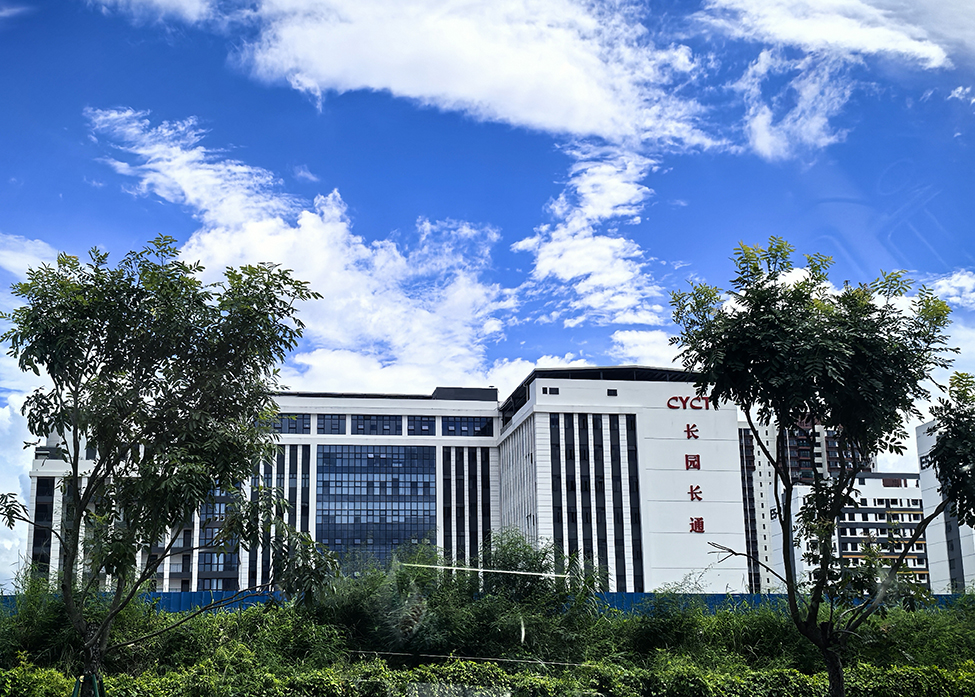
Validated engineering achievements and industrial scale defining our E-E-A-T status in pipeline protection.
Translating chemical capability into infrastructure resilience: How global EPC contractors select epoxy adhesive factories.
Global procurement specialists demand liquid epoxy primers that offer chemically stable interfaces with 3LPE, 3LPP, and FBE coatings. CYCT designs formulations that yield excellent cross-linking densities, preventing delamination under intense soil stress and cathodic disbondment.
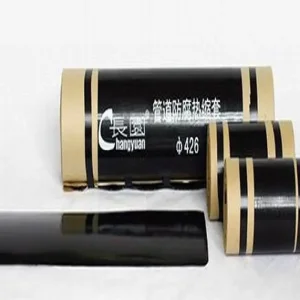
With modern petrochemical lines handling fluids at highly elevated temperatures, standard epoxies degrade quickly. Our specialized epoxy systems and hot melt adhesive complexes provide thermal stability exceeding 85°C, preserving structural integrity in remote geographical corridors.
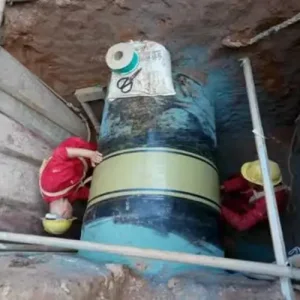
HDD operations expose field joint coatings to extreme shear forces. Our high-performance fiber-reinforced sleeves paired with structural epoxy primers resist high-abrasion environments, maintaining joint coating protection even when dragged through hard rock strata.
A rigorous breakdown of key operational criteria required by international pipeline operators (ISO 21809-3 and AMPP compliance).
| Performance Property | Standard Reference | Required Limit | CYCT Formulation Yield |
|---|---|---|---|
| Cathodic Disbondment (28 days @ 23°C) | ISO 21809-3 | < 7 mm (radius) | 3.5 - 4.5 mm |
| Lap Shear Strength (Steel/Steel) | ASTM D1002 | > 12 MPa | 18.5 MPa |
| Indentation Resistance (temp @ 80°C) | DIN 30670 | Remaining thickness > 0.6 mm | 0.82 mm |
| Peel Strength to Steel & PE | EN 12068 | > 1.0 N/mm (under 50°C) | 2.4 N/mm |
| Glass Transition Temperature (Tg) | DSC (ASTM E1356) | > 95°C | 102°C - 110°C |
How CYCT is driving polymer innovations to meet emerging challenges in global energy and hydrogen infrastructure.
1. Solvent-Free Liquified Epoxy Coating Technologies: Industrial environmental compliance (REACH & RoHS) has pushed the epoxy adhesive sector to phase out volatile organic compounds (VOCs). CYCT's latest-generation liquid epoxy coatings are 100% solids, ensuring zero VOC emission while retaining superb wet out and chemical bonding efficiency on blast-cleaned steel.
2. Photo-Curing & UV-Initiated Polymer Matrices: Traditional heat-cured systems require heavy induction equipment and excessive energy on site. CYCT has successfully rolled out photo-curing protective sleeves and UV-curing GRP sheets that cure in minutes under portable lamp arrays, significantly reducing pipeline field joint application times.
3. Smart Visco-Elastic Coatings: Viscoelastic coatings provide self-healing protection that cold-flows into micro-cracks. Combining viscoelastic backing with an epoxy structural shield combines low surface tension sealing with rock-hard mechanical armor.
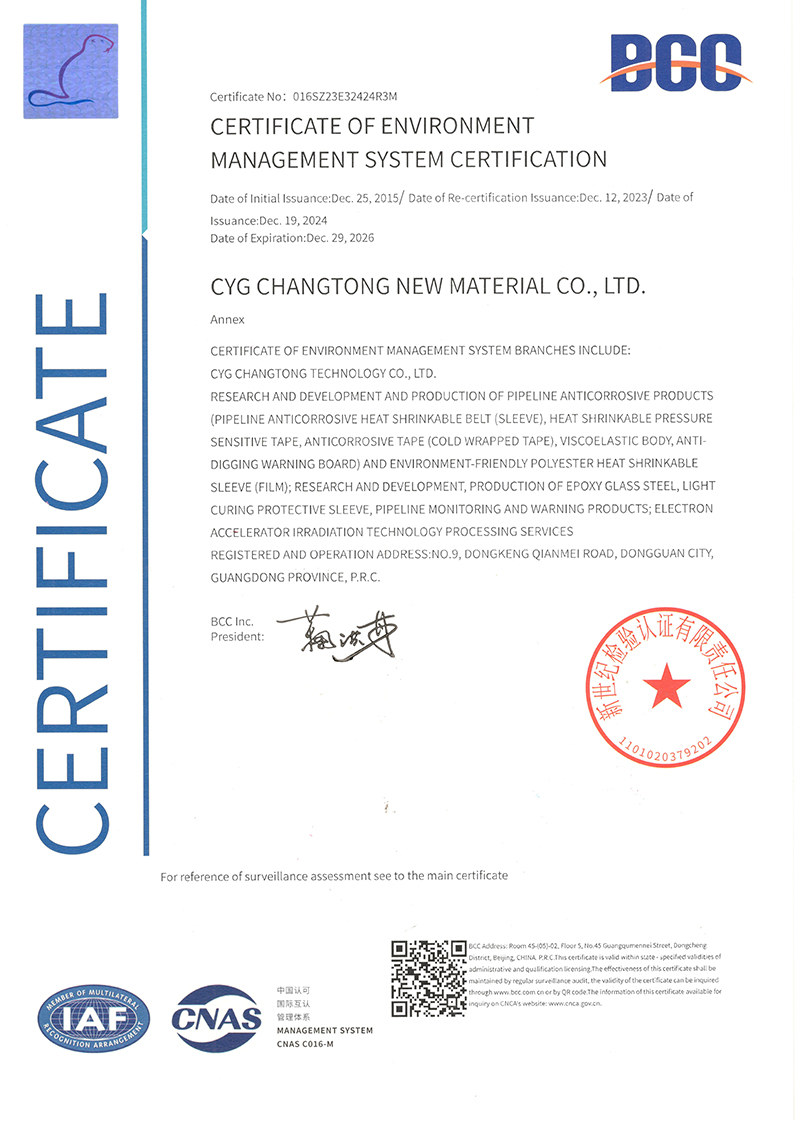
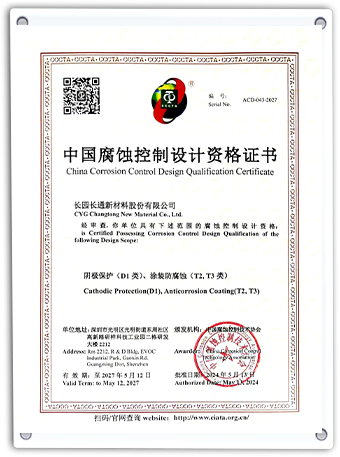
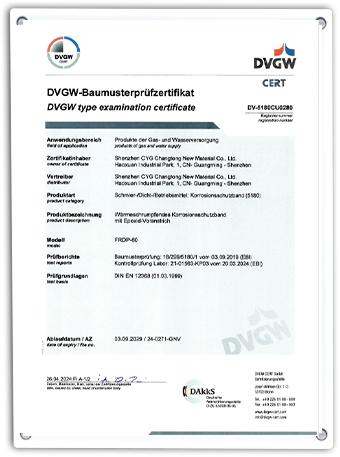
A corporate member of the Council in Chinese Society for Corrosion and Protection (CSCP) and stable strategic supplier for top-tier energy conglomerates.
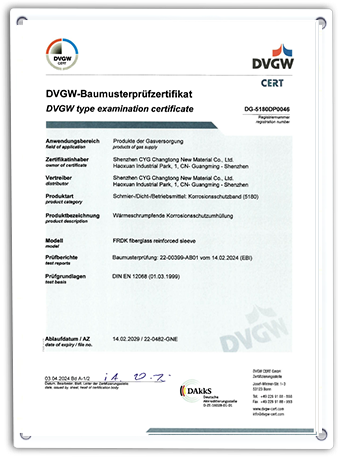
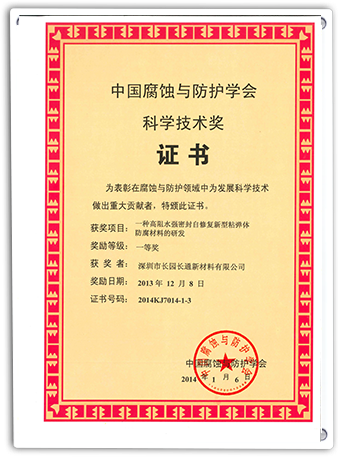
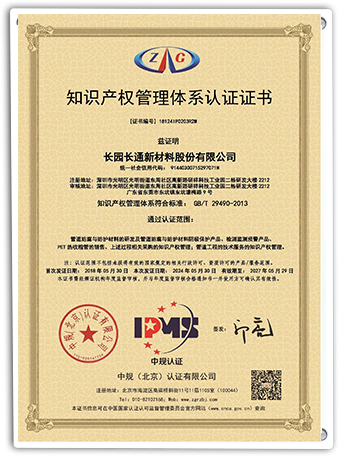
Expert answers addressing the critical parameters, application issues, and structural attributes of modern industrial adhesives and coatings.
The liquid epoxy primer forms an ultra-thin (typically 150-200 microns) cross-linked layer directly on the steel substrate. This layer blocks water vapor diffusion and oxygen molecules, providing active cathodic protection. The hot-melt adhesive backing of the heat shrinkable sleeve subsequently fuses with the semi-cured epoxy primer during thermal application. This chemistry forms a three-layer pipeline coating (3LPE/3LPP equivalent) with excellent peel strength, soil stress resistance, and long-term shear resilience.
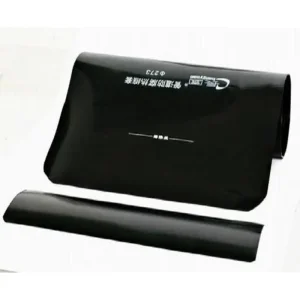
Our PP repair patches are engineered using modified polypropylene materials with specialized hot-melt mastic backings. During the application of a 3LPP repair, the repair patch is heated to melt the PP surface and flow into the defect zone. The hot-melt mastic functions as a thermal adhesive, chemical grafting itself to the factory-applied PP coating. Our laboratory results show that the peel strength of CYCT repair patches on factory 3LPP coatings far exceeds standard requirements at high operational temperatures.
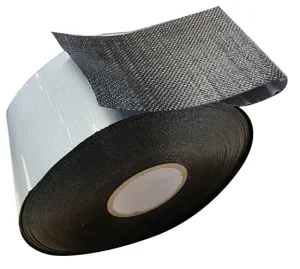
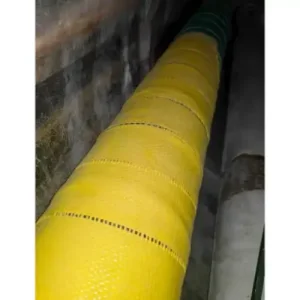
HDD (Horizontal Directional Drilling) crossings pull the pipeline through rugged sub-surface boreholes. The shear forces and frictional heat generated can tear standard polyethylene shrink sleeves. The CYCT fiberglass-reinforced sleeve integrates a structural glass-woven mesh matrix. This design provides structural tensile strength and high shear resilience, resisting deep gouging and impact loads, protecting the underlying steel pipe from corrosive soil minerals.
Yes. CYCT's GRF moisture-curing shield is formulated specifically for wet, high-salinity offshore environments. The resin within the polyurethane composite reacts with ambient moisture or seawater to initiate cross-linking. Unlike traditional polyamides that require perfectly dry surfaces, our moisture-curing system forms a hard shell directly over damp substrates, making it ideal for offshore pile repair, splash-zone piping, and subsea risers.
Our CNAS testing center conducts extensive QA/QC checks on every batch. Major test criteria include: DSC analysis to verify cure rate and glass transition temperature (Tg), tensile testing for elastomer elongation, cathodic disbondment verification up to 95°C, high-voltage spark testing for pinhole detection, and artificial weathering chambers (UV and salt spray) to replicate marine environments.
Explore the remainder of our engineered product range, featuring advanced moisture-curing composites, viscoelastic sealants, and UV-curing sheets.
Ensuring timely delivery, custom sizing, and structural compliance for international EPC infrastructure projects.
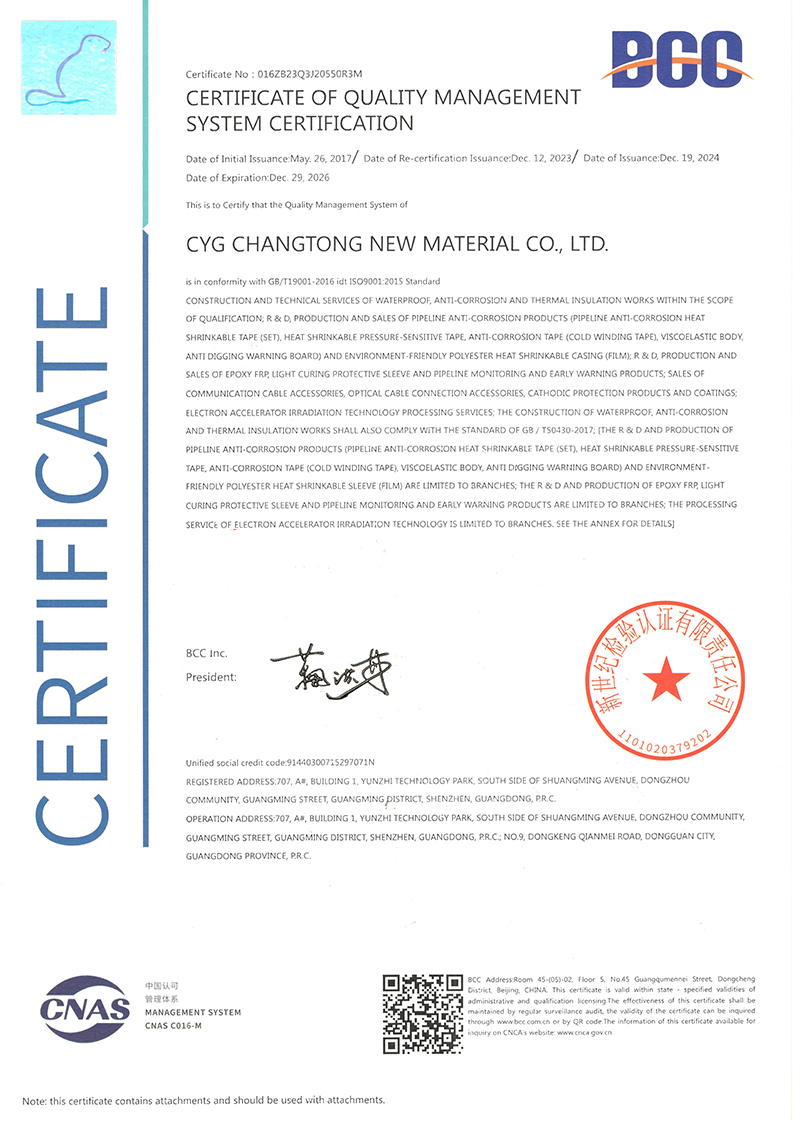
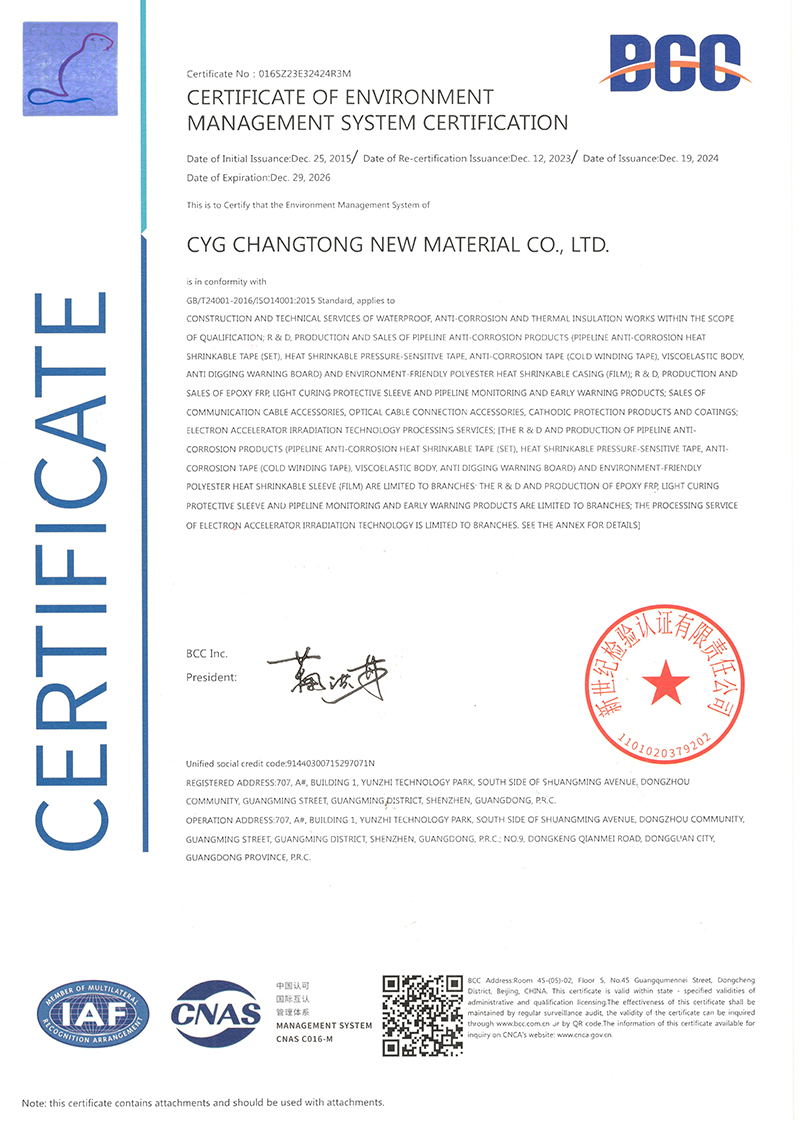
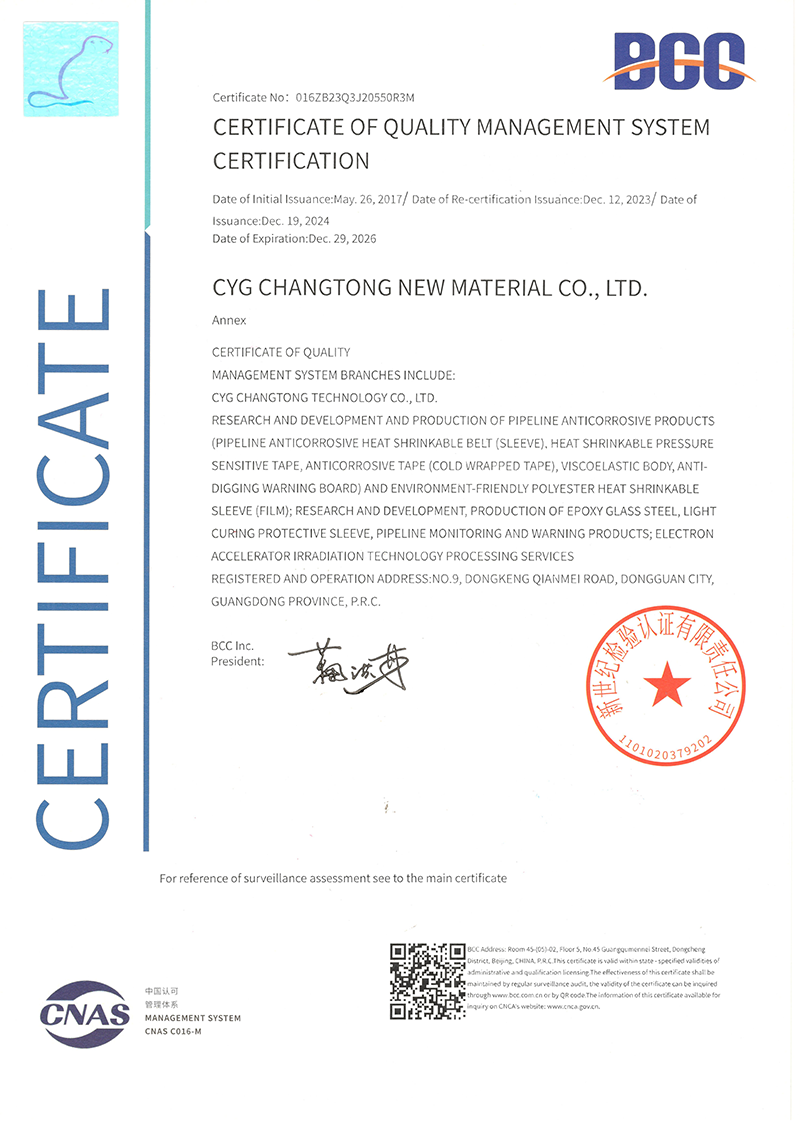
Every shipment is accompanied by a Mill Test Certificate (MTC) traceably tracked through our ISO 9001 quality management framework. CYCT's QC protocols match major oil developer specifications, ensuring seamless approvals from international inspectors.
Industrial adhesives, viscoelastic compounds, and liquid epoxy components require precise temperature-controlled shipping and specialized dangerous goods (DG) compliance handling. CYCT coordinates global ocean, rail, and air logistics to deliver materials in optimal condition.
To guarantee that our epoxy primers and heat-shrink sleeves achieve their nominal technical lifespans, CYCT offers remote technical training and on-site engineering guidance. This support helps field crews master parameters like surface preparation (Sa 2.5), preheat temperature ranges, and coating application.
 CYCT
CYCT