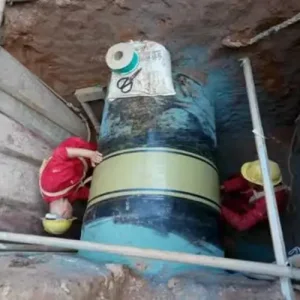
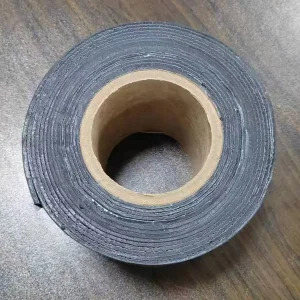
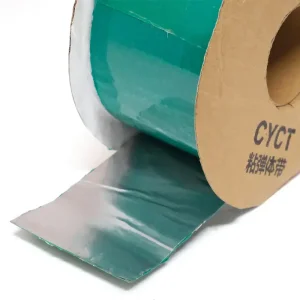
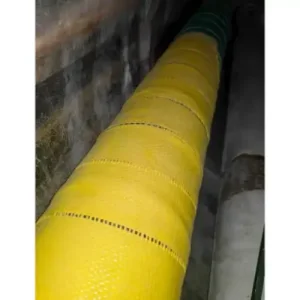
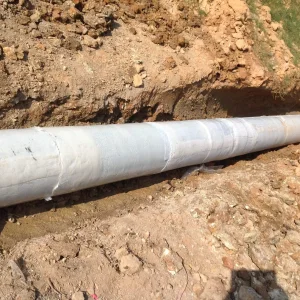
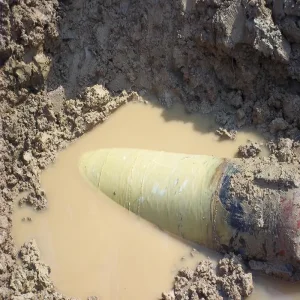
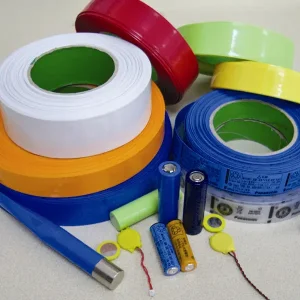
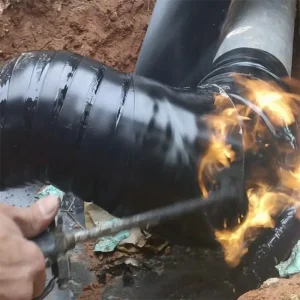
Premium pipeline reinforcement repair wraps, viscoelastic sealants, heat-shrinkable materials, and heavy-duty structural restrictors.
Metallic pipeline systems form the backbone of modern global energy networks, water transport, and petrochemical grids. However, they are constantly exposed to electrochemical destruction. According to AMPP (Association for Materials Protection and Performance), the global cost of industrial corrosion is estimated at a staggering $2.5 trillion USD annually. Over 35% of this loss could be mitigated through the systematic application of high-performance field-joint coatings and corrosion prevention tapes.
When buried in soil or submerged in water, pipelines face aggressive environments where moisture, oxygen, dissolved salts, and stray electric currents initiate rapid oxidation. The core objective of modern tape coatings is not merely insulation, but the complete exclusion of water and oxygen from the steel surface. This requires materials with high electrical resistivity, minimal moisture permeability, and superior mechanical resistance to soil stresses and thermal expansions.
Recent developments in cold-applied polymer science have made viscoelastic tapes and high-performance mastic systems the gold standard for field-joint rehabilitation. Unlike traditional liquid coatings that require complex field mixing and curing processes, modern tape systems are pre-manufactured to exact thickness and quality standards. This ensures uniform protection across the entire pipe profile, including welds, elbows, and valves.
An evaluation of molecular structures and mechanical behaviors in high-performance tape systems.
A pipeline corrosion prevention tape typically consists of a multi-layer composite engineered to perform under severe mechanical and chemical stress. The primary classification includes Cold-Applied Polymeric Tapes (Polyethylene/Polypropylene based), Viscoelastic Tapes, and Heat-Shrinkable Sleeves. Understanding their mechanical differences is crucial for choosing the correct protection system:
| Material Class | Core Chemical Composition | Primary Mechanical Advantage | Applicable Standards |
|---|---|---|---|
| Viscoelastic Tape | Amorphous apolar polyolefin polymer with permanent cold-flow behavior | 100% self-healing, intimate steel wetting, zero curing time | ISO 21809-3 Type 1A, DIN 30672 |
| Heat-Shrinkable Sleeve (3LPE/3LPP) | Cross-linked PE/PP backing with high-shear hot-melt adhesive | High soil shear resistance, excellent joint integrity matching line coatings | EN 12068 Class C, ISO 21809-3 Type 14 |
| Cold-Applied PE/PP Tape | Polyethylene film backing with elastomeric butyl rubber adhesive | High dielectric strength, cost-effective manual or machine application | ASTM D1000, AWWA C214 / C209 |
| Glass Fiber Reinforced Polymer (GFRP) | High-tenacity E-glass fiber matrix with epoxy/polyurethane resin | Extreme impact resistance, custom-designed for trenchless HDD operations | ASTM D2584, ISO 14125 |
A key indicator of tape performance is its resistance to Cathodic Disbondment (CD). Pipelines are typically protected by a combination of passive coatings and active Cathodic Protection (CP) systems. If the passive coating fails to adhere properly, the electrical currents from the CP system can cause the tape to detach, leading to localized corrosion underneath the coating. Viscoelastic tapes are particularly effective at preventing this, as their liquid-like flow properties ensure continuous, void-free contact with the steel surface, even under fluctuating temperatures.
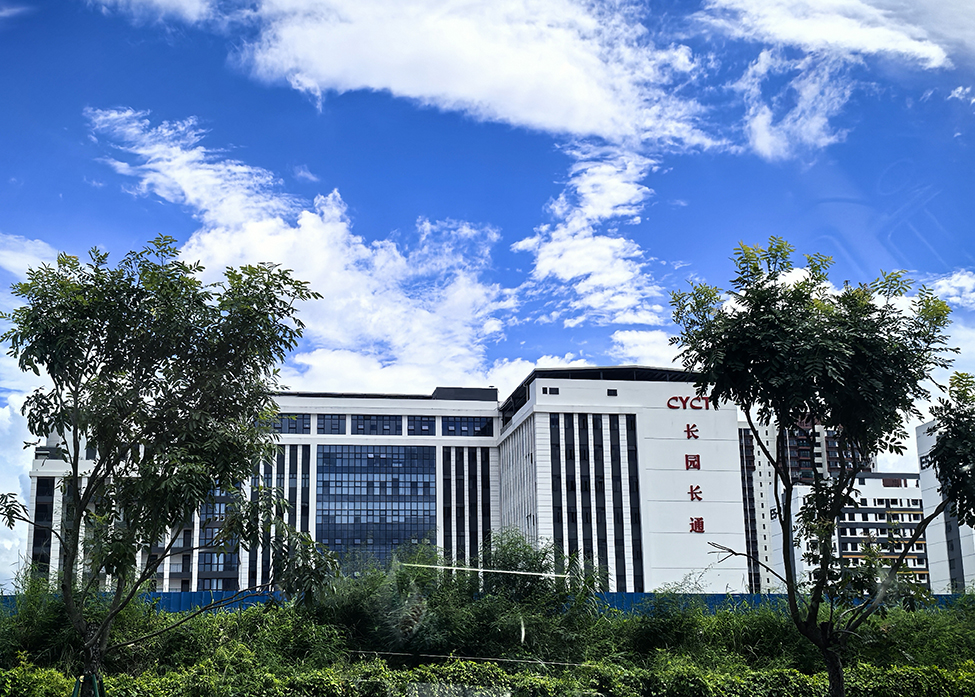
Founded in 2000, CYCT New Materials Company Limited (CYCT) is a state-level high-tech enterprise. We specialize in the R&D, manufacturing, and distribution of pipeline corrosion protection materials. Our services also include buried pipeline detection and specialized field coating applications.
Over more than two decades, CYCT has developed an integrated pipeline safety protection program. We have built strong partnerships with key research institutions, such as the CNPC Pipeline Science Research Institute. This collaboration enables us to provide complete pipeline lifecycle services, including design planning, cathodic protection engineering, rehabilitation, and field joint coating. Our focus on quality and innovation has made us a trusted supplier for major domestic and international pipeline projects.
Our track record includes long-term supplier partnerships with major oil and gas operators, such as PetroChina, Sinopec, PipeChina, and local municipal gas networks. We also supply international projects, including Indian Oil. By maintaining a high market share in field joint coatings, CYCT continues to lead the industry with advanced materials like visco-elastic coatings, photo-curing sleeves for HDD protection, and polyurea coatings.
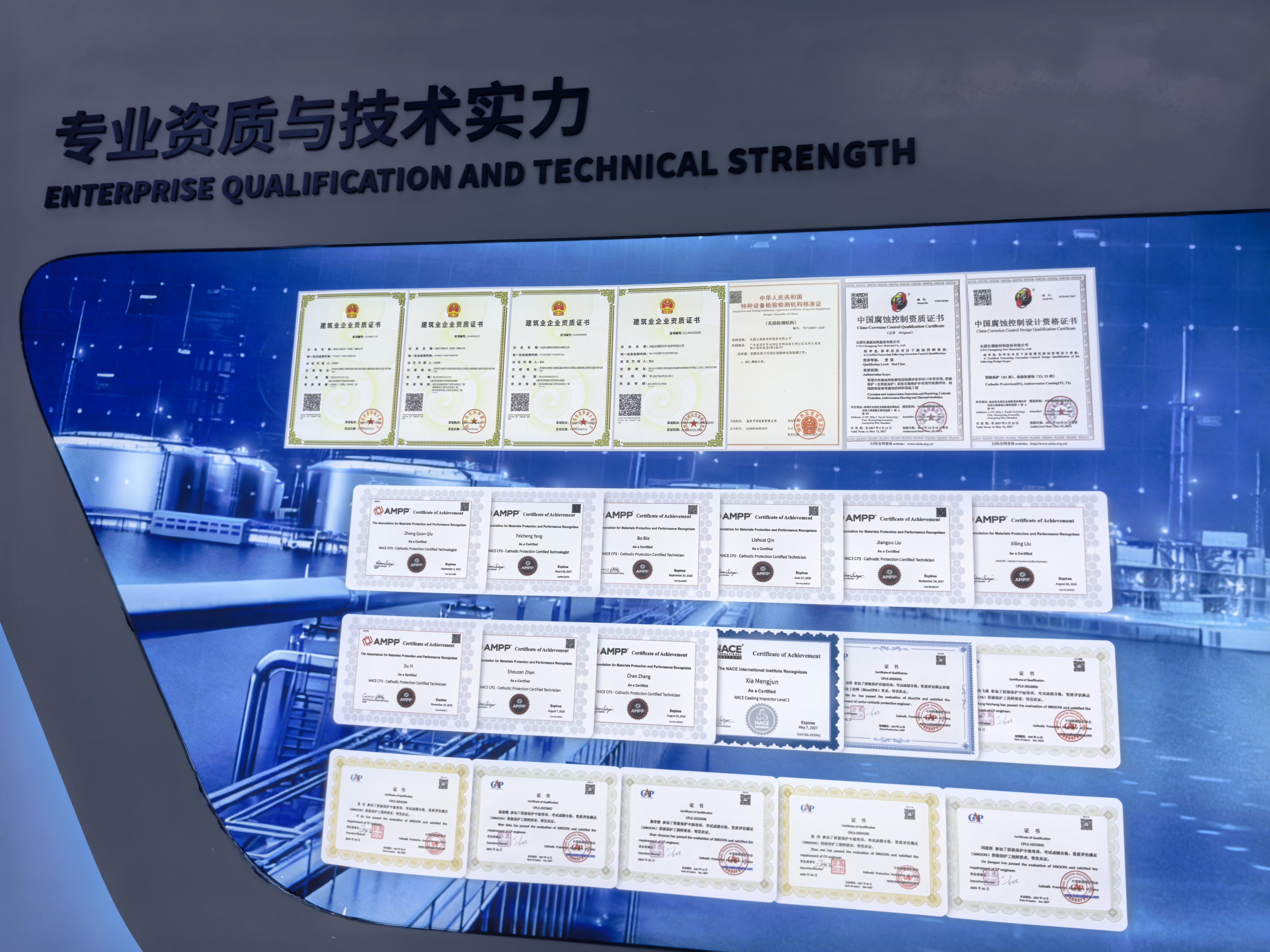
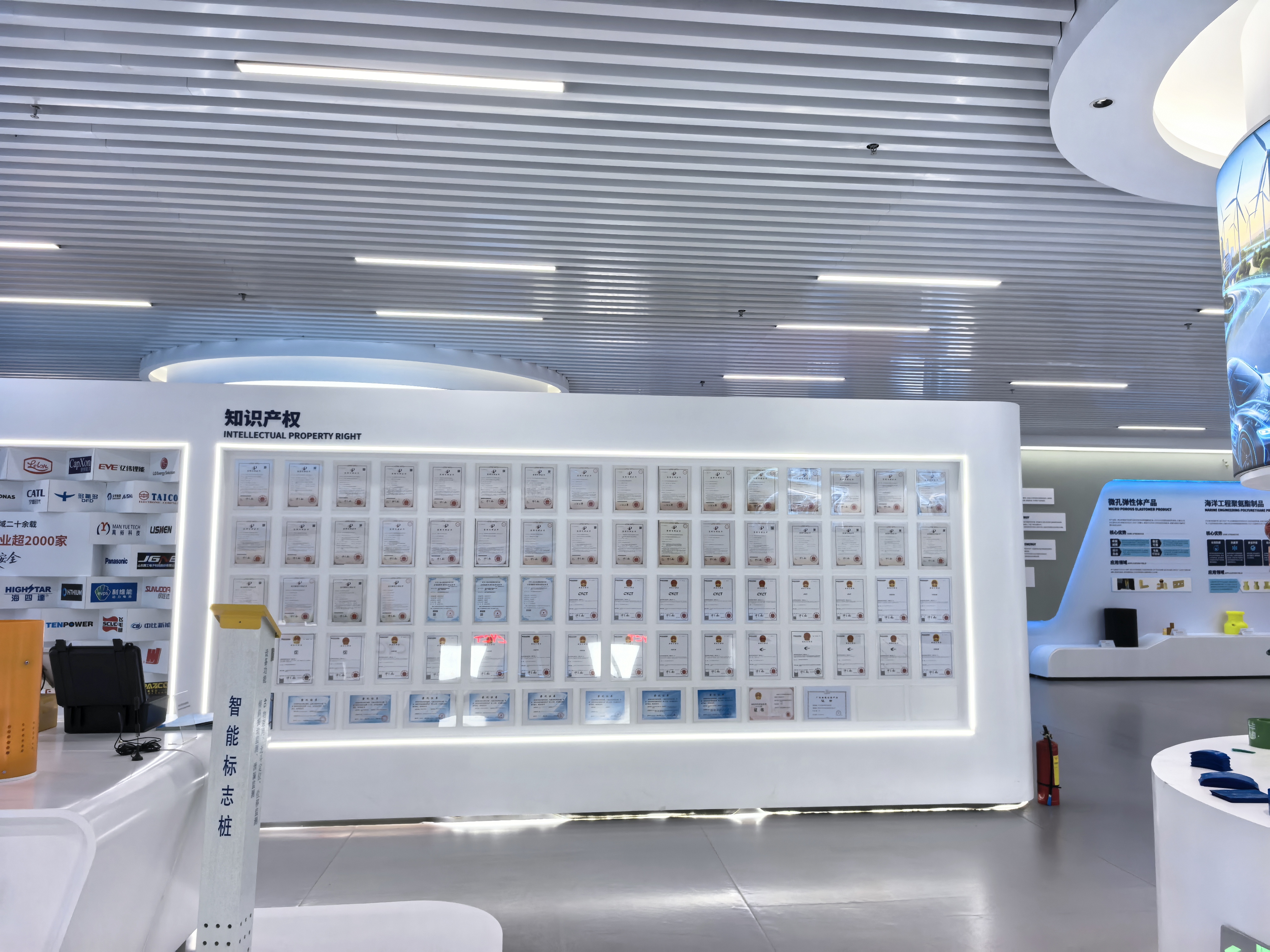
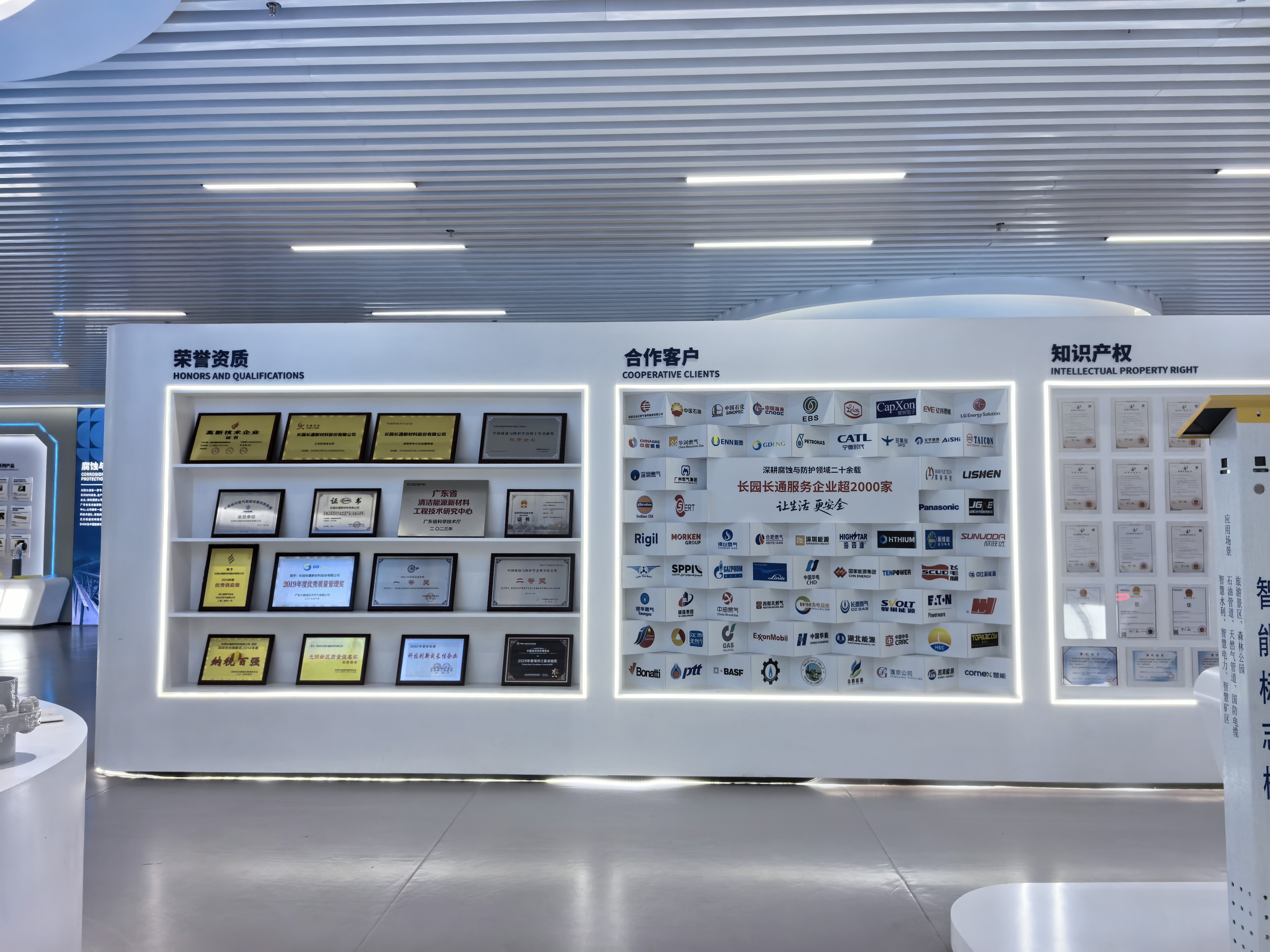
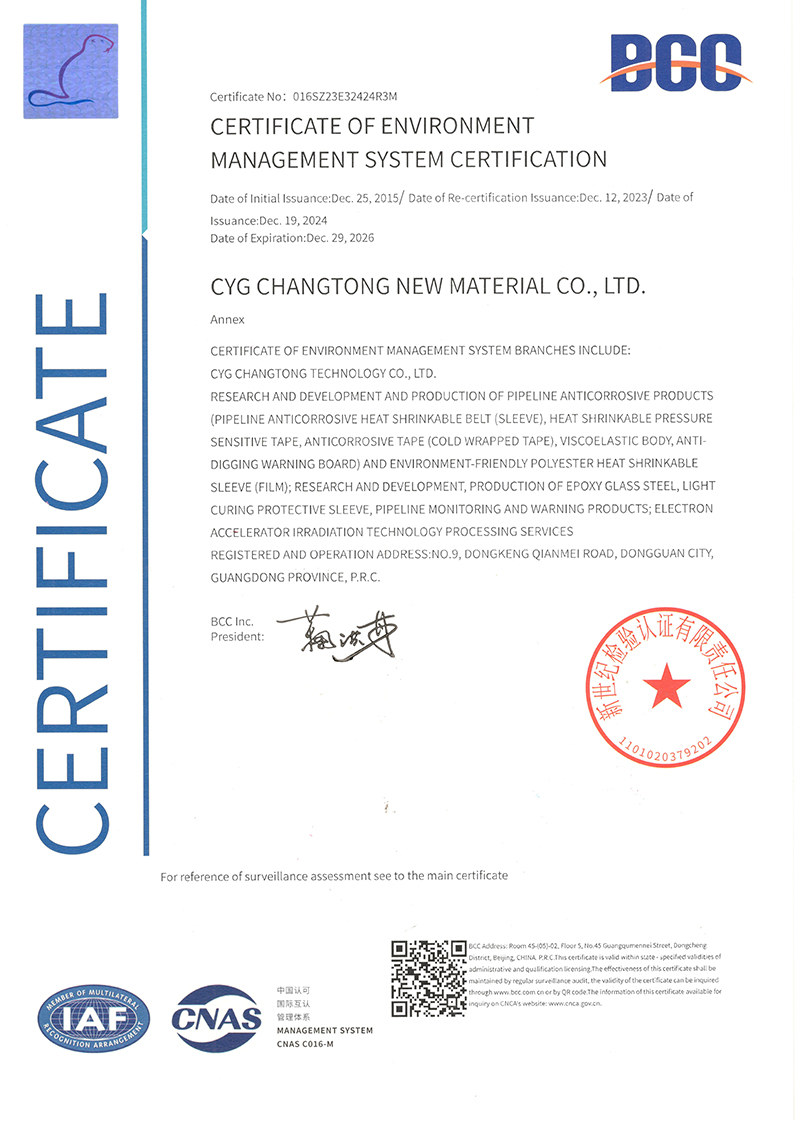
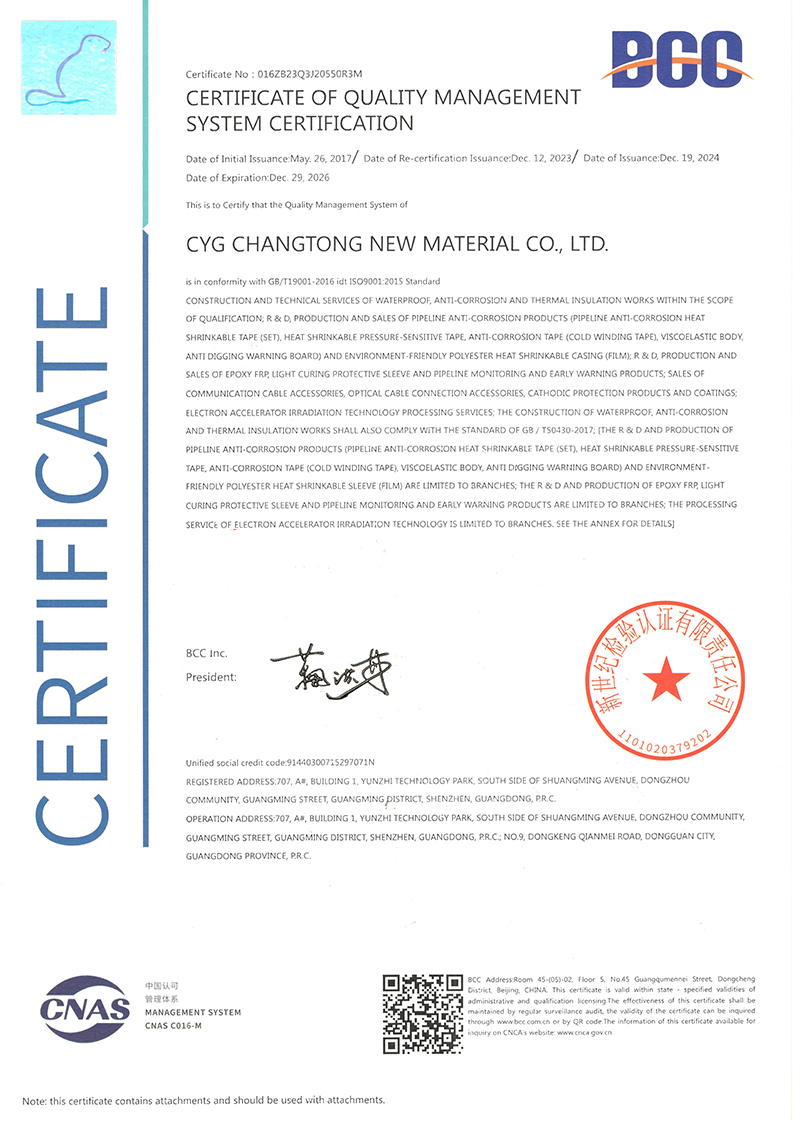
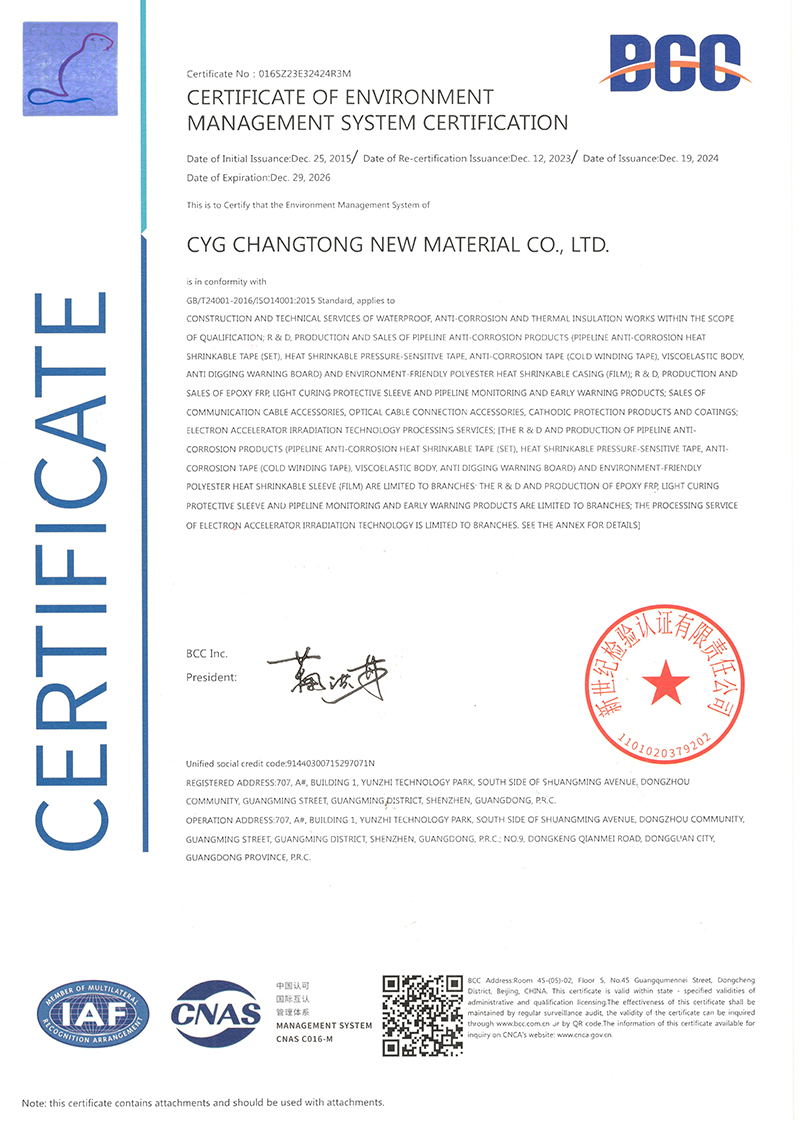
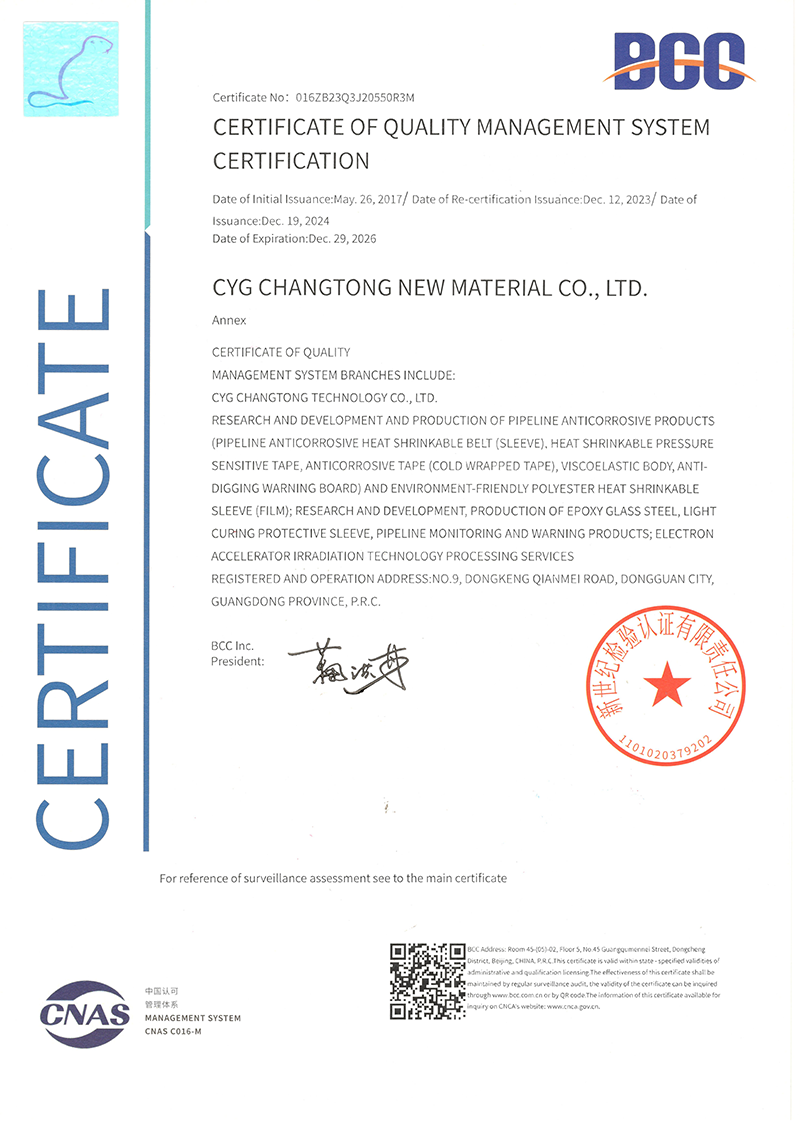
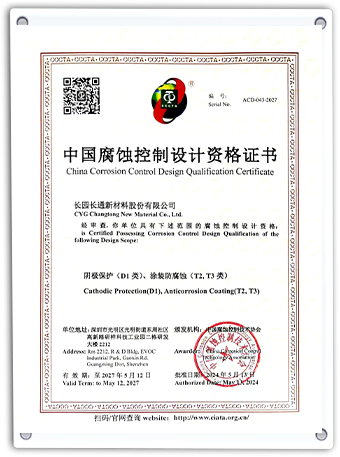
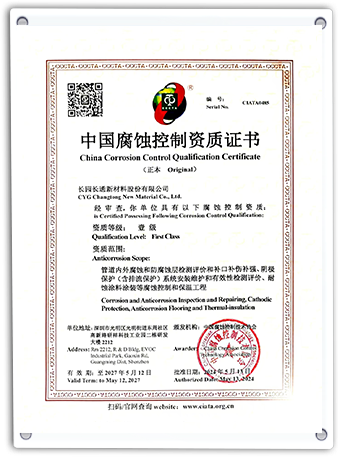
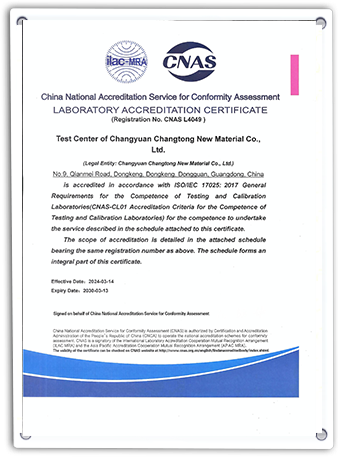
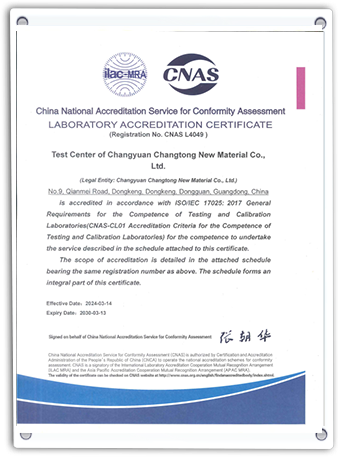
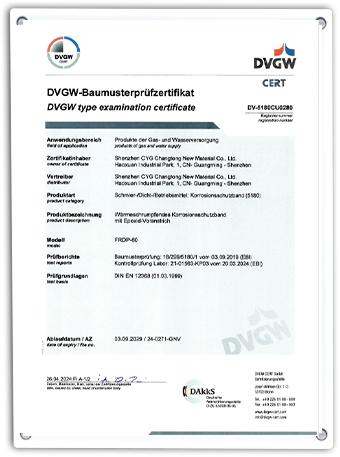
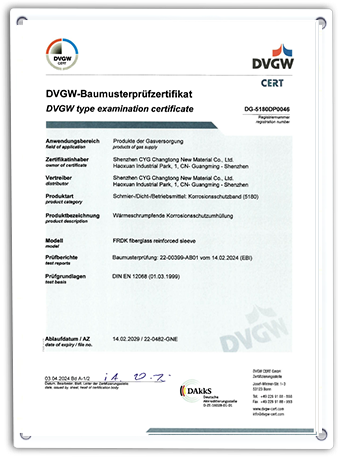
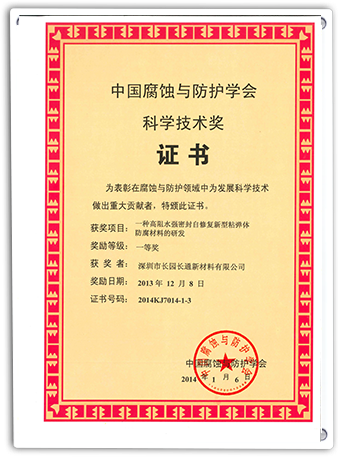
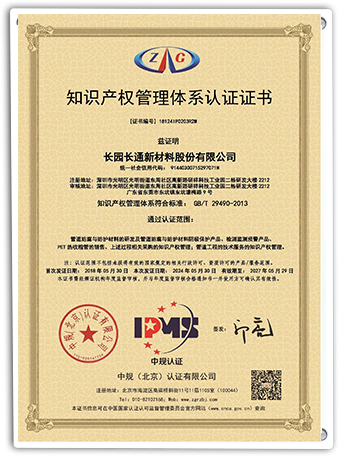
Our systems are fully certified to international standards. This ensures high performance and reliability for critical oil, gas, and water infrastructure.
China's modern manufacturing sector provides unique cost, technology, and supply chain benefits for major infrastructure projects.
Chinese manufacturers have direct access to local suppliers of base petrochemical resins, specialized plasticizers, and high-performance adhesives. This direct supply chain helps reduce raw material costs and ensures stable production schedules.
Equipped with CNAS-accredited laboratories, factories like CYCT can customize formulations for specific environments. This includes low-temperature backing films for arctic projects and high-softening mastic adhesives for desert applications.
By using digital MES (Manufacturing Execution Systems), every roll of tape can be traced back to its raw material batch. This ensures compliance with international industry standards, such as ISO 21809-3, DIN 30672, and AWWA C214.
Each pipeline installation project presents unique challenges that require specific tape solutions:
The corrosion prevention industry is moving toward safer, more durable, and environmentally friendly solutions:
Key quality parameters and verification steps for sourcing pipeline tapes from China.
When selecting a supplier for large-scale municipal or petrochemical pipeline projects, purchasing managers should verify that the manufacturer meets the following quality criteria:
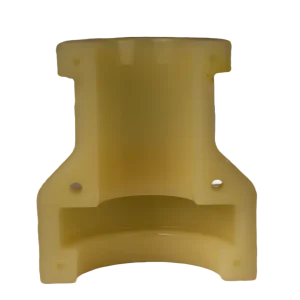
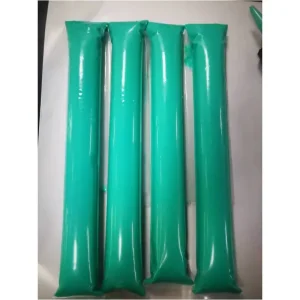
High-performance pipeline components, PET shrink tubes, and UV-curing composites from CYCT's factory lines.
Answers to common technical queries about pipeline protection, materials science, and installation procedures.
Viscoelastic tape is made from amorphous polyolefins that maintain a permanent cold-flow state. This allows the material to self-heal minor defects and flow into surface imperfections without requiring a primer. In contrast, heat shrinkable sleeves are made from cross-linked polymeric backings with a hot-melt adhesive that requires pre-heating. Sleeves offer higher mechanical shear resistance, making them suitable for traditional trench installations.
Horizontal Directional Drilling (HDD) subjects pipelines to high shear forces and abrasive soils. GRP (Glass Reinforced Plastic) protective sleeves are wrapped over the field joint coating. When cured with light or moisture, they form a hard, impact-resistant shield that absorbs mechanical forces, protecting the primary corrosion layer from damage during the pull-back process.
Our laboratory tests key performance parameters, including cathodic disbondment resistance, peel strength, impact resistance, tensile strength, elongation at break, water absorption rates, and thermal aging characteristics. These tests ensure our materials comply with international standards such as ISO 21809-3 and EN 12068.
Underground pipelines use active cathodic protection (CP) systems to prevent corrosion at coating defects. However, CP currents can cause the coating adjacent to a holiday to peel away. Tapes with high cathodic disbondment resistance maintain their adhesion to the steel surface, preventing moisture migration and localized corrosion under the coating.
To ensure proper adhesion, the steel surface should be cleaned to a minimum of ISO 8501-1 Sa 2½ (near-white blast cleaning) or St 3 (power tool cleaning). The surface must be dry and free of moisture, dust, oil, and rust particles before applying the tape.
Yes. We can customize the thickness of the backing and adhesive layers, as well as the width of the rolls, to meet specific project specifications. Our engineering team works with clients to determine the optimal dimensions based on pipeline size, installation method, and environmental conditions.
 CYCT
CYCT