 CYCT
CYCT
The Evolution of Cold Applied Anti-Corrosion Tapes in Global Pipeline Infrastructure
Underground pipeline systems serve as the structural vascular network of modern energy transport, municipal services, and industrial refining. Protecting these subterranean and subsea assets against galvanic and chemical corrosion is vital for longevity, environmental safety, and efficiency. Traditional pipeline coatings, while effective, often demand highly intensive field preparation, specialized machinery, or open flames (as in heat-shrink application methods).
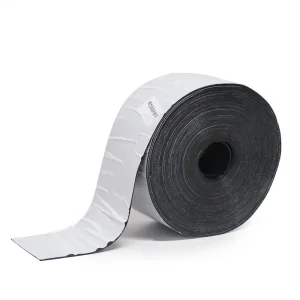
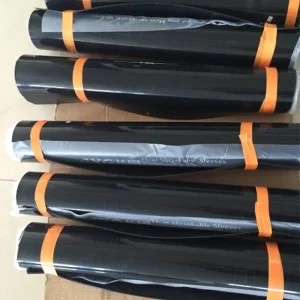
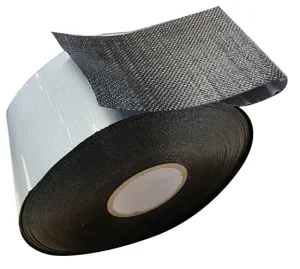
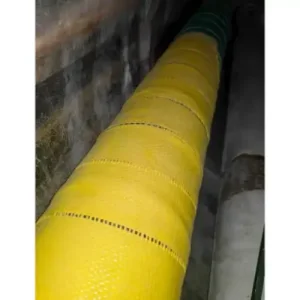
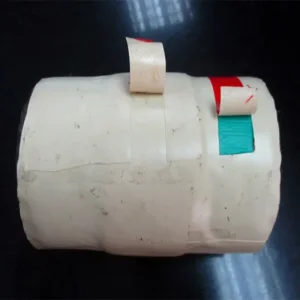
This is where Cold Applied Polyethylene (PE) and Polypropylene (PP) Anti-Corrosion Tapes have transformed field-applied pipeline joint coating protocols. By relying on highly advanced elastomer-modified butyl adhesive matrices combined with rugged, stabilized polyolefin backings, cold-applied tape systems require no pre-heating or chemical accelerators to bond with the metal substrate. They are applied at ambient temperatures and bond instantly under tension, significantly accelerating project execution cycles while conforming to rigorous global environmental guidelines.
Cost Efficiency
Significantly reduces mobilization expenses, crew sizes, and site hazard insurance compared to hot-applied technologies.
Extreme Durability
Maintains cohesive properties under severe soil stresses and extreme temperature variations from -40°C up to +85°C.
Cathodic Shielding Resistance
Formulated to allow cathodic protection currents to effectively pass through without causing shielding issues.
Technical Standards & Materials Formulation
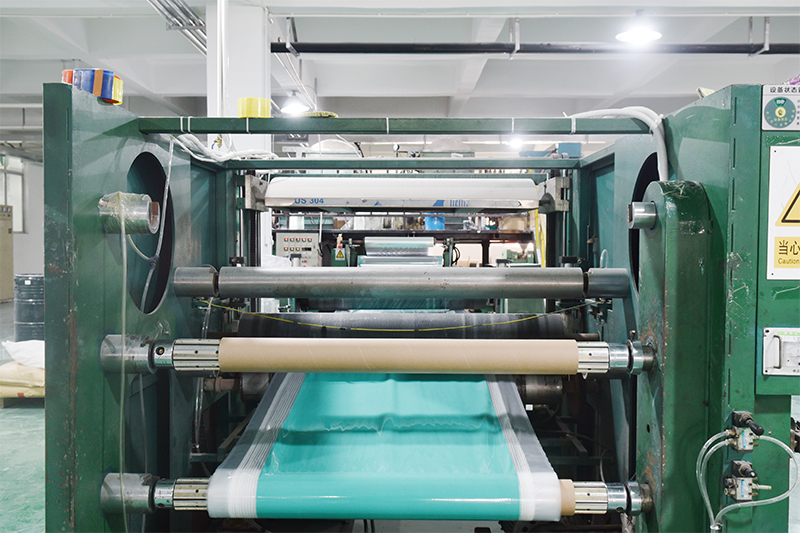
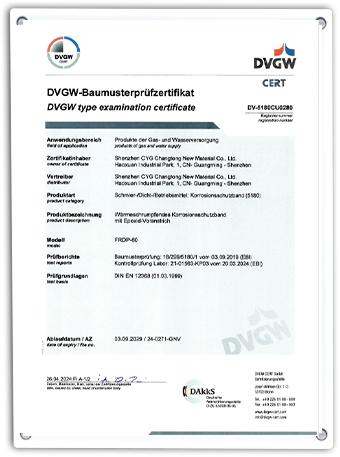
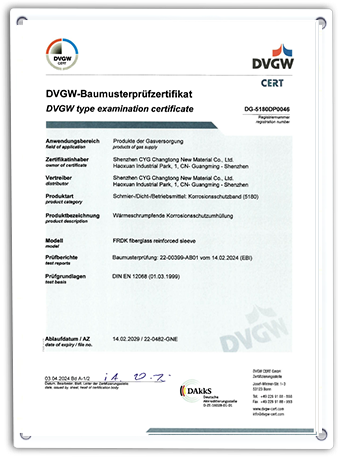
Modern engineering standards (such as EN 12068, ISO 21809-3, and ASTM D1000) demand that cold-applied protective tape systems display impeccable shear and peel resistance. The primary backing consists of high-density or low-density polyethylene compounds, chemically cross-linked to resist impact and indentation damage from backfill processes. The adhesive layer is composed of highly cohesive butyl rubber integrated with tackifying resins and anti-aging agents, which prevents the entry of moisture, soil acids, and saline solutions.