How rapid urbanization, deep-sea oil exploration, and trenchless engineering drive the demand for next-generation mechanical pipeline shielding.
Modern energy, petrochemical, and municipal distribution infrastructures operate under intense geographical and environmental stress. Millions of kilometers of pipelines cross extreme landscapes—ranging from shifting desert sands to highly saline offshore continental shelves. In this high-stakes ecosystem, the primary goal of pipeline engineers is to achieve uncompromised long-term integrity. Steel pipes buried underground or submerged underwater face aggressive electrochemical corrosion, microbial attacks, and persistent mechanical wear.
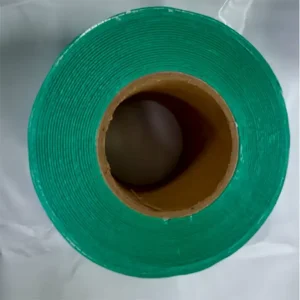
Standard liquid epoxy or basic three-layer polyethylene (3LPE) coatings provide adequate protection against electrochemical corrosion in static environments. However, during installation phases like Horizontal Directional Drilling (HDD) and under dynamic service conditions (such as soil settlement and temperature cycles), these baseline coatings are highly vulnerable to gouging, impact, and shear. This gap has made Abrasion Resistant Pipe Wrap an essential component in global asset preservation strategies.
As transmission grids stretch across remote regions, they run through rocky soils, mountainous areas, and marshes. Mechanical protection wraps are critical to preventing backfill rock damages during execution.
Marine environments subject offshore risers, jetty piles, and subsea pipelines to tidal shifts, salt spray, and physical impacts. Moisture-curing and composite shields provide reliable barriers in these splash zones.
Horizontal Directional Drilling is the standard for crossing highways, rivers, and cities. Pulling pre-fabricated pipelines through rocky boreholes requires high-performance, impact-resistant outer wraps to protect the primary coating.
Resolving high-risk pipeline failure modes with tailormade coating and wrap systems.
Industrial pipelines represent long-term capital investments designed to operate for 30 to 50 years. Coating degradation is a primary driver of premature pipeline failure, leading to massive financial losses and environmental hazards. To address this risk, CYCT delivers integrated coating systems specifically engineered for challenging environments.
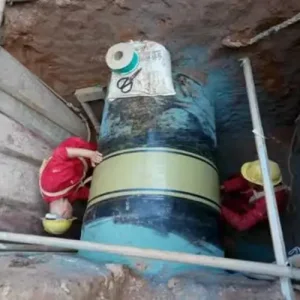
When pipeline projects cross rivers, highways, or congested urban areas, open-cut excavation is often impractical. Instead, engineers use Horizontal Directional Drilling (HDD). During this process, the pipe string is pulled through a borehole that may contain sharp rocks, gravel, and debris. This friction can scratch or strip away standard 3LPE, FBE, or PP coatings.
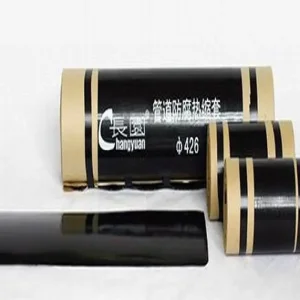
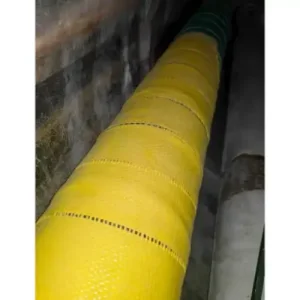
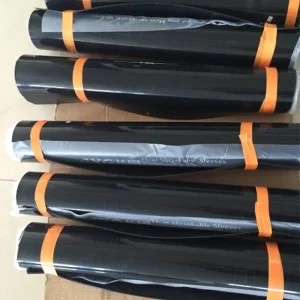
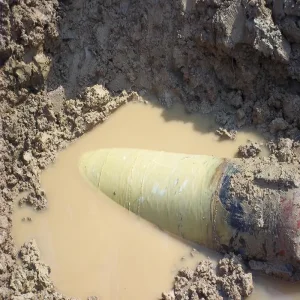
The Solution: Our Glass-Fiber Reinforced Polymer (GFRP) Reinforcement and Heat Shrinkable Fiberglass Reinforced Sleeves act as sacrificial outer shields. These composite wraps absorb high shear stress and impact forces, ensuring the underlying anti-corrosion barrier remains undamaged.
High-temperature crude oil or natural gas transmission lines undergo thermal expansion and contraction cycles. The surrounding clay and soil exert lateral friction and shear forces, which can cause soft adhesive layers on standard cold tapes to slide or buckle. This vulnerability exposes the steel pipe to moisture and oxygen.
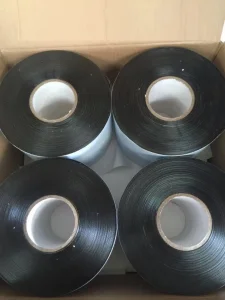
The Solution: CYCT’s High-Temperature Polyethylene (PE) Cold Tape and Polypropylene (PP) Heat Shrinkable Sleeves utilize specialized cross-linked backings and high-shear-strength adhesives. They resist soil stress up to 80°C, maintaining a continuous, slip-free seal.
Splash zones are among the most corrosive environments due to continuous exposure to oxygen, water, and salt spray. This constant moisture prevents traditional coatings from curing properly during field repair work.
The Solution: The CYG Changtong GRF Moisture Curing Shield uses a polyurethane prepolymer that cures upon contact with atmospheric or water-borne moisture. It forms a high-strength, impact-resistant outer casing that can be applied directly to wet surfaces, protecting offshore risers and piles.
Valves, tees, bends, and field weld joints have irregular shapes that are difficult to seal with rigid protective wraps. Traditional wraps often leave air gaps and voids that invite localized corrosion.
The Solution: CYCT’s Viscoelastic Materials (FVT95 Fabric Viscoelastic Tape and VE Putty) exhibit cold-flow properties that allow them to self-heal and conform to irregular surfaces. This ensures complete coverage, eliminates voids, and provides long-term corrosion protection.
The chemistry, mechanical characteristics, and performance benchmarks of CYCT materials.
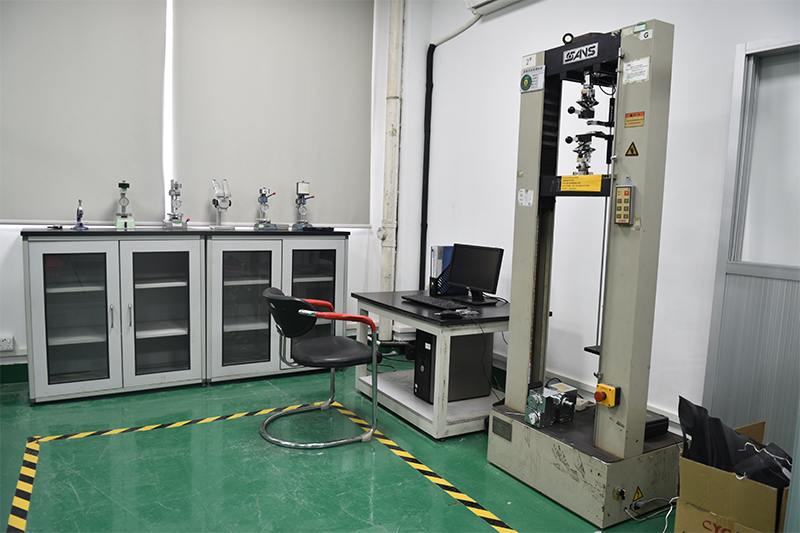
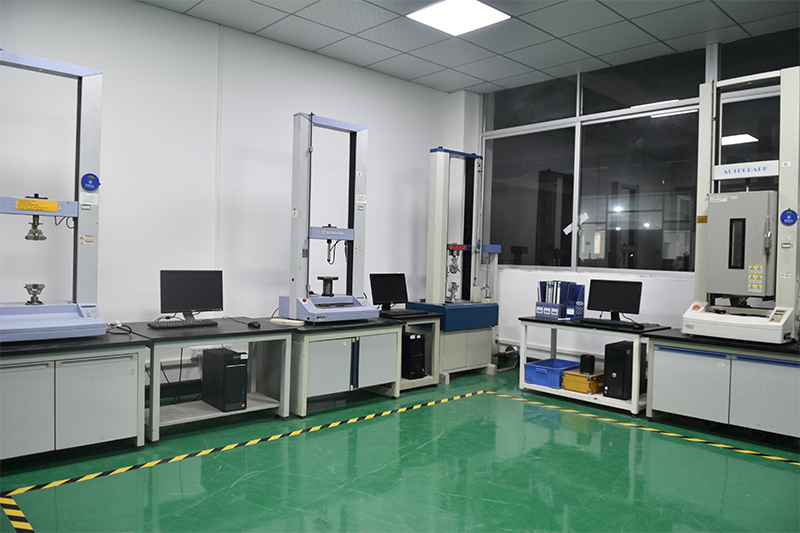
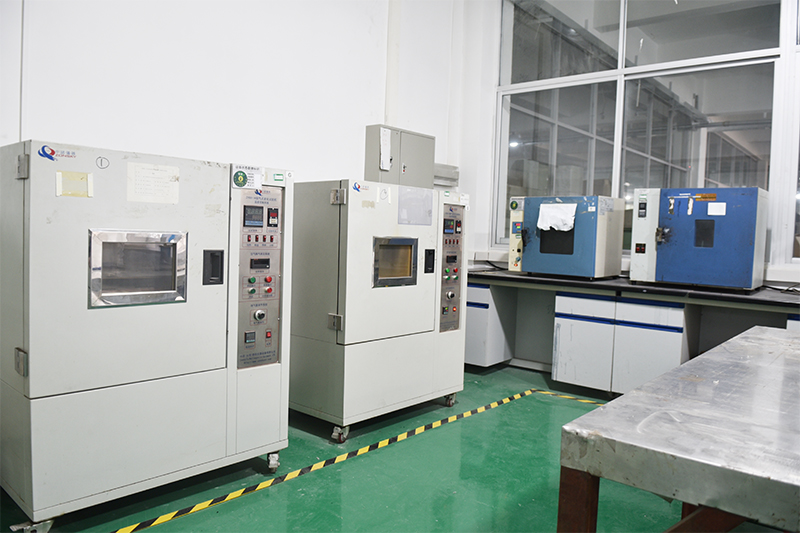
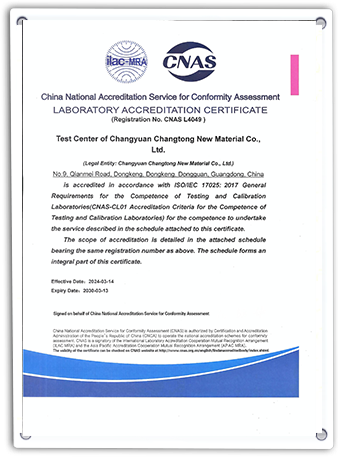
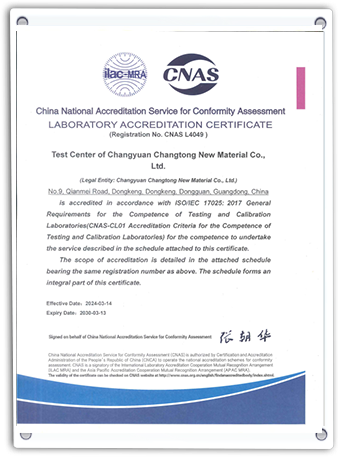
CYCT operates a national CNAS-accredited laboratory to verify the performance of our materials. By adjusting the backing polymer morphology and adhesive rheology, we engineer wraps to meet rigorous mechanical standards, including NACE, ISO, and EN specifications.
Viscoelastic materials combine the properties of viscous liquids and elastic solids. Under pressure, the material flows into surface micro-roughness, establishing a molecular bond with the steel substrate.
By utilizing high-energy electron beam irradiation, we alter the linear molecular chains of polyethylene and polypropylene into a three-dimensional network. This cross-linking process introduces a shape-memory effect.
Our moisture-curing shields incorporate fiberglass grids impregnated with water-activated polyurethane resins. Upon exposure to ambient air or water, cross-linking begins immediately.
| Product / Material System | Tensile Strength (MPa) | Impact Resistance (J) | Cathodic Disbondment Resistance | Service Temp Range (°C) |
|---|---|---|---|---|
| PE Cold Tape Outer Wrap | ≥ 25 | ≥ 15 | < 10 mm (at 60°C, 30 days) | -20°C to +80°C |
| PP Heat Shrink Sleeves | ≥ 30 | ≥ 20 | < 8 mm (at 80°C, 30 days) | -30°C to +110°C |
| Moisture Curing GRF Shield | ≥ 150 (Composite layer) | ≥ 50 | N/A (Mechanical shield) | -40°C to +100°C |
| FVT95 Viscoelastic Tape | ≥ 10 (Adhesive matrix) | ≥ 12 | 0 mm (Self-healing interface) | -35°C to +95°C |
Decades of leadership in pipeline integrity and advanced material manufacturing.
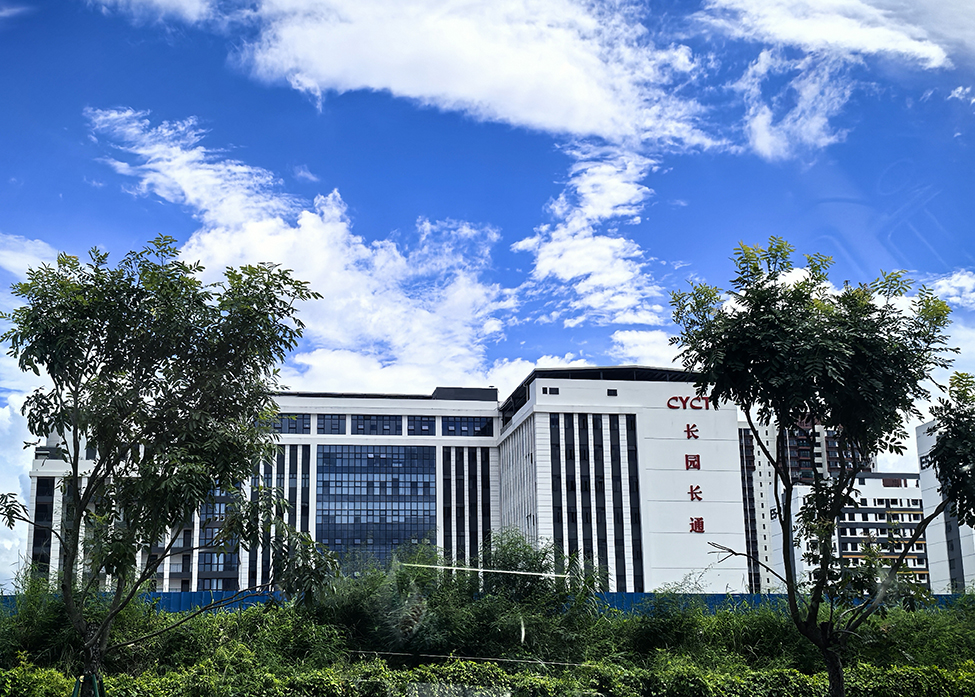
CYCT New Materials Company Limited (for short, CYCT) is a state-level high-tech enterprise integrating R&D, production, and sales of pipeline corrosion protection materials. We also offer buried pipeline detection services and coating field application support.
By collaborating with institutes such as the CNPC Pipeline Science Research Institute, CYCT provides operators with technical services, including cathodic protection design, pipeline rehabilitation, and safety management.
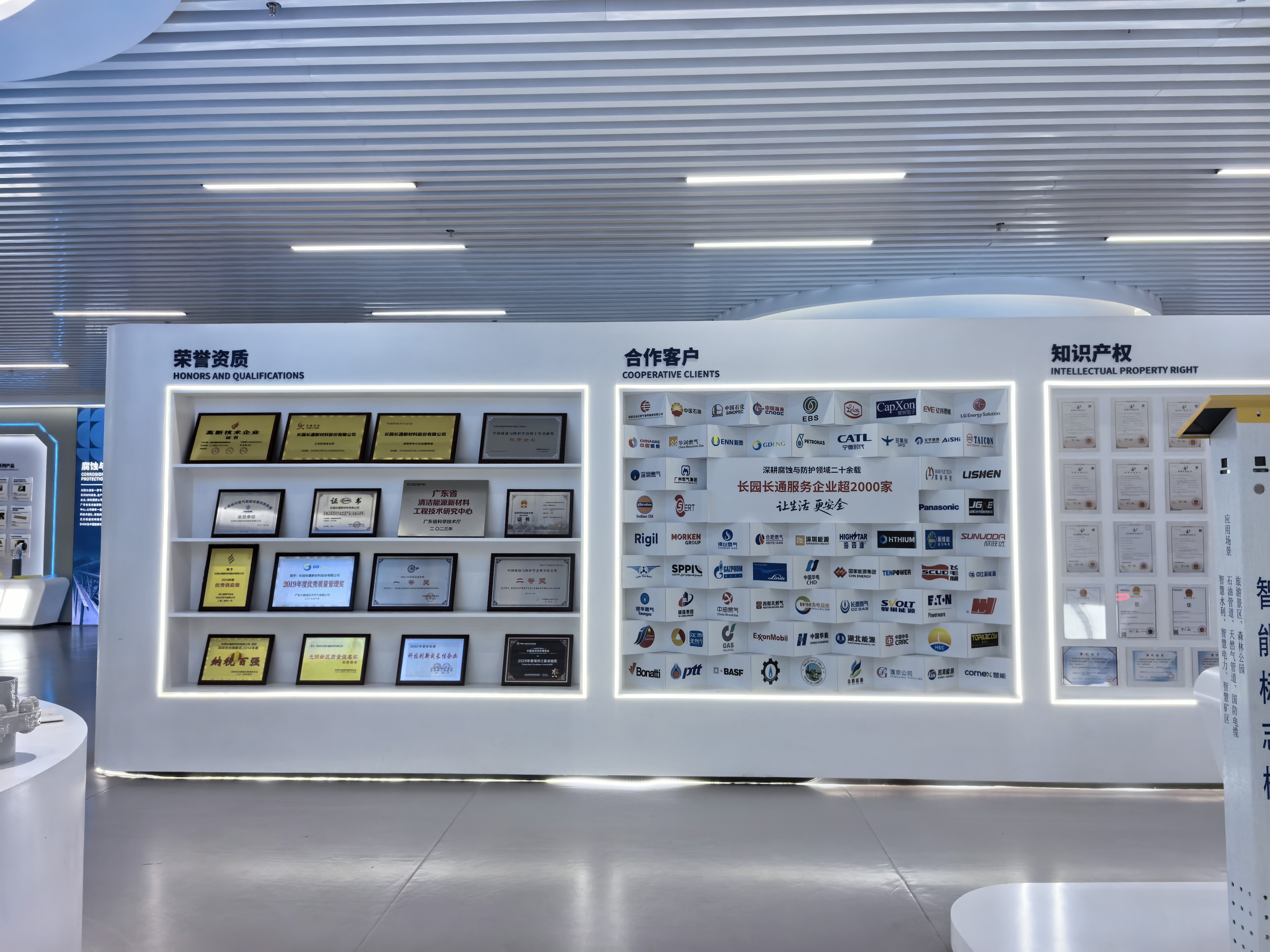
CYCT is a trusted supplier of field joint coatings for PetroChina, Sinopec, PipeChina, China Gas Group, and Indian Oil. In addition to standard pipeline protection, CYCT has developed viscoelastic materials, photo-curing sleeves for HDD protection, and polyurea coatings.
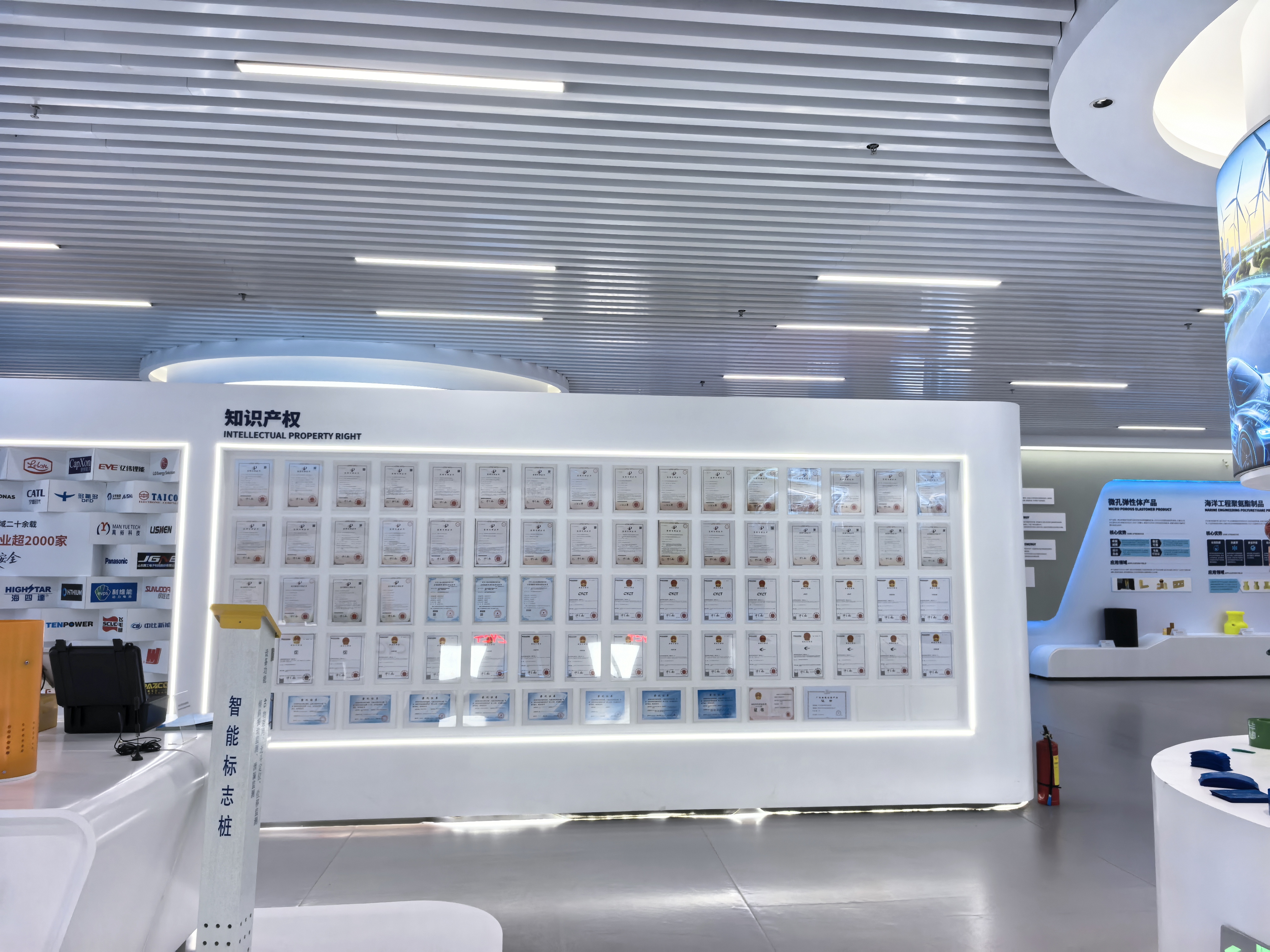
CYCT owns advanced R&D capabilities, a professional R&D team, and a national CNAS-accredited laboratory.
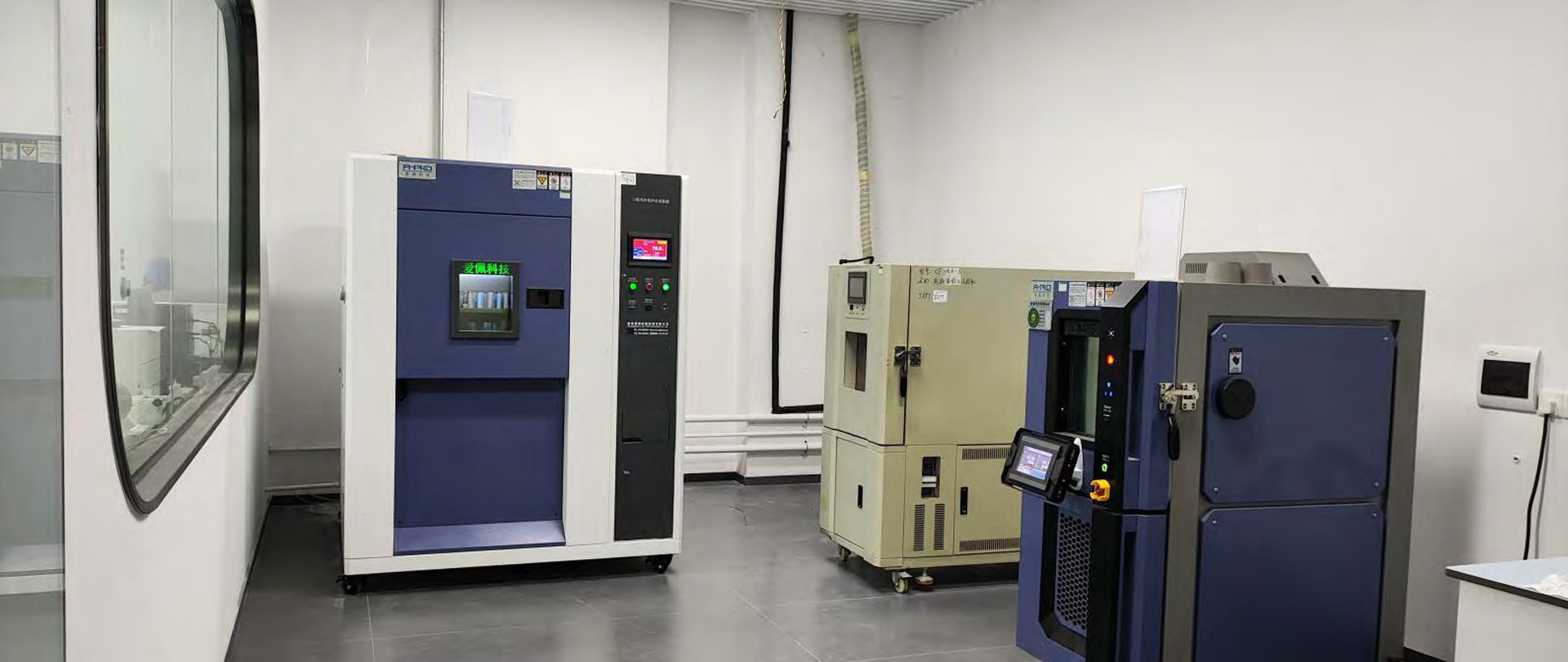
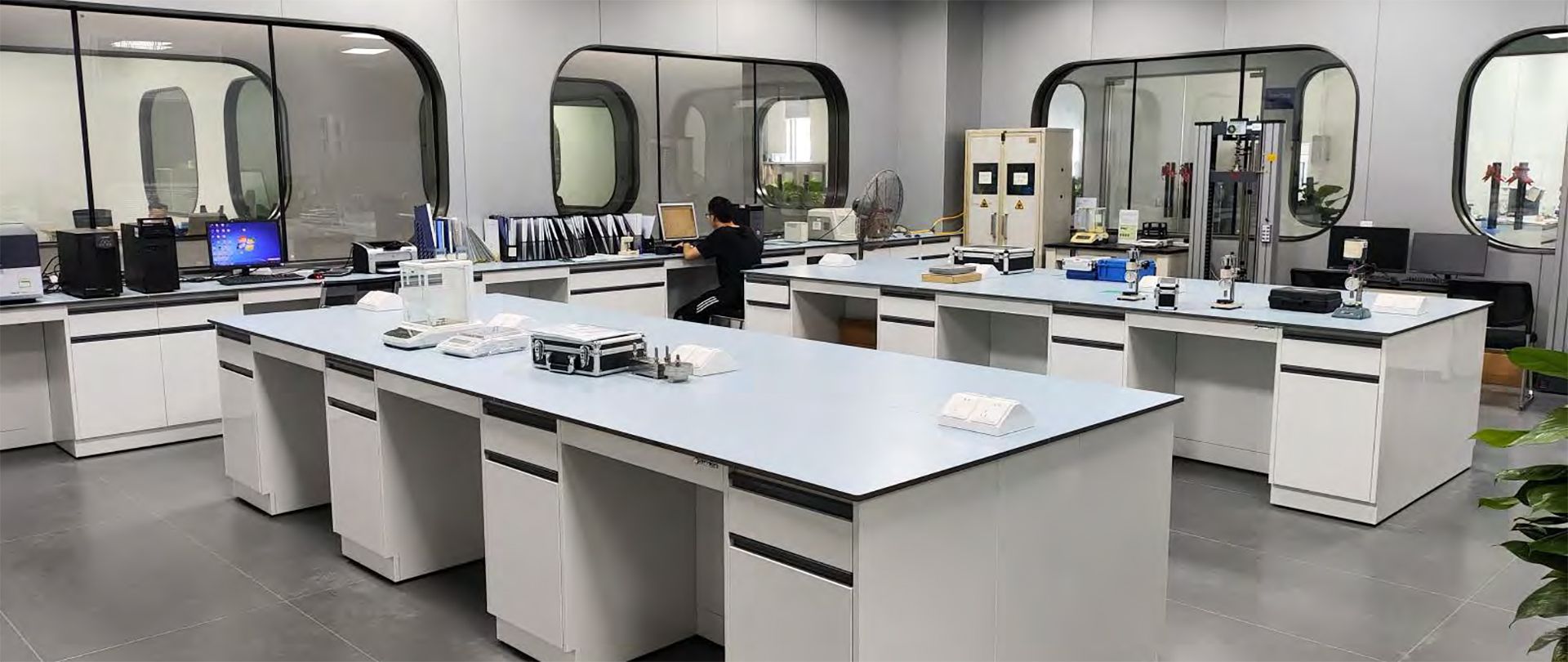
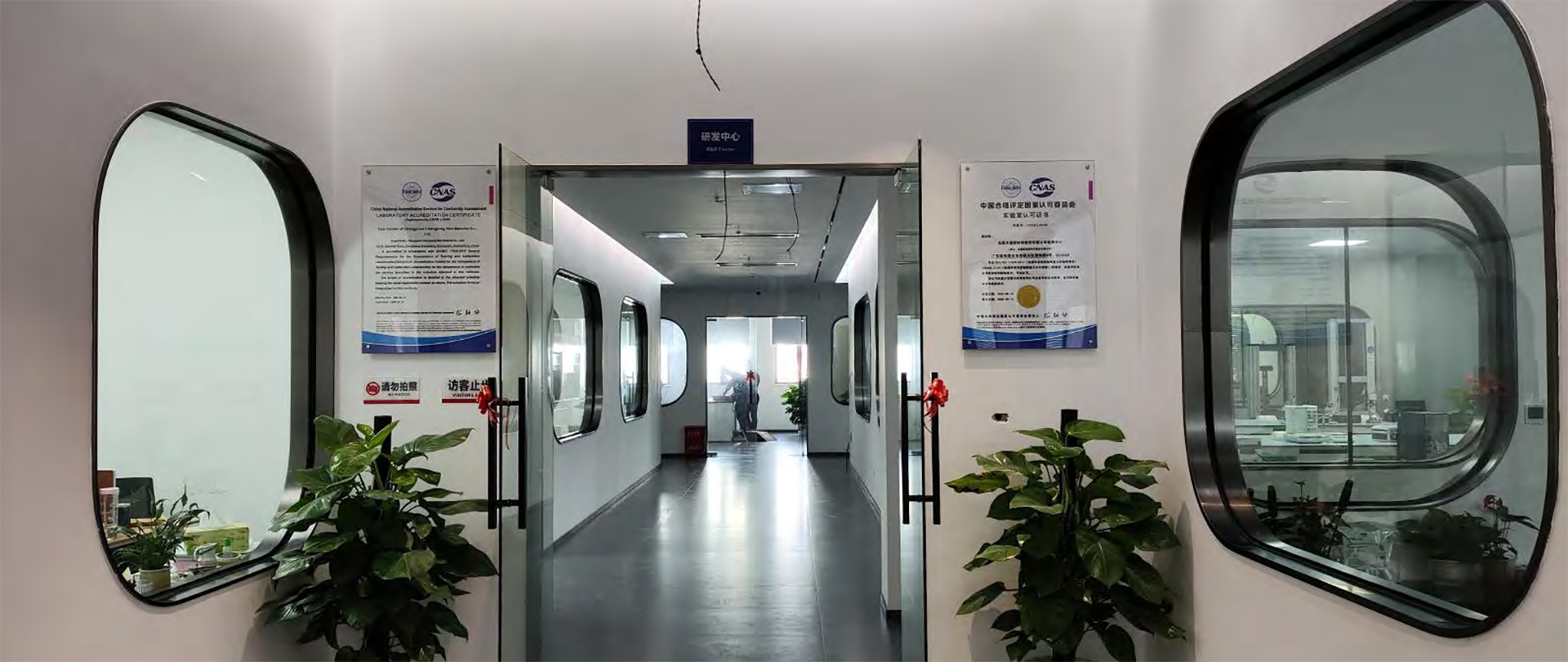
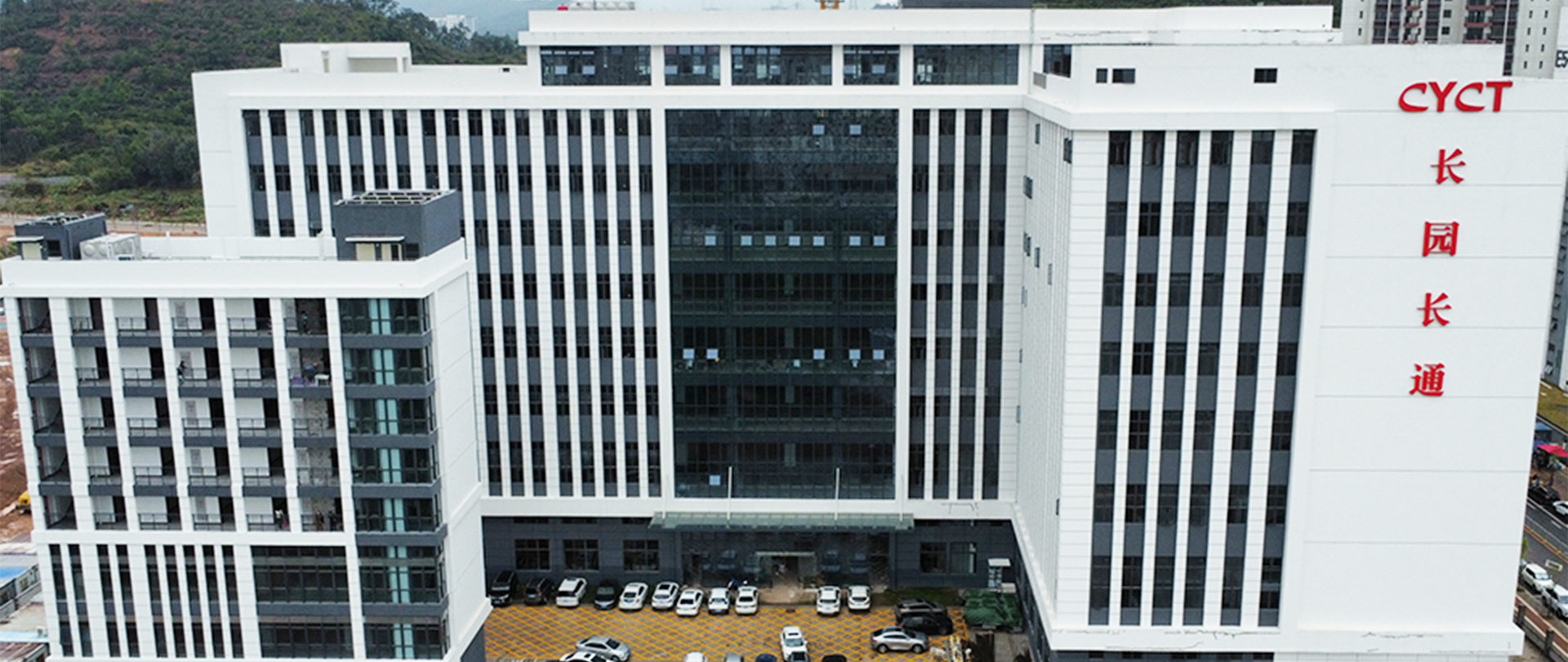
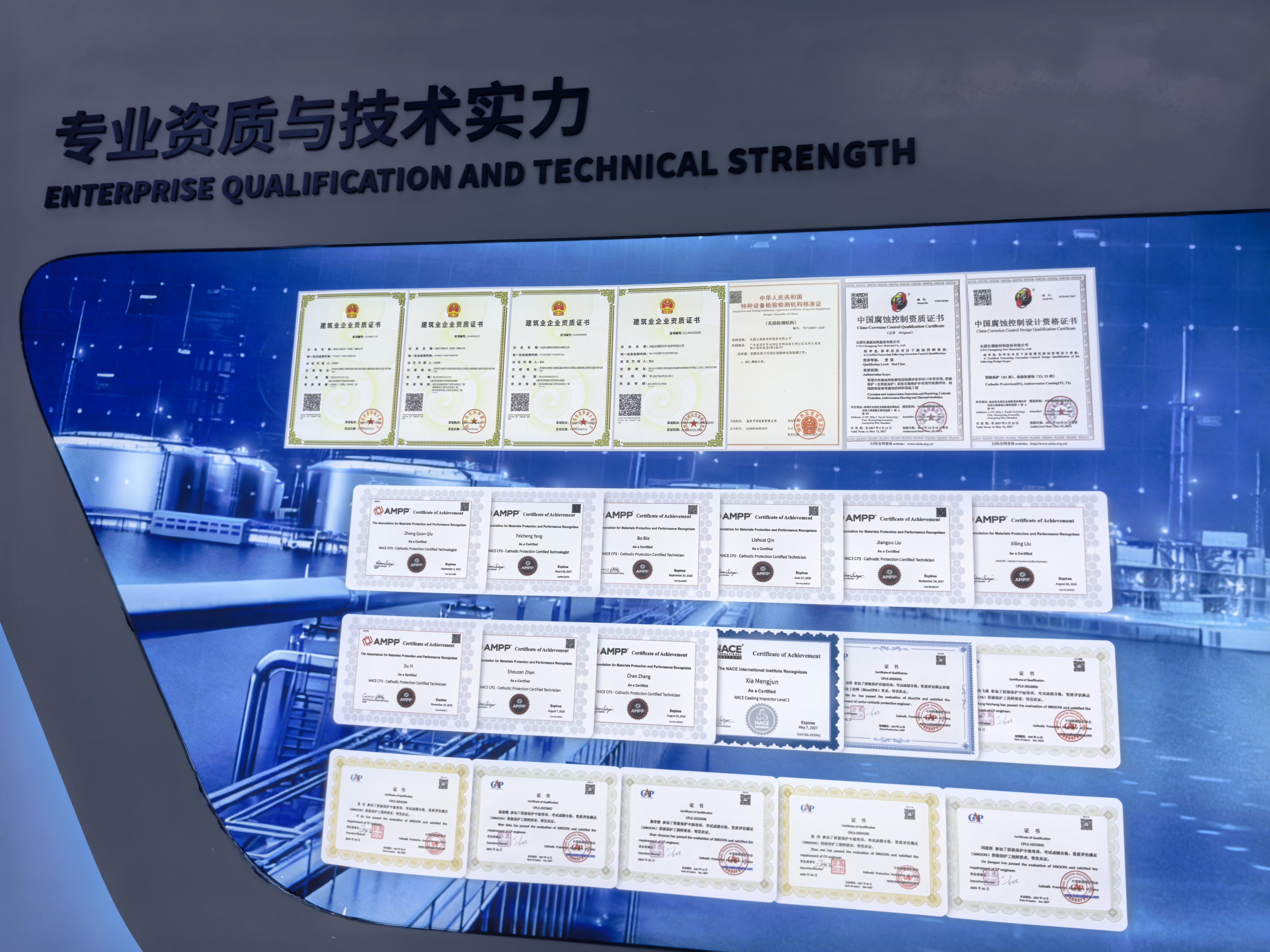
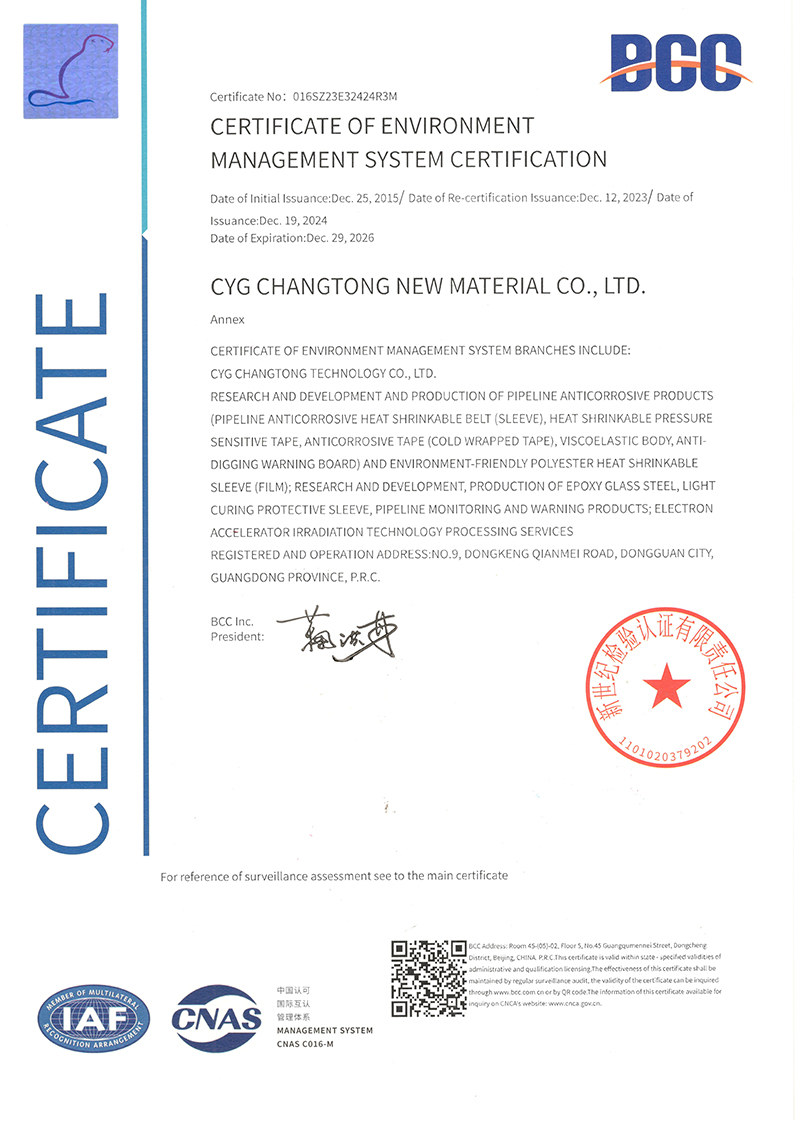
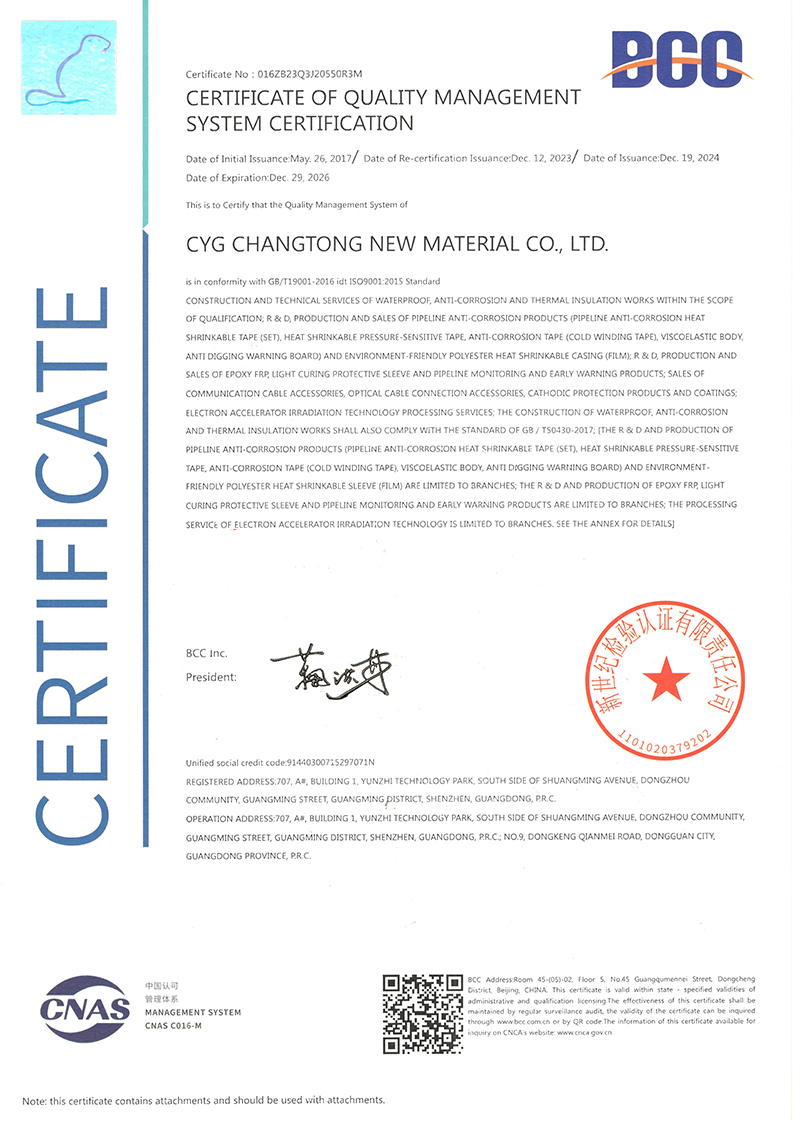
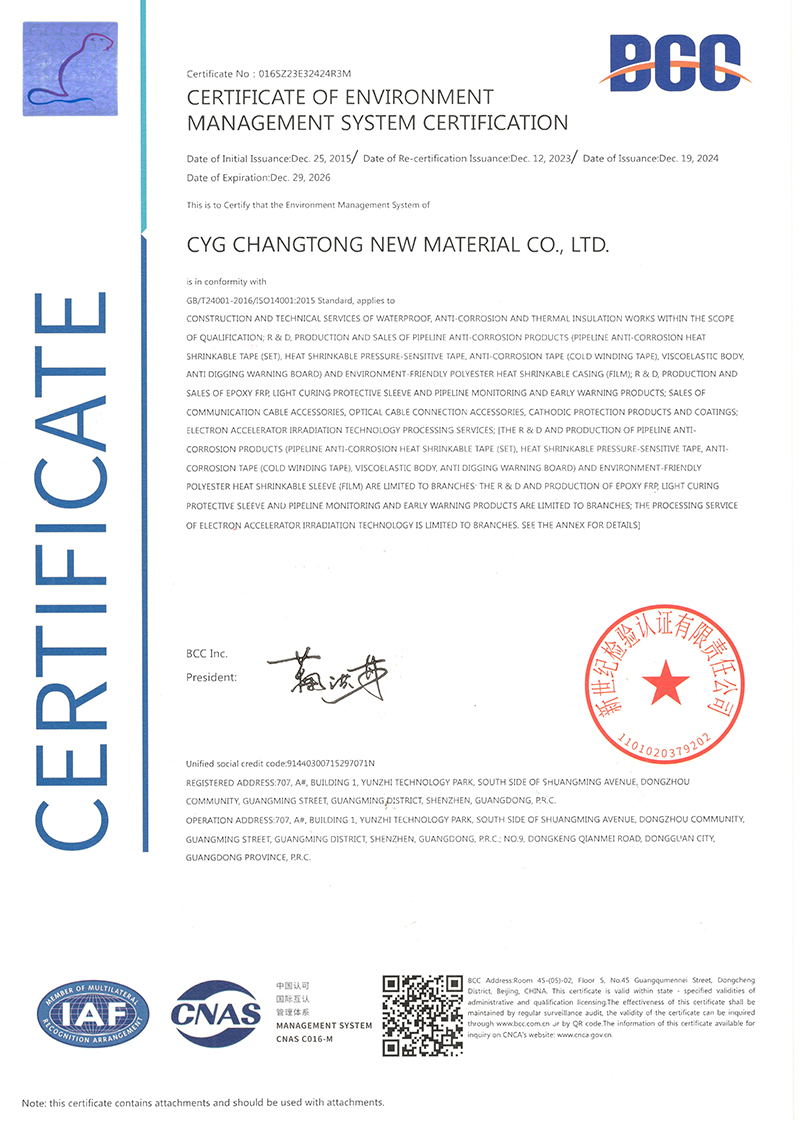
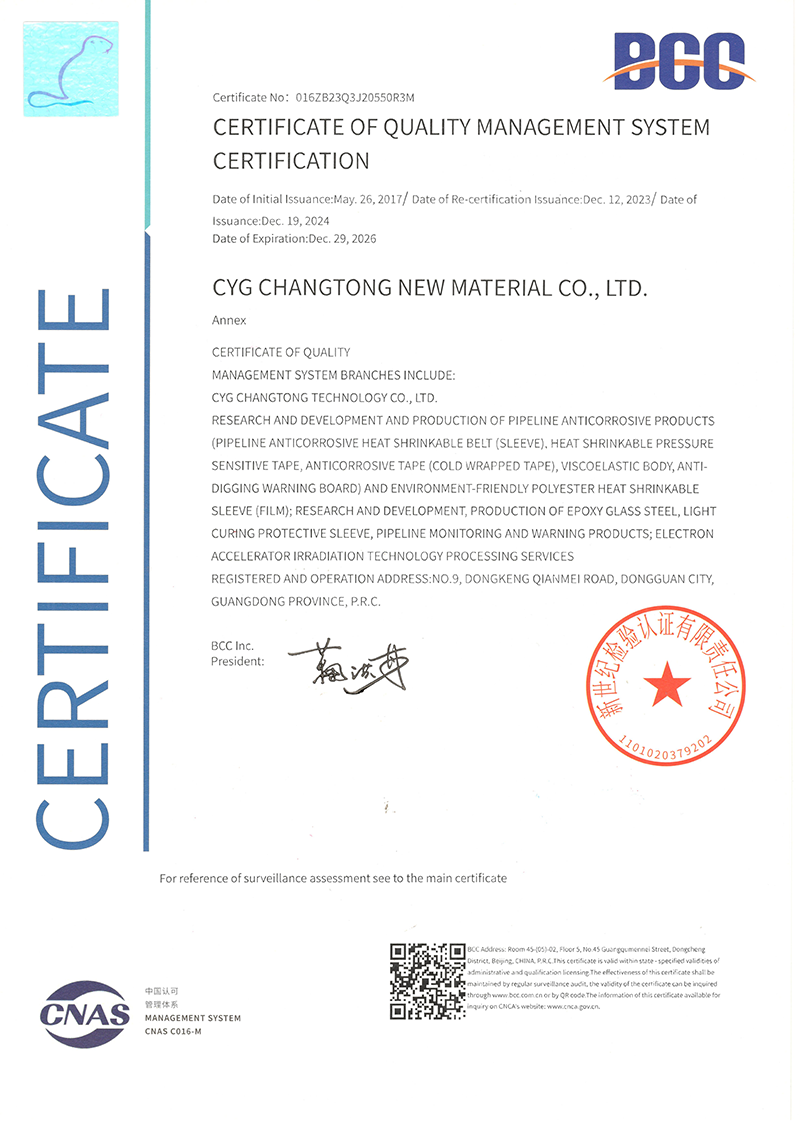
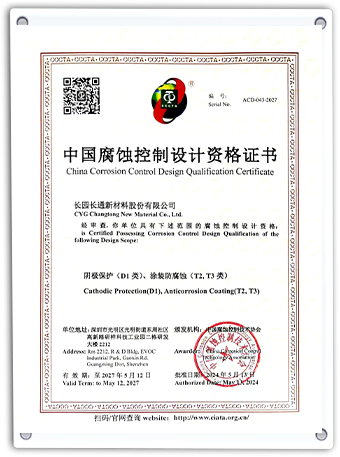
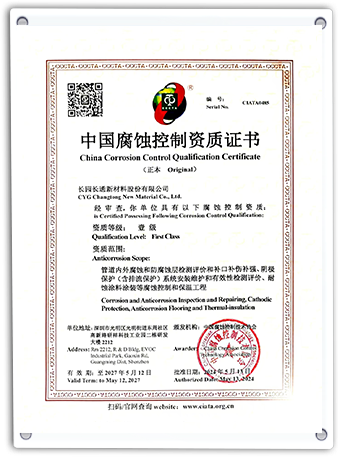
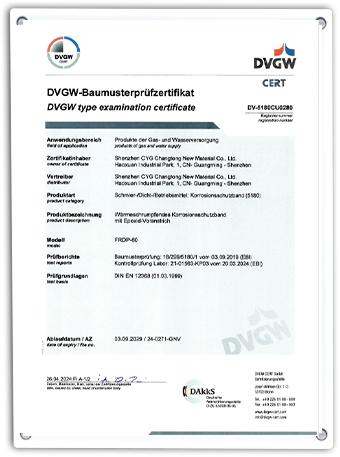
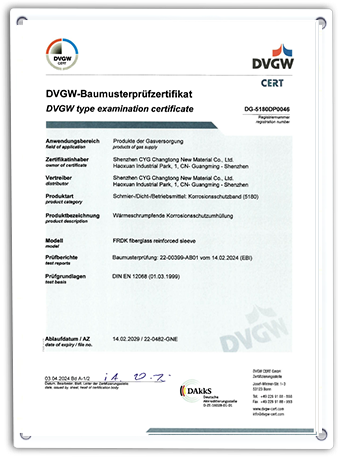
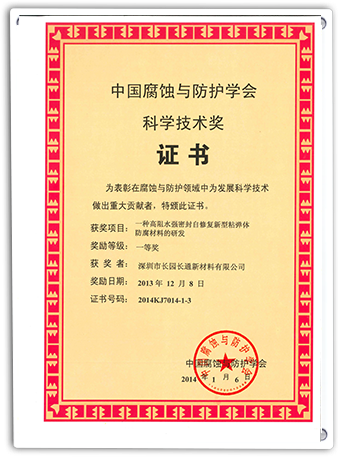
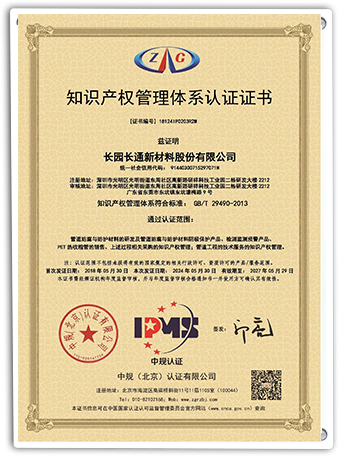
CYCT is a Council Member of the Chinese Society for Corrosion and Protection (CSCP) and a Corporate Member of the China Association of Petroleum Engineering Construction (CAPEC). We maintain a wide range of international quality certifications to support global oil and gas infrastructure projects.
Adapting pipeline protection systems to meet unique environmental and geological challenges worldwide.
Middle Eastern pipeline routes face high solar radiation and elevated soil temperatures, often reaching 70°C. Standard asphalt or polyethylene wraps can soften under these conditions, exposing the steel to soil stresses and expansion forces.
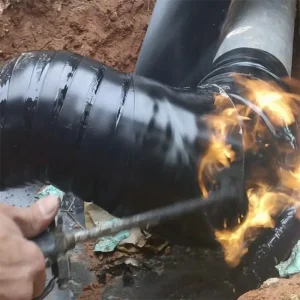
Solution: CYCT’s Polypropylene Heat Shrinkable Sleeves (3LPP field joints) offer high-temperature shear resistance, preventing sleeve sliding in warm sands.
In cold climates like Siberia and Northern Canada, pipeline protective materials must remain flexible at sub-zero temperatures. Standard PVC or thick PE wraps can become brittle and crack during installation.
Solution: CYCT's PE Cold Tape (High-Temperature/Low-Temperature grade) retains its elongation properties down to -30°C, preventing cracking during soil settlement.
Coastal marshes and tropical swamps present challenges due to constant moisture, microbial activity, and acidic clay. In these environments, applying primers to wet metal surfaces is difficult.
Solution: Viscoelastic Putty & FVT95 Tapes adhere to wet substrates and prevent microbial corrosion. Their cold-flow properties ensure complete coverage without thermal activation.
Ensuring consistent material quality, prompt delivery, and alignment with global pipeline engineering standards.
Large-scale pipeline projects require secure material supply chains and strict compliance with international standards. CYCT operates advanced manufacturing plants with ISO 9001, ISO 14001, and ISO 45001 certifications. Our quality management systems oversee every step, from raw polymer selection to the final packaging of our heat shrinkable sleeves and cold tapes.
Our pipeline wrapping materials are certified to meet international standards, including:
To prevent damage during transit, CYCT materials are packed in heavy-duty, moisture-proof cartons on reinforced pallets. We coordinate delivery to port terminals and direct project sites globally, ensuring materials arrive on schedule.
We offer more than just material supply. CYCT provides on-site training and certification for field contractors. Our technical teams help configure installation equipment, optimize pre-heating profiles, and troubleshoot challenges to ensure quality execution.
Looking ahead at the next generation of smart, eco-friendly pipeline protective wraps.
As the global energy sector transition accelerates, pipeline infrastructure must evolve to support alternative fuels like hydrogen. This shift requires next-generation protection technologies. CYCT is investing in R&D to develop wraps designed for these new operational demands.
Developed using renewably sourced raw polymers, these bio-based PE and PP backings match the performance of traditional petroleum-derived wraps while reducing the overall carbon footprint of manufacturing.
Integrating conductive carbon nanotube networks directly into the outer protective wrap allows for real-time monitoring. These systems can detect coating breaches, impact damage, or moisture ingress, sending alerts before corrosion starts.
Utilizing reversible hydrogen bonding, these next-generation viscoelastic compounds can heal larger mechanical gouges and cuts automatically at ambient temperatures, maintaining a continuous barrier without operator intervention.
Answering common technical questions about abrasion resistant pipe wraps and field joint coatings.
 CYCT
CYCT