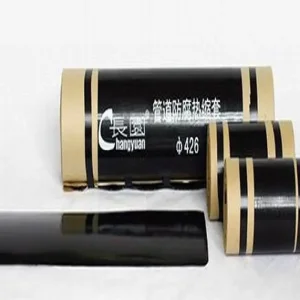
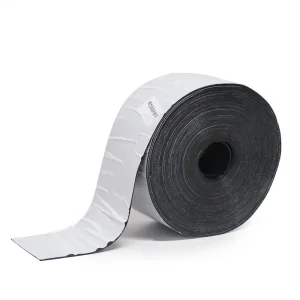
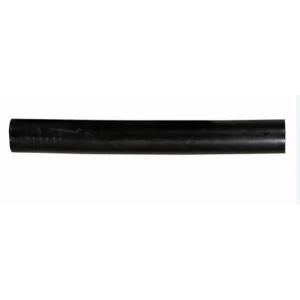
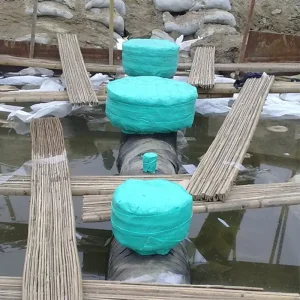
Engineered to comply with European standards, providing high-performance pipeline joint protection & rehabilitation.
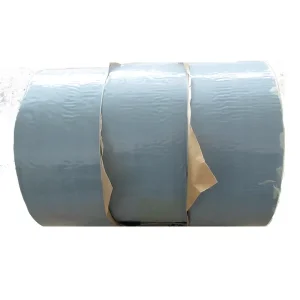
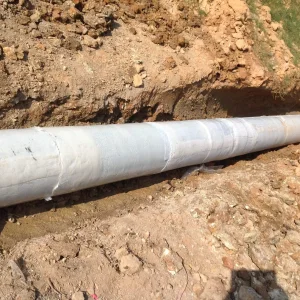
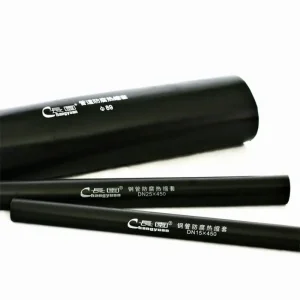
The French transmission and distribution grids, managed by key entities like GRTgaz, Teréga, and various municipal thermal networks, are currently undergoing a structural transformation. With France's target to transition its massive gas network to incorporate hydrogen blends, and eventually pure hydrogen (as outlined in the French National Strategy for decarbonized hydrogen), ensuring the absolute sealing and corrosion barrier integrity of buried steel pipelines has become a major national security and environmental objective.
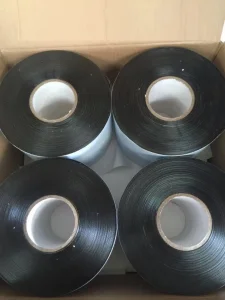
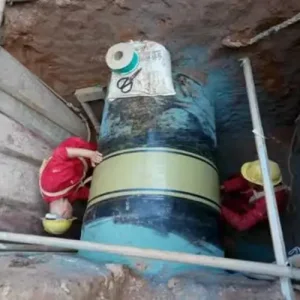
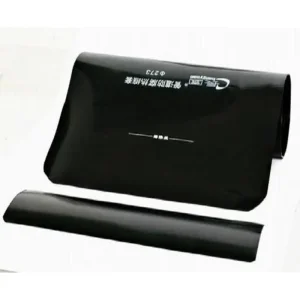
PE Heat Shrinkable Tapes (Polyethylene Heat Shrinkable Sleeves and Wraps) represent the critical layer of defense at the field joint coating (FJC) area. In France, where clay soil shifts, high water tables in regions like the Seine Basin, and complex geological profiles dictate extreme shear loads, traditional pipeline wraps are insufficient. Pipeline operators demand high-shear hot-melt adhesives paired with cross-linked high-density polyethylene backing that comply strictly with EN 12068 standards.
For pipeline systems deployed within the French borders, corrosion protective coatings on field joints must meet the strict mechanical categories defined under EN 12068. CYCT PE heat shrinkable systems are designed to satisfy Class C 50 UV / EN 12068 certification criteria, which guarantees maximum resistance against soil stress, penetration force, and cathodic disbondment at temperatures up to 80°C.
French pipeline corridors cross a diverse spectrum of subsoil conditions. From the clay-rich soils of northern France to the rocky terrains of the Massif Central, the thermal expansion and contraction of steel pipelines create immense shear stress on field joints. A typical three-layer PE (3LPE) factory coating must be seamlessly matched by the Field Joint Coating. Our radiation cross-linked PE backing behaves with "structural memory", shrinking tightly around the weld area while the viscoelastic hot-melt copolymer adhesive flows into every micro-cavity, resisting mechanical displacement over a 30+ year lifespan.
France's municipal "réseaux de chaleur" (district heating networks) rely on pre-insulated steel conduits. CYCT PE Heat Shrinkable sleeves insulate joints against moisture ingress, preventing CUI (Corrosion Under Insulation) in systems operating up to 120°C.
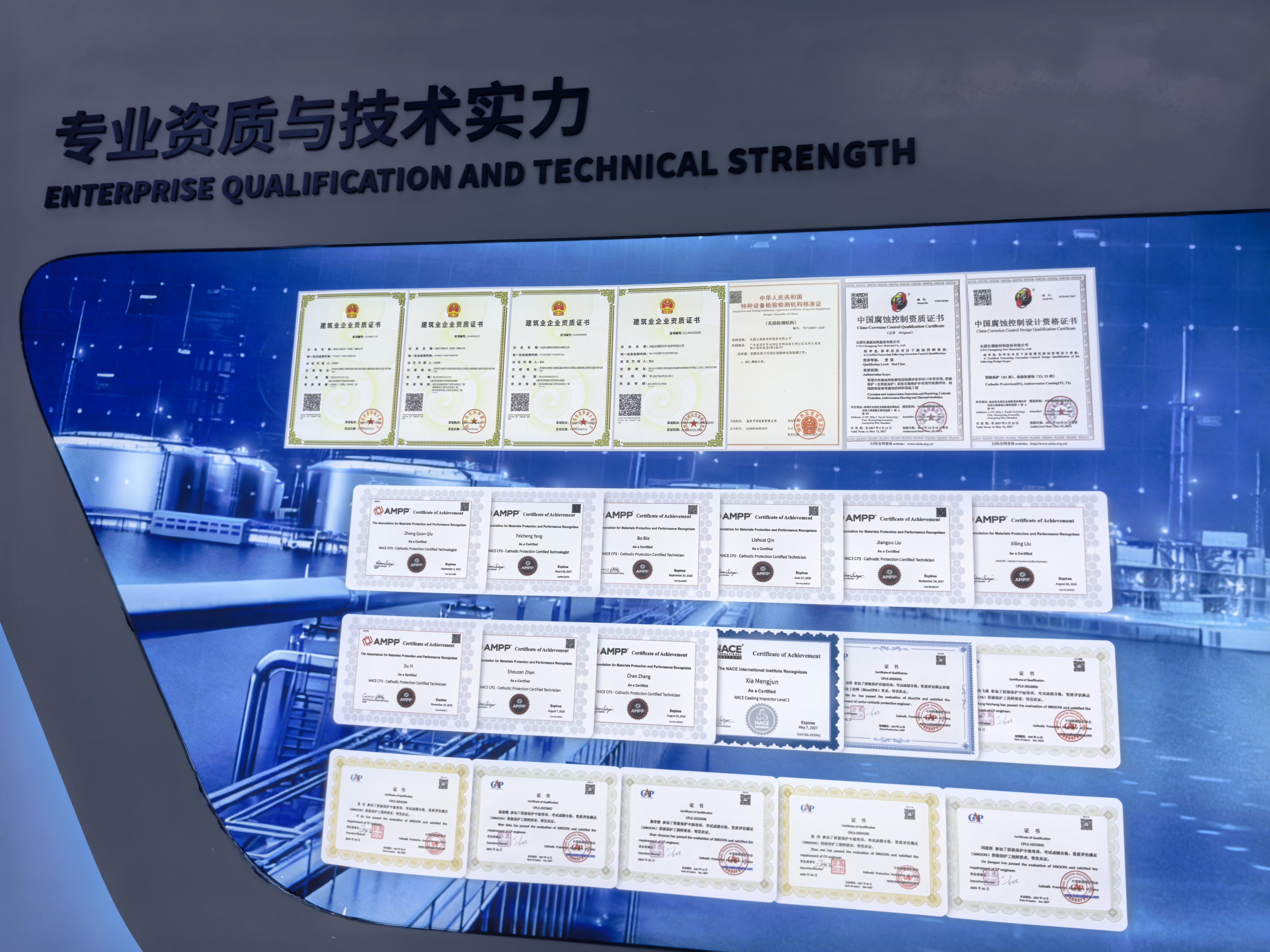
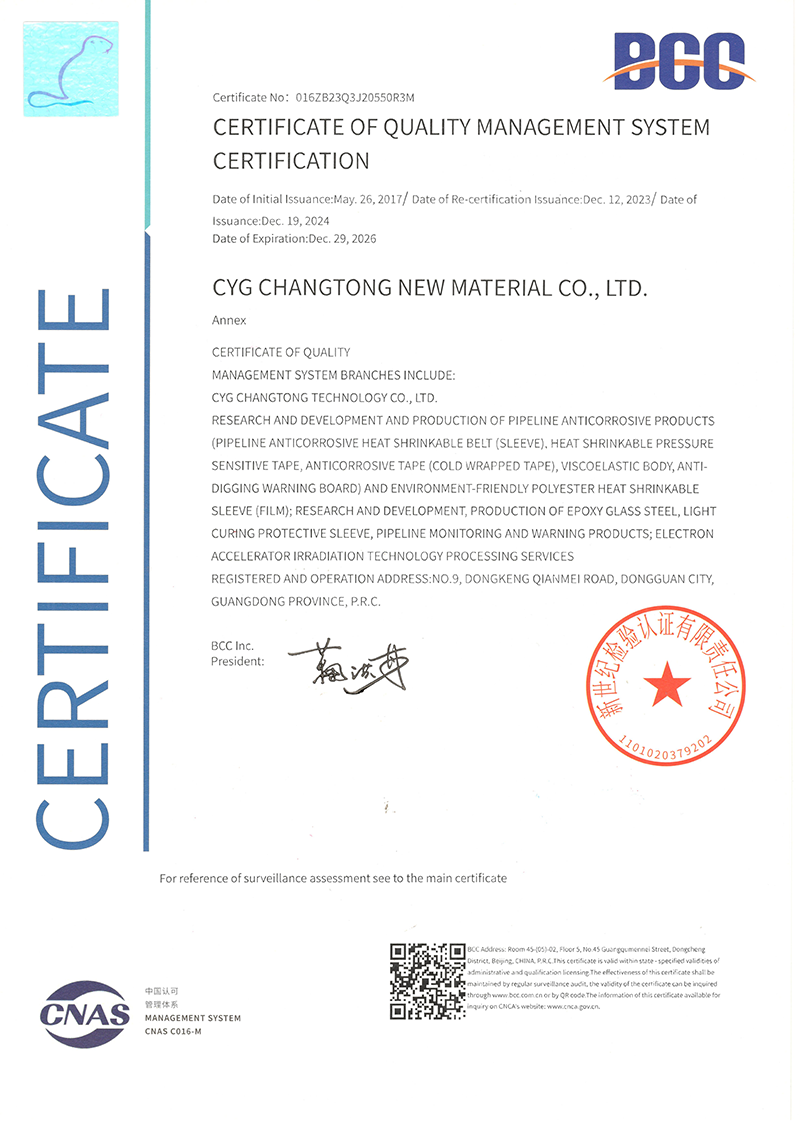
As a proud AMPP member, CYCT manufactures according to global standards. Our national CNAS accredited laboratory ensures batch stability, giving French engineers ultimate peace of mind.
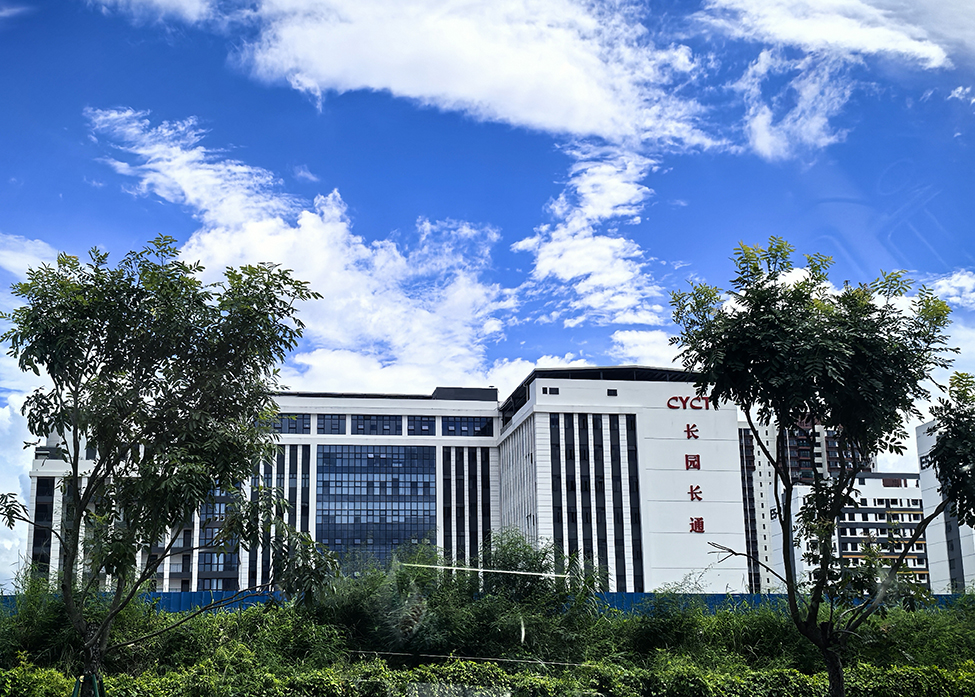
CYCT New Materials Company Limited (for short, CYCT) is a state-level high-tech enterprise integrating R&D, production and sales of pipeline corrosion protection materials as well as buried pipeline detection service and pipeline coating field application service into one. Having dedicated decades to corrosion-control materials, CYCT stands as an industry giant with deep technology reserves and an elite research cohort.
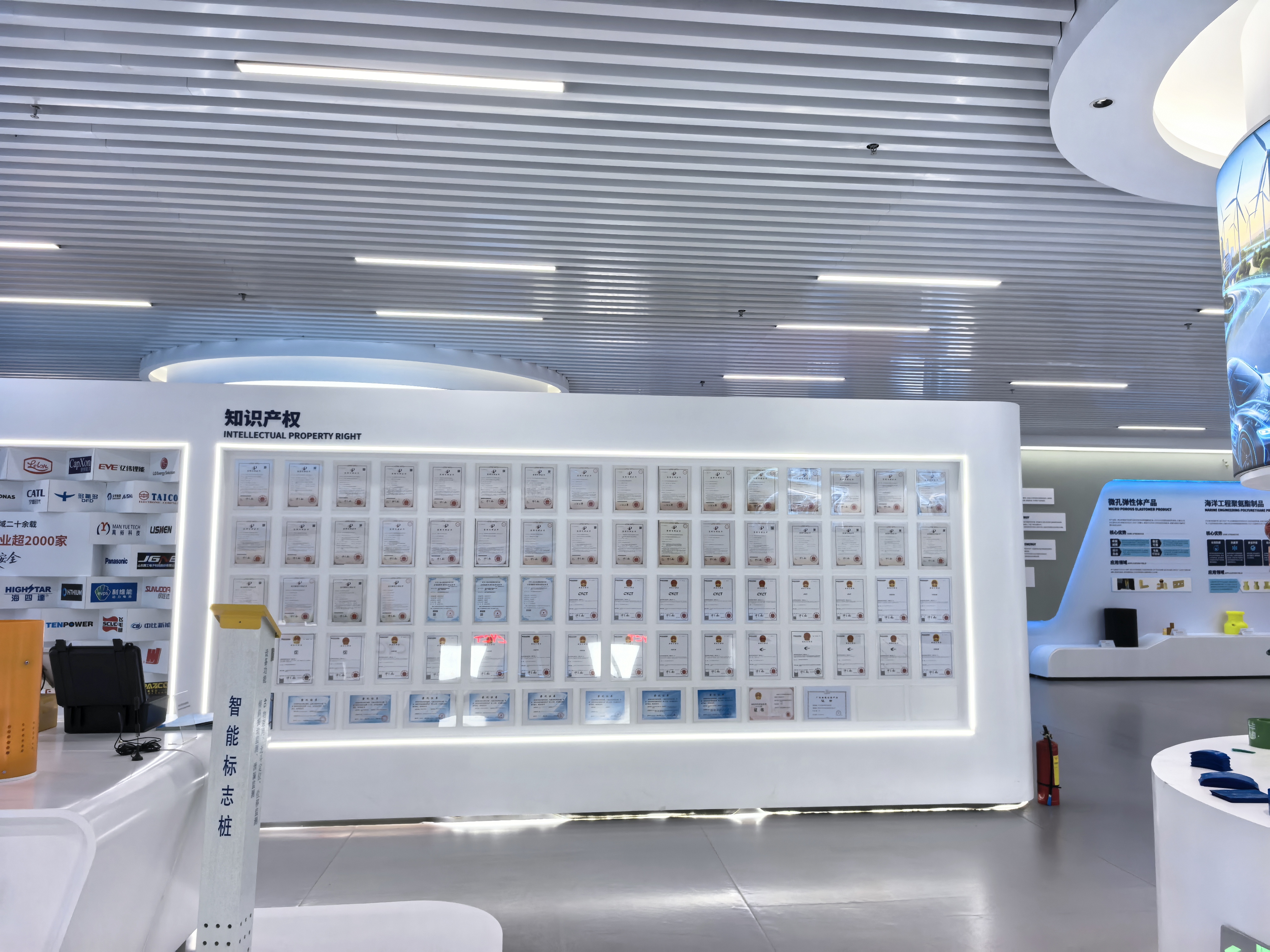
Our products have become the staple of field joint coating for major energy pipeline projects worldwide. We maintain strategic cooperations with leading R&D bodies such as the CNPC Pipeline Science Research Institute to provide systematic, integrated security solutions for petrochemical infrastructure.
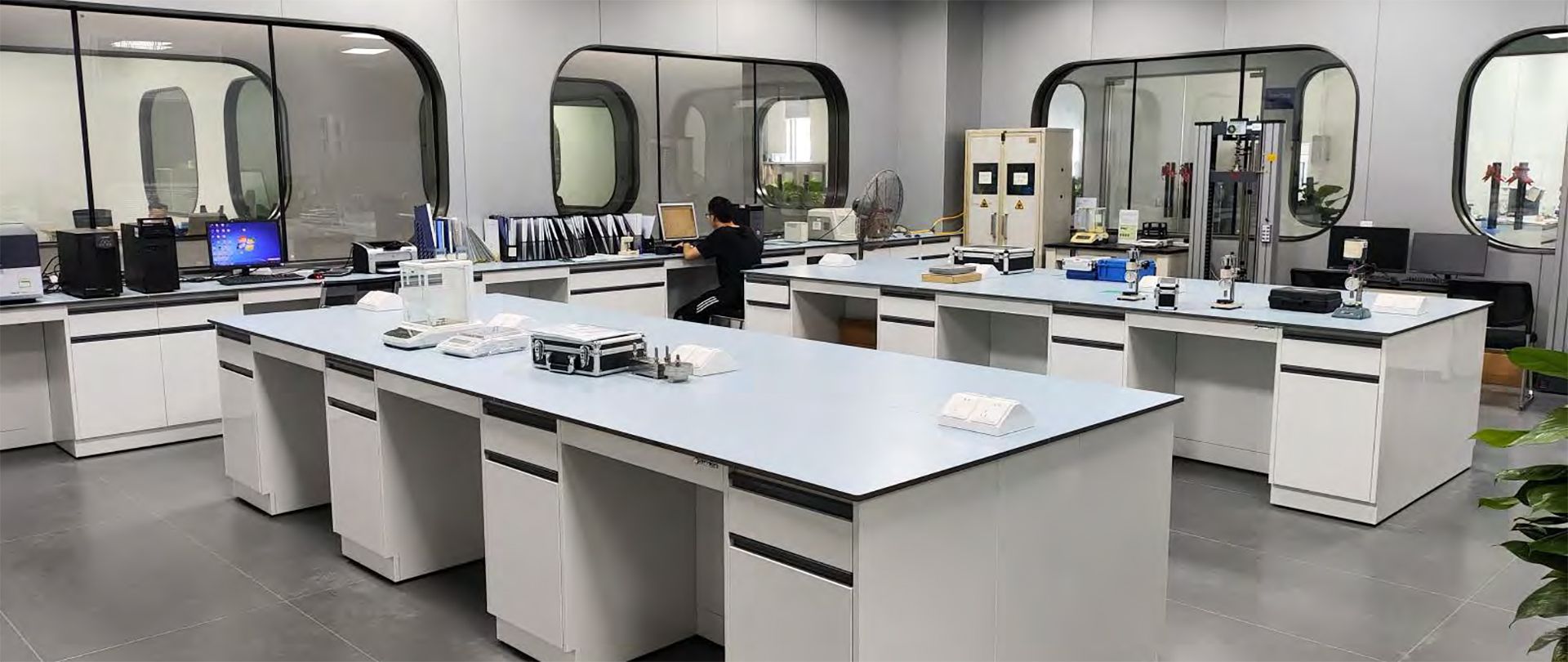
Equipped with state-of-the-art testing systems, checking thermal aging, cathodic disbondment, peel strength, and lap shear resistance.
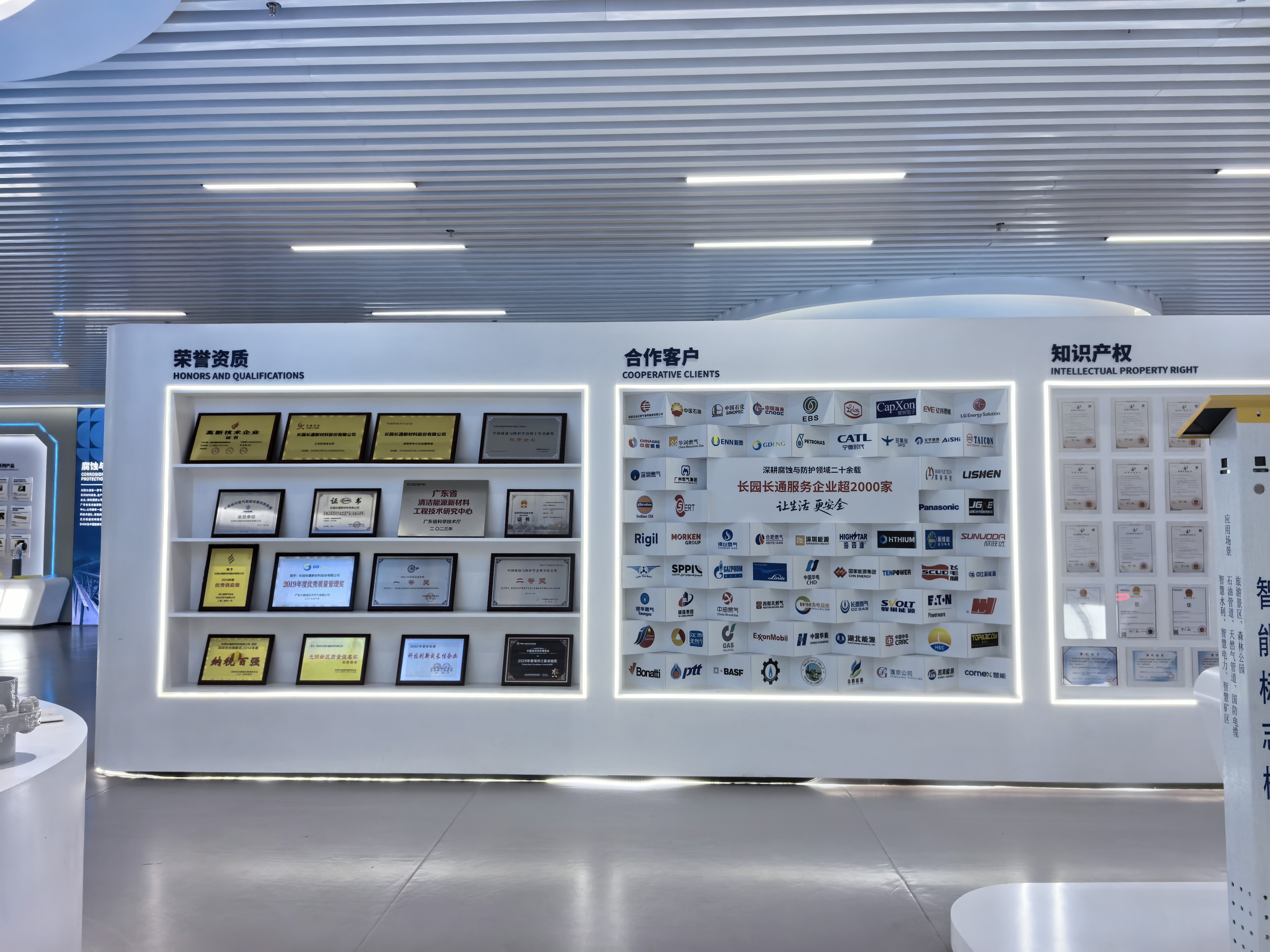
Proud Council Member in Chinese Society for Corrosion and Protection (CSCP) and China Association of Petroleum Engineering Construction (CAPEC).
How molecular memory and rheology optimize anti-corrosion barrier integrity under French regulatory frameworks.
At the heart of a high-reliability PE Heat Shrinkable Tape is the radiation cross-linking process. By exposing extruded high-density polyethylene backing to high-energy electron beams, the linear molecular chains of PE are chemically linked into a three-dimensional network structure. This structure imparts "elastic memory" to the plastic. Upon heating during installation, the backing attempts to return to its original smaller diameter, exerting constant radial pressure on the steel pipe.
Simultaneously, the high-performance shear-resistant copolymer hot-melt adhesive is formulated to melt at installation temperature. Under the compression force generated by the shrinking backing, the adhesive flows into all surface roughness profile peaks and valleys of the steel substrate. This creates a cohesive bond that prevents moisture migration and resists cathodic disbondment—even when the cathodic protection (CP) currents fluctuate.
CYCT is a trusted supplier to global petrochemical and pipeline construction giants, including PetroChina, Sinopec, China Gas Group, and Indian Oil Corporation. This volume of continuous supply validates our capacity to satisfy the strict procurement guidelines of European entities.
Pipeline engineering projects in Europe demand rigorous audit trails. From chemical tracing of raw materials to mechanical testing post-installation, CYCT provides verified test reports directly from our CNAS lab and third-party European inspection agencies.
Conforms to NACE / AMPP standards for cathodic protection and coating evaluation.
Manufactured under verified ISO 9001, ISO 14001, and ISO 45001 management protocols.
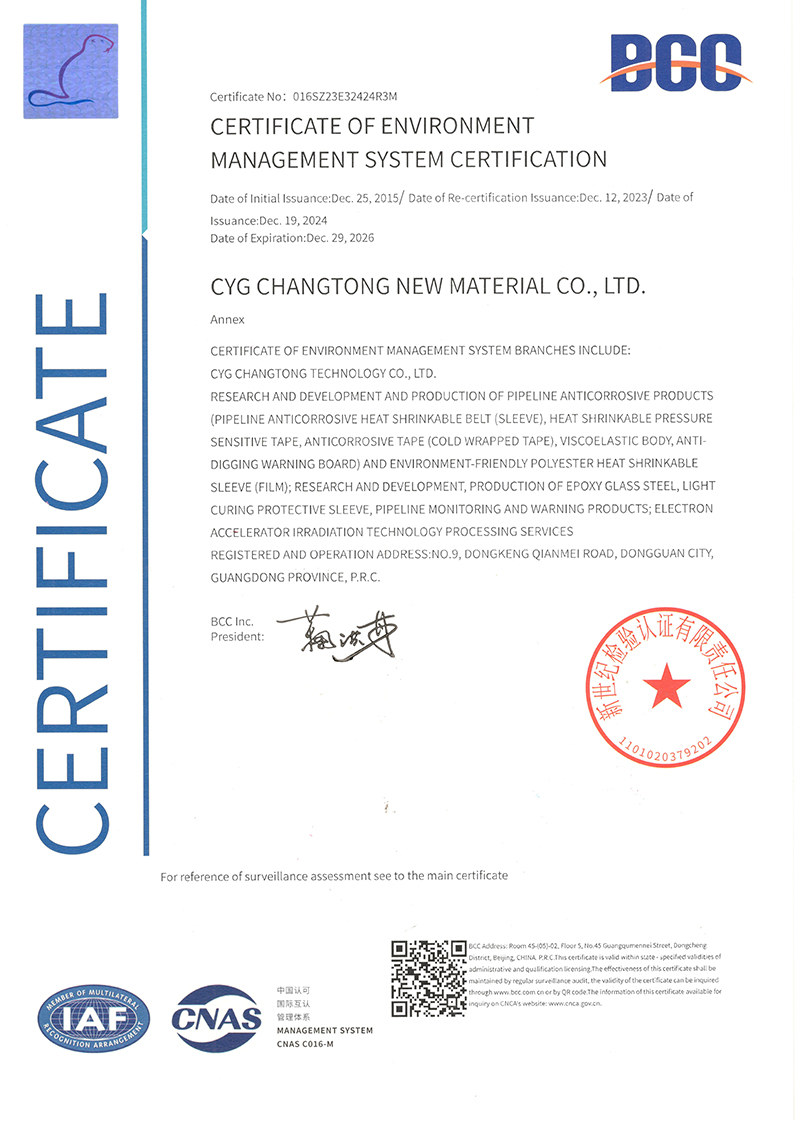
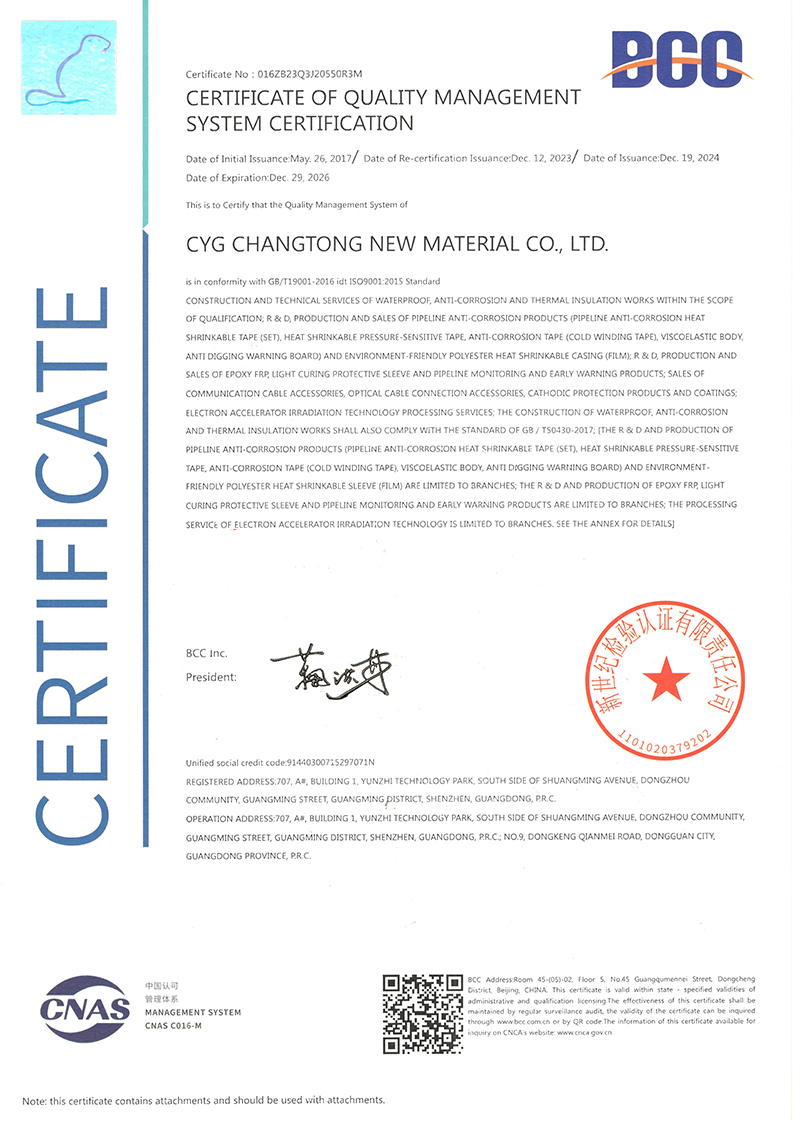
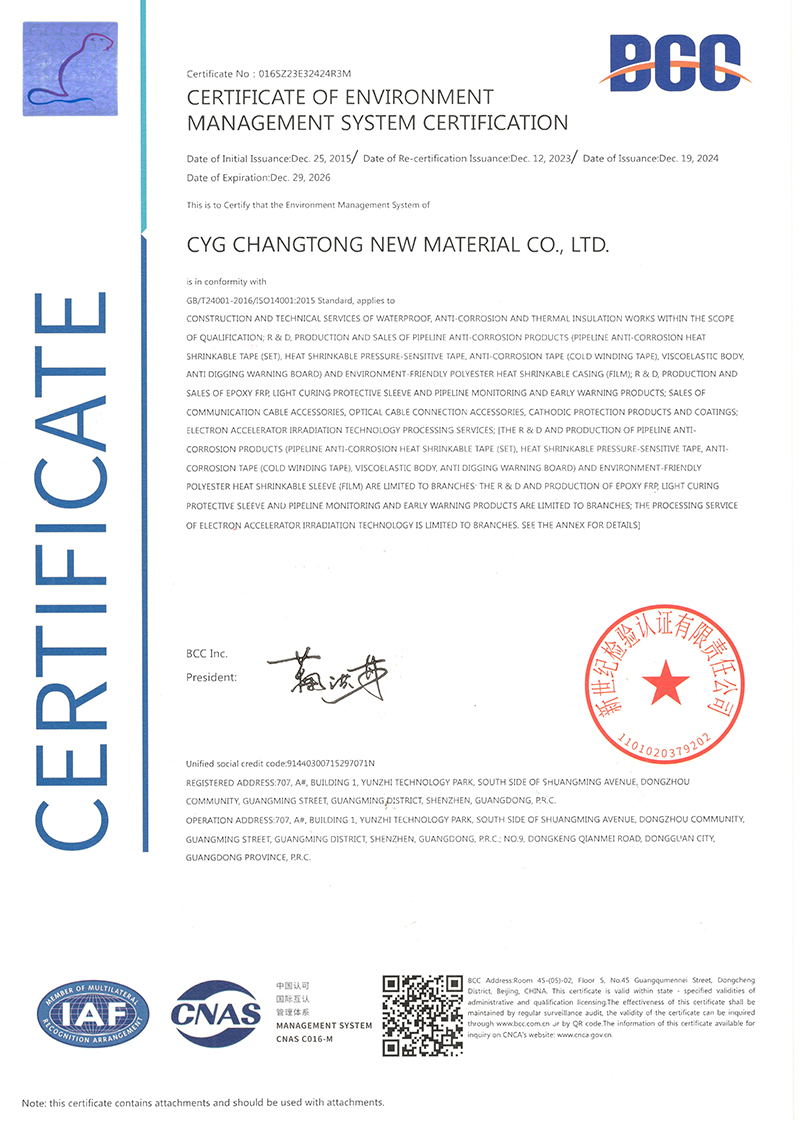
Explore our technical pipeline repair patches, mastic tapes, viscoelastic coatings, and high-temp sleeves designed for French gas, water, and industrial networks.
Partnering with CYCT means secure delivery and worry-free integration into French construction schedules. We understand that field delays are extremely costly for civil works contractors (travaux publics). Our logistics network supports streamlined customs clearing at ports like Le Havre and Marseille, with options for direct shipping to job sites (DDP/DAP terms).
Furthermore, we provide on-site technical support and guidance on correct application protocols. Incorrect heating temperatures or surface preparation (ISO 8501-1 Sa 2½ standard) can lead to installation failures. Our technical field manuals provide clear instruction profiles for torch distance, overlap patterns, and holiday inspection procedures.
As part of our commitment to sustainability in line with France's environmental code (Code de l'environnement), CYCT is actively researching halogen-free adhesives and biodegradable backing compounds. We are also optimizing backing polymers to handle the localized thermal profiles associated with high-frequency induction heating units used in fast-paced pipeline spreads.
Technical clarifications for engineers and procurement managers operating in the French pipeline sector.
Our PE Heat Shrinkable sleeves and tapes are engineered to comply with major EU pipeline standards, specifically EN 12068 (Class B50, C50, and C80). Our production facilities are fully certified under ISO 9001:2015, ISO 14001:2015, and ISO 45001:2018. All material batches undergo strict mechanical quality testing before dispatch, and our laboratory is accredited to the national CNAS level.
Yes. French gas operators require high peel strength, exceptional shear resistance, and specific cathodic disbondment ratings under EN 12068 testing guidelines. CYCT's Class C sleeves are specifically designed to bond seamlessly with factory-applied 3LPE (three-layer polyethylene) and FBE (fusion bonded epoxy) coatings common on French transmission systems, providing equivalent mechanical protection.
Yes, for HDD crossings in France, we supply specialized solutions such as the Heat Shrinkable Fiberglass Reinforced Sleeve for HDD Corrosion Protection. This product incorporates a reinforced fiberglass matrix backer which dramatically improves abrasion and gouge resistance, preventing joint damage as the pipe string is pulled through rocky or tough borehole soil layers.
Typically, ocean shipping from our factory to major French ports (Le Havre, Fos-sur-Mer/Marseille) takes 30-35 days. For urgent pipeline rehabilitation works, air cargo options can be arranged. We support various trade terms, including FOB, CIF, DAP, and DDP, assisting French clients with smooth customs clearance processes.
Per standard installation protocols, the bare steel joint area must be abrasive blast cleaned to ISO 8501-1 Sa 2½ (or wire-brushed/power-tooled to St3 for minor repairs). The pipe surface must then be preheated to the temperature specified on the product technical data sheet (usually 60°C to 70°C for standard liquid epoxy primer or 110°C to 120°C for direct copolymer applications) to ensure optimal adhesive flow and bonding.
Connect with our global technical team to request free product samples, custom size configurations, and competitive factory-direct pricing for the French market.
 CYCT
CYCT