Marine Corrosion and Protection Production Suppliers & Factories serving the Costa Rica market

Industrial-Grade Anti-Corrosion Solutions, Viscoelastic Systems, and Heat-Shrinkable Sleeves Tailored for the Demanding Tropical Marine Infrastructures of Costa Rica.

Send Inquiry Now

Whitepaper: Mitigation of Marine & Coastal Pipeline Corrosion

A comprehensive analysis of high-humidity tropical microclimates, global engineering specifications, and supply chain synthesis.

1. The Costa Rican Marine & Coastal Corrosion Ecosystem

Costa Rica, bordered by the Pacific Ocean to the west and the Caribbean Sea to the east, presents one of the most challenging environments in the world for metal structures and transport systems. The combination of high relative humidity (consistently between 80% and 90%), intense UV exposure, constant marine aerosol generation, and warm tropical temperatures creates a highly aggressive atmospheric corrosivity category—often matching C5-M or CX classification under ISO 12944.

Port infrastructures such as the Moín Container Terminal (Limón) on the Caribbean coast and the Puerto Caldera Port on the Pacific coast are subject to severe chloride-induced pitting. Chloride ions from the sea spray break down the passive oxide layer of steel structures, initiating localized corrosion that progresses at exponential rates if left unprotected. Soil chemistry in these regions also exhibits distinct parameters: volcanic soils present high levels of sulfate and variable pH conditions, which can accelerate the degradation of buried pipelines through both electrochemical pathways and microbiologically influenced corrosion (MIC). For municipal water distribution, petrochemical transport, and port logistics, choosing the correct anti-corrosion barrier is not merely an engineering choice—it is a critical imperative to ensure asset longevity and avoid catastrophic environmental impact.

Technical Insight: In tropical zones like Costa Rica, the rate of chemical and electrochemical reactions doubles with every 10°C increase in temperature. Coupled with constant moisture, exposed steel structures without active barrier protection can lose mechanical integrity up to 5 times faster than in temperate zones.

2. Global Marine Corrosion Mitigation Standards & Criteria

To address these aggressive environments, global pipeline and marine engineers rely on strict standards established by international organizations such as AMPP (Association for Materials Protection and Performance, merging NACE and SSPC) and ISO. Key frameworks include:

  • ISO 21809: Specifies the requirements for factory-applied and field joint external coatings for buried or submerged pipelines in transportation systems.
  • NACE SP0169: Outlines control of external corrosion on underground or submerged metallic piping systems, detailing Cathodic Protection (CP) criteria and coating interactions.
  • NACE SP0394: Governs application, performance, and quality control of plant-applied single-layer fusion-bonded epoxy (FBE) external pipe coatings, a standard baseline before field joint application.

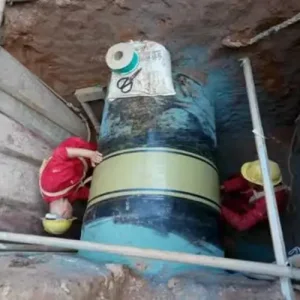
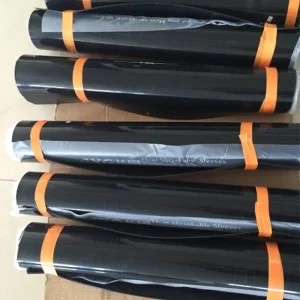
When utilizing 3-Layer Polyethylene (3LPE) or 3-Layer Polypropylene (3LPP) coatings, the vulnerability shifts to the field joints—the welded areas completed on-site. Without proper rehabilitation materials, such as heat-shrinkable sleeves or viscoelastic wraps, these areas become the weak link. The coating must resist cathodic disbondment, maintain high electrical resistivity, block moisture vapor transmission, and remain flexible enough to tolerate soil stress and pipeline movement.

>24 yrs
Global Expertise
CNAS
Accredited Lab
C5-M
Certified Protection
>95%
Market Retention

3. CYCT Manufacturing Power & Supply Chain Advantages

Founded in 2000, CYCT New Materials Company Limited has emerged as a premier manufacturer of pipeline corrosion protection materials. As a state-level high-tech enterprise, CYCT integrates R&D, production, and sales, backed by a national CNAS-accredited laboratory and an elite engineering team. Our manufacturing facilities are optimized for maximum efficiency, offering major advantages to global procurement managers:

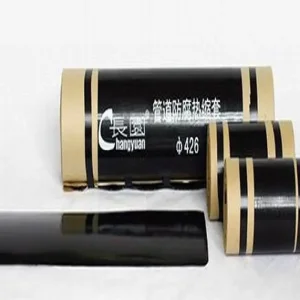
  • Advanced Radiation Cross-linking: Using state-of-the-art electron accelerators, we ensure precise cross-linking of PE backings for heat-shrinkable sleeves, providing superior memory effect, mechanical strength, and thermal stability.
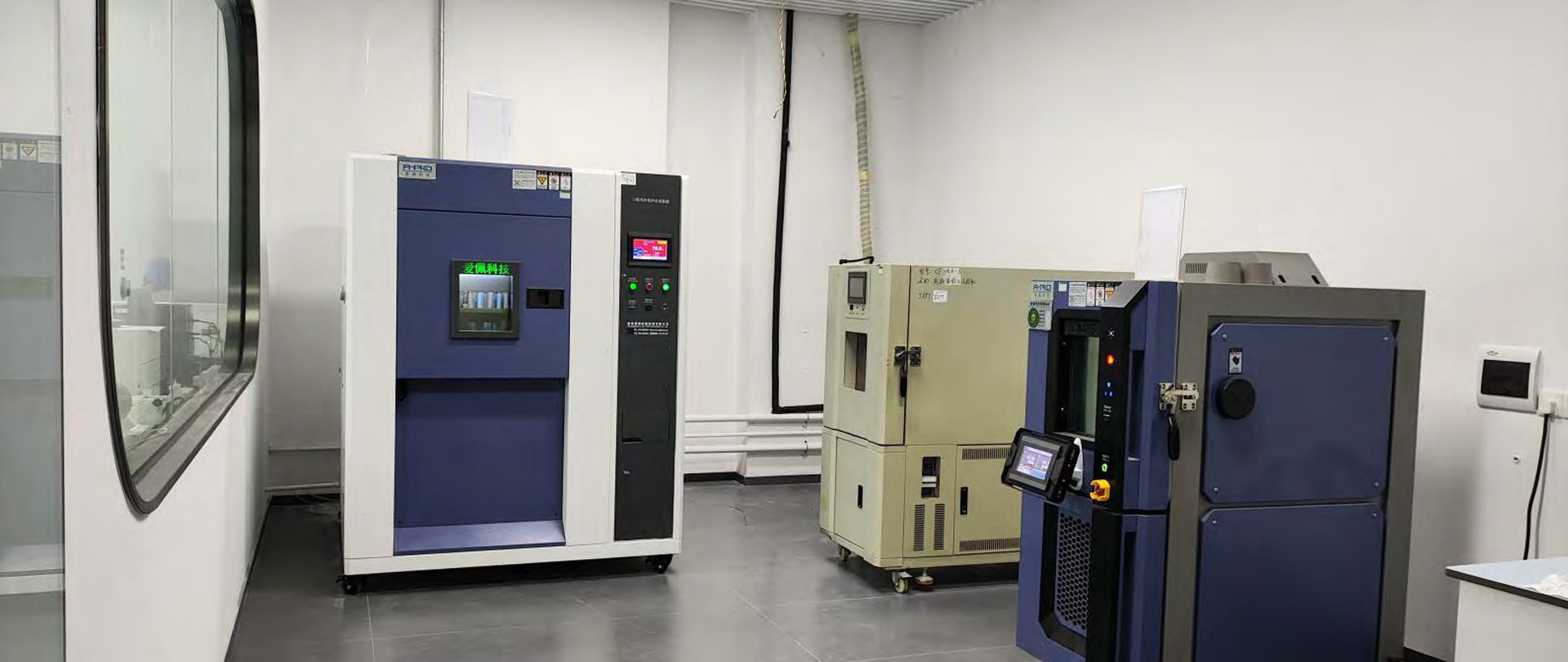
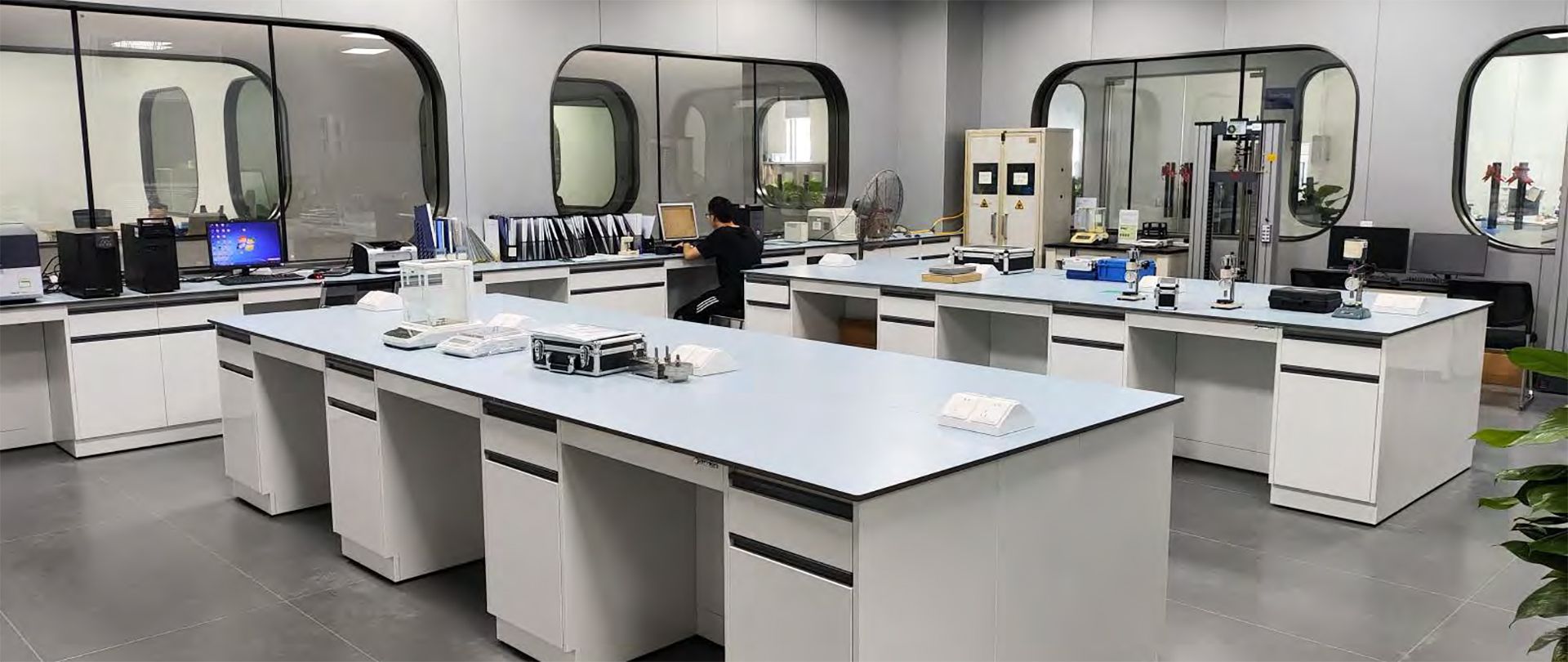
  • Comprehensive Testing Protocols: Our CNAS lab conducts rigorous testing, including peel strength, cathodic disbondment resistance at elevated temperatures, thermal aging, and impact resistance, ensuring 100% compliance with international standards.
  • Vertical Integration: From adhesive compounding to backing extrusion, cross-linking, expansion, and finishing, we manage the entire production chain. This minimizes production lead times and provides cost-effective, custom-engineered solutions.
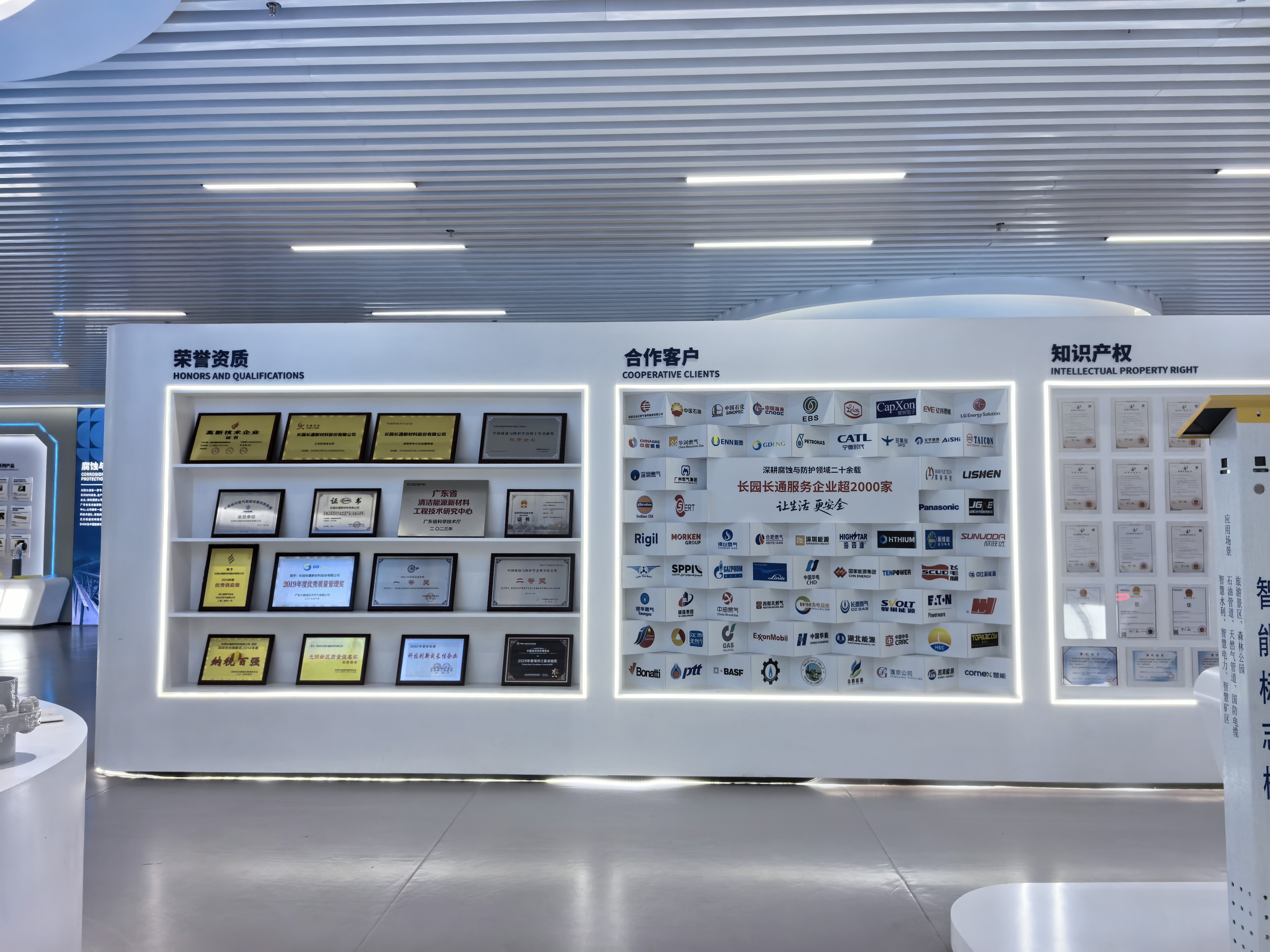
  • Proven Track Record: CYCT is a stable, long-term supplier of field joint coatings for industry leaders such as PetroChina, Sinopec, and PipeChina, demonstrating reliability in large-scale infrastructure projects.

4. Localized Application Scenarios in Costa Rica Projects

When executing pipeline and coastal construction in Costa Rica, specific field conditions dictate the selection of protective systems:

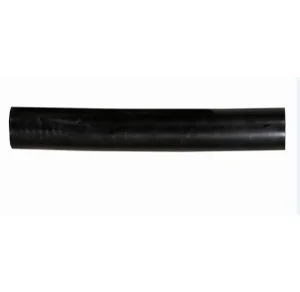
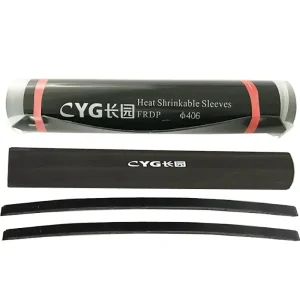
  1. HDD (Horizontal Directional Drilling) River & Estuary Crossings: Running pipelines under riverbeds in areas like the Tempisque or Pacuare rivers requires heavy mechanical protection. Classic shrink sleeves can tear during pull-back. CYCT’s FRDP Heat Shrinkable Fiberglass Reinforced Sleeve provides an ultra-rugged outer shield that resists abrasion, gouging, and shear stresses from gravel and rocky soils.
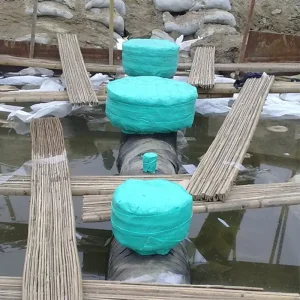
  2. Splash Zone & Offshore Pile Rehabilitation: Port piles in Puerto Caldera suffer from constant wetting and drying. Standard liquid coatings are difficult to apply on wet surfaces. Using VE Putty paired with viscoelastic wraps provides a moisture-impervious barrier. It requires minimal surface preparation (often SSPC-SP2 or SP3 wire brushing is sufficient) and bonds instantly to damp steel.
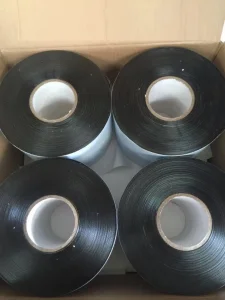
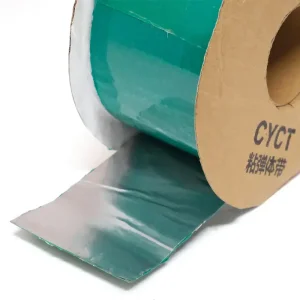
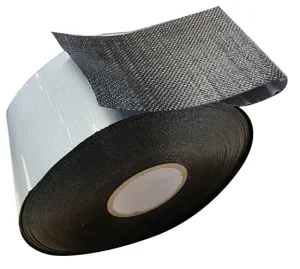
  3. Soil-to-Air Transitions: Pipelines emerging from the soil to connect with processing stations or storage terminals are highly vulnerable to localized corrosion at the soil line due to oxygen concentration cells. CYCT's cold-applied tapes and viscoelastic coatings isolate this interface, preventing water ingress and oxygen contact.

5. Advanced Technology & Next-Generation Trends

The global anti-corrosion sector is moving toward systems with longer service lives, reduced application times, and lower environmental footprints. Viscoelastic technology represents a major leap forward. Unlike traditional crystalline polymers, viscoelastic materials retain liquid-like flow properties over decades, allowing them to flow into microscopic steel pores and self-heal minor mechanical cuts.

Additionally, the demand for high-temperature resistance is growing. Geothermal energy projects and high-volume industrial pipelines require coatings that can withstand continuous operational temperatures of 80°C or even 120°C without softening. CYCT’s PP (Polypropylene) heat-shrinkable sleeves and high-temp outer tapes are designed to meet these needs, offering long-term protection in demanding thermal environments.

Quick Inquiry

Contact our engineering team to get tailored technical specifications, custom drawings, and factory-direct quotes for your Costa Rica project.

Send Inquiry Now

Global Standards

  • ISO 21809 Parts 1-3
  • NACE SP0274 / SP0169
  • AMPP Member
  • CNAS Laboratory Tested

CYCT • Corporate Overview & Technical Capacity

State-Level High-Tech Enterprise specialized in global pipeline corrosion mitigation since 2000
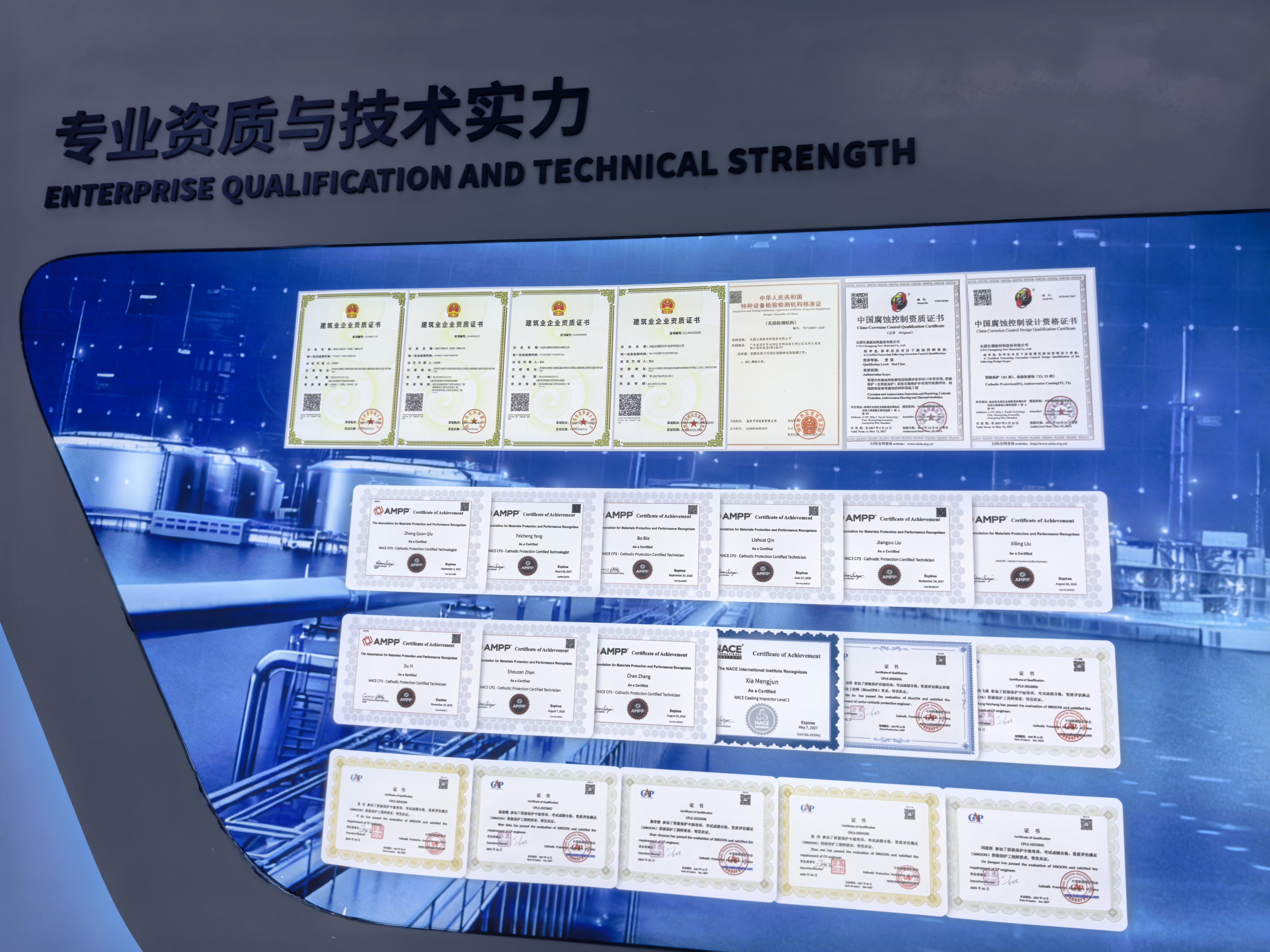
CYCT New Materials Company Limited (for short, CYCT) is a state-level high-tech enterprise integrating R&D, production, and sales of pipeline corrosion protection materials, as well as buried pipeline detection services and pipeline coating field application services. Decades of focus on core material science have established CYCT as a stable supplier of field joint coatings for PetroChina, Sinopec, PipeChina, and various municipal projects, earning a significant share of the protective materials market.

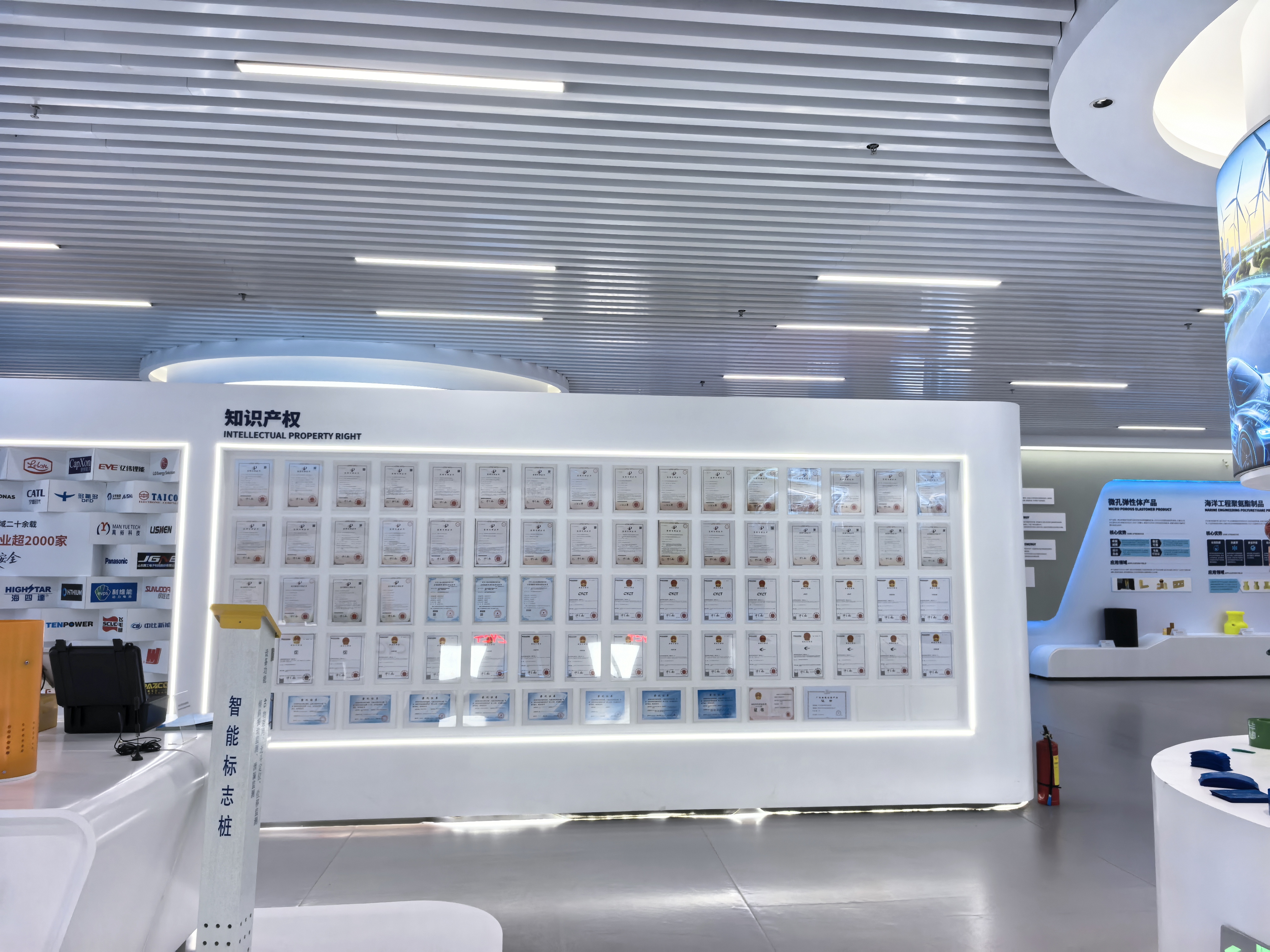
Corporate Showcase & Facilities

CYCT Manufacturing Facility Base
Advanced Production Workshops & Logistics Center
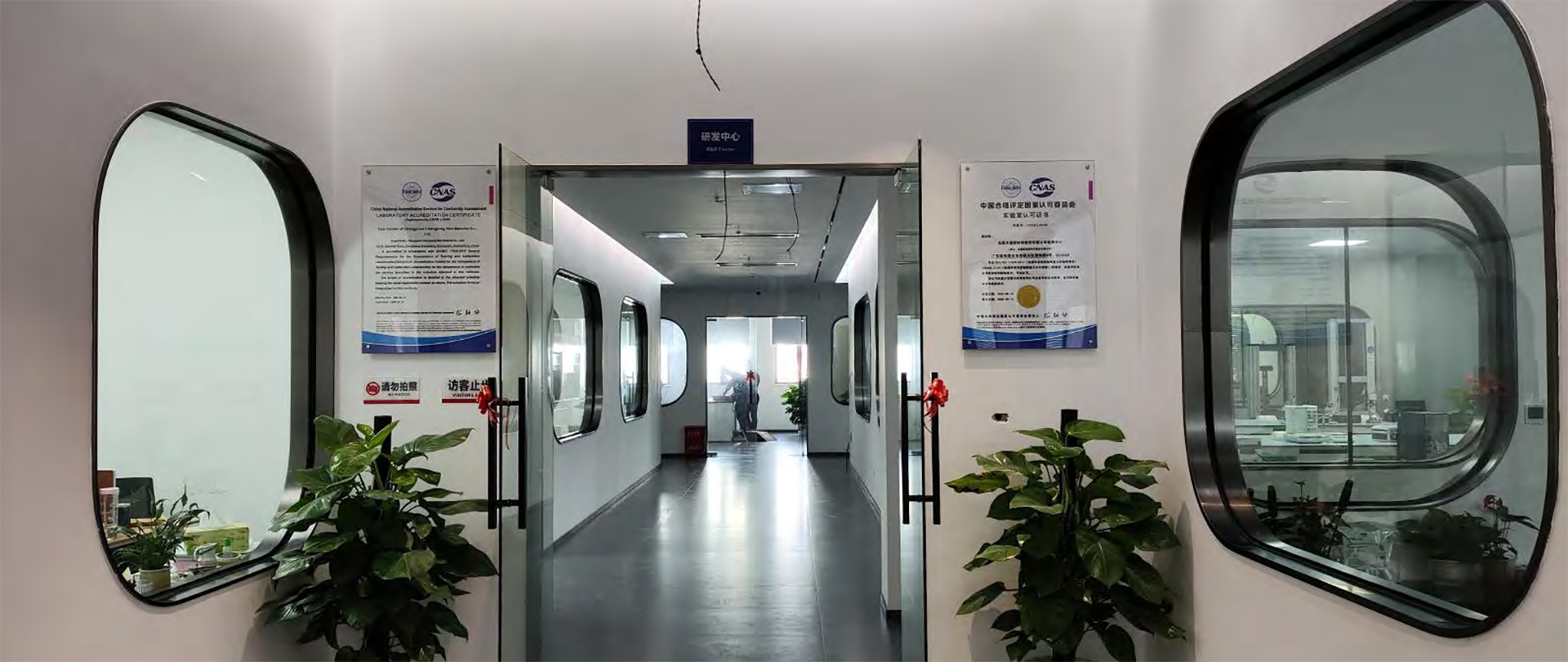
CYCT National CNAS Laboratory Testing
State-of-the-Art Quality Testing & Evaluation R&D Lab
CYCT Raw Material Processing
Automated Extrusion & Radiation Crosslinking Process
CYCT Research Center
Joint Engineering Lab for High Polymer Development
CYCT Quality Control System
Continuous Quality Testing & Standards Verification
CYCT Project Site Service
Global On-Site Field Application Technical Support

Honorary Credentials & System Certificates

Member of Council in Chinese Society for Corrosion and Protection (CSCP), Qualification Certificate of Corrosion Protection Construction, Qualification Certificate of Pipeline Detection, Well-known Brand of Pipeline Corrosion Protection in China, Corporate Member of China Association of Petroleum Engineering Construction (CAPEC).
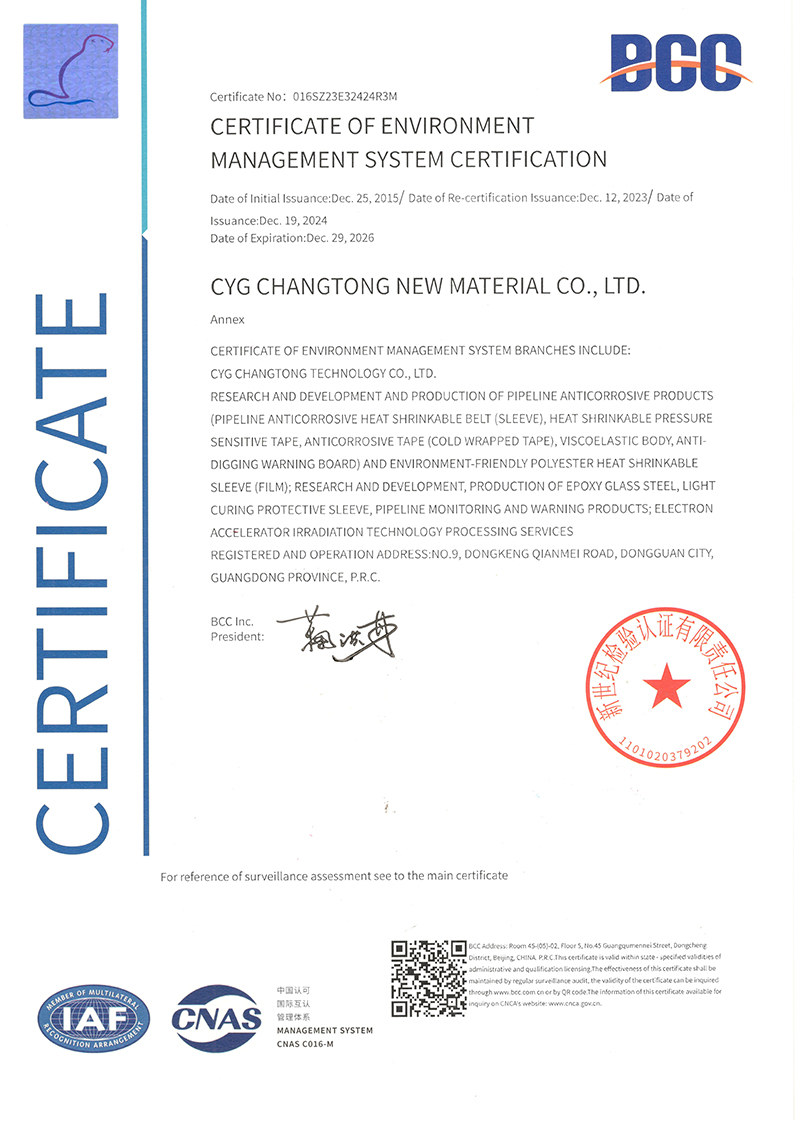
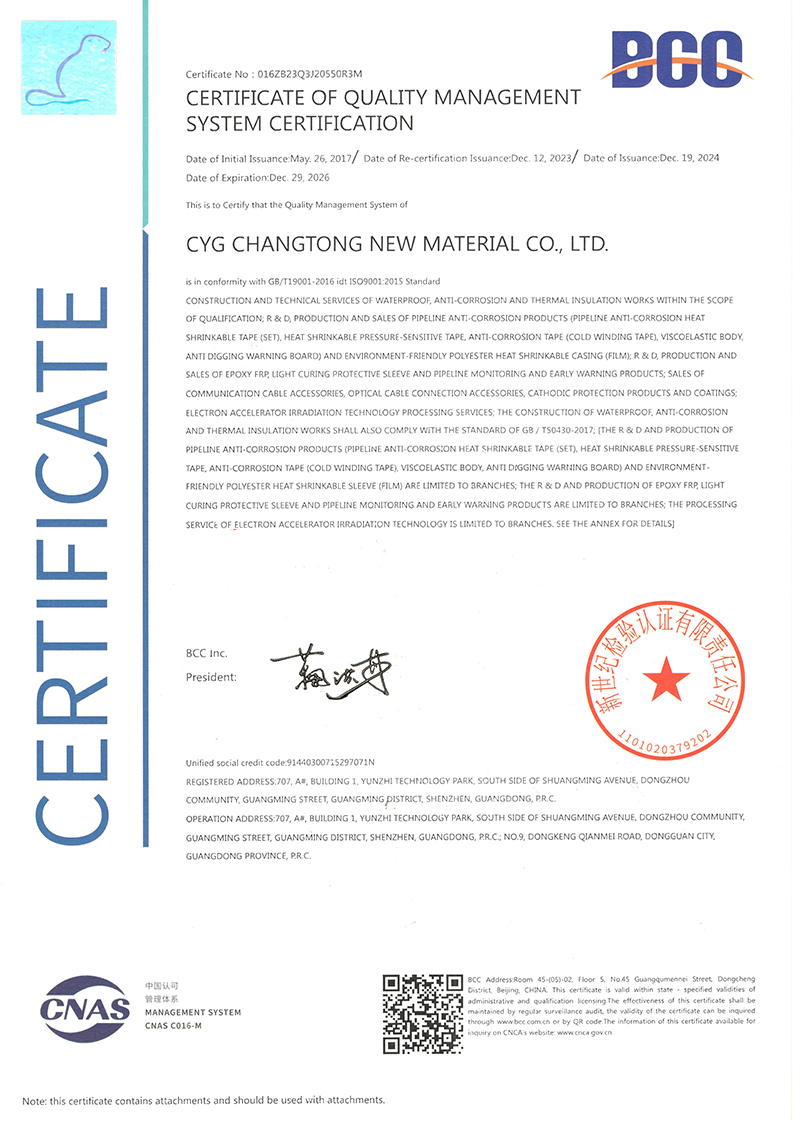
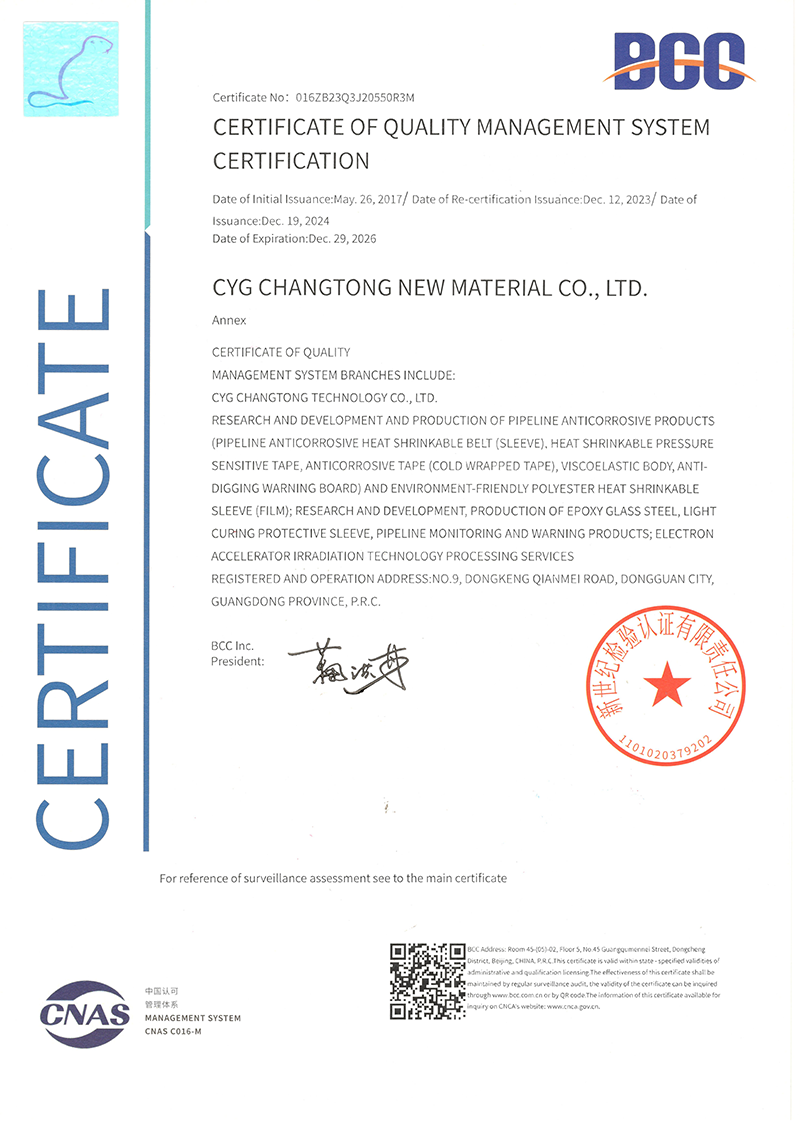
Company System Certificate 1
ISO 9001 Quality System Certificate
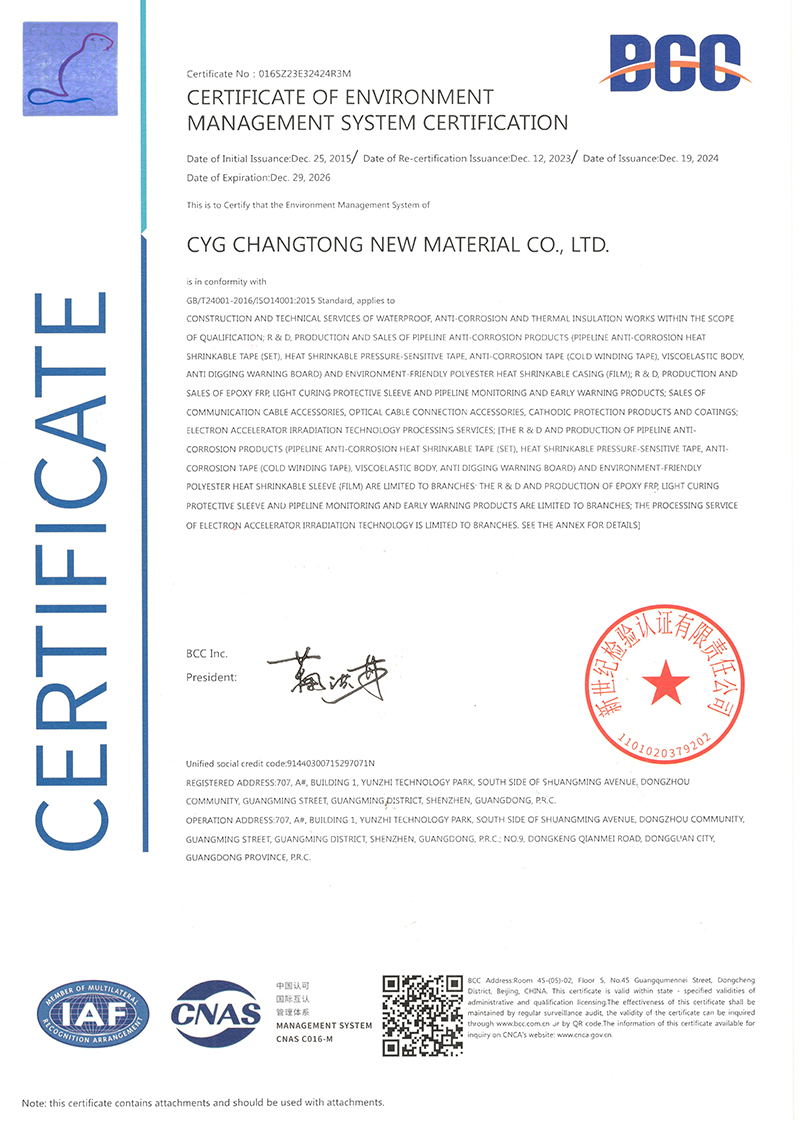
Company System Certificate 2
ISO 14001 Environment Certificate
Company System Certificate 3
ISO 45001 Occupational Health Certificate
Company System Certificate 4
CNAS Laboratory Accreditation

Expert Q&A: Marine Pipeline Protection & Engineering

Addressing the technical concerns of marine corrosion engineers and global procurement officers
What makes viscoelastic anti-corrosion coating superior to traditional PE tape in tropical marine climates?
Viscoelastic materials have unique cold-flow and self-healing properties. Unlike traditional PE tapes, which require strict surface preparation (typically Sa 2.5) to prevent peeling in humid climates, viscoelastic coatings can be applied with hand-tool cleaning (St 2 or St 3). They flow into surface microscopic cavities and maintain permanent adhesion without curing, making them ideal for high-humidity coastal sites in regions like Costa Rica.
Why is fiberglass reinforcement required for HDD (Horizontal Directional Drilling) sleeves?
During HDD installation, the pipeline is pulled through a borehole where it encounters rocks, roots, and abrasive soils. Standard heat-shrinkable sleeves can slip or suffer gouging. Fiberglass-reinforced sleeves (such as our FRDP series) combine the sealing properties of heat-shrinkable materials with the mechanical strength of fiberglass, protecting the pipeline joint from damage during the pull-back process.
How does CYCT support long-distance logistics and delivery to Costa Rican ports?
CYCT operates a fully integrated logistics network. We pack all products in high-durability, export-grade packaging with inner protective layers to prevent moisture ingress during sea transport. We regularly deliver to major hubs including Puerto Limón and Puerto Caldera, handling all shipping and customs documentation to ensure smooth port clearance.
What certifications can CYCT provide for governmental or international projects?
We provide full traceabiity documentation. This includes material test reports (MTR), third-party verification, CNAS accreditation certificates, and compliance declarations with standards such as ISO 21809-3, EN 12068, and NACE/AMPP guidelines.

Connect with Our Engineering Experts

Optimize your pipeline integrity and marine asset protection with factory-direct engineering and production solutions.

Send Inquiry Now