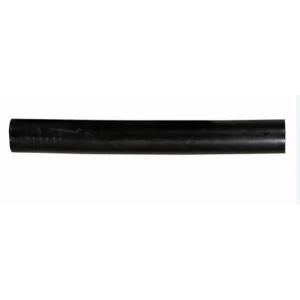
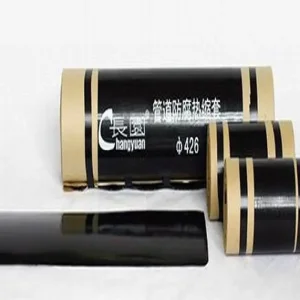
Deploying advanced cross-linked polyolefin sleeves and repair patches to protect high-pressure transmission networks across key Indian pipeline projects.
India is undergoing one of the largest infrastructure shifts in the world, marked by the extensive expansion of oil, gas, and petrochemical distribution systems. With majors like Indian Oil Corporation Limited (IOCL), GAIL, and PipeChina collaborating globally, structural reliability is paramount. Buried cross-country lines cross diverse terrains—from high-salinity coastal paths in Gujarat and Tamil Nadu to high-temperature clay soils in central regions and waterlogged, marshy tracks across the North-East.
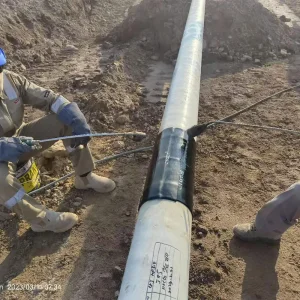
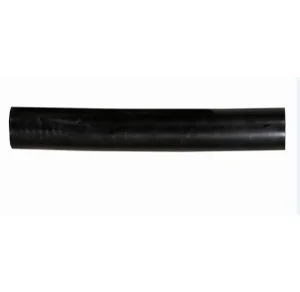
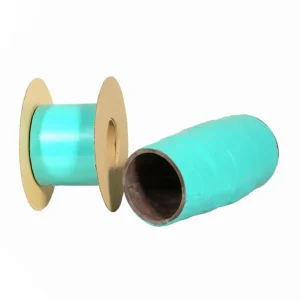
These severe conditions expose pipeline field joints to aggressive electrochemical corrosion and soil stress. A failed field joint leads to catastrophic economic loss and environmental hazards. To safeguard these critical projects, designers specify high-performance, radiation-crosslinked Heat Shrinkable Wraparound Sleeves and visco-elastic systems. These technologies provide robust adhesion, high shear resistance, and excellent cathodic disbondment prevention to ensure 30+ years of maintenance-free service.
How our technical and scientific foundation meets local guidelines and international standards.
Our solutions conform to key industry specifications, including ISO 21809-3, DIN 30672, and EN 12068. We align with EIL (Engineers India Limited) and IOCL pipeline guidelines to ensure flawless integration into local public and private sector projects.
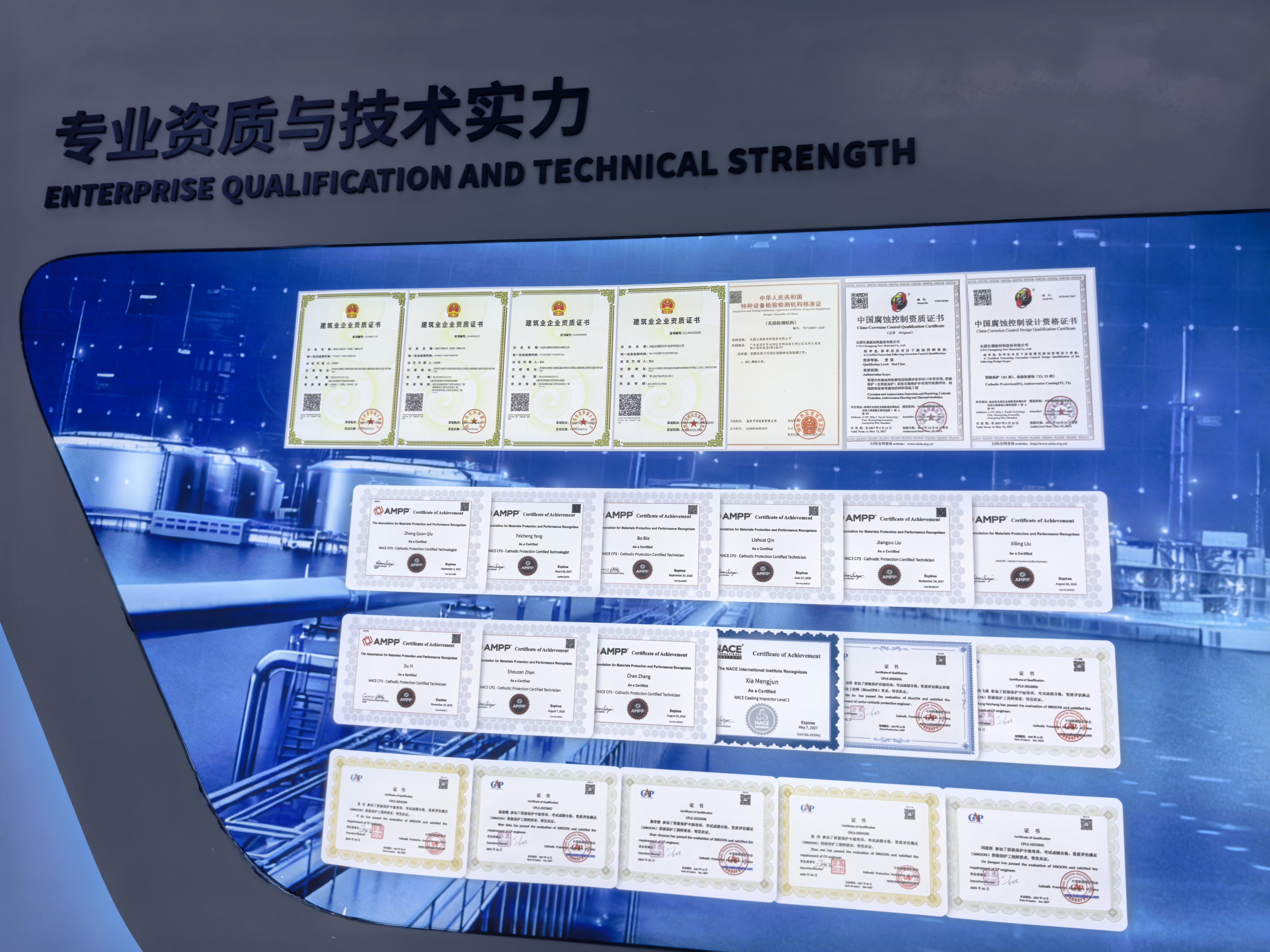
We test our materials in our national CNAS-accredited laboratory. Our products are proven to resist cathodic disbondment, water immersion, thermal aging, and high soil stress, guaranteeing long-term field stability.
In collaboration with leading research groups like the CNPC Pipeline Science Research Institute, we deliver end-to-end design schemes, Cathodic Protection (CP) systems, and pipeline rehabilitation support.
Corporate Profile
CYCT New Materials Company Limited (CYCT) is a state-level high-tech enterprise integrating R&D, manufacturing, and distribution of pipeline anti-corrosion systems, buried pipeline diagnostic services, and field application solutions. For decades, CYCT has focused on developing advanced polymer technologies to meet the evolving demands of the global pipeline energy industry.
As a council member of the Chinese Society for Corrosion and Protection (CSCP) and an active corporate member of the China Association of Petroleum Engineering Construction (CAPEC), CYCT provides reliable, project-specific pipeline protection. Our high-performance materials are used in major networks by PetroChina, Sinopec, PipeChina, and various international operators, including Indian Oil.
We work closely with the CNPC Pipeline Science Research Institute to provide specialized engineering support, covering pipeline assessment, cathodic protection designs, rehabilitation projects, and customized safety management strategies.
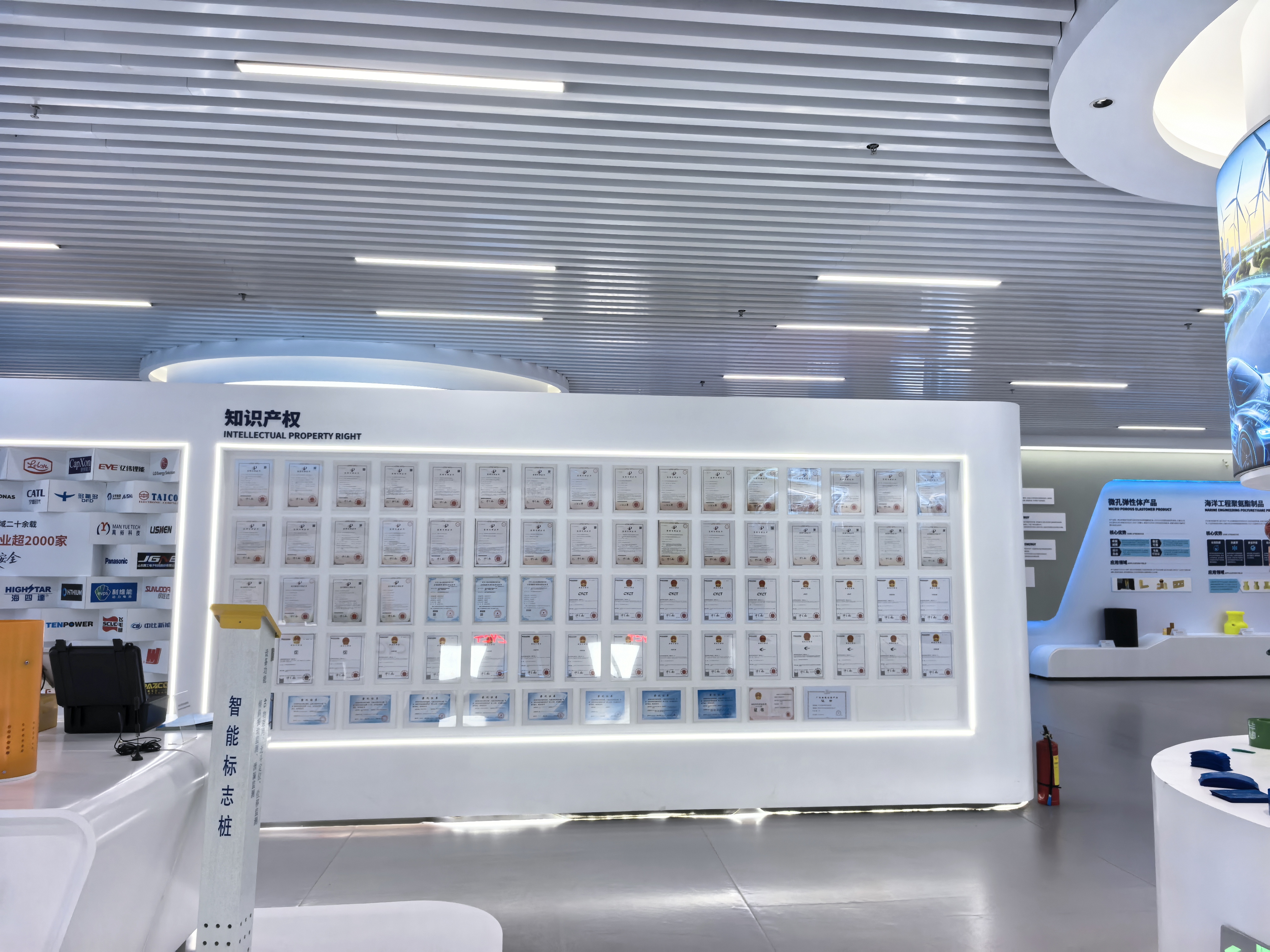
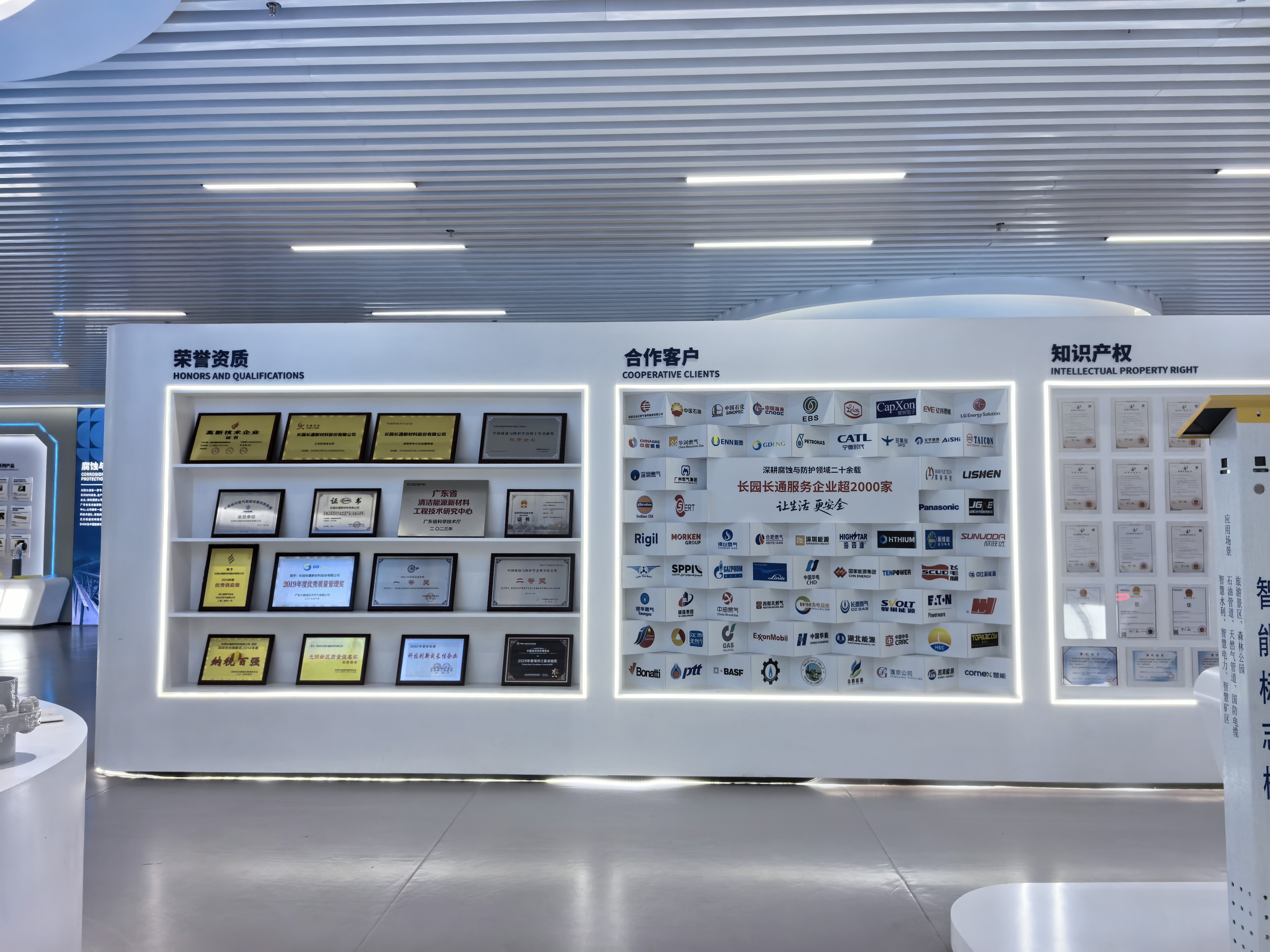
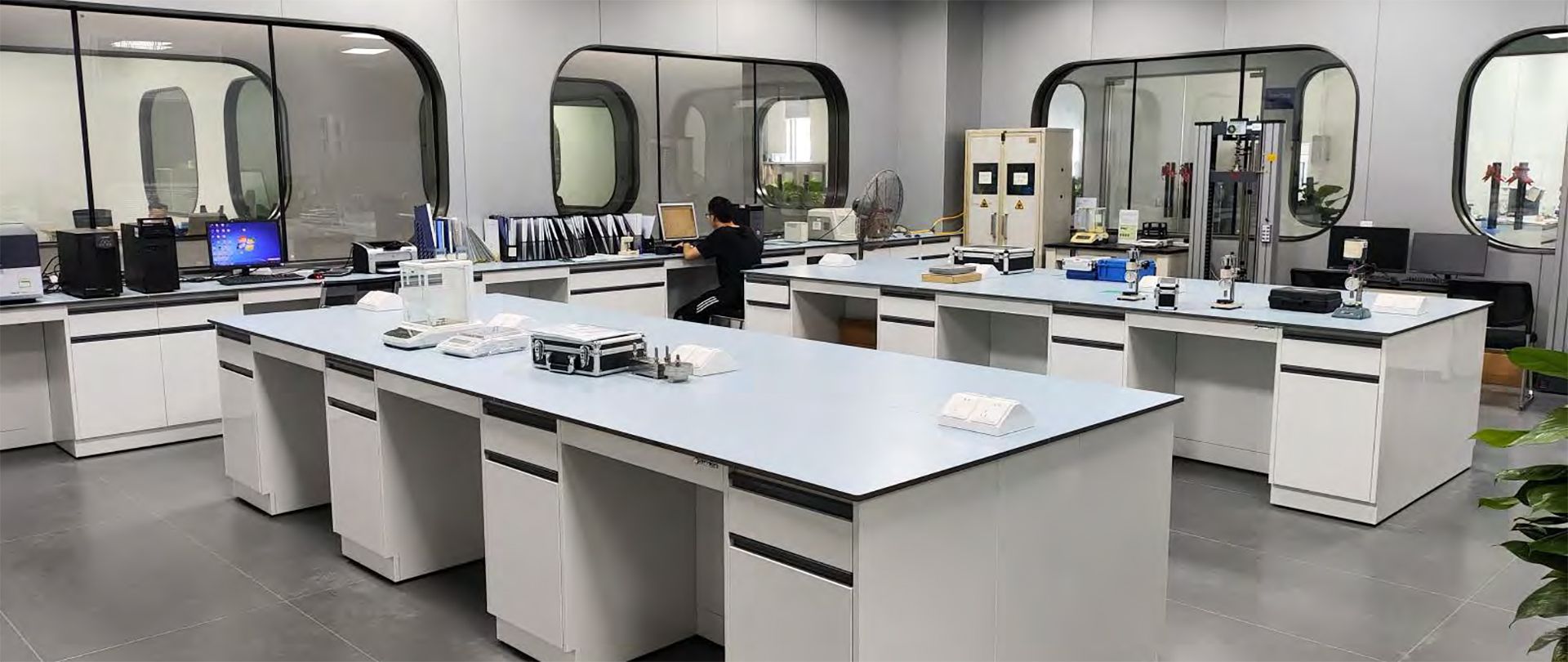
Why EPC contractors and utility agencies in India partner with CYCT for their pipeline protection needs.
Equipped with advanced extrusion, expansion, and adhesive coating lines, CYCT maintains high production capacities. This ensures prompt, reliable deliveries for major national pipeline tenders in India, minimizing project downtime.
Our material technologies include high-temperature polypropylene field joint systems, visco-elastic tapes with cold-flow self-healing capabilities, and photo-curing fiberglass sleeves. This allows us to provide customized solutions for unique soil profiles and operational temperatures.
Our experienced export logistics team ensures smooth shipping to major Indian ports, including Nhava Sheva, Mundra, and Chennai. We support our customers with comprehensive documentation, customs clearance assistance, and on-site technical installation training.
High-performance field joint sleeves, viscoelastic tapes, and repair solutions designed for challenging pipeline networks across India.
Ensuring mechanical and physical protection across diverse regional installations.
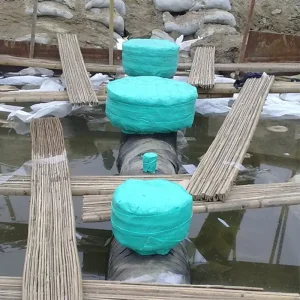
For pipeline installations through major river crossings like the Ganges or Godavari, or under highway junctions, we recommend our Fiberglass Reinforced Heat Shrinkable Sleeves. These specialized systems provide high shear strength and abrasion resistance, protecting joint coatings from mechanical damage during pipe pulling.
Heavy clay soils in parts of central India place high mechanical stress on buried pipelines. Our 3-Layer Polypropylene (3LPP) Heat Shrinkable Sleeves are engineered to resist soil-movement-induced shear forces, ensuring the integrity of the underlying epoxy primer and field joints.
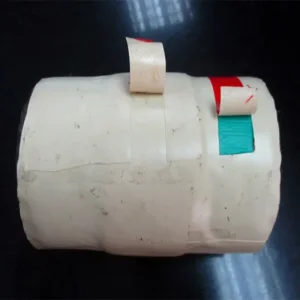
CGD networks require flexible and highly adaptable anti-corrosion systems for elbows, tees, and complex fittings. CYCT's Viscoelastic Tapes and Hot Melt Repair Sticks provide easy, reliable application, ensuring long-term protection for municipal gas infrastructure.
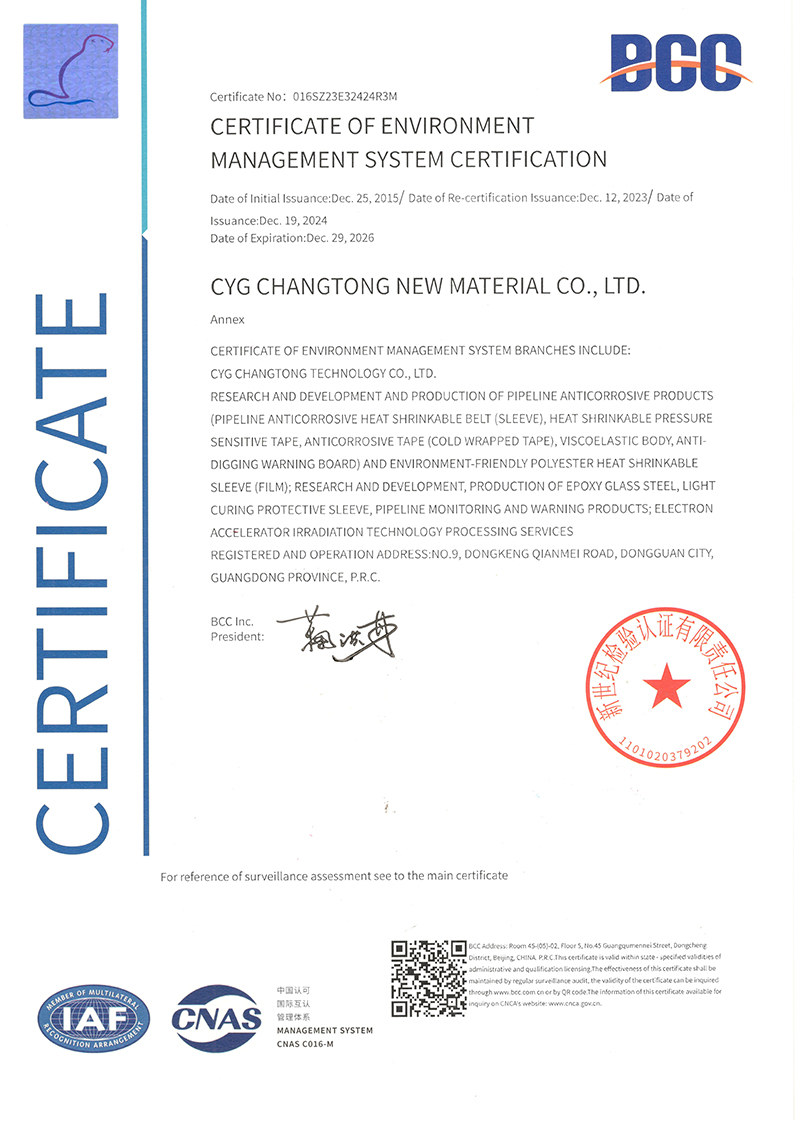
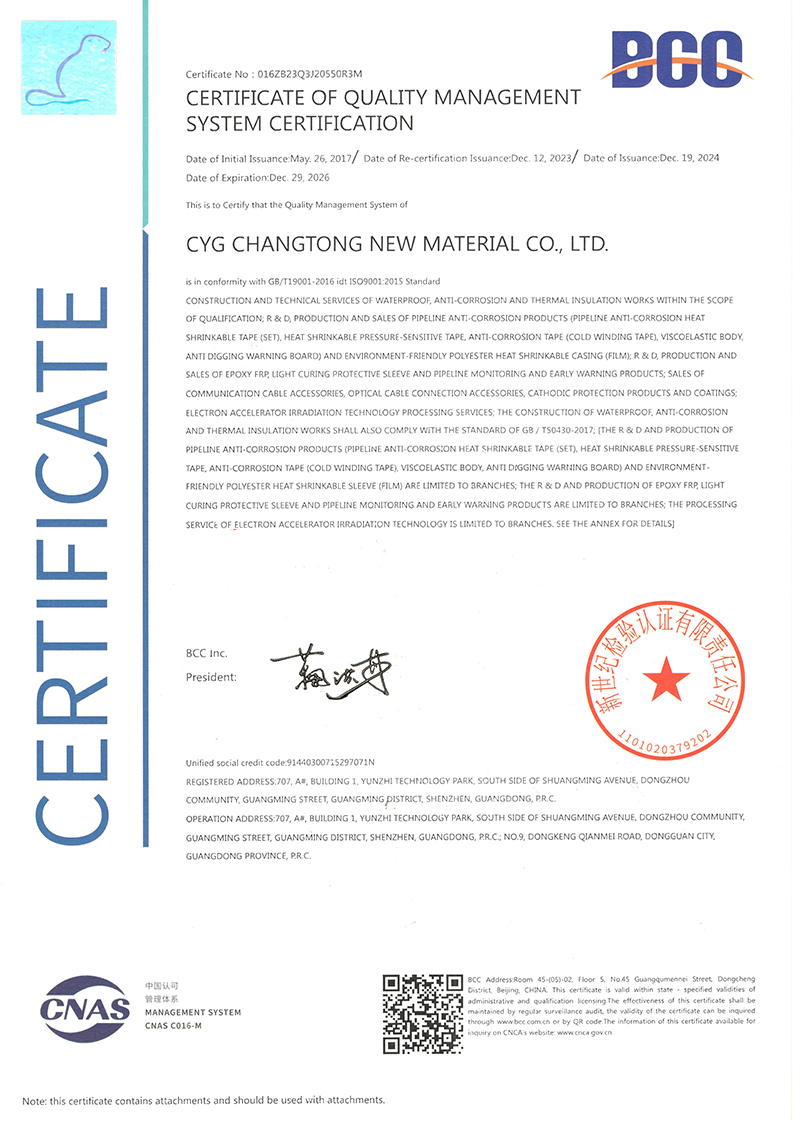
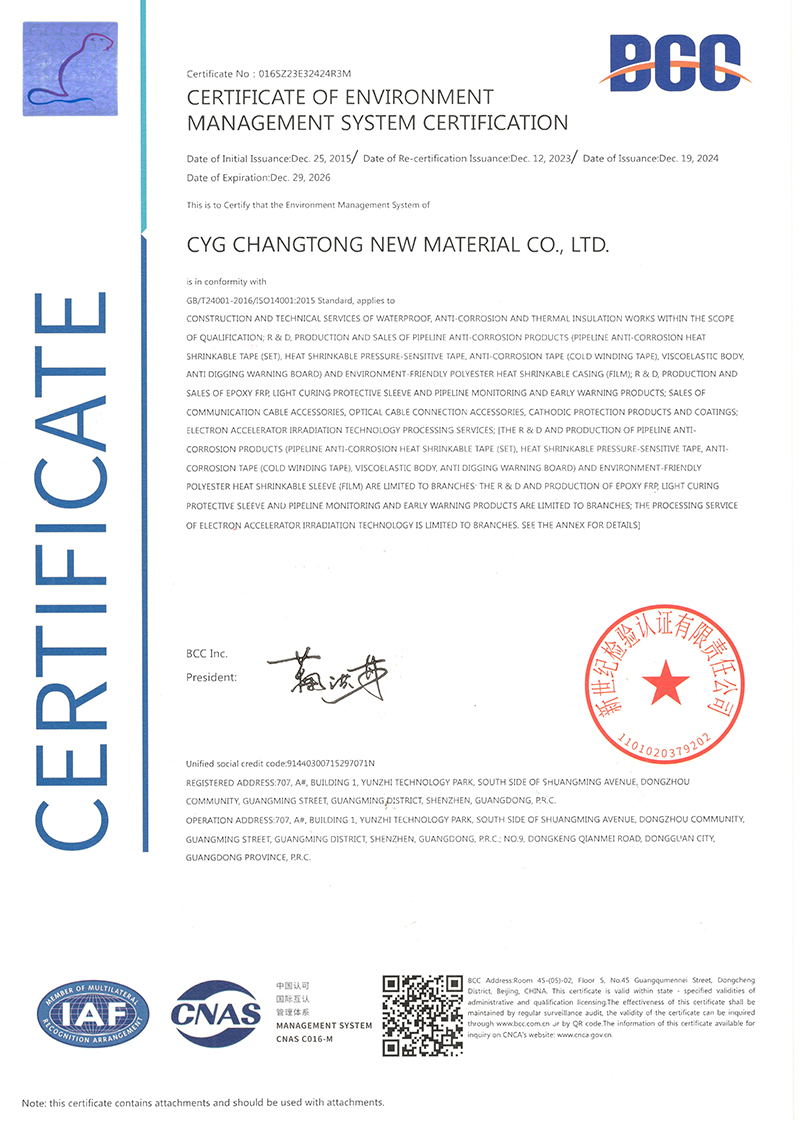
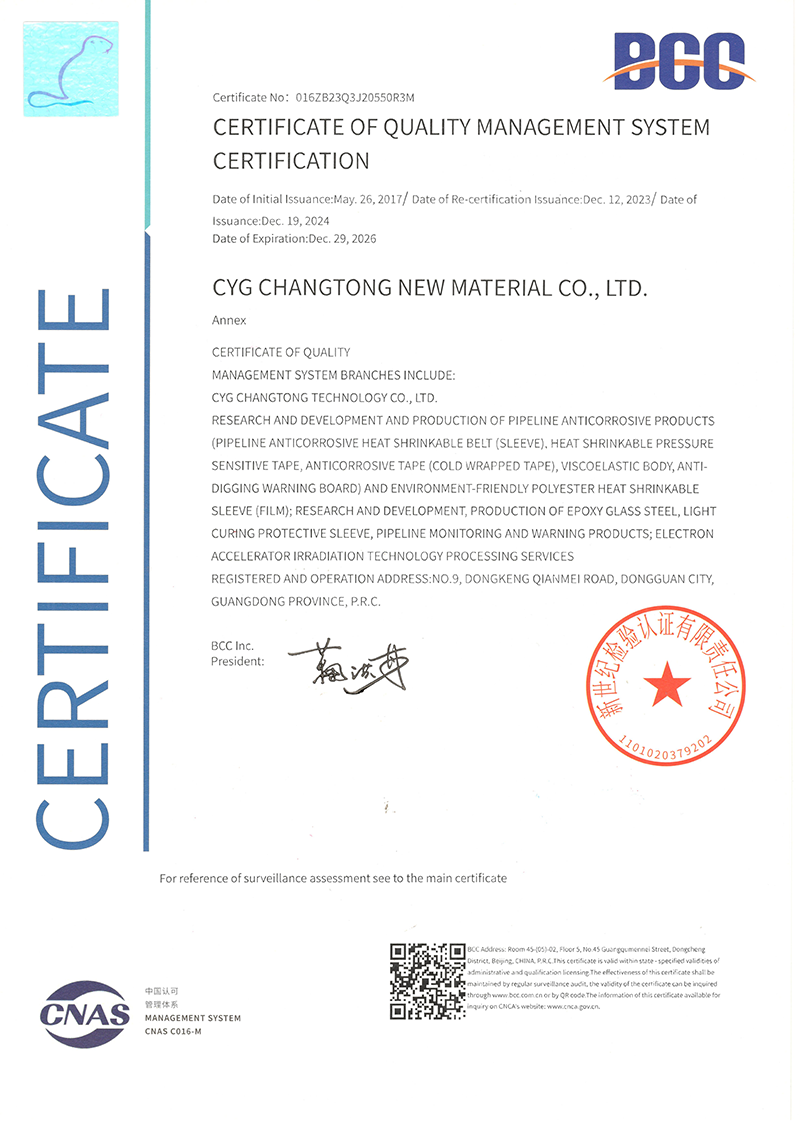
Our manufacturing practices are verified by third-party testing agencies and industry associations.
Technical insights on selecting, installing, and validating pipeline field joint coatings.
Polyethylene (PE) heat shrinkable sleeves are typically specified for pipelines operating at temperatures up to 60°C or 80°C (such as 3LPE systems). Polypropylene (PP) sleeves are engineered for higher temperature pipelines (up to 110°C or 120°C) and provide superior shear resistance and mechanical protection in high-stress soils.
HDD pulls pipelines through subterranean bores, exposing joint coatings to extreme shear, friction, and rock impact. Standard heat shrinkable sleeves may tear or peel. For these applications, we recommend fiberglass-reinforced heat shrinkable sleeves combined with sacrificial moisture-curing outer wraps to provide high abrasion and impact resistance.
Yes. Viscoelastic coatings consist of non-crystalline, low-viscosity polyolefins that display cold-flow self-healing properties. They bond exceptionally well to steel substrates and adjacent plant-applied polyolefin coatings (like 3LPE, 3LPP, or FBE), providing excellent cathodic disbondment protection without requiring a separate liquid epoxy primer.
For optimum performance, the bare steel joint area must be abrasive blast cleaned to a minimum Sa 2.5 finish according to ISO 8501-1, with an anchor profile of 50 to 100 microns. The adjacent mill-applied coating must be beveled and abraded. The steel joint should then be pre-heated to the specified temperature using an induction coil or propane torch before applying the liquid epoxy primer and wrapping the sleeve.
CYCT operates under ISO 9001, ISO 14001, and ISO 45001 management systems. Raw materials are checked prior to extrusion, and each batch of heat shrinkable sleeves undergoes extensive quality control testing in our CNAS laboratory. Tested parameters include peel strength to steel and PE, shear resistance, heat shock, and backing tensile strength, ensuring full compliance with project specifications before dispatch.
Whether you are designing a high-pressure gas grid in Mumbai, a cross-country crude line in Rajasthan, or an offshore landfall pipeline, CYCT provides certified solutions to meet your project specifications.
Get a Technical Quotation Now CYCT
CYCT