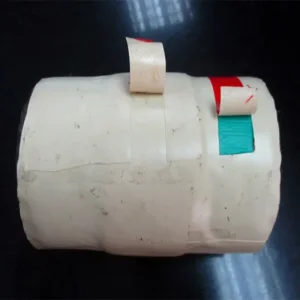
Our top-tier joint systems and protective sheets engineered to withstand high shear stress, seismic displacement, and severe soil corrosion.
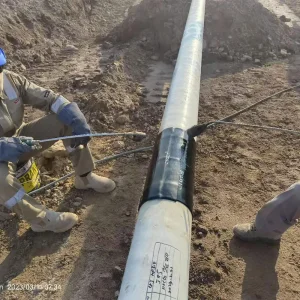
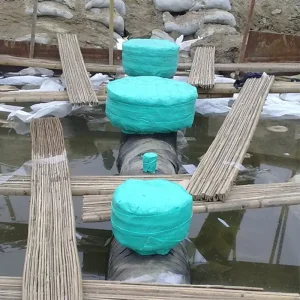
The San Francisco Bay Area represents one of the most demanding environmental corridors in North America for metallic pipeline infrastructure. Characterized by high soil salinity, fluctuating tidal zones, seismic movements along major fault lines (including the San Andreas and Hayward faults), and ubiquitous micro-climatic marine fog, the region demands engineering integrity that standard insulation products simply cannot deliver. Municipal water systems like the Hetch Hetchy regional water network, heavy industrial shipyards, and subterranean gas transmission pipelines operated by West Coast utilities are subject to constant electrolyte exposure, accelerates galvanic and electrochemical corrosion.
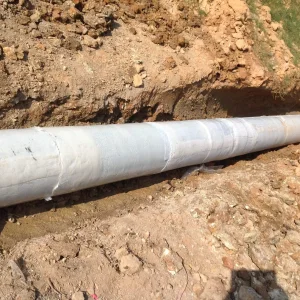
For engineering procurement organizations, selecting a heat shrinkable sleeve manufacturer in San Francisco or direct-from-factory partners requires a deep understanding of polymer physics. Pipeline field joints are the weakest links in any cathodic protection (CP) layout. To mitigate the risk of cathodic disbondment and moisture ingress, pipeline projects must transition from standard commercial-grade insulation towards specialized, radiation-crosslinked polyolefin backing systems pre-coated with high-shear hot-melt or viscoelastic adhesives.
Subterranean pipelines traversing the Peninsula and East Bay endure unique dynamic environments:
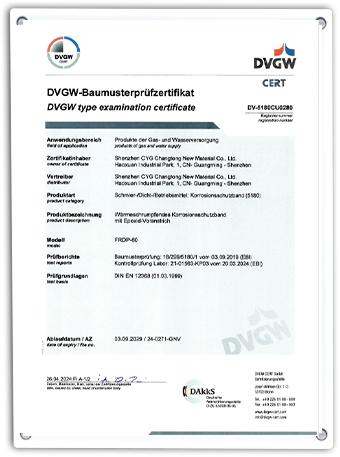
Modern pipeline construction standards are shifting from reactive maintenance to lifecycle optimization. Global procurement directors in petrochemical, natural gas distribution, and water treatment sectors prioritize systems that adhere to rigorous international specifications, such as ISO 21809-3 and EN 12068. Heat shrinkable sleeves are no longer chosen solely on purchase cost; rather, engineers compute the total cost of ownership (TCO), factoring in installation speed, field failure rates, and environmental footprint.
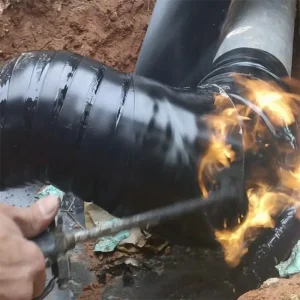
A common failure mechanism in field joints is poor surface preparation under field conditions. Viscoelastic coatings and advanced wraparound sleeves minimize this risk by utilizing proprietary adhesives that require lower preheat temperatures, or in the case of viscoelastic materials, no preheating at all. This innovation directly translates to reduced field labor costs and less downtime, particularly in cold-weather climates or rapid-install municipal applications across North American cities.
Furthermore, the rise of trenchless technologies such as Horizontal Directional Drilling (HDD) in urbanized zones like San Francisco requires robust physical protection. Standard PE coatings wear down when pulled through rocky substrates. UV-curing Glass Reinforced Plastic (GRP) sheets and heavy-duty mechanical protective sleeves are increasingly mandated to serve as sacrificial shields, preserving the primary corrosion protection layer beneath.
| Performance Metric | Required Standards | CYCT Factory Benchmarks |
|---|---|---|
| Cathodic Disbondment | < 10 mm (at 23°C, 28d) | 2 - 4 mm |
| Peel Strength (to Steel) | > 100 N/cm | 140 - 180 N/cm |
| Impact Resistance | > 15 J | > 20 J |
| Indentation Resistance | > 0.6 mm residual thickness | > 0.8 mm |
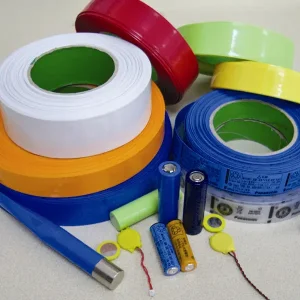
As trade complexities and logistics costs fluctuate, supply chain resilience is crucial for infrastructure projects. CYCT New Materials Company Limited (CYCT), founded in 2000, has constructed a manufacturing paradigm that aligns China's industrial scale with strict Western quality expectations. Driven by the "Factory 4.0" framework, our production facilities incorporate computerized automation, real-time polymer extrusion monitoring, and continuous quality verification loops. This ensures that every roll of viscoelastic tape and every heat shrink sleeve conforms perfectly to batch tolerances.
CYCT synthesizes custom adhesives internally, matching molecular weights to specific field environments from freezing soils to high desert zones.
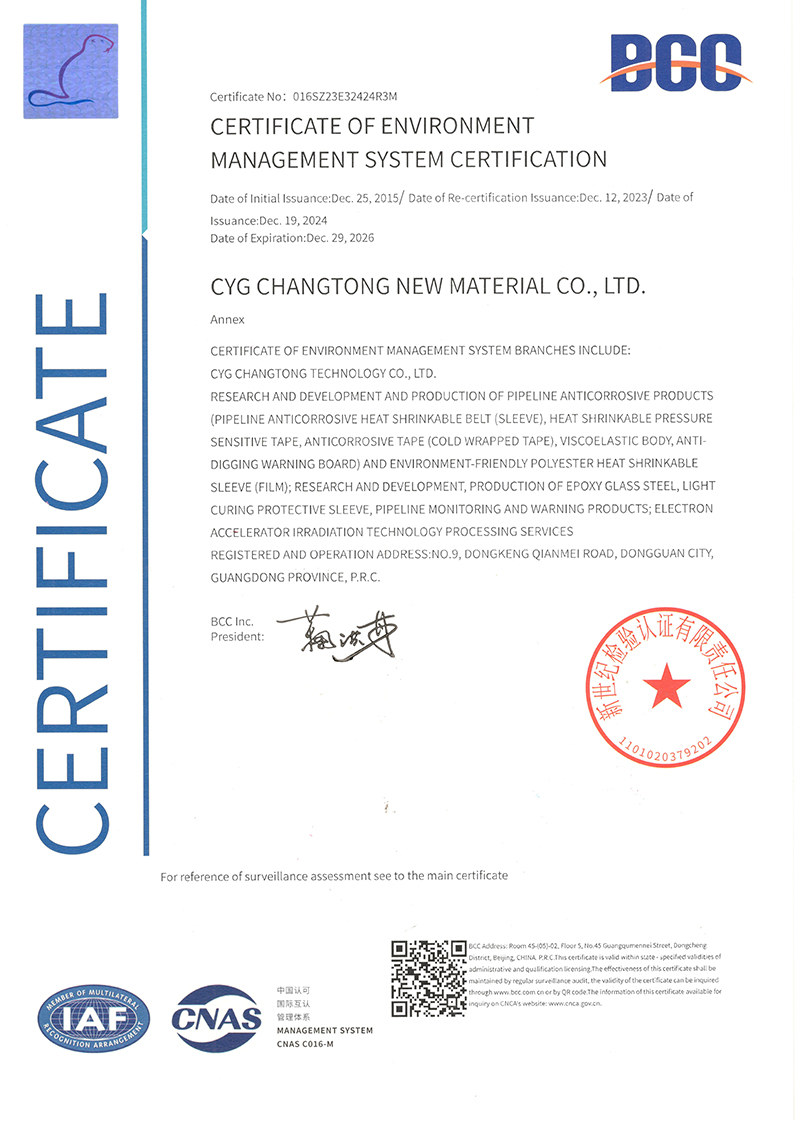
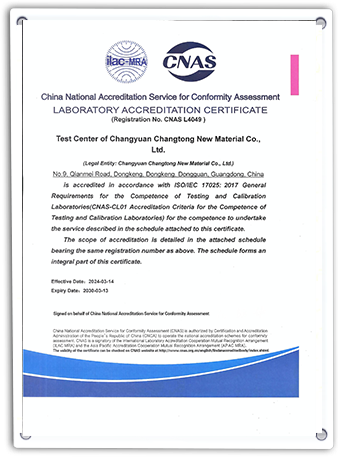
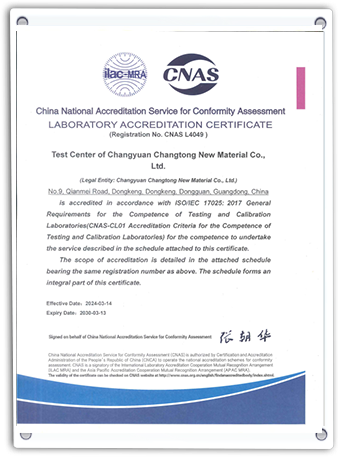
Every raw material batch undergoes spectral analysis and physical stress testing within our national CNAS accredited test facility before extrusion.
By optimizing logistics links, CYCT maintains predictable production schedules and direct shipping routes to San Francisco Bay terminals.
By maintaining strategic cooperation with research entities like the CNPC Pipeline Science Research Institute, CYCT ensures its material formulations exceed standard utility specs. Whether you are addressing local pipeline rehabilitation, municipal water expansion projects, or global high-pressure gas mains, our direct-factory pipeline supplies bridge the gap between quality verification and pricing value. We operate multiple production lines, preventing supply shortfalls during global shipping disruptions.
Field application conditions require diverse materials to match dynamic environments. Below, we examine the typical structural challenges faced on site and identify the corresponding coating materials recommended for those situations:
Challenge: Soil abrasion, rock friction, and high shear forces scratch standard PE wrap, exposing bare steel.
Solution: UV-Curing GRP Sheets & Photo-Curing Sleeves. High mechanical resistance acts as a sacrificial layer.
Challenge: Field locations where grit blasting is restricted, or preheating is difficult due to cold temperatures.
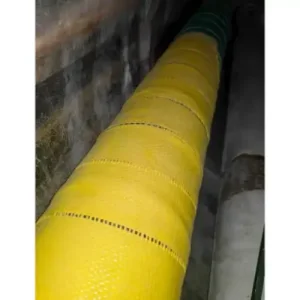
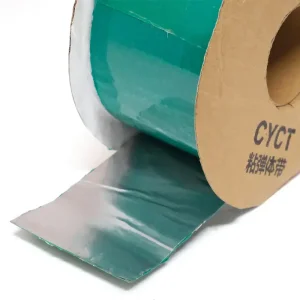
Solution: Viscoelastic VT95 Tape and Putty. Exhibits cold-flow behavior, healing minor imperfections without a primer.
Challenge: Pinholes, mechanical damage, and void defects occurring on parent plant-applied coatings.
Solution: PP Repair Patches & FRDX Hot Melt Fillers. Restores the physical and dielectric integrity of the primary coating system.
Explore our full suite of certified pipeline protection systems, viscoelastic tapes, and repair solutions. Each product link below directs to detailed engineering data sheets.
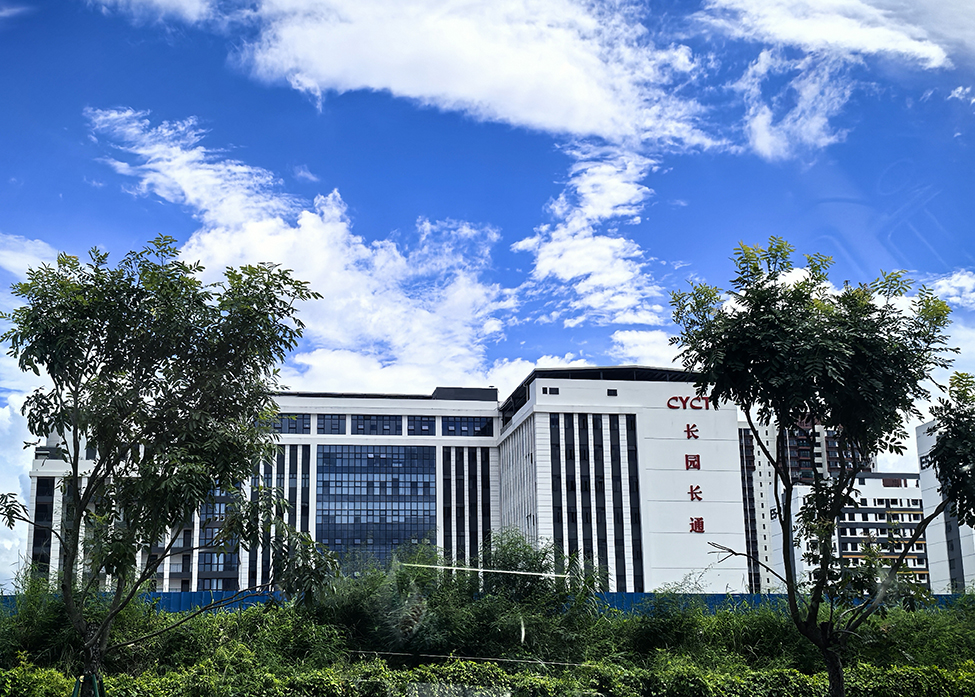
CYCT New Materials Company Limited (for short, CYCT) is a state-level high-tech enterprise integrating R&D, production, and sales of pipeline corrosion protection materials as well as buried pipeline detection services and pipeline coating field application services. We have dedicated decades of targeted development to addressing pipeline corrosion in complex geoclimatic environments.
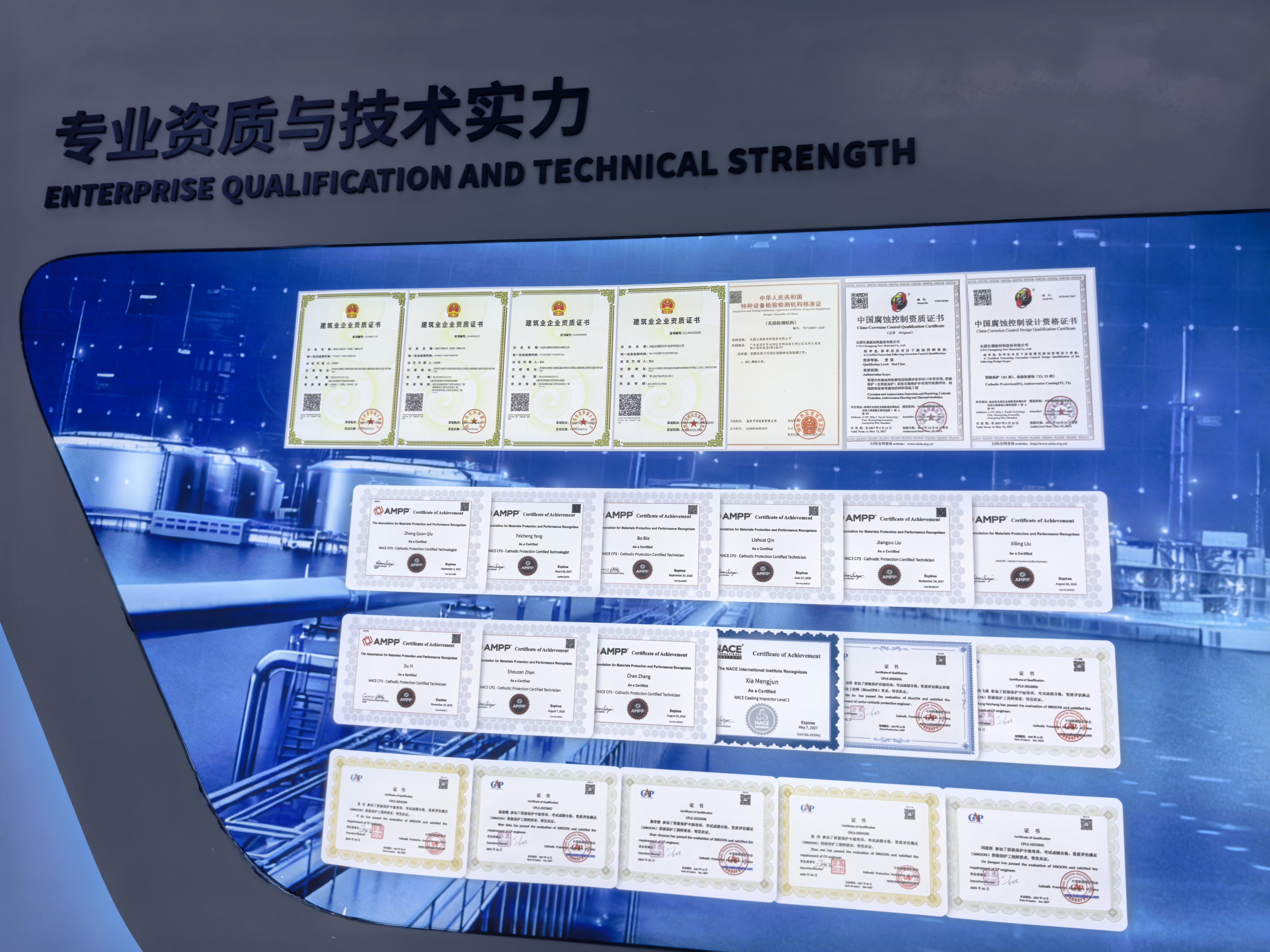
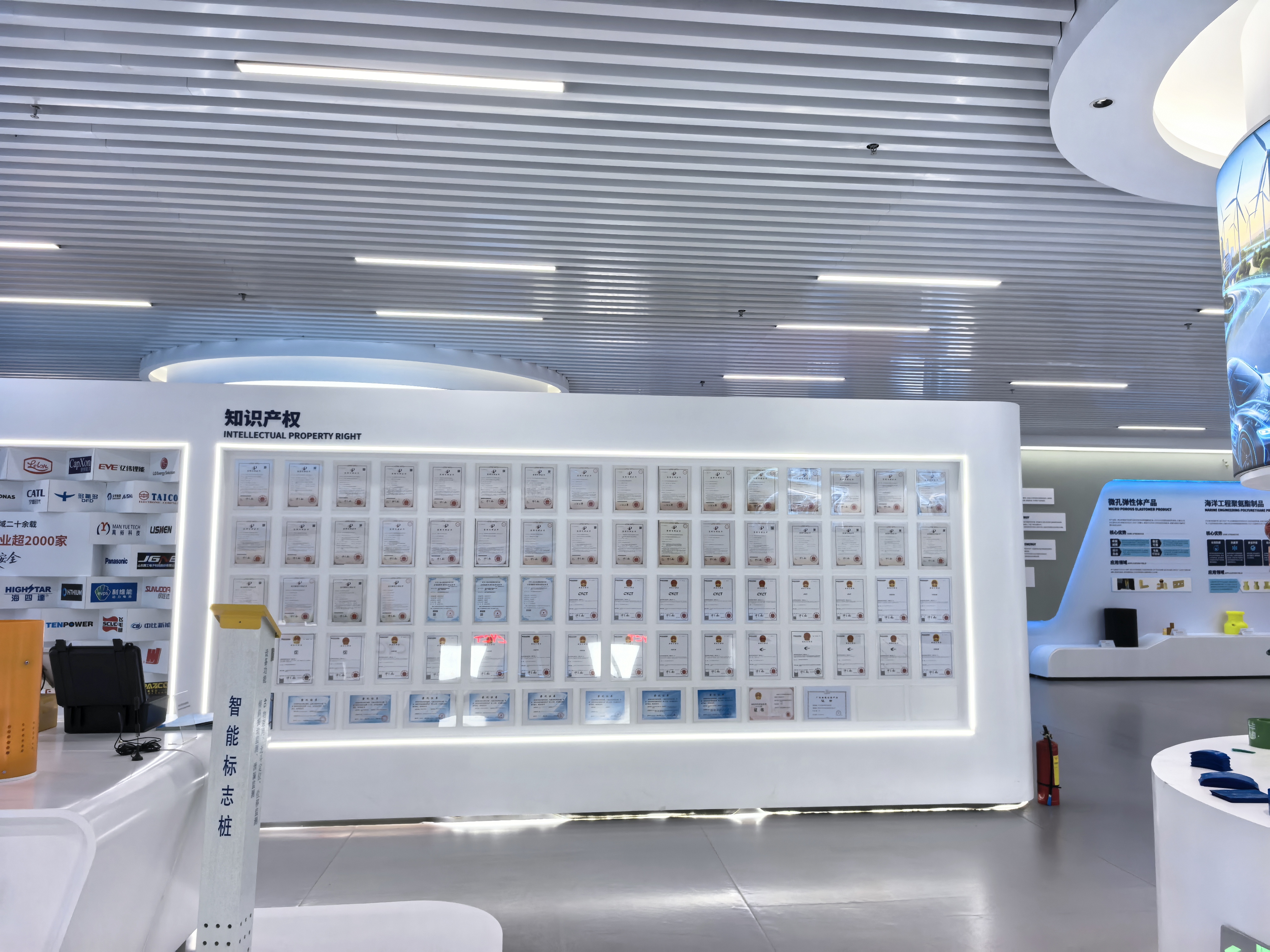
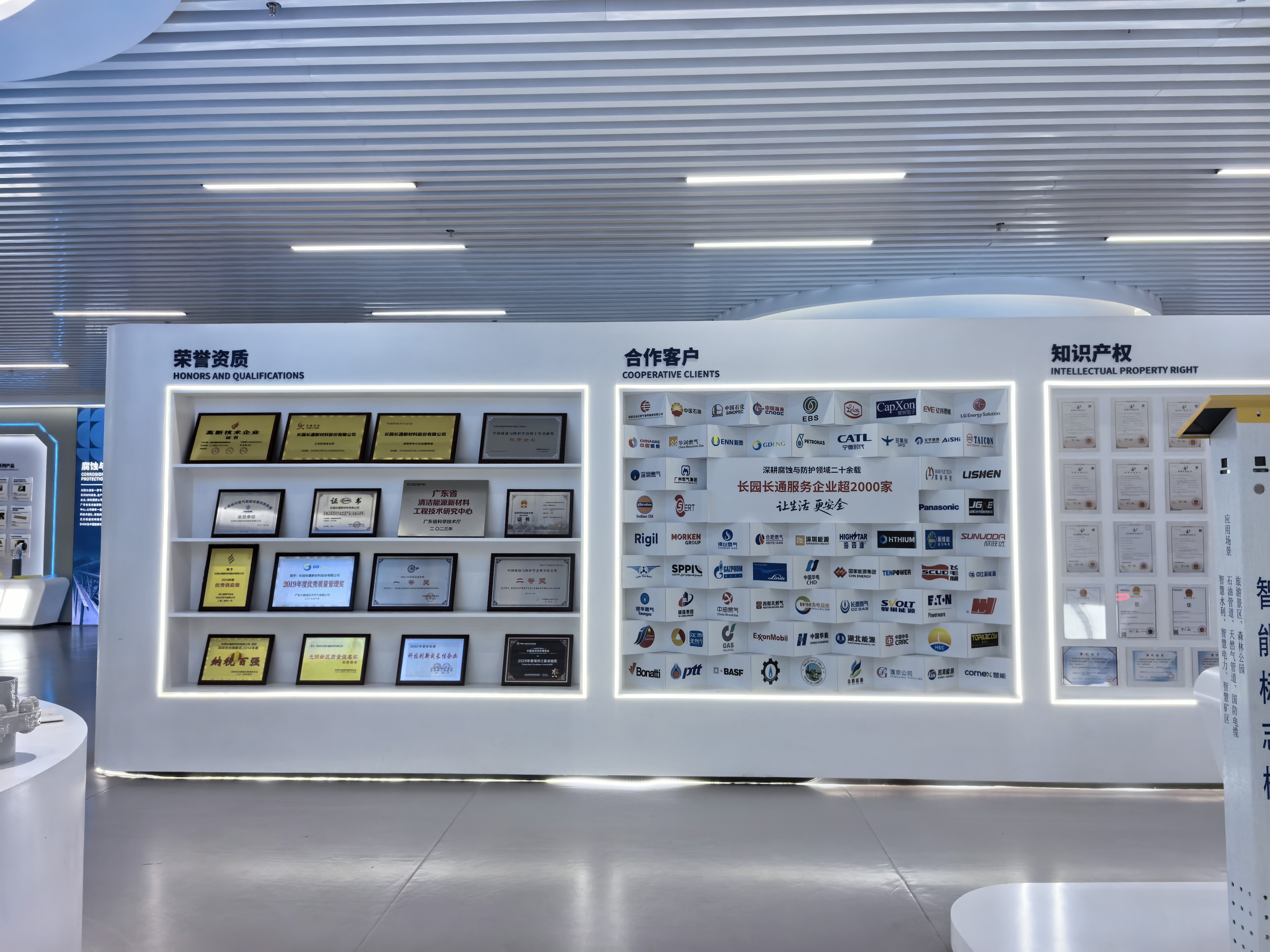
CYCT owns leading testing and R&D capabilities, supported by a professional engineering team and a national CNAS-accredited laboratory. This high-specification research environment enables CYCT to remain a stable supplier of field joint coatings for major partners, including PetroChina, Sinopec, PipeChina, and various municipal network operators, holding a significant share of the market.
Beyond standard shrinkable sleeves, CYCT has developed and introduced advanced specialty protective materials, such as visco-elastic anti-corrosion systems, specialized photo-curing sleeves for Horizontal Directional Drilling (HDD) protection, and polyurea coatings designed for aggressive marine environments.
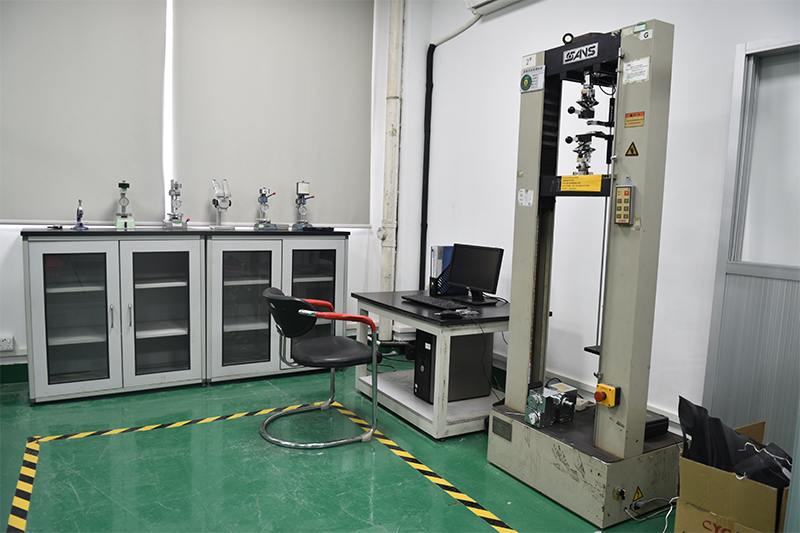
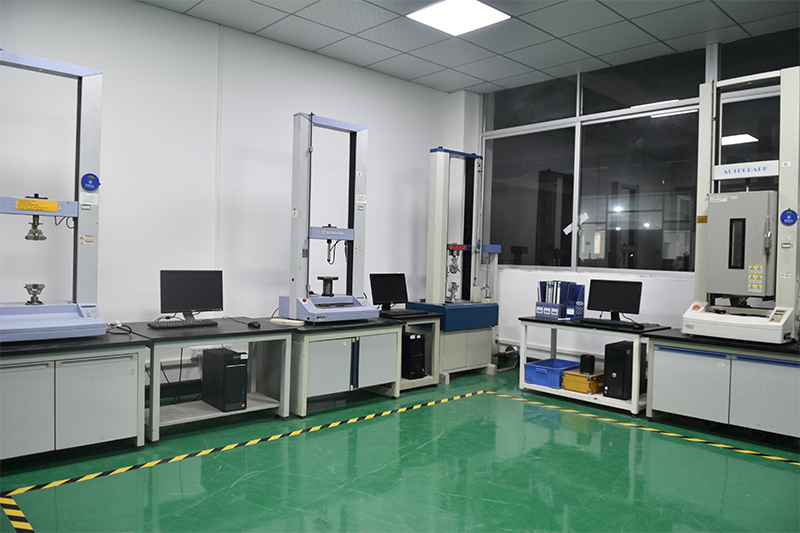
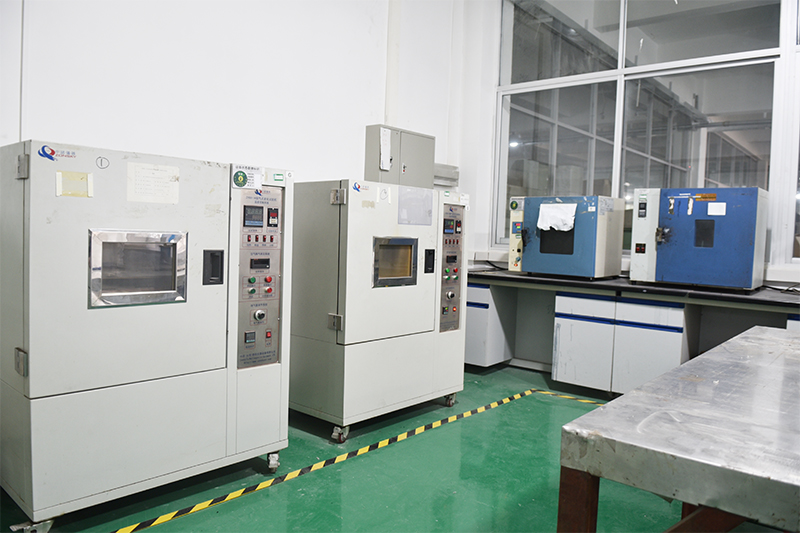
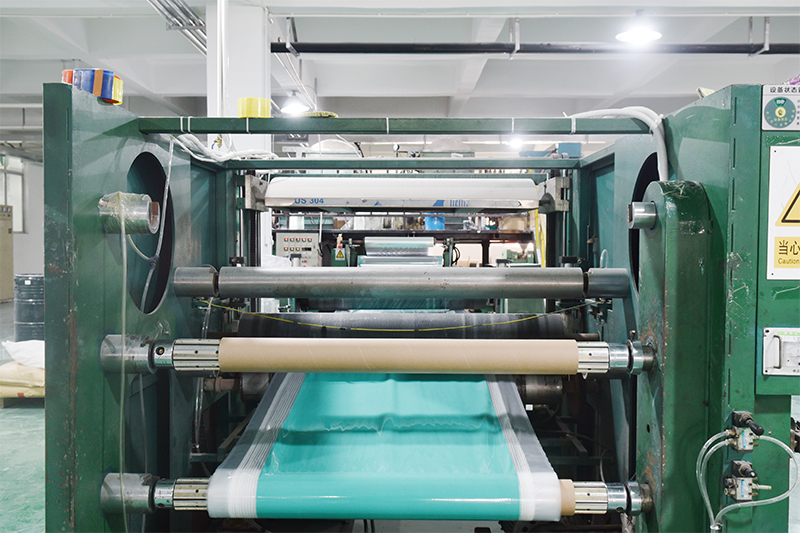
By collaborating with leading research institutes like the CNPC Pipeline Science Research Institute, CYCT provides in-service pipeline operators with complete technical support. This ranges from buried pipeline detection and design scheme development to cathodic protection systems, rehabilitation engineering, and integrated safety configurations.
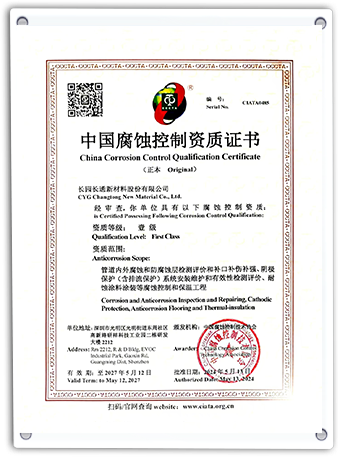
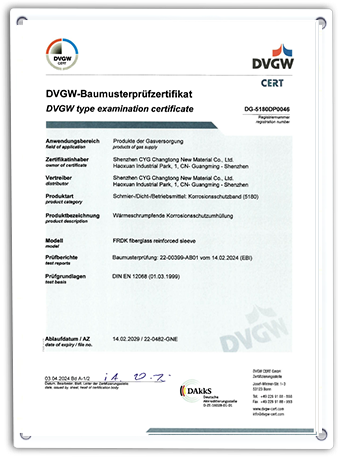
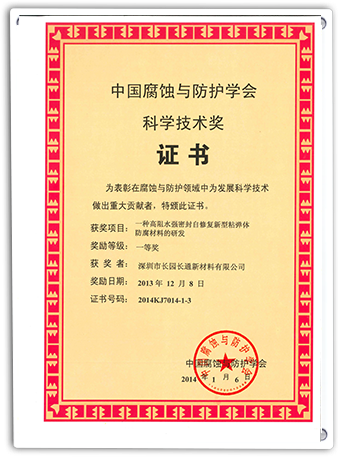
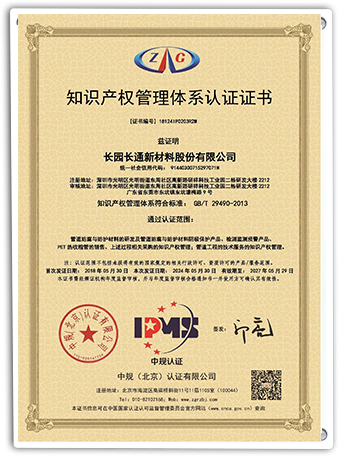
Council Member of the Chinese Society for Corrosion and Protection (CSCP), certified pipeline detection and corrosion control provider, and stable supplier to PetroChina, Sinopec, China Gas Group, and Indian Oil.
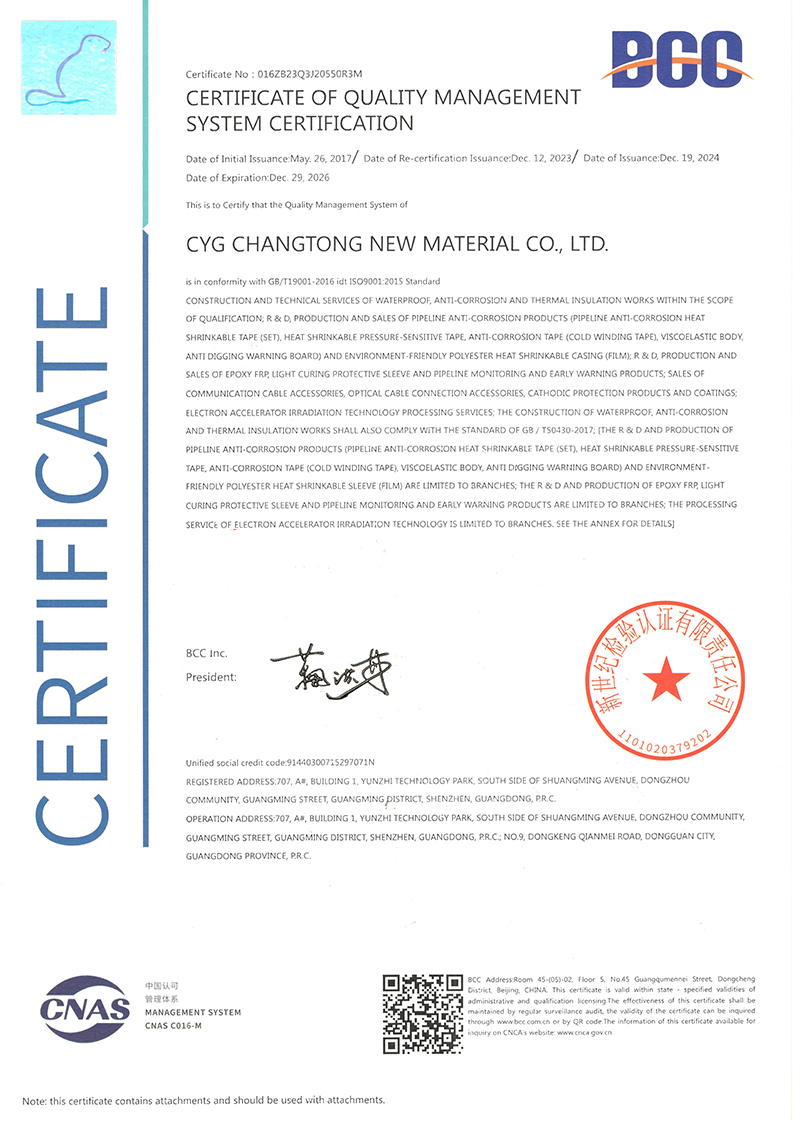
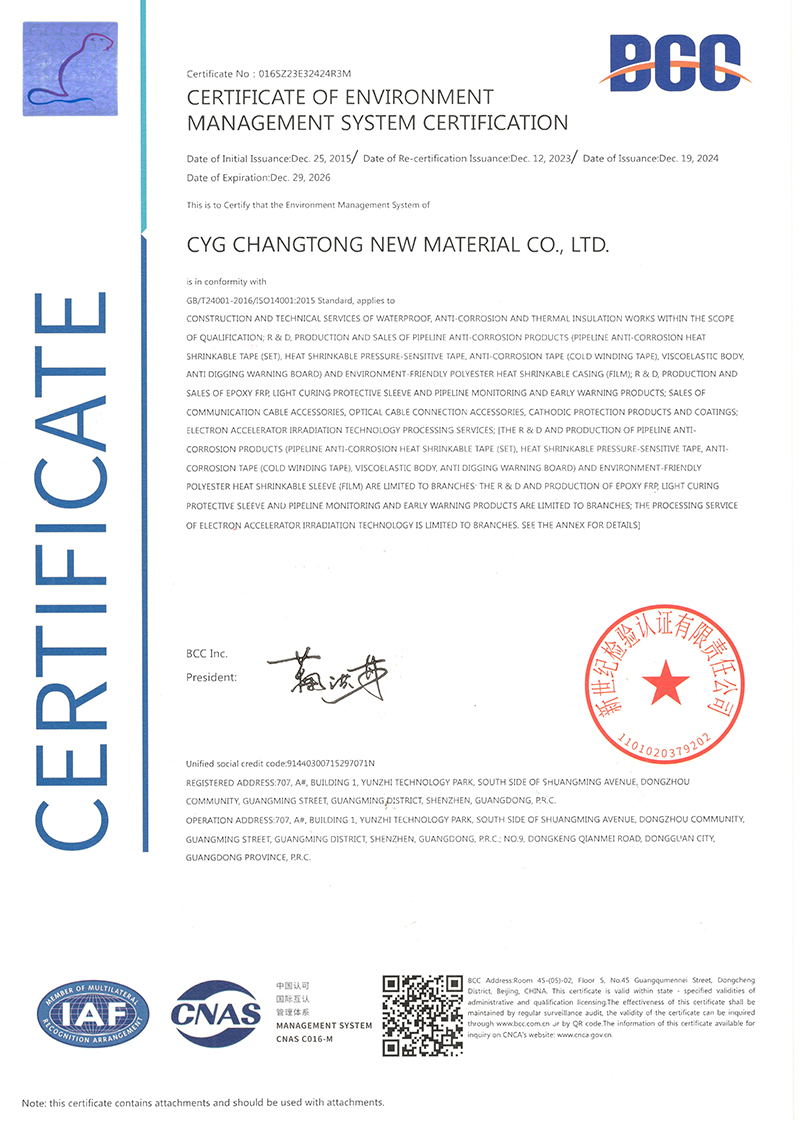
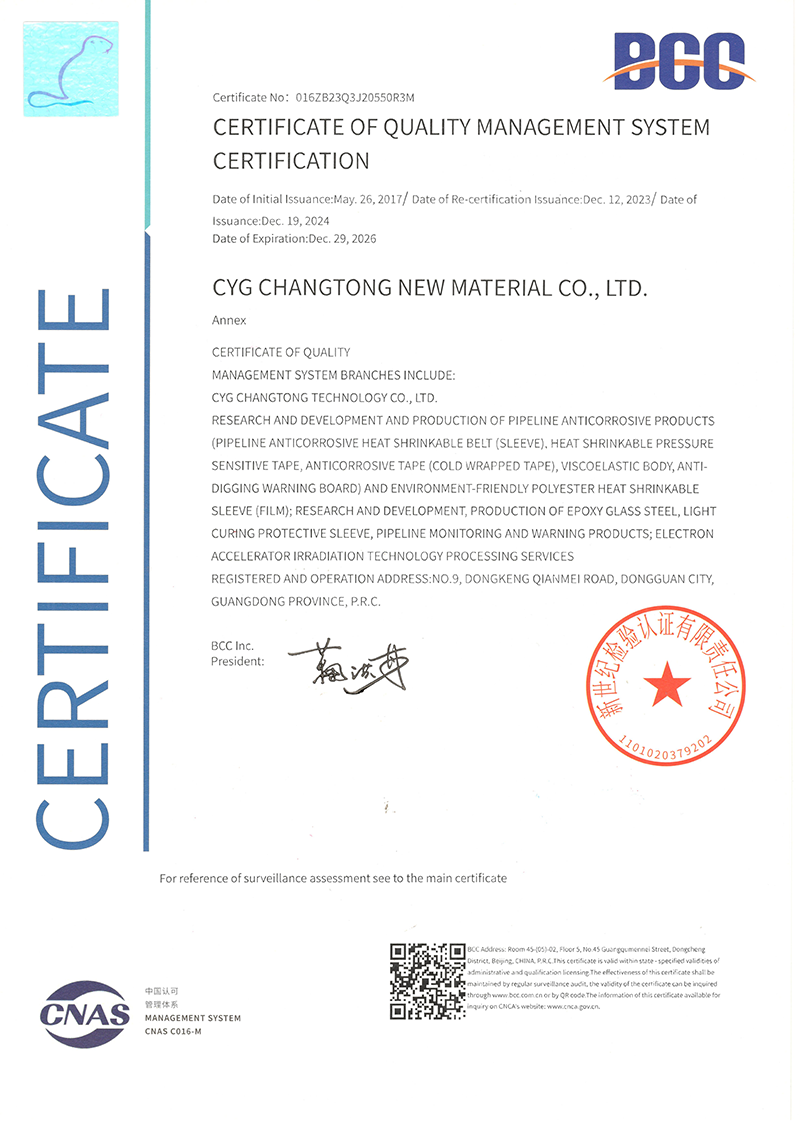
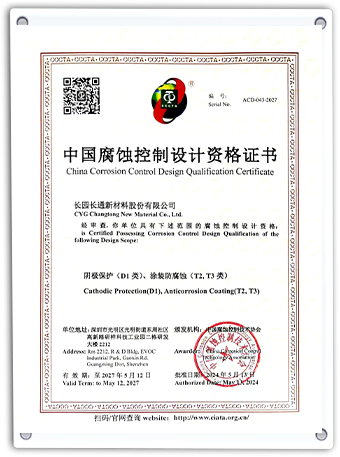
Browse through technical answers regarding product installation, material chemistry, and specification compliance to assist in pipeline project planning.
Get in touch with our technical sales and engineering departments today. We provide material estimates, compliance documentation, and customized product options to match your pipeline specifications.
 CYCT
CYCT