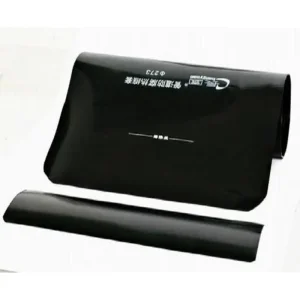
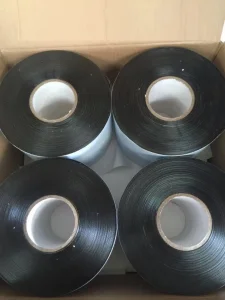
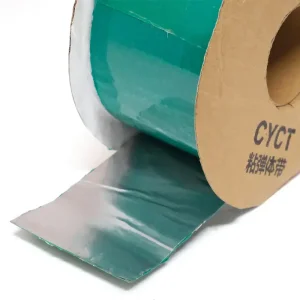
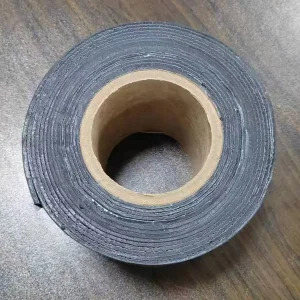
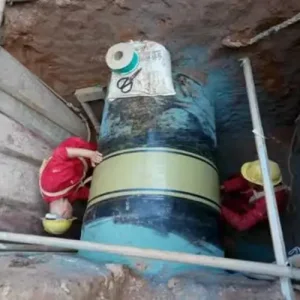
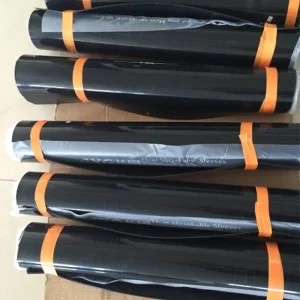
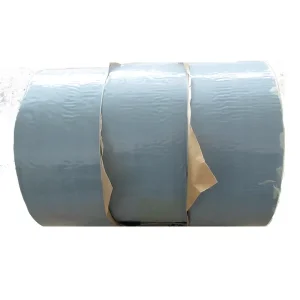
Engineered to withstand intense mechanical stress and chemical exposure in pipeline projects throughout Colombia.
Colombia represents one of South America's most complex and challenging geographical environments for pipeline construction. Running from the high-altitude peaks of the Andes down through wet tropical lowlands, coastal marine corridors, and heavily vegetated jungles, the nation’s pipeline infrastructure must withstand exceptional soil stress, high moisture saturation, and varying temperature differentials.
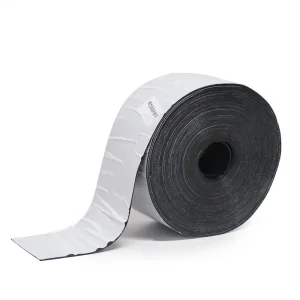
Traditional Polyethylene (PE) coating materials, while effective under standard operating conditions, often fail to meet the performance criteria demanded by new thermal-enhanced recovery techniques and high-throughput gas transport systems. Modern operators in Colombia (including major players like Ecopetrol, Cenit, and Promigas) are increasingly turning to Polypropylene (PP) and specifically FRDP-PP Heat Shrink Sleeves to ensure lifetime integrity for field joints.
The transition to FRDP-PP is driven by the need for superior resistance to cathodic disbondment, high temperature operation (ranging up to 110°C), and the aggressive soil movement typical of Colombia's seismically active and mountainous regions like the Santander and Antioquia departments.
Why Fiber-Reinforced Dual-Purpose Polypropylene (FRDP-PP) is the premium choice for field joint coating (FJC) applications globally and locally.
Formulated with a specialized PP copolymer backsheet and high-shear hot melt adhesive to maintain structural integrity under extreme heat conditions, preventing sag and flow.
Fiber-reinforced structure provides outstanding shear resistance, allowing the sleeve to remain firmly bonded even during significant soil shift and backfilling friction.
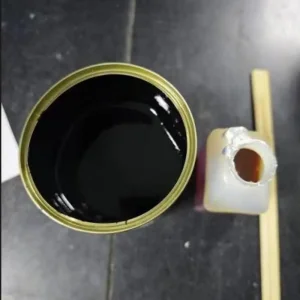
In combination with our solvent-free liquid epoxy primer, the FRDP-PP system limits cathodic disbondment to negligible levels, conforming to stringent ISO 21809-3 standards.
When selecting pipeline coating repair systems for long-term deployments, understanding the mechanical differences between traditional Polyethylene (PE) sleeves and modern Polypropylene (PP) sleeves is vital for procurement engineers.
| Property Parameter | Standard PE Sleeve | FRDP-PP Sleeve (CYCT) | Project Performance Benefit |
|---|---|---|---|
| Max Continuous Operating Temp | 60°C - 80°C | Up to 110°C | Ideal for high-throughput lines and thermal recovery projects in Colombia. |
| Indentation Resistance (at 80°C) | Low / Poor | Excellent (> 1.5 mm residual) | Protects against sharp rock damage during backfilling. |
| Shear Strength (to PP coating) | Not compatible (Requires transition layer) | Direct chemical bonding (> 50 N/cm) | Eliminates delamination at the critical factory-joint interface. |
| Cathodic Disbondment (28 Days) | < 10 mm at 60°C | < 5 mm at 95°C / 110°C | Long-term safety factor for cathodically protected pipelines. |
A leading high-tech manufacturer specializing in buried pipeline protection, corrosion analysis, and global field joint solutions.
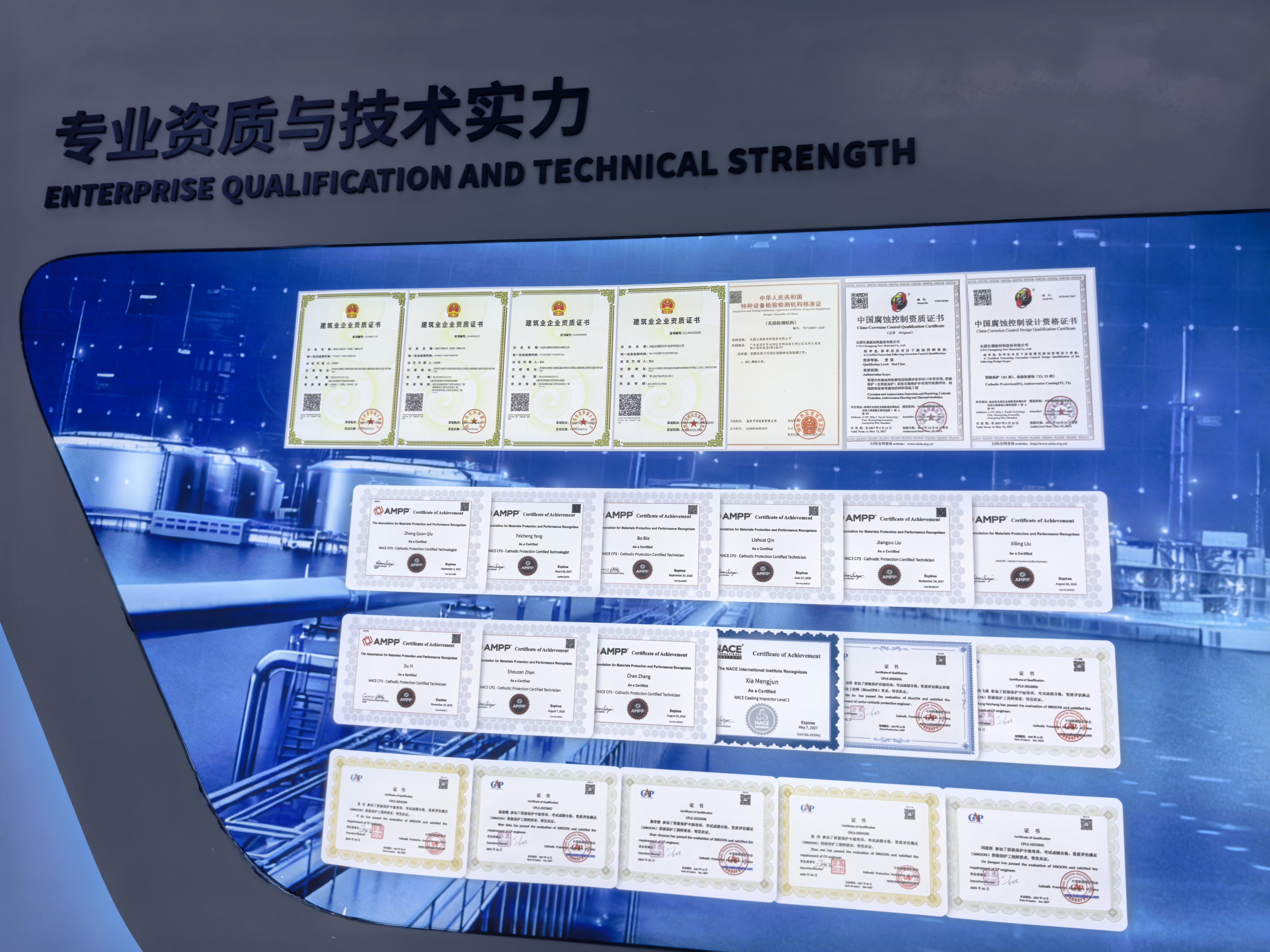
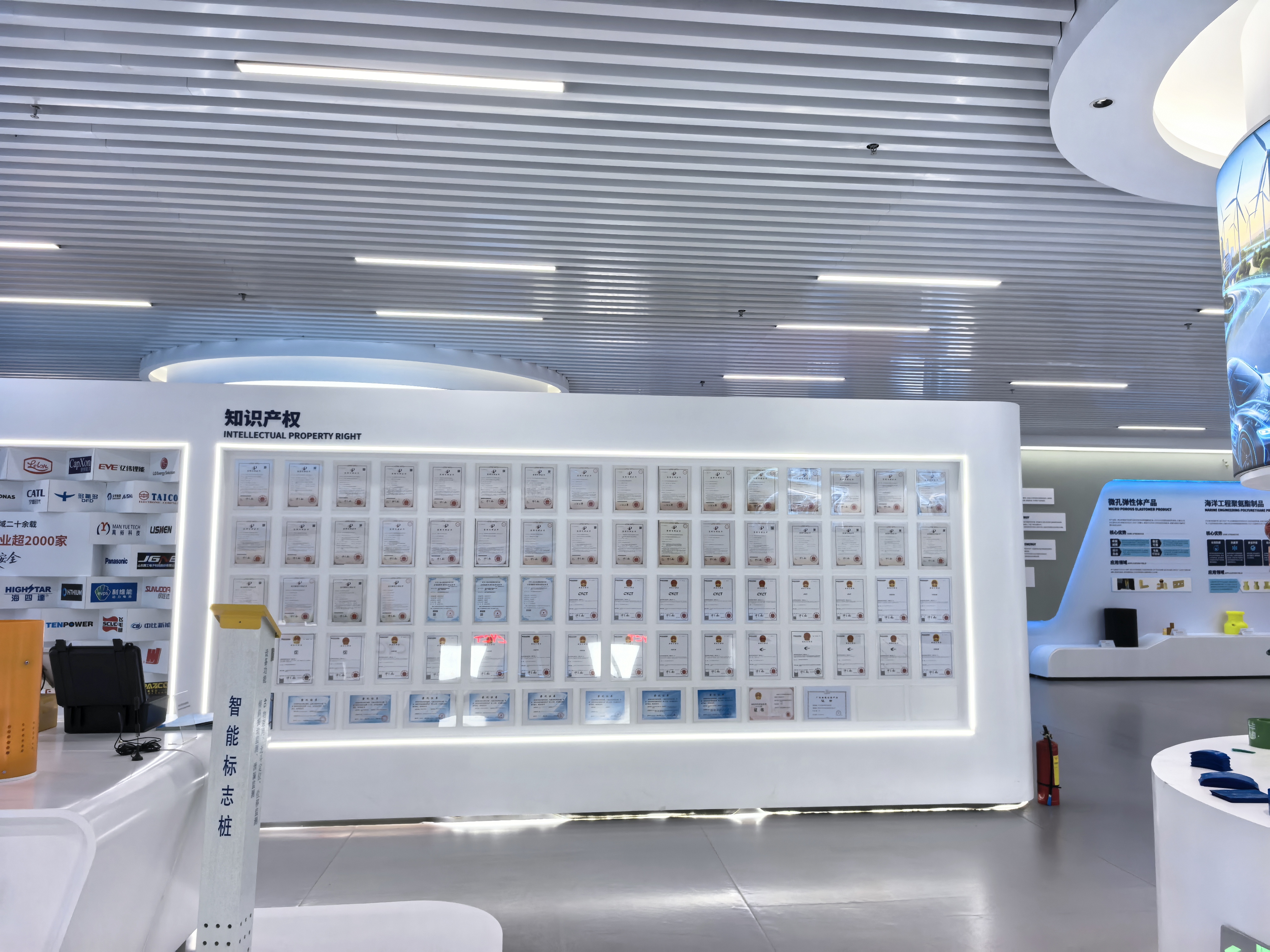
CYCT New Materials Company Limited (CYCT) is a state-level high-tech enterprise integrating R&D, production, and sales of pipeline corrosion protection materials. Over the last two decades, CYCT has developed an international footprint, providing premium solutions for field joint coatings to global petrochemical giants. Our state-of-the-art manufacturing plants utilize advanced radiation cross-linking machinery and precise adhesive extrusion lines, ensuring that every batch of FRDP-PP sleeves shipped to Colombia meets the tightest tolerances.
CYCT is a Council Member of the Chinese Society for Corrosion and Protection (CSCP), holds Qualification Certificates in Corrosion Protection Construction and Pipeline Detection, and is a qualified stable supplier to industry majors including PetroChina, Sinopec, PipeChina, China Gas Group, and Indian Oil. Our in-house national CNAS-accredited laboratory continuously tests raw materials and finished products, guaranteeing consistent quality control across all supply chains.
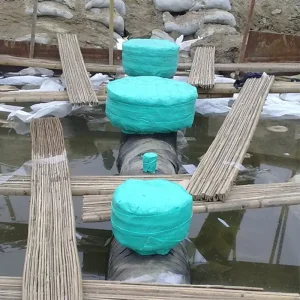
One of the primary challenges in Colombian pipeline infrastructure is Horizontal Directional Drilling (HDD) used to cross rivers (such as the Magdalena and Cauca rivers) and mountains. Traditional heat shrink sleeves face massive shear forces when the pipe string is pulled through rocky boreholes, which can tear the coating.
To address this, CYCT provides customized 3-layer FRDP-PP systems. When combined with our specialty photo-curing backing or fiber-reinforced outer wrap, the joint possesses extreme mechanical toughness that prevents coating slippage and displacement.
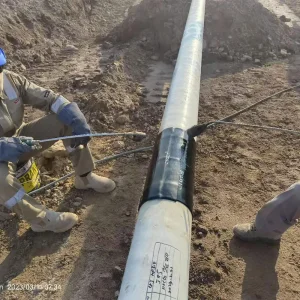
To achieve optimal performance under Colombia's tropical weather conditions, rigorous installation practices must be followed:
We understand that logistics and local compliance are critical for Colombian EPC contractors and operators. CYCT offers end-to-end supply chain integration to ensure that high-quality corrosion protection products arrive at project sites (whether in Barranquilla, Cali, Medellín, or the Casanare oil fields) on time and within budget.
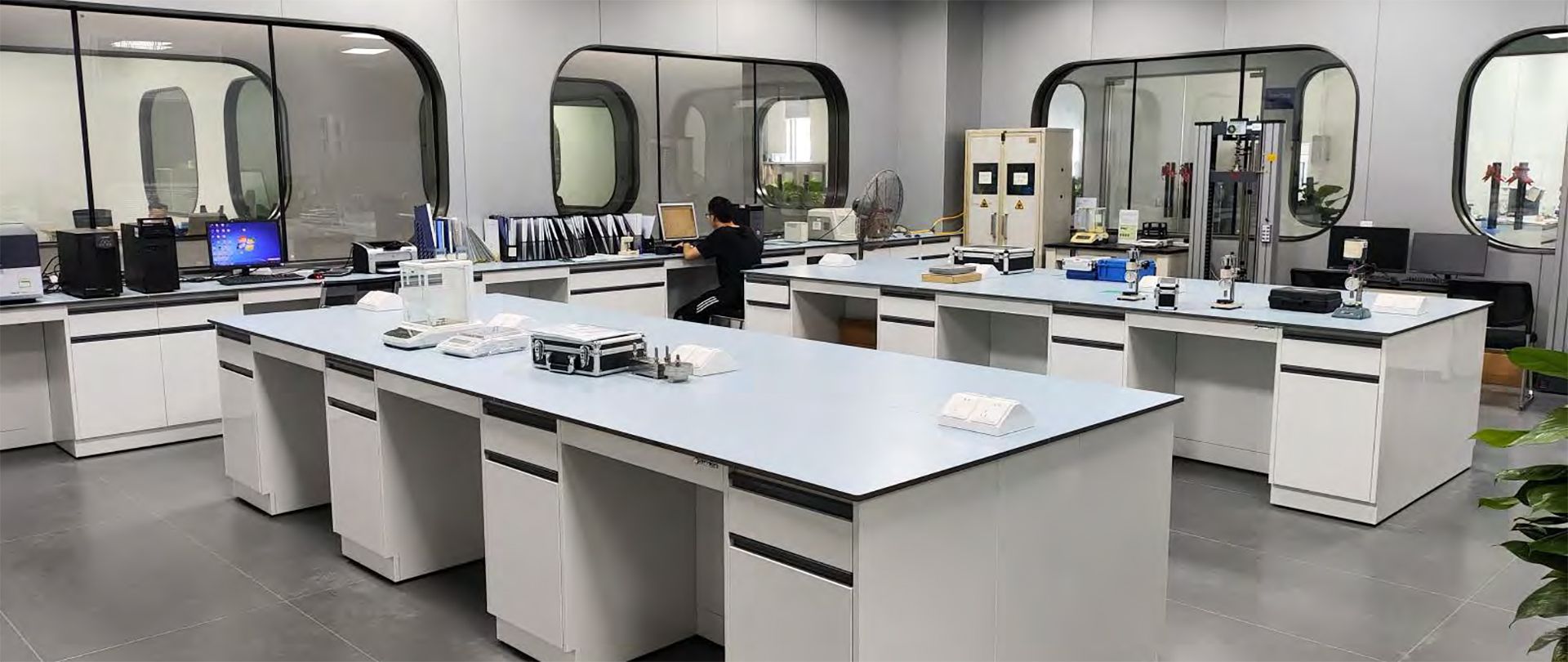
Get professional answers from CYCT’s senior pipeline corrosion specialists regarding the application and deployment of FRDP-PP sleeves.
Comprehensive solutions designed for field joint coating, pipeline repair, and long-term asset protection.
Explore additional options for viscoelastic seals and heavy-duty polypropylene joint protection.
CYCT products are approved and used by state energy corporations and global contractors around the world.
 CYCT
CYCT