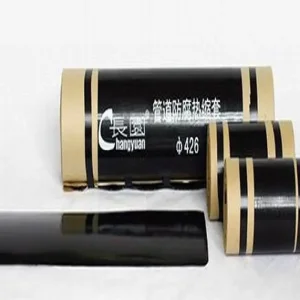
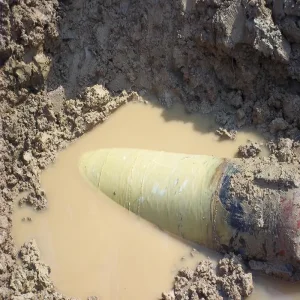
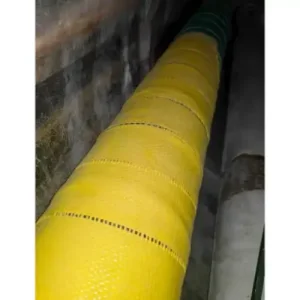
Premium grade field joint coatings and sealant systems optimized for the demanding maritime, municipal, and industrial conditions of the Puget Sound region.
Analyzing Pacific Northwest Pipeline Engineering Challenges and the Need for Fiberglass Reinforcement
Seattle and the broader Puget Sound region present some of the most complex pipeline engineering environments in North America. Marked by glacial till soil profiles, high water tables, coastal saltwater intrusions, and significant seismic active zones (such as the Seattle Fault Zone), pipelines laid here must survive constant mechanical shifting, shear stresses, and high chemical exposure.
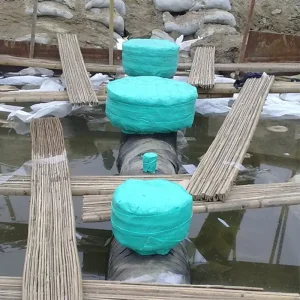
Traditional pipeline coatings and standard heat shrink sleeves often fall short when subjected to trenchless installation techniques like Horizontal Directional Drilling (HDD). When pulling a steel or HDPE pipe through Seattle's abrasive soils—which consist of sand, gravel, and heavy glacial boulders—unreinforced sleeves risk shearing, tearing, or disbonding, compromising the entire cathodic protection system.
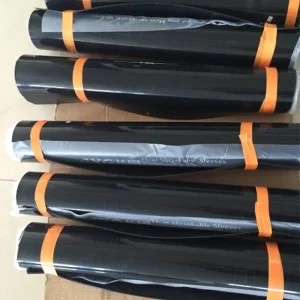
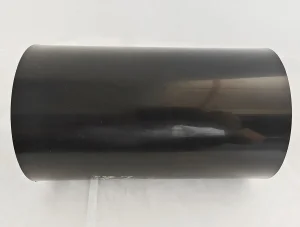
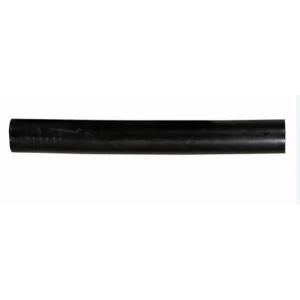
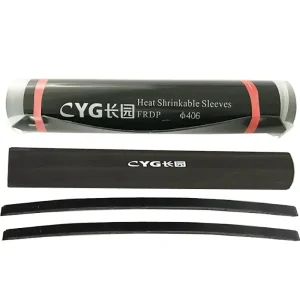
The FRDK heat shrinkable sleeve represents a leap forward in pipeline joint protection. Unlike standard polyolefin backing sleeves, the FRDK is integrated with a high-tensile fiberglass mesh matrix. This glass fiber reinforcement layer acts as an armored shield, distributing shear and tensile force evenly across the joint. During pull-through phases of trenchless installations, the sleeve resists severe gouging and abrasion.
For municipal operators, gas distribution companies, and port authorities in Seattle, specifying FRDK sleeves is not just about avoiding immediate construction damage; it is a critical strategy to ensure the 50+ year operational design life of sub-surface energy and water transmission infrastructure.
Delving into cross-linked backing polymers and sacrificial fiberglass matrices for critical HDD applications
When a pipeline joint passes through the borehole in HDD installations, it encounters extreme frictional and normal forces. The interface between the pipe coating and the soil or rock is governed by the principles of tribology. Unreinforced coatings undergo progressive material displacement (gouging). Once the base steel is exposed, localized galvanic corrosion begins almost immediately, exacerbated by wet, acidic Pacific Northwest soil chemistry.
The FRDK sleeve utilizes a unique tri-layer structure:
1. Solvent-Free Liquid Epoxy Primer: Applied directly to the sandblasted steel surface, forming a strong chemical covalent bond with the steel substrate and preventing cathodic disbondment.
2. Shear-Resistant Hot Melt Copolymer Adhesive: A thick layer of high-shear copolymer adhesive that fills the step-down weld area, cushioning the joint from impacts.
3. Fiberglass-Reinforced Radiation Cross-linked Polyolefin Backing: The outer layer contains heavy-duty fiberglass weaving integrated into a high-density polyethylene (HDPE) matrix. Upon heating, the sleeve shrinks tightly around the joint while the fiberglass elements prevent longitudinal and circumferential tearing.
| Technical Property | Standard Reference | Typical Target Values (FRDK Series) |
|---|---|---|
| Tensile Strength (Backing) | ASTM D638 / ISO 527 | ≥ 22 MPa (Unreinforced: ~14 MPa) |
| Elongation at Break | ASTM D638 / ISO 527 | ≥ 400% |
| Peel Strength to Pipe Coating (3LPE) | ISO 21809-3 / EN 12068 | ≥ 80 N/cm at 23°C (typical values range up to 120 N/cm) |
| Cathodic Disbondment Resistance | ASTM G8 / ISO 21809-3 | < 5 mm radius at 60°C, 28 days |
| Indentation Resistance | EN 12068 | ≥ 10 N/mm² at 50°C (residual thickness > 0.6 mm) |
Why Tier-1 EPC Contractors and Municipal Districts Rely on CYCT's Industry 4.0 Chinese Manufacturing
Modern infrastructure procurement is highly vulnerable to supply bottlenecks, price volatility, and shipping delays. EPC contractors operating in the United States and global hubs require reliable partners who can deliver consistent product quality under tight deadlines. In critical installations like municipal water, natural gas, and maritime bulk terminals, delays can cost millions in project overruns.
By partnering with a major supplier like CYCT, engineering firms secure consistent pricing, high-volume production capacities, and technical consultation directly from the manufacturer's CNAS-certified laboratory.
CYCT's production facilities represent China's modern manufacturing shift towards automated, smart factory systems. Our production lines feature closed-loop monitoring systems that control raw material blending, extrusion thicknesses, cross-linking radiation dosages, and adhesive coating profiles.
This automated optimization minimizes dimensional variances and ensures that every roll of FRDK fiberglass sleeve meets international oil and gas pipeline standards (including ISO 21809-3, EN 12068, and NACE SP0169). Our supply chain resilience is backed by domestic chemical supply lines, strategic shipping logistics, and real-time QA tracking.
Solving complex corrosion and engineering challenges in Washington State's iconic infrastructure systems
Pipelines running through marine outfalls and coastal wetlands face high salinity, tidal changes, and marine organism growth. FRDK sleeves prevent localized galvanic cells and remain physically stable under shifting underwater currents.
Urban development in Seattle demands HDD to cross under highways, light rails, and environmental zones. The fiberglass-reinforced outer layer prevents gravel and rock backfill from scraping off the anti-corrosion barrier.
Seattle's persistent rain leads to saturated soil conditions. The viscoelastic and mastic properties of CYCT's specialized tapes and primer systems prevent moisture ingress, maintaining cathodic protection shielding integrity.
Direct technical answers from CYCT's Engineering Team regarding compliance, installation, and performance characteristics
A full range of high-performance technical protection systems, customized for major municipal, offshore, and petrochemical engineering projects.
A trusted global leader in high-performance pipeline corrosion protection since 2000
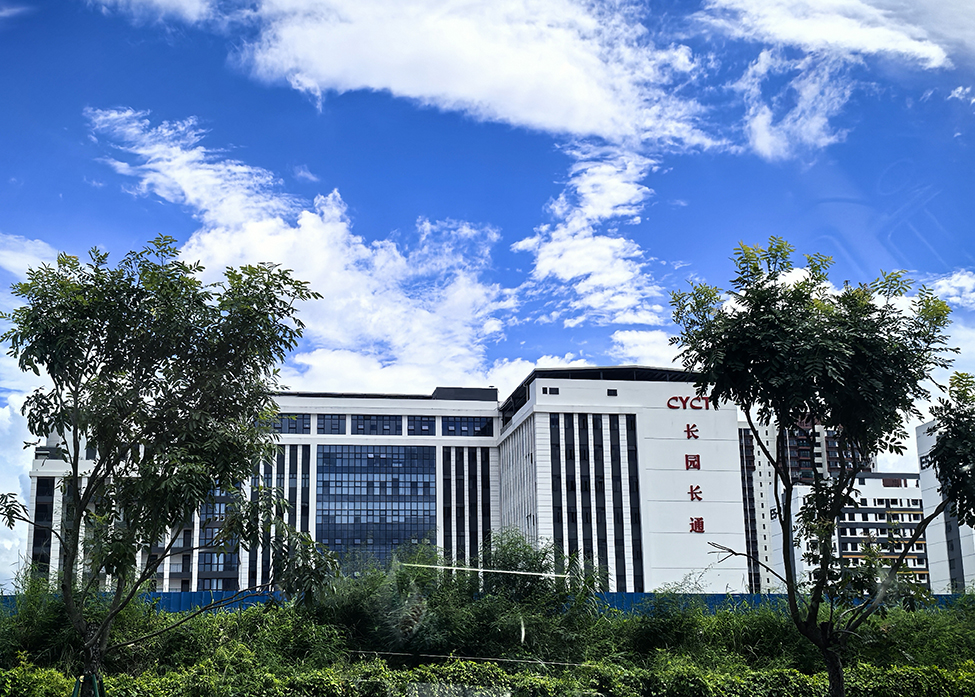
CYCT New Materials Company Limited (for short, CYCT) is a state-level high-tech enterprise integrating R&D, production, and sales of pipeline corrosion protection materials, as well as buried pipeline detection services and pipeline coating field application services into one. CYCT has devoted itself to the R&D, production, and sales of pipeline corrosion protection materials for decades, ensuring ultimate safety and reliability under challenging local conditions like those in Seattle.
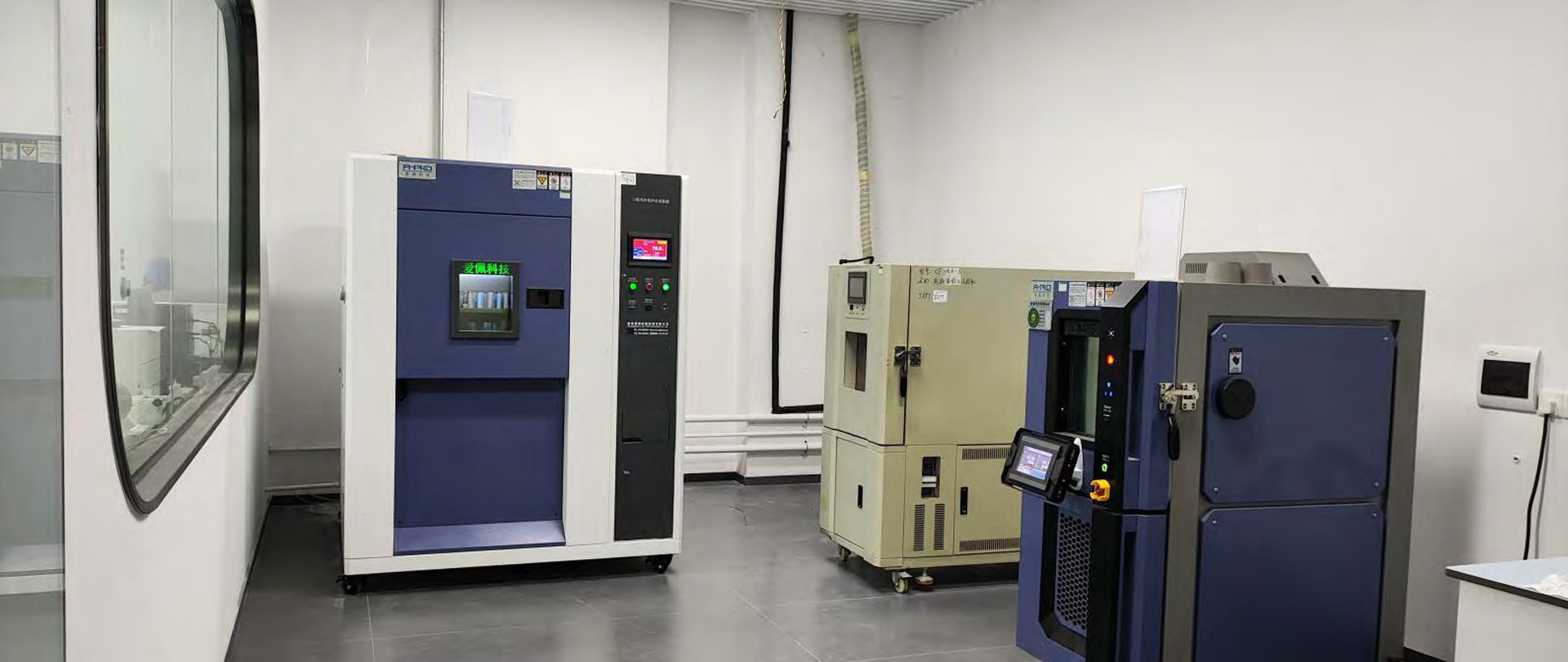
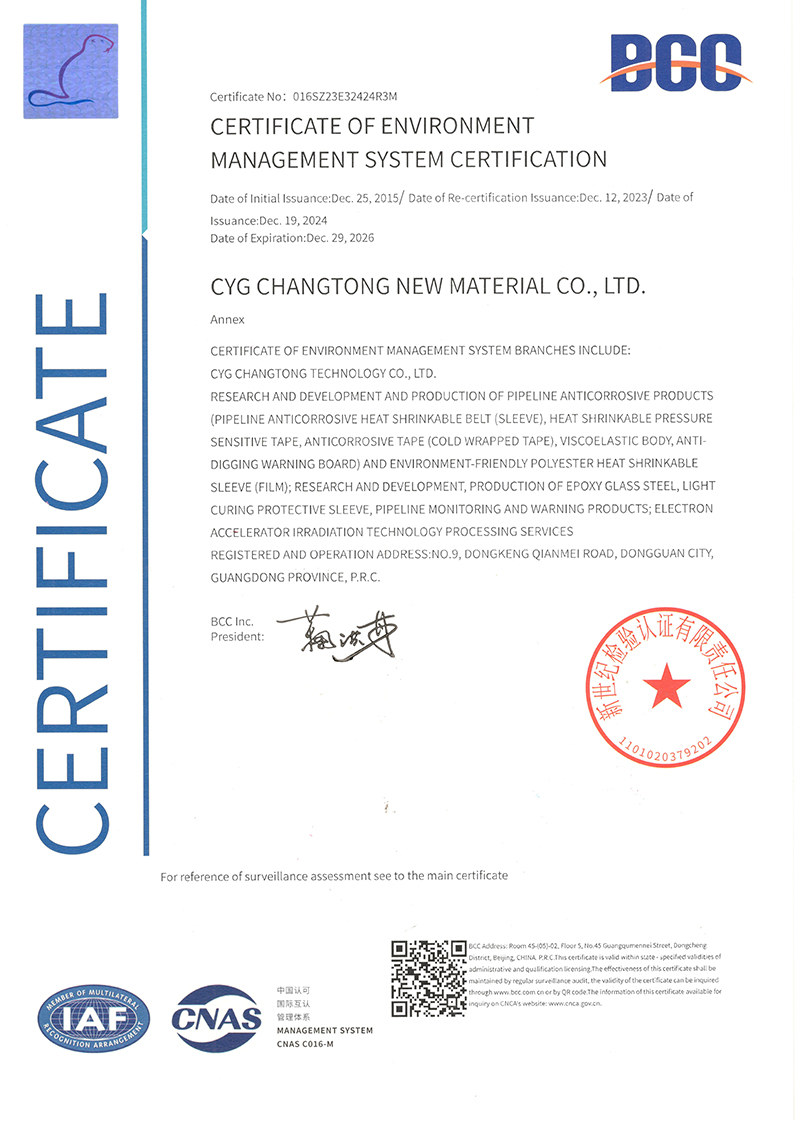
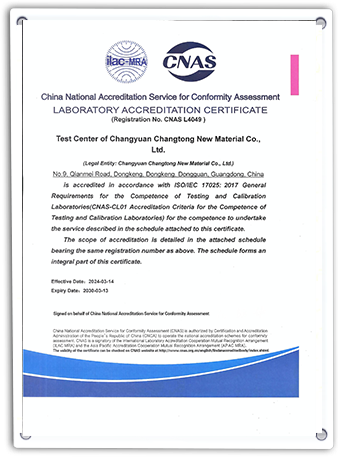
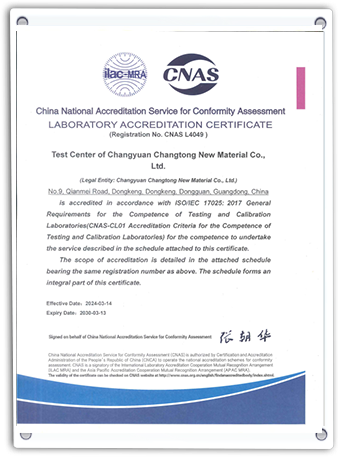
CYCT owns leading testing and R&D capabilities, a professional R&D team, and a national CNAS-accredited laboratory. We work in close cooperation with leading research institutes such as the CNPC Pipeline Science Research Institute to provide in-service pipelines with varied technical services, including buried pipeline detection, design schemes, cathodic protection, rehabilitation projects, and integrated solutions for pipeline safety.
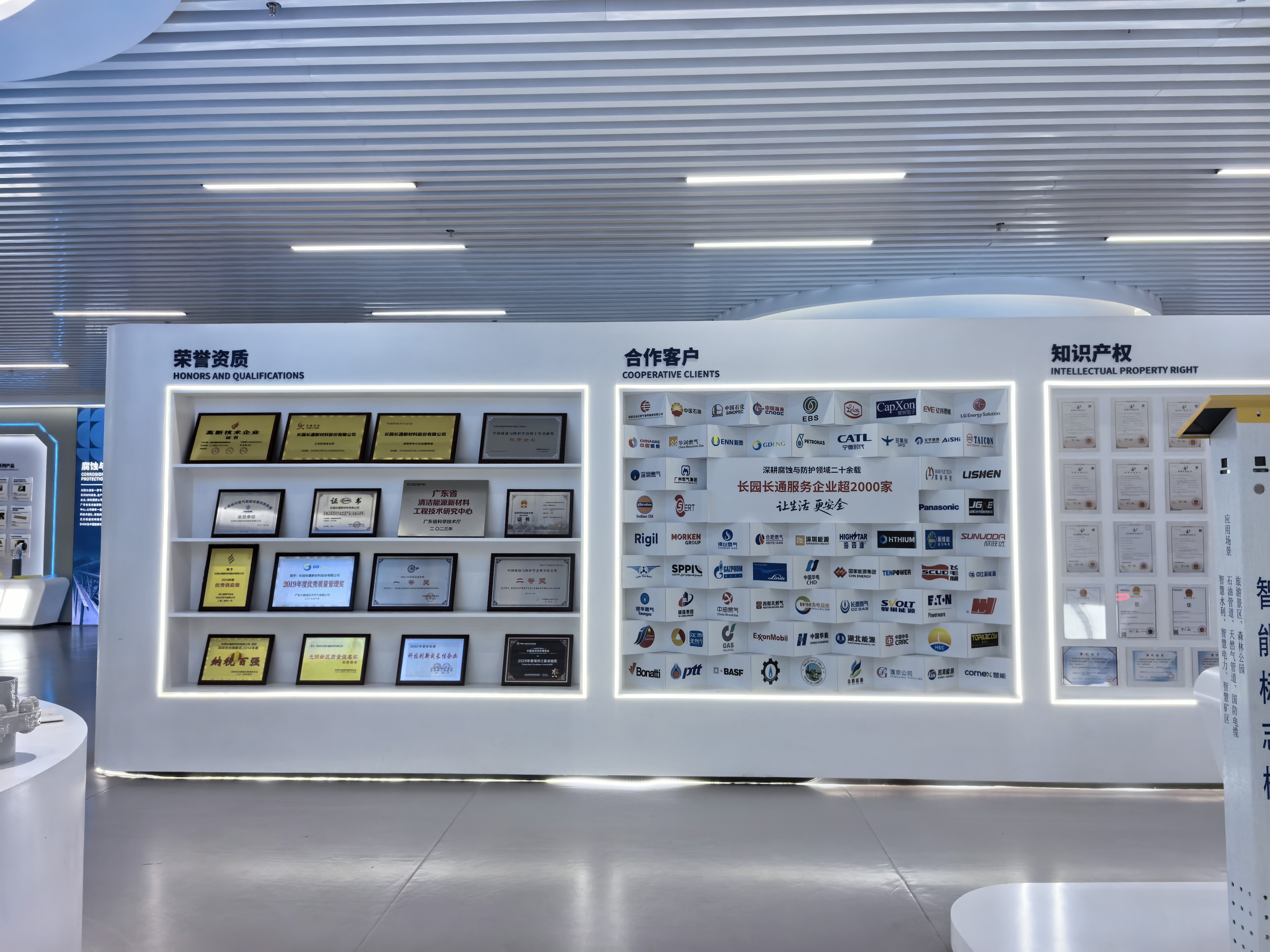
CYCT has become a stable supplier of field joint coatings for years to PetroChina, Sinopec, PipeChina, and regional municipal utilities, commanding a dominant market share. Furthermore, CYCT has successfully developed and introduced specialized corrosion protection materials, such as visco-elastic anti-corrosion systems, photo-curing sleeves for HDD protection, and advanced polyurea coatings.
State-level High-tech R&D center and testing base
Modern production workshop for polymer materials
Advanced QC instruments guaranteeing raw material integrity
National CNAS-accredited laboratory for pipeline coatings
Comprehensive peel testing on HDPE/Steel substrates
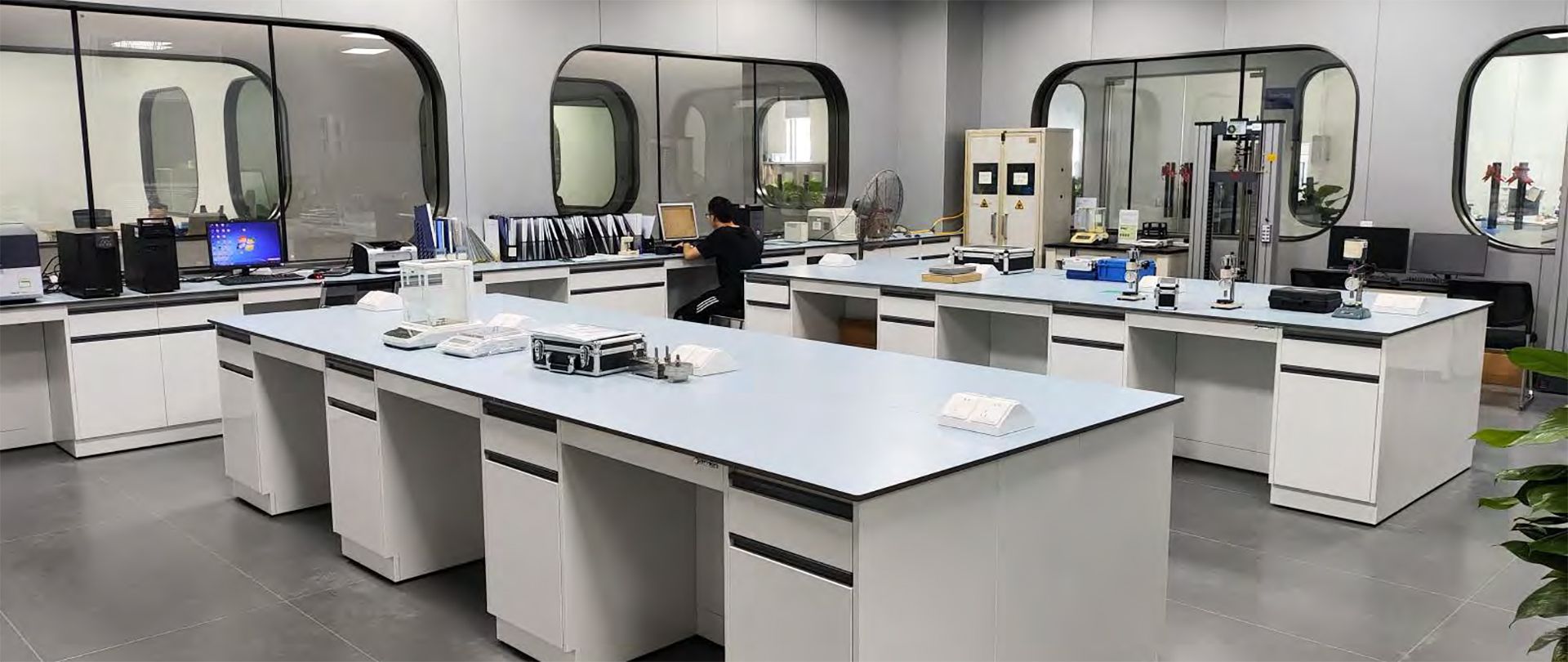
Raw material inventory control ensuring stable supply lines
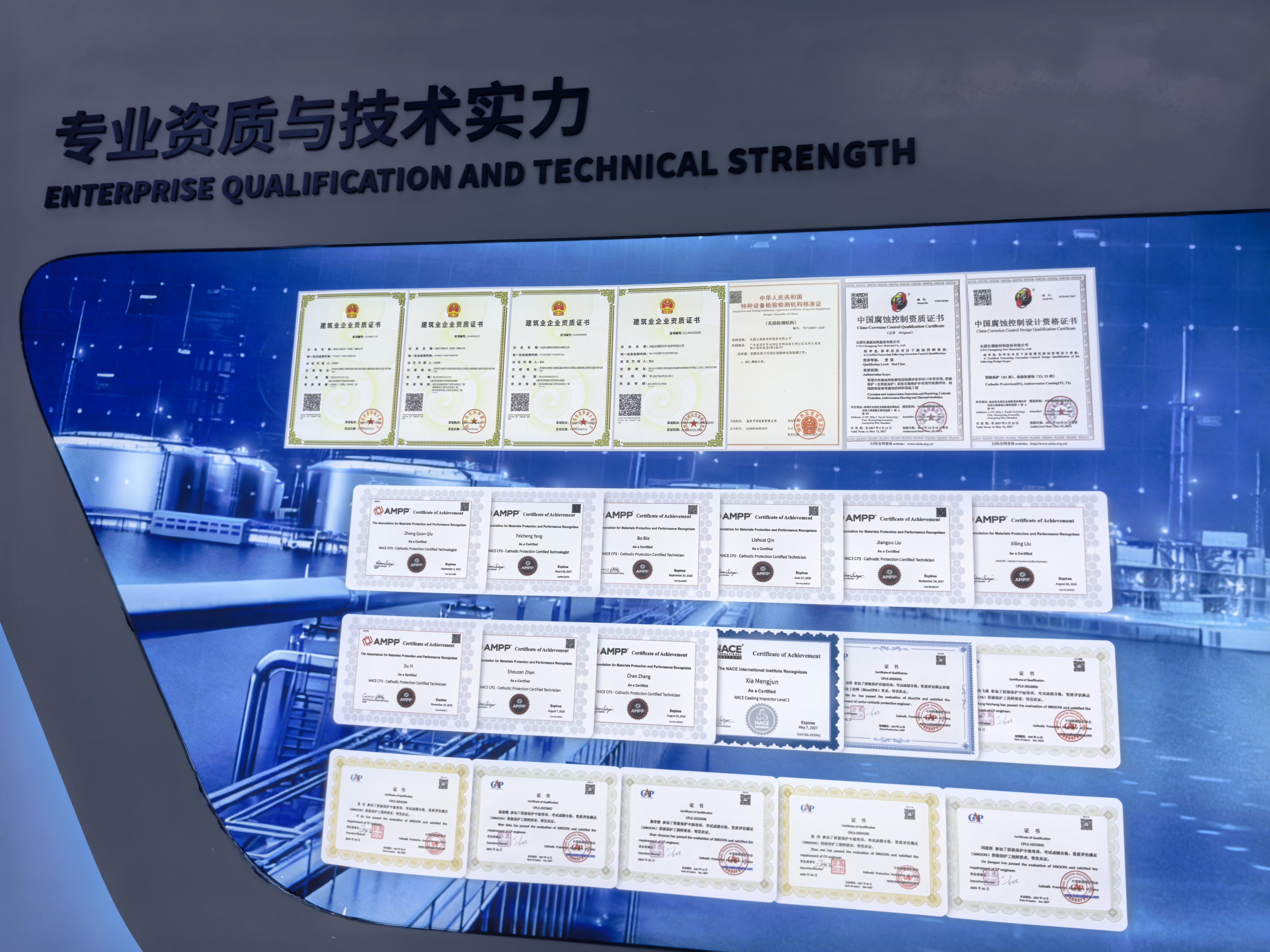
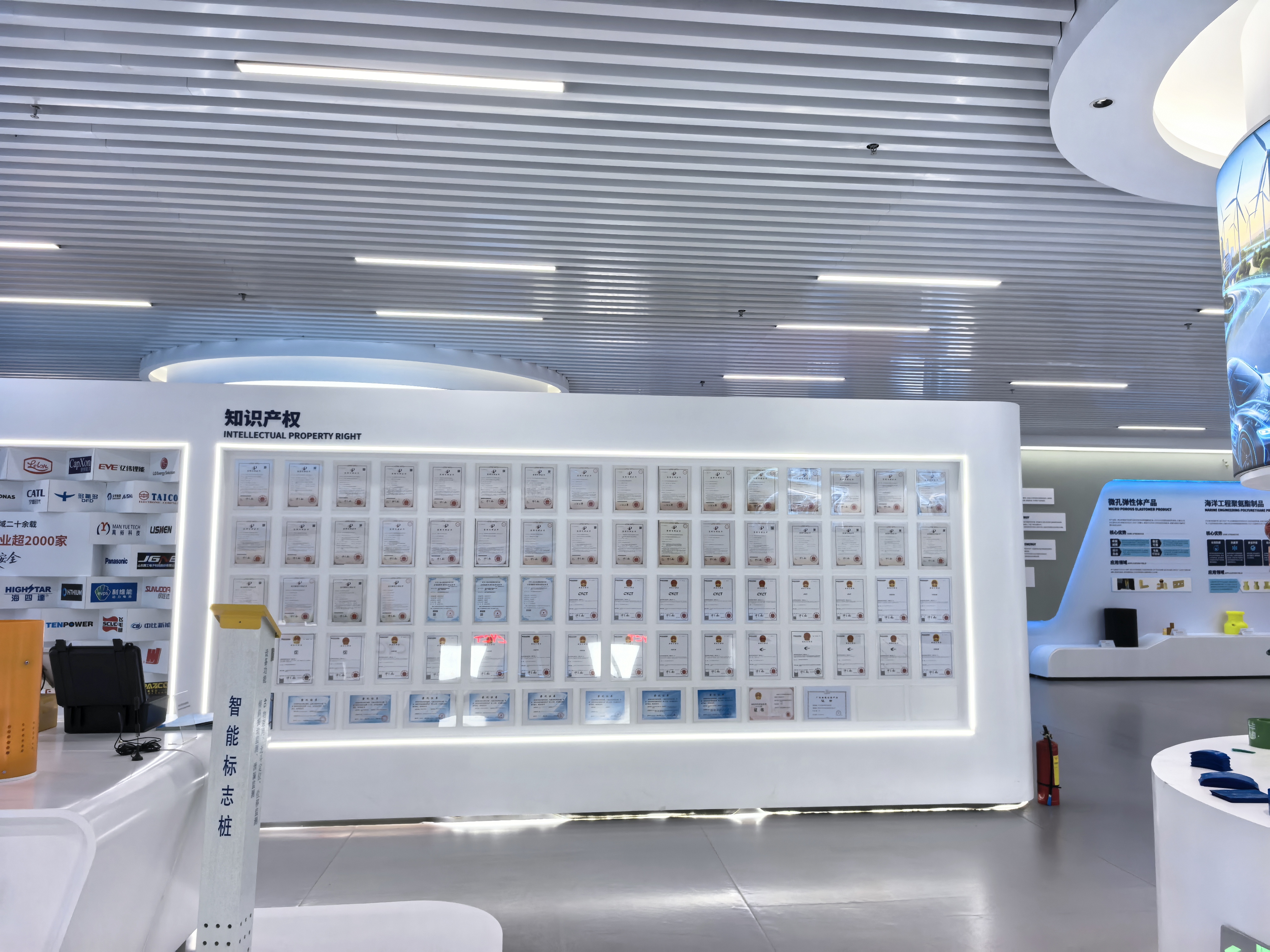
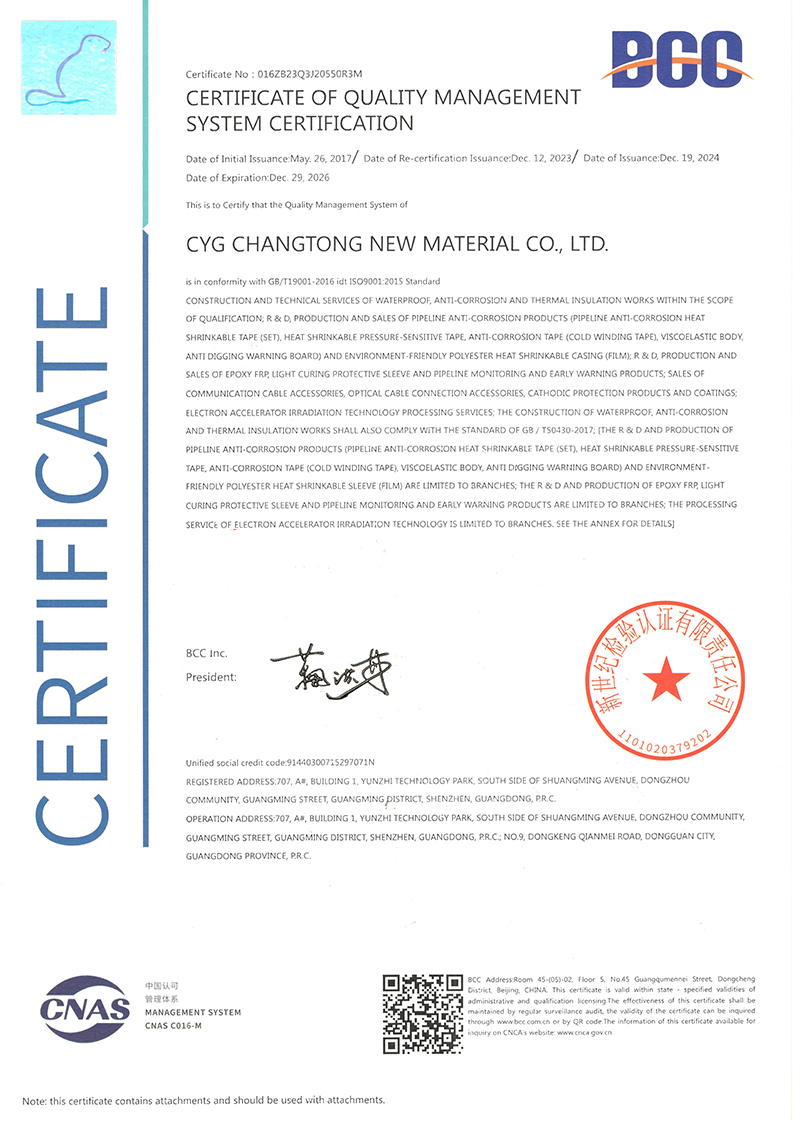
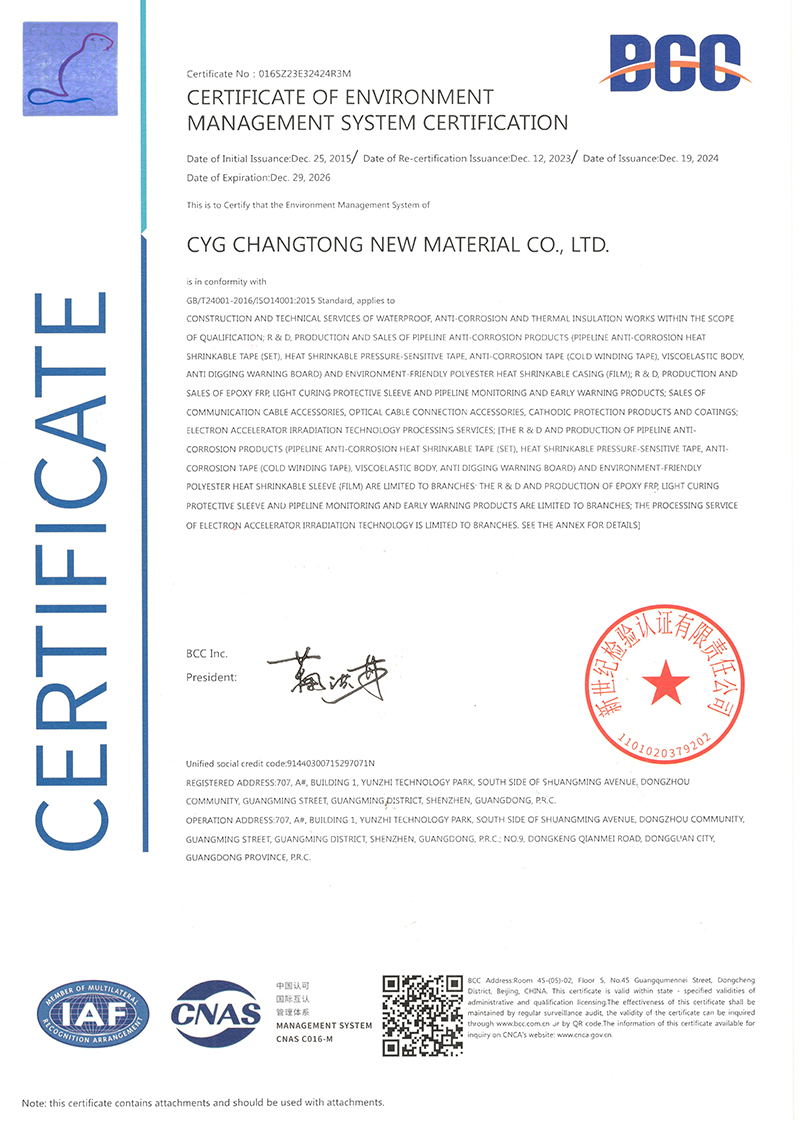
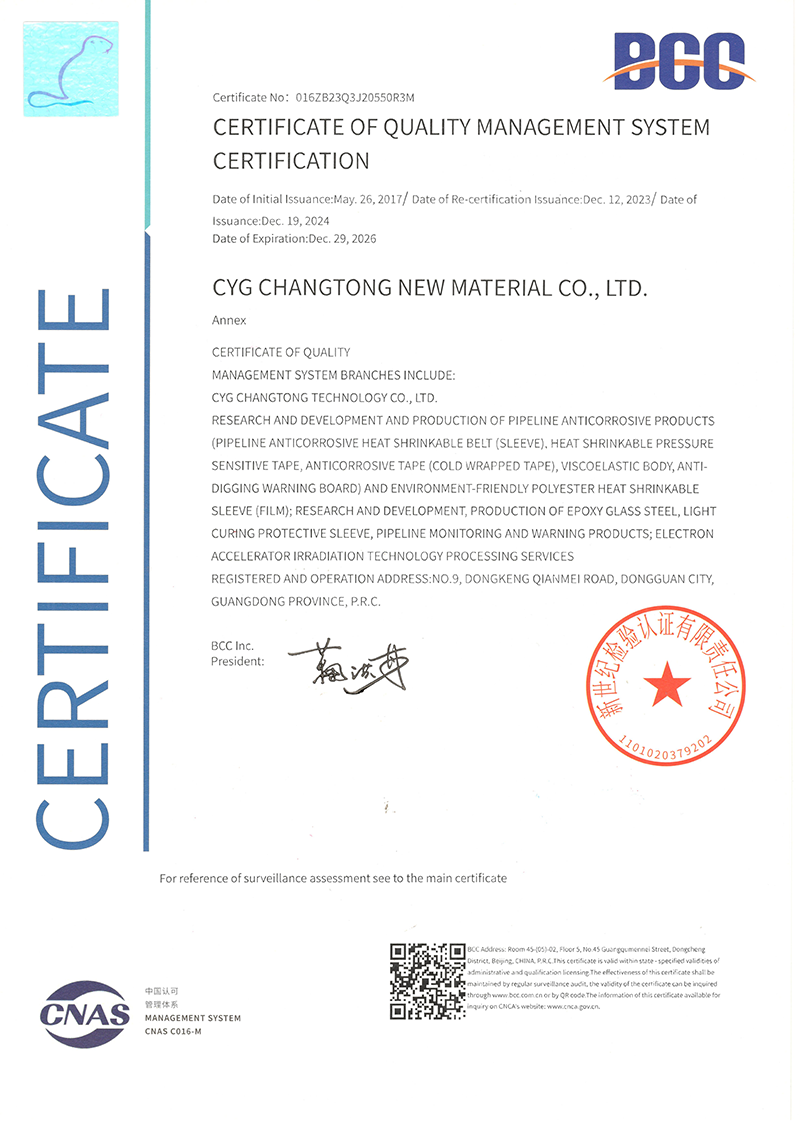
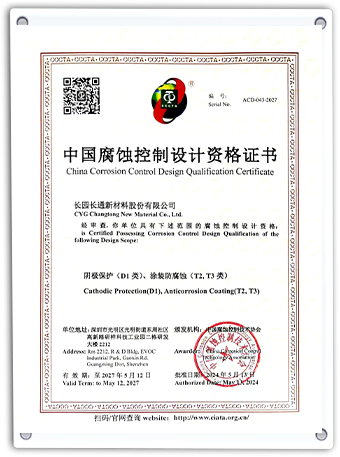
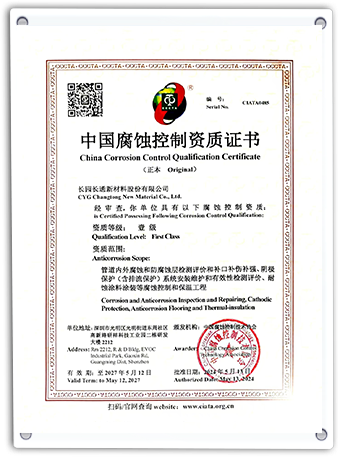
CYCT is recognized as a leader within the global pipeline protection space, active in standard development and academic exchange. We hold certifications and honors including:
 CYCT
CYCT