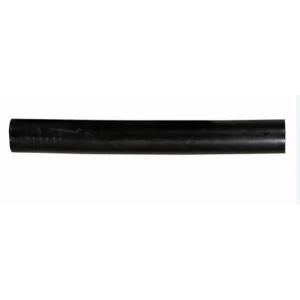
High-performance protective coatings designed to prevent localized galvanic, micro-biological, and environmental corrosion in dense underground pipeline networks.
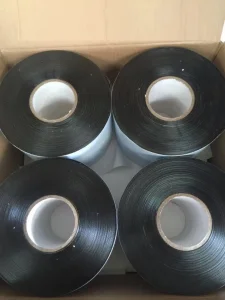
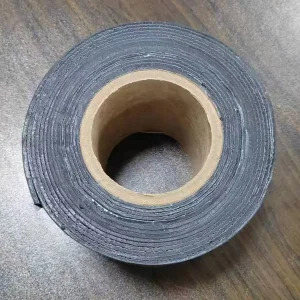
Tokyo’s metropolitan pipeline infrastructure—comprising thousands of kilometers of natural gas mains, municipal waterworks, and electrical cable conduit systems—faces a unique combination of geologic and environmental stressors. The city’s low-lying coastal geology, particularly around the Tokyo Bay area, exhibits a high saline water table. This promotes continuous galvanic cell formation when structural steel pipes come into contact with wet soil.
Furthermore, Tokyo is located in a high-seismic zone. Rigid field joint coatings are prone to structural cracking during ground tremors, causing micro-fissures through which moisture and soil microbes migrate, accelerating localized pitting. Cold-applied polymeric tapes, especially viscoelastic corrosion prevention tapes, have emerged as the standard solution. Their unique amorphous properties allow them to flow and dynamically seal micro-voids, providing continuous protection even under cyclic mechanical movement and ground settling.
Modern municipal standards in Japan mandate coatings that require zero hot-work (open flames) in high-density commercial centers like Shibuya, Shinjuku, and Chiyoda due to fire hazard regulations. Cold-applied tapes bypass these restrictions completely, allowing safe and efficient installation next to existing sensitive utilities.
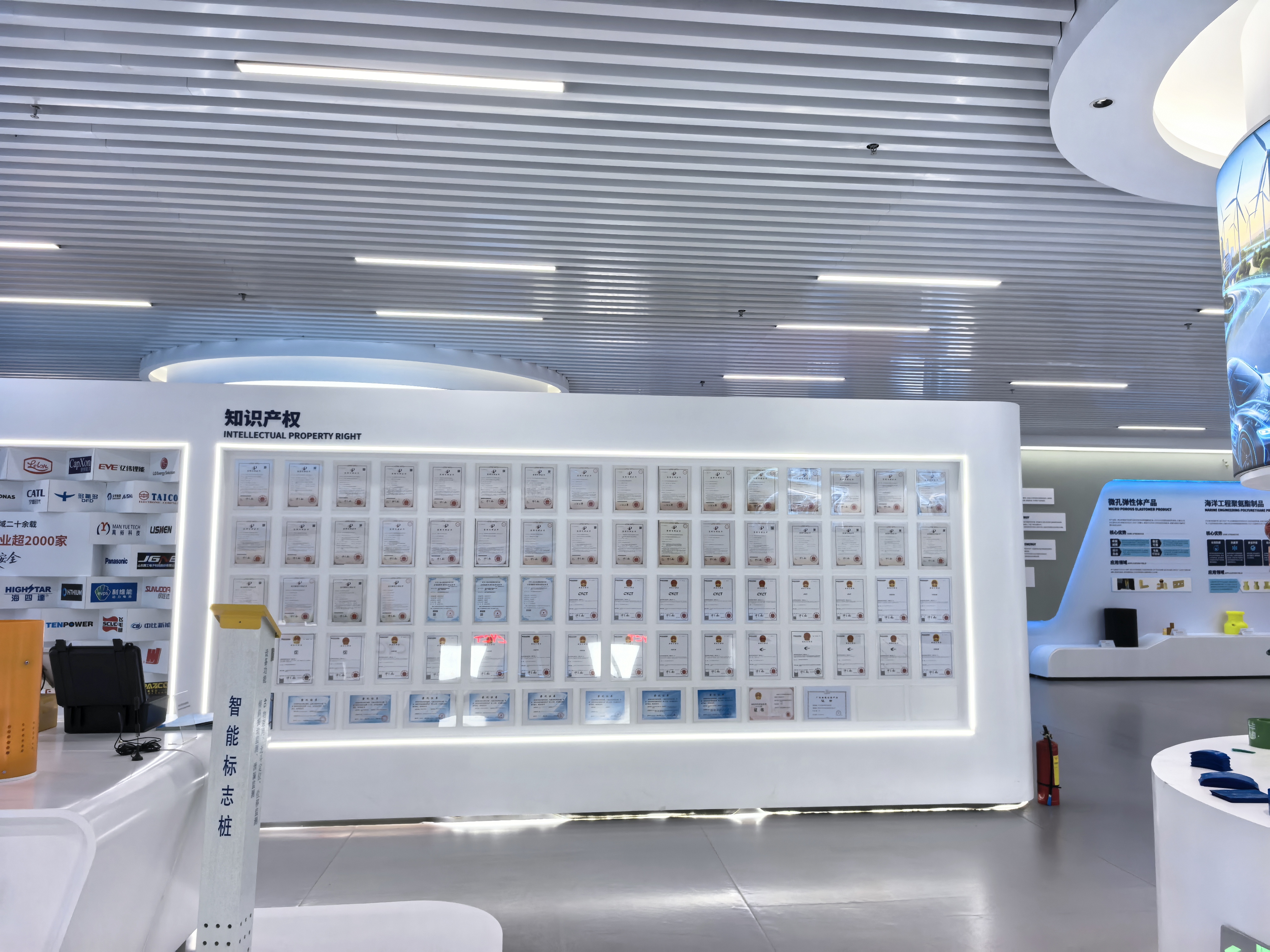
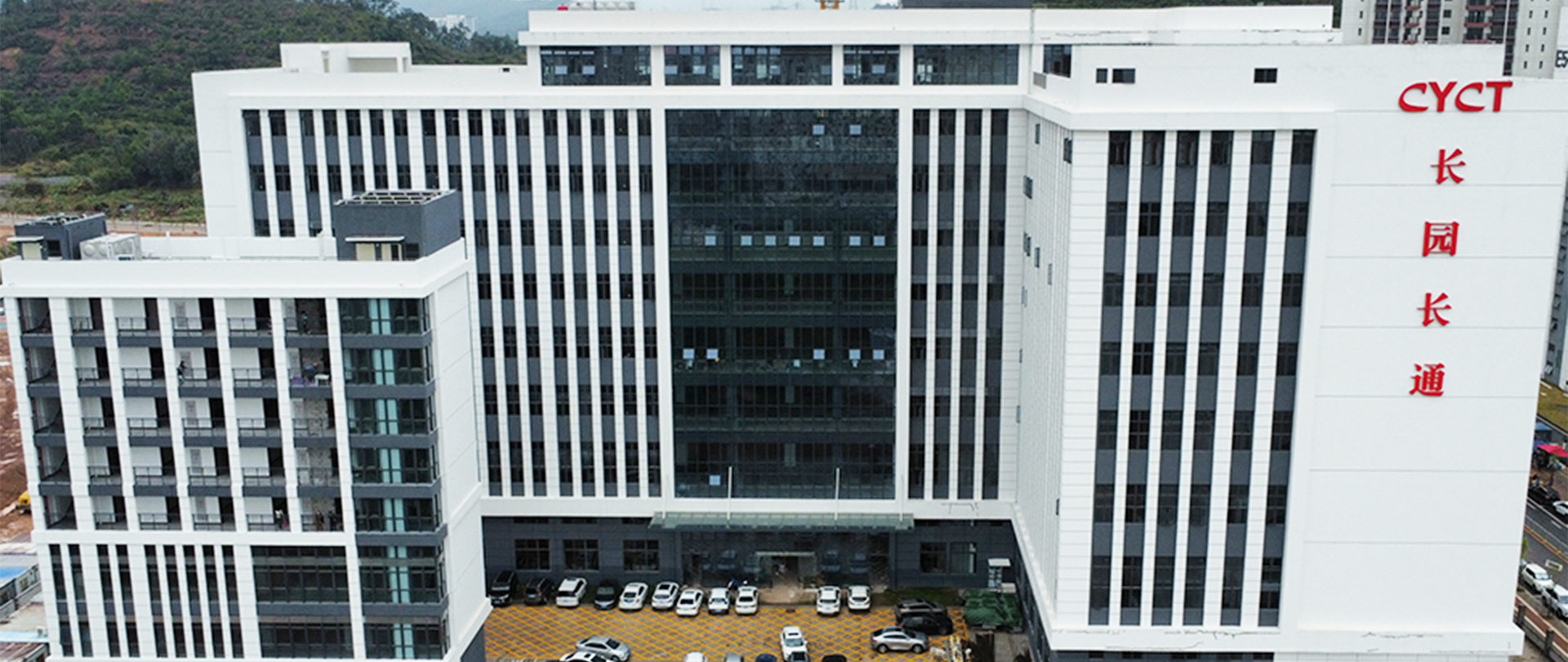
CYCT New Materials Company Limited (for short, CYCT) is a state-level high-tech enterprise integrating R&D, production and sales of pipeline corrosion protection materials as well as buried pipeline detection service and pipeline coating field application service into one. For decades, CYCT has dedicated itself to the design and refinement of pipeline corrosion protection systems.
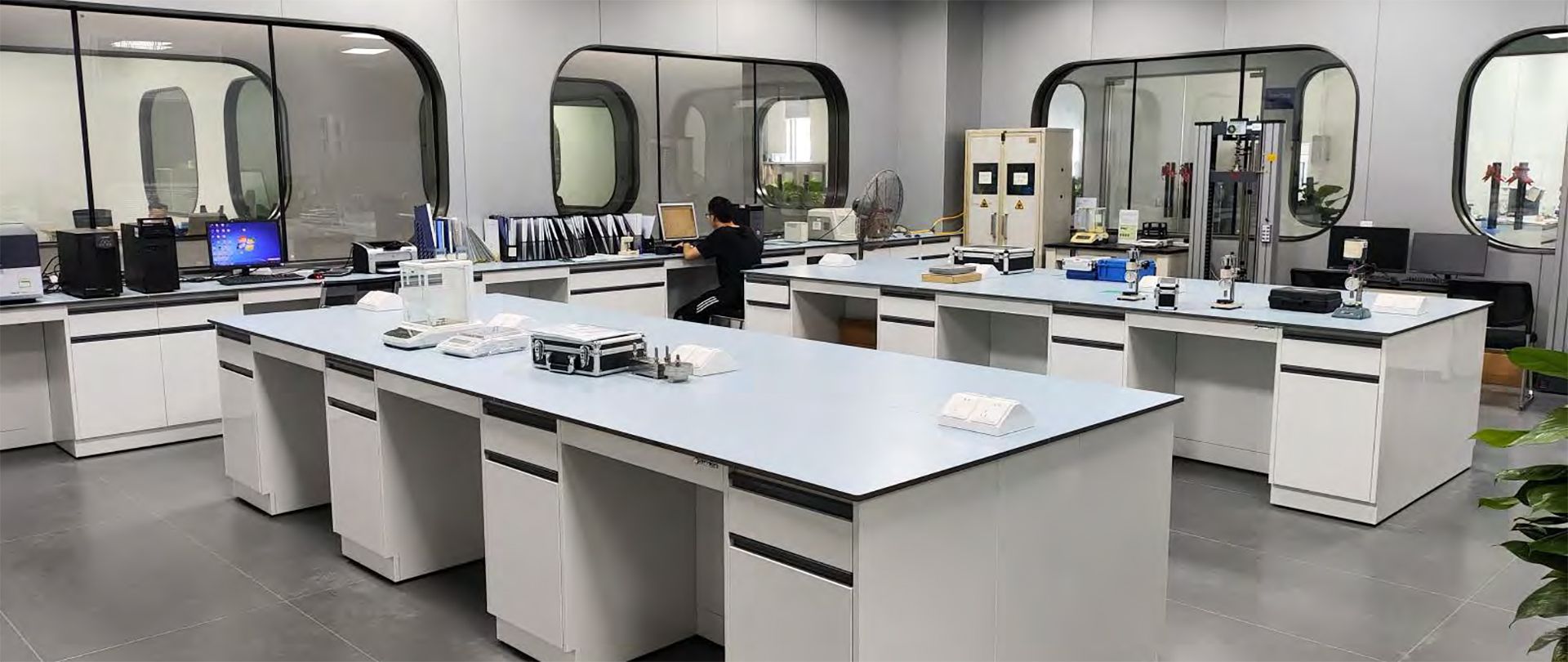
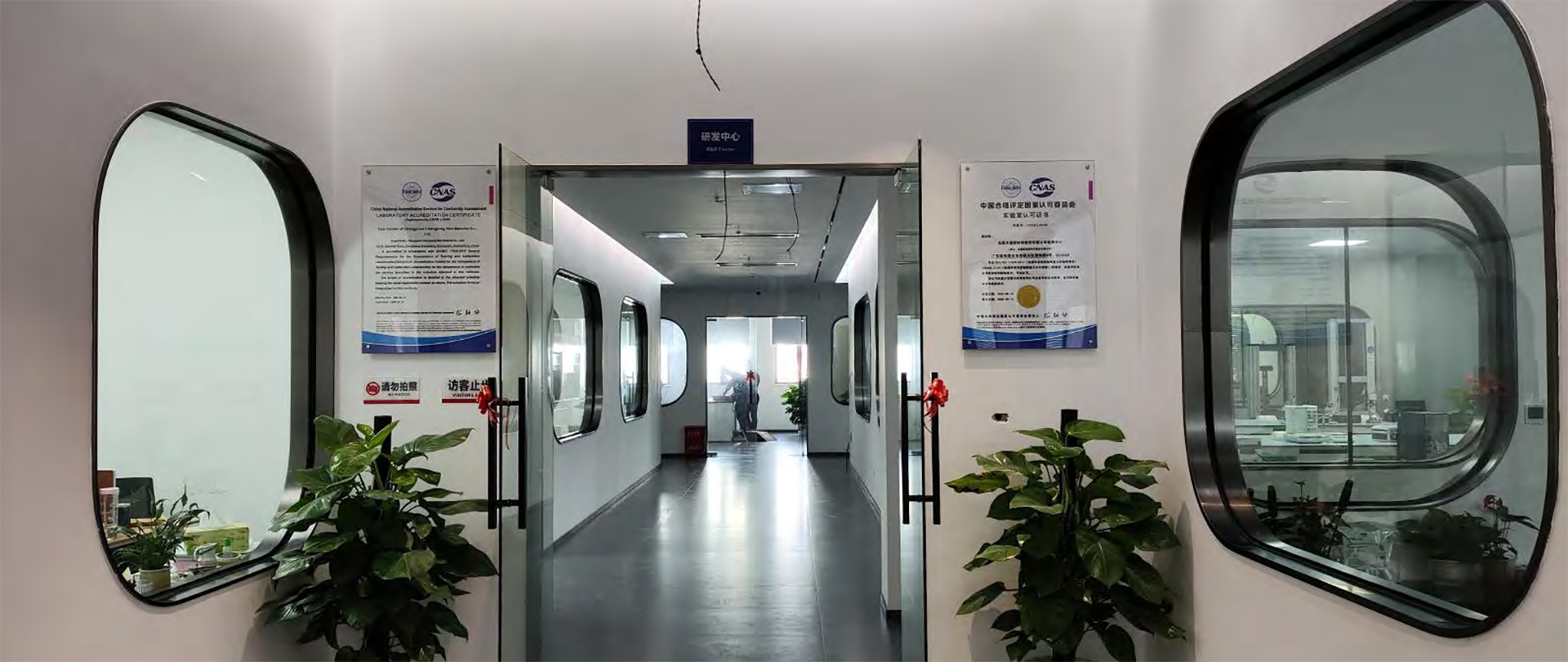
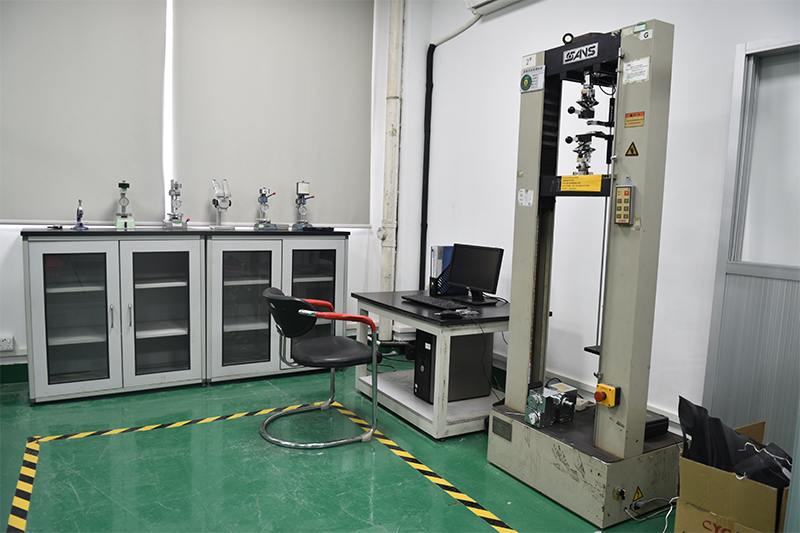
CYCT owns leading testing and R&D capabilities, a professional R&D team, and a national CNAS-accredited laboratory. This high-standard scientific rigor enables us to develop and manufacture specialized protective layers that pass the strict quality controls demanded by Tokyo industrial planners and global EPC contractors alike.
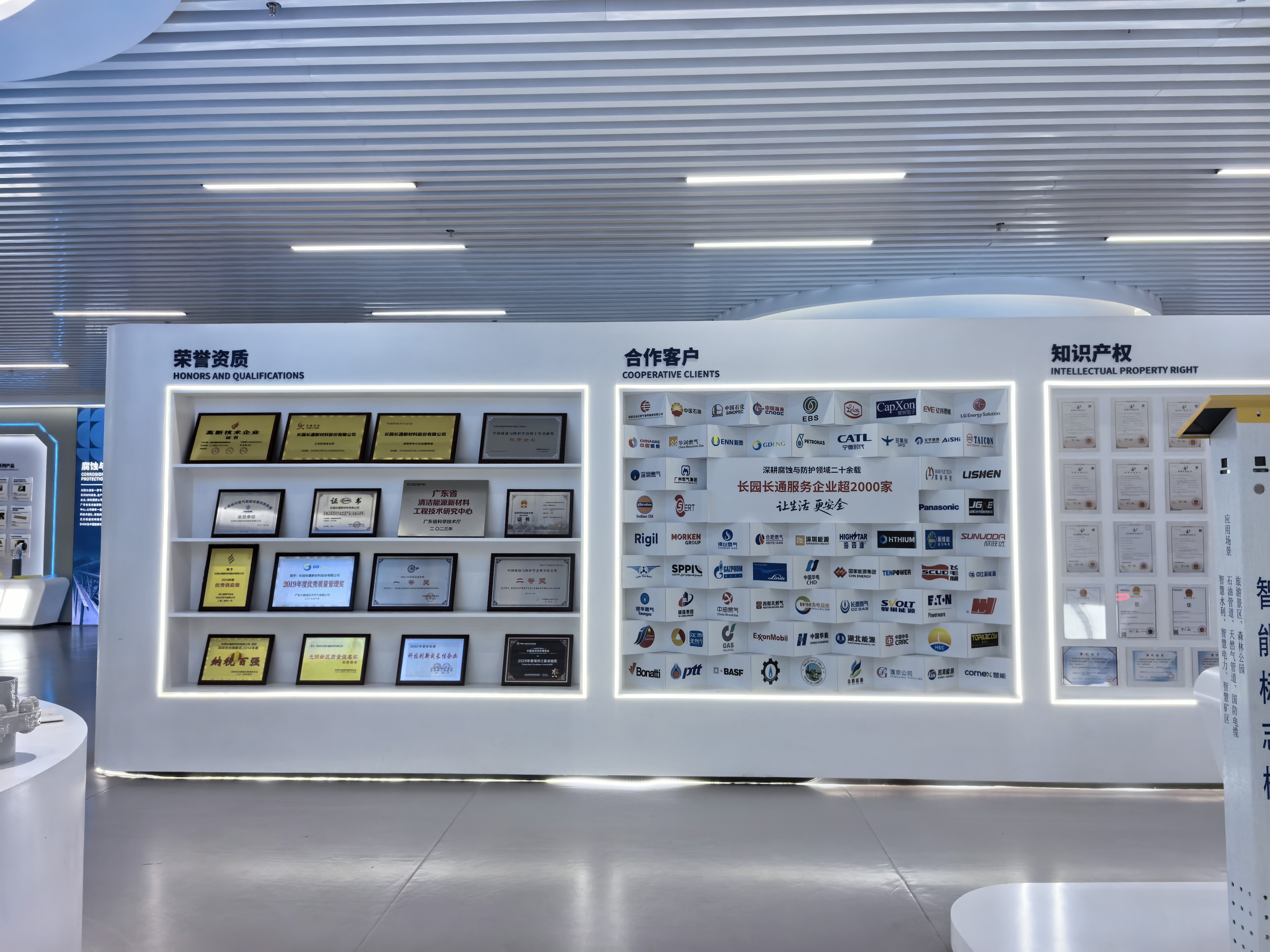
CYCT has become the stable supplier of field joint coatings for years in PetroChina, Sinopec, PipeChina, and local pipeline projects, commanding a significant market share. Furthermore, CYCT has successfully developed and introduced a number of specialty corrosion protection materials, such as visco-elastic anticorrosion materials, special photo-curing sleeves for Horizontal Directional Drilling (HDD) protection, and polyurea coatings.
Balancing strict regulatory compliance with project budget constraints makes Chinese manufacturing an essential partner for Japanese industrial networks.
Our massive production lines accommodate customized backing thicknesses, adhesive configurations, and color specifications without extending lead times. This scale provides a 30% reduction in total material cost compared to domestic options.
Our products comply with high-level international pipeline criteria, including ASTM D1000, ISO 21809-3, and EN 12068. The state-of-the-art CNAS testing laboratory ensures batch consistency.
Located near global container shipping terminals, we maintain robust logistics channels to Port of Tokyo (Oi Container Terminal, Aomi Terminal), with a transit time of just 5–7 days.
Understanding the molecular dynamics and mechanical behavior of viscoelastic and polyethylene materials ensures long-term operational lifetimes for underground utilities.
| Performance Metrics | Polyethylene (PE) Cold Tape System | Viscoelastic Anticorrosion Tape (VT95) | VE Putty Compound | |
|---|---|---|---|---|
| Primary Application | Straight pipeline segments & outer mechanical shielding. | Complex joints, elbows, tees, and damaged coating repair. | Irregular structural geometries (valves, flanges, bolts). | Outstanding protection for offshore steel structures in marine zones. |
| Seismic & Movement Adaptation | Moderate. Offers reliable shear resistance. | Excellent. Flowable, self-healing under earth movement. | Self-molding. Absorbs high-frequency micro-shocks. | High flexibility, resilient to dynamic ocean currents. |
| Surface Preparation Required | ISO 8501-1 Sa 2½ or St 3 clean profile. | Minimum St 2. Highly tolerant to minor residual oxide layers. | St 2. Bonds to varied surfaces without primer. | Capable of curing in moisture-laden environments. |
| Direct Soil Stress Resistance | High. Polyethylene backing deflects physical shear. | Low on its own. Requires PE/PVC outer mechanical wrap. | Requires outer wrap to shield against backfill friction. | Excellent structural barrier with high impact tolerance. |
| Thermal Range Stability | Up to 85°C depending on outer adhesive chemistry. | Highly stable from -45°C up to 95°C continuous. | -40°C to 80°C continuous operation. | Performs reliably in harsh maritime freeze-thaw cycles. |
Our partnership with elite scientific institutions provides integrated technical solutions spanning diagnostics to rehabilitation.
In cooperation with leading institutes such as the CNPC Pipeline Science Research Institute, CYCT offers an integrated service model. We do not just ship materials; we provide comprehensive engineering solutions:
Our long-standing role as an industry leader is verified by key roles and professional memberships:
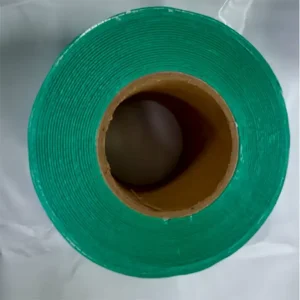
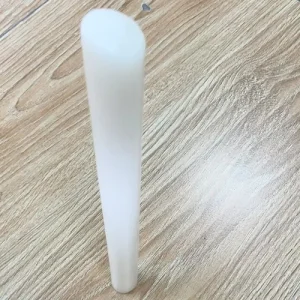
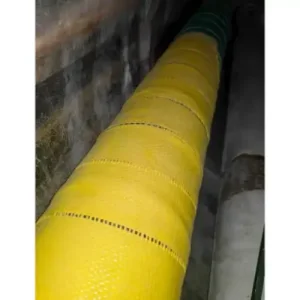
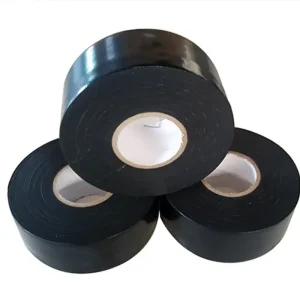
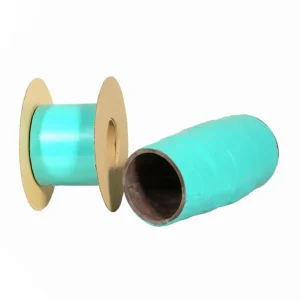
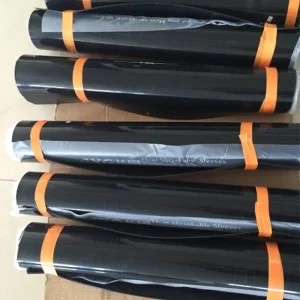
Explore our full line of pipeline joint protection, composite wraps, repair patches, and structural sealants.
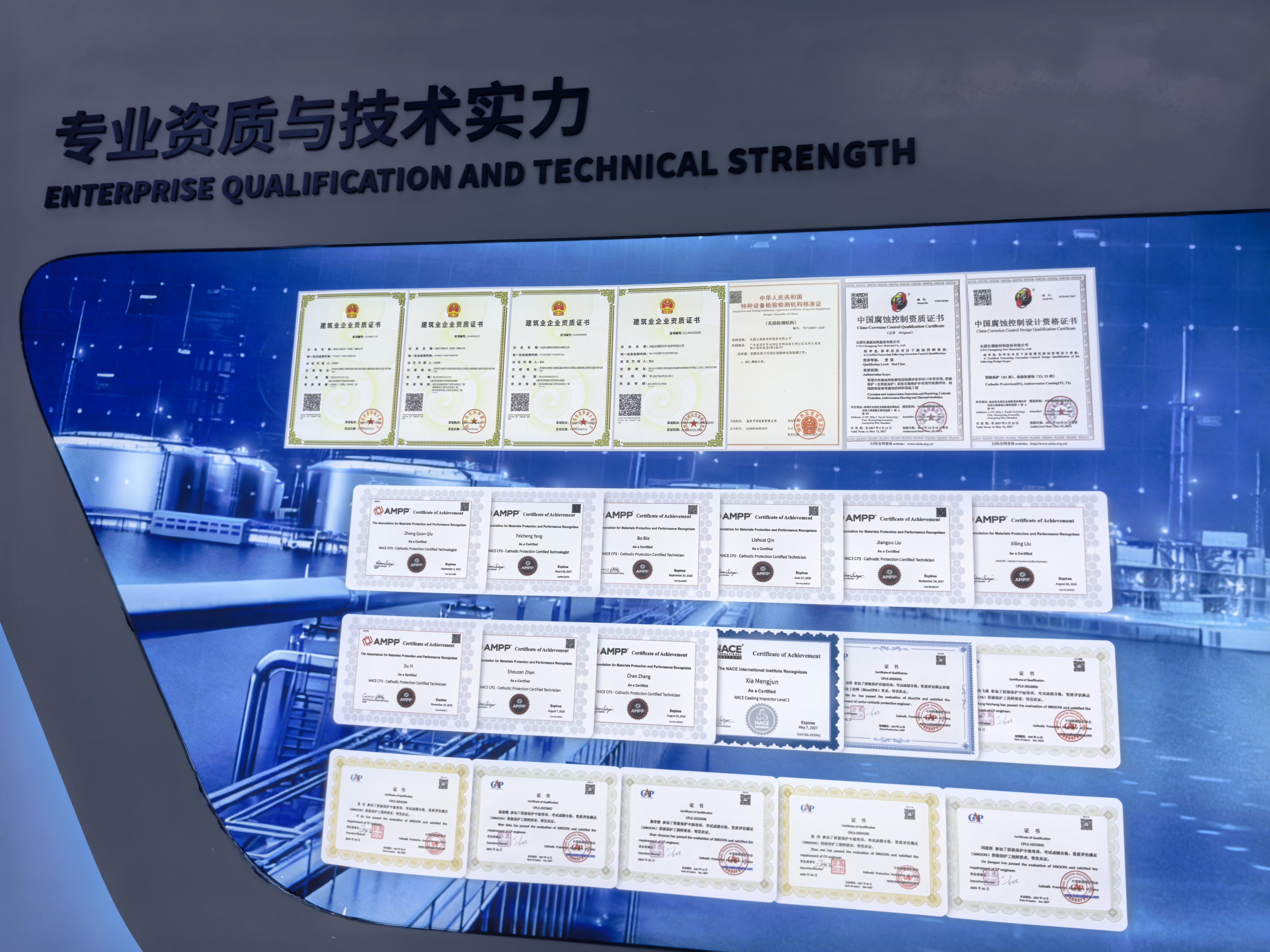
Our products are engineered to conform to strict quality demands, certified by third-party bodies and industrial councils.
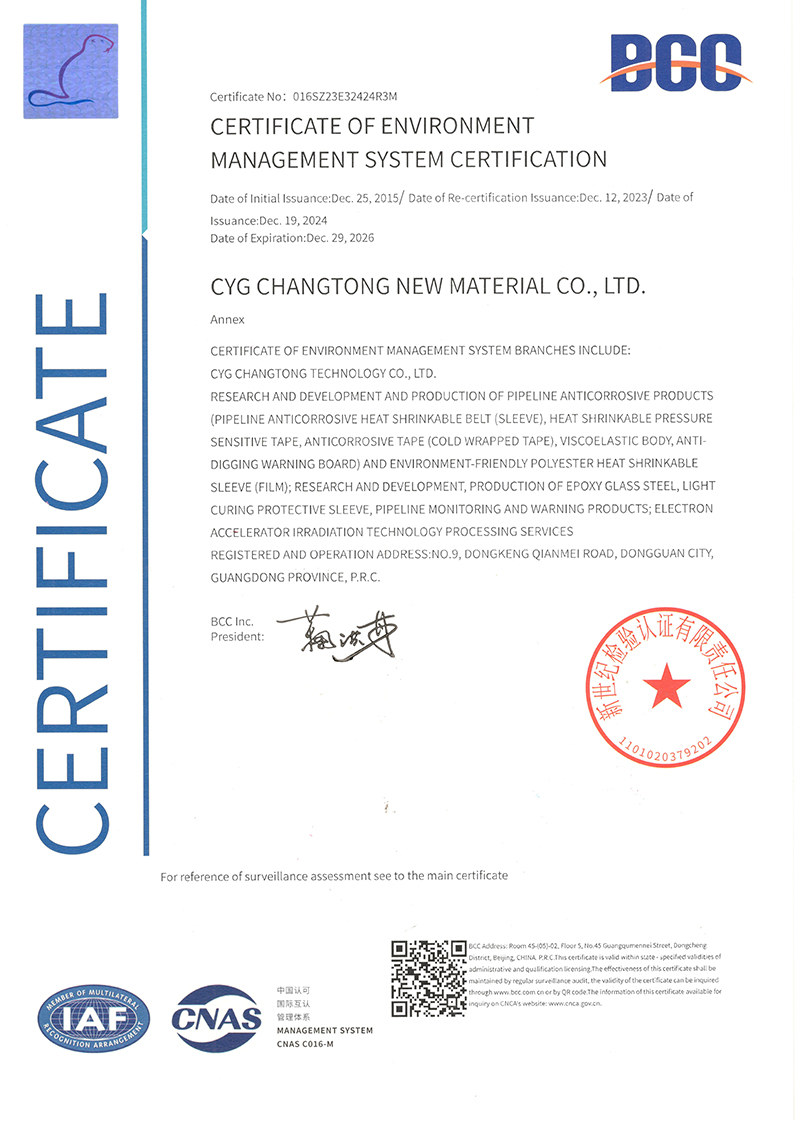
ISO 9001, ISO 14001, and ISO 45001 registered production facility.
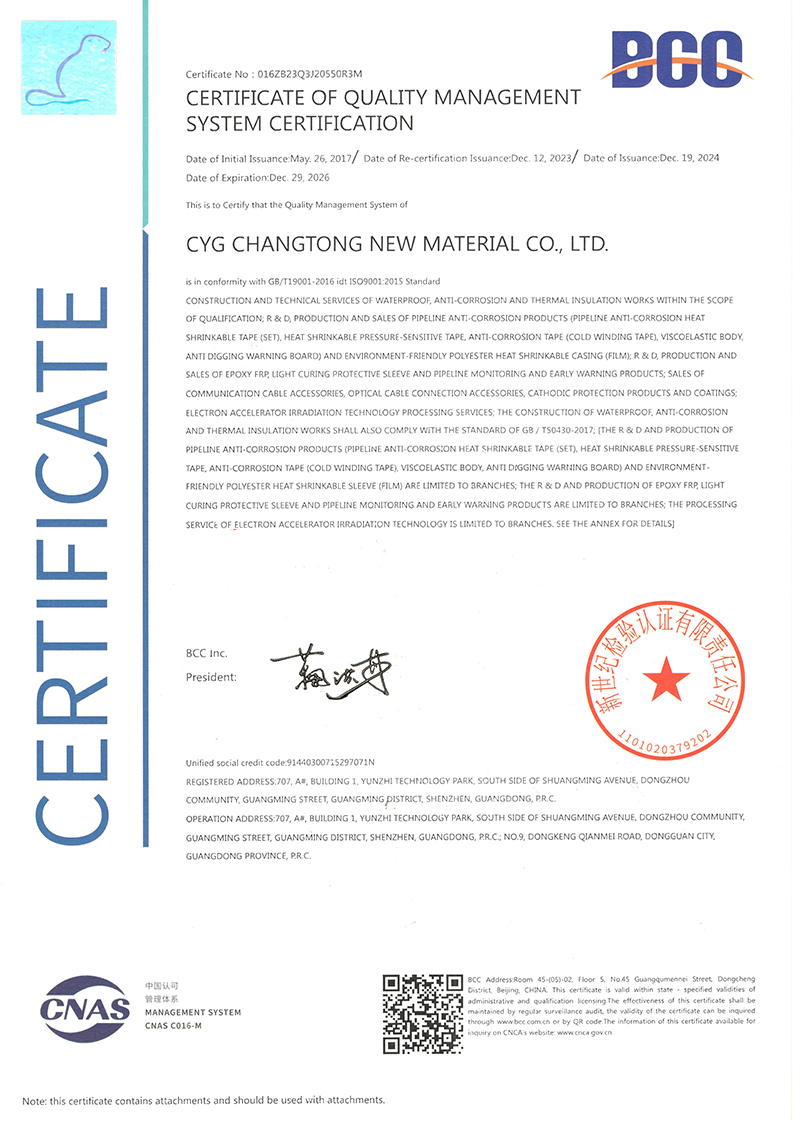
Laboratory testing standards certified by China National Accreditation Service (CNAS).
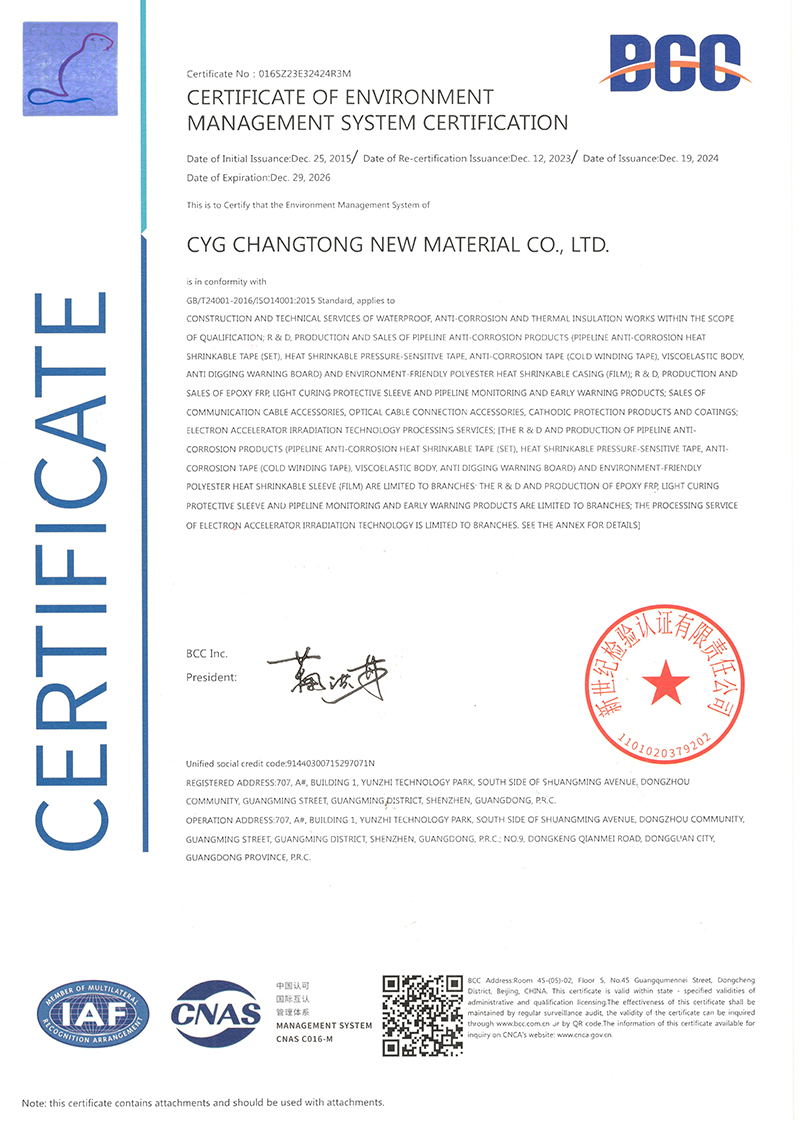
Certified to meet national and global pipeline construction agency standards.
Clear, expert-level explanations answering the most common queries from pipeline designers, corrosion specialists, and global supply chain managers.
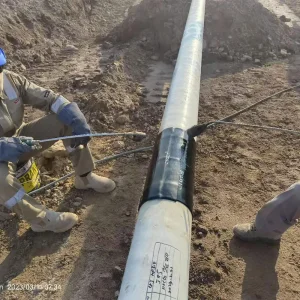
Cold-applied tapes do not require pre-heating of the steel pipe substrate or the application of open flames during installation, relying instead on pressure-sensitive adhesive backings (elastomeric bitumen, butyl rubber, or viscoelastic compounds). Heat shrinkable sleeves, conversely, require propane torches to melt their hot-melt copolymer adhesive backing and shrink the cross-linked polyethylene carrier. Cold-applied systems are preferred in high-density urban areas like Tokyo due to strict open-flame fire regulations, lower labor costs, and reduced installation error.
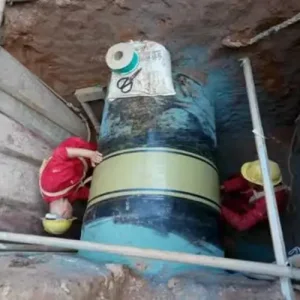
Viscoelastic tapes (like VT95 and FVT95) are made from high-molecular-weight polyisobutene, an amorphous compound that remains permanently tacky and fluid-like. Under slight pressure, it flows into every microscopic surface irregularity on the steel substrate, completely sealing out air and water. This creates an impermeable moisture barrier that blocks salt ions (chlorides) from forming corrosion cells, maintaining a high electrochemical resistance even when submerged in groundwater.
Unlike traditional polyethylene tape systems that require liquid primers to achieve high bond strength, viscoelastic tape does not require a primer. Its natural liquid-like behavior allows it to wet the surface of steel spontaneously, achieving an intimate physical bond without primers. Surface preparation can be reduced to ISO 8501-1 St 2, making it ideal for fast, field-applied maintenance operations.
Stored under dry, shaded conditions between 5°C and 35°C, CYCT cold-applied PE and viscoelastic tapes have a shelf life of 2 to 3 years. Once correctly applied in buried or submerged installations, the operational design life is over 30 years, matching or exceeding the lifetime of the primary pipeline coating.
CYCT anticorrosion systems are designed, manufactured, and tested to meet international standards including EN 12068 (classes A, B, and C), ISO 21809-3, ASTM D1000, and AWWA C209. Each manufacturing batch undergoes quality checks in our CNAS accredited laboratory, and test reports can be supplied with every shipment.
 CYCT
CYCT