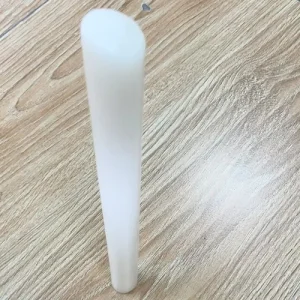
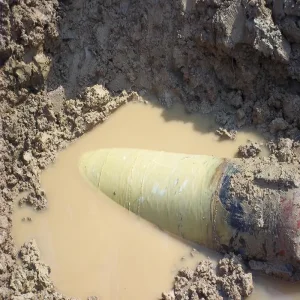
High-performance custom formulations and engineering components designed for field joints and offshore pipeline protection.
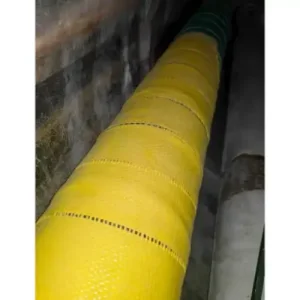
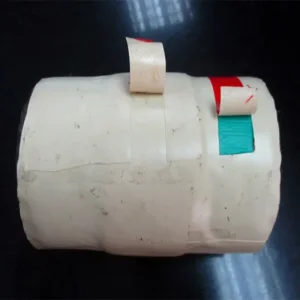
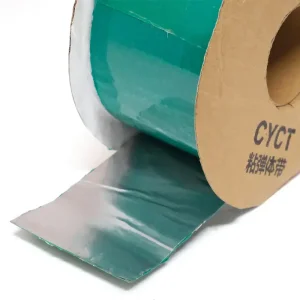
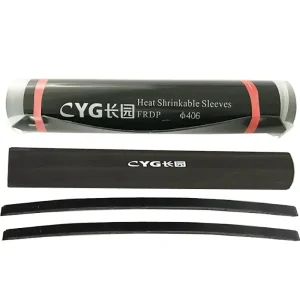
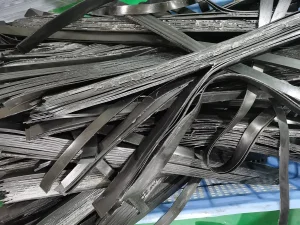
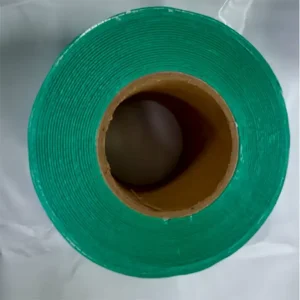
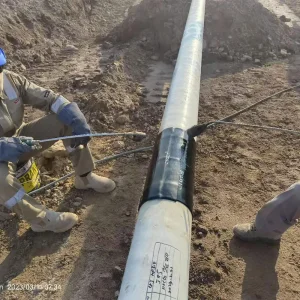
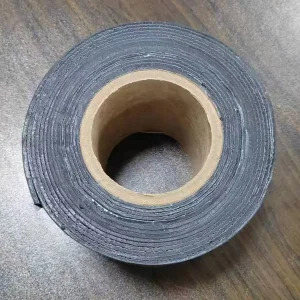
In midstream energy infrastructure and municipal piping networks, the integrity of welded pipe joints is paramount. The term "OEM Welding Tape" (technically recognized under international standards like ISO 21809-3 and EN 12068 as pipeline joint wrapping or field joint coating tape) refers to high-performance polymer/viscoelastic protective layers applied specifically over welded segments of steel pipelines. During the welding process of construction, the mill-applied parent coating (such as 3LPE, 3LPP, or FBE) must be cut back. These bare metal joints are the most susceptible regions to galvanic corrosion, shear failure, and soil stresses.
Information Gain Indicator: Unlike generic adhesive tapes, industrial welding tape and joint-wrapping materials must exhibit cold-flow properties, high cathodic disbondment resistance, and long-term chemical stability under varying mechanical loads and temperature configurations (ranging from sub-zero permafrost temperatures to extreme 120°C oil flow levels).
Global procurement specialists, EPC contractors, and pipeline integrity managers prioritize material reliability above simple cost calculations. Pipeline failures at field joints account for over 60% of external corrosion incidents. As a result, selecting qualified OEM welding tape factories with rigorous QA/QC metrics, specialized CNAS testing facilities, and recognized certifications (AMPP, CSCP) is not merely a supply chain choice—it is an asset protection guarantee.
The technological characteristics that determine long-term durability and operational safety in high-stress pipeline environments.
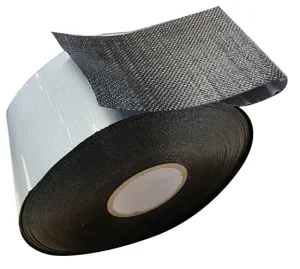
Viscoelastic coating systems exhibit liquid-like flow properties that allow them to self-heal and completely wet steel surfaces. This eliminates voids and moisture traps, ensuring permanent electrochemical contact and preventing oxygen penetration at weld joints.
Cross-linked high-density polyethylene (HDPE) or polypropylene (PP) backing coupled with heavy-duty hot melt adhesives provide robust mechanical protection against soil stress, indentation forces, and rock damages during backfilling.
Superior chemical compatibility with cathodic protection (CP) systems ensures that even in the presence of coating holidays, the protective system maintains strong adhesion and avoids shielding CP currents.
Under the strict management of CYCT, our facilities represent the pinnacle of Chinese high-tech engineering manufacturing.
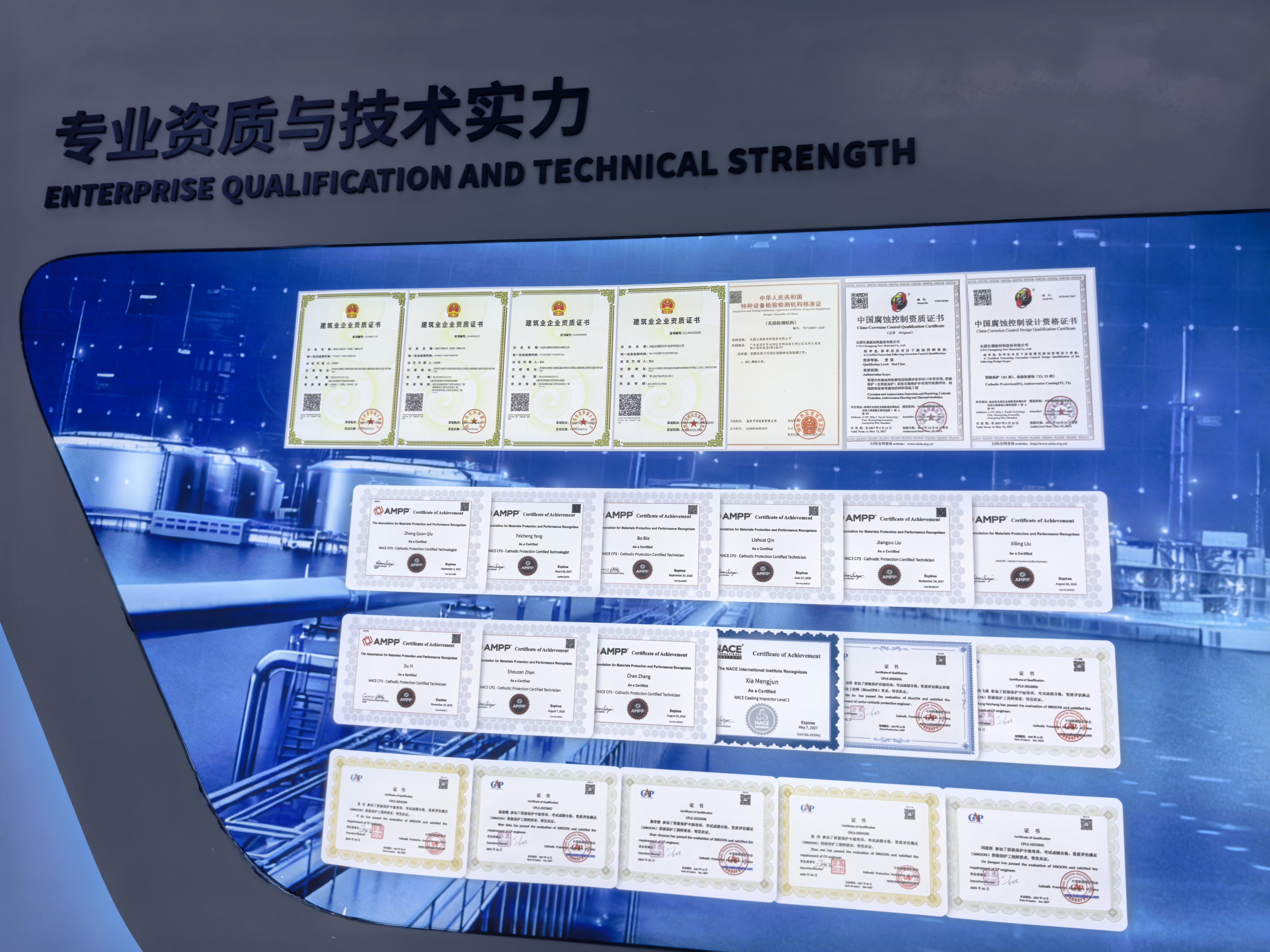
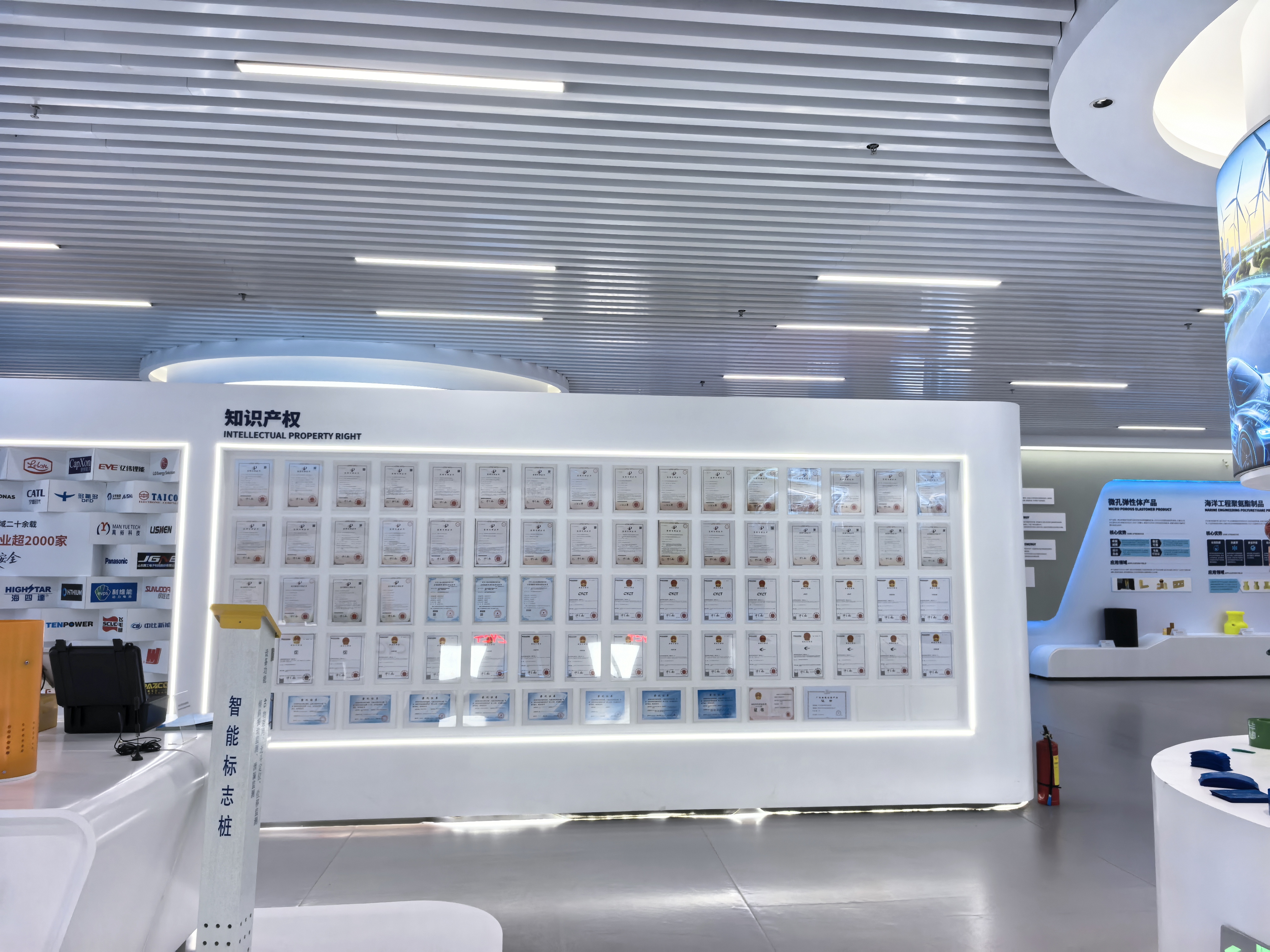
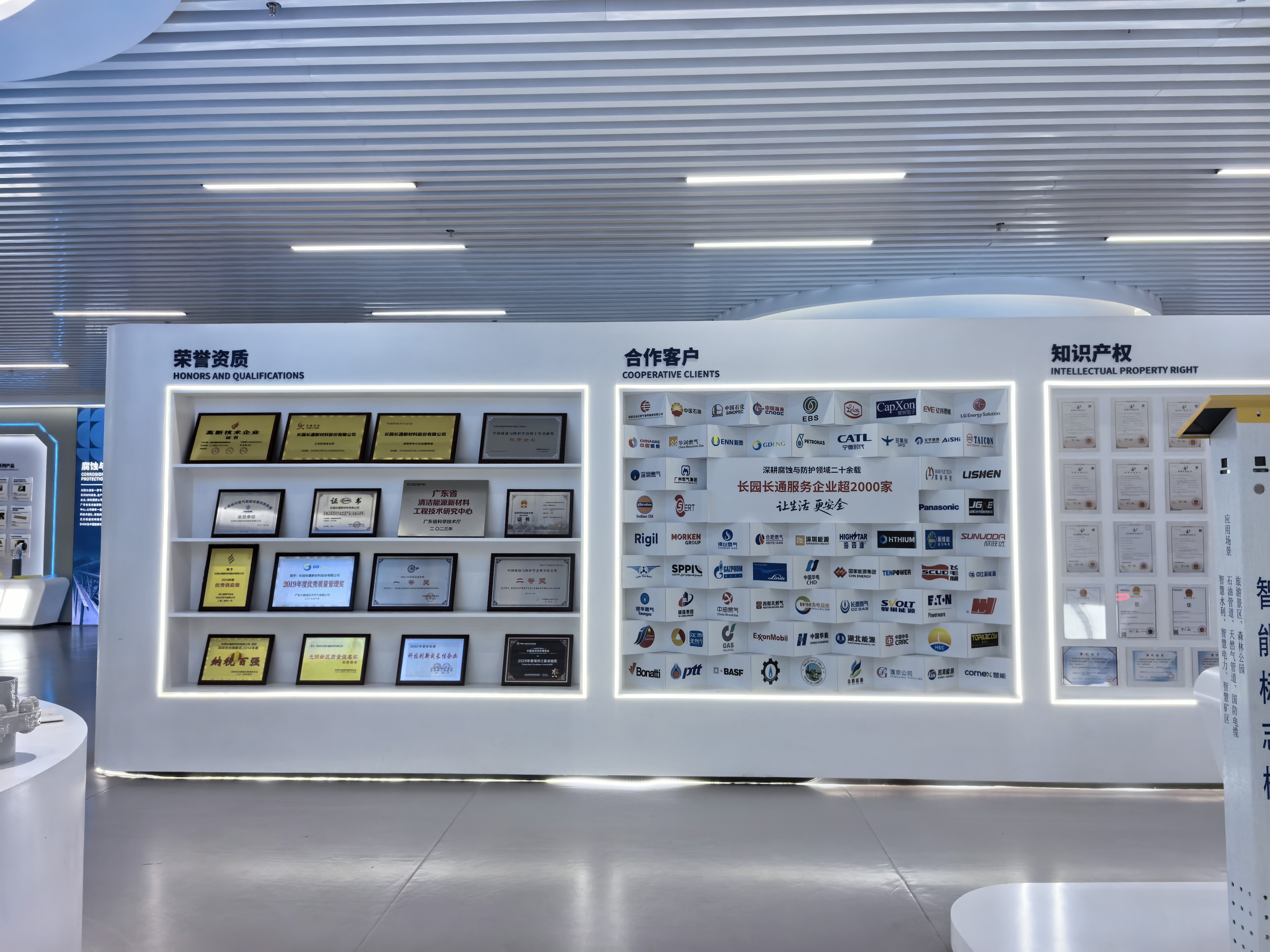
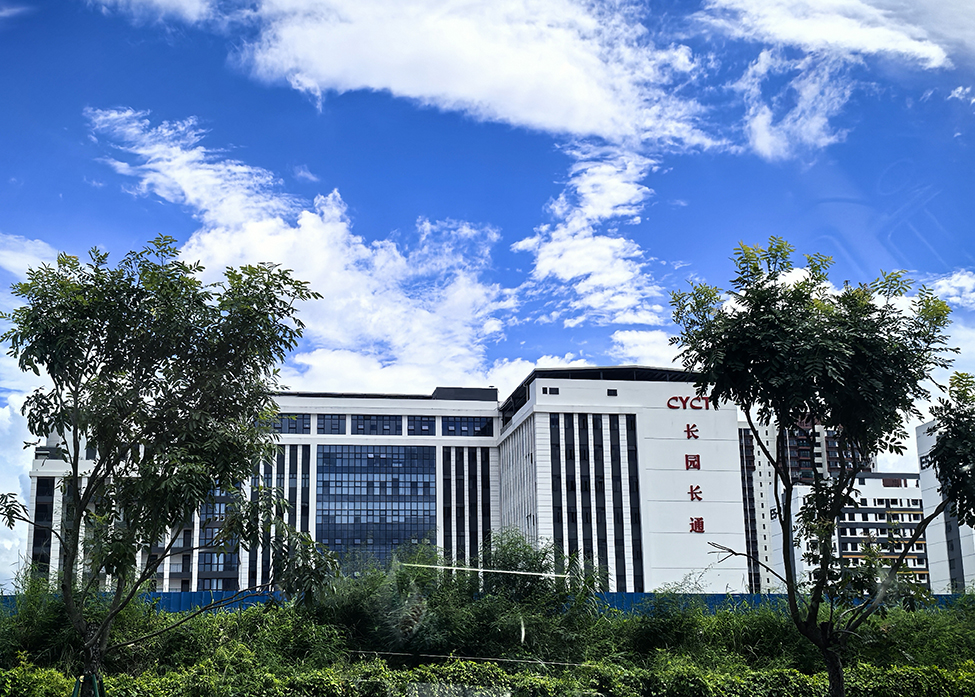
CYCT New Materials Company Limited (for short, CYCT) is a state-level high-tech enterprise integrating R&D, production, and sales of pipeline corrosion protection materials as well as buried pipeline detection services and pipeline coating field application services into one. CYCT has dedicated itself to the R&D, production, and sales of pipeline corrosion protection materials for decades.
By maintaining strong collaborative relationships with leading R&D institutes such as the CNPC Pipeline Science Research Institute, CYCT is capable of providing in-service pipelines with varied technical services. These services include buried pipeline detection, custom design schemes, cathodic protection, rehabilitation projects, and integrated safety protection solutions for long-distance pipelines.
Western procurement managers often grapple with balancing high performance and budgetary constraints. Partnering with a specialized Chinese OEM welding tape factory provides structural advantages that extend beyond competitive pricing:
China holds a robust petrochemical and raw polymer processing supply chain. Key materials like raw mastic, specialized butyl rubbers, and metallocene polypropylene (PP) are sourced directly from large-scale regional synthesis plants. This localization minimizes import delays and eliminates shipping fluctuations, keeping production predictable and costs optimized.
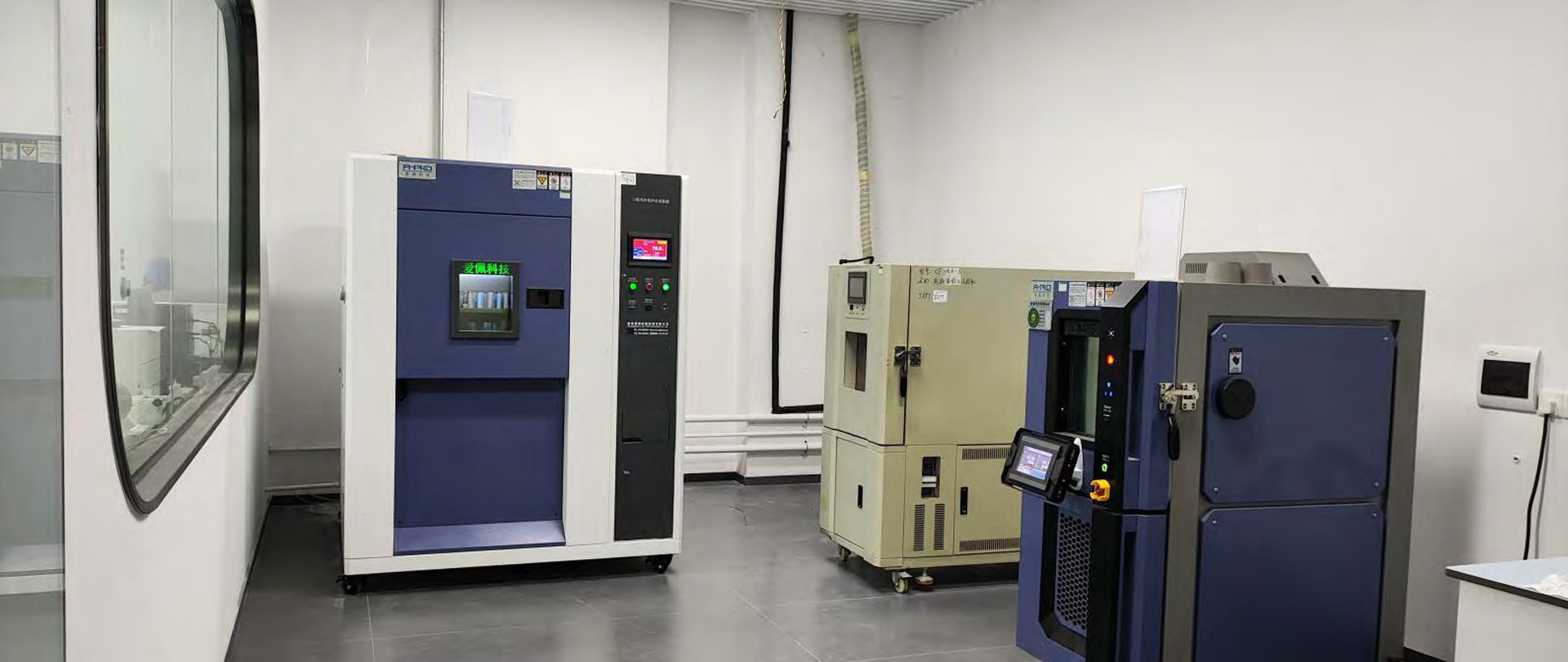
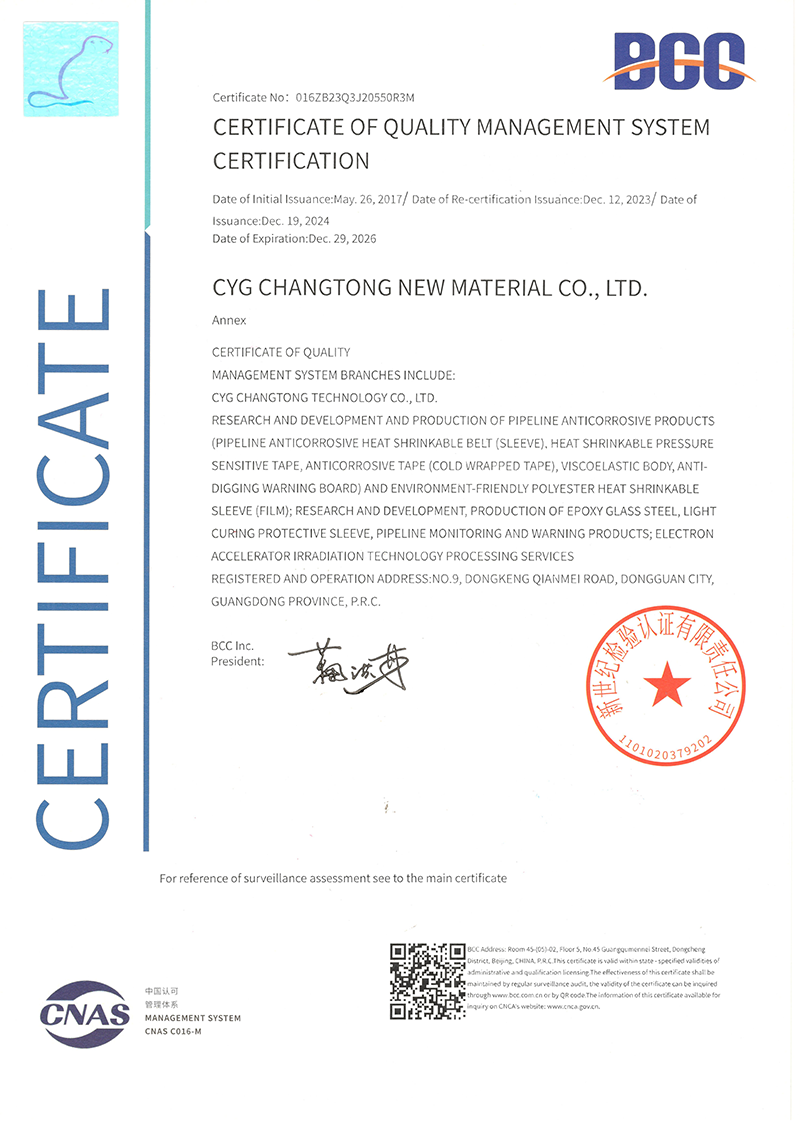
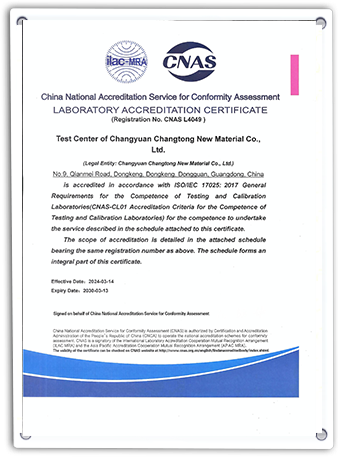
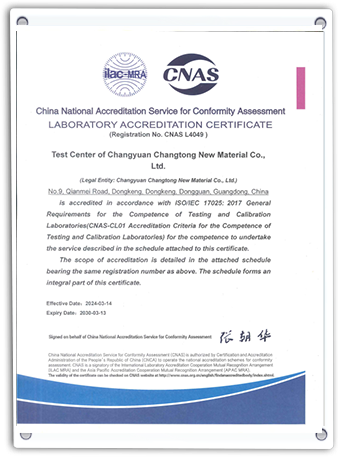
Top-tier Chinese factories utilize CNAS-accredited laboratories. This accreditation ensures that every batch of viscoelastic tape, heat shrinkable sleeves, and hot melt repair patches complies with global standards (such as ISO 21809-3 and EN 12068). Quality inspections include testing for peel strength, lap shear, indentation resistance, and cathodic disbondment at elevated operational temperatures.
With automated high-volume extrusion lines, CYCT can scale production from small custom rehabilitation batches to thousands of kilometers of long-distance pipeline projects. Our engineers specialize in modifying mastic backing thickness, backing width, and adhesive formulations to withstand specific environmental challenges—whether that means high-salinity marine environments or extreme arctic frost conditions.
Pipeline installation conditions differ significantly by region, requiring localized product variations. For example, joint coatings must be tailored to match the unique mechanical and thermal stresses of the target location:
Offshore joints face constant moisture exposure and high mechanical shear during laying operations. Specialty solutions like the CYG Changtong GRF Moisture Curing Shield provide excellent moisture barriers and mechanical strength, resisting severe wave impacts and cathodic stress.
Trenchless pipeline installations using HDD techniques pull pipe strings directly through abrasive soils and bedrock. Heavy-duty Epoxy FRP (Fiberglass Reinforced Polymer) outer shields protect underlying viscoelastic or heat-shrinkable materials from tearing, maintaining barrier integrity.
Pipelines carrying heavy crude oil operate at elevated temperatures (typically between 85°C and 120°C). Conventional PE tapes degrade or flow excessively under these conditions, demanding specialized high-temperature PP heat shrink sleeves and hot melt stick formulations.
Every major international energy player (such as PetroChina, Sinopec, PipeChina, Indian Oil, and Petronas) maintains strict qualification procedures. To ensure market entry, suppliers must meet a variety of regional standards:
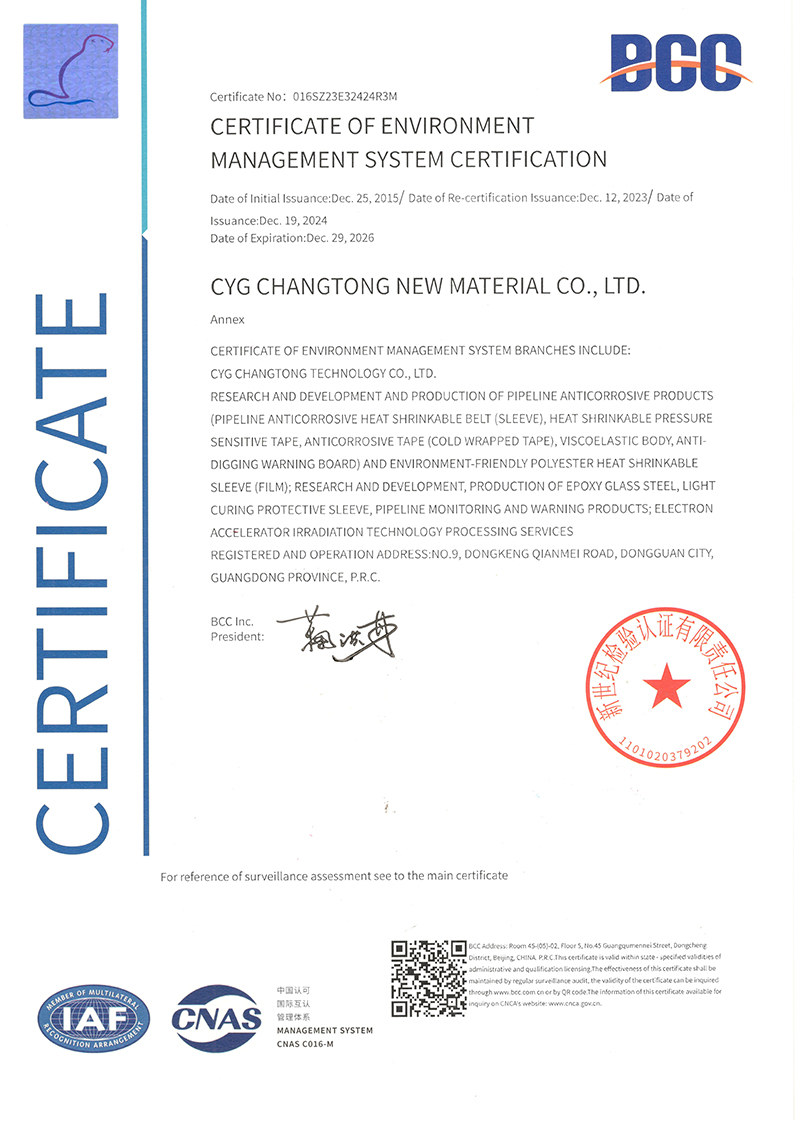
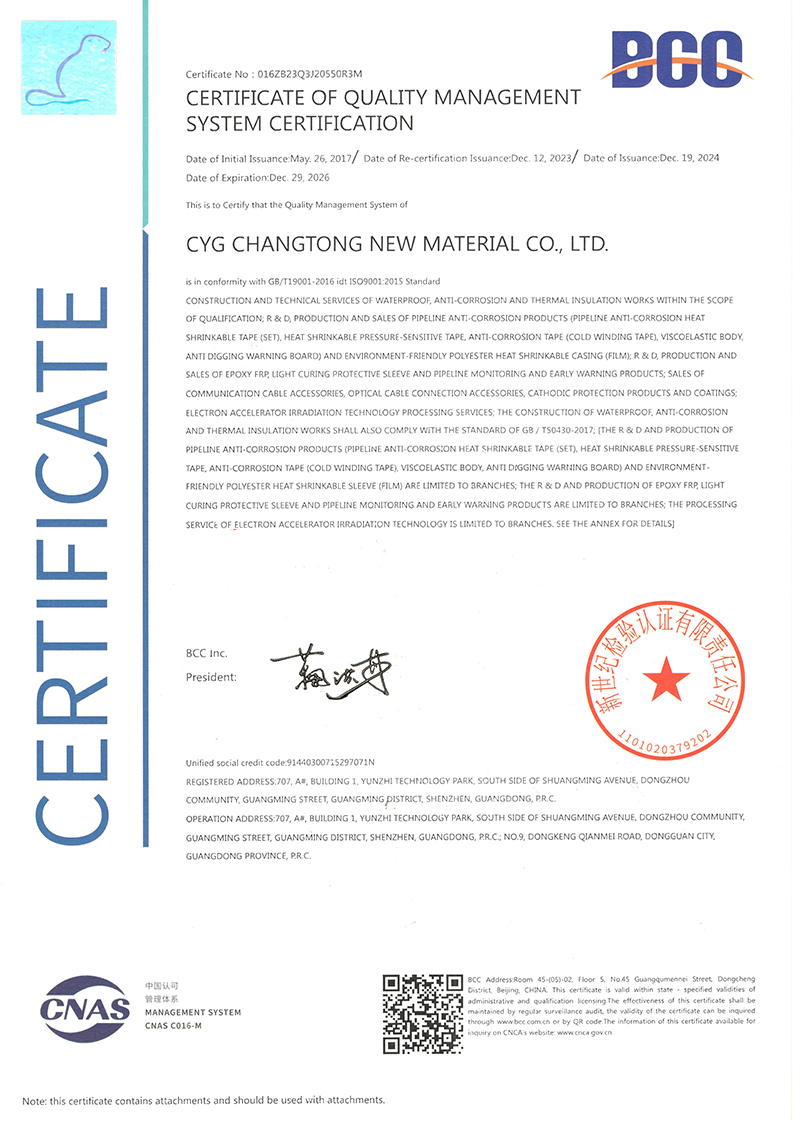
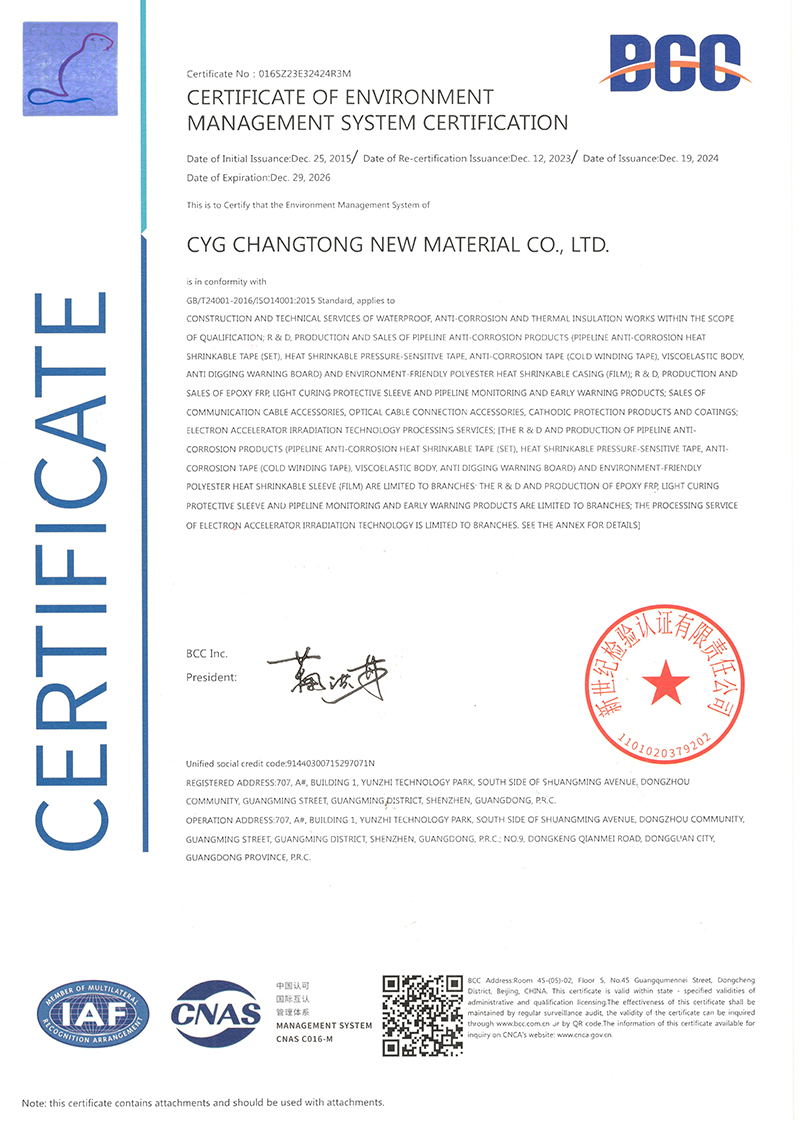
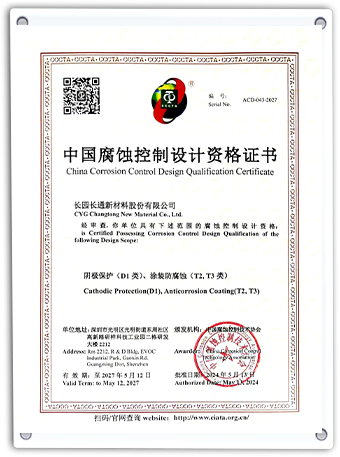
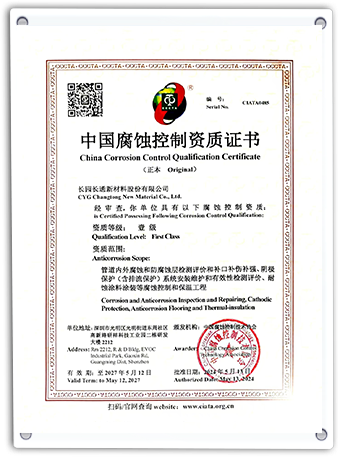
CYCT's corporate credentials highlight our standing in the corrosion mitigation community.
CYCT is a stable, multi-year supplier of field joint coatings for PetroChina, Sinopec, PipeChina, and regional gas networks, commanding a high domestic market share. In addition, CYCT has successfully developed and introduced specialty protection materials such as viscoelastic anti-corrosion products, photo-curing sleeves for HDD protection, and polyurea coatings to international markets.
Core Honors:
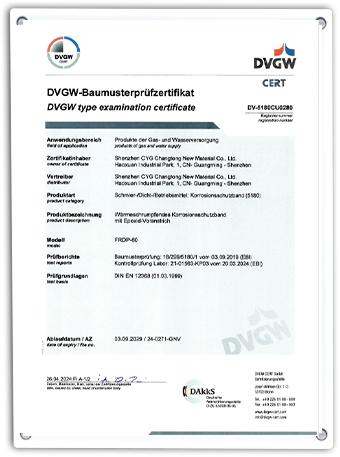
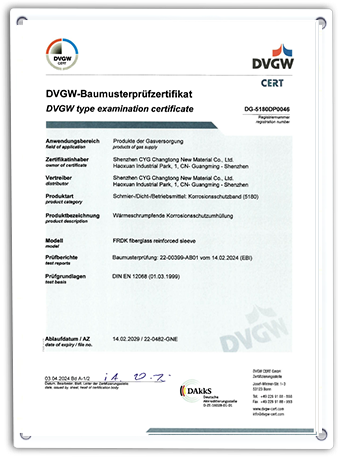
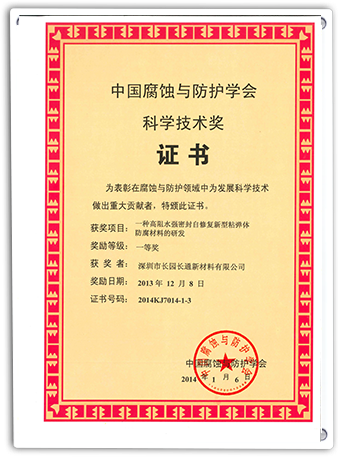
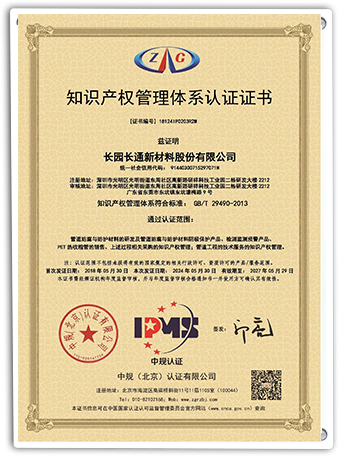
Member of Council in Chinese Society for Corrosion and Protection (CSCP) • Qualification Certificate of Corrosion Protection Construction • Qualification Certificate of Pipeline Detection • Well-known Brand of Pipeline Corrosion Protection in China • Corporate Member of China Association of Petroleum Engineering Construction (CAPEC) • State-Level High-Tech Enterprise with more than ten proprietary intellectual property rights • Stable supplier of PetroChina, Sinopec, China Gas Group, and Indian Oil.
Procuring pipeline anti-corrosion materials involves key engineering variables that influence performance and compatibility. Purchasing agents should evaluate suppliers based on three primary factors:
Proper surface prep is critical for long-term coating adhesion. Viscoelastic tapes require minimal surface preparation (often Sa 2 or St 2/St 3), making them highly suitable for field repairs where sandblasting is impractical. Conversely, heat shrinkable sleeves require Sa 2.5 grit blasting and preheating of the steel substrate to achieve a proper adhesive bond.
Specify the pipeline's exact maximum operating temperature. Polyethylene-based systems are suitable for temperatures up to 60°C or 85°C, while high-temperature polypropylene (PP) systems must be used for pipelines operating above 85°C to prevent coating softening and degradation.
Ensure the field joint material chemically bonds with the factory-applied pipe coating. Viscoelastic materials are compatible with almost all parent coatings, including 3LPE, 3LPP, FBE, and coal tar epoxy. In contrast, 3LPP line pipes require polypropylene-based heat shrink sleeves and PP hot melt sticks to maintain a consistent protective barrier across the weld.
The pipeline industry is shifting toward more durable, sustainable, and reliable protective materials:
Technical answers to key questions about pipeline welding tapes, viscoelastic coatings, and heat shrink sleeves.
High-temperature outer wraps, PE repair patches, and heavy-duty mechanical shields for pipeline repair and field joint protection.
 CYCT
CYCT