Premium industrial-grade watertight coatings, heat shrinkable sleeves, and structural joint components designed for extreme environments.
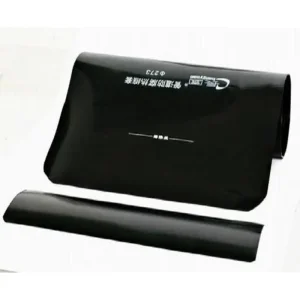
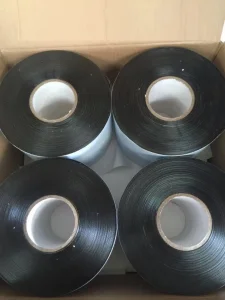
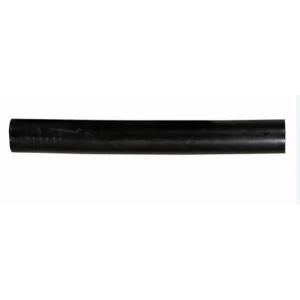
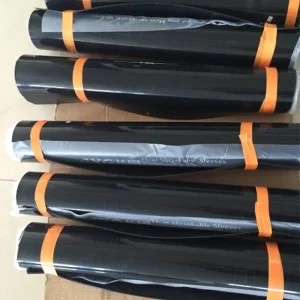
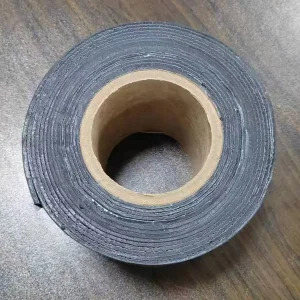
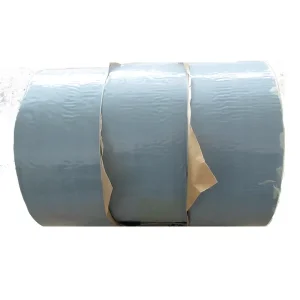
In modern infrastructure and heavy industries, ingress of moisture, chemicals, and corrosive fluids is the leading catalyst for catastrophic asset failure. Watertight heat shrink tubing acts as an indispensable first line of defense. By combining radiation-crosslinked polyolefins with high-shear-resistance thermoplastic hot-melt adhesives or butyl-mastic sealants, this specialized tubing forms an impervious, mechanically robust barrier around critical pipe joints, electrical connections, and complex architectural profiles.
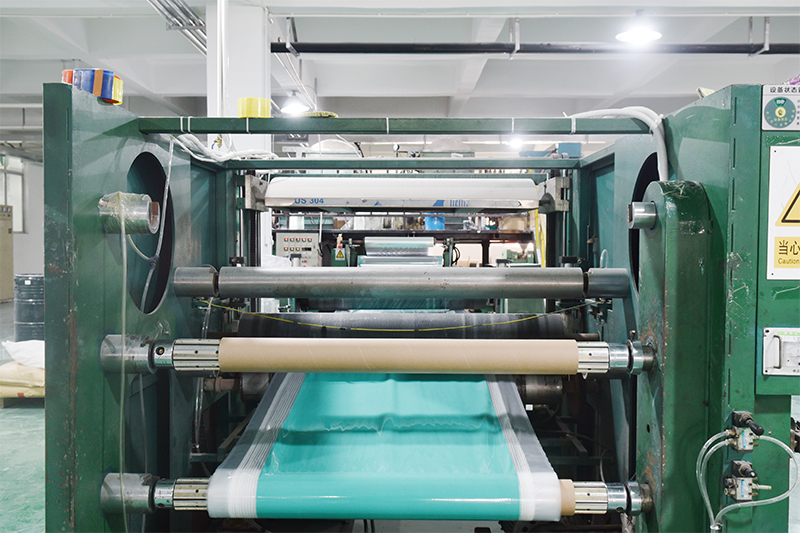
The fundamental science relies on "elastic memory." During the manufacturing process at our state-of-the-art Chinese extrusion plants, the polyolefin backing is crosslinked via high-energy electron beams. This structural alteration permanently binds the carbon chains into a three-dimensional network, preventing the polymer from melting or flowing at high temperatures. Instead, when heated beyond its crystalline melting point, the material shrinks to its original extruded dimensions, exerting a continuous, radially compressive force onto the substrate.
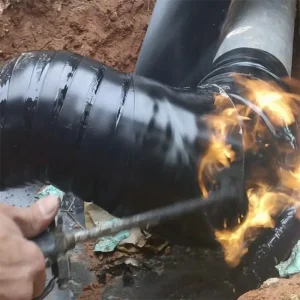
The watertight capability is achieved primarily through the adhesive lining. Depending on application temperatures (ranging from 60°C up to 85°C design temperature), high-integrity hot-melt adhesive sticks or mastic layers are co-extruded or coated internally. Upon application of heat, the adhesive enters a low-viscosity state, flowing under the high recovery pressure of the backing polymer to fill all microscopic surface irregularities on steel, polyethylene (PE), or polypropylene (PP) coatings.
How tier-one EPC contractors, gas utilities, and subsea developers evaluate and specify watertight shrinkable products.
Global procurement teams prioritize compliance with ISO 21809-3, EN 12068, and NACE/AMPP guidelines. Every batch must undergo peel strength tests, cathodic disbondment verification, and thermal aging assessments to guarantee a 30+ year operating lifecycle.
Off-the-shelf sizes rarely satisfy complex offshore wind, pipeline, or utility installations. International buyers require direct-from-factory customization capabilities, including customized shrink ratios, non-standard widths (up to 700mm+), specialized wall thicknesses, and custom packaging/branding options.
With massive penalties for construction downtime, procurement agents verify that manufacturers have access to consistent raw polymer supplies, have automated co-extrusion machinery, and keep strategic inventories of heat-shrinkable materials.
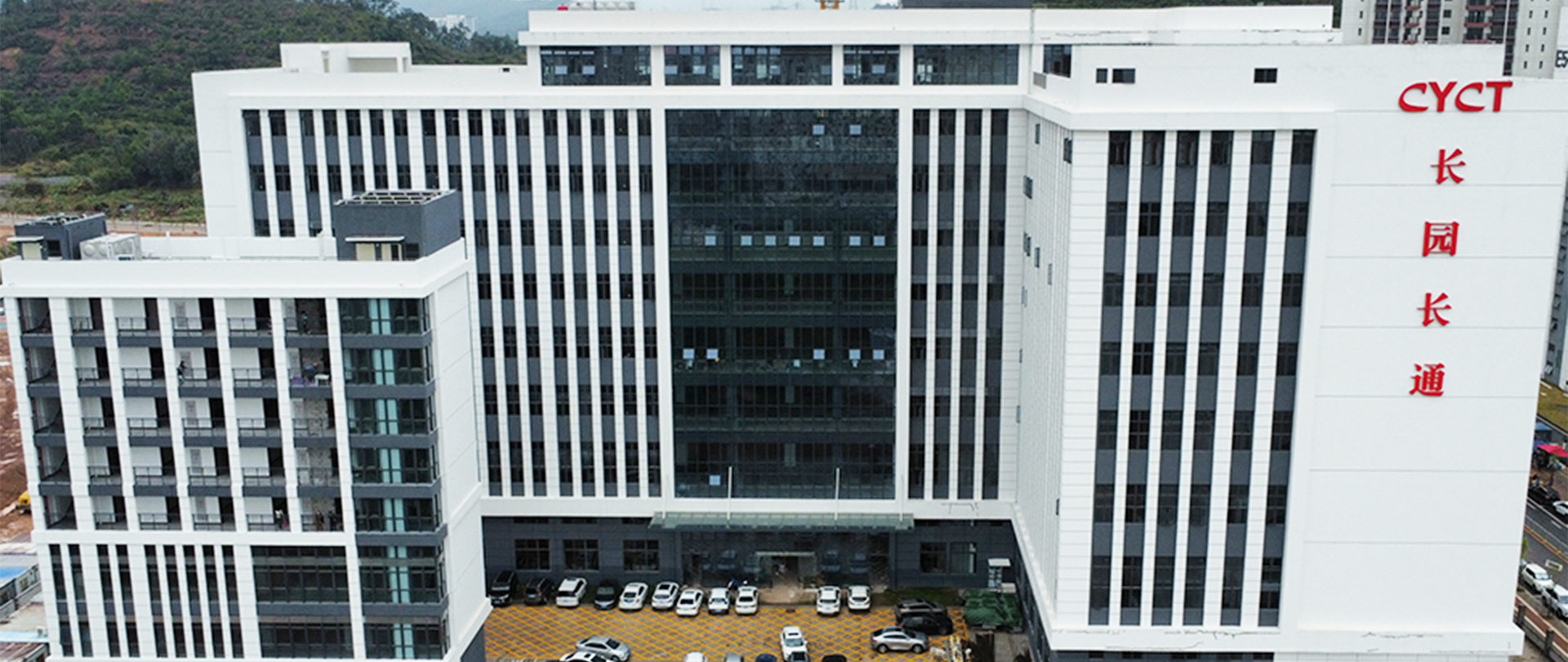
CYCT New Materials Company Limited (for short, CYCT) is a state-level high-tech enterprise integrating R&D, production and sales of pipeline corrosion protection materials as well as buried pipeline detection service and pipeline coating field application service into one.
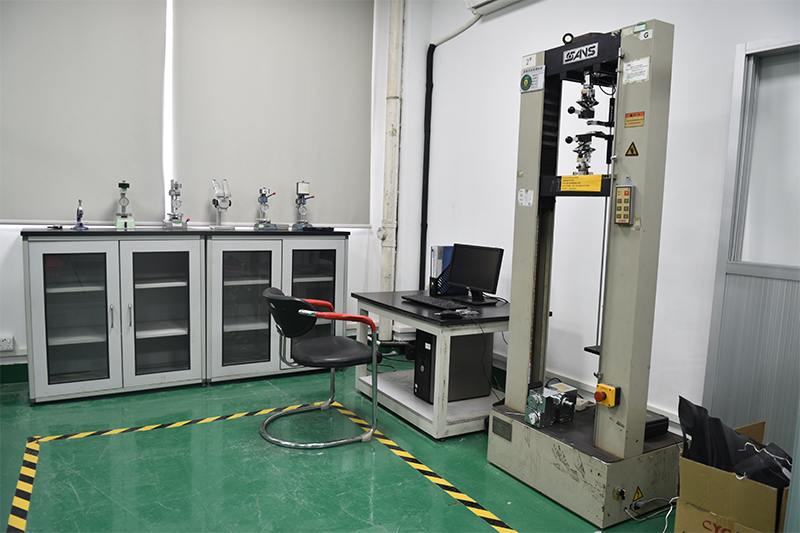
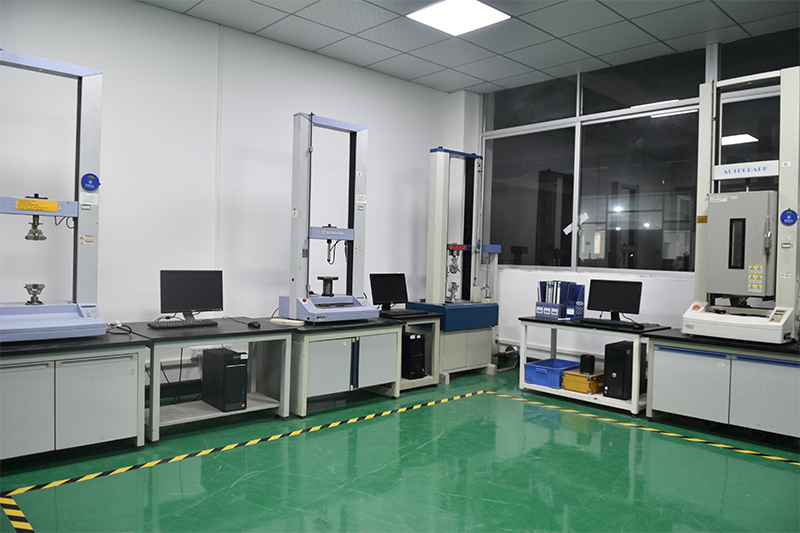
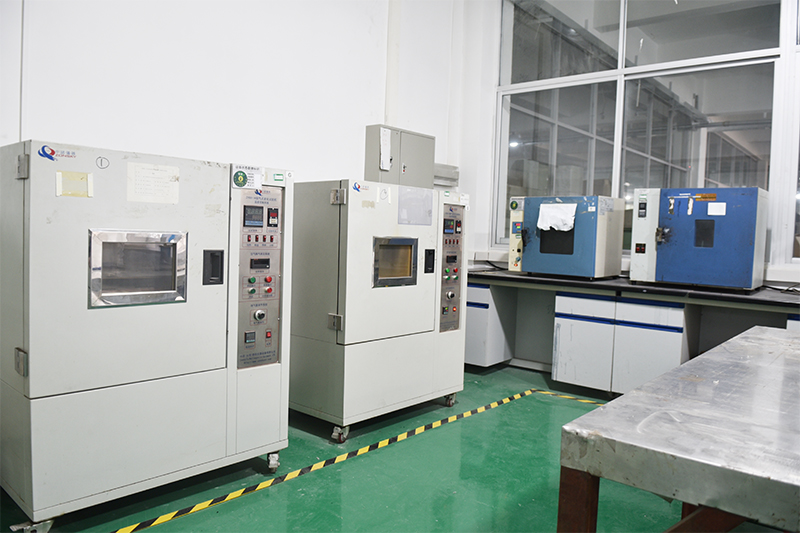
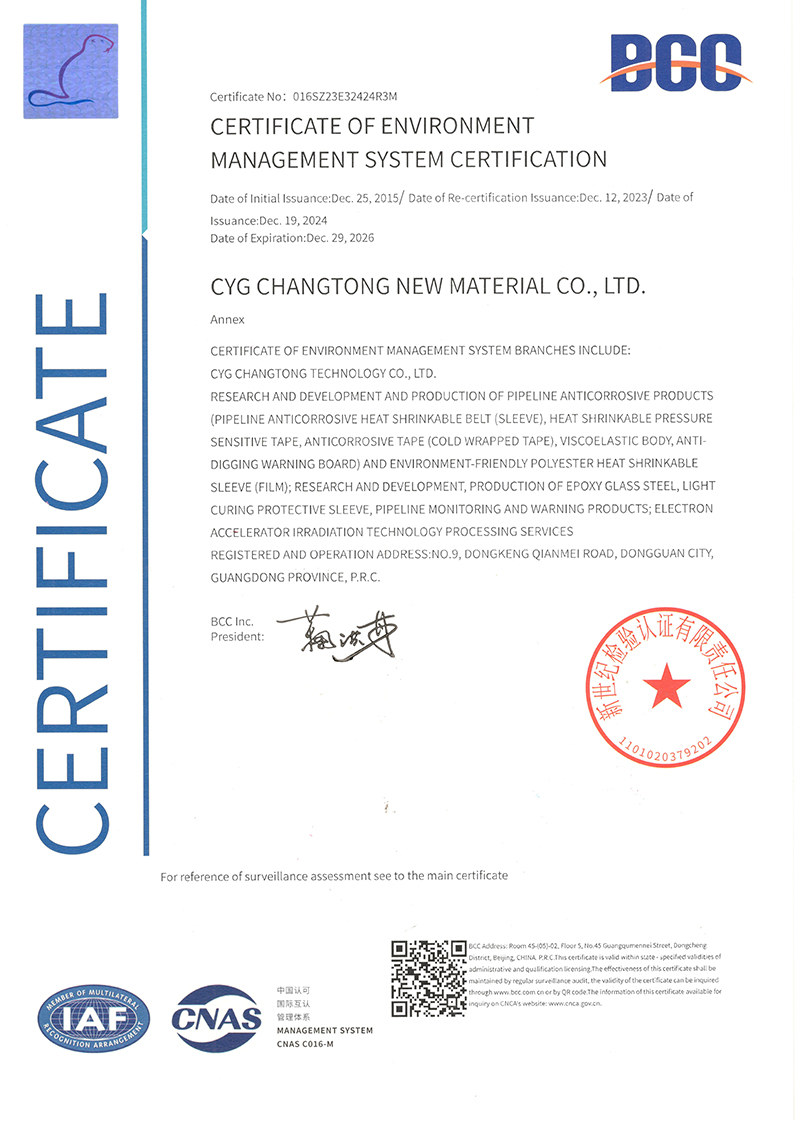
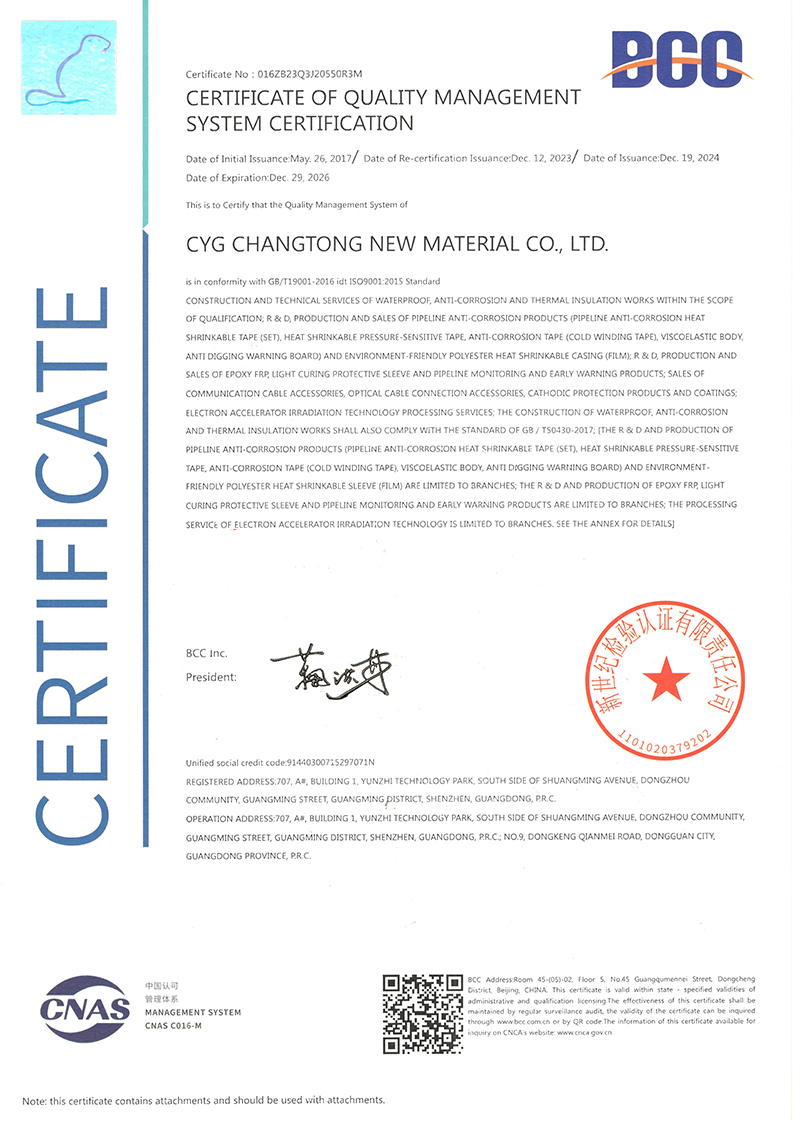
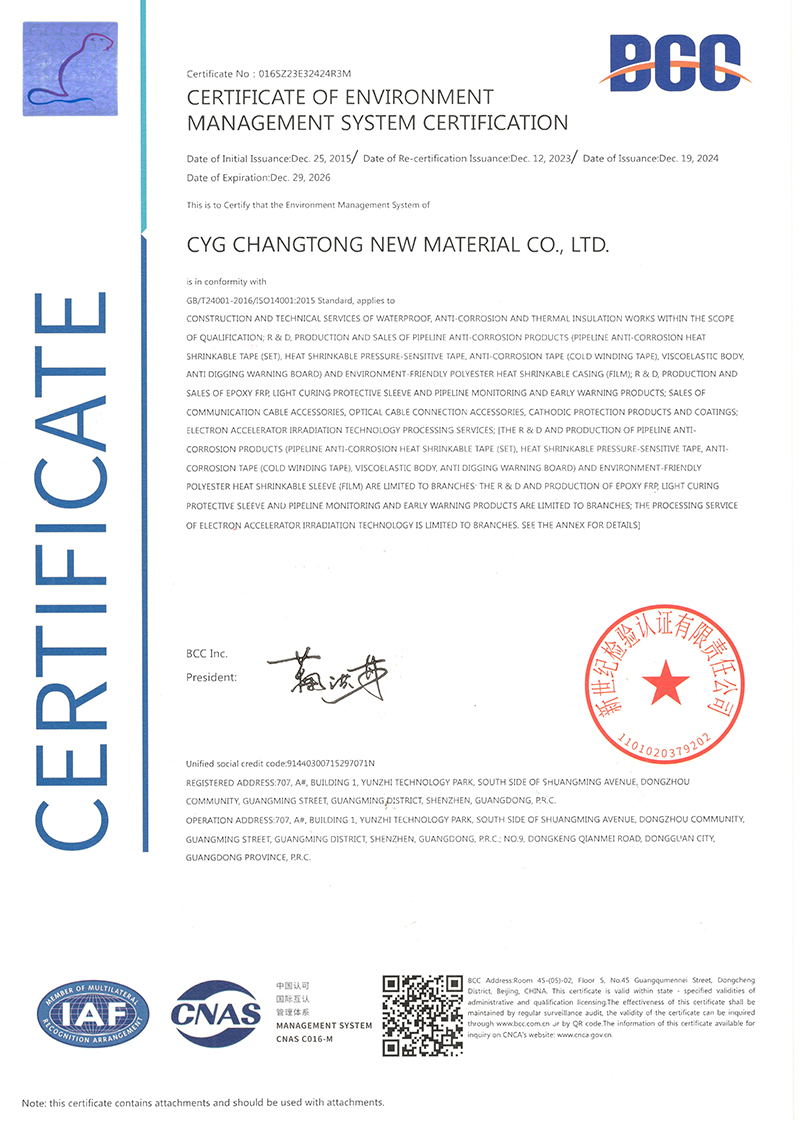
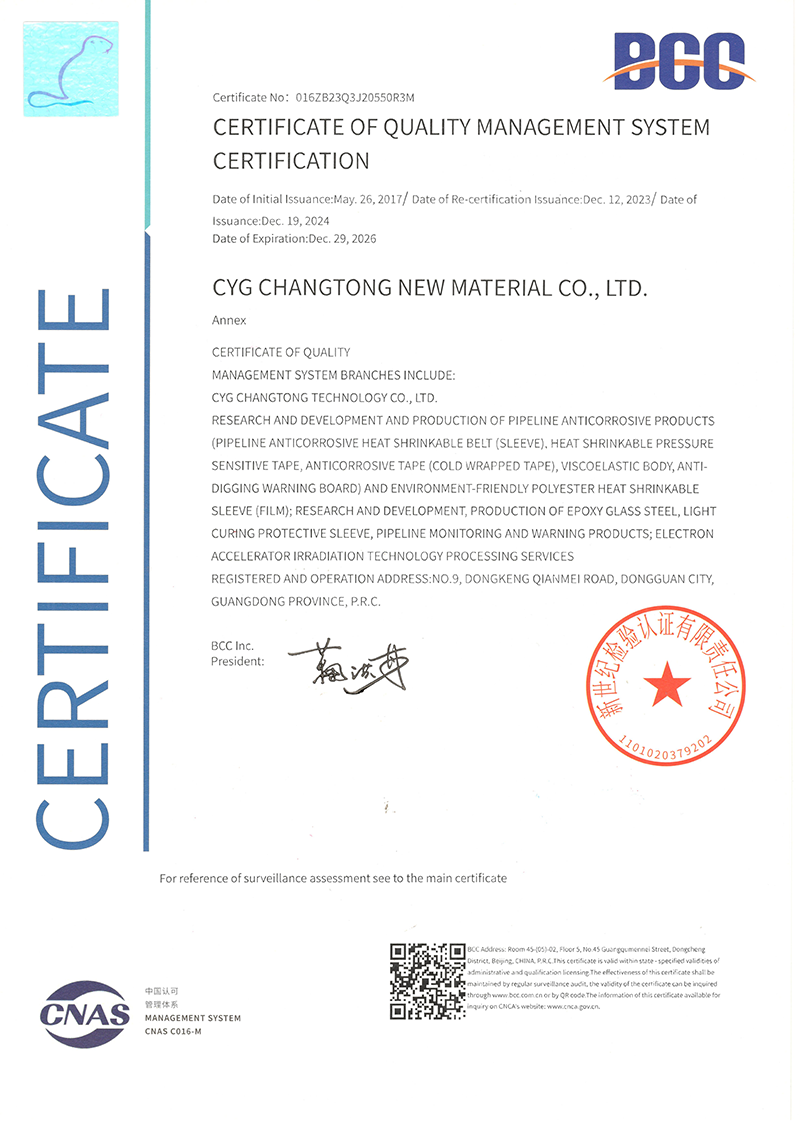
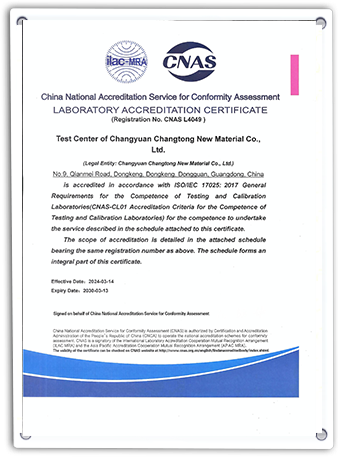
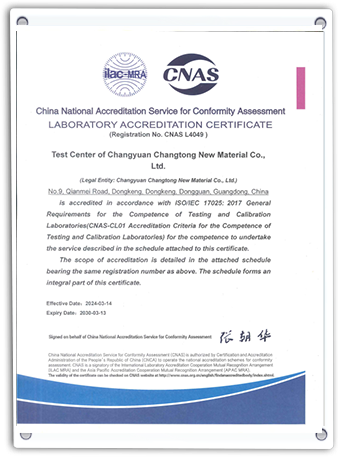
CYCT devotes itself to R&D, production and sales of pipeline corrosion protection materials for decades. The company owns leading testing and R&D capabilities, a professional R&D team, and a national CNAS-accredited laboratory.
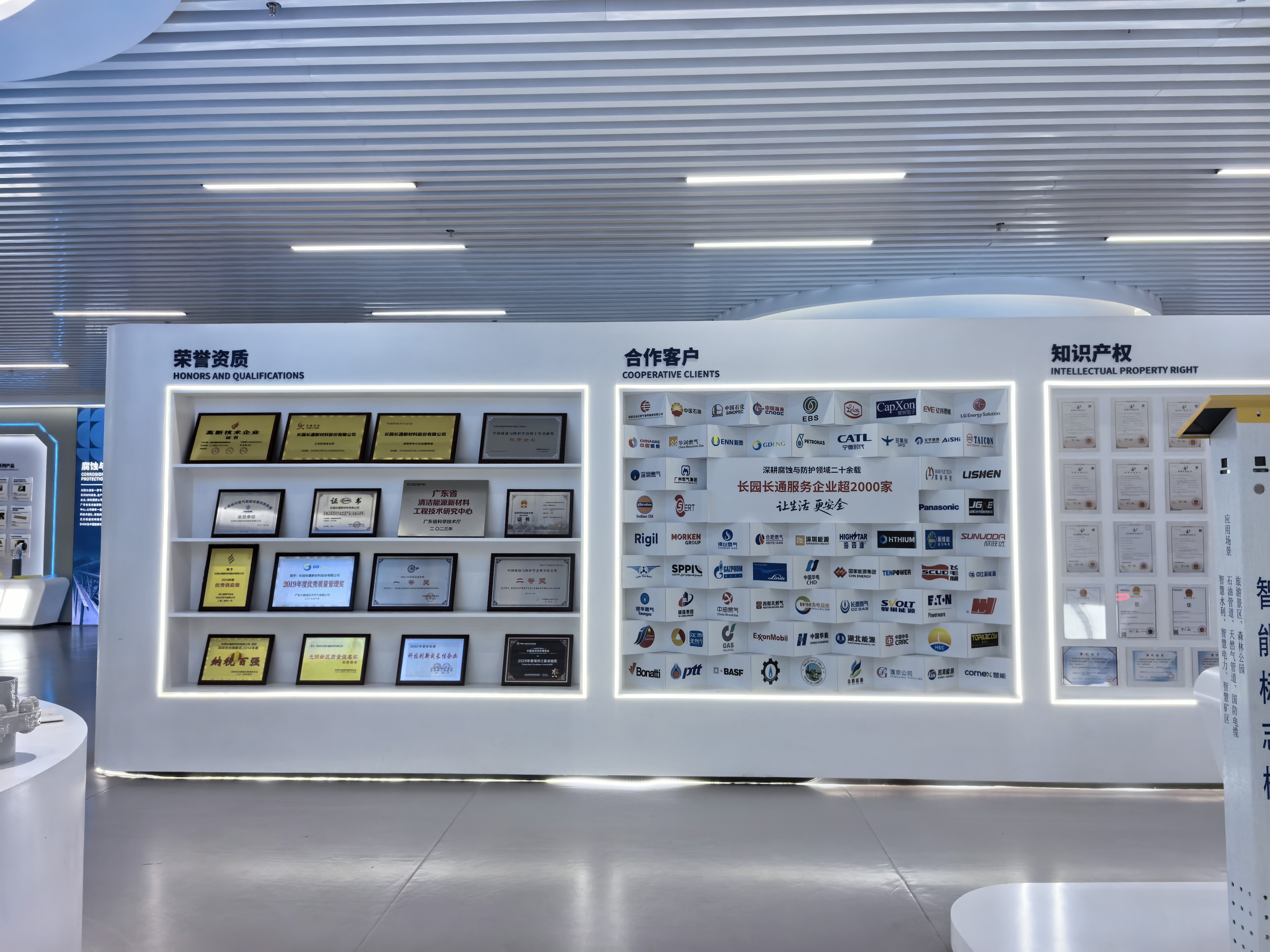
CYCT has become a stable supplier of field joint coating for years to global oil and gas majors including PetroChina, Sinopec, PipeChina, and local municipal pipelines, commanding a major market share. Furthermore, CYCT has successfully developed and introduced a number of specialty corrosion protection materials such as visco-elastic anticorrosion materials, special photo-curing sleeves for HDD protection, and polyurea coatings.
By establishing deep cooperations with leading research institutes such as the CNPC Pipeline Science Research Institute, CYCT is capable of providing in-service pipelines with varied technical services including buried pipeline detection, design scheme development, cathodic protection, rehabilitation projects, and integrated solutions for the safety protection of pipelines.
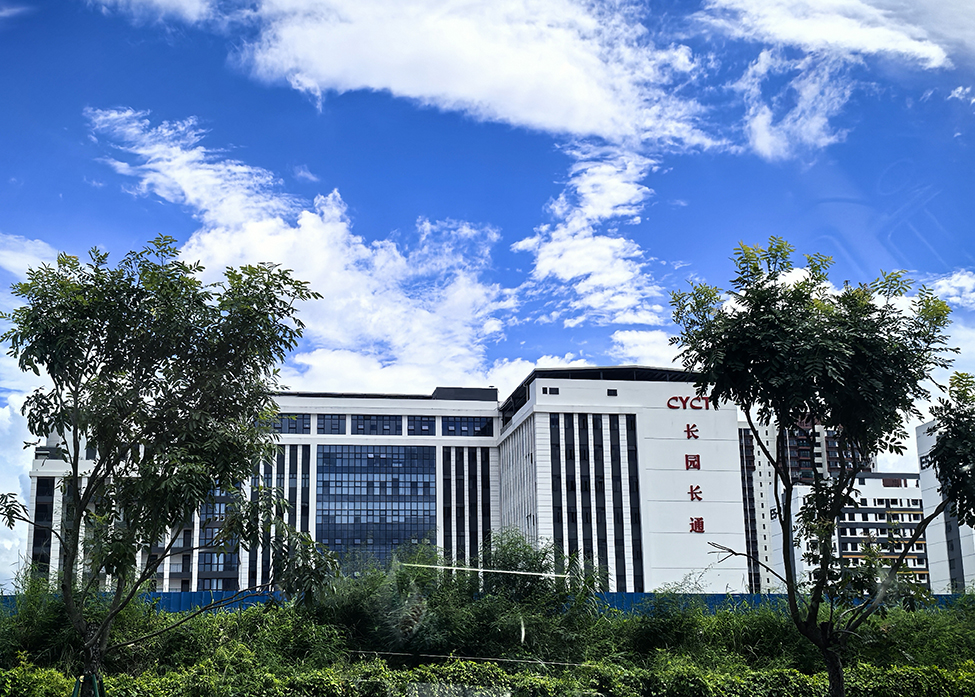
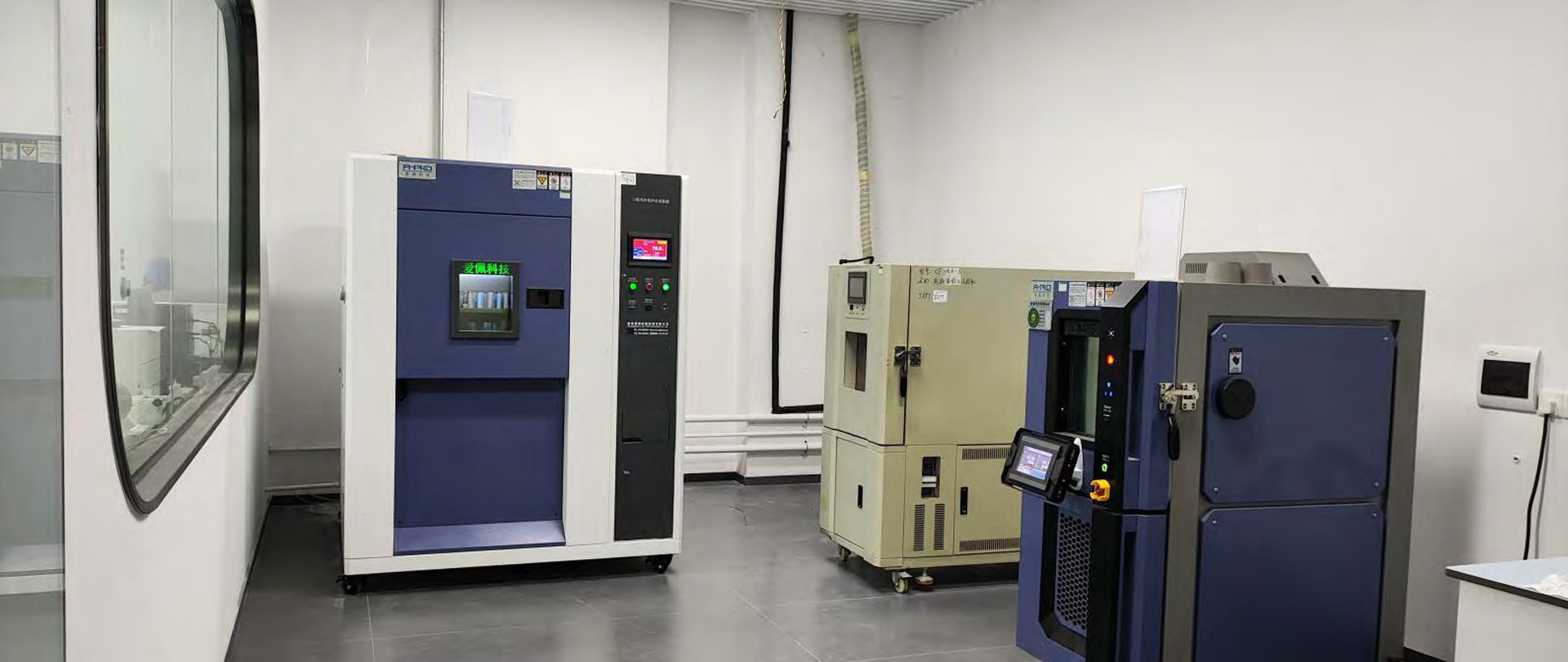
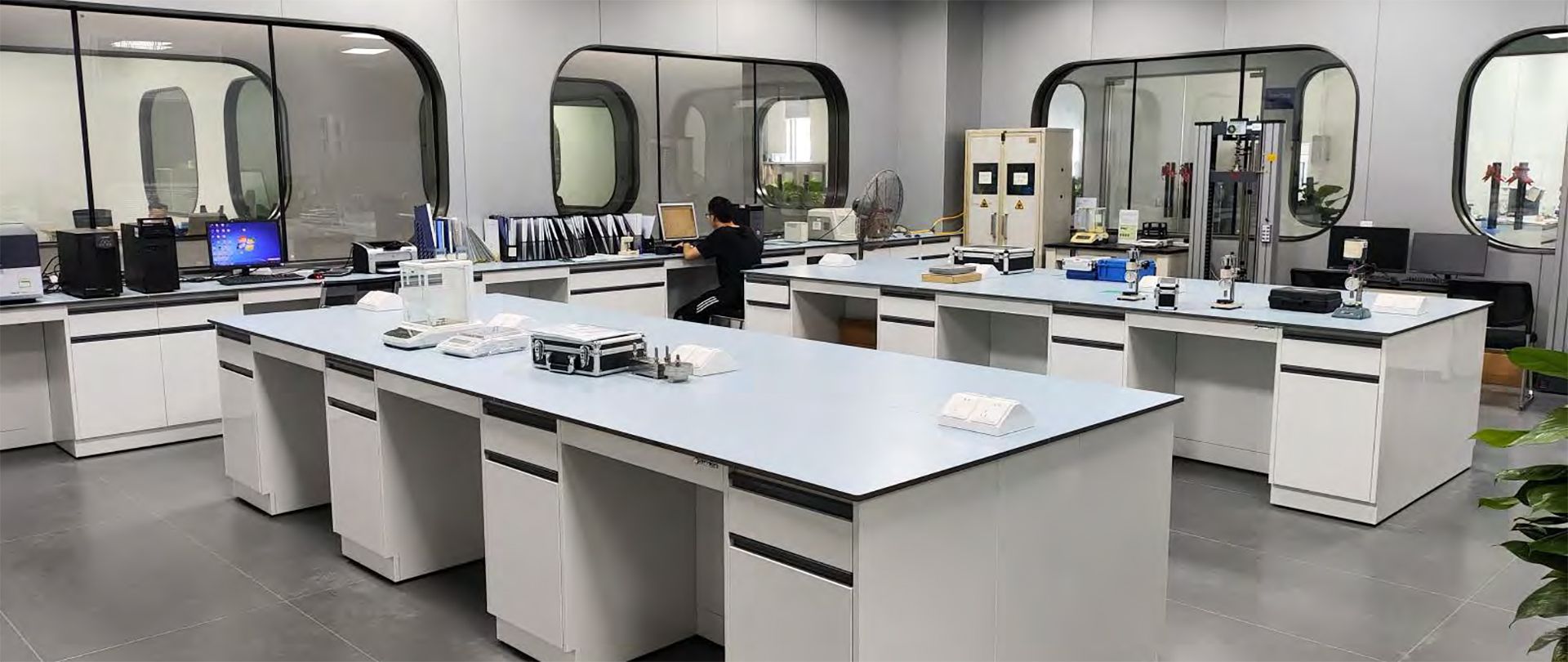
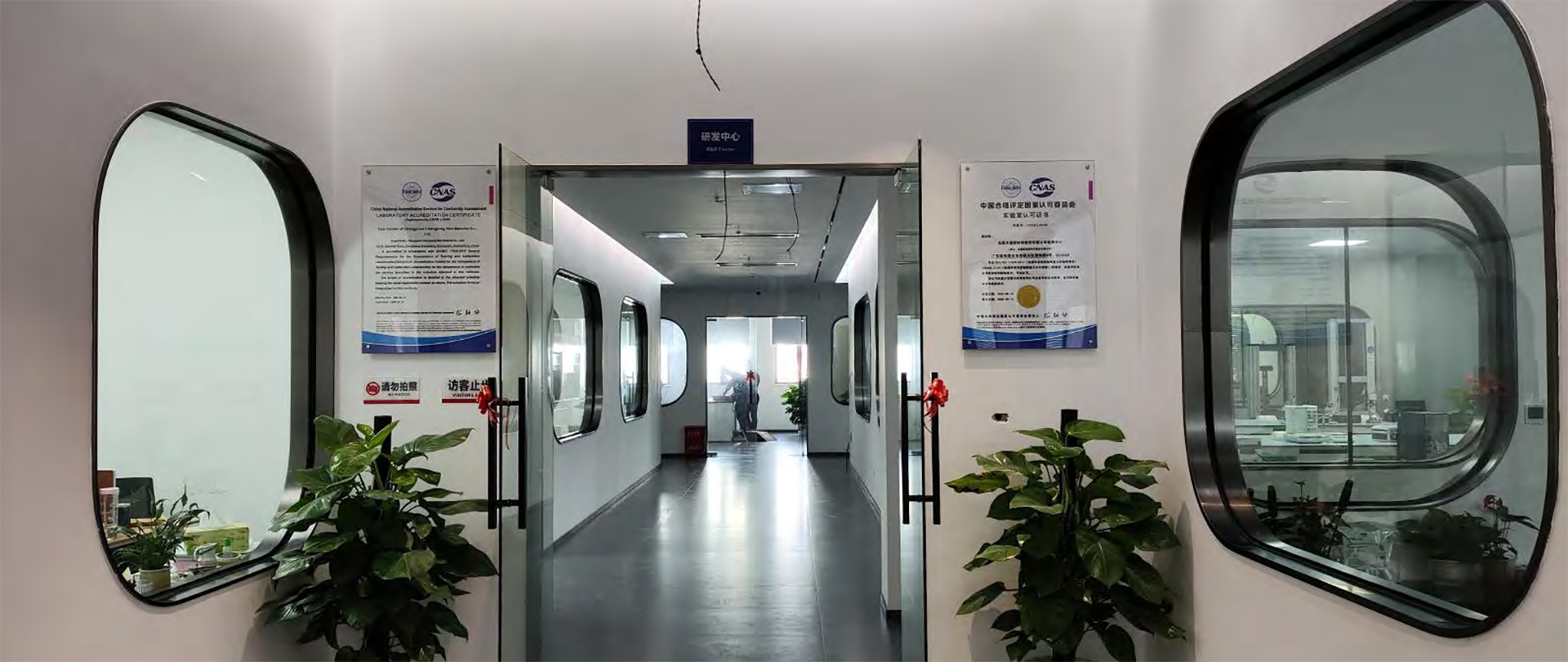
Ensuring field joint coating materials conform to critical engineering parameters across multiple continents.
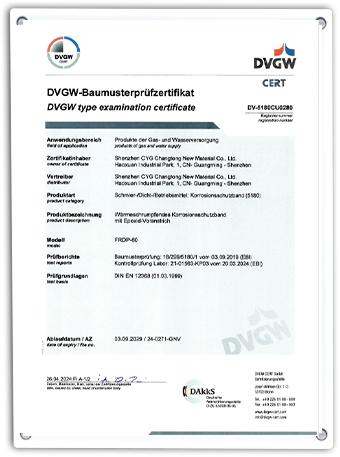
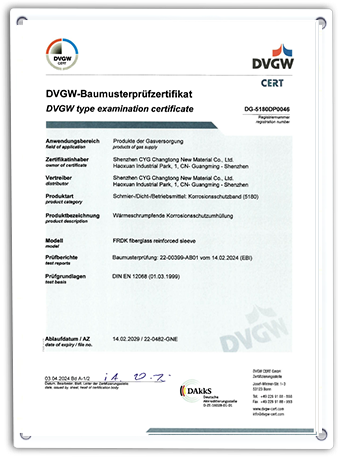
At CYCT, we understand that supply chain logistics must be backed by uncompromising local compliance and on-the-ground support. Corrosion protection standards vary by territory. While North American markets lean on ASTM, AWWA C214, and NACE SP0169 frameworks, European and Middle Eastern pipeline networks predominantly specify EN 12068 and ISO 21809-3 guidelines.
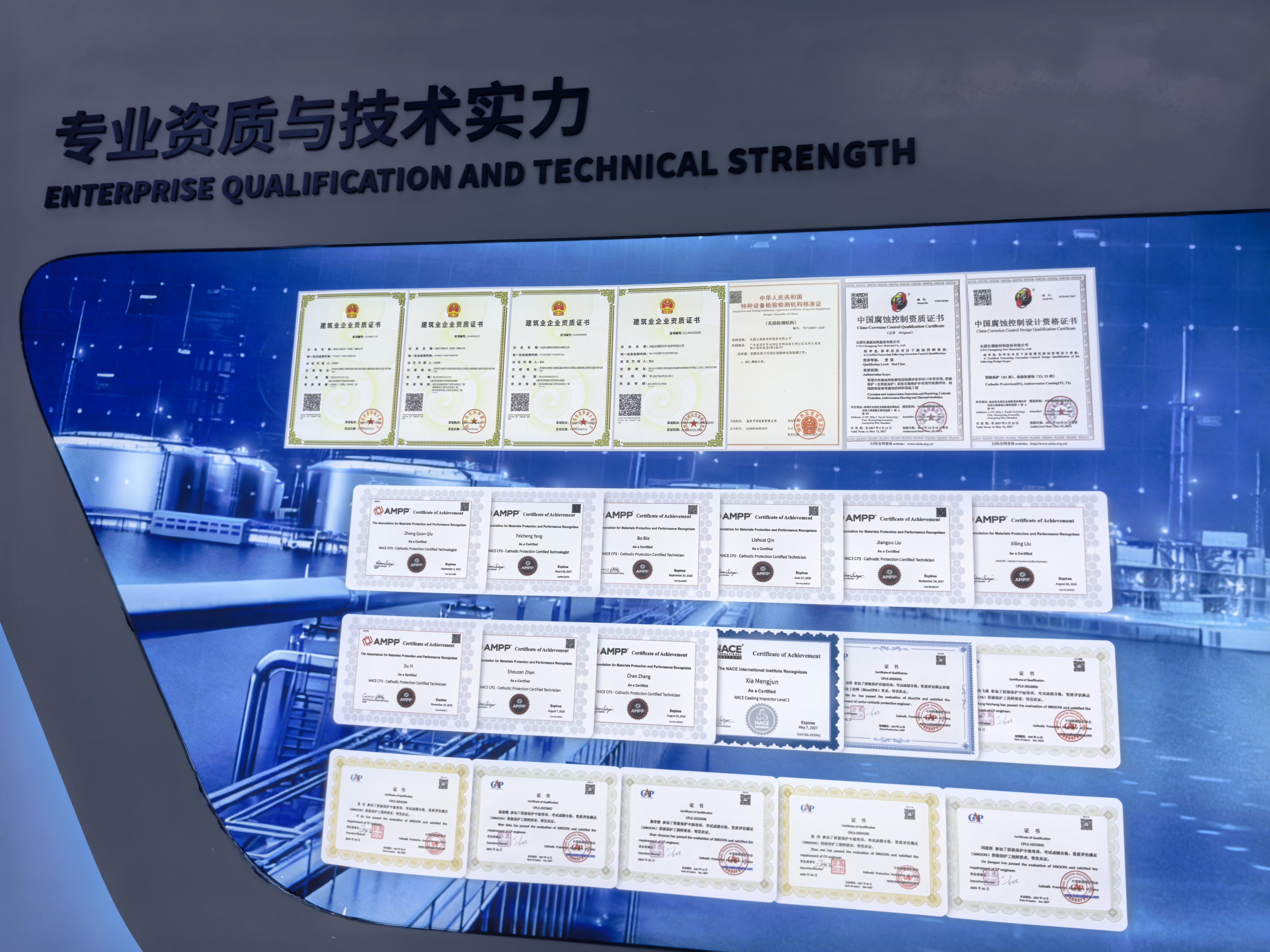
To facilitate seamless regulatory clearance and field approval, CYCT provides extensive technical dossiers. Our products are engineered and tested in our national CNAS-accredited laboratory, proving compliance under rigorous conditions including:
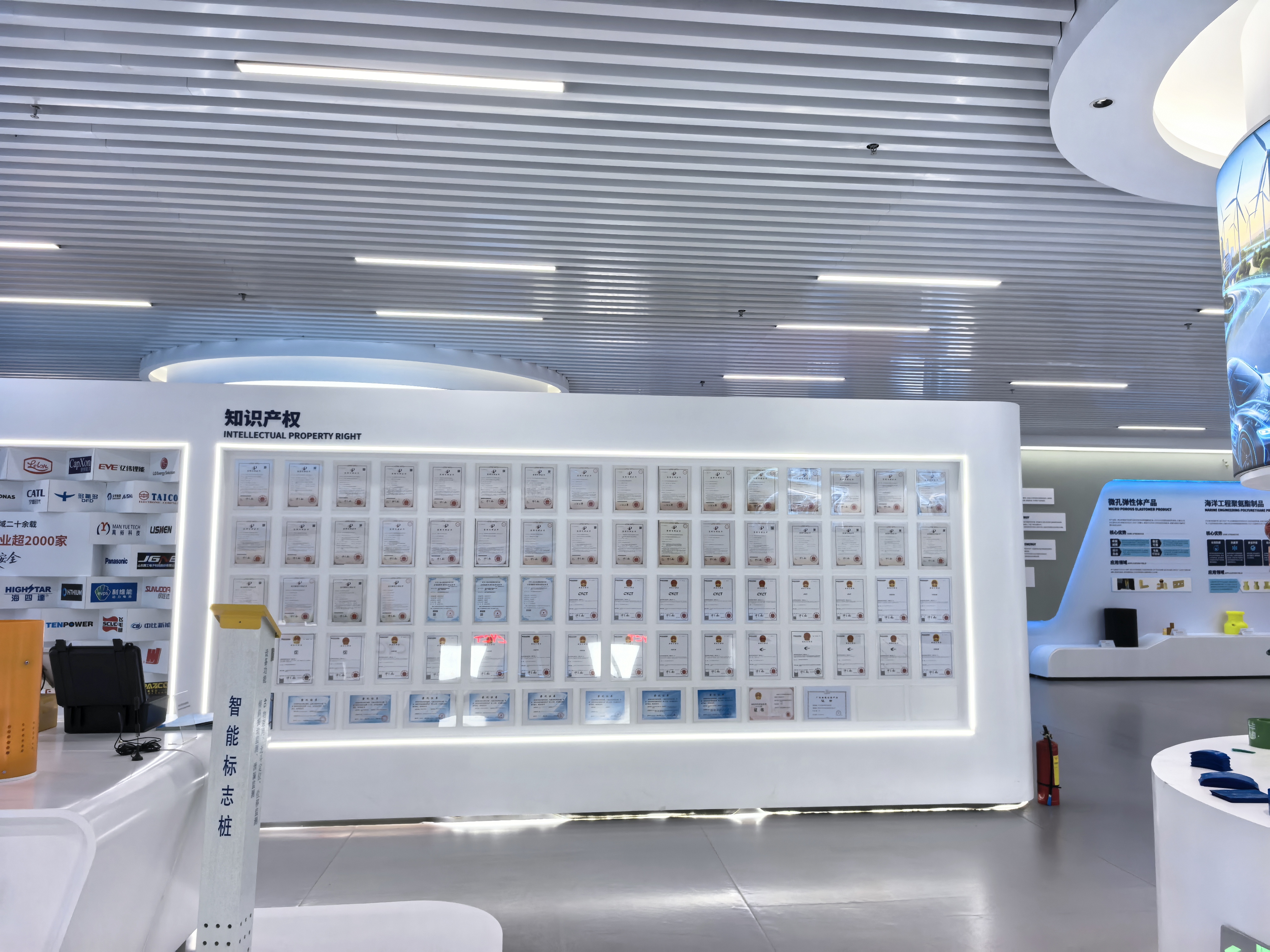
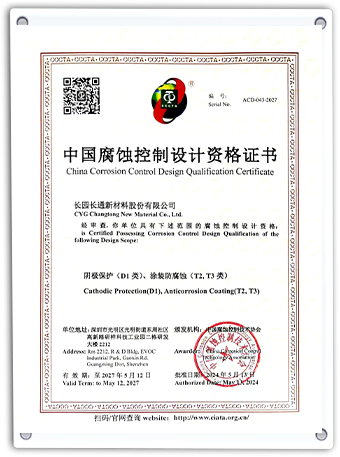
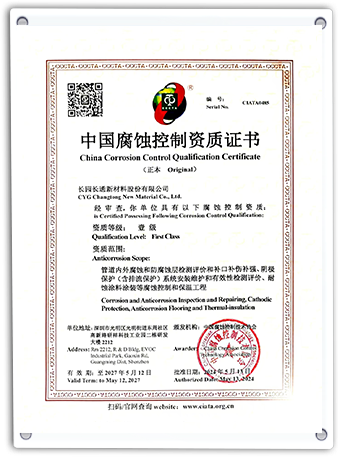
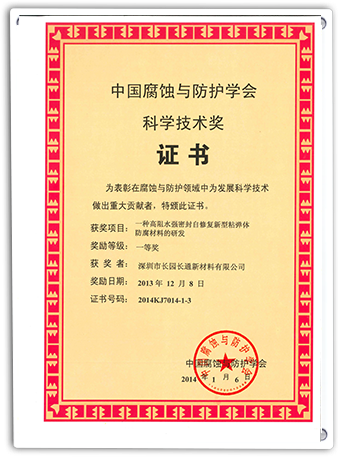
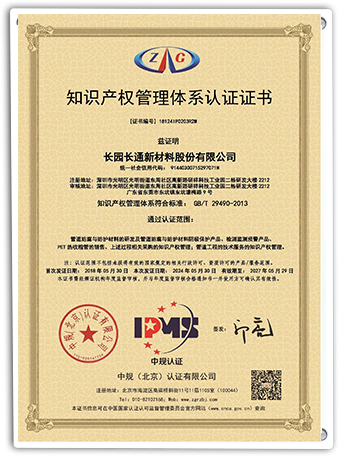
Council Member of the Chinese Society for Corrosion and Protection (CSCP), certified in Corrosion Protection Construction, Pipeline Detection, and recognized as a State-Level High-Tech Enterprise with dozens of proprietary intellectual property rights. Proud partner of PetroChina, Sinopec, China Gas Group, and Indian Oil.
The performance demands for watertight sealants are highly environment-specific. CYCT designs and produces products tailored for diverse operating environments:
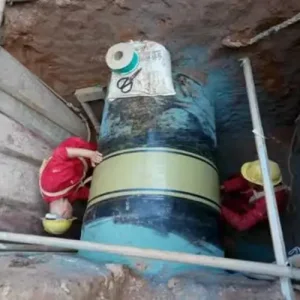
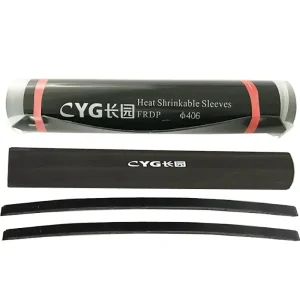
For buried oil and gas pipelines, field joints are the most vulnerable points. Using our FRDP 80°C and 60°C Heat Shrinkable Sleeves, pipeline operators achieve joint protection equivalent to the parent mill-applied 3LPE (Three-Layer Polyethylene) coating. The mastic or hot-melt adhesive creates an impermeable barrier that handles structural soil stresses and resists moisture migration.
During HDD pull-back operations, traditional heat shrink sleeves can experience extreme shear stress, resulting in tearing and water ingress. CYCT's specialty photo-curing sleeves and GFRP Reinforcement Repair Solutions offer rock-hard mechanical armor, preventing outer-jacket damage during pipe pulling.
For deepwater oil pipelines operating at higher temperatures, polypropylene insulation is common. CYCT developed the FRPD-PP Heat Shrinkable Sleeves specifically for factory-coated polypropylene joints and fittings, ensuring high-temperature shear resistance and reliable watertight bonding.
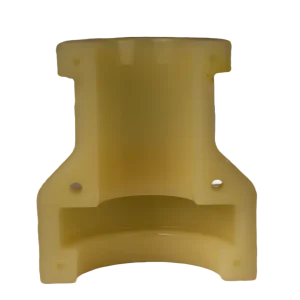
Subsea installations require maximum resistance to hydrostatic pressure and cathodic disbondment. Our Polyurethane Bend Restrictors and heavy-duty mastic systems prevent physical degradation and ocean-water ingress under dynamic current loads.
How vertical integration, modern manufacturing technologies, and localized supply systems guarantee premium quality and cost-efficiency.
China's advanced materials manufacturing corridor provides CYCT with unmatched production benefits:
The anti-corrosion sector is moving toward smarter, greener, and higher-temperature-resistant protective coatings. Standard 60°C limits are being replaced by demands for materials that can withstand continuous operational temperatures exceeding 85°C to 120°C.
Additionally, the industry is increasingly adopting hybrid coating technologies. These combine the high chemical resistance of liquid epoxies with the robust mechanical shielding of radiation-crosslinked polyolefin wraps. CYCT is actively researching bio-based sealants and intelligent, sensor-embedded heat shrinkable sleeves capable of monitoring moisture ingress and cathodic disbondment in real time.
Detailed technical answers to common questions asked by engineers, procurement managers, and QC inspectors.
High-integrity repair patches, hot melt fillers, and specialized polyurethane bend restrictor systems from CYCT.
 CYCT
CYCT