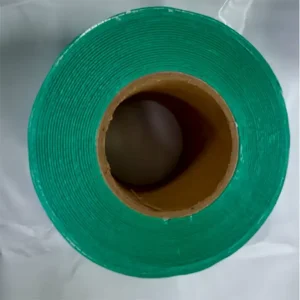
Explore our state-of-the-art joint coatings, repair products, and viscoelastic systems optimized for modern pipeline infrastructures.
The physics and polymer chemistry behind modern pipeline barrier protection
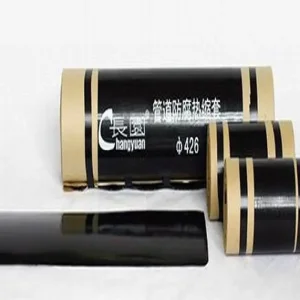
Water intrusion is the single most critical initiator of corrosion under insulation (CUI) and cathodic disbondment in oil, gas, and municipal water pipeline networks. Water resistant heat shrink tubing and sleeves function as robust, impenetrable barrier mechanisms that prevent moisture, oxygen, and corrosive ions from reaching bare steel pipe weld joints. As an industry-leading OEM factory, CYCT utilizes advanced scientific methodologies to manufacture materials capable of providing durable sealing performance across decades of buried or subsea deployment.
The functionality of high-performance moisture sealing is governed by three primary pillars: Radiation Polyolefin Cross-linking, Viscoelastic Polymer Flow, and High-Performance Adhesive Rheology.
A look into our heritage of excellence, R&D depth, and partnership with global giants
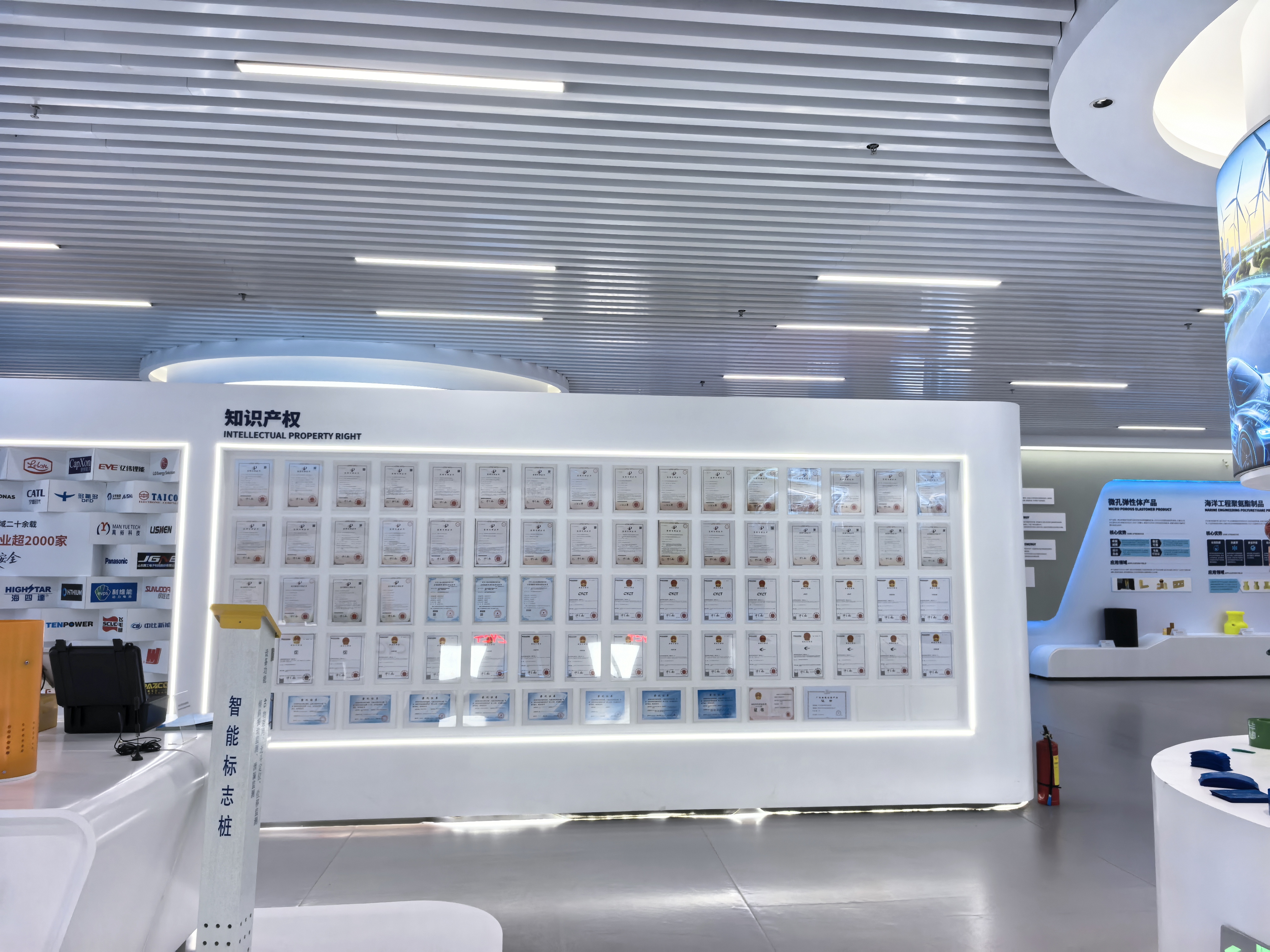
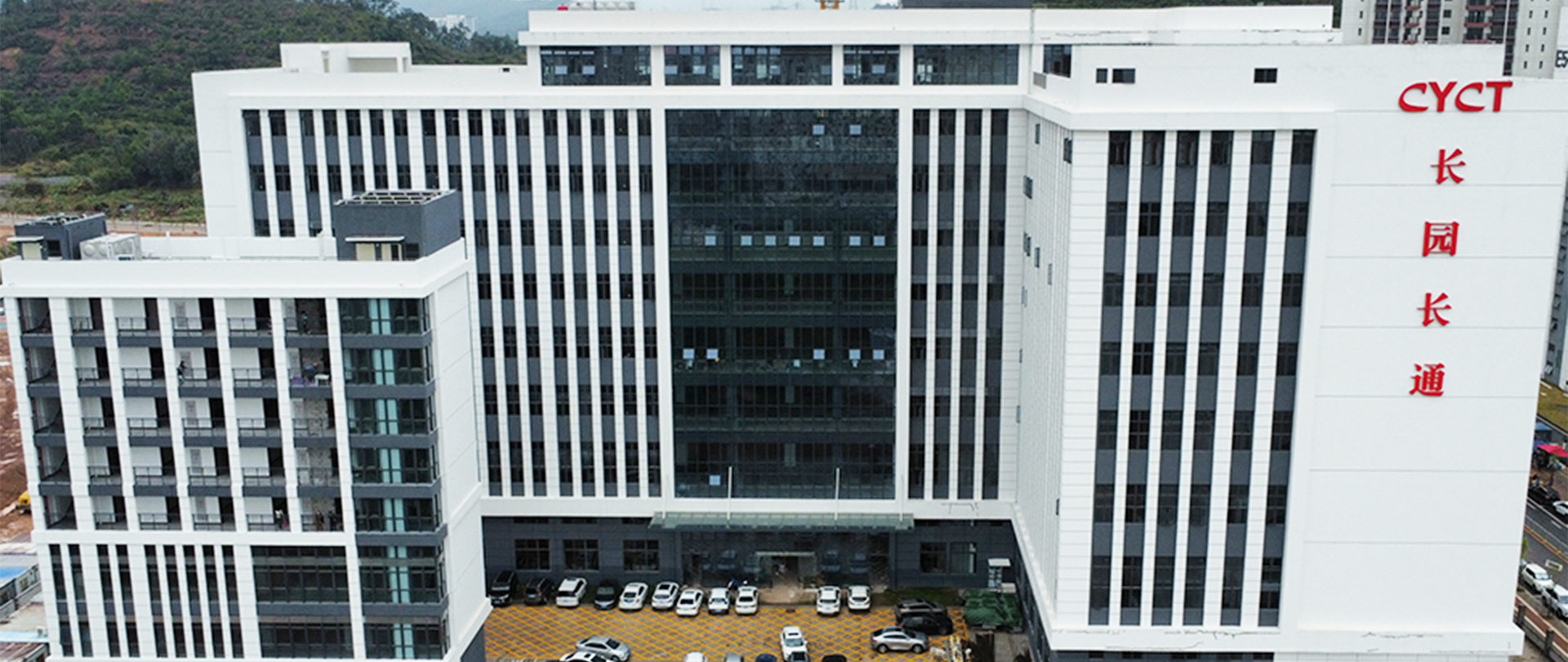
CYCT New Materials Company Limited (for short, CYCT) is a state-level high-tech enterprise integrating R&D, production, and sales of pipeline corrosion protection materials. Over decades of devotion, CYCT has developed an industry-leading position, offering buried pipeline detection services and field coating application alongside our product manufacturing capabilities.
Founded in 2000, our journey has been defined by technological breakthroughs. By fostering collaborations with top-tier research institutes, such as the CNPC Pipeline Science Research Institute, CYCT delivers turnkey solutions covering structural design, cathodic protection compatibility, rehabilitation, and integrated pipeline protection.
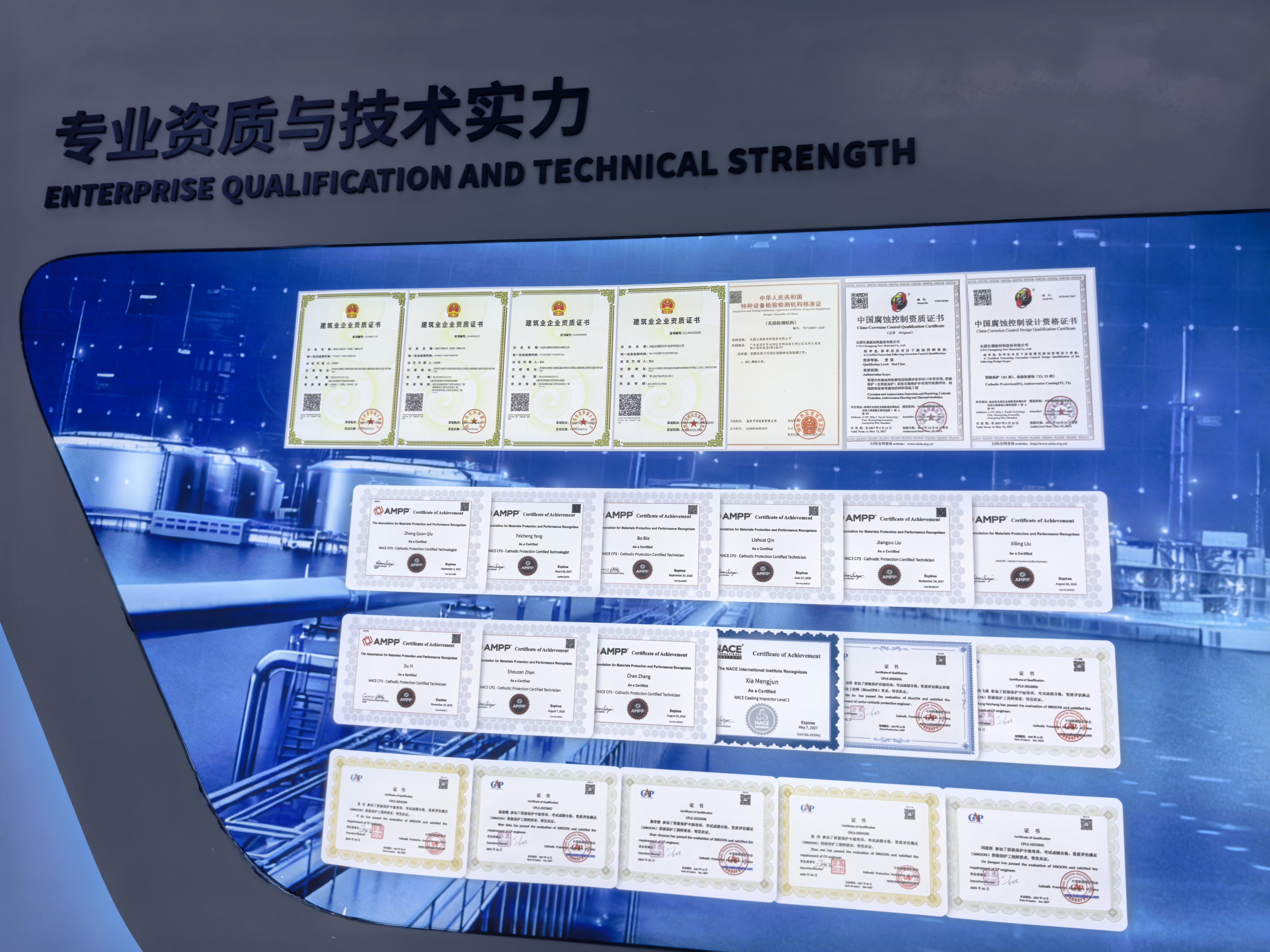
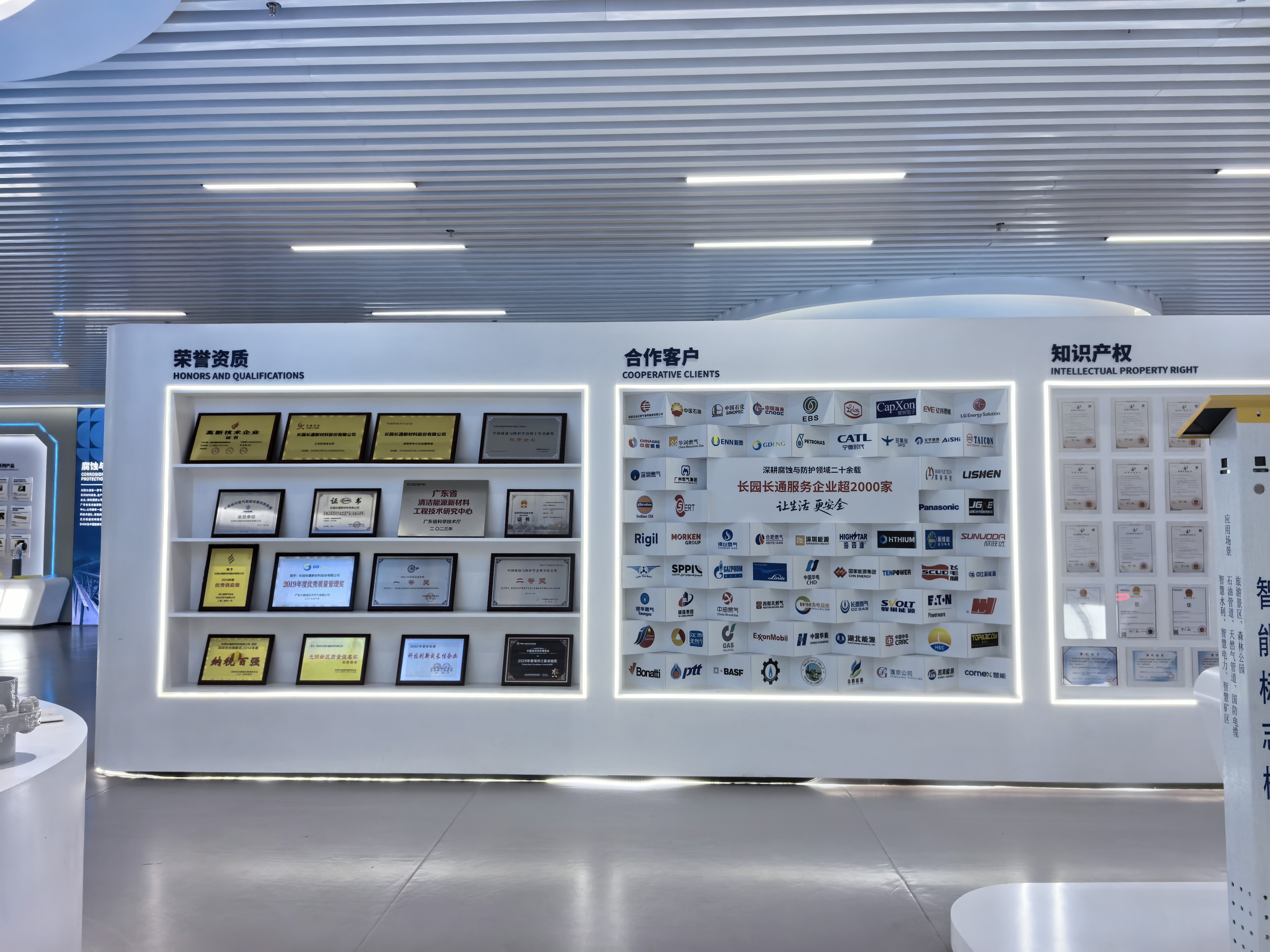
We are a certified member of the Council in the Chinese Society for Corrosion and Protection (CSCP) and maintain a corporate membership in the China Association of Petroleum Engineering Construction (CAPEC). Our materials are stable, trusted components deployed globally by PetroChina, Sinopec, PipeChina, Indian Oil, and local municipal utility operators.
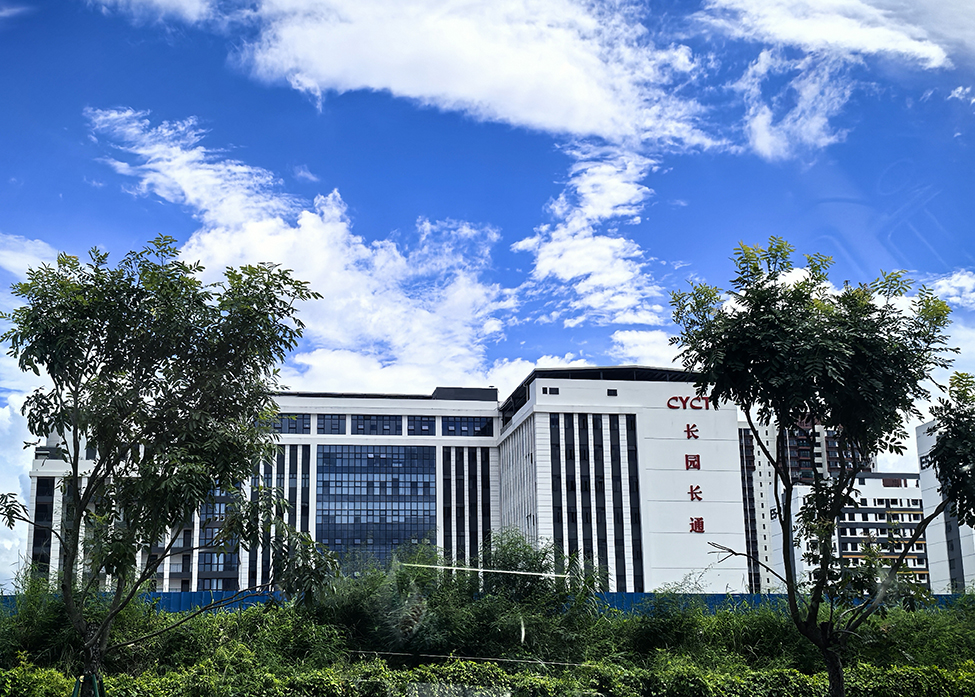
Why procurement managers worldwide trust China's premier high-tech pipeline coating manufacturer
By producing advanced polyolefin backings and compounding viscoelastic mastic sealants in-house, we eliminate intermediate supply chain margins, passing direct savings to our OEM clients.
Every engineering environment is distinct. We customize hot-melt backing compositions, thickness variations, and viscoelastic properties to perfectly match localized ambient temperatures and stress cycles.
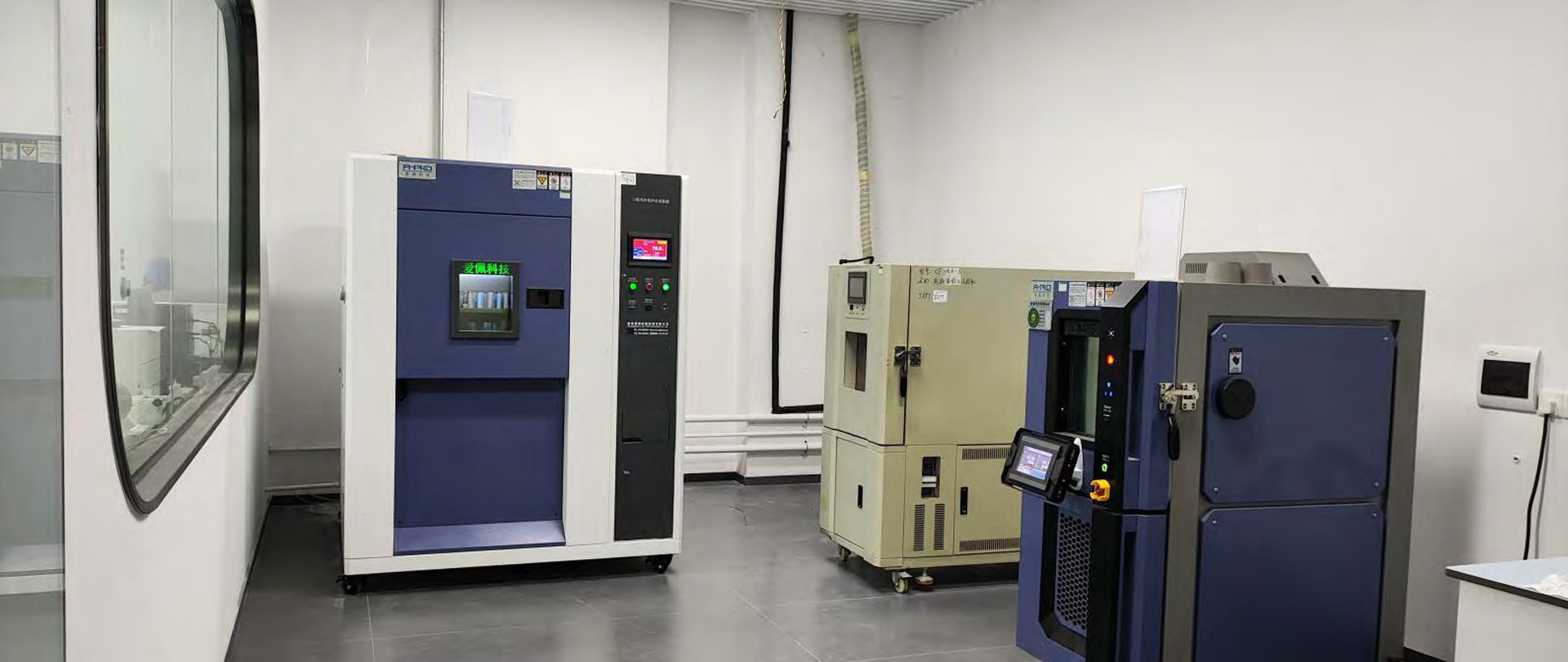
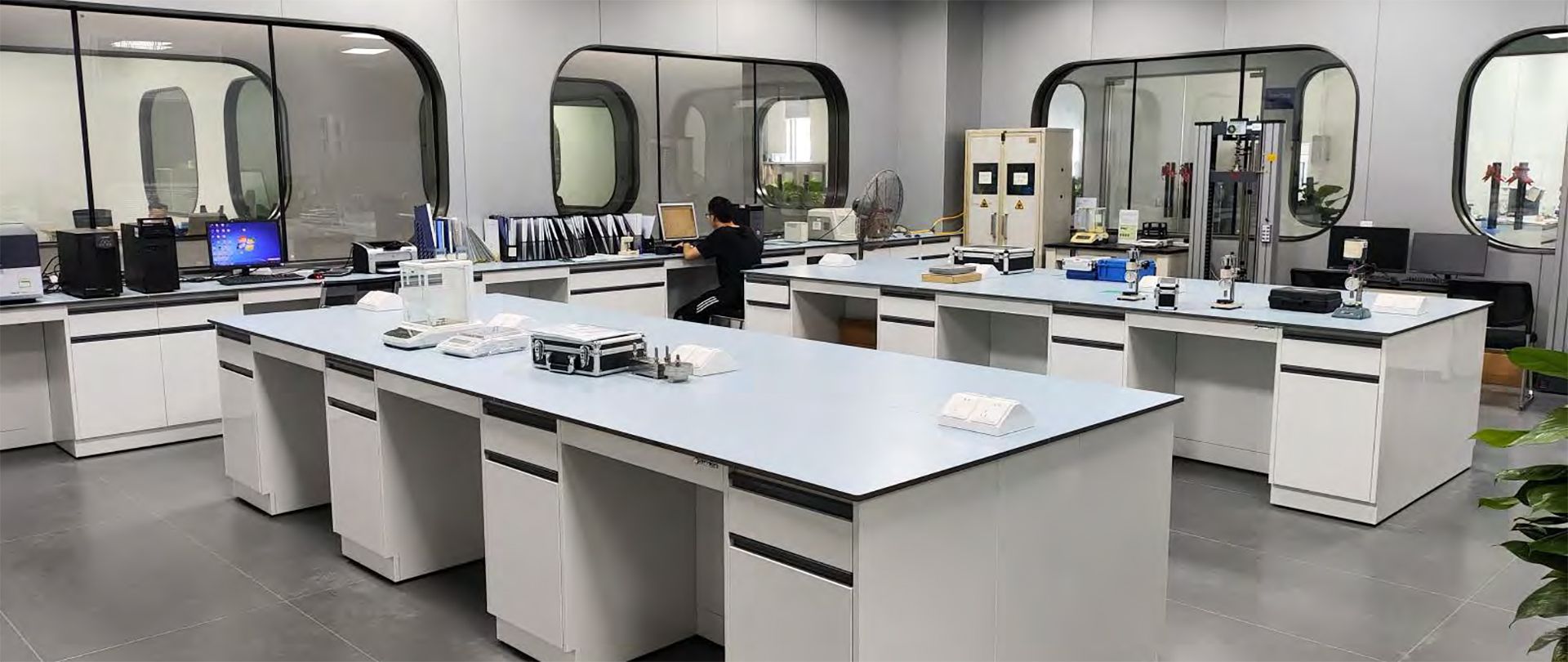
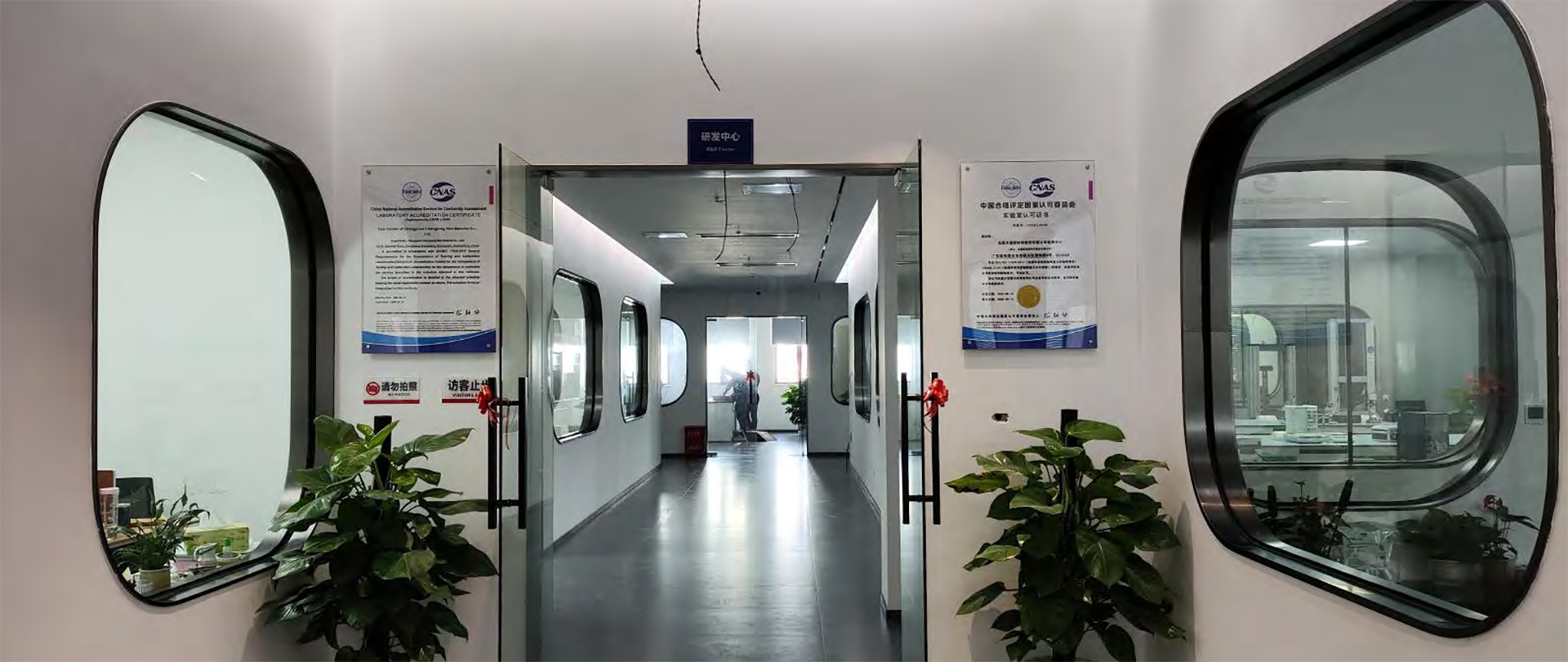
Our dedicated National CNAS-accredited laboratory executes rigorous shear, peel, and elongation tests on every batch, ensuring compliance with international standard profiles.
From horizontal directional drilling to subsea oil extraction: engineering solutions that last
Modern mega-projects necessitate high safety parameters and minimal downtime. In today's interconnected infrastructure grid, pipeline systems face extreme environments. Heat shrinkable technology and viscoelastic materials from CYCT are engineered to perform in various specialized, localized applications:
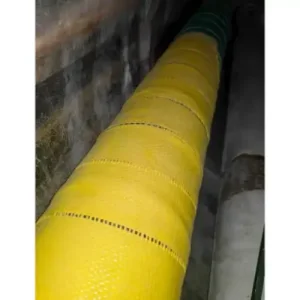
During HDD operations, pipelines are pulled through long underground boreholes, exposing the field joints to extreme frictional drag and mechanical abrasion from rock and compacted soils. Standard heat shrink sleeves can buckle or tear under such forces. CYCT's *Heat Shrinkable Fiberglass Reinforced Sleeves* utilize a robust composite design, reinforcing high-density polyolefin with resilient glass fibers. This configuration absorbs the shear stress, shielding the underlying anti-corrosion barrier.
Offshore marine environments subject pipelines to severe mechanical stresses from waves, shifting currents, and chemical degradation from saltwater exposure. CYCT's specialized *Moisture Curing Shield* and viscoelastic tape solutions supply marine structures and offshore field joints with continuous protection. These materials cure dynamically upon interaction with humidity or direct ocean exposure, establishing a hard outer shield that locks out marine micro-flora and chlorides.
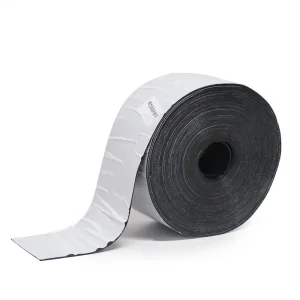
Downstream transport lines carrying crude hydrocarbons or refined gas are operated at elevated temperatures to reduce viscosity and optimize throughput. Standard coatings often soften and slide off at temperatures above 50°C. CYCT's specialized *OEM 80℃ FRDP Heat Shrinkable Sleeves* and *High-Temperature PE Cold Tapes* are specifically designed with cross-linked polymer backings and high-viscosity adhesives. This molecular design keeps the sleeve firmly locked in place under continuous thermal cycling up to 80°C, preventing sagging, disbondment, or oxidative degradation.
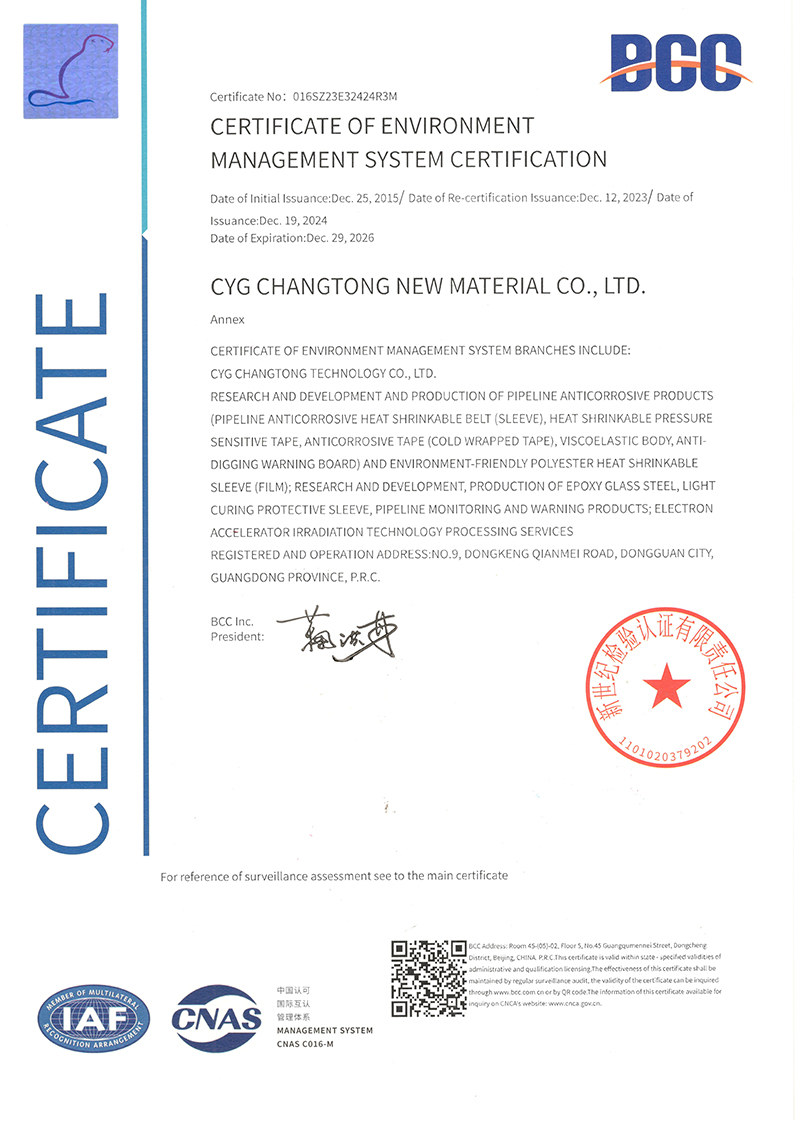
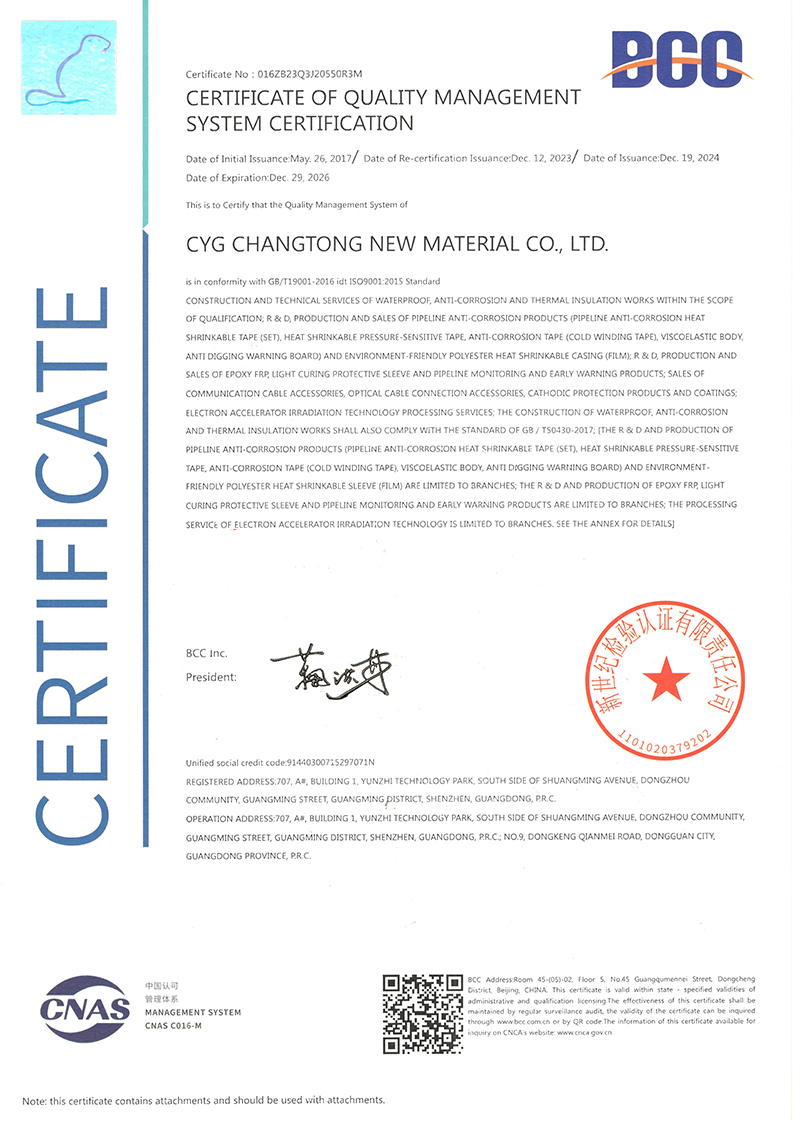
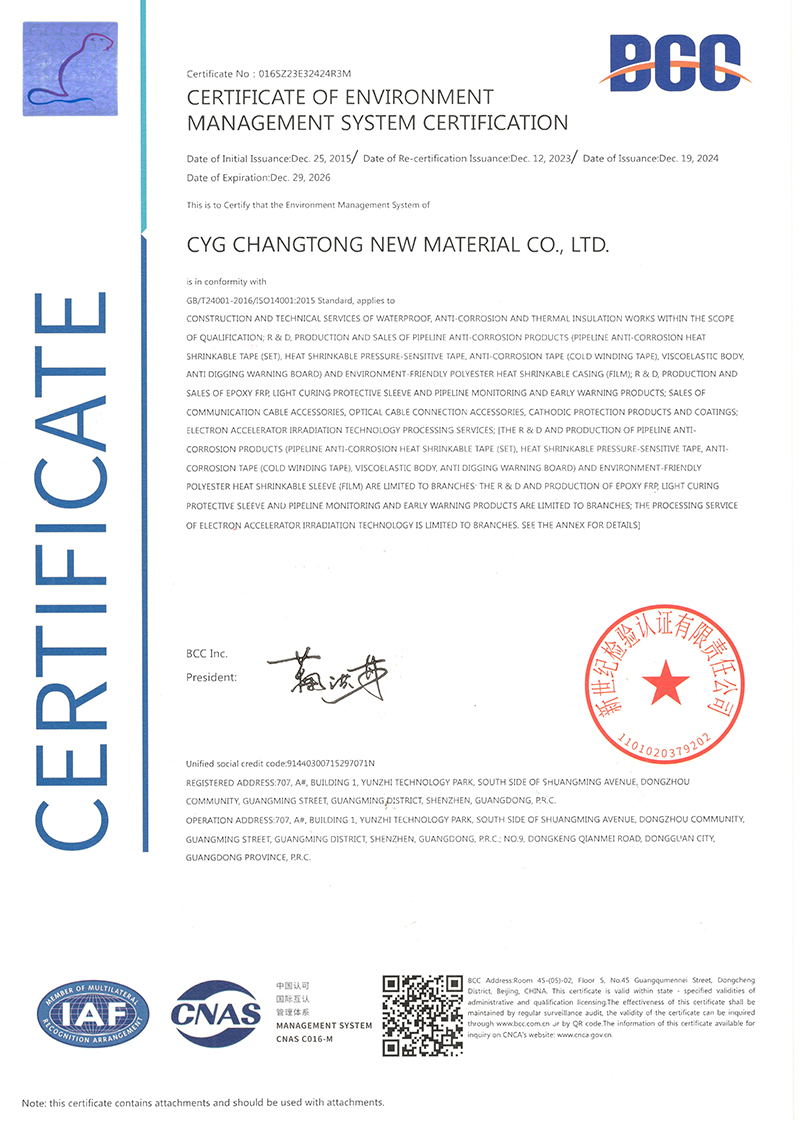
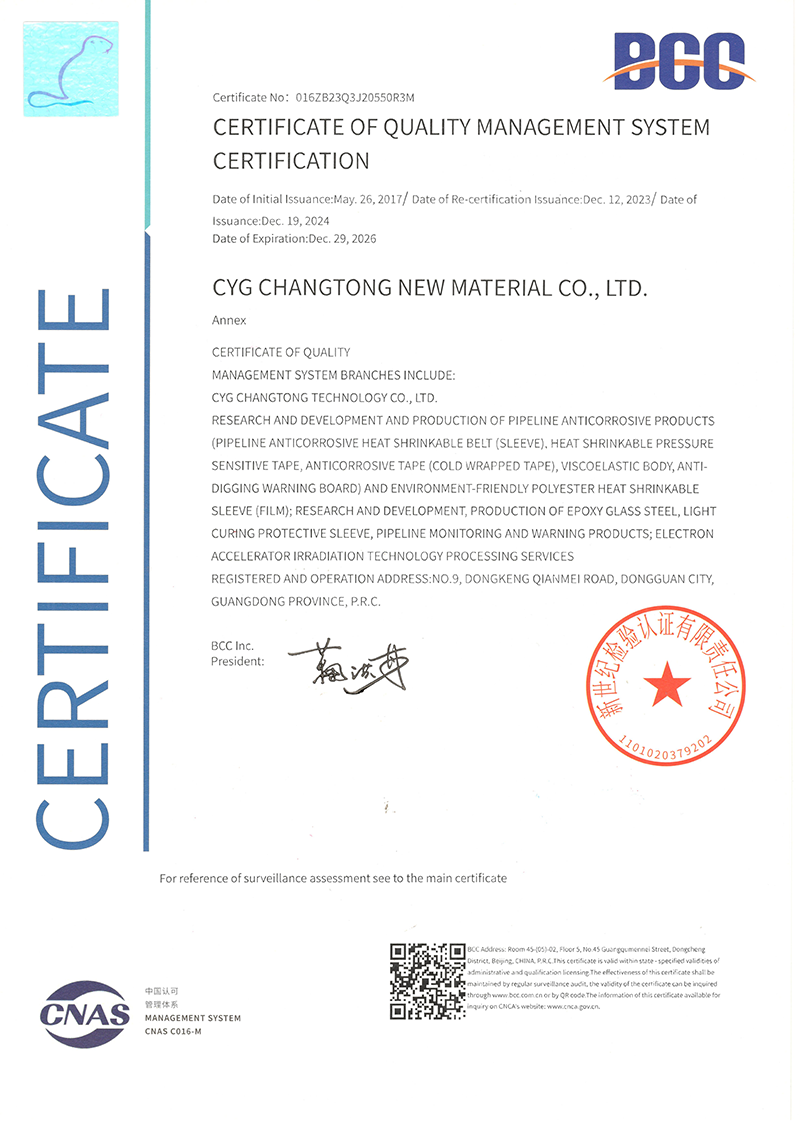
Authorized quality benchmarks confirming CYCT as an elite supplier to global oil, gas, and power grids
Detailed professional answers targeting technical parameters, performance limitations, and customized procurement requirements.
Viscoelastic coating systems maintain permanent, cold-flow fluid characteristics, meaning they never cure or harden. This gives them self-healing capabilities, allowing them to flow back into minor scratches or pinhole damages. Conventional heat shrinkable sleeves, conversely, are cross-linked polyolefin backings coated with hot-melt copolymer adhesives. They shrink when heated, creating a tough, rigid mechanical shell. Both systems are highly effective: viscoelastic is favored for complex shapes and rehabilitation projects due to minimal surface preparation requirements, while heat shrink sleeves are ideal for weld joint protection in new, long-distance pipelines requiring high structural strength.
Radiation cross-linking exposes high-density polyethylene to an electron beam, forming covalent bonds between polymer chains. This molecular mesh prevents water vapor molecules from penetrating the backing material. It also increases the material's shear strength, chemical resistance, and thermal stability. These performance enhancements prevent the backing from hydrolyzing or degrading in water-saturated soils, maintaining a dry environment on the steel pipe surface.
During Horizontal Directional Drilling (HDD), the pipeline is pulled through long boreholes, subjecting the field joints to severe friction and impact from rocks and soils. Standard heat shrink sleeves can shear or tear under these forces. CYCT's Fiberglass-Reinforced Sleeves feature a robust composite structure, reinforcing the high-density polyolefin backing with resilient glass fibers. This configuration absorbs the shear stress, shielding the underlying anti-corrosion barrier.
Yes, as an OEM factory, we specialize in customizing hot-melt copolymer and mastic adhesive chemistry. For projects in high-temperature regions, we formulate specialized high-shear-resistant adhesives that withstand soil stress and thermal expansion cycles up to 80°C without sliding or peeling from the steel pipe.
For standard joint applications, the steel joint area must be abrasive blasted to a minimum Sa 2.5 finish, with a surface profile of 50 to 80 microns. The adjacent mill-applied PE coating should be beveled and cleaned. Pre-heating the steel surface to the specified installation temperature (typically between 70°C to 110°C) is essential to ensure the hot-melt adhesive flows properly and bonds securely.
Under dry, ventilated warehouse storage conditions at temperatures between 5°C and 35°C, away from direct sunlight, our heat shrinkable sleeves and viscoelastic materials have a shelf life of up to 2 years. Proper storage preserves the activation performance of the hot-melt adhesive and the viscoelastic properties of our sealant systems.
Yes, CYCT's non-toxic VE Putty and viscoelastic tapes do not require a primer and are highly hydrophobic. When paired with our high-performance Moisture Curing Shield, they create a robust barrier system that cures under water, providing durable protection for subsea pipeline repairs and marine splash zones.
Our quality management workflow is ISO 9001, ISO 14001, and ISO 45001 certified. Our CNAS-accredited testing laboratory runs batch-testing procedures checking thickness uniformity, peel strength (to steel and PE backings), cathodic disbondment resistance, shear strength, and heat aging stability. These rigorous protocols ensure all materials consistently meet standard specifications before dispatch.
Explore our specialized high-temperature tapes, non-toxic sealing putties, and reinforcement repair products.
 CYCT
CYCT