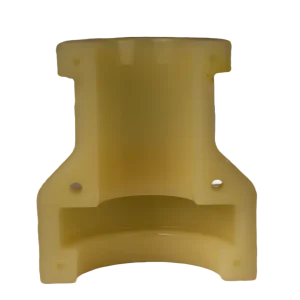
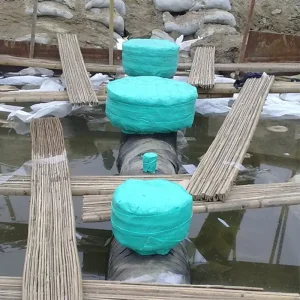
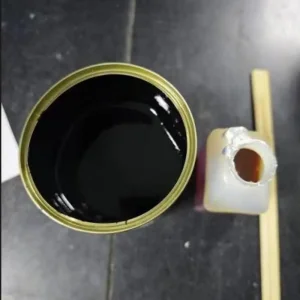
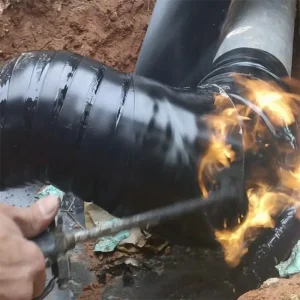
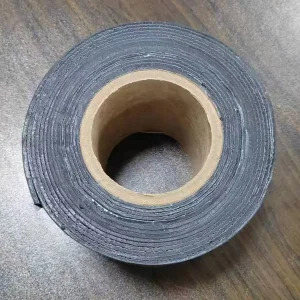
Explore our state-of-the-art protection engineering solutions, customized for high-temperature pipelines, bend restrictors, and field joints.
State-Level High-Tech Enterprise | Founded in 2000
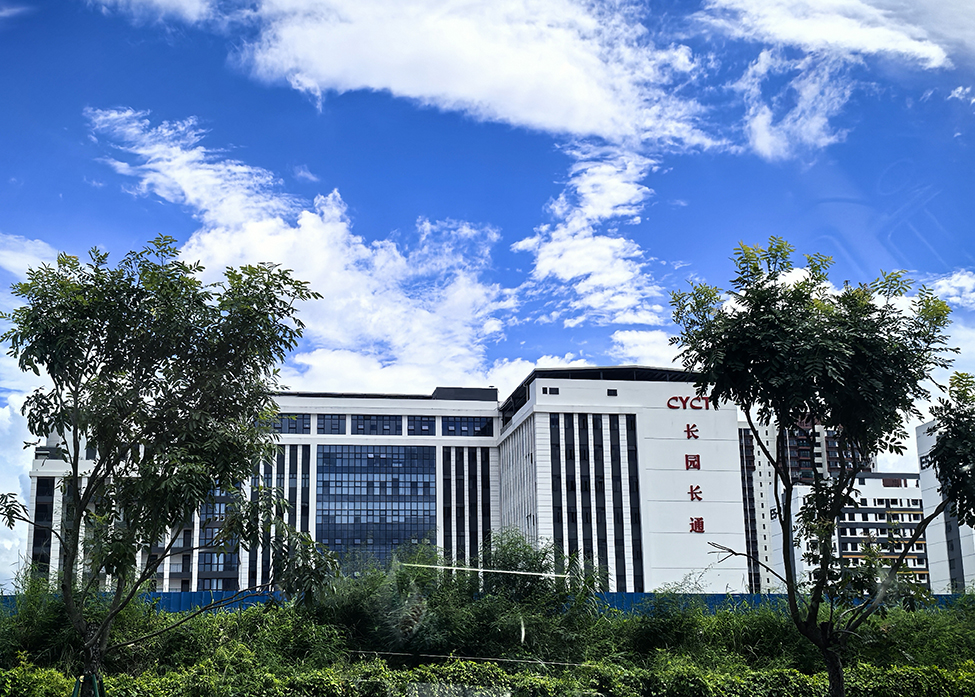
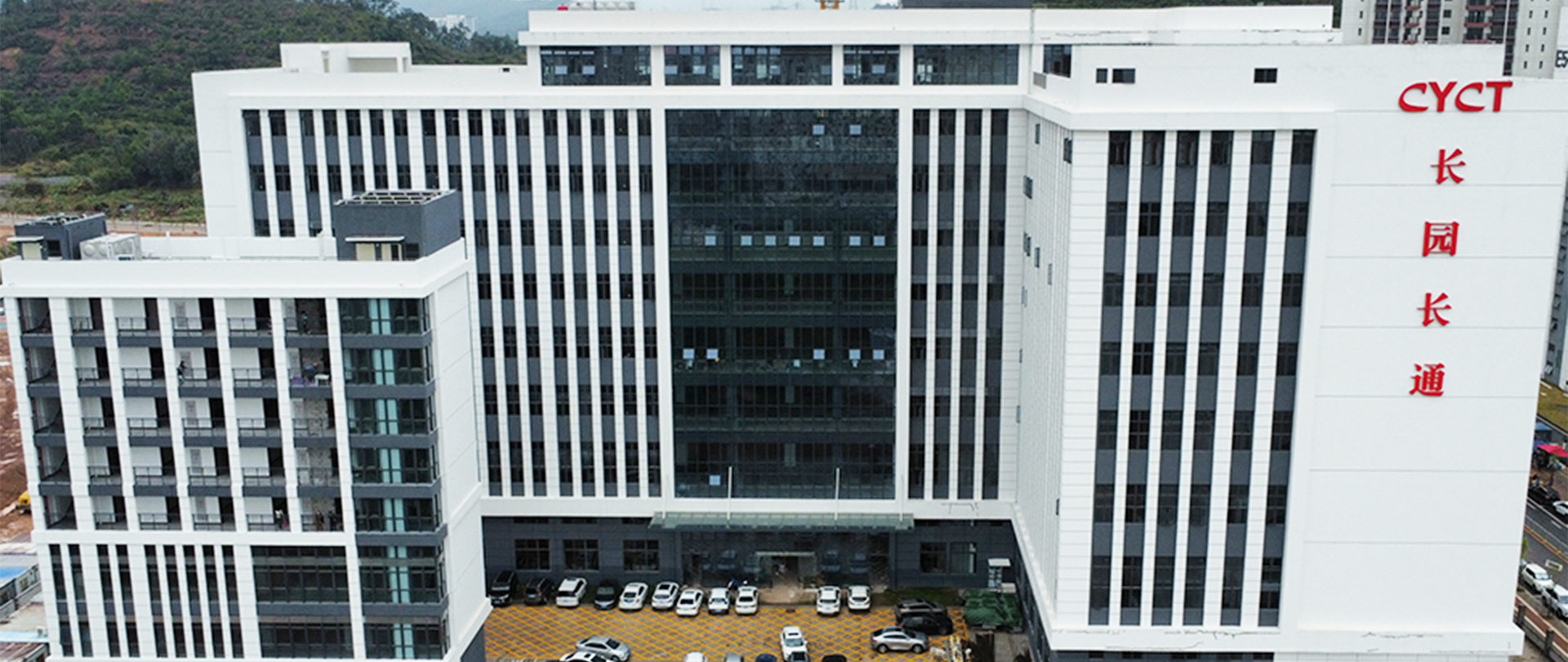
CYCT New Materials Company Limited (for short, CYCT) is a premier state-level high-tech enterprise integrating R&D, production, and sales of pipeline corrosion protection materials, as well as buried pipeline detection services and pipeline coating field application services.
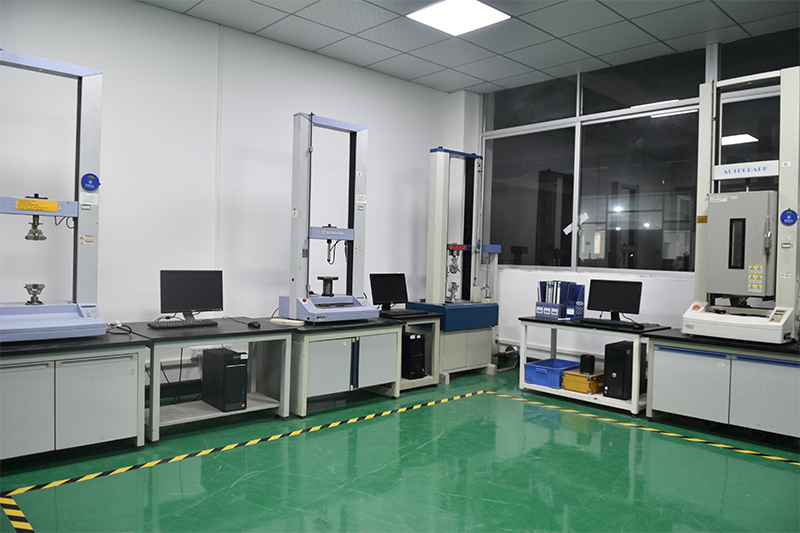
For decades, CYCT has dedicated itself to the research, development, and scaling of advanced pipeline corrosion protection solutions. Equipped with leading testing and R&D capabilities, a professional research team, and a national CNAS-accredited laboratory, we offer unmatched performance in critical infrastructure projects globally.
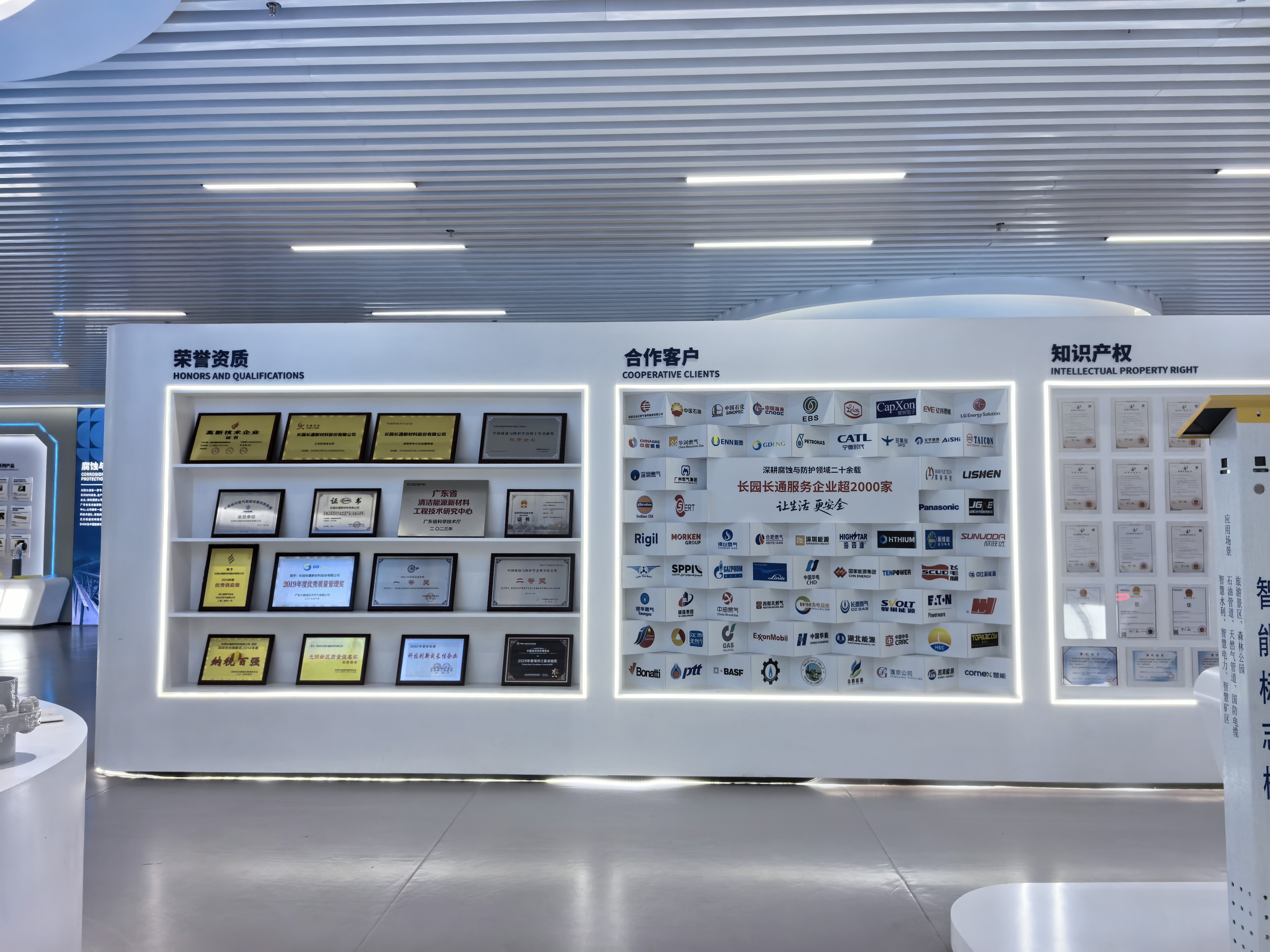
As a trusted, stable supplier of field joint coatings for years in PetroChina, Sinopec, PipeChina, and major municipal pipelines, we hold a commanding market share. We have successfully introduced specialty anti-corrosion innovations including viscoelastic materials, photo-curing sleeves for HDD protection, and specialized polyurea coatings.
Analyzing procurement metrics, market drivers, and standard requirements across global energy sectors.
Global pipeline developers in harsh geographical zones (Middle East deserts, Siberian permafrost, North Sea subsea environments) mandate coatings that maintain molecular flexibility without chemical degradation. Standard tapes fail due to soil stress shearing, forcing operators to switch to high-molecular-weight viscoelastic coatings.
EPCC contractors focus heavily on reduction of installation times and surface preparation costs. Viscoelastic systems eliminate the need for abrasive blasting (allowing St 2 / St 3 preparation instead of Sa 2.5), which reduces project timelines by up to 40%.
Utility networks globally are pushing for a 50+ year design life. Because viscoelastic material possesses dynamic self-healing properties that automatically seal micro-defects caused by soil shifting, long-term maintenance costs drop close to zero.
Understanding the rheological behaviors, thermodynamic properties, and corrosion-prevention mechanics.
Unlike standard cross-linked thermosetting epoxies or high-density semi-crystalline polyethylenes, viscoelastic coatings represent a distinct rheological approach. Formulated from fully saturated amorphous polyisobutylene (PIB) compounds, the material exists as a highly viscous liquid that behaves like an elastic solid over short deformation periods, yet displays fluid-like behavior over extended periods.
This dual nature provides critical advantages:
| Technical Property | Standard Testing Method | CYCT Performance Metric |
|---|---|---|
| Glass Transition Temp (Tg) | DSC (ASTM E1356) | < -45°C |
| Drip Temperature | ISO 21809-3 Annex G | > 95°C |
| Specific Electrical Insulation Resistance | EN 12068 | > 108 Ω·m² |
| Water Vapor Permeability | ASTM E96 | < 0.05 g/m²·24h |
| Cathodic Disbondment (23°C, 28d) | ASTM G8 | 0 mm (Self-healing) |
By establishing deep cooperation with leading research institutions such as the CNPC Pipeline Science Research Institute, CYCT is uniquely capable of providing in-service pipelines with varied technical services. These include buried pipeline detection, design scheme engineering, cathodic protection analysis, rehabilitation project execution, and integrated solutions for the safety protection of pipelines.
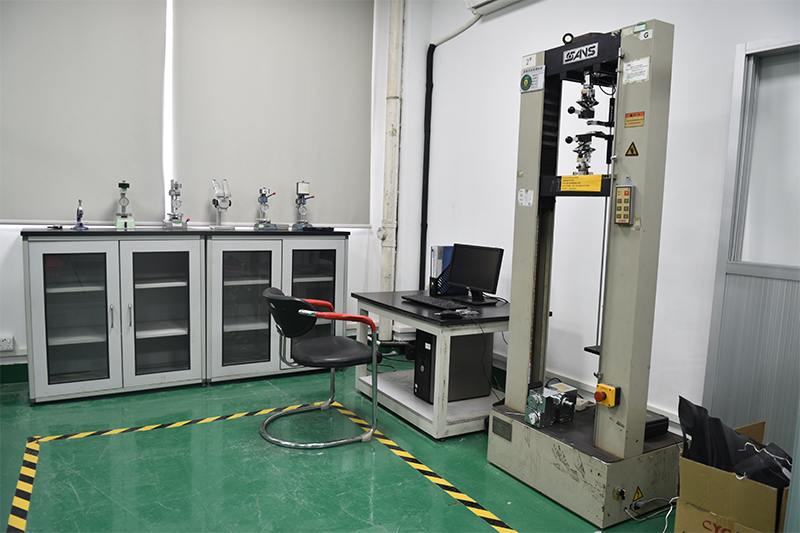
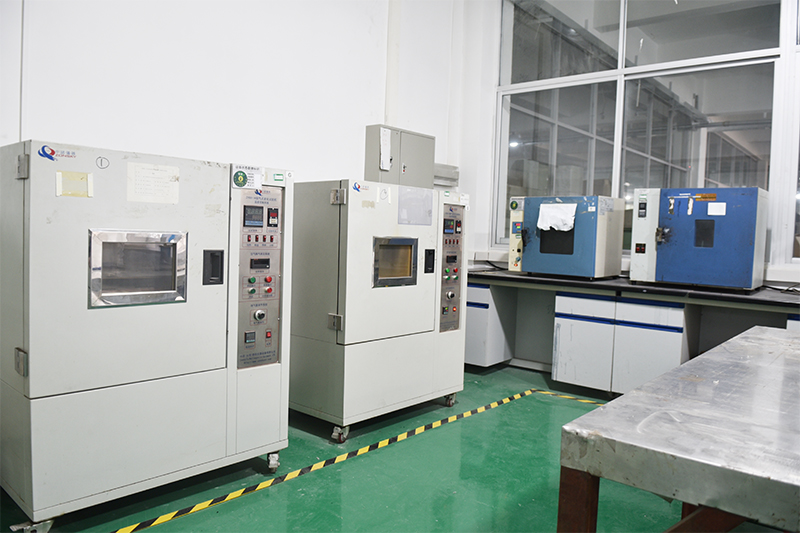
Our national CNAS-accredited laboratory continuously runs stress testing simulations, examining peeling strength under varying temperatures, impact resistance under high-density rocky soil, and thermodynamic behavior under localized current stress. This ensures that every roll of viscoelastic tape and repair patch shipped meets demanding international regulations.
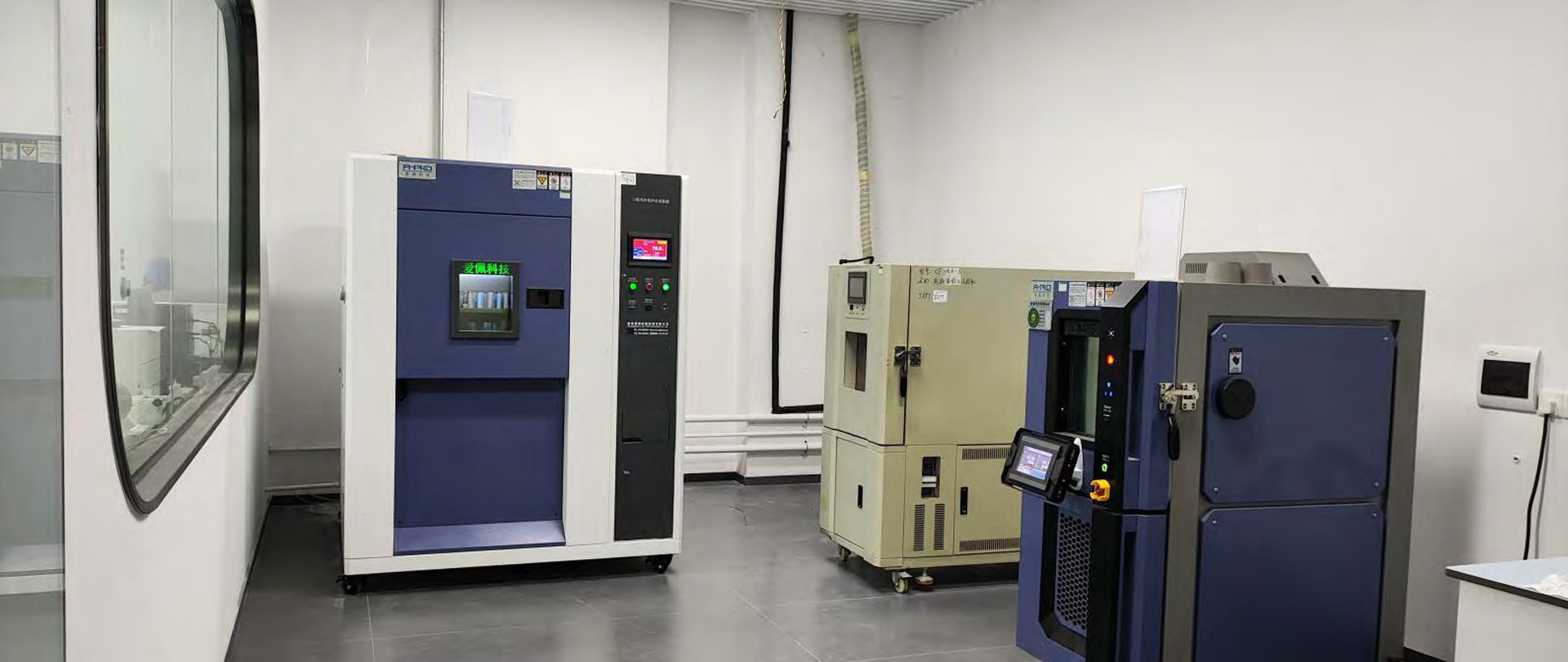
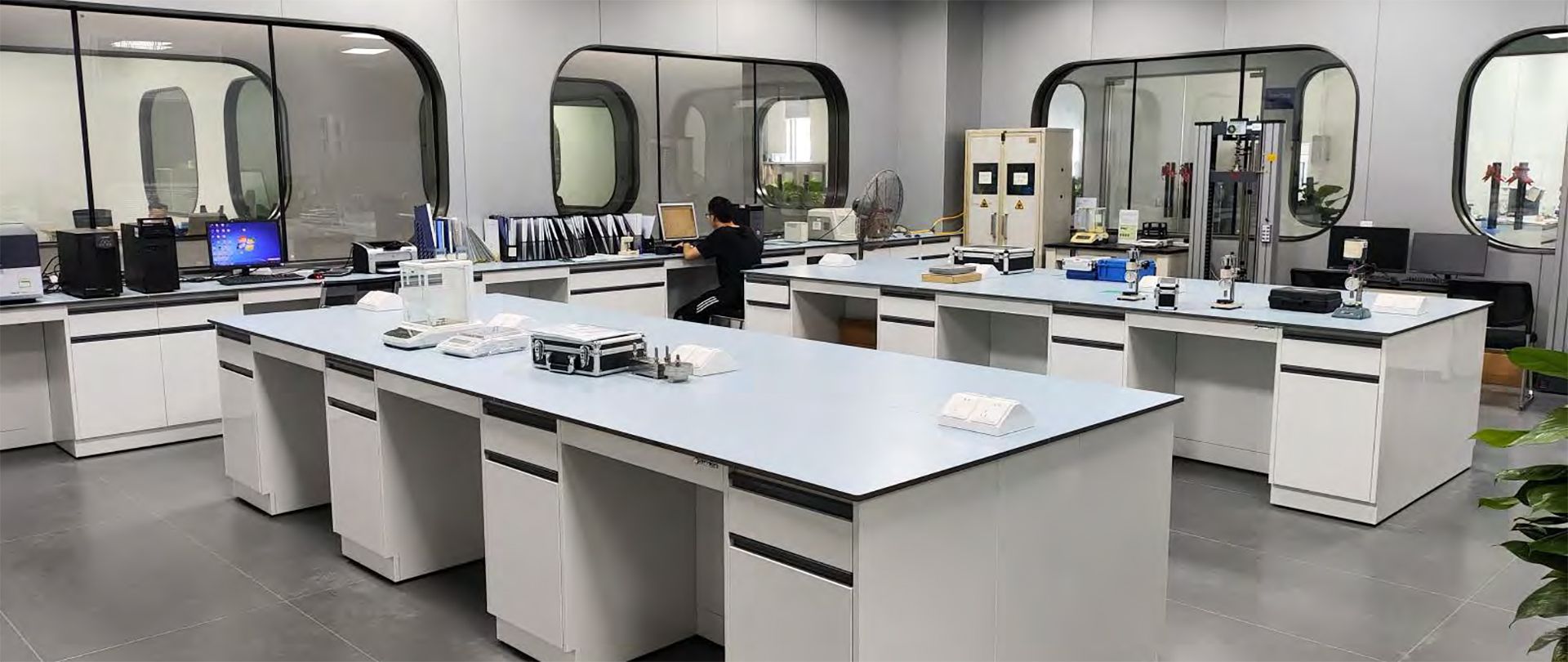
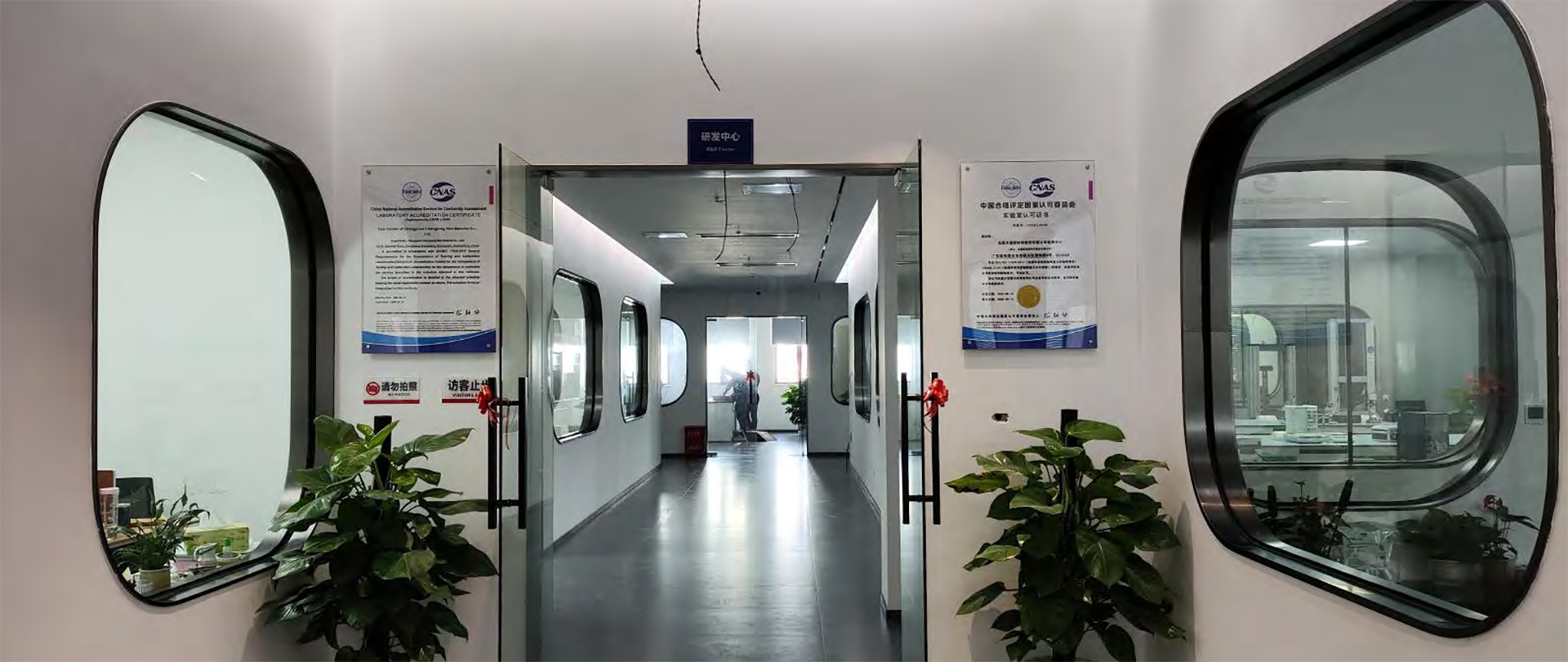
Providing engineered systems across onshore, offshore, municipal, and industrial pipeline infrastructures.
Field joint areas represent the highest risk sector for pipeline corrosion. Using CYCT viscoelastic tapes coupled with robust mechanical protection outer-wraps (PE/PP outer tapes), field joint application achieves seamless fusion with mill-applied 3LPE or 3LPP coatings, establishing continuous shielding.
Excavating and recovering corroded lines requires materials that can tolerate imperfect surfaces, moisture, and dust. Viscoelastic systems require zero primer and adhere directly to steel surfaces with St 2 mechanical wire brushing, making it highly effective for rapid trench rehabilitation.
Valves, flanges, and tees feature complex, irregular shapes that standard sheets or tapes cannot cover without leaving air gaps. CYCT viscoelastic paste can be easily molded into any contour by hand, filling all gaps completely to exclude oxygen and moisture.
The anti-corrosion industry is evolving rapidly to match energy transition demands. CYCT is currently pioneering three core areas on our technical roadmap:
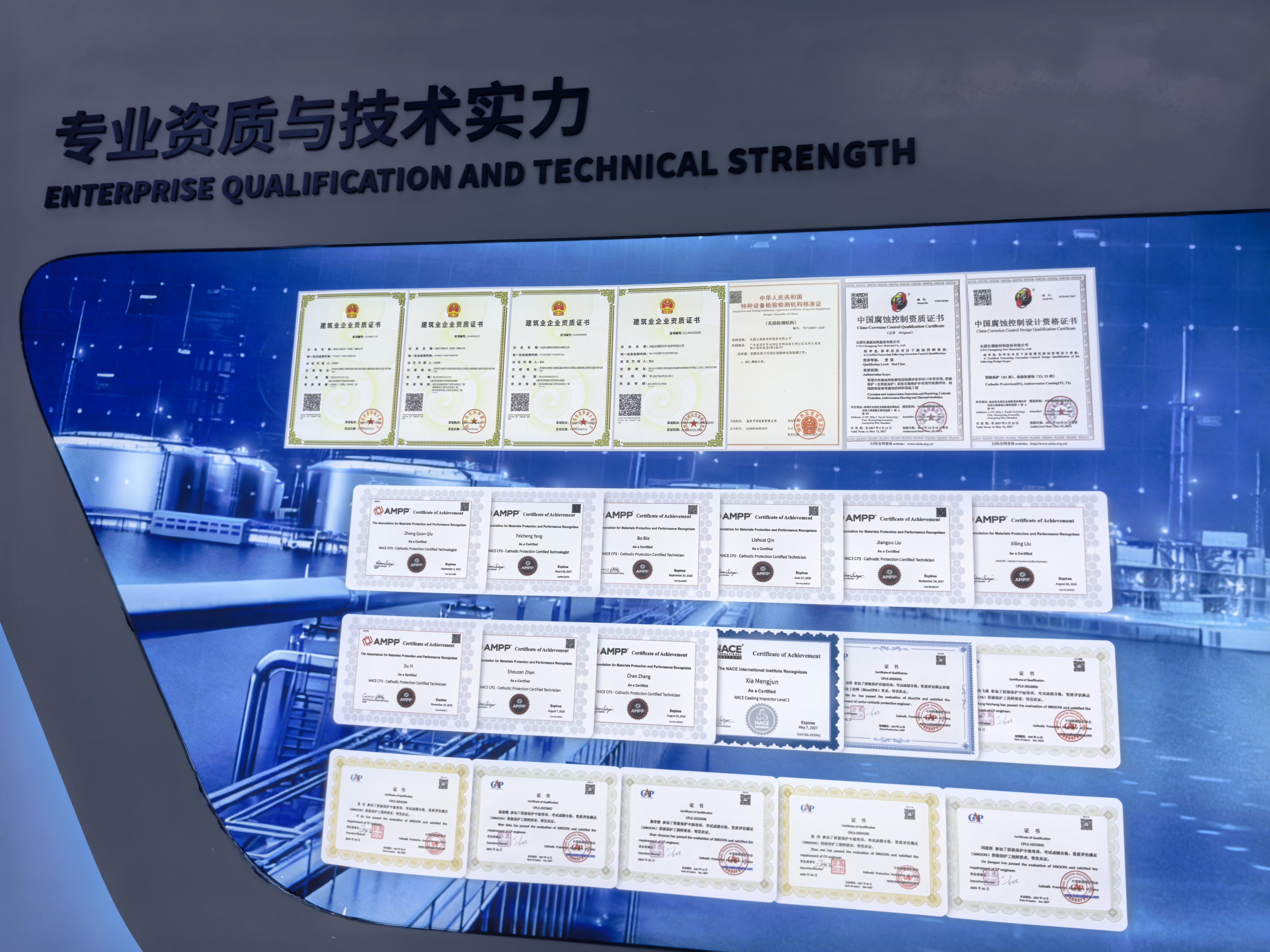
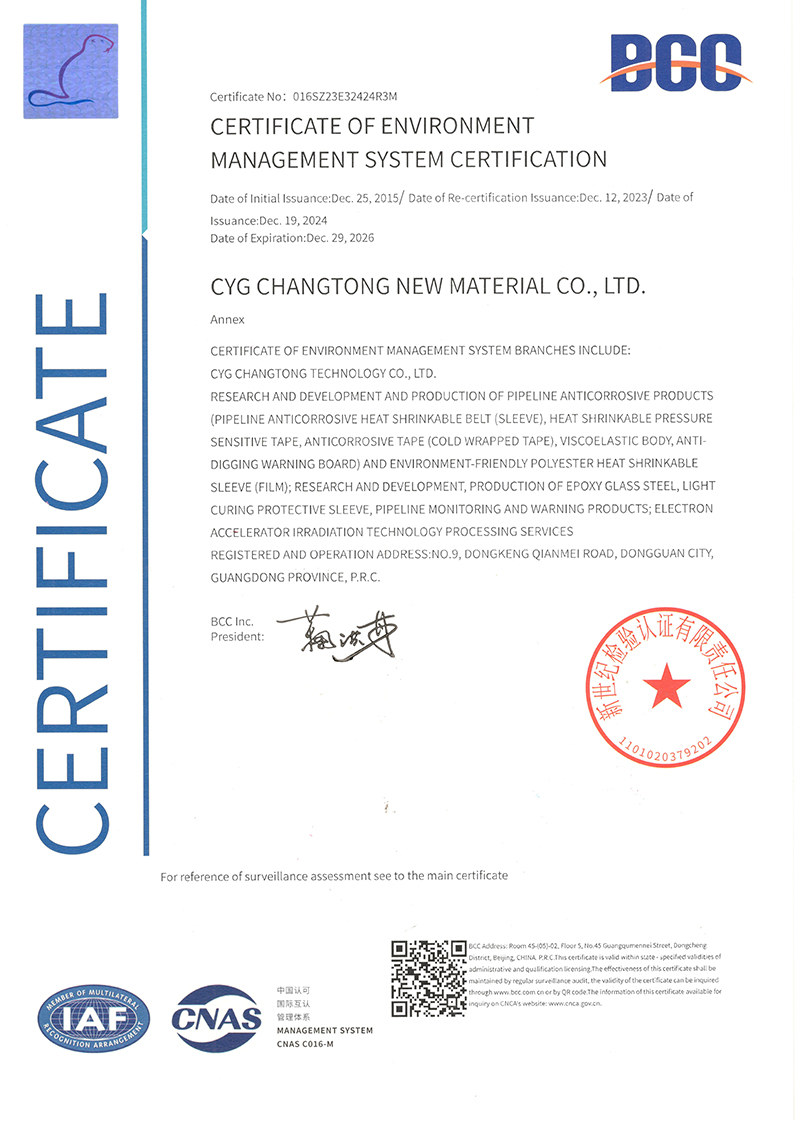
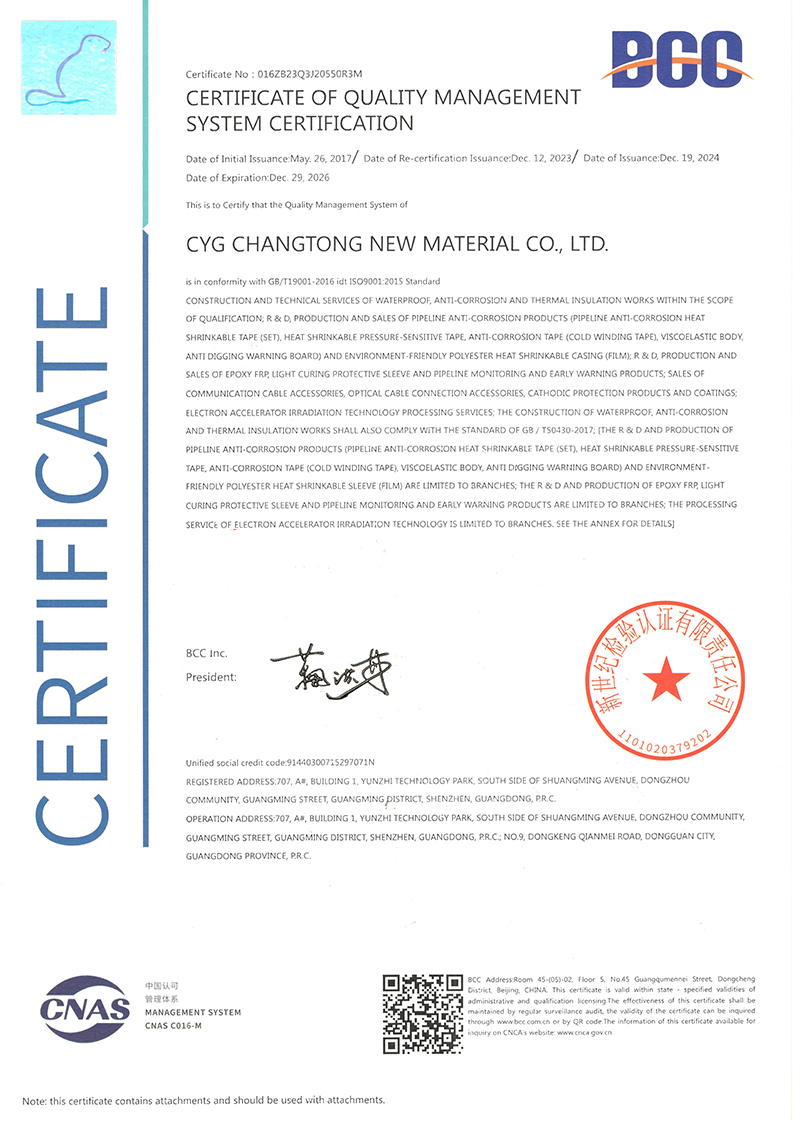
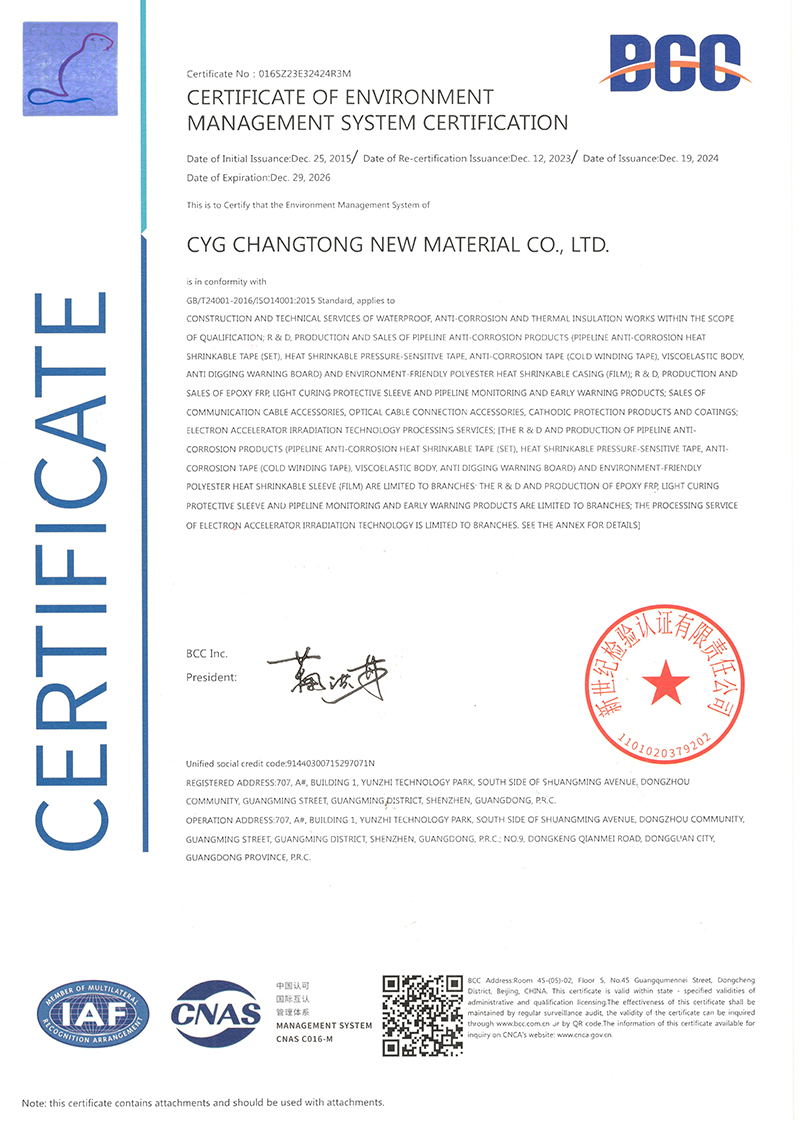
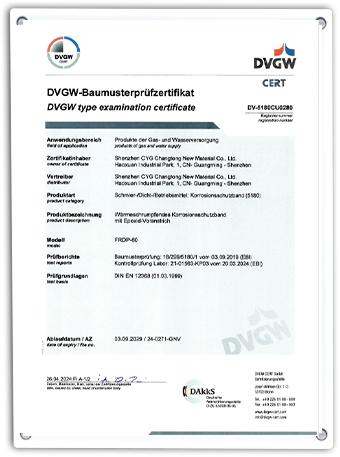
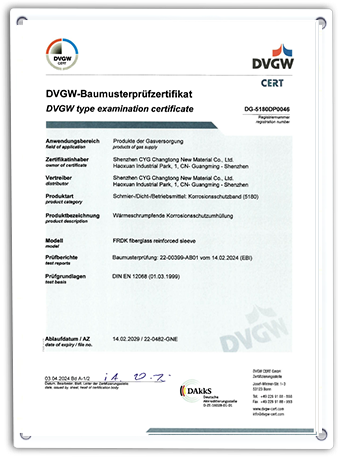
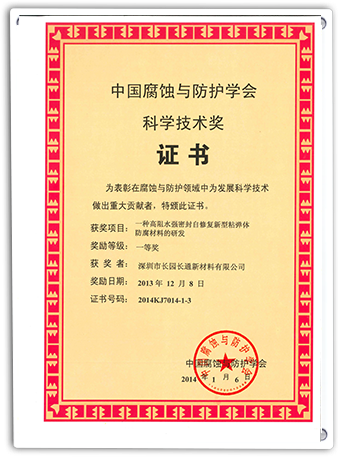
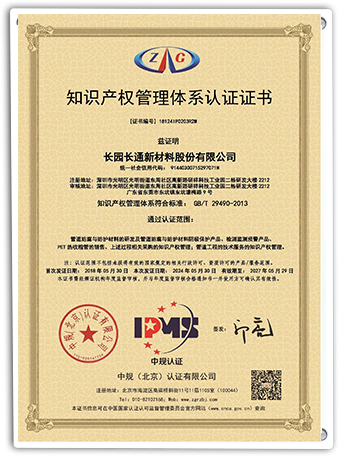
CYCT holds memberships and certifications that validate our technical capabilities, quality control, and global compliance.
• Council Member of the Chinese Society for Corrosion and Protection (CSCP)
• Holder of the Qualification Certificate of Corrosion Protection Construction
• Holder of the Qualification Certificate of Pipeline Detection
• Well-known Brand of Pipeline Corrosion Protection in China
• Corporate Member of the China Association of Petroleum Engineering Construction (CAPEC)
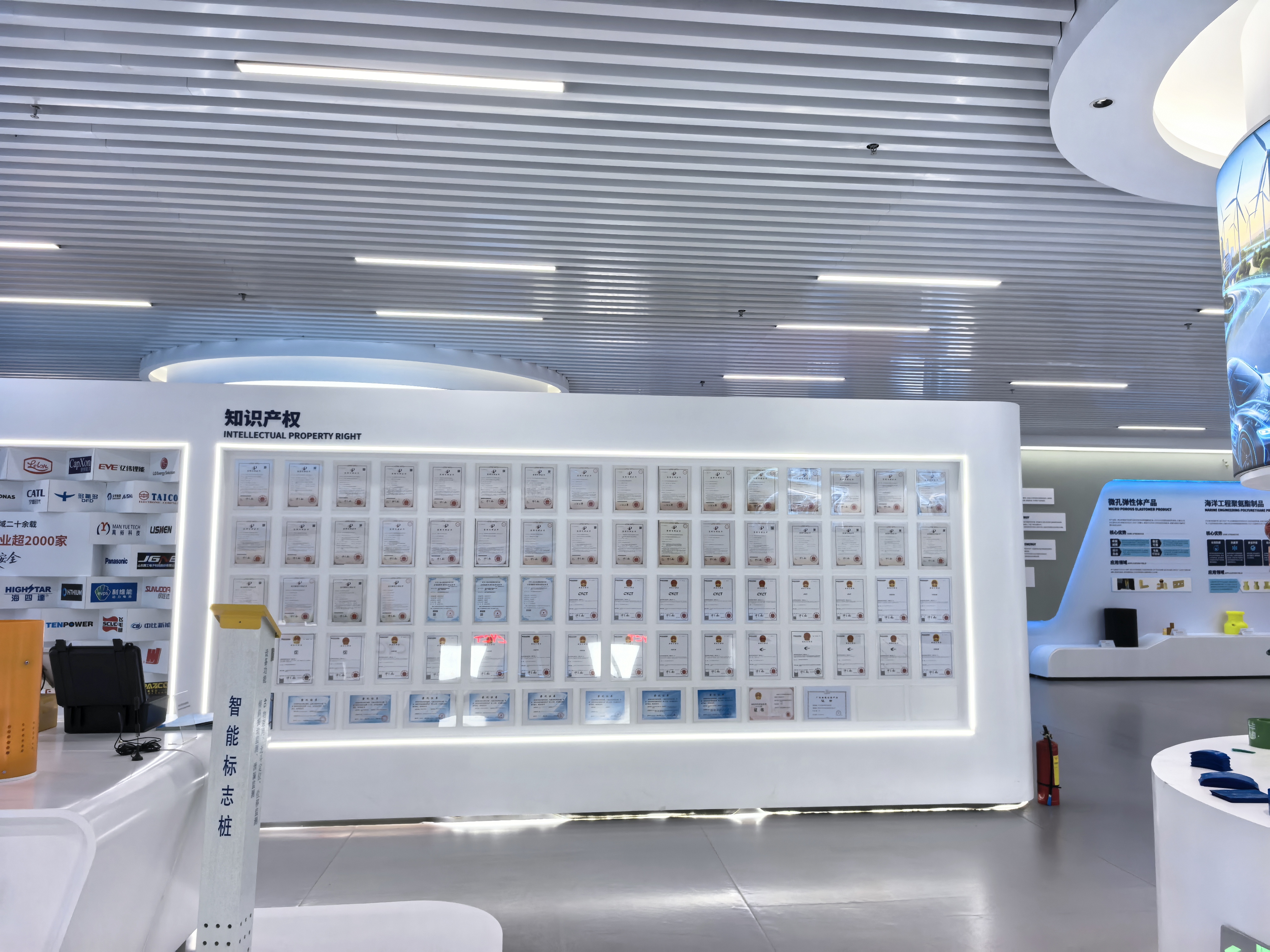
• State-Level High-Tech Enterprise with over ten proprietary intellectual property rights
• Approved stable supplier for PetroChina, Sinopec, China Gas Group, and Indian Oil
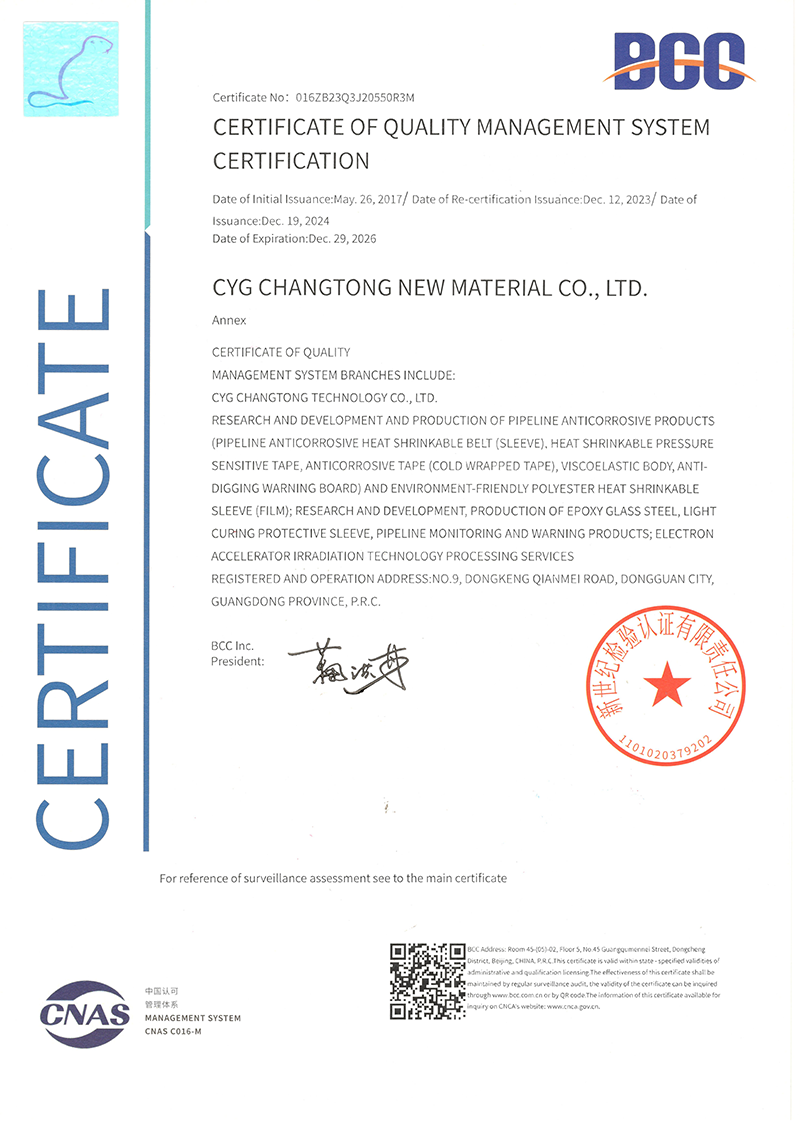
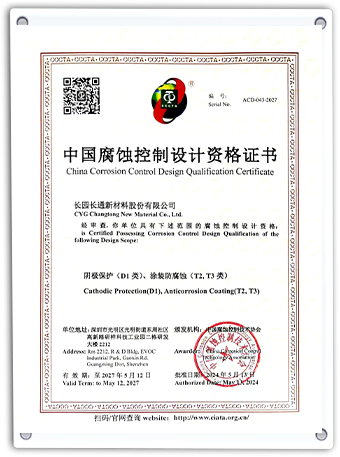
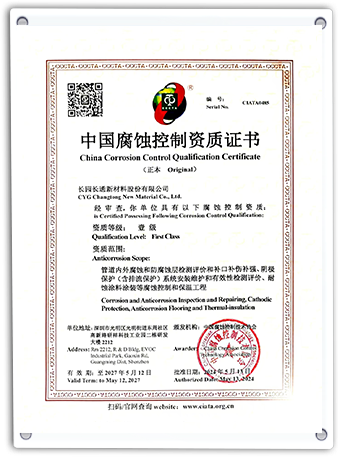
How CYCT manages localized support, regulatory compliance, and cross-border project requirements.
For large-scale international pipeline construction, CYCT provides local technical support and inspector dispatch services. Our field teams ensure application compliance with global standards, reducing installation defects.
CYCT viscoelastic materials are 100% solids, VOC-free, and non-hazardous to personnel and ecosystems. Our manufacturing facilities strictly follow ISO 14001 environmental management and ISO 45001 occupational health and safety guidelines.
Equipped with optimized packaging processes, we guarantee maximum shelf-life and protection against UV degradation during shipping. Our logistics network ensures continuous delivery to major international ports, keeping your construction schedules on track.
Expert technical answers regarding design, application criteria, and materials science performance.
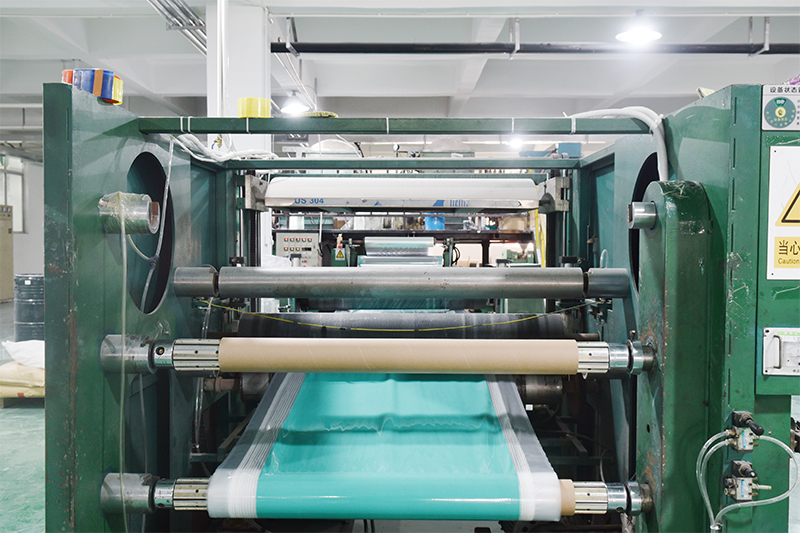
A glimpse inside our modern manufacturing facility, production units, and quality control systems.
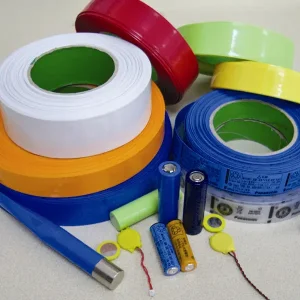
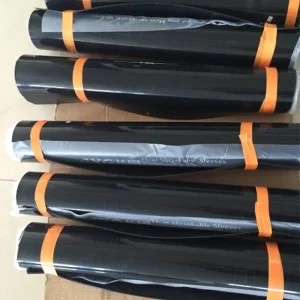
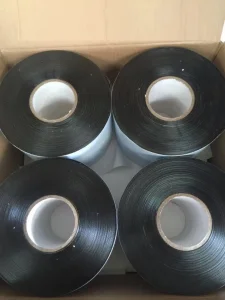
Browse our selection of cold-applied PE tapes, epoxy primers, heat-shrinkable sleeves, and mastic tapes.
 CYCT
CYCT