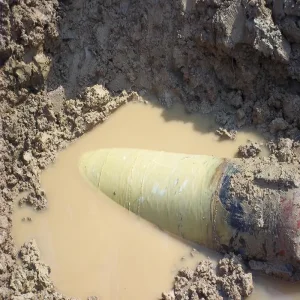
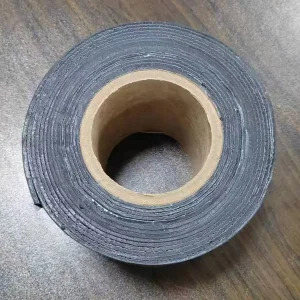
A comprehensive examination of physical chemistry, polymer formulation, and shear performance of cross-linked polyolefin sleeves in deepwater and coastal environments.
Marine structures, offshore oil and gas pipelines, and subsea cables face some of the most aggressive environmental challenges known to engineering. High hydrostatic pressure, constant salinity (typically 3.5%), marine biological fouling, and cathodic disbondment continuously threaten the integrity of pipe steel. To prevent structural failure, pipelines require specialized coating systems capable of lasting 30 to 50 years without maintenance.
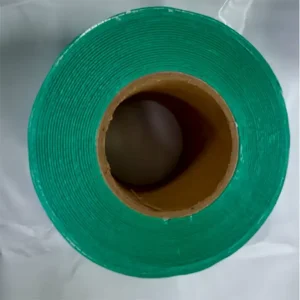
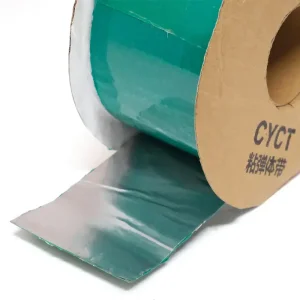
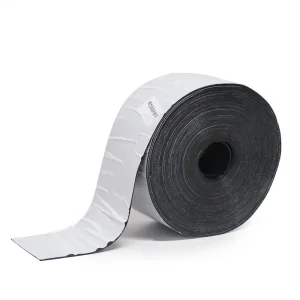
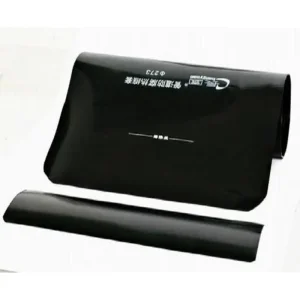
Underwater heat shrinkable materials, specifically cross-linked polyolefins lined with structural high-performance mastic or copolymer adhesives, serve as the primary field joint coating (FJC) system. The radiation cross-linked backing provides exceptional mechanical memory and tensile strength, while the active adhesive layer creates a watertight barrier that resists cathodic disbondment even under elevated operating temperatures.
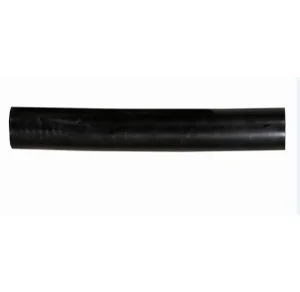
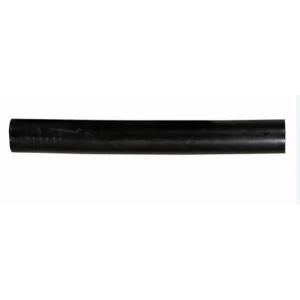
Controlled electron-beam irradiation alters the molecular structure of the polymer. Under thermal exposure, it returns to its extruded state with immense hoop stress, creating an indestructible shrink grip over subsea joints.
Features a semi-rigid outer polyolefin backing coupled with a high-shear mastic or thermoplastic copolymer hot melt adhesive. It seals moisture completely out, even in high hydrostatic pressure zones.
Specially formulated to work in synergy with cathodic protection (CP) systems. Prevents adhesive disbondment under cathodic currents, ensuring long-term field stability.
A Premier High-Tech Enterprise for Advanced Anti-Corrosion Technologies and Field Applications
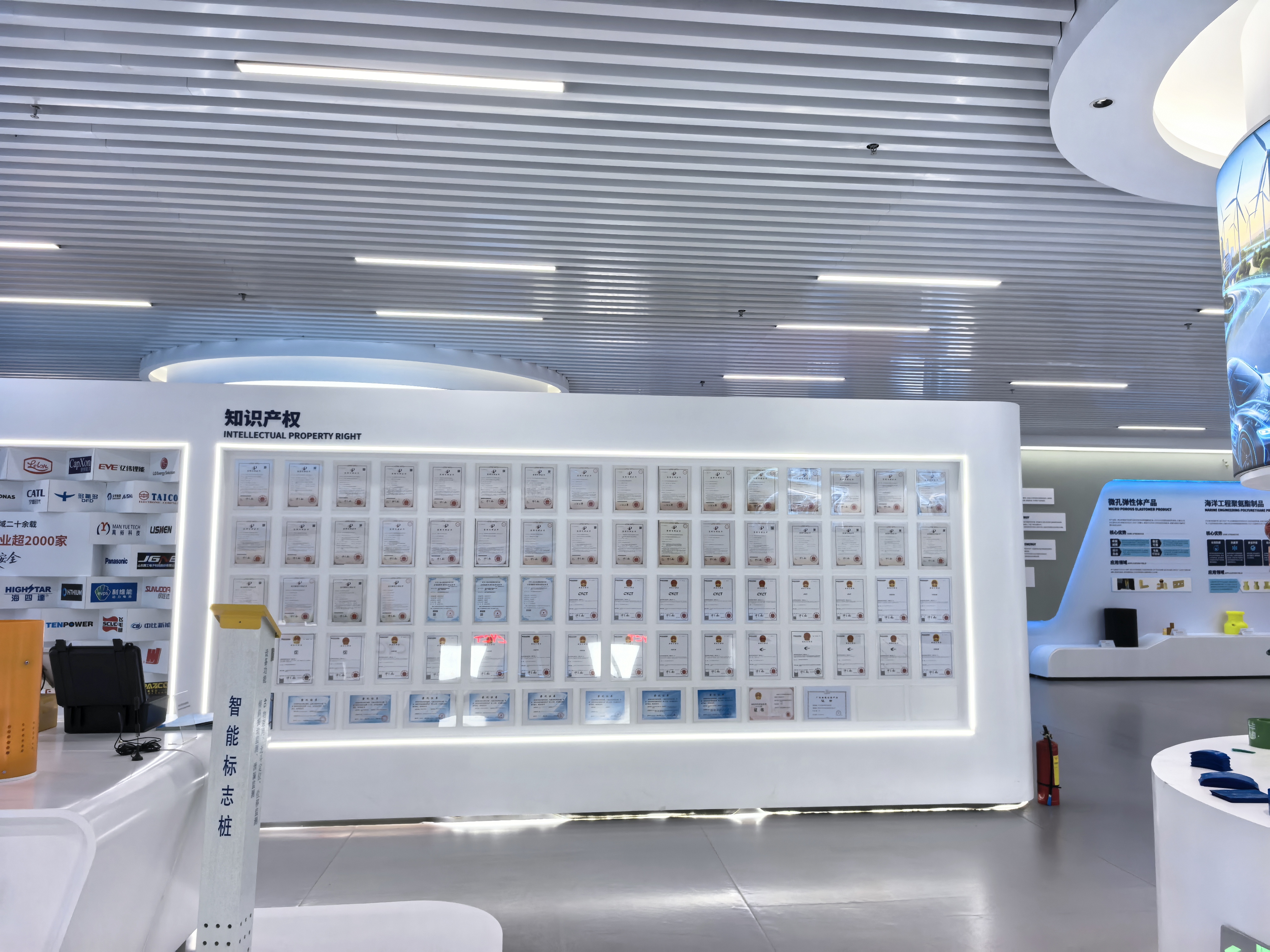
CYCT New Materials Company Limited (shortly, CYCT) is a state-level high-tech enterprise integrating R&D, production, and sales of pipeline corrosion protection materials. We also offer professional buried pipeline detection and pipeline coating field application services.
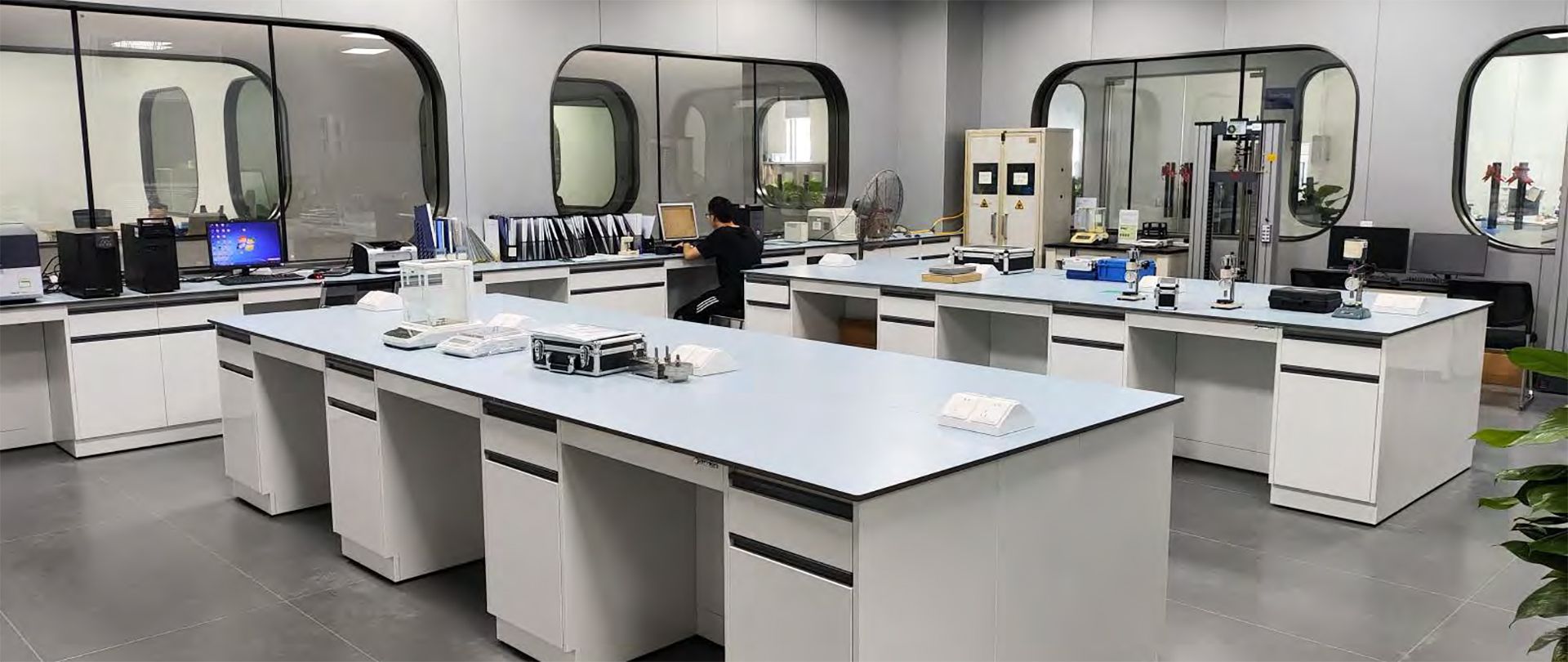
Over several decades, CYCT has built a reputation as an industry innovator. Our leading testing and R&D capabilities are powered by a dedicated engineering team operating in our national CNAS-accredited laboratory (Conformity Assessment System). This facility allows us to conduct state-of-the-art polymer characterization, accelerated corrosion tests, and thermal properties verification to international standards.
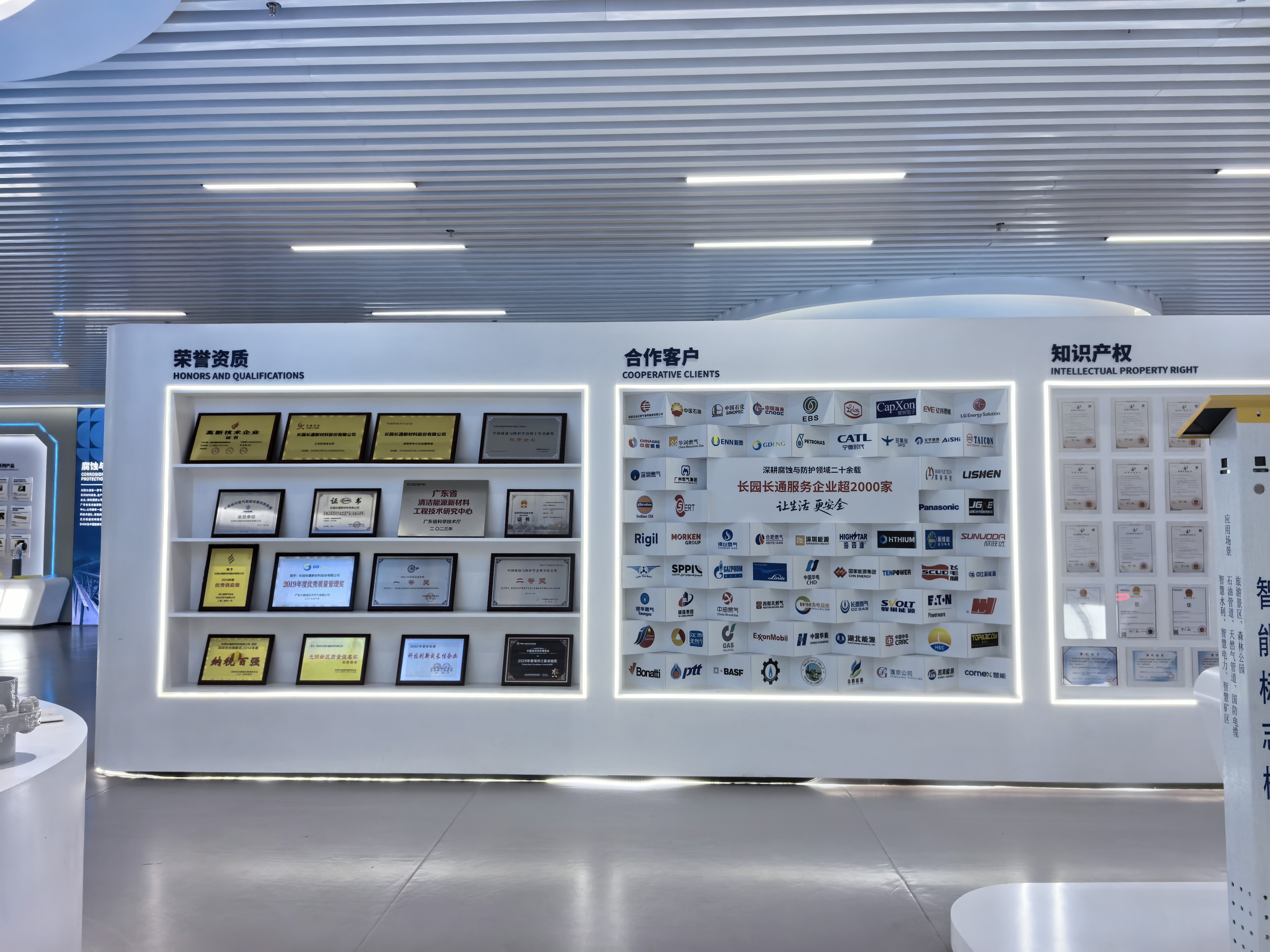
CYCT is a stable long-term supplier of field joint coatings for oil and gas pipelines operated by PetroChina, Sinopec, PipeChina, China Gas Group, and Indian Oil. Our strategic partnerships extend to research institutes like the CNPC Pipeline Science Research Institute, enabling us to provide integration services spanning engineering design, cathodic protection, and complete pipeline rehabilitation.
Comprehensive physical specification matrix for cross-linked underwater heat shrinkable systems designed to meet ISO 21809-3 and EN 12068 standards.
| Property Parameter | Test Standard | Typical Value (Polyolefin Sleeve) | Typical Value (Copolymer Adhesive) |
|---|---|---|---|
| Tensile Strength | ASTM D638 / ISO 527 | ≥ 18 MPa | ≥ 8 MPa |
| Elongation at Break | ASTM D638 / ISO 527 | ≥ 450% | ≥ 600% |
| Peel Strength to Steel | EN 12068 / ISO 21809-3 | N/A | ≥ 100 N/cm at 23°C |
| Cathodic Disbondment | ASTM G8 / ISO 21809-3 | N/A | ≤ 5 mm radius at 65°C, 28 days |
| Shrinkage Temperature | Thermal Analysis | ≥ 135°C | N/A |
| Hydrostatic Pressure Resistance | Deepwater Mock Test | Pass (tested up to 300m equivalent) | Excellent seal transition |
How CYCT underwater heat shrink solutions are deployed in large-scale subsea and coastal pipeline infrastructure projects worldwide.
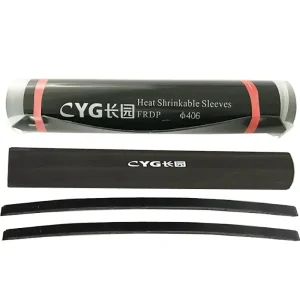
Field joint coatings for pipelines laid by S-lay or J-lay vessels require fast-curing, robust physical properties. Our FRDP heat shrink sleeves provide immediate structural strength, allowing rapid pipeline deployment onto the seabed without adhesive slippage.
During pull-back operations, pipelines experience severe abrasion from soil, rocks, and subsea geological formations. The combination of our Epoxy FRP sleeves and heat shrinkable layers ensures zero mechanical damage to primary anti-corrosion barriers.
Tidal fluctuations subject pipe systems to alternating wet and dry states, high oxygenation levels, and severe biological attachment. Visco-elastic tapes and photo-curing protective sleeves provide long-lasting chemical barriers that do not degrade under UV rays or seawater exposure.
For horizontal directional drilling (HDD) crossings and subsea tie-ins, mechanical stress on joint coatings can be intense. Traditional heat shrink sleeves might shear when dragged through rocky borehole structures.
CYCT developed a dedicated special photo-curing sleeve for HDD protection. This high-density glass-fiber reinforced polymer (FRP) wraps over the standard heat shrink sleeve, forming an incredibly hard, protective shield upon exposure to UV light. The result is a dual-barrier system: the inner layer provides chemical corrosion resistance, while the outer layer offers high structural impact strength.
Pioneering new polymer compounds to meet the demanding parameters of deepwater oil exploration and harsh marine environments.
As offshore exploration transitions to deeper waters, field joint coatings must adapt to higher hydrostatic pressures and higher oil temperatures. CYCT's development roadmap focuses on three main pillars:
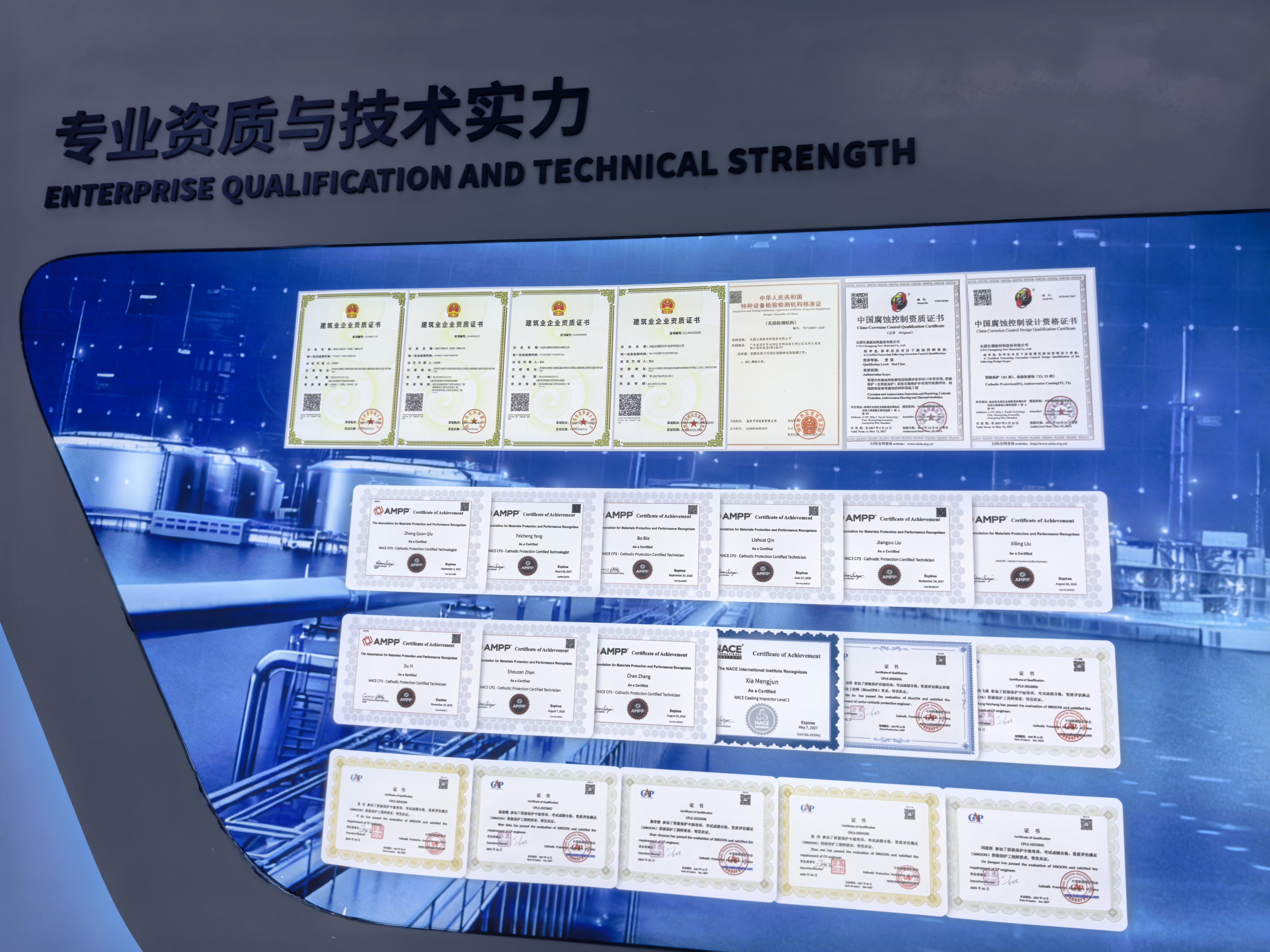
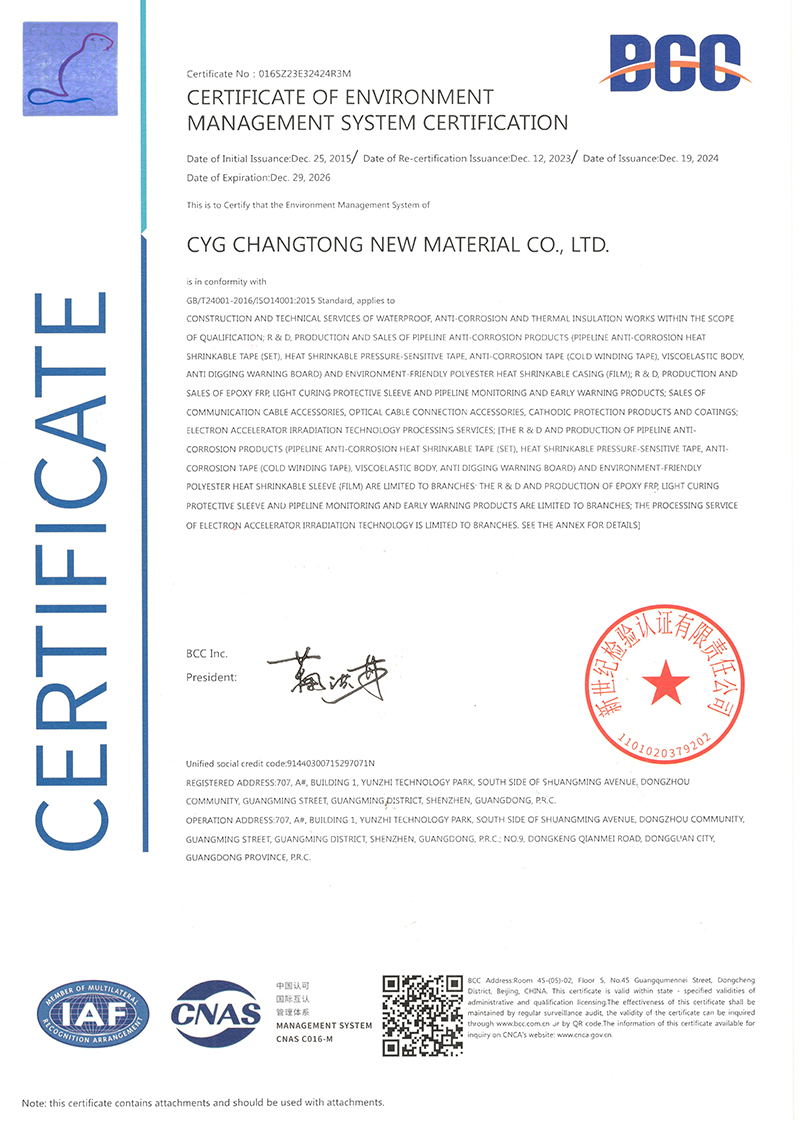
Demonstrated engineering credibility validated by major trade organizations and state-level credentials.
CYCT operates under strict adherence to international quality systems, ensuring every production batch is traceable and compliant. Our organizational achievements include:
Expert insights regarding application methods, storage specifications, and criteria for choosing underwater heat shrink materials.
 CYCT
CYCT