Engineered for hostile environments, CYCT's high-tech industrial protective wraps, viscoelastic mastics, and heat shrinkable sleeves prevent catastrophic metal degradation in critical oil, gas, and water infrastructure.
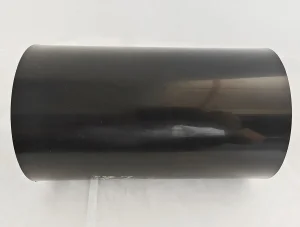
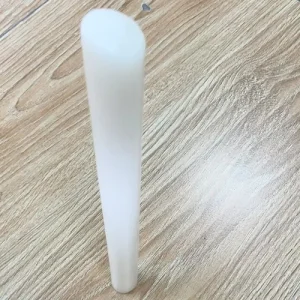
Mitigating degradation in steel pipeline infrastructure is one of the most critical engineering challenges of the 21st century. According to the Association for Materials Protection and Performance (AMPP), the global cost of corrosion is estimated at $2.5 trillion annually, which accounts for roughly 3.4% of the global Gross Domestic Product (GDP). Pipelines carrying oil, refined hydrocarbons, natural gas, municipal water, and industrial slurries require a reliable barrier system to isolate the steel substrates from electrochemical and biochemical corrosion.
Historically, pipeline protection relied heavily on basic bitumen wraps, coal tar enamels, and simple tapes. While cost-effective in the short term, these materials exhibited rapid degradation when exposed to soil stress, thermal cycling, and cathodic disbondment. The modern industry has shifted toward highly engineered polymers, particularly cross-linked polyolefins, hot-melt co-polymer adhesives, and advanced viscoelastic seal coatings.
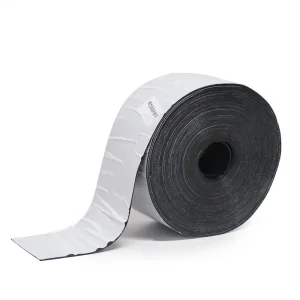
Viscoelastic coatings are unique because they remain in a semi-solid, viscous-elastic state indefinitely. This molecular design provides the coating with self-healing properties; if the outer mechanical protection layer is punctured, the inner viscoelastic adhesive flows to seal the scratch automatically. This technology ensures zero water transmission, high chemical resistance, and excellent cathodic disbondment resistance, even under continuous operation at elevated temperatures.
"The engineering integrity of field joints and pipeline repairs must equal or exceed the performance of the mill-applied main-line coating. An inadequately sealed field joint is the single most common failure point in buried steel piping infrastructure."
Global supply chains in the oil, gas, and petrochemical sectors require strict compliance with international standards. When international engineering, procurement, and construction (EPC) companies select OEM seal coating manufacturers, they assess more than unit prices. They evaluate technical compliance, engineering support, supply chain resilience, and certification records.
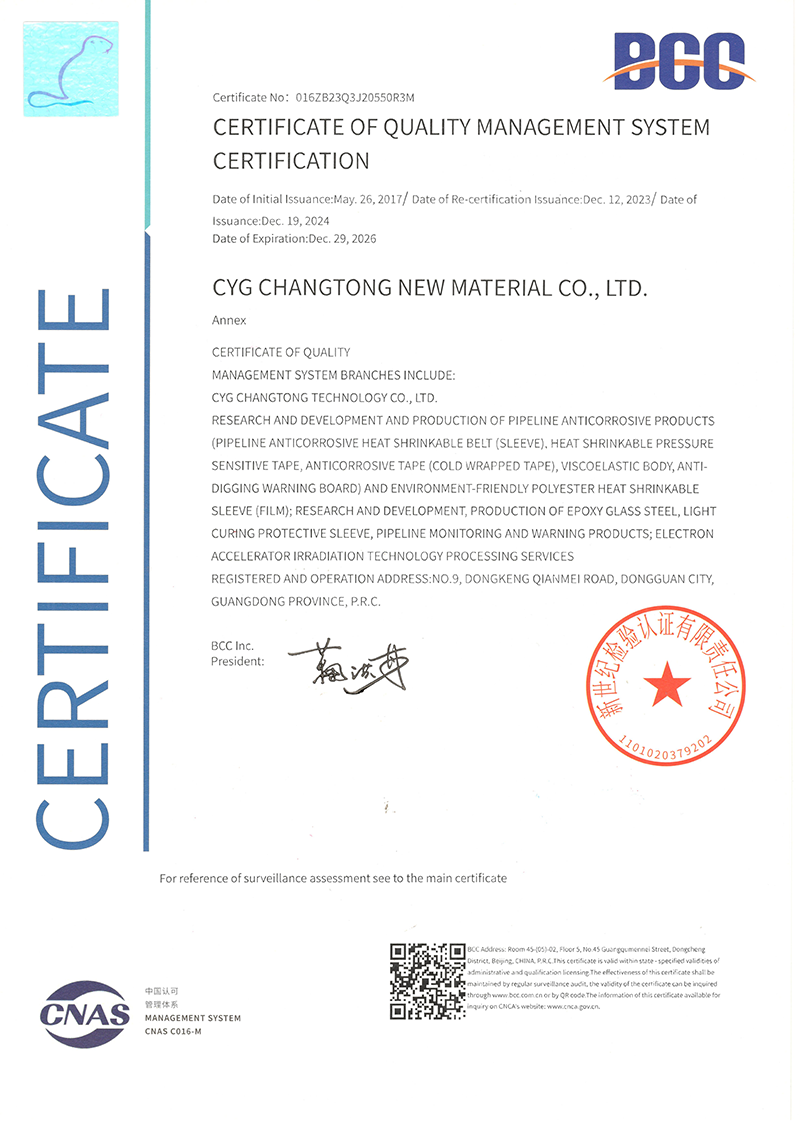
Procurement processes are increasingly regulated by international bodies. Key certifications such as ISO 21809 (standards for pipeline transportation systems), AMPP/NACE (corrosion protection standards), and national accreditation bodies (like China's CNAS laboratory guidelines) are required to qualify for bid inclusion. A supplier must demonstrate that every batch of heat-shrinkable sleeves, cold-applied tapes, and hot melt fillers matches strict peel strength, lap shear, and impact resistance specifications.
Furthermore, geopolitical tensions and shipping bottlenecks have forced global operators to seek partners capable of high volume and stable shipping timelines. This shift has elevated the demand for factories that utilize state-of-the-art automation (Industry 4.0) to maintain manufacturing volume while ensuring reliable quality.
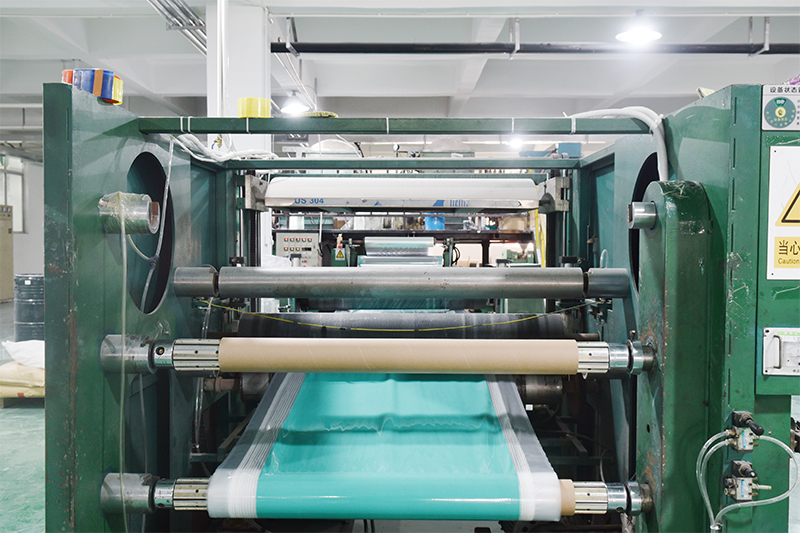
The emergence of China's advanced manufacturing infrastructure has redefined the pipeline corrosion protection industry. Modern Chinese factories have integrated automation, smart manufacturing execution systems (MES), and real-time chemical monitoring to achieve precision in polymer compounding.
Integrated supply chains allow local sourcing of high-purity raw polymers, specialized elastomers, and curing agents, reducing raw material lead times and pricing volatility.
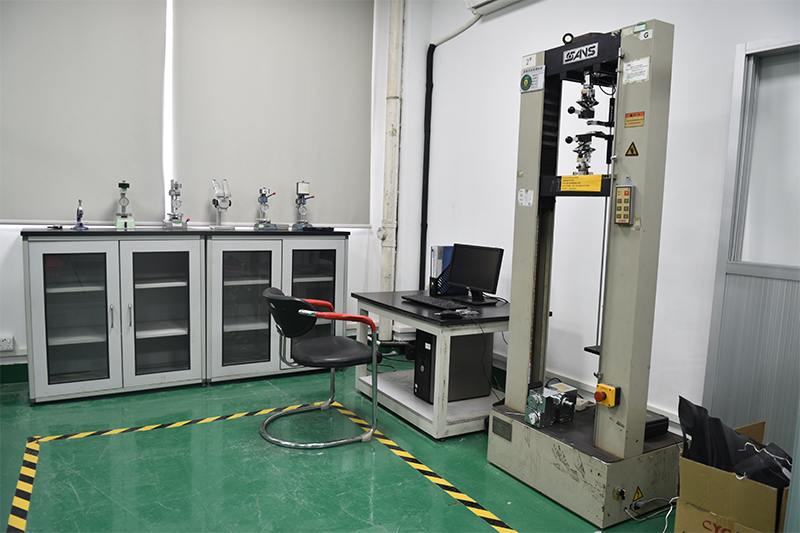
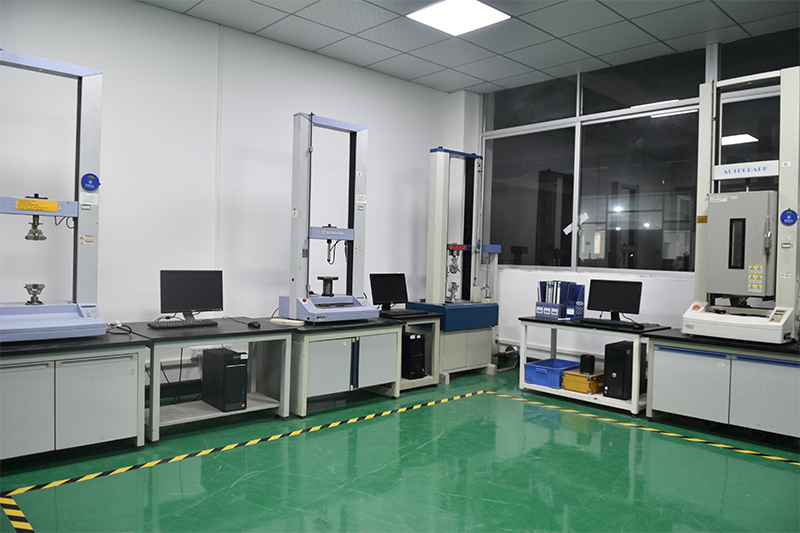
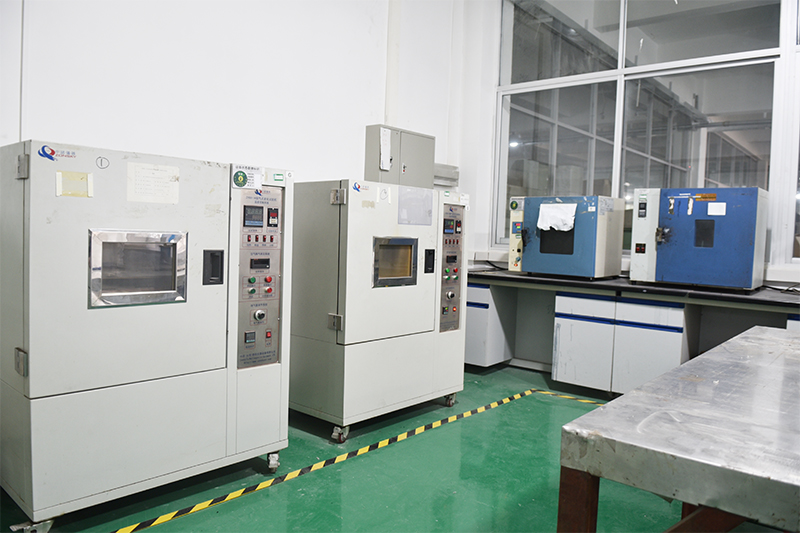
Equipped with environmental chambers, tensile testers, and cathodic disbondment setups to run continuous ASTM and ISO testing protocols on production runs.
Formulating customized viscoelastic compounds, tailored hot melt adhesives, and specialized heat-shrink dimensions optimized for local project climates and soils.
For global operators, this manufacturing maturity ensures a resilient supply chain. Whether a project requires high-temperature repair patches for 3LPE pipelines in the Middle East or viscoelastic coatings for marine valve protection in Southeast Asia, China's Factory 4.0 infrastructure is capable of scaling production output to meet strict project timelines.
Anti-corrosion systems must be designed for specific soil conditions, installation methods, and operating temperatures. Standard solutions often fail when applied in extreme environments.
HDD Pullback: High shear and abrasion resistance prevent coating damage.
Sub-sea Joints: Moisture-barrier performance prevents water migration.
High-Temp Operations: Polymer stability prevents adhesive melting.
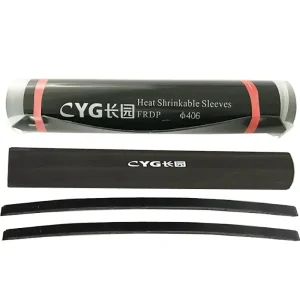
During pipeline installation via HDD, the steel pipe is pulled through long, pre-drilled underground channels containing rock, gravel, and sand. This process exposes the coating to severe shear, abrasion, and impact forces. Traditional PE tape can tear, exposing the bare steel. Utilizing a Fiberglass Reinforced Sleeve (FRDP) provides the mechanical strength needed to protect the underlying corrosion barrier, ensuring pipeline integrity after pullback.
Self-Healing: Mastic flow fills voids.
Viscous flow: Conforms to irregular surfaces.
Thermal limit: Up to 80°C continuous.
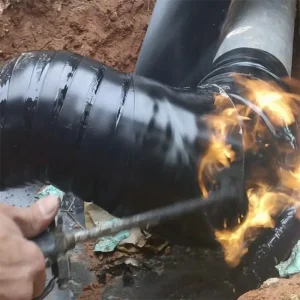
Pipelines downstream of compressor stations or geothermal areas operate at elevated temperatures (typically 60°C to 80°C). Standard adhesives can soften, leading to sag and shear failure under soil stress. Formulating high-temperature PE tapes and specialized PP hot-melt repair sticks ensures the seal remains stable and continues to protect the pipe surface during thermal cycling.
Zero Voids: Mastic eliminates air pockets.
Salinity Resistant: Resists marine environment degradation.
Compatibility: Bonds to various steel grades.
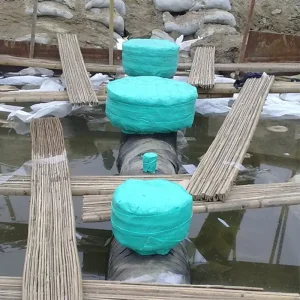
Irregular shapes like valves, flanges, and tees are difficult to protect using standard sheet wraps. Voids can form, trapping moisture and accelerating localized corrosion. Using non-toxic viscoelastic putty (such as VE Putty) solves this issue. The putty can be molded by hand to fill uneven shapes, creating a smooth profile. A protective outer wrap can then be applied to provide mechanical strength.
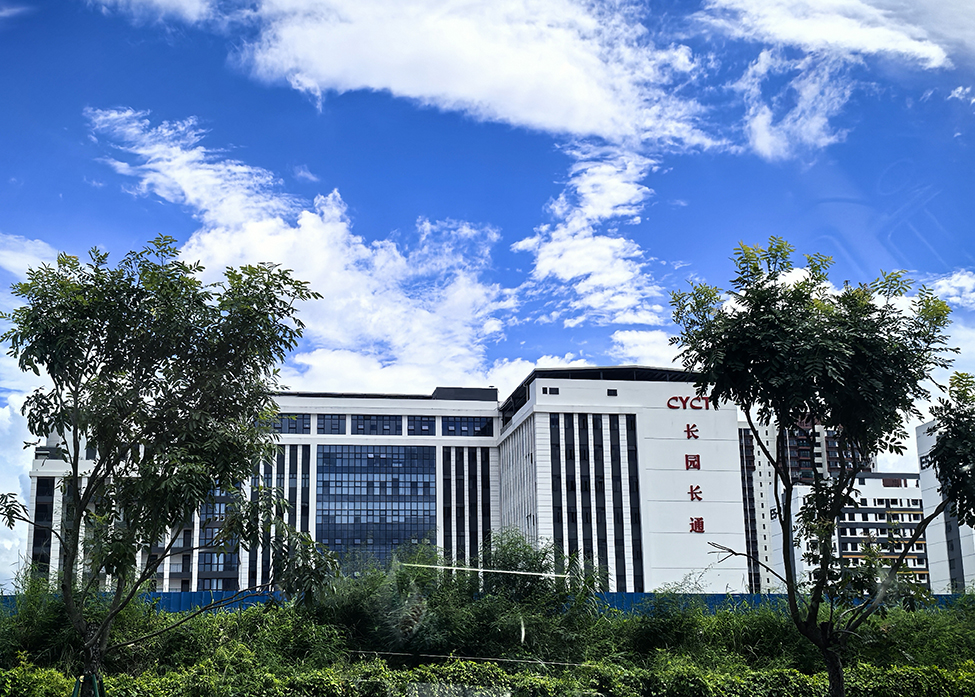
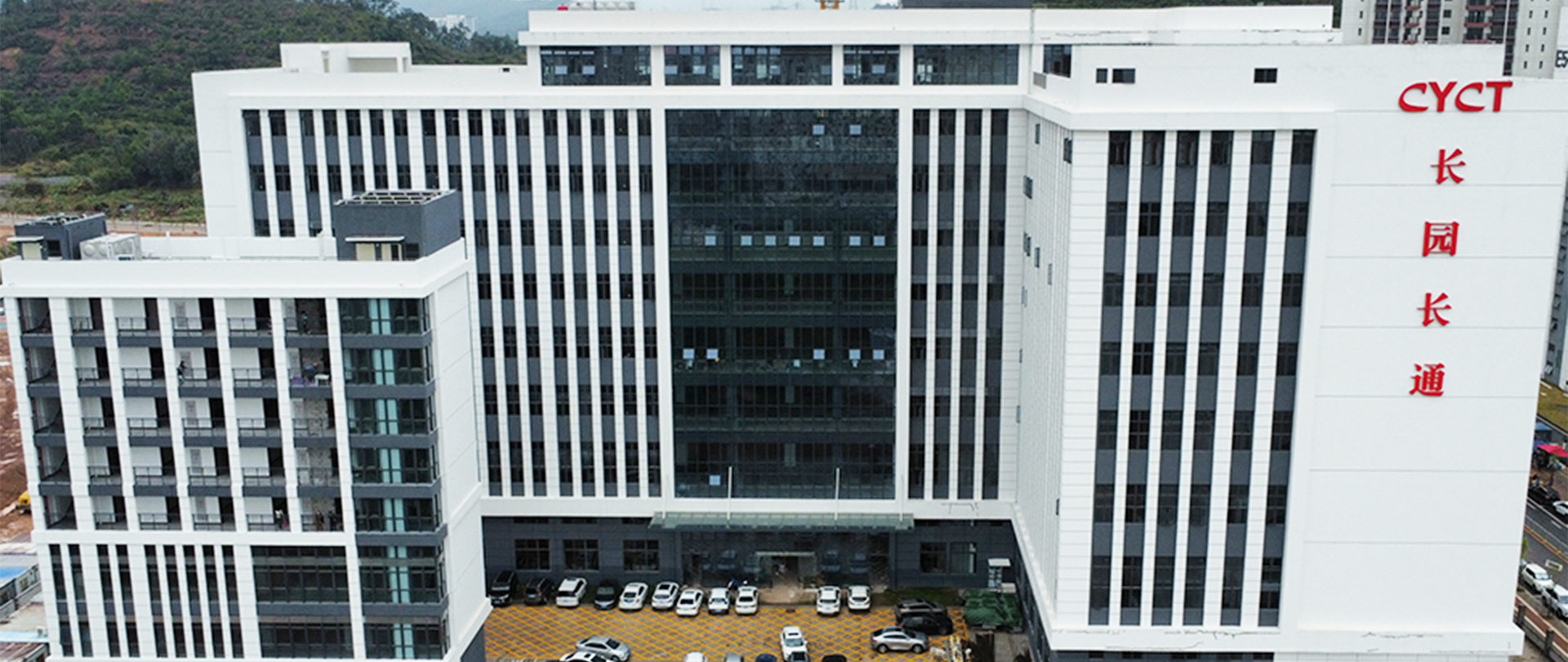
CYCT New Materials Company Limited (for short, CYCT) is a state-level high-tech enterprise integrating R&D, production, and sales of pipeline corrosion protection materials. The company also provides buried pipeline detection services and pipeline coating field application services. CYCT has dedicated itself to the research, development, and manufacture of pipeline corrosion protection materials for decades.
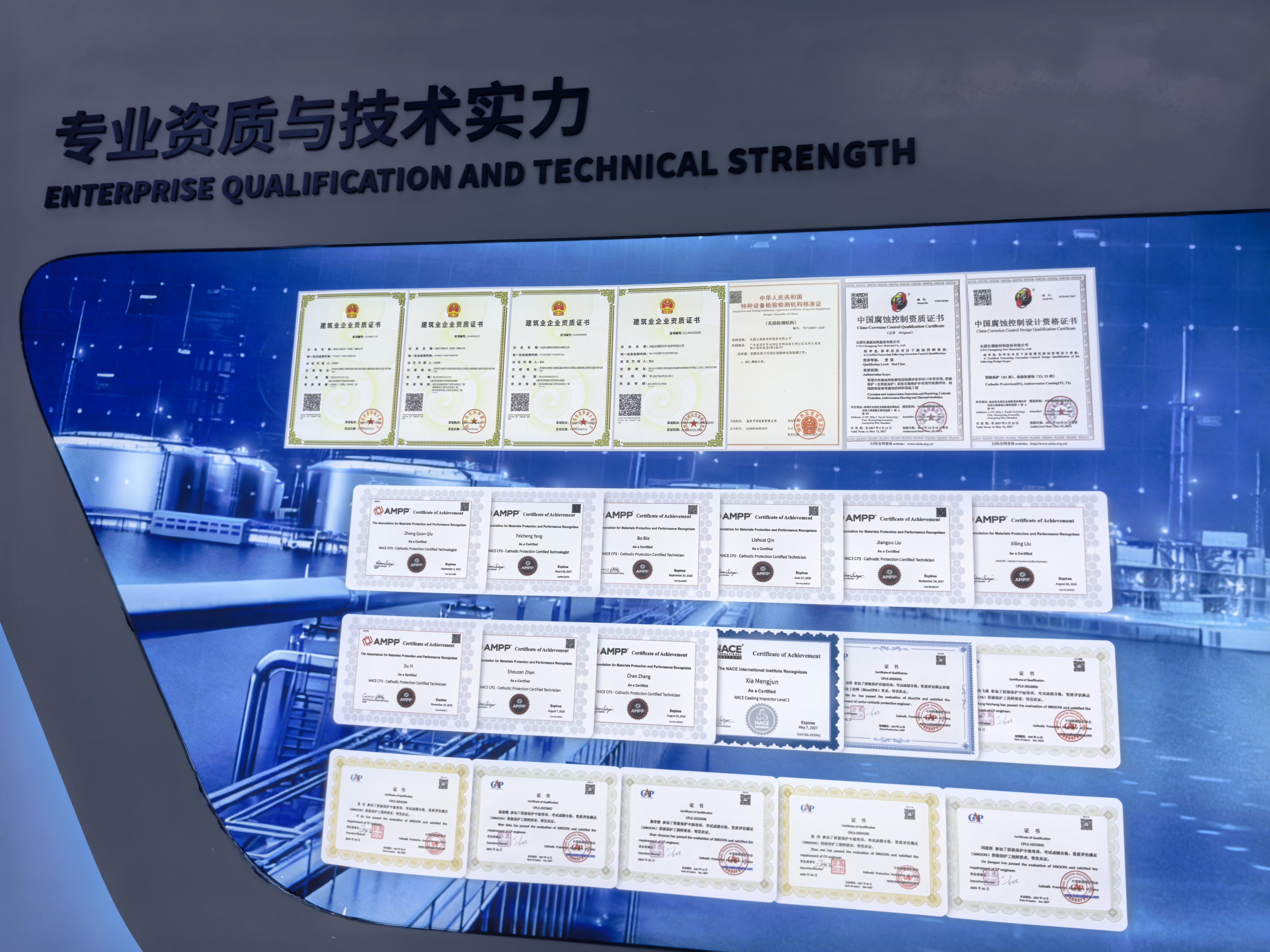

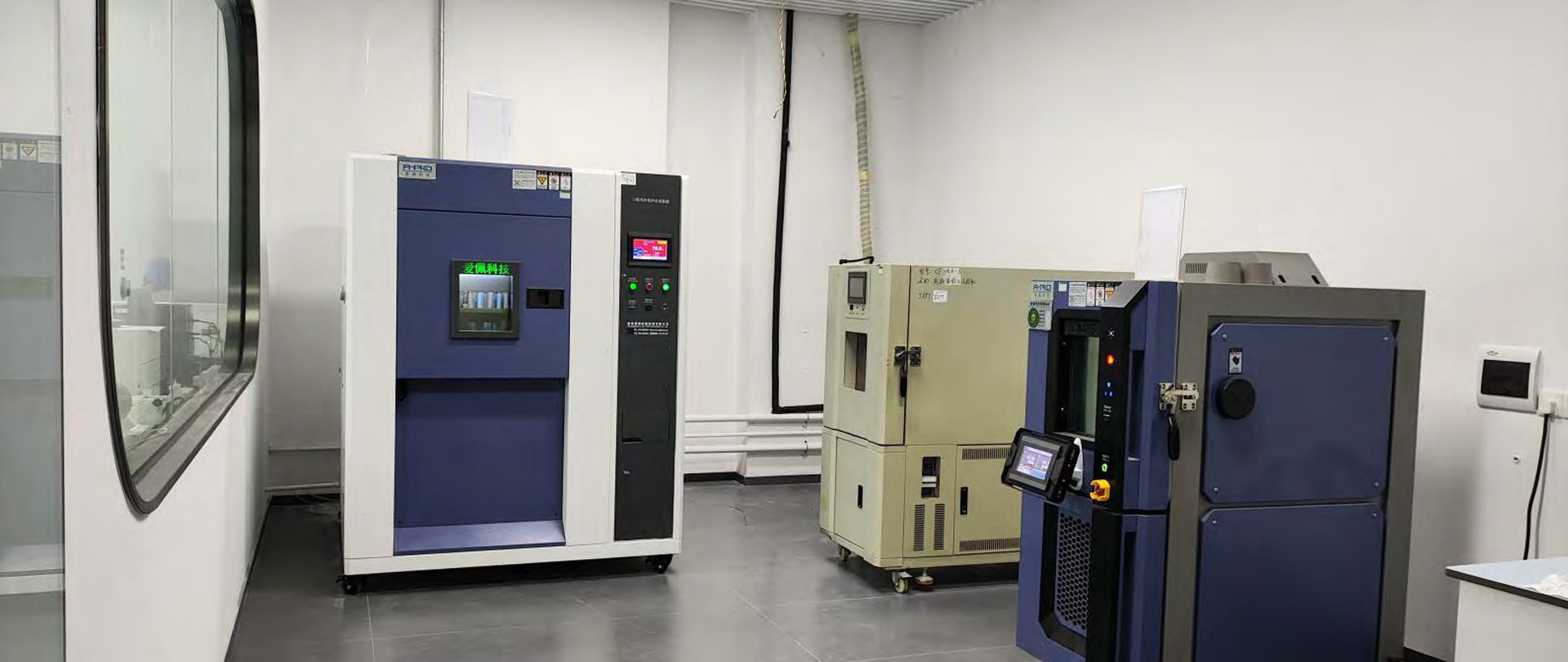
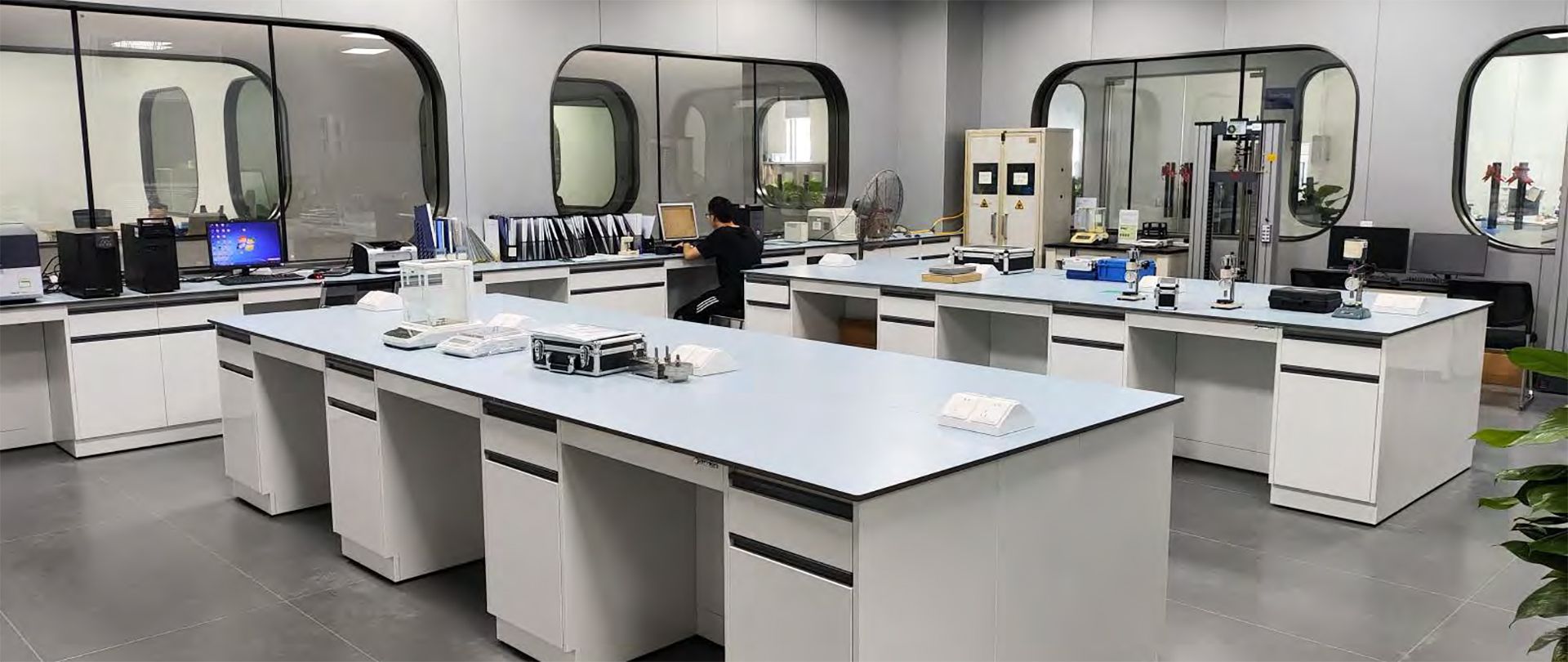
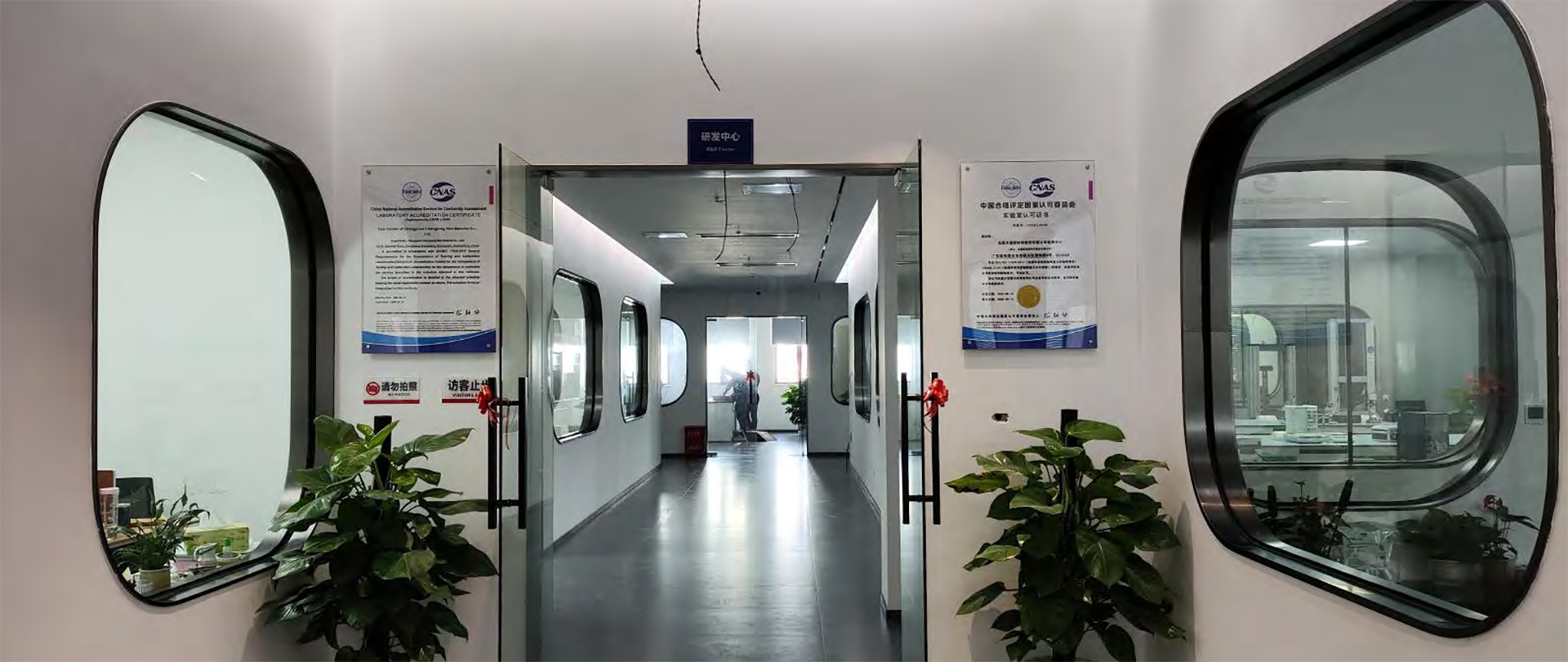
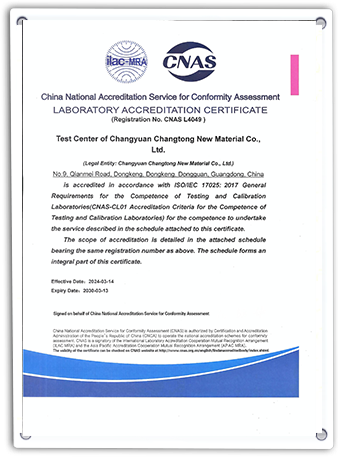
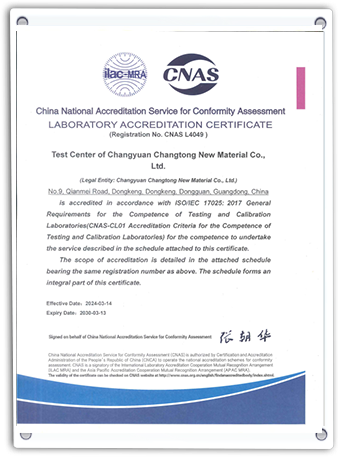
CYCT possesses advanced testing and R&D capabilities, supported by a professional research team and a national CNAS-accredited laboratory. Through close collaboration with research institutes like the CNPC Pipeline Science Research Institute, CYCT is capable of providing pipeline operators with a variety of technical services, including:
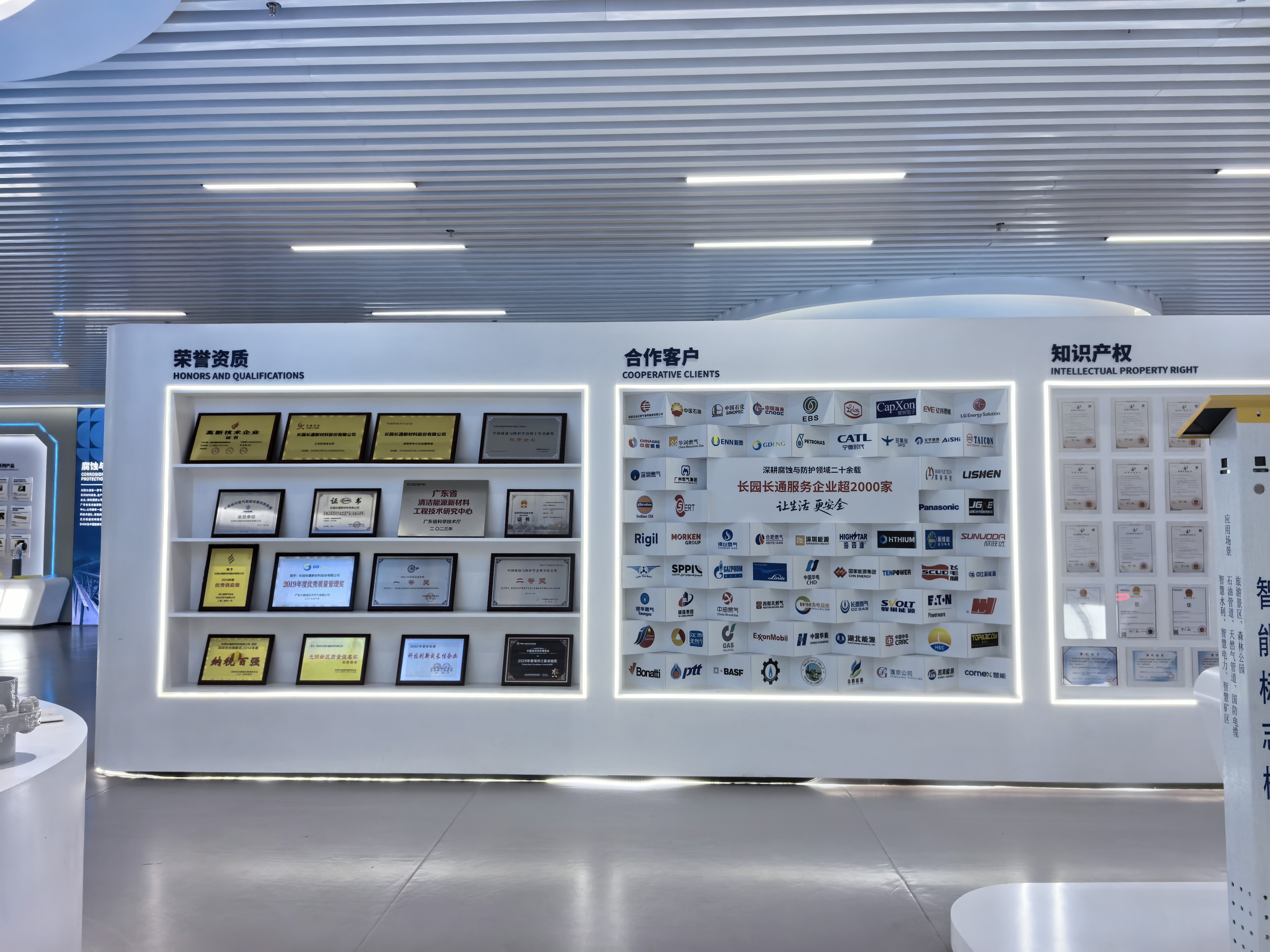
Over the years, CYCT has served as a field joint coating supplier for PetroChina, Sinopec, PipeChina, and local pipeline operators, maintaining a high market share in China. The company has also developed and introduced specialty corrosion protection materials, including viscoelastic anticorrosion products, photo-curing sleeves for HDD protection, and polyurea coatings.
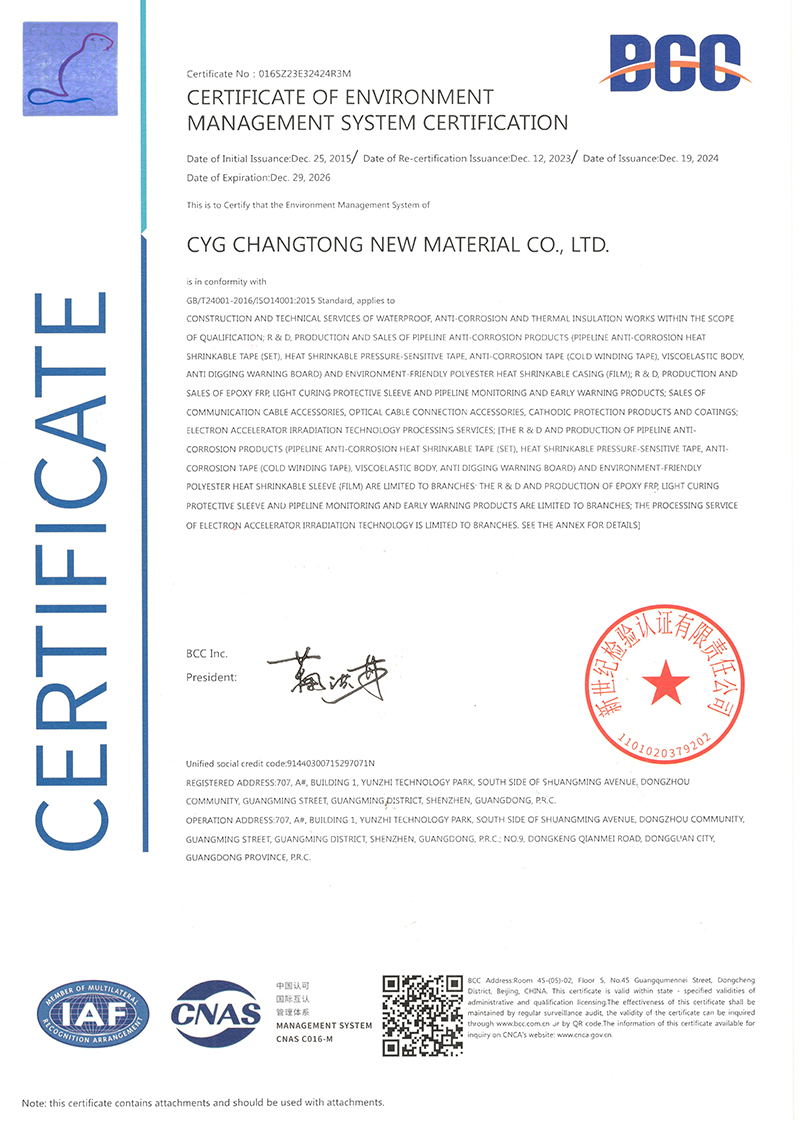
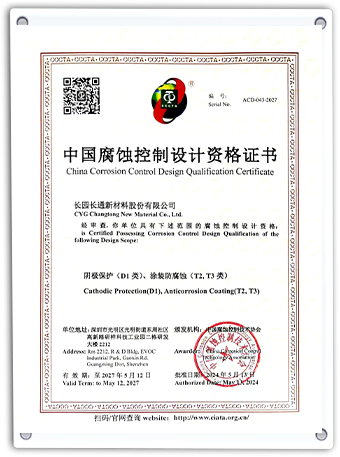
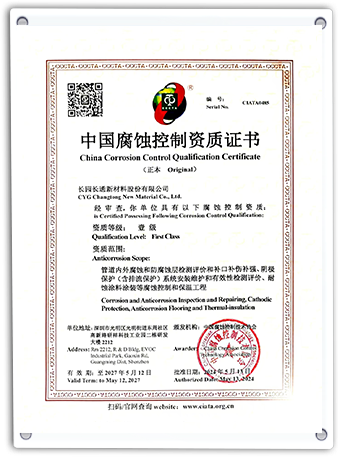
CYCT is a Council Member of the Chinese Society for Corrosion and Protection (CSCP), holds Qualification Certificates for Corrosion Protection Construction and Pipeline Detection, and is recognized as a Well-known Brand of Pipeline Corrosion Protection in China. The company is a Corporate Member of the China Association of Petroleum Engineering Construction (CAPEC) and has been designated a State-Level High-Tech Enterprise with more than ten proprietary intellectual property rights. CYCT is a qualified supplier to PetroChina, Sinopec, China Gas Group, and Indian Oil.
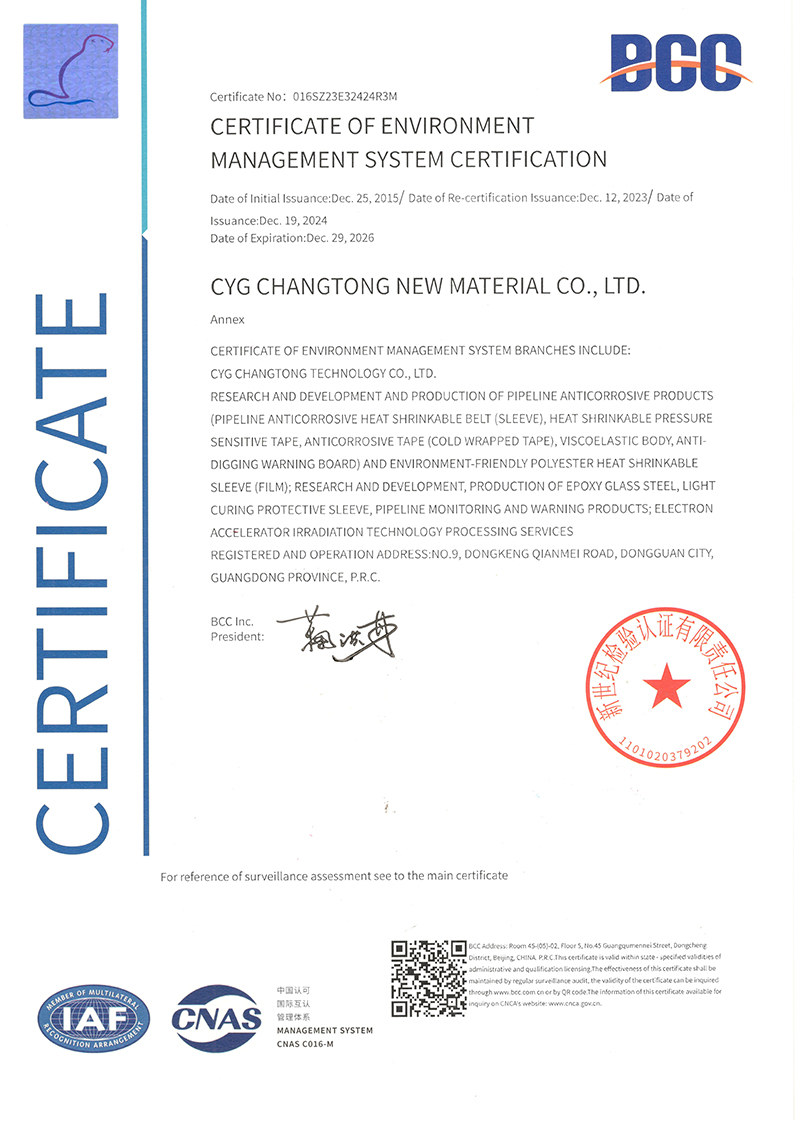
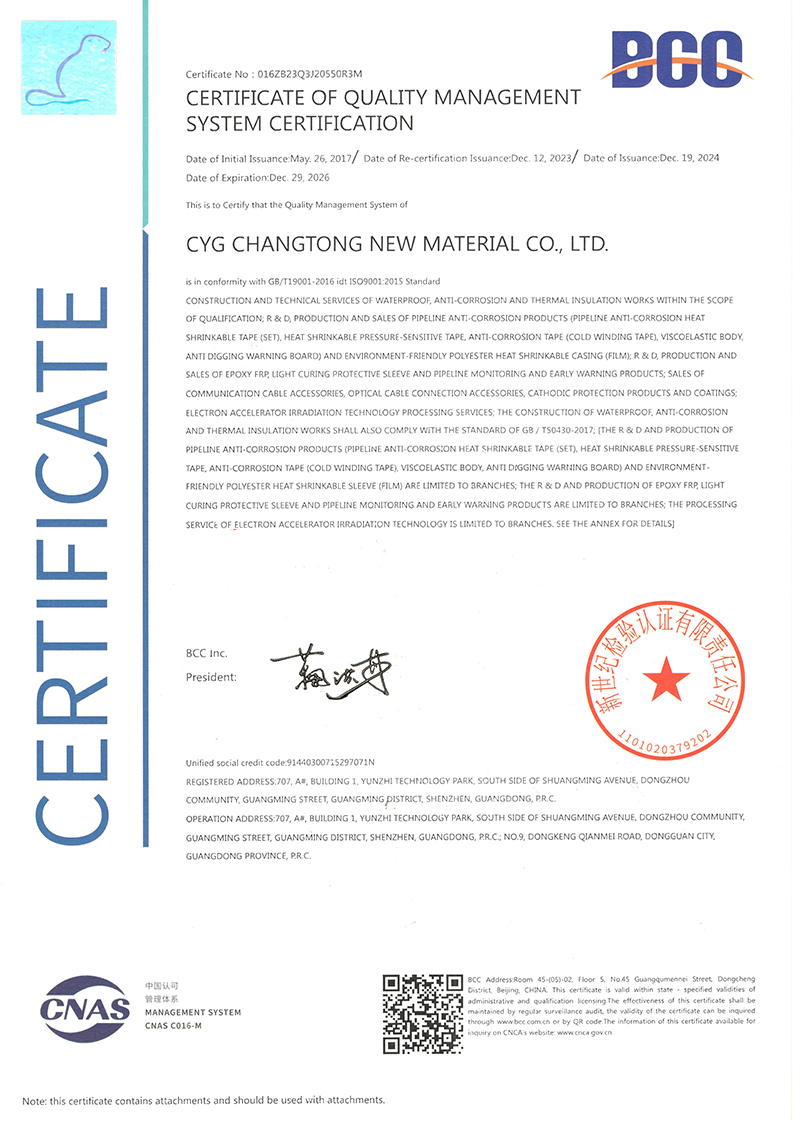
Browse technical answers from CYCT's engineering department regarding the performance, application, and chemistry of pipeline corrosion coatings.
Viscoelastic coatings are based on non-crystalline, low-molecular-weight polymers (such as polyisobutene) that remain in a fluid-like state, providing self-healing properties and excellent wetting capabilities. In contrast, Heat Shrinkable Sleeves consist of a cross-linked polyolefin backing coated with a hot-melt or mastic adhesive that cures upon heating, forming a tough mechanical shield. Viscoelastic systems are often used for complex geometries and valve boxes due to their high flexibility, whereas Heat Shrink Sleeves are preferred for straight-run field joint coatings requiring high shear and soil-stress resistance.
Cathodic protection (CP) systems apply electrical currents to pipelines to prevent corrosion at coating defects. However, this electrical current can generate hydrogen gas and alkaline conditions at the steel-coating interface, which may detach the coating (cathodic disbondment). Formulating adhesives with polar groups that bond with steel surfaces helps resist this chemical and mechanical stress, maintaining the coating bond during long-term CP exposure.
Even high-performance adhesives require a clean substrate. The pipe surface must be free of moisture, scale, oil, dust, and rust. Surface preparation to ISO 8501-1 Sa 2.5 (white metal blast cleaning) or St 3 (manual power-tool wire brushing) ensures adequate surface profile and mechanical anchor patterns. Viscoelastic systems are generally more tolerant of minor surface preparation variations, though a clean surface remains essential for optimal adhesion.
Yes, as a custom OEM manufacturer, CYCT adjusts polymer compounding to meet the temperature demands of specific regions. For high-temperature desert environments, we formulate adhesives with higher softening points to prevent sag. For cold climates, we adjust the glass transition temperature (Tg) of the polymers to prevent cracking during winter installations.
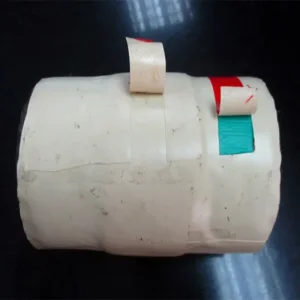
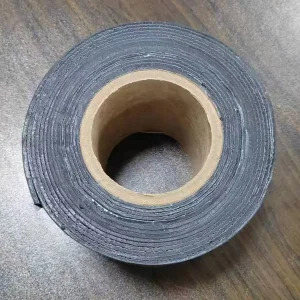
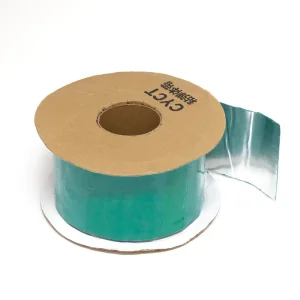
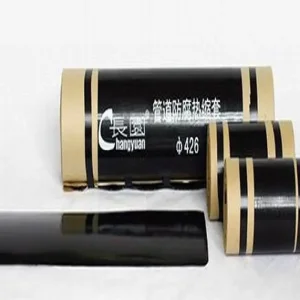
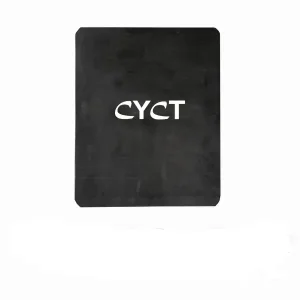
Review our technical inventory of field joint sleeves, viscoelastic tapes, and hot-melt compound sticks. Each product is engineered to comply with international pipeline protection codes.
 CYCT
CYCT