Explore our elite range of high-performance polymer sleeves, viscoelastic tapes, and protective outer shells manufactured to strict ISO & NACE/AMPP guidelines.
In modern industrial pipeline engineering, corrosion remains the single greatest threat to structural longevity and operational safety. As oil, gas, chemical, and municipal water pipeline networks expand across extremely hostile topographies and marine environments, the demand for high-integrity field joint protection has skyrocketed. High-quality rubber heat shrink sleeves, viscoelastic sealants, and polyolefin backing coatings represent the absolute frontier of anti-corrosion science.
This comprehensive industry guide addresses the critical requirements of global engineering procurement companies (EPCs), outlining the technical parameters, structural dynamics, and manufacturing capabilities of professional OEM factories. By combining cross-linked polyethylene/rubber formulations with hybrid visco-elastic polymers, modern OEM suppliers offer custom solutions that eliminate the vulnerabilities of field joint coatings, ensuring zero-defect compliance over operational lifespans exceeding 30 years.
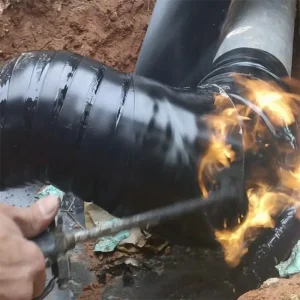
Unlike traditional crystalline polyolefin materials, rubber-modified viscoelastic heat shrink materials maintain an amorphous state, enabling "self-healing" flows into micro-fissures and surface irregularities of the steel substrate. This continuous contact prevents cathodic disbondment even under severe geological shearing forces.
Technical decision-makers require materials that stand up to complex thermal cycles, harsh installation conditions, and rigid environmental regulations.
EPCS prioritize coatings with high resistance to cathodic disbondment. Our rubber-modified heat shrink sleeves show exceptional adhesion stability under electrical currents, avoiding common under-film moisture accumulation pathways.
With deep geothermal transmission and high-temperature heavy crude lines, OEM sleeves are formulated to withstand continuous heat exposure without compromising elastic tension and backing seal performance.
HDD (Horizontal Directional Drilling) and rocky soil backfills exert huge axial shear stress on joints. Interlocking heavy-duty fiber reinforced sleeves protect raw pipe interfaces against aggressive abrasive friction.
Selecting the correct heat shrink material cannot be done in isolation. OEM manufacturers must approach pipeline protection from a systems perspective. An optimal pipeline outer corrosion protection system utilizes three interactive layers:
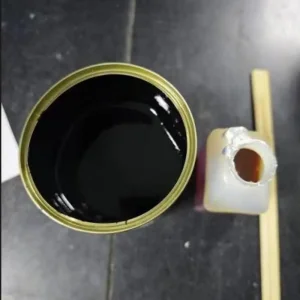
Solvent-free liquid epoxy primers provide the chemical bond to the steel, forming an impenetrable barrier against oxygen and water molecules at the molecular level.
The middle functional layer of rubberized or viscoelastic mastic flows under temperature to self-repair mechanical nicks while absorbing vibrations and ground shifting.
The tough outer jacket provides UV protection, water-tight shrinking pressure, and high puncture resistance during installation and backfilling processes.
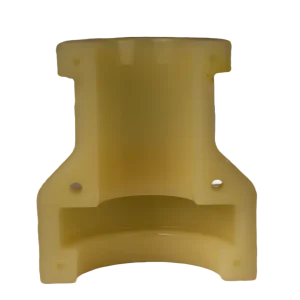
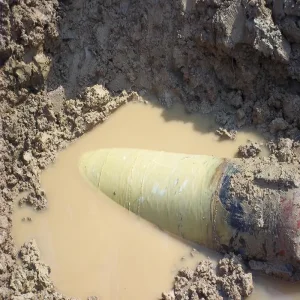
In directional drilling applications (HDD), where pipelines are pulled through long subterranean drill holes, standard sleeves are prone to peel off. For these environments, CYCT engineered high-performance Epoxy FRP (Fiberglass Reinforced Polymer) outer shells and photo-curing sleeves. These outer wraps encase the heat shrink sleeve in a rock-hard composite armor, shielding the joint from intense structural friction.
The future of rubber heat shrink technologies lies at the intersection of polymer physics and smart sensor technology. CYCT's R&D team, collaborating with top-tier research institutes like the CNPC Pipeline Science Research Institute, is driving innovations in three key vectors:
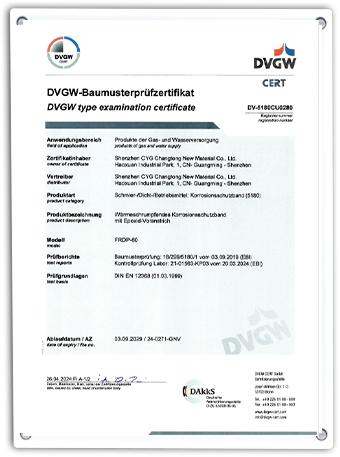
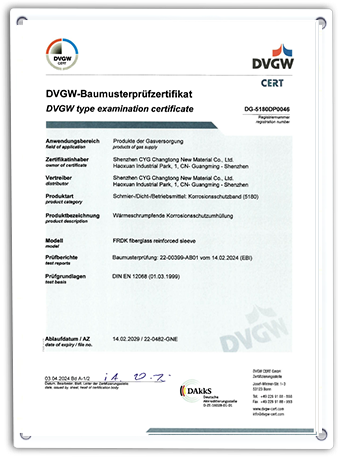
Sourcing anti-corrosion products requires adherence to localized regulatory frameworks. CYCT operates as an international OEM partner ensuring complete conformity with major global pipeline standards, including:
Compliance across all field joint coating configurations (Types 1A, 2A, 2B, 3A, and 5C) ensures standard-approved performance across international waters and borders.
Materials undergo severe testing for cathodic disbondment, shear strength, and electrical resistance in alignment with NACE SP0169 and NACE SP0274.
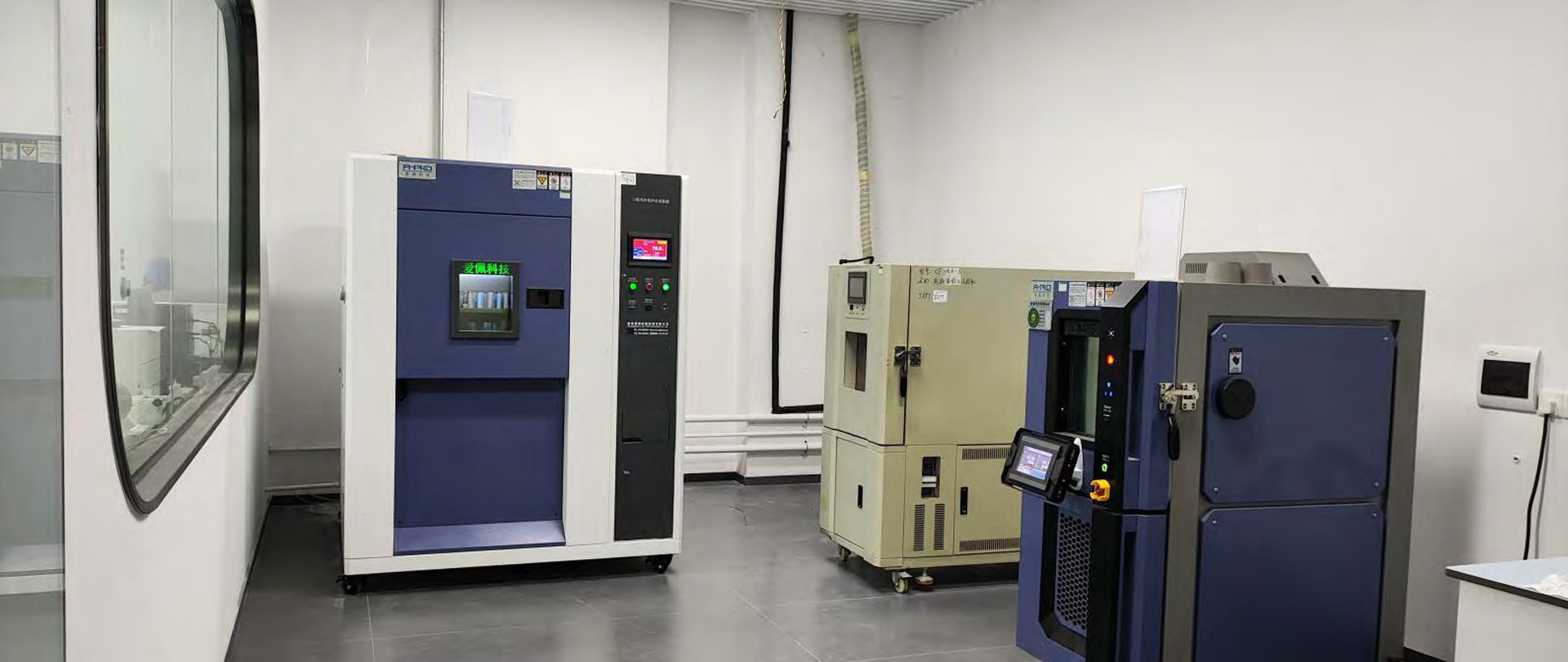
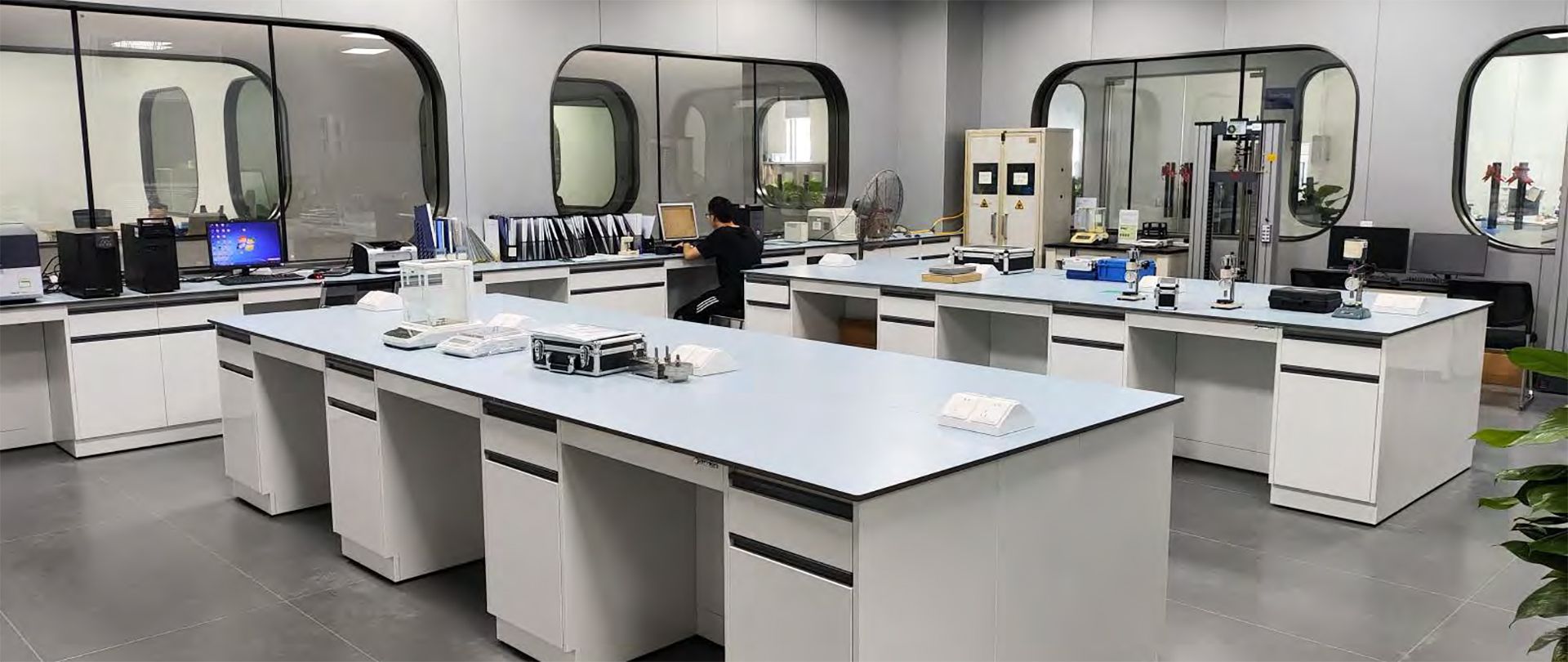
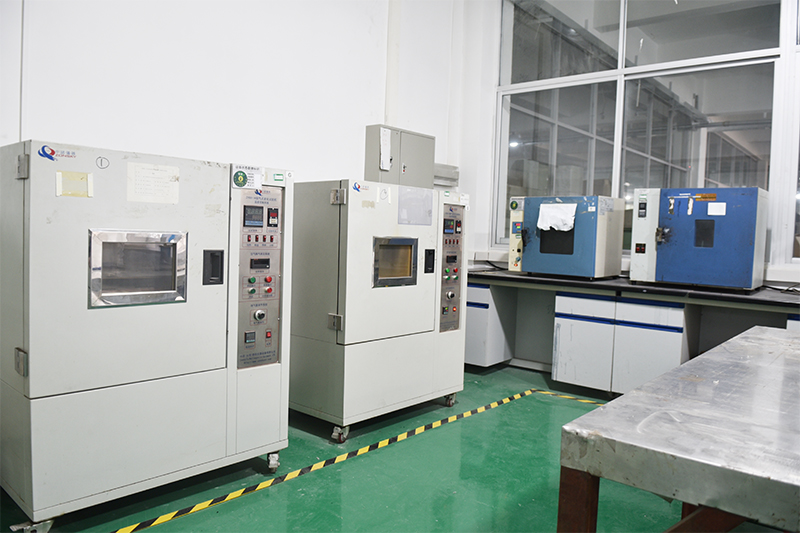
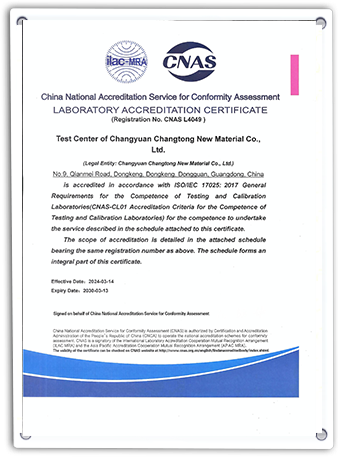
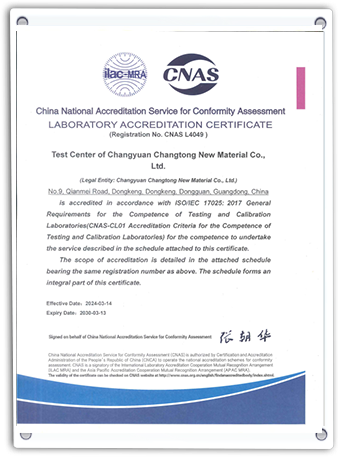
Every raw material batch undergoes strict validation in our national CNAS-accredited laboratory, ensuring complete traceability from monomer to shipped roll.
To assist global contractors, CYCT offers on-site technical support, training and certification for field applicators, and localized logistics support through our networks in the Middle East, India, and Southeast Asia.
Deeply rooted in pipeline integrity management since the turn of the millennium.
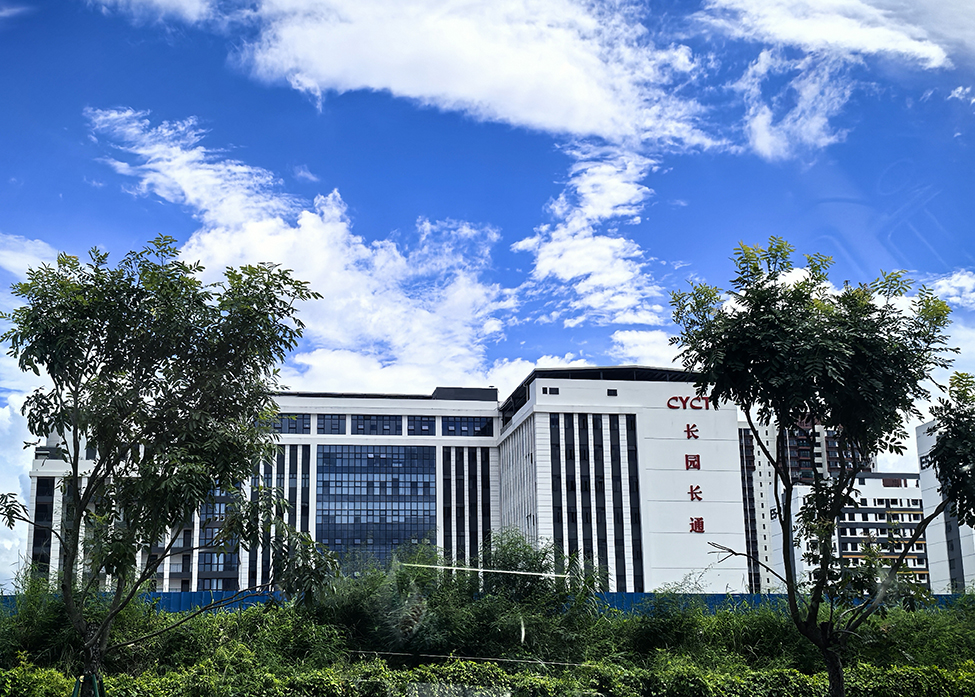
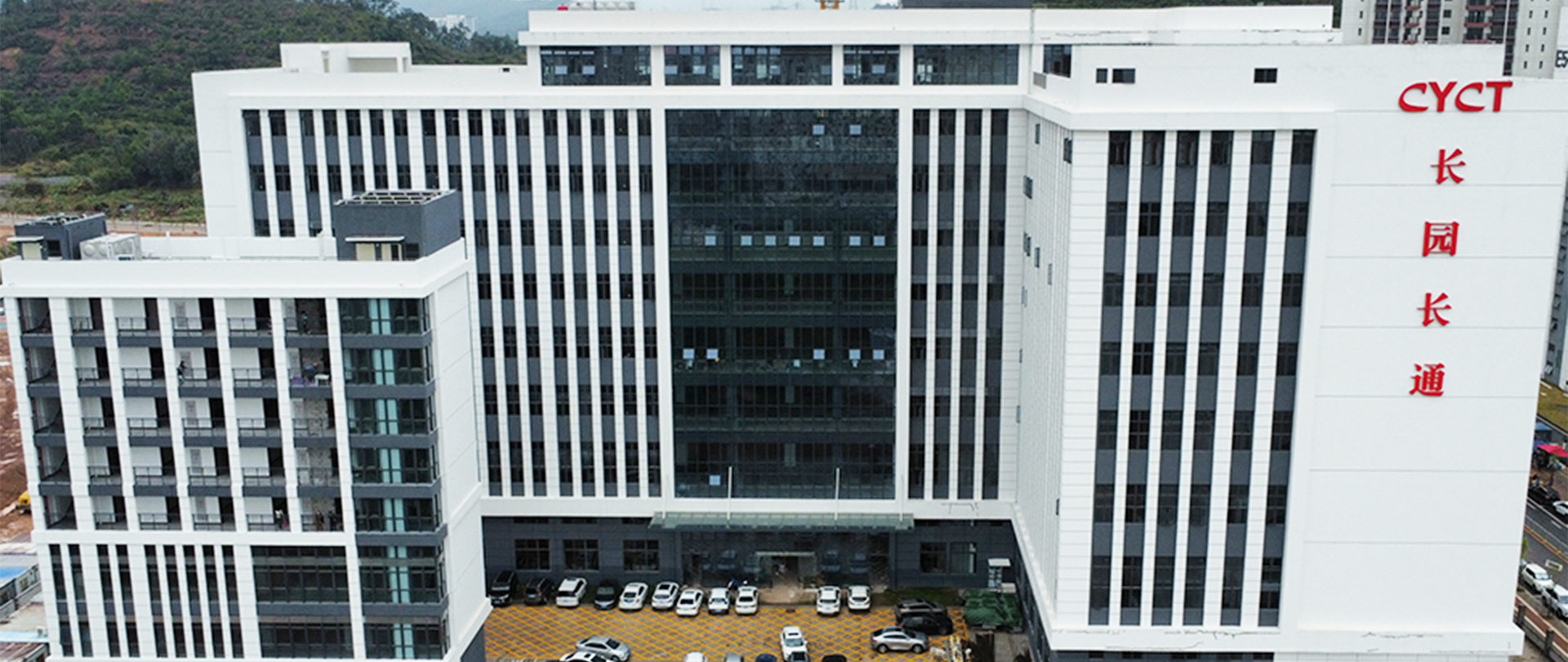
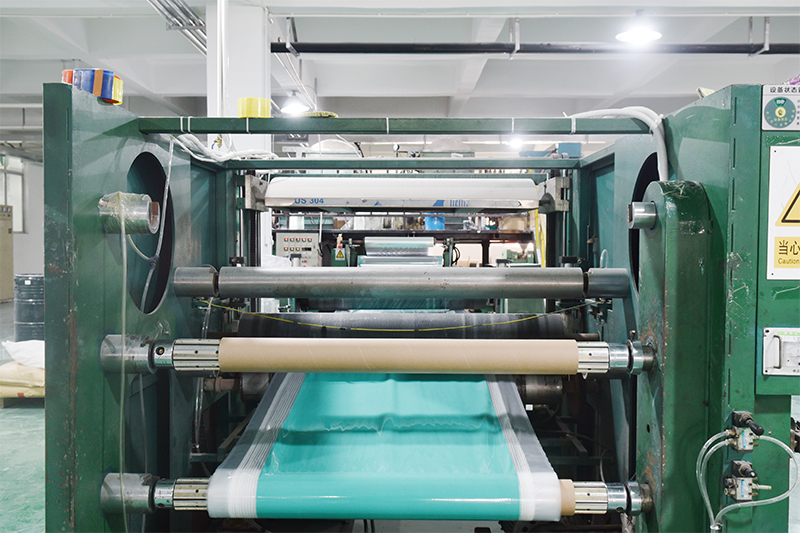
CYCT New Materials Company Limited (for short, CYCT) is a state-level high-tech enterprise integrating R&D, production and sales of pipeline corrosion protection materials as well as buried pipeline detection service and pipeline coating field application service into one. CYCT devotes itself to R&D, production and sales of pipeline corrosion protection materials for decades.
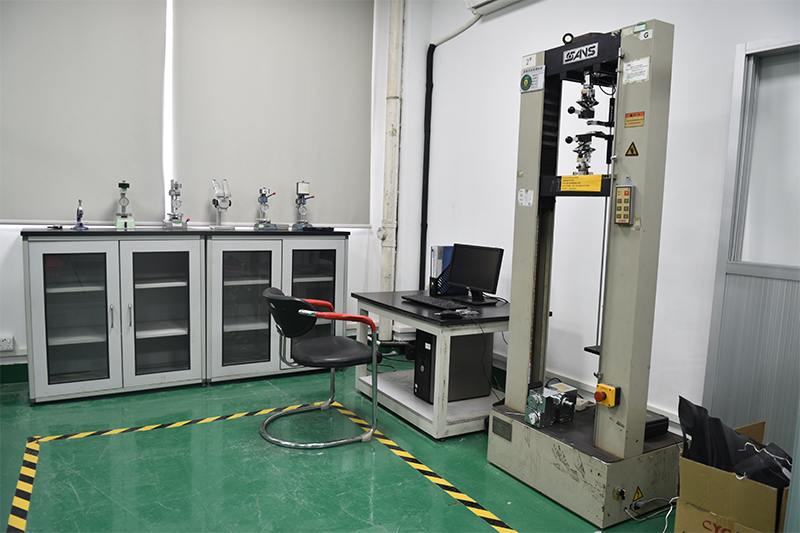
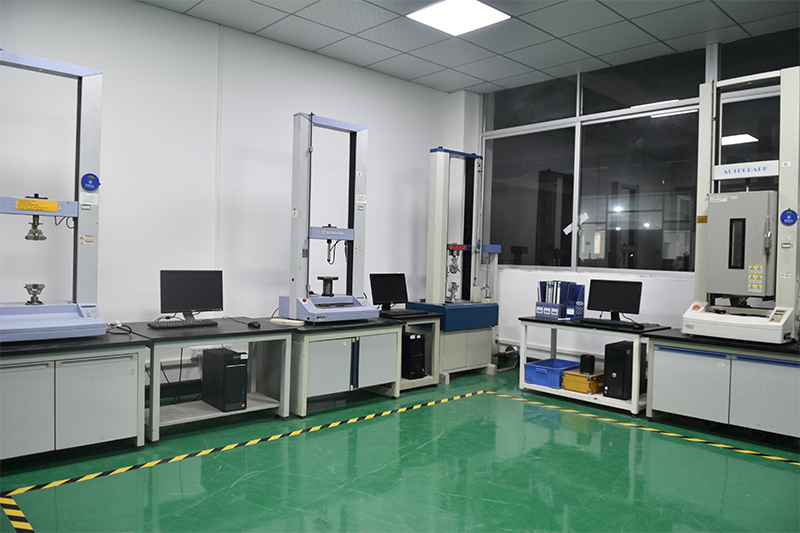
CYCT owns leading testing and R&D capabilities, a professional R&D team, and a national CNAS-accredited laboratory. By good cooperation with leading R&D institutes such as CNPC Pipeline Science Research Institute, CYCT is capable to provide in-service pipelines with varied technical service such as buried pipeline detection, design scheme, cathodic protection, rehabilitation project and an integrated solution for the safety protection of pipelines.
CYCT has become a stable supplier of field joint coating for years in PetroChina, Sinopec, PipeChina, China Gas Group, and local pipelines, capturing a dominant market share. Furthermore, CYCT has successfully developed and introduced a number of specialty corrosion protection materials such as visco-elastic anticorrosion materials, special photo-curing sleeve for HDD protection, and polyurea coating, and is a qualified supplier of Indian Oil.
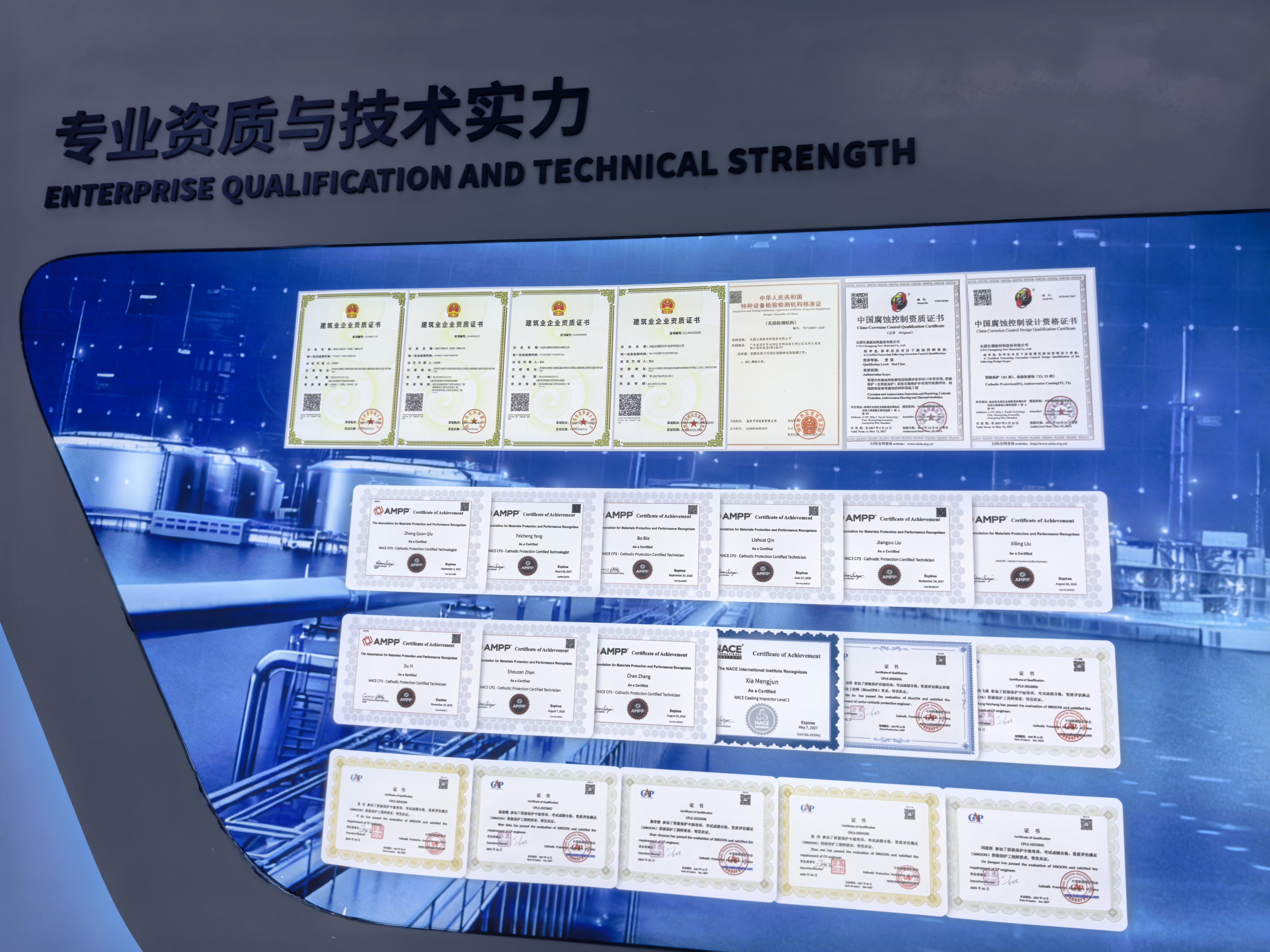
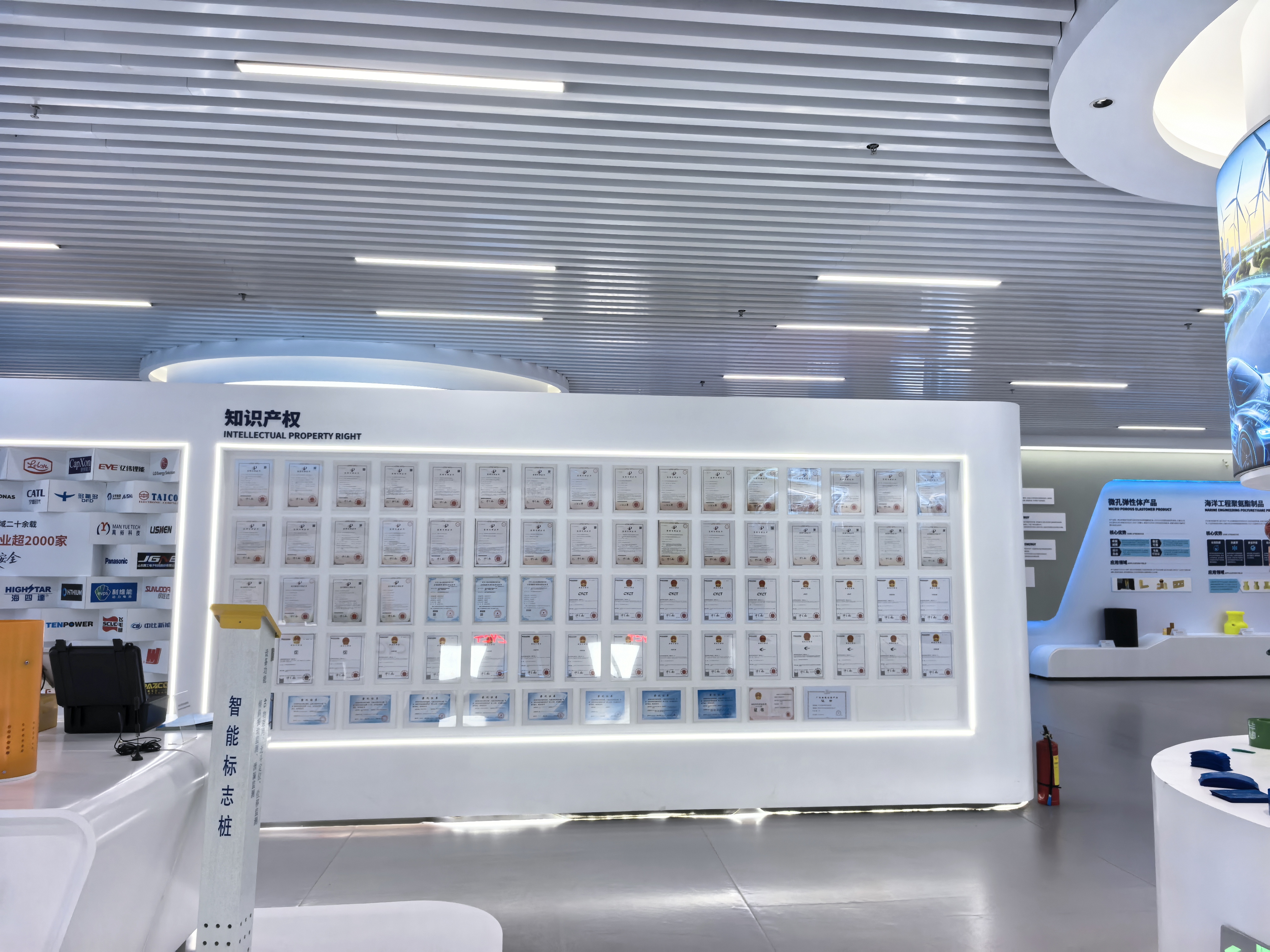
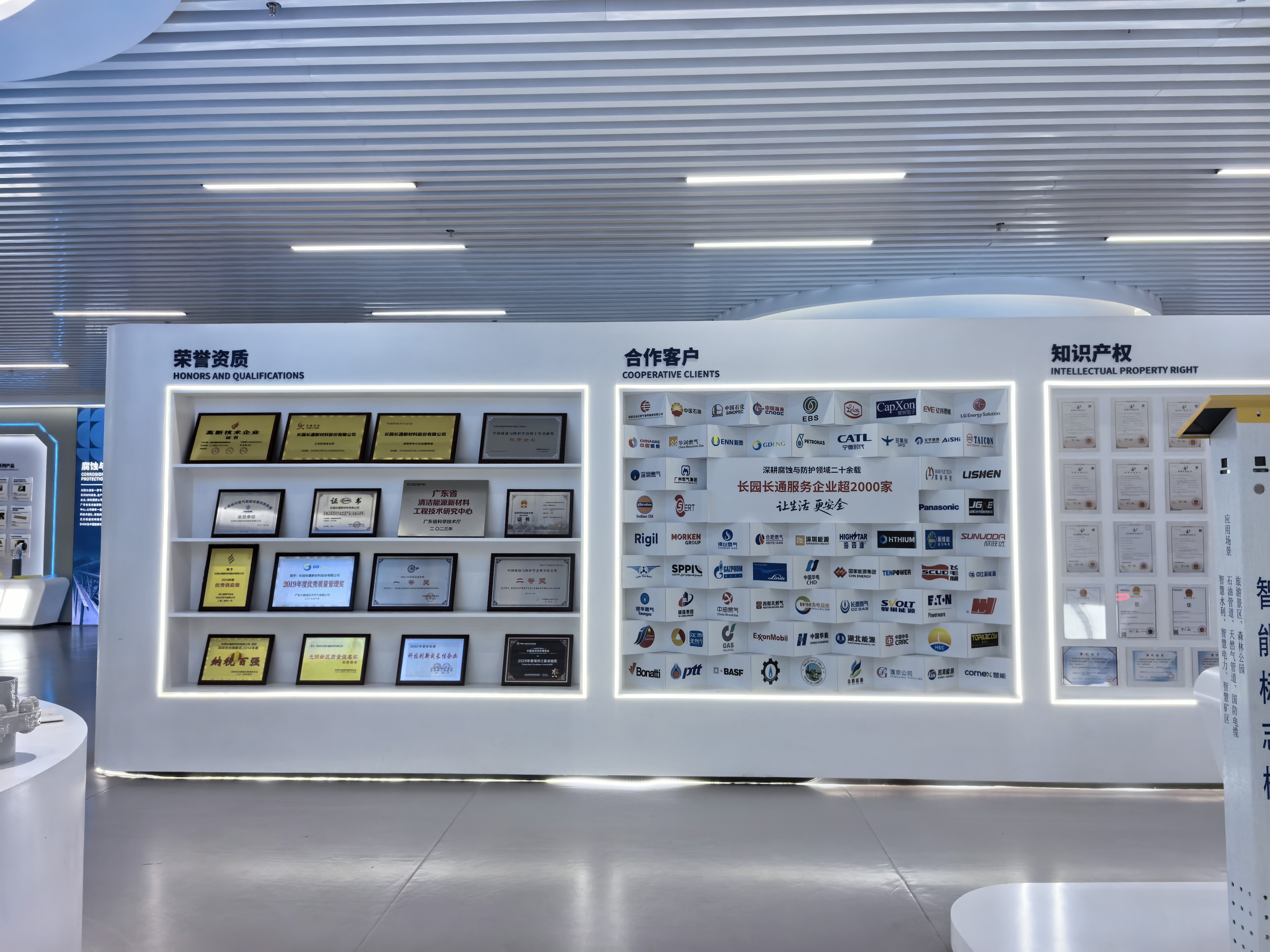
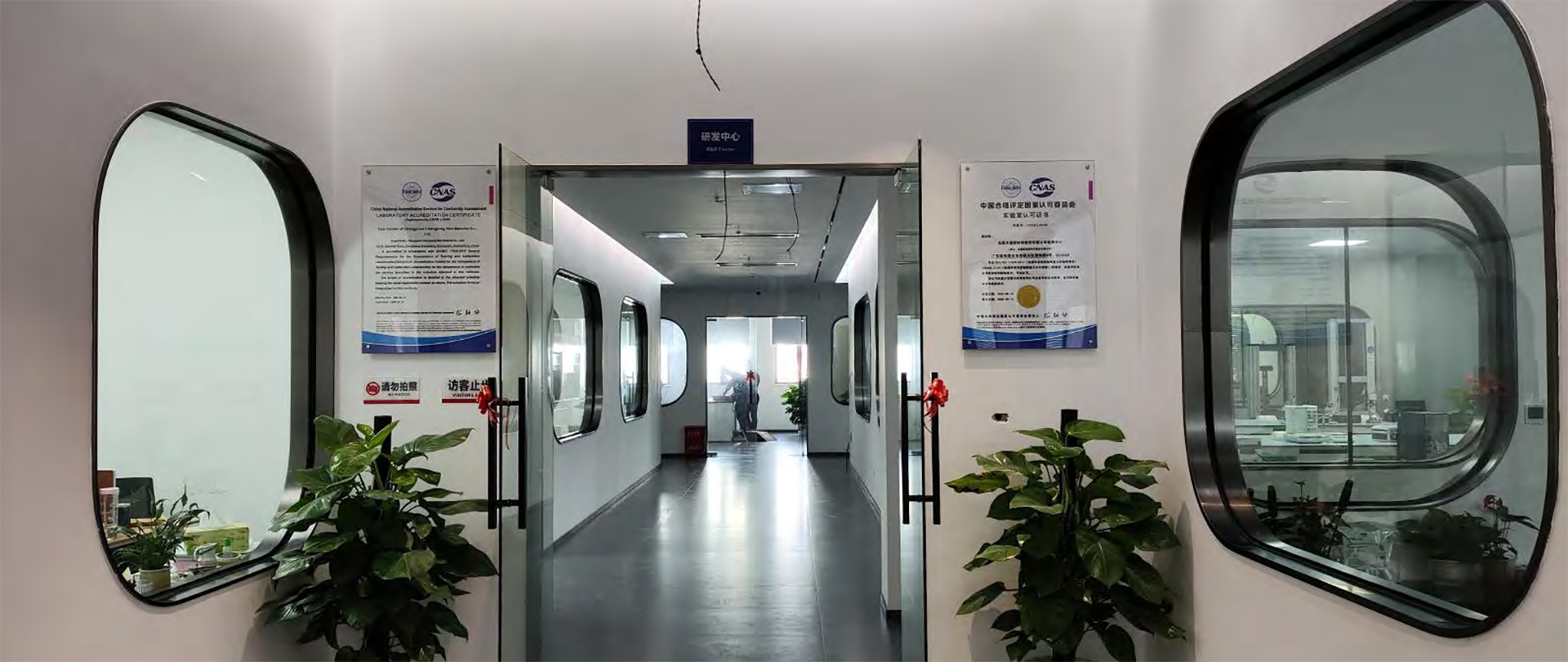
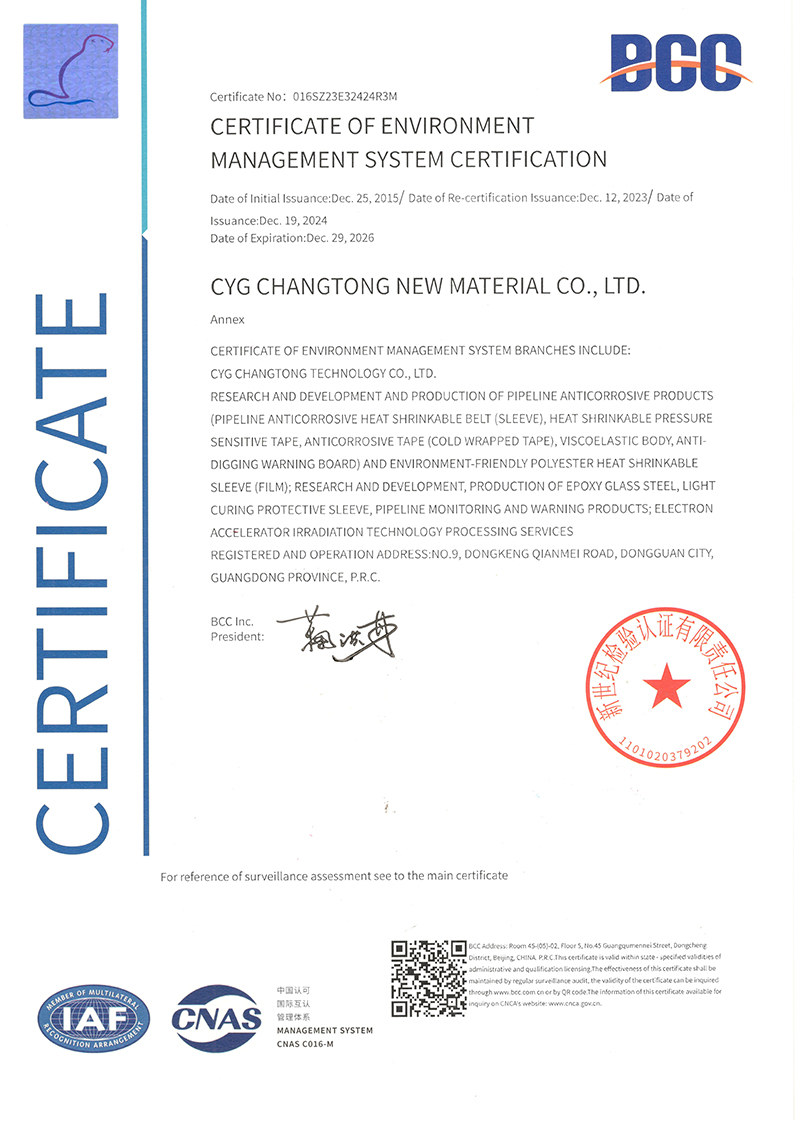
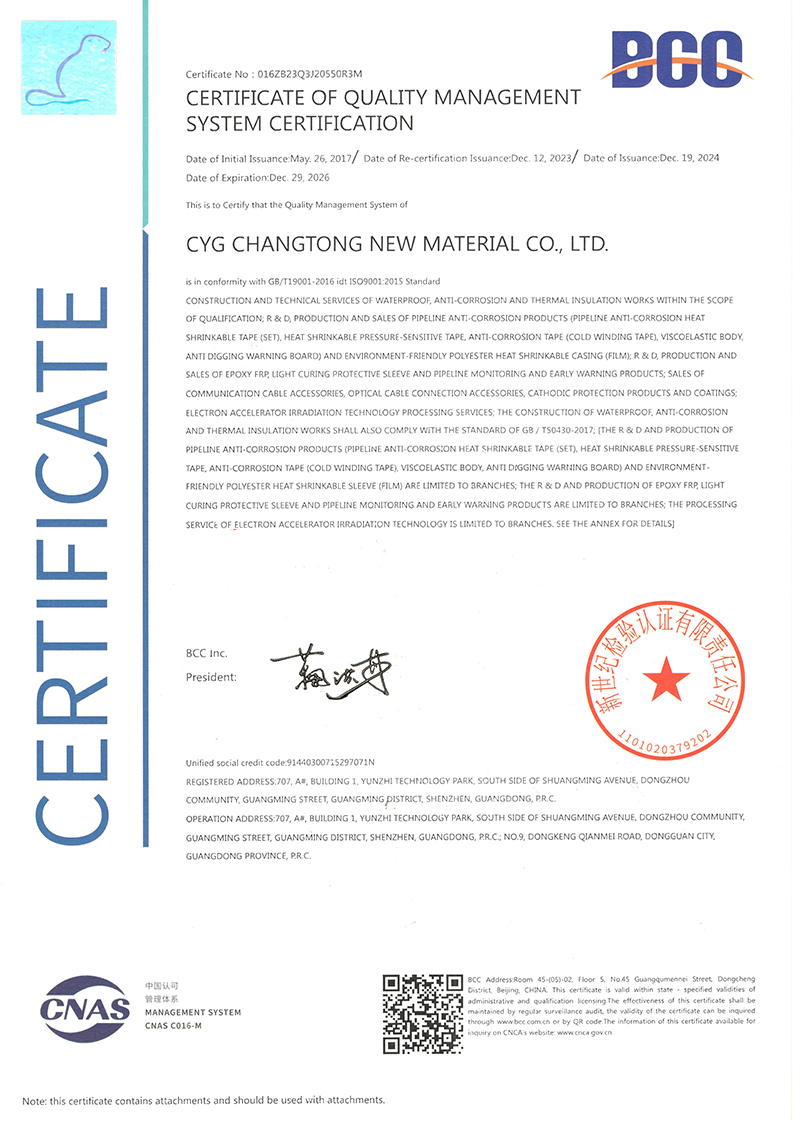
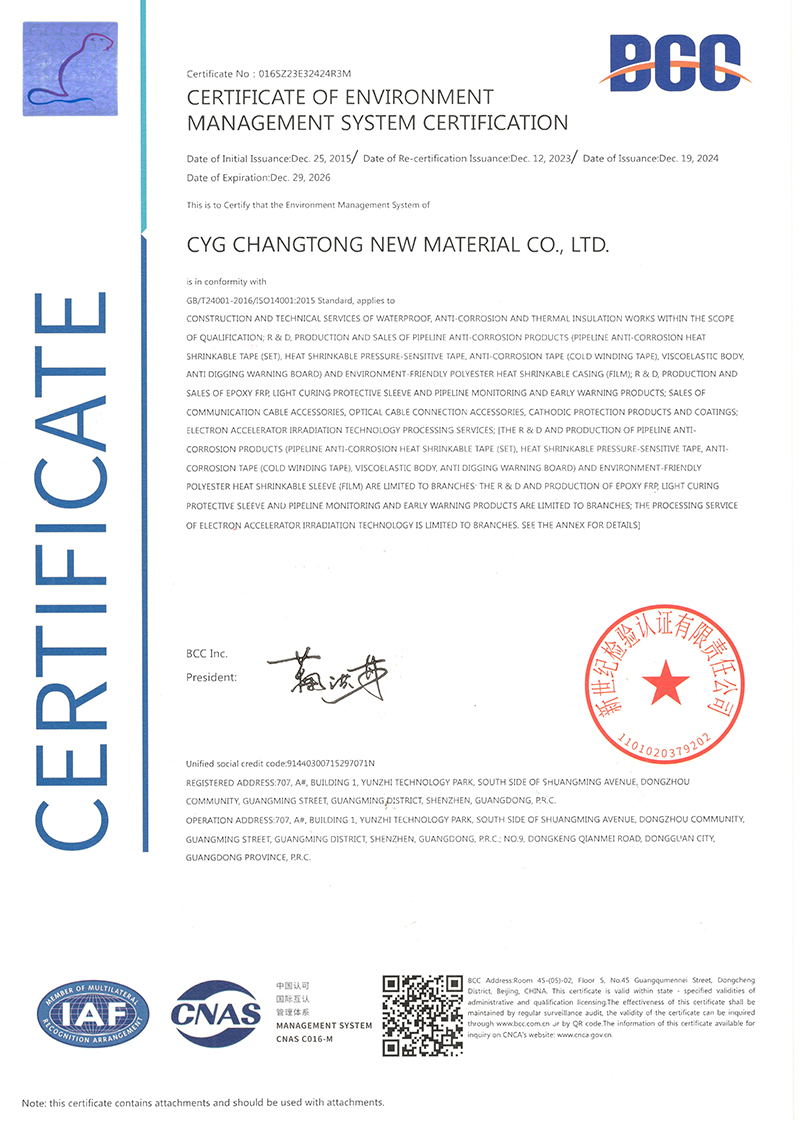
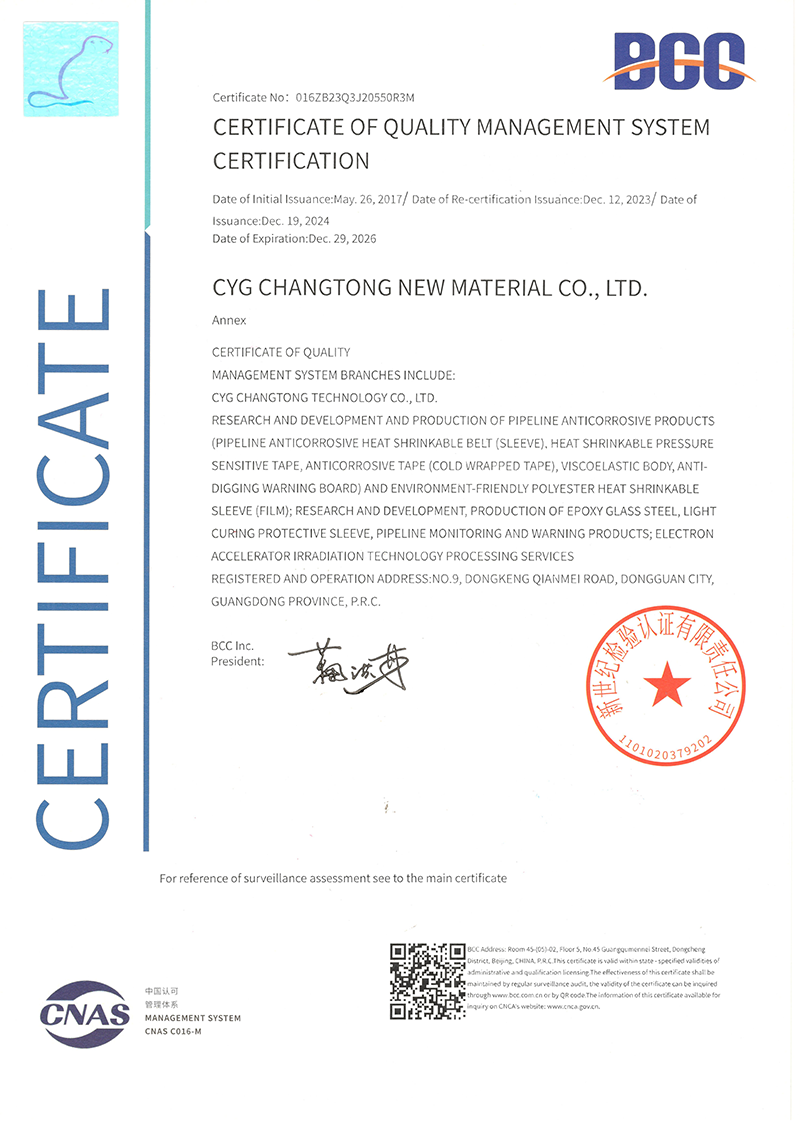
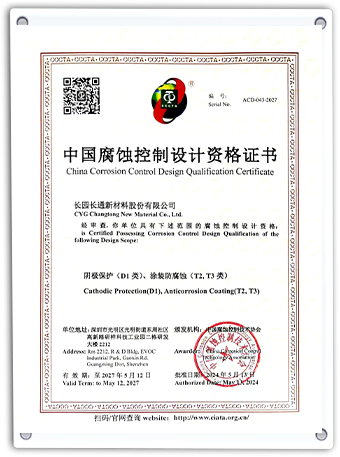
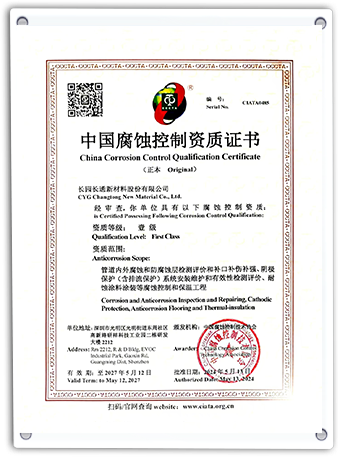
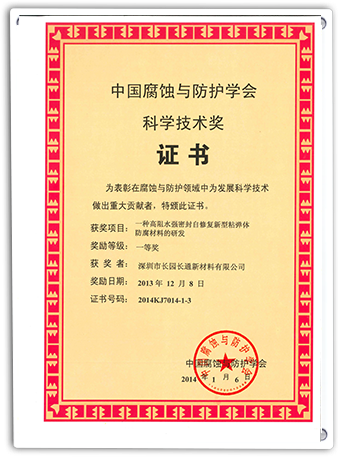
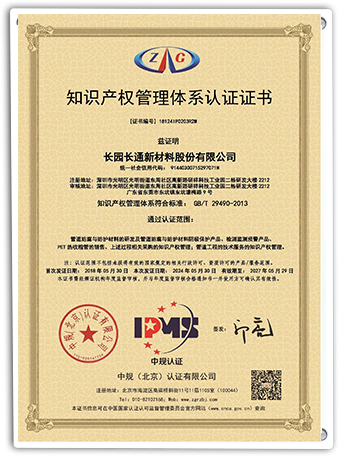
Member of Council in Chinese Society for Corrosion and Protection (CSCP), Qualification Certificate of Corrosion Protection Construction, Qualification Certificate of Pipeline Detection, Well-known Brand of Pipeline Corrosion Protection in China, Corporate Member of China Association of Petroleum Engineering Construction (CAPEC), State-Level High-Tech Enterprise with more than ten proprietary intellectual property rights. Stable supplier of PetroChina, Sinopec, China Gas Group, and Supplier of Indian Oil.
Answers to complex material science and pipeline installation questions from our senior technical consulting engineers.
Rubber modifications introduce elastomeric qualities to the crystalline polyethylene matrix. This increases mechanical flexibility, reduces crack propagation under low-temperature conditions, and provides better dynamic recovery, maintaining constant radial compression around the pipeline joint despite soil settlement or thermal expansion.
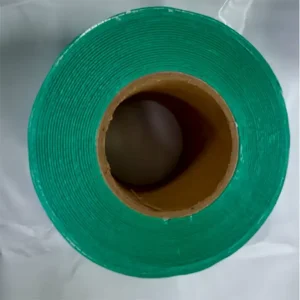
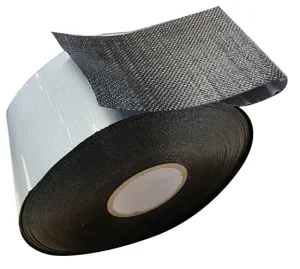
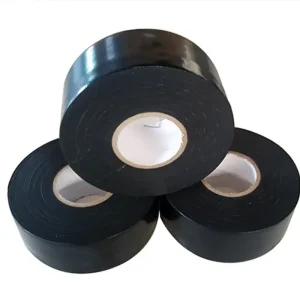
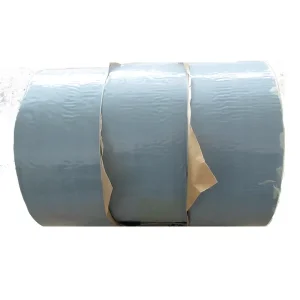
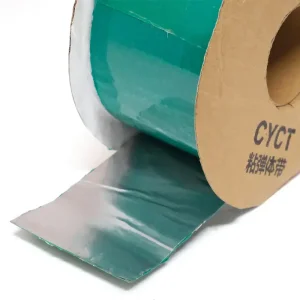
Viscoelastic tape, such as our FVT95 Fabric Viscoelastic Tape, features permanent cold flow properties. Unlike asphaltic materials, it does not cure or harden over time, ensuring a self-healing capability that automatically seals minor structural punctures. It maintains high resistance to cathodic disbondment and exhibits zero permeability to water and oxygen.
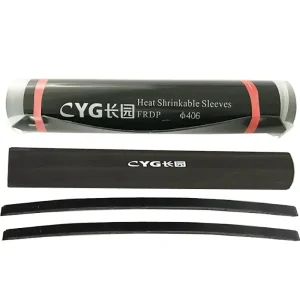
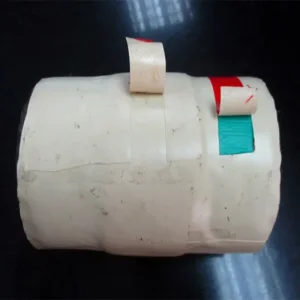
Mainline pipes are coated under controlled factory environments (like 3LPE or 3LPP). The field joint is coated on-site under variable weather, dust, and temperature conditions. Utilizing a pre-engineered, easy-to-install OEM heat shrinkable sleeve (such as our FRDP 60C) reduces installation errors and replicates factory-grade protection in the field.
To achieve optimal adhesion, the steel surface must be abrasive blasted to a minimum Sa 2.5 standard (ISO 8501-1) with a surface profile of 50-75 microns. The adjacent factory pipeline coating must be abraded (beveled) and cleaned to remove dirt, moisture, and chemical contaminants.
For HDD installations, standard sleeves are reinforced with a sacrificial protection layer, such as our Epoxy FRP (Fiberglass Reinforced Polymer) backing or photo-curing sleeves. This creates a hard shell over the sleeve, shielding the elastic seal from frictional wear as it is pulled through rocky soil.
Yes, our R&D team adjusts the mastic formulations and cross-linking densities of our polyethylene backings to match targeted project ranges, from sub-zero arctic pipelines to warm subsea systems and high-temperature utility systems operating up to 120°C.
Complete your pipeline mitigation systems with our high-grade specialty repair patches, hot melt adhesives, and viscoelastic systems.
 CYCT
CYCT