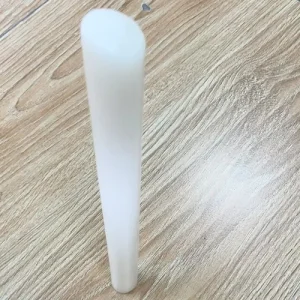
Engineered composite systems, repair patches, and moisture curing shields designed to restore pipeline coating integrity.
In midstream energy and oil & gas pipeline infrastructure, maintaining continuous outer corrosion protection is crucial for operational safety and lifecycle longevity. Standard three-layer polyethylene (3LPE) and three-layer polypropylene (3LPP) coatings often undergo mechanical stresses, abrasion, and thermal expansion during installation and backfilling. Even minor coating holidays can lead to severe localized pitting corrosion, accelerated by cathodic disbondment. This is where OEM Repair Sticks, formulated with proprietary thermoplastic polymers, provide a highly reliable field repair solution.
The Science of Adhesion: Modern hot melt repair sticks function through thermal fusion, blending with the existing PE or PP pipeline coating. When heated, the polymeric matrix shifts from crystalline to an amorphous state, creating cross-boundary molecular entanglement upon cooling. This forms an impermeable barrier against oxygen, moisture, and chemical agents.
As a global hub for chemical synthesis and polymer engineering, China's manufacturing sector has developed unparalleled advantages in the pipeline anti-corrosion domain:
Corrosion mitigation requires a systems-based approach. Our solutions cover various challenging environments:
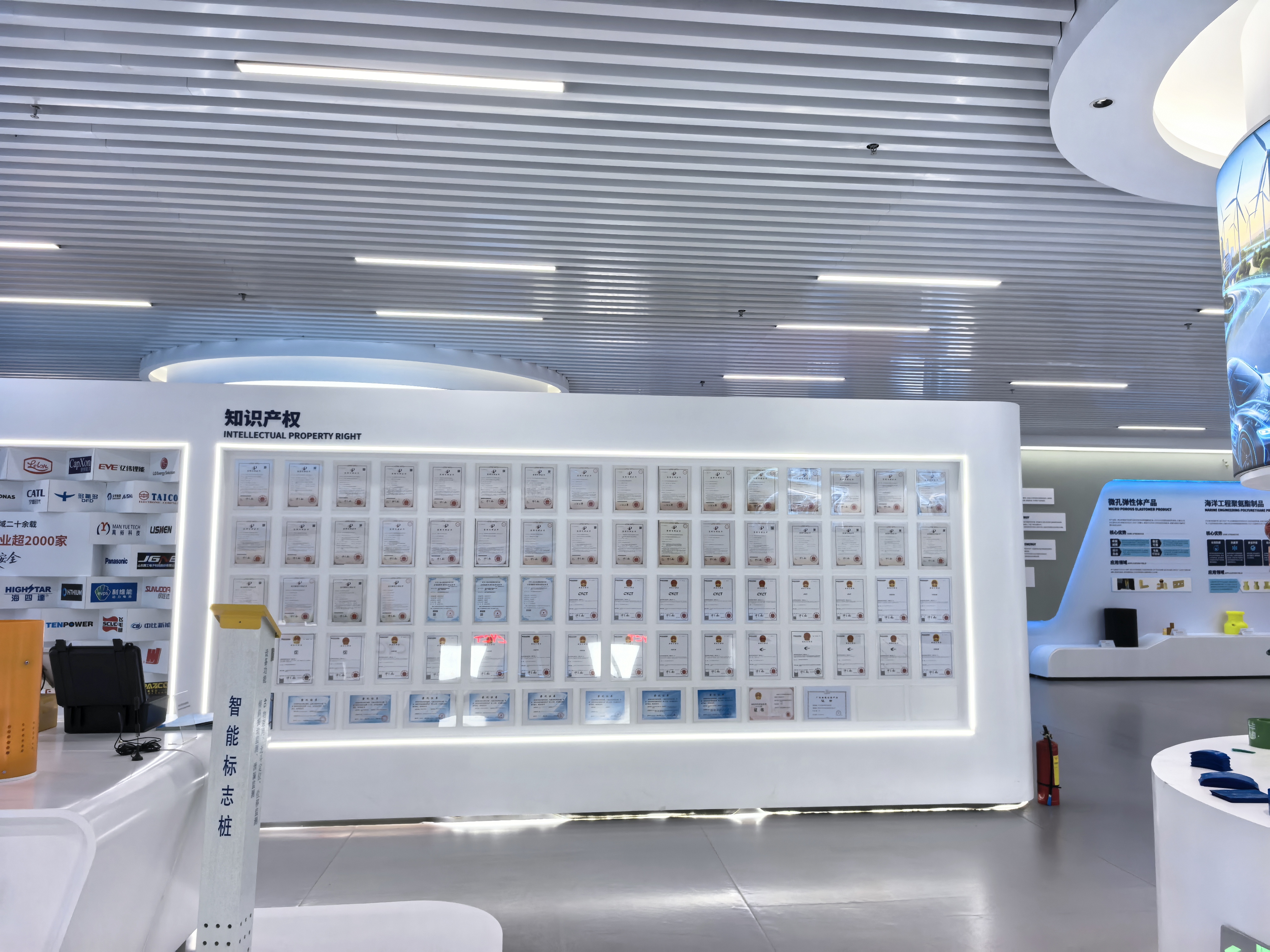
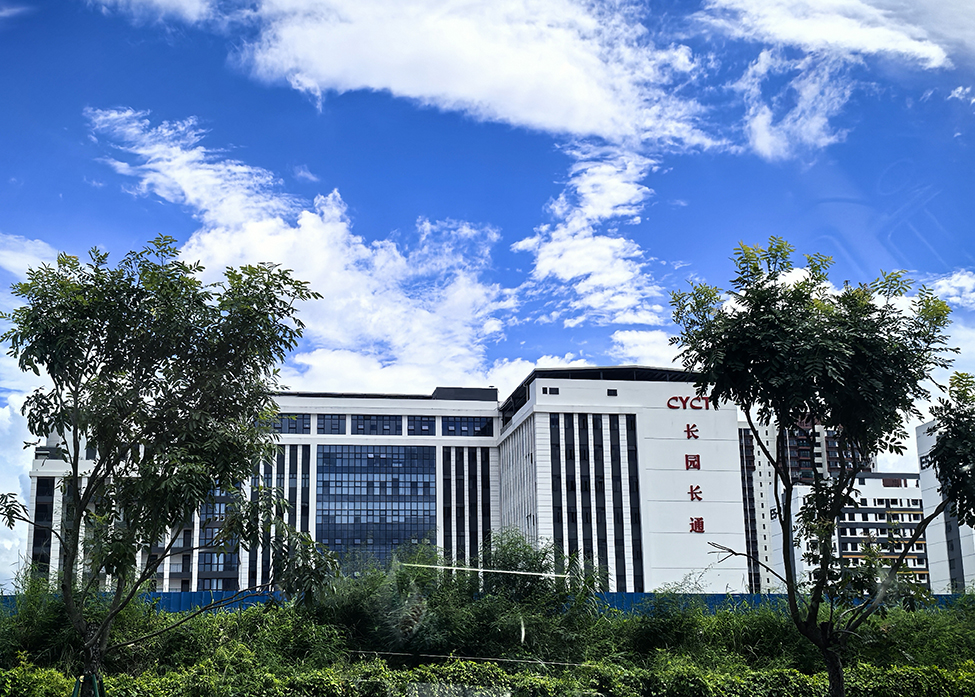
CYCT New Materials Company Limited is a state-level high-tech enterprise integrating the R&D, production, and sales of pipeline corrosion protection materials. We also specialize in buried pipeline detection and pipeline coating field application services.
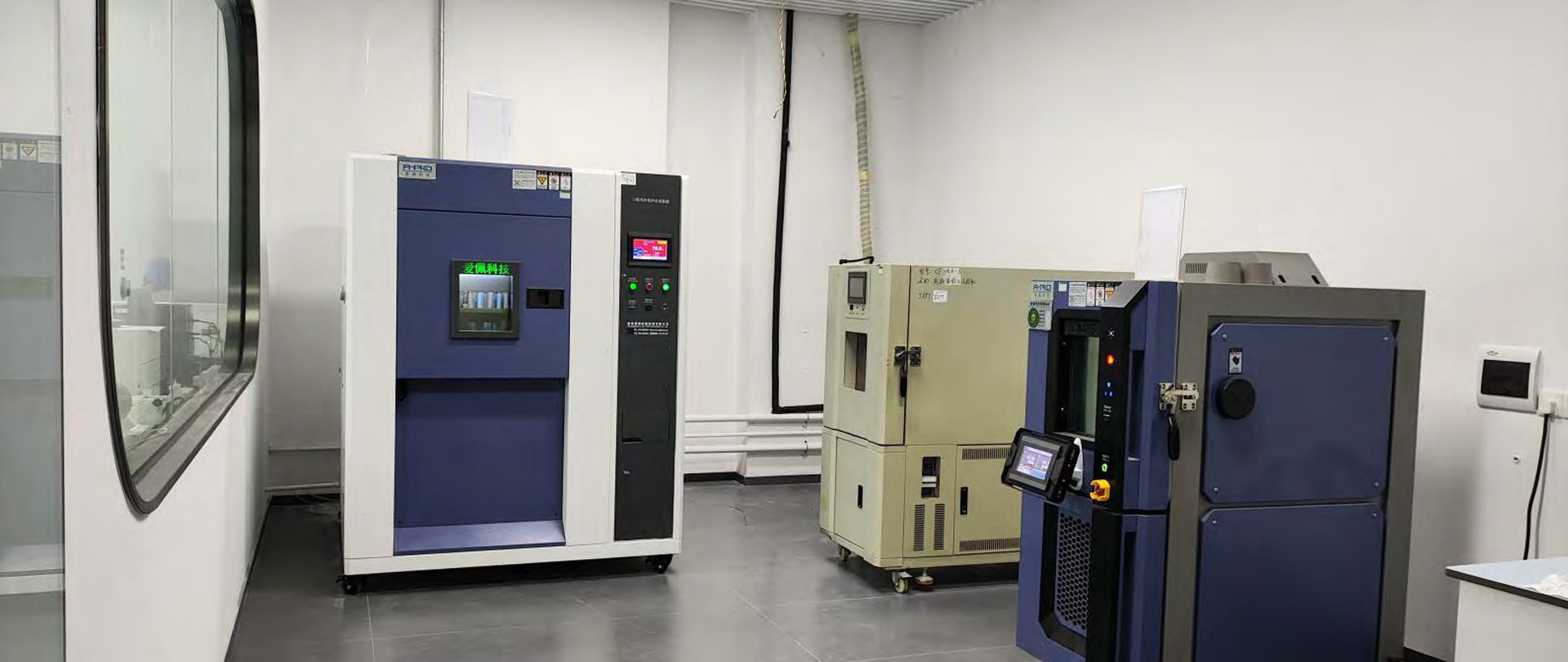
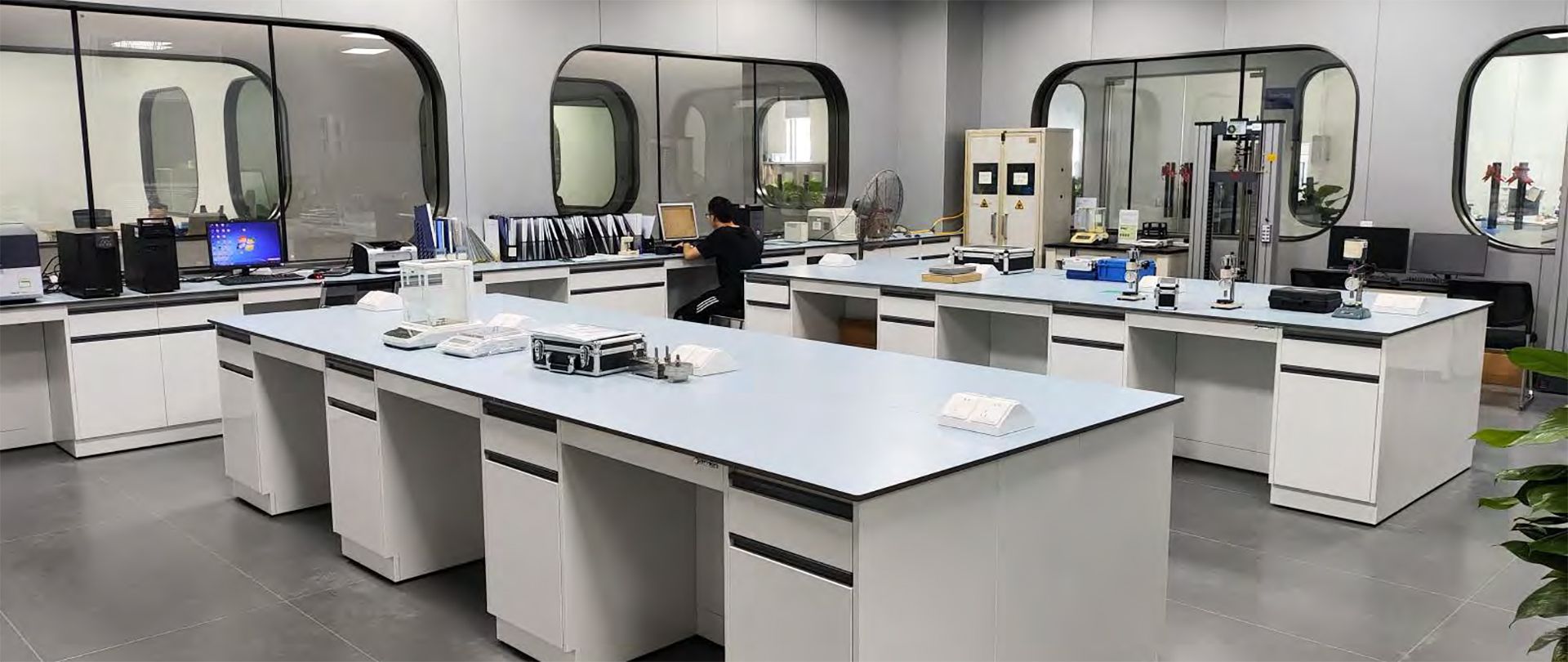
For decades, CYCT has committed to providing advanced corrosion prevention systems. Through deep collaboration with leading scientific institutes such as the CNPC Pipeline Science Research Institute, we deliver integrated, reliable solutions for oil, gas, and water distribution networks worldwide.
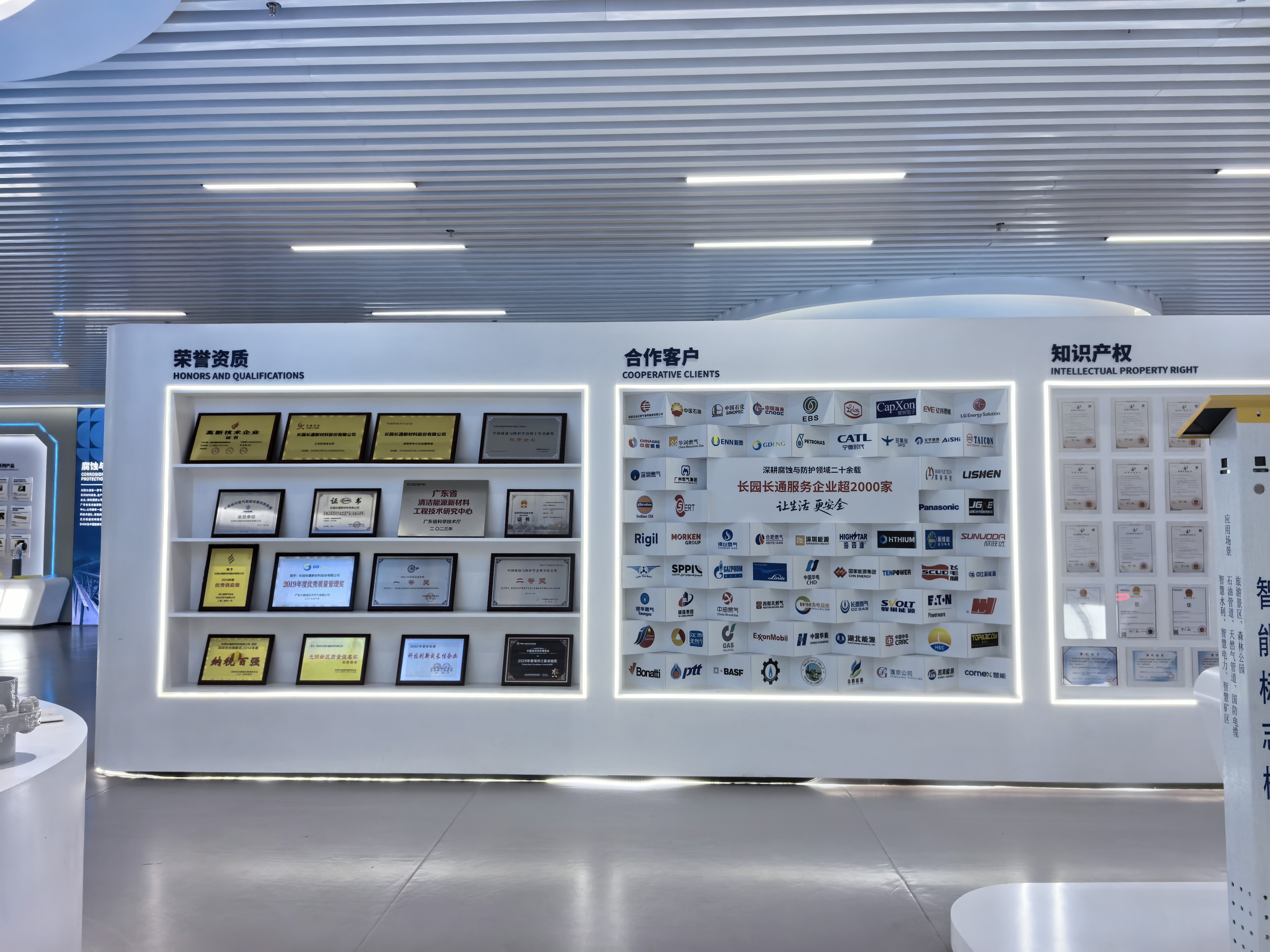
Note: CYCT maintains a stable supply of field joint coatings and repair systems to PetroChina, Sinopec, PipeChina, China Gas Group, and Indian Oil.
Key technical parameters demanded by global procurement departments for pipeline coating repairs.
Peel strength to steel substrates and factory line coatings (PE/PP) must exceed 1.5 N/mm at high temperatures and 2.5 N/mm at room temperature. This ensures long-term resistance to cathodic disbondment.
Operating temperature thresholds for hot melt sticks should range from -40°C up to +85°C. For heavy oil systems, specialty polypropylene-based formulations must sustain 110°C without liquefying.
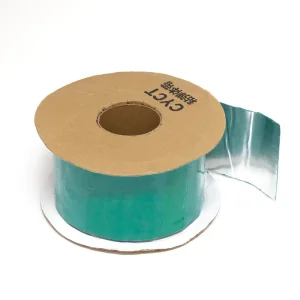
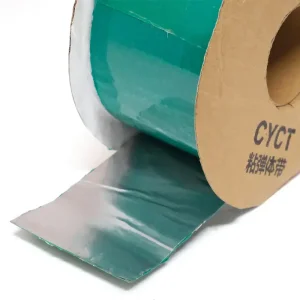
Our repair patches and mastic materials resist soil stress, wastewater, microbial degradation, and alkaline environments resulting from cathodic protection reactions.
The global energy infrastructure is changing rapidly, driving new requirements for the pipeline protection industry. Regulatory changes and environmental goals require coating repair systems that are both effective and sustainable.
Historically, hot melt compounds contained volatile solvents to improve adhesion. Modern formulations utilize zero-VOC, solid-state polymers that emit no hazardous fumes during heating. This protects field technicians and aligns with global net-zero compliance goals.
As fields move towards automated application, standard manual repair sticks are being paired with standardized flame or induction pre-heating units. This ensures uniform melting and minimizes manual application errors.
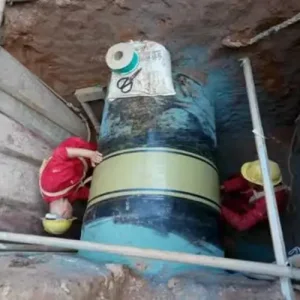
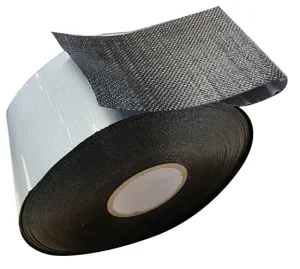
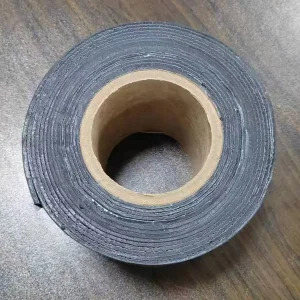
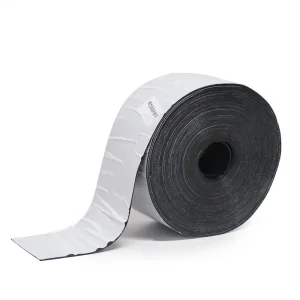
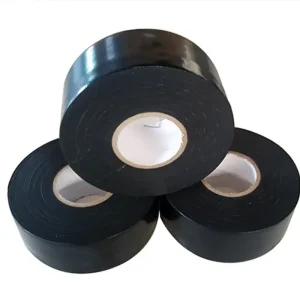
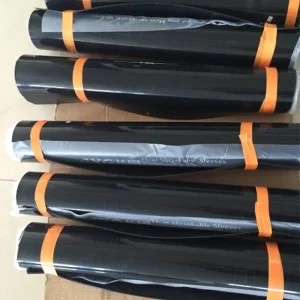
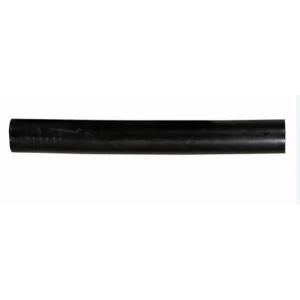
For damaged lines in complex topography, field technicians rely on multi-tier repair materials. Deep gouges are filled using a polyolefin hot melt stick, followed by an overlay of heat shrinkable sleeves or mastic tapes, and wrapped with UV-resistant shields. This creates a multi-layered barrier against physical impact and chemical intrusion.
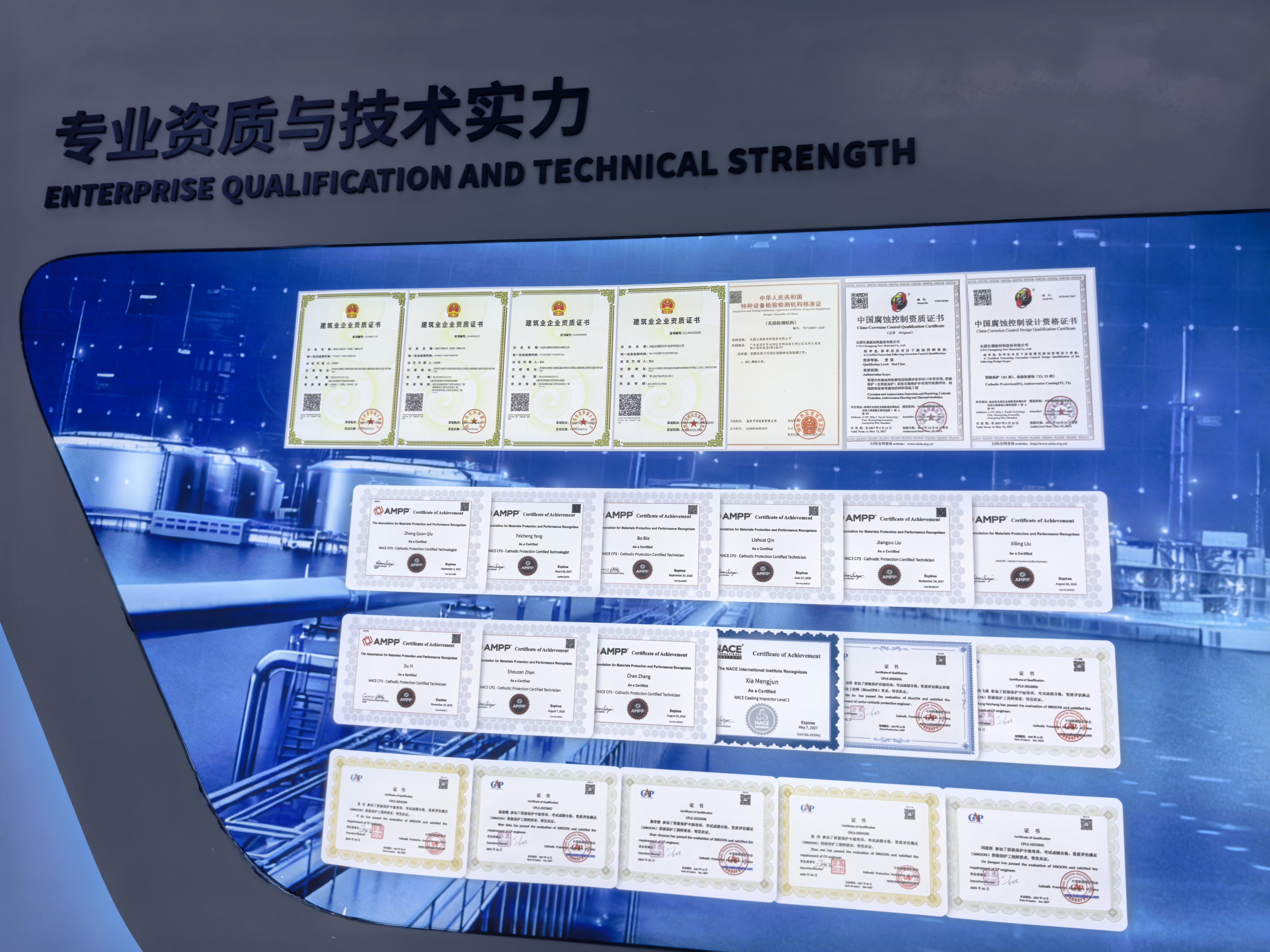
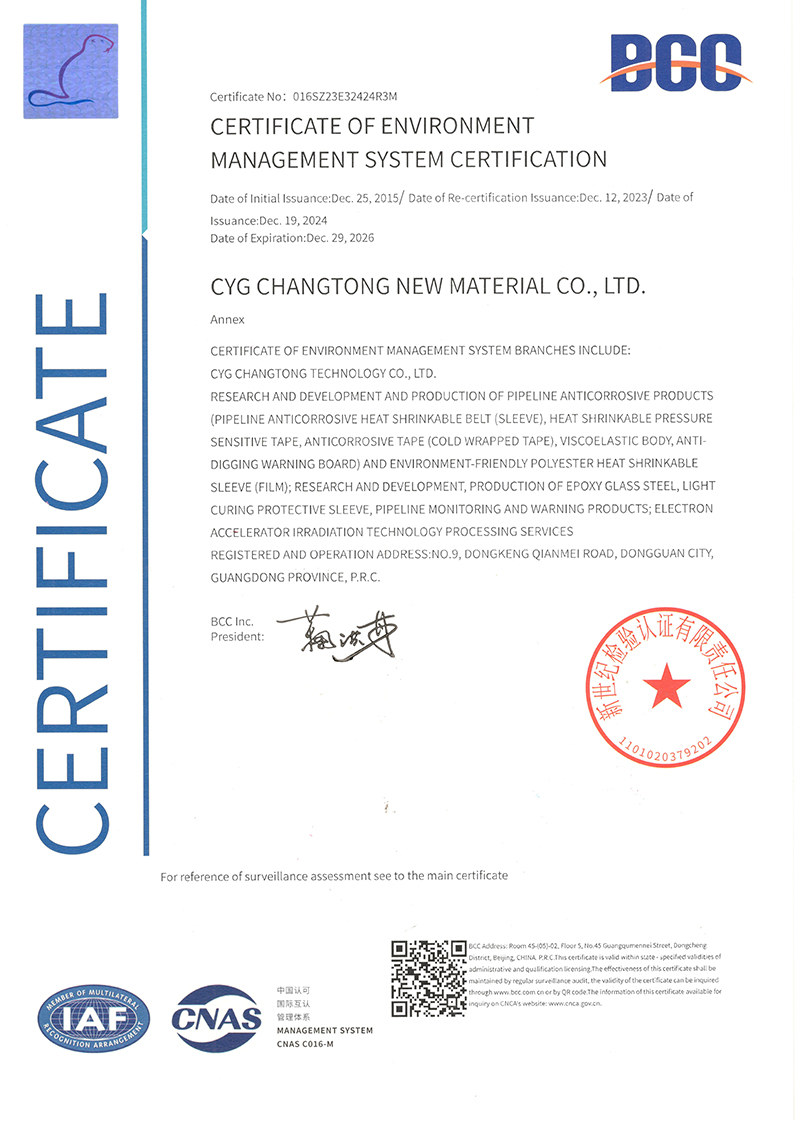
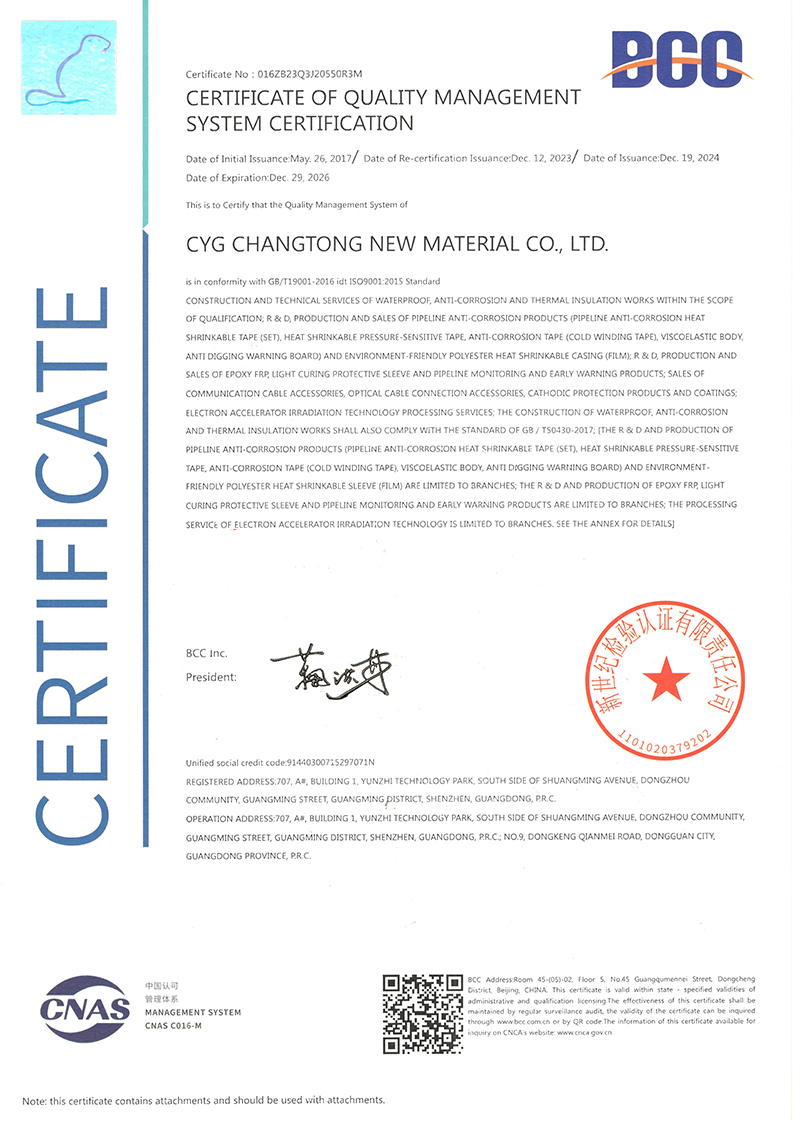
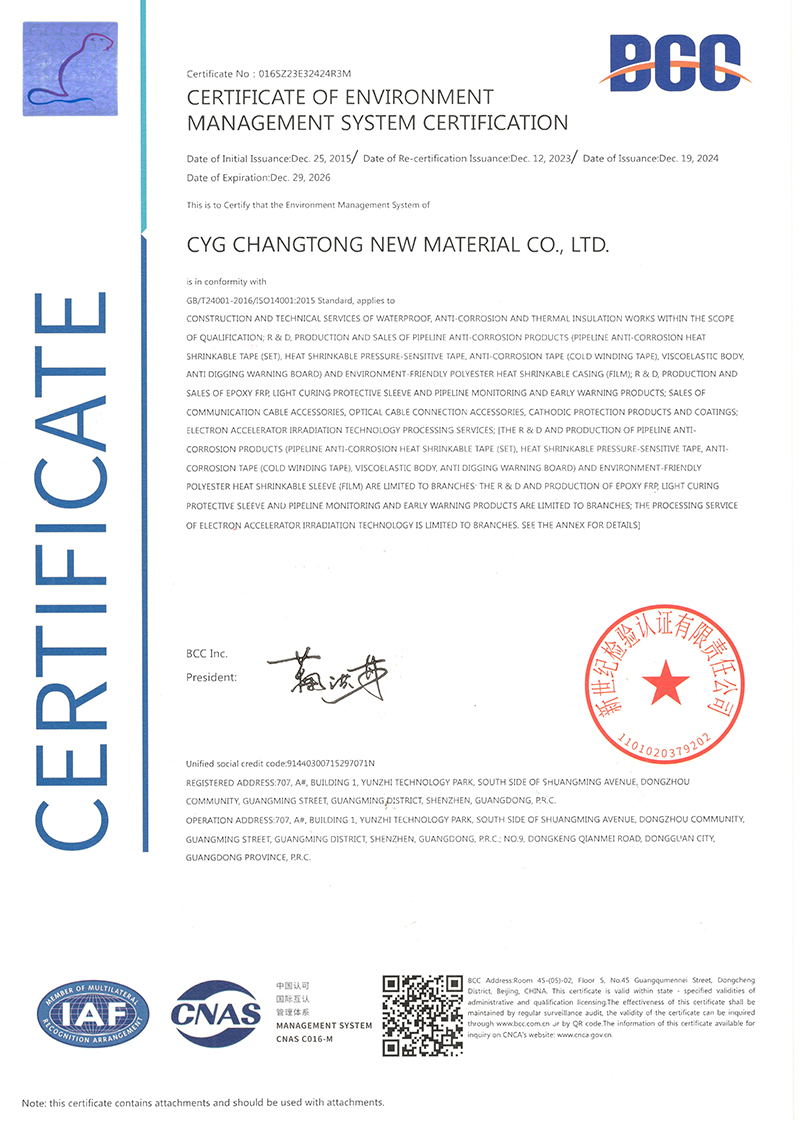
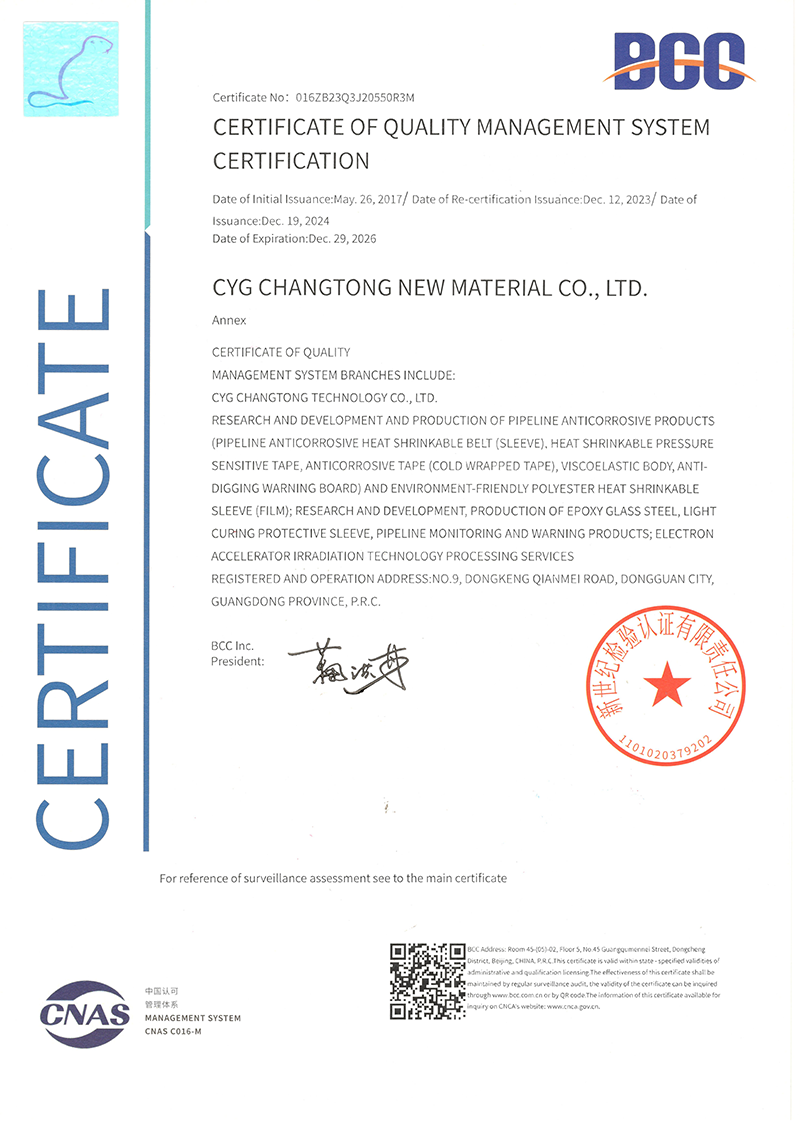
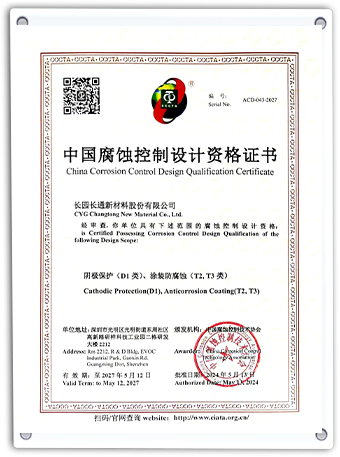
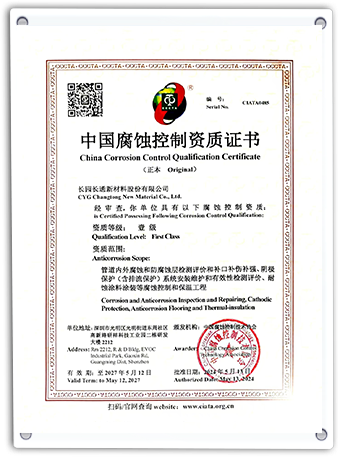
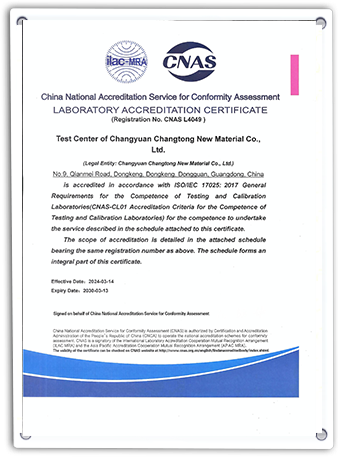
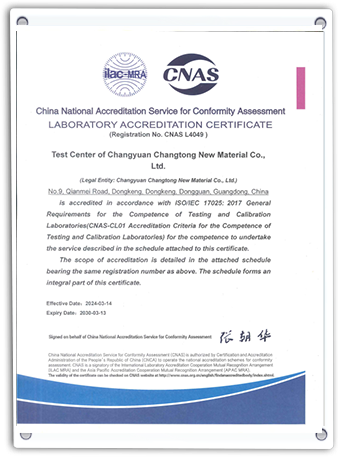
Member of Council in Chinese Society for Corrosion and Protection (CSCP). Approved by international inspection bodies.
Find technical answers to common queries regarding hot melt sticks, repair patches, and installation procedures.
PE repair sticks are formulated with low-density or linear low-density polyethylene copolymers combined with tackifying resins, designed to repair 3LPE coatings operating up to 85°C. PP repair sticks are based on block copolymer polypropylene resins, offering higher melting points and greater shear resistance. These are suitable for 3LPP coatings operating at temperatures up to 110°C.
First, remove all loose coating, dirt, rust, and moisture from the target area. Bevel the edges of the existing coating to a 45-degree angle. Pre-heat the repair area using a propane torch to the specified temperature (typically 120°C to 150°C for PE) to ensure a strong melt fusion with the steel and surrounding coating.
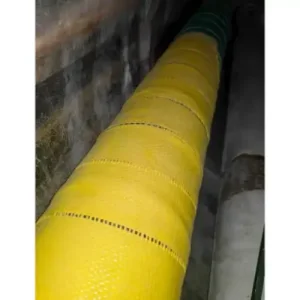
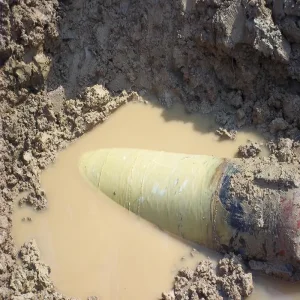
Hot melt repair sticks require a completely dry surface during installation. If you are operating in damp or offshore conditions, you should use specialized moisture curing shields (such as the CYG Changtong GRF Moisture Curing Shield) which cure under wet conditions.
Purchasers should verify compliance with ISO 21809-3 (Type 5A/5B/5C repair materials) and European EN 12068 Class C standards. These certificates prove the material has undergone long-term cathodic disbondment, peel strength, shear resistance, and impact testing.
Complete your procurement requirements with our range of high-performance tapes, sleeves, and hot melt systems.
 CYCT
CYCT