Explore our premium grade, factory-direct joint protection sleeves, sealing tapes, and repair solutions designed for high-stress energy infrastructures.
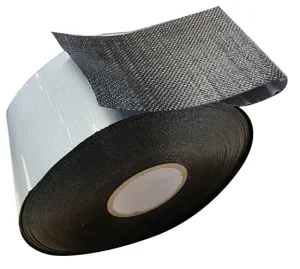
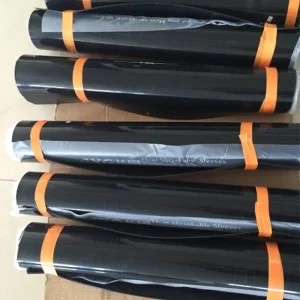
In modern pipeline design, the field joint—where individual pipe sections are welded together—represents the most vulnerable zone for corrosion attack. As an industry-leading OEM Polyolefin Shrink Sleeve Supplier, CYCT manufactures protection systems that rely on a highly sophisticated material architecture. Polyolefin shrink sleeves are composite systems engineered from a backing layer of radiation cross-linked high-density polyethylene (HDPE) or polypropylene (PP), paired with a specially formulated copolymer hot-melt adhesive.
The cross-linking process involves exposing the polyolefin matrix to high-energy electron beams. This alters the linear polymer chains into a three-dimensional network structure. This structural modification imparts the "elastic memory" effect: when heated, the backing shrinks to its original extruded dimensions, exerting a continuous radial tension on the pipe joint. The secondary layer, an advanced hot-melt mastic or copolymer adhesive, liquefies under the installation flame, filling all superficial steel imperfections and anchoring itself firmly to the substrate. This ensures an impenetrable barrier against moisture, oxygen, and corrosive ions.
Our copolymer adhesives are engineered to withstand extreme soil stress and axial pipeline expansion, preventing any sliding or mechanical detachment over a 30-year design life.
Formulated for operating temperatures ranging from cold water distribution environments up to 120°C high-temperature hydrocarbon transport systems.
Exhibits exceptional resistance to cathodic disbondment (CD), conforming with ISO 21809-3 standards and protecting under CP current exposure.
CYCT New Materials Company Limited (for short, CYCT) is a state-level high-tech enterprise integrating R&D, production, and sales of pipeline corrosion protection materials. Since our founding in 2000, we have pioneered the field joint coating (FJC) landscape in China, operating as a key strategic partner to pipeline builders worldwide. We provide integrated solutions for the safety protection of pipelines, extending to buried pipeline detection services and field coating application services.
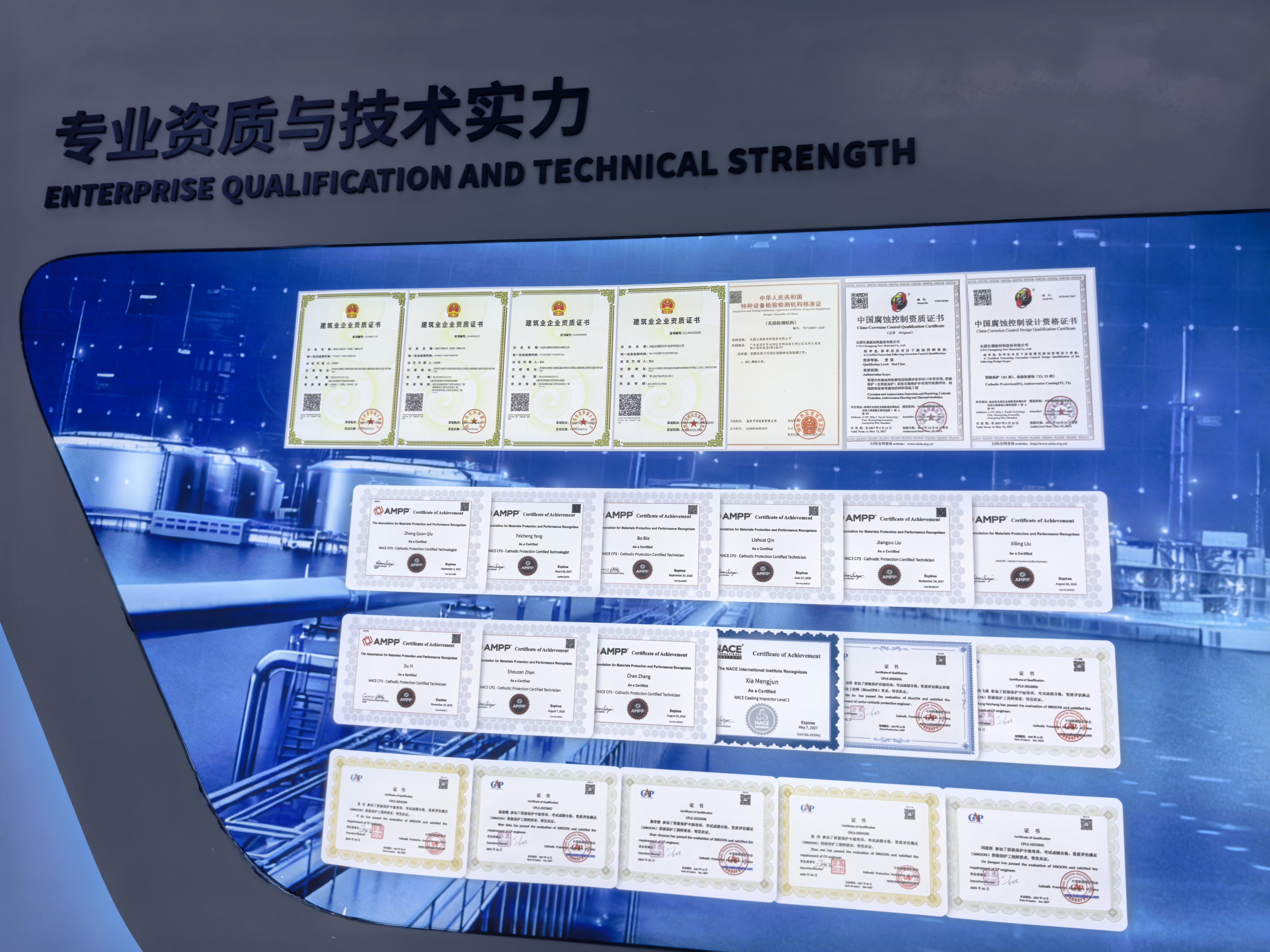
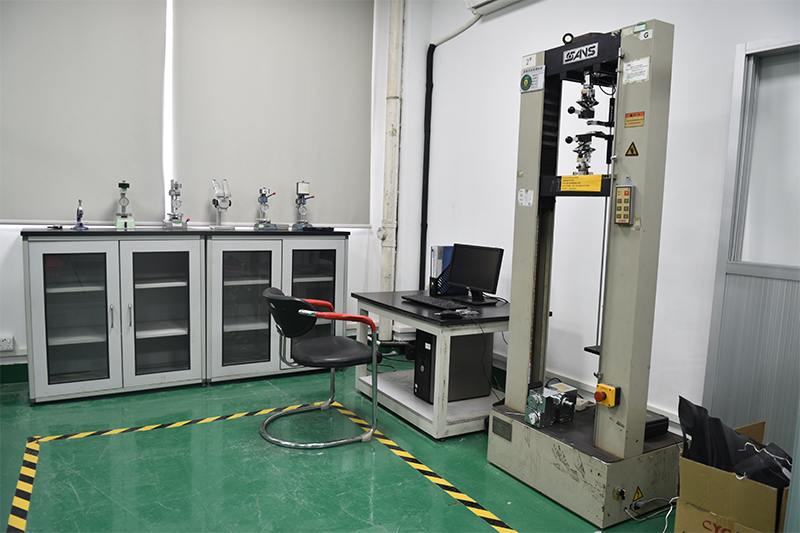
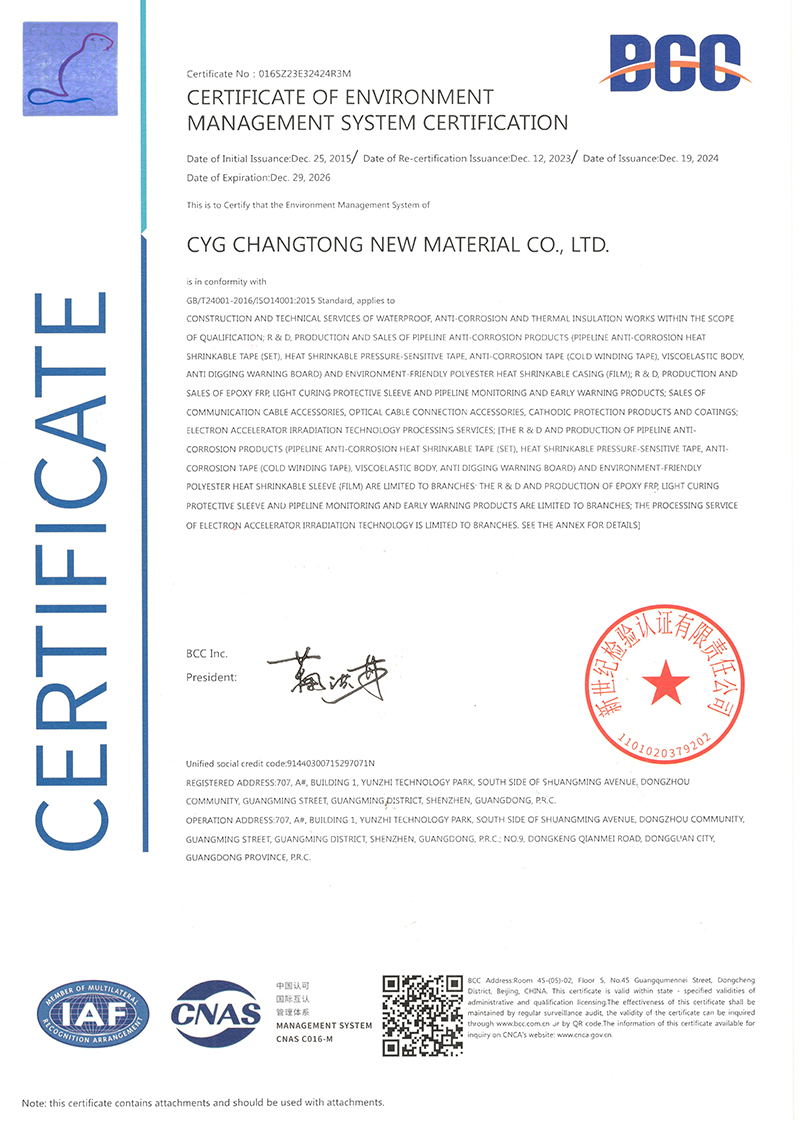
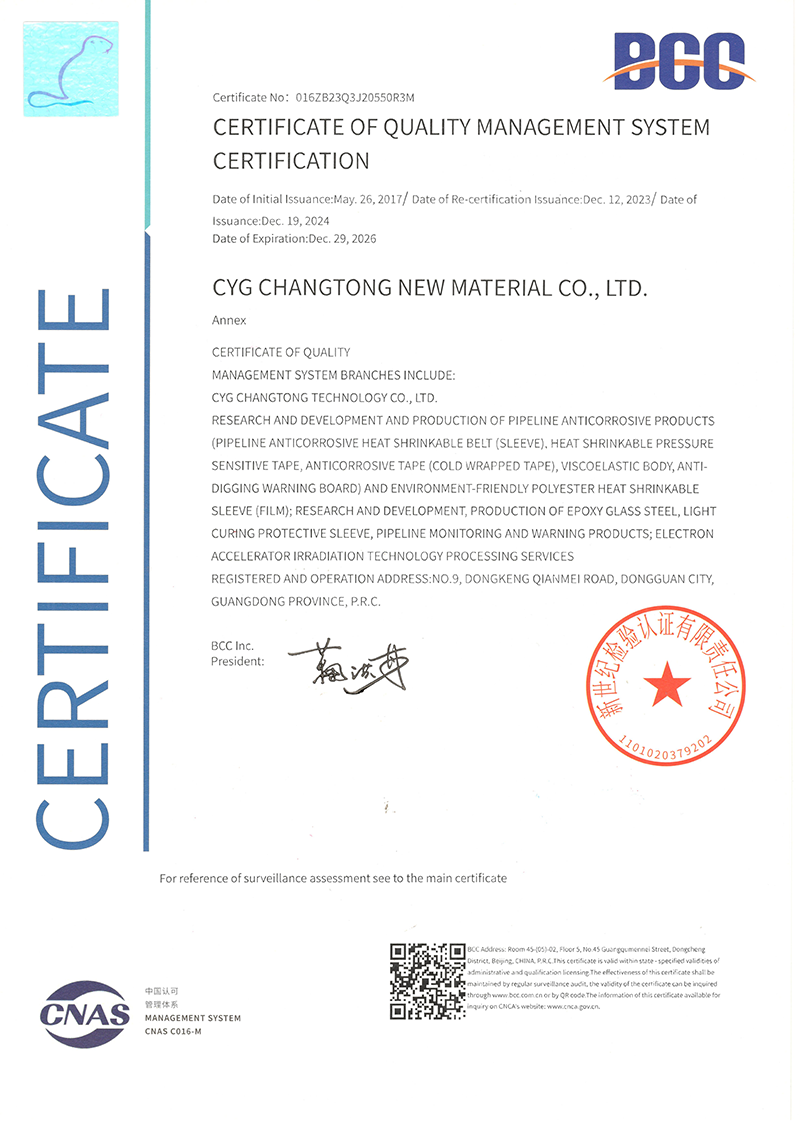
CYCT owns leading testing and R&D capabilities, supported by a professional R&D team and a national CNAS-accredited laboratory. Through close cooperation with leading research institutes, such as the CNPC Pipeline Science Research Institute, we continuously develop high-performance materials tailored for critical infrastructures.
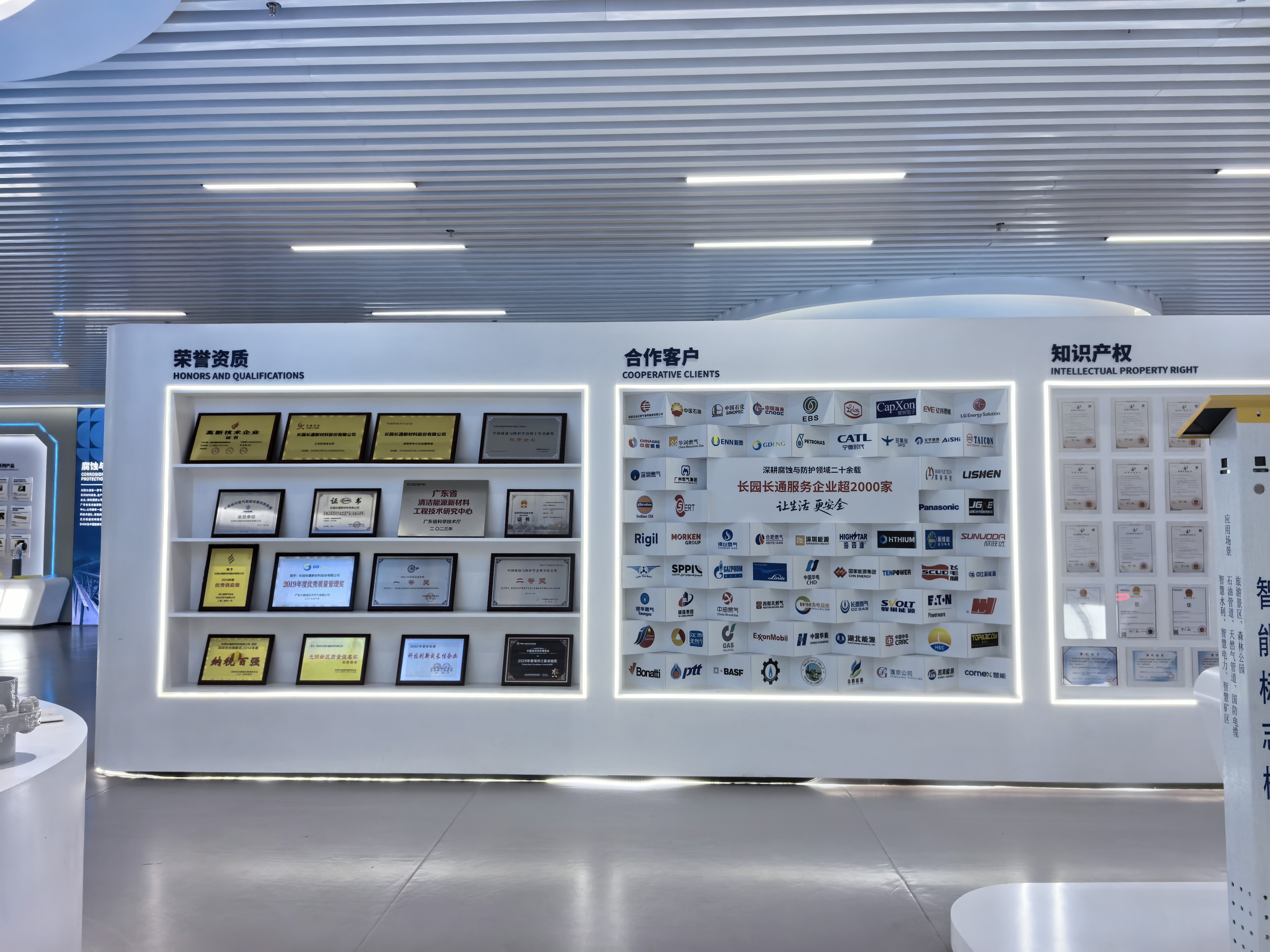
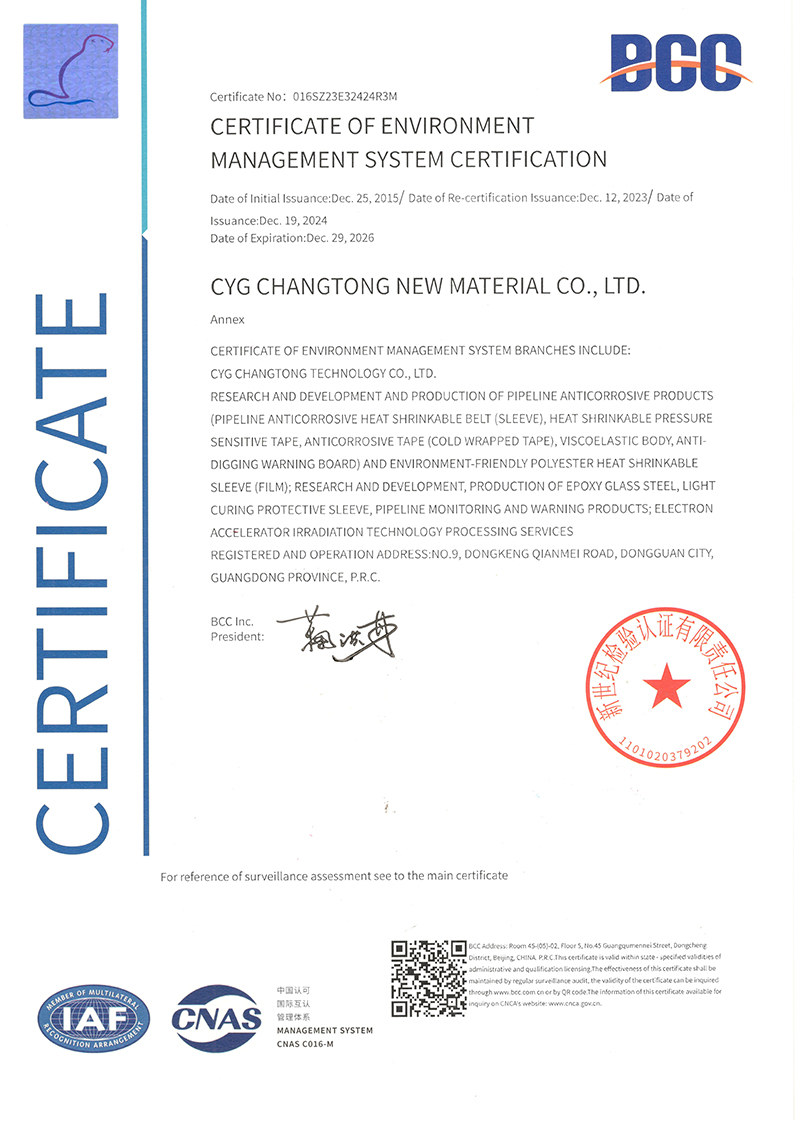
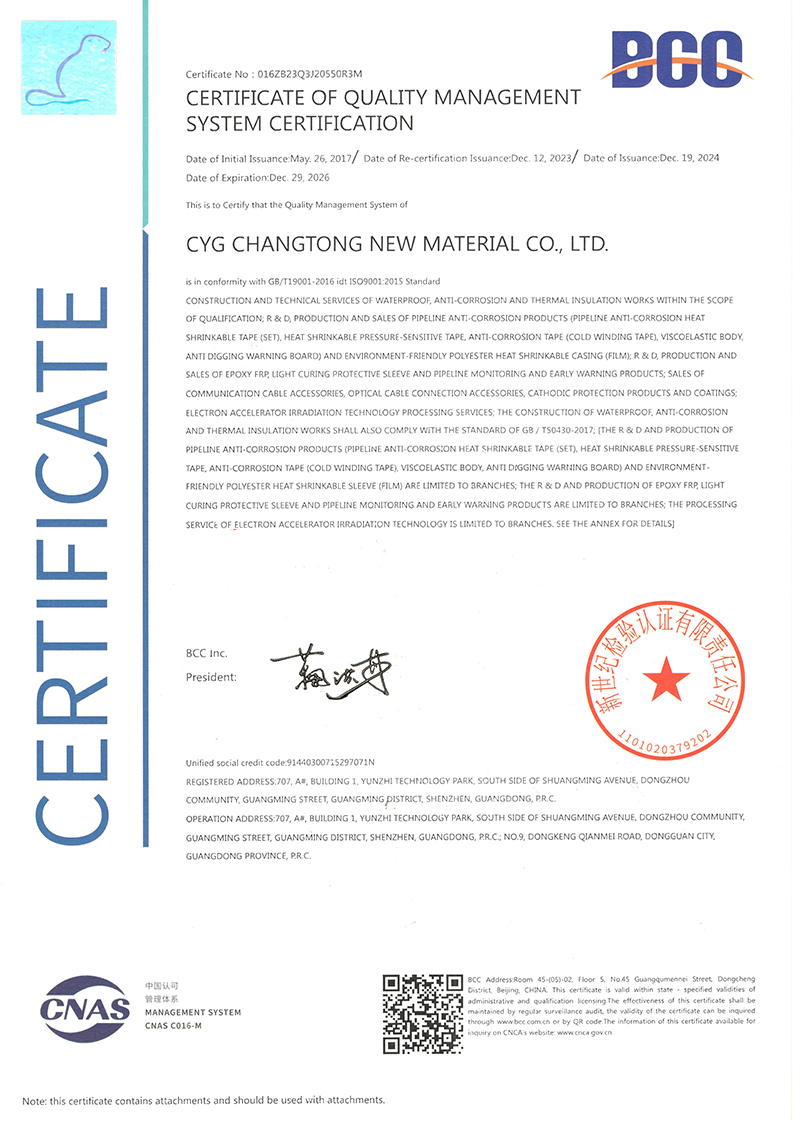
Our solutions have been field-proven across thousands of kilometers of transmission pipelines. Our key credentials include:
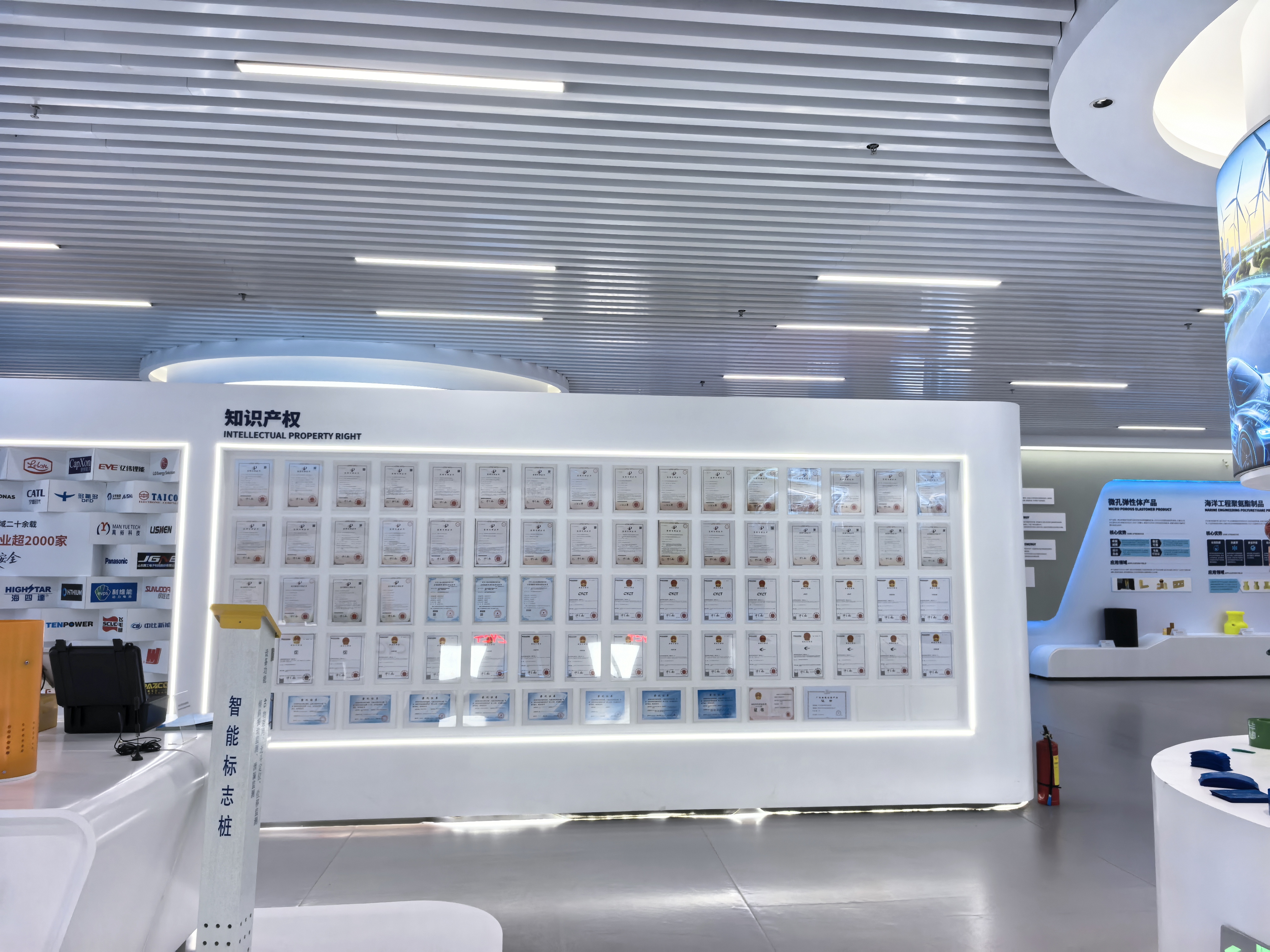
Global infrastructure procurement requires a reliable supply chain. Through our advanced factory facilities in China, CYCT implements Industry 4.0 paradigms to deliver high-capacity, consistent quality control. Our integrated manufacturing model guarantees stability across all stages of production:
Using wide-width sheet extrusion lines, we achieve highly uniform thickness profiles across both polyethylene and polypropylene backings, eliminating localized thinning.
Our dedicated electron accelerators provide precise control over radiation dosing, ensuring uniform cross-linking density. This optimization maximizes memory recovery force and heat resistance.
Adhesive formulation is managed via automated compounding systems. This ensures consistent batch-to-batch polymer melt flows, shear properties, and adhesion parameters.
This automated pipeline keeps lead times short and pricing competitive, while minimizing environmental impact through low-emission solvent-free coating technologies. For EPC contractors worldwide, sourcing from CYCT means securing a stable supply of materials tested under simulated field conditions.
As the energy transition shapes global infrastructure, the field joint coating industry faces changing demands. CYCT is driving innovations that exceed traditional standard parameters. Below is our technology development roadmap for the next decade:
With deep oil reserves producing hotter fluids, we are engineering polypropylene heat shrinkable sleeves (FRPD-PP series) designed for continuous operating temperatures of 125°C. These systems preserve shear resistance and avoid degradation under thermal cycles.
Integrating micro-encapsulated corrosion inhibitors directly into the hot-melt mastic layer. If the backing is mechanically breached, the microcapsules rupture, releasing high-viscosity protection compounds to seal the exposed steel.
In response to global sustainability initiatives, CYCT is developing eco-friendly backing layers utilizing plant-derived polyolefins, significantly reducing the carbon footprint of production without compromising mechanical properties.
Our futuristic concept embeds printable passive sensor circuits between the adhesive and the pipe surface. These allow remote inspection crews to monitor moisture intrusion and cathodic protection current values directly through the sleeve, using handheld wireless receivers.
Different installation environments require tailored protection configurations. CYCT provides system-matched solutions for diverse engineering applications:
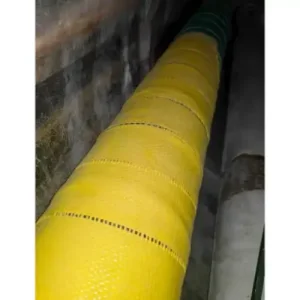
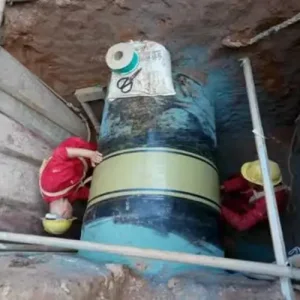
When pipes are pulled through rocky borehole routes, standard sleeves are susceptible to tearing. Our Epoxy FRP and GFRP Reinforcement Systems provide high-strength outer shells to protect the primary shrink sleeve from shear forces.
Subsea lines face continuous salt-spray and hydrostatic pressures. The CYG Changtong GRF Moisture Curing Shield provides an outer barrier layer that cures under water, ensuring long-term pipeline integrity in high-salinity marine environments.
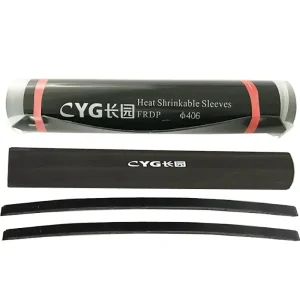
For standard onshore pipelines protected by 3-Layer Polyethylene (3LPE) or 3-Layer Polypropylene (3LPP) coatings, we supply compatible field joint sleeves (like the FRDP series) to maintain coating continuity.
For international procurement managers, purchasing field joint materials involves more than evaluating unit prices. Critical project metrics depend on product performance and logistics. CYCT addresses these concerns through structured manufacturing practices:
To support global project delivery, CYCT provides technical services beyond standard product supply. We offer field joint installation training and field application services to verify that materials are correctly installed.
Our QA/QC team provides field inspection checklists, pre-heat temperature monitors, and on-site testing protocols (e.g., dry-film thickness measurements and peel-strength testing). This level of support ensures that pipeline networks satisfy local and international regulatory requirements.
Find answers to common technical, logistics, and application questions regarding polyolefin heat shrinkable sleeves.
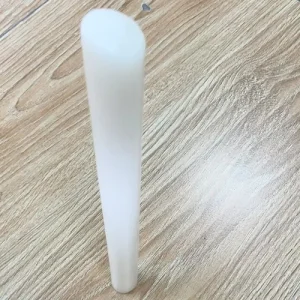
Complete your pipeline integrity program with our repair patches, melt sticks, and bend restrictors manufactured to international engineering standards.
 CYCT
CYCT