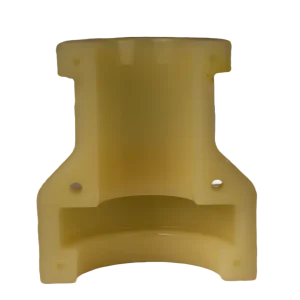
Examine our highly engineered structural solutions designed to mitigate shear stresses, chemical attacks, and environmental degradation at critical pipeline elbow geometries.
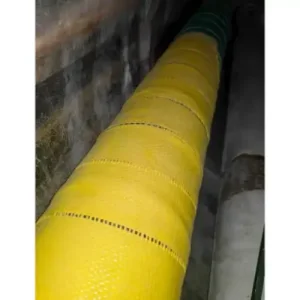
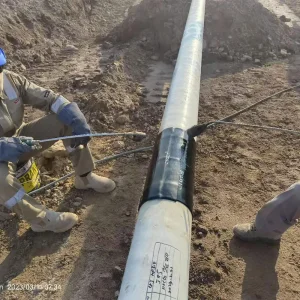
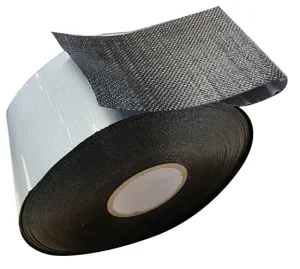
Understanding fluid dynamics, erosion-corrosion mechanisms, and critical shear stress profiles at structural pipeline elbows.
Within industrial piping networks, pipeline elbows (ranging from 45° to 90° transitions and custom bends) suffer the most severe hydrodynamic forces and degradation rates. When transport media—be it crude oil, natural gas, chemical slurries, or seawater—flows through a geometrical bend, it experiences a dramatic direction change. This redirection disrupts the uniform boundary layer flow, resulting in localized turbulence, centrifugal force distribution, and high-impact kinetic energy concentrated at the outer radius of the elbow joint.
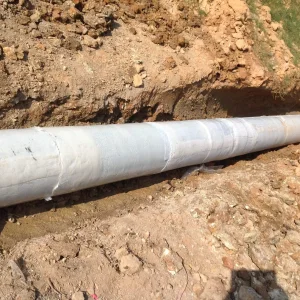
This physical reality triggers erosion-corrosion acceleration. Fluid turbulence continuously strips away the passive metallic oxides or base epoxy layers on the internal pipe surface. Externally, bends are subject to substantial thermal expansion, ground shifting, cathodic disbondment, mechanical abrasions during HDD (Horizontal Directional Drilling), and atmospheric or soil-born chemical attacks. Consequently, standard anti-corrosion methods suitable for straight lines fail to withstand the complex, multi-axial stresses active on elbows.
CYCT New Materials addresses these vulnerabilities through engineered chemical interfaces. By combining viscoelastic materials, fiber-reinforced thermo-shrinking compounds, and UV-curing glass-reinforced plastics (GRP), our pipeline elbow solutions establish a rugged mechanical barrier. These systems absorb physical impact and maintain high shear resistance, guaranteeing decades of reliable service.
Selecting the optimal polymer interface for variable temperature, pressure, and operational environments.
| Coating Technology | Core Application Domain | Temperature Range | Key Strengths & Properties | Standards Compliance |
|---|---|---|---|---|
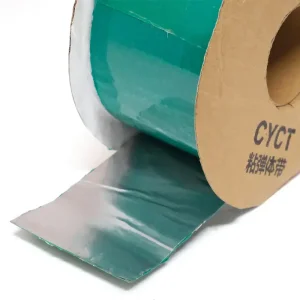
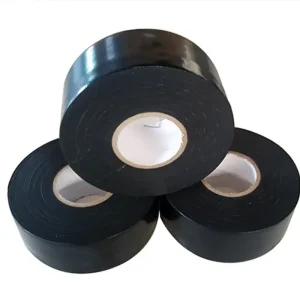
| Viscoelastic Tape (VT95) | Irregular fittings, flanges, valves & complex elbow joints | -45°C to 95°C | Cold-flow self-healing properties, zero VOC, absolute moisture barrier | ISO 21809-3, EN 12068 Class C |
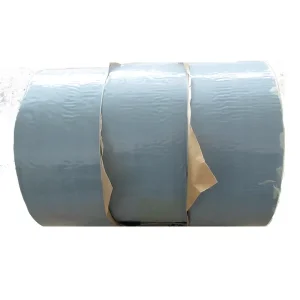
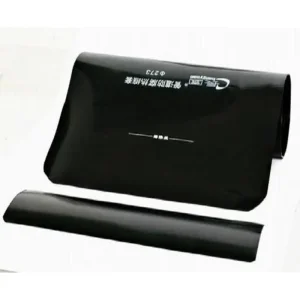
| FRDP Heat Shrinkable Sleeve | HDD crossings, steel pipeline field joints & field elbows | Up to 80°C | Fiberglass reinforced backing, high shear/abrasion resistance | EN 12068, NACE SP0169 |
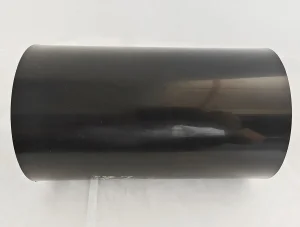
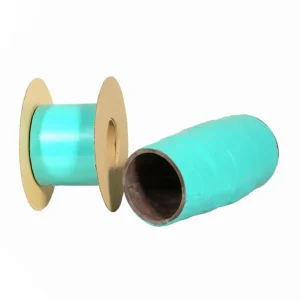
| Photo-Curing GRP Sheet | Offshore splash zones, mechanical protection shielding | -60°C to 120°C | UV-cured, glass-fiber reinforced, ultra-high rock impact defense | ASTM G14, ISO 21809-11 |
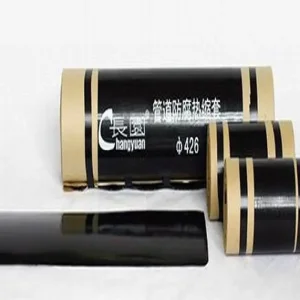
| PP Heat Shrink Sleeve | High-temperature industrial pipelines, offshore joints | Up to 110°C / 120°C | Thermal stability, compatible with 3LPP factory coatings | ISO 21809-3, DIN 30672 |
Featuring liquid-like flow properties with solid-state elastic performance, viscoelastic materials flow into micro-crevices on the steel surface. This ensures an intimate physical bond that locks out oxygen and moisture, effectively stopping corrosion in its tracks.
Engineered for Horizontal Directional Drilling (HDD) and pull-back operations, these sleeves feature cross-linked polyethylene backings integrated with heavy-duty fiberglass mesh. This design withstands severe shear and abrasive forces.
Our GRP (Glass Reinforced Plastics) sheets cure under natural UV light or portable UV rigs. The result is a rock-hard composite shell that shields structural pipeline bends in aggressive tidal zones, marine, and rocky onshore terrains.
Analyzing the priorities of EPC contractors, pipeline operators, and utility owners globally.
For international procurement managers, purchasing pipeline elbow protection is not just a search for products; it is a search for system integrity, validation, and long-term cost reduction. Standard pipeline joints represent less than 5% of a project's total asset cost but account for over 50% of failure risk. That is why tier-1 pipeline entities like PetroChina, Sinopec, PipeChina, and Indian Oil require strict supply chain credentials and materials that simplify field installation while minimizing application errors.
In Europe and North America, strict environmental regulations mandate zero-solvent, low-VOC (Volatile Organic Compounds), and non-toxic materials. Contractors value products like our VE Putty and Viscoelastic Tapes because they require minimal surface preparation (often SSPC-SP2/SP3 wire brushing instead of heavy white-metal abrasive blasting). This significantly reduces field labor costs, minimizes equipment footprint, and avoids hazardous emissions, keeping projects on schedule.
Meanwhile, in high-growth infrastructure markets across the Middle East, Southeast Asia, and South America, subsea pipelines and deep oil & gas grids face extreme temperatures and salinity. Procuring certified materials that resist cathodic disbondment (CD) and mechanical shear is essential. We address these regional demands by manufacturing customizable rolls, patches, sleeves, and restrictors configured to the exact geometric profiles of your project's elbow specifications.
Integrating R&D, advanced manufacturing, and national standard testing to secure the world's lifeline networks.
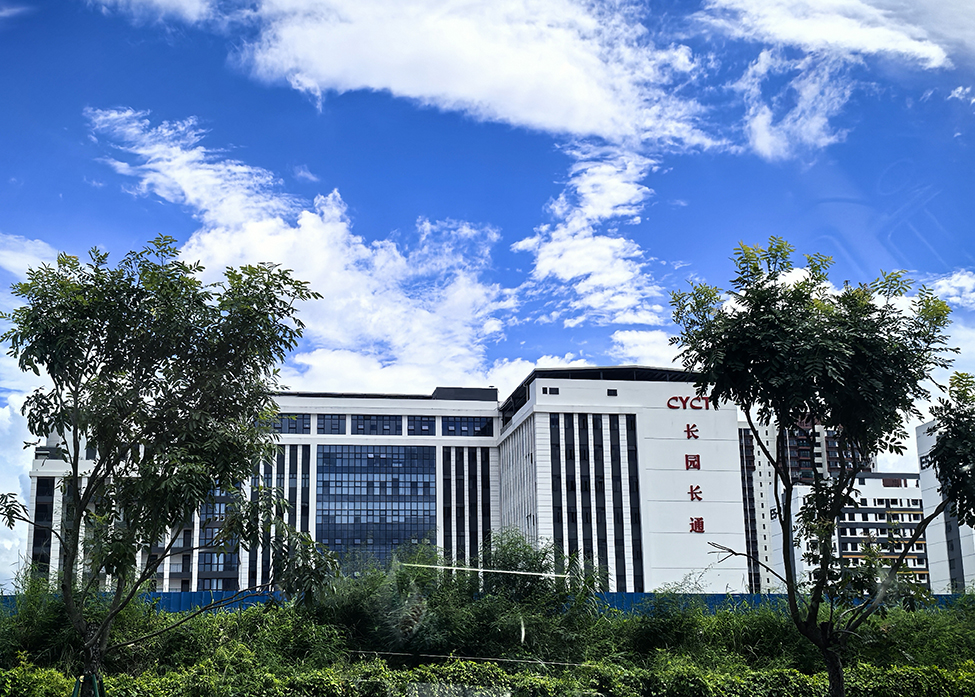
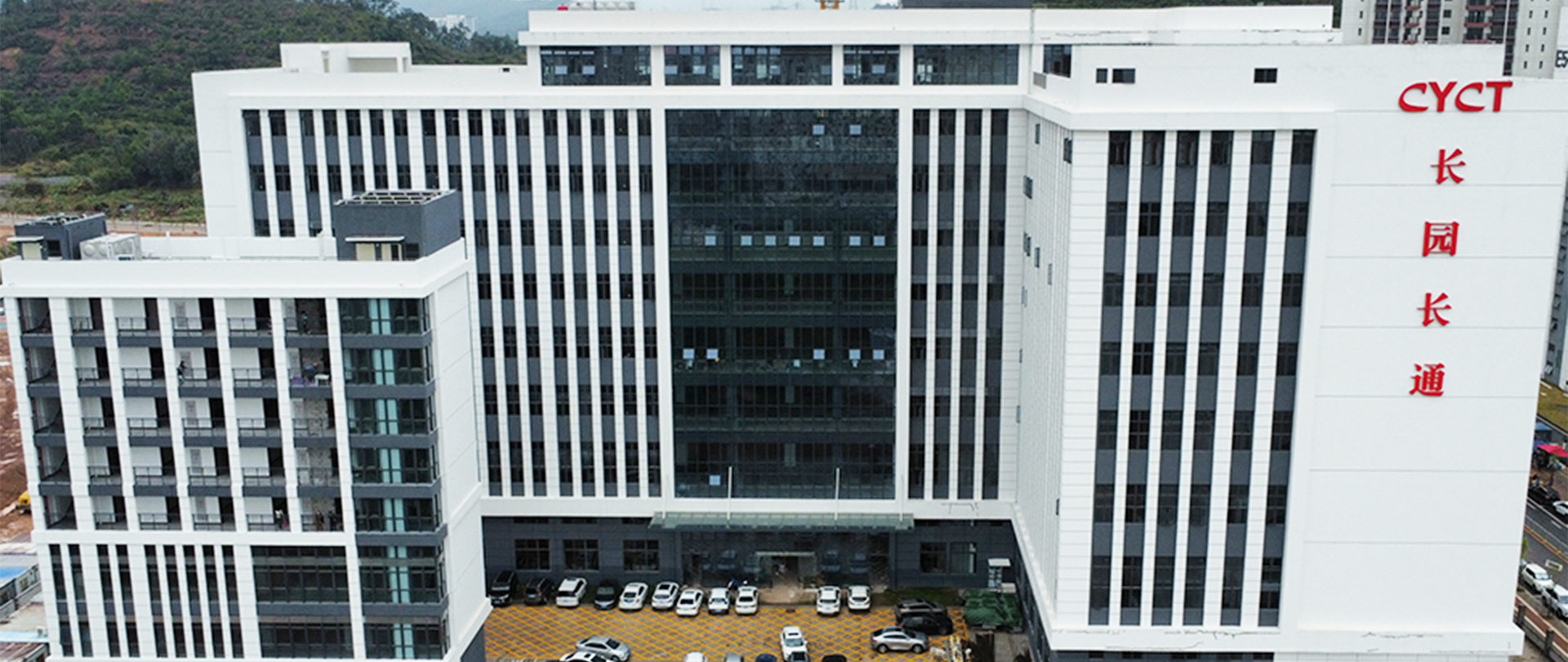
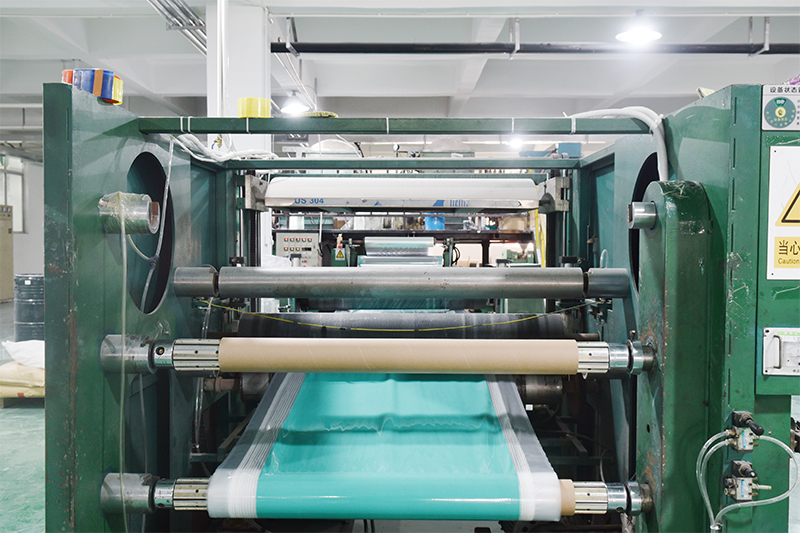
CYCT New Materials Company Limited (for short, CYCT) is a state-level high-tech enterprise integrating R&D, production and sales of pipeline corrosion protection materials as well as buried pipeline detection service and pipeline coating field application service into one. Founded in 2000, CYCT devotes itself to R&D, production and sales of pipeline corrosion protection materials for decades.
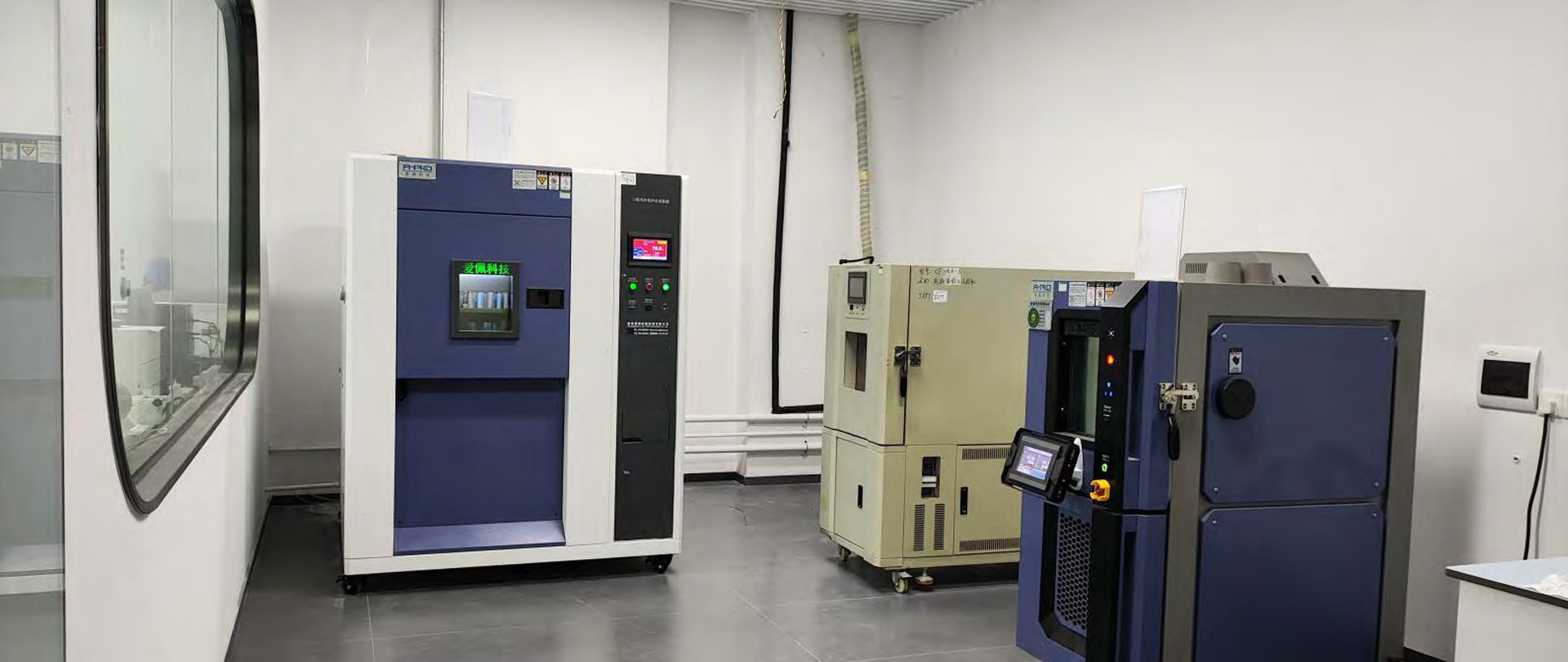
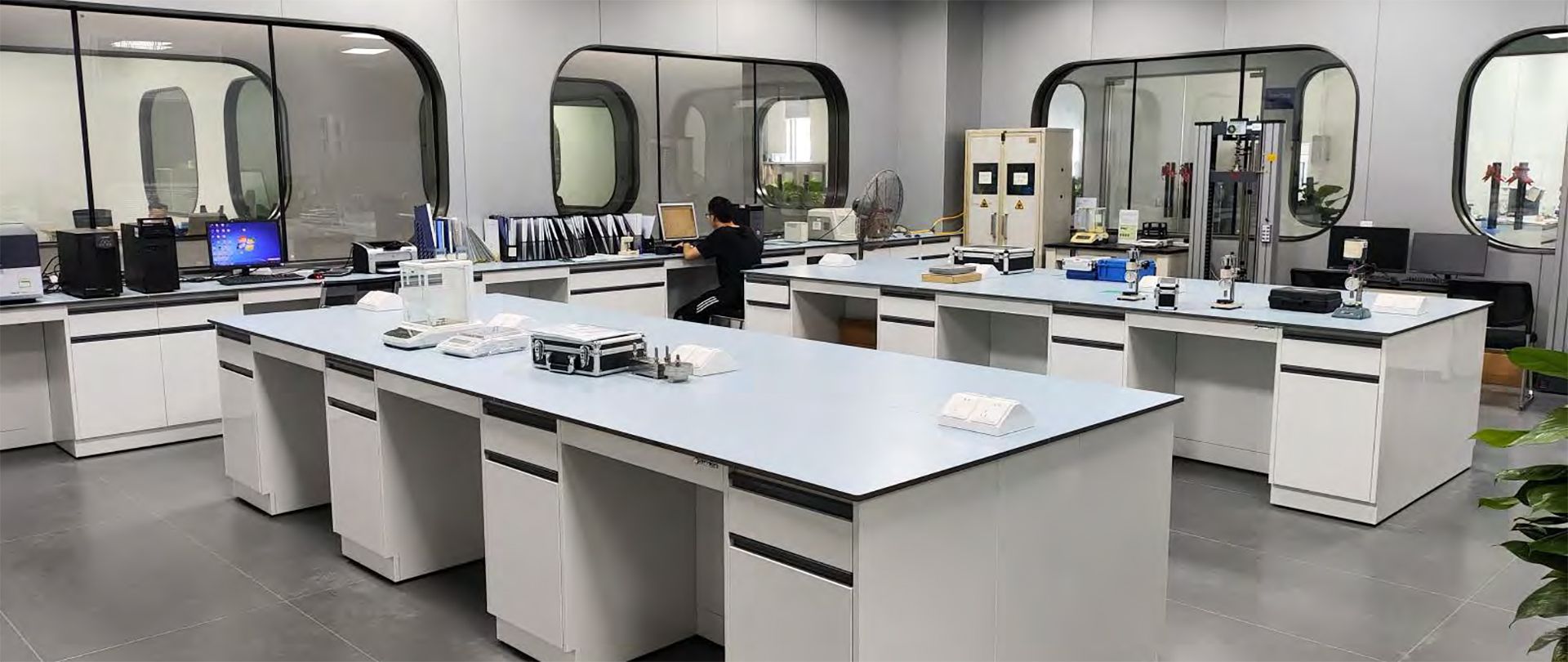
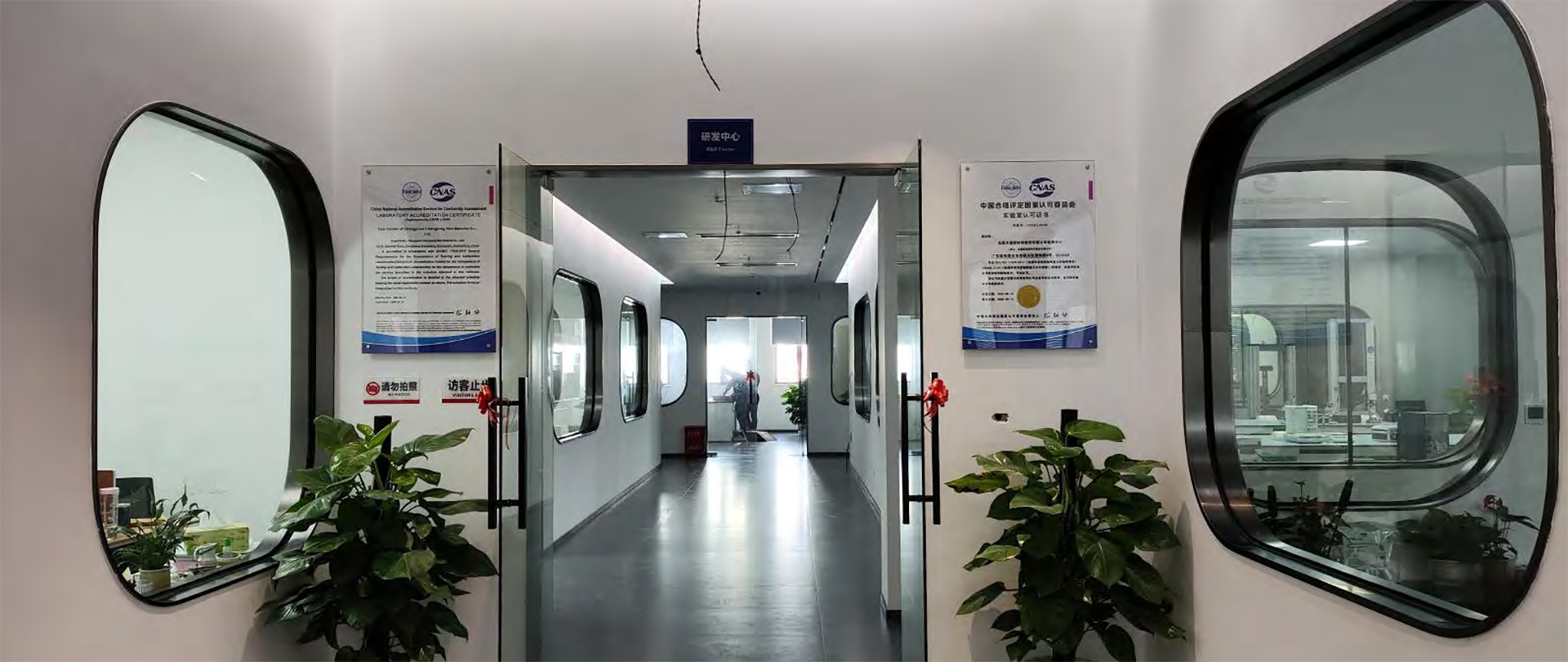
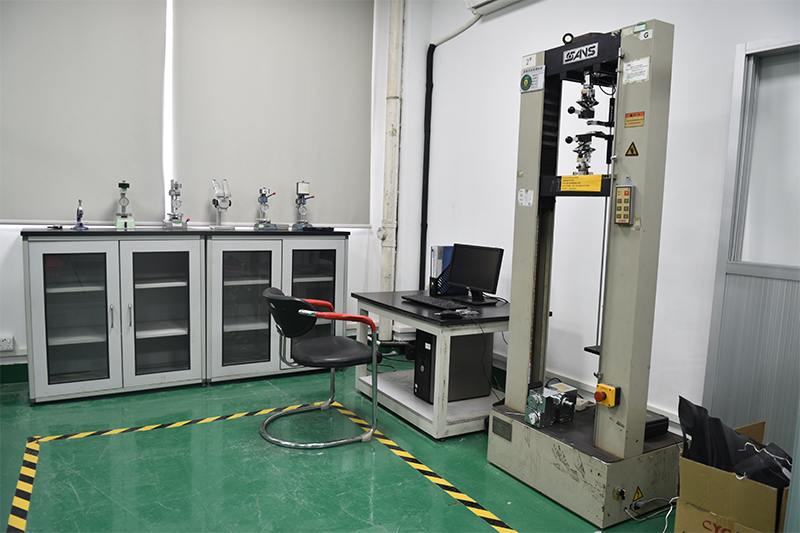
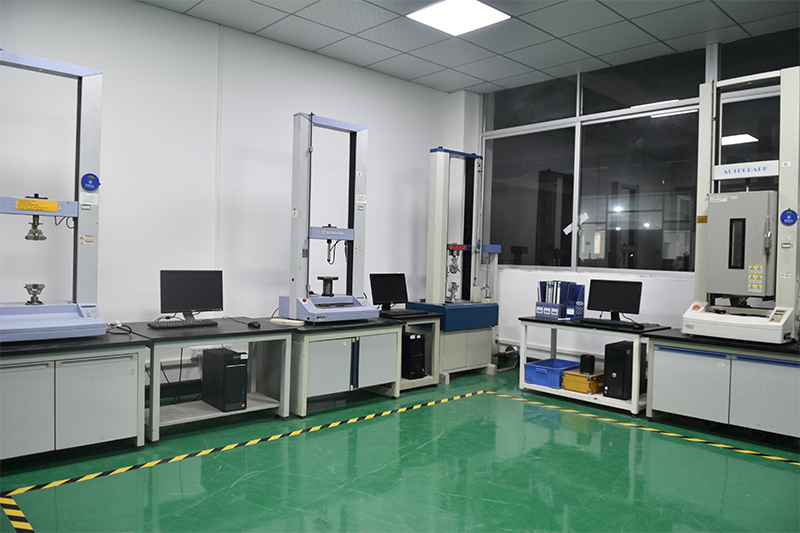
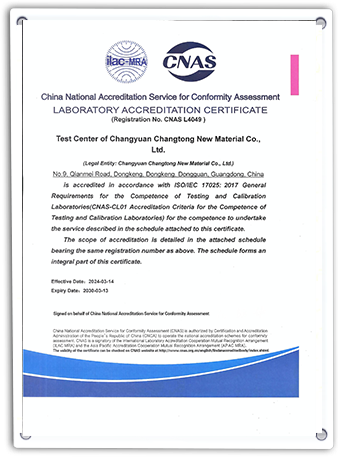
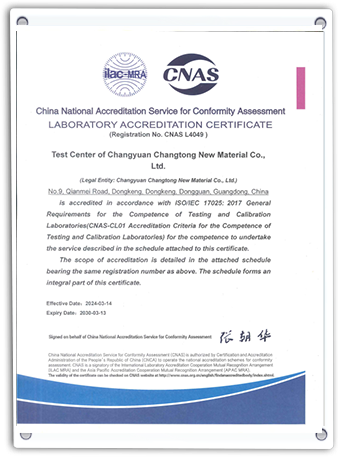
By good cooperation with leading R&D institutes such as CNPC Pipeline Science Research Institute, CYCT is capable to provide in-service pipelines with varied technical service such as buried pipeline detection, design scheme, cathodic protection, rehabilitation project and an integrated solution for the safety protection of pipelines. CYCT owns leading testing and R&D capabilities, a professional R&D team, and a national CNAS-accredited laboratory.
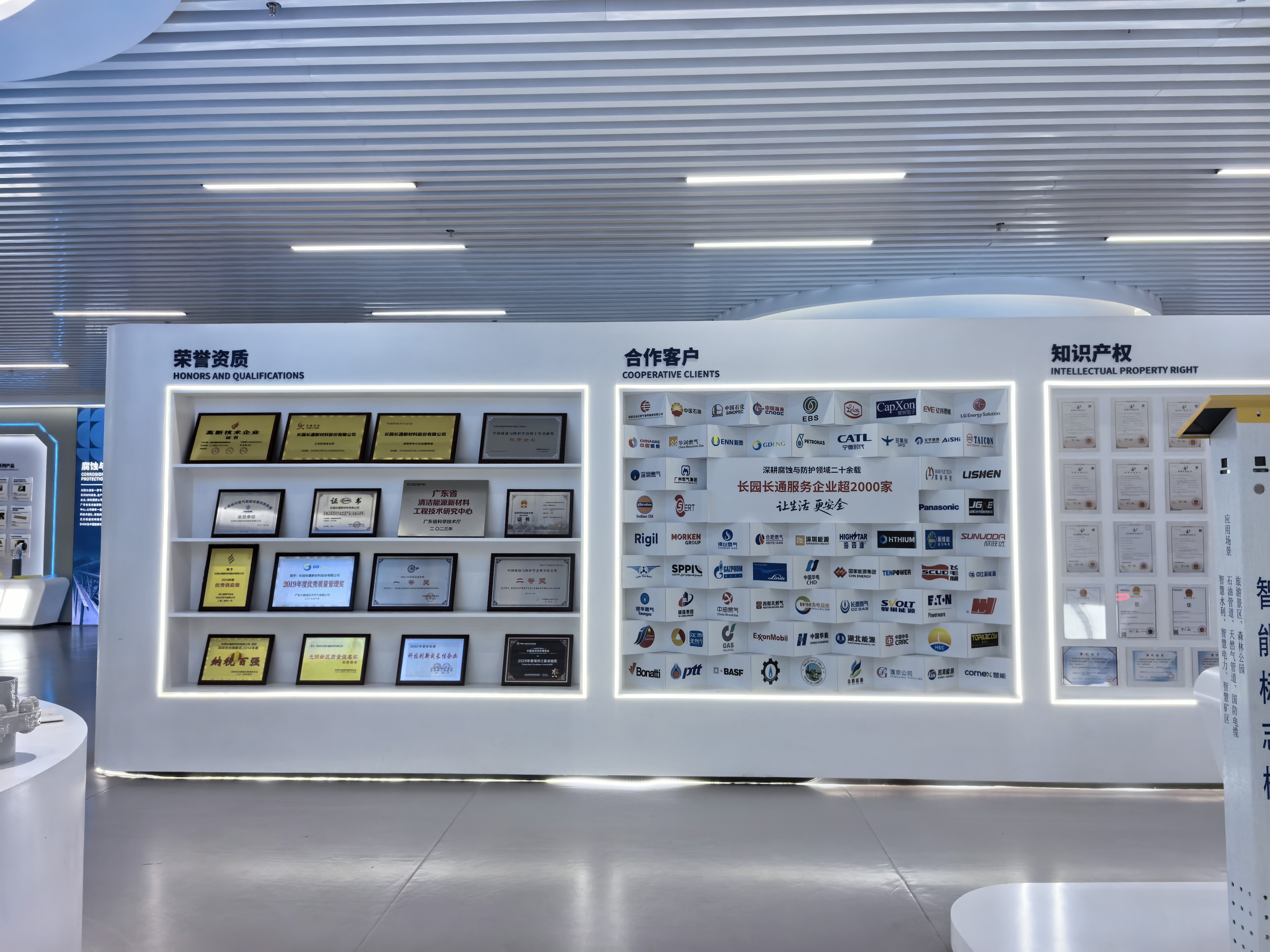
CYCT has become the stable supplier of field joint coating for years in PetroChina, Sinopec, PipeChina and local pipelines and enjoys a very high market share. Furthermore, CYCT has successfully developed and introduced a number of specialty corrosion protection materials such as visco-elastic anticorrosion materials, special photo-curing sleeve for HDD protection and polyurea coating.
How CYCT is driving the next generation of corrosion prevention technologies for pipeline elbows.
Looking ahead, pipeline network infrastructure must support dynamic transport media, including high-pressure hydrogen, captured carbon dioxide (CCS), and multi-phase chemical mixtures. This shift presents unique operational challenges at structural bends. Hydrogen embrittlement, combined with temperature changes, requires coating interfaces with exceptional gas barrier properties and chemical resistance. CYCT's development roadmap focuses on optimizing polymer networks to address these complex operating conditions.
Additionally, we are developing "smart" self-healing coatings. By embedding micro-capsules containing liquid corrosion inhibitors into viscoelastic and heat-shrink adhesives, our coatings can automatically repair minor mechanical damages. When soil shifts or physical impact occurs, these micro-capsules rupture, releasing inhibitors that passivate the steel surface and prevent under-film corrosion. This proactive technology extends maintenance intervals and safeguards pipeline integrity over decades of service.
Ensuring our products meet international standards, backed by third-party testing and certifications.
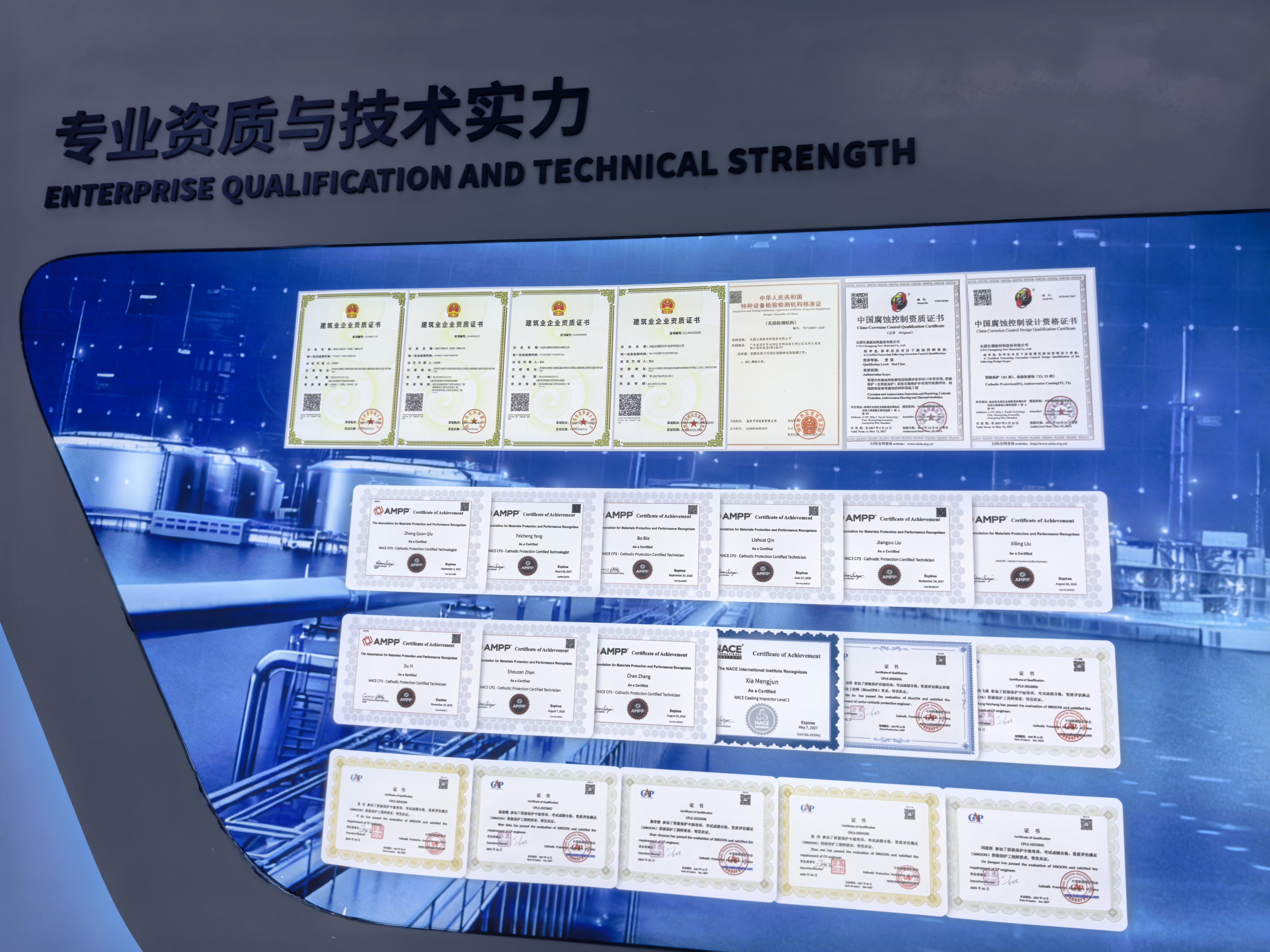
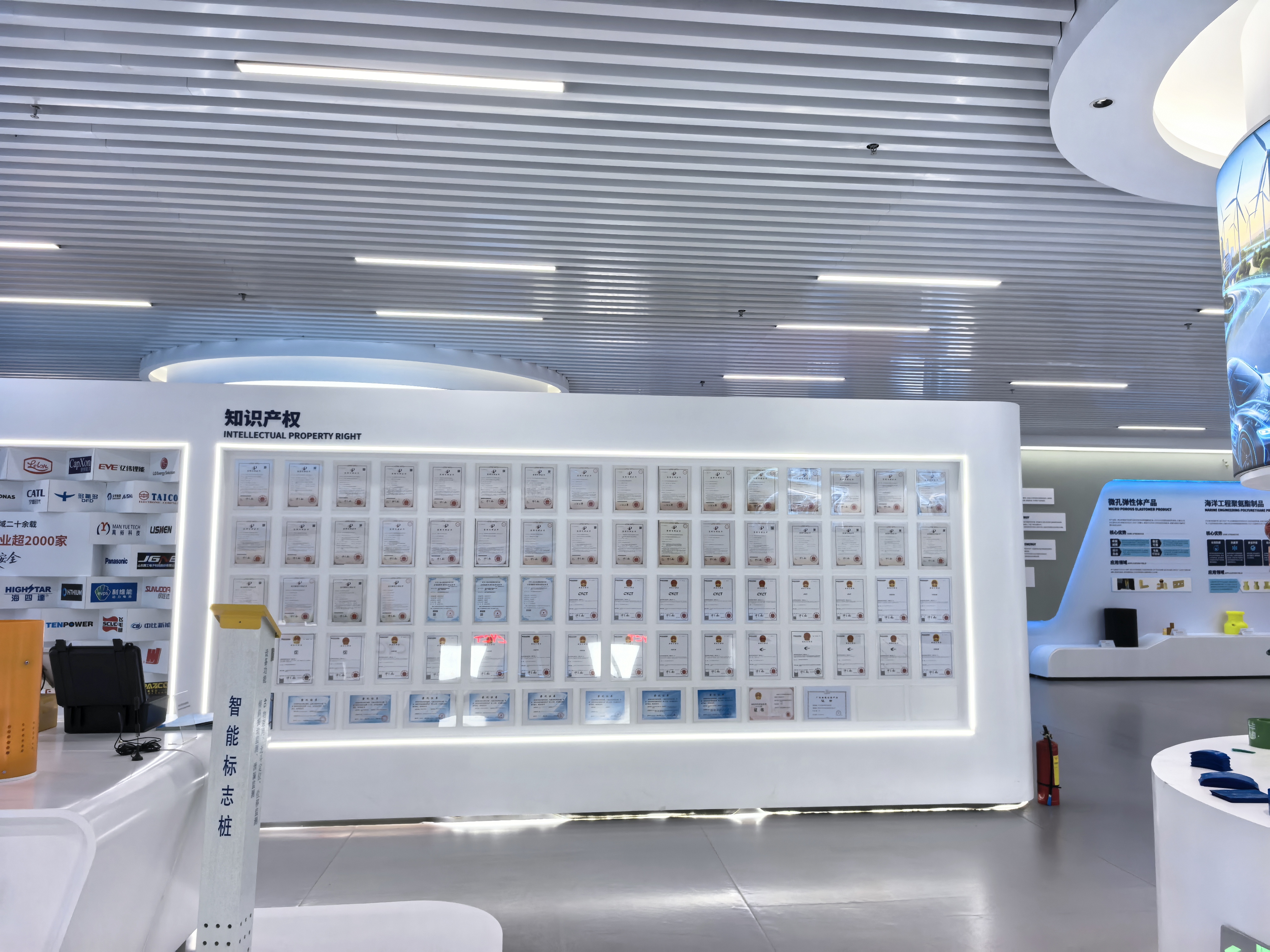
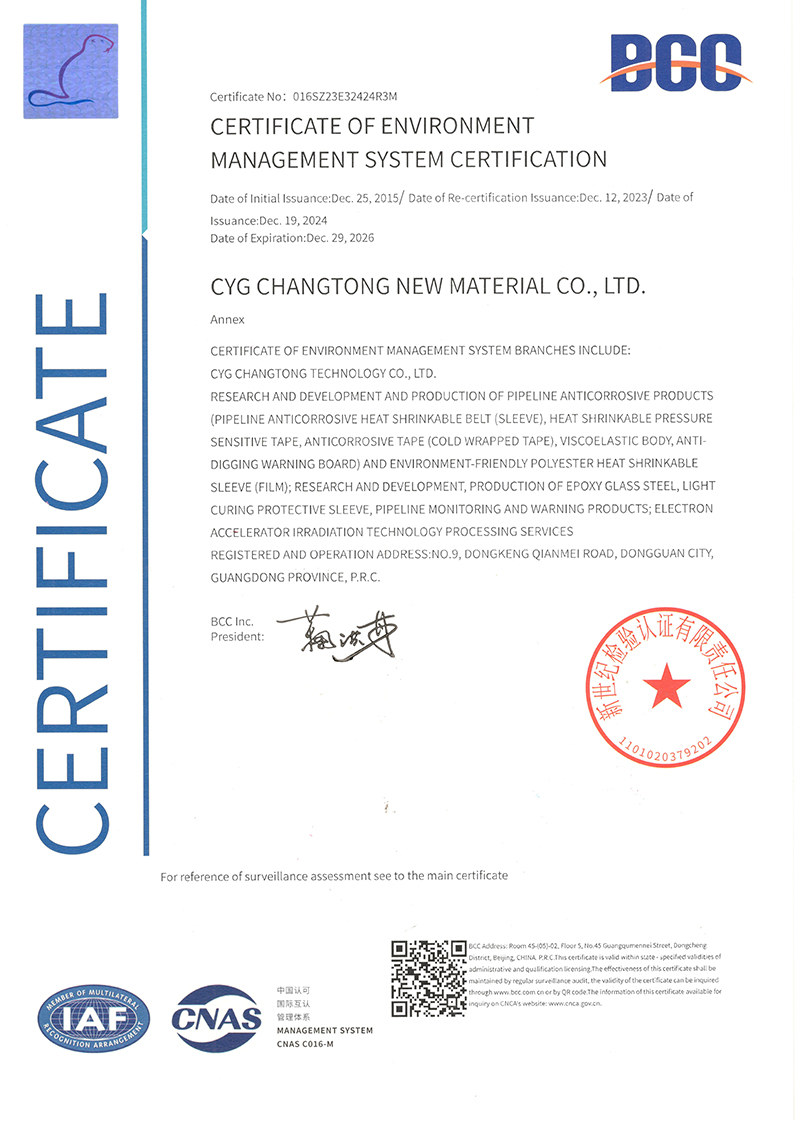
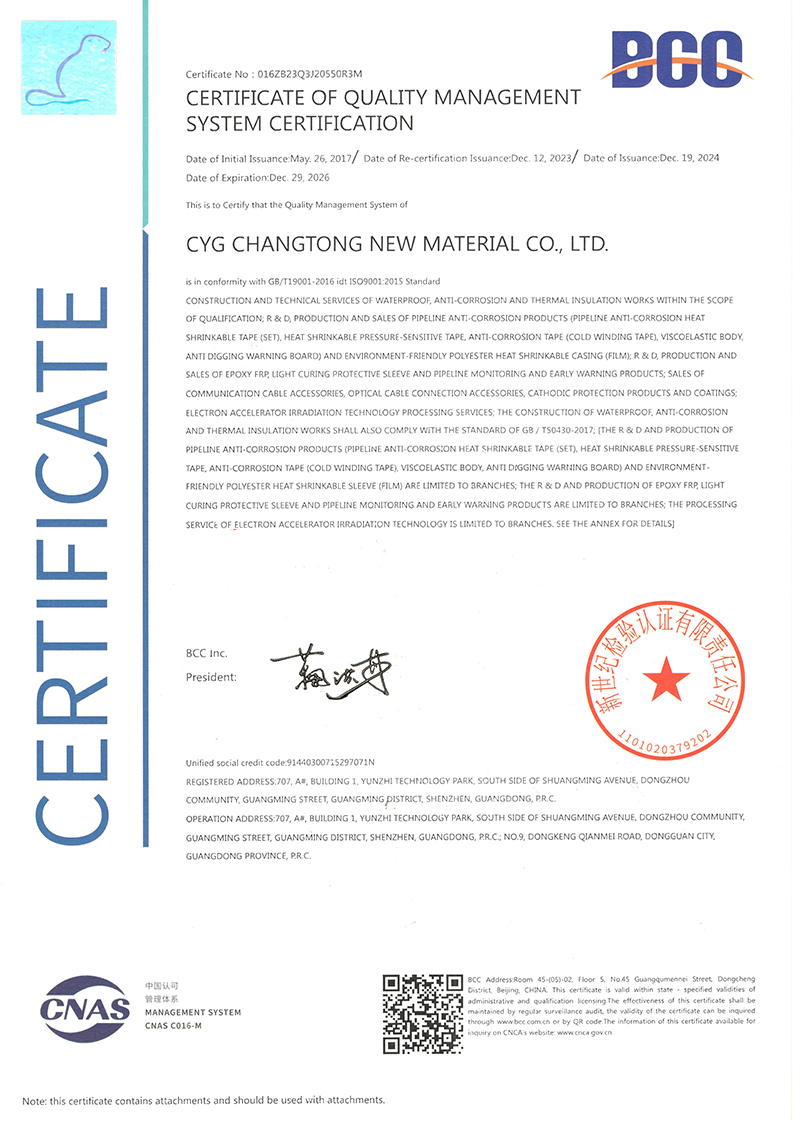
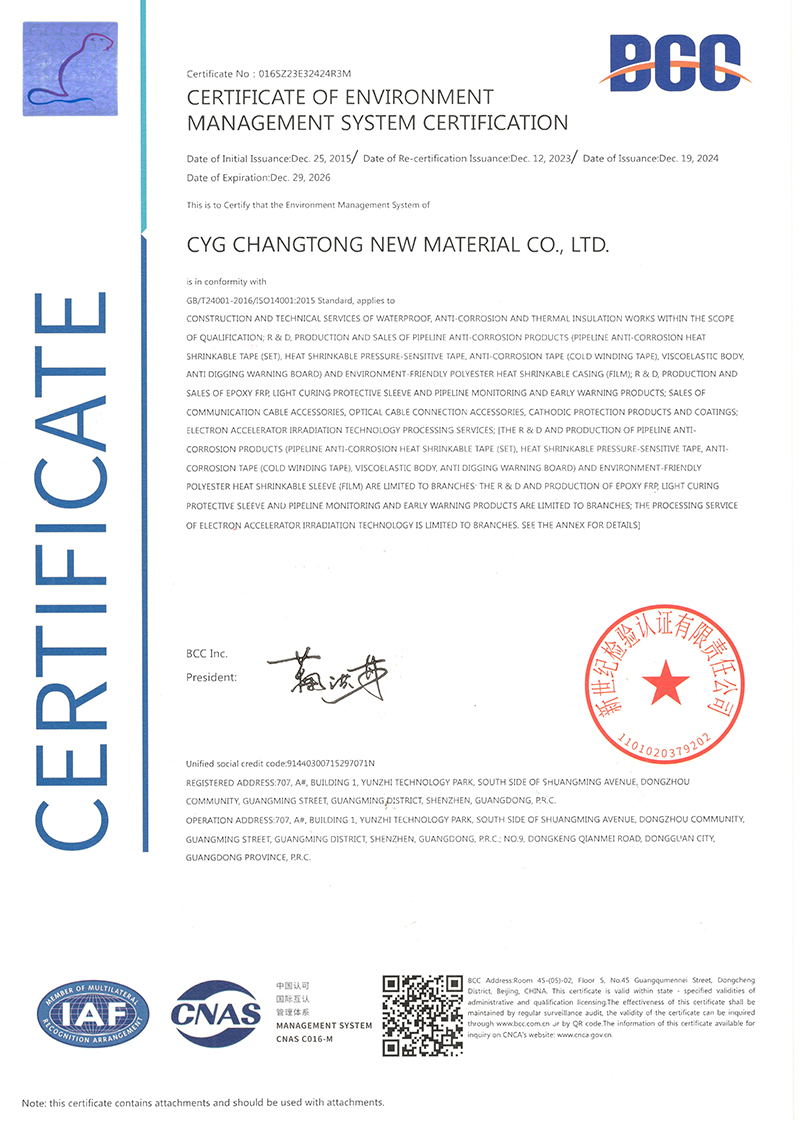
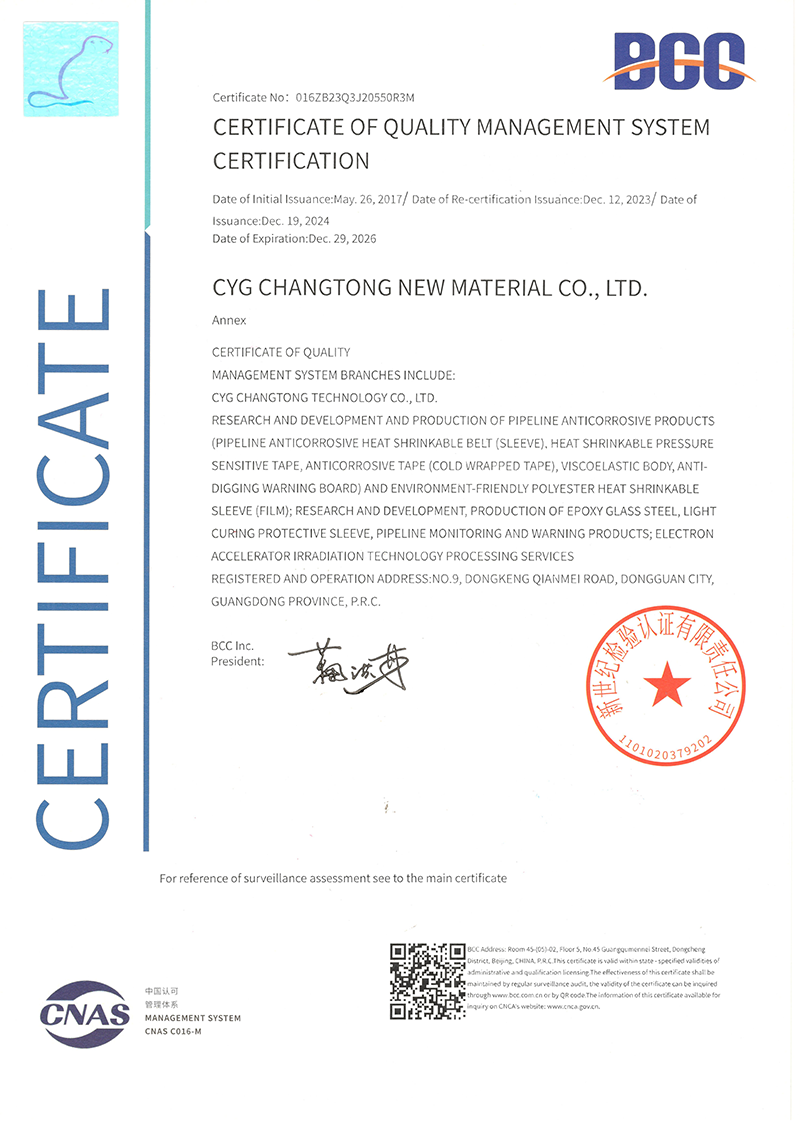
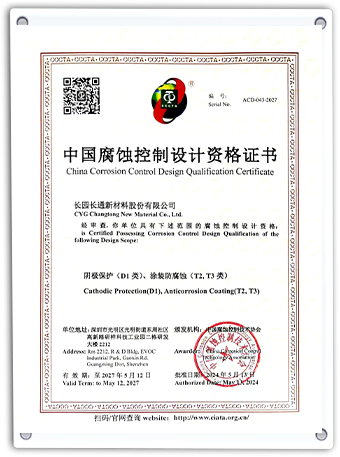
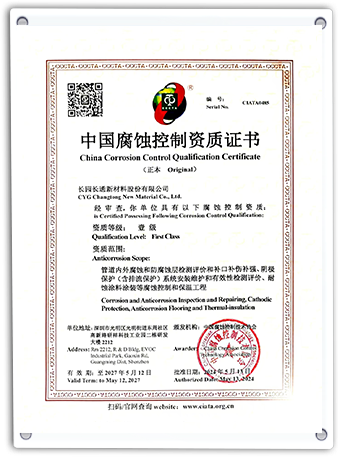
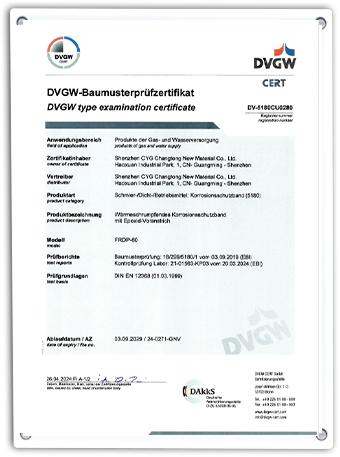
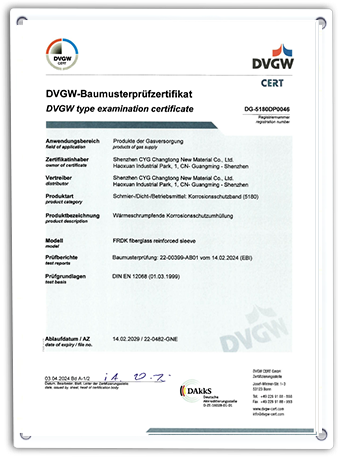
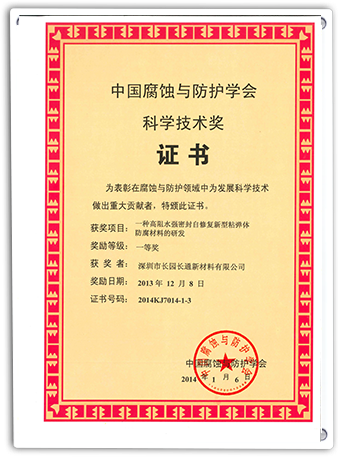
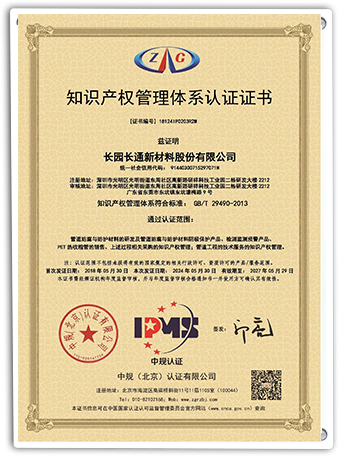
Our commitment to quality is verified by certifications from global institutions. CYCT is a Member of the Council in the Chinese Society for Corrosion and Protection (CSCP), and holds the Qualification Certificate of Corrosion Protection Construction and the Qualification Certificate of Pipeline Detection. We are recognized as a Well-known Brand of Pipeline Corrosion Protection in China, and hold corporate memberships with the China Association of Petroleum Engineering Construction (CAPEC) and AMPP (Association for Materials Protection and Performance).
Addressing technical, operational, and standard-compliance questions from pipeline engineers and procurement officers.
Examine our additional selection of high-performance wraps, heat shrinkable sleeves, viscoelastic putties, and protective tapes.
 CYCT
CYCT