
OEM Pipeline Corrosion Protection Materials Manufacturer & Factory

Decades of Engineering Excellence in High-Performance Coatings, Sleeves, Tapes, and Integrated Anti-Corrosion Solutions for Global Midstream Oil & Gas Infrastructures.

The Crucial Role of Pipeline Corrosion Protection in Global Infrastructure

Subsea and buried pipeline networks represent the lifeblood of global energy distribution, fresh water delivery, and chemical transport. Over hundreds of thousands of miles, these infrastructures face severe environments: high-salinity marine environments, microbial activity, mechanical stress from soil shifts, and extremely high operational temperatures. If left unprotected, corrosion will inevitably compromise structural integrity, resulting in catastrophic failures, catastrophic environmental contamination, and multi-million dollar operational downtimes.

Modern engineering relies heavily on multi-layered protection systems. The primary factory-applied mill coatings (such as 3-Layer Polyethylene - 3LPE, and 3-Layer Polypropylene - 3LPP) provide robust protection along the pipe body. However, the true vulnerability lies in the Field Joint Coatings (FJC)—the weld areas where individual pipe sections are joined on-site. Field joint coatings, valve assemblies, bends, and damaged coating areas must be protected using high-integrity, field-applied materials that achieve seamless adhesion with the parent mill coating. As global energy corridors expand to deeper oceans and high-temperature wells, the demand for high-performance, heat-shrinkable sleeves, viscoelastic coatings, and polyurea systems has surged dramatically.

"Field joint corrosion is responsible for over 70% of localized pipeline failures globally. Specifying high-performance field joint protection materials is not an option; it is a critical strategy for asset life-extension."

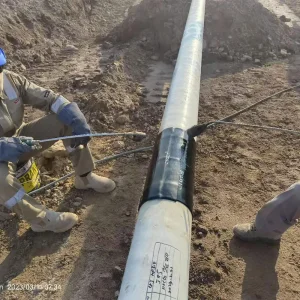
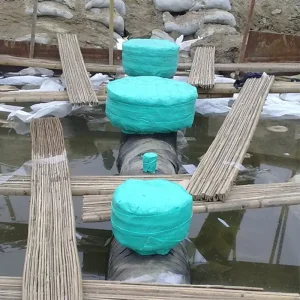
Pipeline Field Joint Protection Installation
>20 Yrs
Industry History
CNAS
Accredited Lab
Corporate Authority

CYCT · Was Founded In 2000

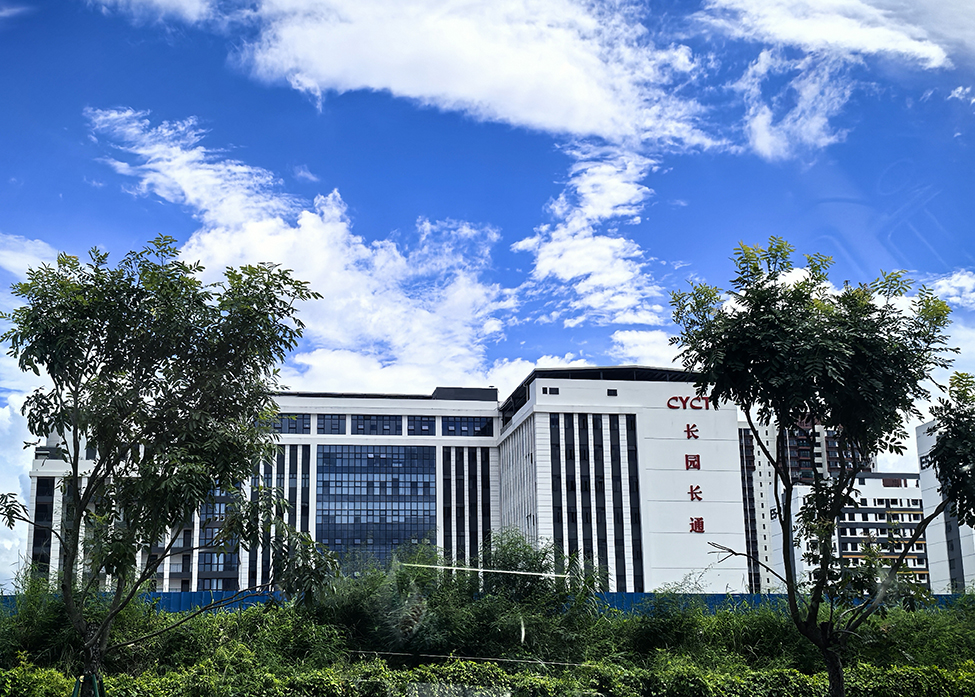
CYCT New Materials Company Limited (for short, CYCT) is a state-level high-tech enterprise integrating R&D, production, and sales of pipeline corrosion protection materials. Over the last two decades, CYCT has expanded its scope to include advanced buried pipeline detection services and field application engineering, making it a comprehensive, end-to-end service provider.

By establishing deep scientific collaborations with leading energy research bodies like the CNPC Pipeline Science Research Institute, CYCT bridges the gap between academic innovation and harsh fieldwork requirements. This collaborative ecosystem allows us to design and develop customized solutions for in-service pipeline rehabilitations, cathodic protection setups, and high-temperature operations.

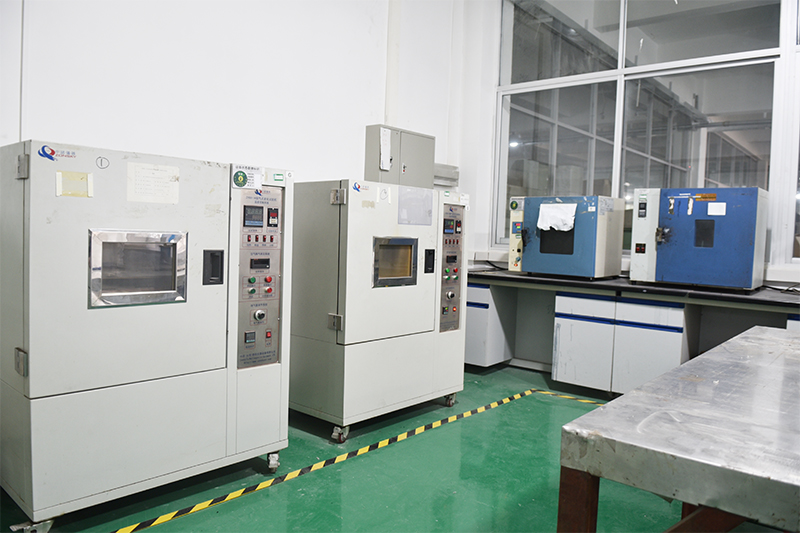
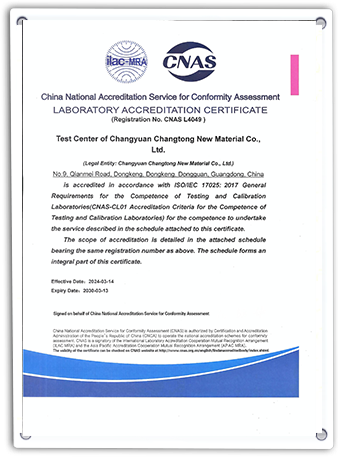
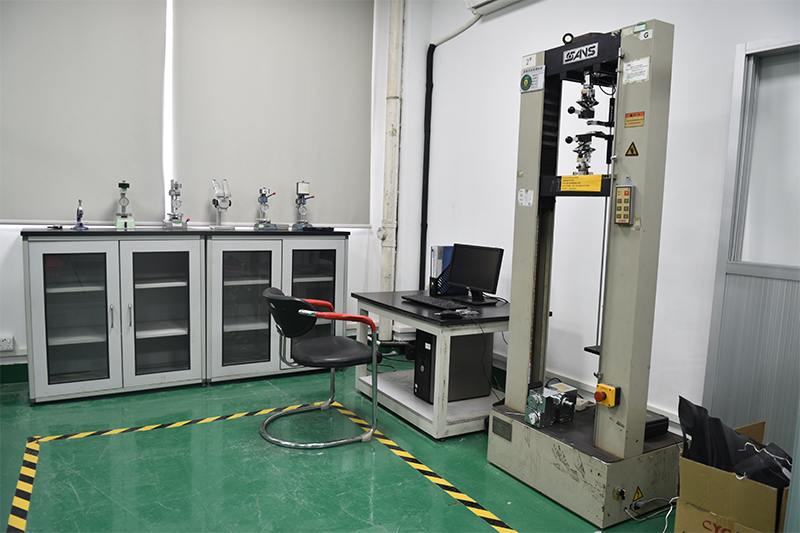
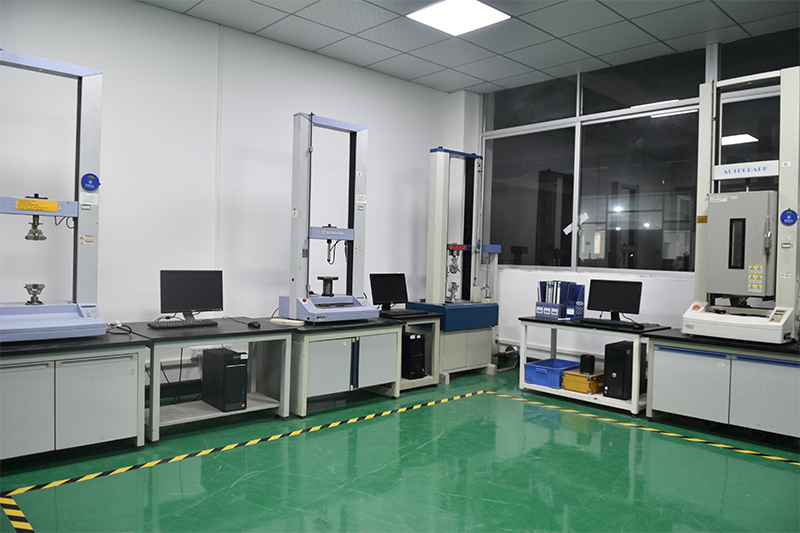
Our commitment to quality control is anchored by our national CNAS-accredited laboratory and a professional R&D engineering team. Every batch of heat-shrink sleeves, viscoelastic tapes, and epoxy primers undergoes rigorous validation—testing shear strength, peel strength, thermal aging, and resistance to cathodic disbondment (CD) before leaving our gates.

CYCT Research Center & R&D Laboratory

The Science of Polymer Corrosion Protection

Understanding the engineering mechanics behind CYCT's high-performance protective materials.

Radiation Cross-linked Polymers

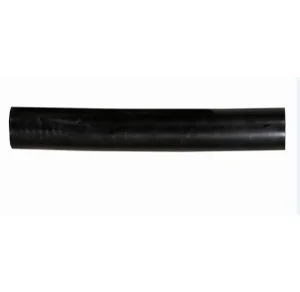
Our Heat Shrinkable Tubular Sleeves (FRY series) and PP heat shrink systems utilize radiation-induced cross-linking. High-energy electron beams modify the polymer structure, giving it "elastic memory." When heated, the sleeve shrinks uniformly, exerting continuous radial pressure that forces the molten hot-melt adhesive into all steel surface irregularities.
Viscoelastic Viscous Flow

Viscoelastic anticorrosion coatings represent a self-healing technology. Consisting of low-molecular-weight, non-crystalline polyolefins, these coatings maintain liquid-like flow properties. They remain permanently tacky, slowly flowing into micro-crevices, valves, and flange voids. The material never cures, eliminating the risk of internal stress cracking.

Cathodic Disbondment Resistance

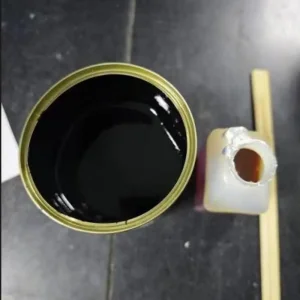
When buried pipelines use Cathodic Protection (CP) systems, hydrogen evolution can occur at coating damages, pushing the coating off the steel. CYCT's solvent-free liquid epoxy primers paired with custom hot-melt adhesives form powerful polar bonds on steel surfaces, keeping cathodic disbondment to a minimum, even at temperatures up to 85°C.

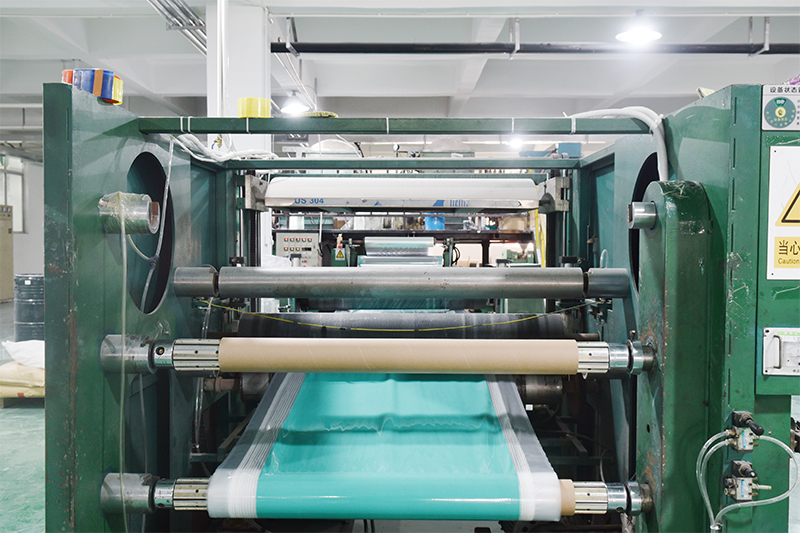
CYCT Manufacturing Facility and Production Line
Why Partner With CYCT?

OEM Factory Efficiency & Scale Advantages

For international procurement departments, finding a supplier that balances high performance with cost stability is paramount. Operating from our advanced facility in China, CYCT offers unique manufacturing advantages:

  • Complete Upstream Integration: We control the compounding of raw polyolefins, radiation cross-linking, and hot-melt adhesive formulations in-house. This prevents supply chain disruptions and ensures consistent product performance.
  • Broad OEM/ODM Design Flexibility: We provide tailored widths, thickness profiles, backing colors, and customized adhesive formulations tailored for specific geographic climates—whether for Arctic sub-zero conditions or desert environments.
  • Scalable Production Lines: Equipped with advanced extrusion, expansion, and adhesive coating lines, CYCT can supply materials for large-scale national transmission projects.
  • Fast Logistical Turnarounds: Located near major shipping hubs, CYCT ensures seamless international shipping and short lead times.

Global Engineering Solutions & Applications

Delivering high-integrity protection across critical infrastructure sectors.

PetroChina
Stable Supplier
Sinopec
Stable Supplier
PipeChina
Field Joint Partner
Indian Oil
Approved Vendor

In-Service Applications

1. Oil & Natural Gas Transmission: Our PP heat-shrink field joint systems and tubular sleeves form the core weld-joint protection on critical lines operated by PetroChina, Sinopec, and PipeChina. Our materials preserve joint integrity over decadal lifespans under soil stress.

2. Horizontal Directional Drilling (HDD): For trenchless crossings where pipes are pulled through rocky soil, standard coatings can peel. CYCT's special photo-curing sleeves for HDD provide a rugged, impact-resistant outer shell that protects primary anti-corrosion layers during pull-back.

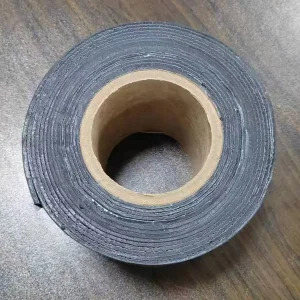
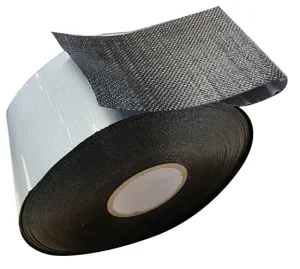
3. Valve and Fitting Protection: Complex geometric shapes like valves, T-joints, and flanges cannot easily be wrapped with standard sheets. CYCT viscoelastic paste and viscoelastic tape (like VT95) offer a moldable, high-adhesion system that seals these complex components.

Global Industry Trends

The pipeline sector is evolving toward higher temperatures and stricter safety standards. As energy extraction moves toward deep-water wells and high-flow pipelines, operating temperatures have climbed above 80°C. CYCT has responded by developing high-temperature PP outer tapes and hot melt adhesives that perform reliably up to 85°C and 110°C.

Furthermore, ESG regulations are driving a shift away from solvent-based primers. Our solvent-free liquid epoxy primers eliminate VOC emissions on-site while improving adhesion and curing speed under high-humidity environments.

Certifications & System Standards

Our commitment to absolute reliability is backed by national and international certifications.

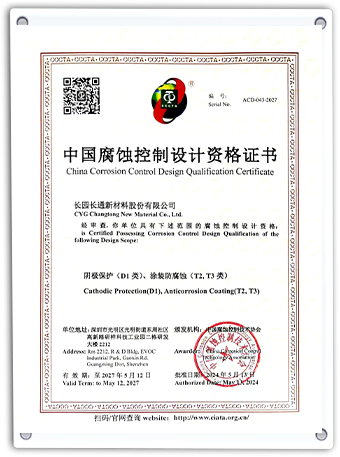
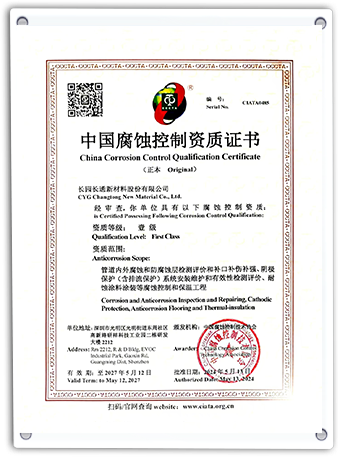
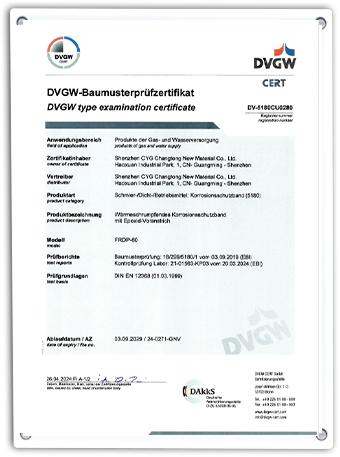
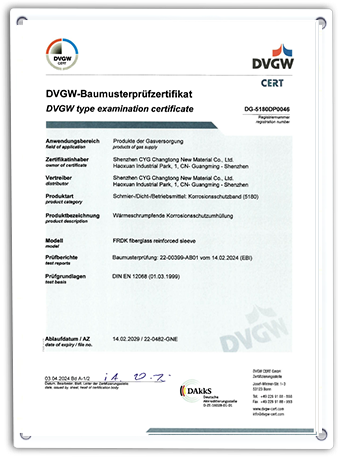
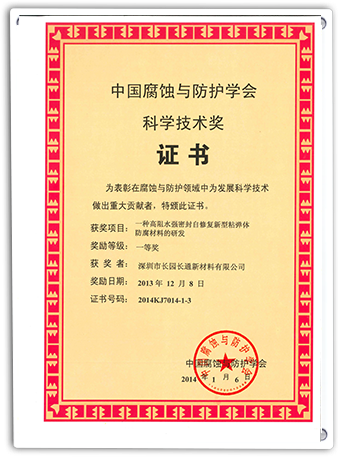
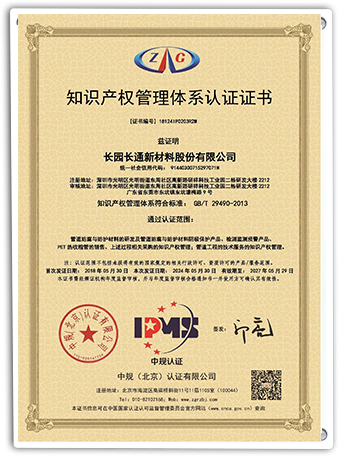
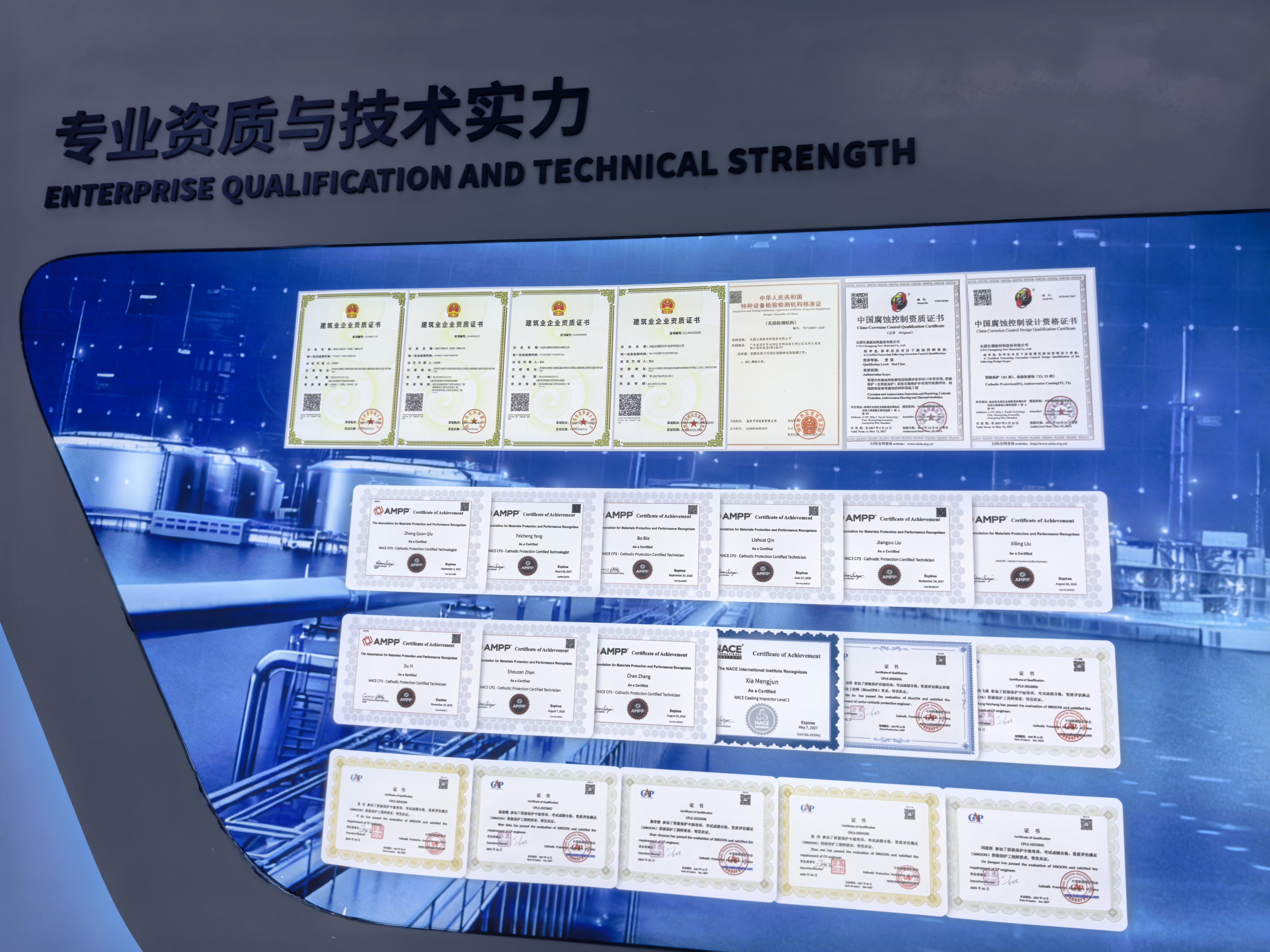
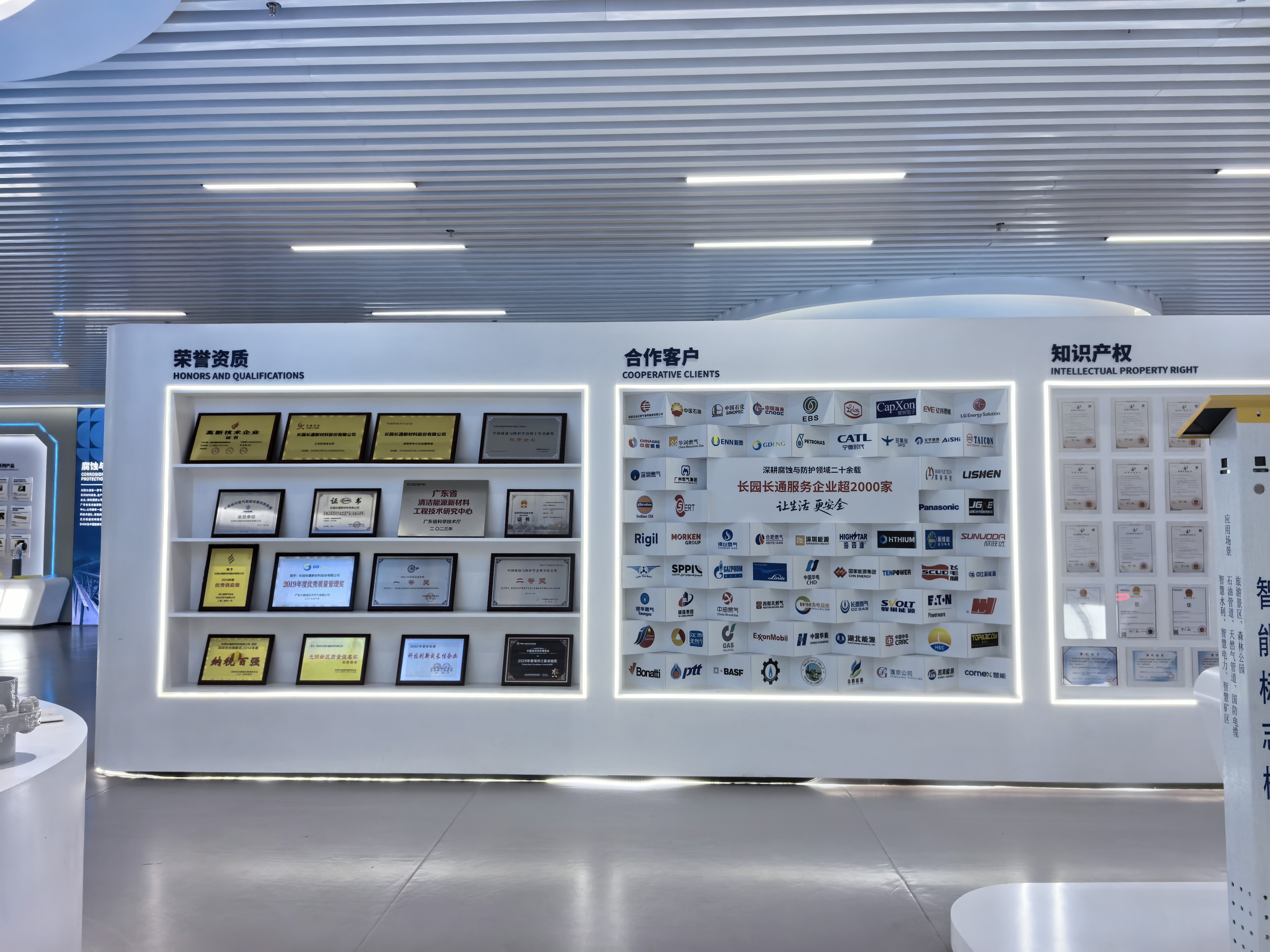
CYCT is a proud Member of Council in the Chinese Society for Corrosion and Protection (CSCP), an active corporate member of the China Association of Petroleum Engineering Construction (CAPEC), and a member of AMPP (Association for Materials Protection and Performance, formerly NACE). We maintain the Qualification Certificate of Corrosion Protection Construction and the Qualification Certificate of Pipeline Detection.

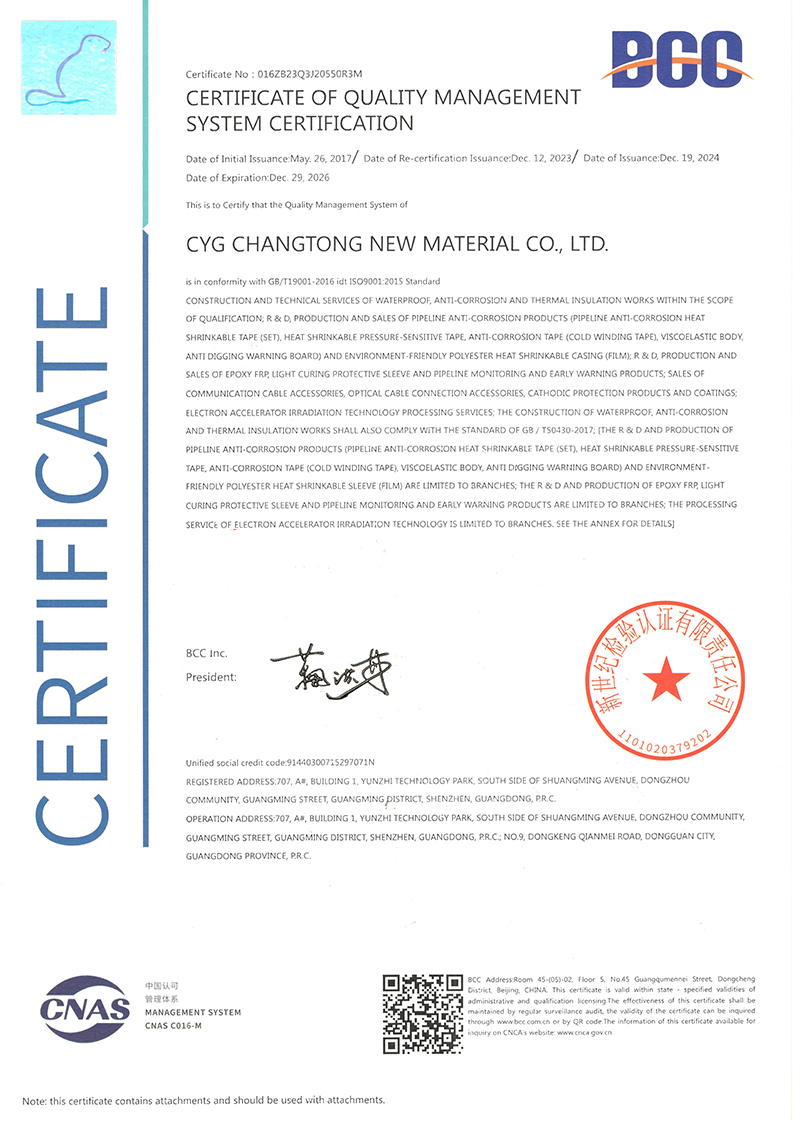
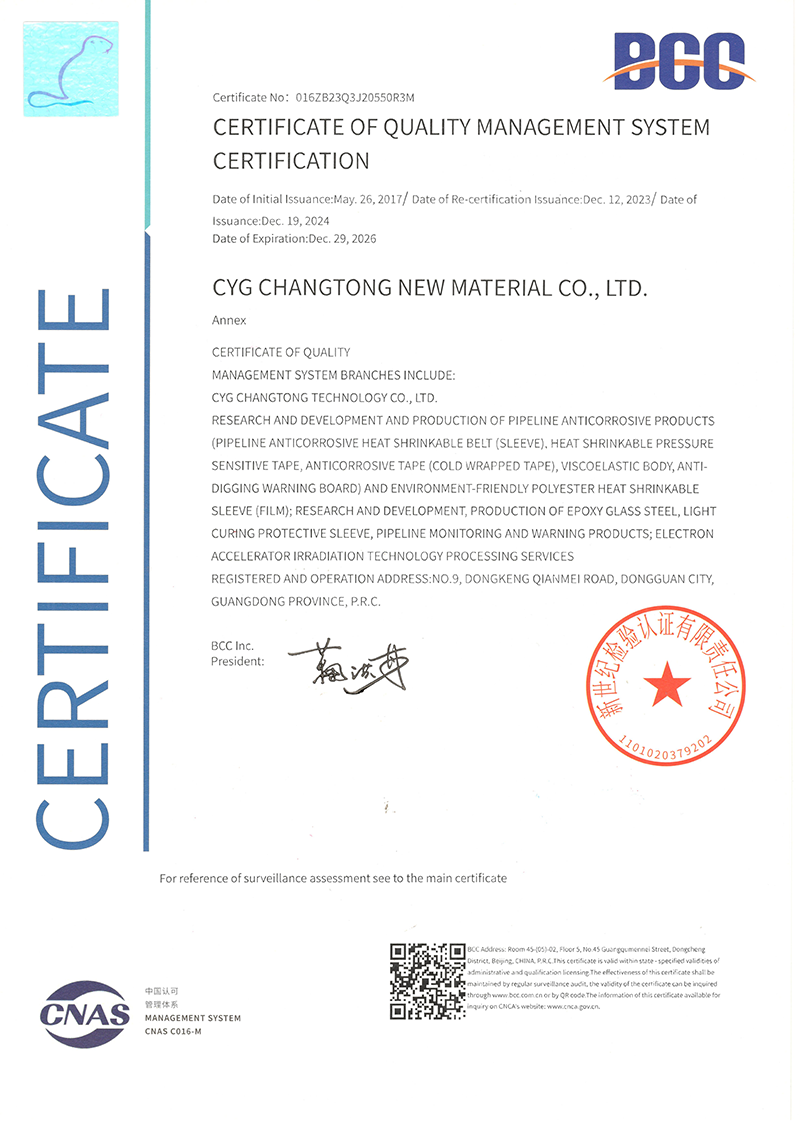
CYCT Quality Certificate

Company Certificate

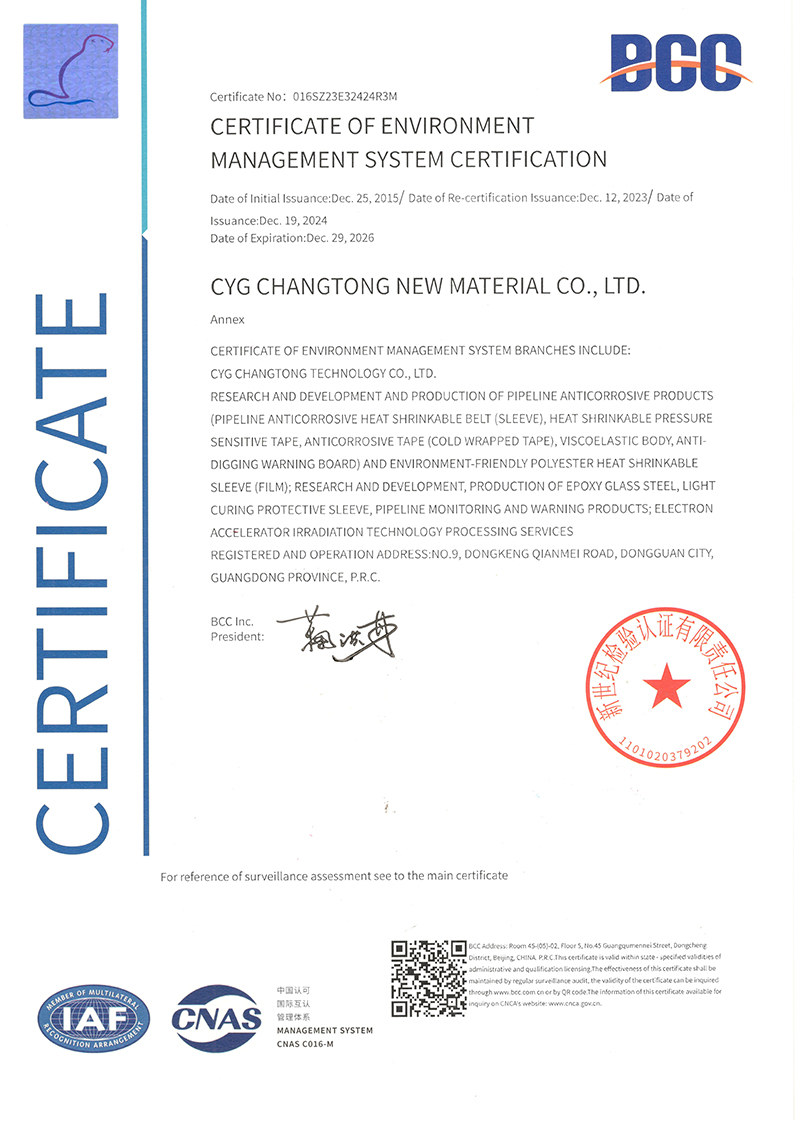
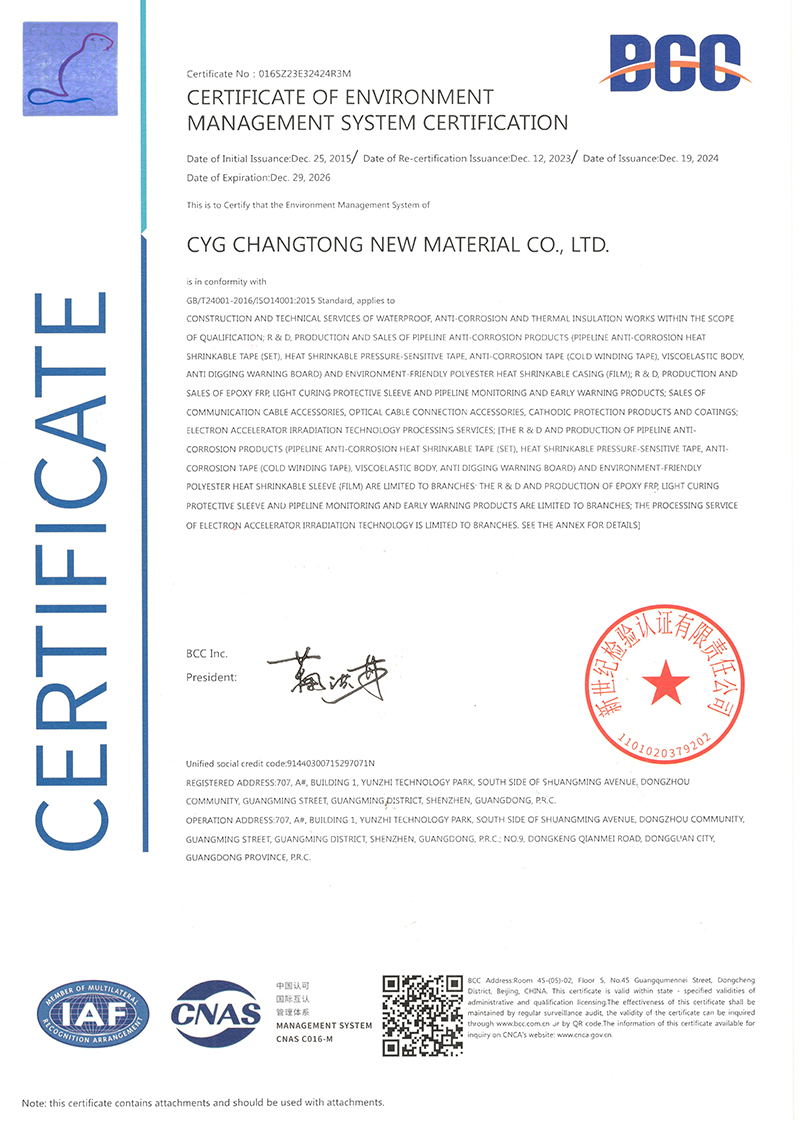
CYCT System ISO Certificate

Company Certificate

CYCT Standards Certificate

Company Certificate

CYCT Safety Management Certificate

Company Certificate

CYCT Quality Management System

Company Certificate

CYCT Environmental System Certificate

Company Certificate

CYCT Occupational Health Certificate

Company Certificate

CYCT National Patent Certificate

Company Certificate

CYCT Technology Patent

Company Certificate

CYCT Innovation Certificate

Company Certificate

CYCT Pipeline Qualification

Company Certificate

CYCT High-Tech Enterprise Certificate

Company Certificate

Frequently Asked Questions

Technical insights on pipeline corrosion protection materials, application standards, and procurement.

What standards do CYCT pipeline corrosion protection materials comply with? +
Our pipeline materials are engineered to meet and exceed key global pipeline standards, including ISO 21809-3 (Field joint coatings), EN 12068 (Polymeric coatings for cathodic protection), and various AMPP/NACE SP0169 guidelines for underground steel piping systems. Each shipment is accompanied by Mill Test Certificates (MTC) validated in our CNAS laboratory.
What is the difference between PE and PP heat-shrink sleeves? +
The main difference lies in operational temperature limits and mechanical strength. Polyethylene (PE) sleeves are typically suited for pipeline systems operating up to 60°C or 80°C. Polypropylene (PP) sleeves provide higher mechanical protection and can withstand temperatures up to 110°C or higher, making them suitable for deep-well flowlines and hot oil/gas transmission networks.
Why choose viscoelastic tapes over traditional heat-shrink options for valves? +
Traditional heat-shrink sleeves require flat, cylindrical profiles for uniform shrinking. Valves, flanges, and tees have complex geometries. Viscoelastic tapes and pastes feature a cold-applied viscous flow behavior that lets them manually mold into irregularities without heat, ensuring air-tight and water-tight coverage.
Do you offer OEM and customized options for thickness and width? +
Yes. As an OEM manufacturer, we design backings and adhesives to meet specific project needs. We can supply varying backing thicknesses (from 1.0mm to 2.0mm) and custom widths (from 50mm to 900mm) for heat-shrinkable sleeves and cold-applied tapes.
How do your PP repair patches and hot melt sticks repair pipeline coatings? +
For small pinholes or holidays in mill-applied coatings, a hot melt stick is melted into the defect. For larger damaged areas, a PP repair patch is applied over the filled spot and heated, forming a permanent, water-tight patch that merges with the surrounding mill-applied PE or PP coating.