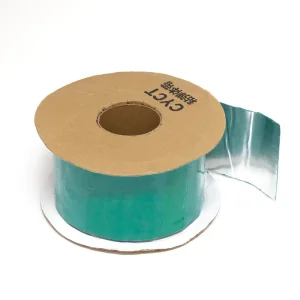
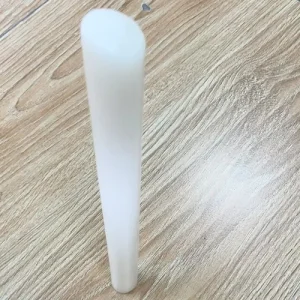
Direct manufacturer-sourced systems engineered to meet international oil & gas standards, ensuring continuous barrier integrity in high-stress soil environments.
Mitigating risk in international pipeline infrastructure. Understanding the key commercial variables that impact total cost of ownership (TCO) in corrosion protection systems.
Over 85% of pipeline corrosion failures originate at field joints or rehabilitation areas. Procurement managers globally no longer buy "just tape"; they purchase complete systems configured to withstand regional soil dynamics, installation environments, and operating thermal profiles. Long-term pipeline viability depends directly on field joint integrity matching the parent coating (3LPE or 3LPP).
Failure to match these standards leads to Cathodic Disbondment (CD), which allows moisture infiltration and localized galvanic corrosion. By sourcing directly from a vertically integrated manufacturer like CYCT, engineering contractors ensure the chemical compatibility of field joint sleeves, repair patches, and primers with the main pipeline body.
In mega-infrastructure projects, logistics delays can cost hundreds of thousands of dollars daily. Working with a dedicated OEM partner ensures that materials are delivered to strict schedules with accompanying batch documentation and testing certificates. CYCT's large-scale manufacturing facility handles everything from initial mastic formulation and polyolefin extrusion to backing expansion and adhesive lamination under one roof, guaranteeing production speed and consistent product tolerances.
From a commercial perspective, procuring directly from CYCT eliminates middle-agent margins while providing engineering design firms direct access to our laboratory technicians. This collaborative framework allows for customized backing thicknesses, adhesive shear ratings, and custom roll widths tailored for automated winding machines.
| Coating System Type | Typical Applications | Temperature Resistance | Standards Compliance | Primary Physical Properties |
|---|---|---|---|---|
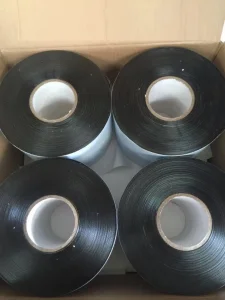
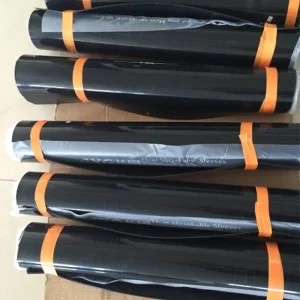
| Heat Shrinkable Sleeves | Field Joint Coating for 3LPE/3LPP Steel Pipes | -40°C to 110°C | ISO 21809-3, EN 12068 | High shear strength, exceptional peel force, UV resistance |
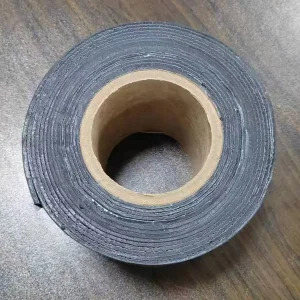
| Viscoelastic Tape | Irregular Fittings, Flanges, Wet Installations | -35°C to 85°C | ISO 21809-3, DIN 30673 | Self-healing, zero water permeability, 100% cold flow |
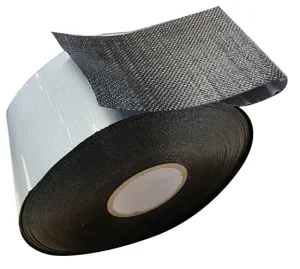
| PE Cold Applied Tape | Long-distance oil, gas & water pipelines | -10°C to 65°C | AWWA C209, C214, NACE SP0169 | High mechanical protection, ease of manual wrapping |
| UV-Curing GRP Sleeve | HDD Crossings, Mechanical Shielding | -50°C to 120°C | ASTM D4060, NACE RP0274 | Extreme impact resistance, high hardness, rapid curing |
Comprehensive corrosion mitigation strategies across variable geographies, deep terrains, and industrial parameters.
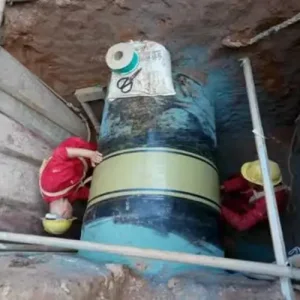
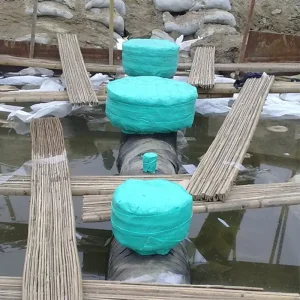
Horizontal Directional Drilling (HDD) subjects coatings to extreme shear, abrasion, and drag forces. Standard polyolefin wraps often peel or tear under these stresses. CYCT offers photo-curing GRP protective sleeves. This composite material forms an impenetrable outer shield, protecting the primary anti-corrosion barrier from rocks, roots, and high-abrasion soils during pipeline pulling operations.
Modern petrochemical transmission often operates at elevated temperatures to reduce viscosity. Standard pipeline coatings can soften or undergo mechanical degradation under these conditions. Our specialized PP heat-shrinkable sleeves and high-temperature cold-applied PP outer tapes maintain shear and adhesion properties up to 110°C, preventing soil stress-induced shifting.
For applications where surface preparation is challenging, CYCT's viscoelastic tapes provide a zero-void barrier. Exhibiting permanent cold-flow behavior, the material automatically flows into micro-fissures and surface irregularities. This eliminates the possibility of water pooling beneath the coating, even if the outer mechanical protection wrap becomes compromised.
CYCT's research trajectory focuses on reducing environmental impact while increasing long-term corrosion resistance.
By utilizing electron-beam (E-beam) irradiation, CYCT precision-controls the molecular cross-linking density of polyethylene and polypropylene backing materials. This optimization enhances the shape-memory recovery of our heat-shrinkable products. During field application, the sleeve contracts with high radial tension, expelling air pockets and maximizing the adhesive's interface contact with the steel pipe.
Our ongoing development focuses on introducing reactive functional groups within the hot-melt copolymer adhesives. This formulation ensures chemical bonds form directly with the epoxy-primed steel surface, significantly increasing resistance to cathodic disbondment over 30+ year operation cycles.
Compliance and safety are key drivers in modern chemical formulations. CYCT has introduced VOC-free mastic adhesives and non-toxic Viscoelastic (VE) Putties designed to protect complex geometries without releasing harmful fumes. These products meet strict occupational health standards globally, making them suitable for application in confined urban infrastructure and ecological reserves.
Additionally, we are testing pipeline wrap formulations engineered for the emerging hydrogen economy. Hydrogen transmission lines operate at high pressures and require coatings with extremely low gas permeability to prevent atomic hydrogen migration, which can lead to steel embrittlement.
A state-level high-tech enterprise integrating R&D, production, and sales of pipeline corrosion protection materials, buried pipeline detection services, and field application support.
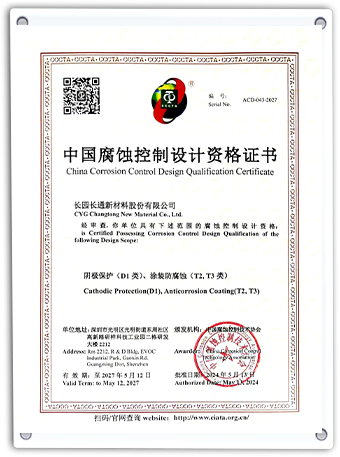
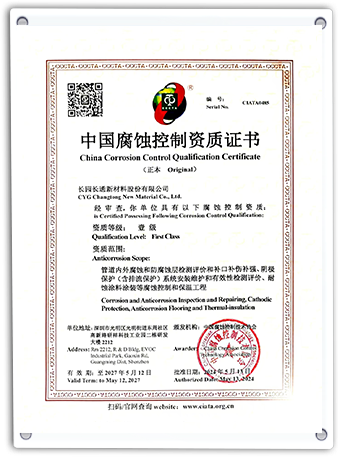
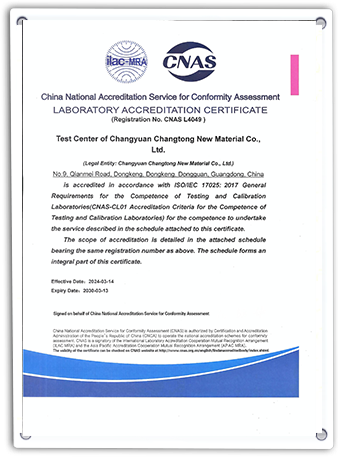
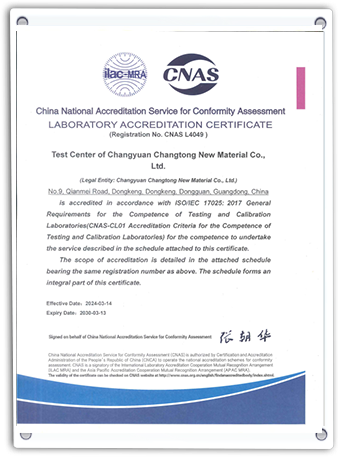
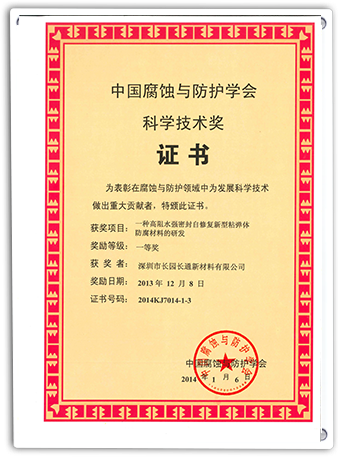
With decades of focused specialization, CYCT has become a stable supplier of field joint coatings for leading oil & gas corporations, including PetroChina, Sinopec, PipeChina, and various municipal gas networks. Our technical capability is supported by a professional R&D team and a national CNAS-accredited laboratory, ensuring that all raw material inputs and finished outputs undergo rigorous quality control testing.
Beyond material manufacturing, CYCT partners with top-tier research institutes like the CNPC Pipeline Science Research Institute. This collaboration allows us to deliver integrated engineering solutions, including pipe coating rehabilitation design, in-service pipeline testing, cathodic protection diagnostics, and field construction support.
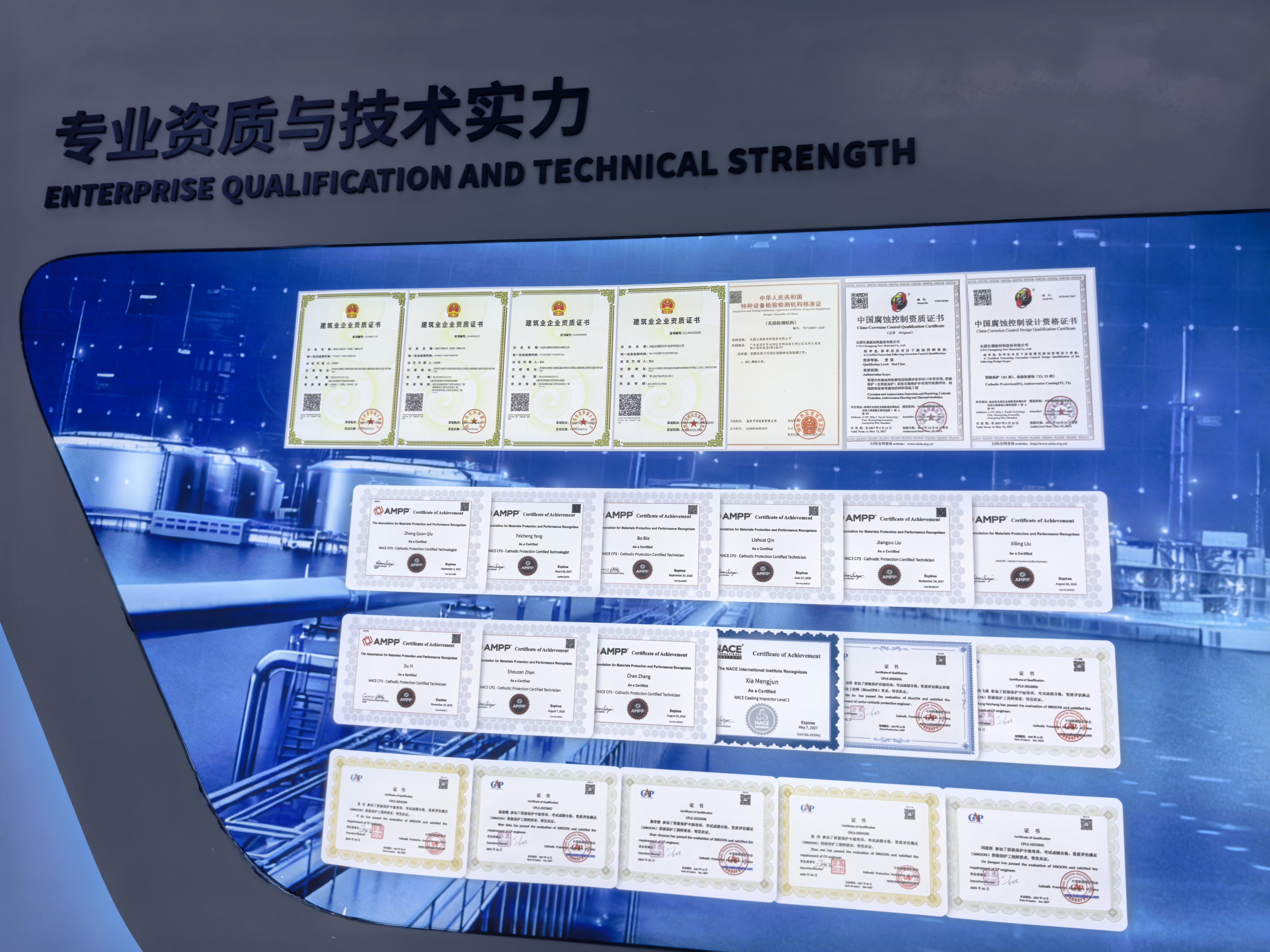
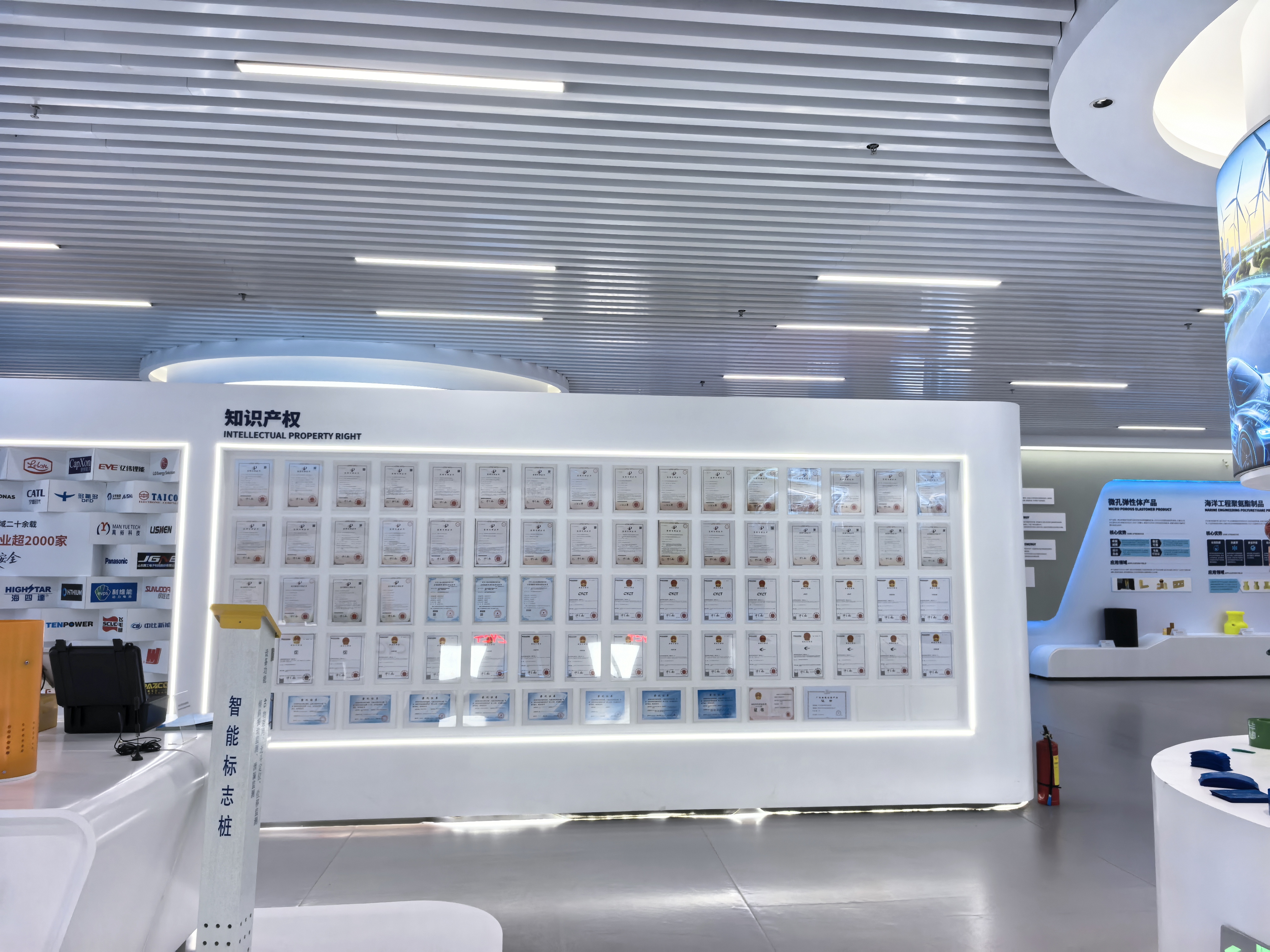
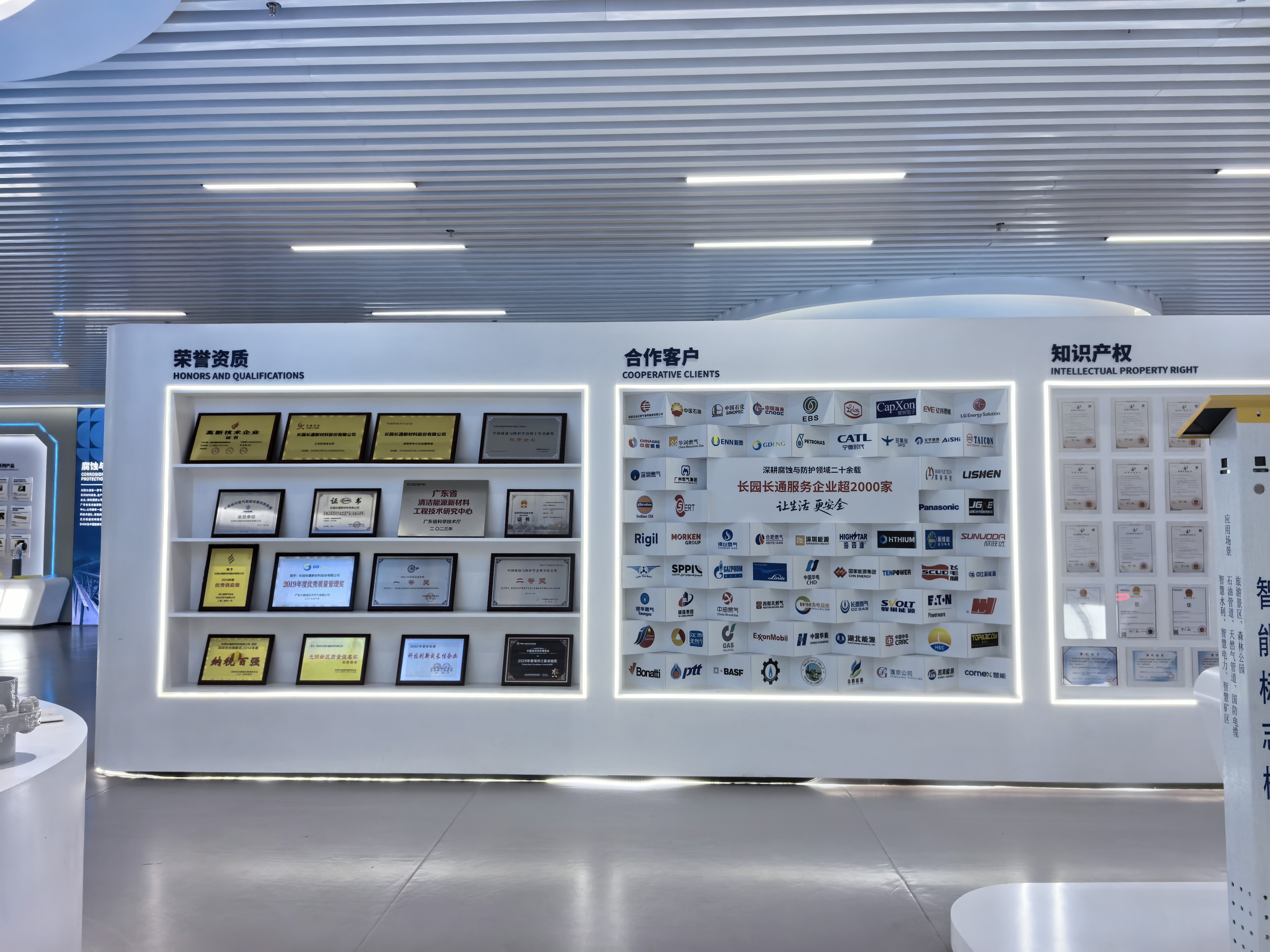
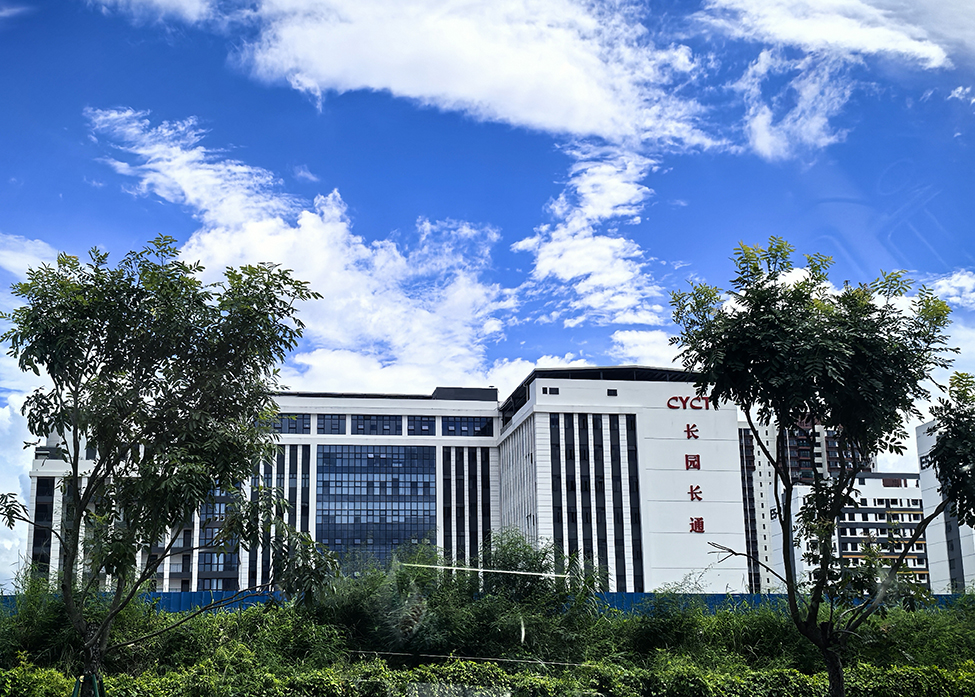
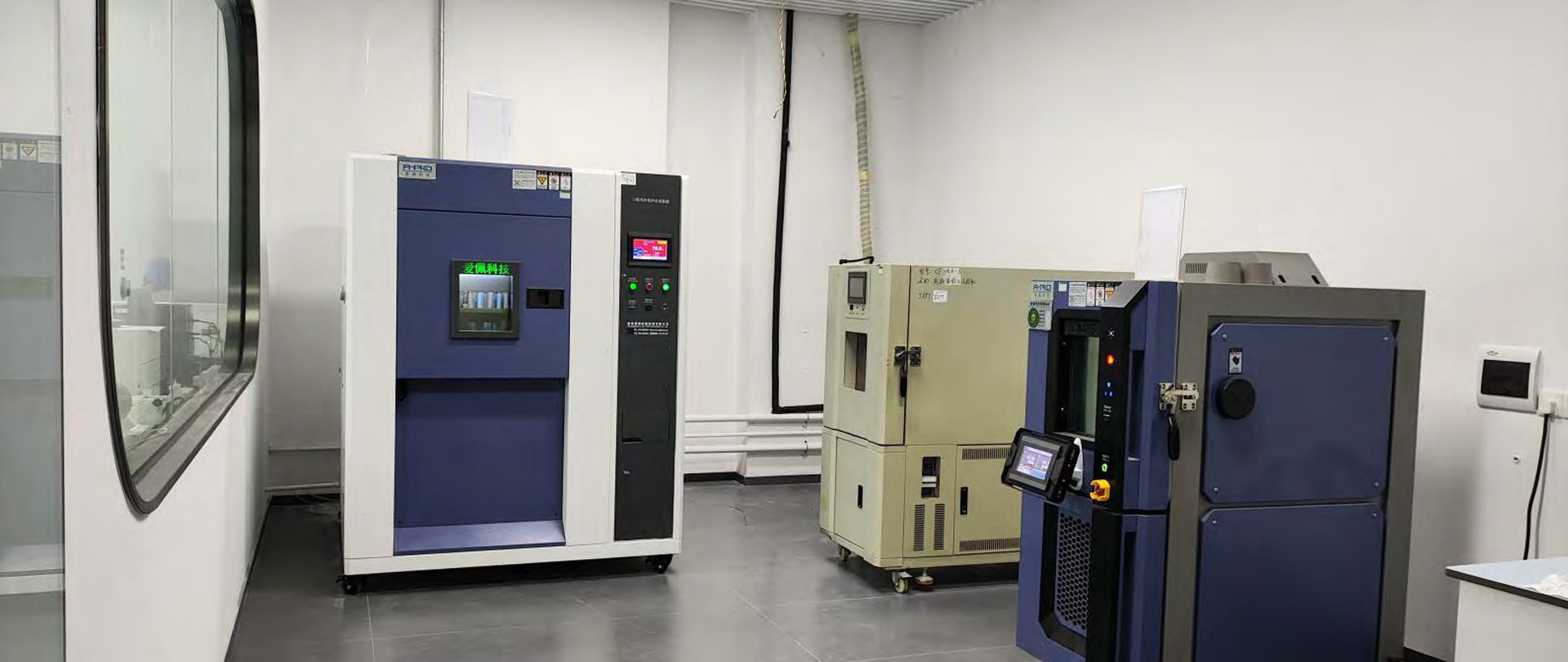
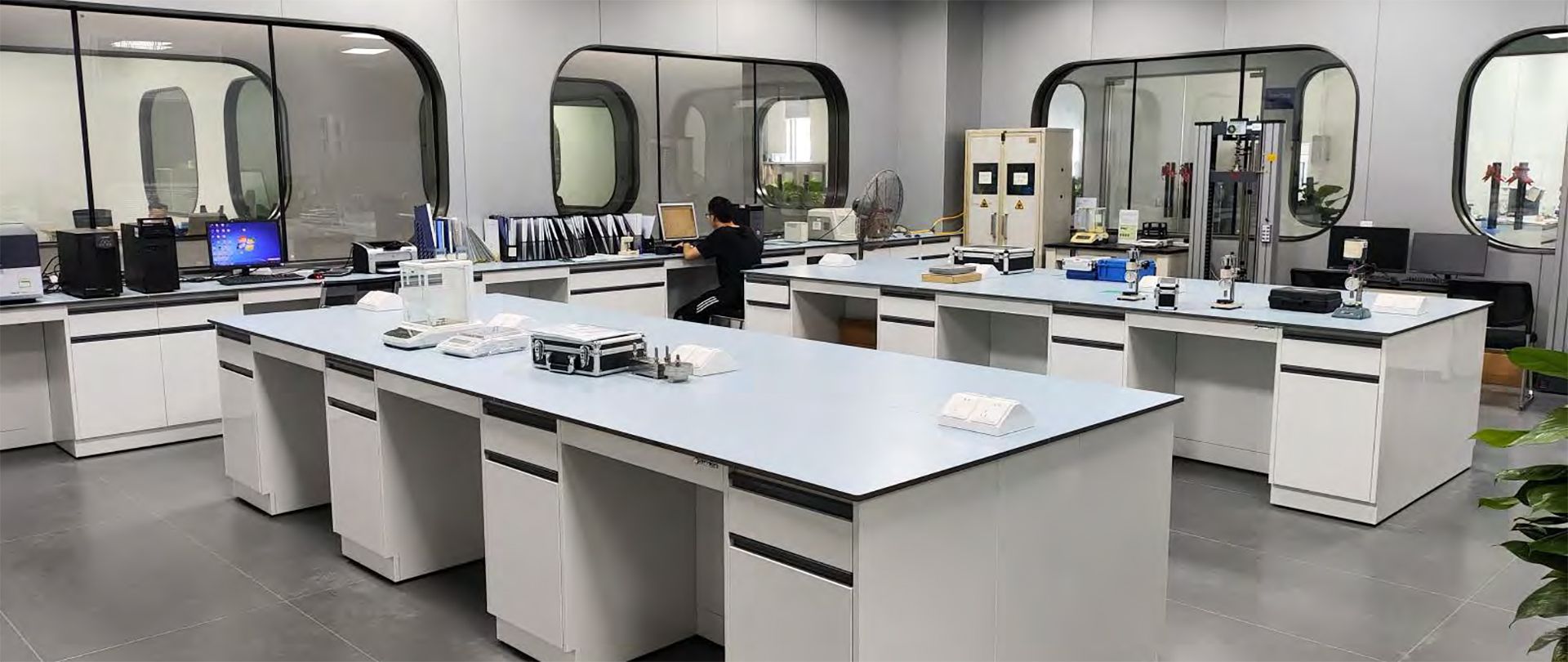
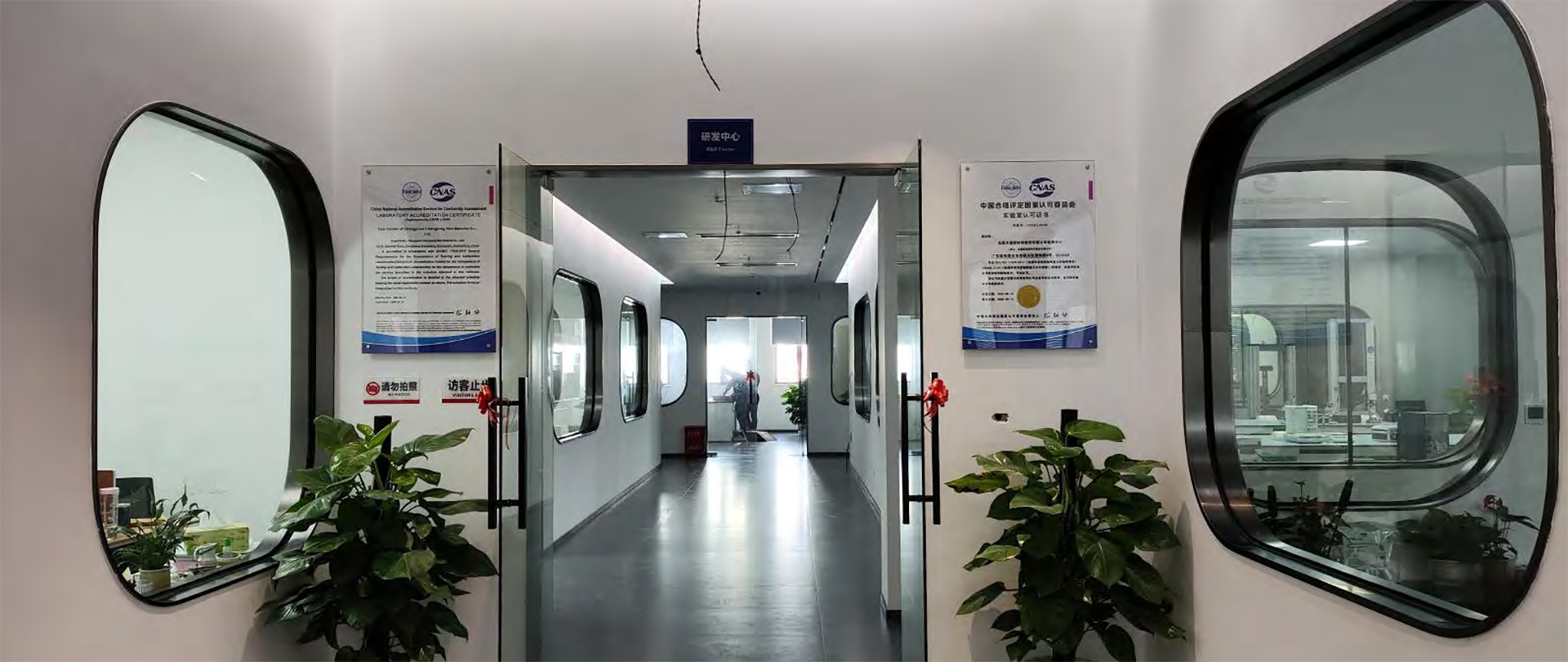
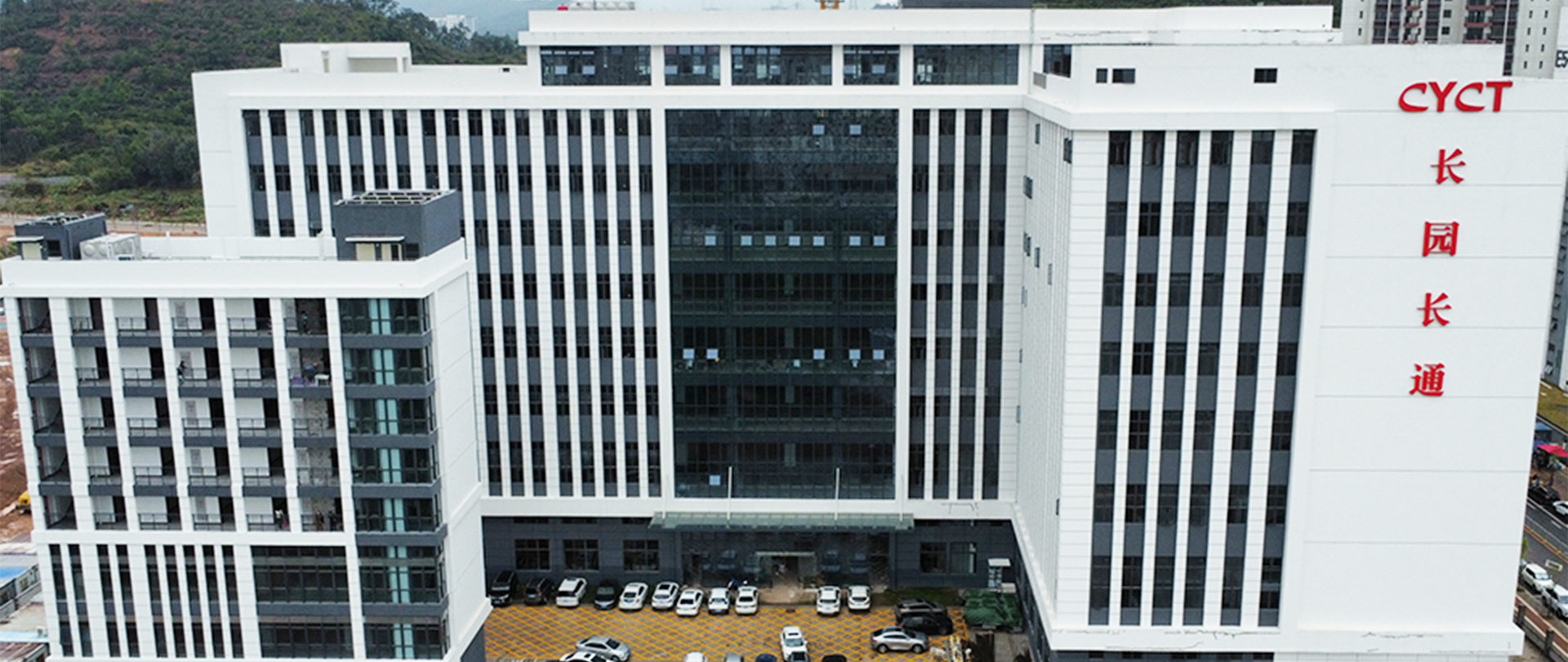
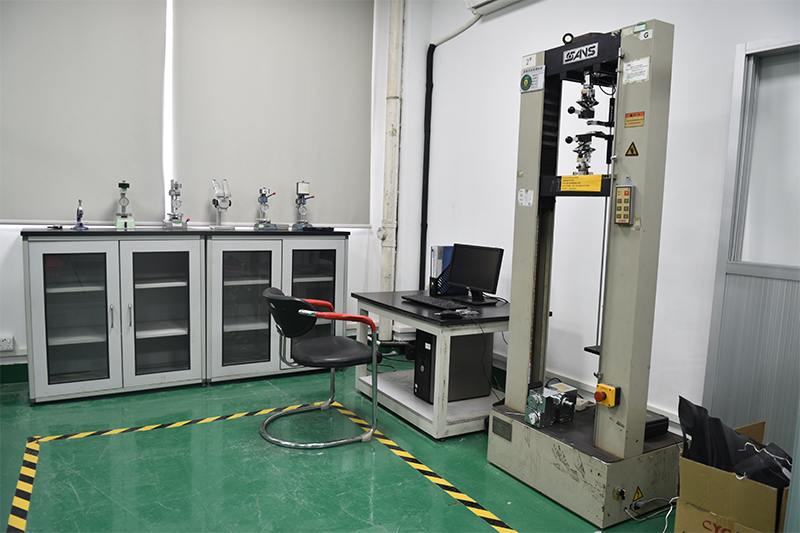
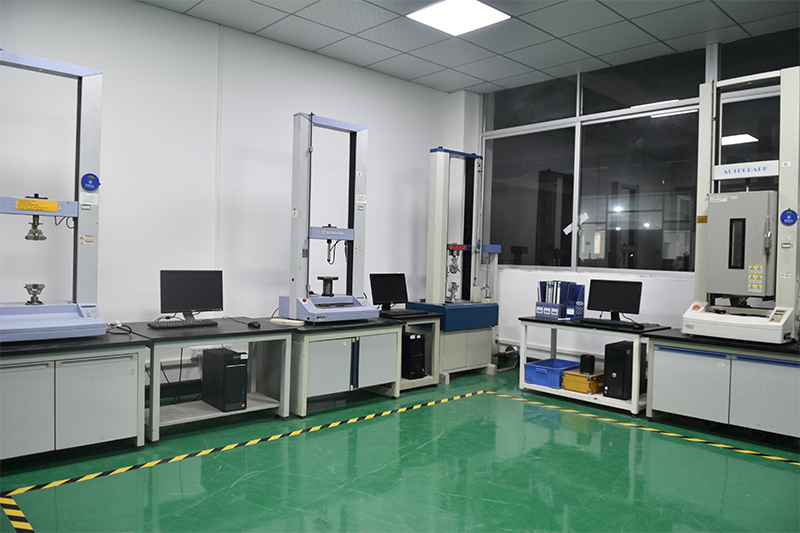
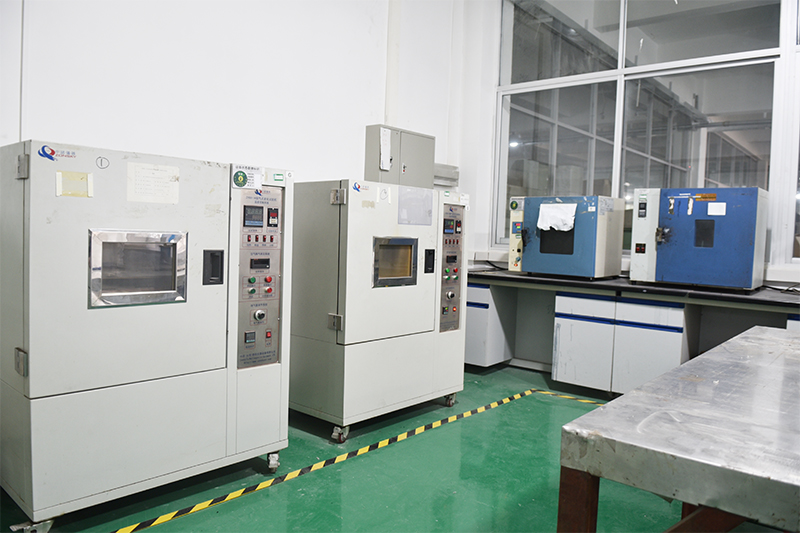
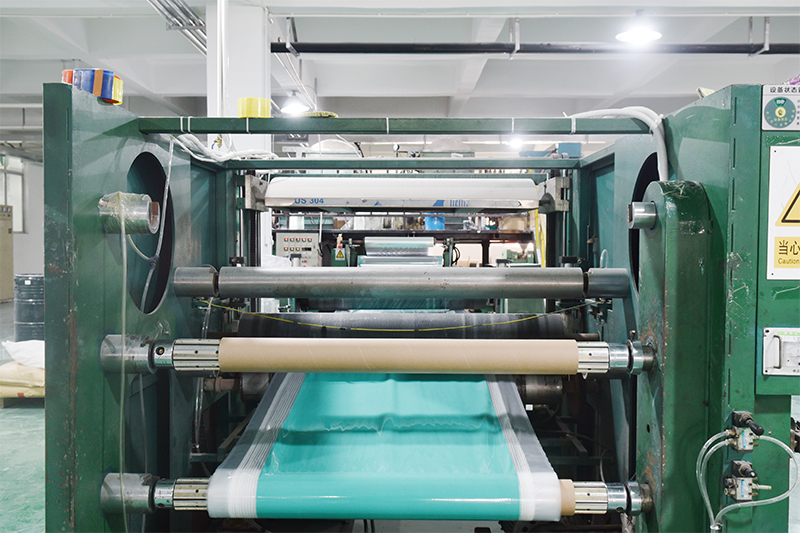
Ensuring full compliance with global specifications. Our systems undergo continuous auditing to guarantee performance consistency on-site.
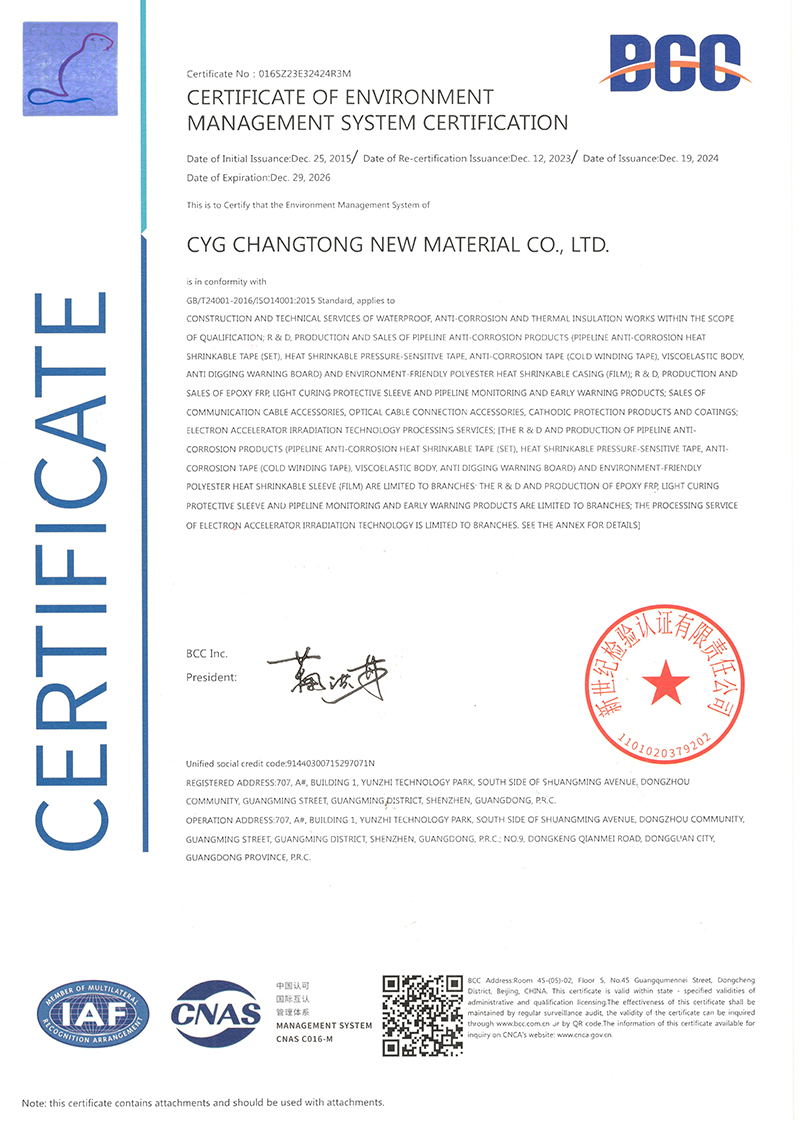
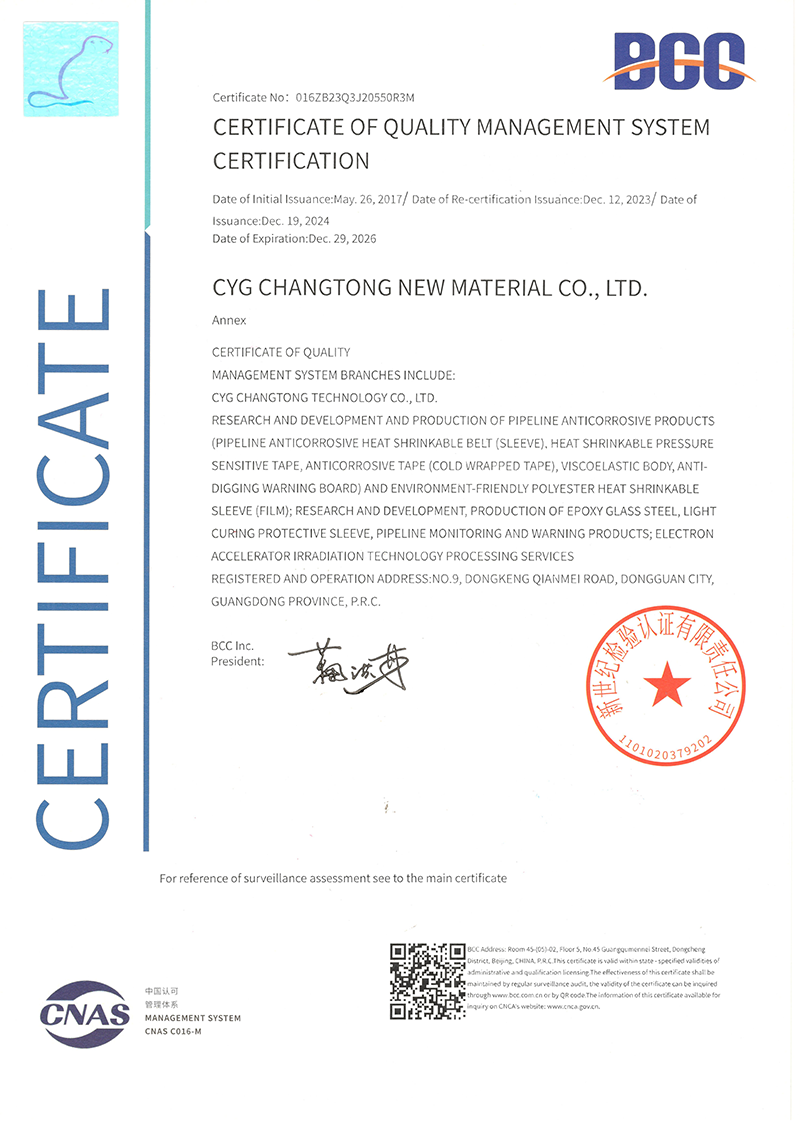
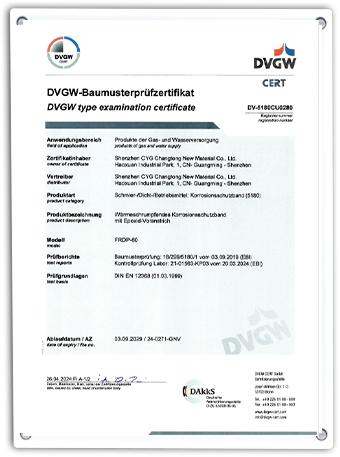
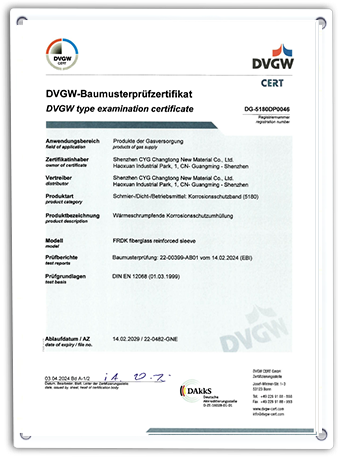
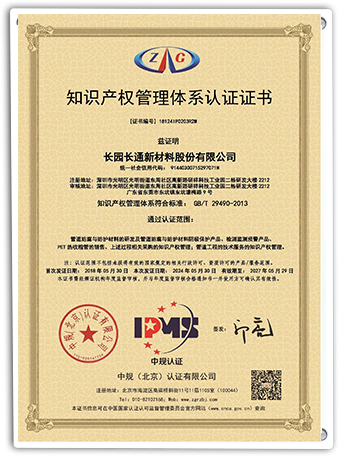
Our manufacturing and testing protocols strictly follow international quality systems, including ISO 9001, ISO 14001, and ISO 45001. Product performance is certified against standards such as ISO 21809-3, EN 12068, DIN 30670, DIN 30678, and AWWA C214. This standardization ensures that CYCT materials are approved for use in global energy pipelines.
Product performance depends heavily on correct application. CYCT provides certified field service technicians to support pipeline construction crews. We offer detailed installation guides, training programs, and on-site holiday detection testing to verify that joint coatings are applied correctly under field conditions.
Through our global network of distributors and storage hubs, CYCT supports localized logistics in regions including North America, Europe, the Middle East, Southeast Asia, and India. This regional footprint ensures shorter lead times, simplified customs clearance, and prompt technical support for active pipeline projects.
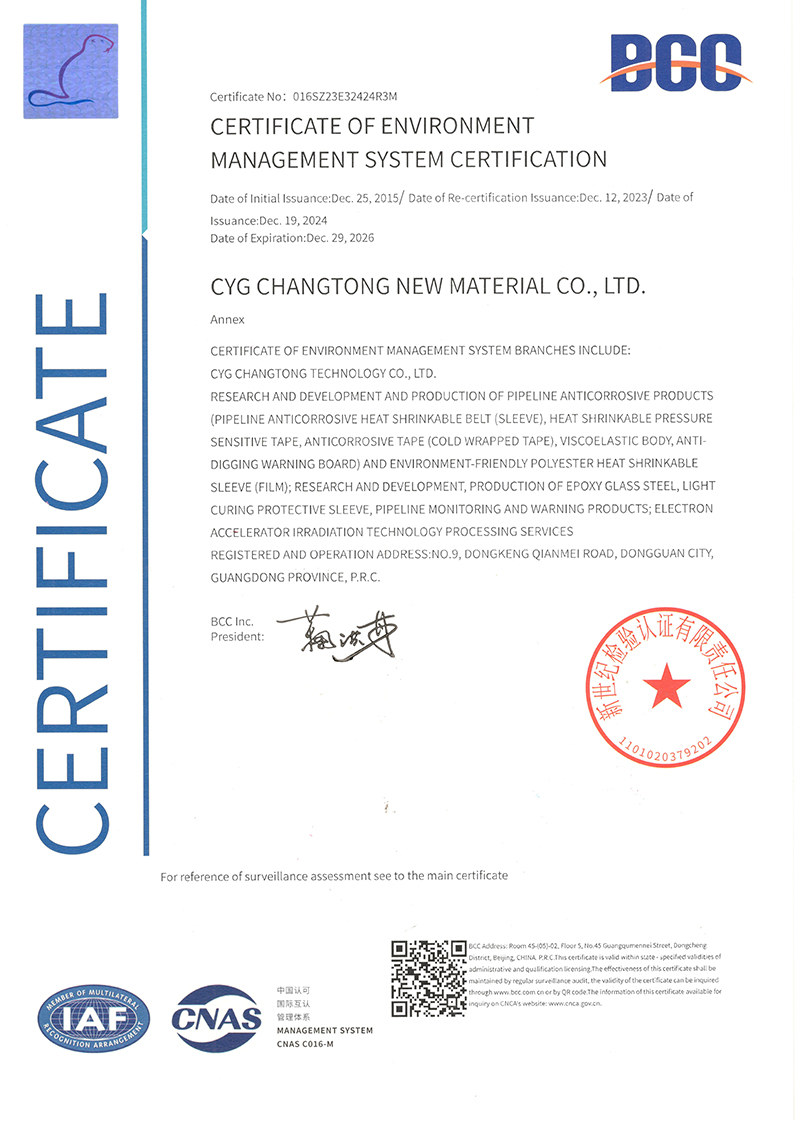
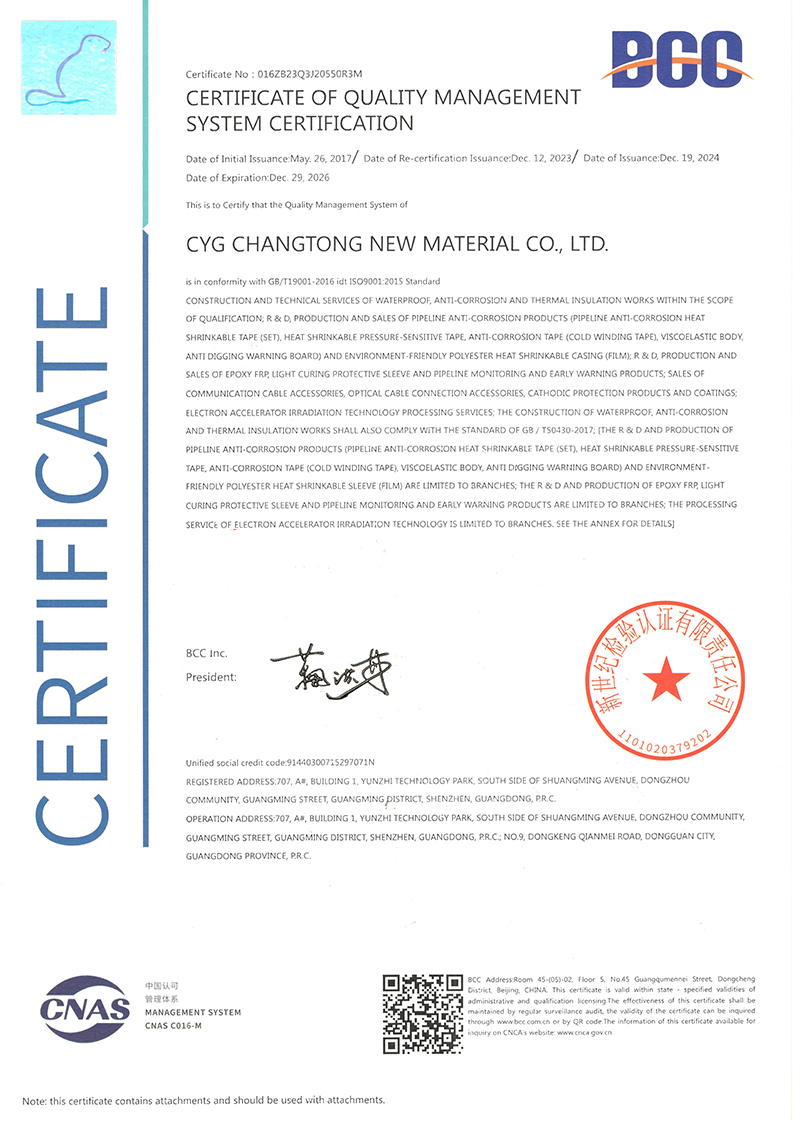
Addressing key technical questions regarding pipeline wrapping, selection parameters, and installation specifications.
A: 3LPE (Three-Layer Polyethylene) repair patches are designed to restore the integrity of parent PE coatings, which typically operate at temperatures up to 80°C. 3LPP (Three-Layer Polypropylene) repair patches are formulated for high-temperature PP pipelines operating up to 110°C. Polypropylene exhibits higher hardness, tensile strength, and shear resistance but requires higher installation pre-heat temperatures than polyethylene to ensure proper polymer fusion.
A: Viscoelastic tape is highly effective for irregular geometries (flanges, valves, tees) and cold-applied applications where pre-heating is difficult or unsafe. It exhibits permanent cold-flow, self-healing properties, and requires lower surface preparation (ISO Sa 2 or St 2/3 instead of Sa 2.5). However, for long straight pipeline joints subjected to high shear stress and drag (such as HDD), heat-shrinkable sleeves with cross-linked backings and high-shear hot-melt adhesives are typically preferred.
A: A Glass Fiber Reinforced Polymer (GRP) sleeve is wrapped over the primary anti-corrosion coating (such as a heat shrinkable sleeve). When exposed to sunlight or artificial UV lamps, the specialized photo-curing resin undergoes rapid polymerization, hardening into a tough, impact-resistant outer shell. This hard shell absorbs impact and shear forces as the pipe is pulled through rock and compacted soil, protecting the underlying corrosion barrier.
A: Cathodic Disbondment testing (e.g., per ASTM G8 or ISO 21809-3) measures a coating's resistance to adhesion loss when subjected to electrical potential from cathodic protection systems. A lower disbondment radius (measured in millimeters of peeling after 28 days at a specific temperature) indicates a stronger adhesive-to-steel bond and higher resistance to moisture ingress under operating conditions.
A: Surface preparation is critical. The steel surface must be dry and free of rust, scale, and dust, typically cleaned to ISO Sa 2.5 (near-white metal) or Sa 2 for optimal adhesion. An appropriate liquid primer must then be applied to wet the surface profile, followed by wrapping the PE tape with consistent tension. Insufficient cleaning or primer application can lead to poor adhesion, air voids, and subsequent moisture condensation beneath the tape.
Additional OEM solutions for pipeline joints, rehabilitation wraps, and high-performance repair systems.
 CYCT
CYCT