Explore our premium factory-direct solutions, designed and manufactured under ISO-certified processes to meet global pipeline standards.
An in-depth technical analysis of high-performance pipe adhesives, viscoelastic layers, and field joint coating systems for modern infrastructure networks.
In modern energy distribution, natural gas, chemical raw materials, and potable water transport systems represent the arteries of global industrial society. The physical integrity of these metallic buried systems is continuously threatened by physical stress, chemical attacks, biological degradation, and electrochemical corrosion. Finding the right pipe adhesive and field joint coating technology is not simply an engineering option—it is a mandatory asset-preservation strategy.
According to the Association for Materials Protection and Performance (AMPP), the global cost of corrosion in industrial assets amounts to trillions of dollars annually, a substantial portion of which originates from pipeline transport failures. While factory-applied coatings such as Three-Layer Polyethylene (3LPE) or Three-Layer Polypropylene (3LPP) provide robust line-pipe protection, the Field Joint Coating (FJC)—the weld area prepared during pipeline construction—remains the most vulnerable section of the entire network. Developing a reliable bond between the steel surface and the factory-applied coating is paramount. This requires specialized formulations of visco-elastic polymers, hot-melt adhesives, heat shrinkable materials, and moisture-curing shields.
Viscoelastic compounds offer zero permanent stress under elongation, maintaining a constant liquid-like contact with the steel surface and resolving micro-cavity moisture infiltration.
Radiation cross-linked polyolefin backings contract with high hoop stress, pushing the integrated hot-melt adhesive into deep mechanical bonds with the pipeline substrates.
The performance of pipe adhesives hinges directly on polymer science. OEM factories design these complex macromolecular systems to handle key challenges: cathodic disbondment resistance, water vapor transmission prevention, thermal aging resistance, and mechanical shear strength.
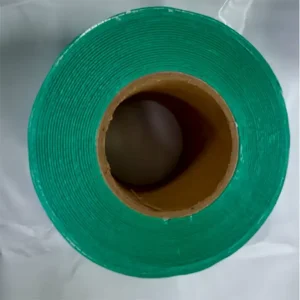
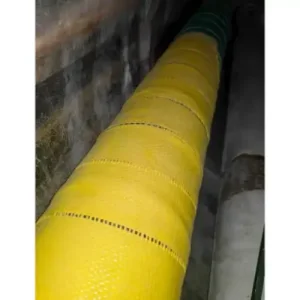
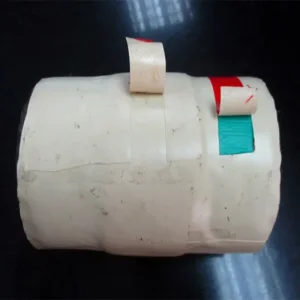
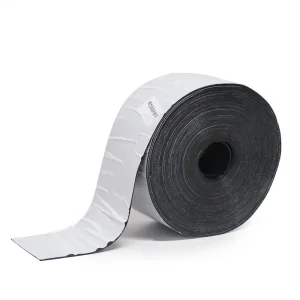
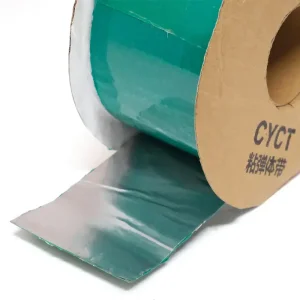
Viscoelastic tapes, such as the FVT95 Fabric Viscoelastic Tape and the Aluminum Foil Viscoelastic Tape, leverage cold-flow technology based on non-crystalline, non-crosslinked polyisobutene. Unlike traditional rubbers, these materials behave as highly viscous liquids with high surface-wetting properties. Under very low pressure, they flow directly into the steel surface's micro-roughness, eliminating the microscopic voids where water and oxygen could prompt corrosion. Because PIB remains amorphous and possesses a low glass transition temperature (Tg), it does not age, crack, or lose its adhesive properties. It remains self-healing, automatically closing small punctures and mechanical scars.
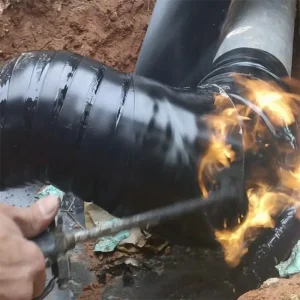
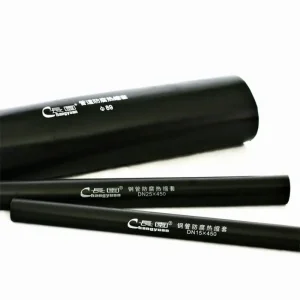
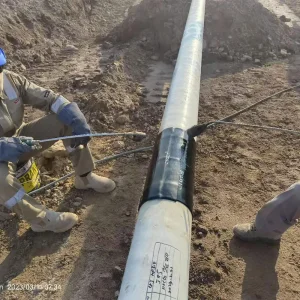
Heat shrinkable sleeves and tapes (like the 60℃ FRDS Heat Shrinkable Tape and FRY Heat Shrinkable Tubular Sleeve) use a two-layer structure. The outer backing is made of high-density polyethylene that has undergone electron-beam cross-linking to build a molecular memory matrix. The inner layer is a proprietary hot-melt copolymer adhesive. When heat is applied to the backing, it shrinks, exerting a consistent radial force (hoop stress). This forces the molten adhesive layer to flow and bond with both the steel pipe and the parent coating (typically 3LPE/FBE). This chemical compatibility and high shear resistance block moisture infiltration even under significant soil stress and cyclic thermal movements.
During the transport and installation of line pipes, localized damages (called "holiday" defects) frequently occur in the factory-applied PE coating. Simply patch-covering these defects is insufficient. High-temperature hot-melt sticks (such as our High Temperature Hot Melt Stick for PE Coating Repair - up to 85℃) provide an engineering solution. By melting the adhesive directly into the prepared cavity of the damaged PE, a seamless, moisture-proof seal is achieved that restores the chemical protection parameters of the original factory-installed coating.
Sourcing pipeline corrosion protection systems from China offers key advantages for global engineering, procurement, and construction (EPC) contractors: raw material integration, highly developed manufacturing hubs, and advanced polymer compounding technologies.
As a major petrochemical producer, China has reliable access to baseline polymers (LLDPE, HDPE, EVA, PIB) and advanced curing agents. This raw material security protects pipeline operators and OEM purchasers from supply chain shocks, allowing us to maintain stable lead times even during volatile global trade cycles. Furthermore, our factories offer extensive customization, adjusting heat shrink ratios, hot-melt adhesive flow points, backing thicknesses, and roll configurations to match unique project specifications.
A State-level High-tech Enterprise Dedicated to R&D, Testing, and Integrated Solutions for Pipeline Longevity.
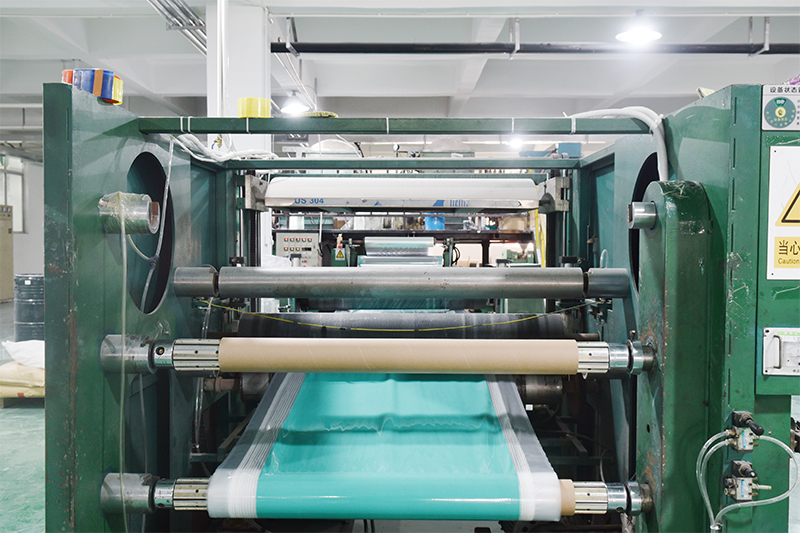
CYCT New Materials Company Limited (for short, CYCT) was founded in 2000. It is a state-level high-tech enterprise integrating R&D, production, and sales of pipeline corrosion protection materials, buried pipeline detection services, and pipeline coating field application services into one cohesive operation. For decades, CYCT has dedicated itself to the research, development, production, and sales of top-tier pipeline protection systems.
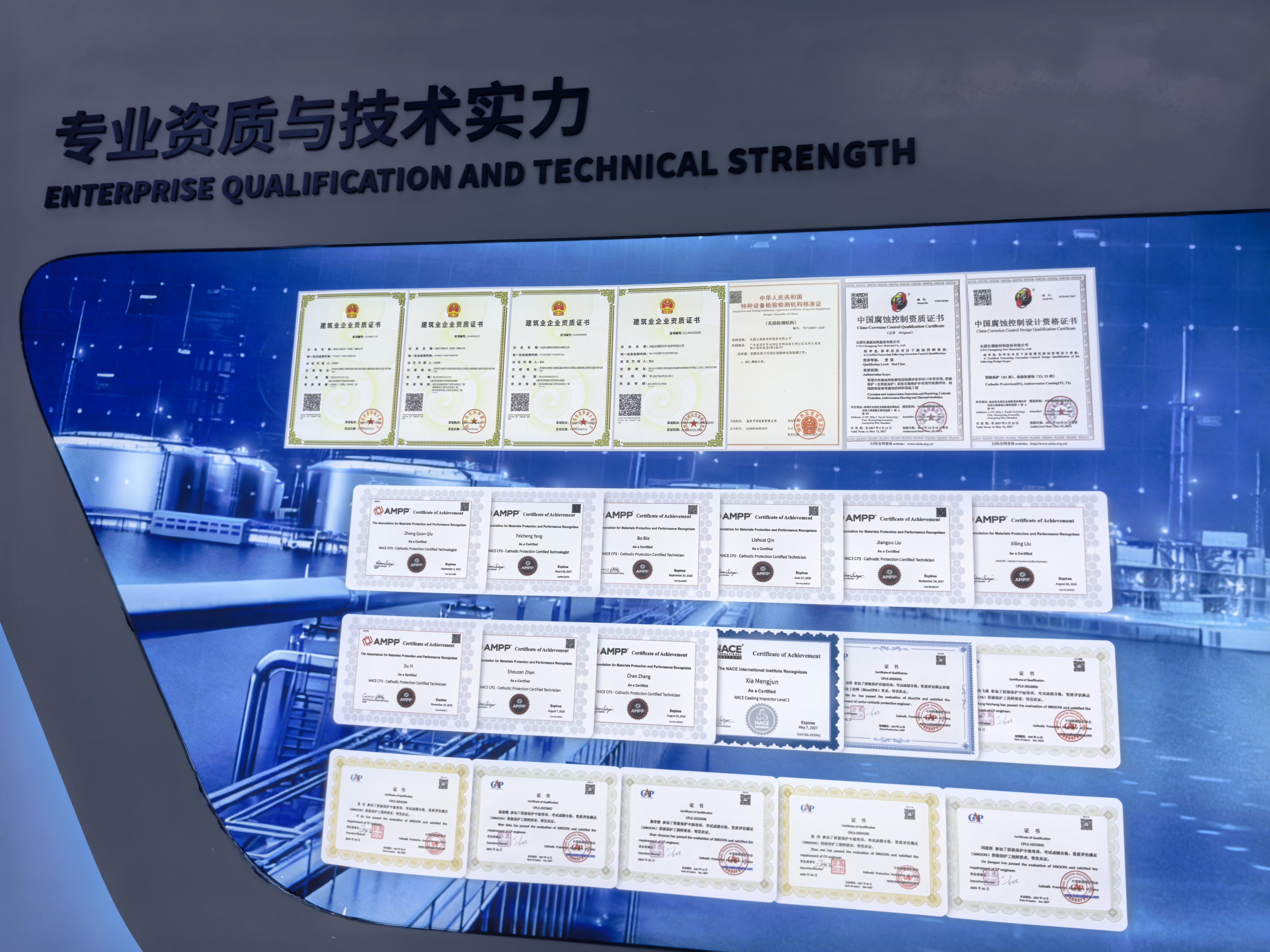
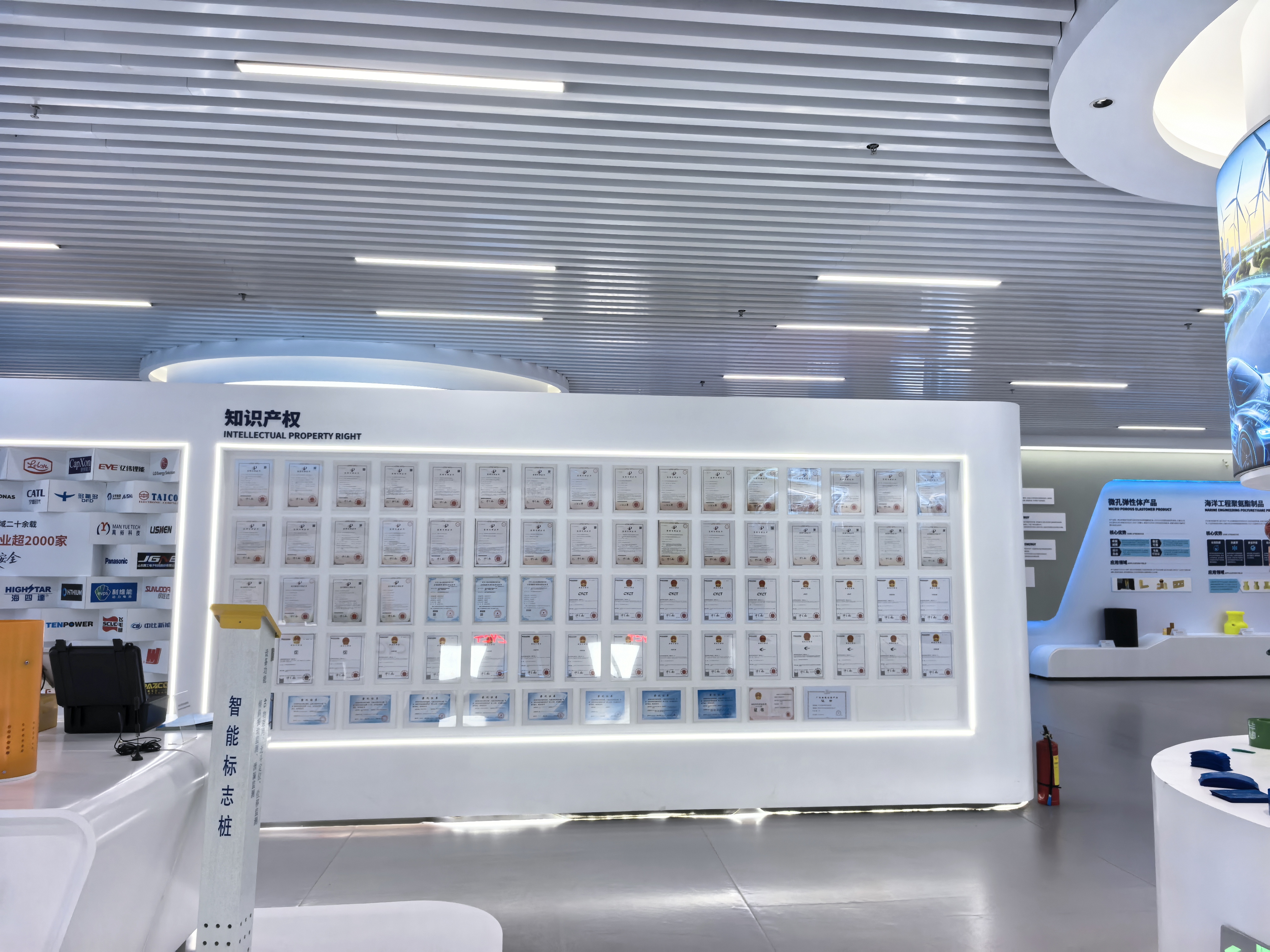
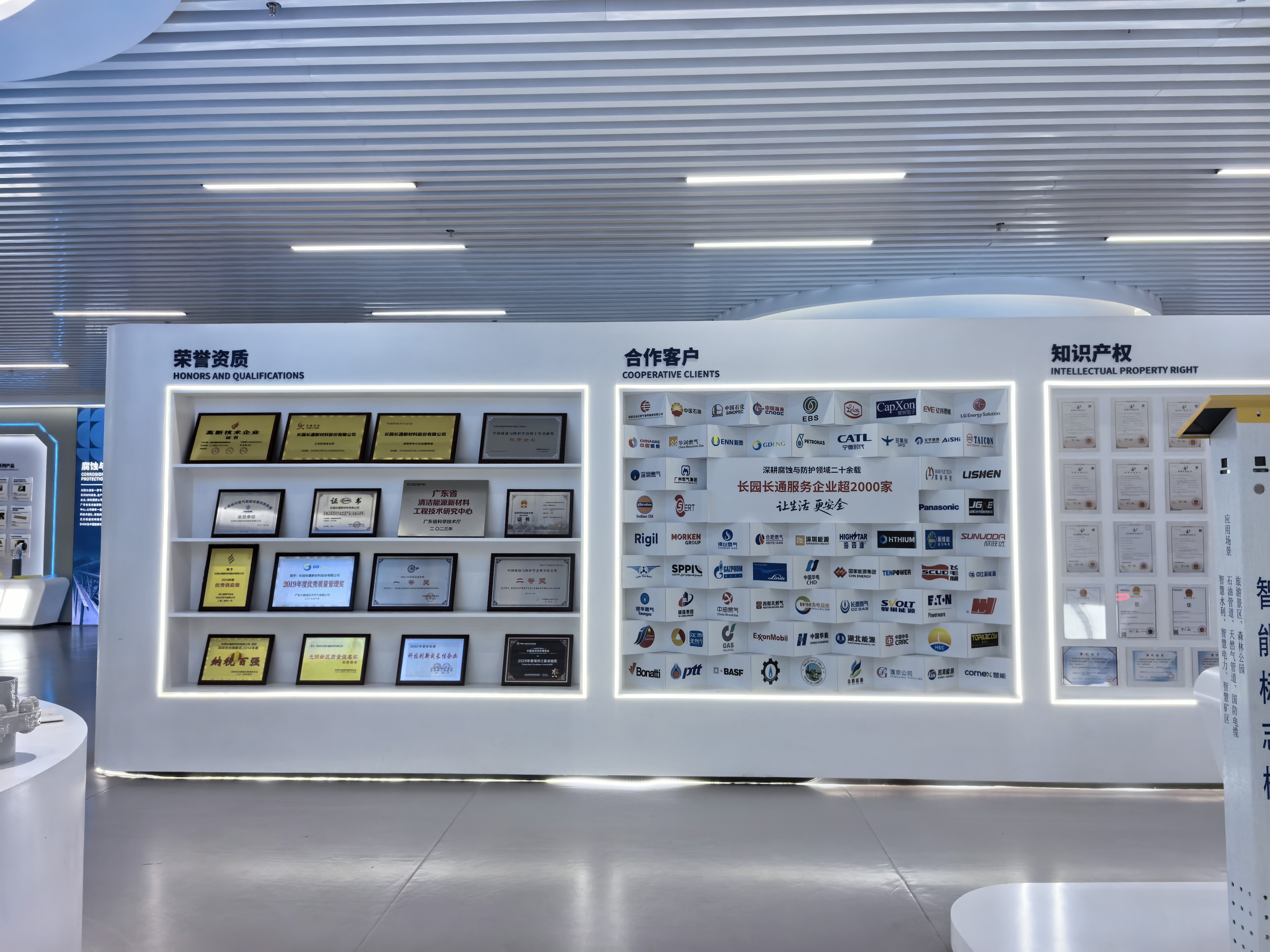
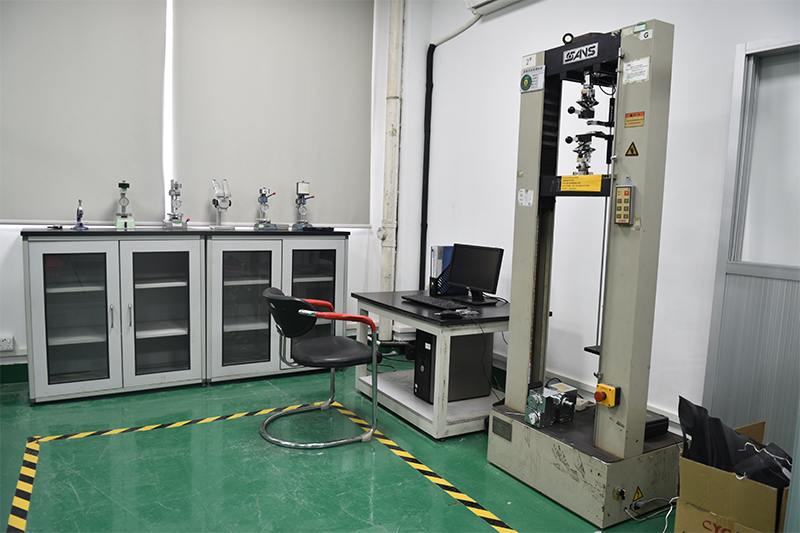
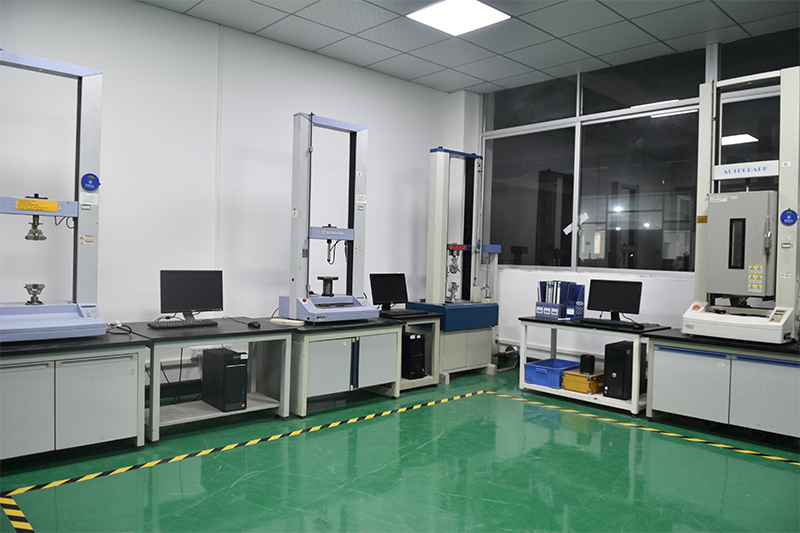
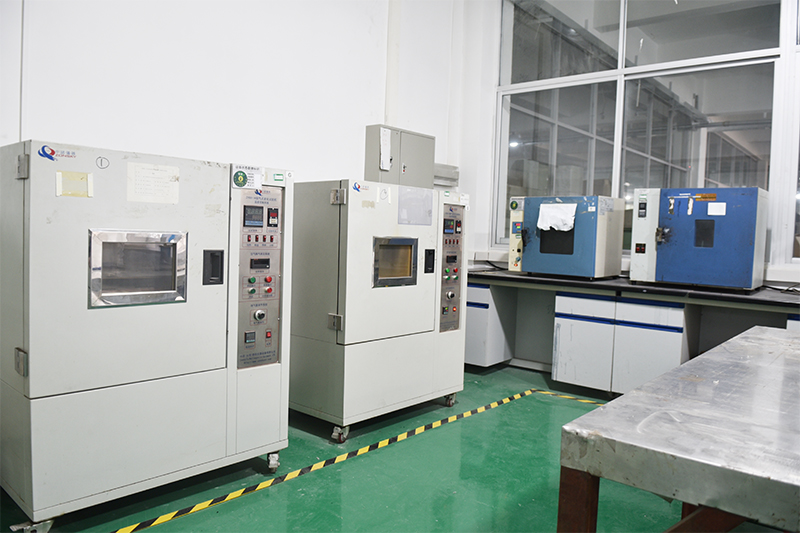
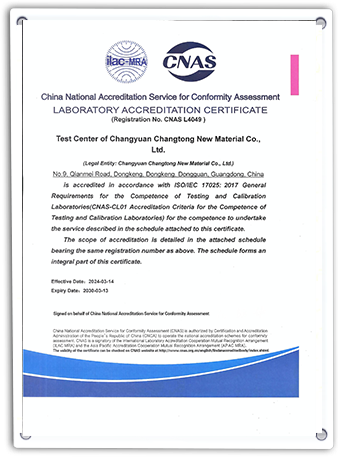
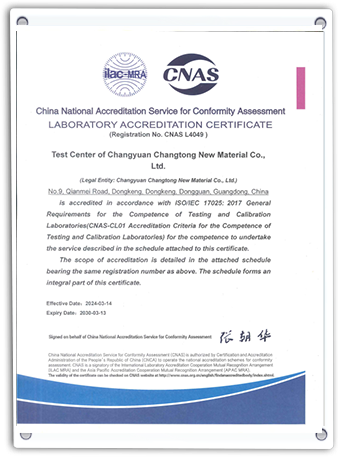
CYCT has established industry-leading testing and R&D capabilities, supported by a professional engineering team and a national CNAS-accredited laboratory. This high testing standard ensures that every batch of adhesive, viscoelastic tape, and heat-shrink sleeve complies with international regulations.
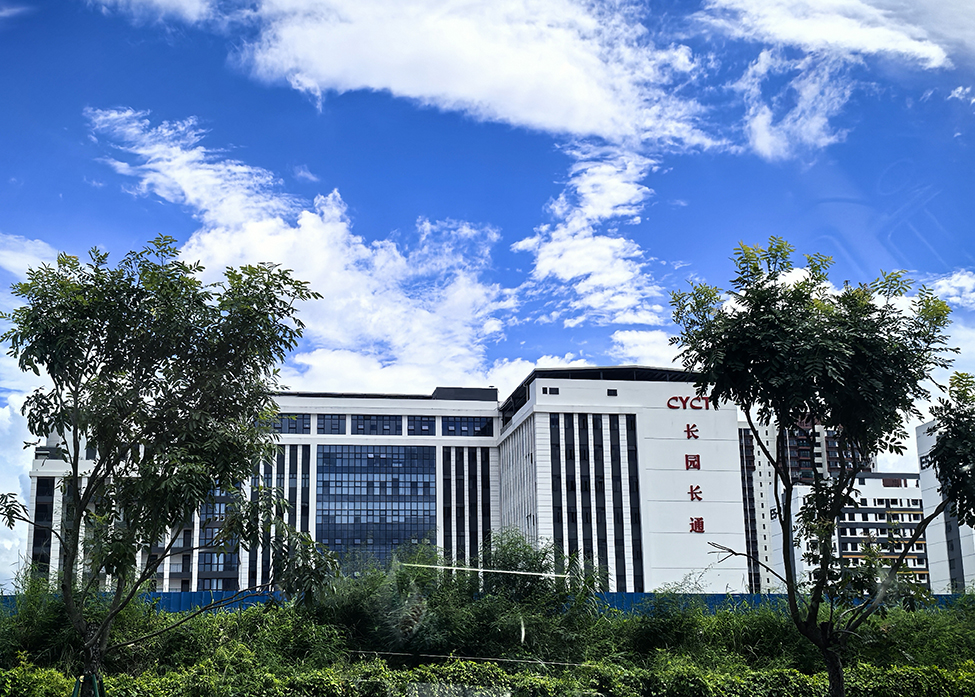
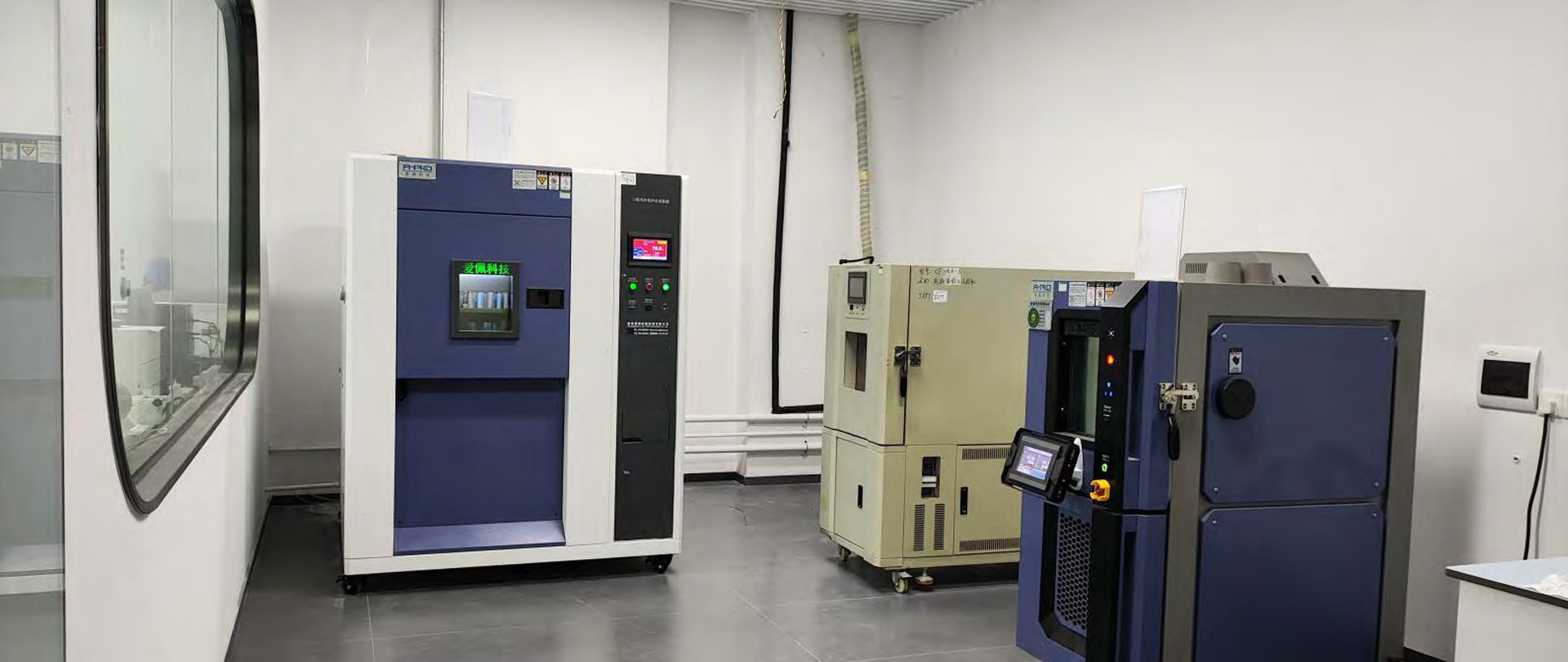
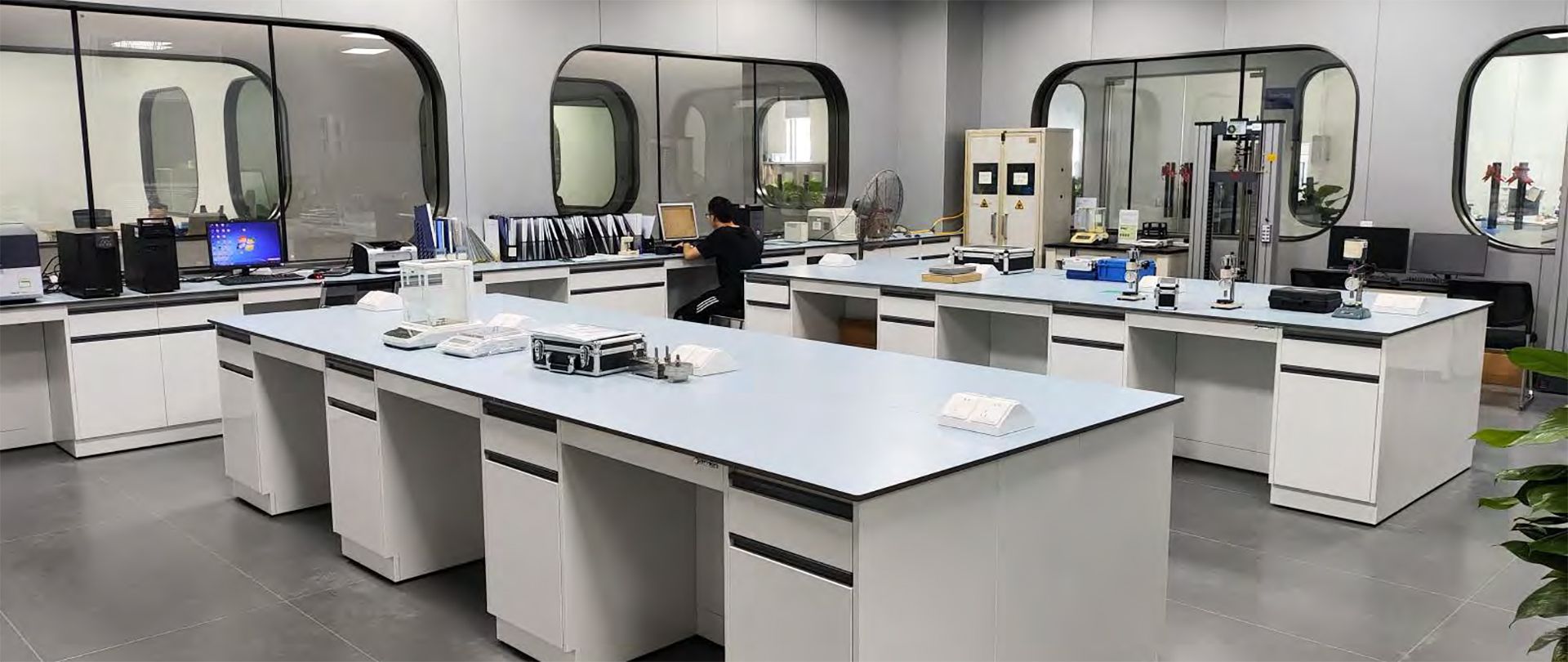
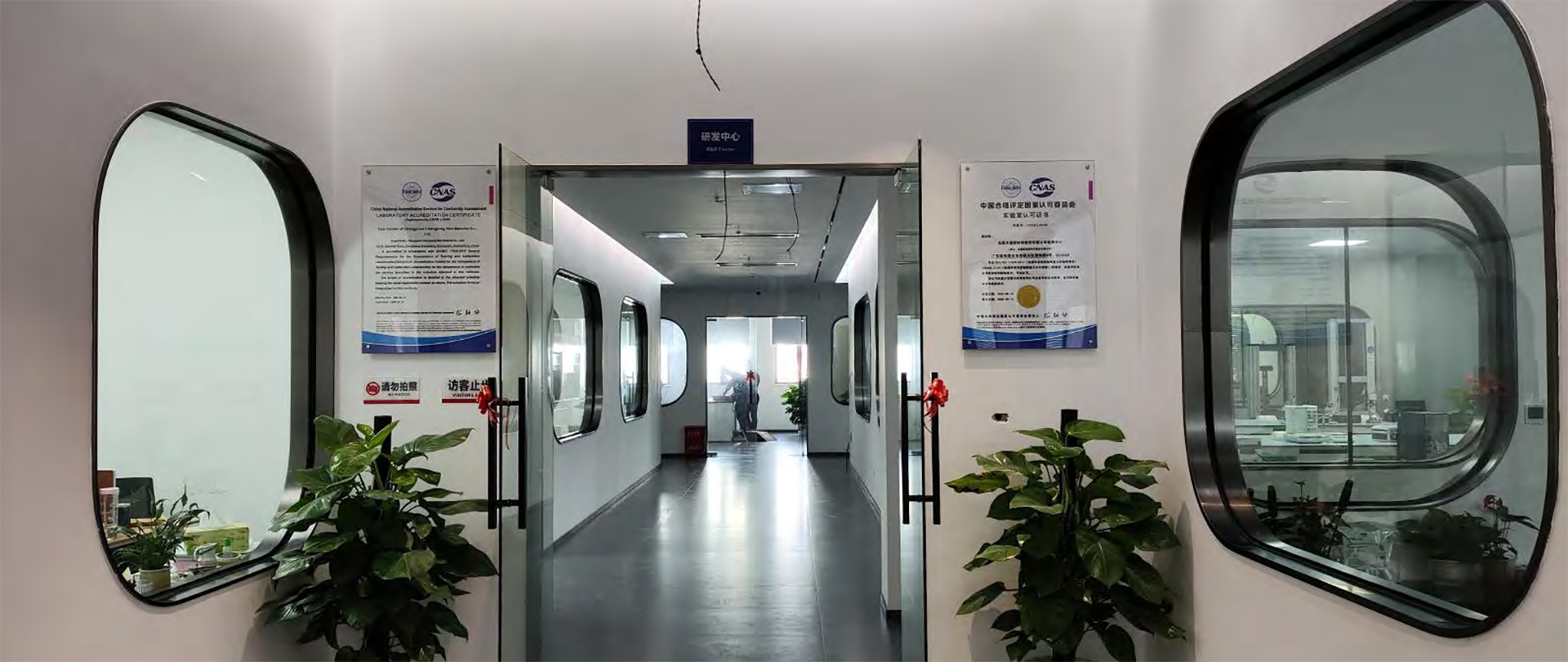
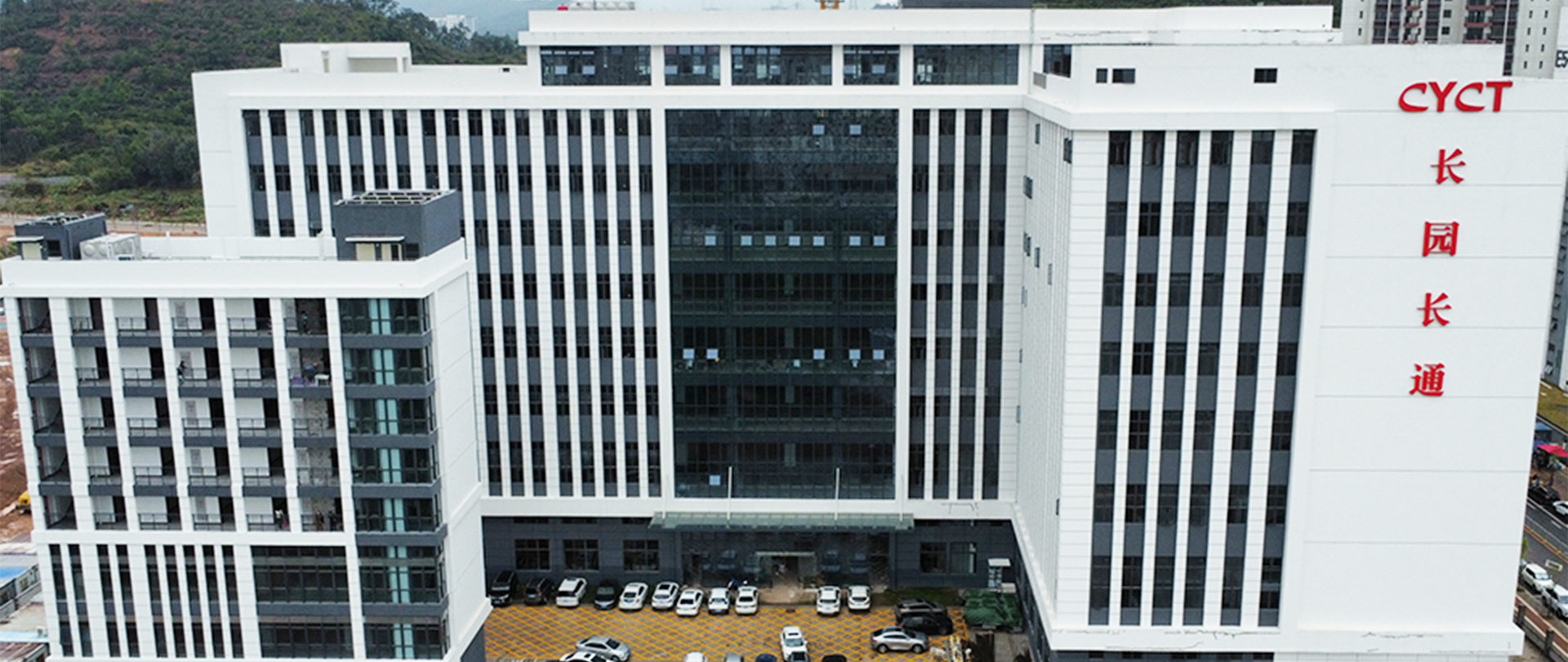
Over the years, CYCT has become a stable supplier of field joint coatings for leading energy groups, including PetroChina, Sinopec, PipeChina, and local municipal gas and water pipelines. Our solutions maintain a high market share in key projects. CYCT has successfully developed and introduced specialized anti-corrosion materials, including viscoelastic options, photo-curing sleeves for HDD protection, and polyurea coatings.
Through strong partnerships with leading research institutions, such as the CNPC Pipeline Science Research Institute, CYCT delivers varied technical services for in-service pipelines. These include buried pipeline detection, custom design schemes, cathodic protection engineering, pipeline rehabilitation, and integrated safety and lifecycle management.
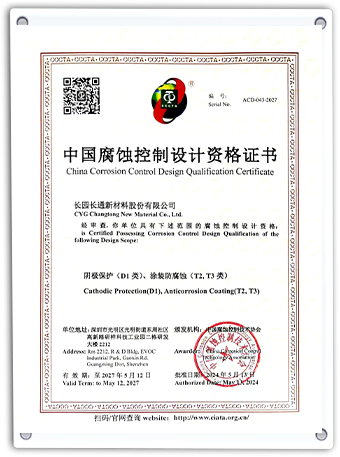
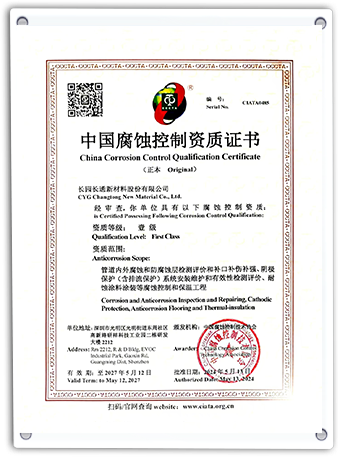
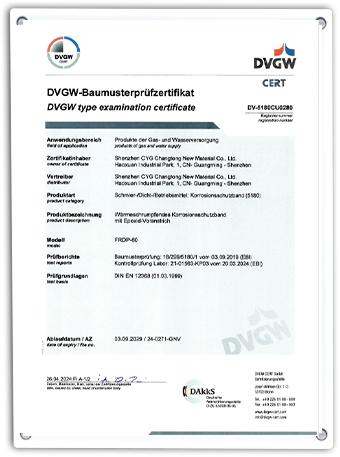
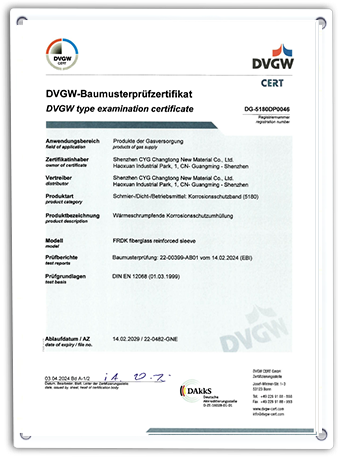
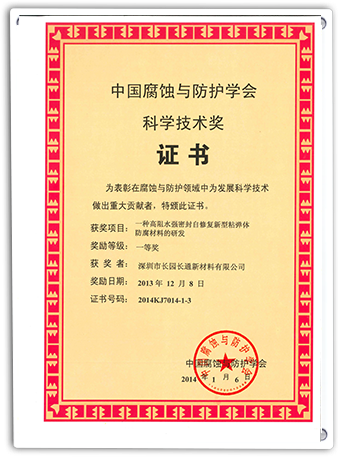
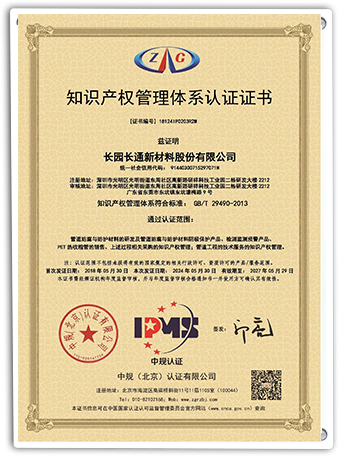
CYCT’s dedication to pipeline safety has earned recognition across global regulatory organizations and academic institutions. Our credentials include:
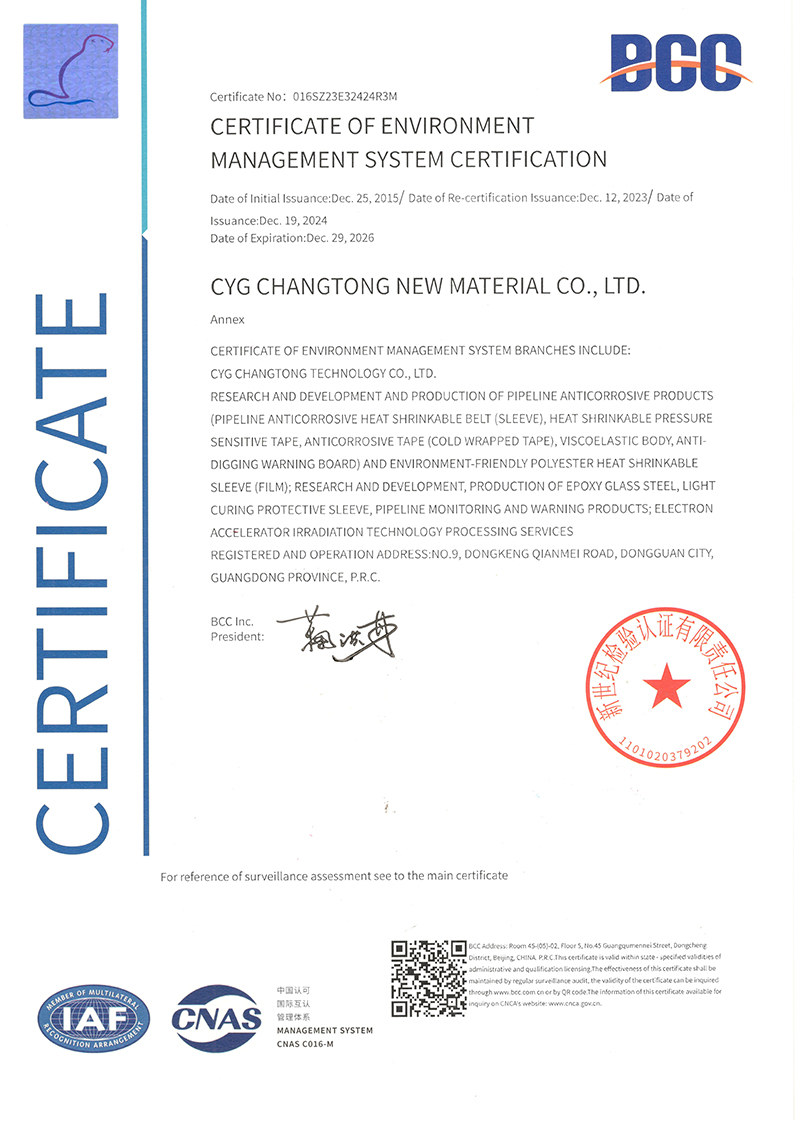
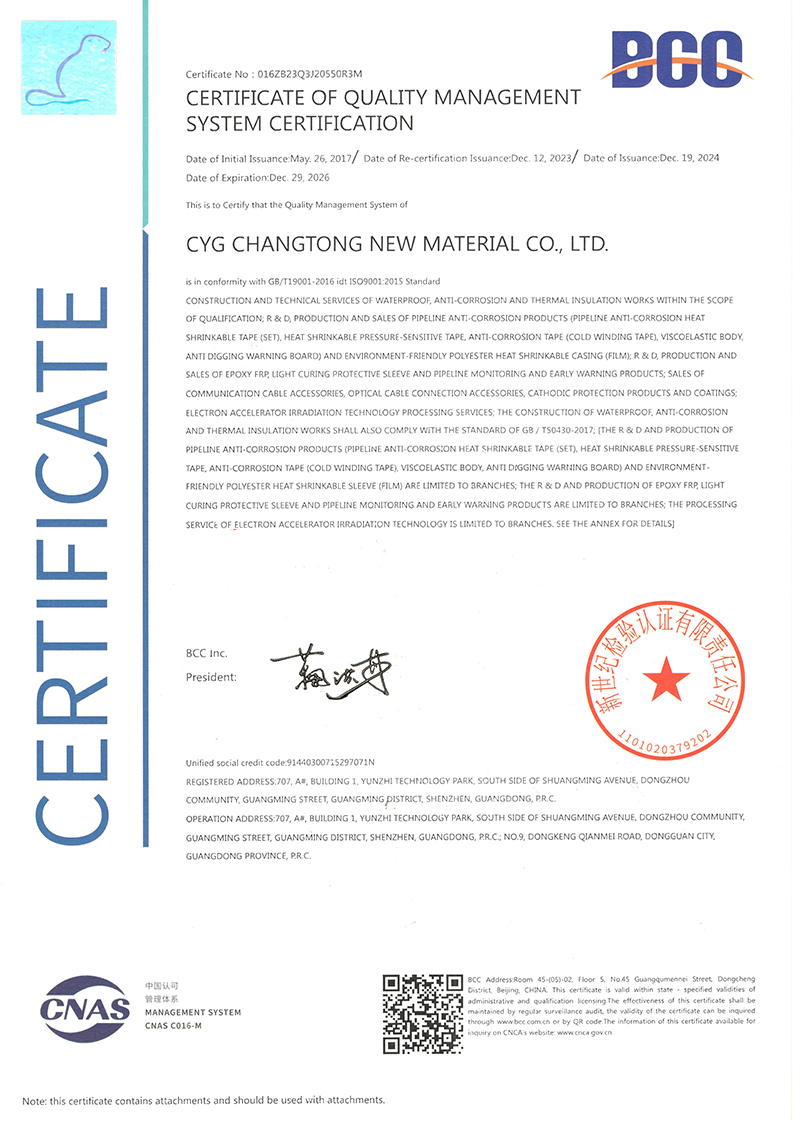
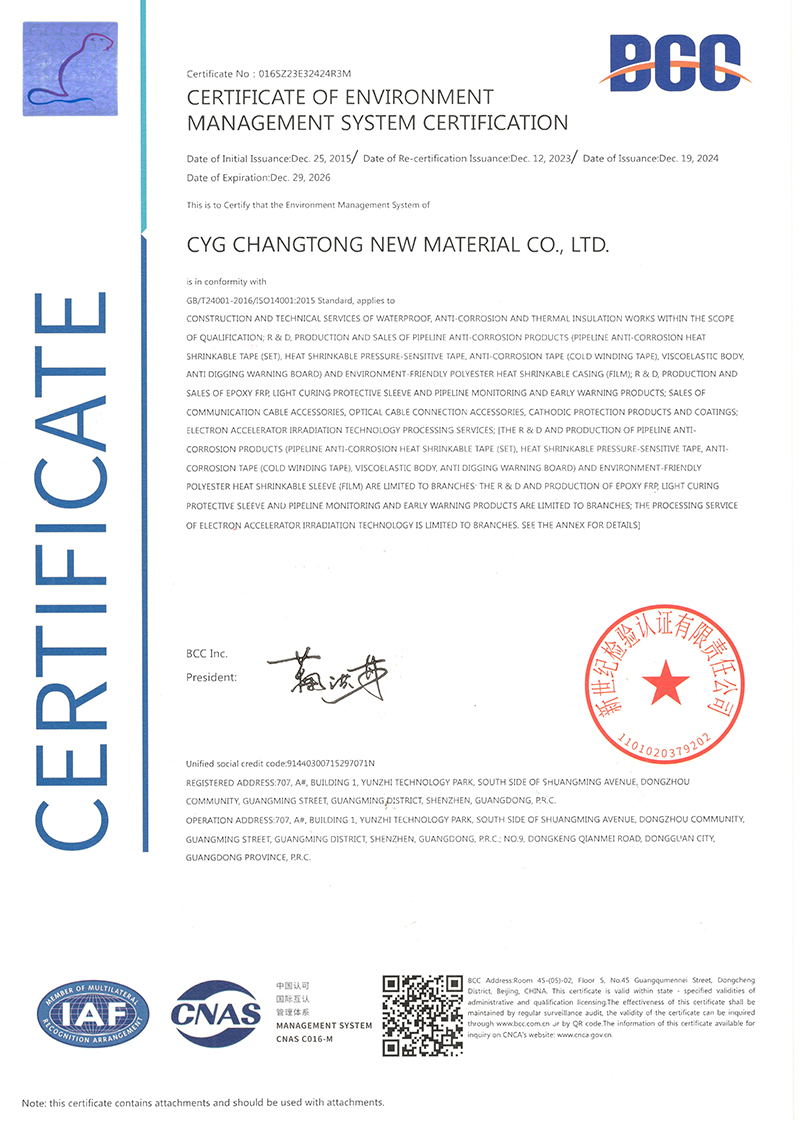
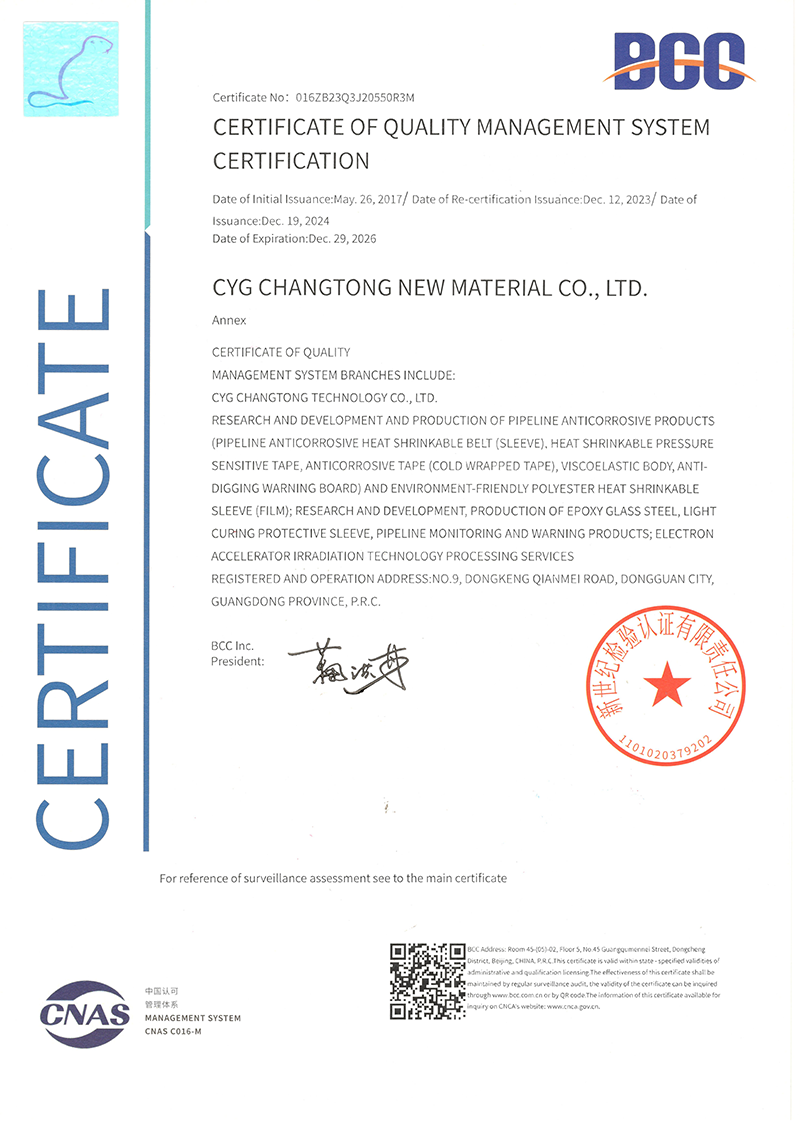
Different engineering environments present unique challenges to pipeline coatings. An effective pipeline adhesive system must be selected to match specific environmental stressors, soil chemistries, and installation methods.
When pipelines cross under highways, rivers, or buildings via trenchless Horizontal Directional Drilling (HDD), the field joint coating undergoes intense friction and shear forces against rocks and soils. Standard heat-shrink sleeves or cold-applied tapes can peel off. Under these conditions, an Epoxy FRP (Fiberglass Reinforced Polymer) system acts as a sacrificial, abrasion-resistant outer shield. This layer protects the inner anti-corrosion barrier from physical damage during pipeline pull-back.
In desert oilfields, ground temperatures can exceed 70°C. Standard asphalt or low-grade PE tapes softens and suffers shear failure under soil movement. We resolve this issue by specifying specialized High-Temperature PE Cold Tapes and high-temperature PE repair sticks (rated up to 85°C). These systems maintain high mechanical strength and bond performance under continuous heat.
Offshore riser pipes, splash zones, and harbor installations are continuously exposed to oxygenated saltwater. Traditional coatings suffer fast-rate disbondment here. Applying moisture-curing polyurethane shields (such as the CYG Changtong GRF Moisture Curing Shield) provides a hard, impact-resistant barrier. This composite cross-links with moisture, ensuring a strong bond even in wet environments.
Find technical answers on pipeline chemistry, application procedures, and standards compliance.
Review additional field-proven solutions designed for high-stress, offshore, and localized applications.
 CYCT
CYCT