Explore our top-tier field joint coatings and protective components, engineered to meet the demanding requirements of global pipeline networks operating in extreme thermal profiles.
In the modern era of energy transmission and petrochemical operations, pipelines are continuously subjected to extreme thermal environments, severe chemical exposures, and harsh physical stresses. Transporting heavy crude oil, pressurized steam, district heating media, and chemical feedstocks requires pipelines to operate at elevated temperatures, often exceeding 60°C to 100°C. Standard pipeline coatings, such as dual-layer polyethylene (2LPE) or three-layer polyethylene (3LPE), face accelerated degradation and loss of adhesion under these conditions.
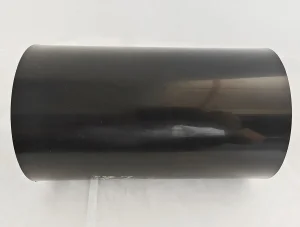
This whitepaper explores the critical engineering requirement for high-temperature field joint coatings (FJCs) and high-temp sleeving systems. Our focus centers on cross-linked polyolefin sleeves, viscoelastic cold-flow self-healing coatings, and glass reinforced plastic (GRP) structures designed to maintain cathodic protection, resist soil stress, and eliminate moisture ingress at pipe joints.
The selection of the field joint coating system must match the pipeline's operational envelope. Below, we compare the mechanical attributes and thermal capacities of the key technologies deployed by CYCT:
| Technology Category | Maximum Design Temp. | Primary Application | Key Performance Characteristics |
|---|---|---|---|
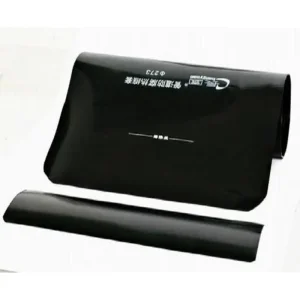
| FRDP PP Heat Shrink Sleeve | 110°C - 120°C | PP Coated Pipelines / Field Joints | Excellent resistance to high soil stress, high shear strength, low water permeability. |
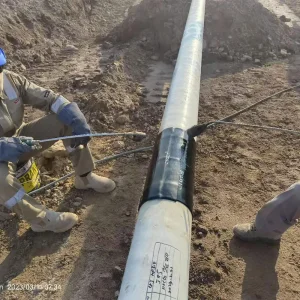
| FRDP PE Heat Shrinkable Sleeve | 80°C - 85°C | 3LPE / 2LPE Joint Coating | Excellent peel strength to steel and PE, high resistance to cathodic disbondment. |
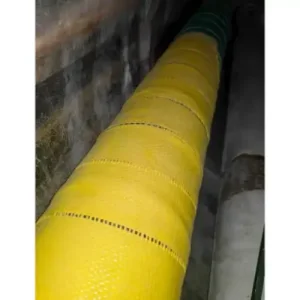
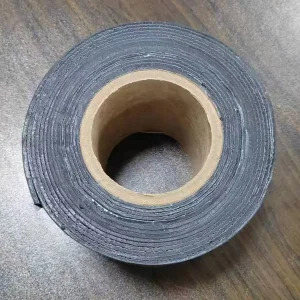
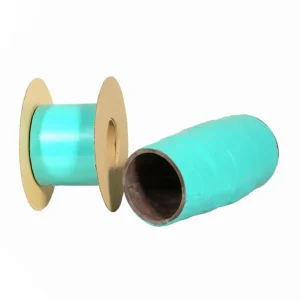
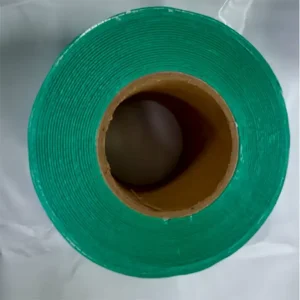
| Viscoelastic Tape (VT95 / FVT95) | 95°C | Fittings, Valves, Irregular Joints | 100% self-healing, zero cathodic shielding, minimal surface prep required. |
| UV-Curing GRP Protective Sleeve | 80°C | HDD (Horizontal Directional Drilling) | Extreme impact toughness, rock shield behavior, fast photochemical curing. |
The performance of high-temp sleeving systems is deeply dependent on local geological and climatic conditions. Field deployment of heat-shrinkable systems behaves differently across diverse geographic zones:
"By utilizing high-density radiation crosslinked polymers coated with high-shear-resistant hot-melt adhesives, CYCT ensures that field joints perform as a contiguous extension of the factory-applied line coating."
To stay ahead of the regulatory and technological trends, CYCT's R&D department, in partnership with CNPC Pipeline Science Research Institute, is driving a technology roadmap focused on three pillars:
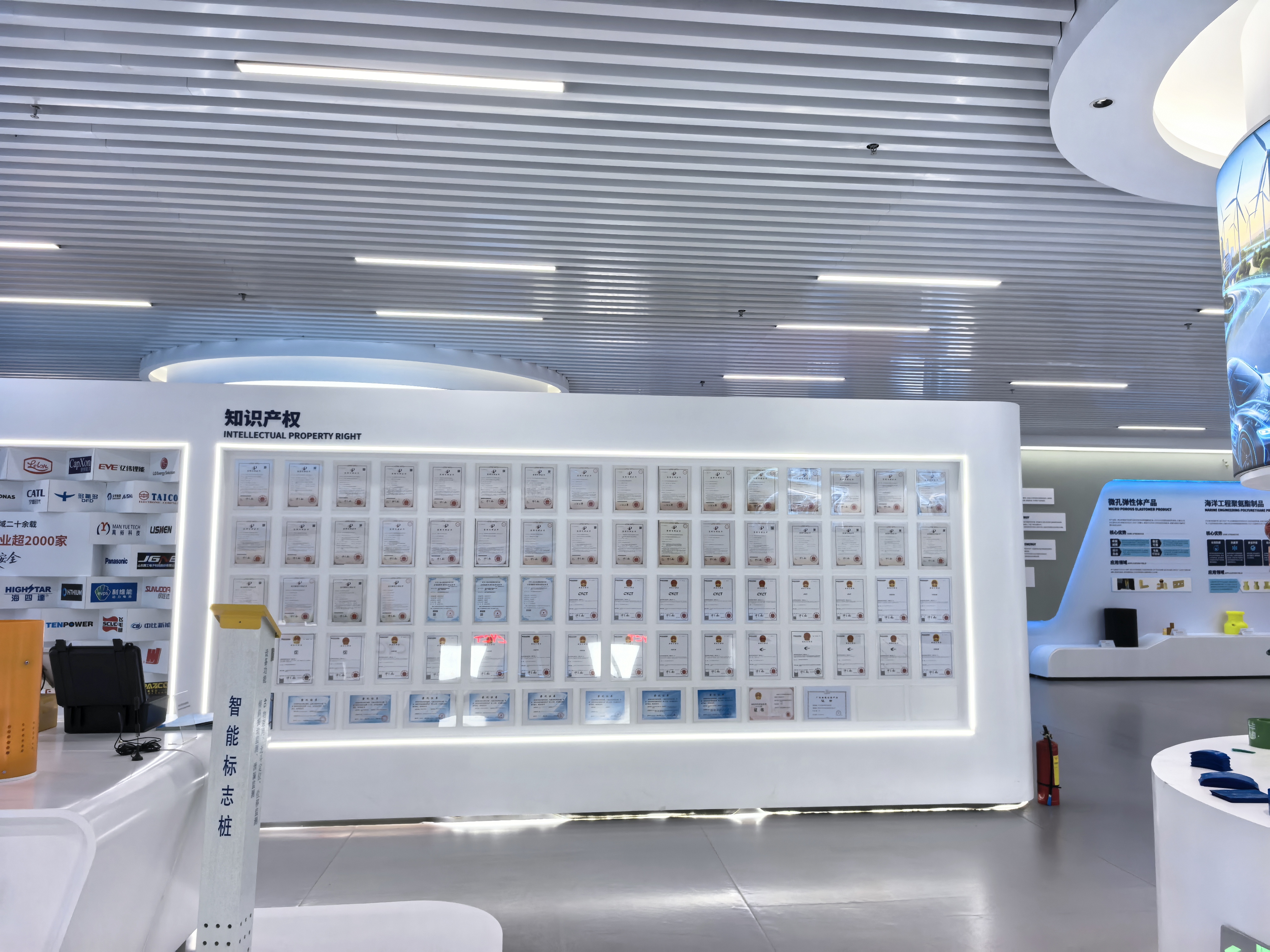
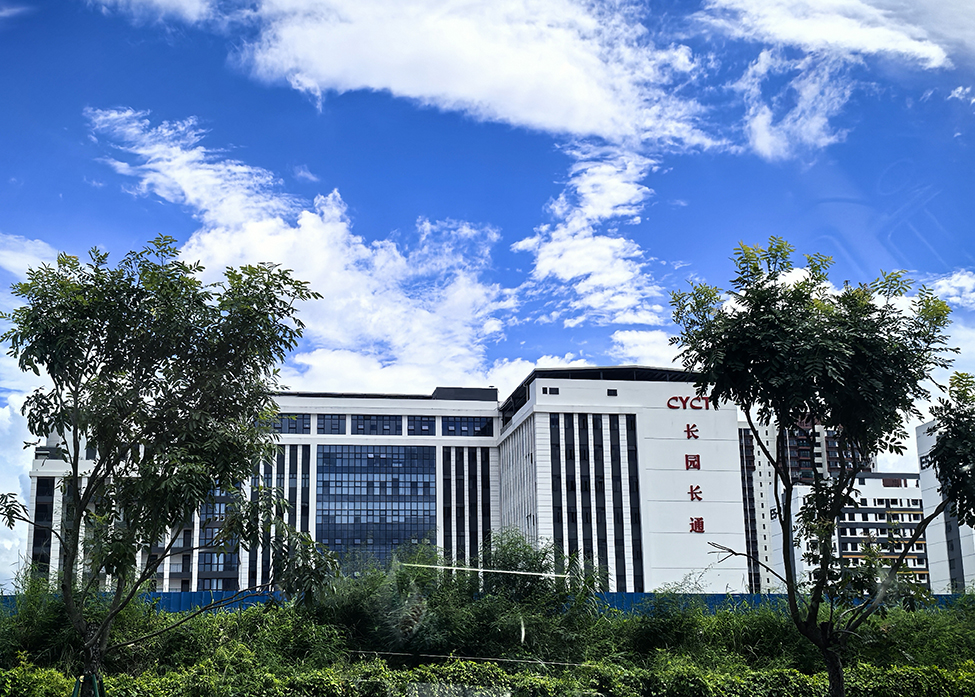
CYCT's state-of-the-art production facility ensures uninterrupted bulk capacity, precision manufacturing, and customized OEM/ODM engineering to client specifications.
CYCT operates a fully integrated manufacturing infrastructure designed to handle bulk order requirements with rapid turnaround times. Our production lines feature high-capacity twin-screw extrusion systems, precision radiation cross-linking reactors (electron beam line), and automatic co-extrusion backing equipment. This end-to-end integration permits micro-controlled tolerances on backing thickness, adhesive density, and hot-melt consistency.
Additionally, our geographical positioning in China's industrial zones grants us proximity to premium raw material suppliers, reducing logistics volatility and offering a cost-advantage structure that we pass to our clients. Our supply chain features built-in redundancies, with deep raw material buffer stocks and secondary sourcing pathways to mitigate geopolitical or economic disruptions.
We accommodate diverse international standards. Whether your project conforms to ISO 21809-3, EN 12068, or AMPP (NACE) specifications, our QC/QA protocols monitor every phase of production. We test each batch for peel strength, shear resistance, cathodic disbondment, heat aging, and indentation resistance before dispatch.
Get professional technical answers to common queries regarding high-temperature pipeline shielding, viscoelastic applications, and industrial specifications.
The primary difference lies in the formulation of the copolymer hot-melt adhesive and the degree of polymer cross-linking. The 85°C version is optimized using high-viscosity synthetic resins to withstand higher thermal expansion and mechanical shear stress at the field joint, preventing mastic sliding or sliding disbondment in high-temperature pipelines.
Viscoelastic tape exhibits cold-flow properties, meaning it behaves like a highly viscous liquid that continuously self-heals and flows into small surface micro-crevices. This guarantees 100% wetting of irregular shapes (such as flanges, valves, and tees) where traditional heat-shrinkable sleeves cannot conform, eliminating air pockets and water ingress pathways.
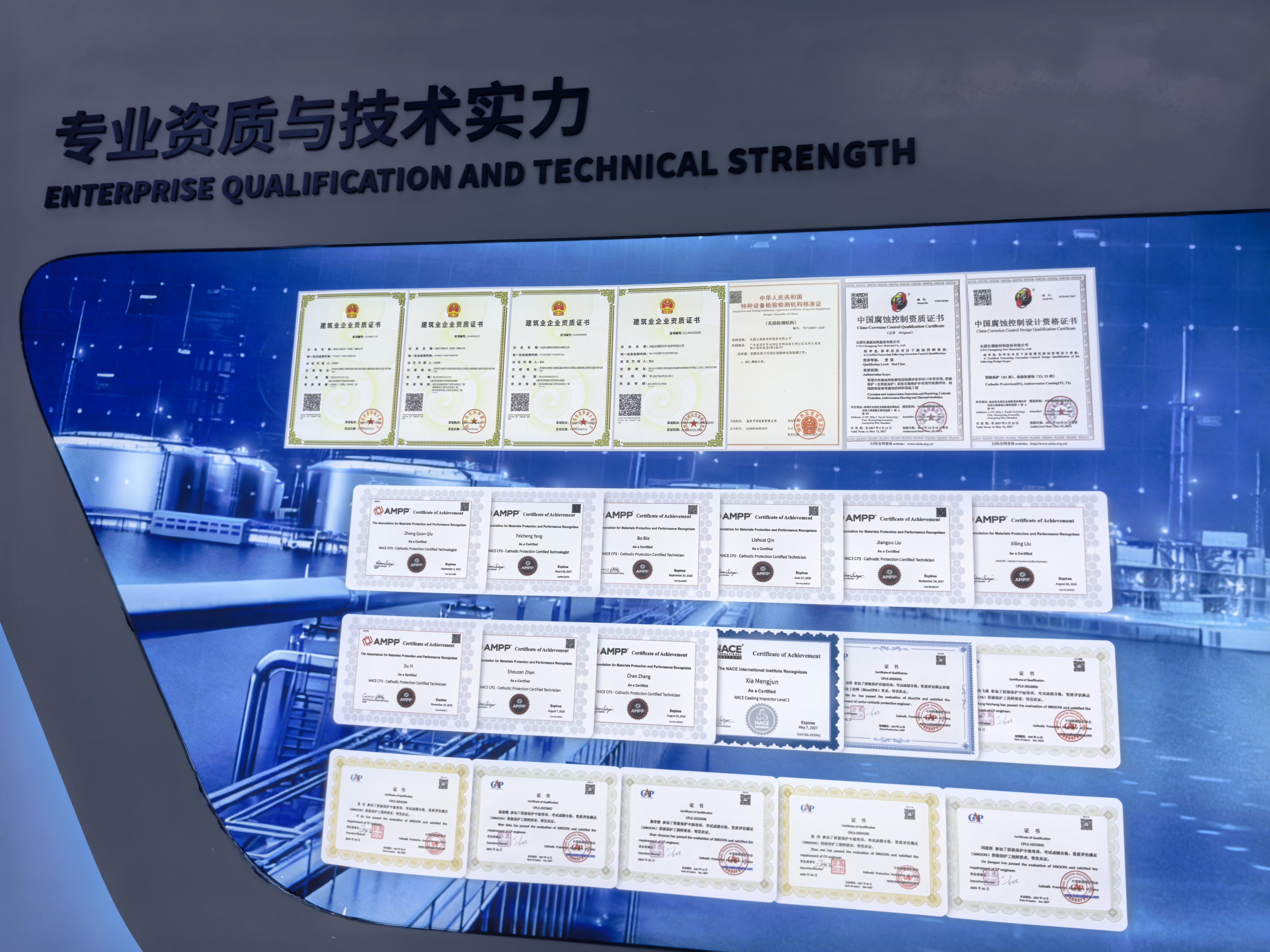
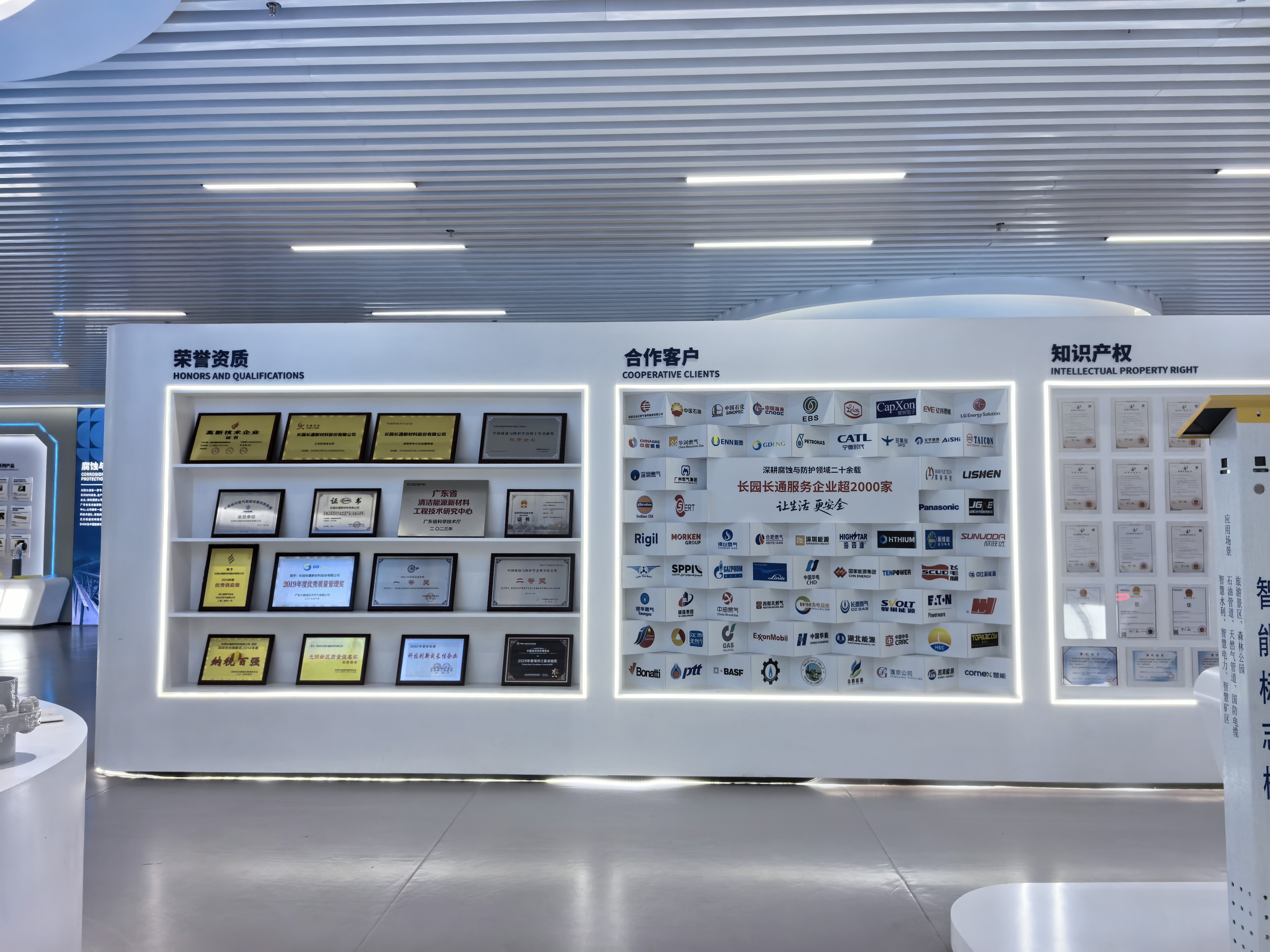
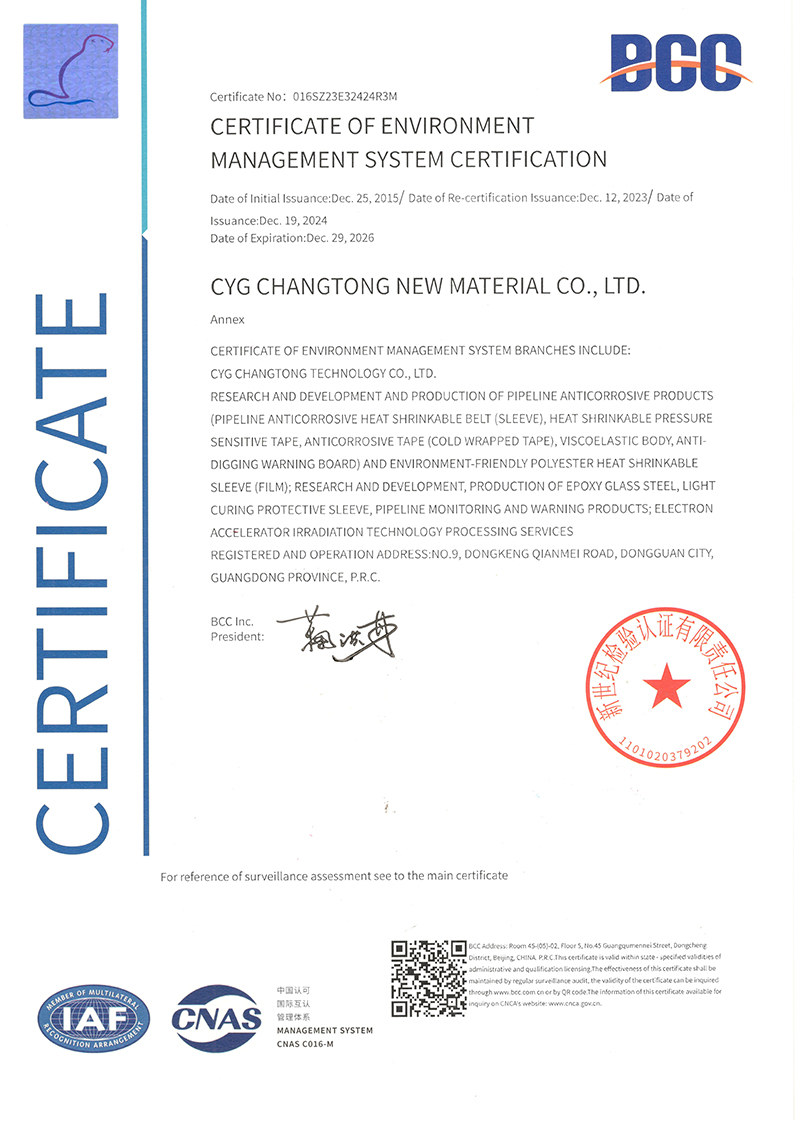
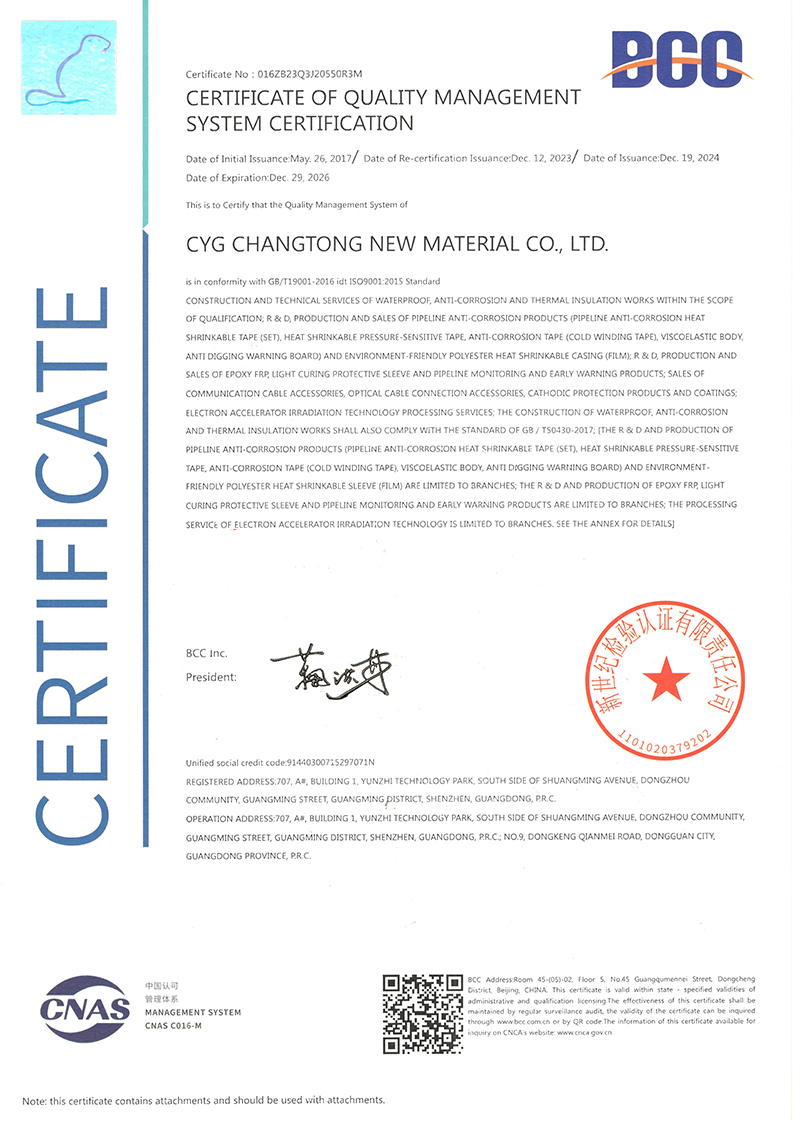
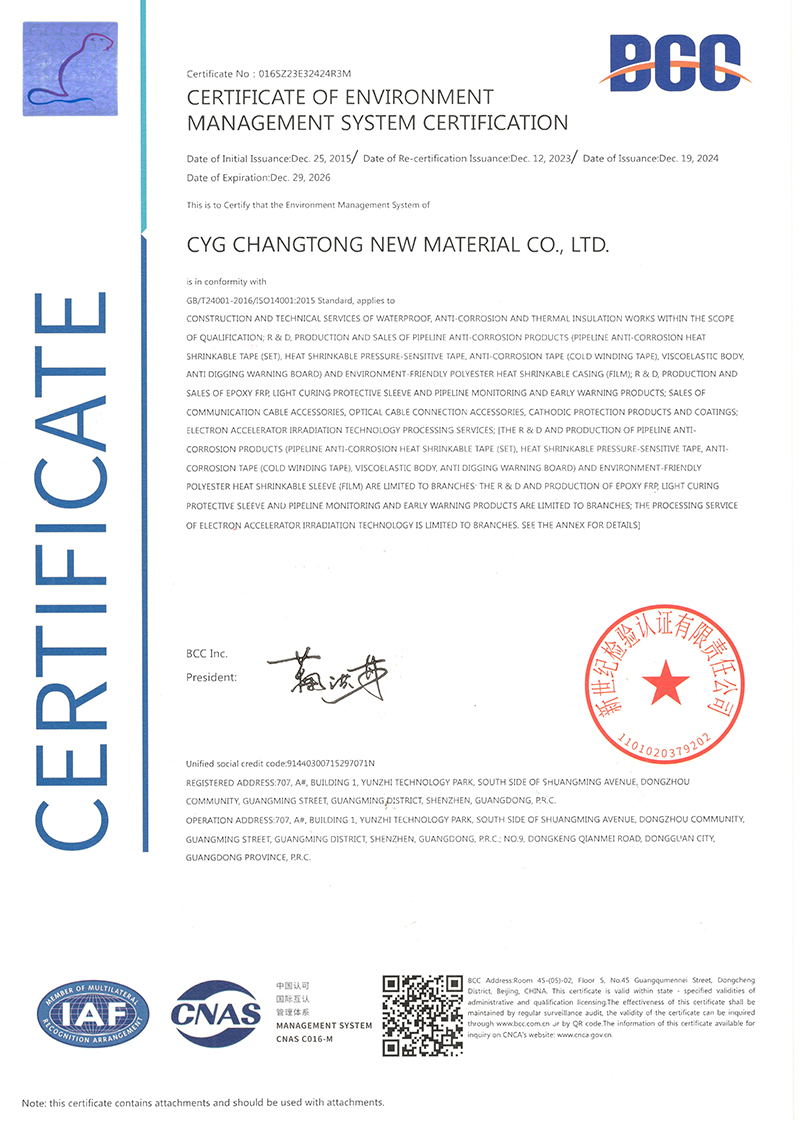
The China National Accreditation Service (CNAS) accreditation confirms that our testing laboratory operates to ISO/IEC 17025 standards. This guarantees that all testing for peel strength, lap shear, thermal aging, and impact resistance is globally recognized and executed with verified calibration, ensuring absolute batch consistency for high-temperature sleeves.
During HDD operations, the pipeline joint is pulled through long, rough boreholes, exposing the corrosion coating to sharp rocks, gravel, and high drag stress. A Glass Reinforced Plastic (GRP) protective sleeve (like our UV-curing or Epoxy FRP) acts as a sacrificial, high-impact rock shield, preserving the integrity of the primary viscoelastic or heat shrink corrosion layer.
Our VT95 and FVT95 viscoelastic tapes are engineered to have low electrical resistance compared to solid thick backing PE sleeves, meaning they do not shield Cathodic Protection (CP) currents. Even in the highly unlikely event of disbondment, water cannot bridge the interface due to the hydrophobic nature of the mastic, mitigating the risk of under-film corrosion.
The curing speed of UV-curing GRP sleeves depends on sunlight intensity (UV exposure). Under direct sunlight, curing begins within 5 minutes and completes within 15–30 minutes, turning into a solid high-strength composite armor. For dark or underground conditions, mobile UV lamp arrays can be deployed to complete photopolymerization.
Yes. Our FRDX Hot Melt Filler and Repair Patches are chemically and physically compatible with mill-applied 3LPE, 2LPE, and FBE coatings. They are designed to patch pipeline damage or restore continuity at the weld joint seamlessly, complying with ISO 21809-3 specifications.
CYCT's factory maintains strategic alliances with shipping hubs in Shenzhen, Shanghai, and Guangzhou. As an established exporter to Indian Oil, PetroChina, and partners globally, we coordinate custom packaging (moisture-proof, UV-protected, and heat-stabilized containerization) to ensure the chemical components (adhesives and catalysts) arrive in pristine condition.
Explore our specialty viscoelastic tapes, fabric wraps, hot melt fillers, and composite shields designed for fast field application and long-term joint integrity.
 CYCT
CYCT