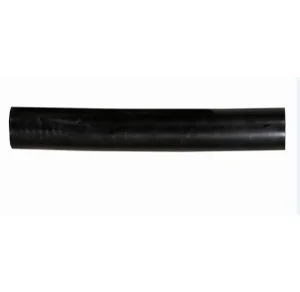
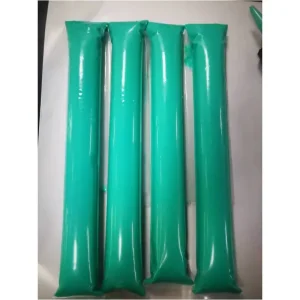
Explore our premium range of field joint coating systems, heavy wall heat shrink sleeves, and industrial rehabilitation patches engineered to exceed international pipeline integrity standards.
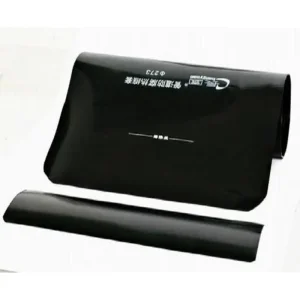
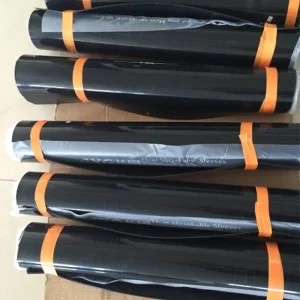
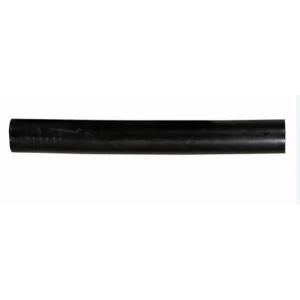
In modern industrial and energy infrastructure, standard protective insulation is insufficient. Heavy wall heat shrinkable tubing represents an advanced class of cross-linked polymer materials, engineered specifically for high mechanical stress, chemical resistance, and long-term environmental protection. Unlike thin-walled options designed for simple electronic wire grouping, heavy wall shrink tubing is characterized by a significant thickness, typically exceeding 2.0mm to 4.5mm after recovery.
The manufacturing process hinges on polymer cross-linking technology. Linear polyethylene chains are subjected to high-energy electron beam irradiation (e-beam processing). This process breaks the carbon-hydrogen bonds within the polymer backbone, prompting the formation of cross-linked covalent C-C bonds. The resulting three-dimensional network structure gives the material its "elastic memory". When heated above its crystalline melting point, the material can be expanded radially and cooled. Upon subsequent heating on-site, the polymer molecular chains return to their original, tighter cross-linked configuration, shrinking tightly over the substrate.
We implement a dual-layer co-extrusion or co-molding process. The outer layer is an irradiated, semi-rigid polyolefin or polypropylene compound optimized for abrasion resistance and UV shielding. The internal layer is a thick, co-polymer hot-melt mastic or viscoelastic adhesive. During heat recovery, the adhesive melts and is forced into the structural microscopic cavities of the steel substrate, completely sealing the surface against moisture ingress, cathode disbandment, and oxygen diffusion.
This structural arrangement ensures that whether applied over a high-stress pipeline field joint, a subsea cabling system, or heavy industrial busbars, the heavy wall shrink tubing acts as an active mechanical shield and a passive chemical barrier simultaneously.
How our heavy wall shrink solutions translate material science into verifiable field metrics.
For international procurement directors, global engineering consultancies, and EPC contracting firms, purchasing heavy wall shrink tubing is not merely a transaction; it is a critical step in pipeline integrity management and asset risk mitigation. Modern procurement strategies require vendors to adhere strictly to global regulatory frameworks, including AMPP (Association for Materials Protection and Performance, formerly NACE) and ISO 21809-3 guidelines governing field joint coatings.
The requirements of global buyers include:
| Tubing / Sleeve Material | Typical Recovery Ratio | Key Application Standard | Primary Industry Focus |
|---|---|---|---|
| Heavy-Wall Cross-linked PE | 3:1 to 4:1 | ISO 21809-3 Type 14A | Oil & Gas Transmission Lines |
| Fiberglass Reinforced PP | 1.5:1 to 2:1 | ISO 21809-3 Type 14B-2 | HDD / High Shear Crossing Projects |
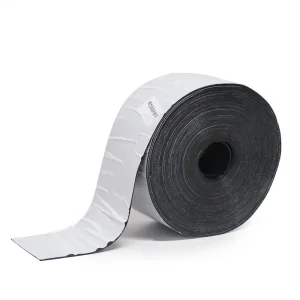
| Viscoelastic Tape & Outer wraps | Amorphous | ISO 21809-3 Type 18 | Irregular Valves & Rehabilitation |
By establishing rigorous raw material auditing (testing of polyolefin molecular distribution, adhesive viscosity, and carbon black dispersion), we ensure that each production batch maintains absolute consistency, eliminating risk in the field.
Heavy wall shrink tubing and related pipeline protection systems are deployed in diverse climates, each presenting unique engineering hurdles. Here we look at how specialized solutions solve these local problems:
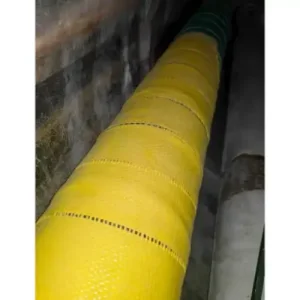
During trenchless road or river crossings, pipelines are pulled through boreholes filled with rock, soil, and debris. This requires high-performance heat shrinkable fiberglass reinforced sleeves. The fiberglass reinforcement acts as an armored jacket, resisting gouging, tearing, and scrape abrasion, maintaining the underlying anti-corrosion barrier intact.
Offshore structures and riser pipes are exposed to continuous saltwater spray and marine organisms in the splash zone. Our GRF Moisture Curing Shield provides a tough, chemical-resistant jacket that cures in high humidity and subsea environments, keeping water molecules away from the steel surface.
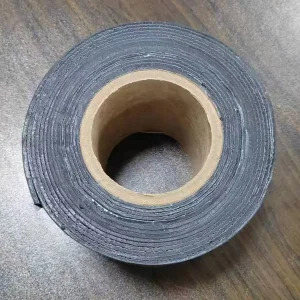
Existing pipeline networks requiring spot repairs need fast, highly reliable repair methods. FRDX PE Repair Patches and High-Temperature Hot Melt Sticks allow field technicians to repair small damages in PE coatings without stripping entire sections of the pipe, minimizing downtime.
The global heat shrinkable materials market is shifting toward factories that combine high output with smart quality systems. As a leading manufacturer, CYCT New Materials Company Limited (CYCT) exemplifies the integration of advanced raw material science with "Factory 4.0" automation.
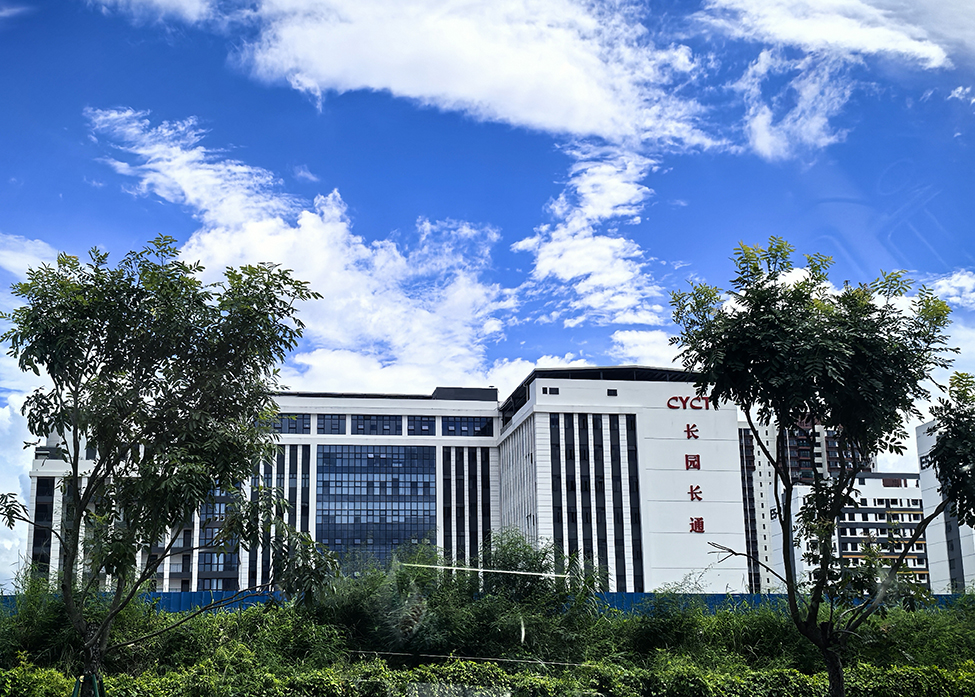
Founded in 2000, CYCT is a state-level high-tech enterprise integrating R&D, production, and sales of pipeline corrosion protection materials. We also provide buried pipeline detection services and field application solutions. Over decades of development, we have established a resilient supply chain and high-precision manufacturing processes:
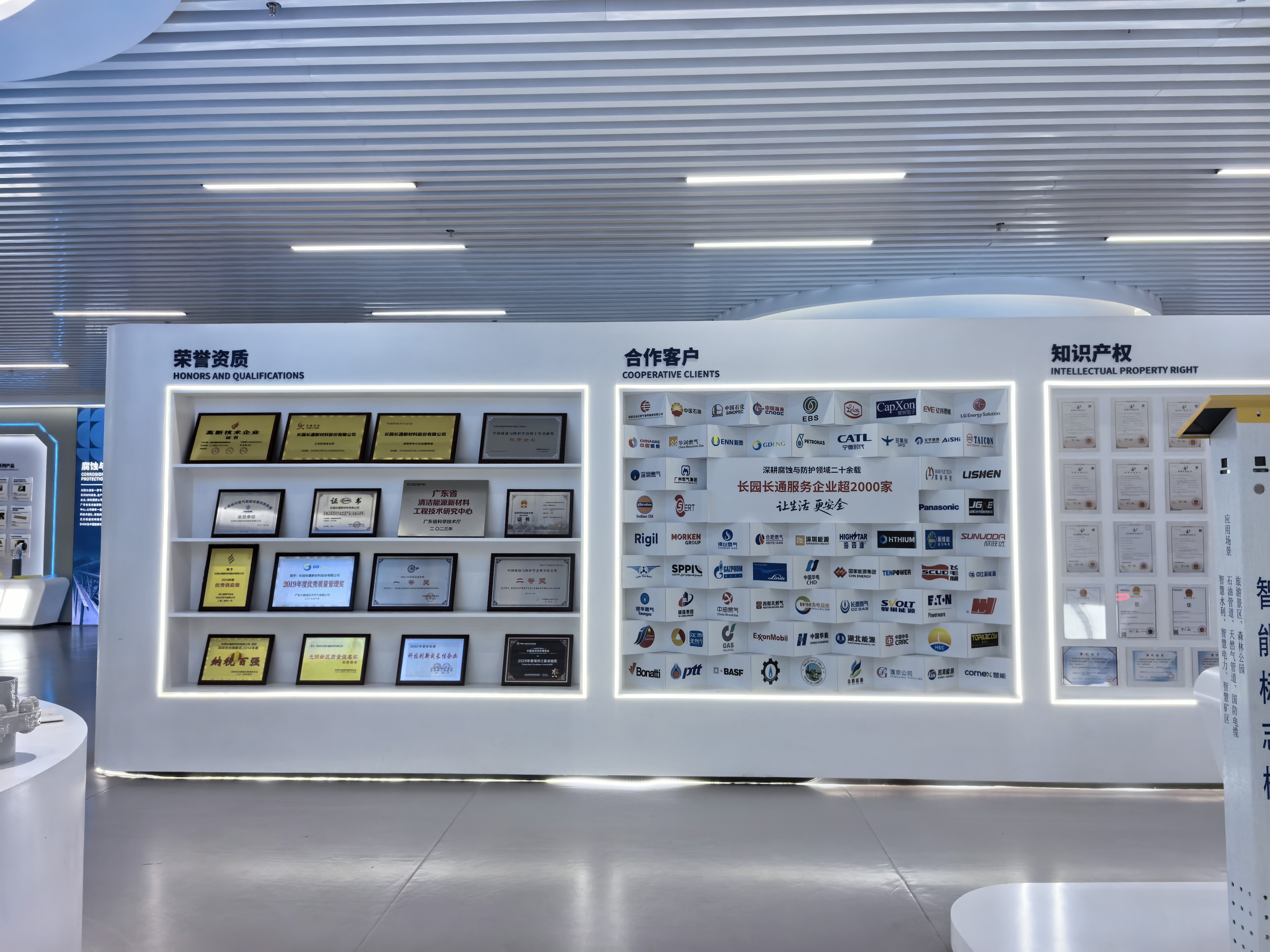
CYCT has become a stable supplier of field joint coating materials for years to major pipeline owners, including PetroChina, Sinopec, PipeChina, and local pipe operators. We maintain a high market share in China and supply global organizations like the Indian Oil corporation. In addition, we have developed specialty materials including visco-elastic anti-corrosion products, photo-curing sleeves for HDD protection, and advanced polyurea coatings.
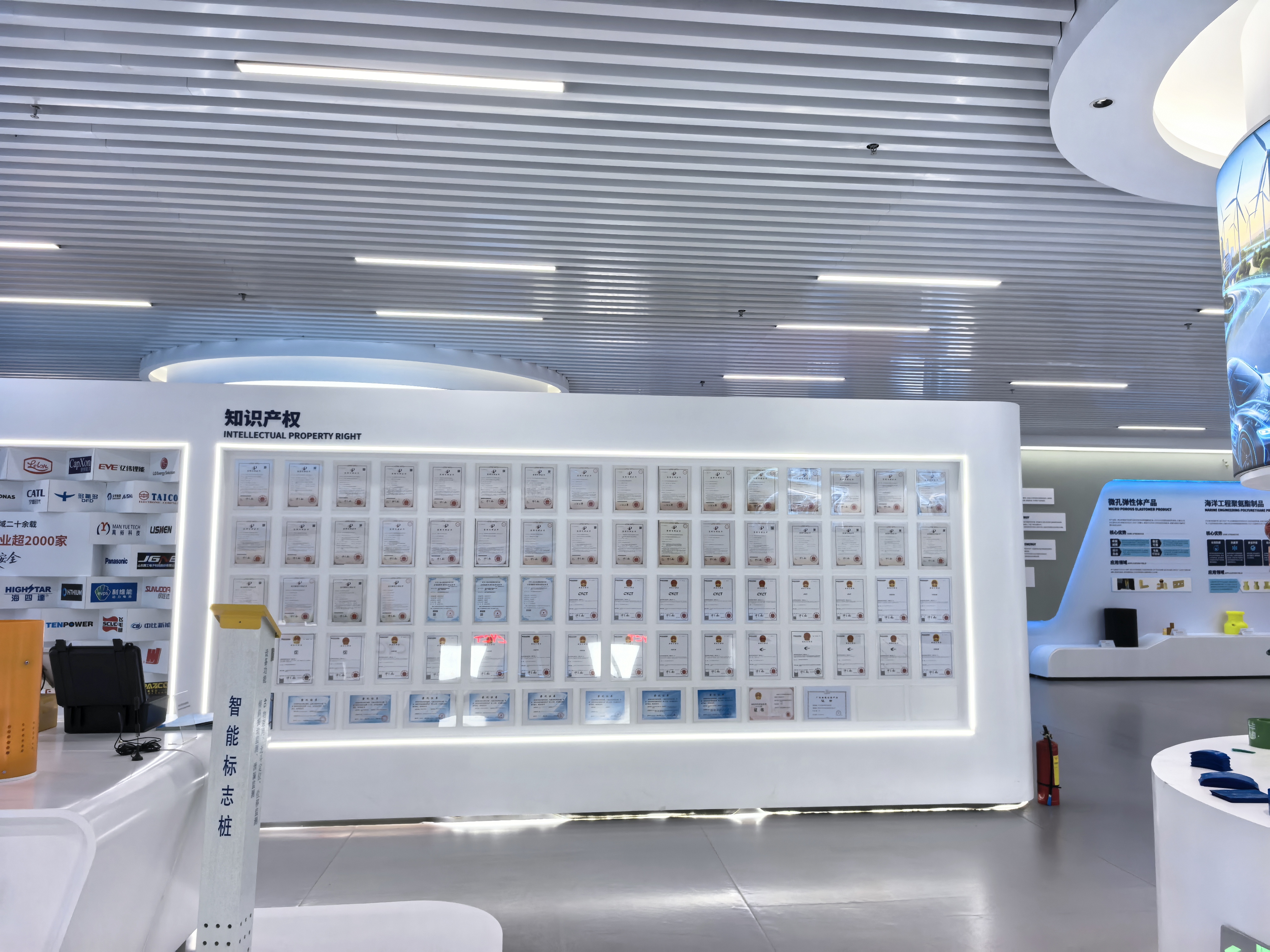
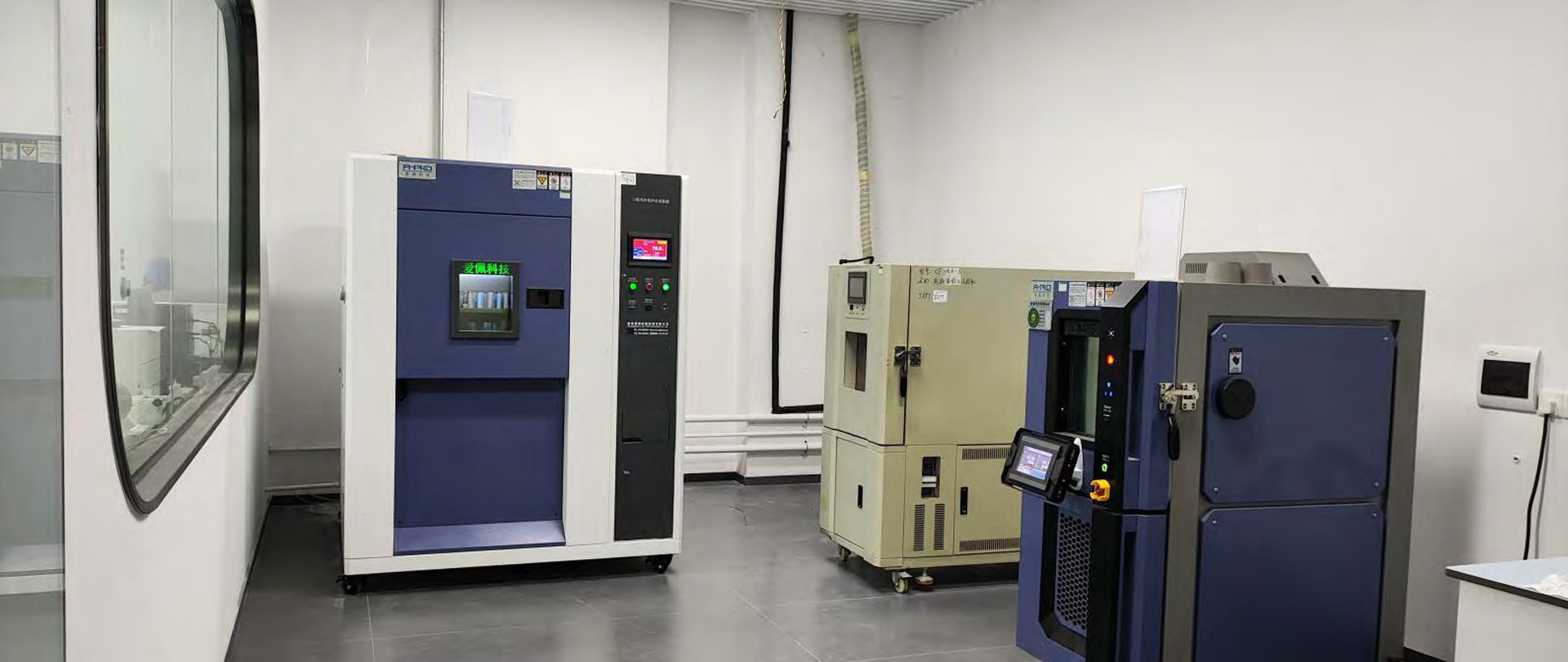
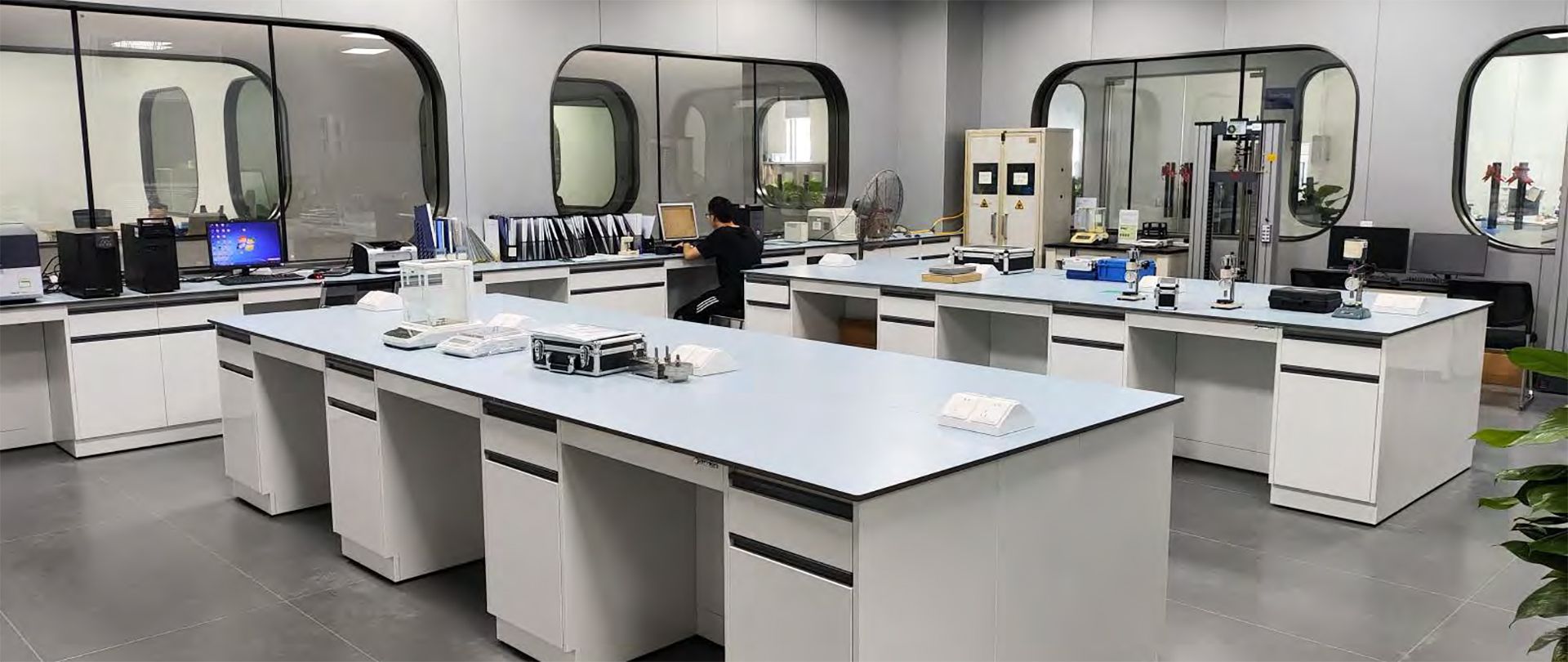
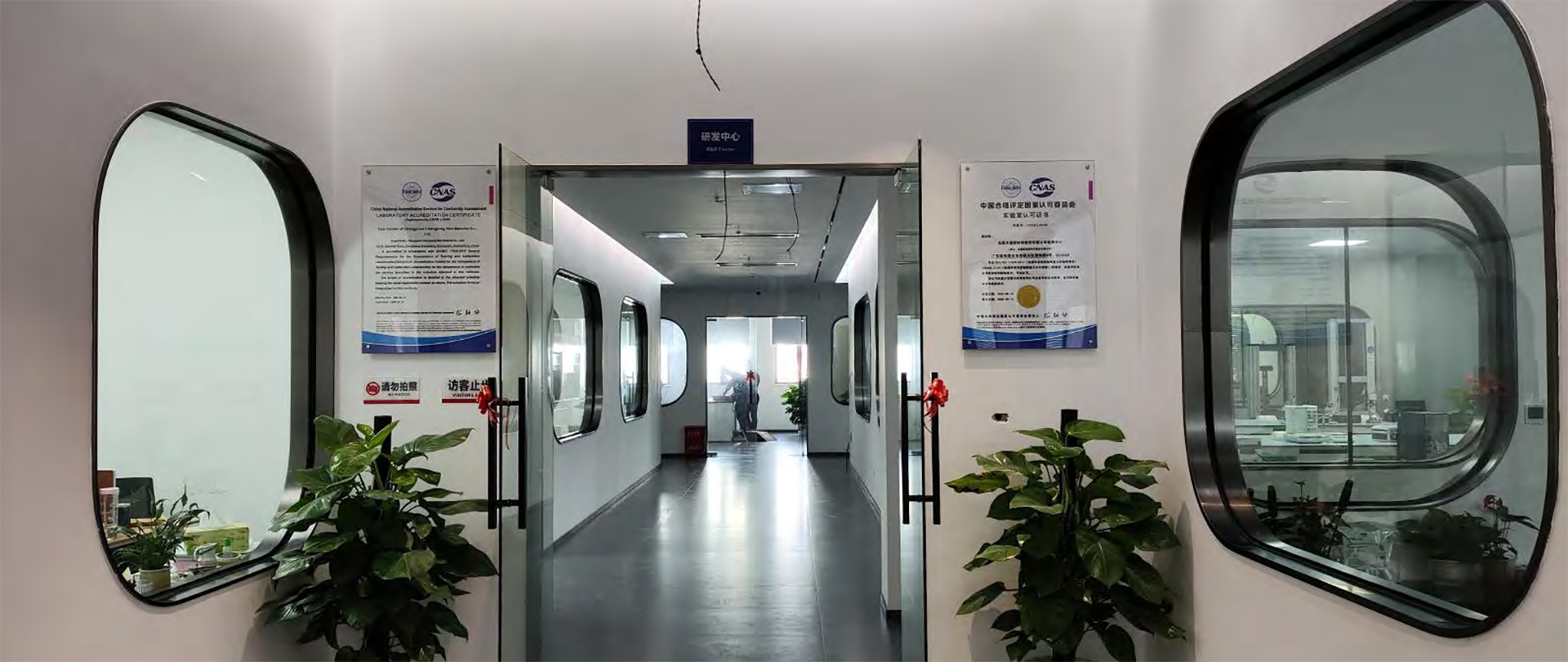
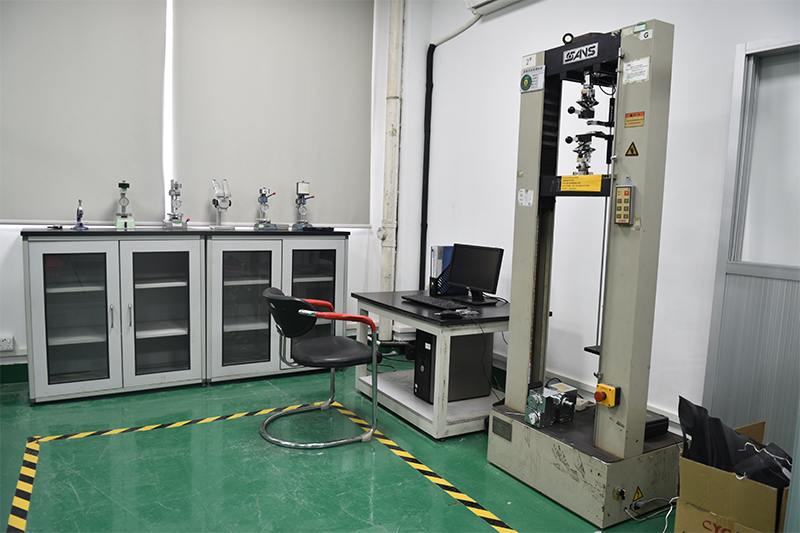
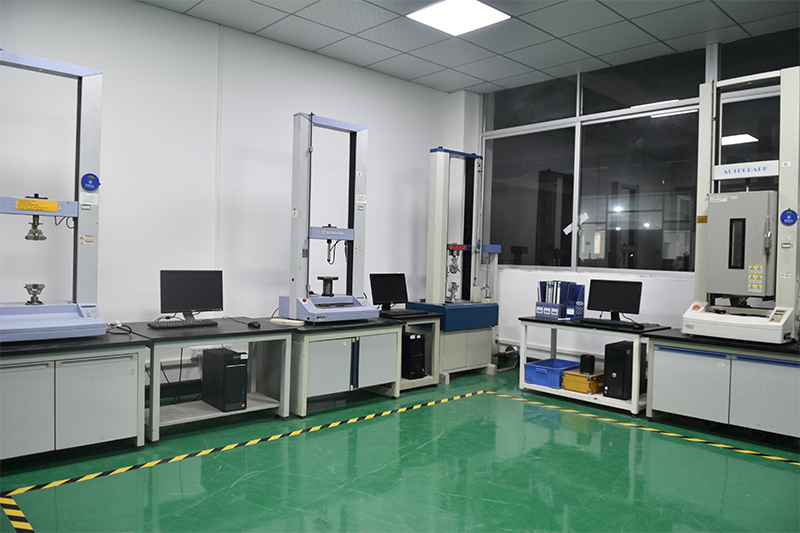
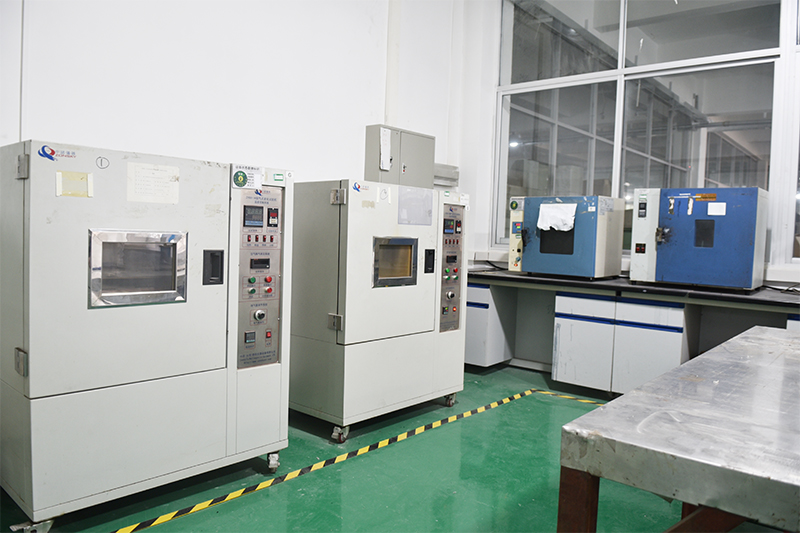
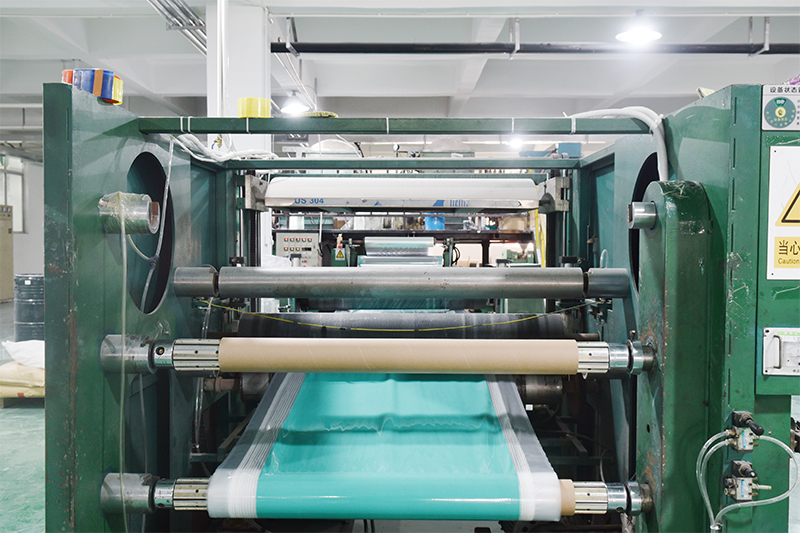
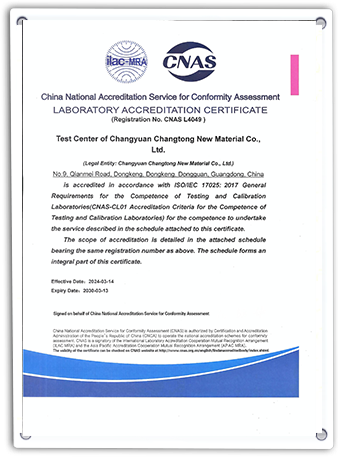
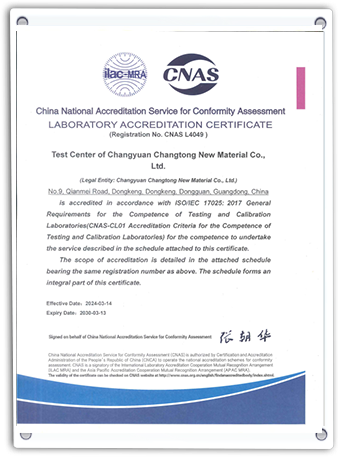
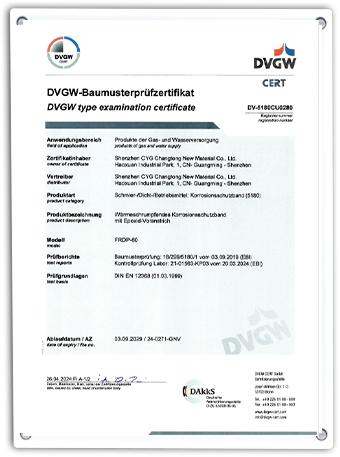
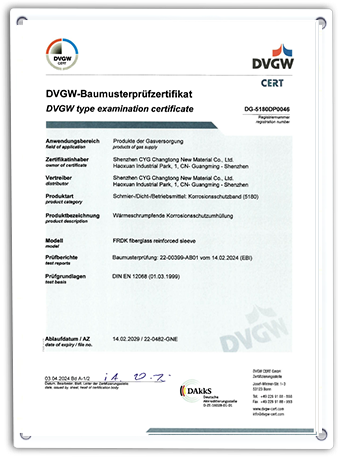
Our testing facilities allow us to conduct qualification tests required by global oil and gas firms. Below are views from our state-of-the-art testing centers and production workshops:
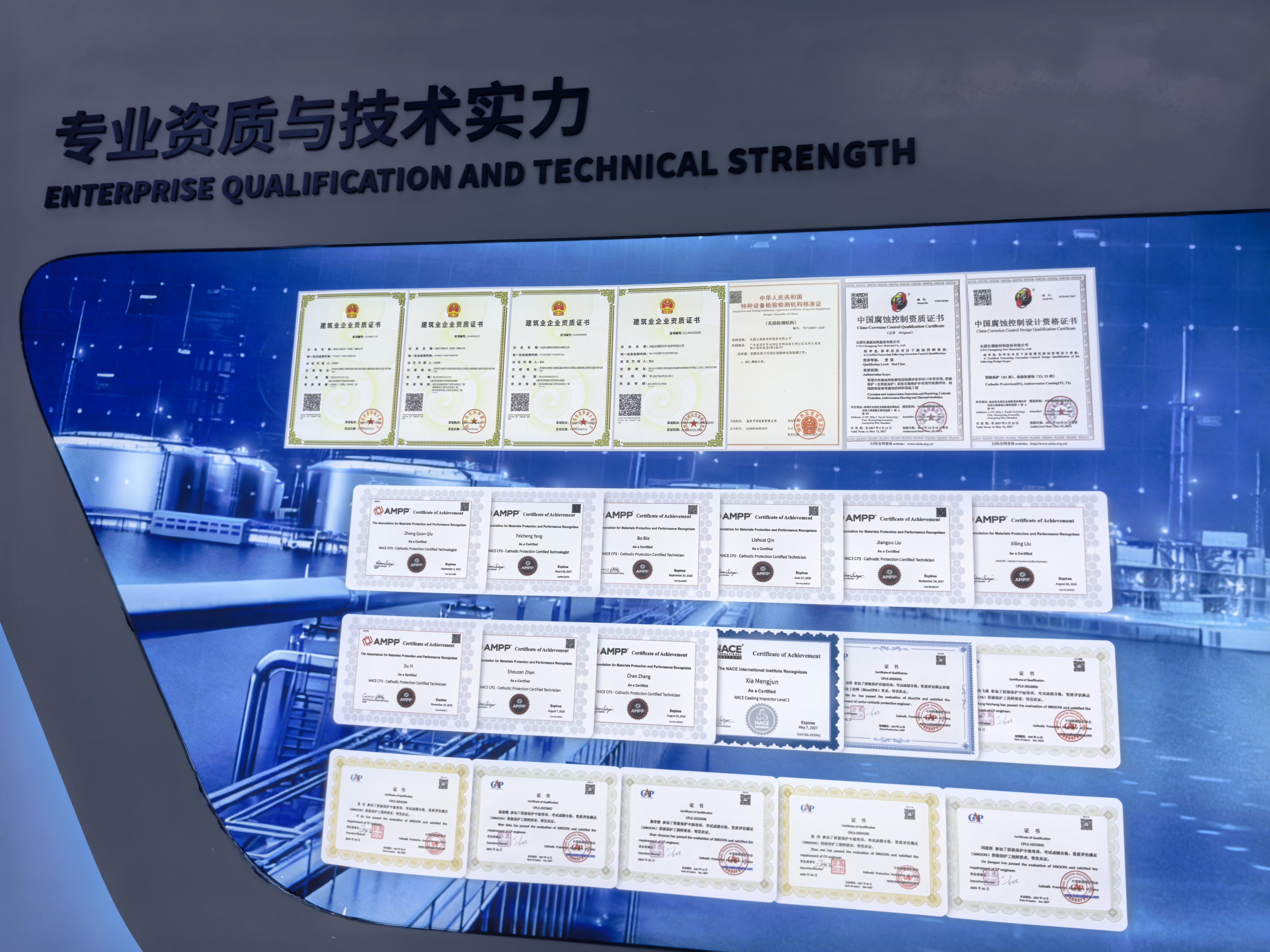
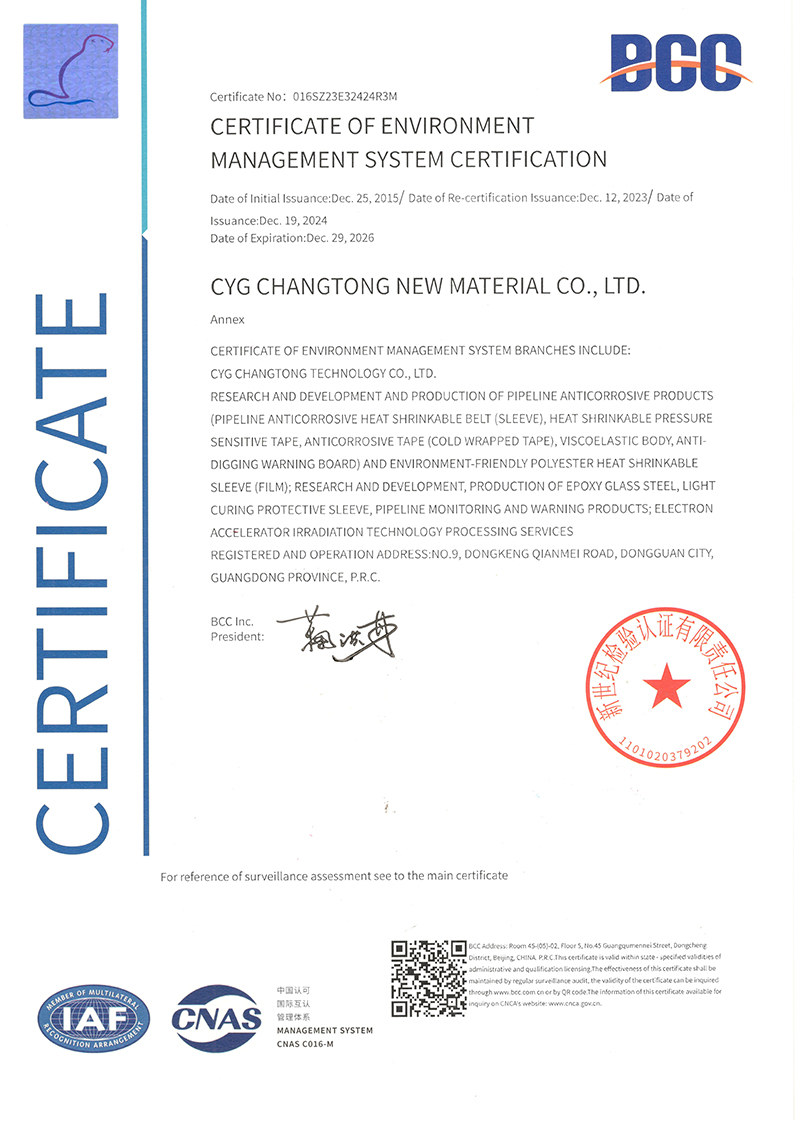
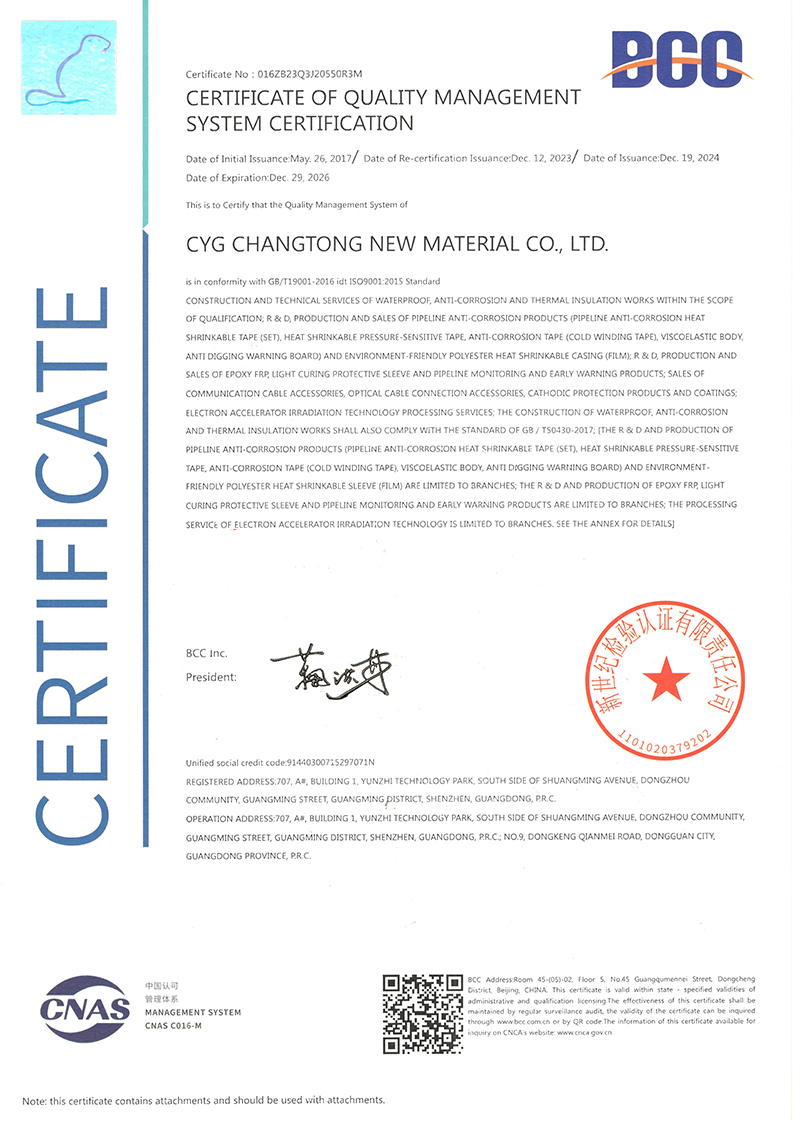
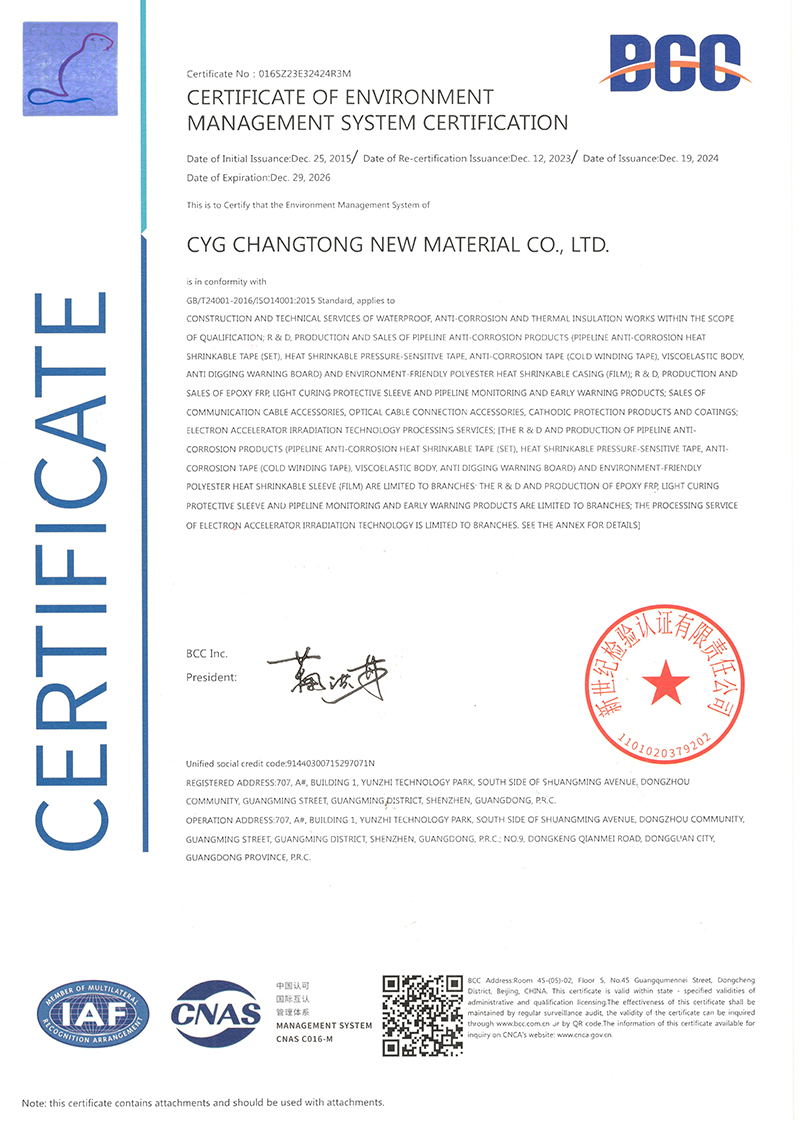
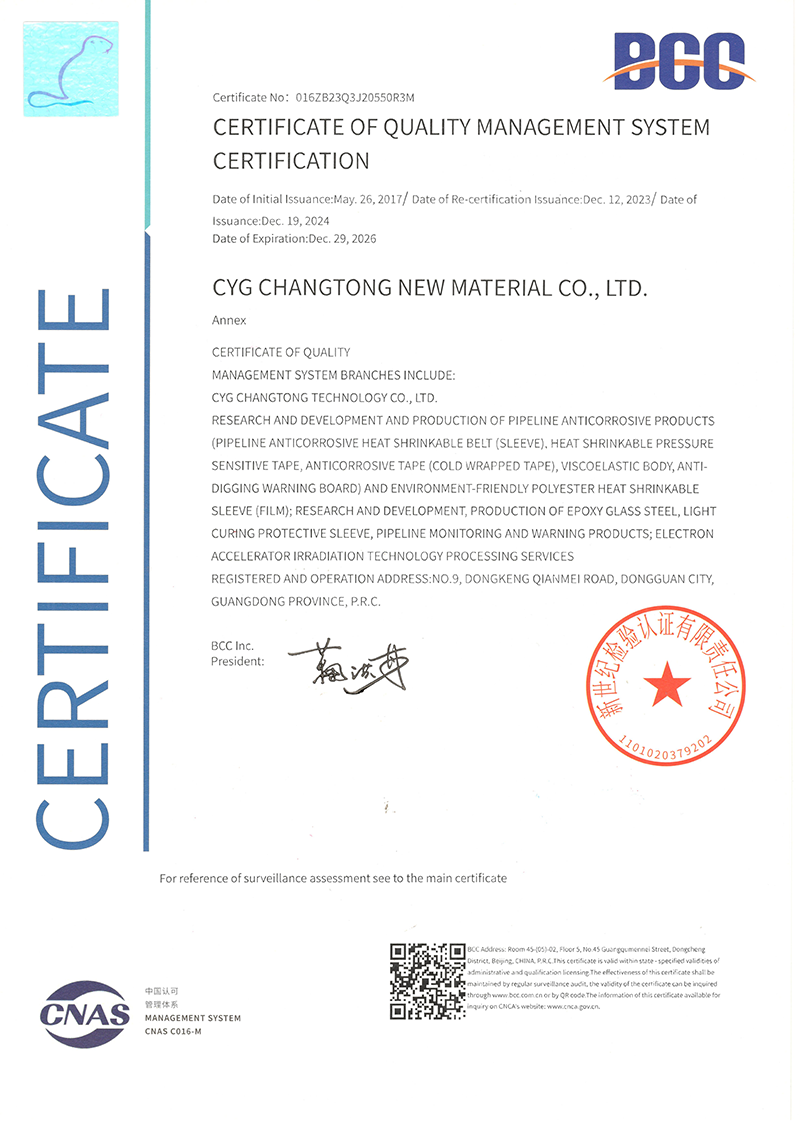
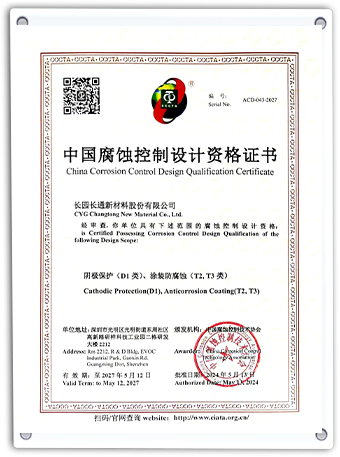
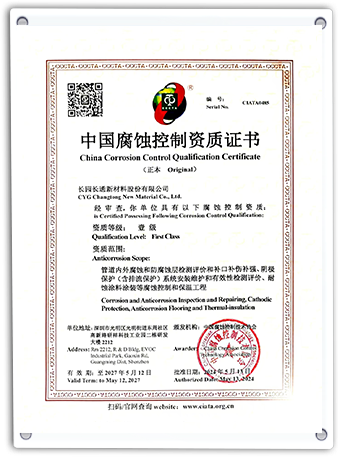
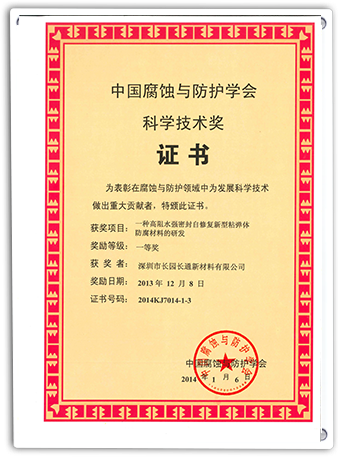
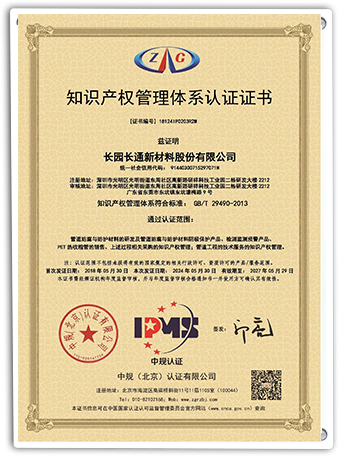
CYCT is a Council Member of the Chinese Society for Corrosion and Protection (CSCP), holds the Qualification Certificate of Corrosion Protection Construction and Pipeline Detection, and is recognized as a well-known brand of Pipeline Corrosion Protection in China. We are also a Corporate Member of the China Association of Petroleum Engineering Construction (CAPEC).
The pipeline transport sector is experiencing significant changes driven by decarbonization, hydrogen fuel blending, and environmental safety regulations. These factors directly influence the specifications for heavy wall heat shrinkable coatings:
Hydrogen gas leads to steel embrittlement and requires elevated transport pressures. Pipeline networks transporting hydrogen blends require coatings with low gas permeability. Cross-linked heavy wall sleeves are being modified with nano-clays and specialized barrier fillers to minimize molecular diffusion through the coating matrix.
Operators are moving from reactive leak-detection to active monitoring. Specialized shrink sleeves can be integrated with fiber-optic sensing cables or conductive mesh. This allows real-time thermal and mechanical strain data to be transmitted back to pipeline monitoring centers.
Global environmental mandates are reducing the use of solvent-based primers on-site. The industry is moving toward solvent-free primers and 100% solids epoxy resins. Our heavy wall sleeves are designed to bond directly to zero-VOC epoxy coatings, maintaining high adhesion without environmental risk.
Explore our specialized range of field joint wraps, repair patches, and hot melt materials for pipeline coatings.
 CYCT
CYCT