Engineered to protect high-consequence pipeline segments, joints, and fittings.
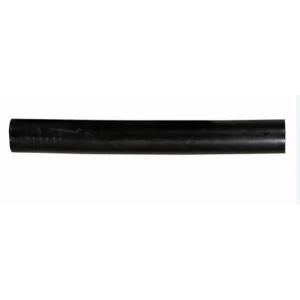
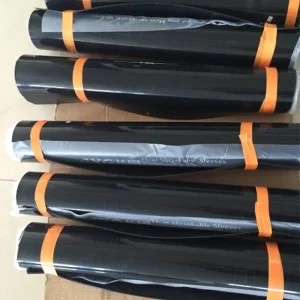
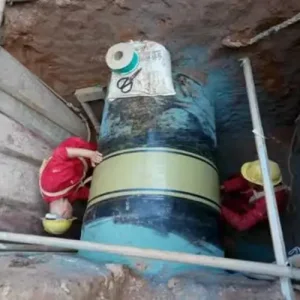
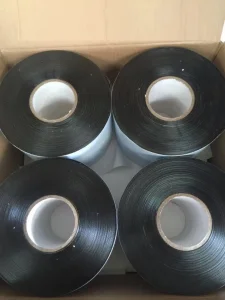
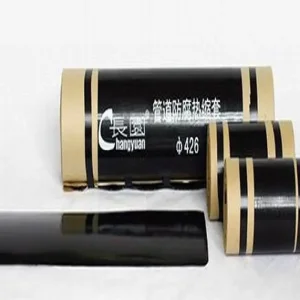
In modern energy transportation and distribution networks, pipeline integrity is paramount. Heat shrink wrap sleeves (HSS)—cross-linked radiation-processed polyolefin backings pre-coated with protective shear-resistant adhesives—serve as the first line of defense for field joints against aggressive environmental stressors. Economically, the global expansion of high-pressure gas mains, offshore oil pipeline networks, and municipal water grids continues to drive substantial demands for reliable, certified OEM heat shrinkable sleeves.
According to modern pipeline engineering surveys, field joint coatings account for the vast majority of corrosion failures on buried pipelines. When a main pipeline is manufactured in a factory, it typically receives premium 3-Layer Polyethylene (3LPE) or 3-Layer Polypropylene (3LPP) coatings. However, during field deployment, the joints where segments are welded remain vulnerable. Heat shrinkable wrap sleeves bridge this protection gap, reproducing the mechanical strength and chemical isolation of factory-applied coatings directly in the field.
Unlike generic protective wraps, high-tier industrial heat shrink sleeves rely on radiation cross-linking. This alters the thermoplastic polyethylene structure, giving it a "elastic memory." When heat is applied, the sleeve attempts to shrink back to its original extruded dimensions, exerting radial pressure on the steel substrate. This pressure, combined with the viscosity and flow of the underlying mastic or hot-melt adhesive, establishes an impenetrable barrier against oxygen, moisture, and chloride ions.
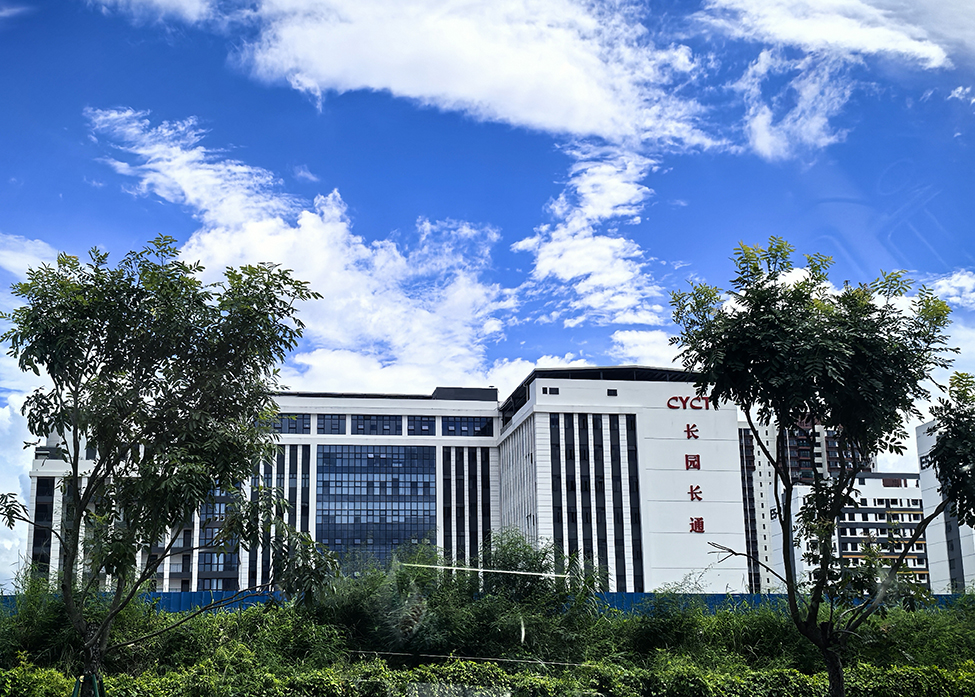
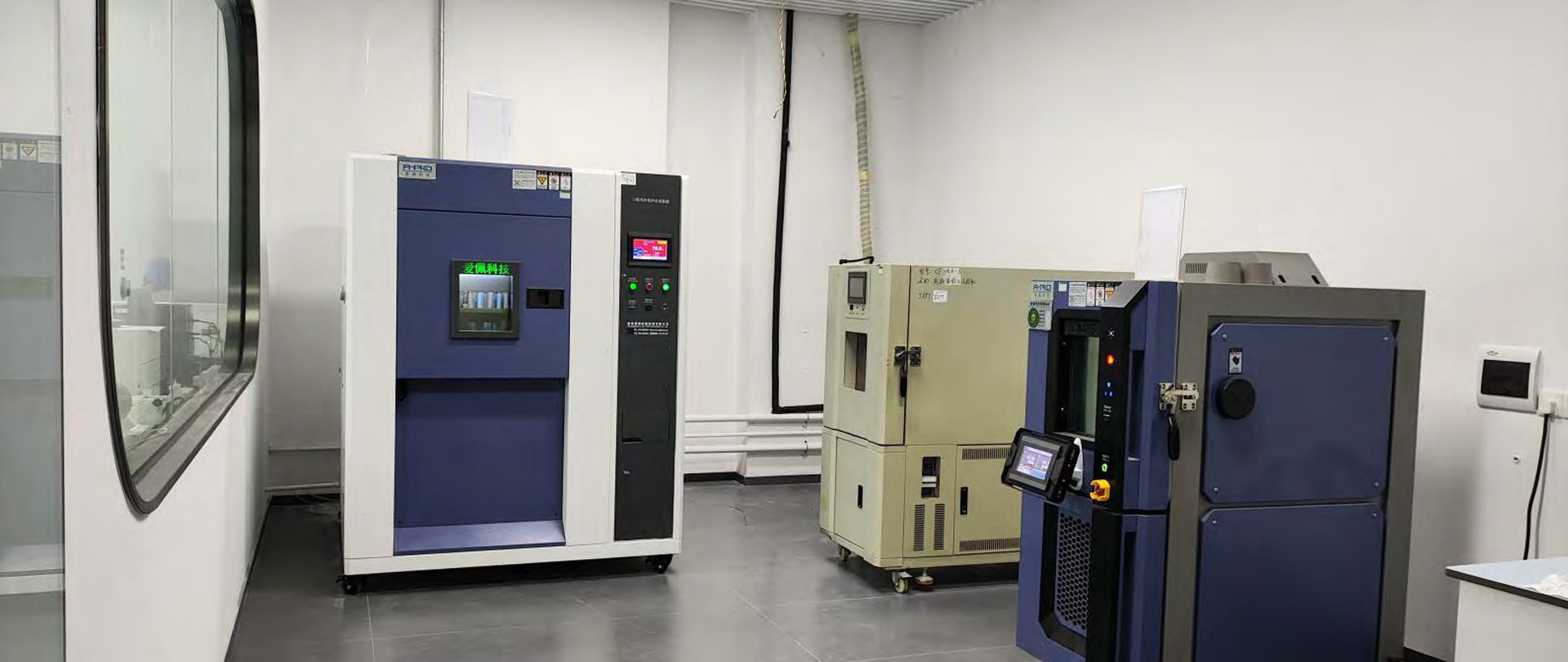
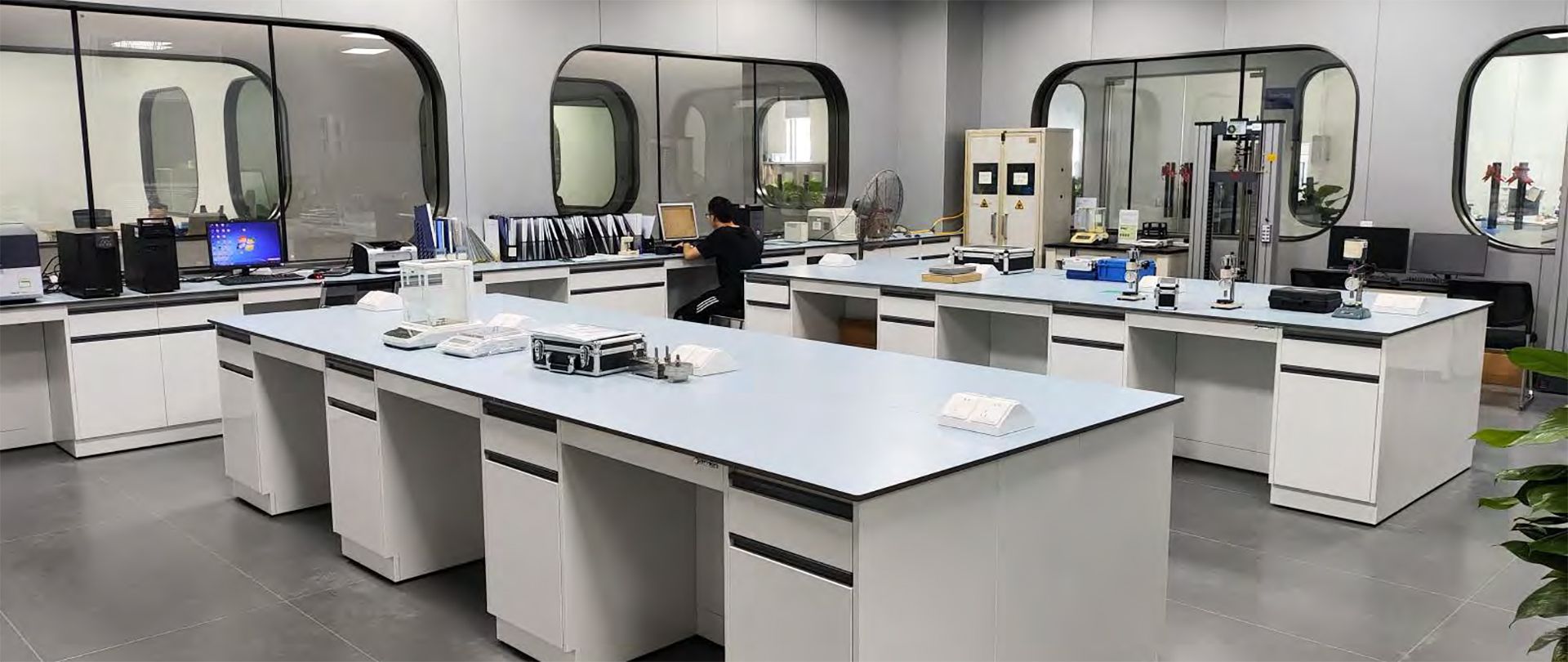
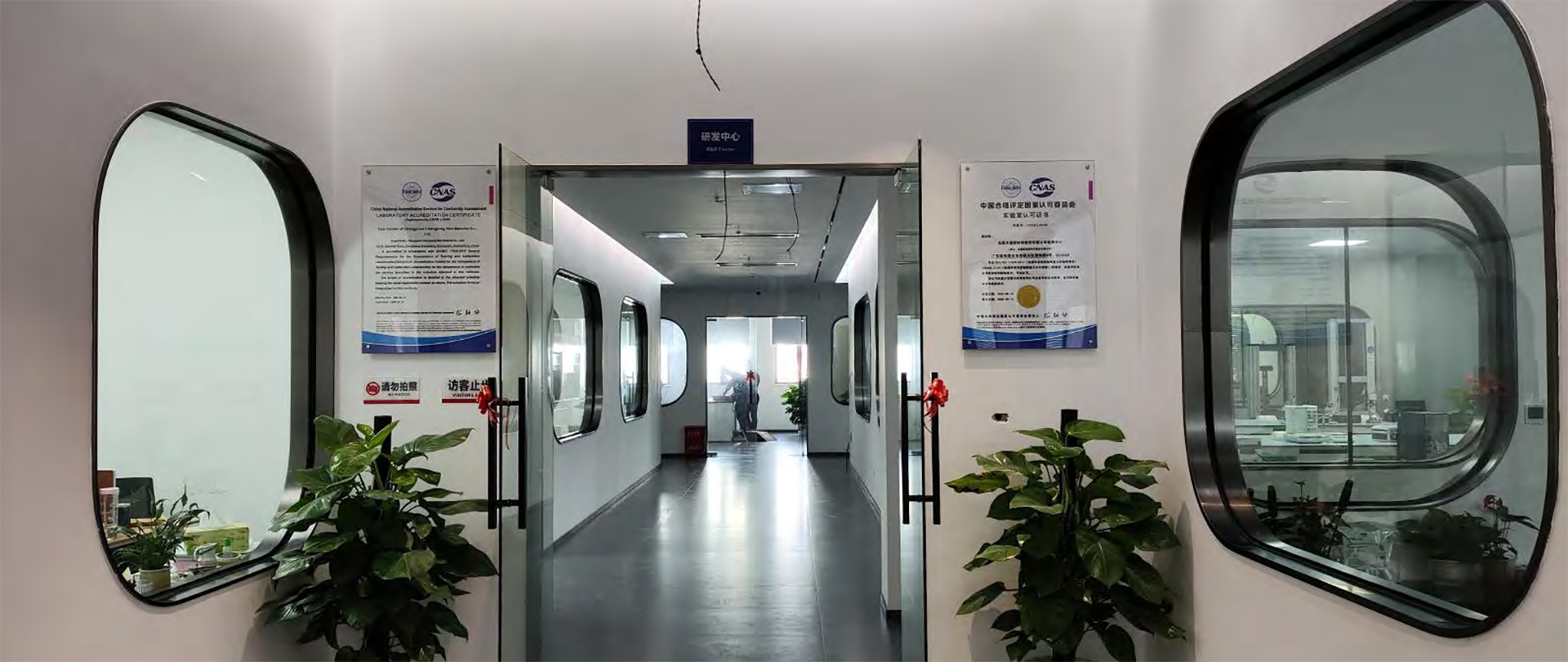
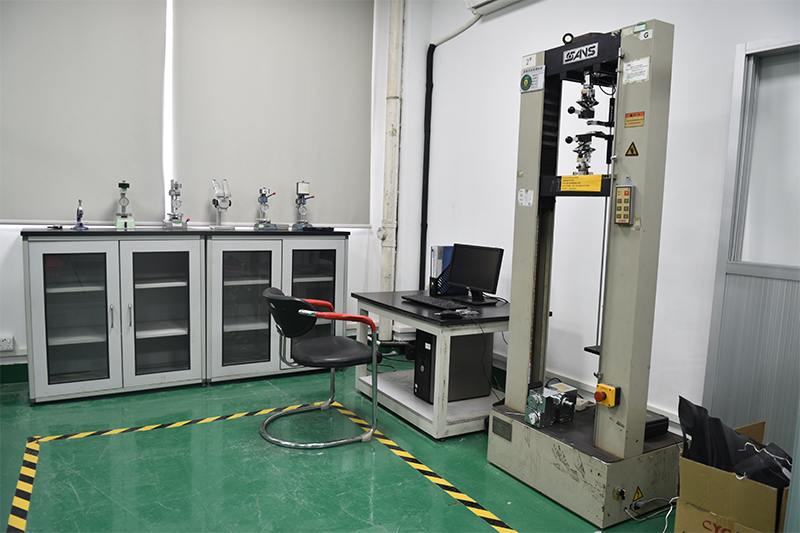
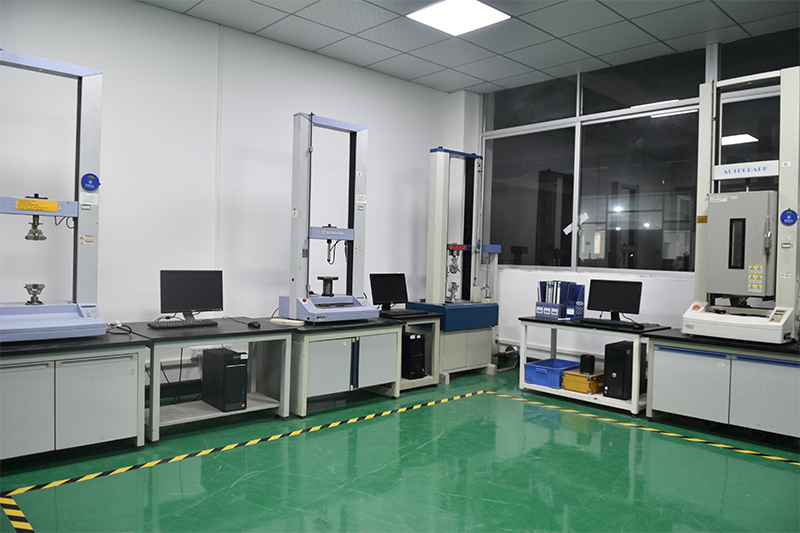
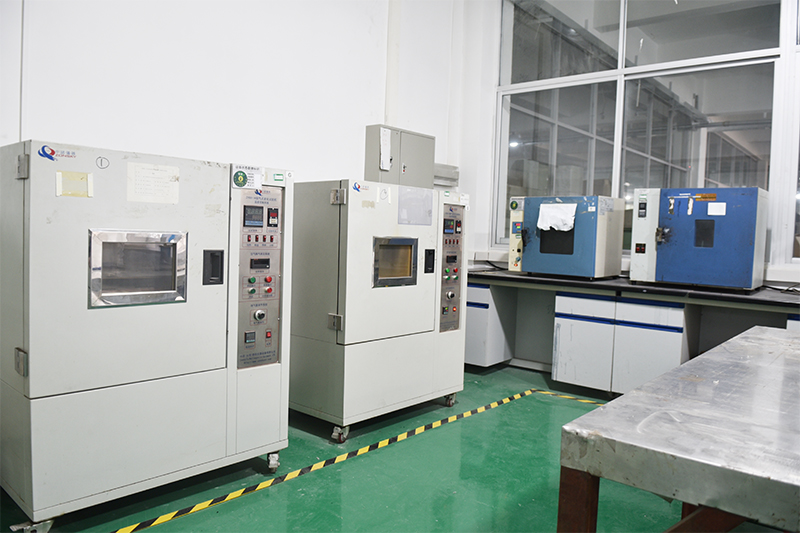
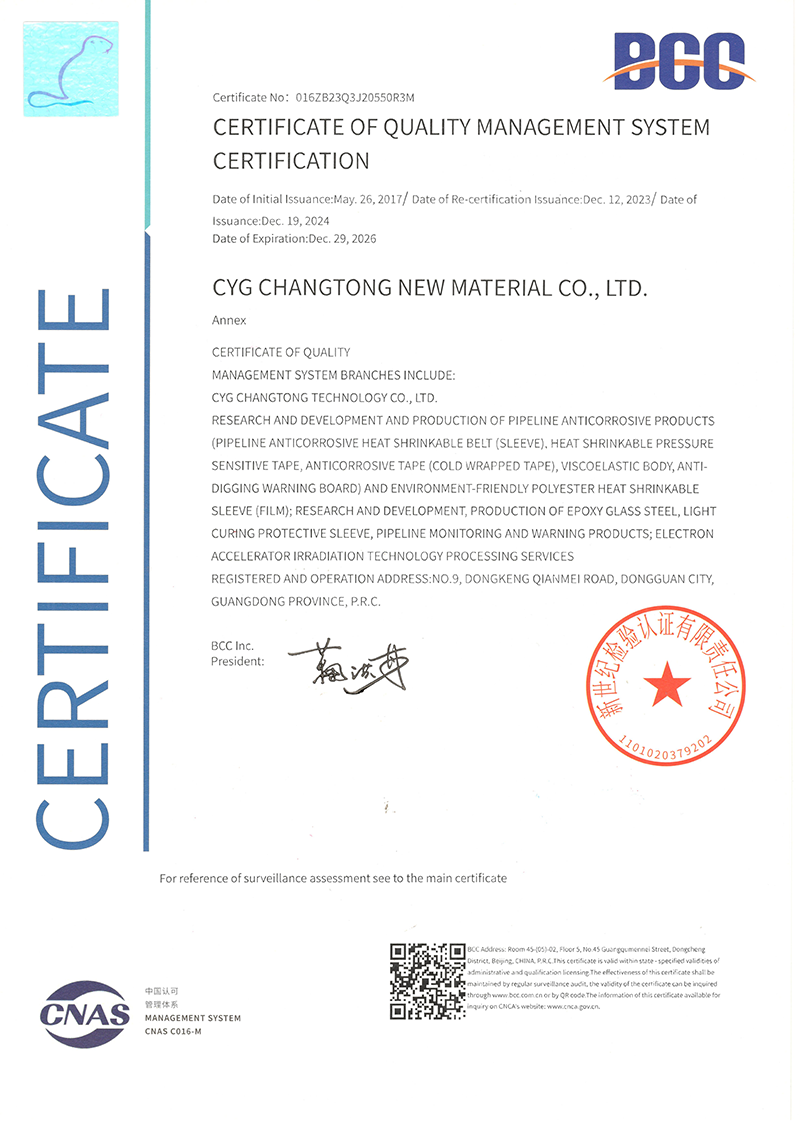
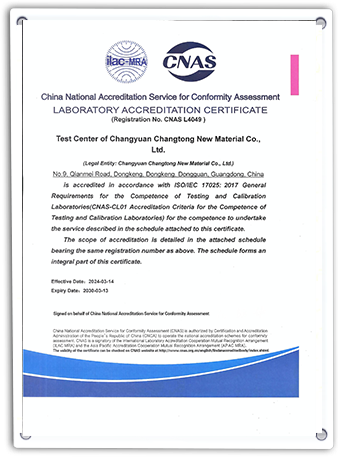
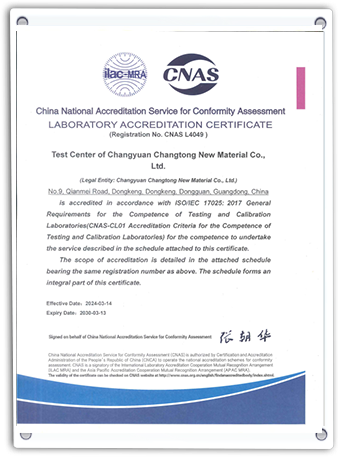
CYCT New Materials Company Limited is a state-level high-tech enterprise integrating R&D, production, and sales. We run leading testing laboratories, boasting CNAS accreditation alongside a professional R&D team dedicated to anti-corrosion science.
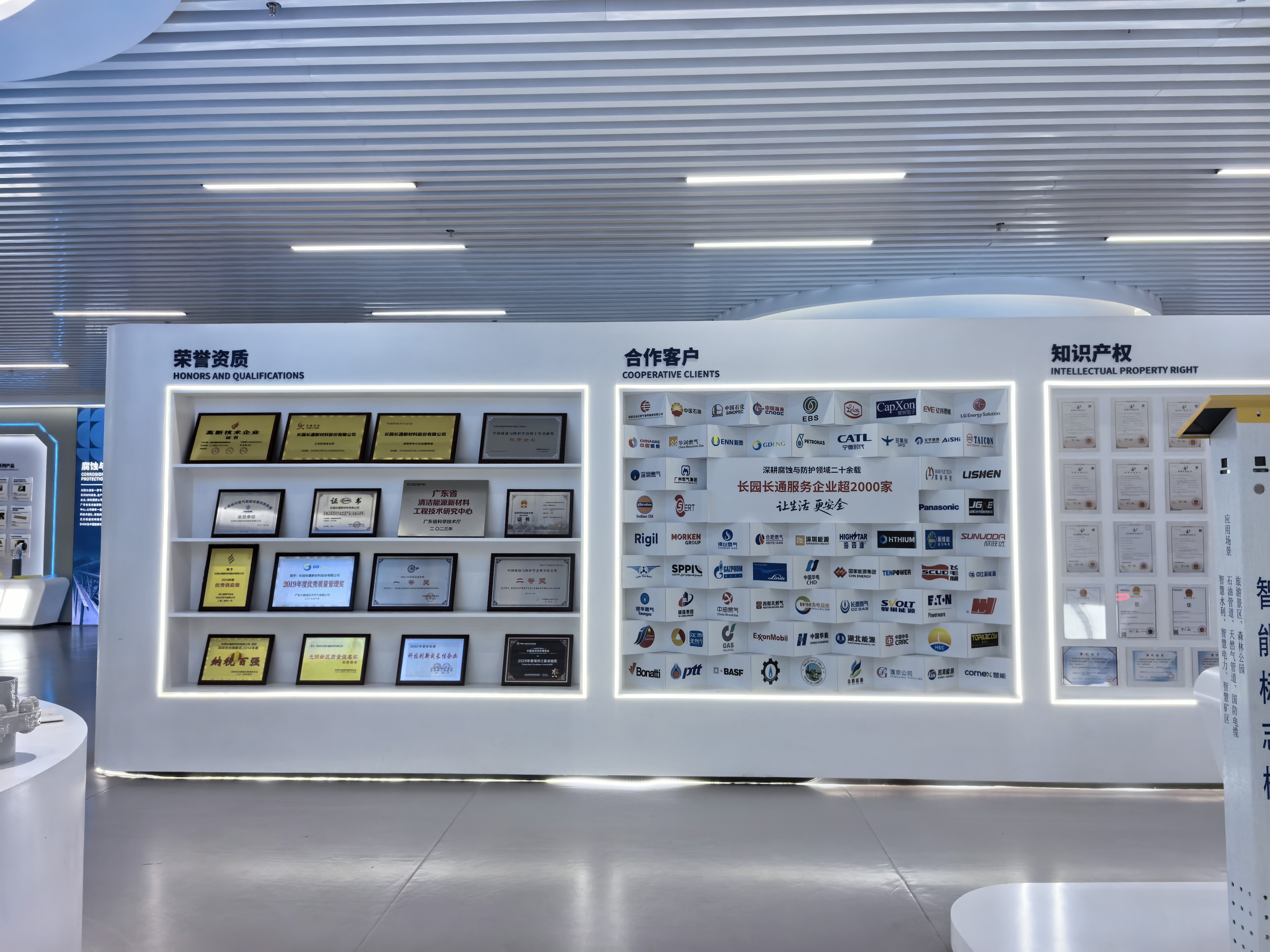
For decades, CYCT has served as a trusted partner and contract supplier for industry giants such as PetroChina, Sinopec, PipeChina, China Gas Group, and Indian Oil. Our custom solutions ensure continuous system compliance and long lifespan.
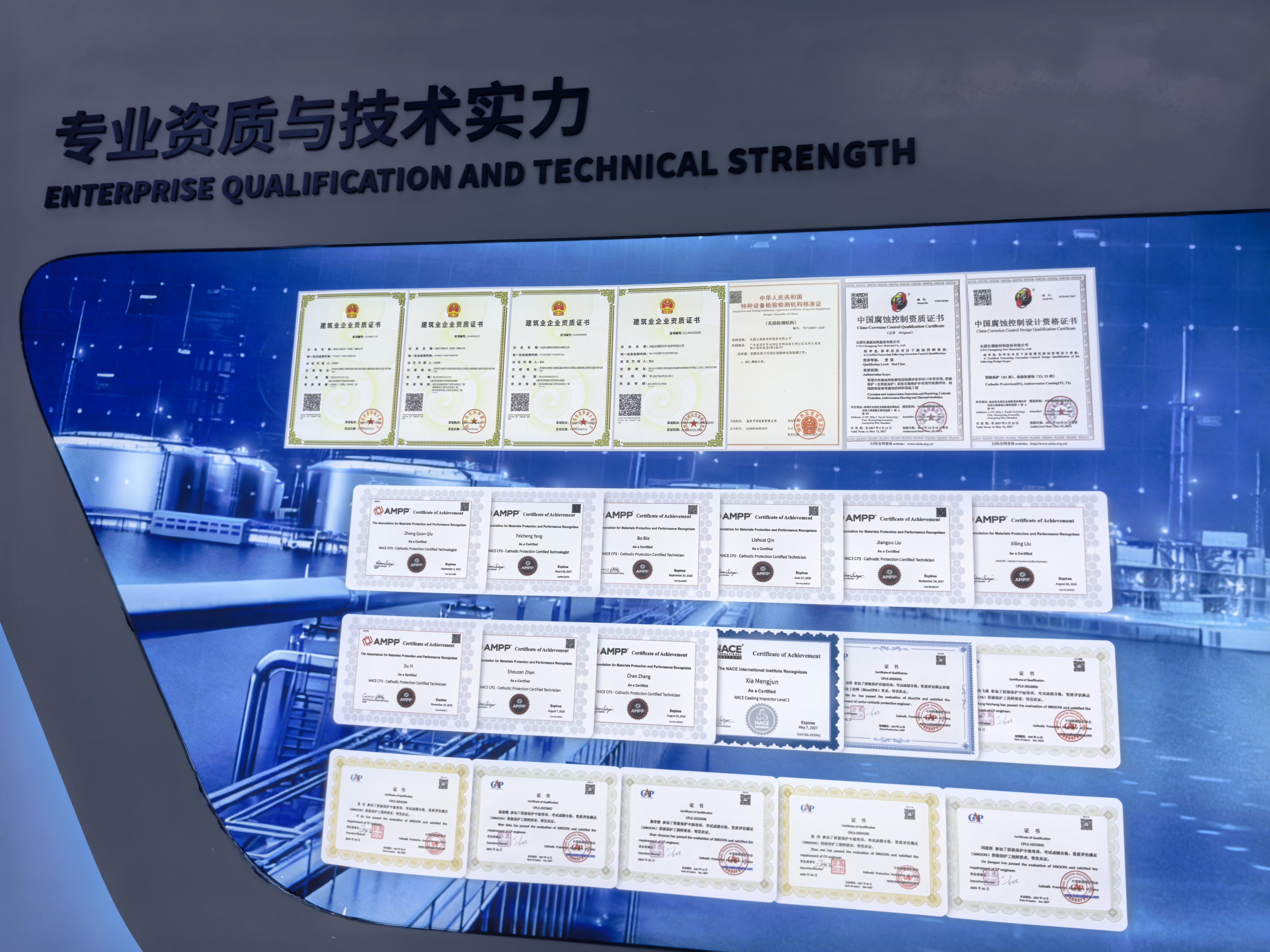
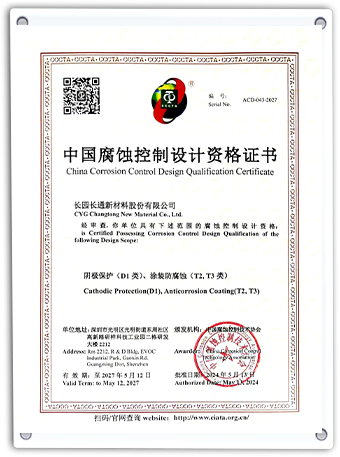
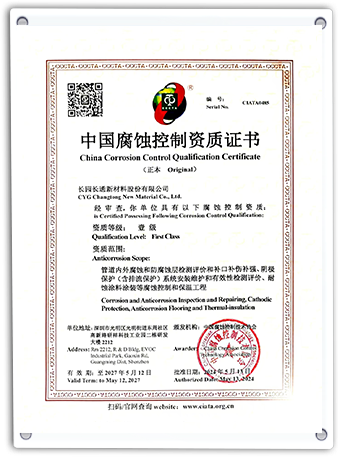
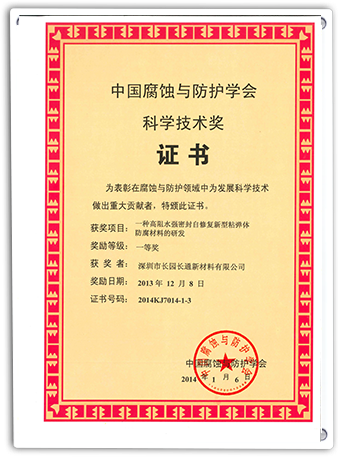
CYCT is a Council Member of the Chinese Society for Corrosion and Protection (CSCP), holds specialized certificates in Corrosion Protection Construction and Pipeline Detection, and is an active corporate member of AMPP (NACE) and CAPEC.
The field of pipeline integrity is witnessing three major technological shifts that influence how OEM factories manufacture heat shrink sleeves:
| Trend Area | Legacy Technology | Modern Advanced Practice | Corrosion Engineering Benefit |
|---|---|---|---|
| Operating Temperature | Standard 60°C PE Base | High-Tg Polypropylene (PP) (up to 120°C+) | Prevents thermal aging and adhesive sliding in deep-bore or hot-fluid lines. |
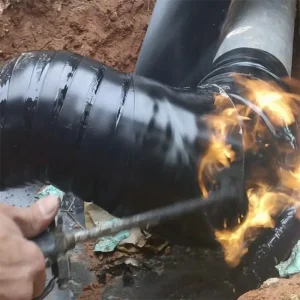
| Installation Mechanism | Manual Flame Torching | Infrared Induction Heating / Controlled Shrinking | Eliminates micro-voids, cold spots, and overheating degradation. |
| Adhesive Rheology | Basic Asphalt-Rubber Mastic | Viscoelastic self-healing polymers / High-shear hot melts | Active defense via self-repairing mechanism if mechanically compromised. |
| Structural Reinforcement | Single PE Extruded Sheet | Fiberglass Reinforced Matrix (GFRP/HDD grades) | Survives extreme drag forces during Horizontal Directional Drilling. |
Particularly, the surge in trenchless pipeline installation (specifically HDD - Horizontal Directional Drilling) has prompted manufacturers to redesign traditional sleeves. When a pipeline is pulled through a rocky borehole, the sheer forces can tear standard PE backings. High-performance fiberglass-reinforced systems, such as CYCT’s HDD protective series, ensure that the anti-corrosion barrier remains intact during pull-back.
Through close cooperation with leading research institutes like the CNPC Pipeline Science Research Institute, CYCT delivers comprehensive, integrated pipeline protection. We provide not only state-of-the-art materials but also design schemes, cathodic protection integration, rehabilitation engineering, and digital pipeline inspection.


Corrosion challenges change drastically depending on local geography and pipeline operations. Understanding these differences allows CYCT to supply customized OEM heat shrink sleeves for specific field conditions:
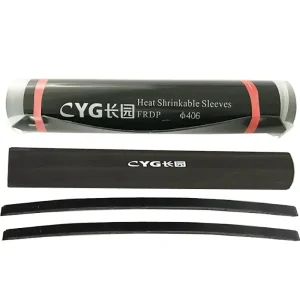
In coastal or desert pipelines where ambient soil temperatures can exceed 50°C and groundwater is highly saline, standard low-cost sleeves experience cathodic disbondment. Here, CYCT recommends FRDP polypropylene heat shrink sleeves or viscoelastic coating systems that maintain their adhesion profile up to 80°C–120°C and resist chloride-induced pitting.
Cold environments require field joint materials that remain flexible without cracking during sub-zero construction temperatures (down to -30°C). CYCT's specialty PE cold-applied tapes and modified heat-shrinkable materials are formulated with low-temperature plasticizers that guarantee excellent impact and shear resistance in arctic pipeline networks.
Offshore lay barges require quick installation times and high reliability to match the speed of the pipe-laying process. Horizontal Directional Drilling (HDD) projects demand extreme abrasion resistance. The application of CYCT's fiberglass-reinforced photo-curing sleeves and Epoxy FRP protective layers provides mechanical armor to prevent damage during dragging operations.
CYCT's technological development roadmap focuses on the transition toward eco-friendly and smart pipeline systems:
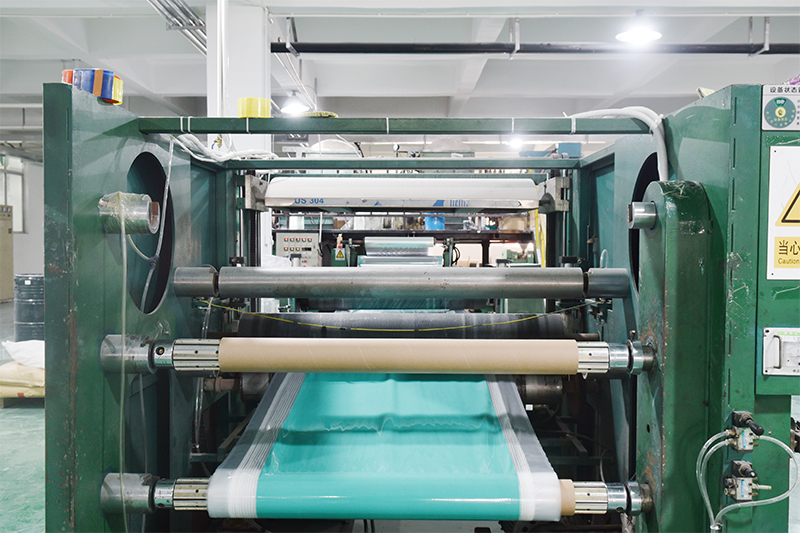
No single material solves all corrosion issues. To build a robust system, design engineers combine multiple protective technologies depending on the pipeline's operational profile and installation methods.
Designed for new installations, this system applies liquid epoxy primers to the steel surface, followed by a heat shrink sleeve. This structure creates a strong bond that matches the performance of the main 3LPE/3LPP pipe coating.
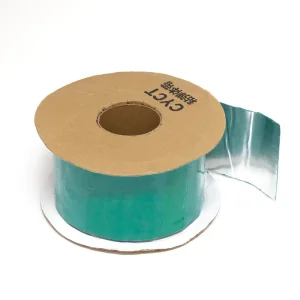
For aged pipelines in service, our viscoelastic tapes and repair patches offer a simple fix without needing specialized heating equipment. They adhere well to poorly prepared steel surfaces (St 2 / St 3) and provide reliable long-term protection.
By wrapping a fiberglass-reinforced photo-curing sleeve or Epoxy FRP wrap over the heat shrink sleeve, you create a tough outer layer. This shields the pipeline from shear, friction, and impacts during trenchless installation.
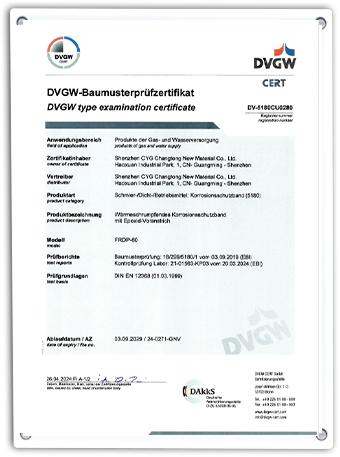
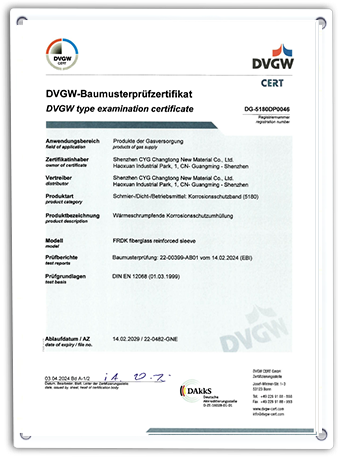
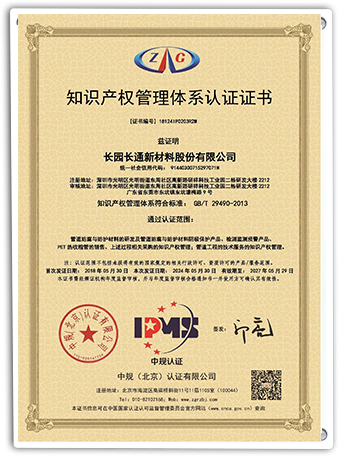
Verified compliance with ISO, AMPP, CNAS, and major state oil enterprise requirements.
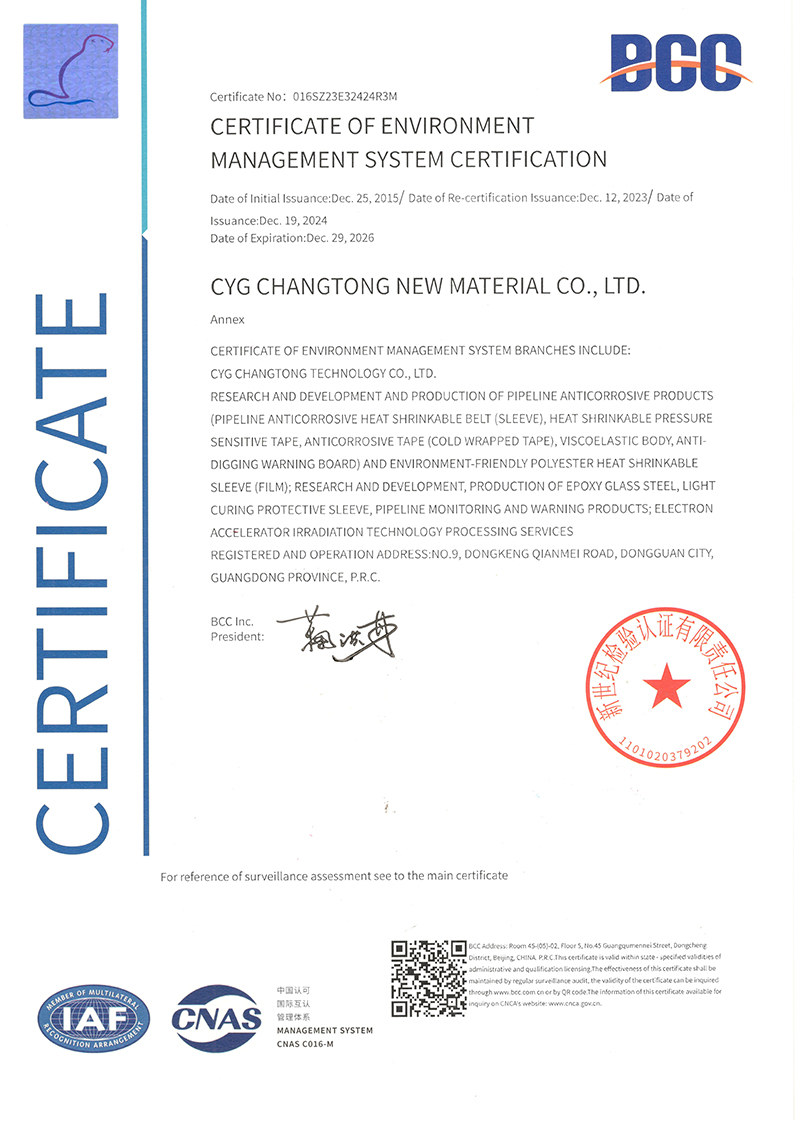
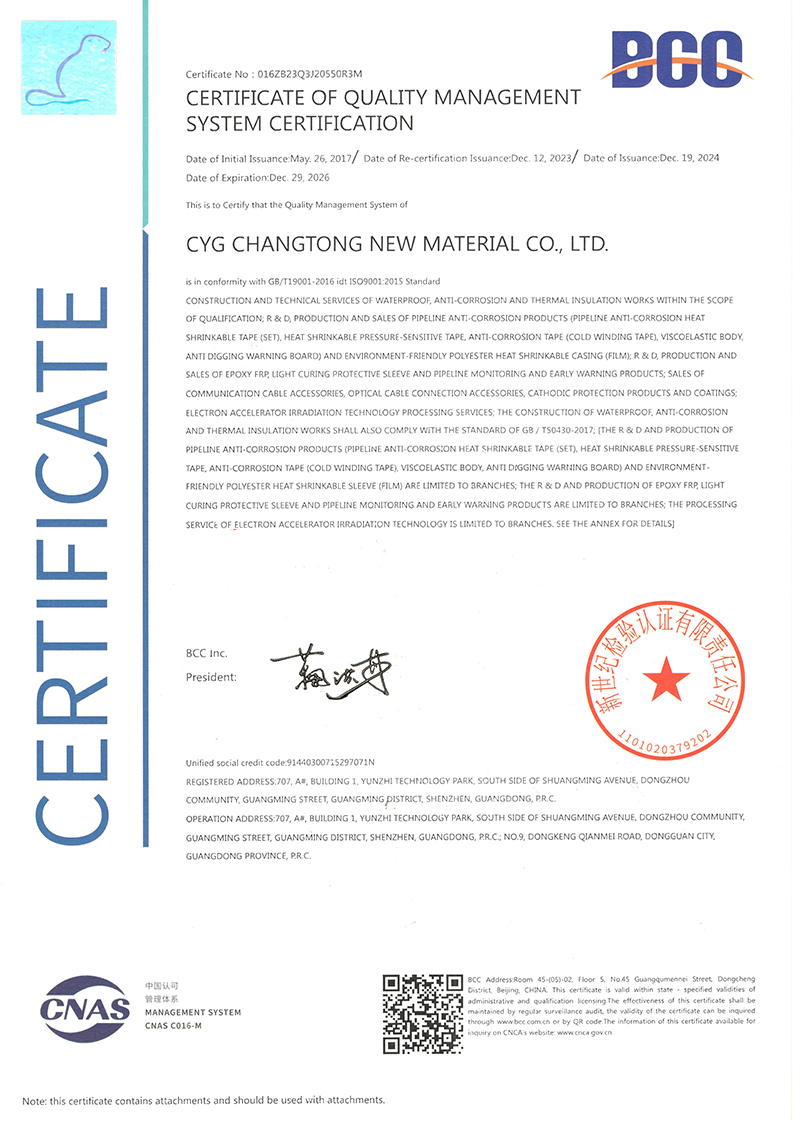
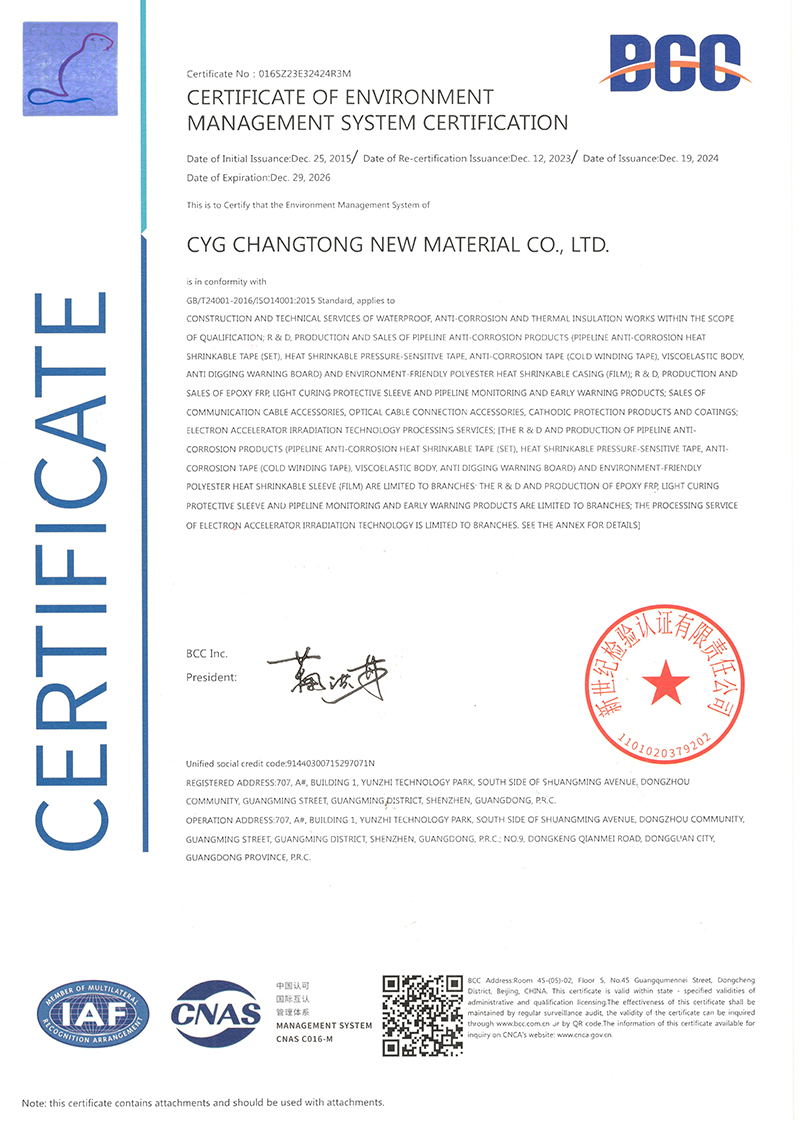
Detailed technical answers addressing common design, selection, and application concerns.
Explore our full line of viscoelastic coatings, specialty tapes, and reinforcement systems.
 CYCT
CYCT