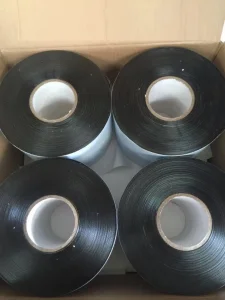
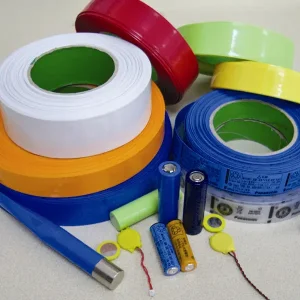
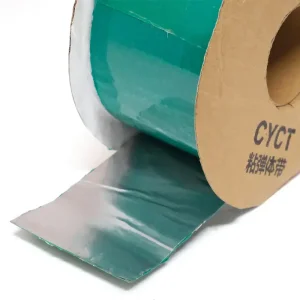
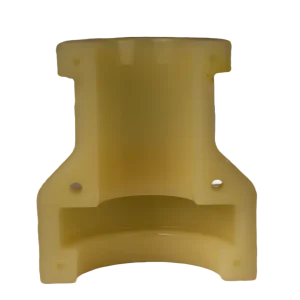
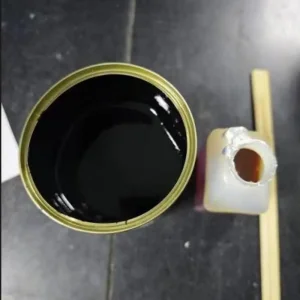
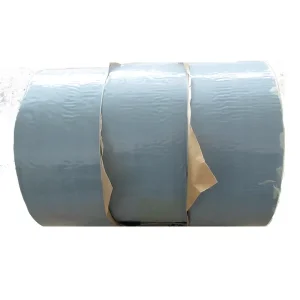
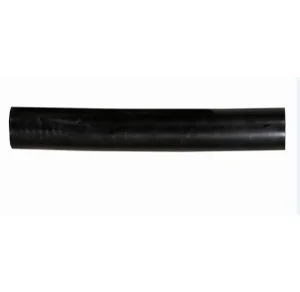
Premium heat shrinkable sleeves, viscoelastic materials, and specialized pipeline protection systems manufactured to global engineering standards.
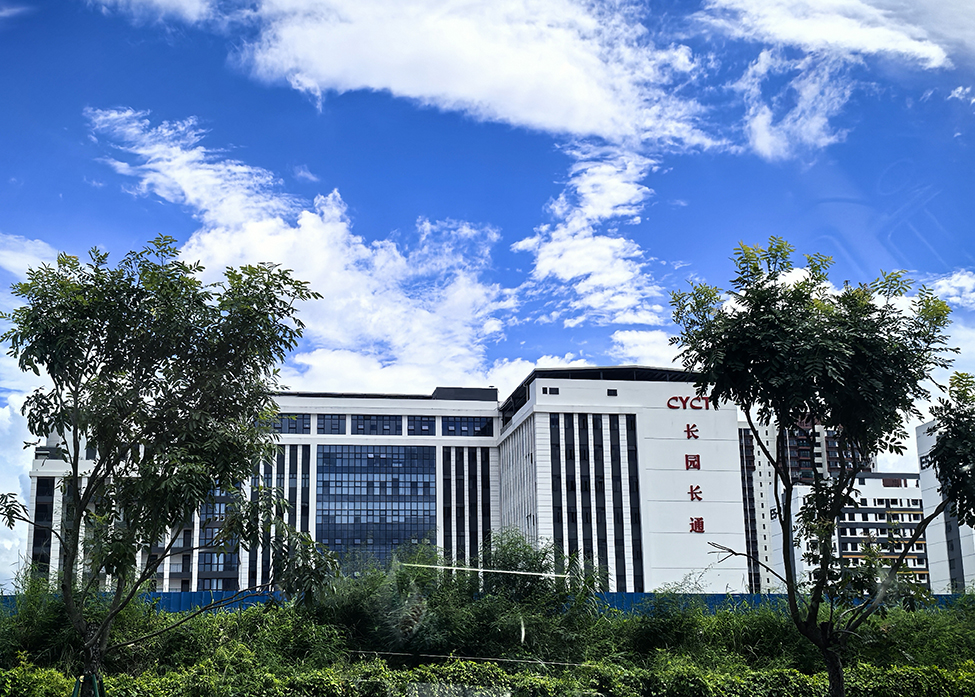
CYCT New Materials Company Limited (for short, CYCT) is a state-level high-tech enterprise integrating R&D, production, and sales of pipeline corrosion protection materials. Over decades of focused development, we have extended our core competence to include buried pipeline detection services and professional pipeline coating field application services.
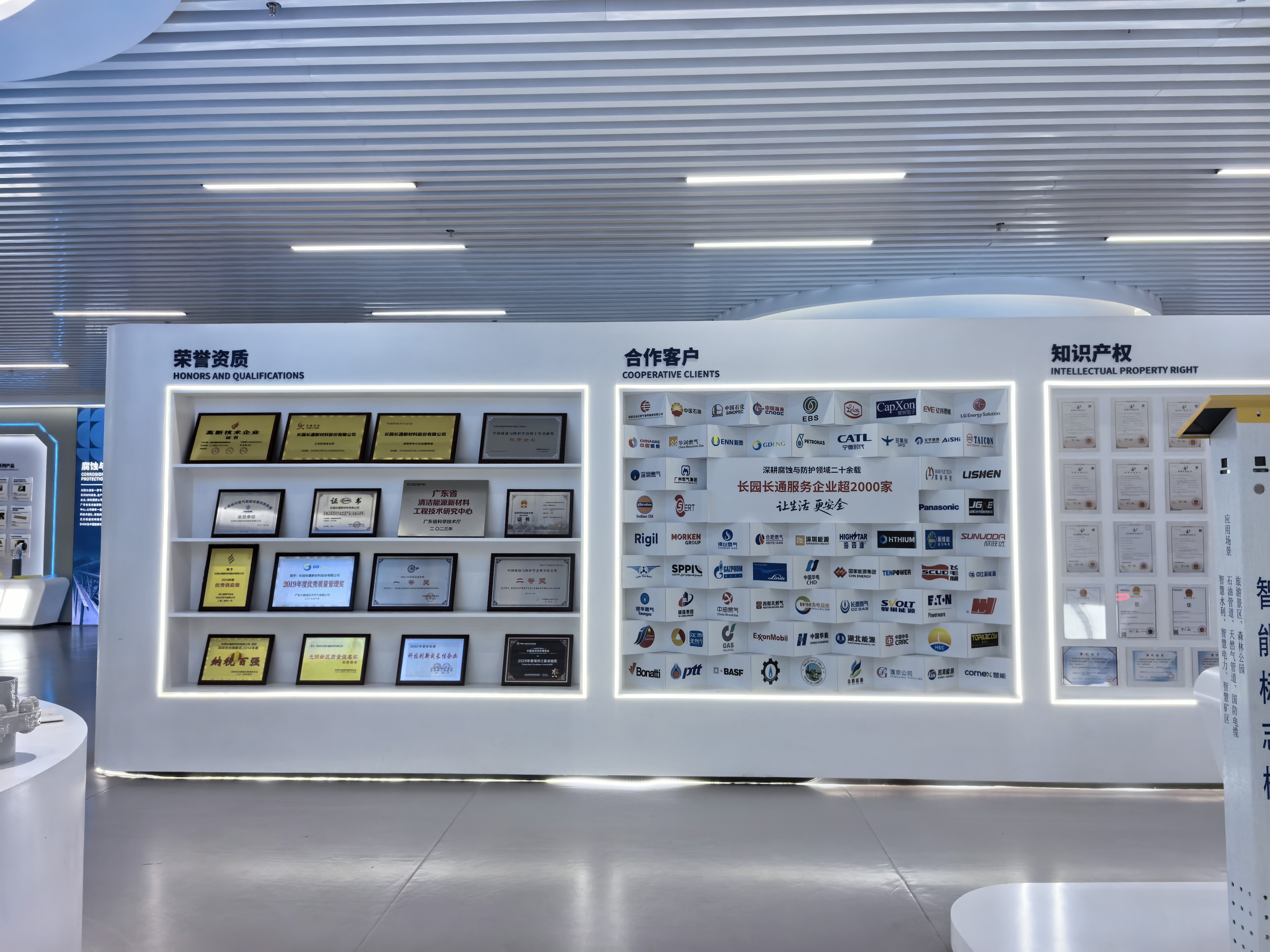
As a leading supplier of field joint coatings, CYCT has served critical energy infrastructure operators for decades. Our long-term supply partnerships include PetroChina, Sinopec, PipeChina, and various municipal gas networks, securing a dominant share in highly demanding national and international pipeline networks. Through collaborative efforts with top-tier R&D institutes such as the CNPC Pipeline Science Research Institute, we deliver unified engineering solutions covering pipeline diagnostic inspection, cathodic design, rehabilitation engineering, and safety protection planning.
A comprehensive analysis of polymer engineering, chemical cross-linking, and anti-corrosion science for pipeline asset integrity.
At the core of industrial-grade heat shrink wrap is the science of radiation cross-linking. Highly refined polyolefins—primarily high-density polyethylene (HDPE) or customized polypropylene (PP) matrices—are subjected to high-energy electron beam radiation. This process permanently alters the molecular architecture, converting linear polymer chains into a robust, three-dimensional network. This cross-linking prevents the polymer from melting at elevated temperatures, replacing typical flow behavior with a rubbery, elastic state characterized by "shape memory".
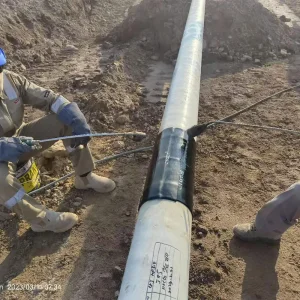
During manufacturing, the cross-linked sheet is heated beyond its crystalline melting point, mechanically stretched to its expanded dimensions, and rapidly cooled. When installed in the field using heat torches or induction heaters, the material undergoes thermal activation, causing the crystalline phase to melt and triggering the polymer's return to its original, unexpanded thickness. This contraction exerts a continuous radial pressure on the underlying pipeline joint, ensuring a tight mechanical lock.
Technical Insight: The efficacy of a heat-shrinkable sleeve relies on the balance between expansion ratio, tensile recovery stress, and adhesive thickness. Lower cross-linking densities lead to premature melting and bubbling, while excessive radiation compromises mechanical flexibility and leads to environmental stress cracking.
The protective value of a heat shrink sleeve is defined by its adhesive backing. Broadly categorized into two families, these adhesives satisfy different operating requirements:
As deepwater exploration and high-temperature oil transport lines operate at temperatures reaching 110°C to 120°C, traditional PE-based shrink sleeves become unsuitable due to thermal degradation. Modern field joint specifications increasingly mandate Polypropylene (PP) Heat Shrink Sleeves. Our wraparound PP field joint systems are designed to match the mechanical, thermal, and chemical profile of the parent 3LPP factory coating, ensuring a continuous barrier along the entire pipeline length.
Driving the next generation of corrosion protection through advanced polymer science and digital integration.
Integrating micro-encapsulated corrosion inhibitors and healing agents within the viscoelastic layer. Upon mechanical impact or micro-fissuring, the capsules rupture to release active compounds that seal the breach, arresting corrosion without manual intervention.
Engineering heat shrink matrices capable of continuous service up to 130°C. By tuning the crystallinity of polypropylene copolymers and optimizing antioxidant packages, we prevent thermal-oxidative degradation in steam-injection and high-temp oil lines.
Developing 100% solvent-free epoxy primers and low-emission manufacturing systems to comply with rising environmental regulations. Our goal is to minimize volatile organic compounds (VOCs) during field jointing applications.
Customized protection systems engineered to meet the operational demands of global infrastructure sectors.
Engineered to withstand high operating temperatures, cathodic disbondment, and severe soil stress. Our products preserve field joint integrity in cross-country transmission lines.
Reinforced with structural fiberglass backings to provide mechanical protection, preventing gouging and shear failure of the underlying coating during pullback in rocky soils.
Cost-effective, cold-applied and hot-applied tape systems designed for utility distribution networks. These products prevent atmospheric and underground corrosion in urban zones.
Heavy-duty, thick-walled shrink sleeves and viscoelastic systems engineered to resist saltwater exposure, UV radiation, wave action, and tidal currents.
Combining state-of-the-art production technologies with quality testing frameworks to ensure stable supply and high-performance products.
We source raw resins and elastomers from verified global petrochemical partners. Each batch undergoes testing for melt flow index (MFI), density, and moisture content before processing.
Advanced extrusion machinery maintains cross-web thickness uniformity. Controlled electron beam radiation processing ensures stable, uniform cross-linking across the polymer matrix.
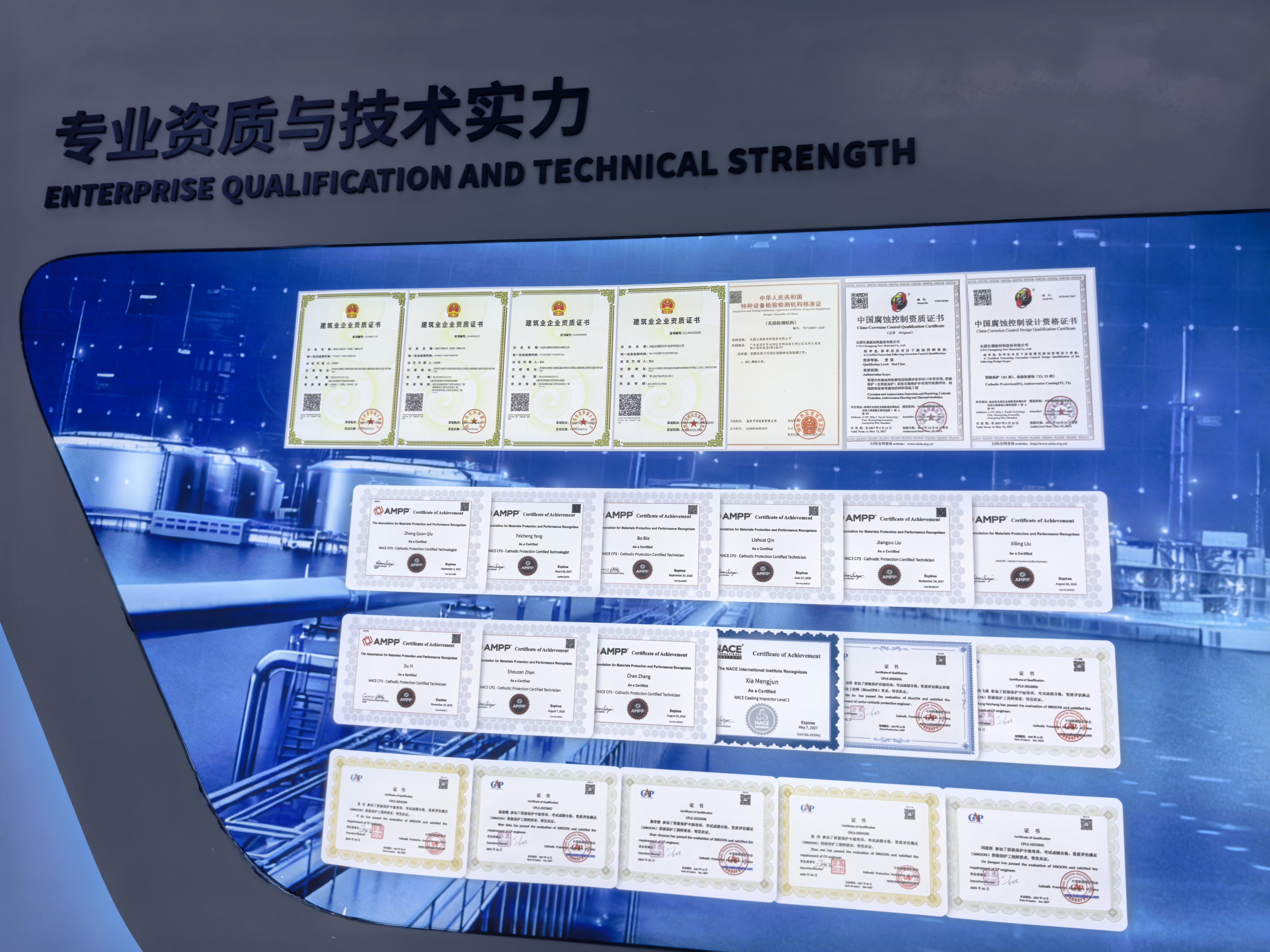
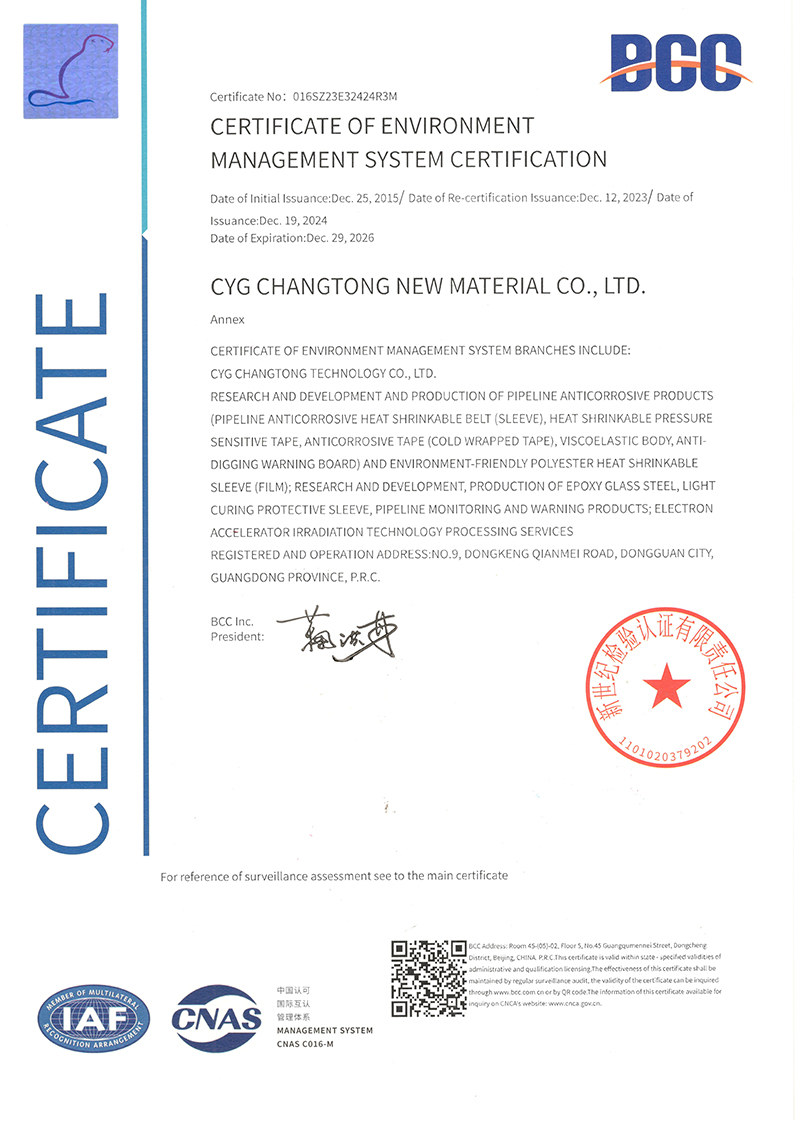
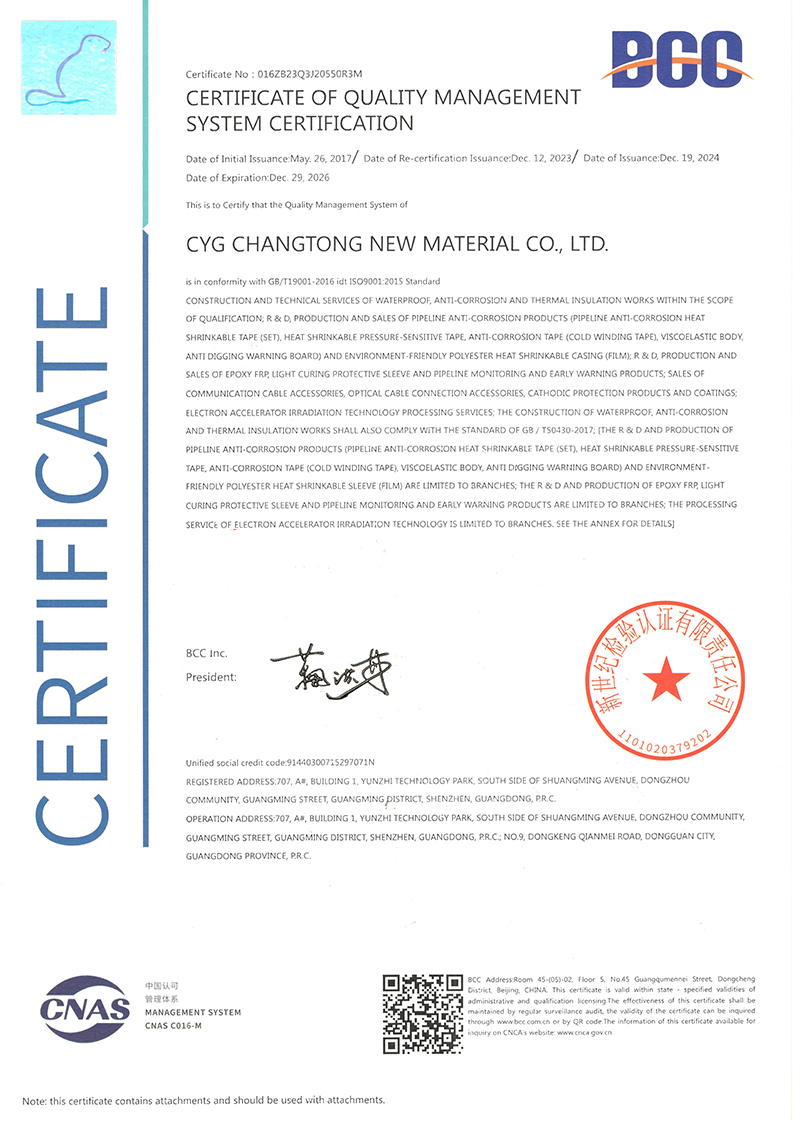
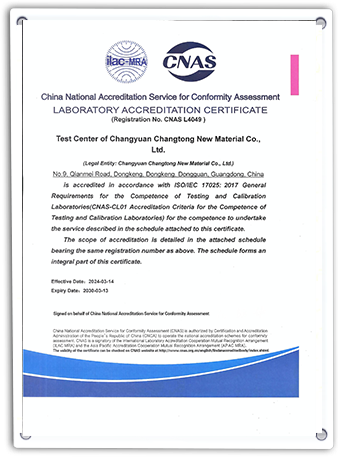
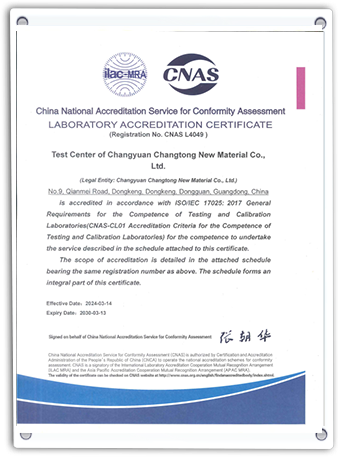
Our in-house CNAS-accredited laboratory performs comprehensive validation testing, including peel strength, cathodic disbondment, shear resistance, and thermal aging, ensuring compliance with international quality standards.
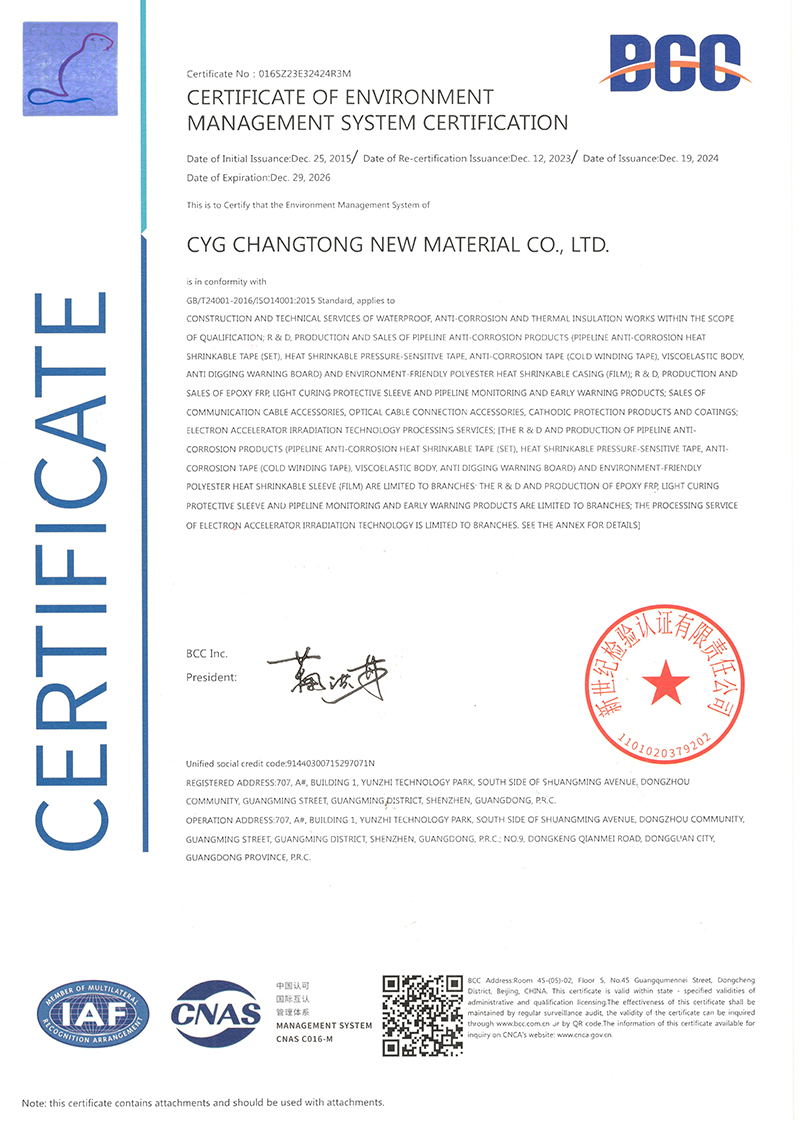
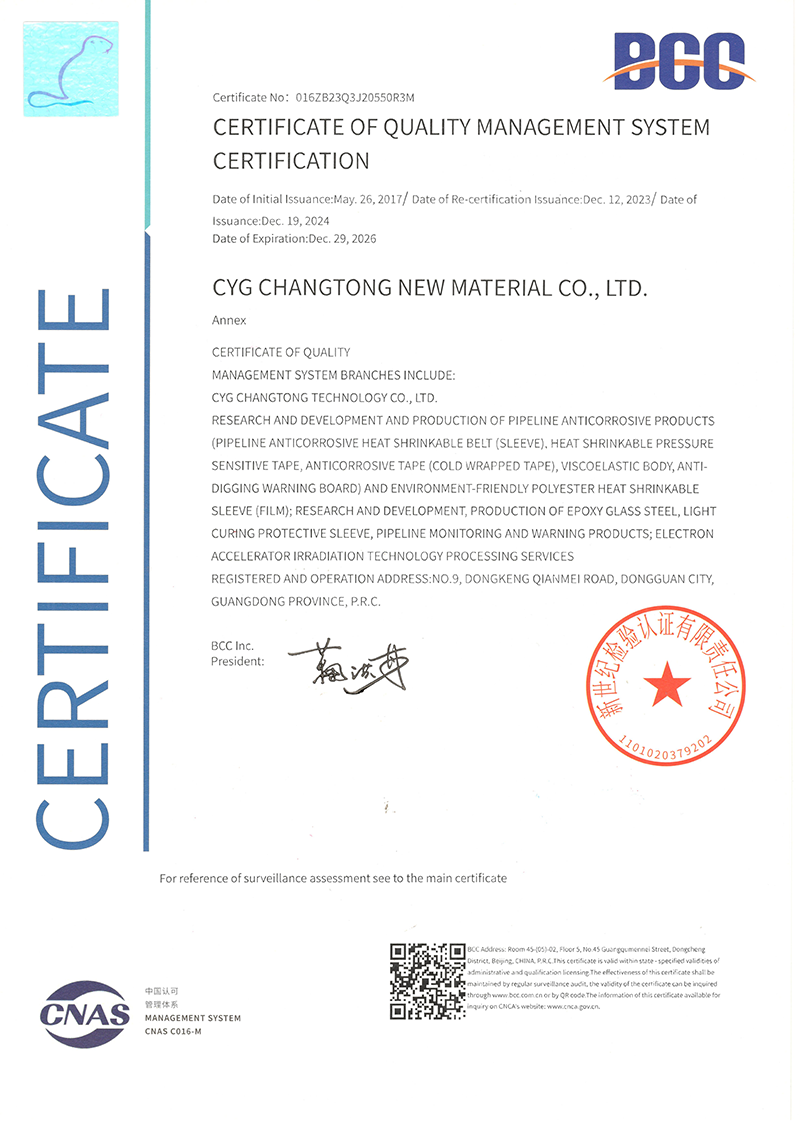
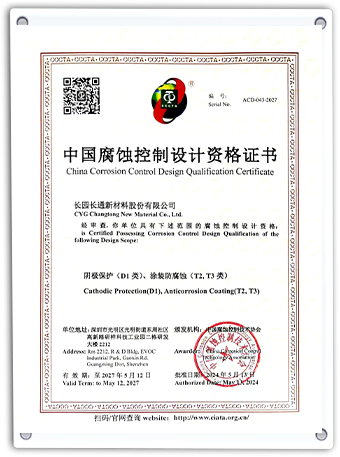
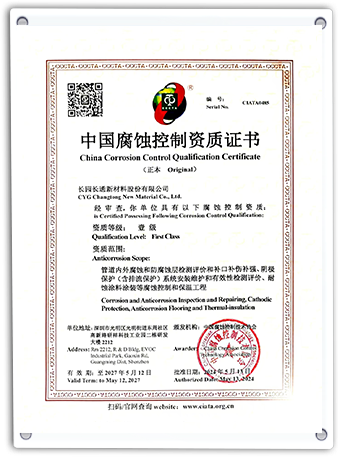
Our products are engineered, tested, and certified to meet global pipeline standards and regulatory requirements.
To operate in the international oil, gas, and petrochemical markets, strict compliance with international testing frameworks is required. Our manufacturing systems and products comply with major global standards, including:
Common technical questions answered by our engineering and pipeline protection team.
A 2L system consists of a copolymer hot-melt adhesive backing co-extruded with a cross-linked polyethylene backing. A 3L system introduces a liquid or solvent-free epoxy primer applied directly to the blast-cleaned steel before sleeve installation. The 3L system provides superior cathodic disbondment resistance and chemical adhesion, making it standard for high-temperature and critical pipelines.
Viscoelastic systems do not cure. They behave as a highly viscous fluid that maintains continuous contact (wetting) with the substrate. As the pipeline expands or contracts due to thermal cycles, the viscoelastic layer flows to accommodate the shear movement without losing adhesion, preventing cracking or disbondment.
For optimal performance, steel surfaces must be grit-blasted to Sa 2.5 minimum (according to ISO 8501-1) with a surface profile of 50-90 micrometers. The adjacent plant coating must be abraded (roughly 100mm on each side) to remove contaminants and create a mechanical anchor pattern. Preheating the substrate is necessary to ensure proper adhesive flow and bonding.
Generally, standard PE sleeves are not recommended for PP parent coatings because PP has a higher melting temperature and different surface energy characteristics. Using a PE sleeve on a PP coating may result in poor peel strength and failure under high thermal or soil stress. In these cases, a matching PP-based field joint system should be used.
Complete selection of pipeline protection accessories, tapes, and field rehabilitation systems.
 CYCT
CYCT