Explore our industrial-grade heat shrink wrap around sleeves and cold-applied tapes engineered for rigorous environments.
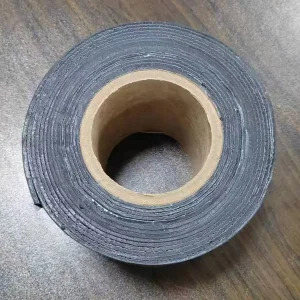
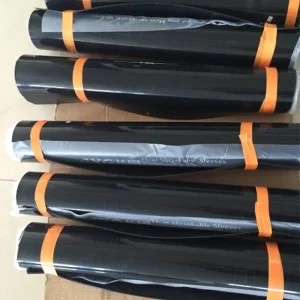
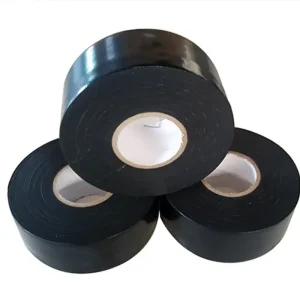
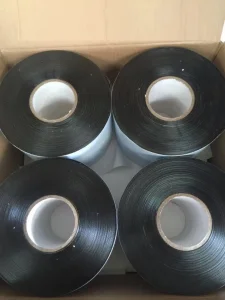
In-depth insights into the materials science, thermal dynamics, and performance variables of heat shrinkable wraparound sleeves.
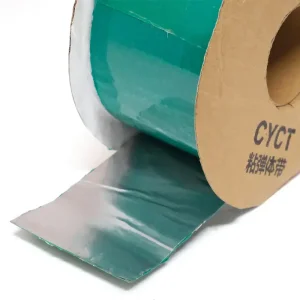
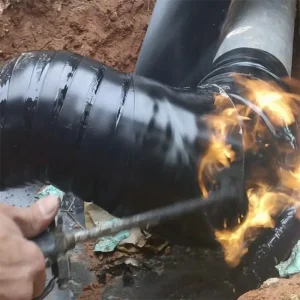
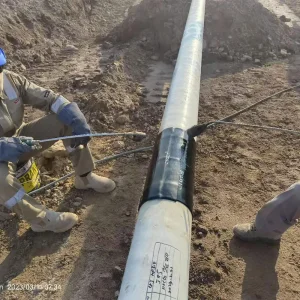
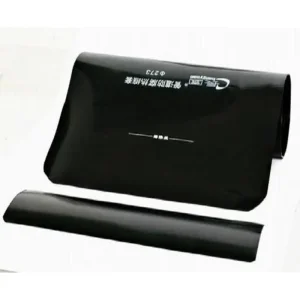
Heat shrinkable wraparound sleeves (also known as wraparound sleeves or heat shrink sleeves) represent the pinnacle of pipeline field joint protection technology. At their molecular core, these systems consist of a radiation cross-linked polyolefin backing, coated internally with a highly engineered protective adhesive. During the manufacturing process at the factory, the polyolefin backing is extruded, cross-linked using an electron beam or chemical means, and then stretched under controlled temperature conditions. This stretching process introduces a "memory effect" into the polymer matrix. When heat is applied in the field using a propane torch or induction heating system, the polymer chain relaxes back to its original un-stretched state, exerting a continuous radial tension on the underlying substrate.
The choice of adhesive is critical to the longevity of the corrosion protection system. The two primary adhesive technologies are copolymer hot-melt adhesives and shear-resistant mastic compounds. Copolymers are generally selected for high-operating temperature environments (typically up to 85°C for standard pipelines and up to 110°C or 120°C for specialized applications) where mechanical strength and cathodic disbondment resistance are paramount. Mastic-based adhesives, on the other hand, offer superior self-healing properties for minor punctures and require lower preheat temperatures, making them highly versatile for cold climates and lower temperature transmission lines.
As a leading OEM factory, we synthesize both Polyethylene (PE) and Polypropylene (PP) wraparound sleeves. Understanding the engineering trade-offs between these two polyolefin backings is crucial for specification design:
Ensures that the polymer chain retains structural stability at high temperatures without melting, delivering uniform shrinkage and high mechanical pressure.
The viscoelastic properties of our adhesive counteract soil stress caused by thermal expansion, contraction, and shifting earth layers.
Provides near-zero moisture permeation, preventing water molecules from reaching the steel pipe surface and triggering galvanic corrosion.
Statistically proven protection systems validated by rigorous third-party and national laboratories.
From deep-sea pipelines to extreme sub-zero permafrost, CYCT wrap around sleeves adapt to diverse geographical demands.
Requires extreme resistance to mechanical abrasion. Our photo-curing protective sleeves and heavy-duty GRP sheets are applied over heat shrink sleeves to prevent damage as the pipe is pulled through rocky boreholes.
Sleeves must withstand hydrostatic pressure and constant saltwater exposure. Specialized viscoelastic tapes and PP wraparound systems prevent localized pitting corrosion in highly saline maritime zones.
In municipal gas and water networks, buried pipelines face stray electrical currents from transit systems. Our sleeves provide electrical insulation, acting as a dielectric shield to mitigate cathodic disbondment.
In the pipeline integrity industry, technology moves rapidly. At CYCT, we are continuously driving research toward the next generation of corrosion barriers. Over the next five years, our technical roadmap centers on three pillars:
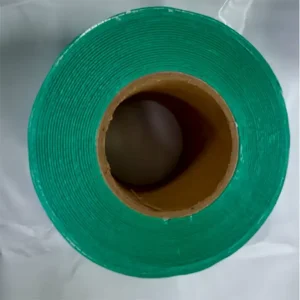
Modern viscoelastic polymers represent a major paradigm shift. Unlike traditional mastic or hot-melt adhesives which rely strictly on mechanical adhesion, viscoelastic coatings behave as a high-viscosity fluid that never completely solidifies. When applied, the material flows into the microscopic crevices of the steel substrate, providing 100% surface contact. If the outer backing is punctured, the viscoelastic layer moves to seal the breach. Our FVT95 fabric viscoelastic tape is at the forefront of this technology, ensuring long-term chemical isolation.
As deep-well oil extraction produces hotter hydrocarbons, surface lines operate at higher baseline temperatures. Our R&D team is currently developing specialized polypropylene-based heat shrink sleeves designed to operate continuously at 130°C. By leveraging modified copolymer matrices, we are pushing the boundaries of thermal degradation limits without compromising the flexibility needed for installation.
The pipeline construction market has experienced a significant increase in Horizontal Directional Drilling (HDD) crossings. The shear forces encountered when dragging a pipeline through gravel, rock formations, and riverbeds are often enough to tear standard heat shrinkable tape. Our Photo-Curing Protective Sleeve (GRP Sheets) offers the ultimate armored shell. Activated by natural UV light or ultraviolet lamps, the sheet cures within minutes to form a hard, glass-reinforced plastic shield over the corrosion sleeve, guaranteeing joint integrity under extreme friction.
Why pipeline developers, global EPC contractors, and international oil companies trust CYCT for volume-critical infrastructure projects.
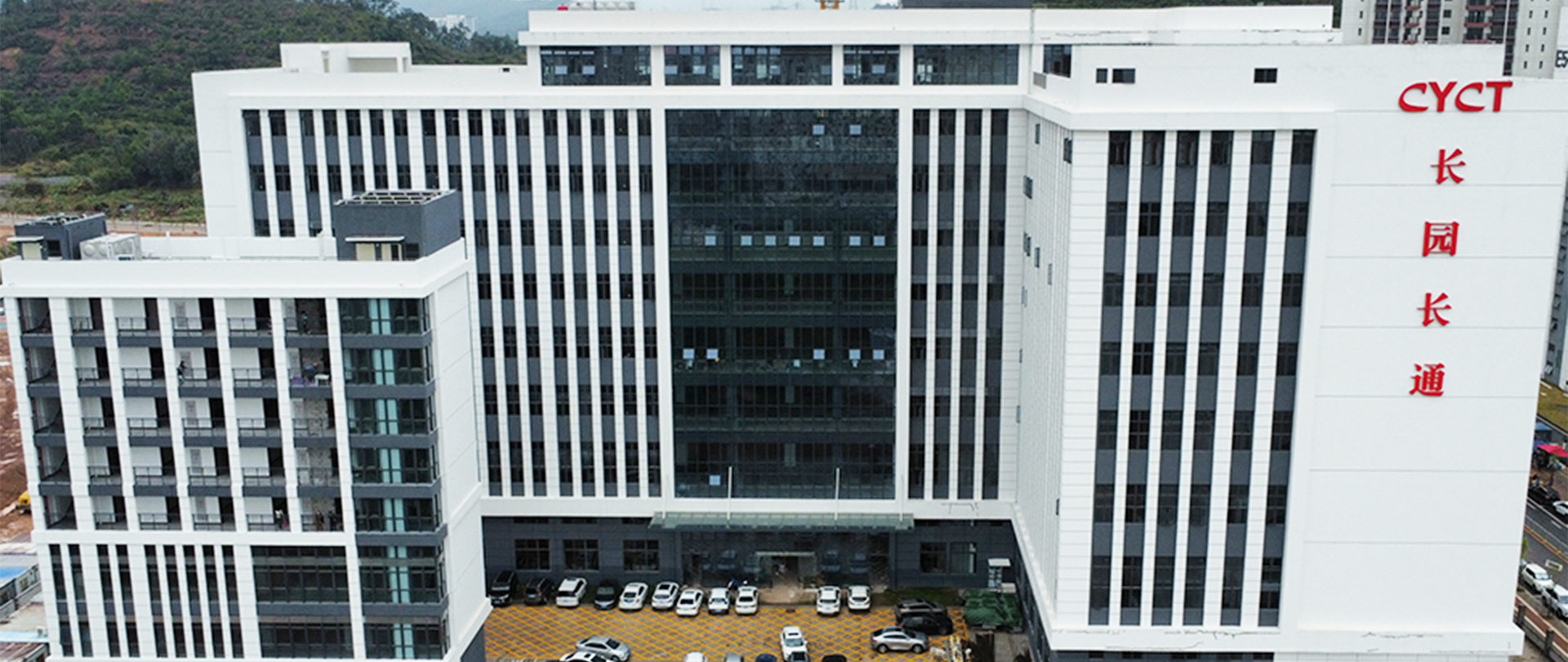
CYCT New Materials Company Limited (for short, CYCT) is a state-level high-tech enterprise integrating R&D, production, and sales of pipeline corrosion protection materials, as well as buried pipeline detection services and pipeline coating field application services into one. Our production facilities represent one of China's most resilient and technologically advanced supply chains in the petrochemical protection sector.
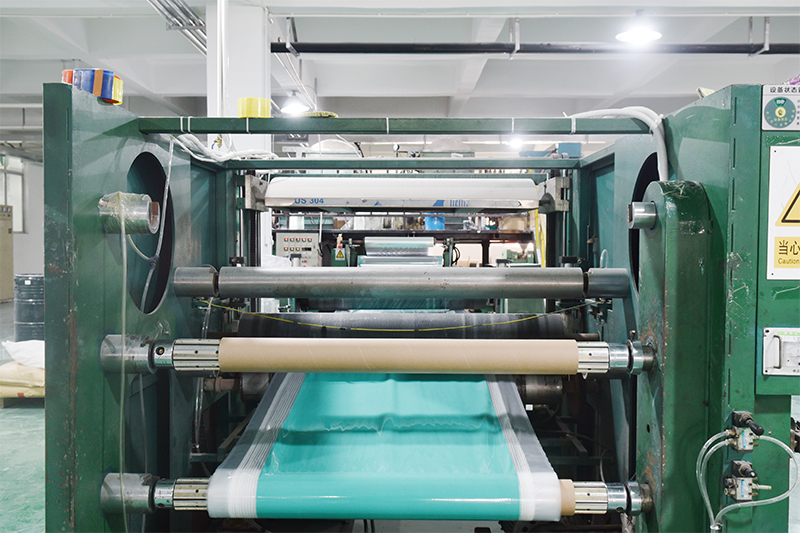
Operating from our integrated factory, we control the entire vertical manufacturing process. From raw polyolefin compounding and extrusion, to electron-beam radiation cross-linking, adhesive coating, and precision cutting—every stage is closely monitored under ISO 9001, ISO 14001, and ISO 45001 frameworks. This vertical integration allows us to offer custom dimensions, varied thicknesses, and tailored preheat ranges for specific regional project requirements, providing significant pricing and lead-time advantages over fragmented supply routes.
By coordinating with localized shipping hubs, we guarantee delivery continuity to major oil and gas developments globally, ensuring project timelines remain secure despite complex logistical challenges.
Clear, direct, and authoritative answers to the most common questions regarding field joint coatings and OEM manufacturing.
A 2-layer system consists of a thick heat-recoverable backing coated with a mastic or hot-melt adhesive. A 3-layer system includes a liquid epoxy primer applied directly to the bare steel before placing the hot-melt coated sleeve. The epoxy primer enhances cathodic disbondment resistance and provides superior chemical bonding, which is highly recommended for high-pressure gas and oil pipelines.
Proper surface preparation is critical. The steel pipe must be abrasive blast-cleaned to a minimum standard of Sa 2½ (ISO 8501-1) or power-tool cleaned to St 3. The surface must be completely free of rust, scale, moisture, oil, and dust. The adjacent factory-applied coating must be abraded (beveled) for at least 100mm on each side to ensure a secure cohesive bond.
Yes, we specialize in manufacturing Polypropylene (PP) Heat Shrinkable Sleeves designed specifically for 3LPP-coated pipelines. PP sleeves offer higher mechanical strength, excellent indentation resistance, and thermal stability up to 110°C–120°C, matching the characteristics of the main line PP coating.
Radiation cross-linking changes the molecular structure of the polyethylene from a linear chain to a three-dimensional network. This cross-linking process prevents the polymer backing from melting or flowing at high temperatures, allowing it to exert continuous radial shrink force (shrink tension) when heated in the field.
When stored in dry, well-ventilated conditions, out of direct sunlight, and at temperatures below 35°C, our sleeves have a shelf life of up to 3 years from the date of manufacture without any degradation in performance.
CYCT New Materials Company Limited (for short, CYCT) is a state-level high-tech enterprise integrating R&D, production, and sales of pipeline corrosion protection materials, as well as buried pipeline detection services and pipeline coating field application services into one. CYCT has dedicated itself to the R&D, production, and sales of pipeline corrosion protection materials for decades.
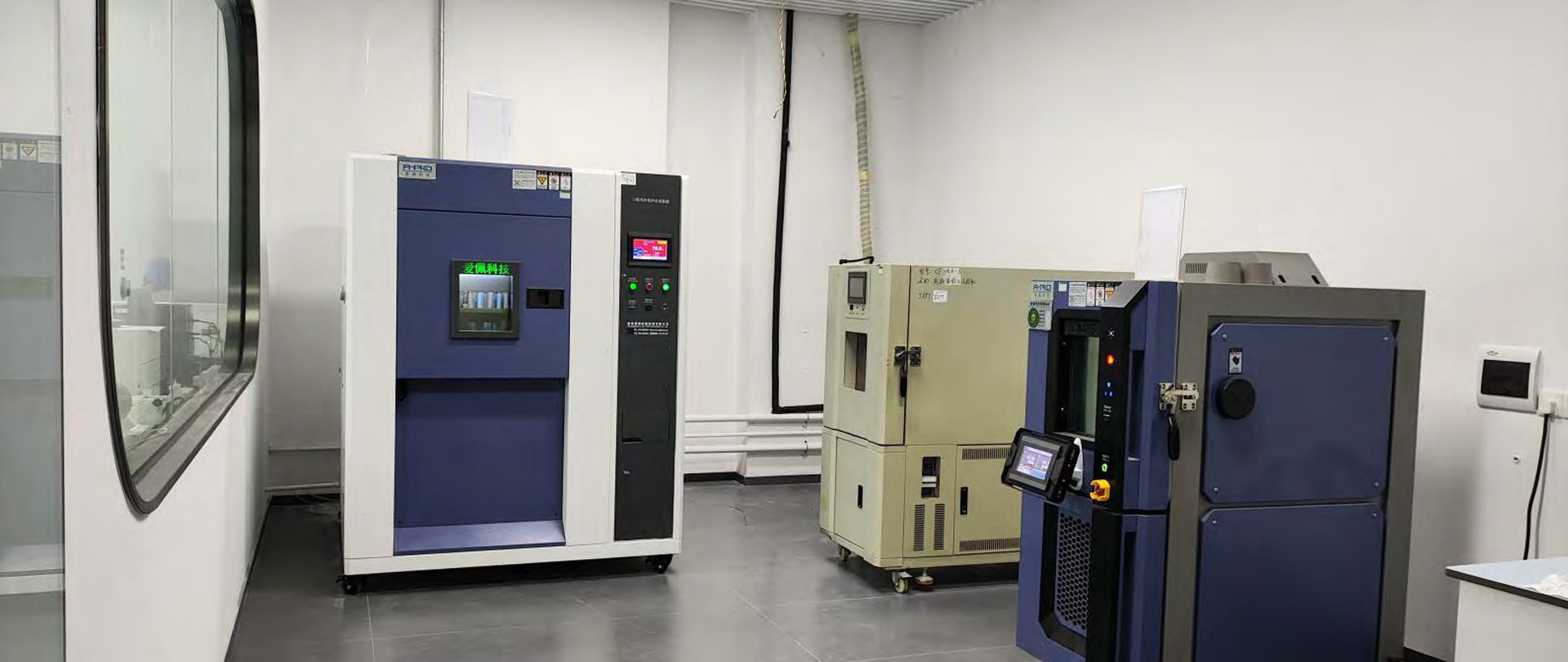
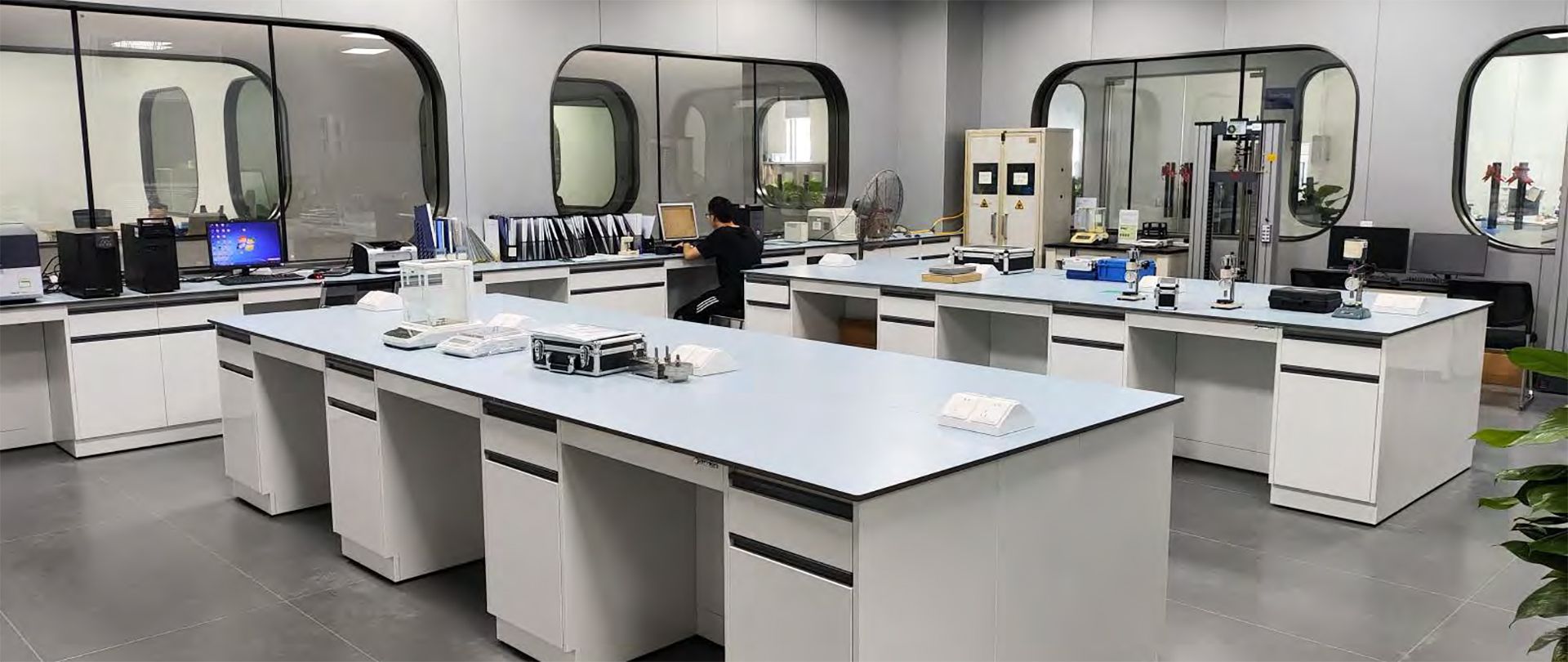
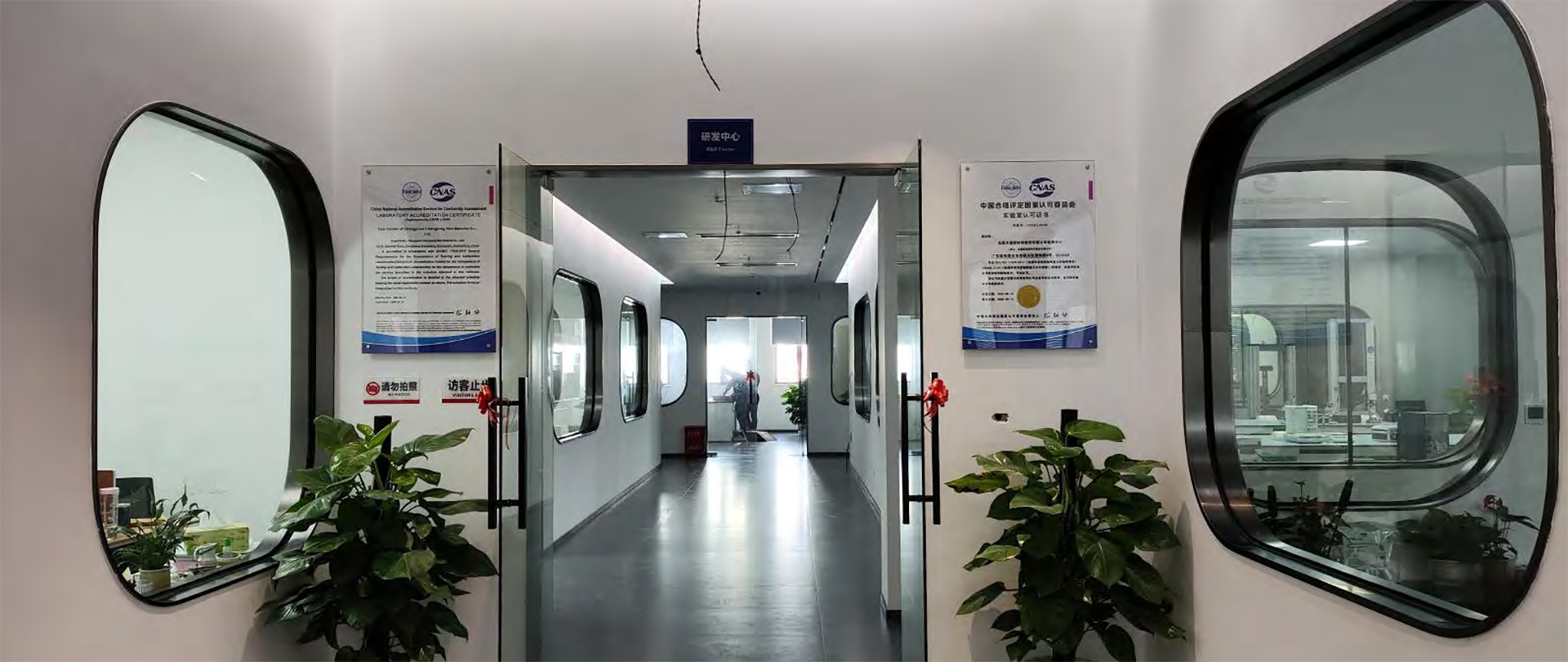
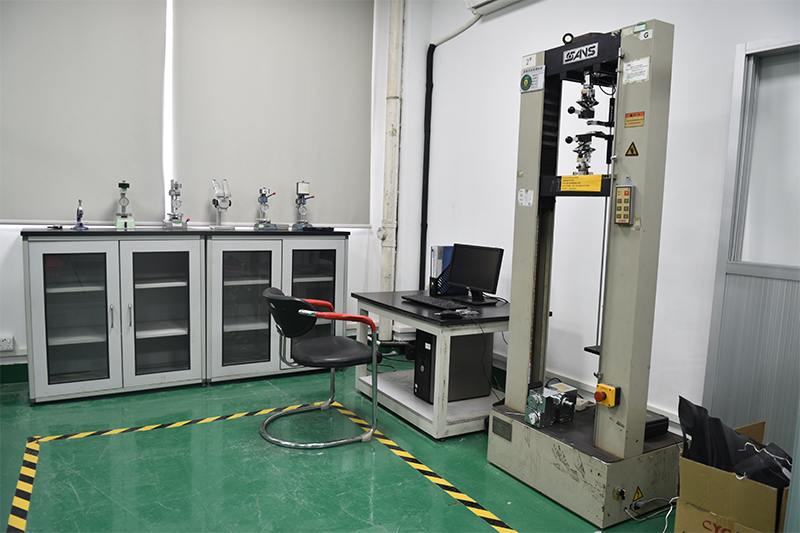
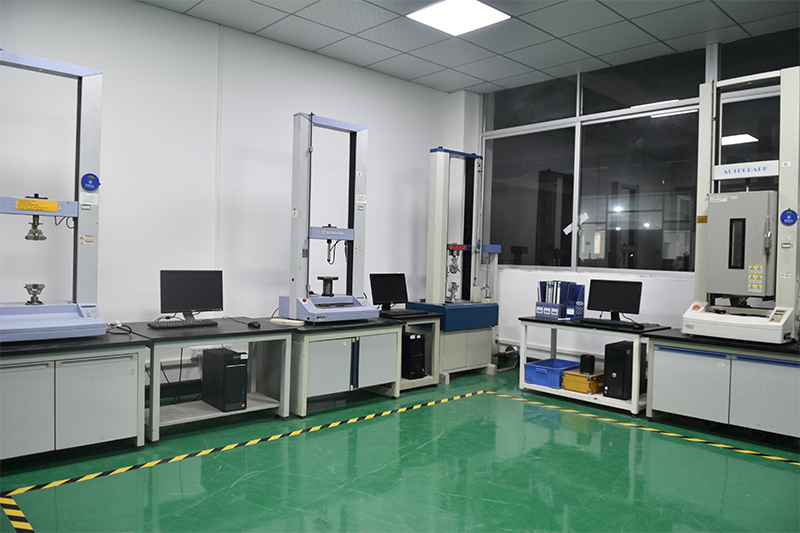
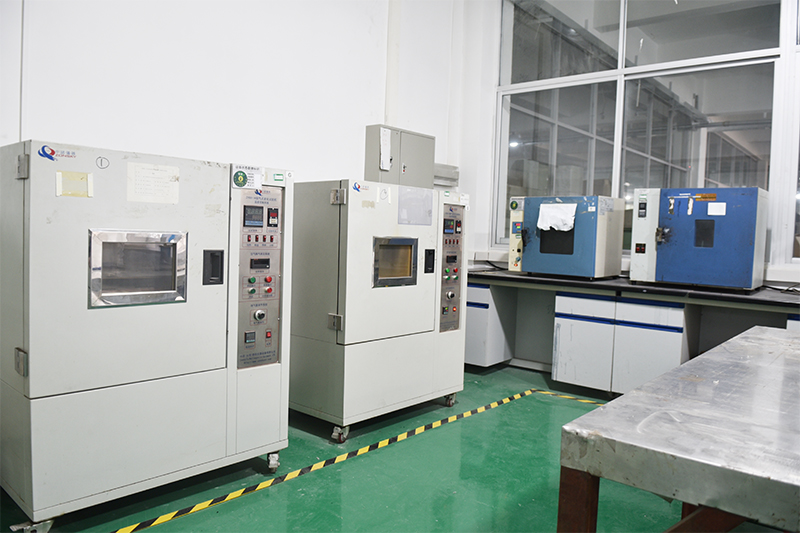
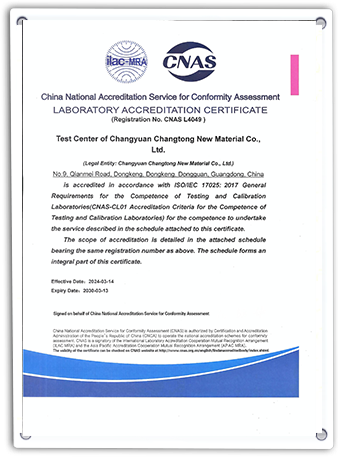
CYCT possesses leading testing and R&D capabilities, supported by a professional R&D team and a national CNAS-accredited laboratory. This allows us to perform strict quality assurance protocols, from chemical composition validation to mechanical stress testing under real-world simulations.
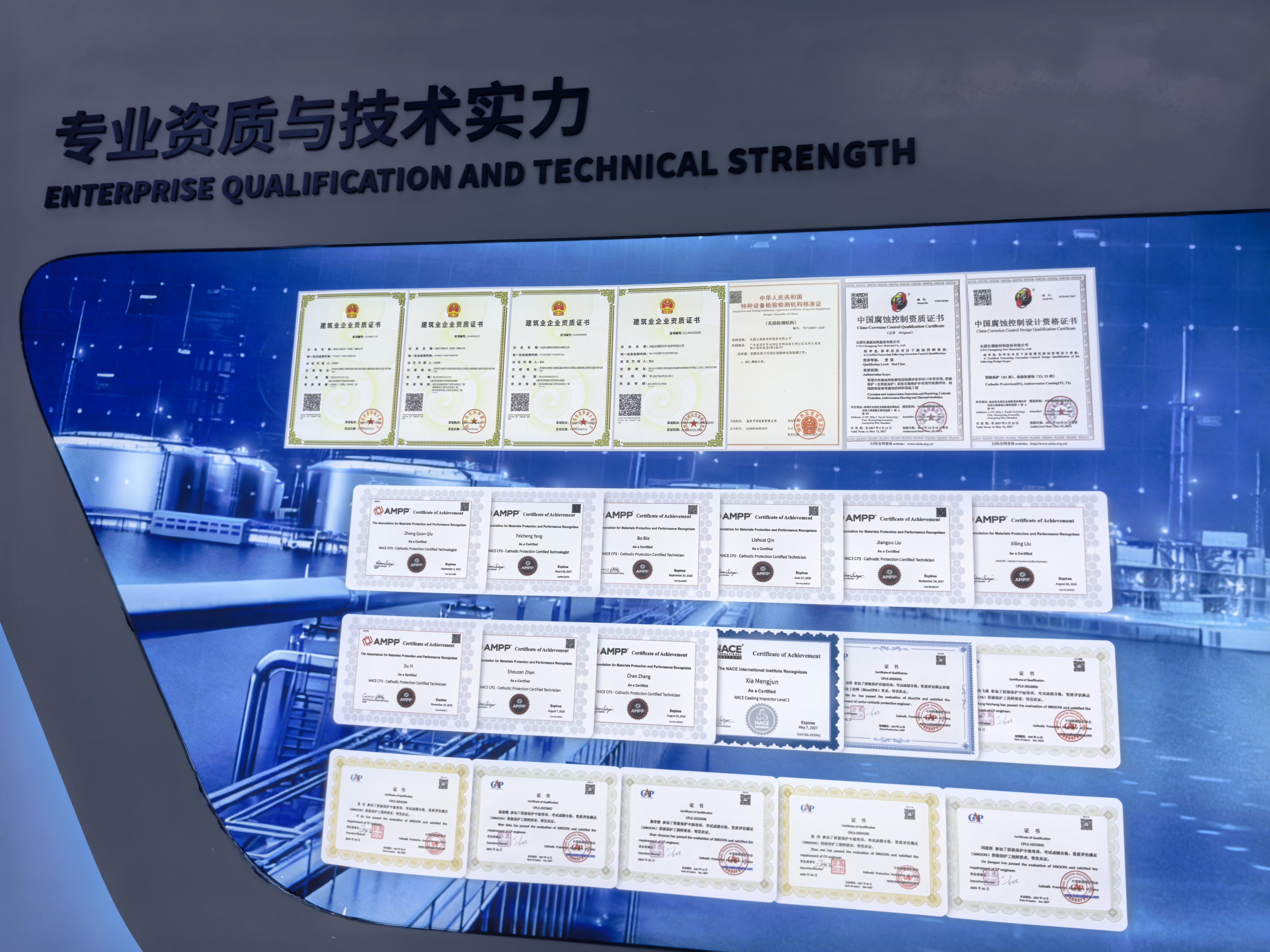
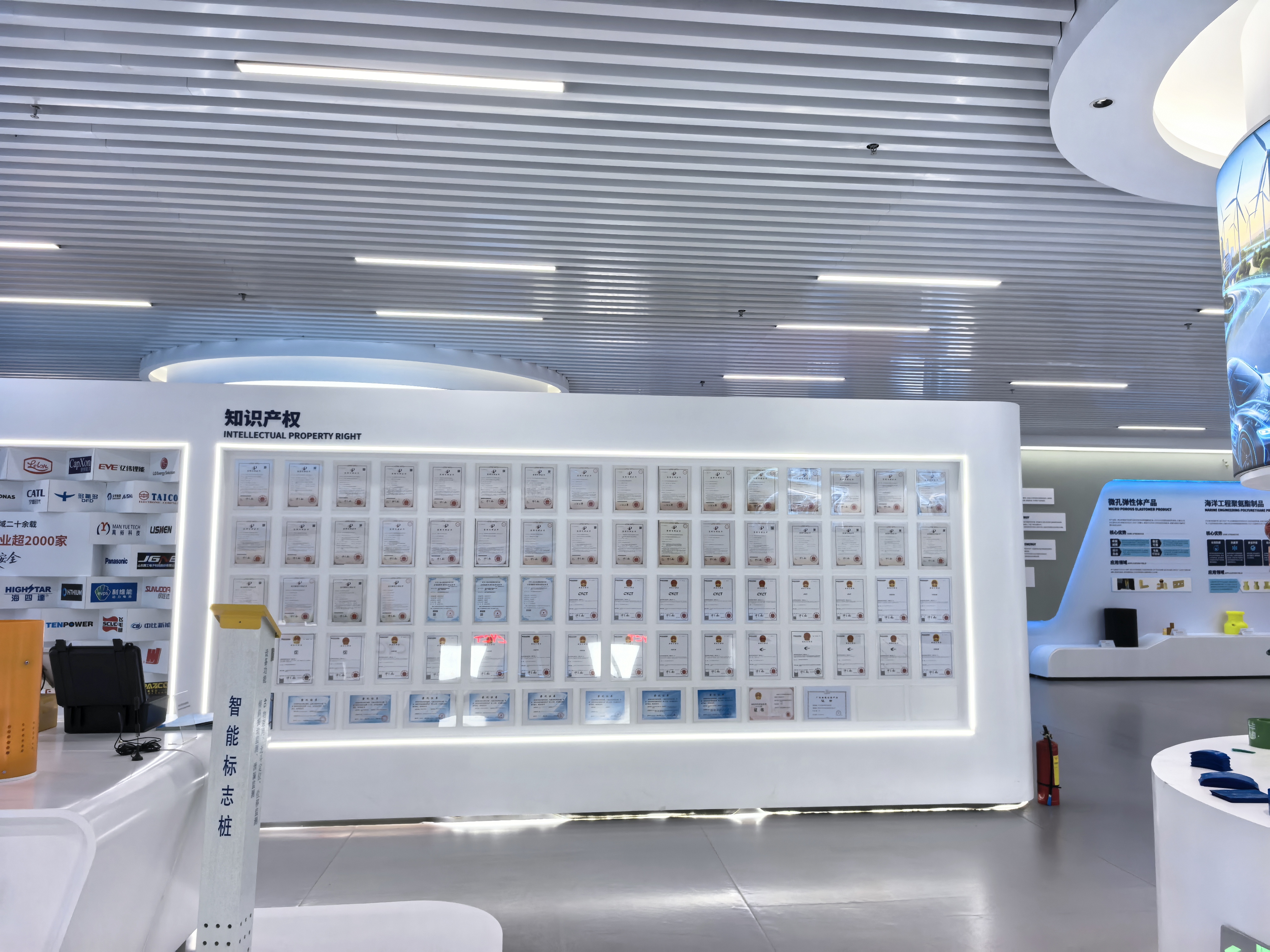
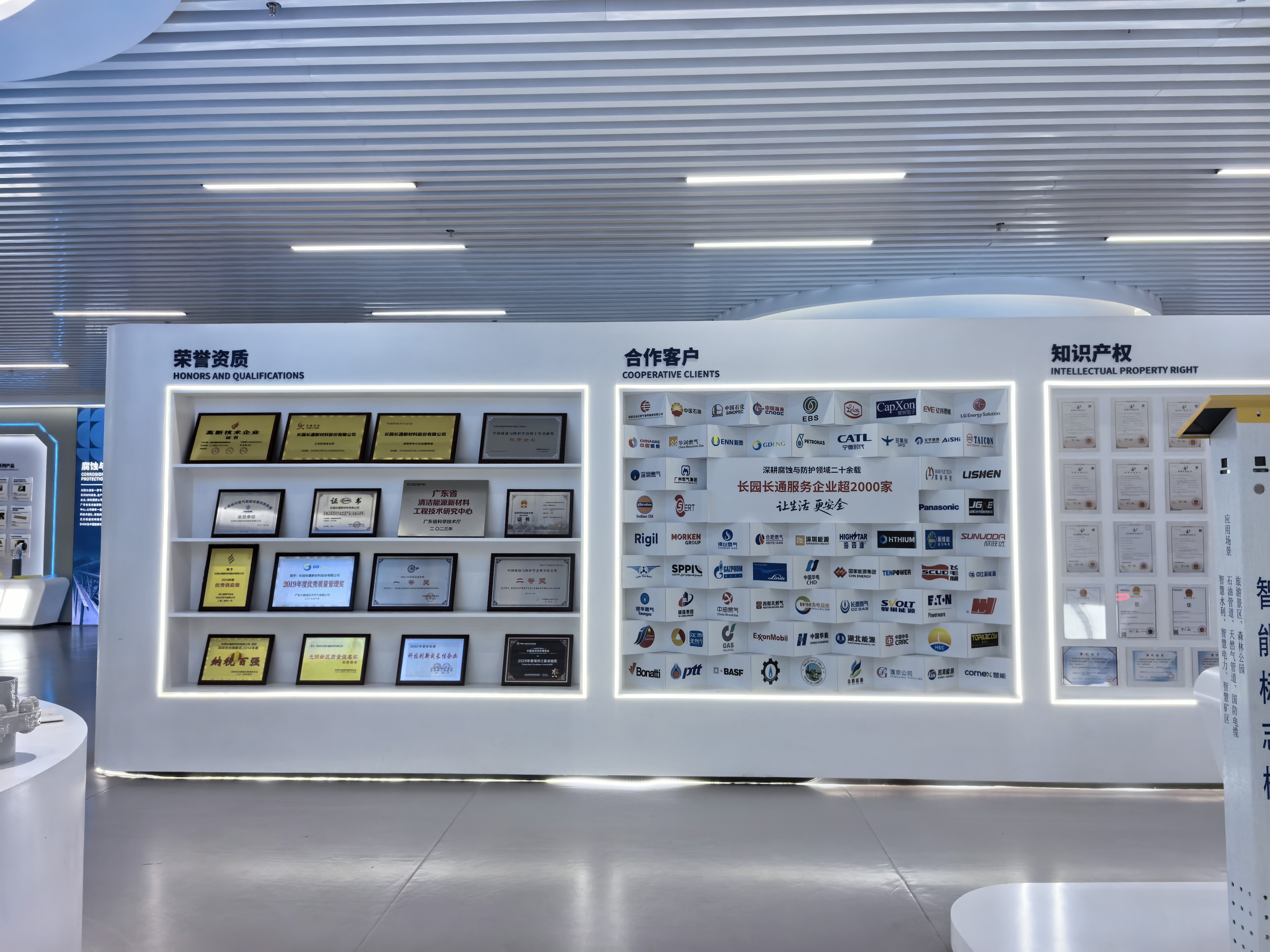
Over the years, CYCT has become a stable supplier of field joint coatings for PetroChina, Sinopec, PipeChina, and various municipal pipelines, holding a dominant local market share. Additionally, CYCT has developed and introduced several specialty corrosion protection materials, including viscoelastic anticorrosion materials, special photo-curing sleeves for HDD protection, and polyurea coatings.
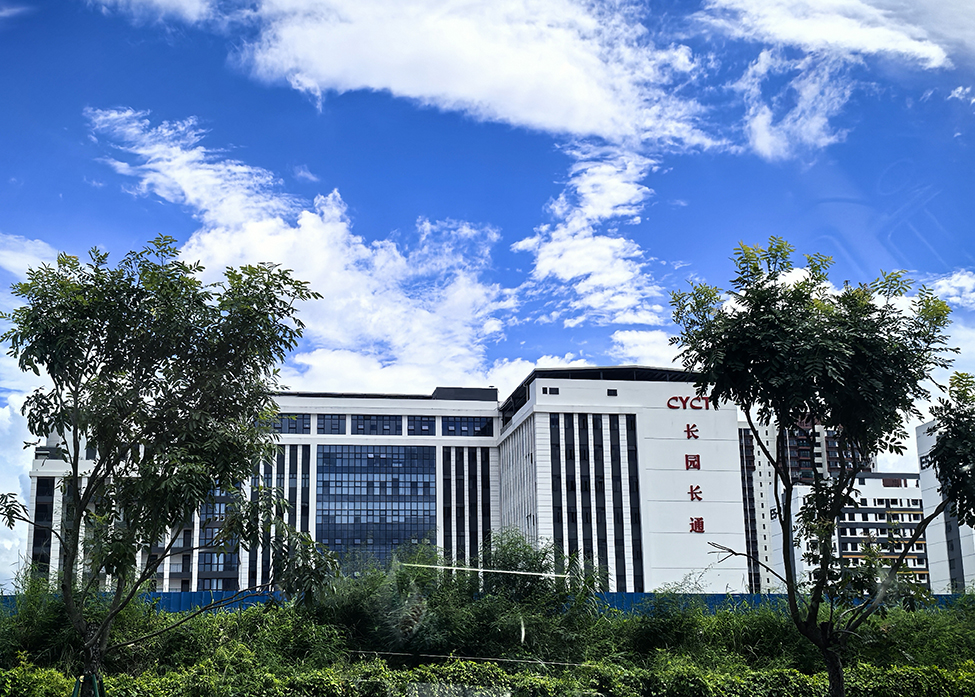
CYCT owns leading testing and R&D capabilities, a professional R&D team, and a national CNAS-accredited laboratory, ensuring every batch meets international pipeline specifications.
Through robust cooperation with leading research institutes, such as the CNPC Pipeline Science Research Institute, CYCT is capable of providing operating pipelines with varied technical services, including buried pipeline detection, design schemes, cathodic protection, rehabilitation projects, and integrated pipeline safety solutions.
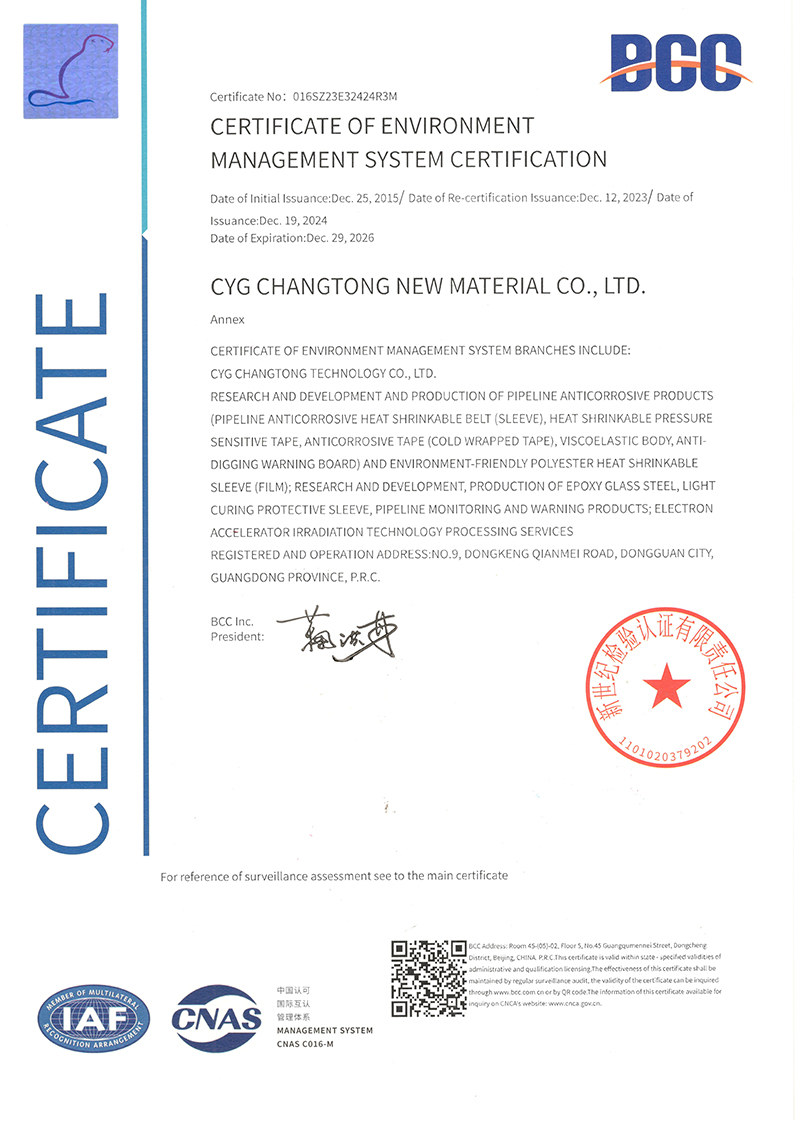
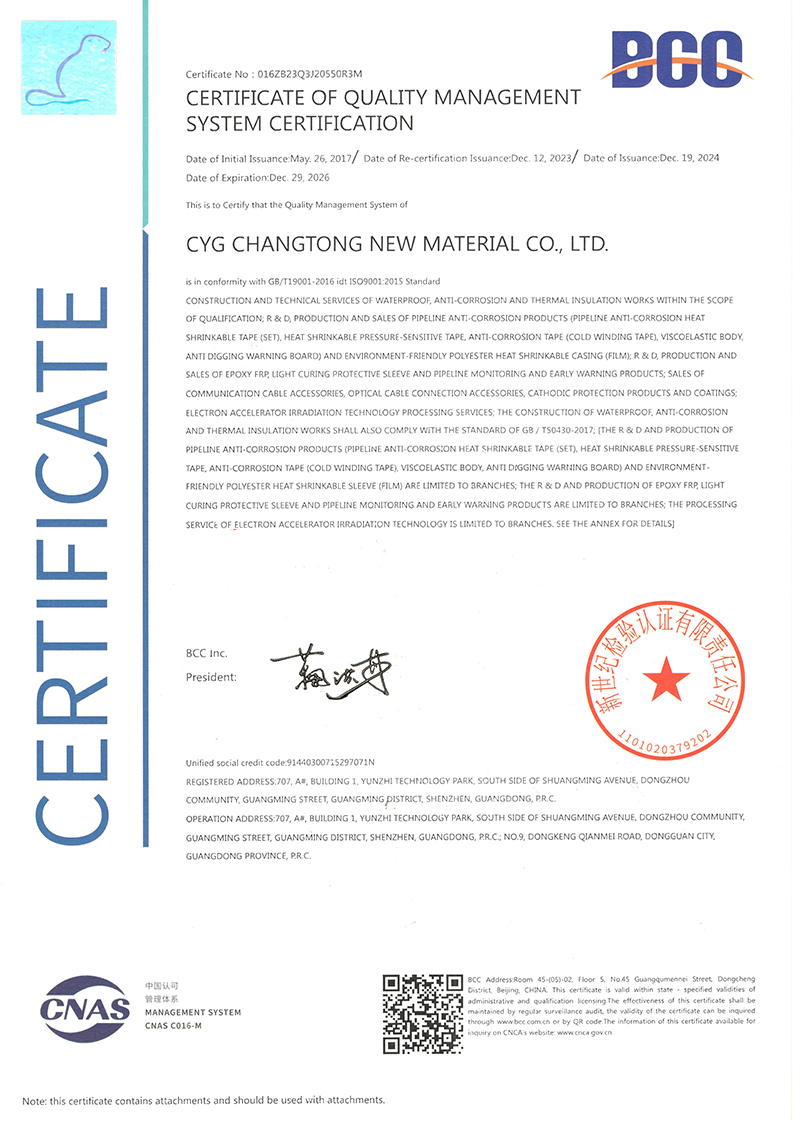
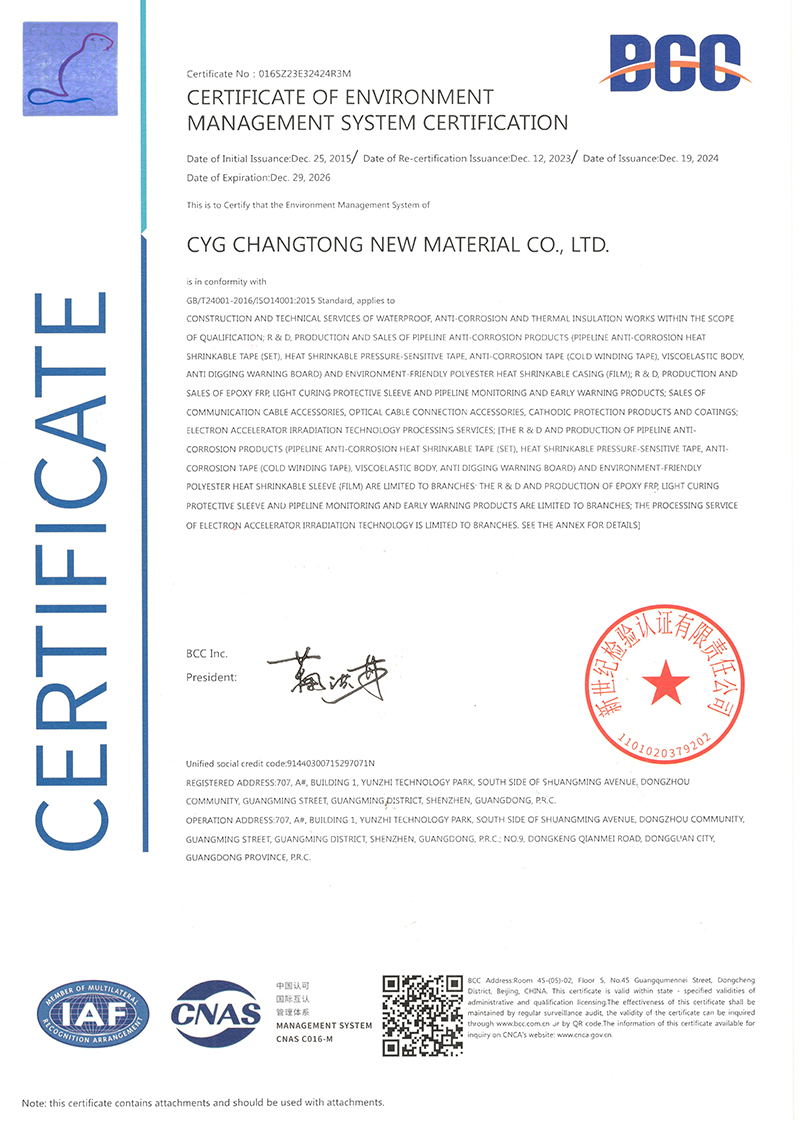
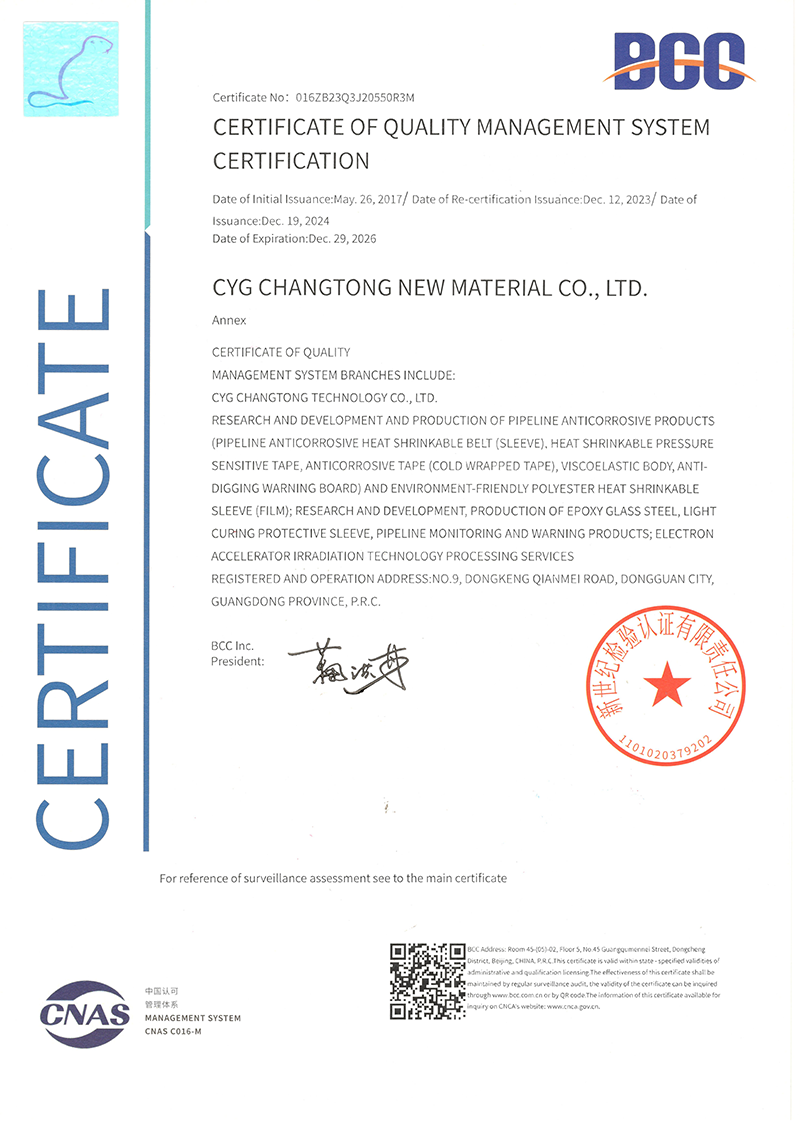
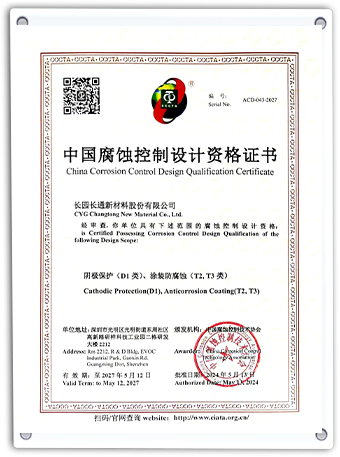
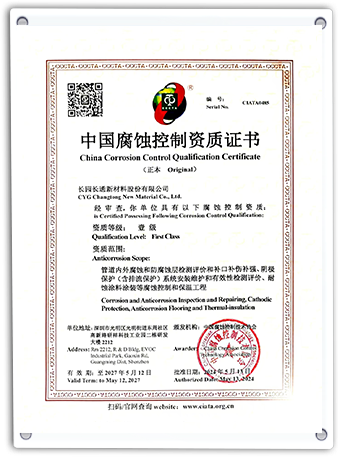
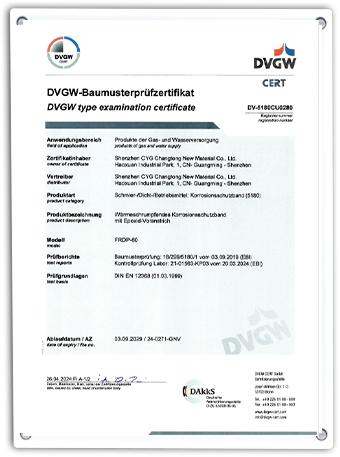
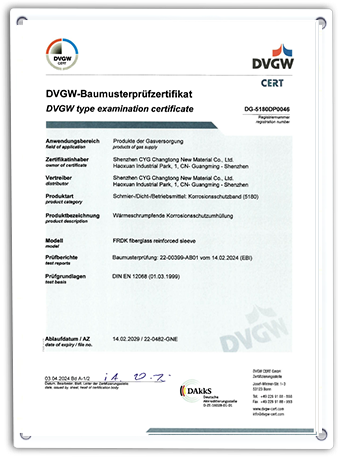
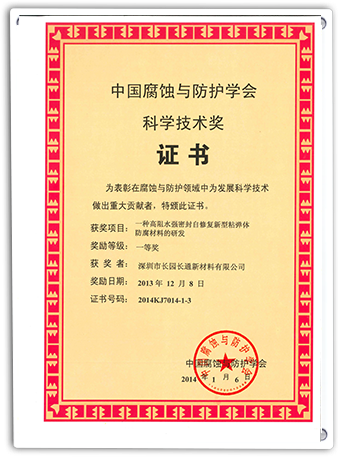
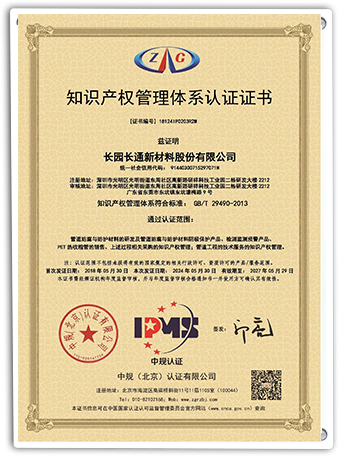
Our commitment to quality is backed by recognized certificates, state-level awards, and memberships in global corrosion prevention bodies.
CYCT is a Member of the Council in the Chinese Society for Corrosion and Protection (CSCP), holds the Qualification Certificate of Corrosion Protection Construction, the Qualification Certificate of Pipeline Detection, and is recognized as a Well-known Brand of Pipeline Corrosion Protection in China. We are a Corporate Member of the China Association of Petroleum Engineering Construction (CAPEC), a State-Level High-Tech Enterprise with more than ten proprietary intellectual property rights, and a stable supplier for PetroChina, Sinopec, China Gas Group, and Indian Oil.
Browse our field-proven sleeves, patches, and hot melt adhesives trusted by global pipeline operators.
 CYCT
CYCT