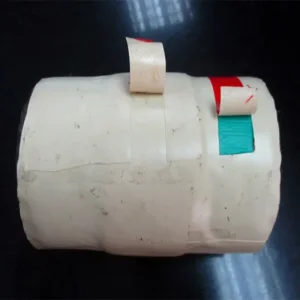
In modern industrial infrastructure, protecting steel pipelines from corrosion is vital for long-term viability, safety, and performance. Pipelines traversing deserts, ocean floors, and urban environments are constantly vulnerable to moisture, soil stress, cathodic disbondment, and chemical attacks. This is where high-performance heat shrinkable sleeves and technical field joint coating systems come in.
As a leading state-level high-tech enterprise, CYCT New Materials Company Limited (CYCT) has spent decades researching, designing, and manufacturing state-of-the-art anti-corrosion solutions. Specializing in radiation-crosslinked polyethylene (PE) and polypropylene (PP) backing technologies, CYCT matches rigorous global standards (ISO 21809-3, EN 12068) with customizable OEM features. This technical whitepaper discusses the material science, localized application scenarios, and supply chain strategies driving today's pipeline protection field.
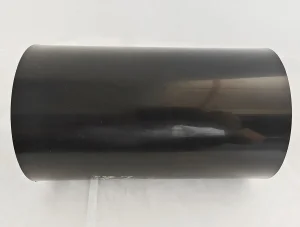
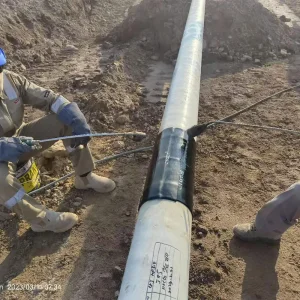
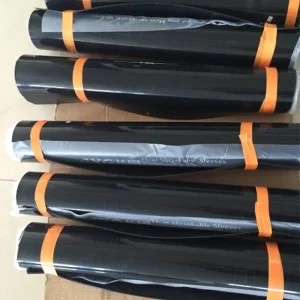
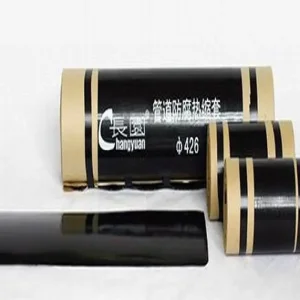
A heat shrinkable sleeve functions through a phenomenon called "plastic memory." Standard polyethylene consists of linear polymer chains that slide past one another when heated. Through exposure to high-energy electron beam radiation, these chains form three-dimensional covalent cross-links. This cross-linked matrix will not melt or flow at high temperatures. Instead, when heated past its crystalline melting point, it behaves like an elastic rubber, allowing it to be stretched and oriented. When cooled in its stretched state, the crystalline structure locks the polymer in place. Upon re-heating during field installation, the crystals melt again, and the internal elastic stresses pull the backing back to its original extruded dimensions, wrapping the pipe joint tightly.
Below this backing layer lies the functional adhesive layer—a hot-melt copolymer or a viscoelastic sealant. The adhesive is formulated to melt at high installation temperatures, flowing into every surface microscopic roughness on the steel substrate. This creates a powerful mechanical and chemical bond that prevents water migration and resists cathodic disbondment under extreme environmental stress.
Depending on the design temperature and mechanical requirements of the pipeline, engineers choose between Polyethylene (PE) and Polypropylene (PP) based sleeves:
No pipeline environment is identical. Our engineers formulate and design anti-corrosion systems tailored to the geological, atmospheric, and mechanical demands of each region.
In regions like Siberia or Northern Canada, winter installations occur at sub-zero temperatures. Standard adhesives become brittle and lose adhesion. CYCT's low-temperature PE repair patches and sleeves remain flexible down to -30°C, ensuring no cracking occurs during installation or ground shifting.
Desert oil pipelines run at elevated temperatures under intense solar radiation, surrounded by dry, high-saline soils. Our polypropylene systems resist thermal degradation and shear stresses caused by thermal expansion and contraction cycles, preserving long-term adhesion integrity.
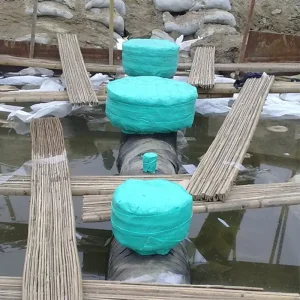
When pipelines pull through rocky boreholes during river crossings or road underpasses, shear forces can strip off traditional coatings. CYCT's fiberglass reinforced sleeves provide physical armor, resisting abrasion and mechanical impact.
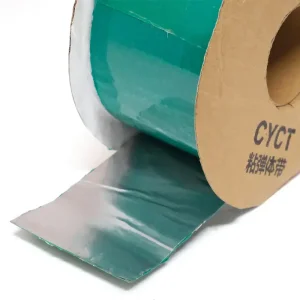
Salt spray, waves, and constant moisture cause rapid electrochemical corrosion. CYCT's viscoelastic coating systems and hot melt fills block water molecules entirely, preventing oxygen and electrolyte penetration to protect undersea riser joints and dock pilings.
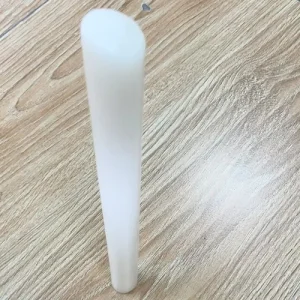
For operating pipelines with minor mechanical damage to existing 3LPE/3LPP coatings, CYCT repair patches, melt sticks, and fillers provide an integrated solution that restores original coating protection without replacing the entire pipeline section.
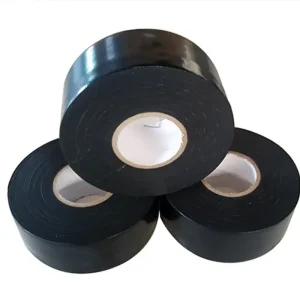
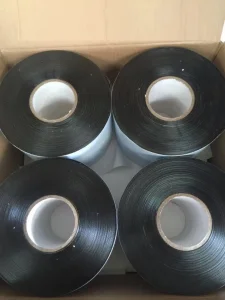
Localized city gas networks require safe, non-toxic, and durable joint coatings that withstand nearby stray currents and soil chemistry variations. Our PVC anti-corrosion tapes and PE outer wraps offer reliable insulation and ease of manual wrapping in tight spaces.
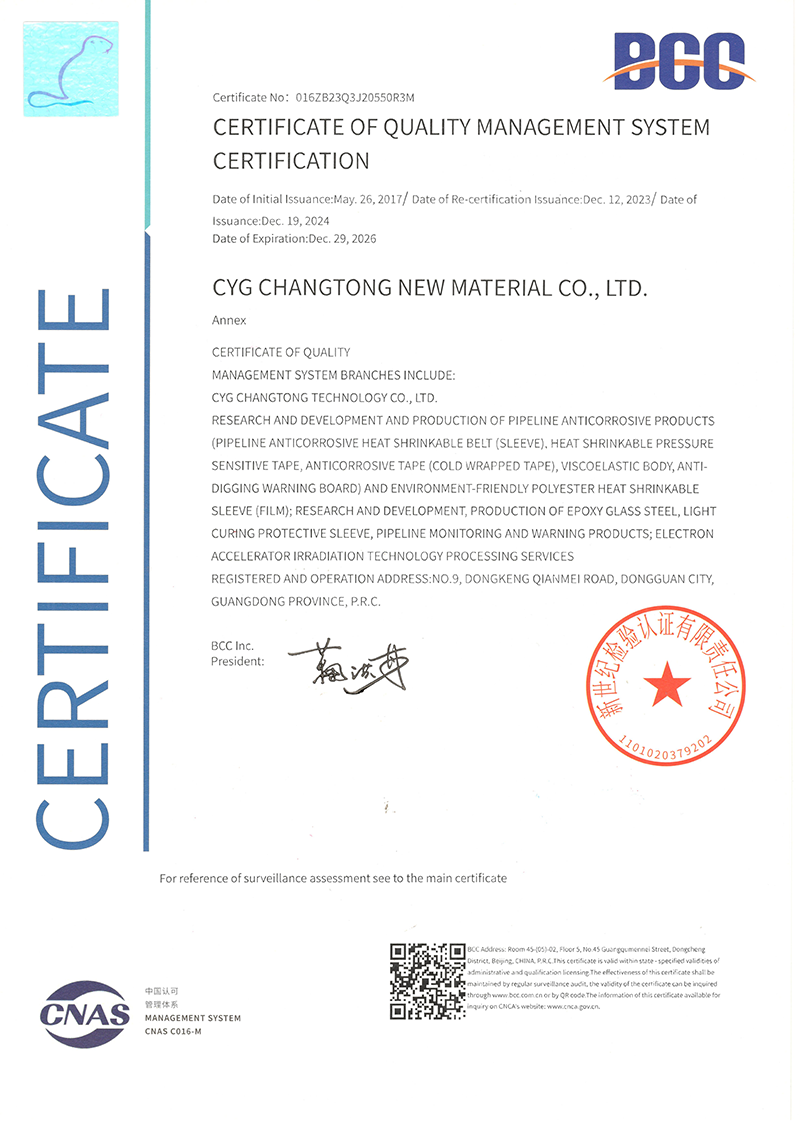
CYCT New Materials Company Limited (for short, CYCT) is a state-level high-tech enterprise integrating R&D, production, and sales of pipeline corrosion protection materials as well as buried pipeline detection services and pipeline coating field application services into one. CYCT devotes itself to R&D, production, and sales of pipeline corrosion protection materials for decades.
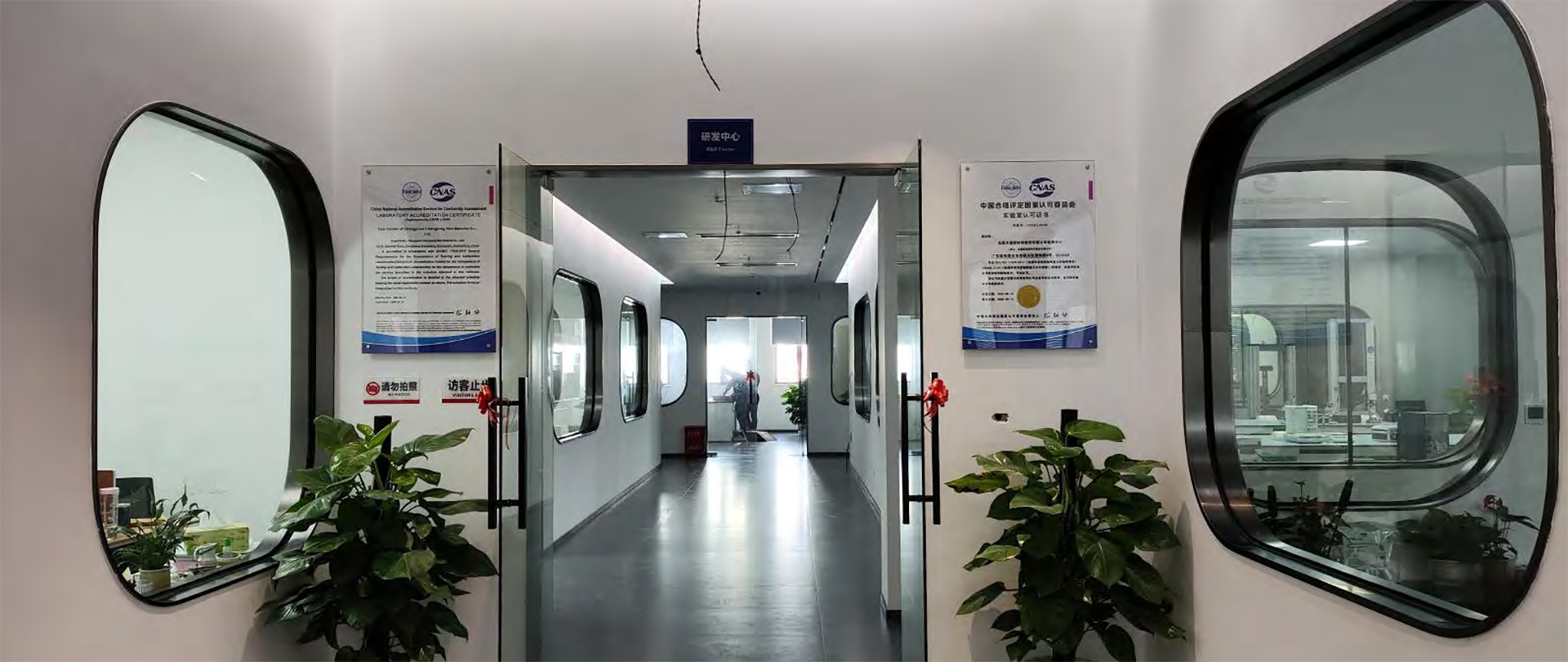
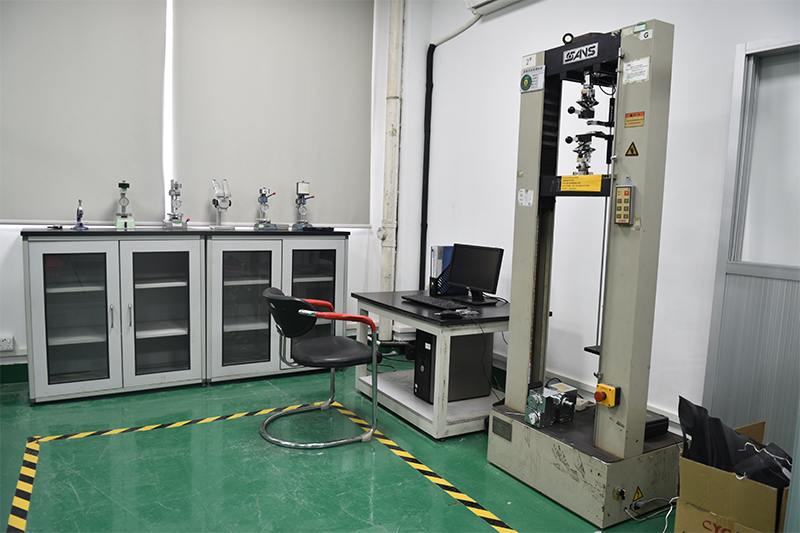
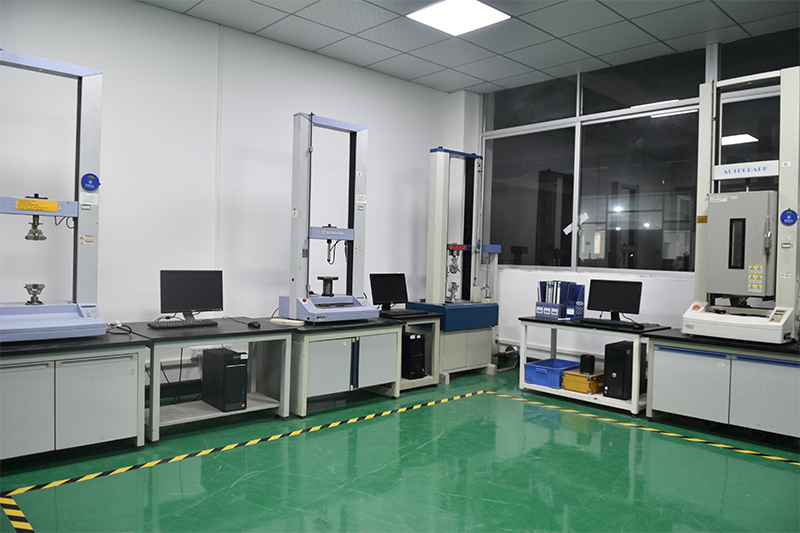
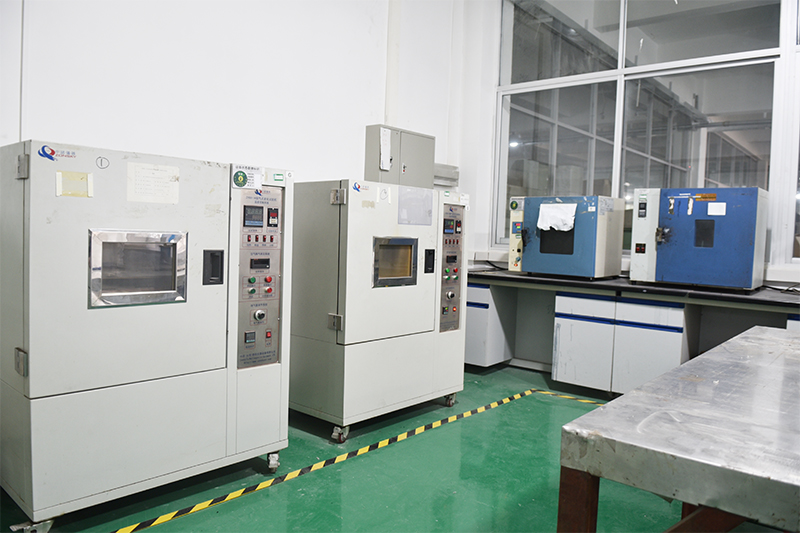
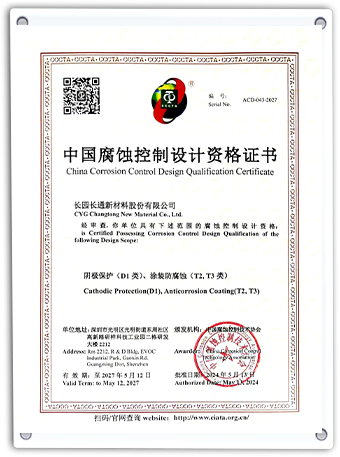
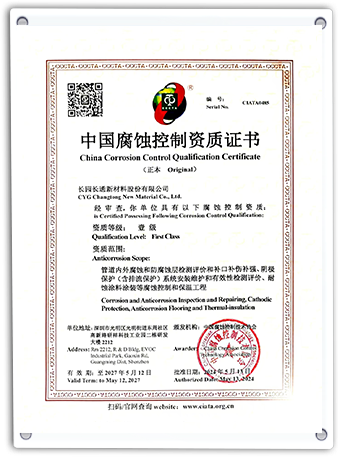
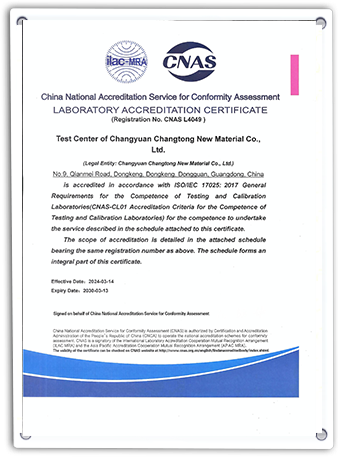
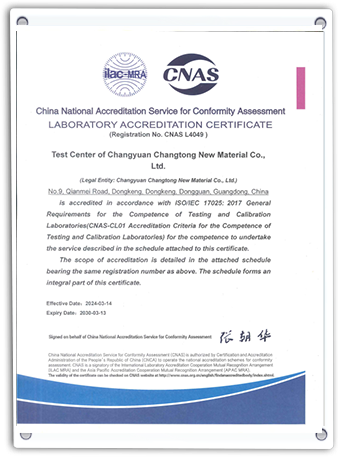
CYCT owns leading testing and R&D capabilities, a professional R&D team, and a national CNAS-accredited laboratory. By partnering with leading research institutes such as the CNPC Pipeline Science Research Institute, we provide comprehensive technical services: pipeline inspections, cathodic protection designs, rehabilitation projects, and integrated safety systems.
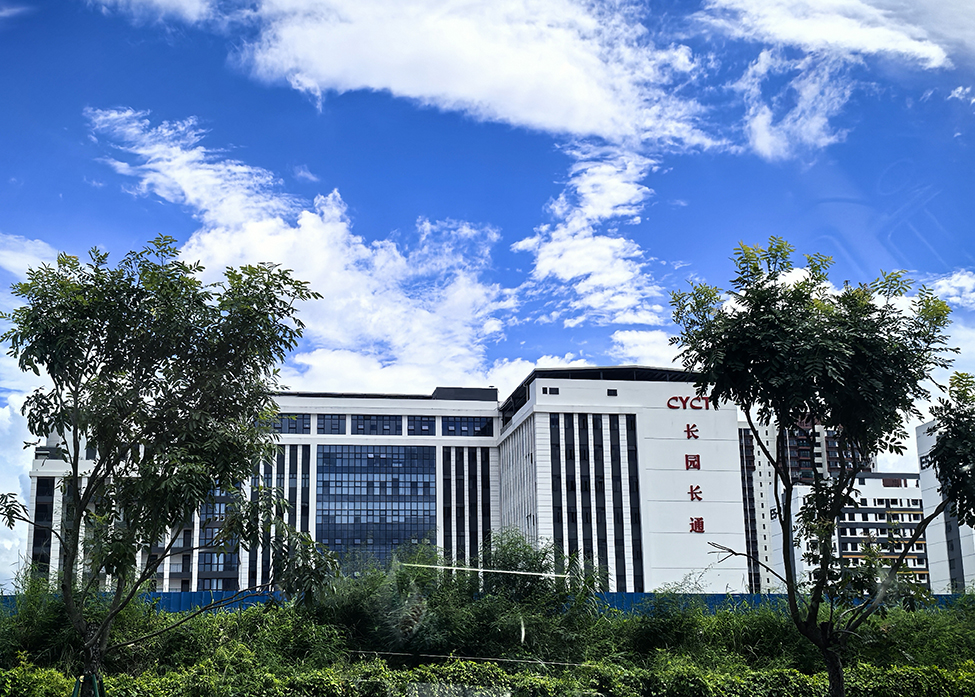
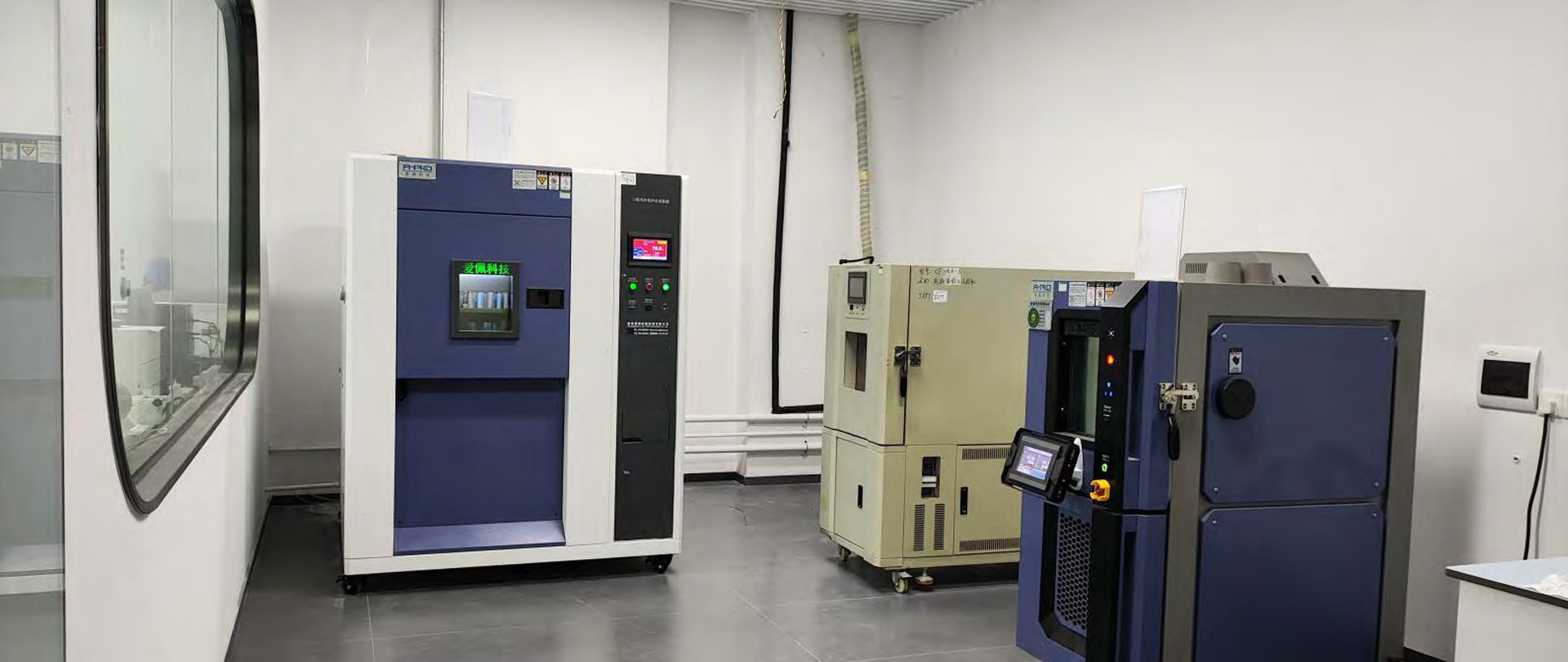
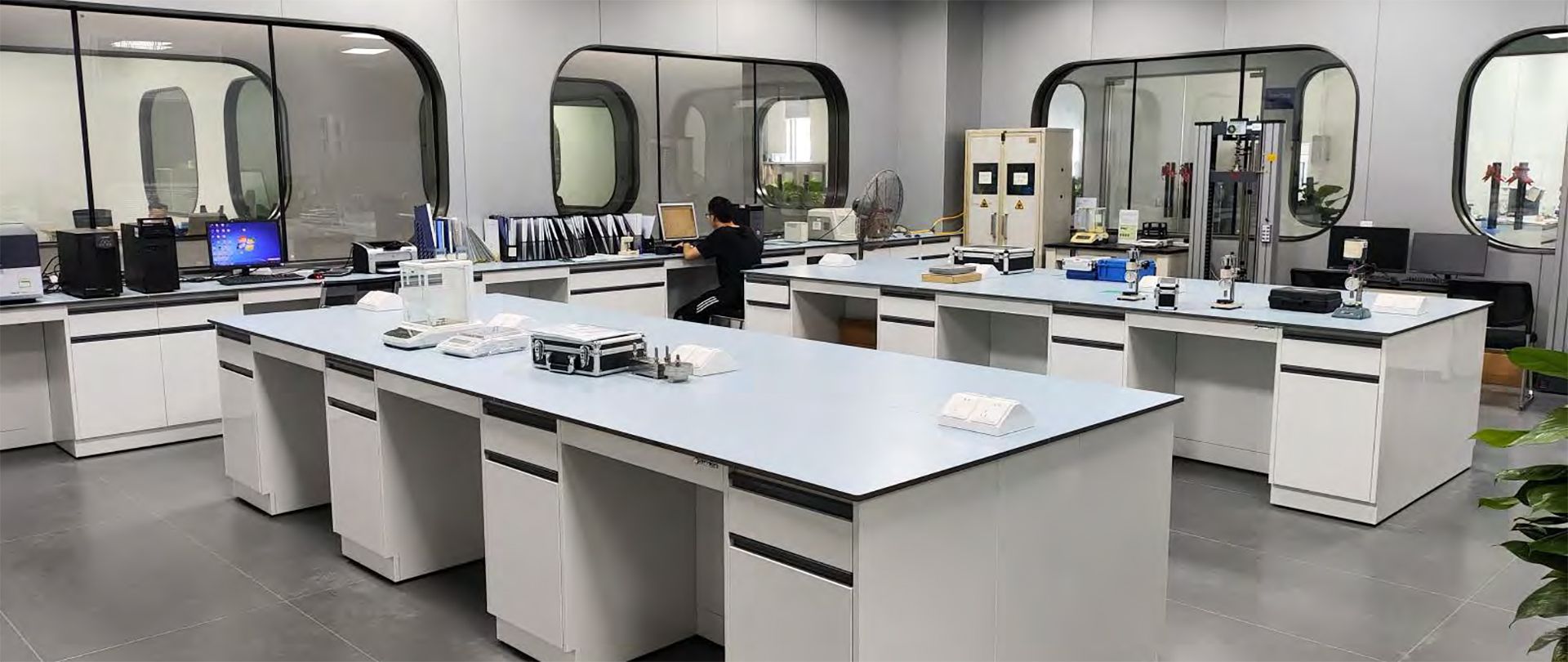
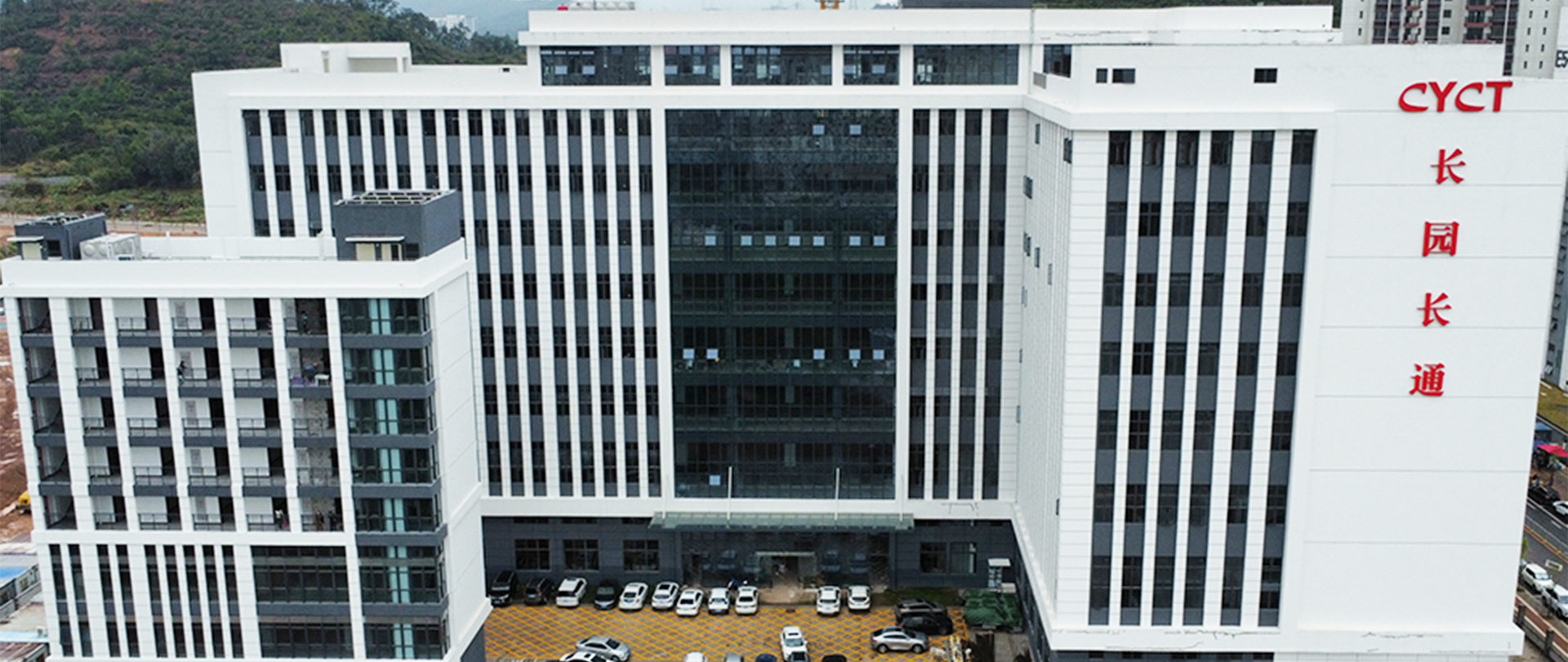
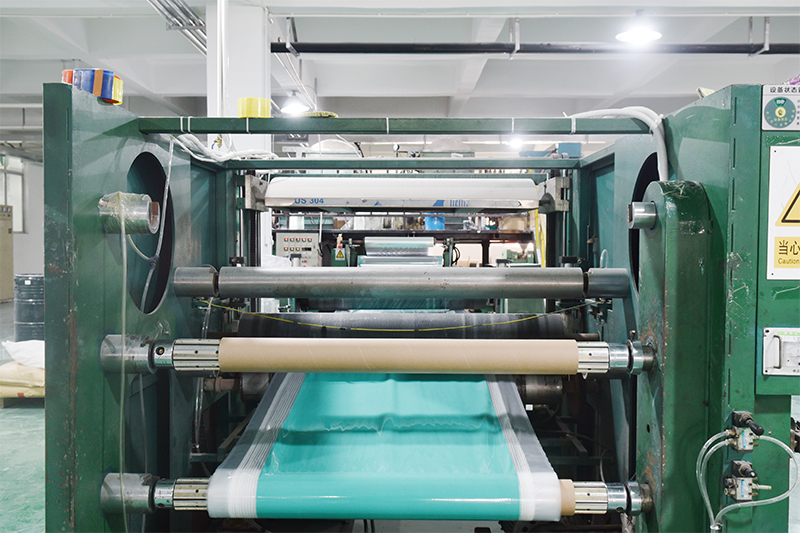
CYCT's production process is fully integrated under one roof. From raw monomer selection and proprietary polymer compounding to sheet extrusion, electron-beam radiation cross-linking, surface texturing, adhesive formulation, and uniform lamination, we manage every step. This vertical setup minimizes dependencies on external suppliers, reduces production lead times, and allows for precise customization of backing thicknesses and adhesive weights.
Our national CNAS-accredited laboratory operates strict testing protocols for every production batch. We test peel strength, lap shear strength, heat shock resistance, tensile strength, elongation at break, and cathodic disbondment. This guarantees that every OEM shipment complies with international performance standards, providing our global clients with reliable pipeline integrity.
Located near major domestic industrial hubs with direct access to deep-water shipping ports, CYCT maintains a robust logistics network. Our strong relationships with major freight carriers ensure reliable container allocations, predictable shipping routes, and prompt customs clearance, minimizing supply disruptions for critical pipeline construction projects.
Every project has specific requirements. Whether you need custom dimensions, unique product labeling, colored indicator backings, or specialized formulations for extremely cold climates or high-temperature operating lines, our R&D team designs and produces tailored OEM products to support your brand and technical requirements.
The energy sector is evolving, and pipeline coatings must advance along with it. Hydrogen transportation, high-temperature thermal recovery wells, and ultra-deepwater pipeline deployments present new technical challenges for anti-corrosion systems.
1. Ultra-High Operating Temperature Systems: Current research at CYCT focuses on modifying polypropylene backings and functional adhesives to withstand continuous service temperatures up to 130°C and 150°C. This is crucial for high-pressure high-temperature (HPHT) gas reserves and heavy oil production lines.
2. Ecological and Biosourced Adhesives: In response to global sustainability trends, CYCT's R&D division is developing eco-friendly adhesive systems. By reducing VOC emissions during manufacturing and utilizing bio-based, recyclable polymers, we help our partners minimize their environmental footprint.
3. Smart Inspection & Intelligent Coatings: Incorporating passive sensor arrays and RFID tracking tags directly into the heat-shrinkable sleeve assembly is another key focus. These technologies will allow field operators to inspect joint integrity, trace pipeline locations, and monitor corrosion parameters wirelessly, paving the way for smart, connected pipeline infrastructure.
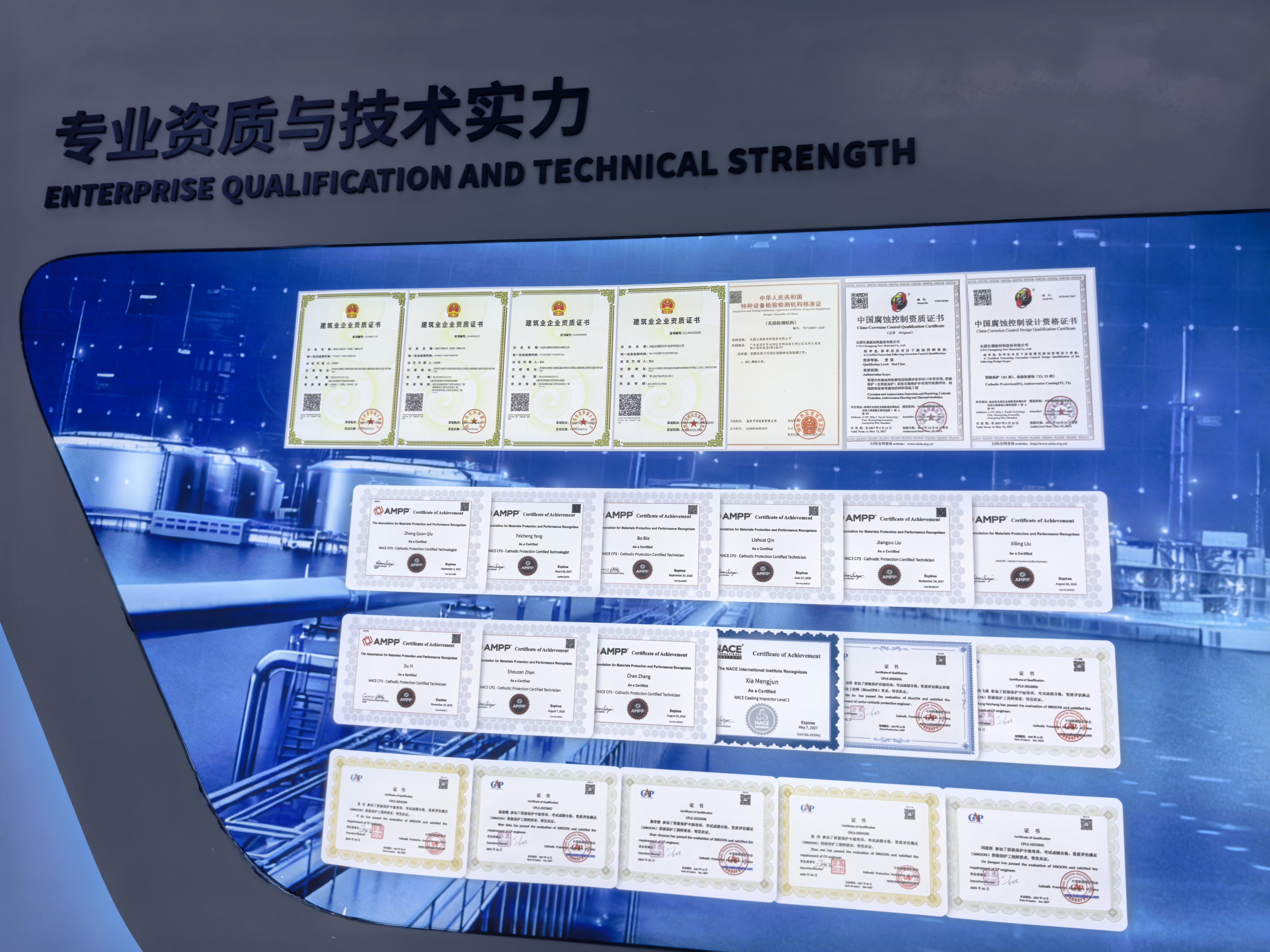
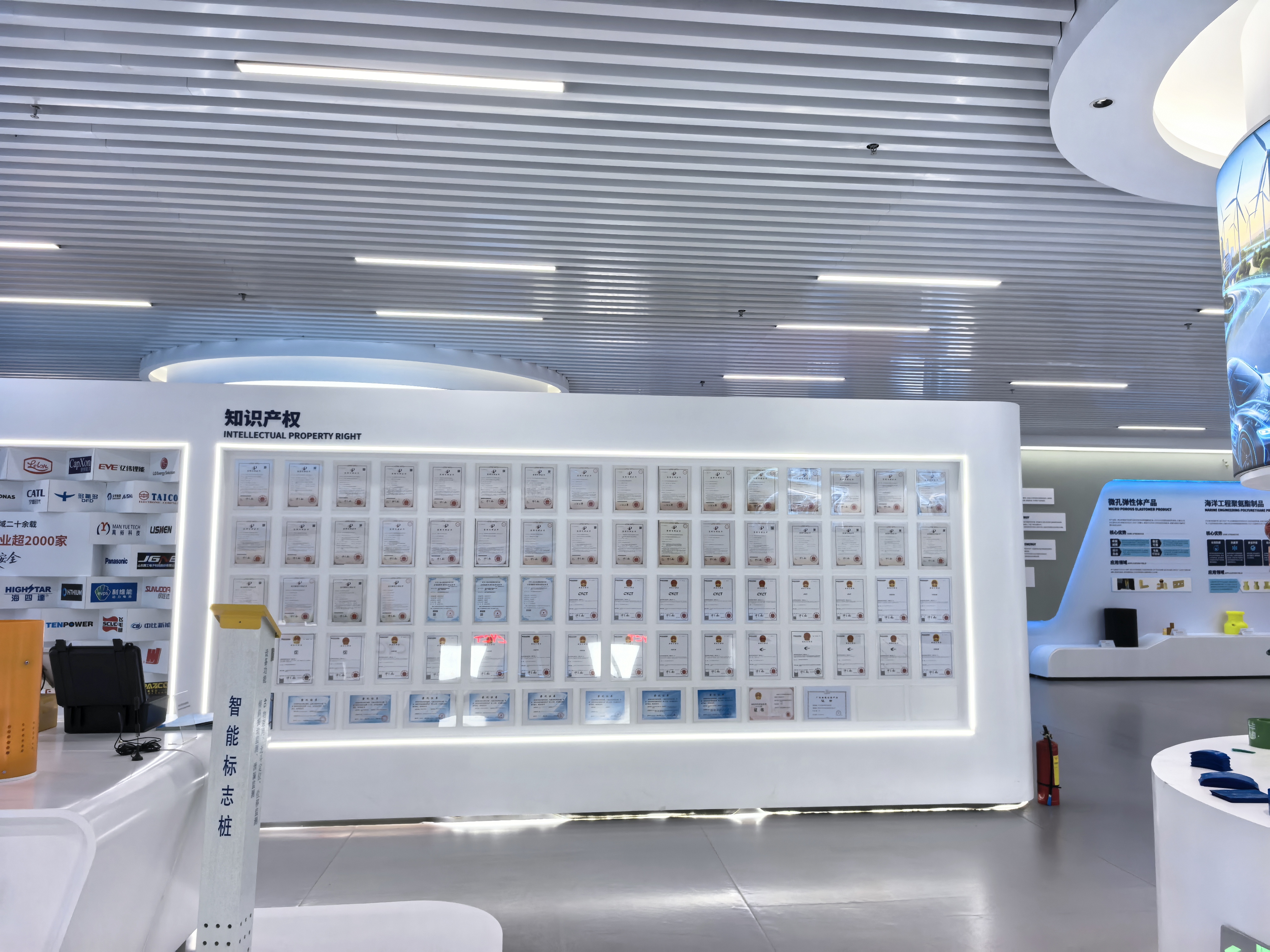
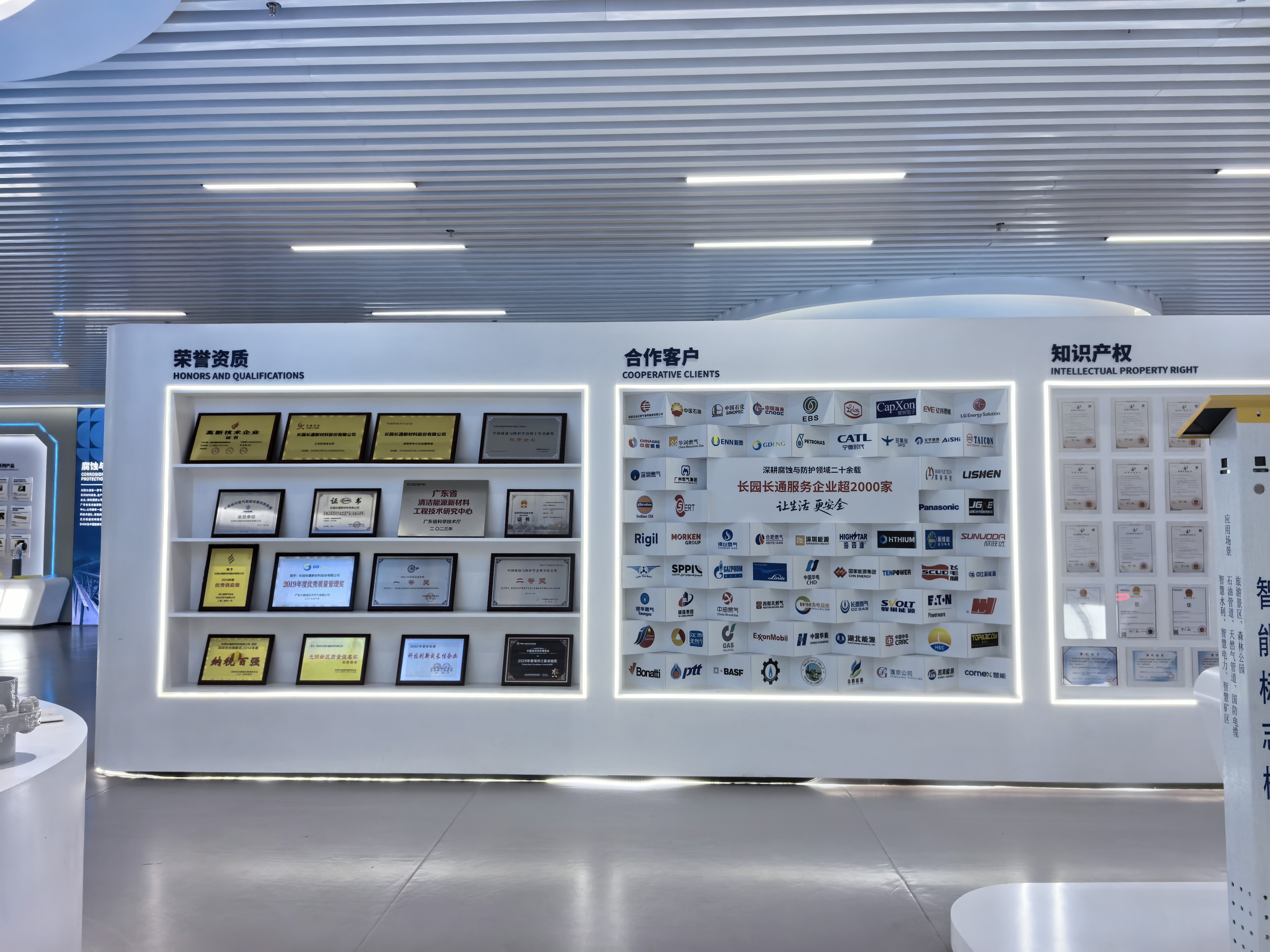
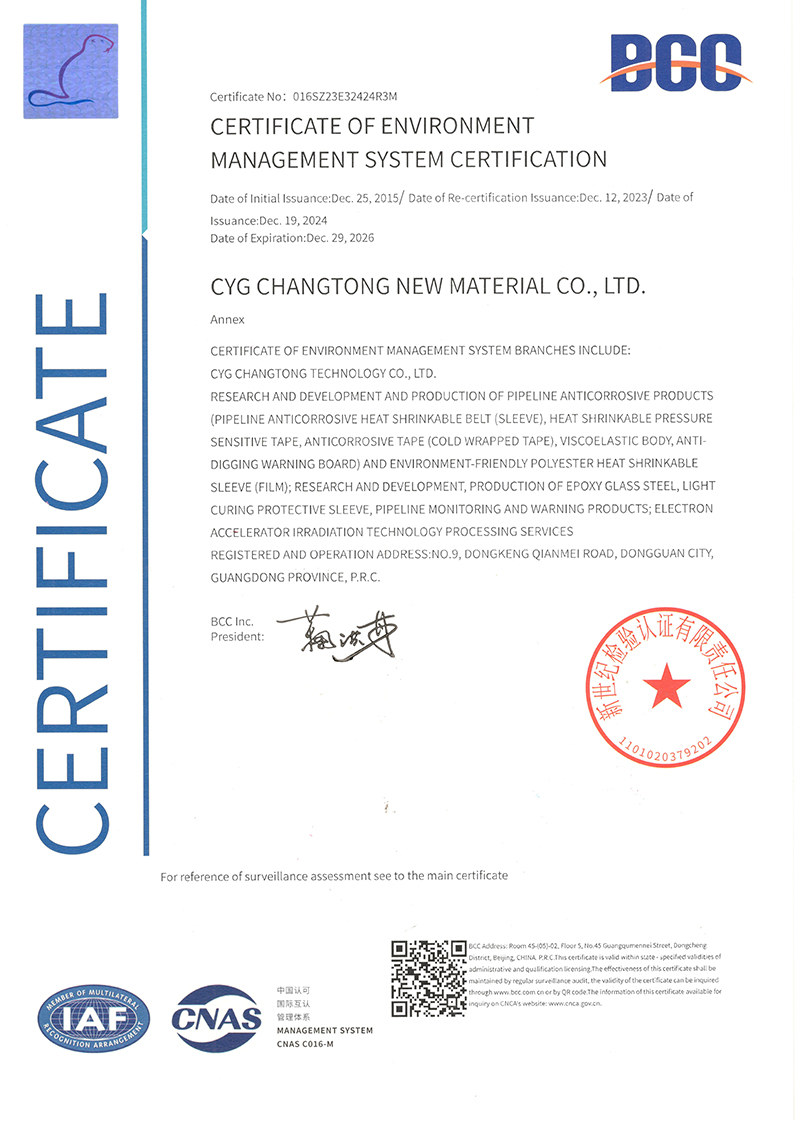
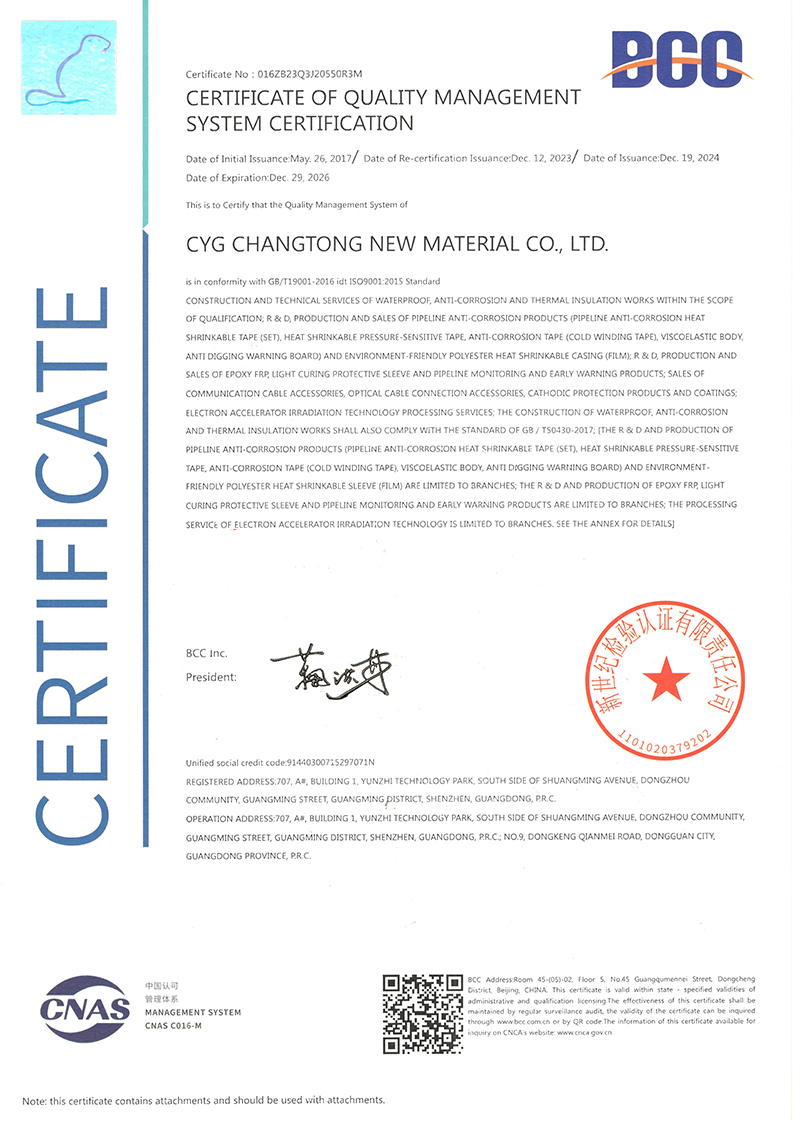
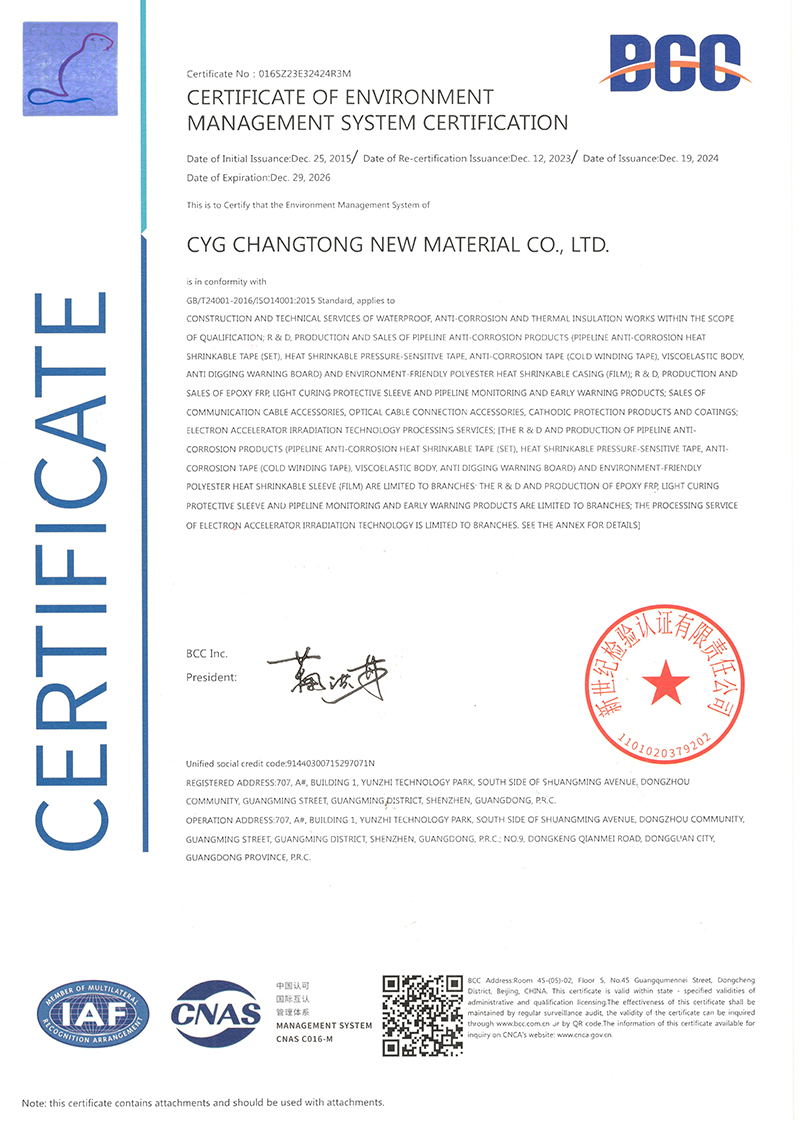
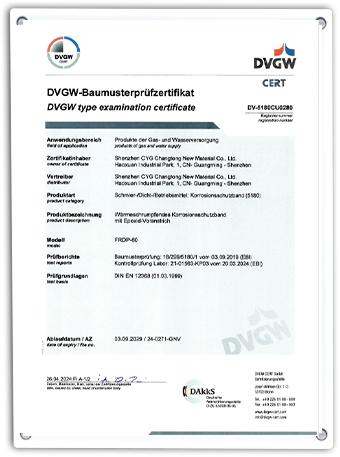
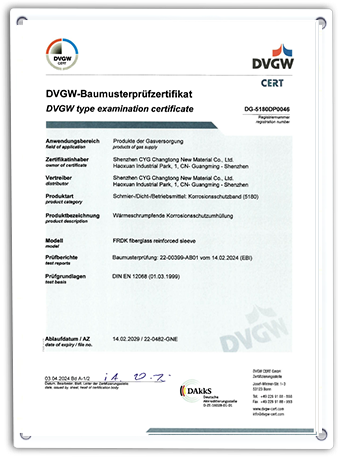
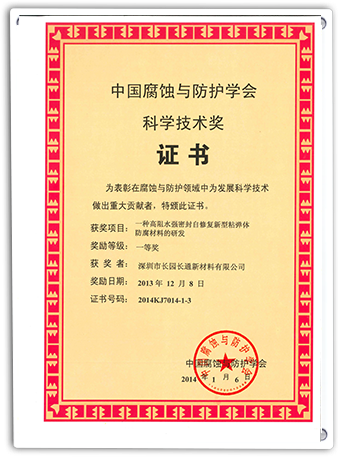
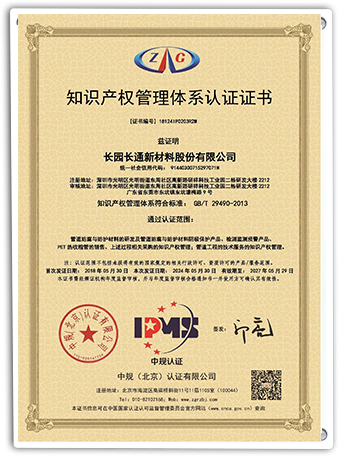
CYCT is a Council Member of the Chinese Society for Corrosion and Protection (CSCP), holds Qualification Certificates for Corrosion Protection Construction and Pipeline Detection, and is recognized as a Well-known Brand of Pipeline Corrosion Protection in China. We are also a Corporate Member of the China Association of Petroleum Engineering Construction (CAPEC), a State-Level High-Tech Enterprise with over ten proprietary intellectual property rights, and a trusted supplier for PetroChina, Sinopec, China Gas Group, and Indian Oil.
The main differences lie in their operating temperatures and mechanical profiles. Polyethylene (PE) sleeves are suitable for services up to 60°C or 80°C and maintain excellent flexibility in cold climates. Polypropylene (PP) sleeves are harder, offer superior mechanical resistance, and are designed for high-temperature lines up to 110°C or 120°C, frequently used on 3LPP-coated pipelines.
International pipeline specifications require several key tests, including peel strength tests at 23°C and the maximum design temperature, lap shear resistance tests, cathodic disbondment tests (typically run for 28 days at temperature), thermal aging tests, indentation resistance tests, and impact tests.
Viscoelastic tape is cold-applied and self-healing. It requires minimal surface preparation (often SSPC-SP2 or SP3 is sufficient) and will not harden over time. Heat shrinkable sleeves require pre-heating the steel to at least 60-70°C and standard grit blasting (Sa 2.5), but they offer higher mechanical protection against impact, shear, and soil stress.
Yes. We offer fully customized backing formulations, varying adhesive layer thicknesses, specialized width adjustments, custom private labels, and packaging. Our R&D division works directly with your engineering teams to develop systems matching your exact specification standards.
Under proper warehouse storage conditions (cool, dry, ventilated, and away from direct sunlight at temperatures below 35°C), CYCT heat shrinkable sleeves have a shelf life of up to 2 years, retaining their full mechanical and chemical bonding properties.
 CYCT
CYCT