Premium OEM and factory-direct industrial joint coatings, pipeline protection wraps, and hot melt repair systems engineered for international pipeline projects.
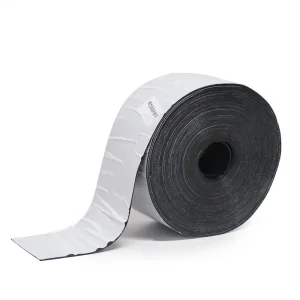
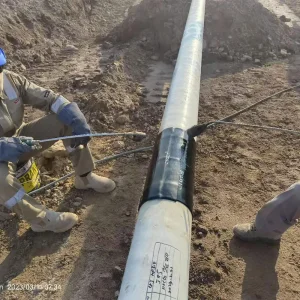
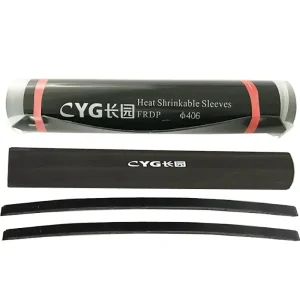
Analyzing industrial parameters, material science, and regulatory landscapes governing state-of-the-art heat shrink pipe wraps.
In modern macro-infrastructure construction, the structural integrity of buried steel pipelines is constantly threatened by electrochemical corrosion, moisture intrusion, soil shear stresses, and high operating temperatures. Standard 3-layer polyethylene (3LPE) and 3-layer polypropylene (3LPP) factory-applied coatings offer high-grade corrosion protection for the main body of steel pipes. However, the field joints (field joint coating, or FJC), where segments are welded together on-site, represent the most vulnerable interface in the pipeline lifecycle.
High-performance heat shrink pipe wraps (also known as heat shrinkable sleeves or wraps) are cross-linked polyolefin backings pre-coated with specialized hot-melt or mastic adhesives. When heat is applied, the polymer backing exhibits a thermodynamic memory effect, recovering its original dimensions and creating a tight, hermetically sealed, monolithic barrier over the bare steel joint area and the factory-applied pipe ends. Choosing the correct OEM manufacturer ensures these wraps meet stringent international engineering codes (such as ISO 21809-3, EN 12068, and AMPP/NACE standards).
A trusted state-level high-tech enterprise integrating R&D, production, sales, detection, and application since 2000.
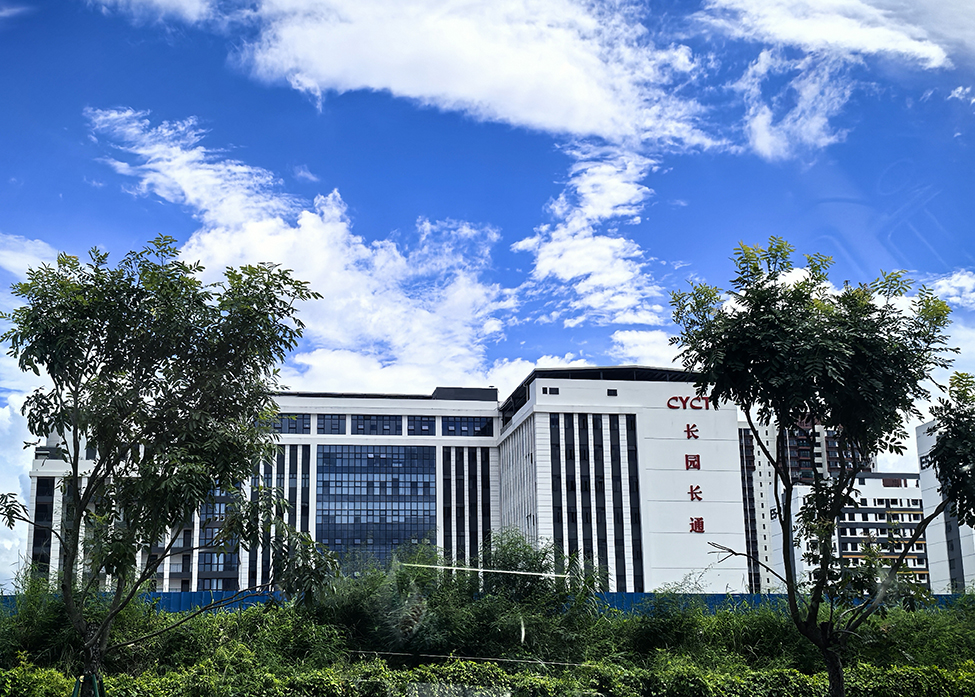
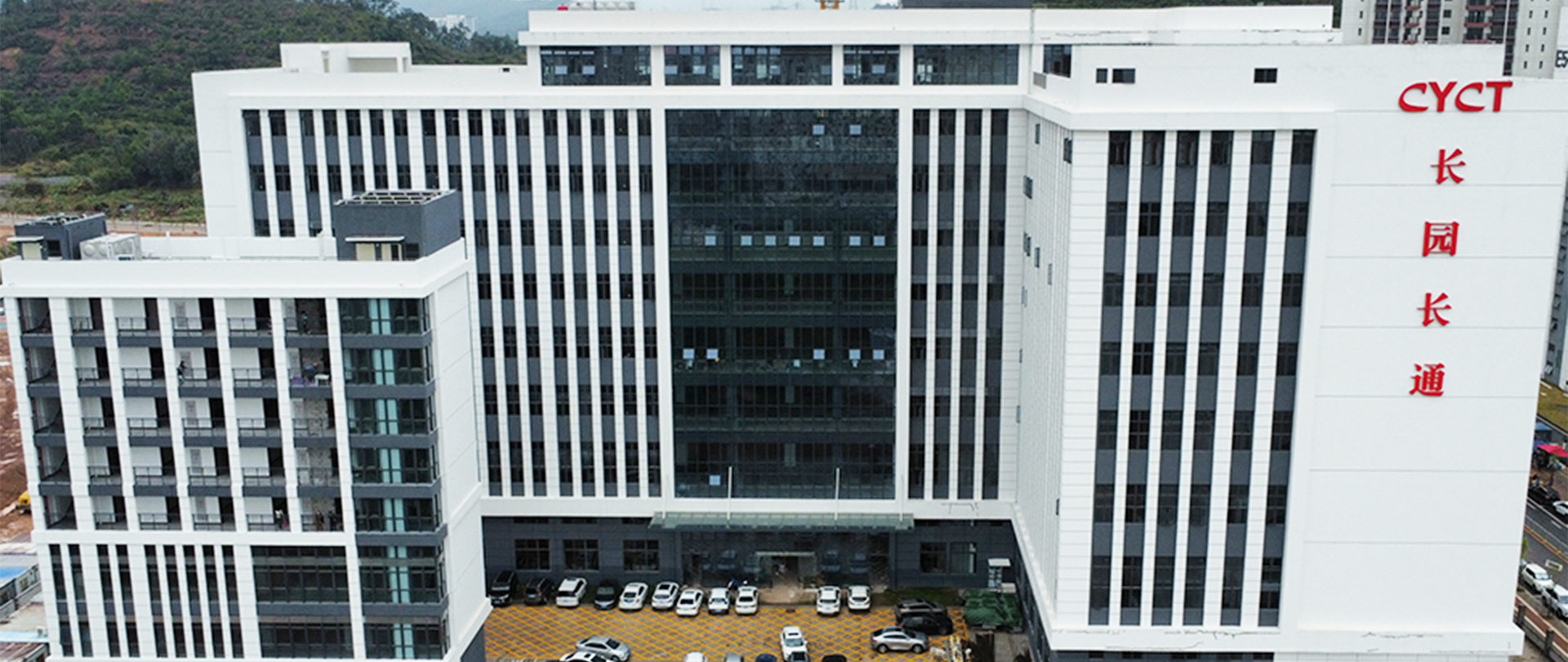
CYCT New Materials Company Limited (for short, CYCT) is a state-level high-tech enterprise integrating R&D, production and sales of pipeline corrosion protection materials as well as buried pipeline detection service and pipeline coating field application service into one. CYCT devotes itself to R&D, production and sales of pipeline corrosion protection materials for decades.
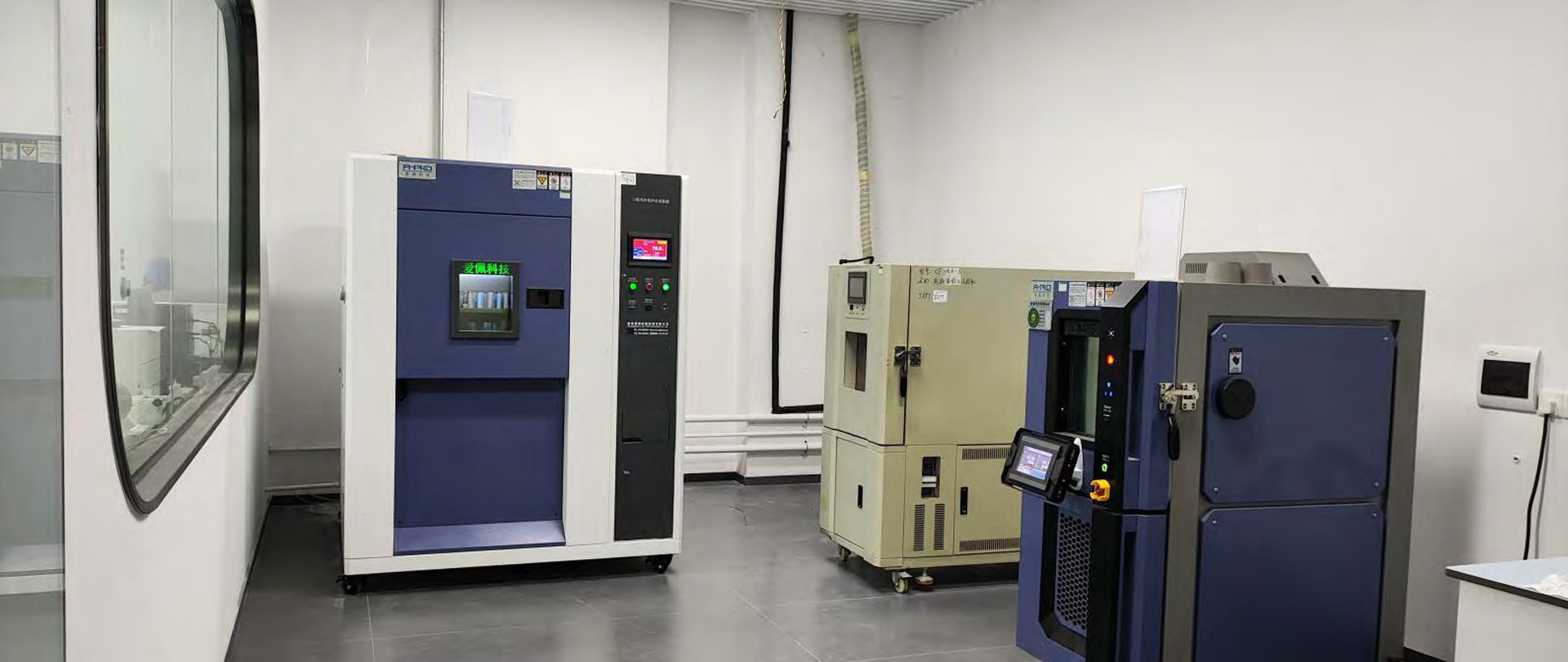
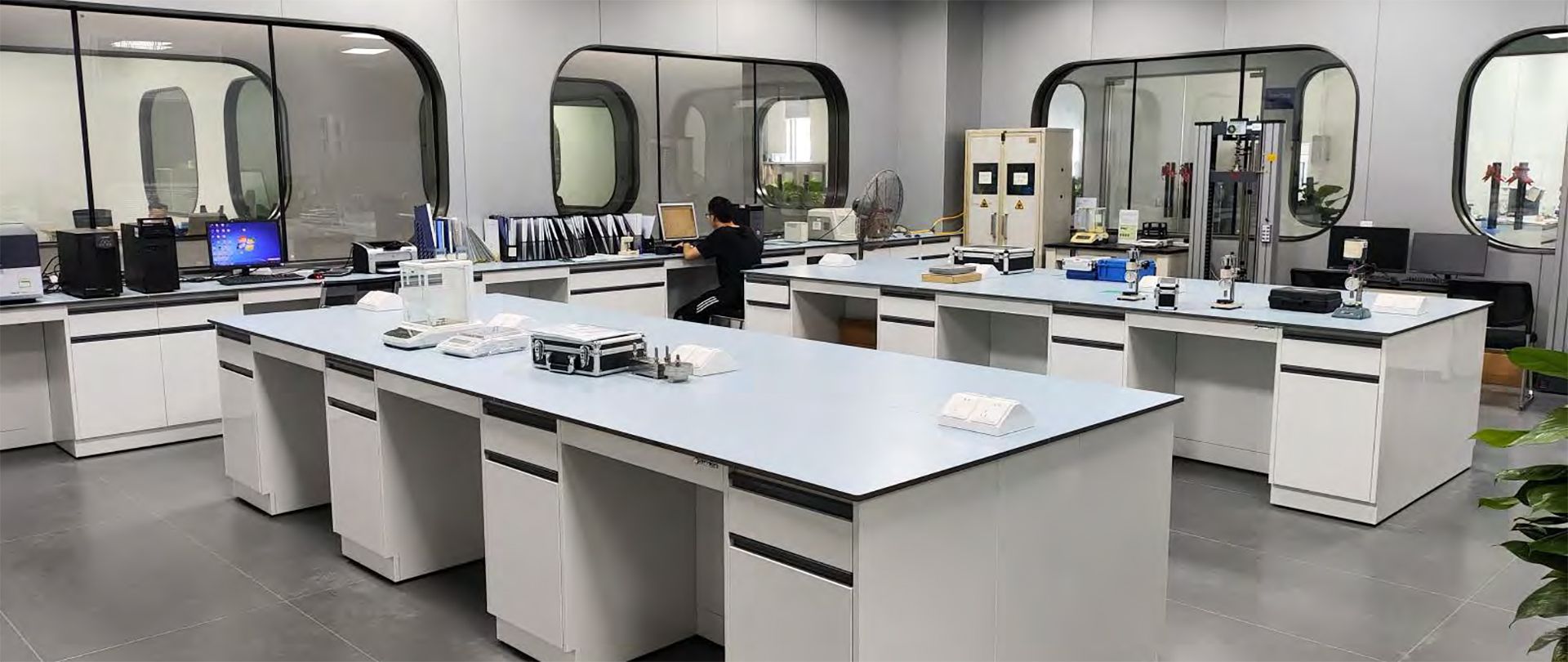
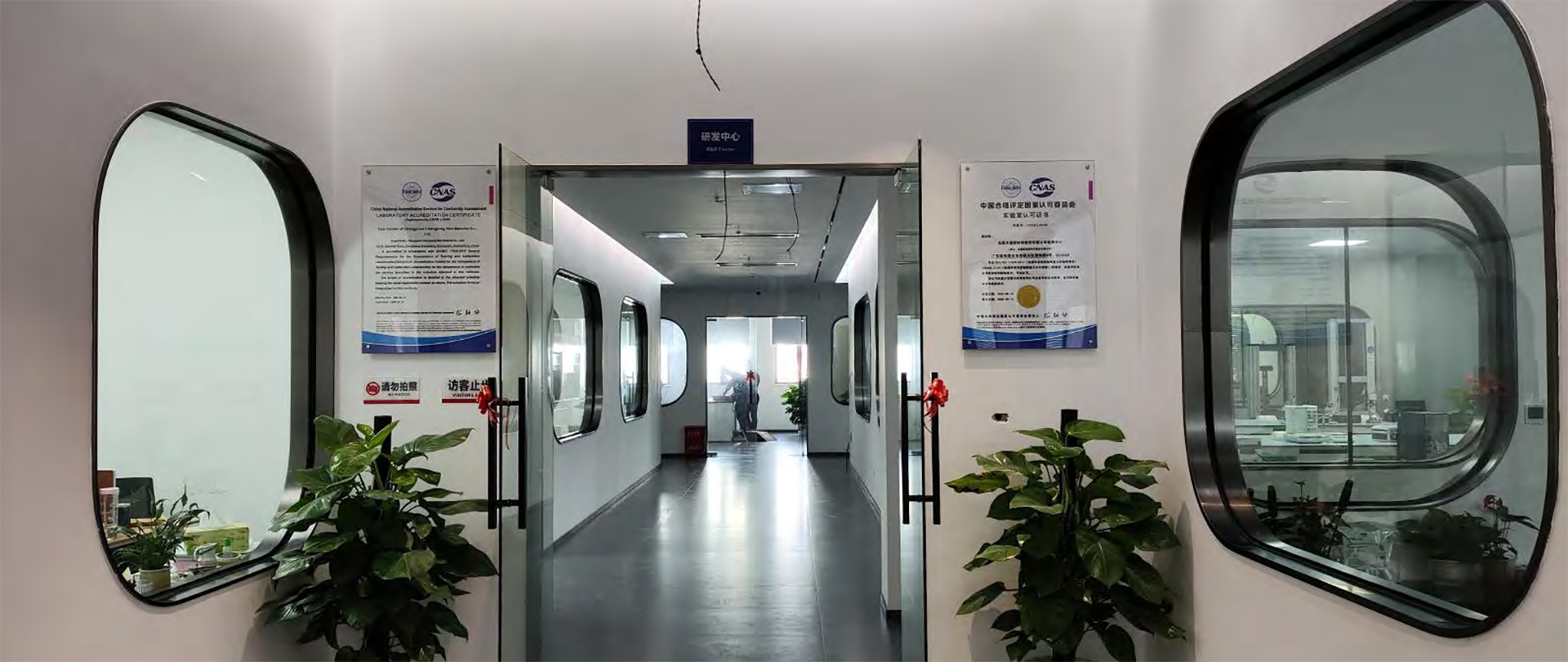
CYCT owns leading testing and R&D capabilities, a professional R&D team, and a national CNAS-accredited laboratory. This ensures that every roll of heat shrink pipe wrap, mastic tape, and hot-melt stick manufactured at our facility undergoes strict raw material validation, gel content testing, heat-aging assessments, and peel strength verification against major engineering benchmarks.
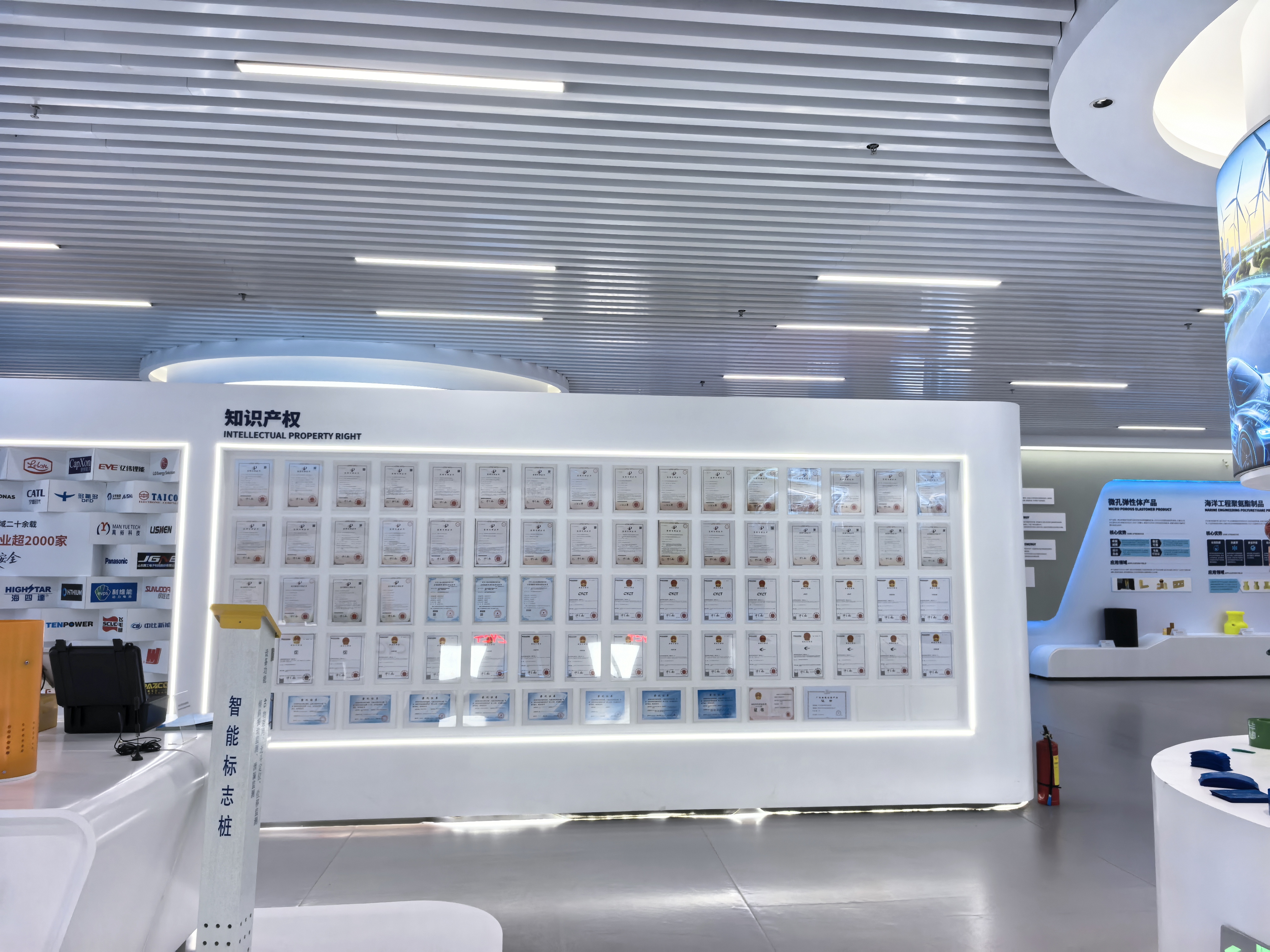
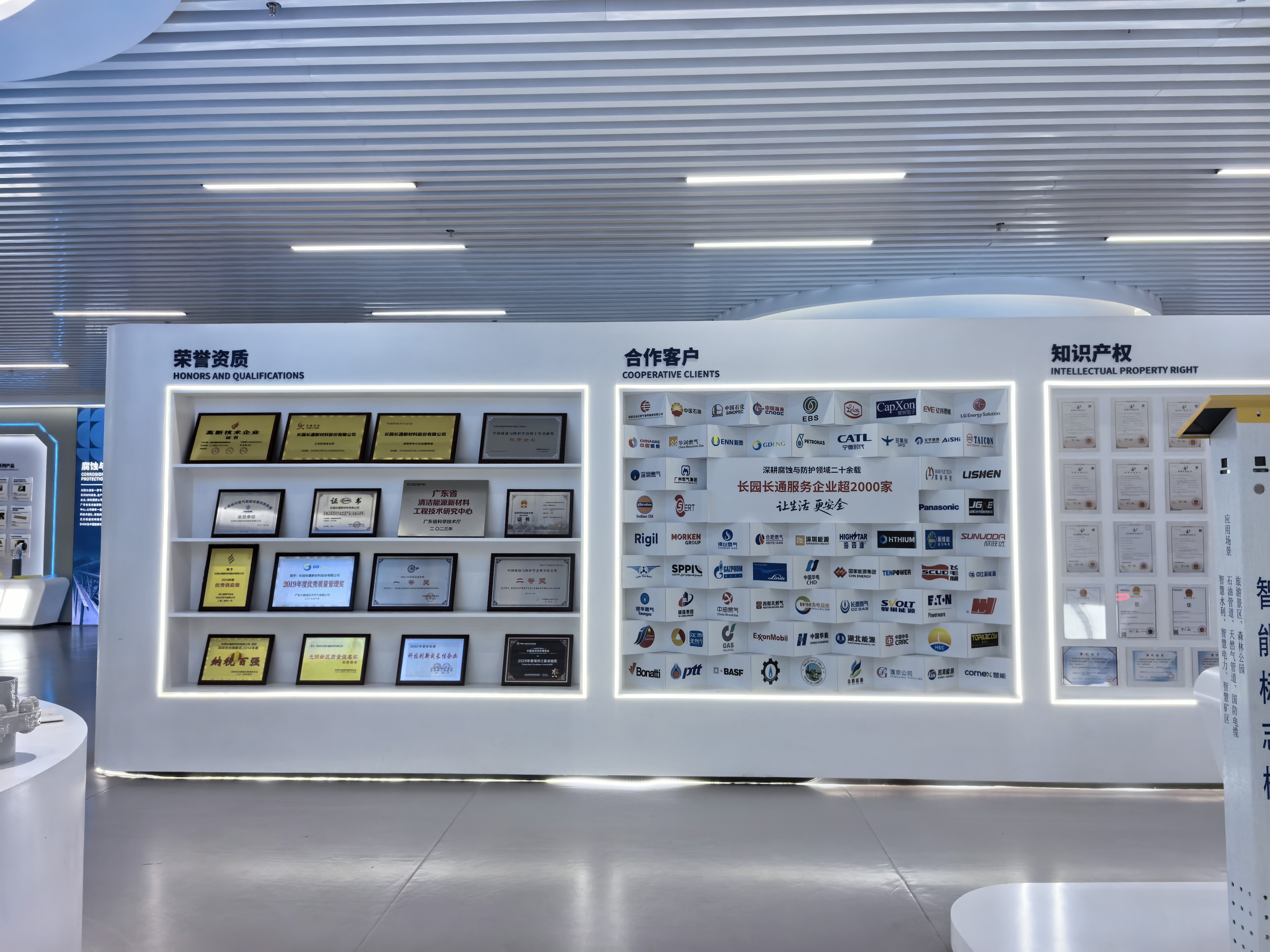
CYCT has become a stable supplier of field joint coatings for years in PetroChina, Sinopec, PipeChina and local pipelines, capturing an exceptional market share. Furthermore, CYCT has successfully developed and introduced a number of specialty corrosion protection materials such as visco-elastic anticorrosion materials, special photo-curing sleeves for Horizontal Directional Drilling (HDD) protection, and polyurea coatings.
By working in close cooperation with leading research institutes like the CNPC Pipeline Science Research Institute, CYCT is capable of providing in-service pipelines with varied technical services, including buried pipeline detection, design scheme engineering, cathodic protection design, rehabilitation project management, and integrated solutions for the safety protection of pipelines.
Understanding polymer cross-linking, heat shrink dynamics, and customized adhesive formulations for industrial applications.
We process raw high-density polyethylene (HDPE) using high-energy electron beam accelerators. This transforms the linear molecular structure into a stable 3D network, imparting thermal memory, high tensile strength, and superior resistance to chemical degradation and cracking.
Our non-crystalline, low-viscosity copolymer adhesives have self-healing capabilities. These properties allow them to flow and fill micro-imperfections on the steel pipe surface, ensuring permanent wetting and mitigating corrosion even if the backing layer sustains damage.
For high-operating-temperature lines (up to 80°C - 120°C), we customize shear-resistant, modified polypropylene and EVA hot-melt adhesives. These display high adhesive force and peel strength, preventing slippage under extreme mechanical stress.
In accordance with ISO 21809-3 and EN 12068 standards, pipeline engineers select coatings based on operating temperature, mechanical load class, and installation parameters. The following grid represents typical product configurations engineered by CYCT:
| Product System Type | Backing Composition | Adhesive Interface | Max Operating Temp | Primary Application |
|---|---|---|---|---|
| FRDP-60 Heat Shrinkable Sleeve | Radiation Cross-linked PE | Mastic / Copolymer Melt | 60°C | Standard oil/gas pipelines, low pressure distribution |
| PP Heat Shrink Sleeve (Wraparound) | Cross-linked Polypropylene | PP Copolymer Hot-Melt | 110°C - 120°C | High-temp product pipelines, offshore field joints |
| Viscoelastic Coating System | Saturated Polyolefin Carrier | Amorphous Apolar Polymer | 80°C | Valves, bends, flanges, pipeline rehabilitation projects |
| Moisture Curing GRF Shield | Fiberglass Composite Wrap | Polyurethane Moisture Cure | 150°C | Offshore splash zone, HDD crossings, mechanical armor |
Tailored field joint systems designed to withstand extreme soil friction, marine dynamics, and high thermodynamic stresses.
During pipe pulling in trenchless crossings, standard coatings can fail due to shear friction against rock and gravel. Our PP heat shrink sleeves and GRF moisture-curing shields offer extreme mechanical durability, high shear resistance, and excellent impact strength to prevent coating damage.
Offshore environments expose pipe sections to tidal movements, salinity, UV light, and wave action. CYC's moisture-curing composite shields prevent chloride ion penetration, providing chemical protection for oil rigs, riser pipes, and marine structures.
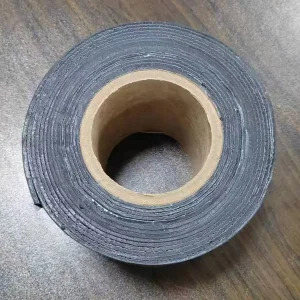
Low-temperature water conduits and urban distribution networks require reliable, cost-effective corrosion protection. Our cold-applied PE tapes, mastic tapes, and PET heat shrink sleeves provide long-lasting insulation and seal joint zones, mitigating moisture penetration and stray current interference.
Demonstrating our commitment to rigorous quality standards and industry compliance.
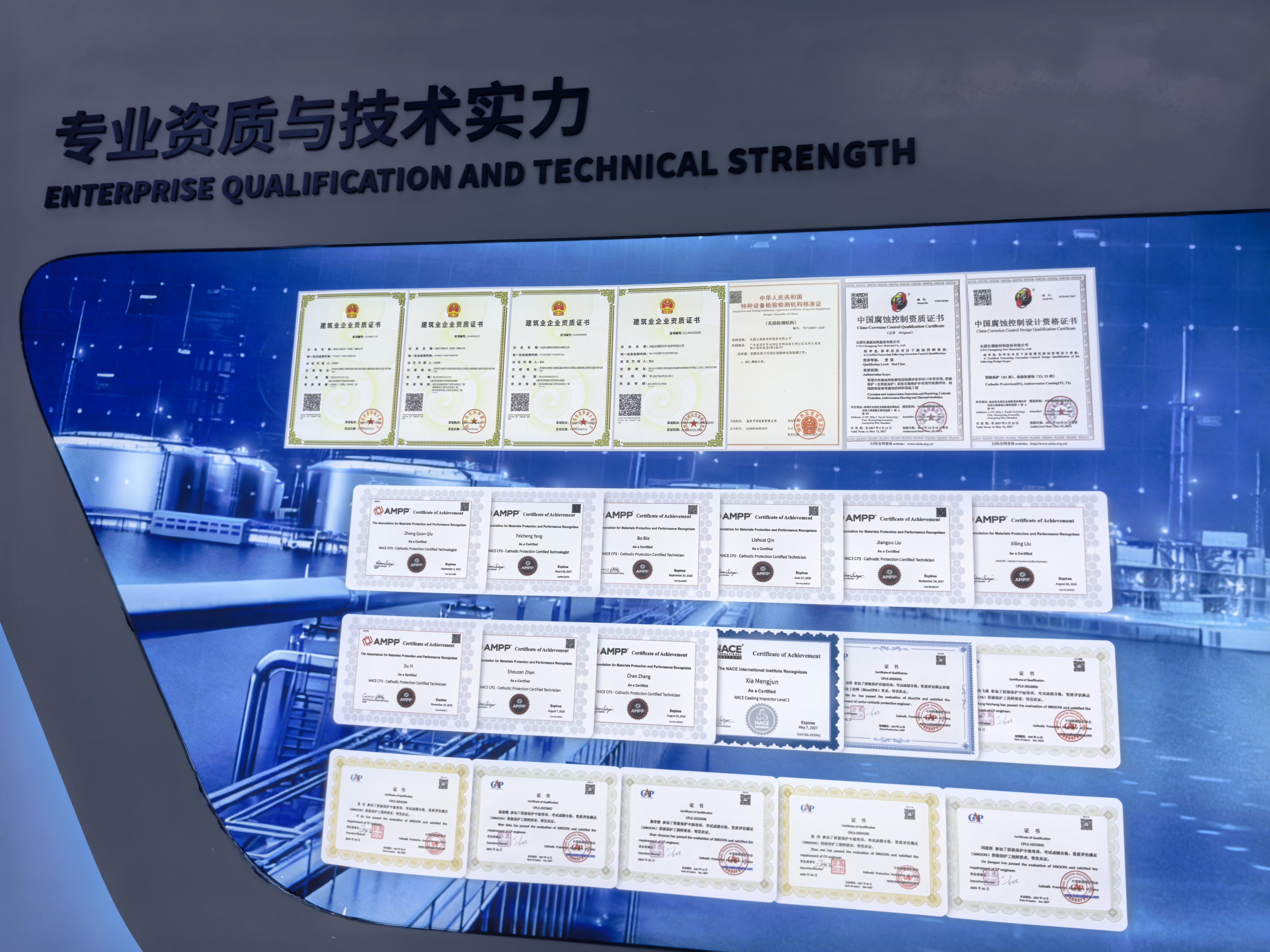
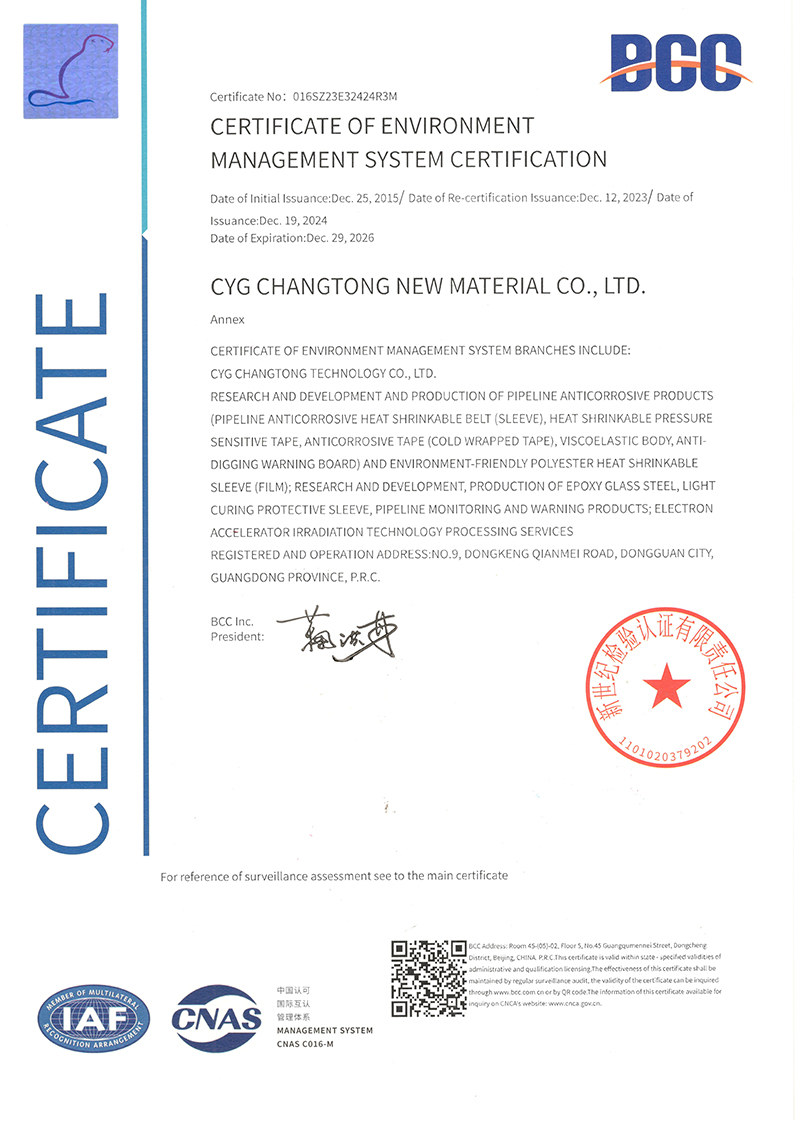
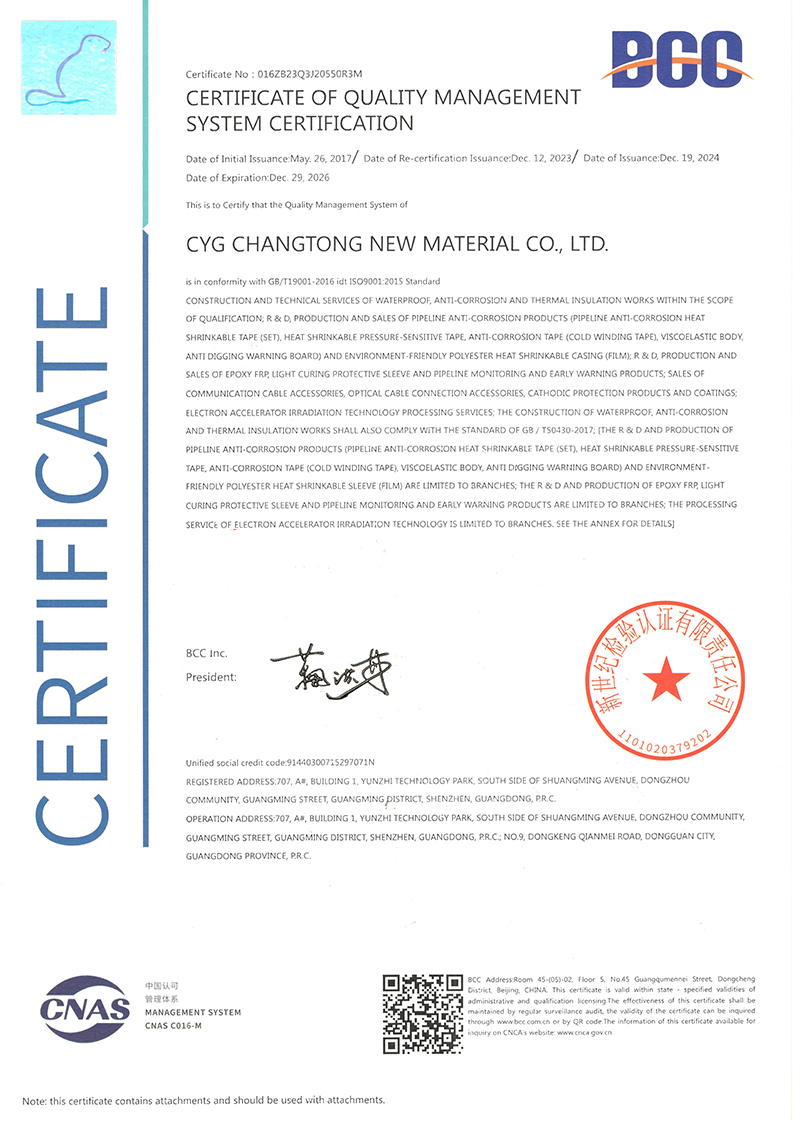
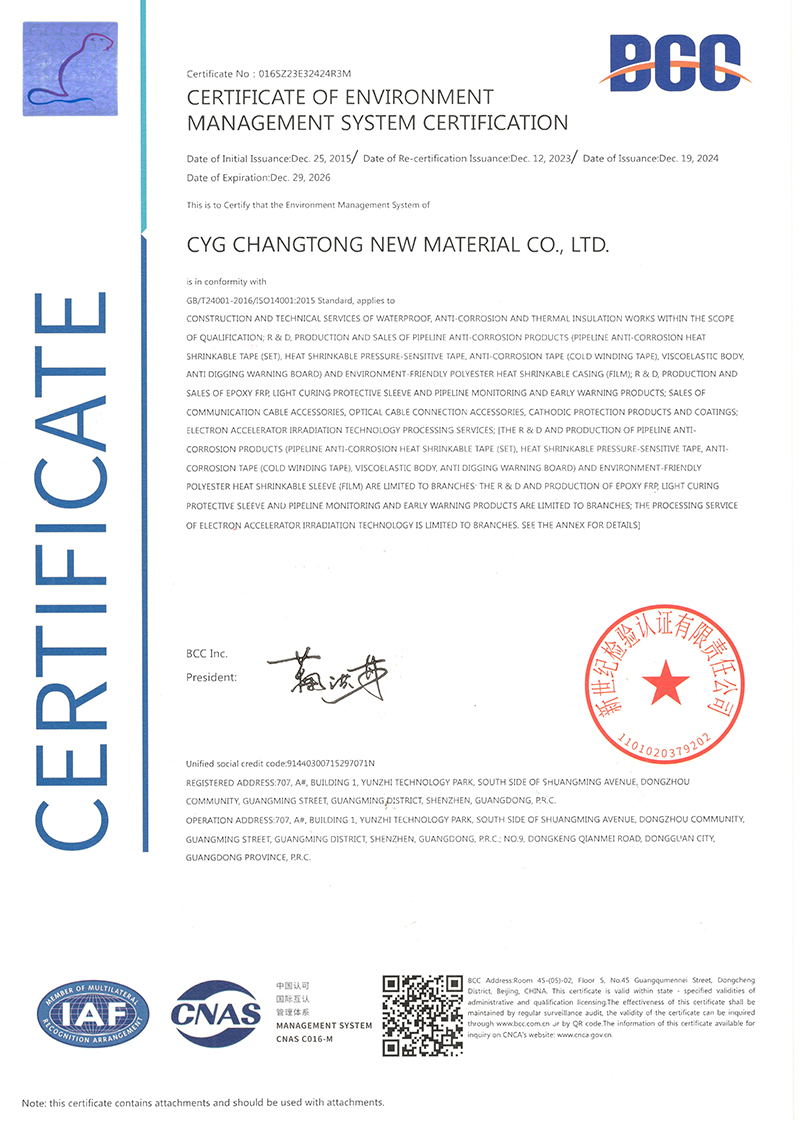
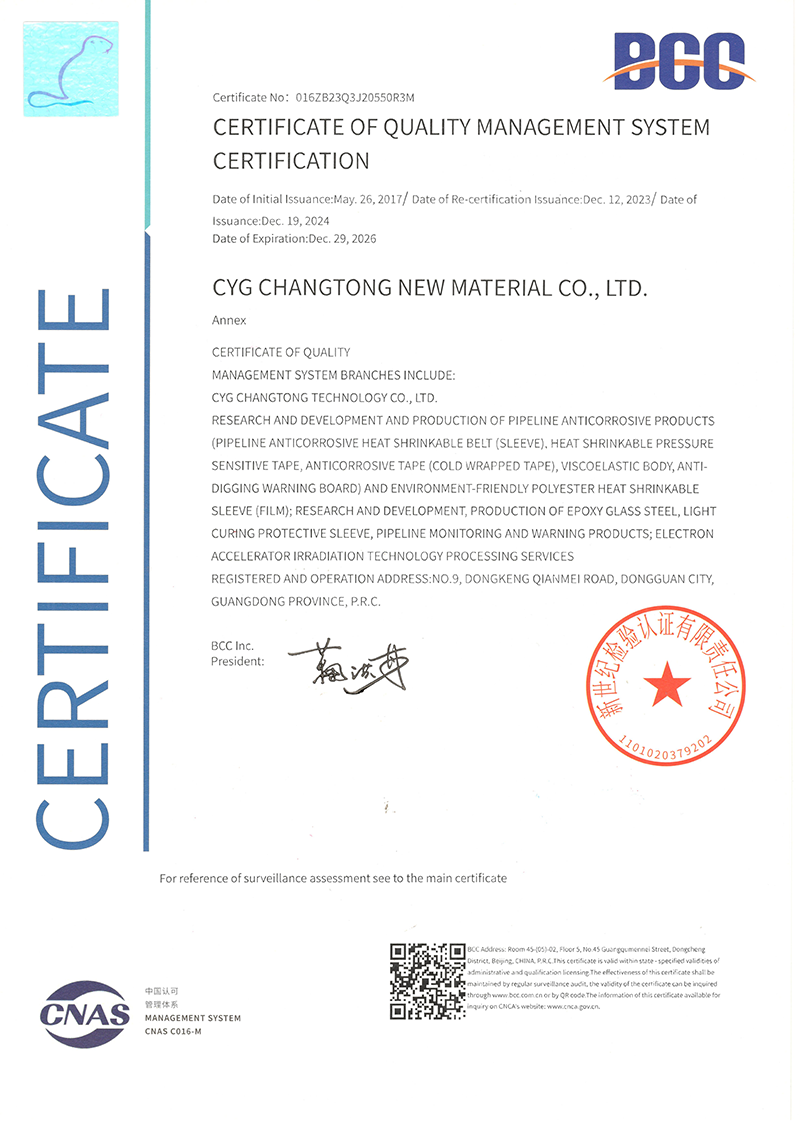
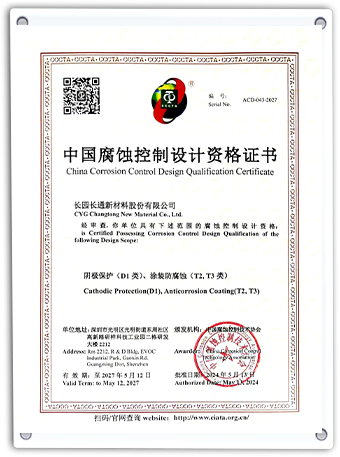
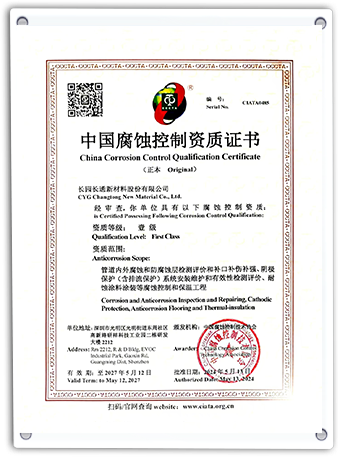
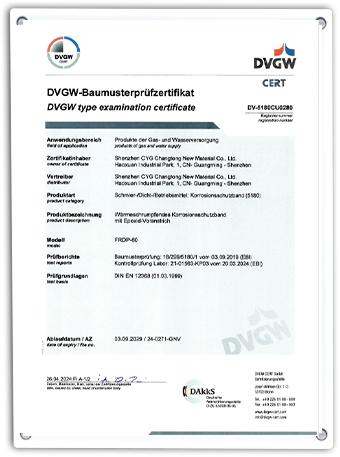
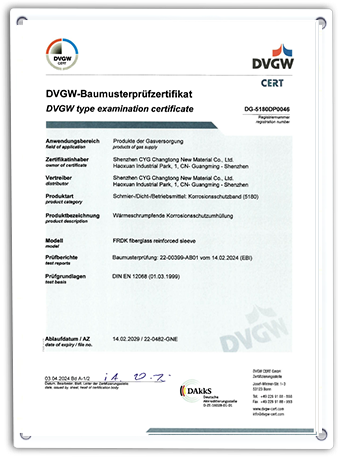
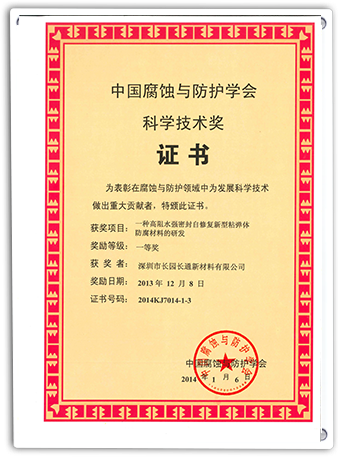
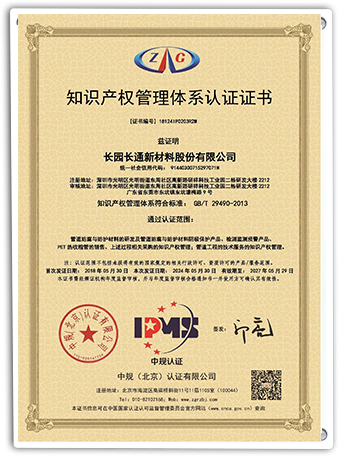
CYCT is a proud member of the Council in the Chinese Society for Corrosion and Protection (CSCP), holding the Qualification Certificate of Corrosion Protection Construction and the Qualification Certificate of Pipeline Detection. Recognized as a well-known Brand of Pipeline Corrosion Protection in China, CYCT is also a corporate member of the China Association of Petroleum Engineering Construction (CAPEC). As a State-Level High-Tech Enterprise, our facilities maintain more than ten proprietary intellectual property rights, validating our status as a qualified supplier of PetroChina, Sinopec, China Gas Group, and Indian Oil.
Recognized for advancements in chemical engineering & polymer composite innovation.
Continuous R&D investments in pipeline safety.
Active participation in international corrosion protection associations.
Developing corrosion materials with low carbon footprints.
Developing next-generation anticorrosion solutions for complex energy transit infrastructure.
At CYCT, our technical roadmap focuses on integrating smart self-healing microcapsules directly into the copolymer adhesive layer. When the polymer matrix experiences mechanical damage or stress cracks, these microcapsules rupture, releasing passive film-forming inhibitors that seal the exposed metal substrate, preventing localized pitting and sub-film corrosion propagation.
Additionally, we are exploring bio-derived and eco-friendly copolymer binders to reduce volatile organic compounds (VOCs) during field installations. This supports the gas and water transmission industries in meeting their strict environmental, social, and governance (ESG) criteria.
Expert answers addressing the selection, installation, and standard compliance of pipeline heat shrink sleeves.
A standard 3-layer heat shrinkable sleeve (often used for field joints of 3LPE pre-coated steel pipes) consists of: 1) a solvent-free epoxy primer applied directly to the cleaned steel surface, 2) a copolymer hot-melt adhesive interlayer, and 3) a radiation cross-linked, high-density polyethylene backing. When heated, the sleeve shrinks while the hot-melt adhesive bonds with the epoxy primer and the factory-applied PE coating, forming a tough, monolithic barrier that protects the pipe joint.
Surface preparation is critical for the long-term adhesion of pipe wraps. In accordance with ISO 8501-1, steel surfaces must be grit-blasted to Sa 2.5 cleanliness with an anchor profile of 50 to 85 microns. If grit blasting is not possible, hand or power tool cleaning to St 3 is required, typically requiring mastic-based wraps instead of high-temperature hot-melt systems. Failure to achieve proper cleanliness can lead to adhesion loss and water migration beneath the wrap.
Viscoelastic systems are made of non-crystalline, low-viscosity polymers that remain fluid-like throughout their service life. They provide self-healing properties, automatically filling micro-cracks and imperfections on the steel surface. Unlike heat shrink wraps, they do not require priming or post-heating, making them ideal for irregularly shaped valves, flanges, bends, and pipeline rehabilitation projects where uniform heat application is difficult.
For pipelines operating above 60°C (such as high-temperature product lines), standard PE mastic tapes may soften and slide under soil shear stresses. In these environments, engineers specify modified polypropylene (3LPP) backing systems paired with high-performance copolymer hot-melt adhesives rated for temperatures up to 110°C - 120°C. Additionally, shear resistance, peel strength at elevated temperatures, and resistance to cathodic disbondment must be verified.
Radiation cross-linking creates covalent bonds between the polymer chains of the backing material. This prevents the polyolefin backing from melting or flowing at high temperatures, giving it a strong "shrink memory." This ensures the sleeve remains tightly wrapped around the pipe joint, exerting continuous radial pressure that prevents soil stress from shearing the coating away.
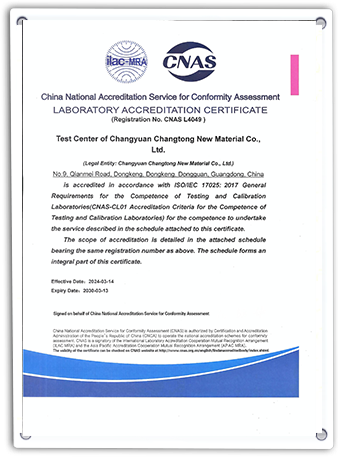
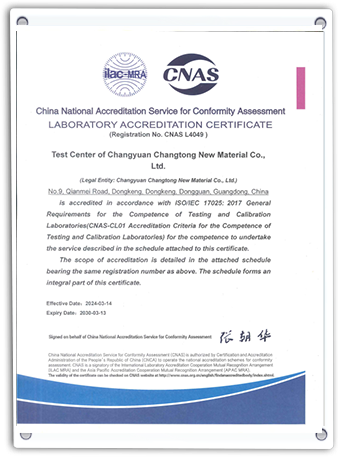
CYCT operates a national CNAS-accredited testing laboratory. We conduct rigorous quality control tests, including DSC (Differential Scanning Calorimetry) for polymer melting points, peel strength tests under simulated operating temperatures, cathodic disbondment tests according to ASTM G8/G42, and heat-aging tests to ensure a service life exceeding 30 years.
Standard hot-melt and mastic-based wraps require a completely dry substrate to bond properly. However, for wet environments, offshore splash zones, and underwater pipelines, we manufacture a specialized moisture-curing composite shield (GRF Moisture Curing Shield). This system uses moisture-activated polyurethane prepolymers that cure in water, creating a strong mechanical barrier over the pipeline.
As a factory-direct OEM/ODM manufacturer, CYCT can customize backing thicknesses from 1.0mm to 2.5mm and adhesive thicknesses from 0.8mm to 2.0mm. We offer custom roll widths (up to 1000mm) and pre-cut wraparound sleeves tailored to specific pipeline diameters, including pre-attached patch closures for quick installation in the field.
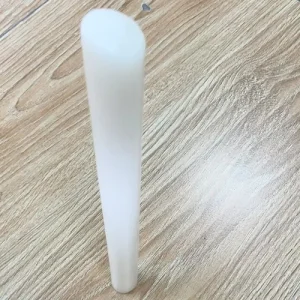
Factory-direct industrial repair patches, viscoelastic coatings, cold-applied tapes, and high-temp primers.
 CYCT
CYCT