Industrial-Grade Pipeline Corrosion Protection & Joint Coating Systems Built for Harsh Environments
Browse our top selection of field-proven joint protection materials, viscoelastic tapes, and reinforcement sheets.
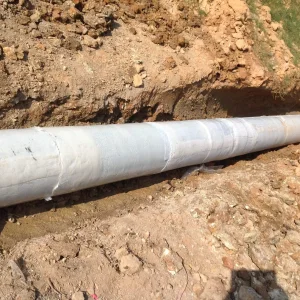
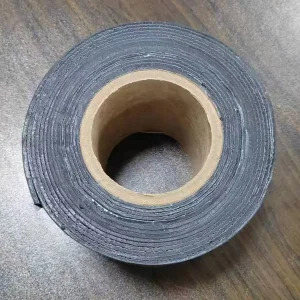
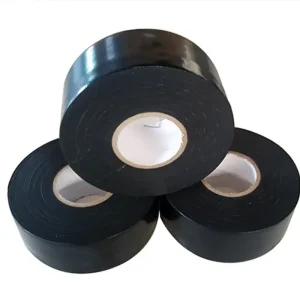
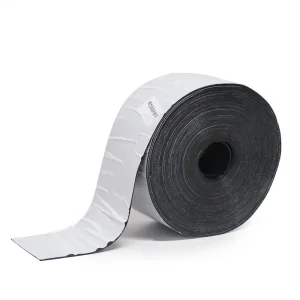
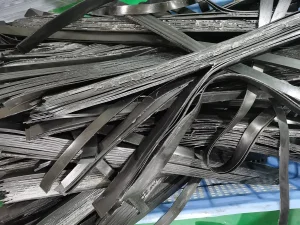
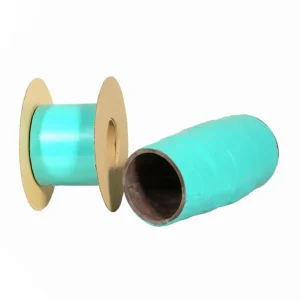
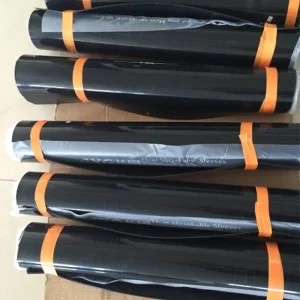
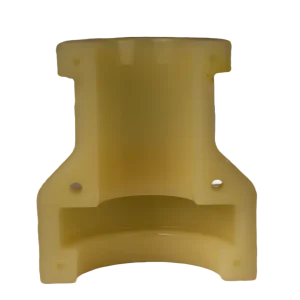
Heat shrink cuffs—commonly known as heat shrinkable sleeves—represent a pivotal technology in the mitigation of pipeline corrosion. Steel pipelines transporting oil, gas, water, or chemical media are subjected to extreme soil pressures, chemical attacks, temperature variations, and electrical currents. While the mainline of a pipeline is coated in highly controlled factory environments using 3-Layer Polyethylene (3LPE) or 3-Layer Polypropylene (3LPP) structures, the field joints remain vulnerable. The field joint is the point where two pipe segments are welded together on-site. Thus, field joint coating becomes the definitive line of defense protecting pipeline integrity.
Initially, mastic tapes and simple bitumen wrappers were the standard. However, the commercialization of cross-linked polymers and specialized hot-melt copolymer adhesives revolutionized joint protection. Heat shrink cuffs function on the "elastic memory" of irradiated semi-crystalline polymers. By cross-linking polyethylene chains using electron beam radiation, the polymer is given a memory that causes it to shrink back to its original extruded dimensions when heated, tightly wrapping the joint and sealing out moisture, oxygen, and corrosive ions.
High shear and peel strength backings withstand severe soil stress, friction during horizontal directional drilling (HDD), and thermal movement.
Engineered for diverse operating ranges from cold sub-zero climates to high-temperature distribution loops reaching up to 120°C.
Impenetrable barrier blocks water vapor transmission, chemical ions, and prevents cathodic disbondment over a 30+ year design life.
International procurement departments in the oil, gas, municipal water, and petrochemical sectors mandate strict adherence to global engineering standards when selecting heat shrink cuffs. Technical managers evaluate multiple parameters to ensure that material performance aligns with the pipeline's operational envelope. The standard testing frameworks include:
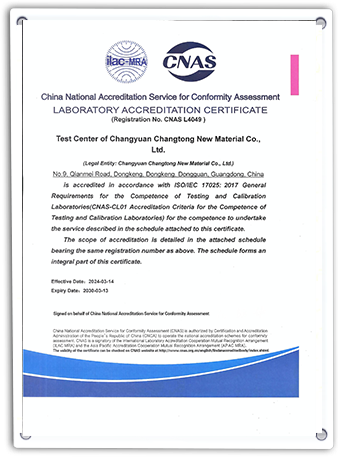
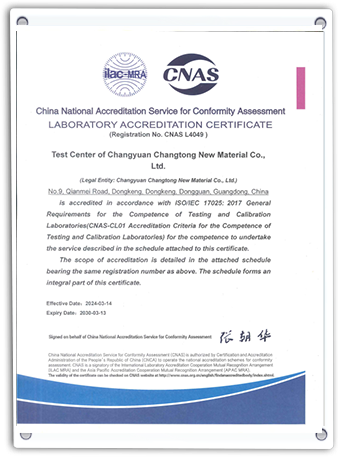
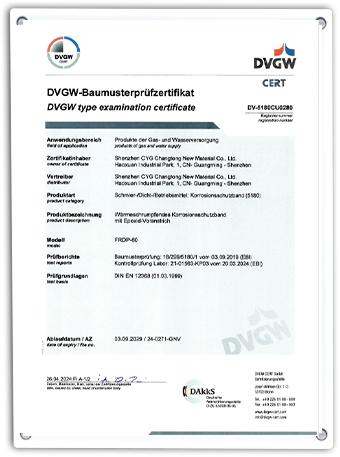
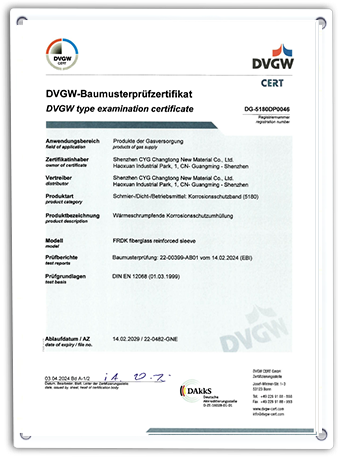
Procurement teams demand robust documentation, including Material Test Reports (MTRs), ISO 9001 certifications, CNAS laboratory accreditations, and long-term performance records. Additionally, regional compliance parameters such as DVGW approvals in Europe, or corporate approvals from entities like PetroChina, Sinopec, and Saudi Aramco, dictate supplier selection eligibility.
CYCT New Materials Company Limited (for short, CYCT) is a state-level high-tech enterprise integrating R&D, production and sales of pipeline corrosion protection materials as well as buried pipeline detection service and pipeline coating field application service into one.
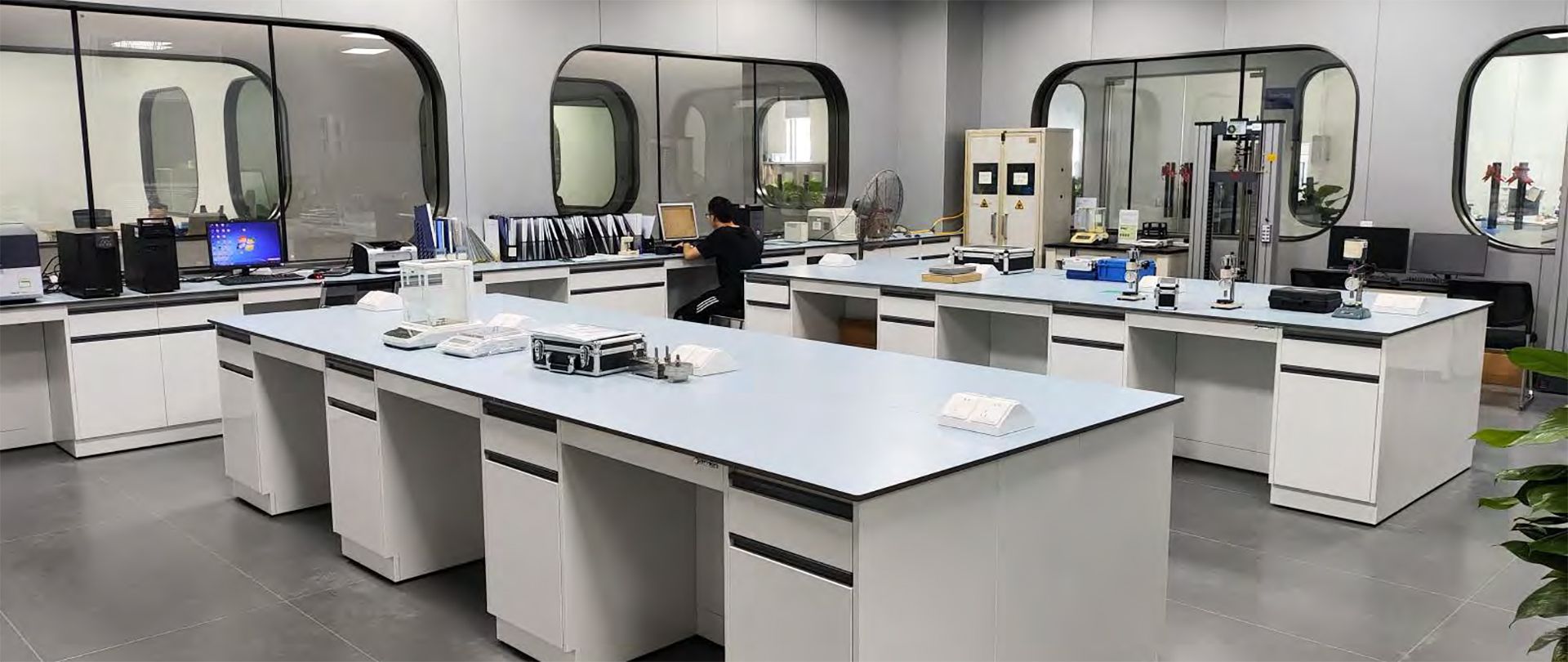
CYCT devotes itself to R&D, production and sales of pipeline corrosion protection materials for decades. The company owns leading testing and R&D capabilities, a professional R&D team, and a national CNAS-accredited laboratory.
CYCT has become a stable supplier of field joint coatings for years to PetroChina, Sinopec, PipeChina and local pipelines, maintaining a high market share. Furthermore, CYCT has successfully developed and introduced a number of specialty corrosion protection materials such as visco-elastic anticorrosion materials, special photo-curing sleeves for HDD protection and polyurea coatings.
By establishing good cooperation with leading R&D institutes such as CNPC Pipeline Science Research Institute, CYCT is capable of providing in-service pipelines with varied technical services, including buried pipeline detection, design schemes, cathodic protection, rehabilitation projects, and integrated solutions for the safety protection of pipelines.
As the pipeline industry progresses toward digital transformation, CYCT aligns with the Industry 4.0 paradigm to deliver reliable and scalable supply chains. A resilient supply chain is critical to avoid project delays during continental transmission line development, where pipeline installation relies on synchronous material deliveries.
Heat shrink cuffs are deployed in diverse geographical regions, each presenting unique environmental stresses. Understanding these application scenarios allows design engineers to choose the correct polymer-adhesive combination.
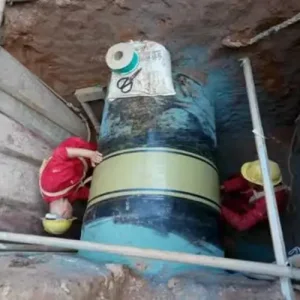
For pipeline installations passing under rivers, highways, or urban centers, HDD is the primary trenchless method. During this process, the pipeline is pulled through a pre-drilled borehole. The field joint coatings are subjected to friction and shear stress against surrounding soil and rock formations. CYCT provides high-performance photo-curing protective sleeves and GRP sheets that encase the heat shrinkable cuffs, protecting the joints during installation.
Subsea pipelines encounter cold hydrostatic pressures and high internal fluid temperatures. These structures rely on multi-layer coatings for insulation and corrosion protection. Here, polypropylene-based heat shrink sleeves (such as our FRPD-PP solutions) are chosen due to their higher temperature resistance, resistance to water absorption, and excellent shear strength under cyclic thermal expansion.
Urban steam and heating networks operate at elevated temperatures, often between 80°C and 120°C. Standard PE-based cuffs may degrade or lose adhesion under continuous high thermal loads. Specialized heat-resistant sleeves engineered with high-softening-point hot-melt adhesives or viscoelastic cores are required to ensure decades of maintenance-free service.
The global corrosion protection sector is moving toward eco-friendly, zero-VOC materials. Manufacturers are researching bio-based polymers and solvent-free epoxy primers. Furthermore, digital QA/QC processes are gaining traction. Innovations like smart thermochromic indicators (which change color when the sleeve reaches correct shrinking temperatures) are becoming standard, reducing operator errors during installation.
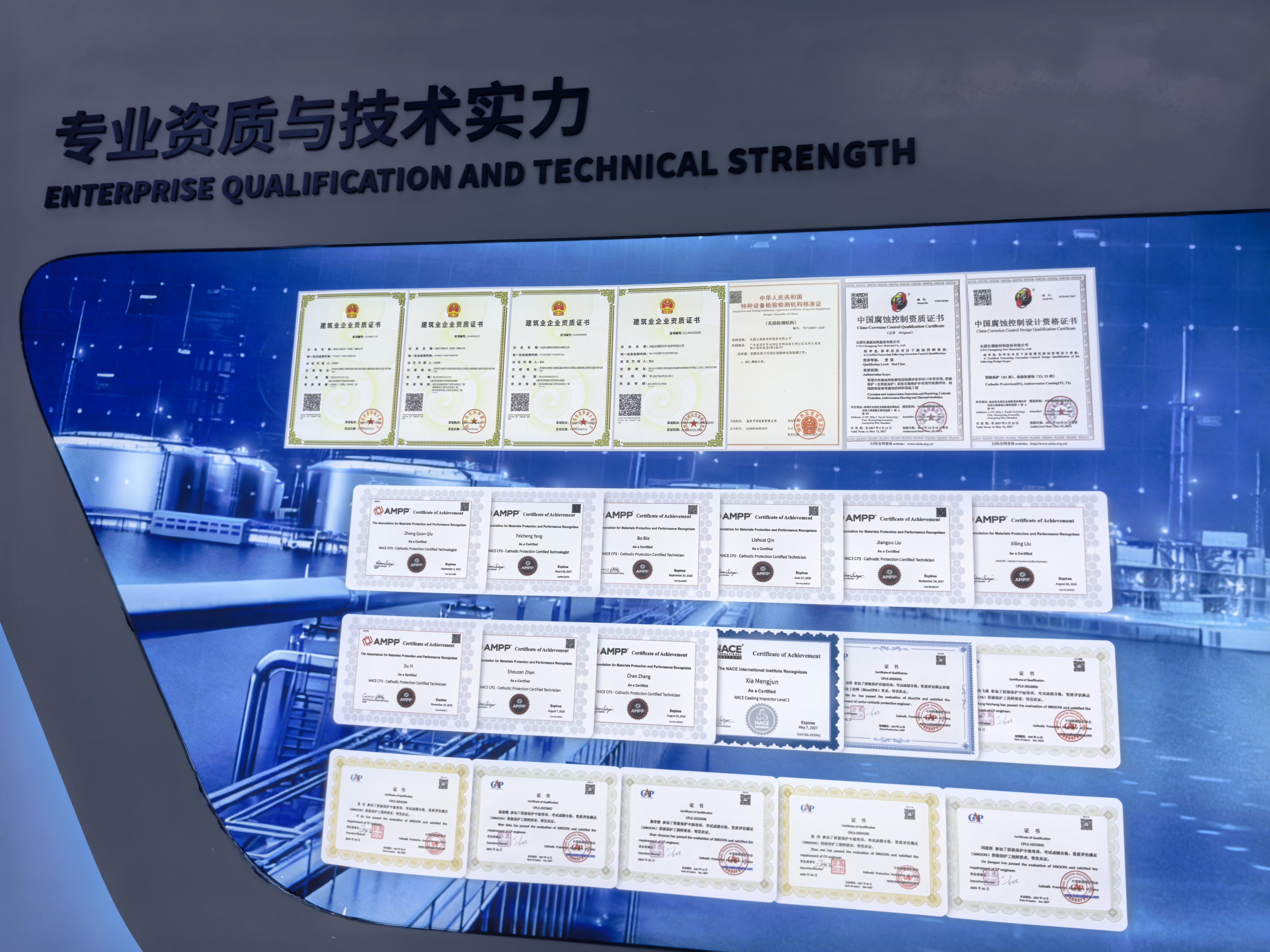
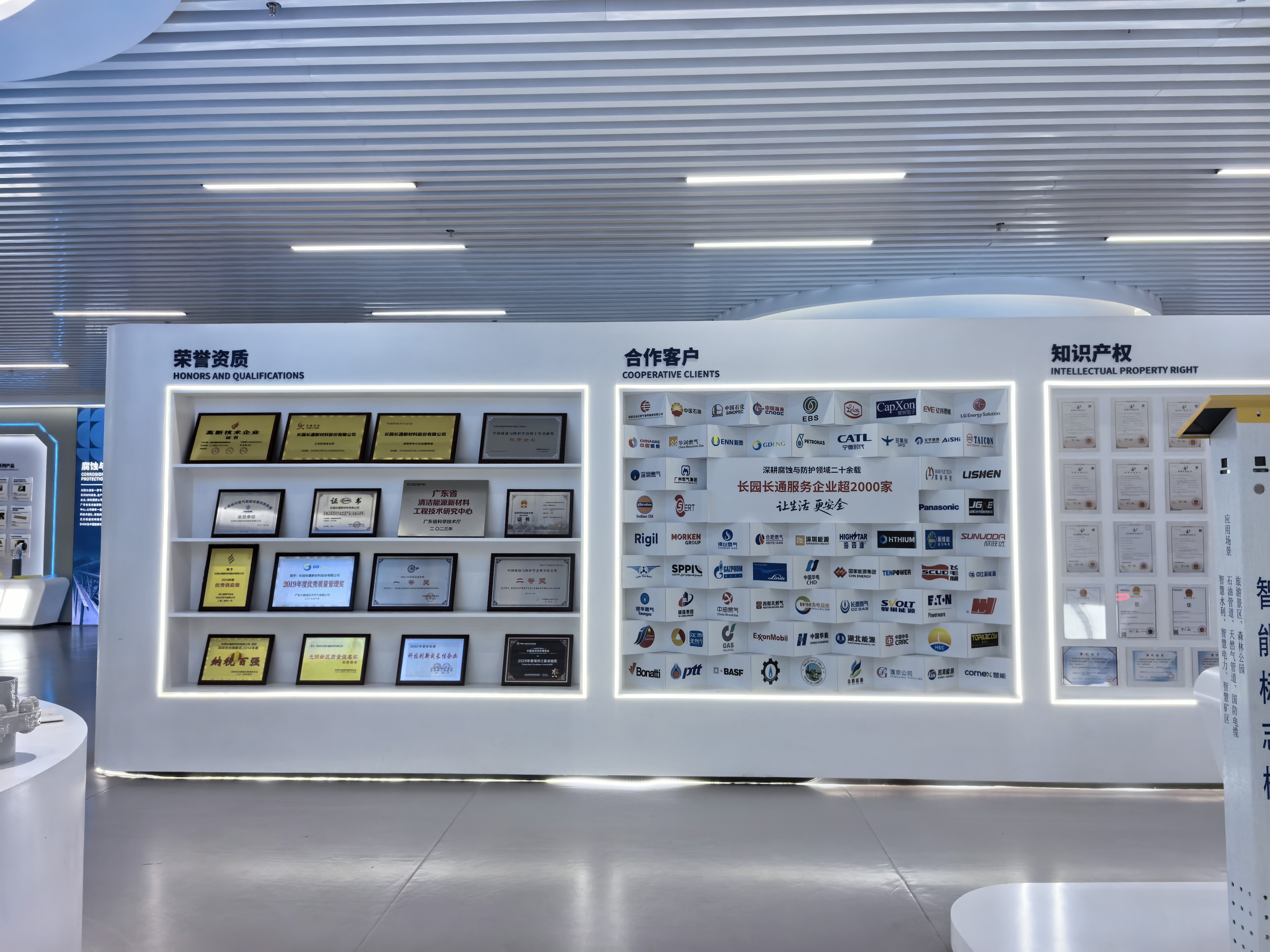
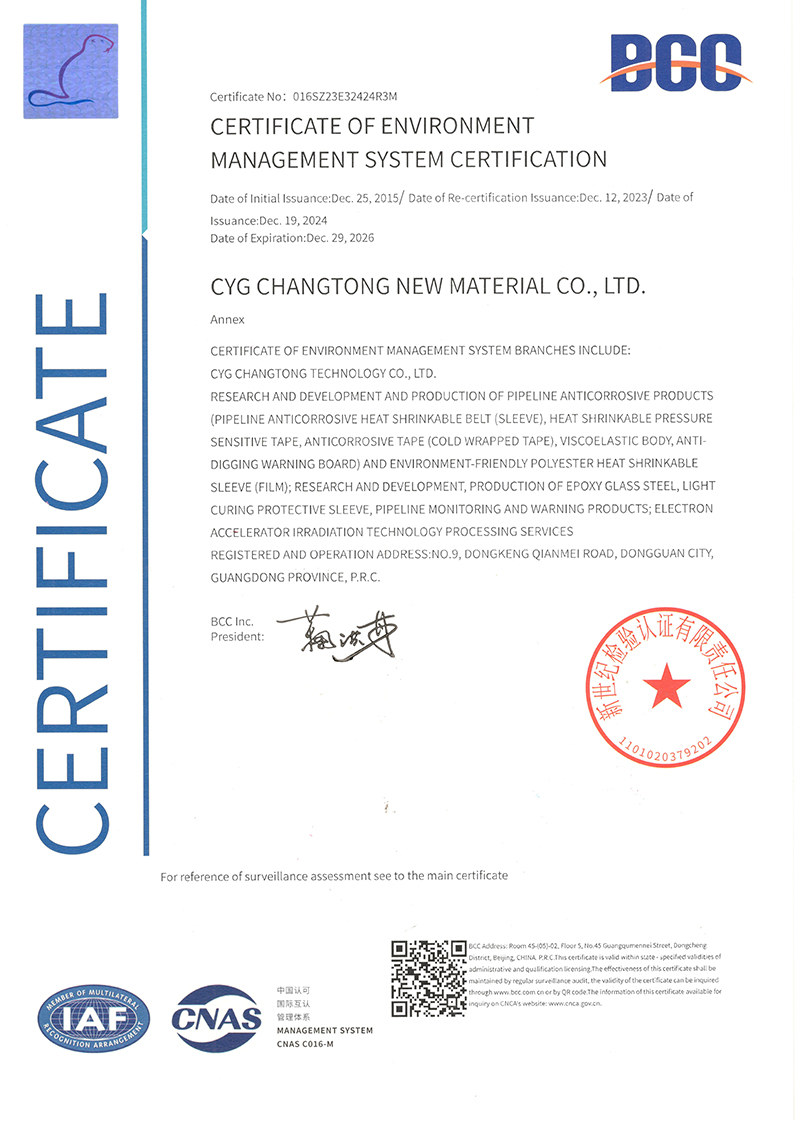
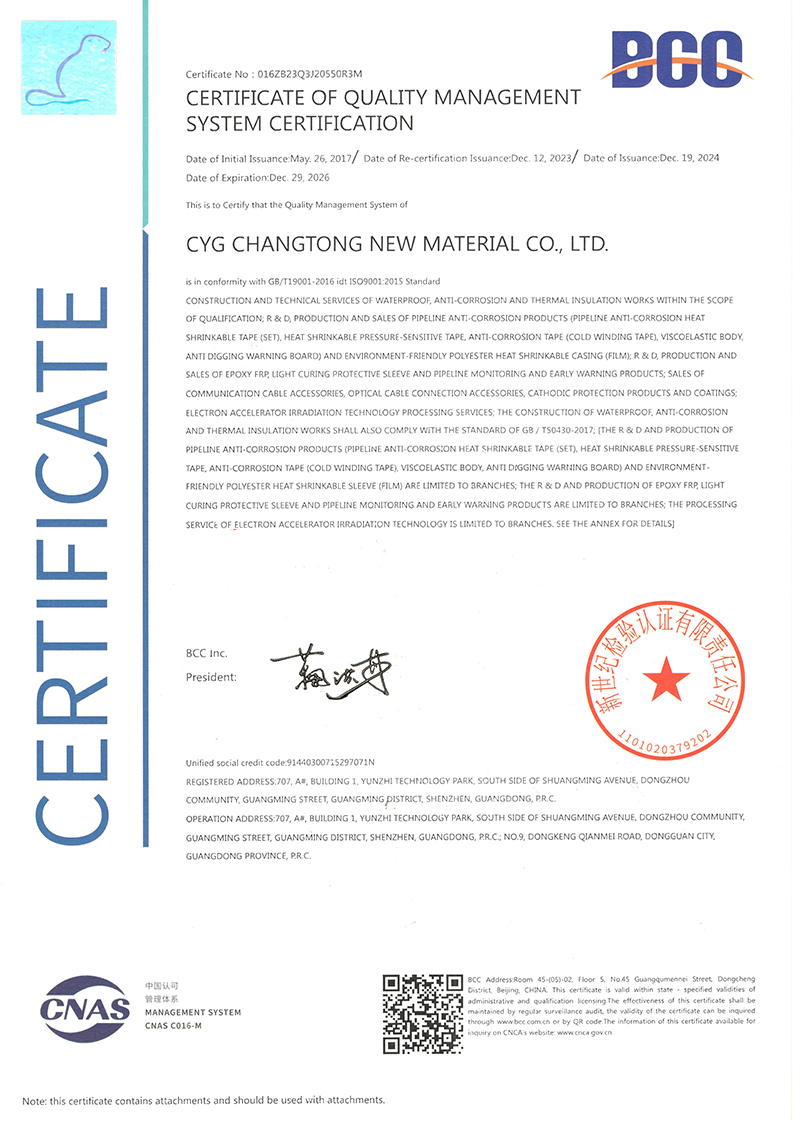
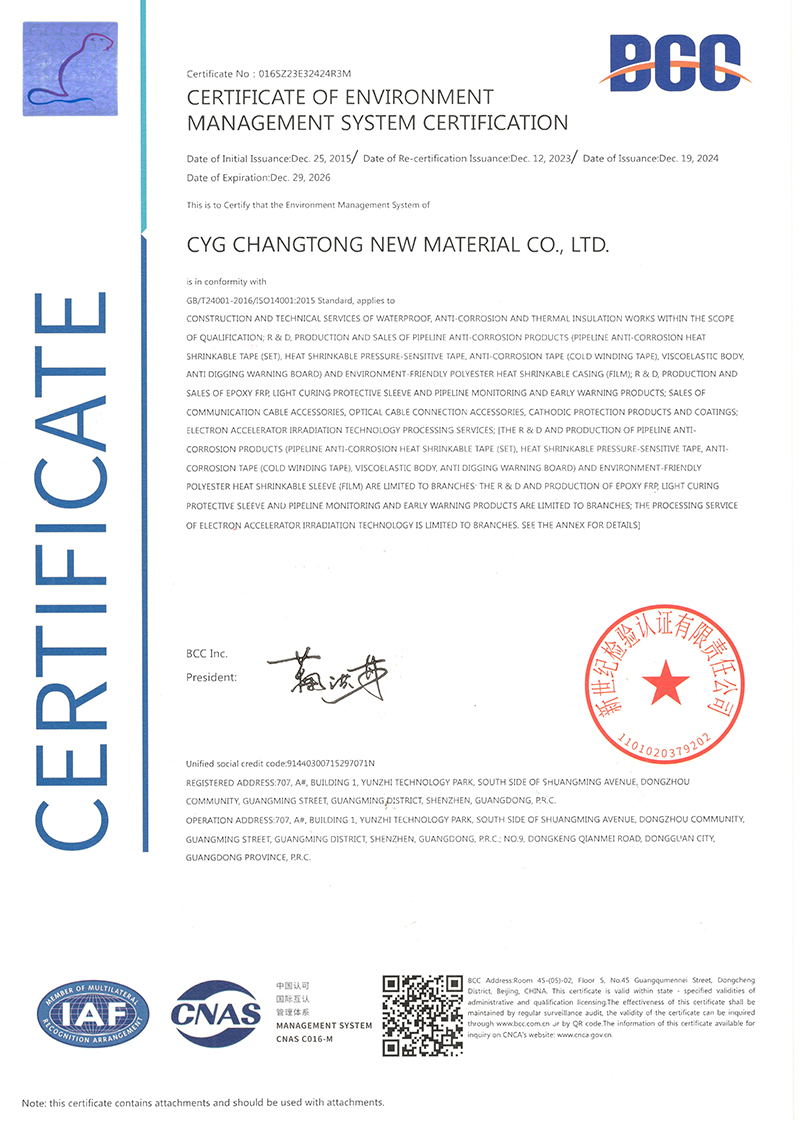
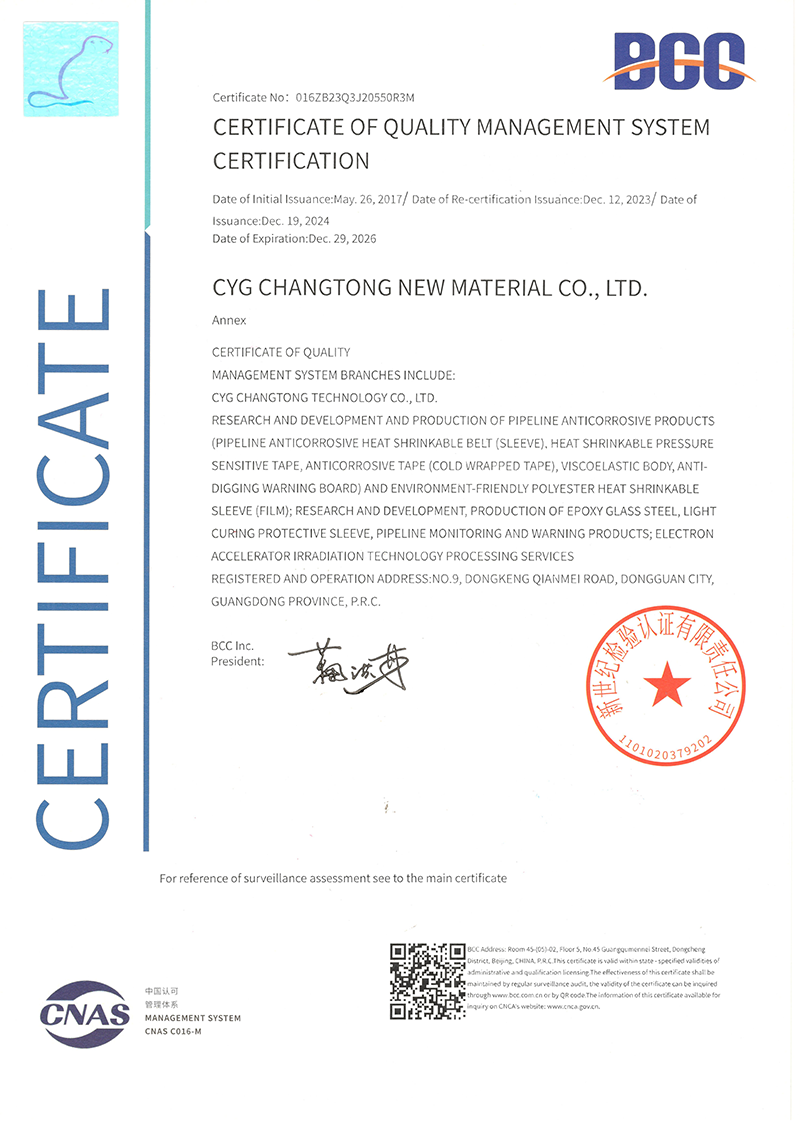
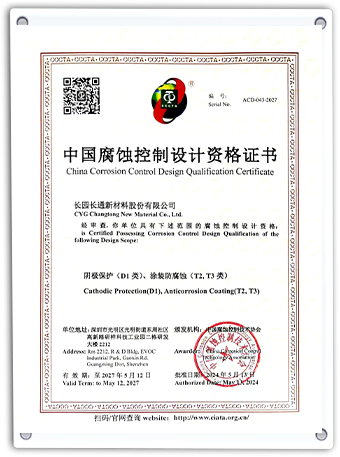
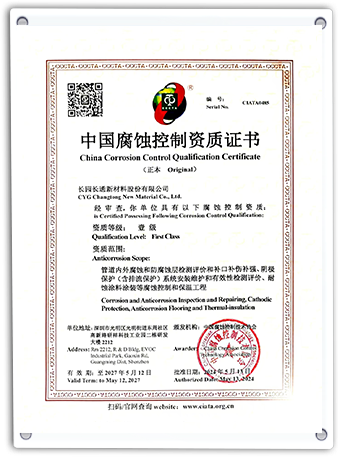
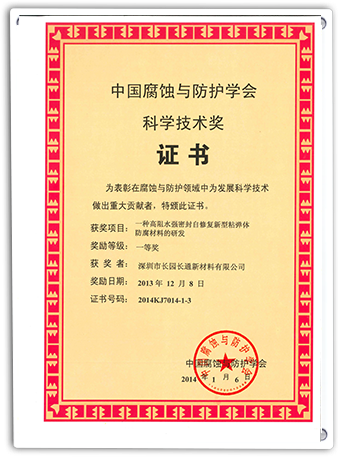
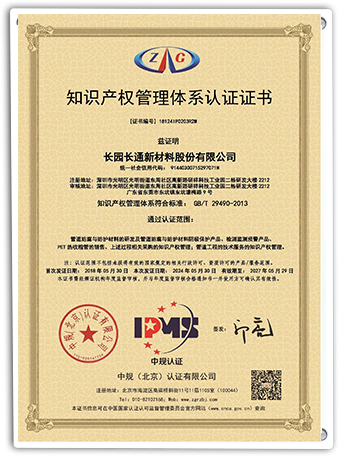
CYCT's commitment to quality is backed by recognized certificates, industry associations, and national engineering awards.
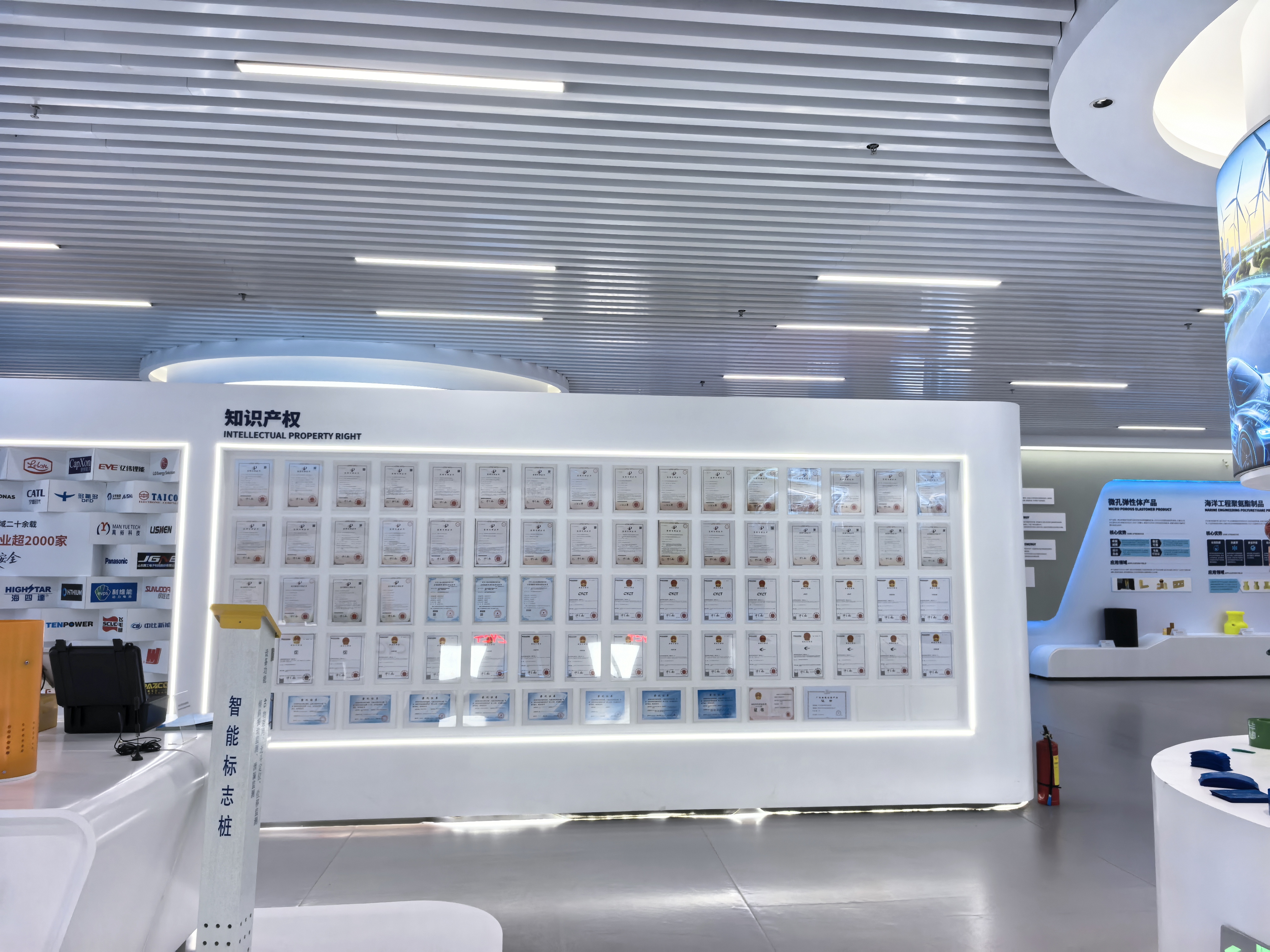
Affiliations & Accreditations: Council Member of the Chinese Society for Corrosion and Protection (CSCP), Qualification Certificate of Corrosion Protection Construction, Qualification Certificate of Pipeline Detection, Well-known Brand of Pipeline Corrosion Protection in China, Corporate Member of China Association of Petroleum Engineering Construction (CAPEC), State-Level High-Tech Enterprise with more than ten proprietary intellectual property rights. Proud supplier of PetroChina, Sinopec, China Gas Group, and Indian Oil.
Get professional answers about material compatibility, installation steps, and customization standards.
Complete your project procurement with our complementary line of primers, repair putties, and viscoelastic protection products.
 CYCT
CYCT