OEM Cold-Applied Tape Supplier & Factory

Premium Corrosion Prevention and Pipeline Protection Solutions Engineered for Global Infrastructure

High-Performance Pipeline Solutions

Discover our leading selection of engineered cold-applied tapes, viscoelastic materials, and joint protection solutions for extreme industrial environments.
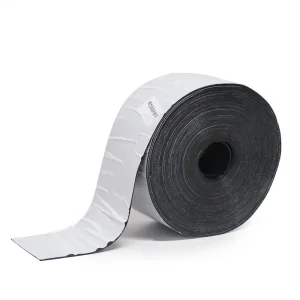
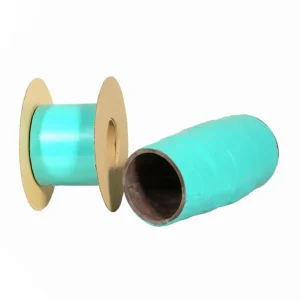
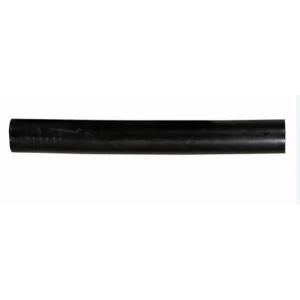
China High Temperature PE Cold Tape

China High Temperature PE Cold Tape for Corrosion Protection in Oil, Gas, and Petrochemical Industries

View Details
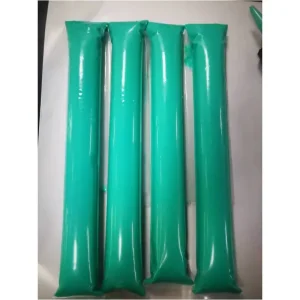
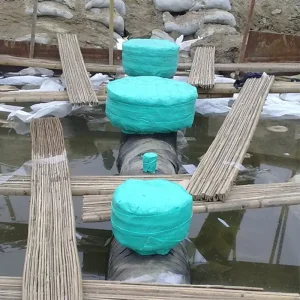
Viscoelastic Coating Valve Protection

China Suppliers Factory Viscoelastic Coating for Valve Protection – Anti-Corrosion Self-Adhesive Tape

View Details
High-Performance Viscoelastic Tape VT95

High-Performance Viscoelastic Tape VT95 from China Suppliers | Durable Polyolefin Anti-Corrosion Solution

View Details
China VE Putty

China VE Putty Manufacturers, Suppliers - Elite Viscoelastic Putty for Irregular Pipeline Joint Sealing

View Details
FRDX Hot Melt Stick

OEM China Suppliers FRDX Hot Melt Stick for Repairing Damaged Mill-Applied PE Coating - Factory Direct

View Details
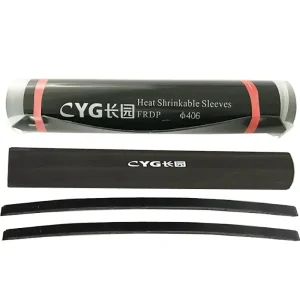
FRDP 60C Heat Shrinkable Sleeve

OEM China FRDP 60C Heat Shrinkable Sleeve Suppliers - Durable Corrosion Protection Factory for Pipelines

View Details
High Temperature Hot Melt Stick

China High Temperature Hot Melt Stick Manufacturer, Suppliers - High Adhesion Coating Repair Solution

View Details
GFRP Pipe Repair Solutions

China GFRP Pipe Repair Solutions - Leading Suppliers & Factory for Pipeline Defects and Reinforcement

View Details

Global Commercial & Industrial Landscape of Cold-Applied Tape

The global energy infrastructure represents the backbone of modern civilization. Tens of millions of kilometers of buried pipelines transport vital natural gas, crude oil, petrochemical derivatives, and municipal water supplies across continents. However, the integrity of these pipeline networks is constantly threatened by corrosion—an electrochemical reaction that leads to degradation, leakage, catastrophic structural failures, and massive economic losses.

To combat this, the modern corrosion engineering industry has shifted rapidly from traditional wet-applied paint systems toward advanced Cold-Applied Tape (CAT) coatings. As a crucial component of field joint coating (FJC) and pipeline rehabilitation, cold-applied polyethylene (PE) and polypropylene (PP) tapes provide an impervious, highly adhesive barrier against water, oxygen, and soil stress. Unlike hot-applied systems, cold-applied options eliminate the need for open flames or specialized heating rigs, making them inherently safer and much easier to install under challenging weather conditions.

According to industrial research, the global market for pipeline anti-corrosion materials is scaling at a CAGR of 5.8%, driven by massive pipeline expansion projects in North America, the Middle East, Central Asia, and East Asia, alongside the urgent need to rehabilitate aging municipal and industrial networks in Europe.

Today's procurement directors look for manufacturers that can supply cold-applied tapes matching strict international benchmarks such as ISO 21809-3, EN 12068, and NACE SP0169. Choosing the right OEM supplier is not just a commercial transaction; it is a critical strategy to guarantee decades of maintenance-free pipeline operation.

The Cold-Applied Advantage

  • Zero Open Flame: Safely applied in highly hazardous, explosive petrochemical environments.
  • Consistent Film Thickness: Eliminates human error and dripping associated with liquid epoxy coatings.
  • Immediate Backfilling: High mechanical strength allows instant soil loading post-application.
  • Broad Thermal Window: Maintains structural elasticity from sub-zero tundra conditions to desert heat.
24+
Years Industry Experience
50+
Countries Exported To
99%
Field Joint Pass Rate
30+
Patented Formulations

Polyolefin Backing vs. Viscoelastic Tape Technology

Understanding the physics of molecular barriers to optimize pipeline lifetime extension.

Viscoelastic Polymer Dynamics

Viscoelastic coating systems represent a leap in polymer science. These materials behave both like a highly viscous liquid—wetting and flowing into the microscopic profile of the steel surface—and an elastic solid, maintaining thickness and resisting displacement under stress.

"Viscoelastic tape (like our VT95) provides 100% surface contact with virtually zero holiday development, even on highly oxidized pipelines or irregular fittings."

When selecting a pipeline protection system, engineers evaluate two primary cold-applied technologies: Polyethylene (PE) Cold-Applied Tapes and Viscoelastic Polymer Coatings. Each serves unique, critical roles in the field:

  • PE Cold-Applied Tapes: Consist of a polyethylene backing film coated with a thick layer of rubberized asphalt or butyl rubber adhesive. The PE backing provides high mechanical toughness, electrical resistivity, and protection against chemical attack, while the adhesive bonds aggressively to prepared steel surfaces and existing mill coatings (3LPE, 3LPP).
  • Viscoelastic Tapes & Putty (VT95 / VE Putty): Based on non-crystalline, low-molecular-weight polyolefins. The primary advantage of viscoelastic systems is their self-healing property. If the coating suffers a minor mechanical puncture, the viscoelastic compound slowly flows back to seal the void, preventing corrosion-inducing agents from reaching the metal substrate. Furthermore, viscoelastic materials do not cure or harden, meaning they are immune to aging, cracking, or cathodic disbondment.

To ensure optimal cathodic protection (CP) compatibility, modern engineering specifications often mandate a dual-layer or triple-layer cold-applied tape structure, combining a viscoelastic corrosion-preventive inner wrap with a mechanically tough PE outer wrap. This hybrid design ensures maximum chemical resistance and physical durability.

China OEM Manufacturing: Precision & Scale

Why global EPC contractors and state utility companies partner with Chinese manufacturers for high-volume pipeline projects.

Vertical Supply Integration

Chinese factories leverage massive internal petrochemical supply chains. By sourcing raw polyolefins, butyl rubbers, and specialized cross-linking agents directly from domestic state-scale refineries, they shield global buyers from volatile price swings and raw material shortages.

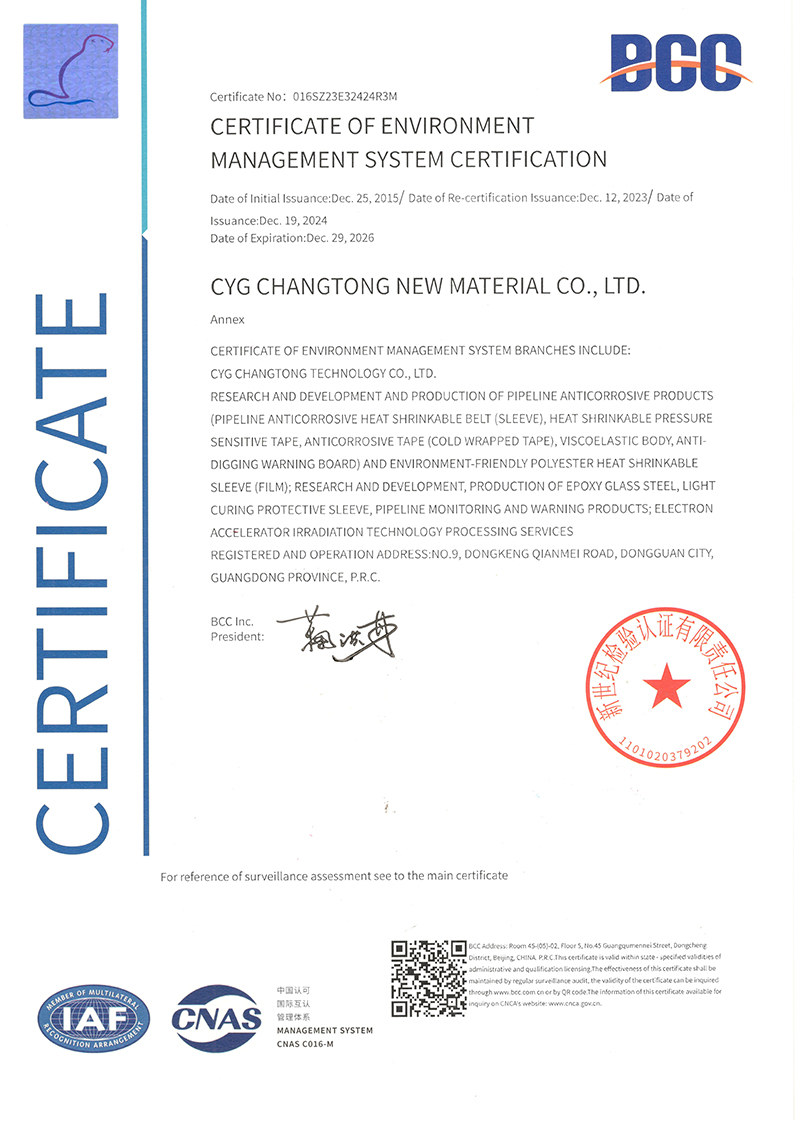
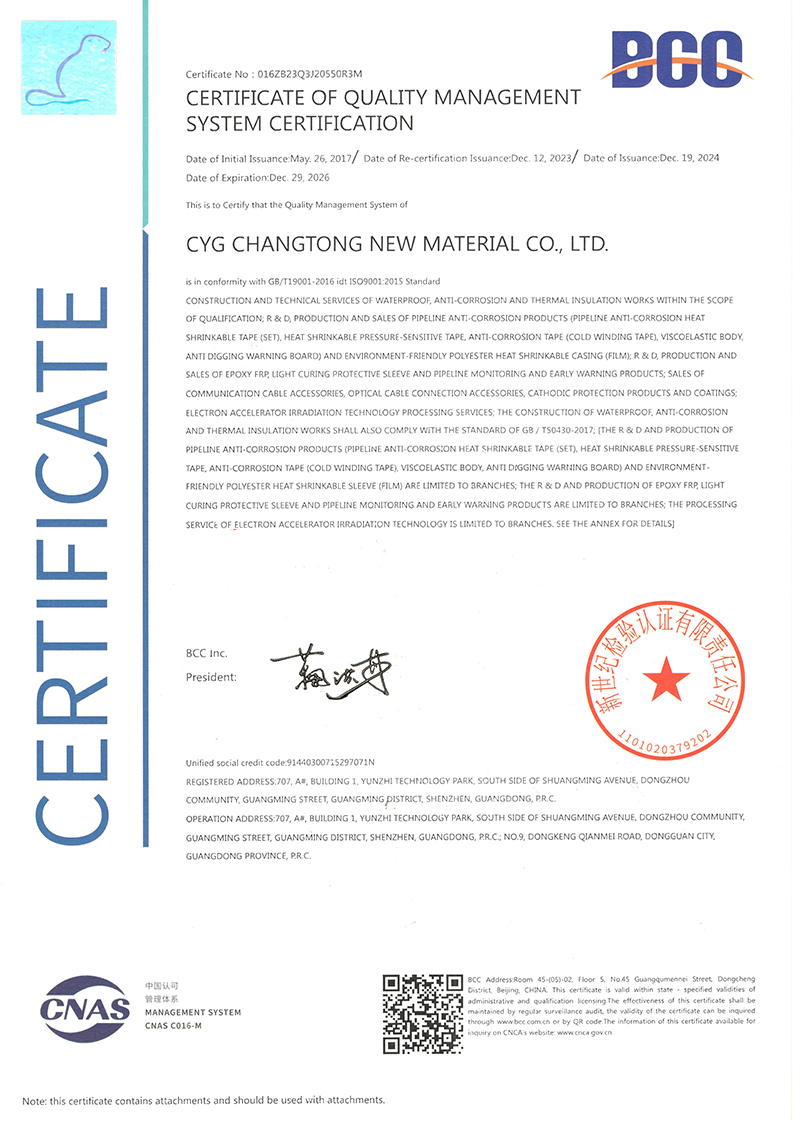
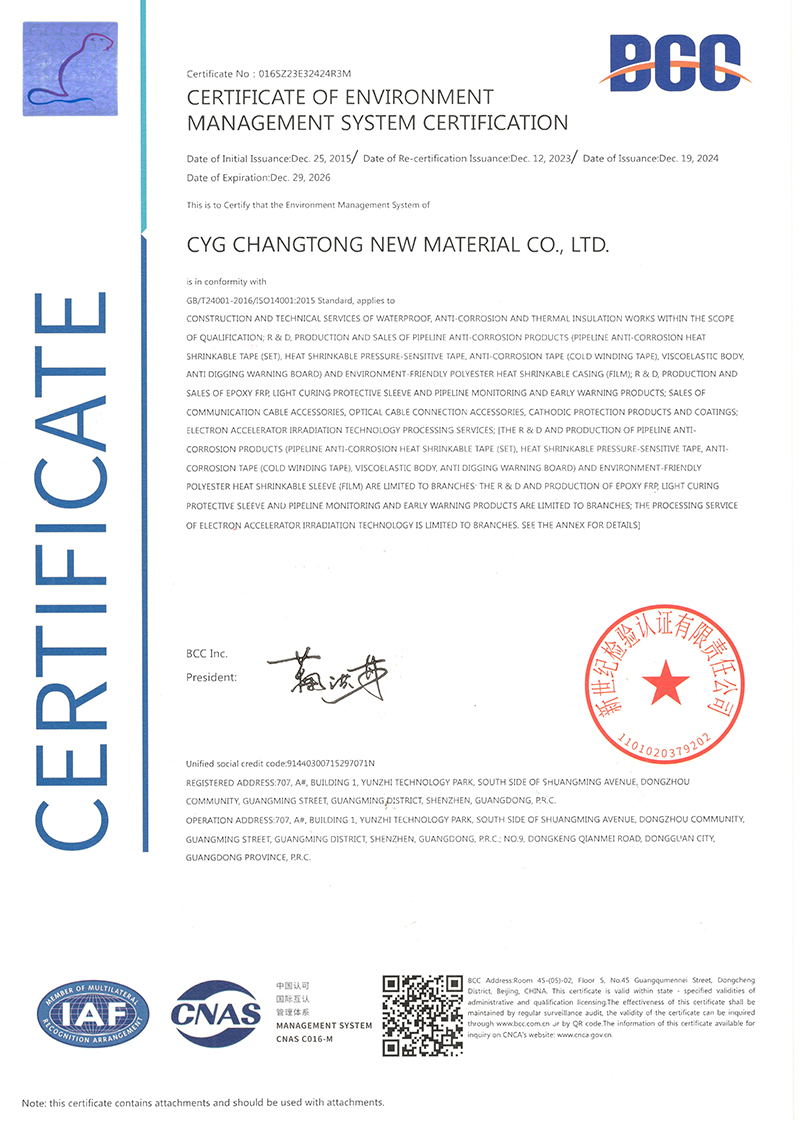
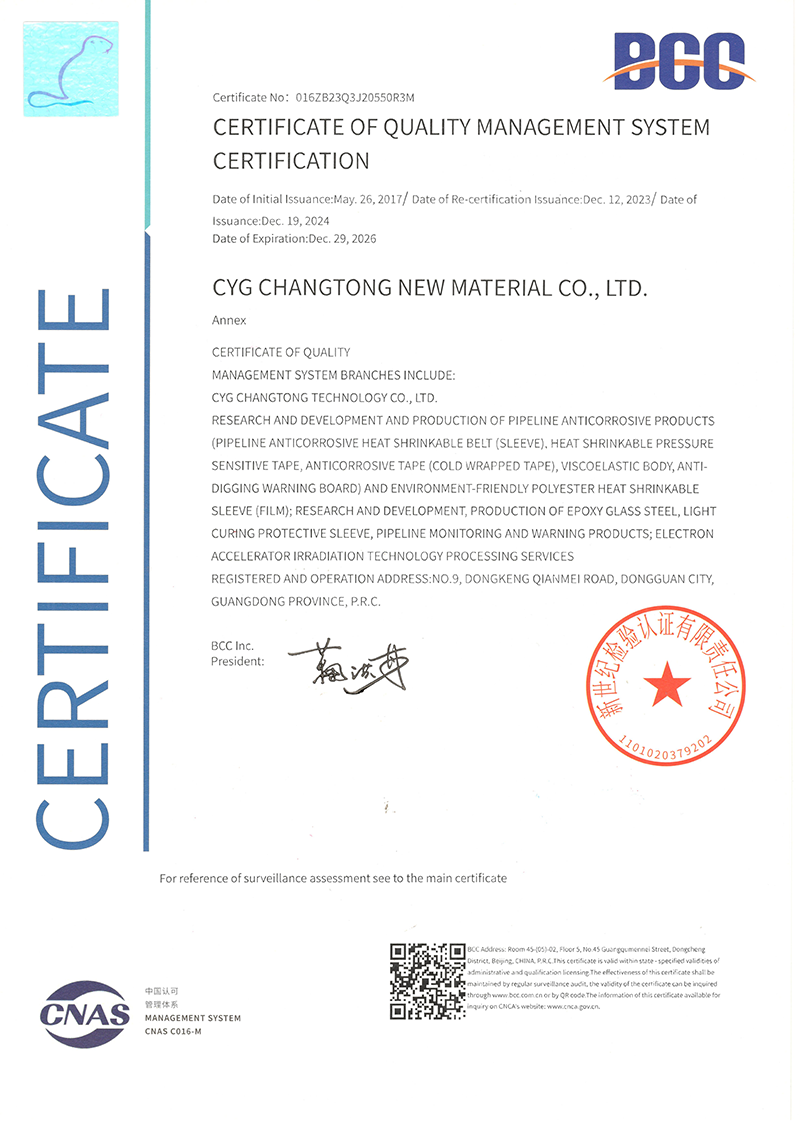
CNAS Accredited Laboratories

Top-tier Chinese OEM factories feature in-house laboratories accredited by the China National Accreditation Service for Conformity Assessment (CNAS). This ensures every production batch undergoes strict peel strength, cathodic disbondment, heat-aging, and water vapor permeability tests before shipment.

Customized OEM Formulations

Global pipeline environments vary from the extreme dry heat of Middle Eastern deserts to the moisture-laden soils of Southeast Asian rain forests. Chinese factories excel at customizing adhesive thicknesses, backing densities, and temperature ratings to fit the precise climatic profile of each project.

In addition to cost efficiency, Chinese factories have pioneered manufacturing automation. High-speed co-extrusion lines produce multi-layer tapes with flawless adhesive-to-backing cohesion. This eliminates the risk of delamination—a common point of failure in low-grade tapes. Large-scale logistics hubs close to major deep-water ports (such as Shenzhen, Shanghai, or Qingdao) facilitate prompt containerized shipping, keeping international infrastructure projects on schedule and within budget.

Localized Application Scenarios & Engineering Case Studies

Engineered solutions for challenging terrains, high temperatures, and severe mechanical loads.

Horizontal Directional Drilling (HDD) Protection

Pipelines installed via Horizontal Directional Drilling (HDD) traverse rivers, highways, and sensitive ecosystems. As the steel pipe is pulled through the drilled borehole, it encounters high friction, rocky soils, and sharp debris that can easily gouge traditional coatings.

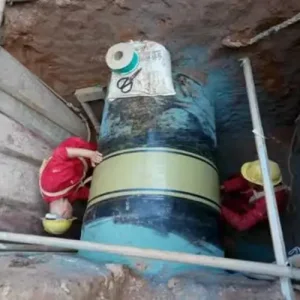
To protect the primary anti-corrosion barrier, engineers apply specialized Glass Fiber Reinforced Plastic (GFRP) Pipe Repair Solutions and heavy-duty moisture-curing shields (such as the CYG Changtong GRF Shield). These systems act as a sacrificial mechanical armor, shielding the inner cold-applied or viscoelastic layers from damage during the pull-back operation.

Offshore and Splash-Zone Anti-Corrosion

Marine structures, offshore oil rigs, and port piping operate in the most corrosive environment on Earth. The continuous cycle of wetting and drying in the tidal splash-zone accelerates steel oxidation exponentially.

For these applications, CYG Changtong GRF Moisture Curing Shields offer superior performance. Using moisture-activated polyurethane resins, these wraps cure rapidly in damp conditions, providing a robust, impact-resistant shield that repels salt water, UV radiation, and mechanical wave impact.

Other Key Application Scenarios

  • High-Temperature Pipelines: Pipelines situated downstream of gas compressor stations require special high-temperature PE tapes capable of resisting continuous temperatures up to 80°C without adhesive liquefaction.
  • Irregular Geometry Protection: Valves, tees, flanges, and bolted joints are prone to air pockets when wrapped with flat tapes. VE Putty is packed around these contours first to create a smooth profile, which is then wrapped with self-adhesive viscoelastic tape.
  • Field Joint Coating (FJC): Applying field joint patches or heat-shrinkable sleeves to the welded bare steel joint after two pipes are joined in the field.

Company Profile & Qualifications

CYCT: Over two decades of excellence in pipeline corrosion engineering.

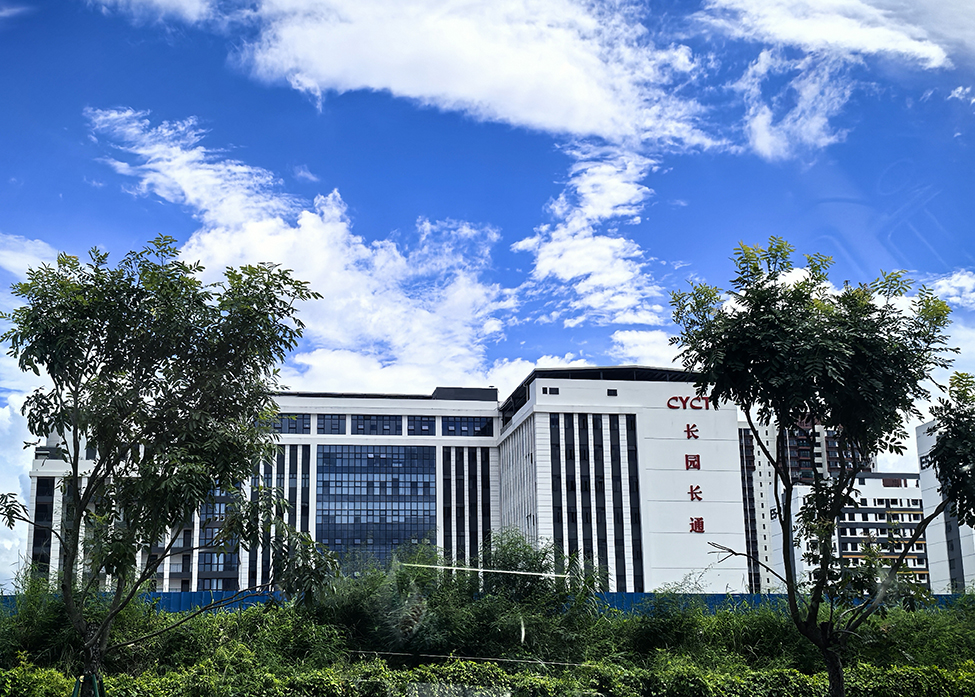
CYCT · Was Founded In 2000

CYCT New Materials Company Limited (for short, CYCT) is a state-level high-tech enterprise integrating R&D, production, and sales of pipeline corrosion protection materials, as well as buried pipeline detection services and pipeline coating field application services into one. For decades, CYCT has dedicated itself to the scientific R&D, production, and sales of pipeline corrosion protection materials.

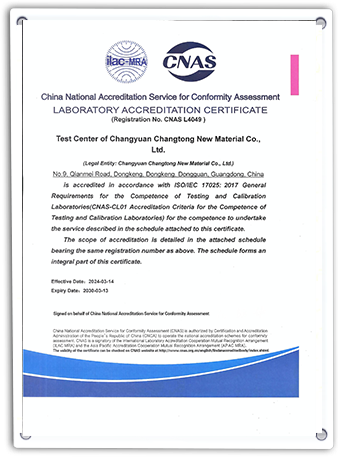
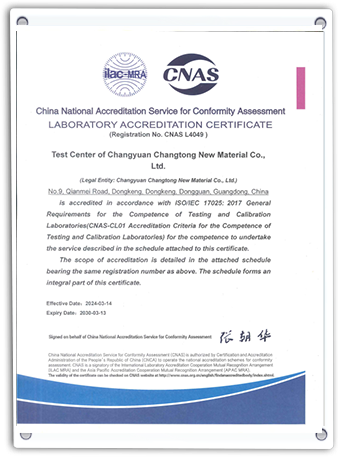
CYCT owns leading testing and R&D capabilities, a professional R&D team, and a national CNAS-accredited laboratory. By partnering with leading R&D institutes such as the CNPC Pipeline Science Research Institute, CYCT is capable of providing in-service pipelines with varied technical services, including buried pipeline detection, design schemes, cathodic protection, rehabilitation projects, and integrated solutions for pipeline safety.

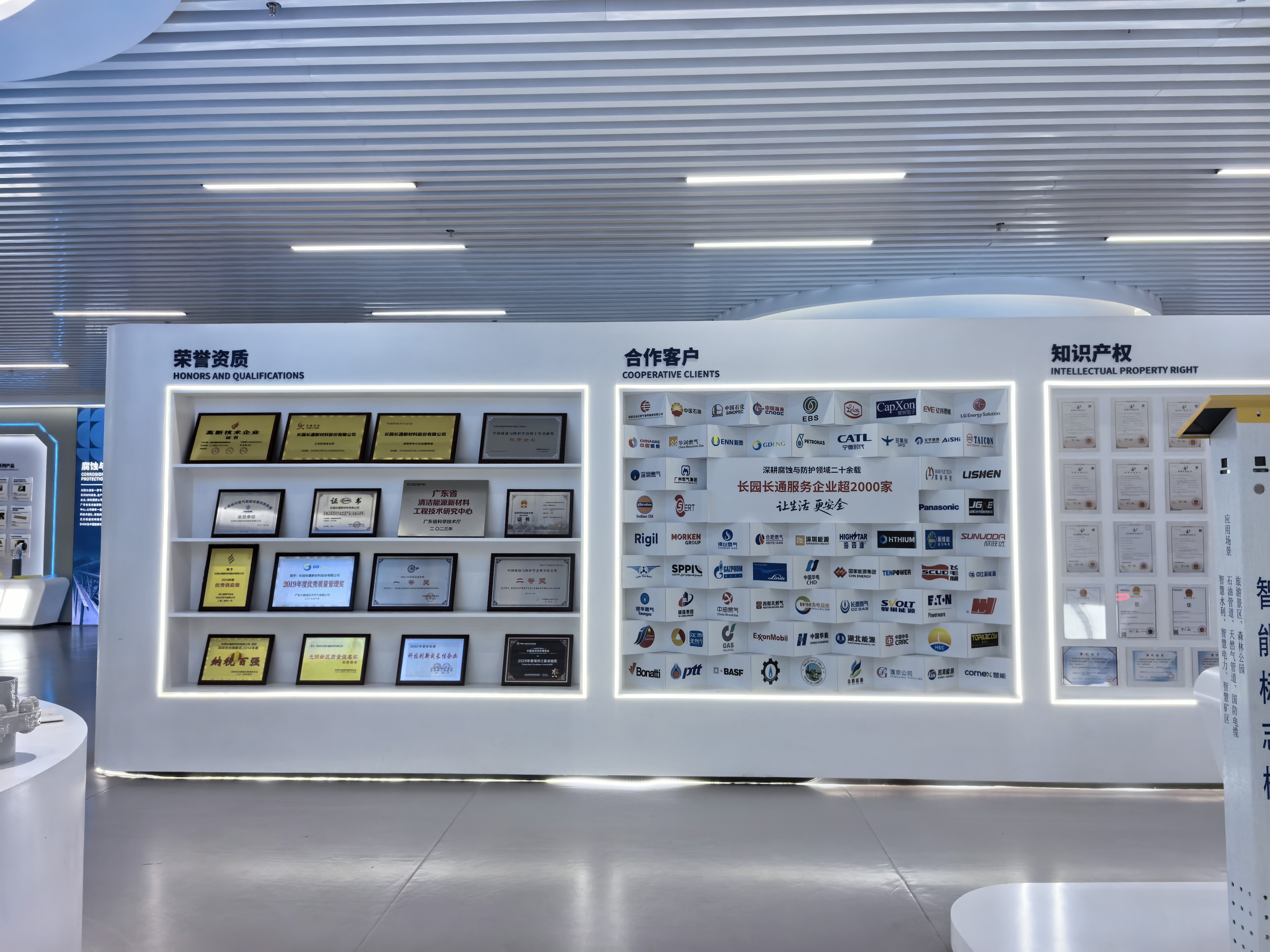
Over the years, CYCT has become a stable supplier of field joint coatings for PetroChina, Sinopec, PipeChina, China Gas Group, and Indian Oil, holding a highly dominant market share. Furthermore, CYCT has successfully developed and introduced a number of specialty corrosion protection materials, such as viscoelastic anti-corrosion materials, special photo-curing sleeves for HDD protection, and polyurea coatings.
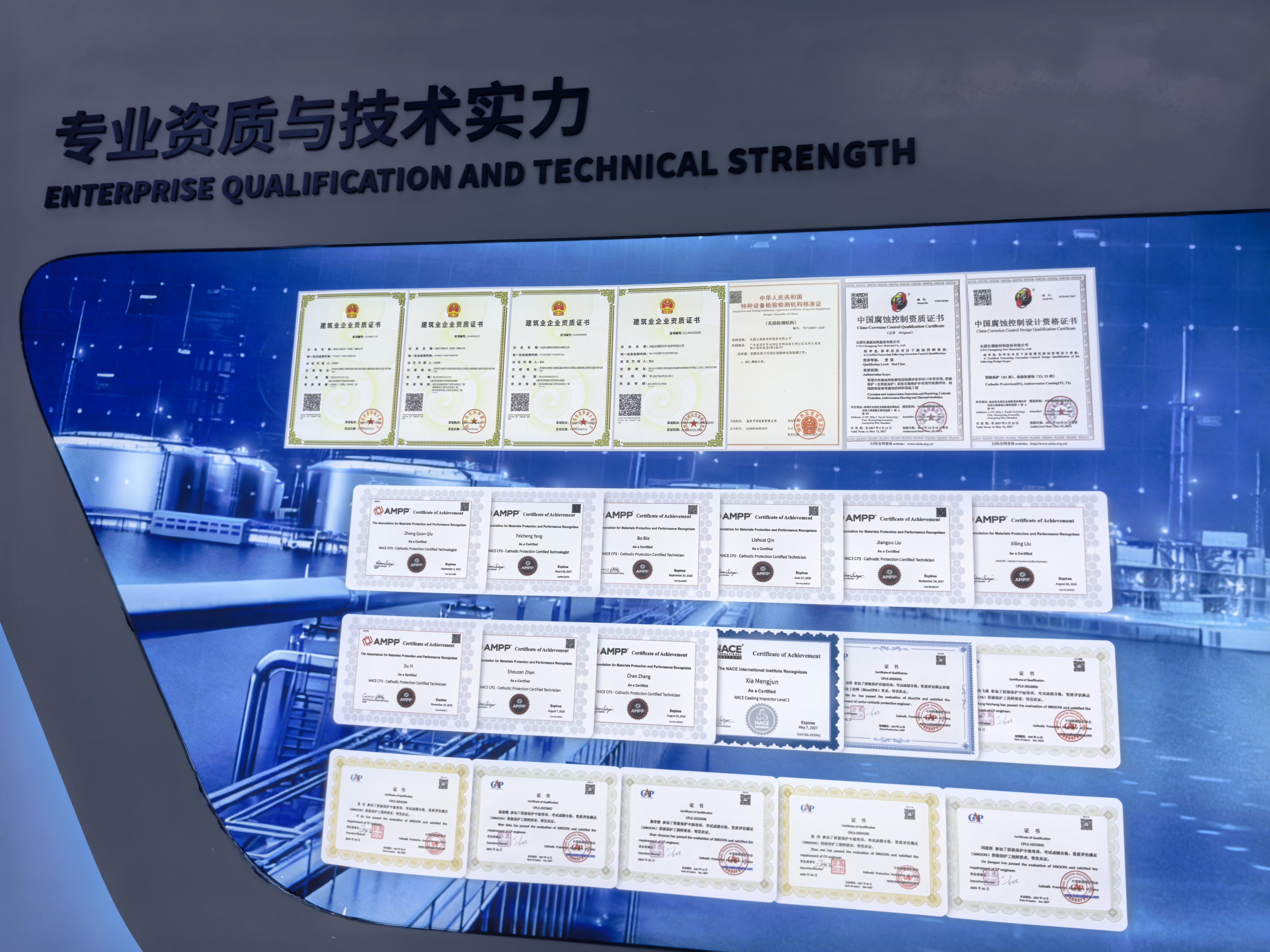
Corporate Honors & Certifications

Company Certificate

Company Certificate

Company Certificate

Company Certificate

Company Certificate

Company Certificate

Company Certificate

Company Certificate

Company Certificate

Company Certificate

Company Certificate

Company Certificate

Company Certificate

Company Certificate

Company Certificate

Company Certificate

Company Certificate

Company Certificate

Company Certificate

Company Certificate

Key Credentials and Affiliations:
  • Member of Council in Chinese Society for Corrosion and Protection (CSCP)
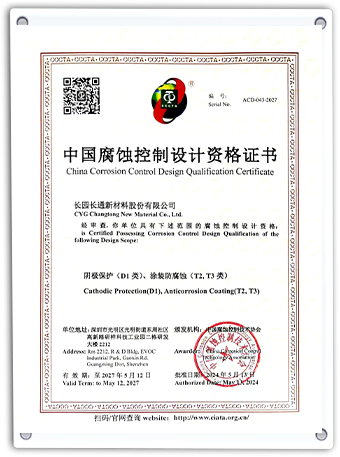
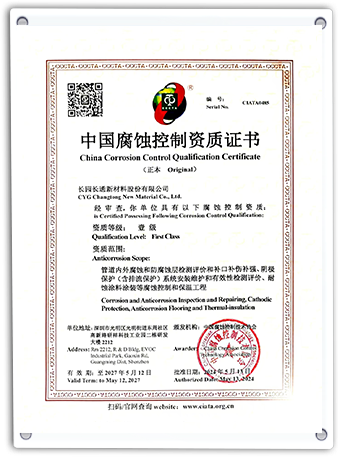
  • Qualification Certificate of Corrosion Protection Construction & Qualification Certificate of Pipeline Detection
  • Well-known Brand of Pipeline Corrosion Protection in China
  • Corporate Member of China Association of Petroleum Engineering Construction (CAPEC)
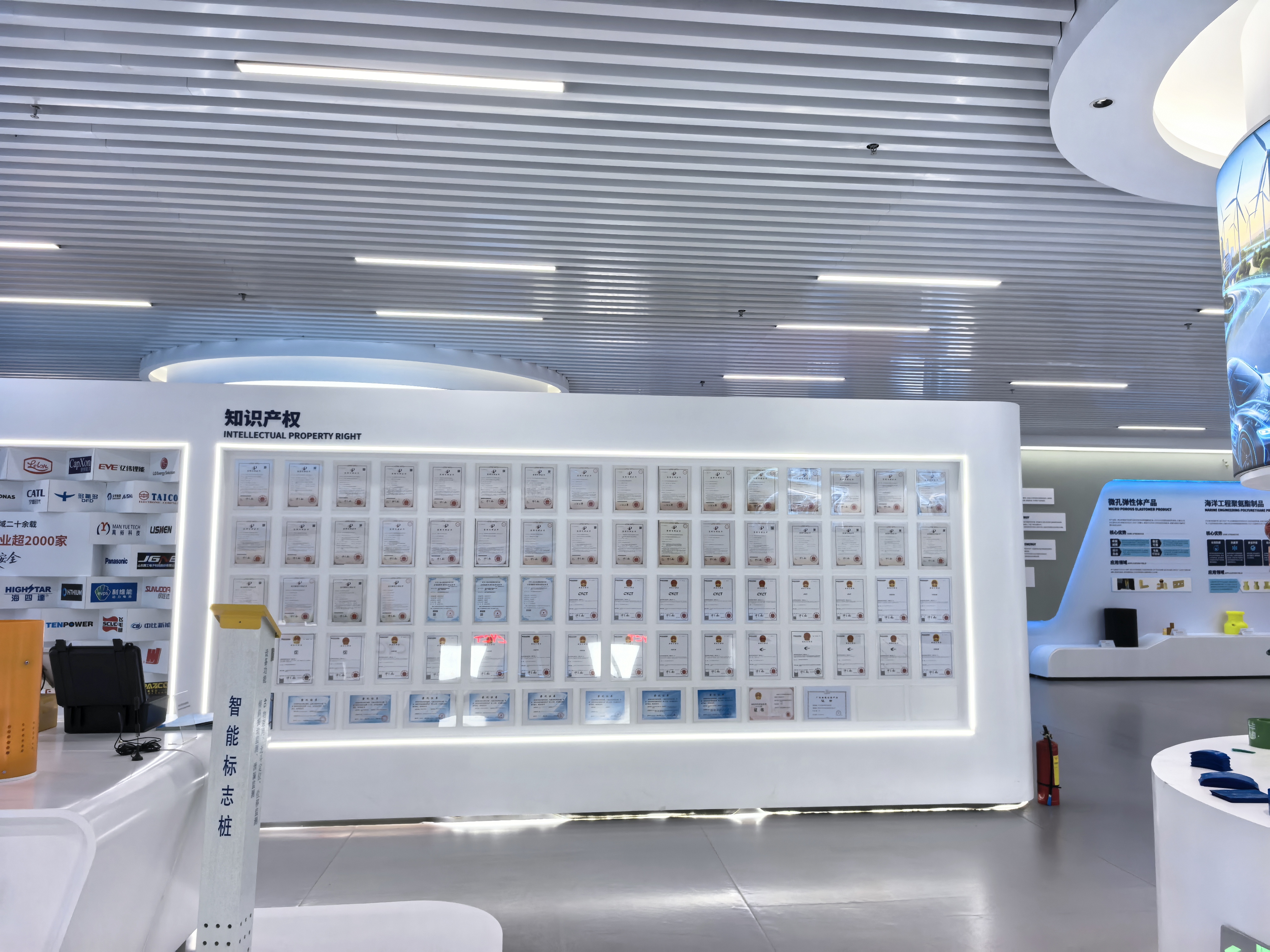
  • State-Level High-Tech Enterprise with more than ten proprietary intellectual property rights
  • Stable supplier of PetroChina, Sinopec, China Gas Group, and Indian Oil
  • Active member/affiliate in Clean Energy Research Center and AMPP (Association for Materials Protection and Performance)

Development Trends in the Anti-Corrosion Industry

How technological advancements and global environmental goals shape the next generation of coating materials.

As pipeline operators seek to maximize the lifespan of their assets while reducing environmental impact, several key trends are emerging in the anti-corrosion sector:

  1. Environmentally Safe Formulations: Traditional liquid primers and solvent-based adhesives are being replaced by VOC-free materials. Viscoelastic coatings, which contain no harmful solvents and generate zero chemical off-gassing during installation, are seeing rapid adoption globally.
  2. Broad-Spectrum Temperature Tolerance: The expansion of deep-well exploration and high-pressure gas networks has pushed operating temperatures higher. Pipeline tapes must now endure sustained thermal profiles ranging from -40°C in arctic permafrost to +120°C in geothermal and heavy crude lines.
  3. Cathodic Protection (CP) Shielding Mitigation: Traditional solid plastic tapes can shield the steel surface from cathodic protection currents if the tape disbonds, leading to hidden under-film corrosion. Modern tape designs use specialized structured adhesives that allow CP currents to pass through and protect the steel even if moisture ingress occurs.
  4. Smart Pipelines and Corrosion Monitoring: The integration of fiber-optic sensor lines and corrosion-detection sensors directly underneath the cold-applied wraps allows real-time health monitoring of pipeline joints, preventing failures before they happen.

Global Procurement Demands

Large engineering, procurement, and construction (EPC) companies require comprehensive product documentation. Key procurement criteria include:

  • Guaranteed 30+ year service life certification.
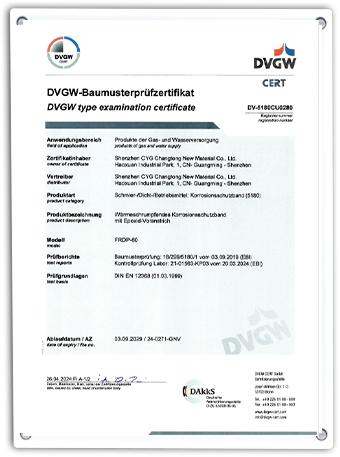
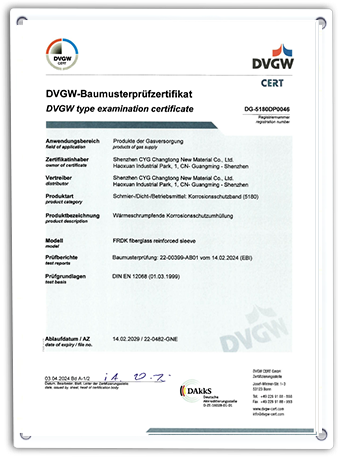
  • Detailed third-party test reports (SGS, DVGW, or CNAS).
  • Consistent tensile strength and high shear resistance.
  • Rapid supply capabilities and high production volume capacity.

Frequently Asked Questions (FAQ)

Expert technical answers to common queries regarding cold-applied tapes and pipeline coatings.

1. What is the difference between cold-applied tape and heat-shrinkable sleeves?
Cold-applied tapes are wrapped around pipelines at ambient temperatures without requiring pre-heating of the pipe or tape. They rely on pressure-sensitive adhesives (such as butyl rubber or viscoelastic compounds) to create a bond. Heat-shrinkable sleeves (HSS), on the other hand, require the steel to be pre-heated to high temperatures (typically 60°C to 100°C) and then heated with a propane torch to shrink the backing material and activate the hot-melt adhesive. Cold-applied tapes are generally faster to install, safer, and do not carry the risk of overheating-induced coating damage.
2. Can viscoelastic tape be applied to poorly prepared steel surfaces?
One of the primary benefits of viscoelastic coatings (such as VT95 and VE Putty) is their tolerance for imperfect surface preparation. Unlike liquid epoxies or PE tapes, which strictly require a near-white metal blast cleaning (ISO Sa 2.5), viscoelastic materials can be applied to surfaces prepared to ISO St 2 or St 3 standards (wire brush cleaning). The material's unique chemistry allows it to completely wet the oxidized steel surface, flow into micro-crevices, and halt the oxidation process by displacing oxygen and moisture.
3. How do you choose between PE-based and PP-based pipeline coatings?
The choice depends primarily on the operating temperature of the pipeline and the mechanical stress it will experience. Polyethylene (PE) tapes are highly cost-effective and suitable for operating temperatures up to 60°C or 80°C. Polypropylene (PP) coatings, including PP repair patches and PP heat-shrinkable sleeves, possess higher mechanical strength, superior indentation resistance, and are capable of withstanding higher temperatures up to 100°C or even 120°C, making them the standard choice for 3LPP-coated mainlines.
4. What causes cathodic protection (CP) shielding, and how can it be avoided?
Cathodic protection shielding occurs when a non-conductive coating disbonds from the steel pipe, allowing water to slip underneath while simultaneously blocking the electrical cathodic protection currents from reaching the metal. This creates a localized corrosion cell that is hidden from surface detection. Choosing high-performance viscoelastic tapes that form an aggressive chemical bond, or using engineered multi-layer PE tapes with non-shielding adhesives, is the best way to prevent CP shielding.
5. What is the shelf life of cold-applied anti-corrosion tapes?
Generally, when stored in their original packaging in cool, dry, and ventilated conditions (protected from direct sunlight and temperatures exceeding 35°C), high-quality cold-applied tapes have a shelf life of 2 to 3 years. Viscoelastic tapes, due to their chemically stable, non-curing formulation, can have an even longer shelf life without losing their self-adhesive properties.
6. Can these tapes be used for repairing damaged factory-applied coatings?
Yes, products such as the FRDX Hot Melt Stick and PP Repair Patches are designed specifically to repair pinholes, gouges, and mechanical damage on factory-applied 3LPE or 3LPP pipeline coatings. These repair materials melt and fuse directly with the factory coating, restoring the absolute integrity of the corrosion barrier.

Explore Our Full Anti-Corrosion Portfolio

Factory-direct OEM solutions certified under international standards for high-stakes oil, gas, and marine infrastructure.
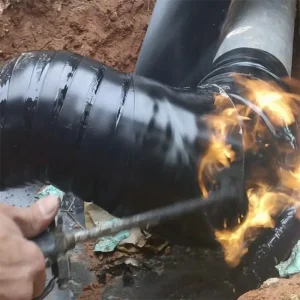
High-Temperature PE Cold Tape for Corrosion Protection

China High-Temperature PE Cold Tape for Corrosion Protection | China Suppliers & Factory for Oil, Gas

View Details
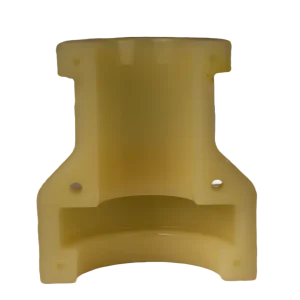
High-Performance Bend Restrictor Polyurethane Solutions

OEM High-Performance Bend Restrictor from China Factory - Top Suppliers for Durable Polyurethane Solutions

View Details
60℃ FRDS Heat Shrinkable Tape

China 60℃ FRDS Heat Shrinkable Tape from China Suppliers | Factory Direct for Pipeline Protection and Repair

View Details
FRDX Hot Melt Stick PE Coating Repair

OEM China FRDX Hot Melt Stick for PE Coating Repair - Trusted Suppliers & Factory Solution Manufacturer

View Details
CYG Changtong GRF Moisture Curing Shield

China Suppliers Factory: CYG Changtong GRF Moisture Curing Shield for Offshore Anti-Corrosion Protection

View Details
Polypropylene Heat Shrinkable Sleeves

China Suppliers Factory Polypropylene Heat Shrinkable Sleeves for Field Joints and Pipe Coating

View Details
PP Repair Patch for 3LPP Coating

OEM China Suppliers PP Repair Patch for 3LPP Coating and Heat Shrink Sleeve - Factory Direct Quality Solution

View Details
FRPD-PP Heat Shrinkable Sleeves

OEM China FRPD-PP Heat Shrinkable Sleeves Supplier for Factory Coated Polypropylene Pipe Joints and Fittings

View Details