Engineered to prevent asset degradation under extreme mechanical load and harsh ambient temperatures.
Modern steel structures, marine infrastructures, and cross-country transportation pipelines form the physical backbone of global development. However, these massive assets face a persistent threat: corrosion. According to global studies conducted by AMPP (formerly NACE), the direct annual cost of corrosion exceeds $2.5 trillion USD, roughly equivalent to 3.4% of the global GDP.
Pipeline networks traverse extreme conditions, including sub-zero arctic zones, scorching deserts, salty offshore trenches, and corrosive chemical processing yards. Protecting these capital-intensive systems requires advanced OEM coatings that go beyond basic isolation barriers.
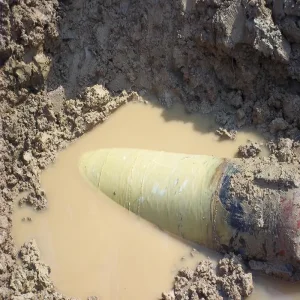
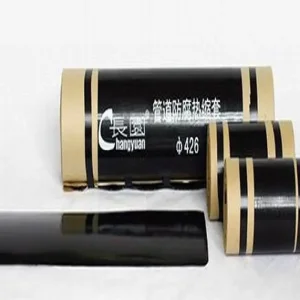
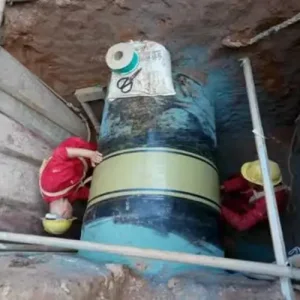
Today, the industry focuses on preventing failures in the weakest spots of long-distance pipelines: field joints, bends, and repaired sections. If field joint coatings fail, it compromises the overall protection system, regardless of how robust the factory-applied line coatings are. This vulnerability is why advanced heat-shrink materials, viscoelastic wraps, and glass-fiber reinforced composites are critical to ensuring reliable pipeline integrity.
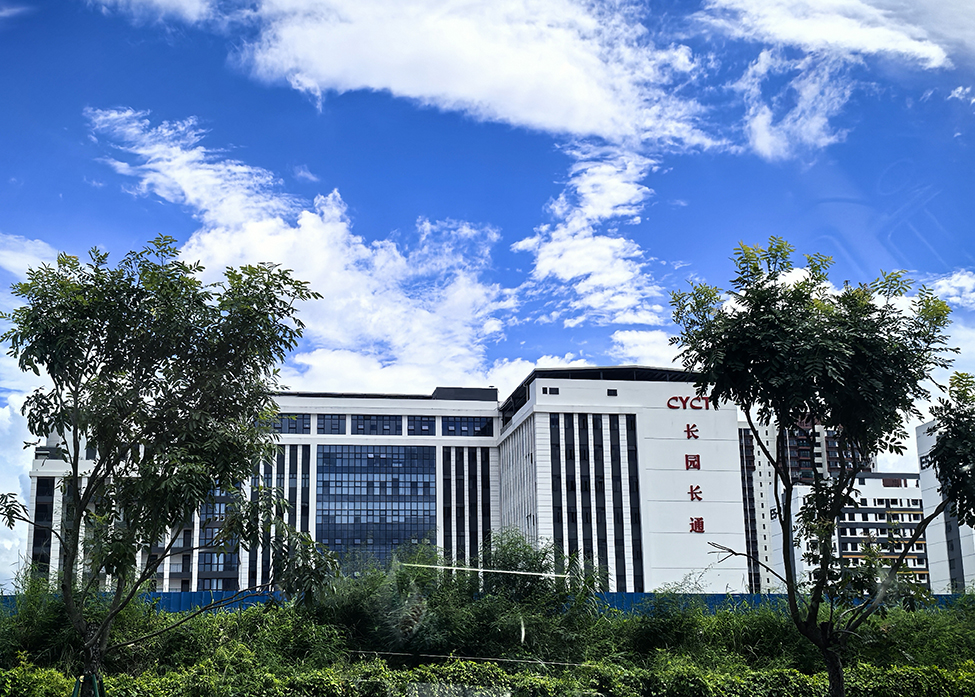
CYCT New Materials Company Limited (for short, CYCT) is a state-level high-tech enterprise integrating R&D, production, and sales of pipeline corrosion protection materials. We also specialize in buried pipeline detection and field application coating services. For decades, CYCT has dedicated itself to the continuous improvement of anti-corrosion materials.
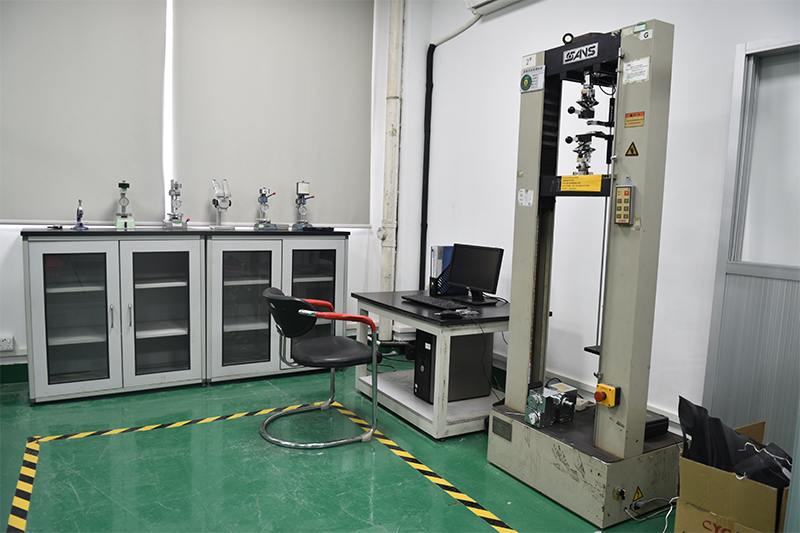
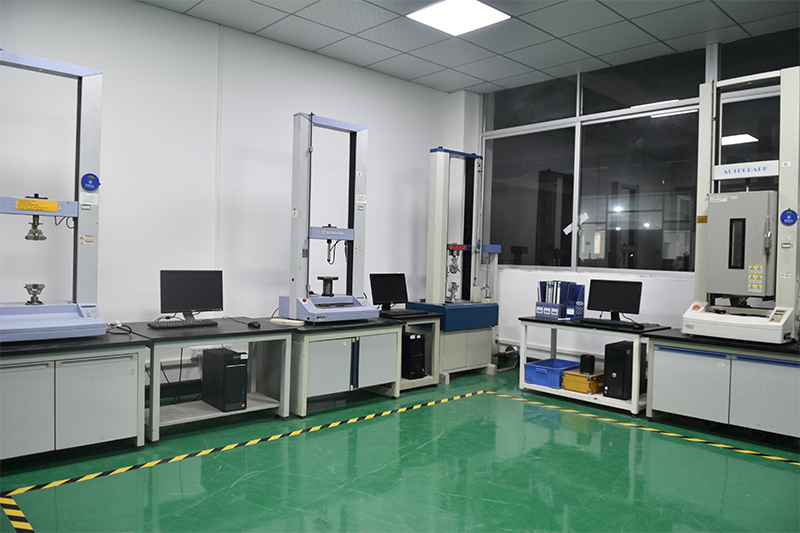
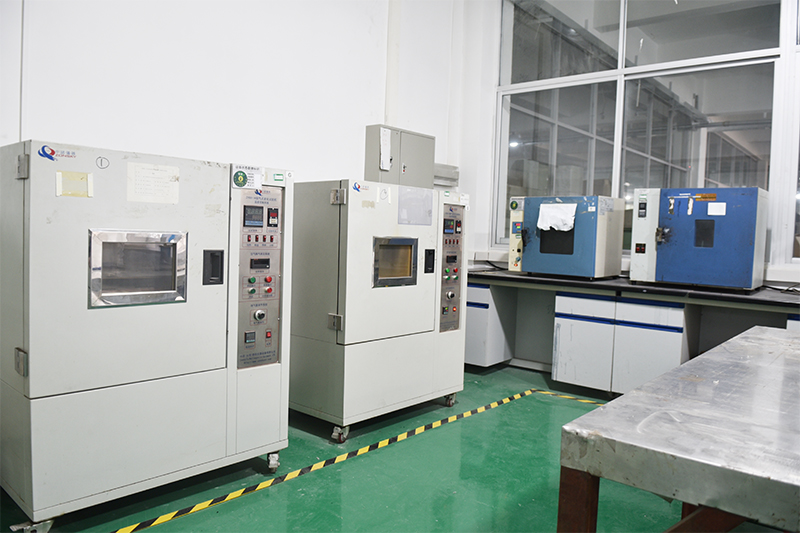
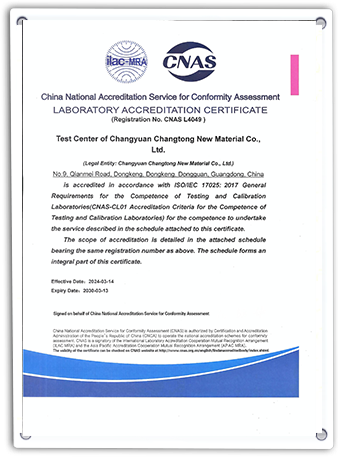
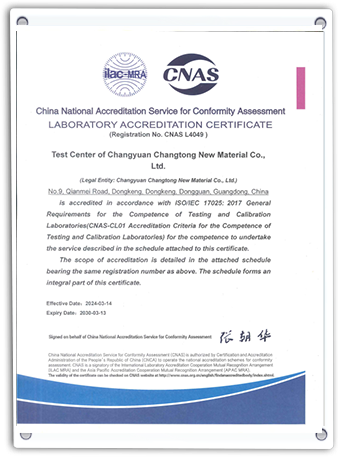
Equipped with a professional research team and a national CNAS-accredited laboratory, CYCT has become a stable field joint coating supplier for PetroChina, Sinopec, PipeChina, and various municipal gas networks. We hold a major market share in critical energy infrastructure pipelines throughout the region.
Through close cooperation with leading research institutions, including the CNPC Pipeline Science Research Institute, CYCT provides technical services for in-service pipelines. These services cover buried pipeline detection, custom coating design, cathodic protection integration, rehabilitation engineering, and comprehensive, end-to-end safety protection systems.
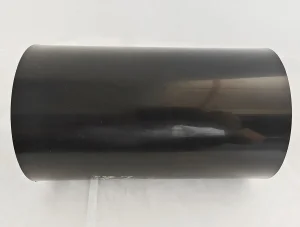
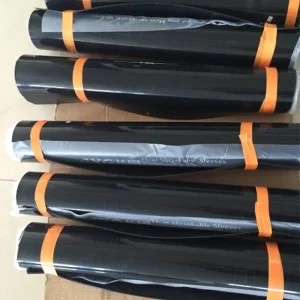
CYCT has developed and introduced several specialty corrosion protection products, such as viscoelastic materials, specialized photo-curing sleeves for HDD protection, and spray-applied polyurea coatings, ensuring high performance in the most challenging field conditions.
Key developments shaping the global pipeline engineering landscape.
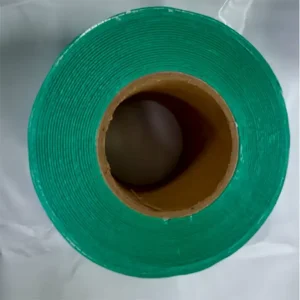
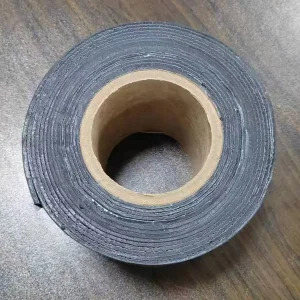
Viscoelastic materials flow into steel micro-crevices to ensure intimate contact. They stay flexible over long service periods, never cure completely, and provide self-healing properties when minor mechanical damages occur.
Providing a reliable combination of primer adhesion and polyolefin outer protection, 3LPE/3LPP coatings protect pipelines against chemical infiltration and severe environmental stress cracking.
Trenchless pipeline installations require coatings that resist extreme friction and shear. High-strength fiberglass-reinforced systems protect pipelines during the pull-back process in rocky soils.
Ensuring reliable performance across diverse geological conditions and construction methods.
Traditional PE tape can tear when pulled through rocky boreholes. CYCT’s fiber-reinforced sleeves and Epoxy FRP shield joints prevent mechanical damage, keeping the underlying corrosion barrier intact.
Industrial process piping and desert gas pipelines often operate at temperatures above 80°C. Our FRDX HT PE Repair Patches and PP heat-shrink sleeves resist thermal degradation and maintain adhesion at up to 120°C.
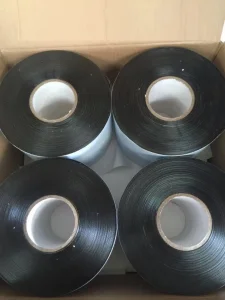
Operating pipelines require fast, reliable repair methods to minimize downtime. Viscoelastic tapes and cold-applied PE tapes allow for quick application with minimal surface preparation, restoring protective layers without hot work permits.
The evolution of CYCT's product development towards smart and green technologies.
Developed standard heat-shrink sleeves, tubular joint wraps, and cold-applied tapes for the domestic oil and gas sectors. Established partnerships with CNPC Pipeline Science Research Institute to align products with international ISO standards.
Introduced viscoelastic tapes and fiberglass-reinforced wraps to address trenchless pipeline crossing issues. Received CNAS accreditation for our testing labs, allowing us to perform rigorous testing for international projects.
Currently researching bio-based polymer carriers, fast-curing photo-curing sleeves, and smart coatings with integrated micro-sensors. These sensors detect early signs of chemical ingress and cathodic disbondment, allowing operators to monitor pipeline health in real time.
A reliable pipeline protection strategy requires coordination between passive barriers (coatings) and active protection (Cathodic Protection - CP). If a coating fails, the cathodic protection system must be able to protect the exposed metal without causing further damage.
Many traditional coatings suffer from cathodic disbondment. When the CP current reaches a damaged area, it can generate hydrogen gas, which creates high pressure and lifts the surrounding coating. CYCT designs its viscoelastic and heat-shrinkable systems to resist cathodic disbondment. Our formulations prevent moisture and oxygen from reaching the steel surface, keeping the protected area minimal even if the outer barrier is punctured.
CYCT materials are tested to comply with international standards, including ISO 21809-3, EN 12068, ASTM G8, and ASTM G42 (for hot cathodic disbondment). This strict adherence to standards ensures that our coatings perform reliably under continuous electrical and thermal stress.
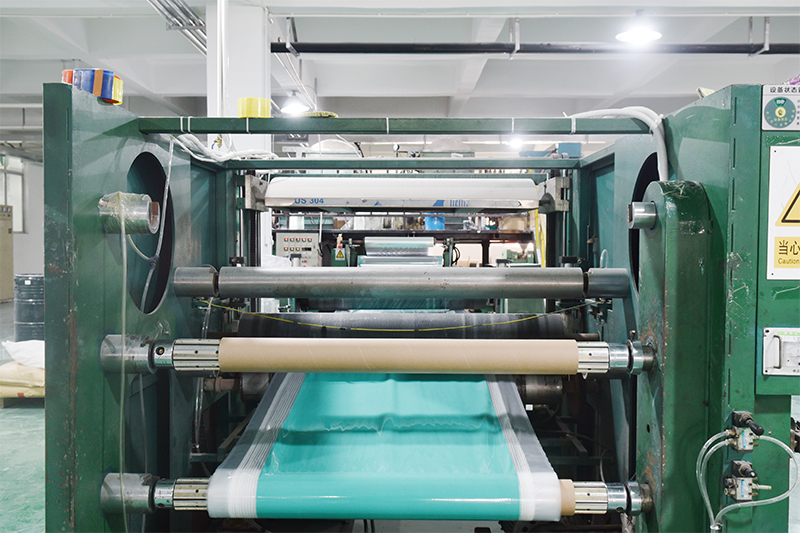
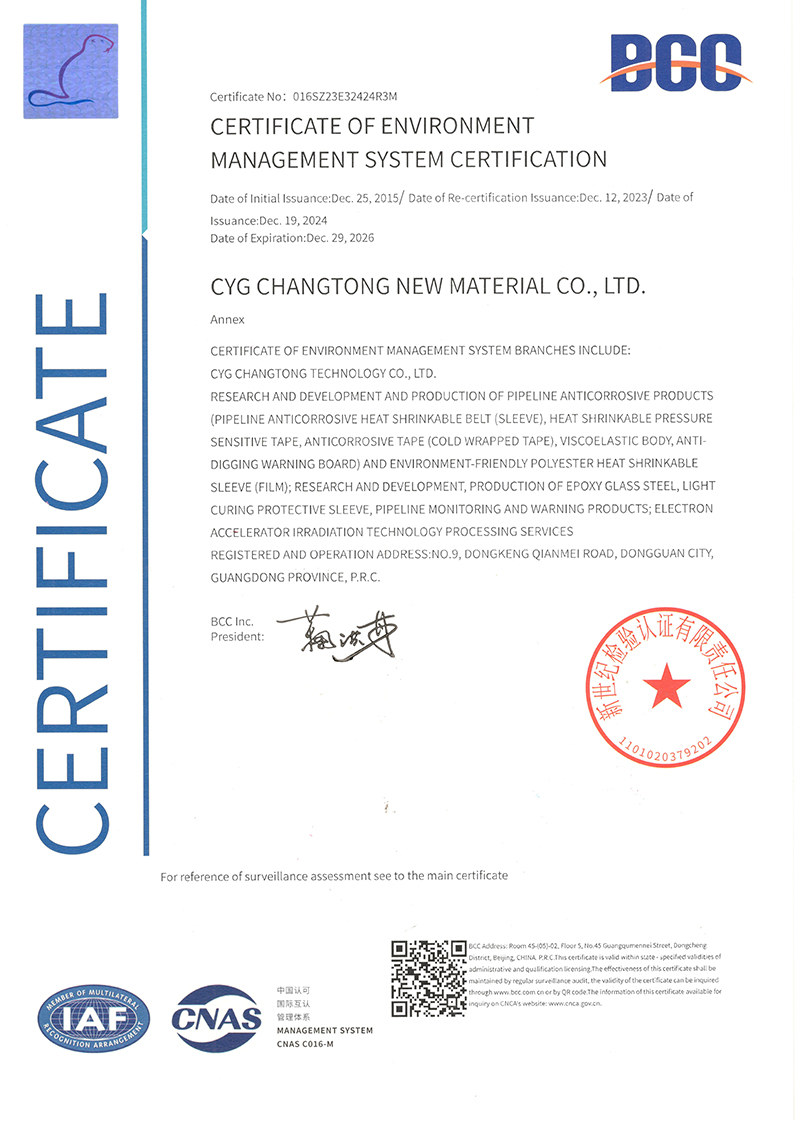
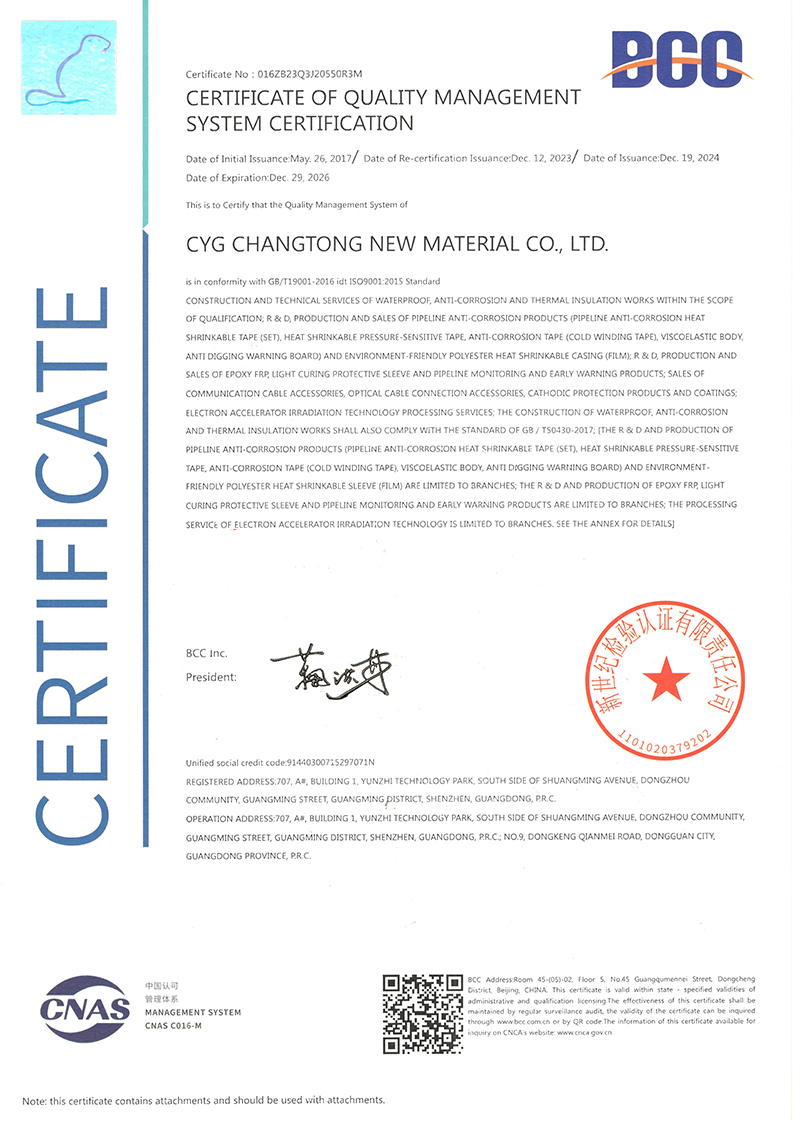
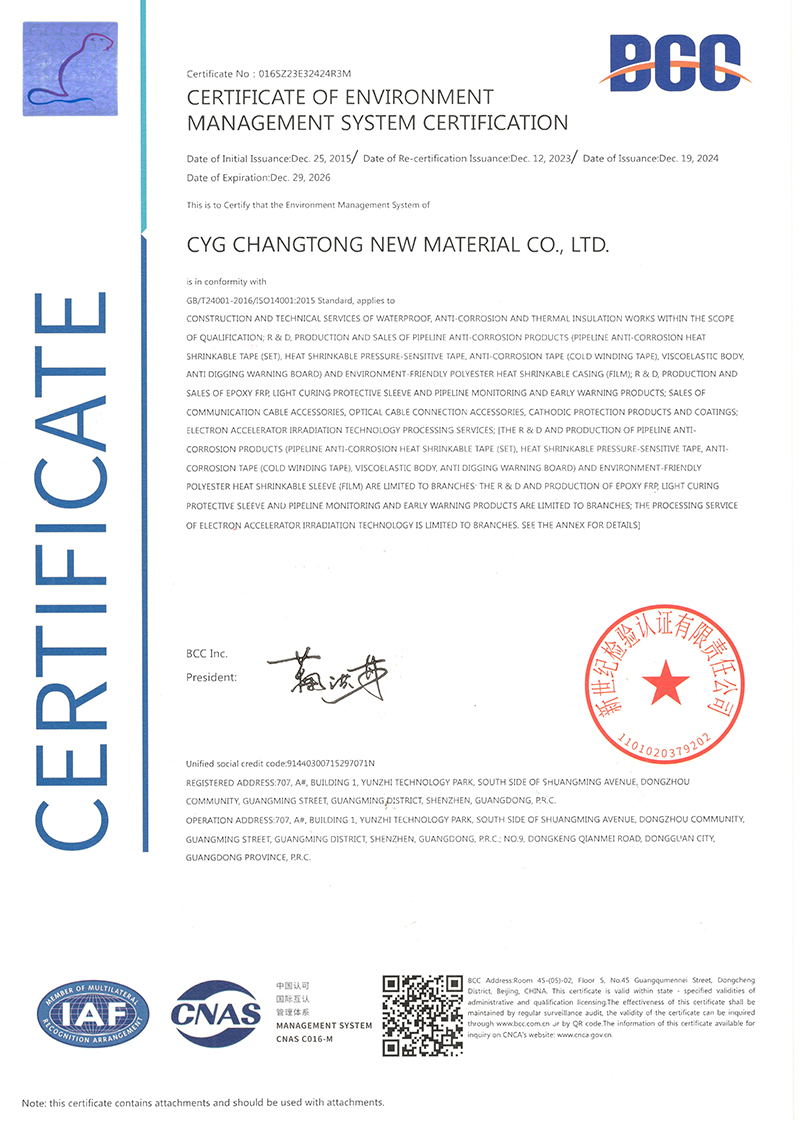
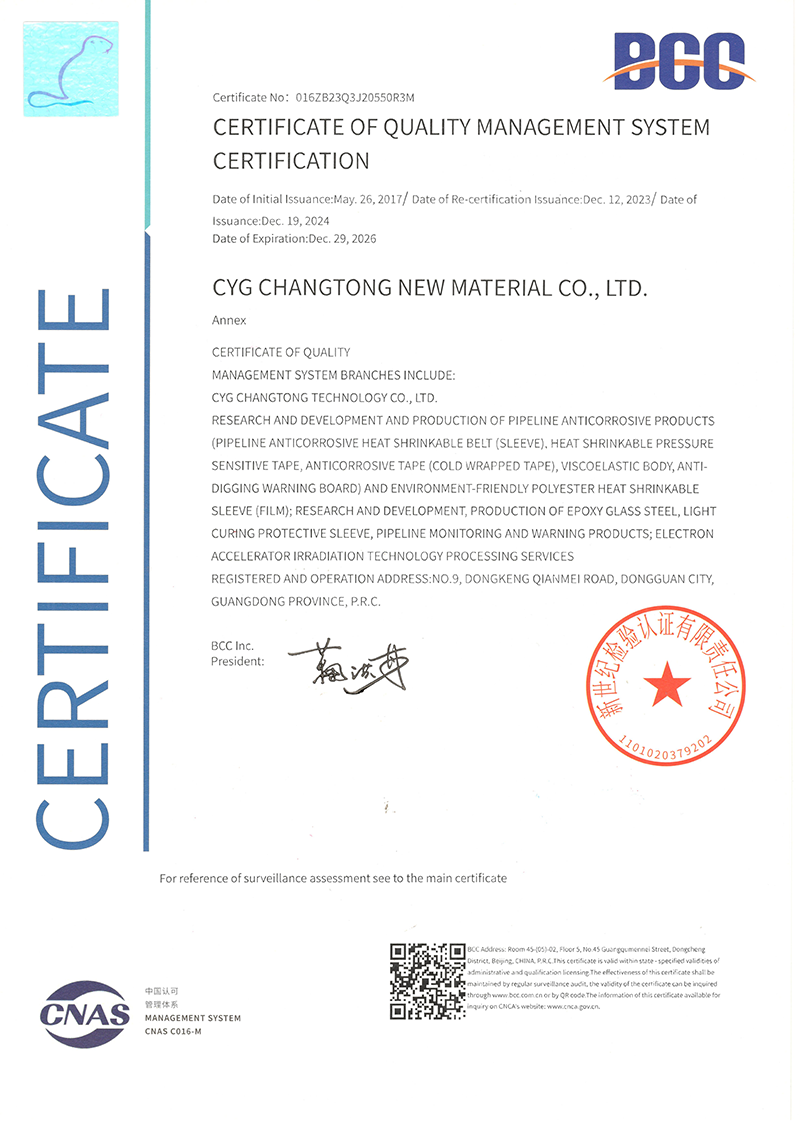
Our ISO 9001-certified factory in China uses automated manufacturing processes to ensure consistent material properties across large production runs.
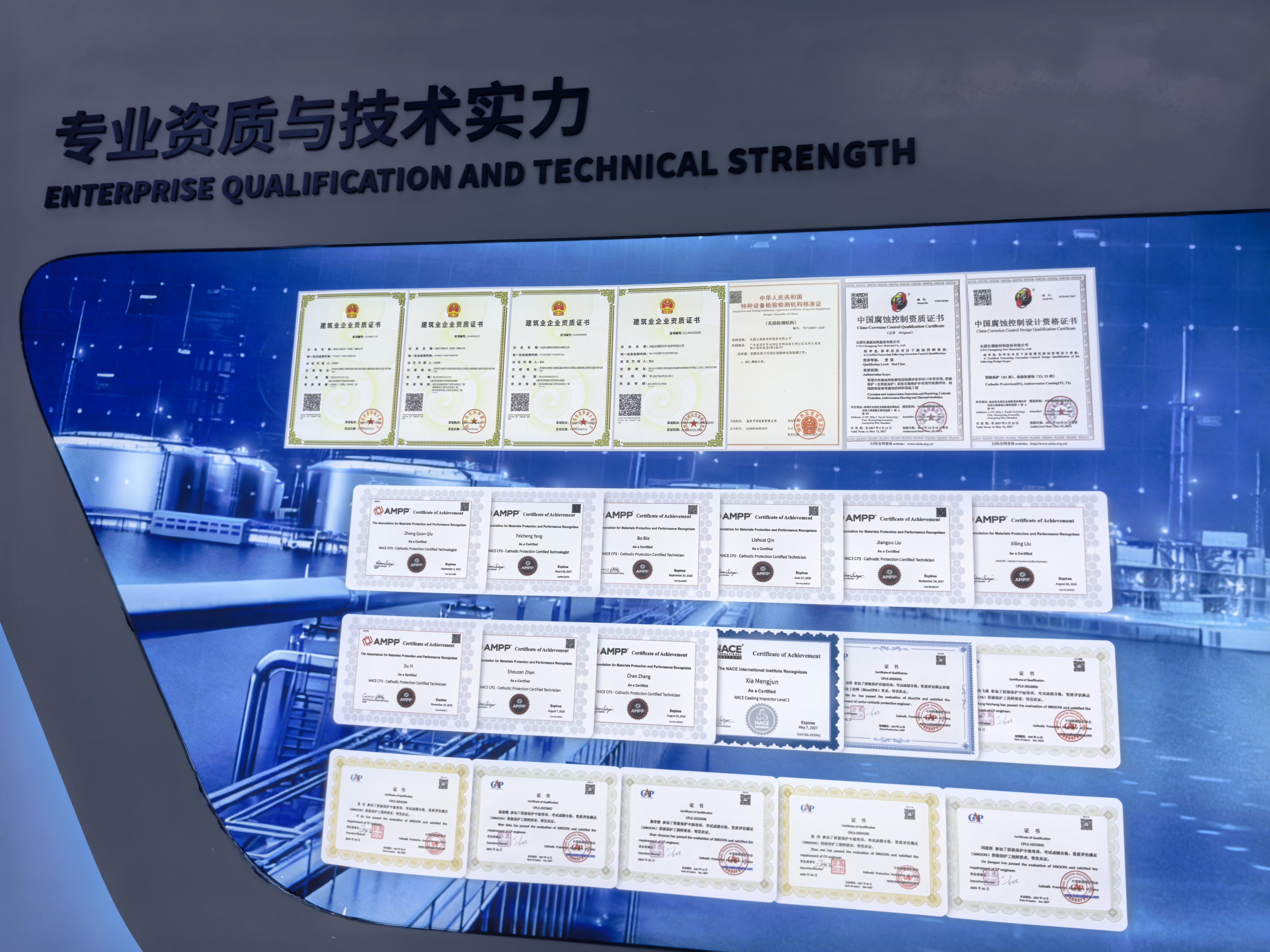
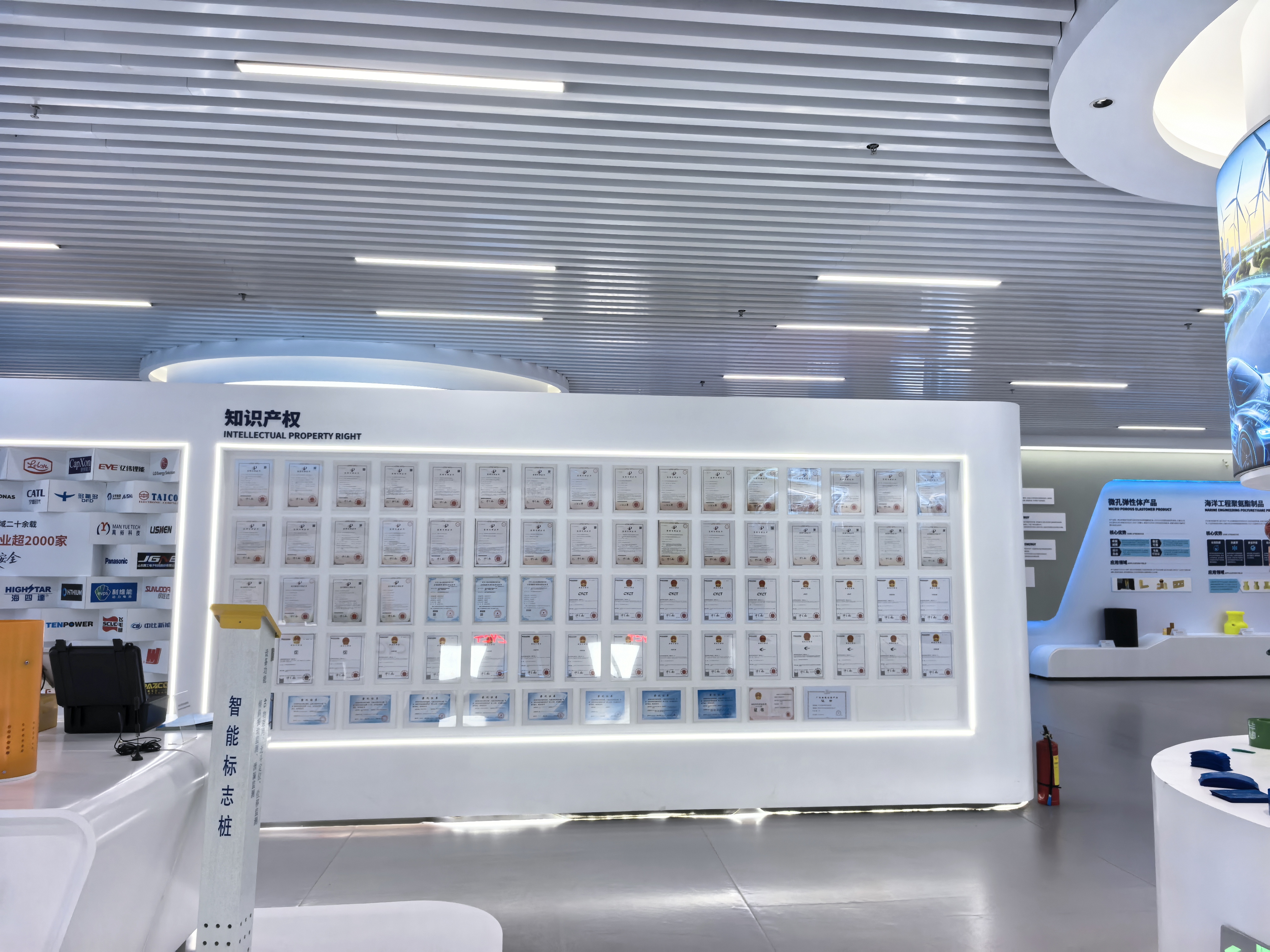
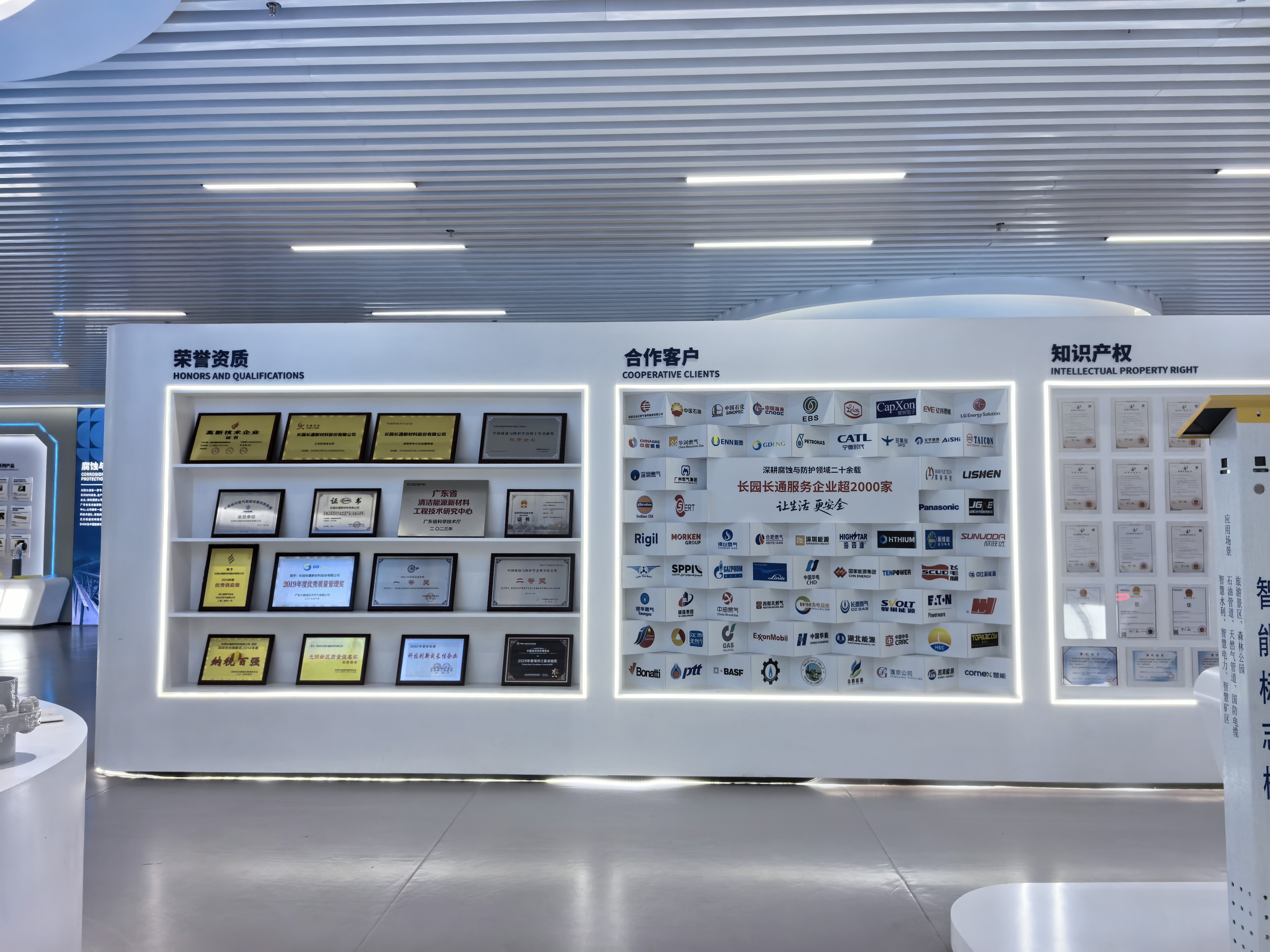
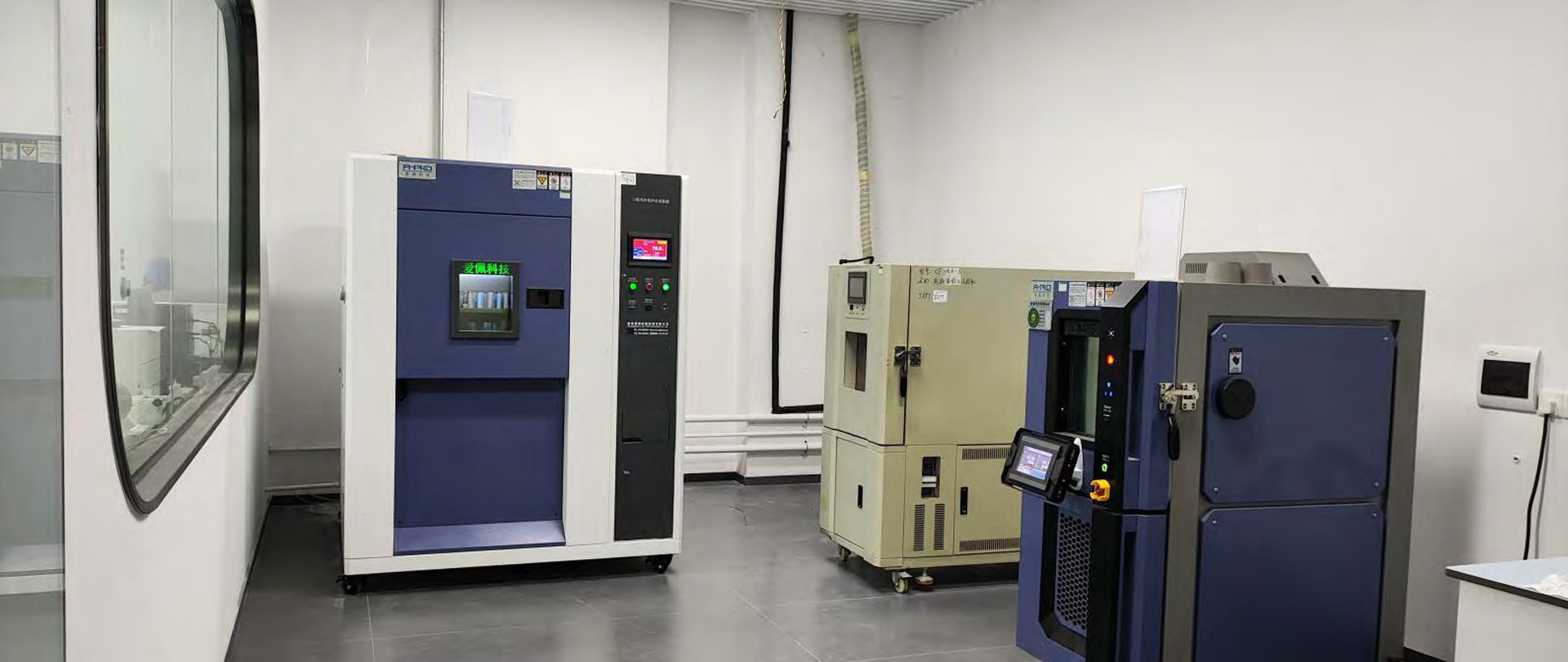
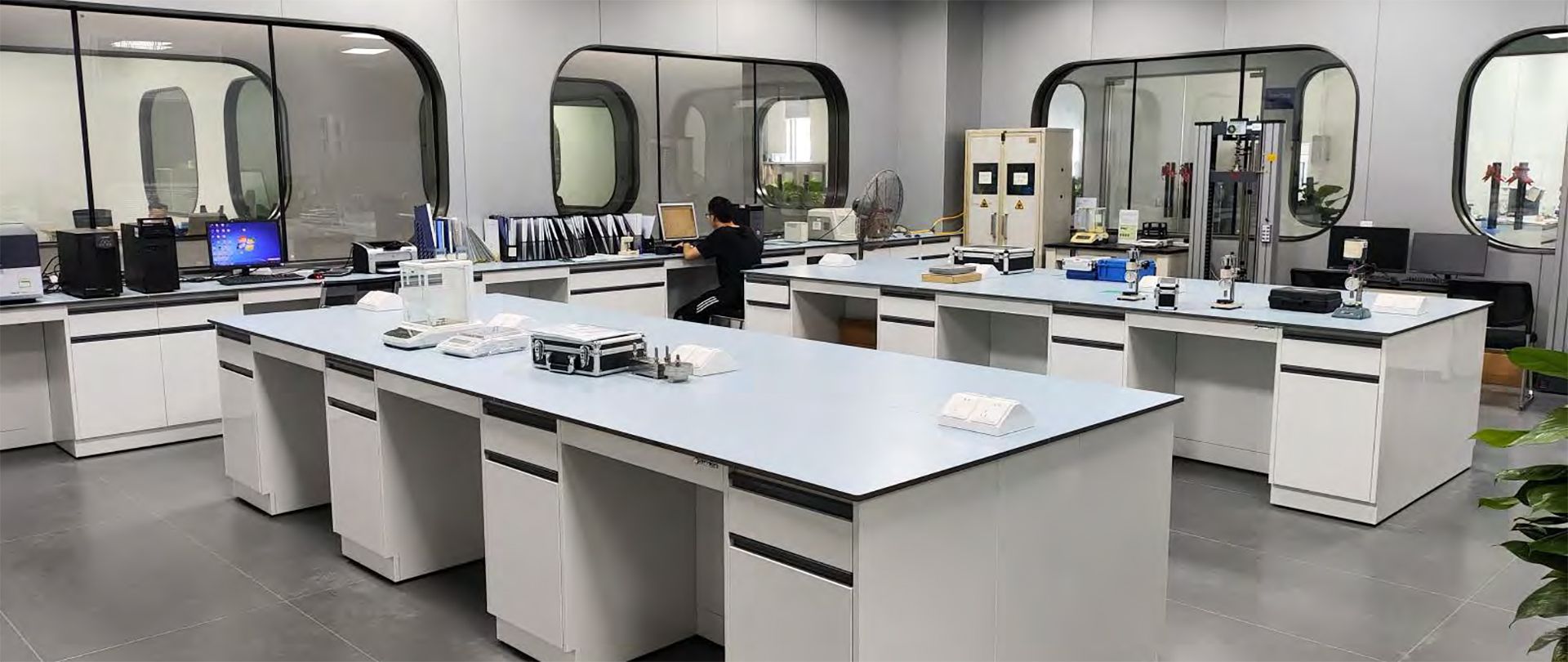
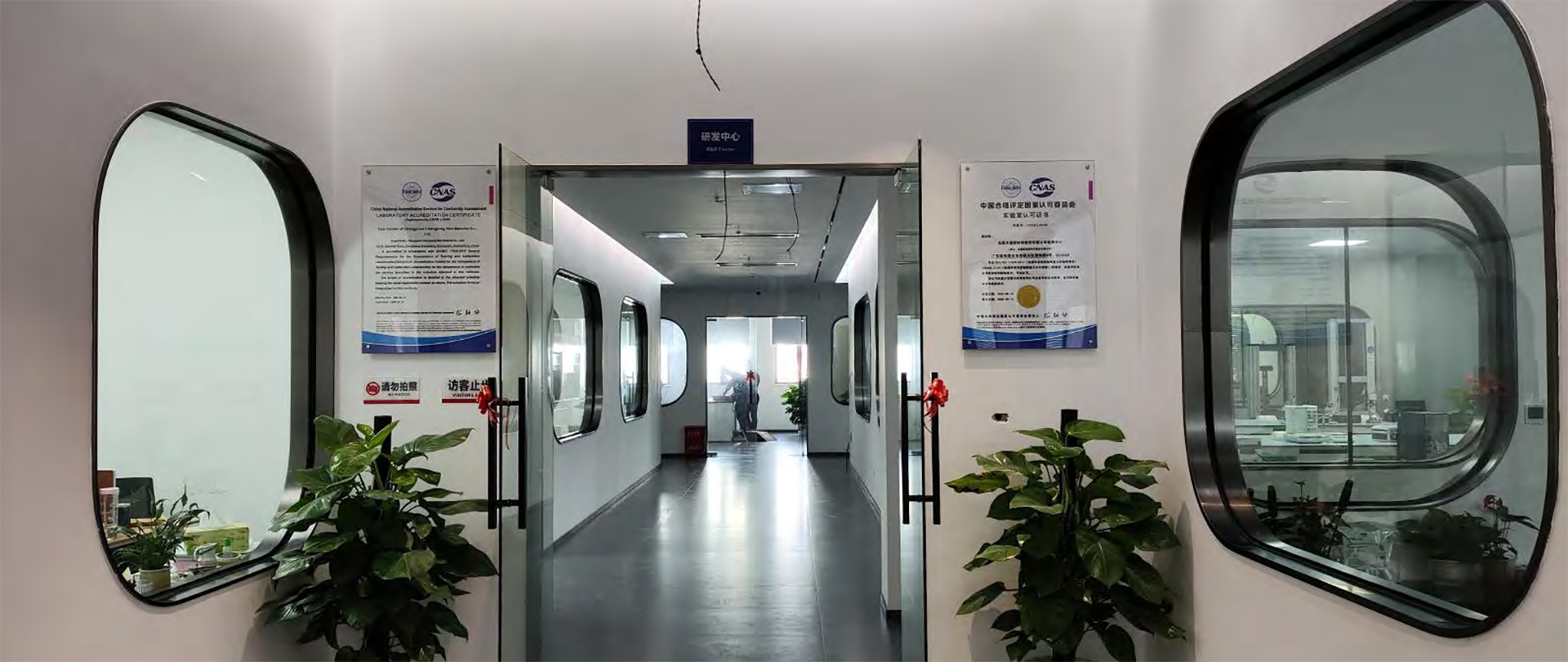
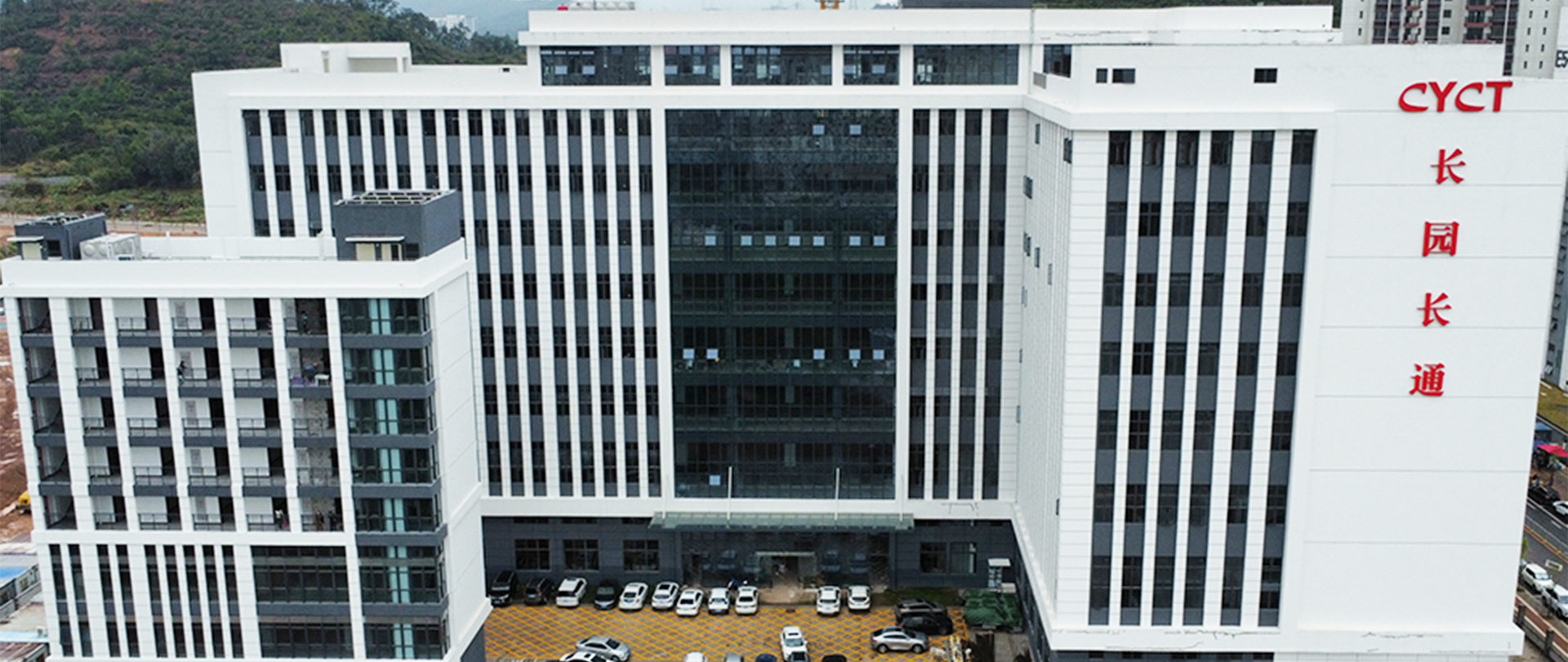
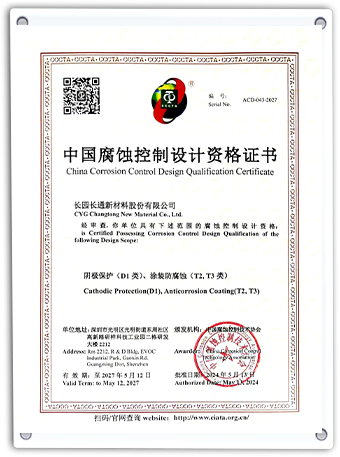
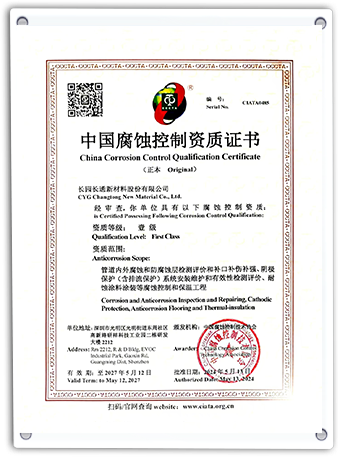
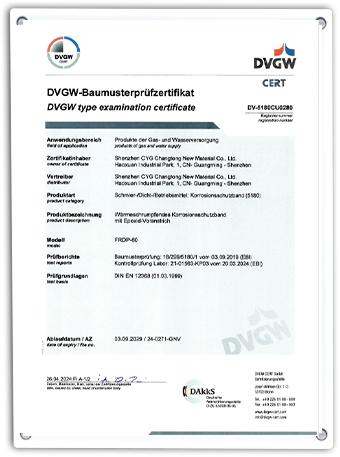
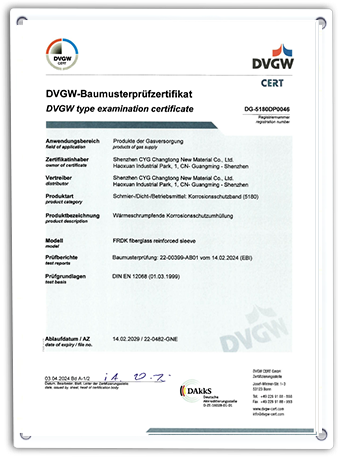
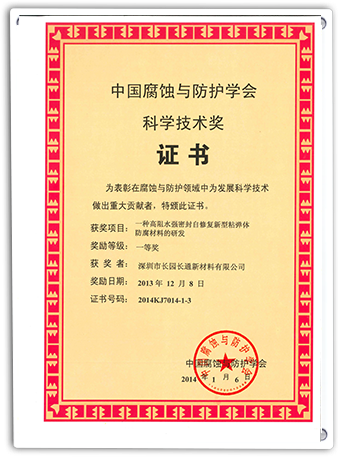
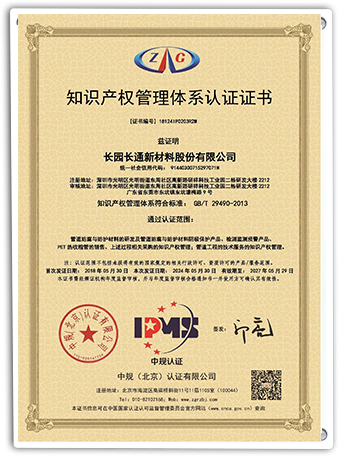
CYCT is a Council Member of the Chinese Society for Corrosion and Protection (CSCP) and holds qualifications in Corrosion Protection Construction and Pipeline Detection. We are a stable supplier to PetroChina, Sinopec, China Gas Group, and Indian Oil.
Technical details on pipeline corrosion mitigation and material selection.
Adhesives, repair patches, and field joint sleeves designed to restore barrier integrity.
 CYCT
CYCT