Explore our high-strength polymer coatings, hot melt adhesives, and field joint protection systems certified for rigorous industrial standards.
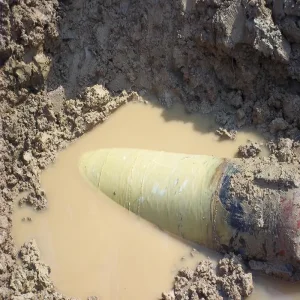
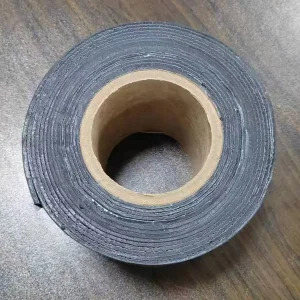
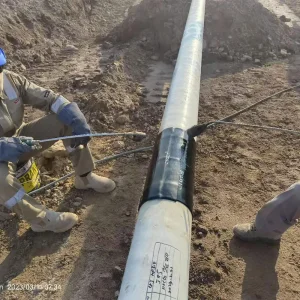
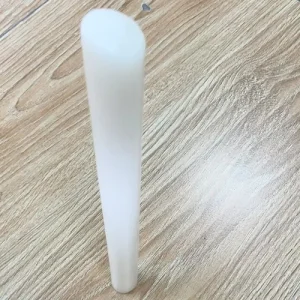
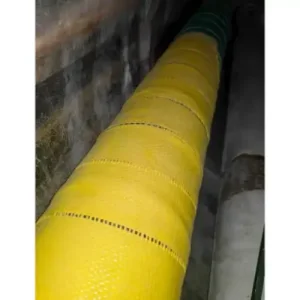
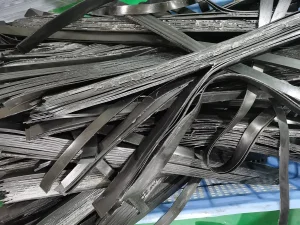
The global demand for high-performance Adhesive Shrink Wrap (heat shrinkable sleeves and tapes with integrated mastic or hot melt sealants) has skyrocketed over the past few decades. Pipelines, offshore oil wells, localized district heating systems, and electrical transmission corridors represent highly hostile operating environments. The steel structures carrying our core energy resources are constantly subject to chemical attacks, moisture ingress, microbiological growth, and thermal expansion fatigue. Within this dynamic space, field joint coatings (FJC) serve as the primary defensive shield.
Engineering polymer matrices, specifically cross-linked polyolefin backing combined with shear-resistant, viscoelastic adhesives, form the bedrock of pipeline corrosion mitigation. As a premier OEM Adhesive Shrink Wrap Supplier & Factory, we understand that standard commodity solutions fail when exposed to soil stress, shear forces, and long-term thermal transitions. Modern infrastructure projects require tailored chemistry that integrates seamlessly with existing parent coatings like 3LPE (Three-Layer Polyethylene), 3LPP (Three-Layer Polypropylene), and FBE (Fusion Bonded Epoxy).
Information Gain Insight: The reliability of field joint coatings is determined by its resistance to cathodic disbondment (CD) and shear forces induced by soil movement. While standard wraps only offer mechanical covering, advanced OEM adhesive shrink wraps provide thermodynamic bonding to the steel substrate, ensuring an airtight, moisture-proof seal across lifetimes exceeding 30 years.
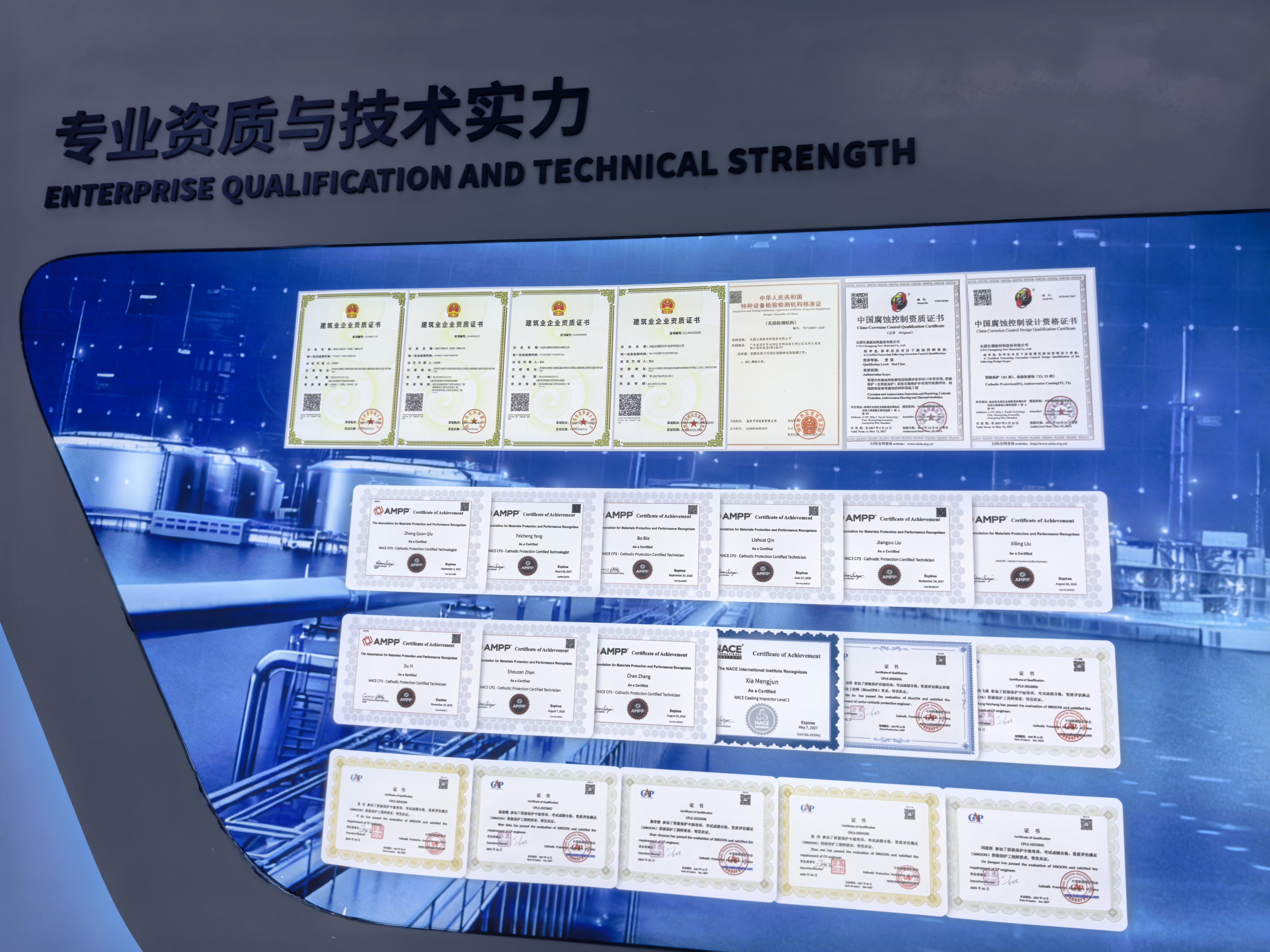
A leading state-level high-tech enterprise integrating R&D, production, and sales of pipeline corrosion protection materials.
CYCT New Materials Company Limited (for short, CYCT) is a state-level high-tech enterprise specializing in the R&D, manufacturing, and distribution of pipeline corrosion protection materials, as well as buried pipeline detection services and field application solutions. For decades, CYCT has dedicated its engineering expertise to solving the industry's most challenging corrosion issues.
By establishing deep cooperative partnerships with leading domestic and international research entities—such as the CNPC Pipeline Science Research Institute—CYCT offers in-service pipelines comprehensive technical solutions. Our capabilities include cathodic protection design, pipeline rehabilitation, direct assessment field surveys, and customized coating application engineering. Our corporate style and technical supremacy are proven daily across hundreds of critical pipeline installations worldwide.
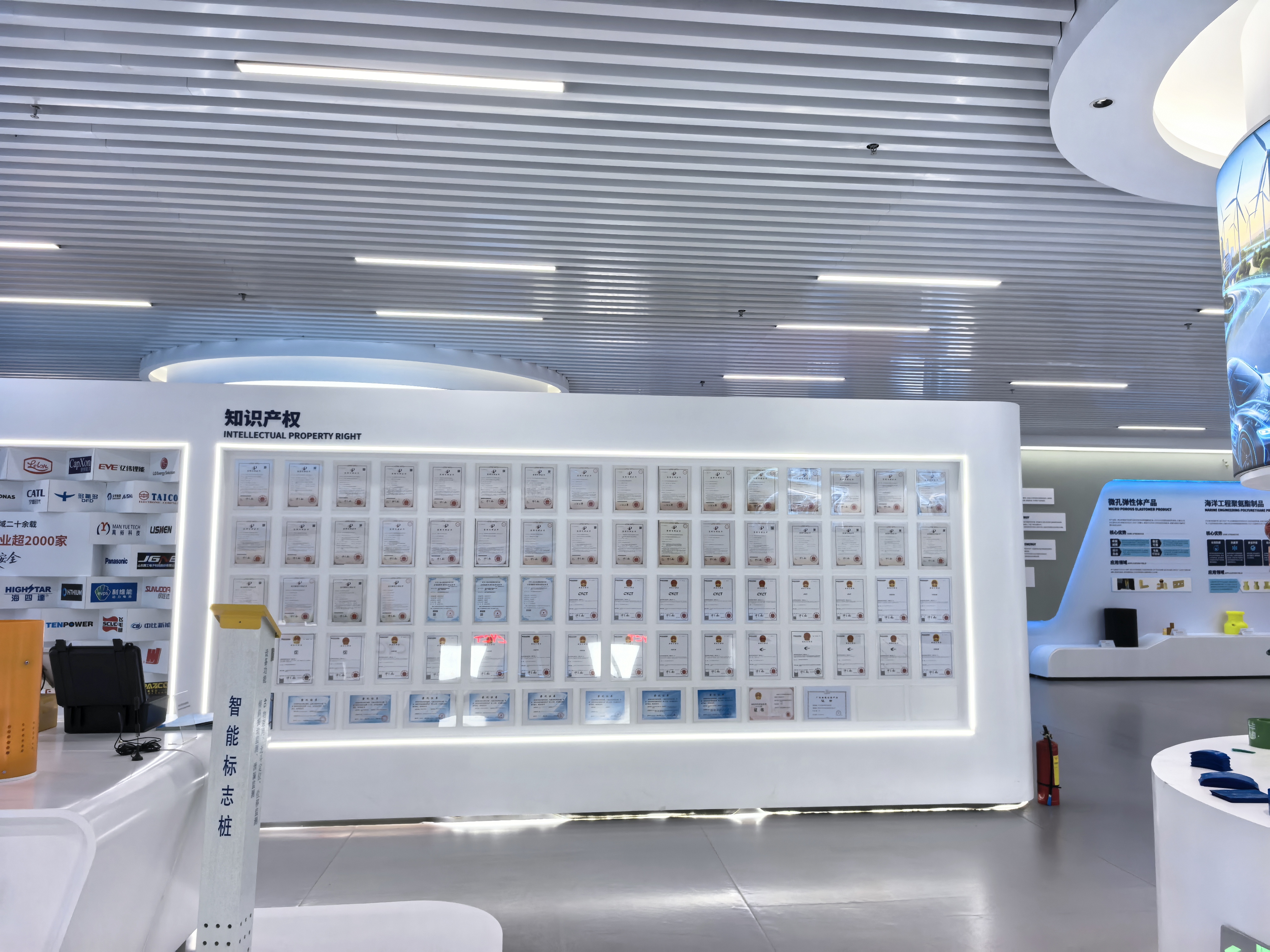
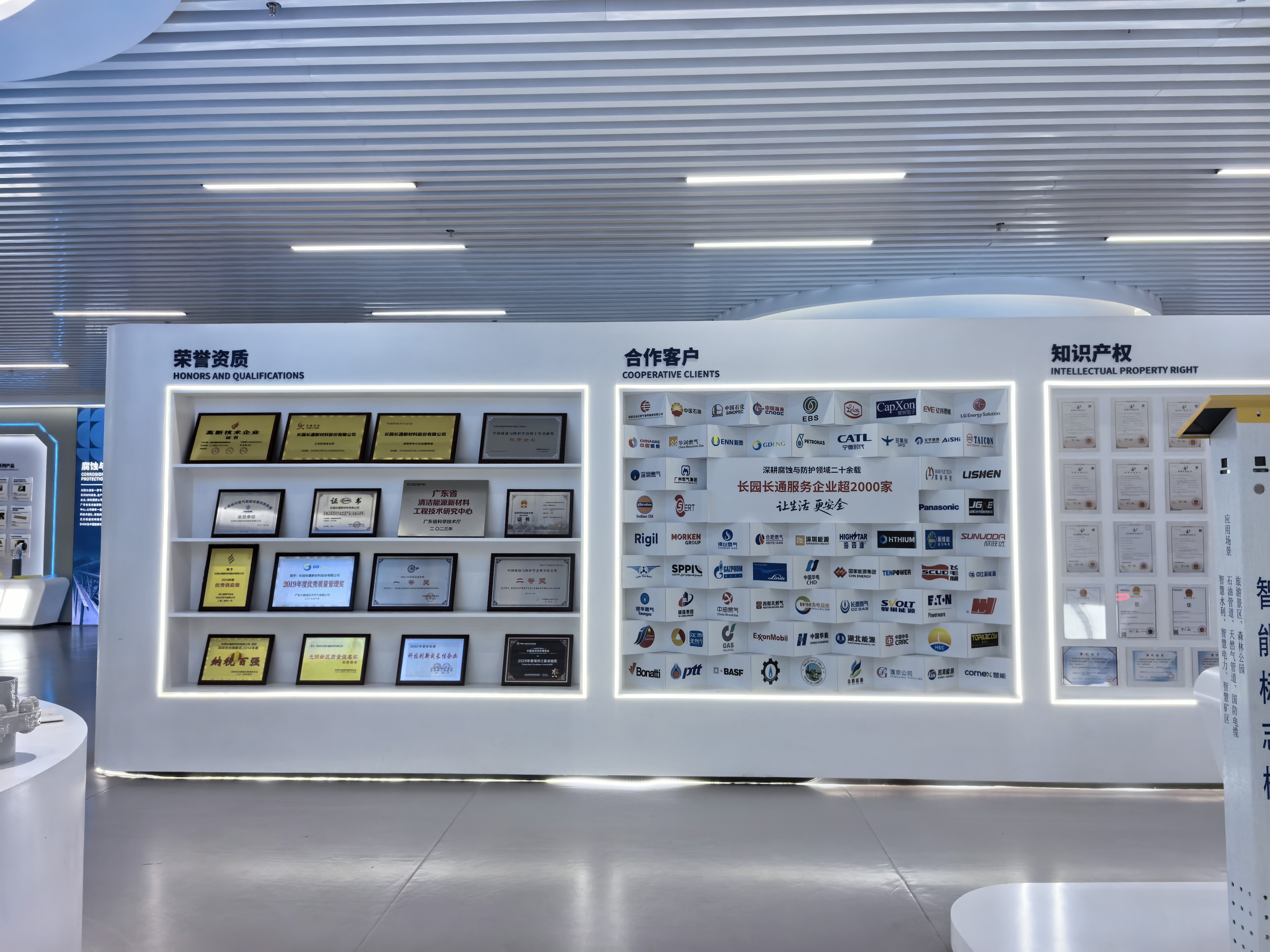
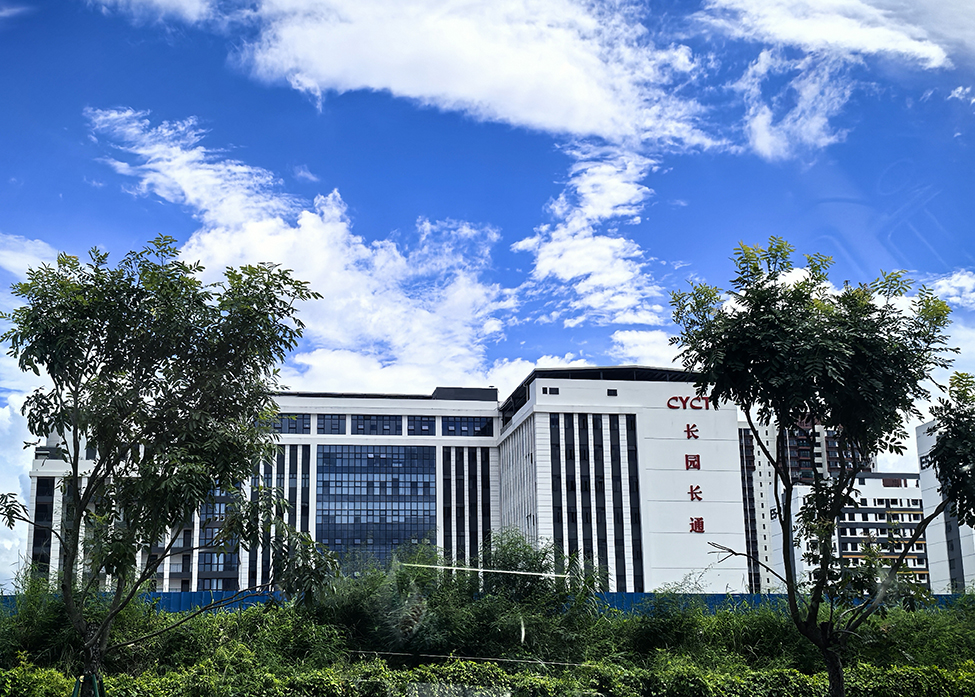
CYCT has evolved into a highly trusted supplier of field joint coatings for PetroChina, Sinopec, PipeChina, and municipal pipelines, commanding a dominant share of the domestic energy infrastructure market. Additionally, CYCT's product portfolio has expanded globally, supporting state-run enterprises like Indian Oil and municipal gas grids with advanced viscoelastic materials, photo-curing sleeves, and robust protective solutions.
Deep-dive into the material chemistry and long-term properties that make our OEM coatings resilient in extreme conditions.
The backing of our shrink sleeves consists of high-density polyethylene modified by radiation-induced cross-linking. This creates a molecular "memory" effect. Upon the application of heat, the backing shrinks uniformly, applying continuous radial pressure to the adhesive layer below, forcing it to fill micro-imperfections on the steel surface.
For standard scenarios, our dual-layer (backing + mastic or copolymer hot-melt adhesive) sleeve offers excellent anti-corrosion properties. For highly critical service pipes, we supply a three-layer system utilizing a solvent-free epoxy primer layer followed by the copolymer adhesive shrink sleeve, delivering ultimate cathodic disbondment resistance.
Modern deep-well extractions and oil transport networks operate at elevated temperatures. Our high-temperature PP (polypropylene) and specialized PE sleeves are rated to withstand continuous operating temperatures of 60°C, 80°C, and up to 120°C, remaining functionally stable under high mechanical soil stresses.
When specifying pipeline protective coatings, design engineers evaluate multiple performance variables, including peel strength, shear resistance, impact energy threshold, thermal degradation limits, and chemical compatibility. Standard adhesive shrink wraps typically utilize one of two core adhesive groups: butyl-rubber-based mastic compounds or copolymer-based hot-melt adhesives.
Mastic compounds display distinct viscoelastic properties, enabling cold-flow capability which allows the adhesive to creep into micro-cavities on the steel pipe surface, establishing intimate mechanical interlocking. This cold-flow behavior guarantees self-healing properties: if the coating sustains small physical penetrations, the mastic flows slowly to seal the exposure, preventing aggressive electrolyte media from reaching the steel. However, mastic-based systems are generally limited to lower operational temperature profiles (up to 50°C - 60°C) and moderate soil stresses.
Conversely, Copolymer Hot-Melt Adhesives are engineered utilizing semi-crystalline polymers modified with tackifying resins and elastomer phase modifiers. Hot-melt systems require heat activation during field installation. Once melted, they establish a high-strength chemical and mechanical bond with both the steel surface (or epoxy primer) and the outer cross-linked polyolefin backing. These systems exhibit superior shear resistance, preventing sleeve displacement induced by pipeline axial movements during thermal expansion cycles and the constant friction of surrounding clay soils.
Quality assurance during OEM processing at our factory is validated through comprehensive adherence to internationally accepted testing protocols. These include:
Horizontal Directional Drilling (HDD) is a common trenchless construction method used to pull pipeline segments beneath rivers, highways, and existing urban infrastructure. During this pull-back process, the field joint coating is subjected to extreme shear stresses, rock abrasion, and soil scraping. Traditional heat-shrink sleeves often fail under these extreme forces, tearing off the pipe body.
CYCT has engineered the ultimate answer: the OEM Epoxy FRP (Fiberglass Reinforced Plastic) Protection System. In this configuration, our primary heat-shrinkable sleeve is installed over the field joint, and subsequently overwrapped with a high-durability, moisture-curing fiberglass shield or photo-curing protective sleeve (GRF / FRPD series). The glass-fiber outer skin cures into an extremely hard shell, absorbing mechanical abrasion and protecting the underlying anti-corrosion barrier from damage, ensuring the pipeline's long-term operational integrity.
As a global OEM exporter, CYCT designs formulations that adapt to specific regional climates:
Formulations require low-temperature flexibility to prevent cracking during winter installations, with glass transition temperatures (Tg) of the adhesive modified to remain active below -30°C.
High-temperature stability is critical. Ground temperatures can exceed 55°C. CYCT supplies PP-based heat shrink systems rated to perform reliably up to 110°C/120°C, maintaining high peel strength under heavy soil loads.
Requires resistance to constant saltwater contact and UV exposure. Our moisture-curing GRF shields and marine mastic compounds provide long-lasting protection under highly saline conditions.
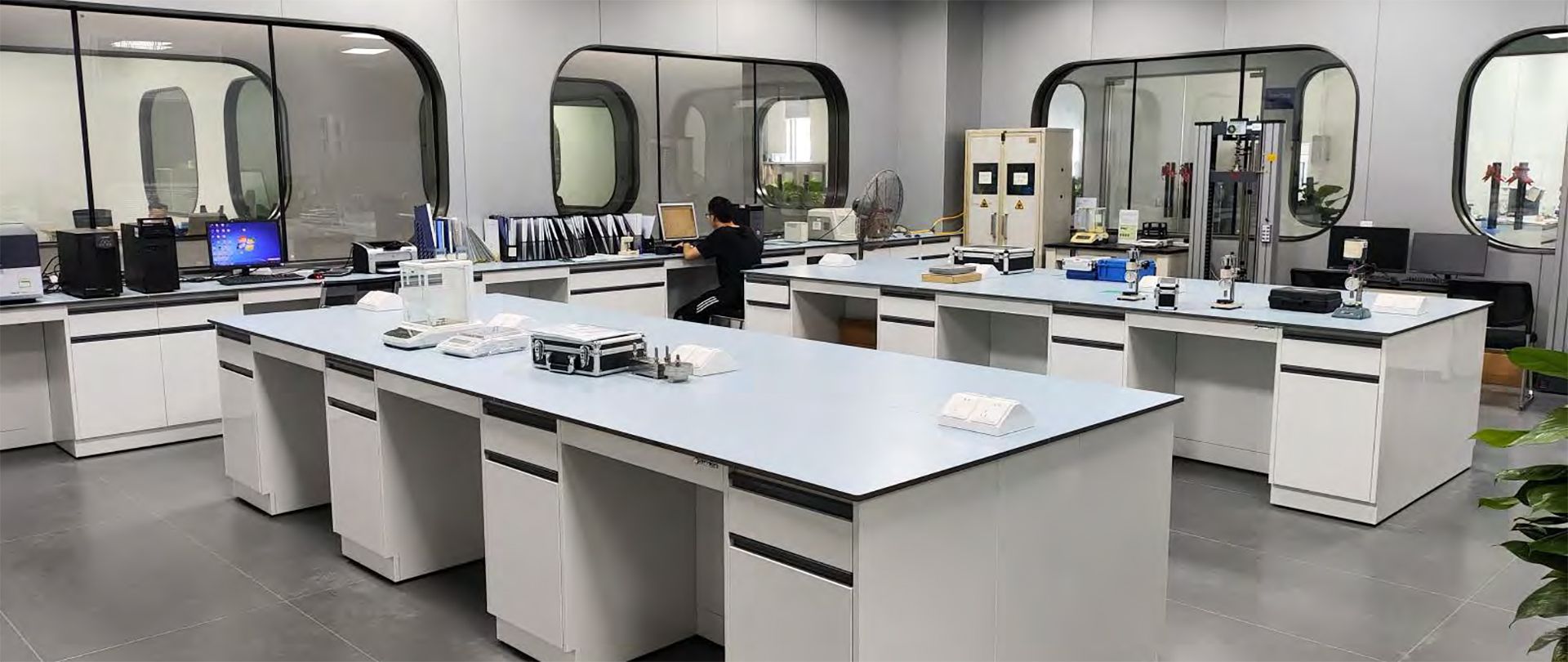
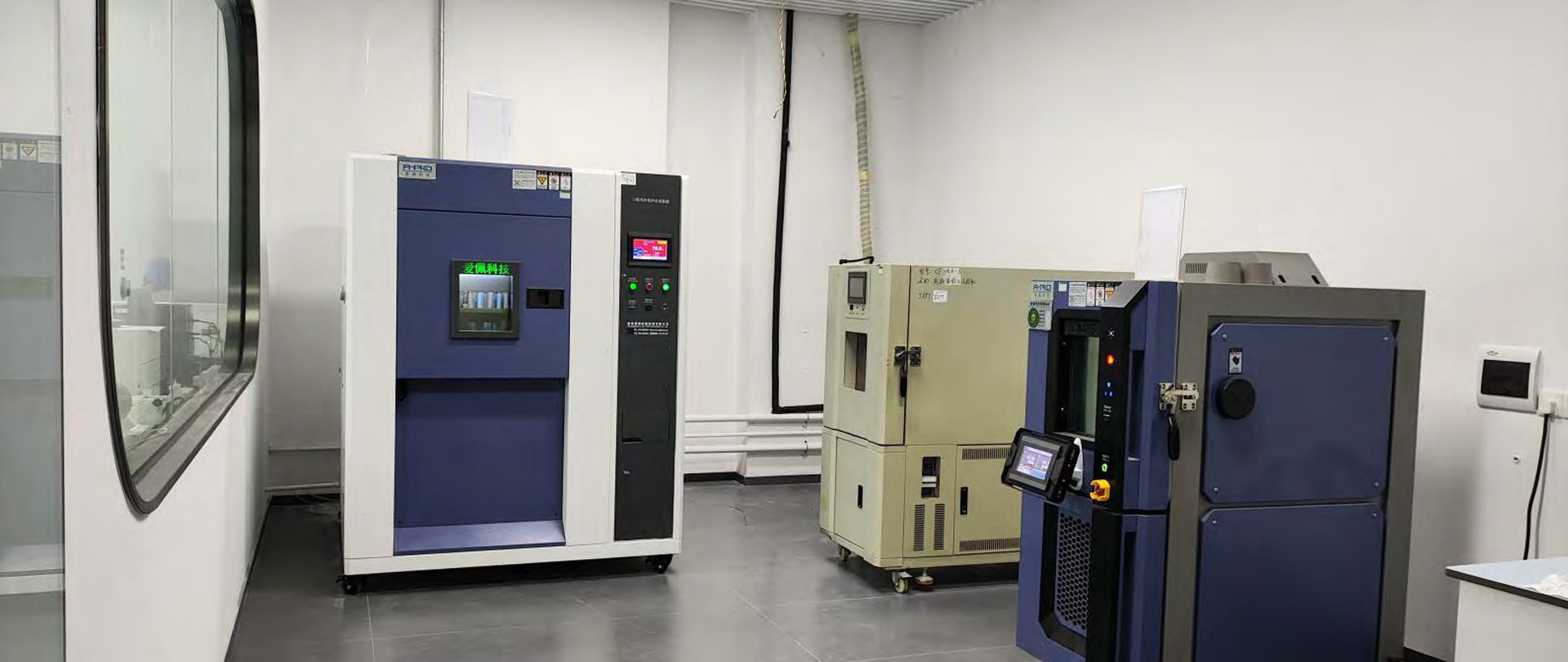
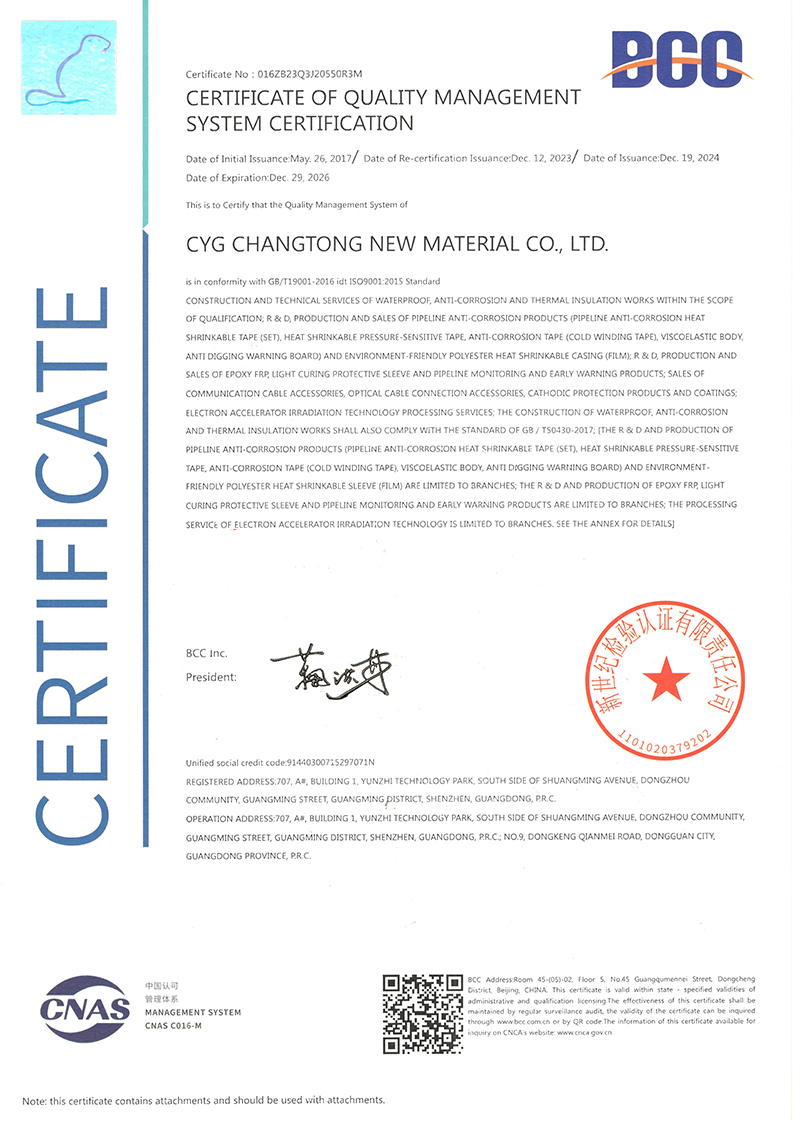
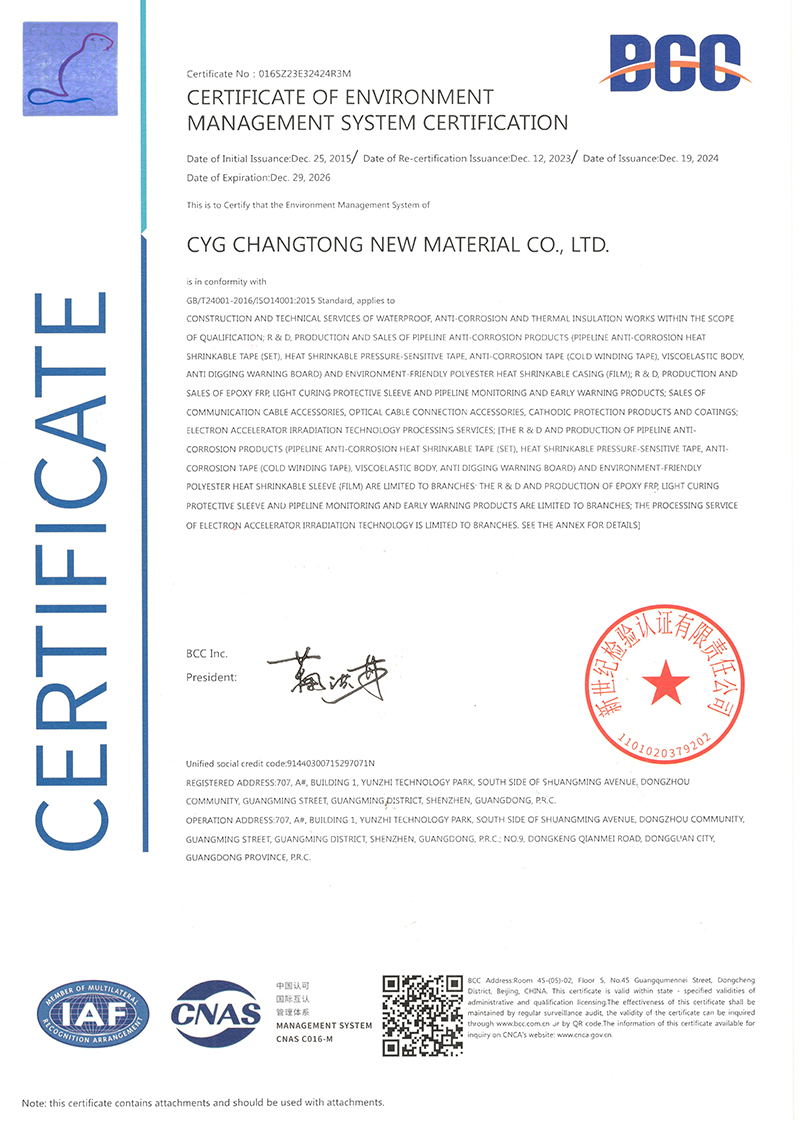
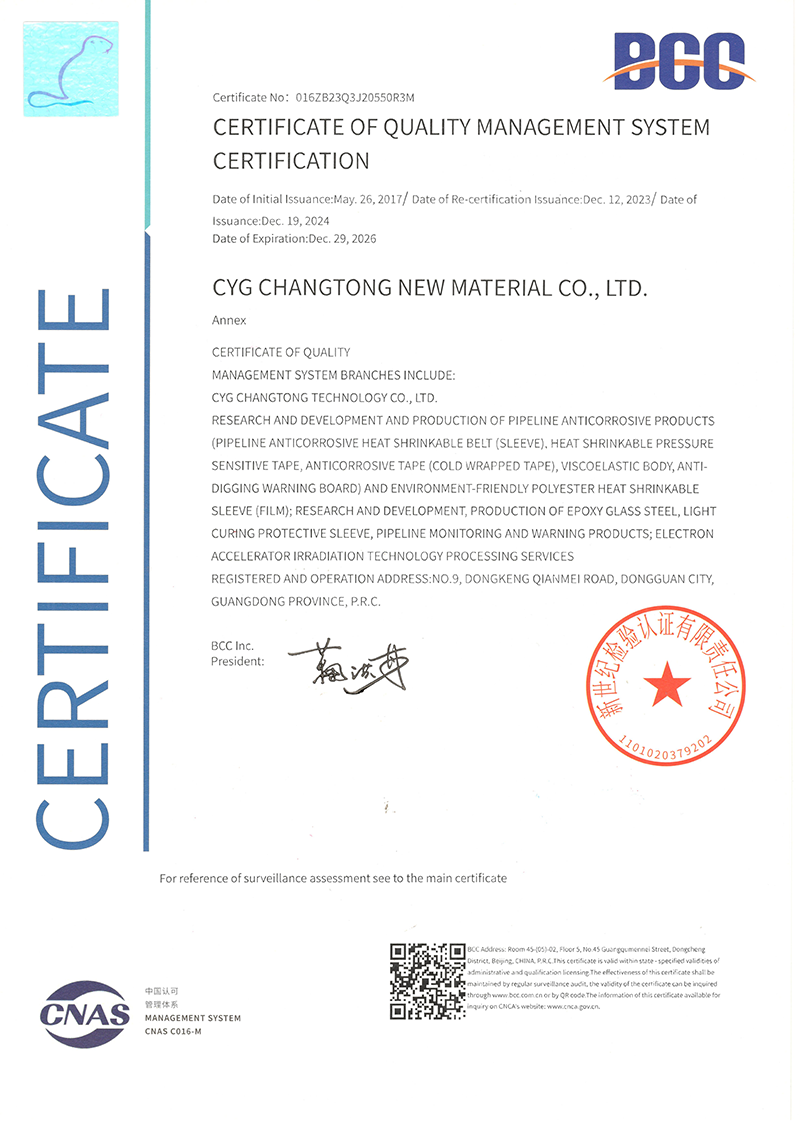
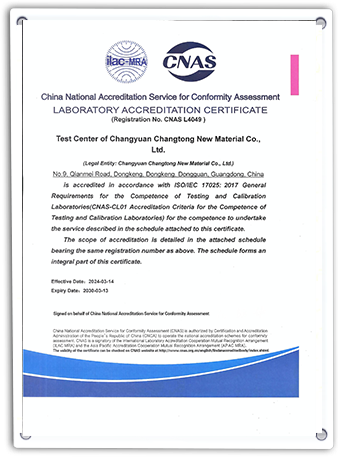
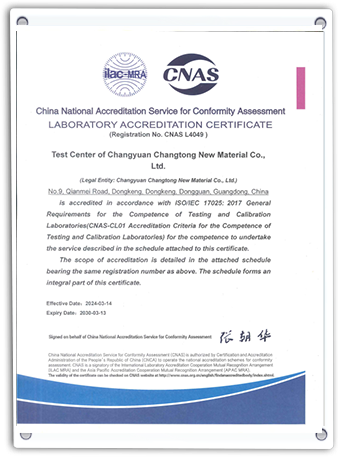
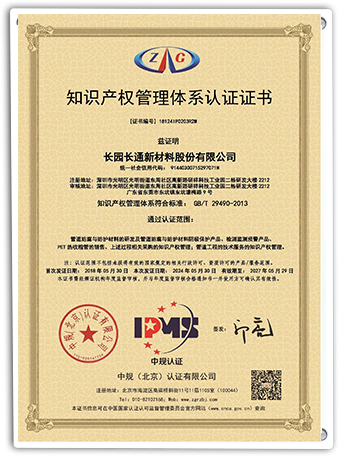
Our facility operates a national CNAS-accredited laboratory, ensuring every batch of raw materials and finished products undergoes strict quality control. Testing protocols cover differential scanning calorimetry (DSC) for crystalline melt phase determination, peel strength testing at various temperatures, cathodic disbondment resistance testing, thermal aging tests, and hot-water immersion tests.
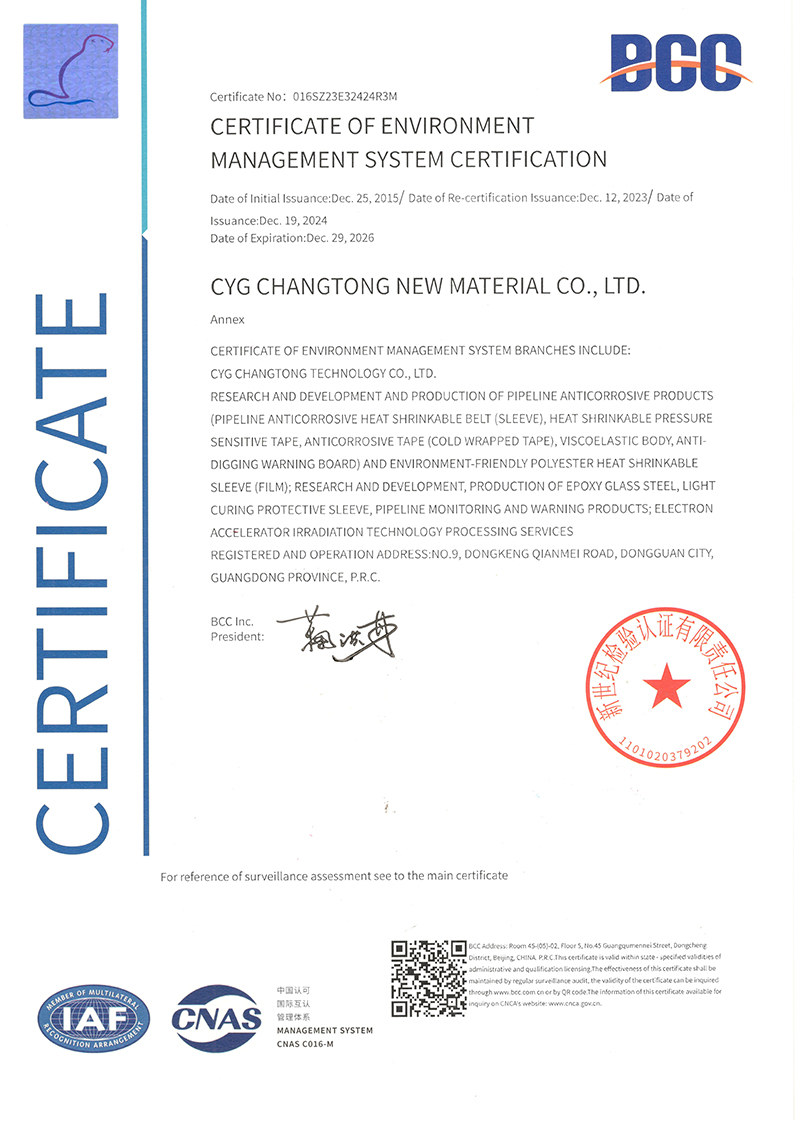
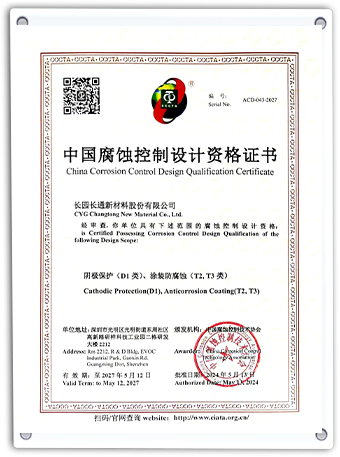
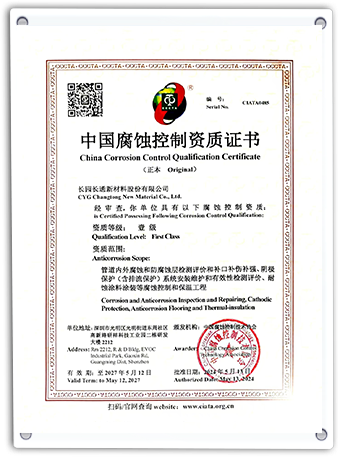
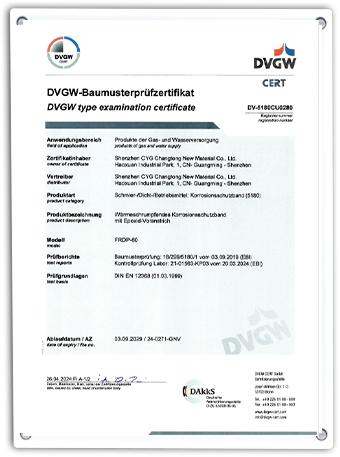
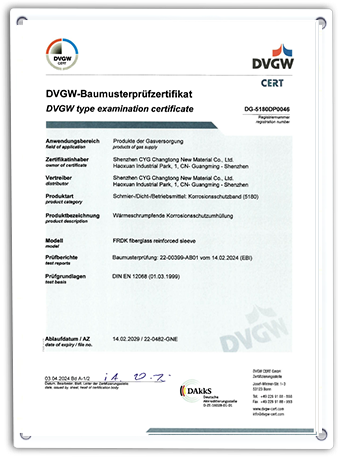
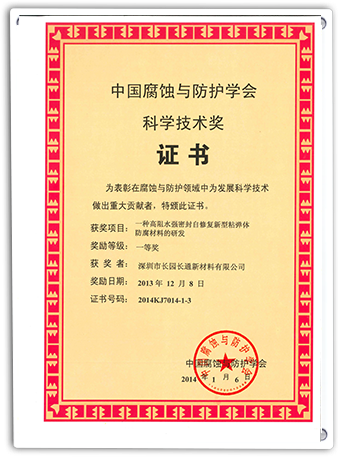
CYCT is a proud Council Member of the Chinese Society for Corrosion and Protection (CSCP), holding multiple Qualification Certificates of Corrosion Protection Construction and Pipeline Detection. As a corporate member of AMPP (Association for Materials Protection and Performance), our manufacturing standards are globally verified, ensuring reliable field joint performance.
Expert answers addressing the selection, installation, and performance criteria of OEM adhesive-backed shrink wraps.
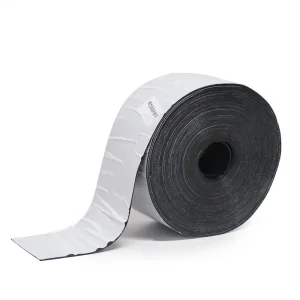
Mastic-backed sleeves utilize a viscoelastic butyl rubber compound that bonds to steel surfaces without primer activation. They are highly flexible and display self-healing properties, making them suitable for moderate temperature lines and pipeline repairs. Hot-melt copolymer sleeves require heat activation and bond aggressively to steel and PE surfaces. They provide significantly higher shear strength, making them ideal for long-distance oil/gas pipelines with active soil shifting and elevated operating temperatures.
Our three-layer heat-shrink sleeve system uses a wet-in-wet epoxy primer layer under the hot-melt copolymer adhesive. During heat shrink application, the chemical reaction of the epoxy primer combined with the hot-melt adhesive creates a strong barrier that resists electrochemical disbondment, keeping CD values well under the 10mm limit required by ISO 21809-3 standards.
Yes. For standard installations, our high-shear PP sleeves are suitable. However, for severe directional drill pullbacks involving rock or gravel, we recommend our specialized OEM Epoxy FRP (Fiberglass Reinforced Plastic) system. This consists of a primary heat-shrinkable sleeve wrapped in a moisture-curing fiberglass shield, forming a mechanical barrier that prevents damage to the underlying anti-corrosion coating during installation.
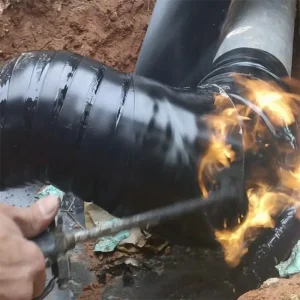
To ensure proper bonding, the steel surface must be abrasive blasted to a minimum ISO 8501-1 Sa 2½ finish, with a surface profile profile between 50µm and 100µm. For mastic-backed sleeves, wire brushing to St 3 is sometimes acceptable. Before wrapping, the pipe joint must be preheated using a propane torch or induction heating system to the specified temperature (e.g., 70°C for mastic, or up to 200°C for 3-layer PP systems) to ensure full adhesive activation.
We provide comprehensive OEM customization. This includes custom branding, specialized backing thicknesses (ranging from 1.0mm to 2.5mm), variable adhesive layers, tailored sleeve widths (up to 900mm), pre-cut rolls with pre-installed patch closures, and packaging designed to match specific regional climates and construction requirements.
Explore our high-temperature PE tapes, mastic fillers, and specialized pipeline protection systems manufactured in our advanced facility.
 CYCT
CYCT