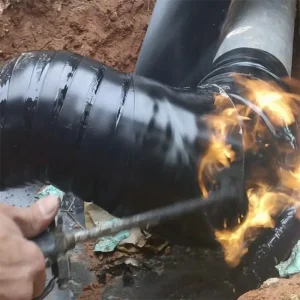
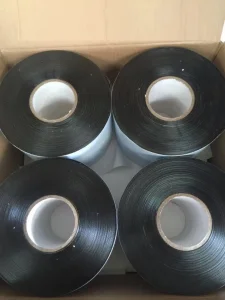
Buried and subsea utility pipelines constitute the absolute circulatory network of modern industrial nations. Transporting highly pressurized hydrocarbons, natural gas, chemical raw compounds, and water resources across thousands of miles demands engineering designs built for decades of zero-maintenance operations. Unmitigated corrosion represents a direct path to structural degradation, catastrophic failures, and immense environmental liabilities.
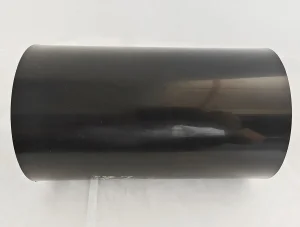
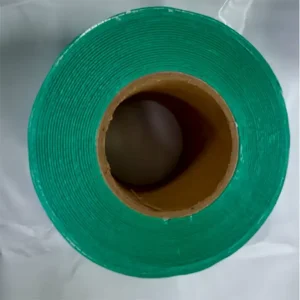
In this context, industrial-grade pipeline wrapping tapes, heat shrinkable sleeves, and viscoelastic coatings act as the primary, physical line of defense. By establishing an impermeable barrier against soil chemistry, microbial attacks, atmospheric humidity, and mechanical shear forces, these advanced materials ensure the integrity of structural steel. From high-build Polyethylene (PE) backing tapes designed for localized mechanical protection to viscoelastic polymer matrices featuring cold flow self-healing capacities, the materials utilized in pipeline rehabilitation and field joint coating (FJC) directly govern the life expectancy of global oil and gas infrastructure networks.
Asset owners, EPC contractors, and pipeline integrity managers operate under highly strict quality mandates. Deciding on the appropriate corrosion prevention product involves a multi-dimensional evaluation of technical variables, installation parameters, and supply chain reliability. Procurement operations must address key issues:
Material acquisition costs account for less than 15% of life-cycle expense. The bulk of expenses stem from field joint coating application downtime, excavation labor, and subsequent cathodic protection energy consumption. High-performance, self-healing materials reduce manual application times, minimizing project delays.
From subsea pipelines operating in freezing currents to high-temperature oil lines and desert installations reaching 85°C, coatings must maintain mechanical resistance and structural flexibility. They cannot suffer thermal degradation, backing embrittlement, or adhesive liquefaction.
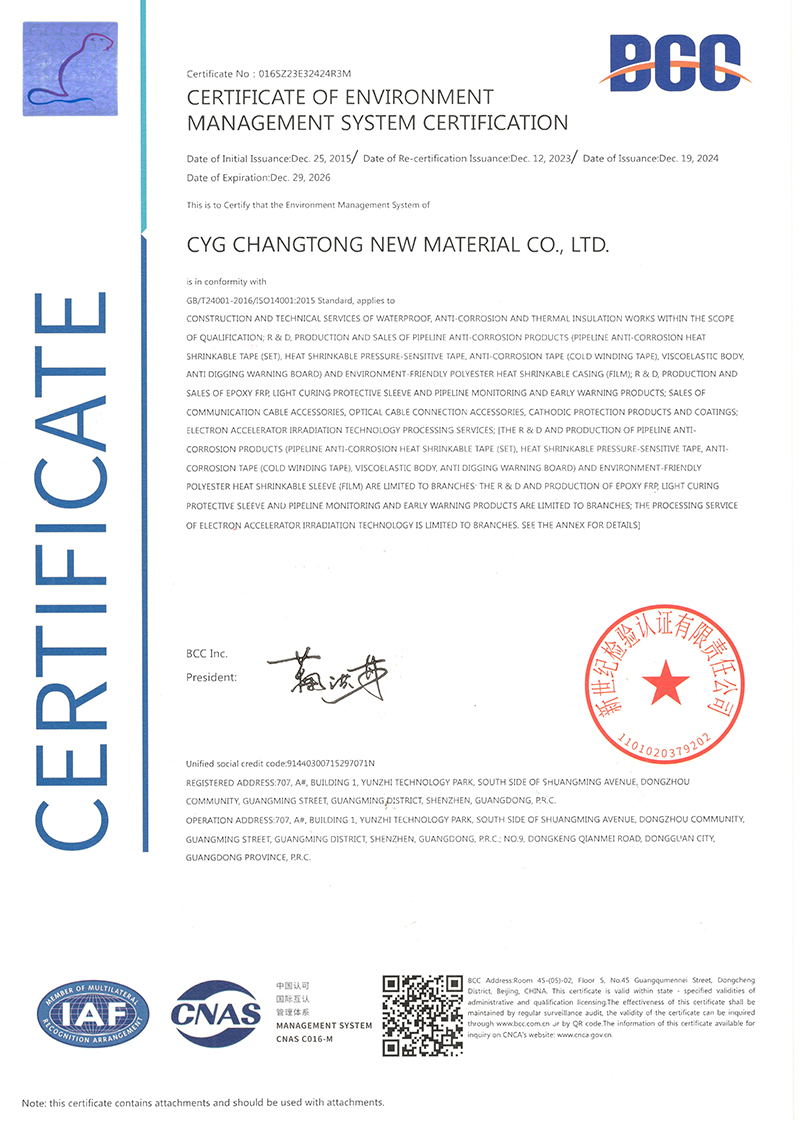
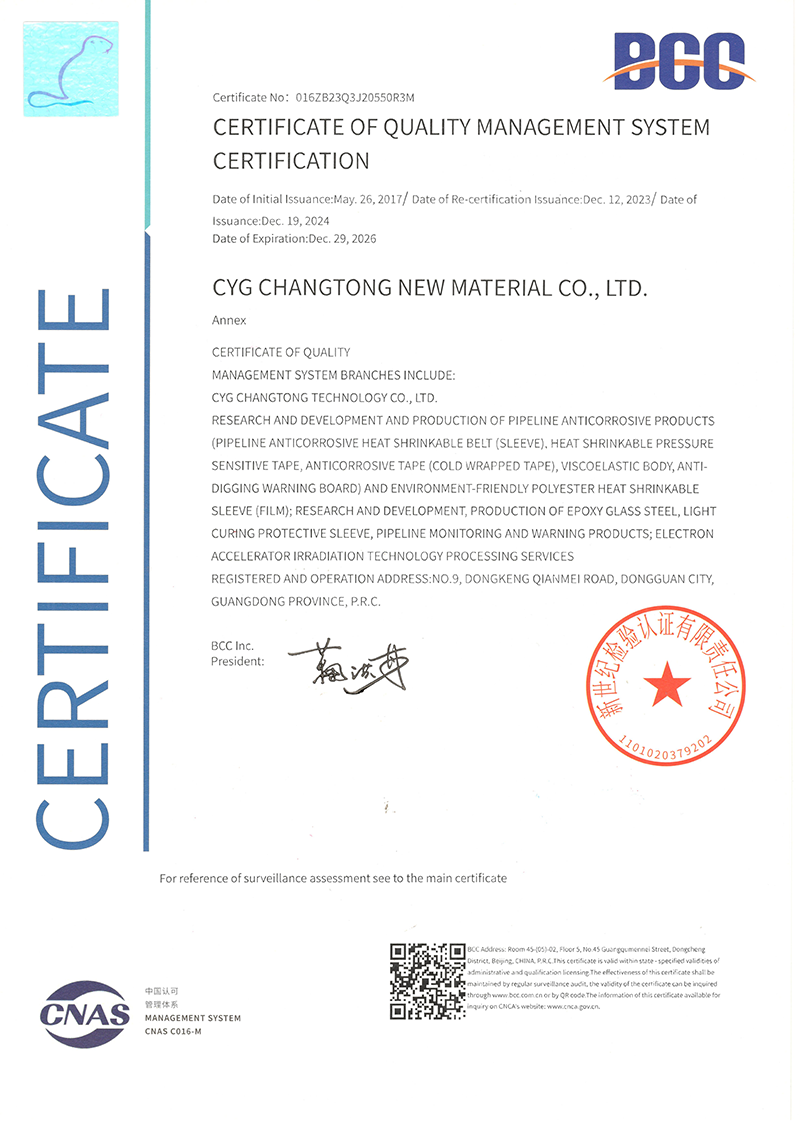
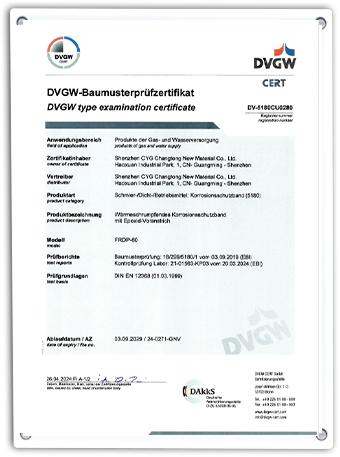
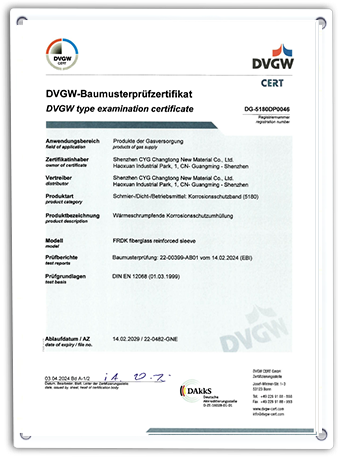
Global megaprojects require absolute materials traceability. Every batch of wrapping tape, viscoelastic putty, or heat shrinkable sleeve must come with rigorous testing documents, ISO certifications, CNAS-accredited reports, and NACE/AMPP design validation.
To bridge these demands, suppliers must maintain large production capacities, operate integrated raw material networks, and provide deep technical engineering assistance. This helps transition the transactional buyer-seller dynamic into a collaborative partnership focused on asset integrity.
China’s industrial sector has moved beyond pure cost-reduction models. Today, it stands as a global hub of materials science innovation, process automation, and integrated supply chains. For global enterprises looking to purchase pipeline protection systems, the Chinese manufacturing ecosystem provides clear technical advantages:
1. Complete Raw Material Integration: Major Chinese factories source specialized polymers, cross-linking agents, viscoelastic resins, and stabilizers directly from regional petrochemical hubs. By controlling the supply of key components like high-density polyethylene (HDPE) and butyl rubber elastomers, manufacturers limit raw material fluctuations, shorten lead times, and maintain complete product consistency.
2. Modern Co-Extrusion and Radiation Cross-Linking Equipment: Production facilities like CYCT utilize multi-layer co-extrusion technology. This allows the backing and adhesive layers to merge into a single unit, eliminating the risk of adhesive layer separation. Additionally, our high-energy electron accelerators for radiation cross-linking alter the molecular structure of PE backing sheets, giving them shape-memory properties. This is a critical factor in the shrink-ratio performance of heat shrinkable sleeves.
3. Scale-Driven Quality Control: Massive domestic demand for national infrastructure (PetroChina, Sinopec, PipeChina) allows Chinese manufacturers to optimize processes through large-scale operations. Operating under ISO 9001, ISO 14001, and ISO 45001 systems, and running internal laboratories audited to CNAS standards, factories can conduct real-time testing on peel strength, tensile capabilities, heat aging resistance, and cathodic disbondment for every production run.
Selecting the correct material system requires evaluating the operating conditions, surface preparation capabilities, and expected mechanical loads. The table below compares the three primary wrapping and coating repair systems:
| Technology Type | Primary Application Areas | Surface Prep Requirements | Operating Temperature | Key Performance Strengths |
|---|---|---|---|---|
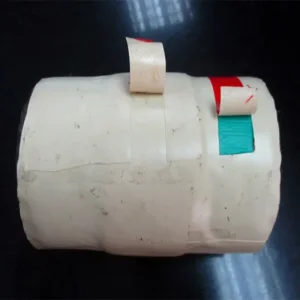
| Viscoelastic Tapes (VT95 / FVT95) | Flanges, valves, complex fittings, field joint coatings, rehabilitation projects. | Minimal (St 2 / St 3), wire brushing, no primer needed. | -30℃ to 95℃ | Self-healing, cold flow properties, excellent water/oxygen exclusion, no curing time. |
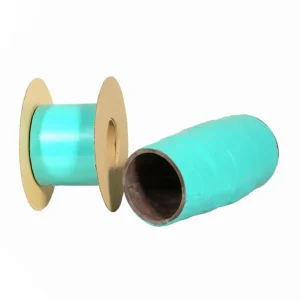
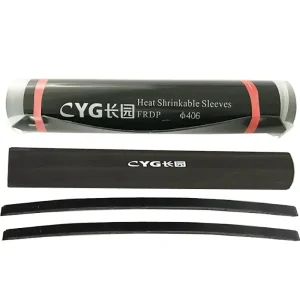
| Heat Shrinkable Sleeves (FRDP / FRDS) | Field joint coatings for 3LPE/3LPP mill-applied pipelines. | Blast clean to Sa 2½ or St 3, requires pre-heating. | Up to 80℃ / 85℃ (custom) | High mechanical shear resistance, shape-memory shrinkage, strong structural backing. |
| PE Outer Protective Tapes | Long-distance oil, gas, and water distribution pipelines. | Sa 2½ blast clean with primer system. | -10℃ to 60℃ | Cost-effective, excellent electrical resistance, robust UV and weathering protection. |
A major challenge for global pipeline engineering teams is aligning manufacturer specs with local regulatory mandates and site-specific field conditions. High-performing factories must offer more than just bulk material supply; they must provide full engineering integration.
CYCT addresses this need by providing end-to-end technical support. We collaborate with international engineering houses and asset owners to draft pipeline protection designs that comply with standards like ISO 21809-3, DIN 30672, NACE SP0169, and NACE SP0274. In-house engineering teams can recommend customized joint configurations based on local factors, including soil resistivity, thermal cycling, and installation methods (such as trenchless horizontal directional drilling vs. open-cut backfilling).
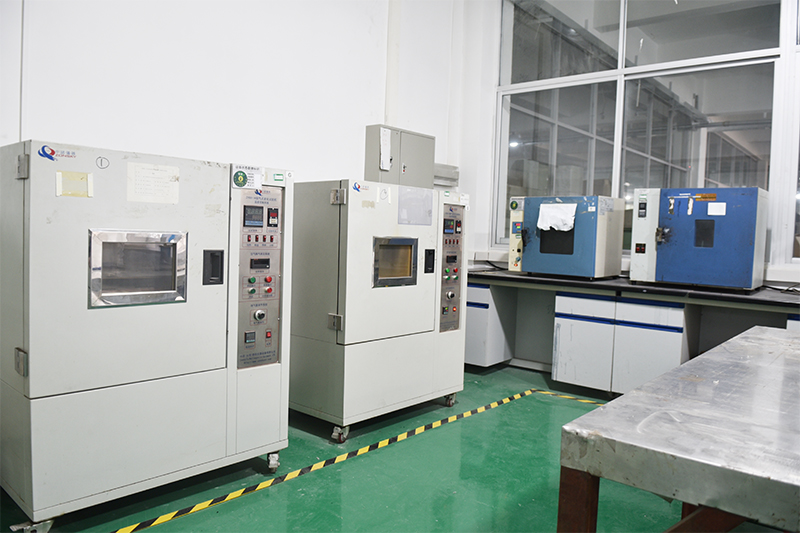
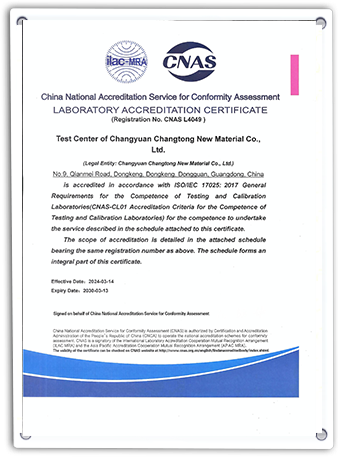
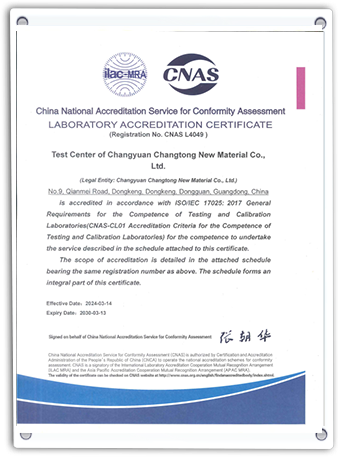
Moreover, localized compliance requires testing. CYCT’s national CNAS-accredited laboratory operates as a key hub for validating coating performance. We run extensive, long-term testing, including cathodic disbondment tests at elevated temperatures, water vapor transmission rates, and soil stress testing, generating verified reports required by third-party inspectors like SGS, Bureau Veritas, and TÜV.
Trenchless crossings subject field joint coatings to high friction and shear forces as pipelines are pulled through boreholes. CYCT’s specialty photo-curing sleeves and fiberglass-reinforced outer wraps provide the high impact and abrasion resistance needed to prevent damage during installation.
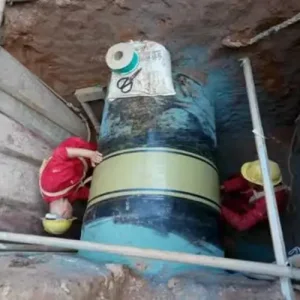
Complex configurations of industrial piping, tank terminals, and valve stations make standard heat-shrink sleeves difficult to apply. In these spaces, viscoelastic wraps (like VT95 and VE Putty) offer an excellent solution. They mold easily to uneven geometries and fill voids completely.
For aging pipelines requiring in-situ repair, heavy blasting is often not an option. Cold-applied polymer tapes and viscoelastic systems require minimal surface preparation (St 2 / St 3). This enables fast, safe application on live, in-service systems, avoiding costly shutdowns.
Whether working in marine environments with high salinity, high-temperature desert soils, or clay conditions that subject coatings to soil stress, adapting material selection to local conditions is essential for long-term pipeline performance.
CYCT New Materials Company Limited (for short, CYCT) is a state-level high-tech enterprise integrating R&D, production, and sales of pipeline corrosion protection materials, as well as buried pipeline detection services and pipeline coating field application services into one. CYCT has devoted itself to the R&D, production, and sales of pipeline corrosion protection materials for decades.
CYCT possesses leading testing and R&D capabilities, a professional R&D team, and a national CNAS-accredited laboratory. Over the years, CYCT has become a stable supplier of field joint coatings for PetroChina, Sinopec, PipeChina, and local pipeline operators, maintaining a major domestic market share. Furthermore, CYCT has successfully developed and introduced a number of specialty corrosion protection materials, such as viscoelastic anticorrosion materials, special photo-curing sleeves for HDD protection, and polyurea coatings.
Through strong partnerships with leading research institutions, including the CNPC Pipeline Science Research Institute, CYCT is capable of providing in-service pipelines with varied technical services, such as buried pipeline detection, design schemes, cathodic protection, rehabilitation projects, and integrated solutions for the safety protection of pipelines.
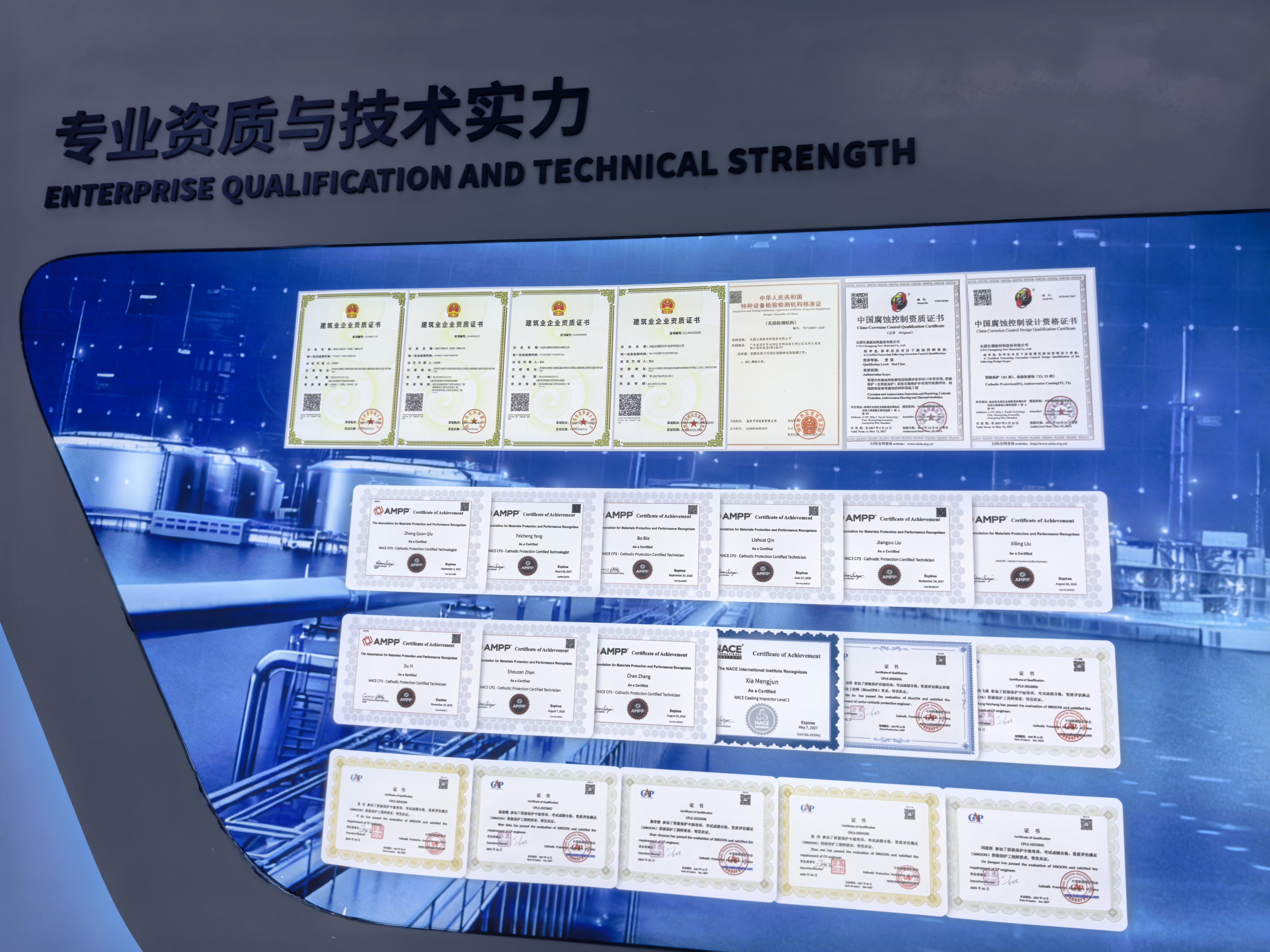
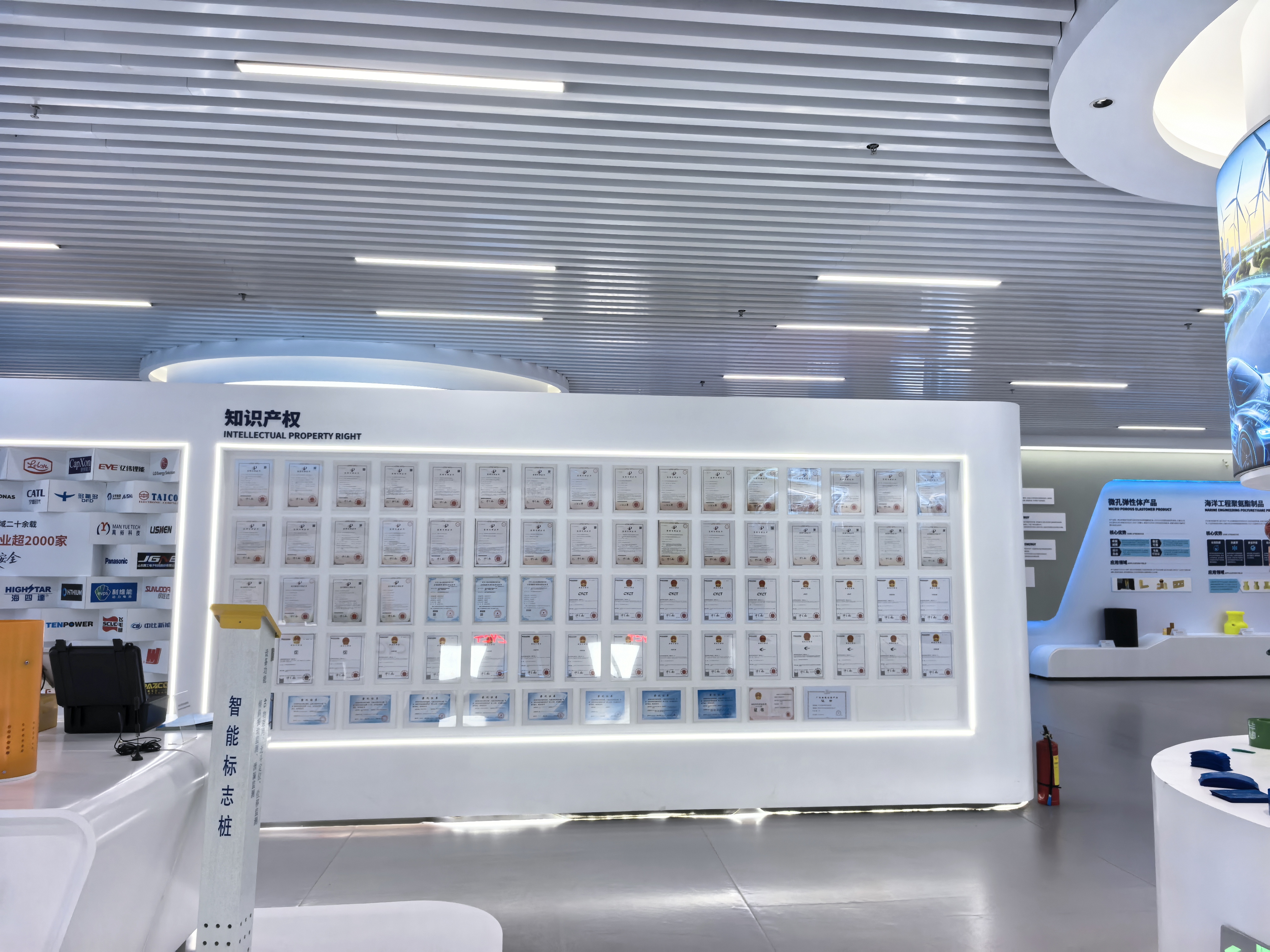
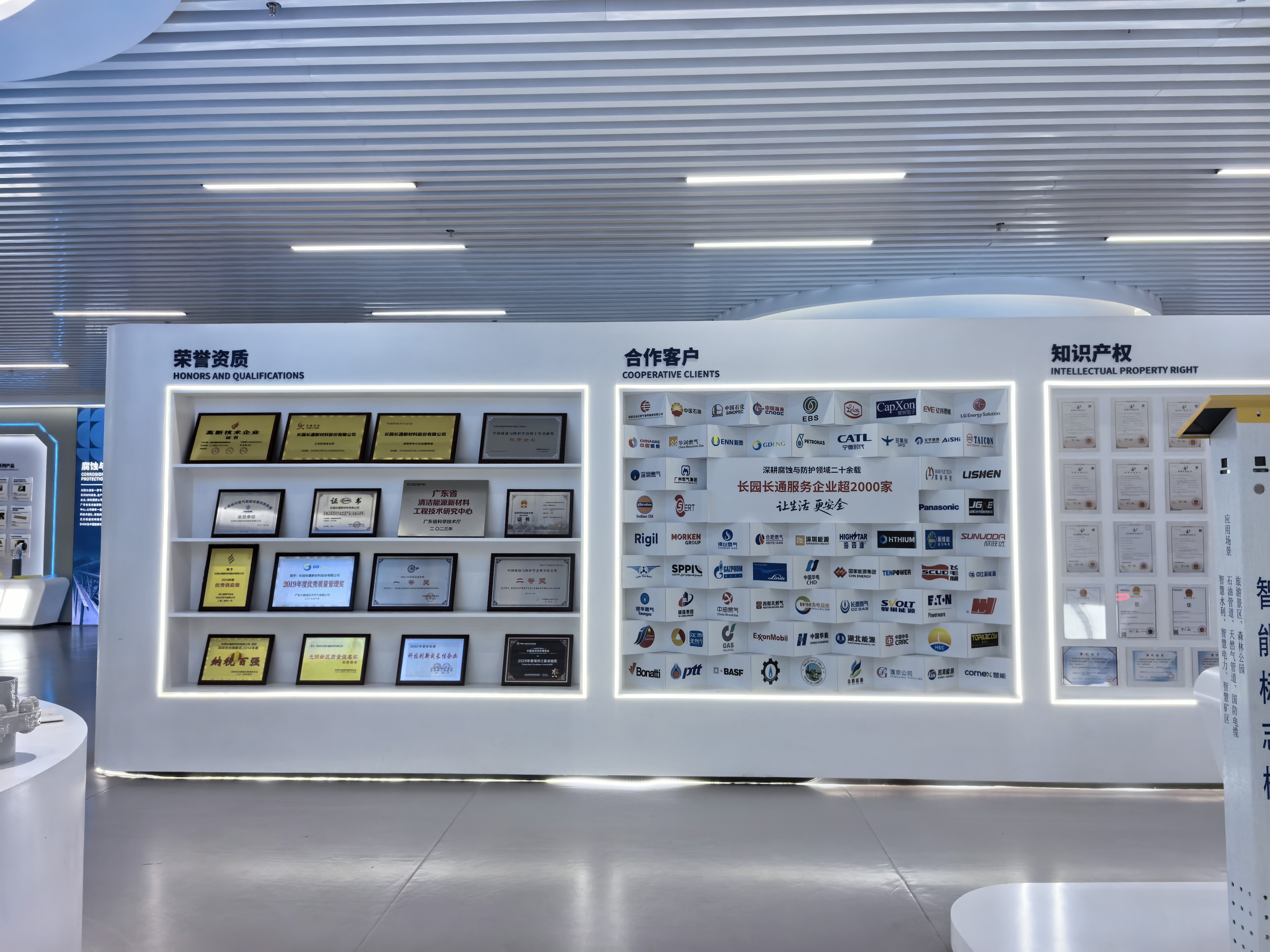
"CYCT owns leading testing and R&D capabilities, a professional R&D team, and a national CNAS-accredited laboratory."
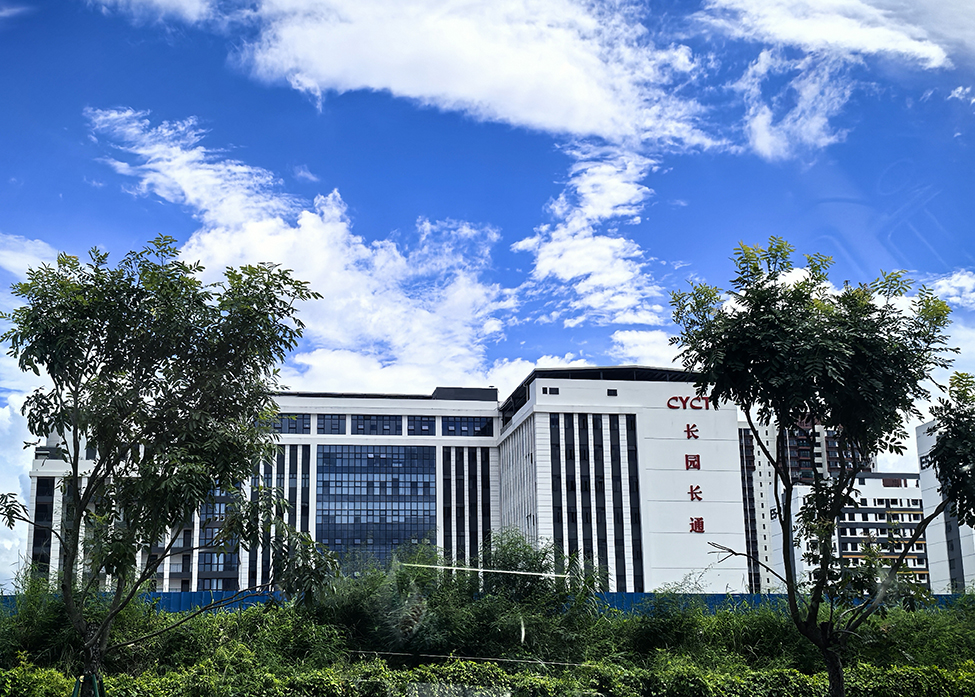
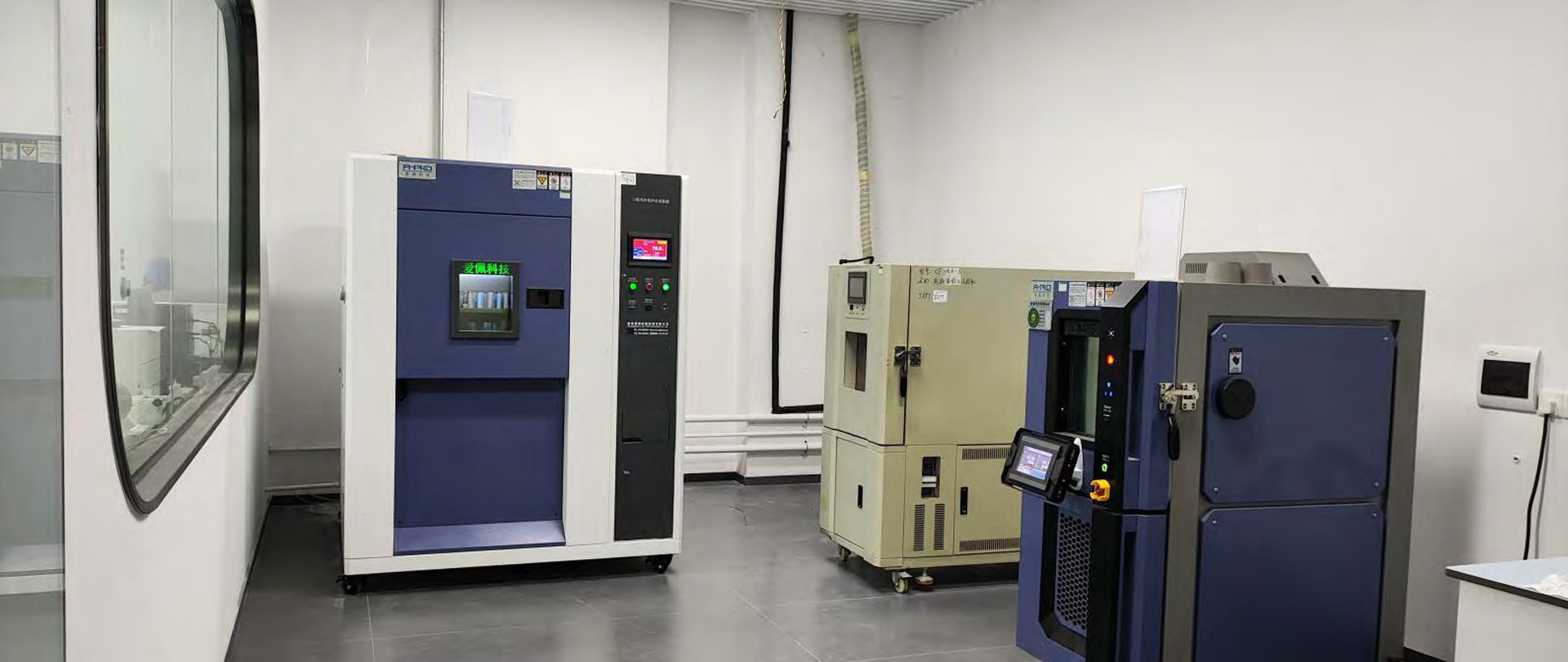
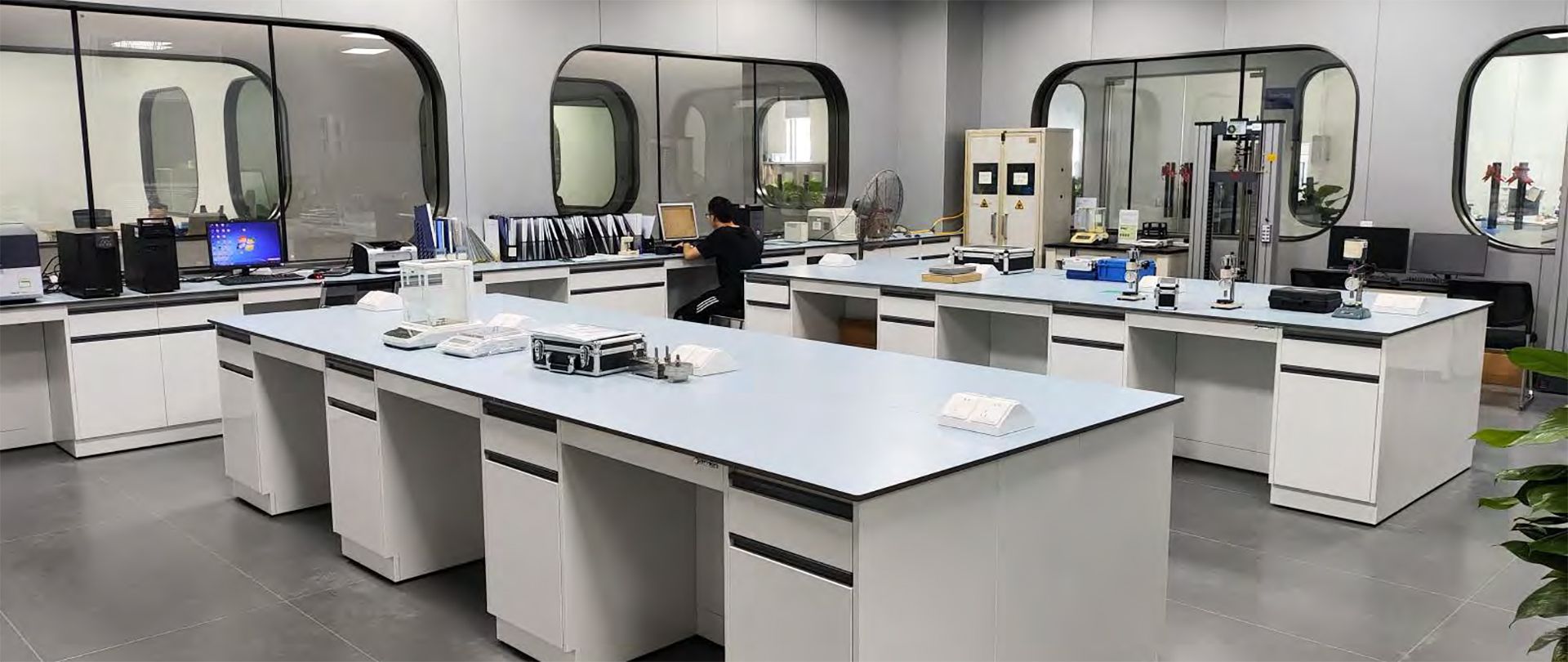
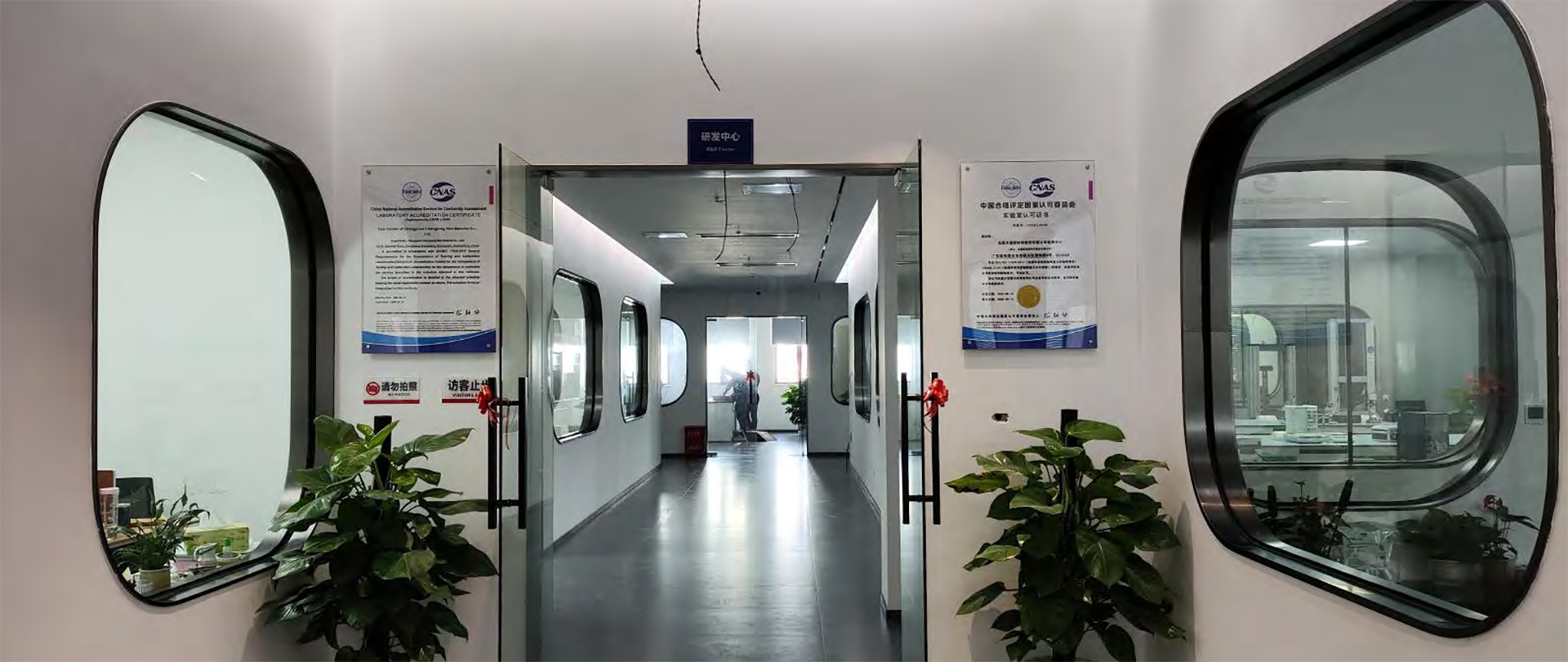
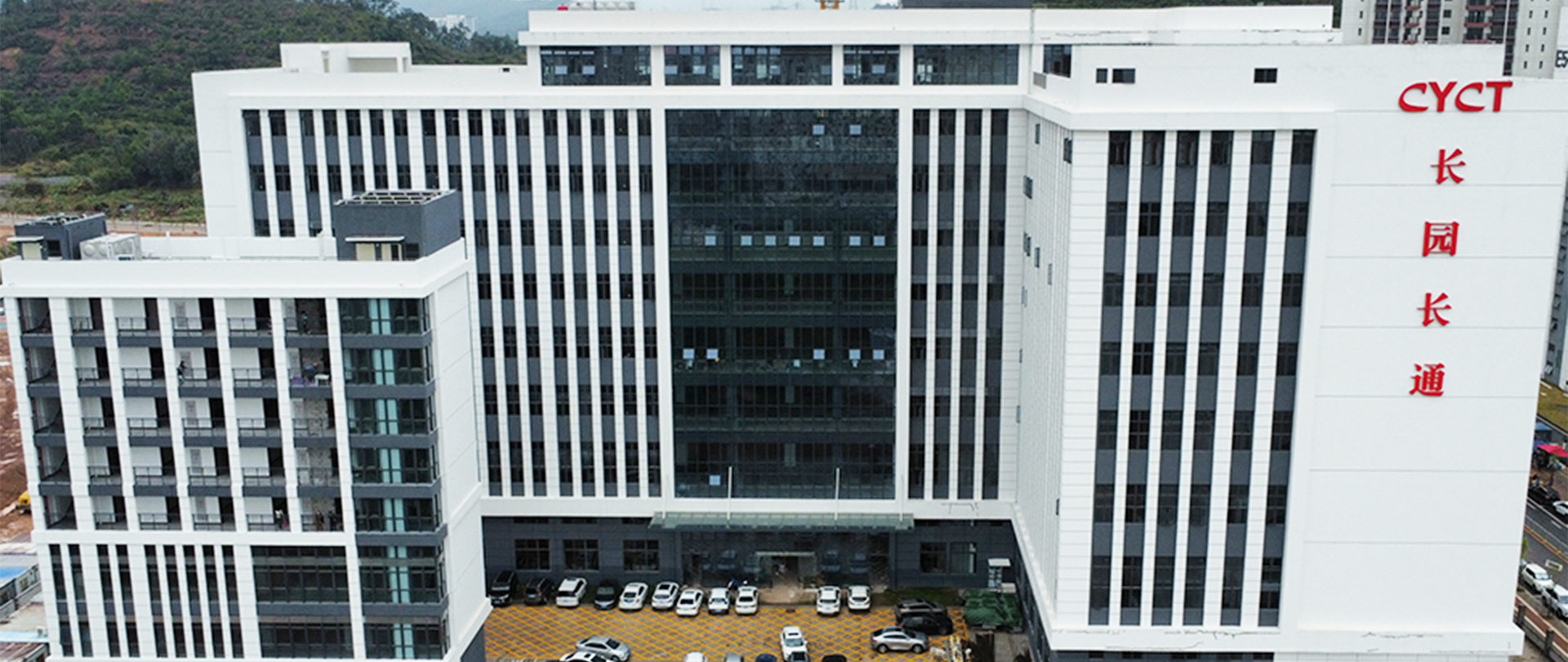
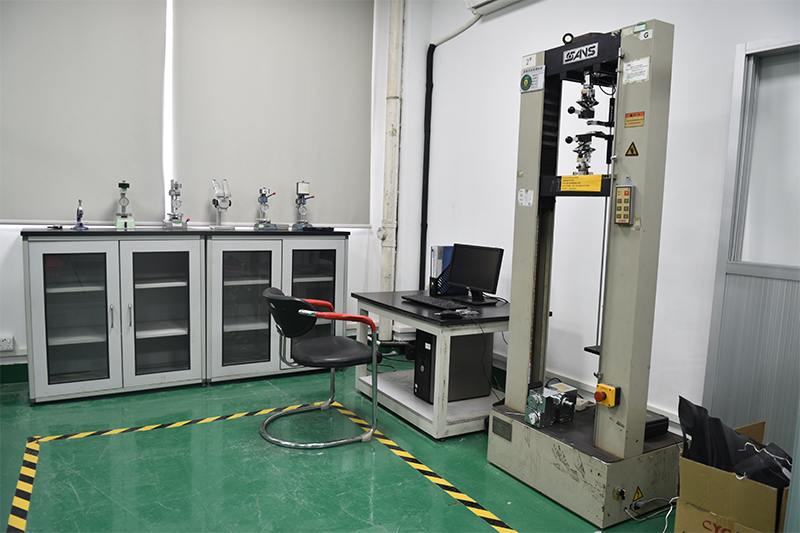
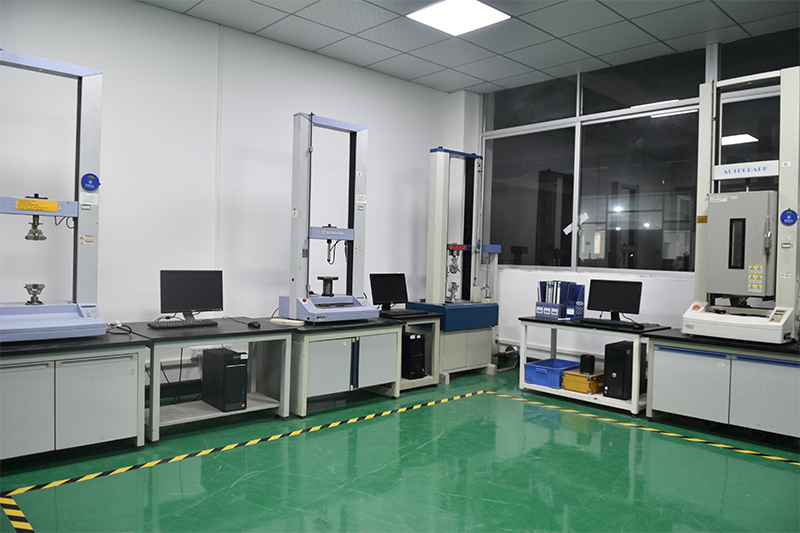
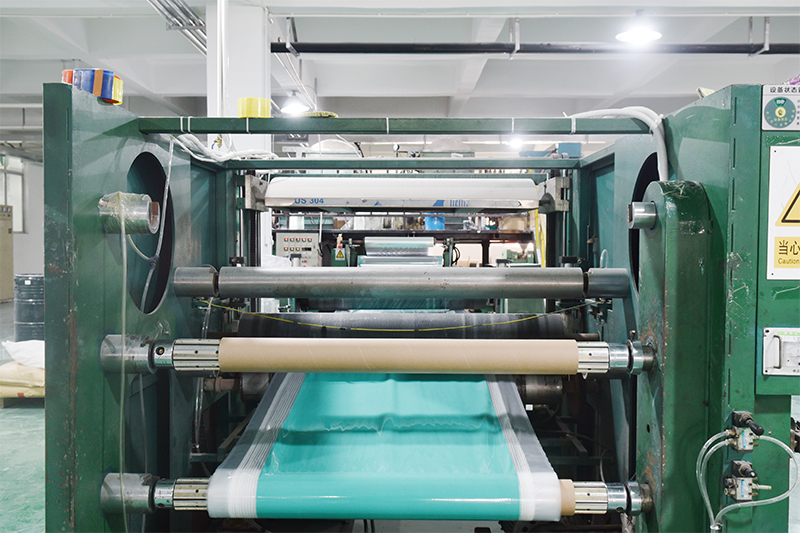
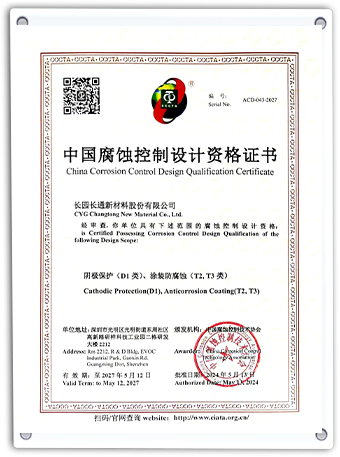
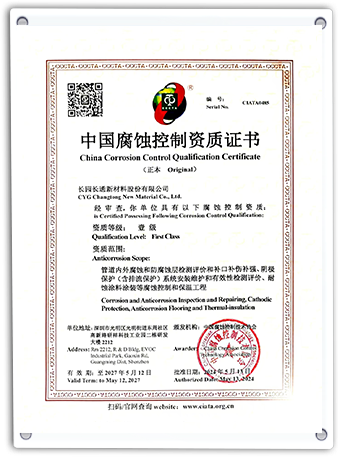
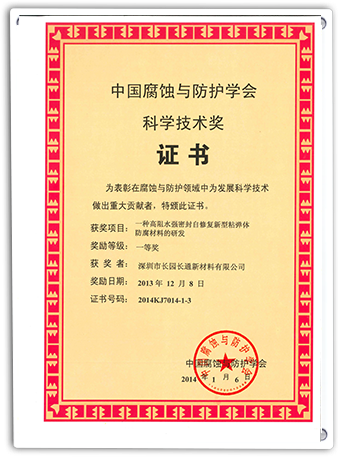
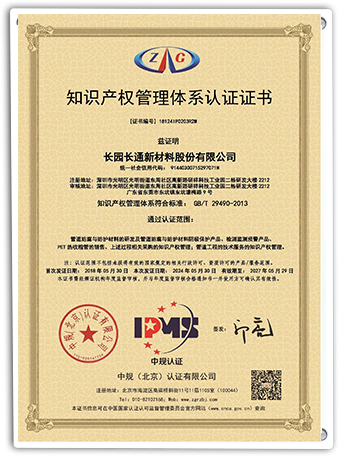
Member of Council in Chinese Society for Corrosion and Protection (CSCP), Qualification Certificate of Corrosion Protection Construction, Qualification Certificate of Pipeline Detection, Well-known Brand of Pipeline Corrosion Protection in China, Corporate Member of China Association of Petroleum Engineering Construction (CAPEC), State-Level High-Tech Enterprise with more than ten proprietary intellectual property rights. Stable supplier of PetroChina, Sinopec, China Gas Group, and Indian Oil.
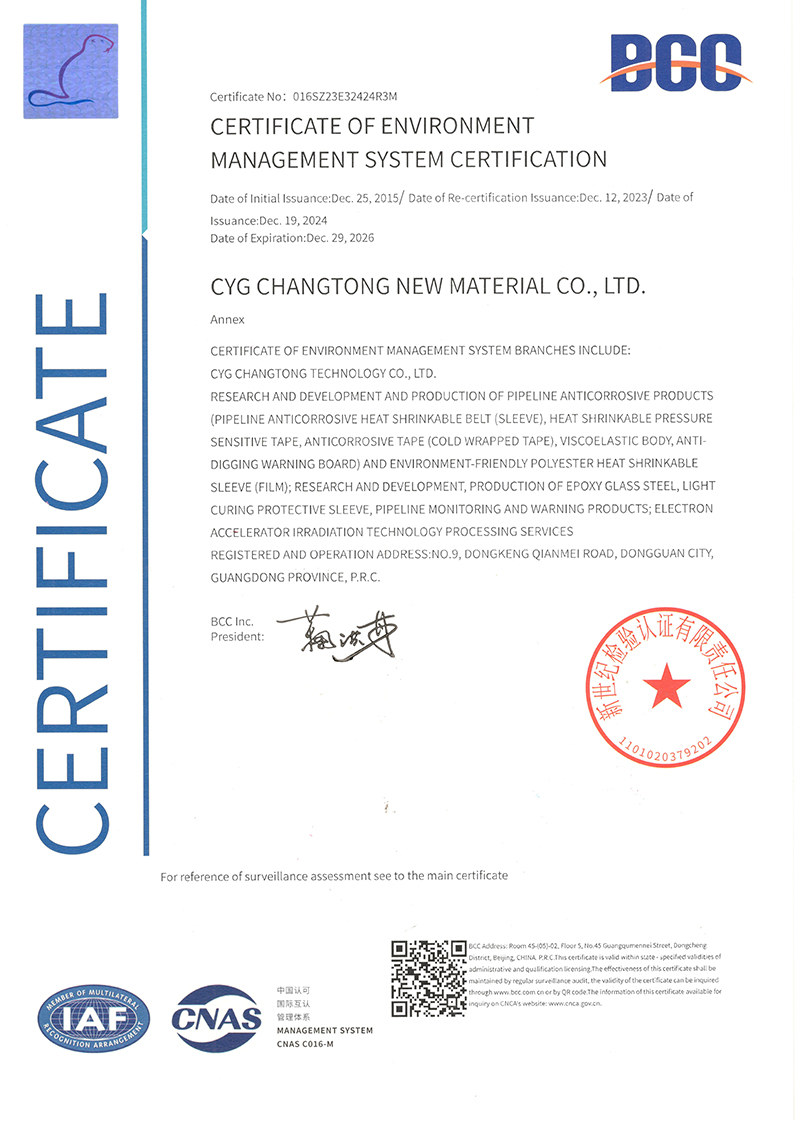
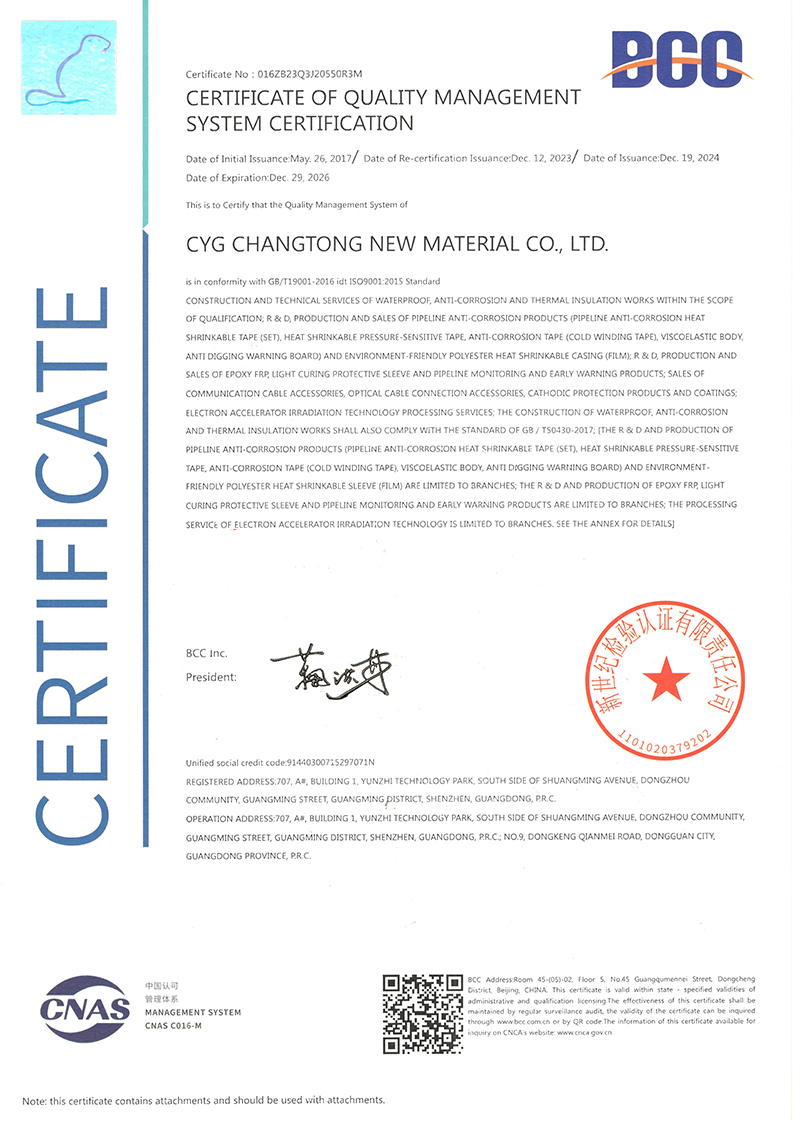
To assist engineering consultants and procurement managers in choosing the right systems, we have compiled detailed answers to common technical queries:
 CYCT
CYCT