China Wraparound Heat Shrink Suppliers & Factory

Next-Generation Pipeline Corrosion Prevention Systems & High-Performance Polyolefin Solutions for Global Infrastructure Integrity

2000
Founded Year
CNAS
Accredited Laboratory
10+
Proprietary Intellectual Properties
100%
Compliance & Quality Standard

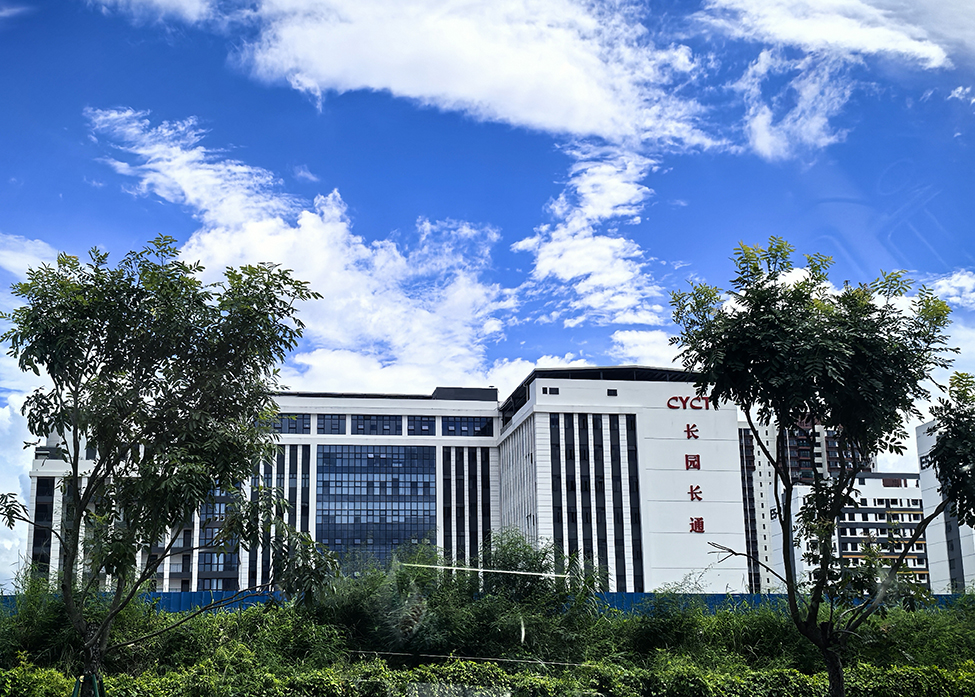
CYCT New Materials Company Limited is a state-level high-tech enterprise integrating R&D, production, sales of pipeline corrosion protection materials, buried pipeline detection services, and pipeline coating field application services into a single dynamic operational ecosystem.

1. The Technology & Science of Wraparound Heat Shrink Sleeves

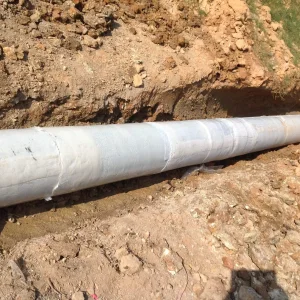
In modern pipeline construction, the pipeline field joint represents the area most vulnerable to environmental degradation and mechanical stress. The integrity of these locations determines the functional lifespan of the entire infrastructure. Wraparound heat shrink sleeves have emerged as the industry-standard protective solution, combining mechanical robustness with exceptional barrier properties.

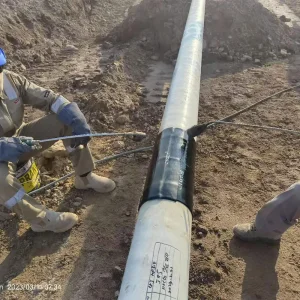
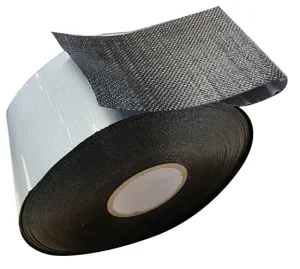
Engineered using radiation cross-linked high-density polyethylene (HDPE) backing combined with high-shear-strength protective hot-melt adhesives, these sleeves form a monolithic barrier over steel surfaces and existing mill coatings (such as 3LPE, 3LPP, or FBE). Upon the application of heat, the backing shrinks to conform tightly to the pipe body, while the adhesive melts and flows into the micro-cavities of the substrate, sealing out moisture, oxygen, and corrosive compounds.

Technical Insight: The efficacy of a wraparound heat shrink sleeve depends on its peel strength, cathodic disbondment resistance, and soil stress performance. These characteristics are determined by the molecular cross-linking density of the backing and the visco-elastic characteristics of the hot melt adhesive.

2. CYCT: Decades of Technical Expertise & Academic Integration

Established in 2000, CYCT New Materials Company Limited has grown into a key state-level high-tech enterprise. Our operations span material R&D, precision manufacturing, buried pipeline detection, and field joint coating application services. For over two decades, we have focused on producing materials that mitigate pipeline corrosion.

A core asset of our research program is our close collaboration with leading institutes, such as the CNPC Pipeline Science Research Institute. This partnership allows CYCT to offer diagnostic services for buried lines, cathodic protection system designs, rehabilitation projects, and integrated protective schemes tailored to complex operational environments.

Manufacturing & R&D Facilities

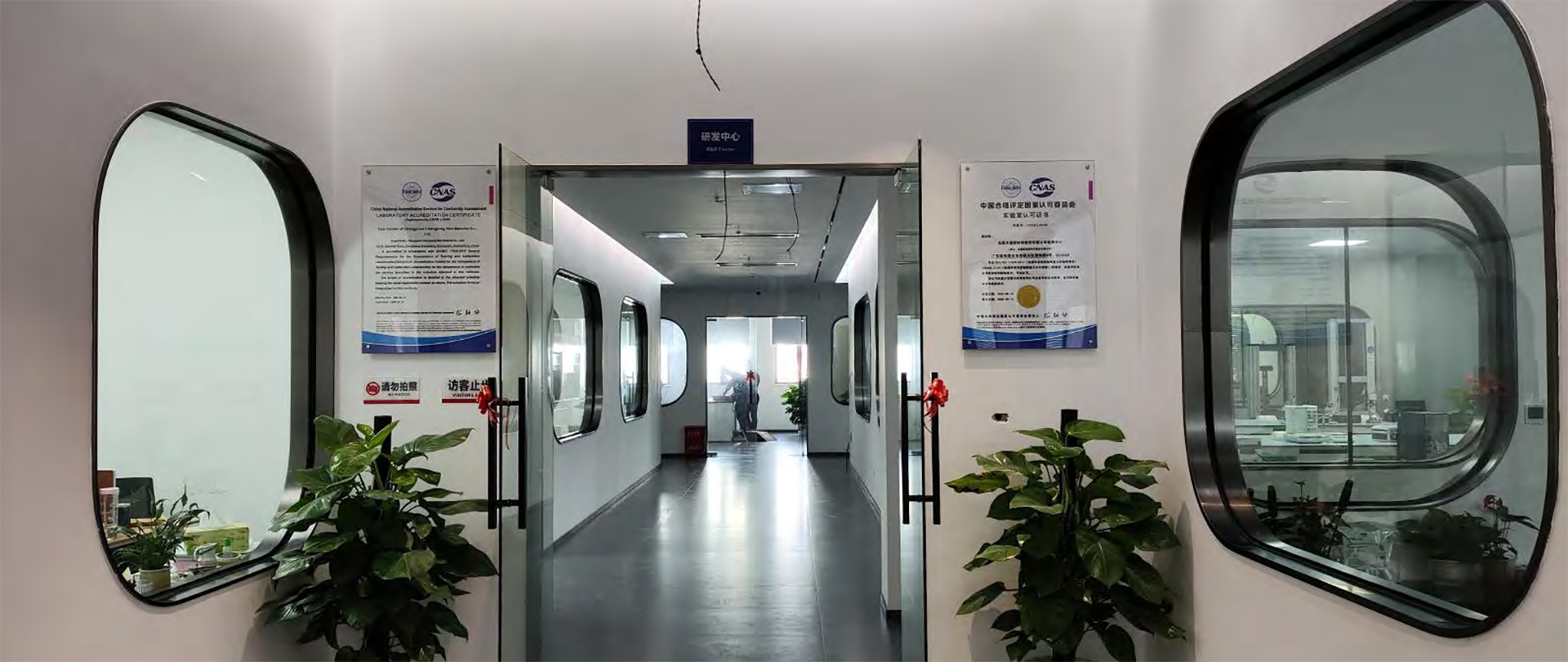
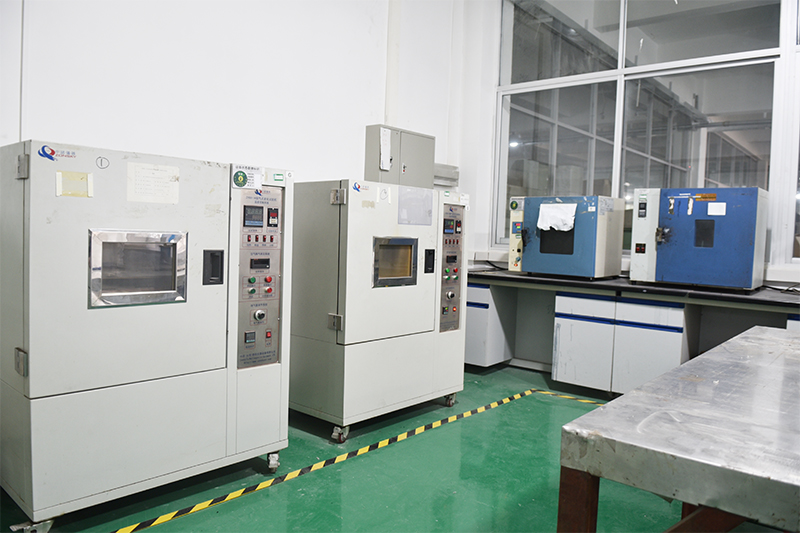
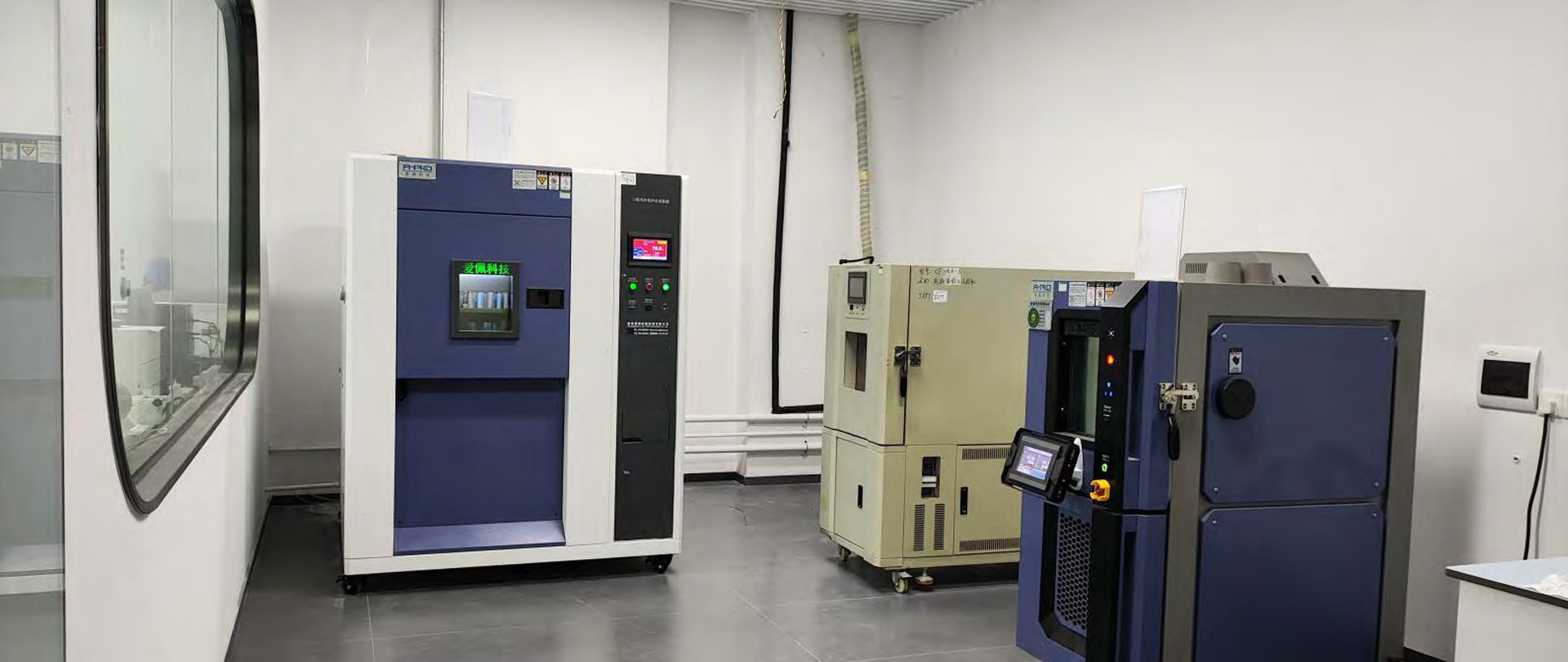
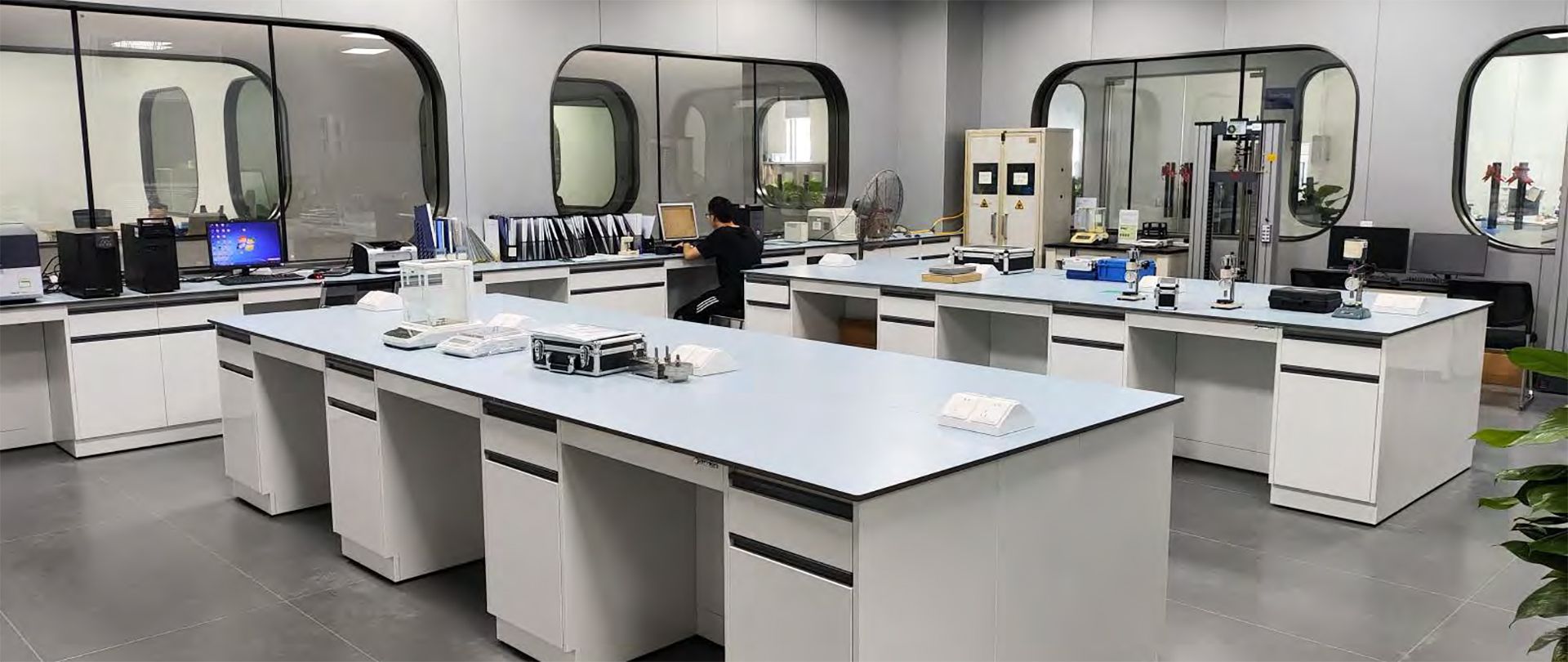
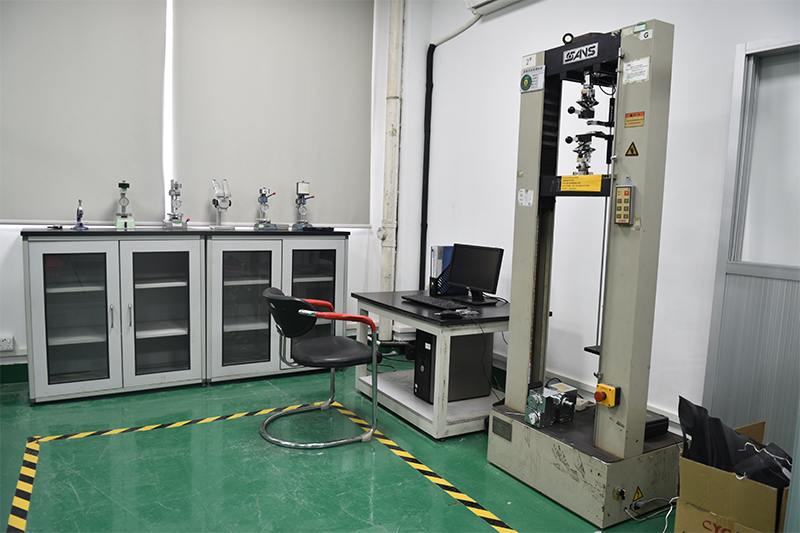
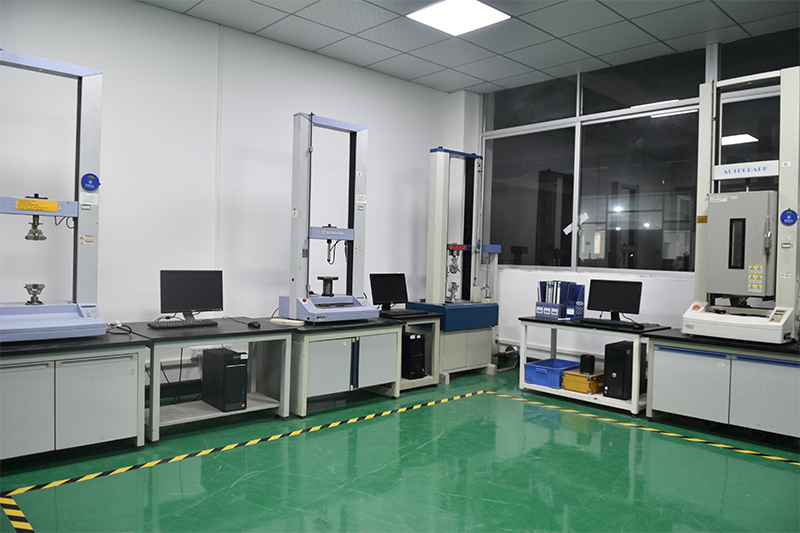
CYCT maintains an advanced technological infrastructure, including a national CNAS-accredited laboratory and a dedicated R&D team. This setup supports rigorous testing of raw materials and finished products, verifying compliance with international standards such as ISO 21809-3 and EN 12068 before dispatch.

3. China Factory Supply Chain Advantages & Manufacturing Scale

Procuring pipeline protection materials from China-based manufacturers like CYCT provides distinct supply chain advantages:

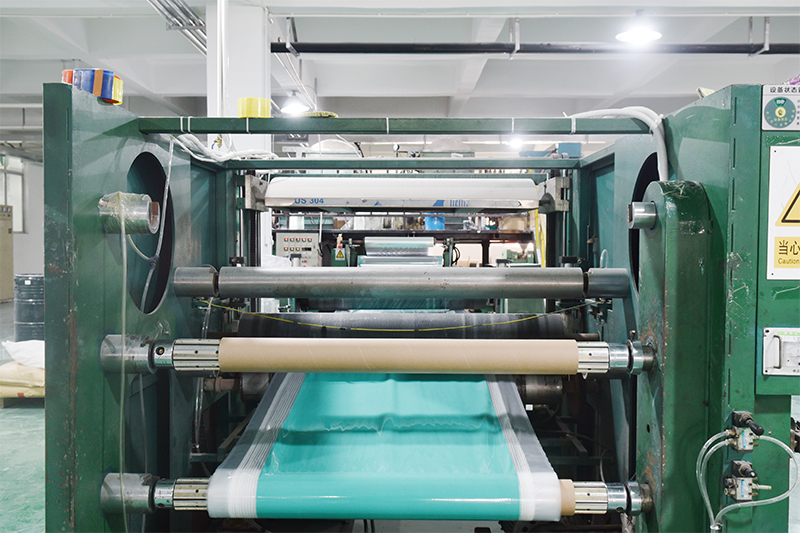
  • End-to-End Vertical Integration: From initial compound synthesis and extrusion to radiation cross-linking and adhesive coating, our complete in-house process ensures stable quality control and reduced lead times.
  • Electron Beam Cross-Linking Capabilities: We utilize advanced electron accelerators to guarantee uniform molecular cross-linking across the polyolefin backing, resulting in consistent heat-shrink performance.
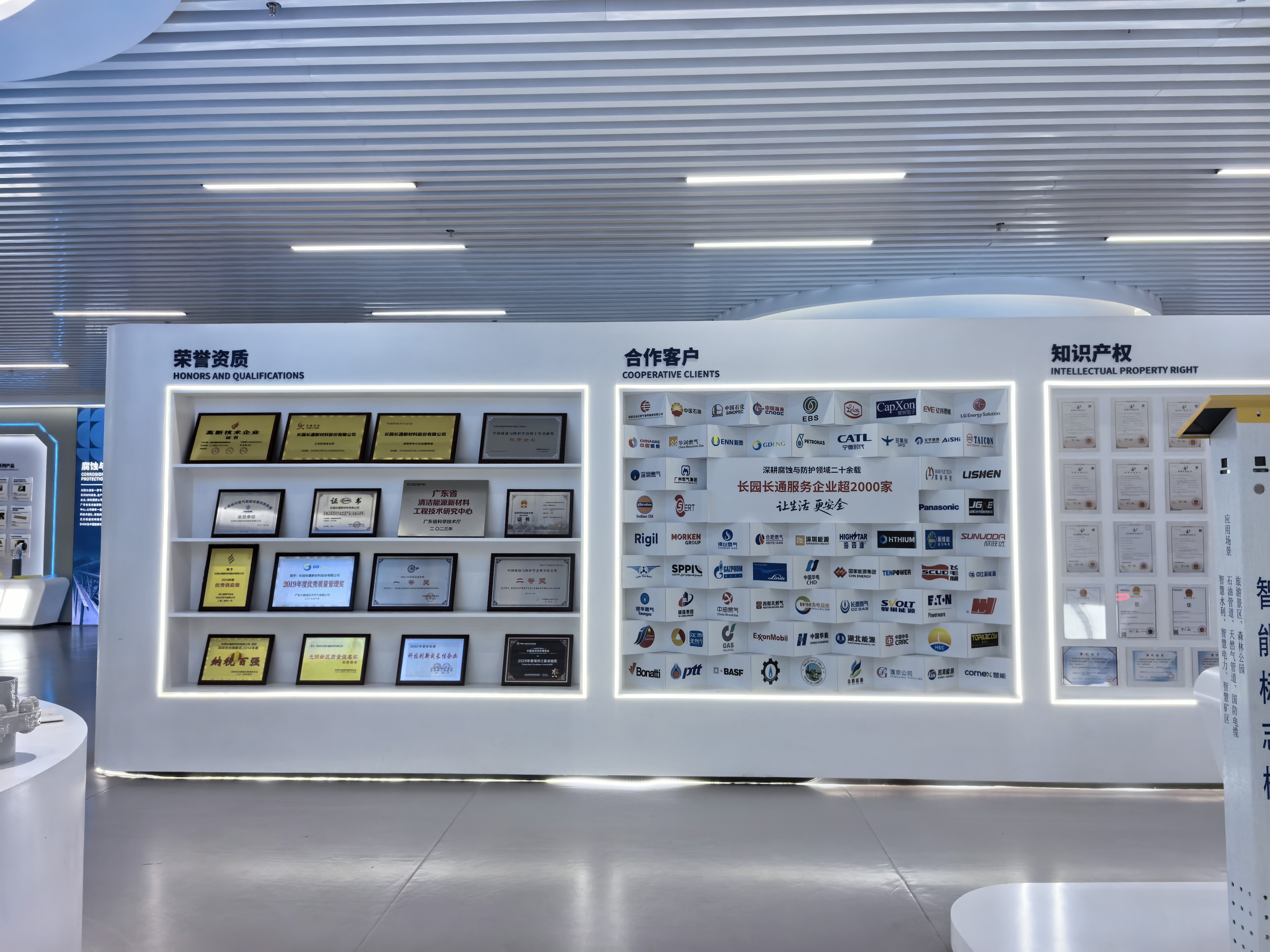
  • Scale of Operations: Serving major state-owned pipeline projects managed by PetroChina, Sinopec, and PipeChina allows us to scale production efficiently, ensuring cost-effective output for projects of any size.
  • Strategic Logistics Access: Our proximity to international shipping hubs ensures smooth global transport and streamlined customs documentation.

4. Meeting Global Procurement Demands: Compliance & Standards

Global energy companies, engineering firms, and utility operators require compliance with strict performance criteria. CYCT manufactures products that align with major global pipeline standards:
  • ISO 21809-3: Direct compliance with international standards for field joint coatings on buried or submerged pipelines.
  • EN 12068: Verification of mechanical and chemical resistance classes, suitable for low to high operating temperatures.
  • AMPP / NACE Certification: Active participation in AMPP (Association for Materials Protection and Performance) programs keeps our materials in line with global anti-corrosion benchmarks.

5. Localization Support & Comprehensive Field Application Services

A premium coating material is only as effective as its installation. CYCT offers comprehensive engineering support to back its material manufacturing:

We supply site preparation guidelines, specialized installation tools, and on-site training for contractors. For large-scale projects, we provide field application technicians to oversee surface cleaning, pre-heating, wrap installation, and quality control inspection. This hands-on involvement reduces installation errors and prevents early coating failure.
6. Specialized Application Scenarios

  • Horizontal Directional Drilling (HDD): Traditional heat shrink sleeves can shear during directional pulls. CYCT's Epoxy FRP (Fiberglass Reinforced Polymer) systems and photo-curing protective sleeves provide the mechanical armor required to protect field joints in rocky terrains.
  • High-Temperature Environments: Designed for pipelines carrying hot fluids, our High-Temperature PP (Polypropylene) Heat Shrink Sleeve systems remain stable in environments up to 110°C to 120°C.
  • Irregular Geometry Protection: For complex shapes like valves, tees, and flanges, our viscoelastic coatings and anti-corrosion self-adhesive tapes provide long-term sealing without requiring preheating or complex tools.

7. Global Industry Trends & R&D Innovations

The pipeline corrosion protection sector is moving toward more environmentally sustainable and durable systems. Key trends driving our R&D at CYCT include:

  • Development of Low-Preheat and No-Preheat Sleeves: Reducing installation temperatures lowers energy consumption on site and minimizes the risk of overheating the main pipe coating.
  • Smart Coating Technologies: We are researching the integration of sensing materials into the sleeve structure to monitor moisture entry and cathodic protection status in real time.
  • Enhanced Chemical Resistance: Formulating backing materials with increased resistance to acidic soil chemistry, solvents, and microbiological corrosion.

International Certifications & Industrial Recognition

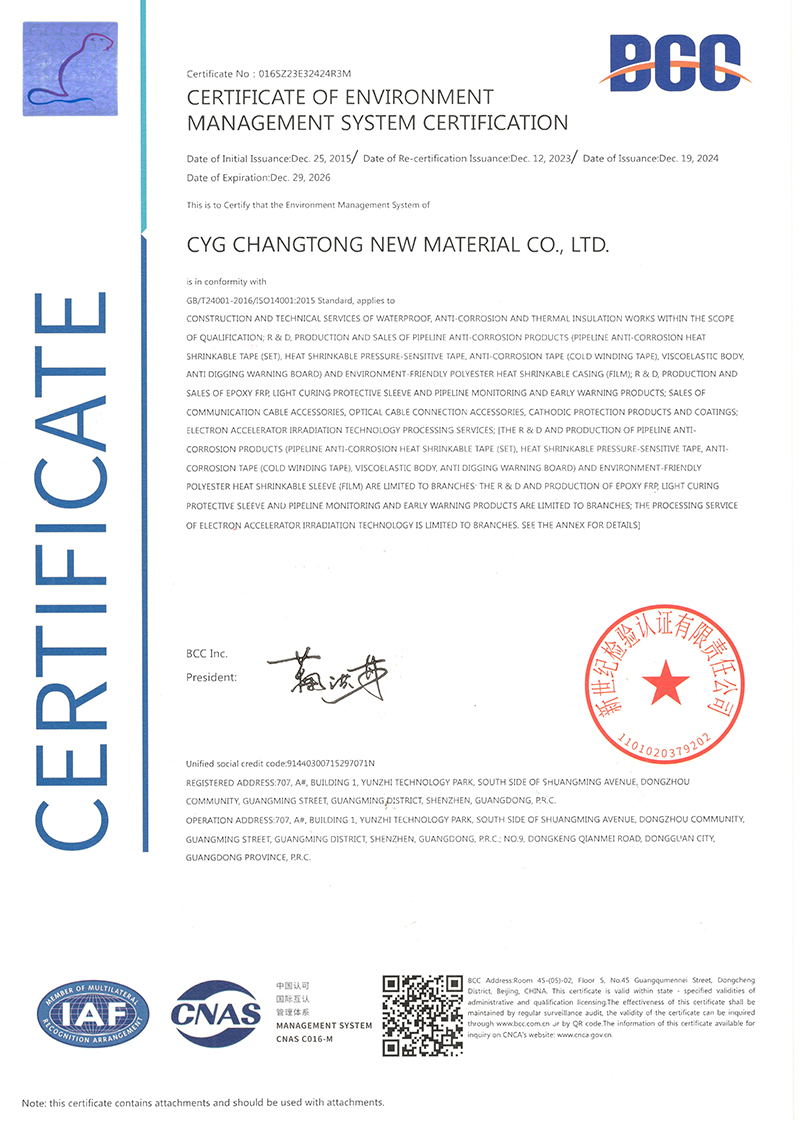
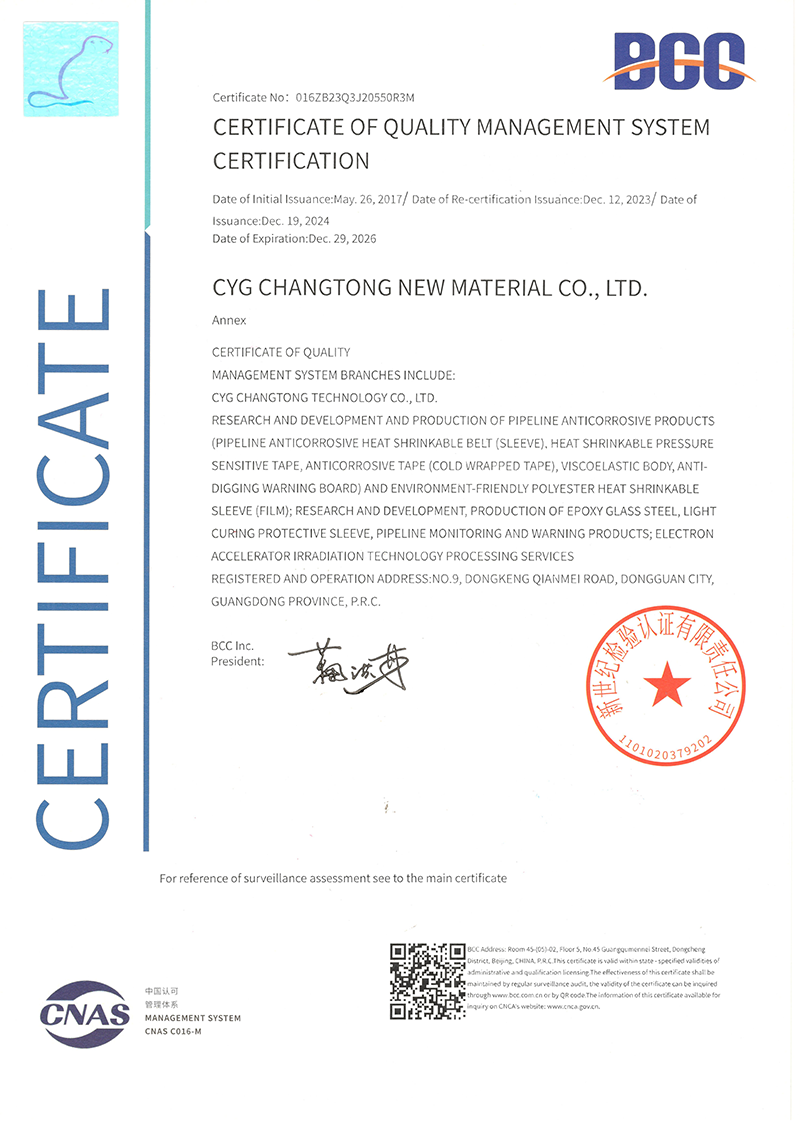
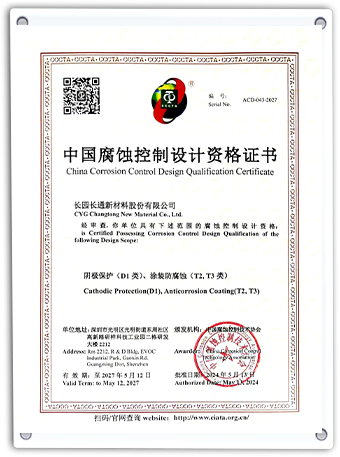
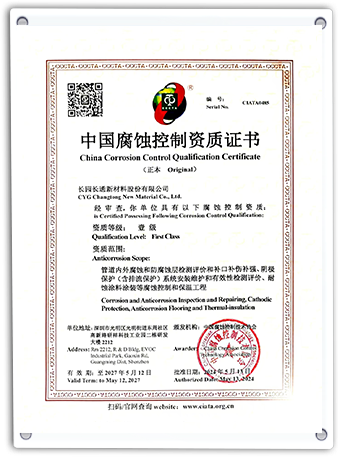
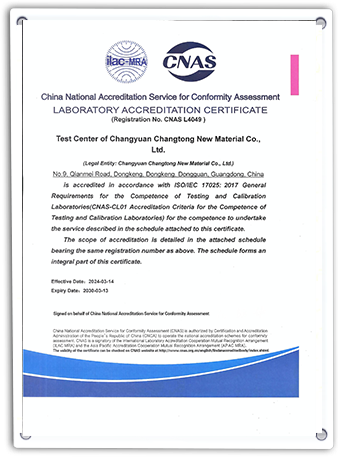
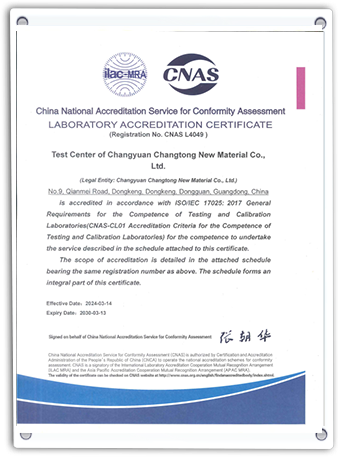
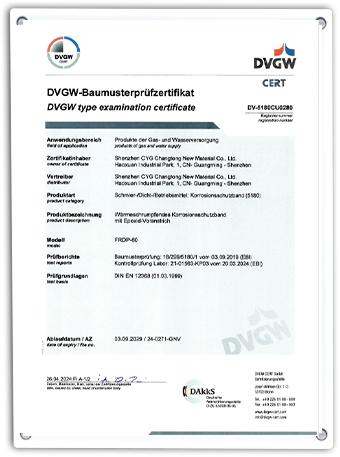
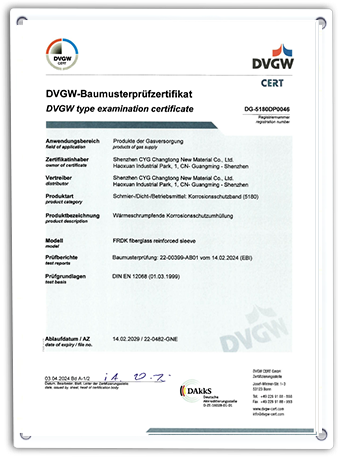
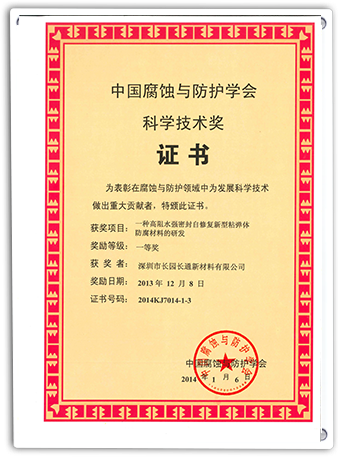
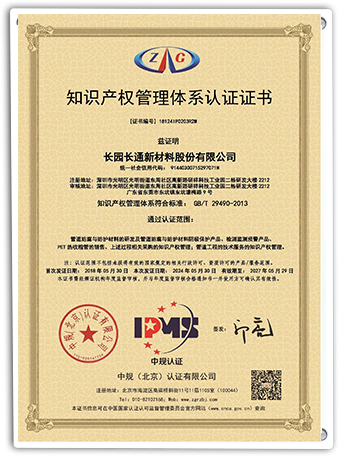
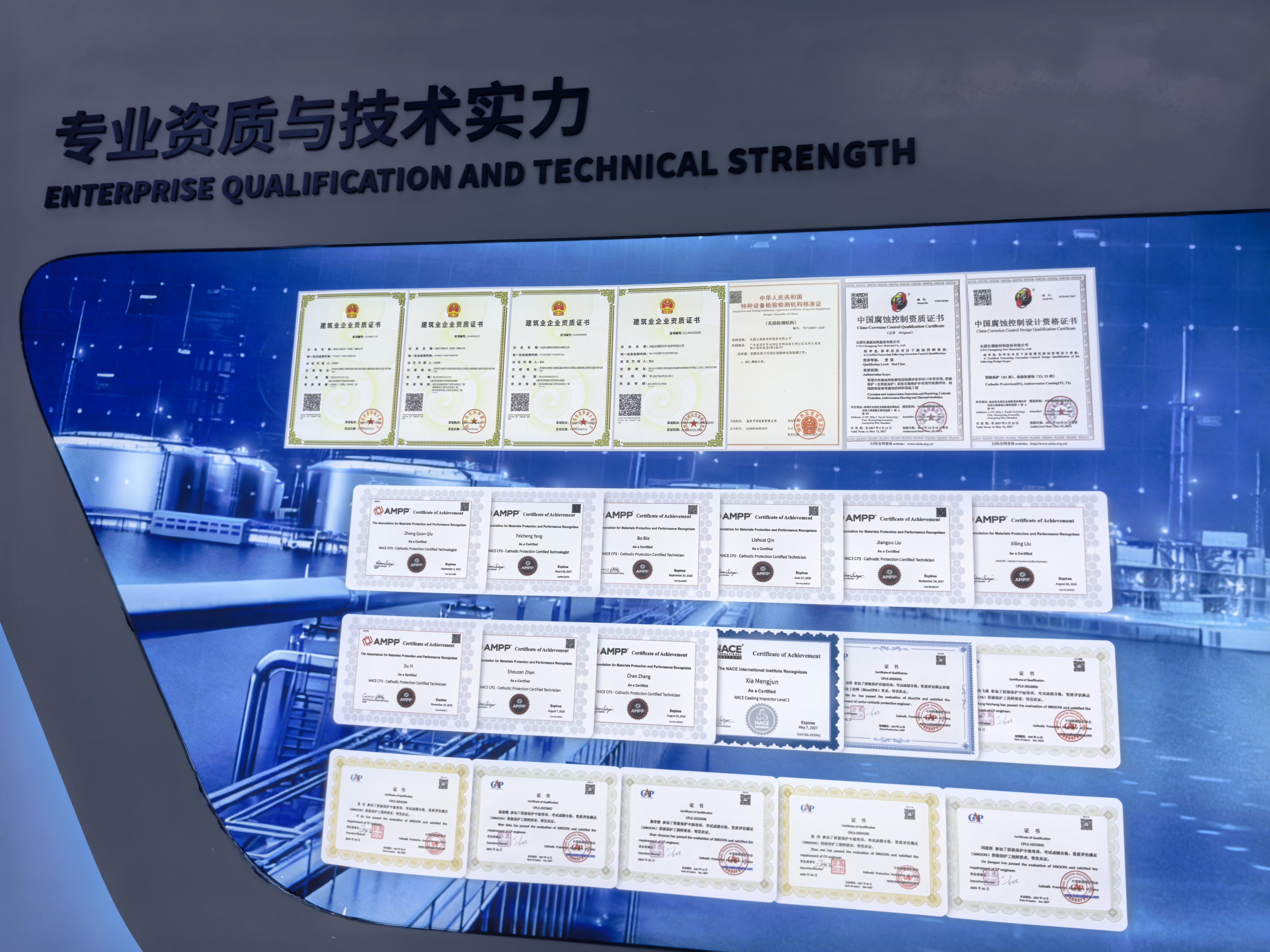
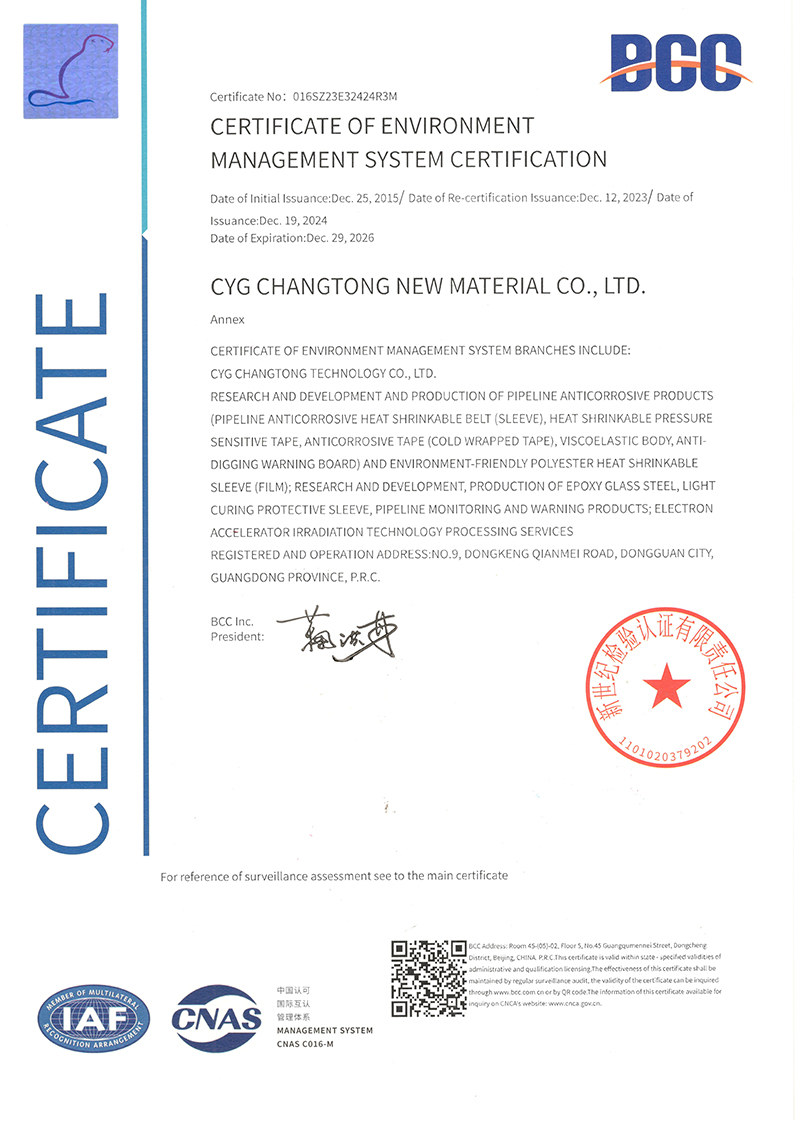
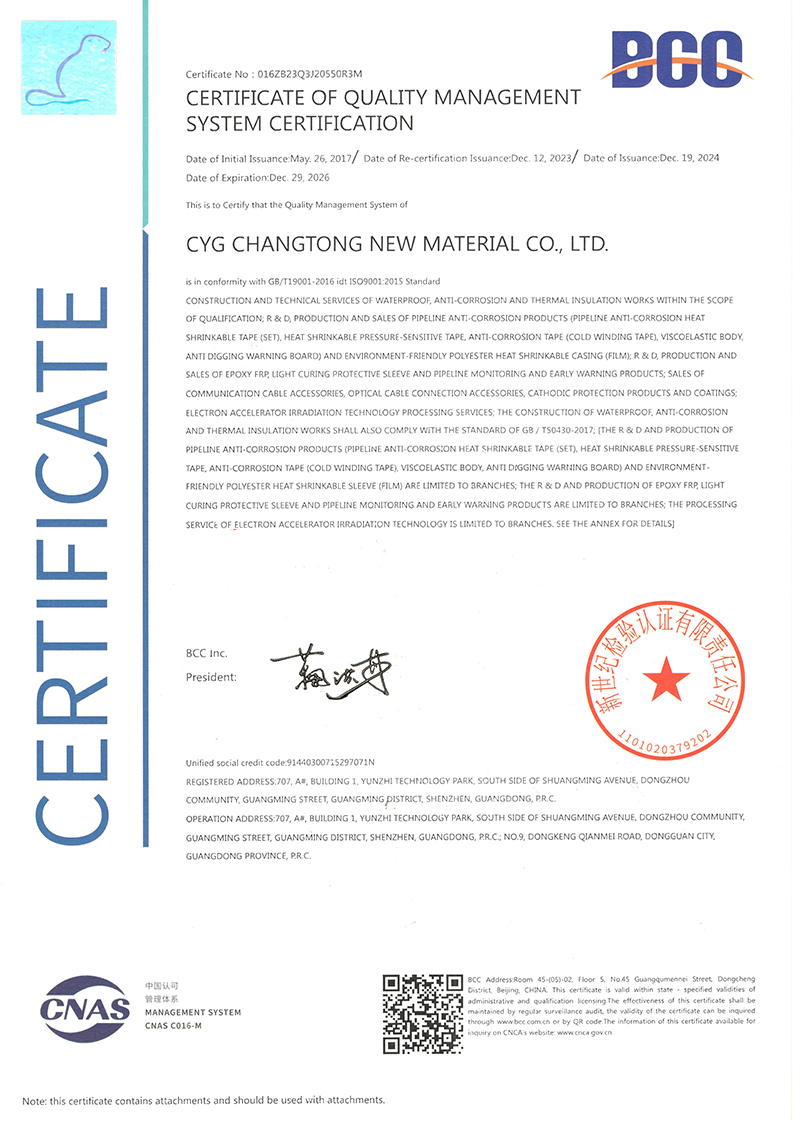
We hold several national patents, system certifications, and approvals from major global agencies, verifying our quality standards.
Frequently Asked Questions (FAQ)

Answers to common technical, manufacturing, and procurement inquiries about CYCT pipeline protection materials.
What are the primary differences between 2-layer (2L) and 3-layer (3L) wraparound heat shrink sleeve systems?
A 2-layer system consists of a thick radiation-crosslinked polyolefin backing coated with an aggressive, mastic-based or hot-melt adhesive. The adhesive bonds directly to the prepared steel substrate and the adjacent line coating. A 3-layer system utilizes a liquid epoxy primer applied to the bare steel first, followed immediately by the heat shrink sleeve. The epoxy primer provides improved resistance to cathodic disbondment and chemical attack, while the adhesive bonds directly to the wet primer and adjacent coatings. 3L systems are typically recommended for higher operating temperatures and more aggressive soil environments.
How does CYCT ensure the quality of its heat-shrinkable materials?
Quality control is managed through our national CNAS-accredited laboratory. Every batch of raw polymer and hot-melt adhesive undergoes rigorous evaluation, including differential scanning calorimetry (DSC) for phase change verification, melt flow index (MFI) analysis, and tensile testing. Finished sleeves are tested for thickness uniformity, recovery ratio, backing peel strength, and resistance to cathodic disbondment. This end-to-end testing ensures compliance with ISO 21809-3 and EN 12068 standards.
Why is the field preheat temperature critical during the installation of heat shrink sleeves?
Preheating the steel surface and the adjacent line coating is necessary to activate the hot-melt adhesive. If the steel is too cold, it acts as a heat sink, preventing the adhesive from reaching its melting point and wet-out phase. This can result in poor adhesion, voids, and water migration. Conversely, overheating can damage the main pipe coating (such as PE or PP) or degrade the sleeve's adhesive layer. CYCT provides precise temperature ranges (using temp-strips or infrared pyrometers) based on the specific material formulation and ambient conditions.
What solutions does CYCT provide for trenchless pipeline installations like Horizontal Directional Drilling (HDD)?
Trenchless pulls subject coatings to high shear and abrasive forces. Standard heat shrink sleeves can tear or slip under these conditions. CYCT offers specialized Epoxy FRP (Fiberglass Reinforced Polymer) systems and photo-curing protective sleeves. These materials form a rigid, impact-resistant outer jacket over the field joint, preventing damage to the primary anti-corrosion barrier during pulling operations.
Can CYCT customize sizes and formulations for unique pipeline projects?
Yes. As a direct manufacturer, CYCT can customize sleeve dimensions (width, length, backing thickness, and adhesive thickness) to fit custom pipe sizes and project requirements. We can also adjust the adhesive formulation to match specific operating temperatures (up to 120°C for PP systems) and soil conditions.
What are the recommended surface preparation standards before applying CYCT field joint coatings?
For optimal adhesion, steel surfaces should be blast-cleaned to a minimum standard of ISO 8501-1 Sa 2½ (near-white metal finish), with an anchor profile profile between 50 to 90 microns. The adjacent mill coating must be clean, dry, and free of grease, with the edges chamfered to prevent step-downs that can trap air. For mastic-based coatings or temporary repair applications, power-tool cleaning to St 3 may be acceptable under specific project guidelines.
How does viscoelastic tape differ from hot-melt heat shrink sleeves?
Viscoelastic tape is a cold-applied coating that displays liquid-like flow properties combined with solid-like elasticity. It does not require preheating of the steel substrate and remains permanently tacky, allowing it to self-heal minor punctures and flow into complex profiles like valves and flanges. Heat shrink sleeves require heat to shrink and cure, creating a tough, semi-rigid mechanical barrier. Viscoelastic tapes are typically wrapped with a mechanical outer-wrap to protect the soft compound from soil stress.