Explore our industrial-grade field joint coatings, cold applied wrap-around tapes, and high-performance pipeline repair systems engineered for long-term corrosion prevention.
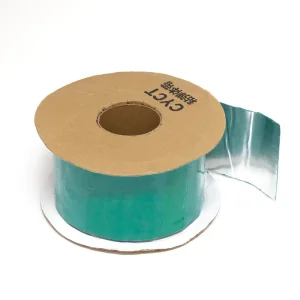
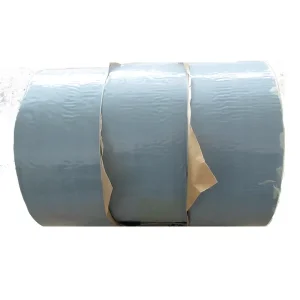
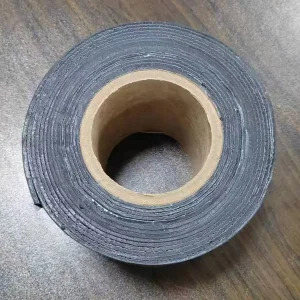
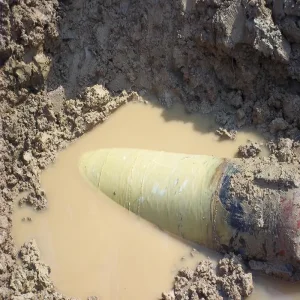
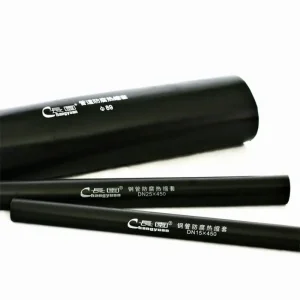
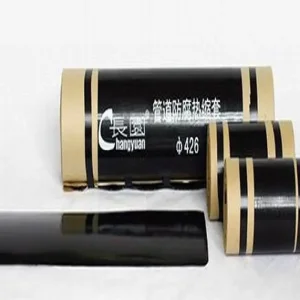
Corrosion remains one of the most critical threats to the economic viability and physical safety of buried, subsea, and aboveground metal pipeline networks worldwide. According to industry assessments by AMPP (formerly NACE International), the global cost of pipeline corrosion exceeds hundreds of billions of dollars annually. Pipelines transporting oil, gas, chemical products, municipal water, and wastewater are subject to continuous chemical, electrochemical, and microbiological degradation from surrounding soils and marine environments.
In this challenging operational framework, pipeline wrap-around tapes and related field joint coating (FJC) systems act as the primary barrier preventing oxygen, moisture, and electrical currents from coming into contact with steel pipe surfaces. For long-term protection, modern infrastructure projects rely heavily on cold-applied polymeric tapes, viscoelastic systems, and heat-shrinkable sleeves to maintain structural integrity over lifetimes designed to exceed 30 to 50 years.
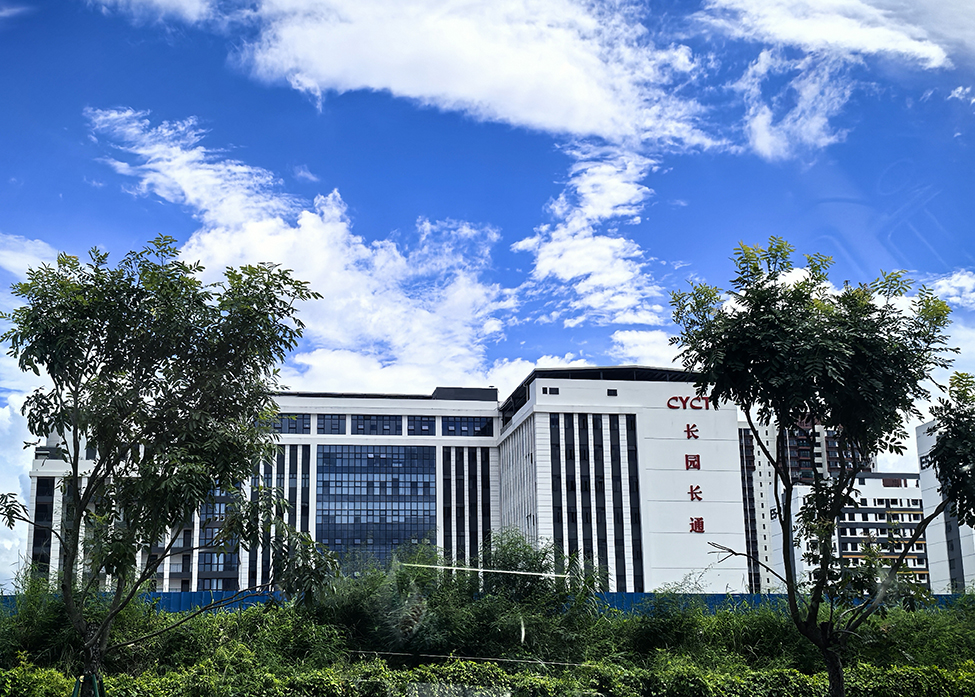
CYCT New Materials Company Limited (for short, CYCT) is a state-level high-tech enterprise integrating R&D, production, and sales of pipeline corrosion protection materials, as well as buried pipeline detection services and pipeline coating field application services into one integrated system.
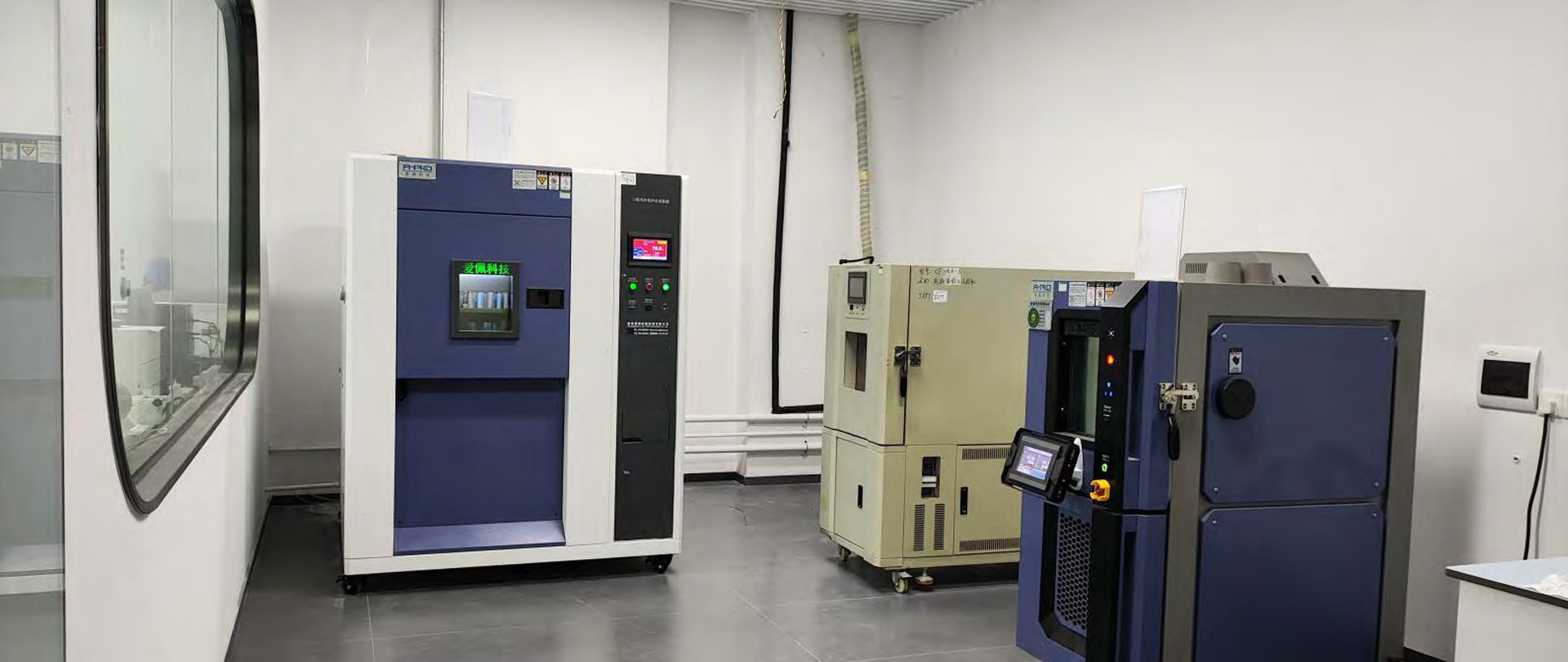
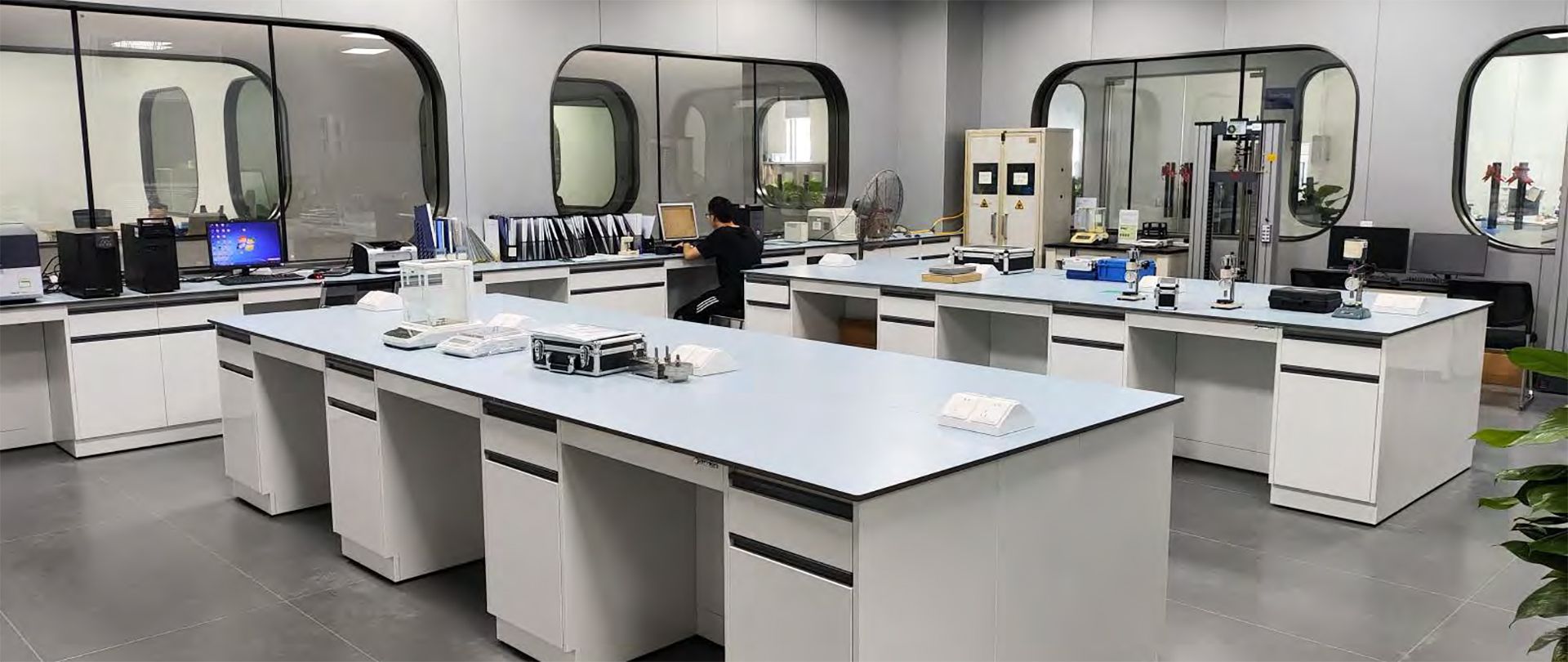
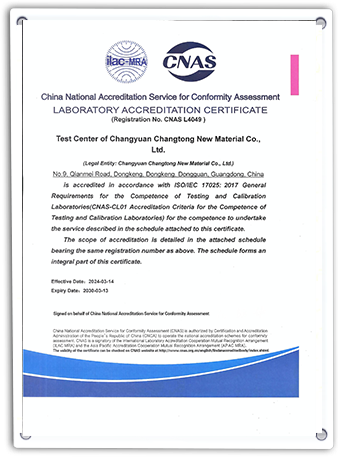
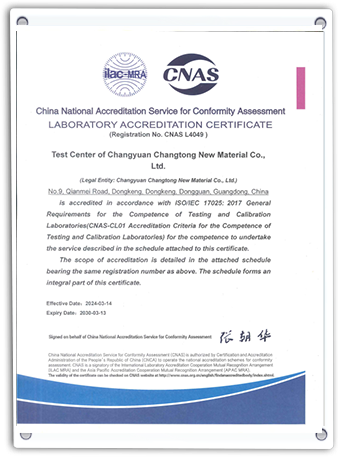
For decades, CYCT has committed its scientific resources to the R&D, production, and distribution of pipeline corrosion protection materials. Today, CYCT operates leading testing facilities, a professional R&D team, and a national CNAS-accredited laboratory, ensuring that our product formulations and quality control processes meet rigorous international performance standards.
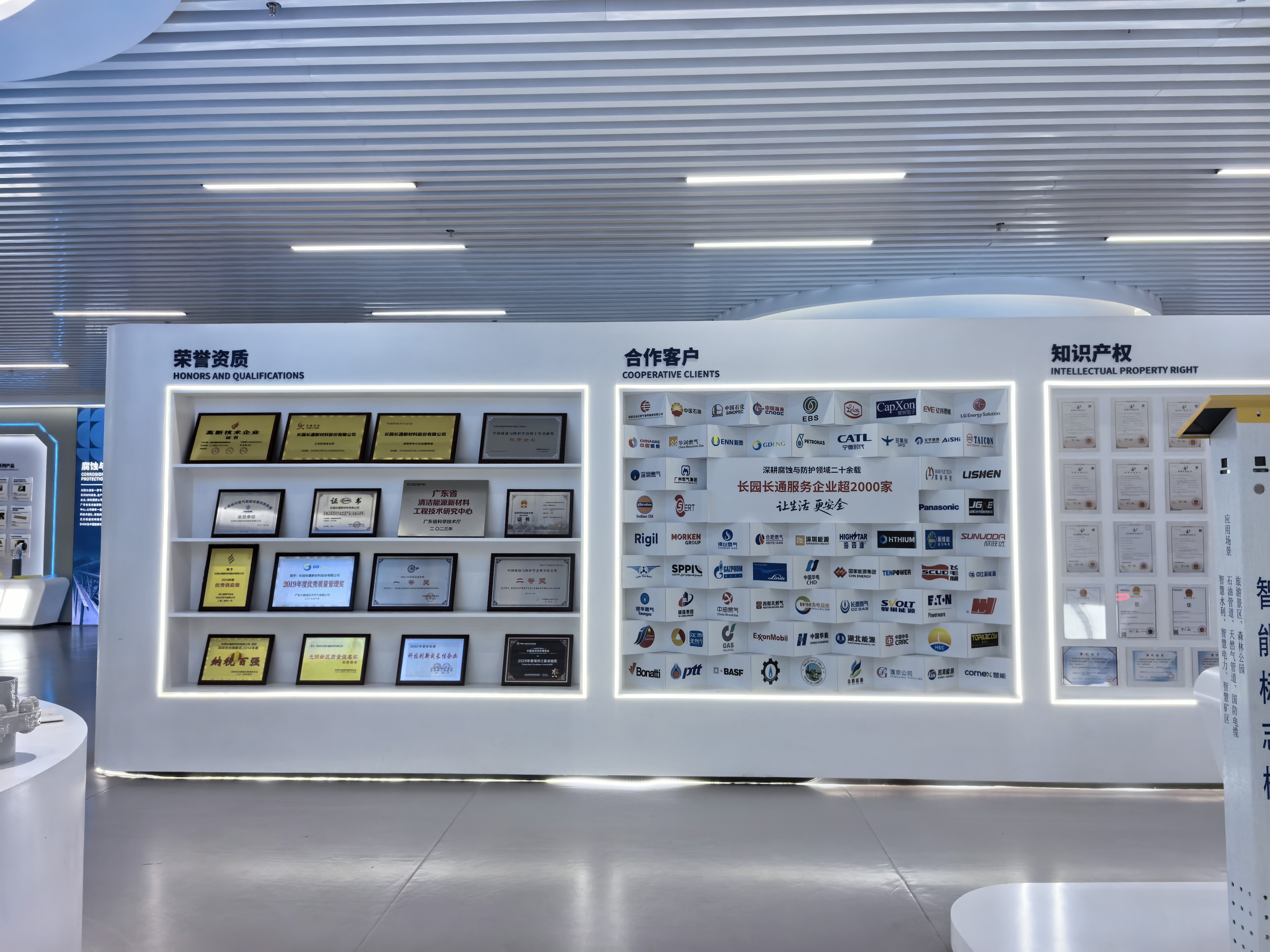
We are a stable, long-term supplier of field joint coatings to energy enterprises including PetroChina, Sinopec, PipeChina, China Gas Group, and Indian Oil. In addition to conventional coating systems, CYCT has developed and commercialized specialty materials such as viscoelastic anti-corrosion systems, photo-curing sleeves for Horizontal Directional Drilling (HDD) protection, and polyurea-based protective coatings.
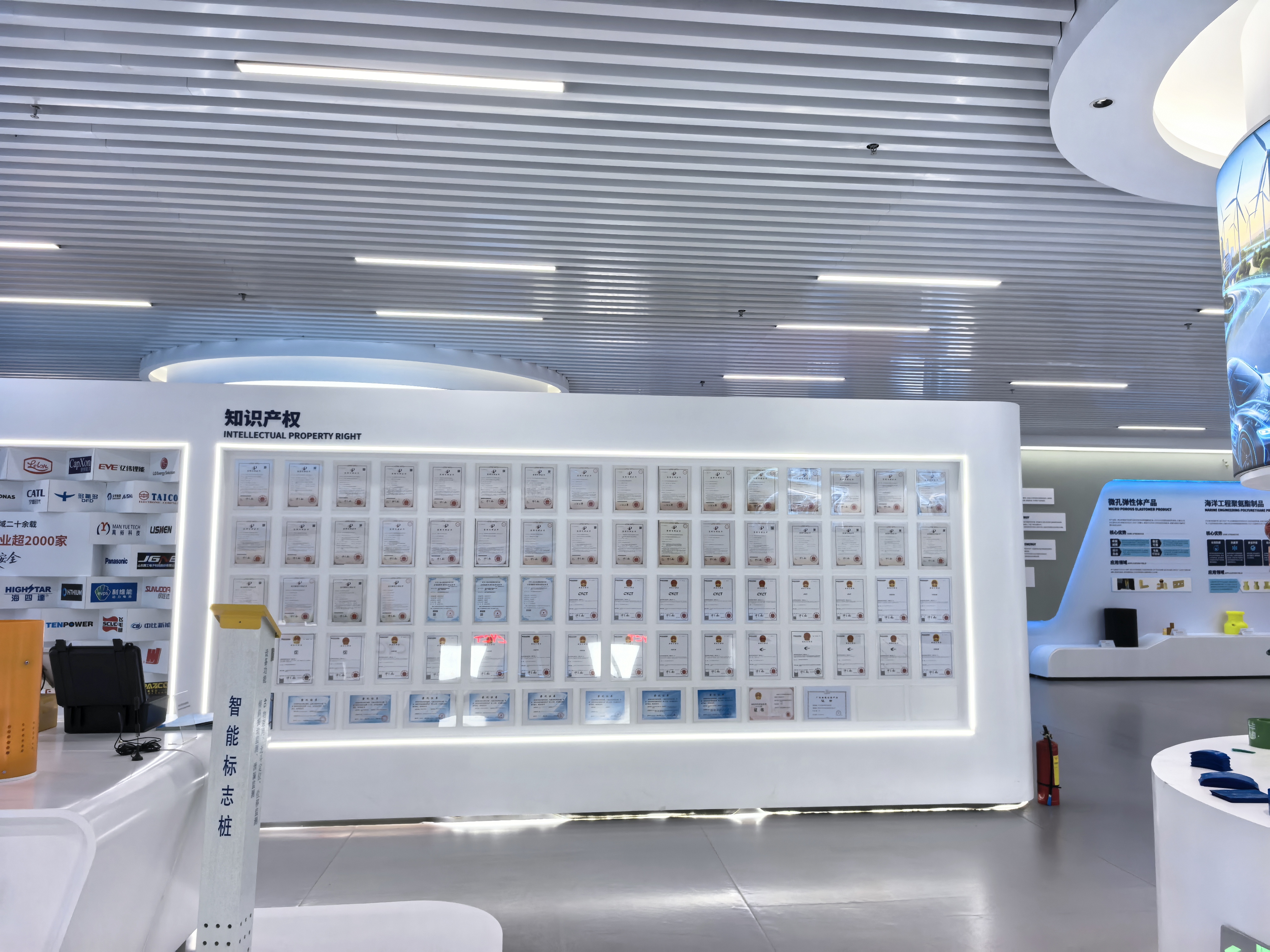
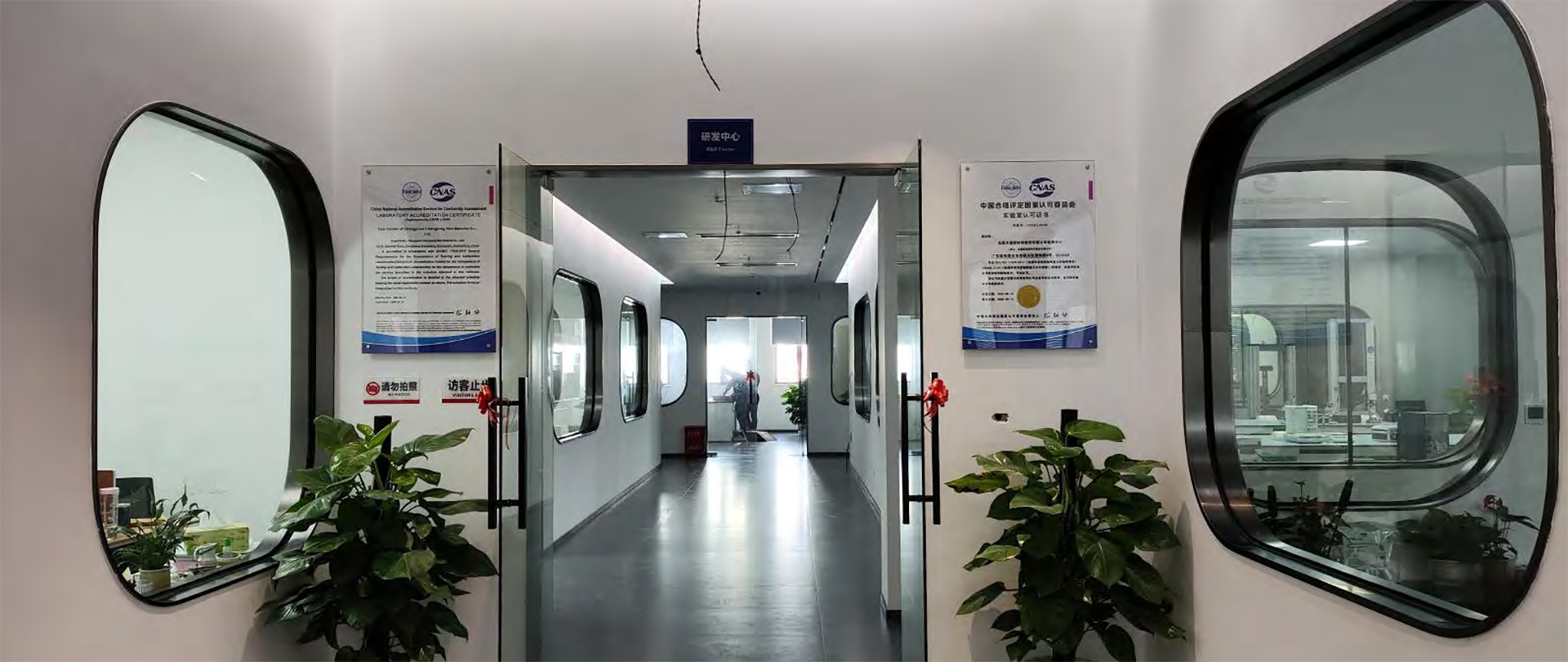
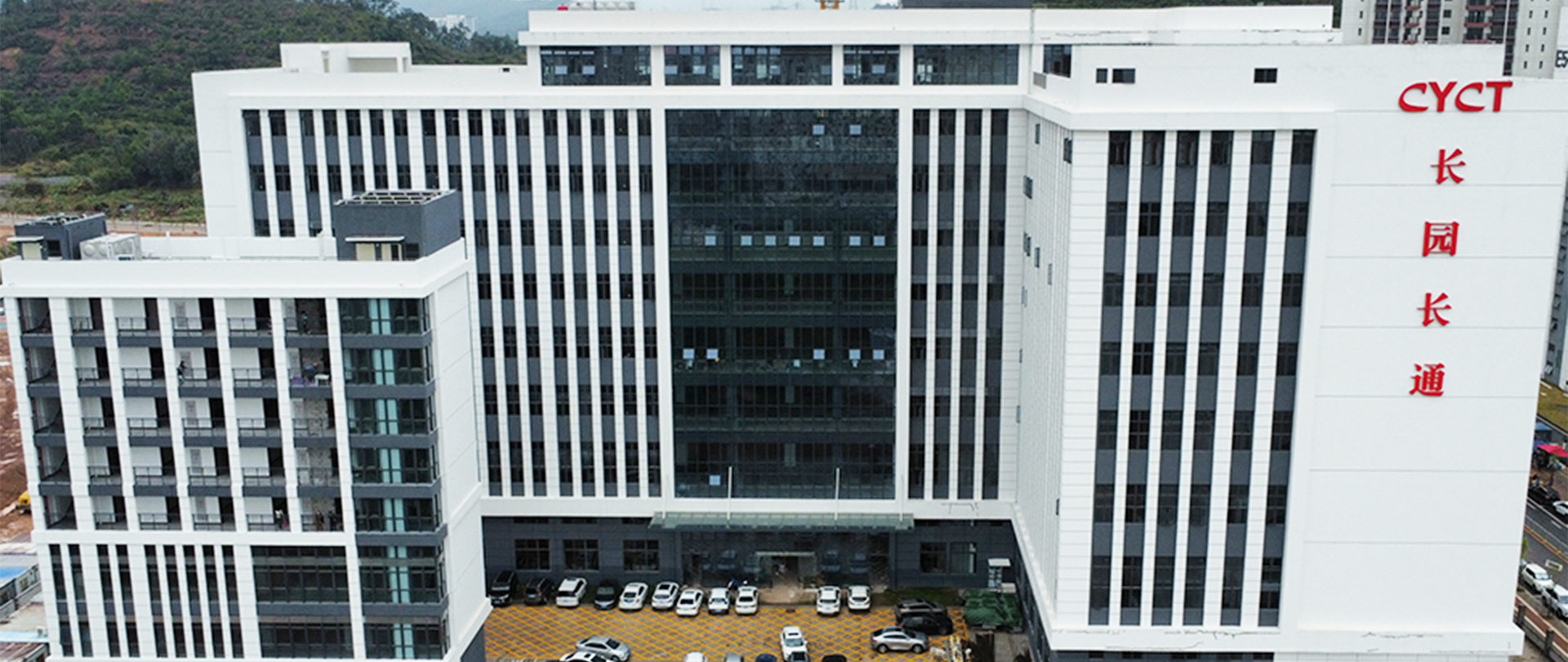
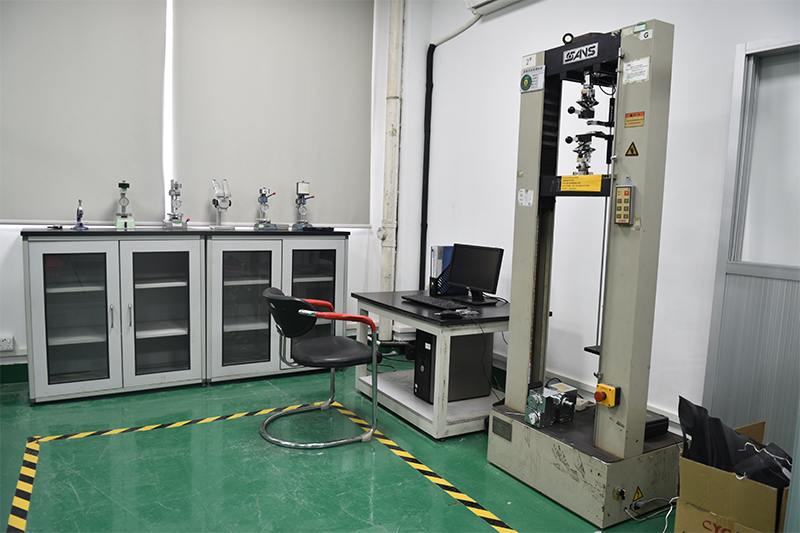
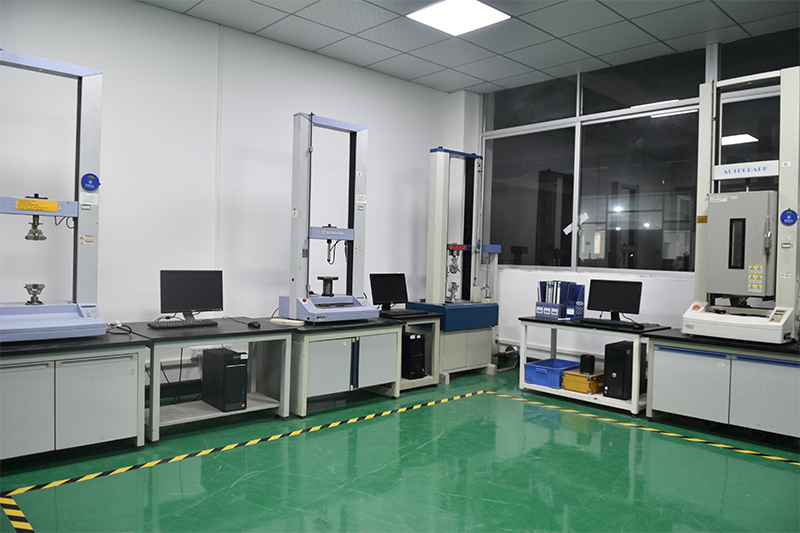
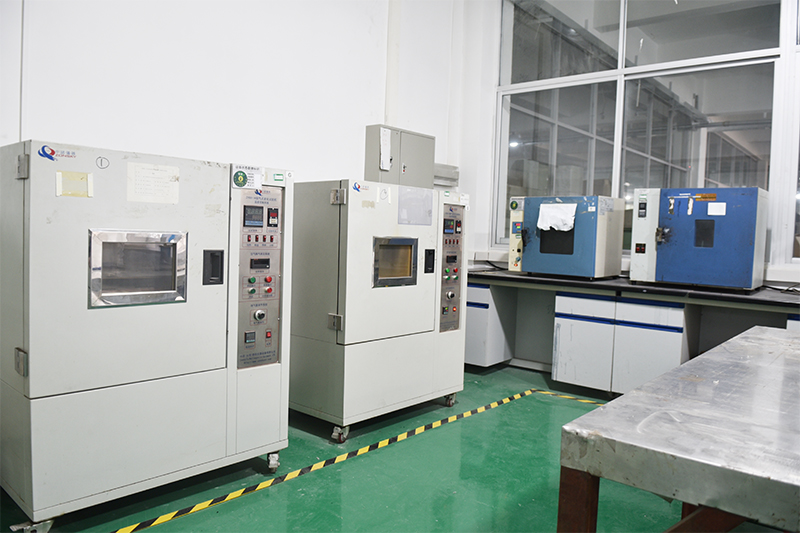
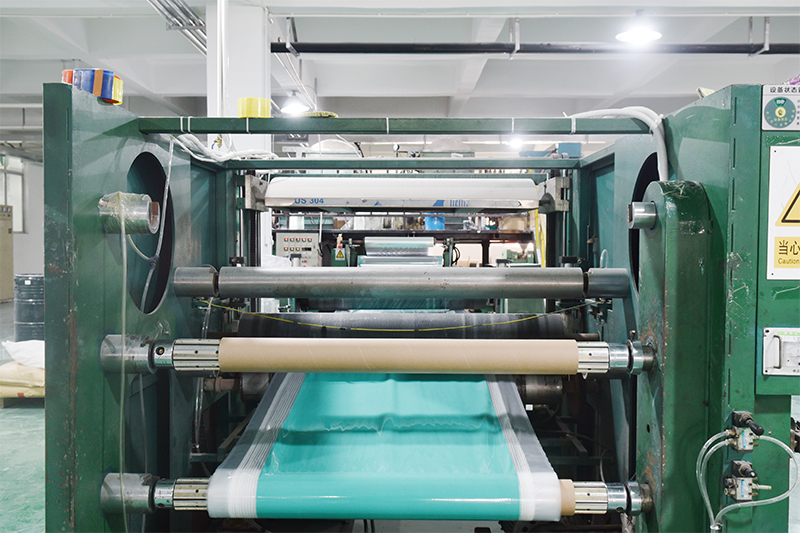
Procuring anti-corrosion solutions for large-scale energy infrastructure requires managing technical risks, regulatory compliance, and logistical variables. Procurement departments at engineering, procurement, and construction (EPC) companies evaluate suppliers on their manufacturing capacity, technical support, and product reliability.
Essential Technical Requirements for Global Sourcing:
By partnering directly with a manufacturer like CYCT, global procurement managers can secure customized OEM formulations, reliable supply chains, and technical support. This factory-direct access helps projects remain on schedule and compliant with regulatory standards.
Anti-corrosion tape systems serve different purposes depending on the project environment and application requirements. Understanding these environments helps in selecting the appropriate tape system.
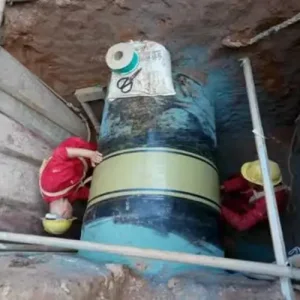
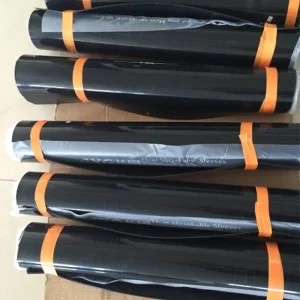
Field Joint Coating (FJC): During pipeline construction, the steel pipe ends are left uncoated to allow for welding. After welding and inspection, these bare joint areas must be protected. Heat-shrinkable sleeves and cold-applied polymeric tapes are used to seal these joints, providing continuous corrosion protection across the pipeline.
Trenchless Pipeline Crossings (HDD): Horizontal Directional Drilling (HDD) is used to lay pipelines beneath rivers, highways, and existing structures. The pipeline experiences high shear forces and abrasion during this process. Standard tapes can peel off. In these situations, fiberglass-reinforced sleeves, epoxy FRP, or photo-curing composite wraps are applied to provide a protective outer shield.
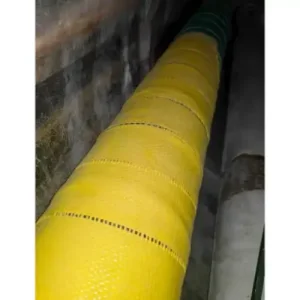
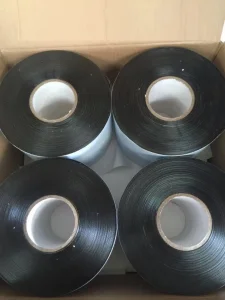
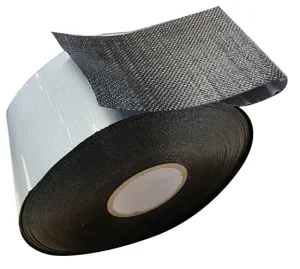
Rehabilitation of In-Service Pipelines: Aging pipelines with damaged coatings must be repaired without stopping operations. Cold-applied tapes (such as PP fiber-woven bitumen tapes or PE cold tapes) can be applied to live pipelines manually or with field wrapping machines, restoring protection without requiring shutdowns.
The pipeline protection industry continues to develop new materials that offer better performance, simpler application, and reduced environmental impact. The historical progression and future direction of these materials include:
First Generation (Bitumen & Coal Tar): These systems offered good water resistance but had limitations regarding environmental health and safety, thermal stability, and cracking under mechanical stress.
Second Generation (Polymeric Cold-Applied PE/PP Tapes): Polyethylene and polypropylene backing layers paired with elastomeric adhesives (like butyl rubber) improved application safety, mechanical properties, and soil stress resistance.
Third Generation (Viscoelastic Self-Healing Materials): Viscoelastic coatings represent a significant advancement. These polymers flow into steel surface profiles to create a bubble-free seal and can self-heal minor mechanical damage, maintaining continuous protection.
Fourth Generation (Smart and Eco-Friendly Composites): Future systems are shifting toward solvent-free adhesives, UV-curable and photo-curing composite materials, and coatings with built-in sensors for real-time monitoring of cathodic protection and structural integrity.
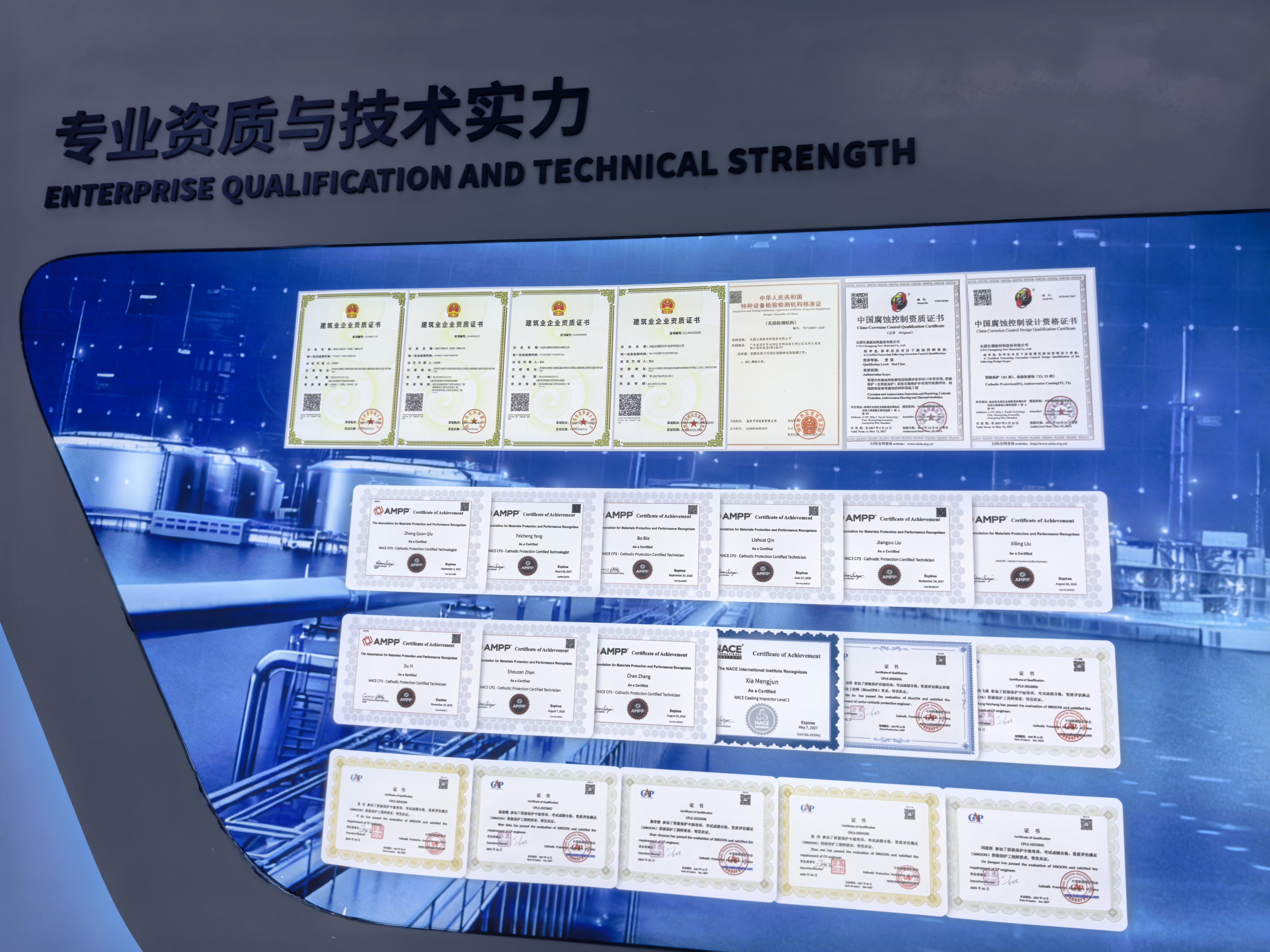
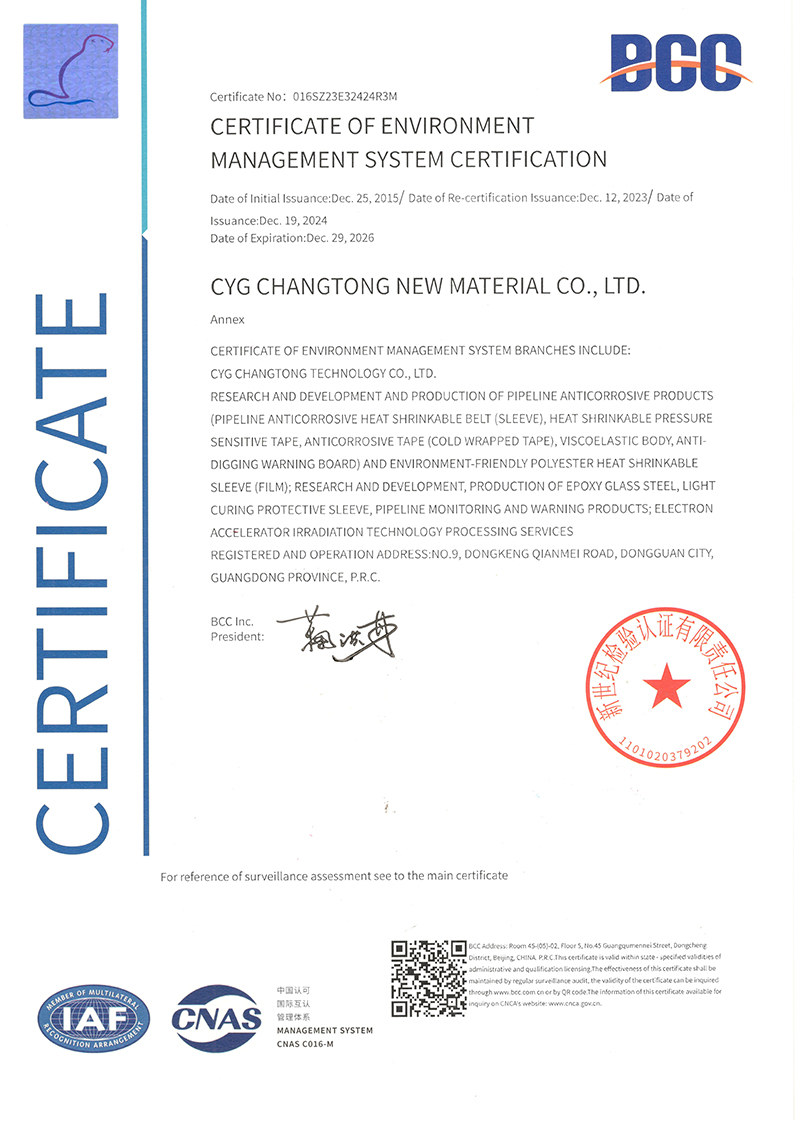
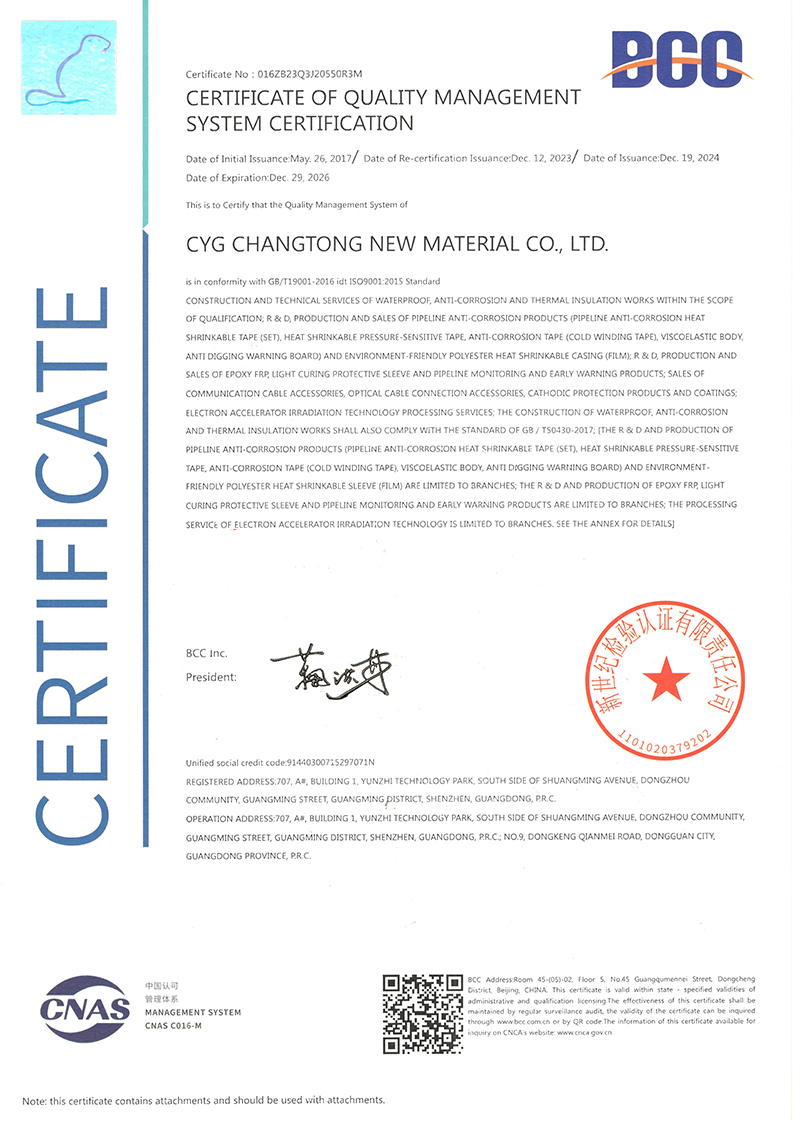
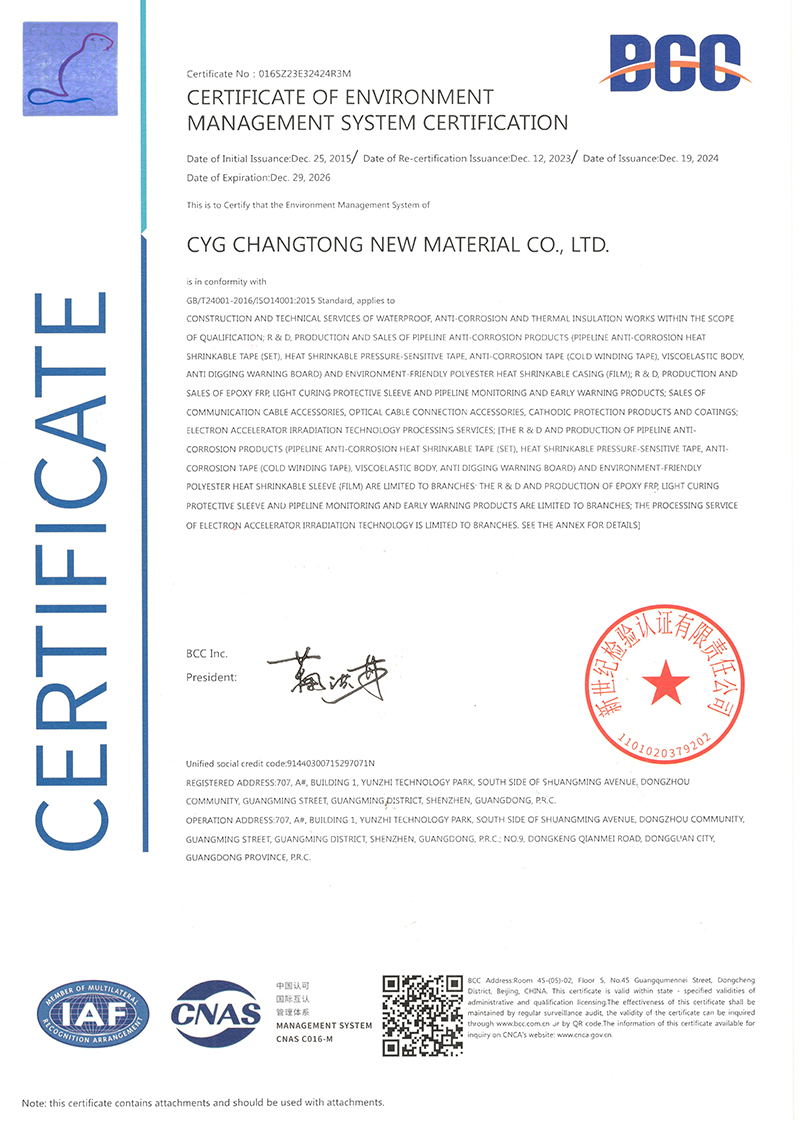
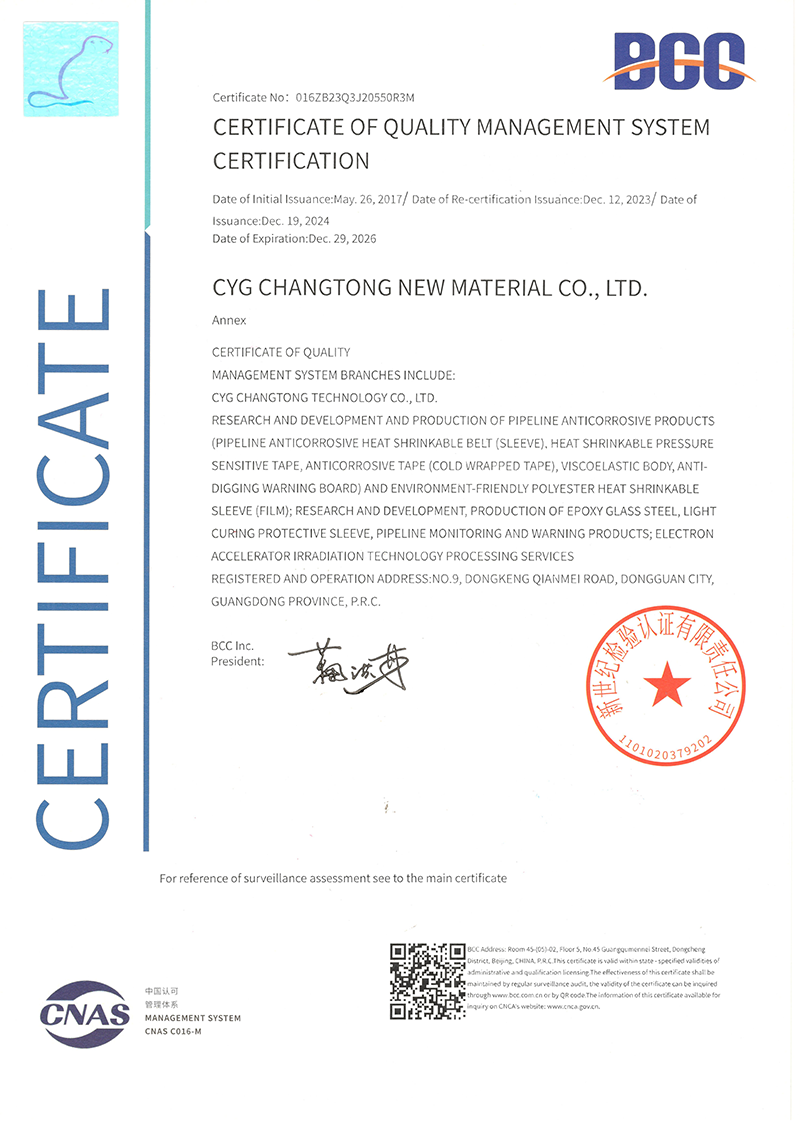
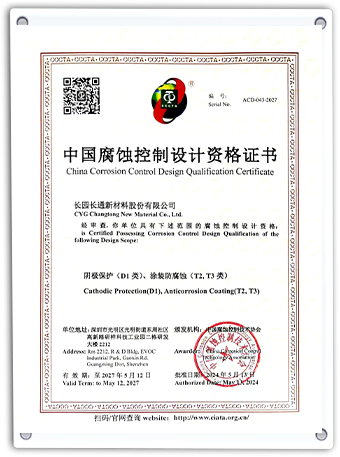
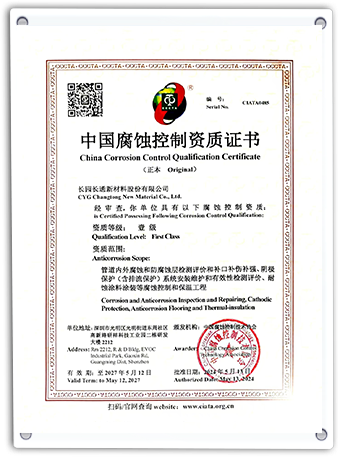
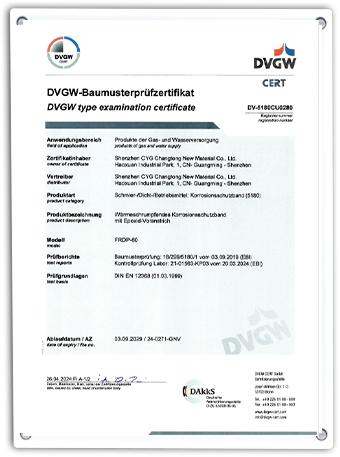
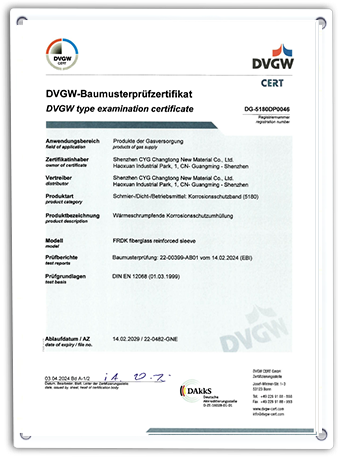
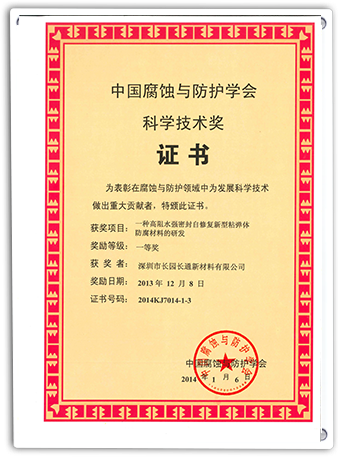
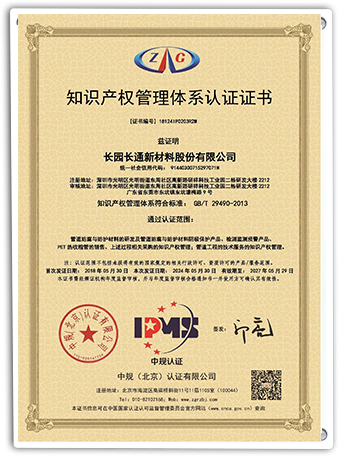
Our manufacturing and testing protocols are certified under international management systems. Below are the certificates and qualifications demonstrating CYCT's compliance with global engineering and environmental requirements.
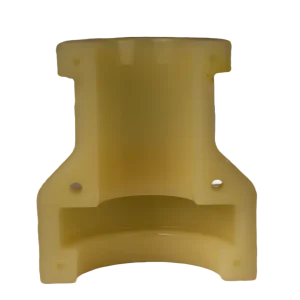
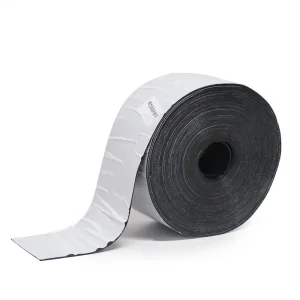
Explore our specialized industrial solutions, including cold applied polypropylene outer wraps, composite mechanical shields, and heat shrinkable joint protection components.
 CYCT
CYCT