Technical Whitepaper: Pipeline Corrosion Mitigation and Field Joint Coatings
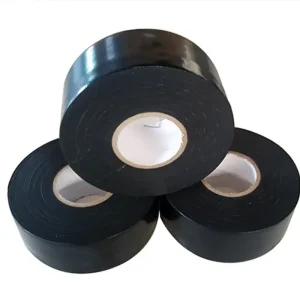
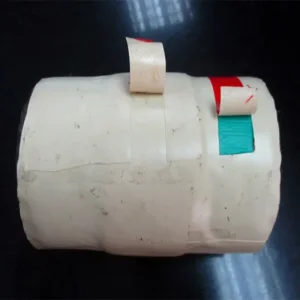
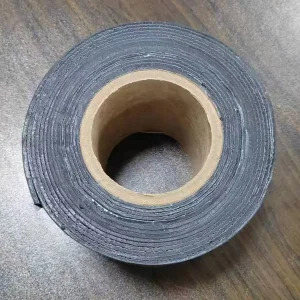
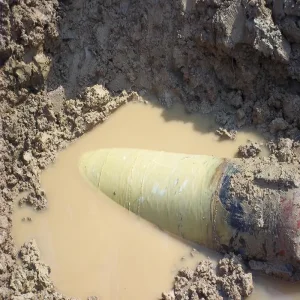
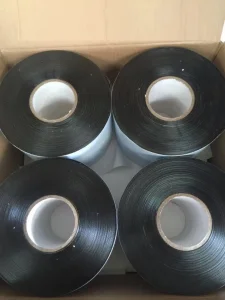
In modern pipeline transport infrastructure, the field joint—where separate lengths of welded steel pipe meet—is highly vulnerable to corrosive failure. A mill-applied coating provides robust protection along the body of the pipe, but the field weld leaves the raw metal exposed to geological, chemical, and physical stresses. Utilizing a high-performance welded pipe sleeve is essential to establishing a continuous protective barrier across the pipeline's entire span.
1. Global Pipeline Challenges & Material Selection
Pipelines run through diverse environments: sub-zero tundras, hot deserts, subsea channels, and corrosive wetlands. Under these conditions, joint protection must withstand mechanical stress and chemical exposure. Mechanical stresses include soil settlement, thermal expansion/contraction, and soil shear. Chemical threats include soil moisture, dissolved salts, oxygen, and acidic or alkaline compounds, which trigger electrochemical corrosion. Thermal degradation from high operating temperatures can also weaken the adhesion of protective materials, causing cathodic disbondment.
A high-quality welded pipe sleeve protects field joints by preventing moisture ingress, resisting soil shear, and accommodating cathodic protection currents. The sleeve must integrate with the main pipe coating (such as 3-layer polyethylene, 3-layer polypropylene, or fusion-bonded epoxy) to prevent any gaps that could trap moisture and cause localized corrosion.
2. Mechanisms of Pipeline Preservation
Modern field joint coatings rely on three main defense mechanisms:
- Impermeable Barrier: High-density polyethylene, polypropylene, and viscoelastic backings block moisture and oxygen.
- Active Self-Healing: Viscoelastic formulations remain viscous and flow into micro-crevices to seal minor physical damage.
- Cathodic Disbondment Resistance: Heavy-duty adhesives resist degradation from electrical current supplied by cathodic protection systems, maintaining adhesion even if the backing is punctured.
 CYCT
CYCT