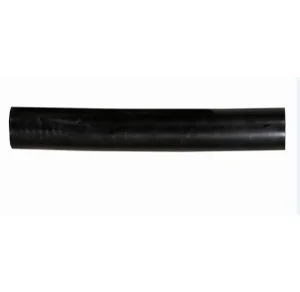
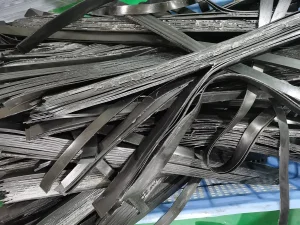
Explore our top-tier industrial coatings, designed for extreme performance in buried pipeline systems and high-temperature joint structures.
A Technical White Paper on the Rheology, Application Guidelines, and Performance Metrics of Viscoelastic Coatings for Subsurface and Aboveground Metal Infrastructure.
In modern pipeline asset management, the degradation of steel interfaces via oxidation and electrolytic immersion presents a multibillion-dollar preservation challenge. Visco-elastic coatings represent a significant evolutionary step beyond traditional polyolefin wrap tapes and coal-tar epoxies. By combining the cohesive energy absorption profile of high-molecular-weight polymers with the surface wetting behavior of low-viscosity liquid matrices, viscoelastic materials offer unparalleled surface adaptation.
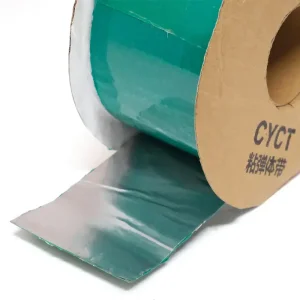
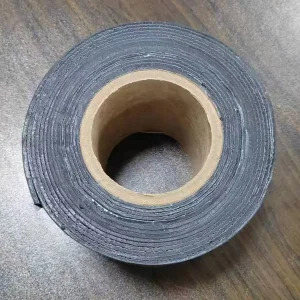
As a leading China Visco Elastic Coating Manufacturer & Supplier, CYCT engineered solutions are built around a central rheological principle: the polymer matrix must exhibit zero curing or cross-linking over its operating lifespan. This enables the coating to maintain permanent tackiness and cold flow characteristics. When applied to irregular substrates, such as valves, flanges, T-joints, or field welds, the viscoelastic material flows into microscopic surface anchor patterns, ensuring complete exclusions of moisture, oxygen, and corrosive microbial activity.
The performance profile of our viscoelastic products is dictated by precise molecular weight distribution control. By blending highly branched polyisobutylene (PIB) with structural fillers, our R&D department achieves a balanced visco-elastic ratio. The scientific foundation of our formulation includes:
Our ongoing tech roadmap includes integrating hybrid organic-inorganic nanomaterials to extend mechanical durability without sacrificing elasticity. This design allows for application directly to substrates with minimal preparation (SSP-SP2 / ISO 8501-1 St2 standard), omitting the expensive blast-cleaning required by thermosetting epoxies.
Completely resistant to water absorption, soil acids, alkalis, and salts. Our viscoelastic matrix retains its chemical configuration for over 30 years in direct contact with highly corrosive soil chemistries.
Possesses a surface tension lower than clean or rusted steel, allowing it to spontaneously wet and penetrate profile valleys, excluding all traces of interstitial air and humidity.
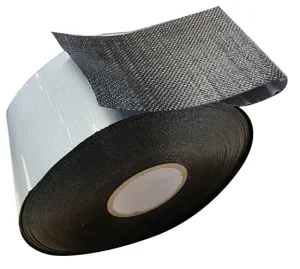
Combines with high-density outer wraps (PE/PP or mechanical fiberglass sleeves) to establish a dual-barrier system capable of absorbing heavy shear, impact, and soil stress.
From the harsh sub-zero pipeline fields of Siberia to the highly saline, high-temperature soil environments of the Middle East, procurement teams require anti-corrosion materials that minimize downtime, simplify field labor, and lower total lifecycle costs. Traditional hot-applied coatings require specialized melting equipment, heating torches, and certified technicians. This creates major bottlenecks during field construction, joint coating, and structural rehabilitation projects.
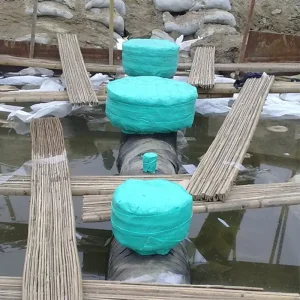
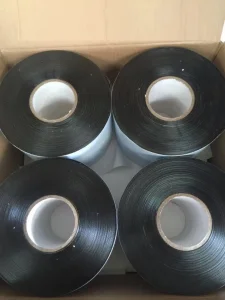
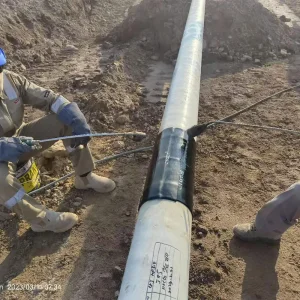
Global logistics, EPC firms, and pipeline operators prioritize products that mitigate site application risks. Cold-applied viscoelastic systems completely eliminate pre-heating, complex dry-film-thickness (DFT) measurements, and surface-primer curing delays. Consequently, international procurement teams are standardizing on viscoelastic wraps for complex pipeline components, valve chambers, field joints, and city gas distribution networks where surface preparation by abrasive blasting is logistically or environmentally restricted.
As a key partner to some of the world's largest energy companies, CYCT delivers targeted coatings across critical industrial segments:
State-Level High-Tech Enterprise Dedicated to Pipeline Protection Since 2000.
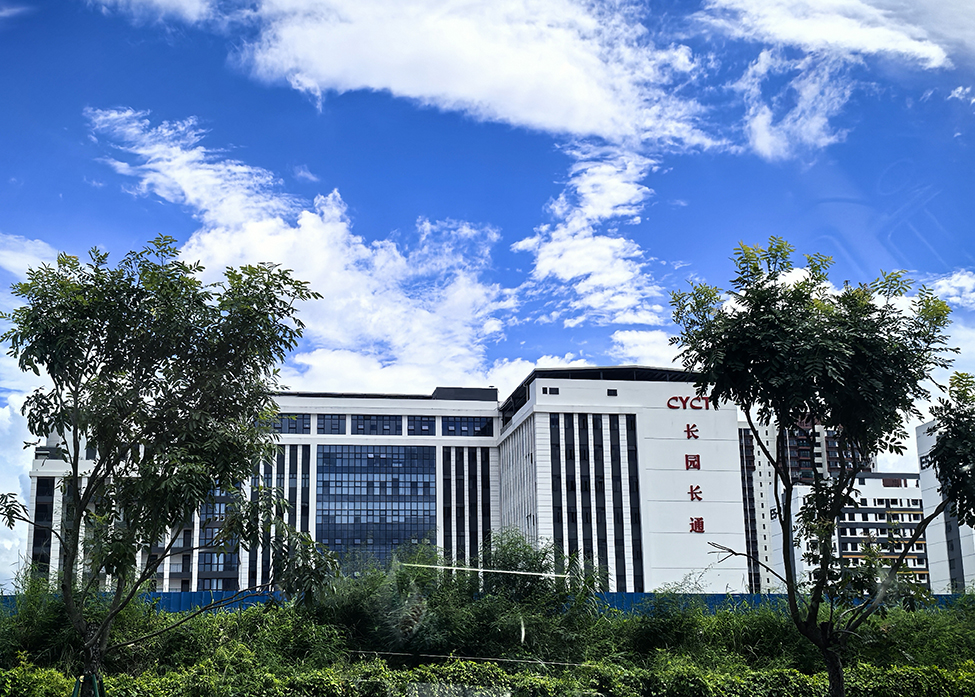
CYCT New Materials Company Limited (for short, CYCT)
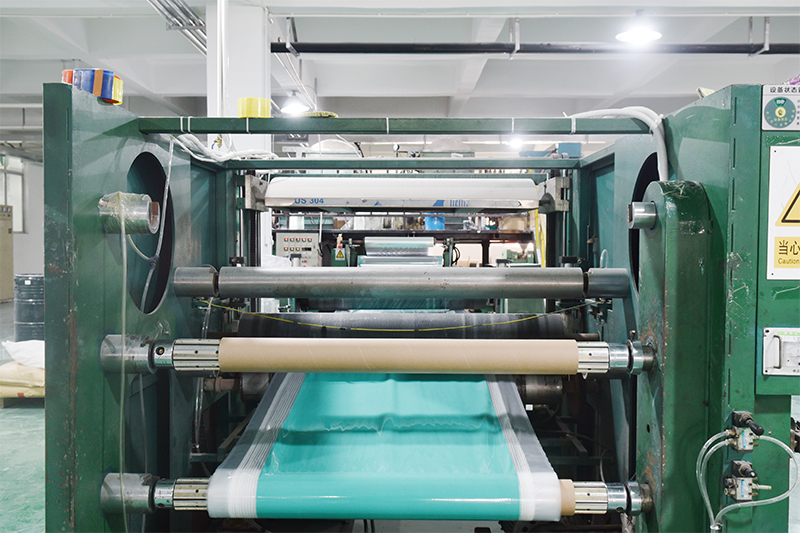
CYCT is a state-level high-tech enterprise integrating R&D, production, and sales of pipeline corrosion protection materials, as well as buried pipeline detection services and pipeline coating field application services into one. CYCT has devoted itself to the R&D, production, and sales of pipeline corrosion protection materials for decades.
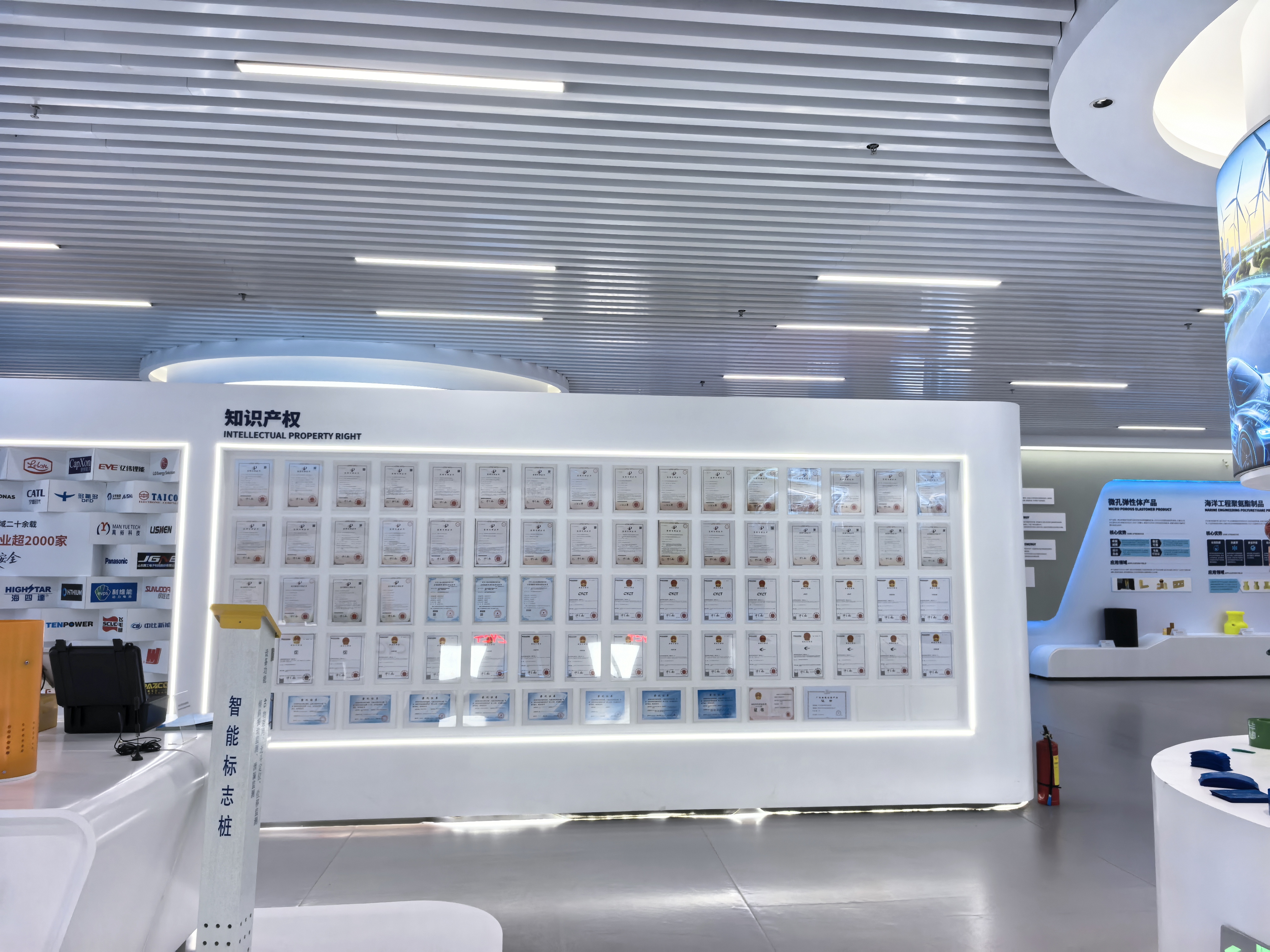
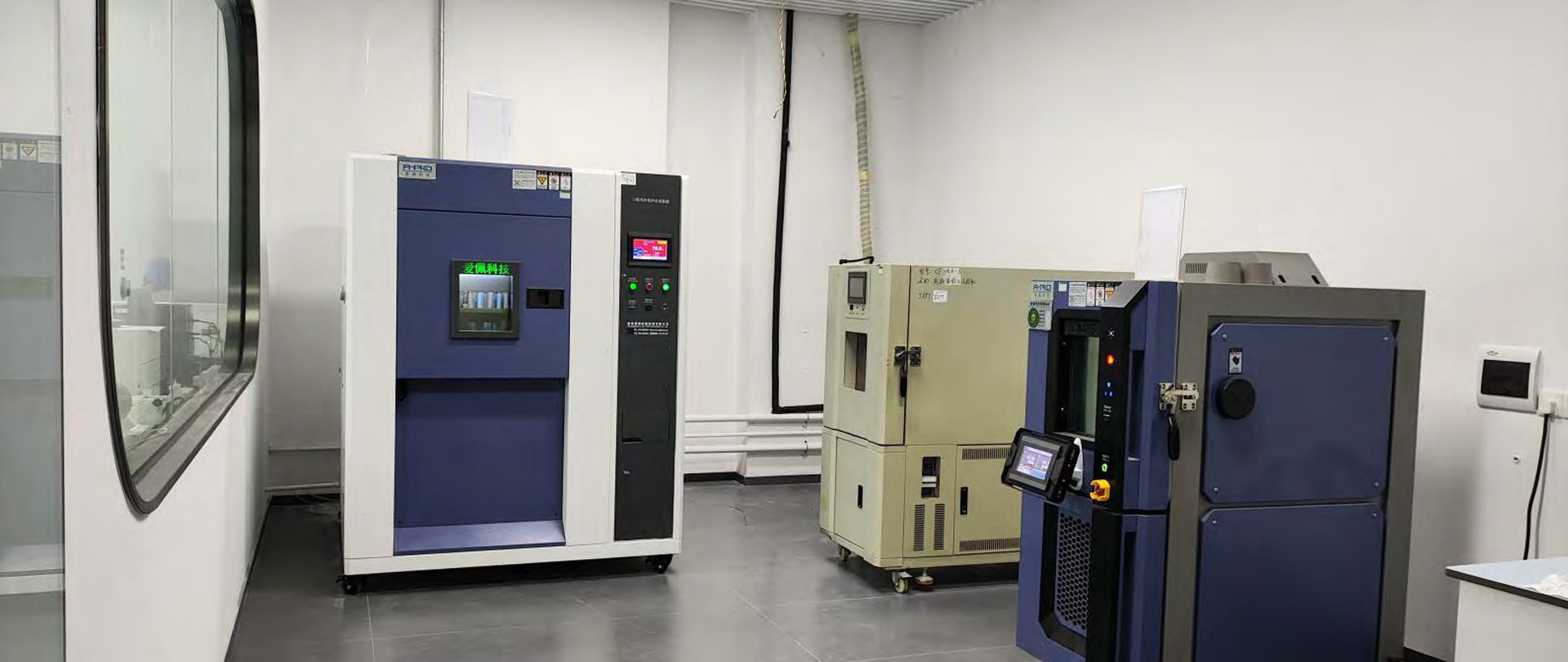
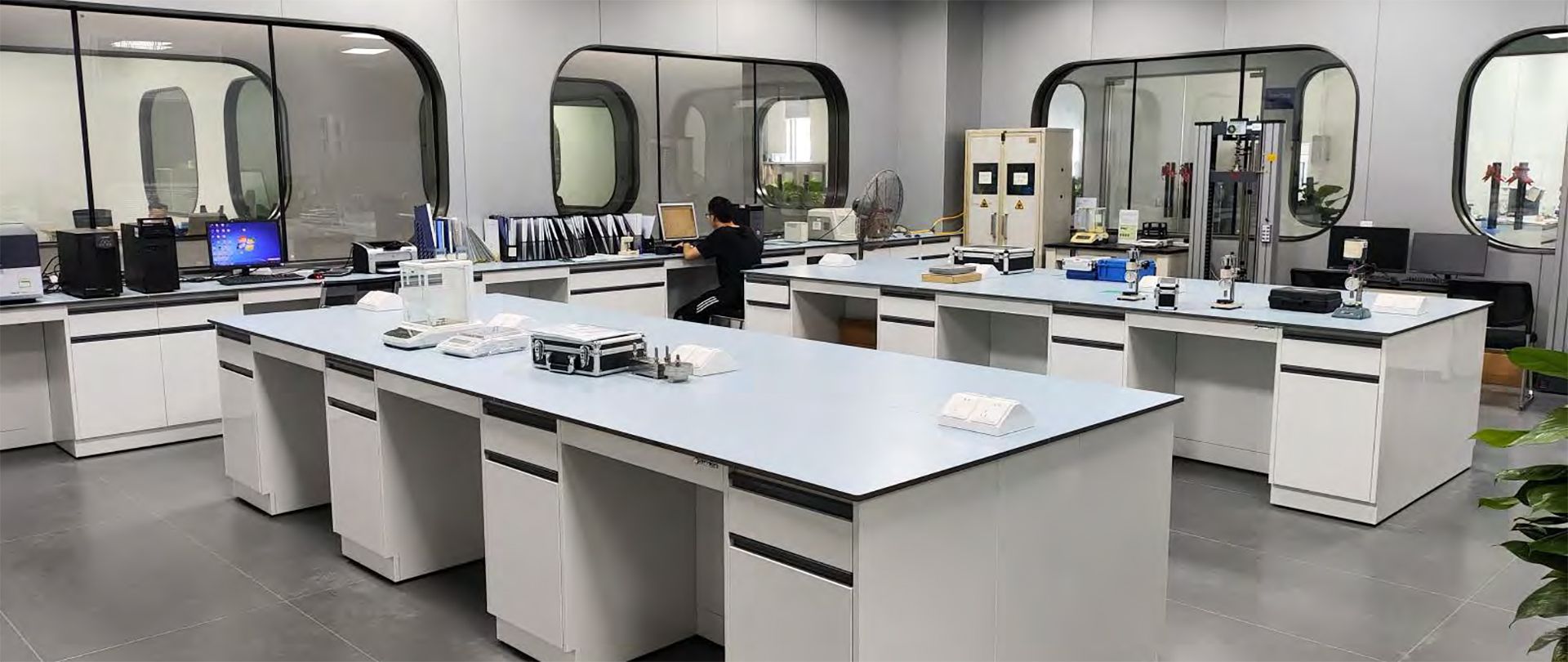
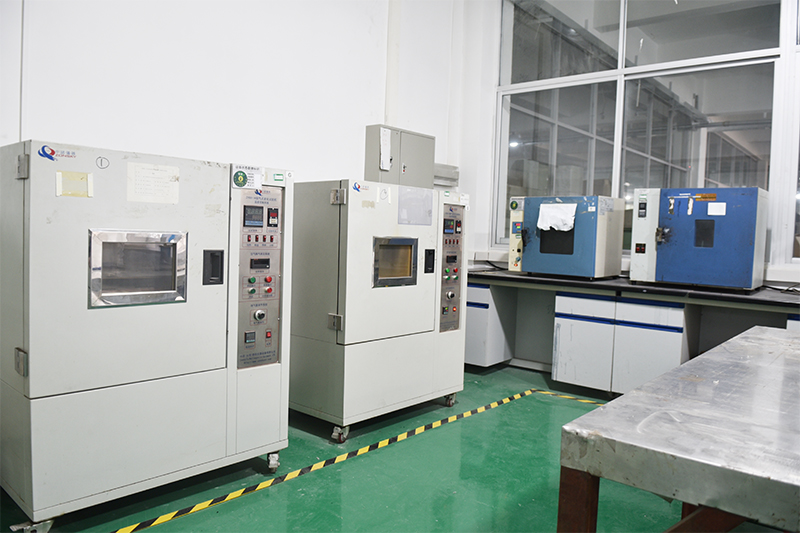
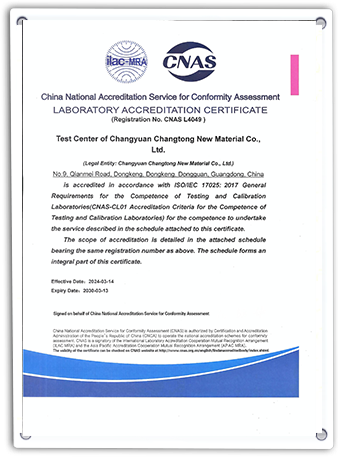
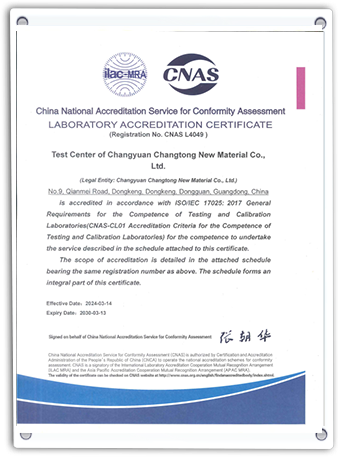
CYCT owns leading testing and R&D capabilities, a professional R&D team, and a national CNAS-accredited laboratory. By partnering with leading R&D institutes such as the CNPC Pipeline Science Research Institute, CYCT provides in-service pipelines with varied technical services, including buried pipeline detection, design schemes, cathodic protection, rehabilitation projects, and integrated solutions for pipeline safety.
Office Administration
R&D Center
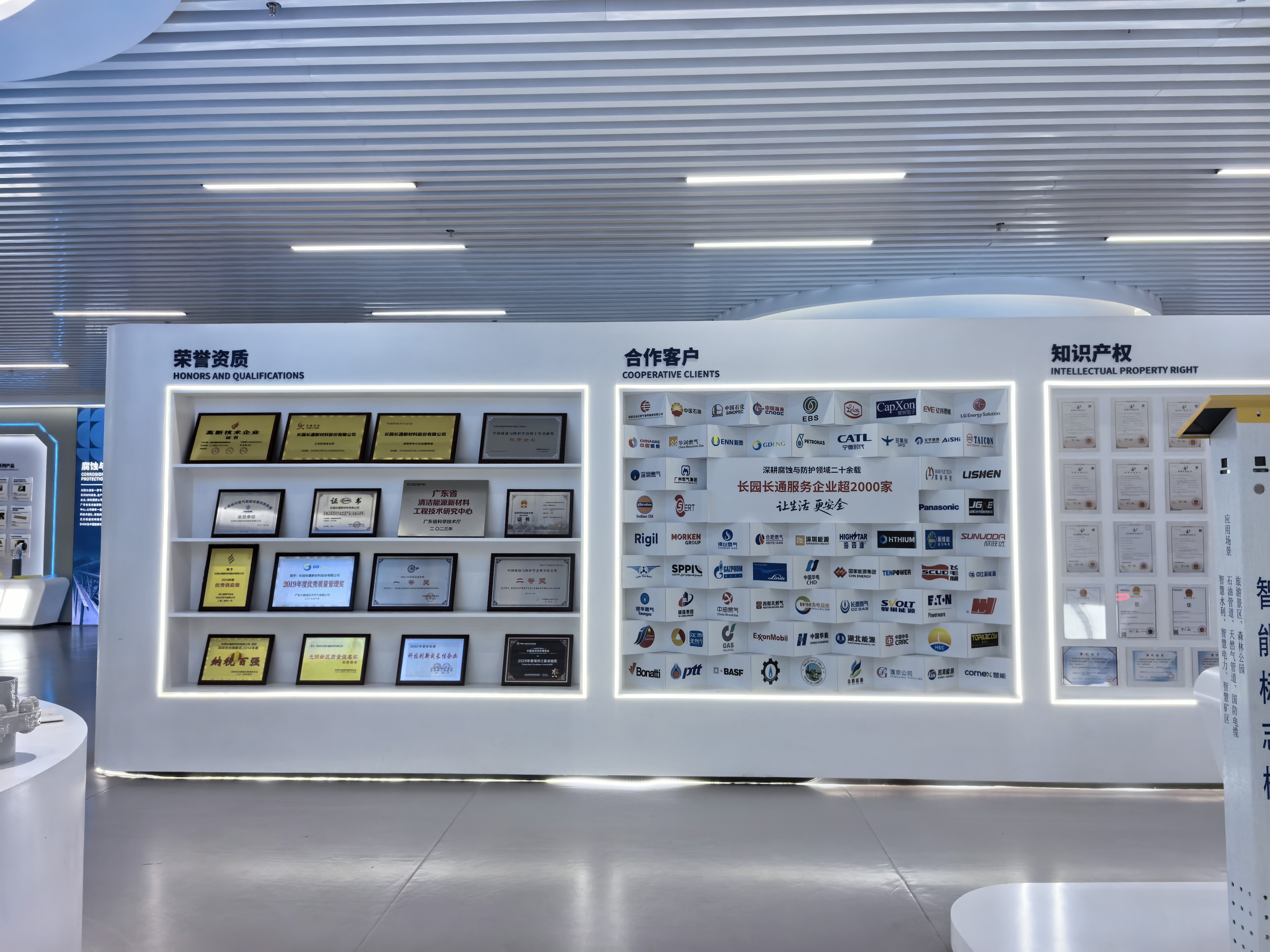
Manufacturing Facility
CNAS Lab Testing
CYCT has been a stable supplier of field joint coatings for years to major national energy operators, including PetroChina, Sinopec, PipeChina, and various municipal gas networks, capturing a significant market share. In international markets, we are proud suppliers to leading enterprises like Indian Oil. Alongside our flagship viscoelastic anti-corrosion materials, we have developed specialty photo-curing sleeves for HDD protection, polyurea coatings, and high-performance heat-shrinkable materials.
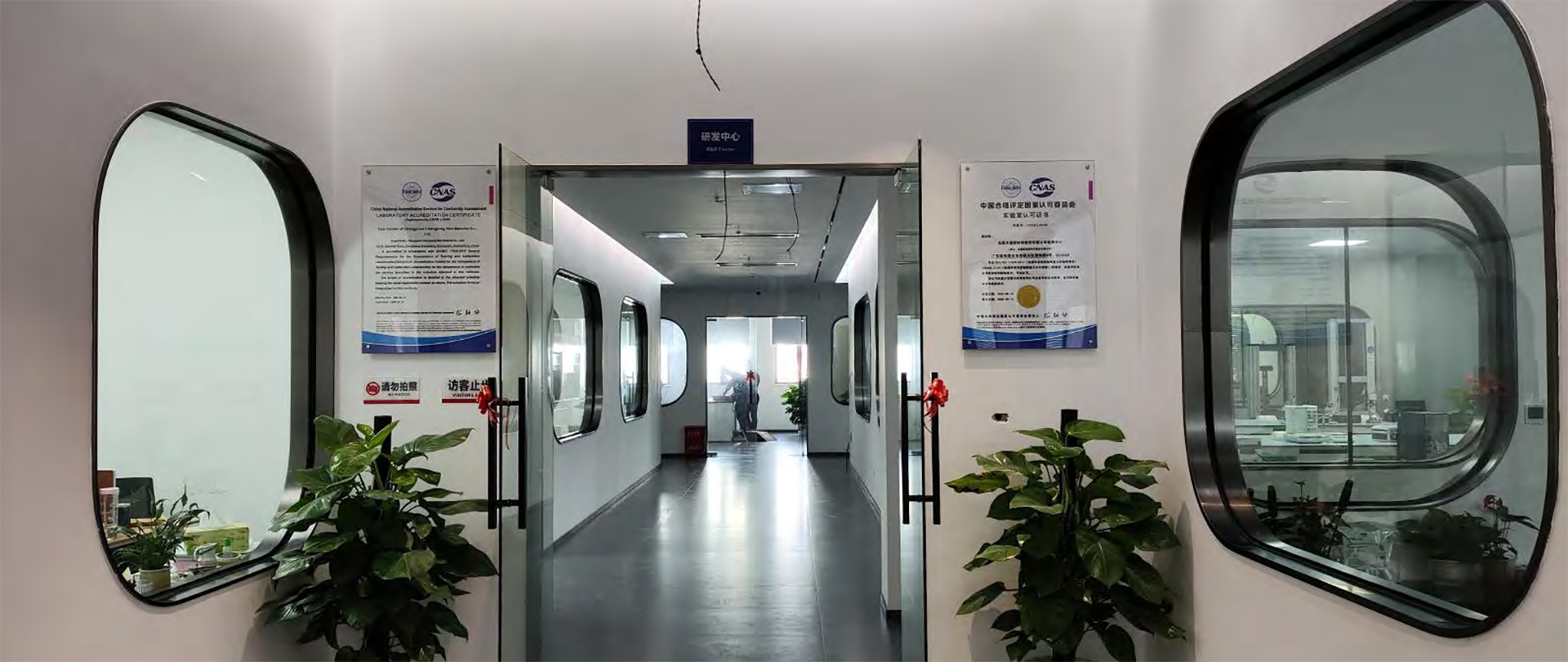
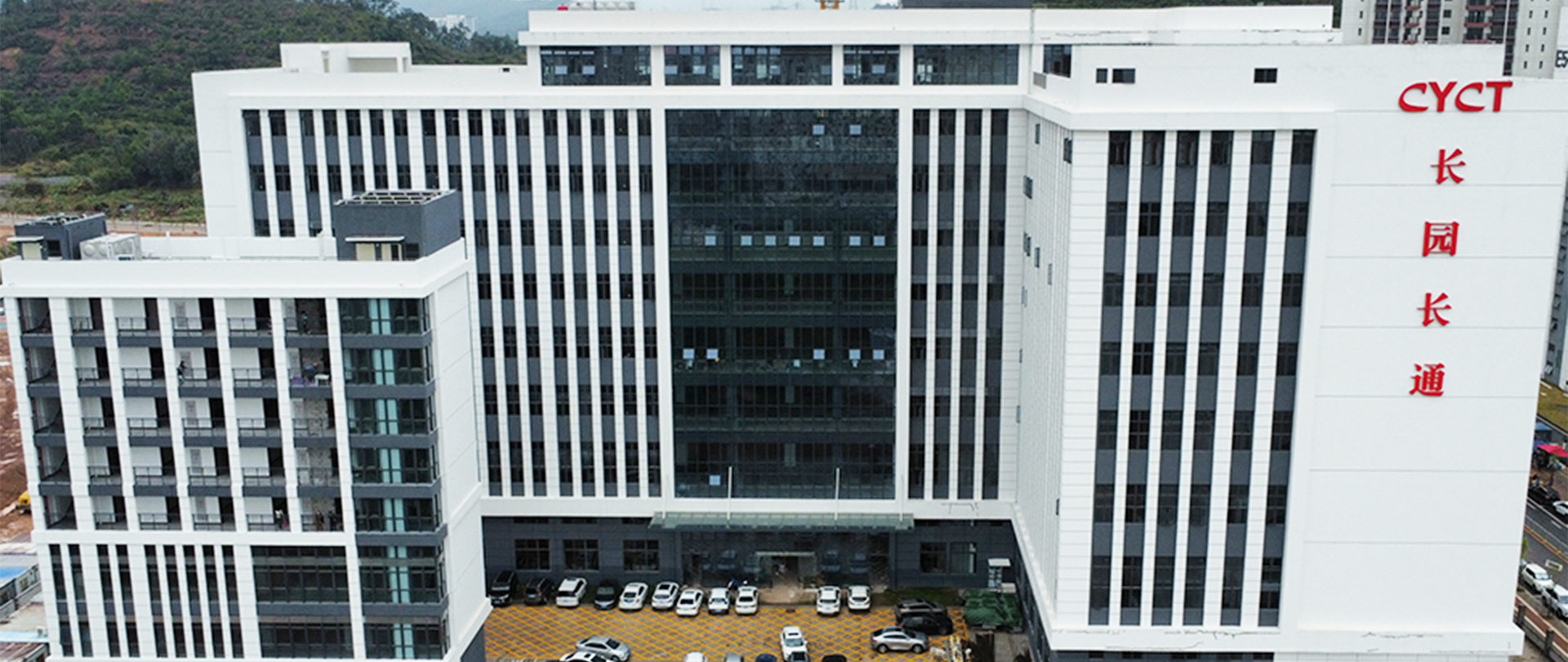
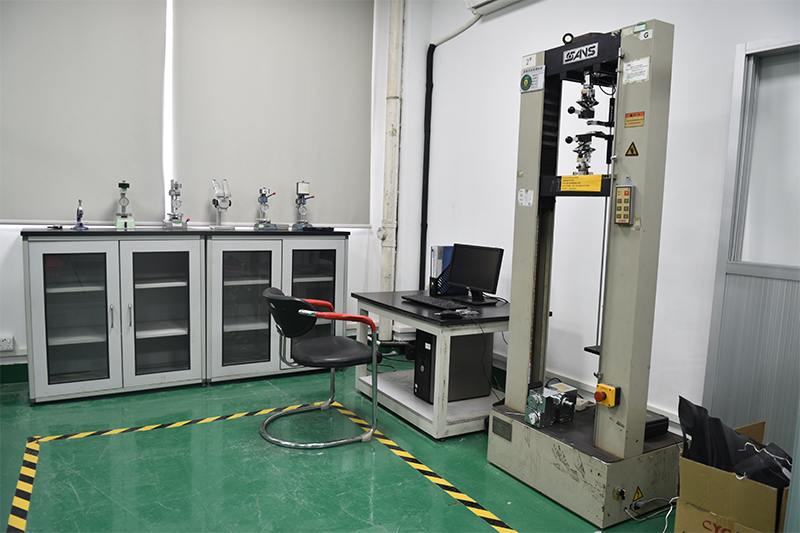
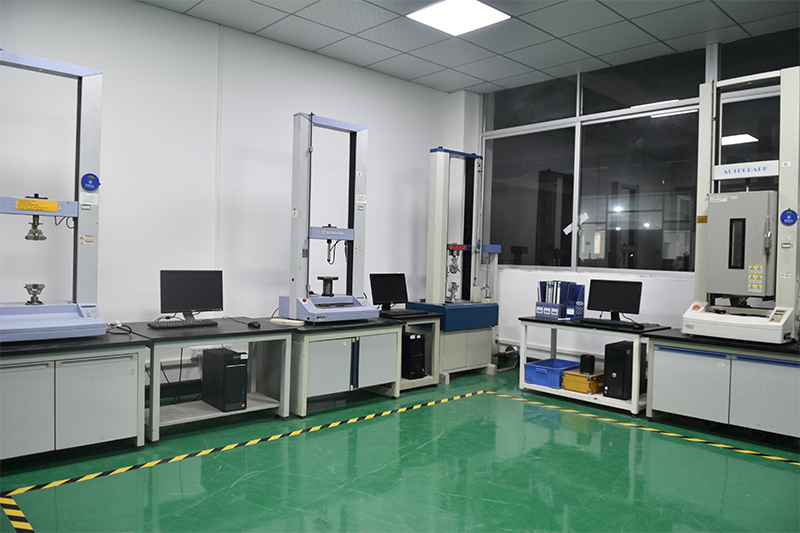
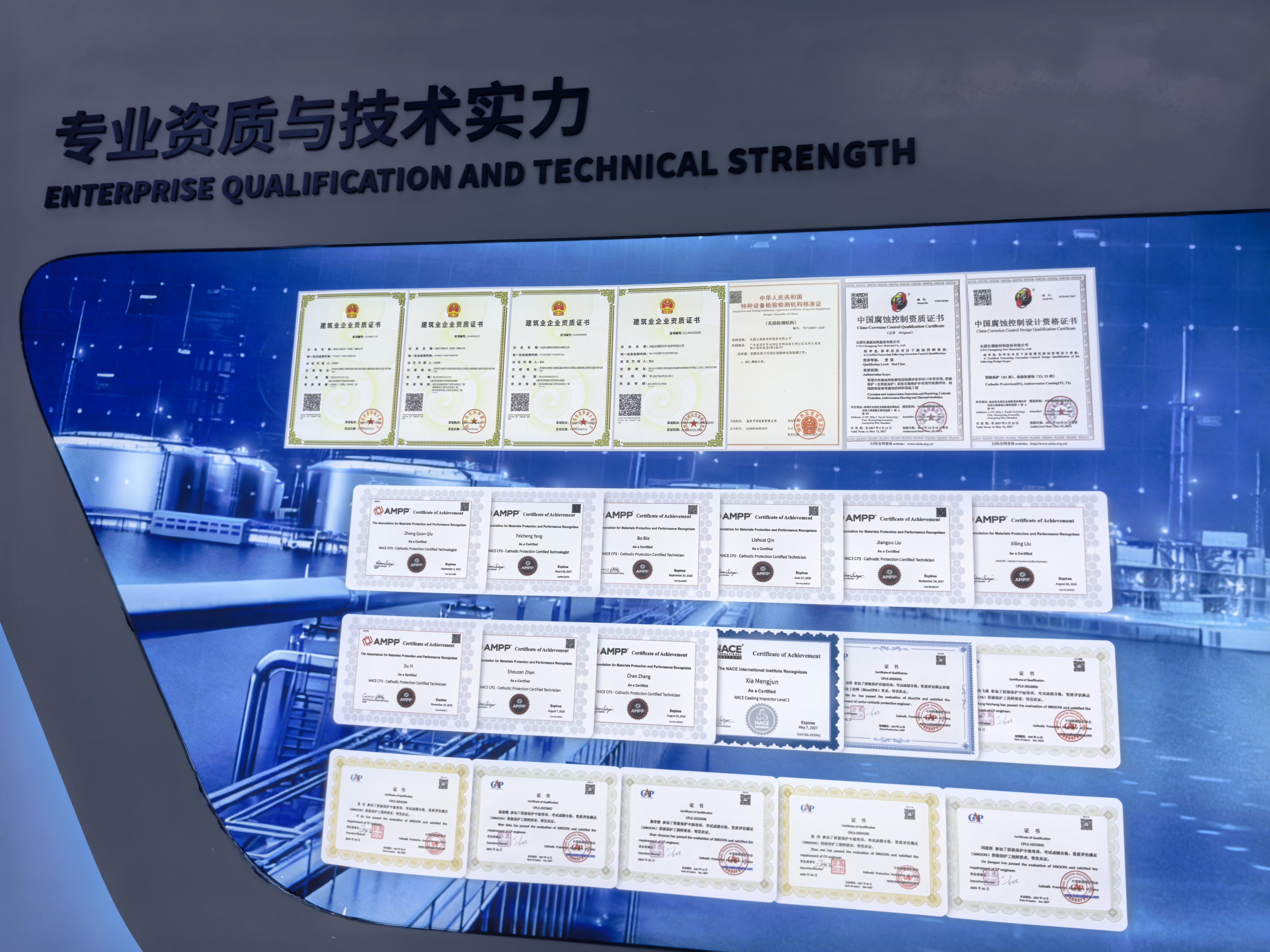
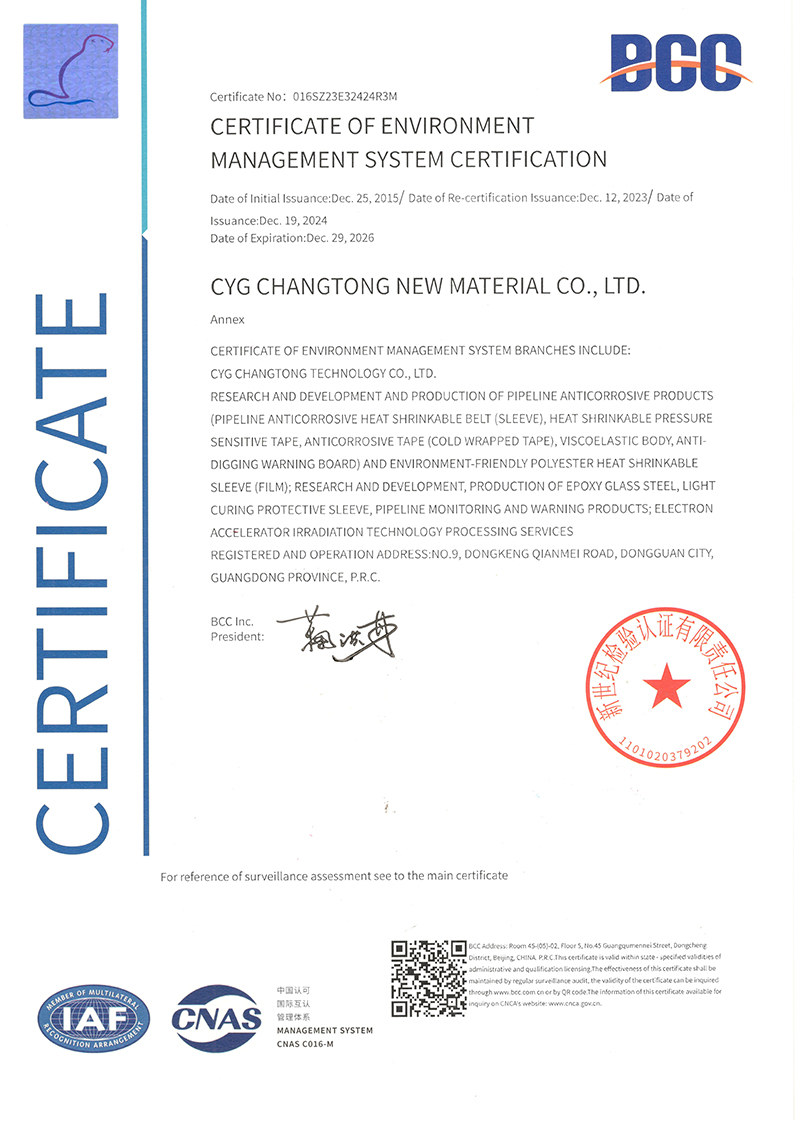
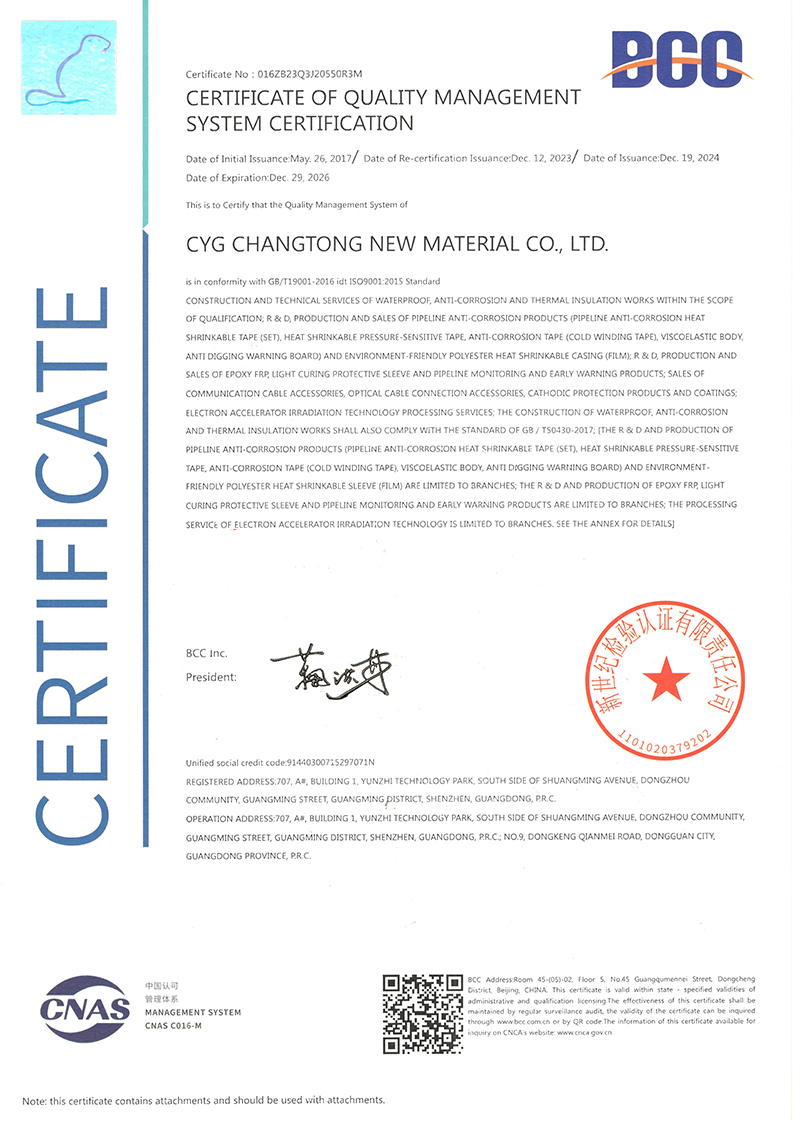
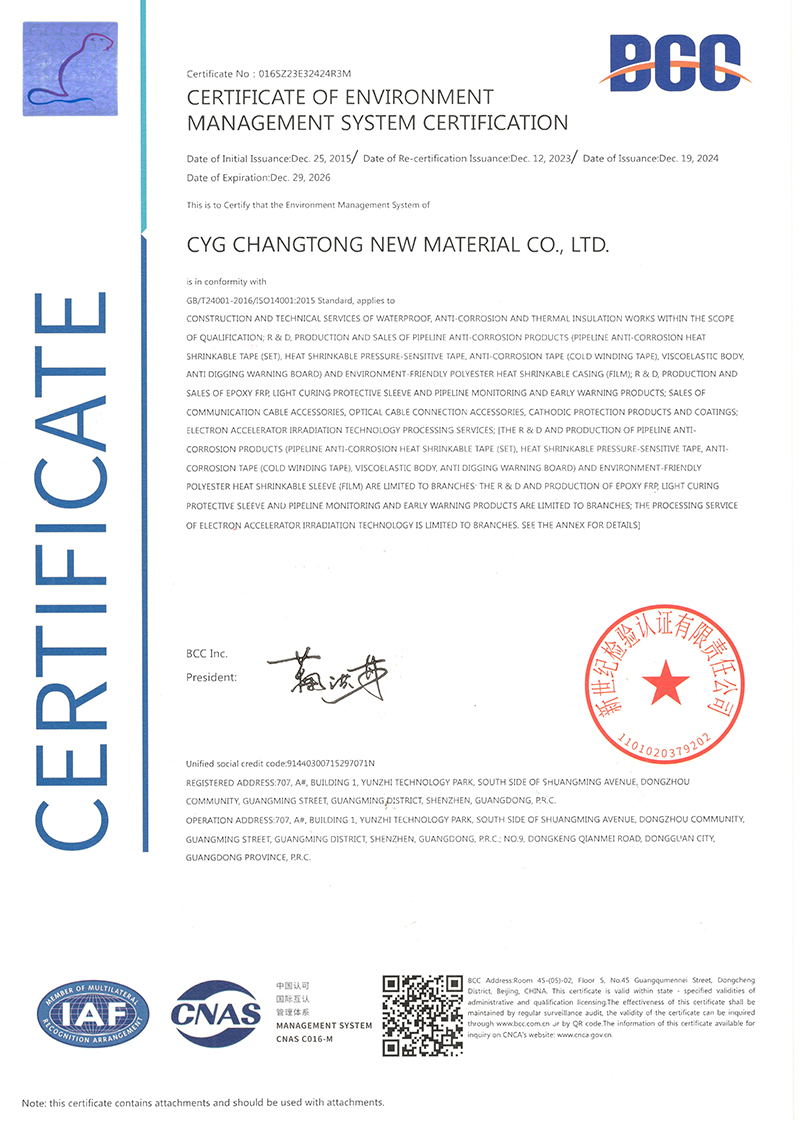
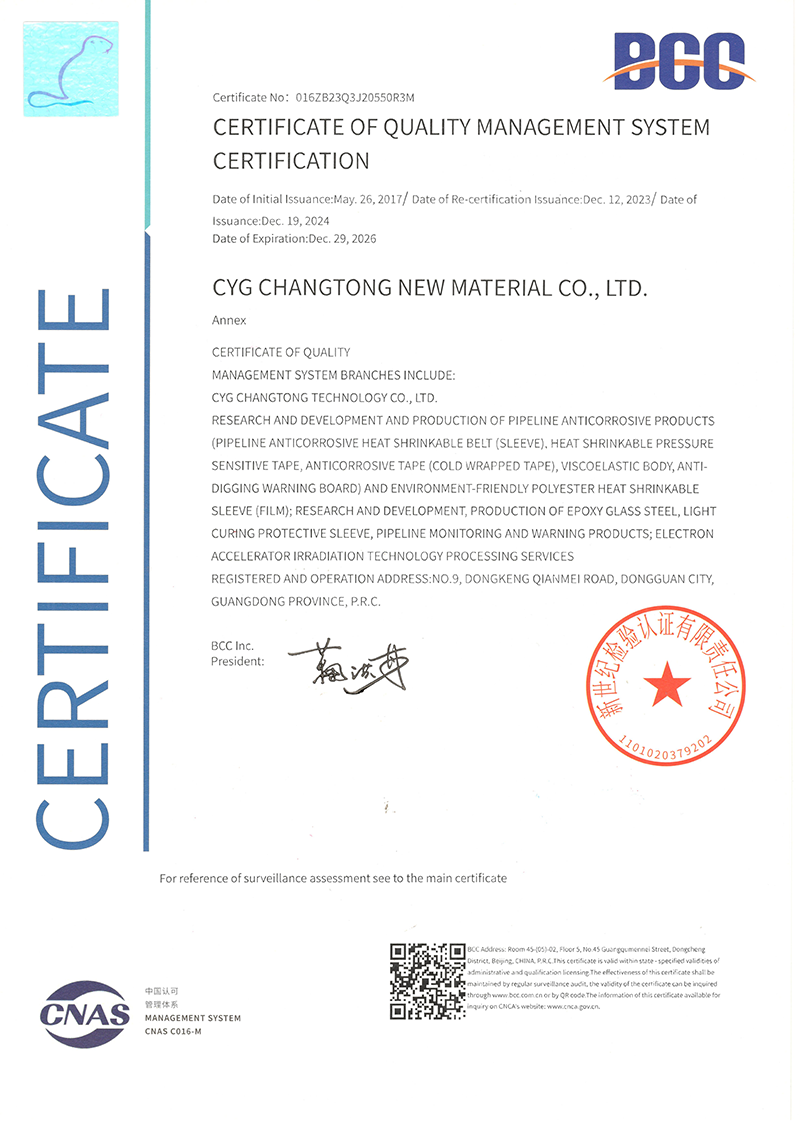
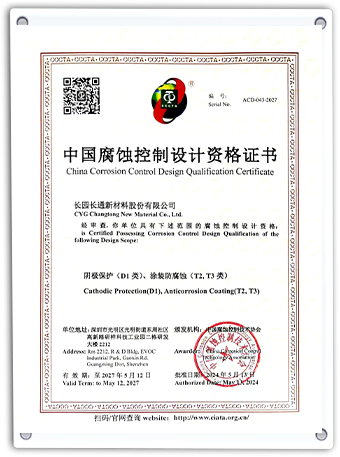
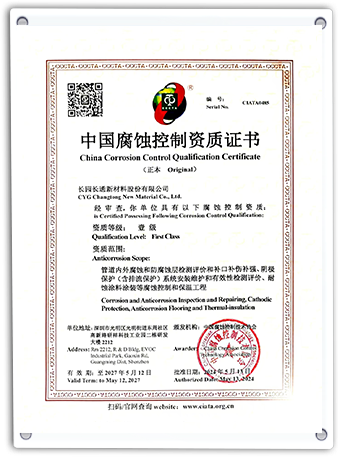
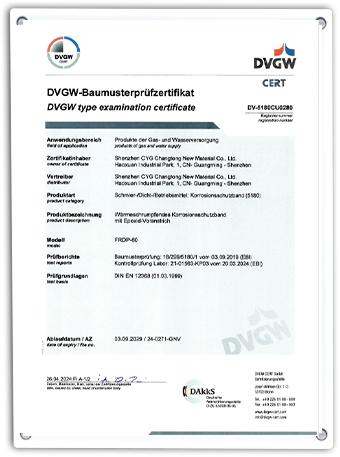
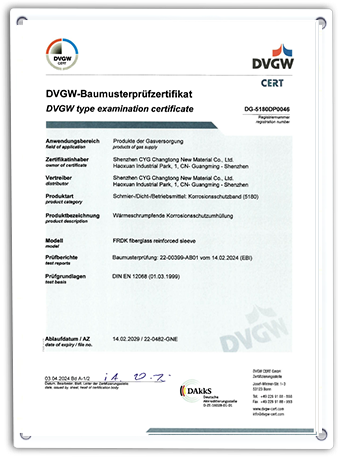
Internationally recognized quality management and industry compliance validation.
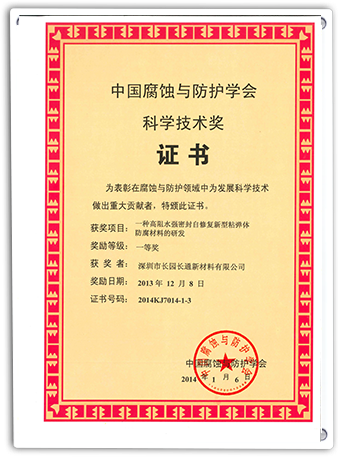
Answers to common engineering questions regarding the application, properties, and longevity of viscoelastic systems.
Our full catalog of cold-applied tapes, heat shrink sleeves, and pipeline repair solutions.
 CYCT
CYCT