Pioneering standard-compliant, heavy-duty anti-corrosion tapes, patches, stick repairs, and fiberglass reinforcement solutions directly from our state-of-the-art facility.
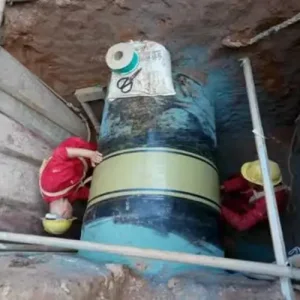
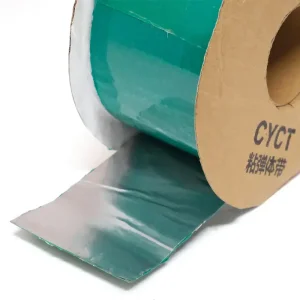
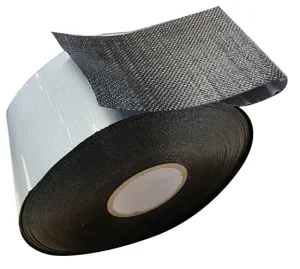
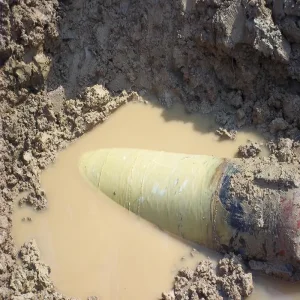
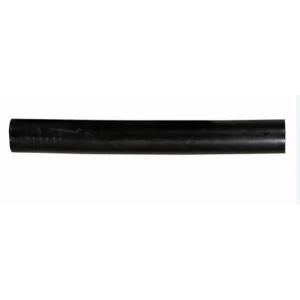
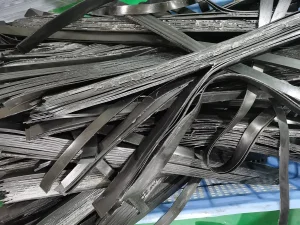
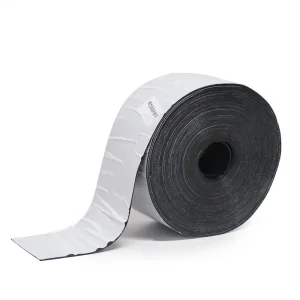
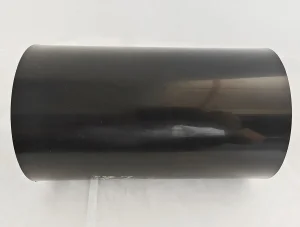
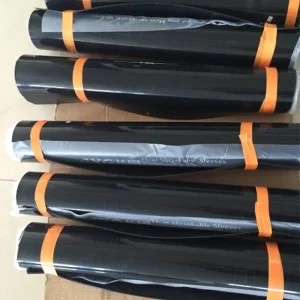
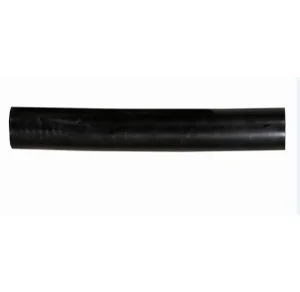
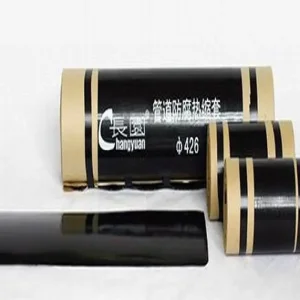
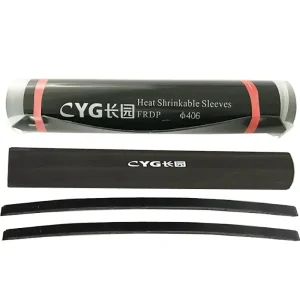
Heat-shrinkable sleeves, commonly referred to as thermo shrink tubes or joint sleeves in pipeline engineering, represent a highly advanced material application in polymer physics. The manufacturing process utilizes radiation cross-linking technology to structuralize raw polyolefins (typically high-density polyethylene or polypropylene). Radiation cross-linking alters the polymer's thermoplastic structure by introducing covalent bonds between the molecular chains, creating a three-dimensional polymer network. When heated above its crystalline melting point, this network behaves like a thermoset elastomer, exhibiting an "elastic memory" effect. This physical property allows the material to shrink back to its original extruded dimensions, creating an exceptionally tight, impervious seal around pipeline steel substrates.
High-energy electron beam radiation creates strong inter-molecular bonds. This process dramatically increases tensile strength, shear resistance, and thermal durability compared to standard non-cross-linked PE.
Specialized hot-melt or viscoelastic co-polymer adhesives melt and flow under shrinkage heat, completely filling steel micro-irregularities to establish an absolute air and moisture barrier.
Engineered to work seamlessly with Cathodic Protection systems, preventing shielding effects while maintaining resistance to cathodic disbondment up to extreme operating temperatures.
The protective capability of a thermo shrink tube is dependent on its adhesive backing. Broadly, two major adhesive types are deployed based on project specifications:
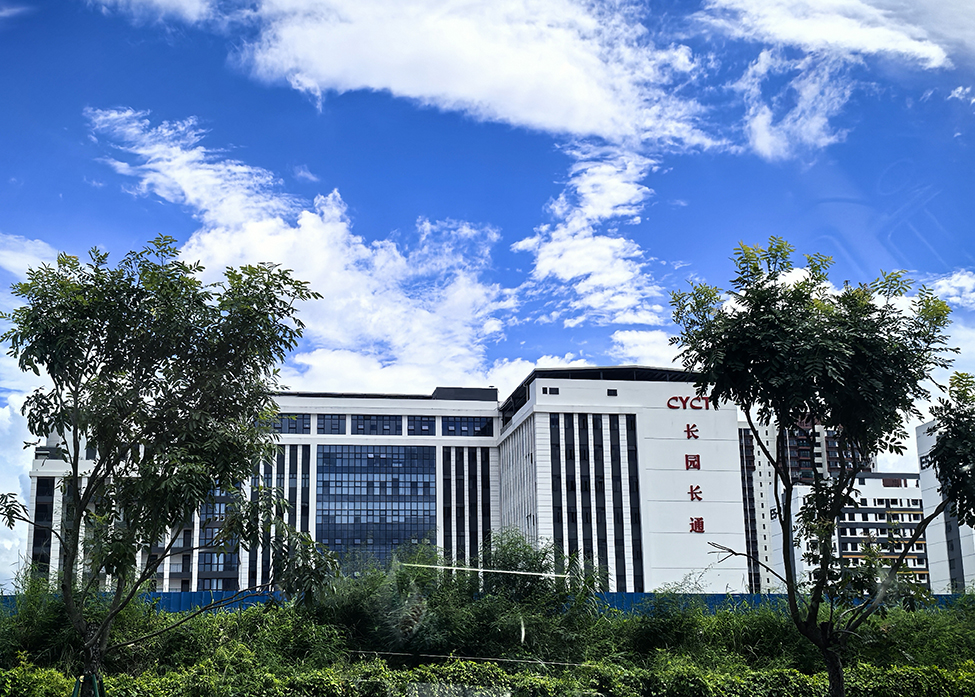
CYCT New Materials Company Limited (for short, CYCT) is a state-level high-tech enterprise integrating R&D, production and sales of pipeline corrosion protection materials as well as buried pipeline detection service and pipeline coating field application service into one. CYCT devotes itself to R&D, production and sales of pipeline corrosion protection materials for decades.
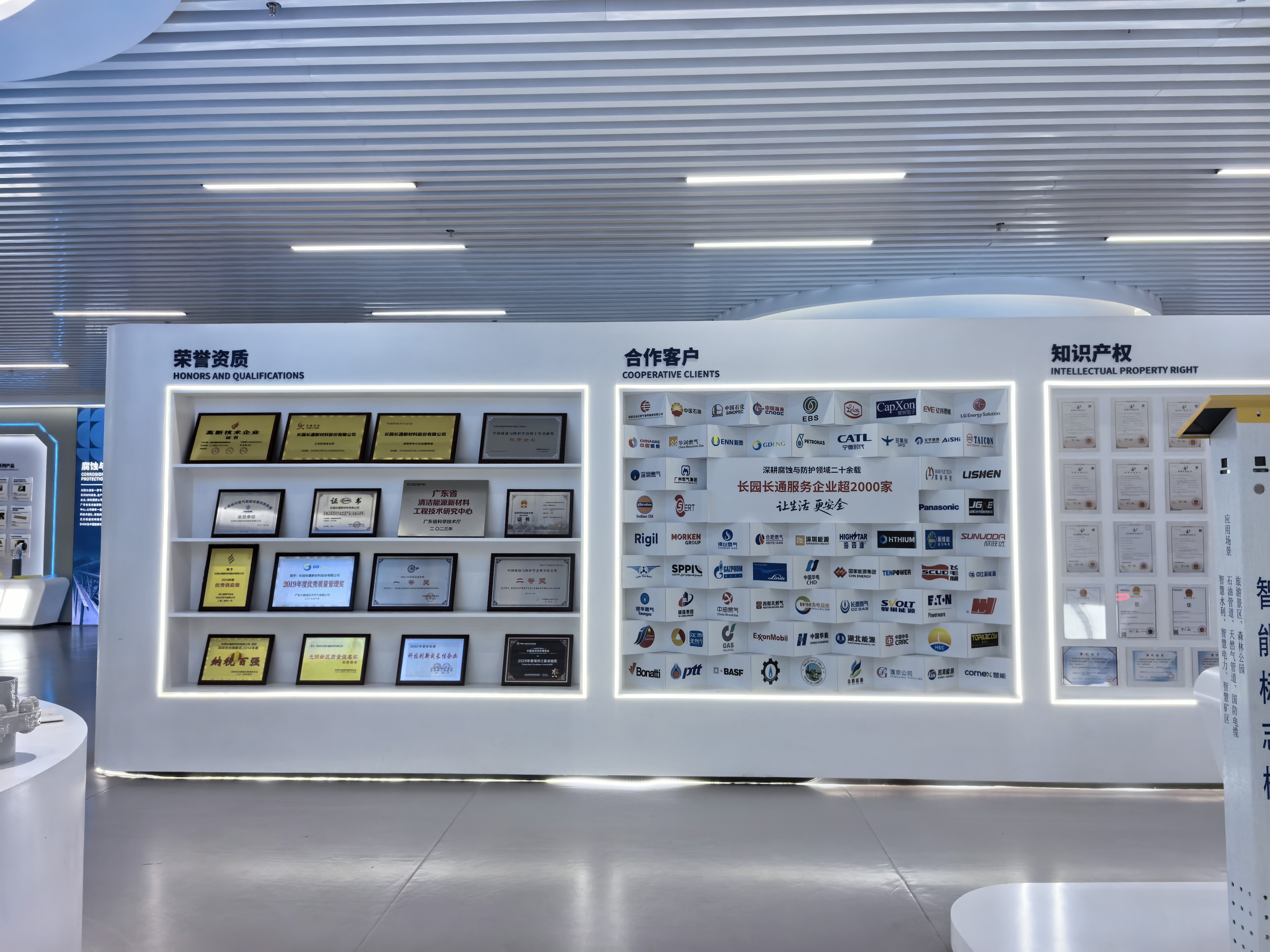
CYCT has become a stable, long-term supplier of field joint coating systems for years in major domestic and global energy networks including PetroChina, Sinopec, PipeChina, and various local pipeline systems, commanding a very high market share. Furthermore, CYCT has successfully developed and introduced a number of specialty corrosion protection materials such as viscoelastic anticorrosion materials, special photo-curing sleeves for Horizontal Directional Drilling (HDD) protection, and high-durability polyurea coatings.
By establishing deep cooperation with leading scientific institutions such as the CNPC Pipeline Science Research Institute, CYCT is capable of providing in-service pipelines with varied technical services including buried pipeline detection, bespoke design schemes, cathodic protection, rehabilitation projects, and integrated security/protection solutions for massive pipeline assets worldwide.
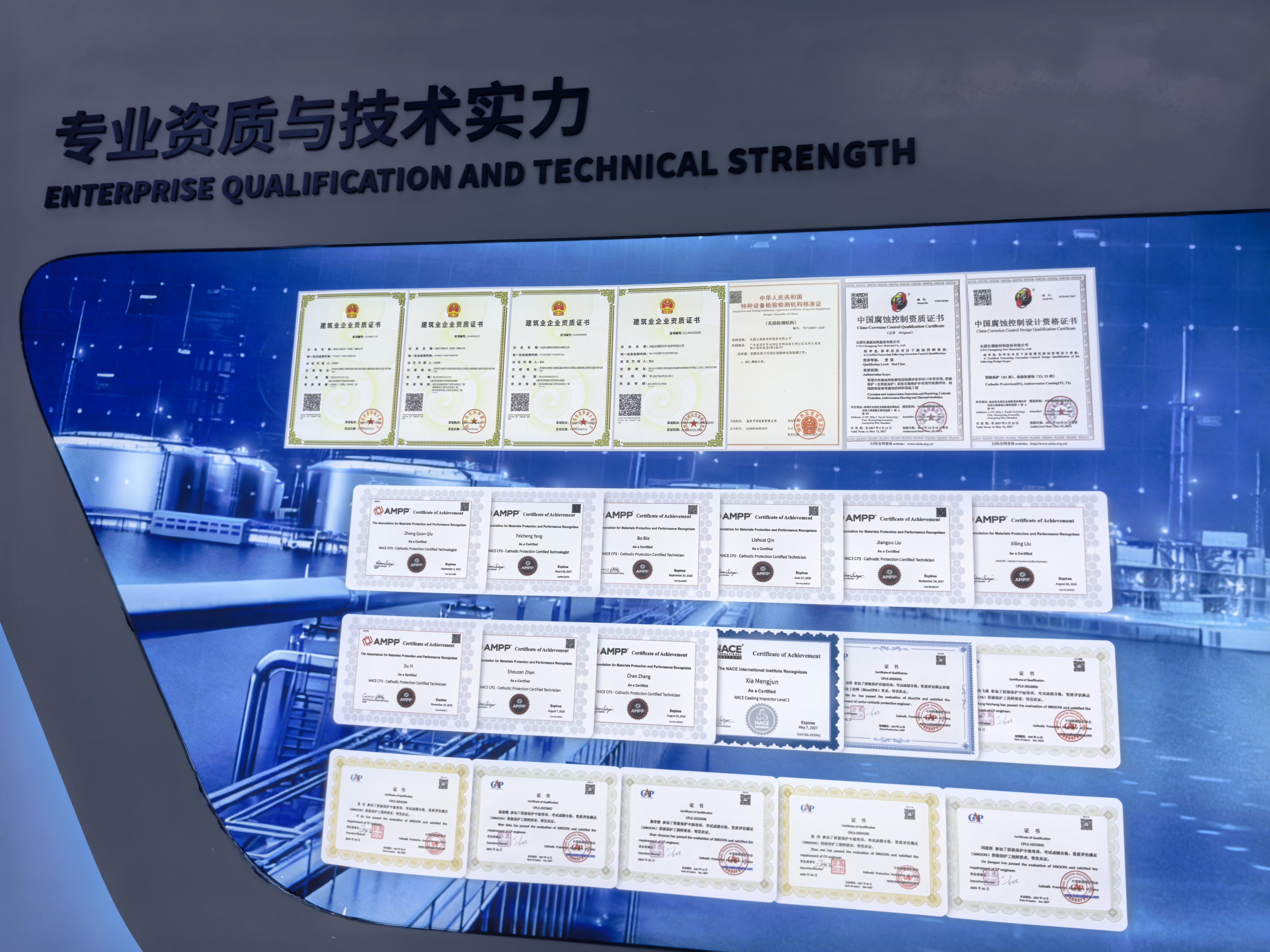
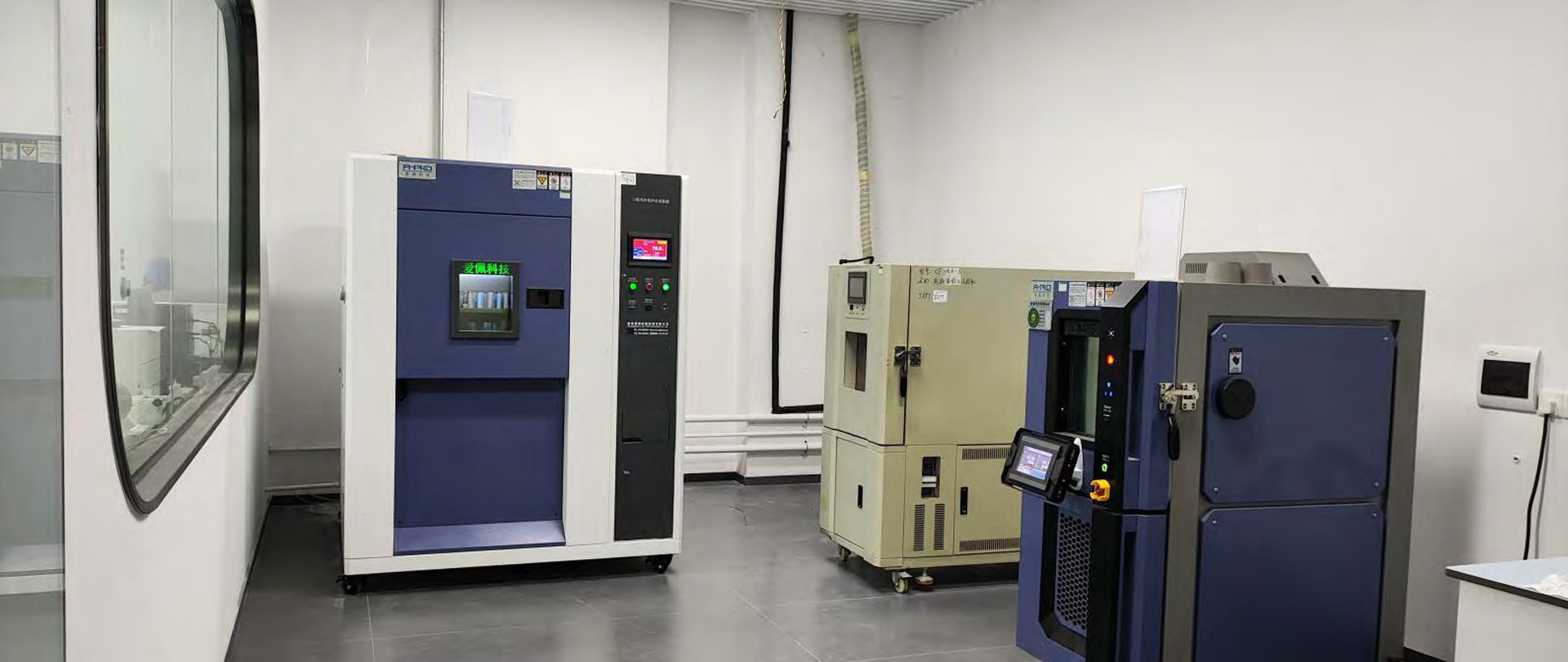
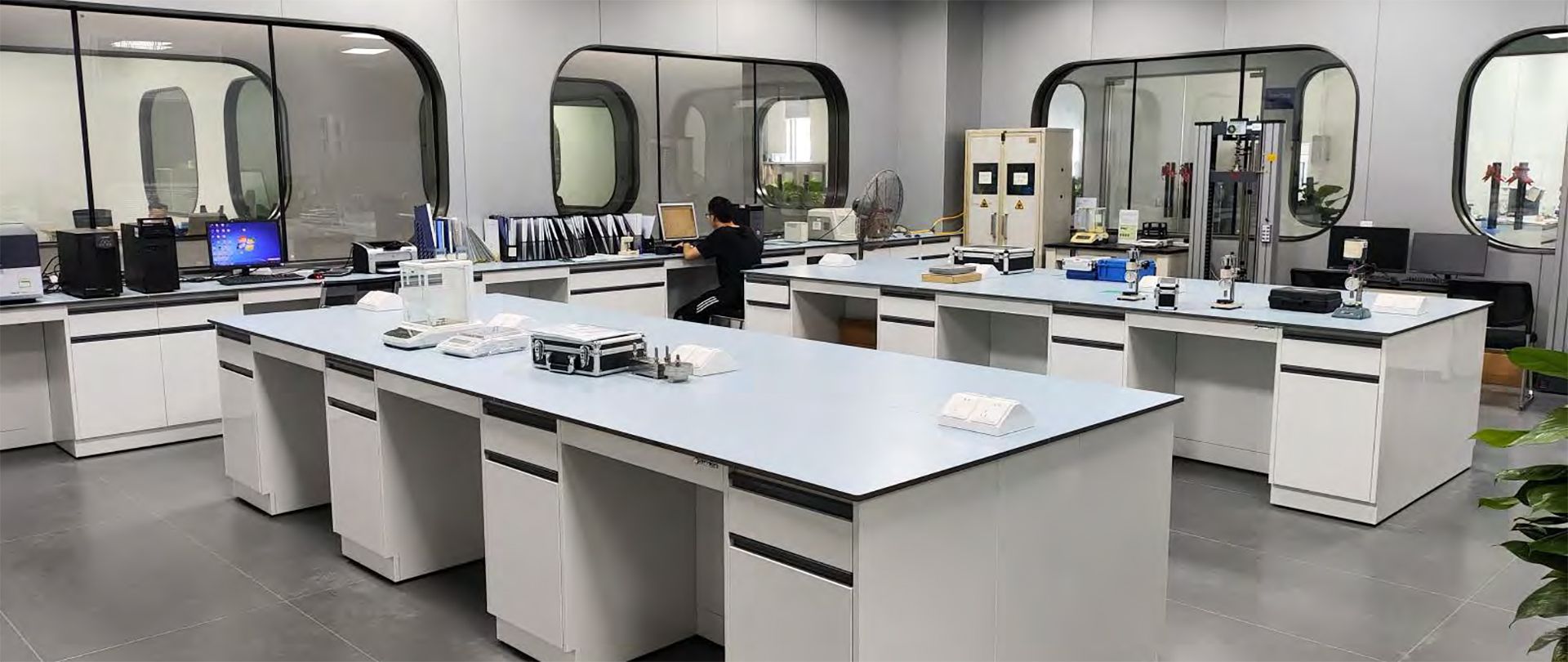
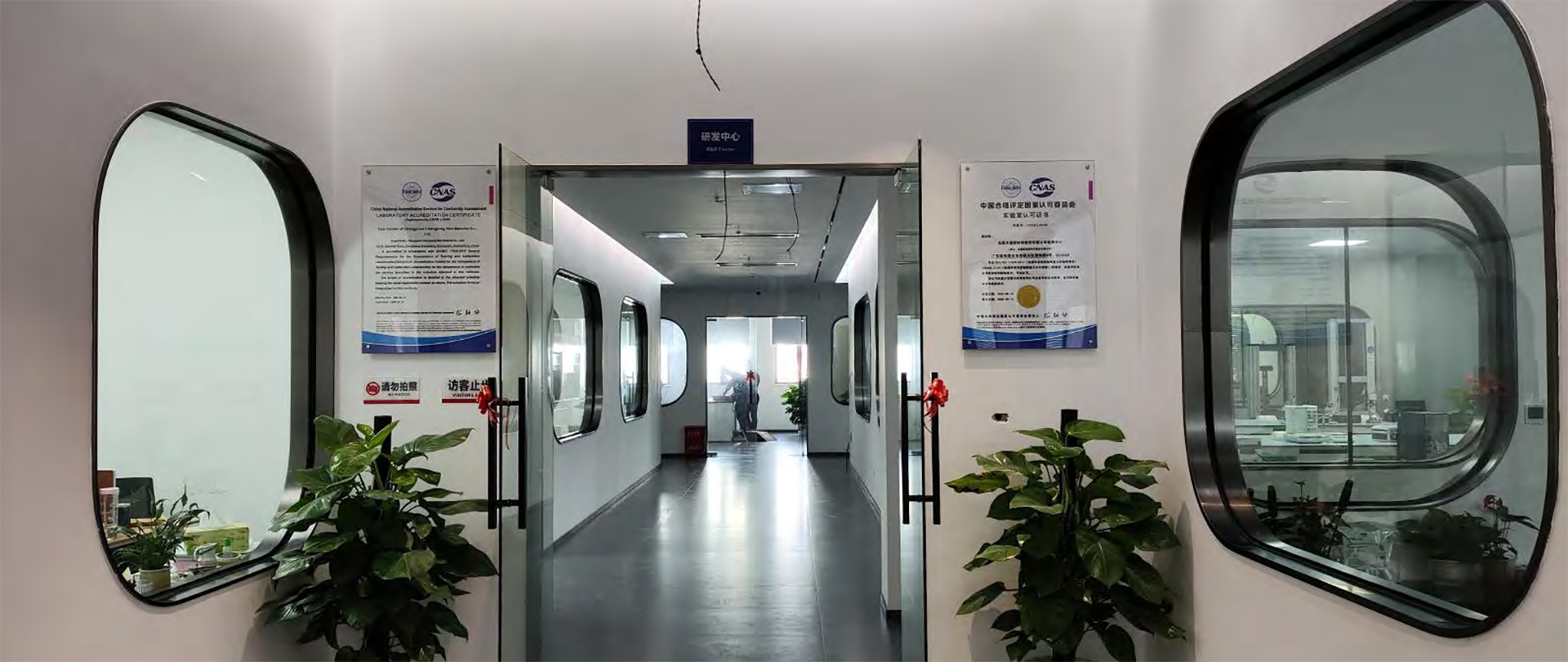
Showcasing our manufacturing plants, testing infrastructure, and high-performance testing standards accredited by national programs.
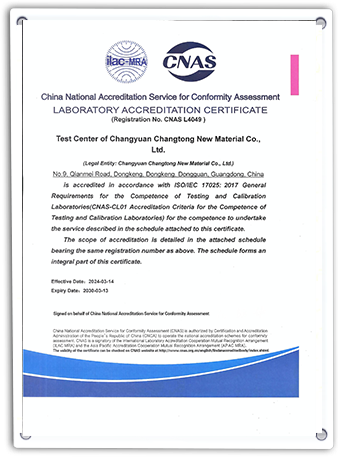
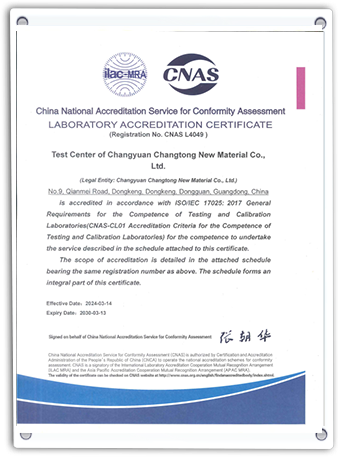
CYCT owns leading testing and R&D capabilities, a professional R&D team, and a national CNAS-accredited laboratory. This high-standard infrastructure guarantees that every batch of thermo shrink tubes meets or exceeds standard metrics for tensile elongation, peel strength, shear resistance, and thermal aging degradation.


Modern pipelines traverse complex and aggressive geological environments, from subsea trenches to arid deserts and high-salinity wetlands. A pipeline is only as secure as its joints. Field Joint Coating (FJC) is the critical process of protecting the welded, uncoated areas of steel pipe after separate pre-coated sections are welded together. Thermo shrink tubes (heat-shrinkable sleeves) represent the most reliable, field-tested method for this application.
For standard 3LPE pipelines, the heat-shrinkable sleeve acts as a contiguous continuation of the factory-applied coating. By utilizing liquid epoxy primer in conjunction with a high-performance heat-shrinkable backing, we establish a robust 3-layer protective coating system in the field. Polypropylene (3LPP) structures demand even higher thermal performance, utilizing specialized polypropylene backing materials to resist high ambient and fluid operating temperatures (up to 110°C - 120°C).
Underground structural boring, or trenchless installation, subjects pipeline coatings to extreme shear and abrasion stresses. Traditional heat shrink tubes can buckle or peel when forced through rocky boreholes. CYCT has engineered specialized Fiberglass Reinforced Sleeves (FRP) and photo-curing sleeves. These solutions form a high-density, rock-hard sacrificial shield over the field joint, ensuring the primary corrosion protective layers remain intact during pull-back operations.
| Application Type | Primary Joint Material | Common Standard Ref | Max Operational Temp | Key Performance Priority |
|---|---|---|---|---|
| Standard Gas/Oil FJC | 2LPE / 3LPE Heat Shrink Sleeve | ISO 21809-3 Type 14A / 14B | 60°C to 80°C | Peel strength, cathodic disbondment resistance |
| High Temp Transmission | 3LPP Heat Shrink Sleeve | ISO 21809-3 Type 14C / EN 12068 | 110°C to 120°C | Shear strength at high temperatures, thermal stability |
| Trenchless HDD Crossing | FRP reinforced sleeves / Photo-curing | ASTM G14 / ASTM D2240 | 80°C | Excellent abrasion, impact and gouge resistance |
| Corrosion Repair & Patching | Viscoelastic Tape / PE Patches | ISO 21809-3 Type 18 / 19 | 85°C | Self-healing, zero preheat installation, direct adhesion |
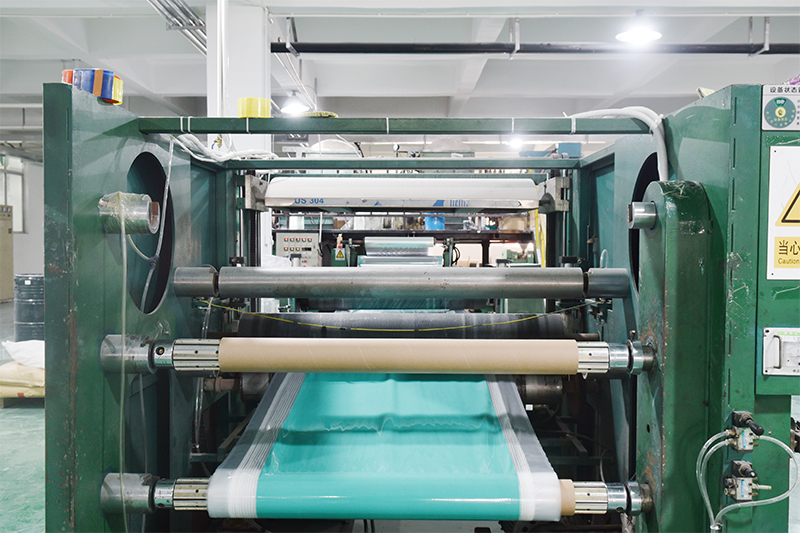
As a global supplier, CYCT leverages China's ultra-integrated manufacturing infrastructure to provide unparalleled cost-performance, quality stability, and delivery reliability. Our factory operates under strict Industry 4.0 lean production frameworks, minimizing raw material variance while scaling production capacities to match the largest megaprojects in the world.
From compounding base polymers and custom formulation of viscoelastic adhesives to extrusion, expansion, and finishing, all steps are completed under one roof.
Advanced electron beam accelerators ensure uniform cross-linking densities. Our expansion machines handle widths up to 1000mm with digital thickness and tension controls.
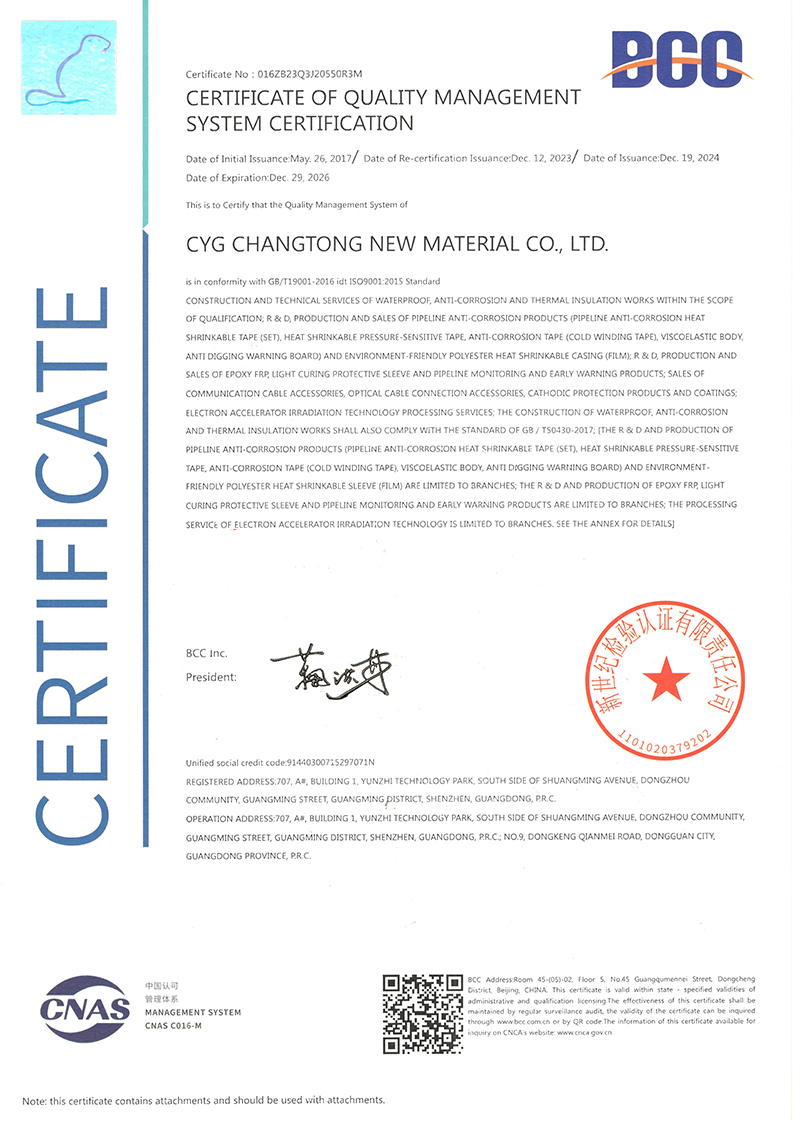
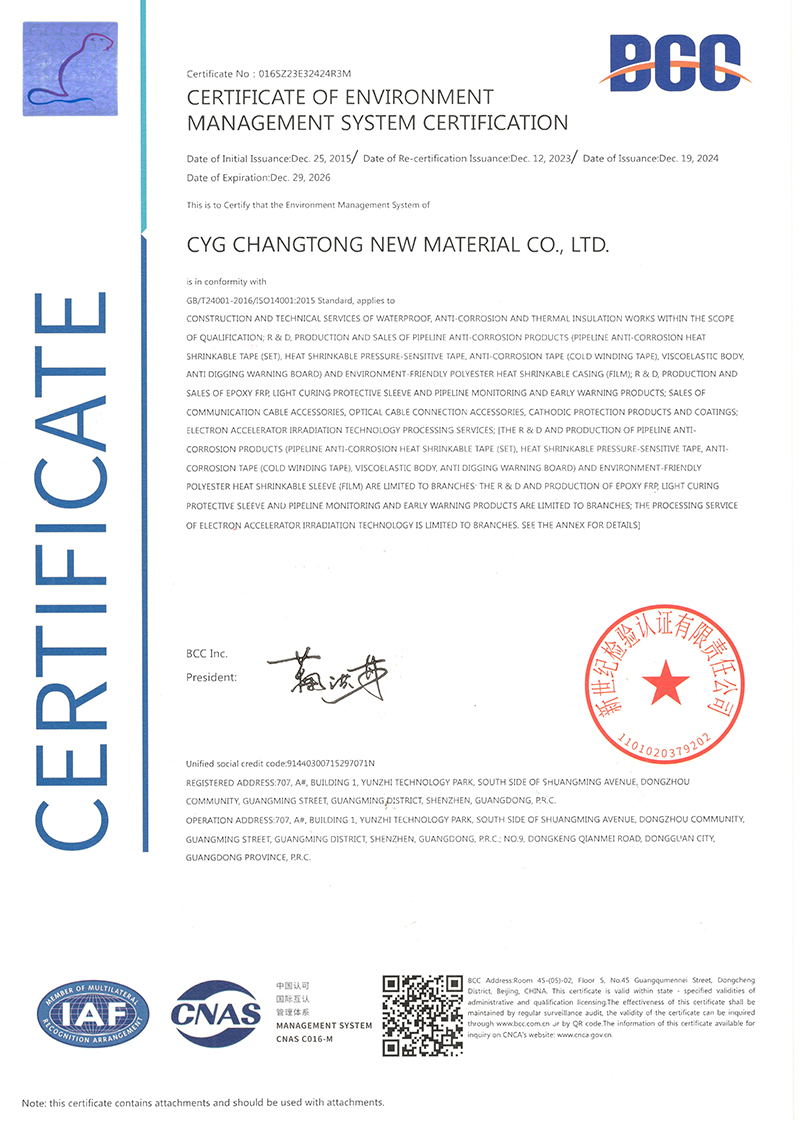
Operating in compliance with ISO 9001, ISO 14001, and ISO 45001, with a rigorous testing regime that checks adhesive peel strength on every production roll.
This localized raw material security and production agility mean we can fulfill high-volume export orders in shorter cycle times than North American or European competitors, mitigating supply chain disruptions for critical energy distribution infrastructure.
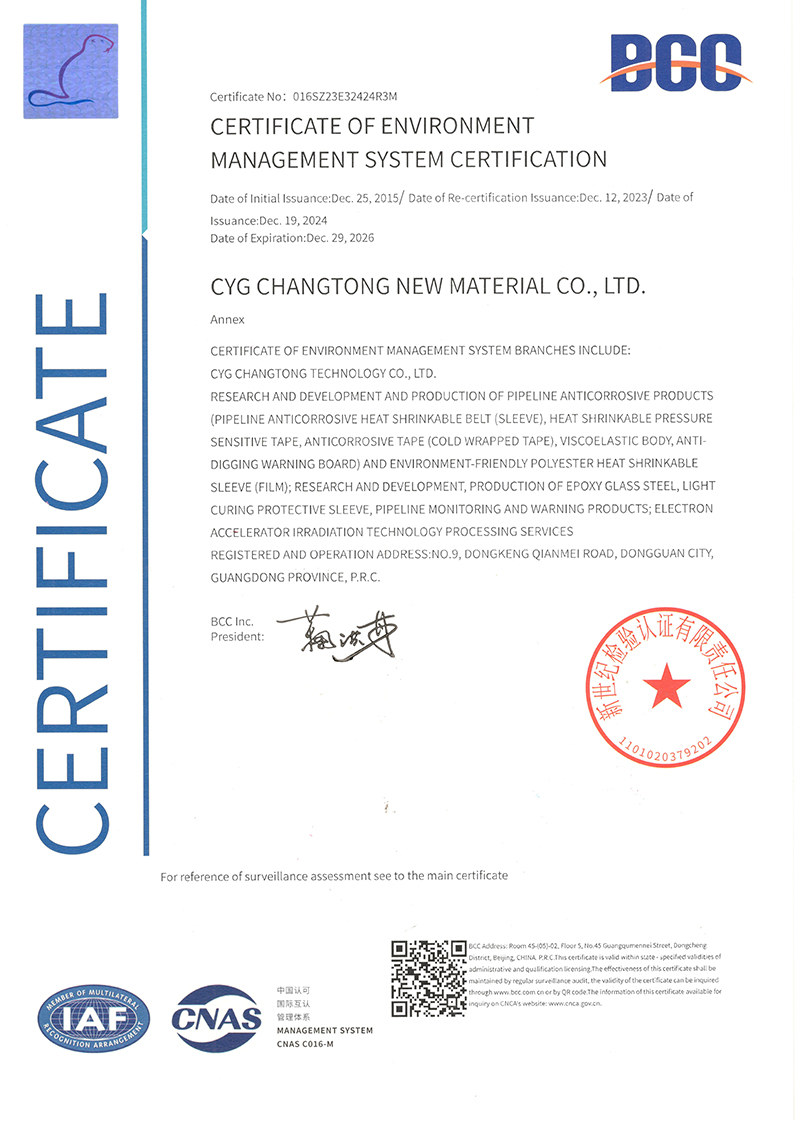
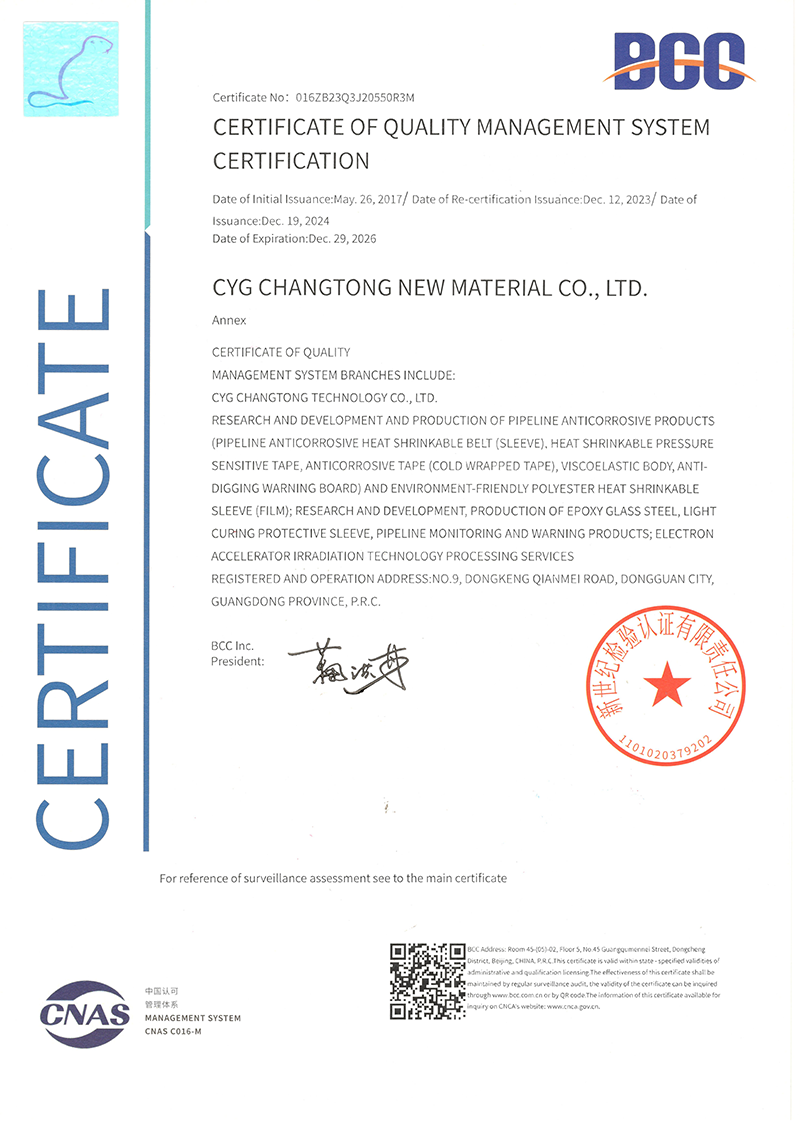
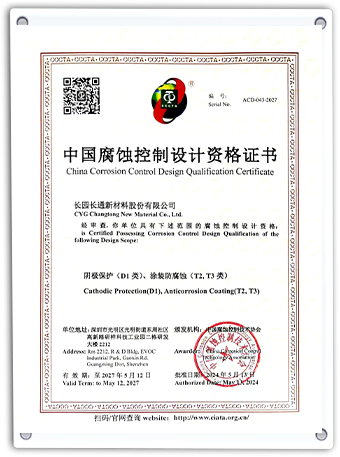
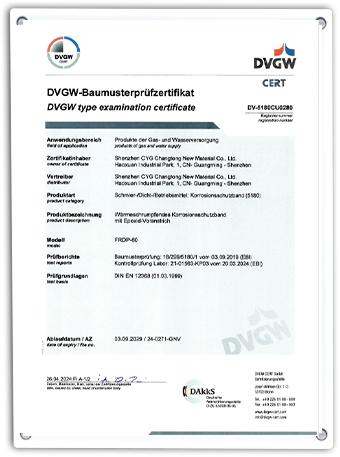
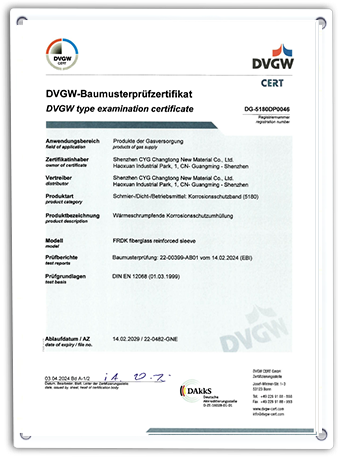
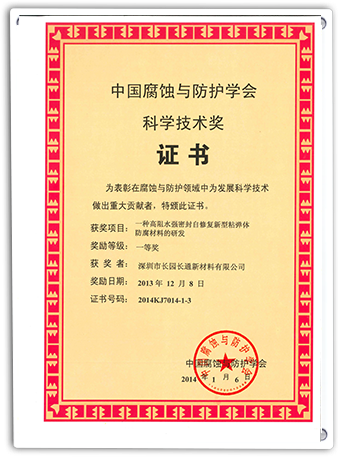
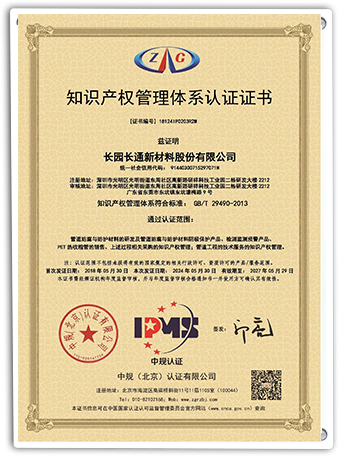
Our commitment to international standards is validated by global certifications and industry society memberships.
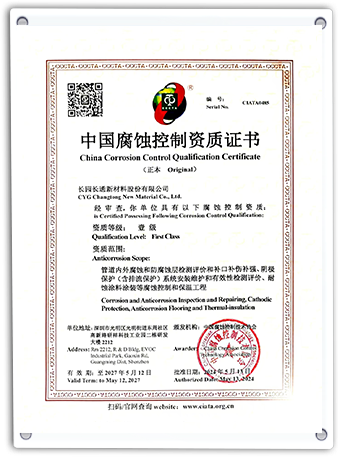
CYCT is a proud Member of Council in the Chinese Society for Corrosion and Protection (CSCP), holds the Qualification Certificate of Corrosion Protection Construction and Pipeline Detection, and is a corporate member of the China Association of Petroleum Engineering Construction (CAPEC). We maintain verified supplier status for global energy companies including PetroChina, Sinopec, China Gas Group, and Indian Oil Corporation.
As pipeline networks shift towards transporting hydrogen-enriched gases, higher temperature sour crudes, and CCS (Carbon Capture & Storage) high-pressure fluids, anti-corrosion science must evolve. The CYCT technical roadmap centers on three breakthrough vectors:
Hydrogen molecules are incredibly small and can permeate traditional polymer coatings, leading to hydrogen embrittlement of high-grade steel line pipe. CYCT's upcoming pipeline joint wrappers incorporate metallic nano-platelet additives inside the polyolefin backing to lengthen the permeation path, reducing hydrogen gas diffusion by up to 85% compared to standard PE sleeves.
Integrated with thin-film conductive carbon nanotube sensors, our next-generation thermo shrink tubes can monitor localized peel strain, moisture ingress, or cathodic protection shielding. This telemetry can be logged wirelessly, allowing maintenance engineers to detect corrosion activity long before coating failure occurs.
In line with global ESG directives, CYCT is conducting research into bio-sourced polyolefins derived from non-food agricultural waste, aiming to reduce the carbon footprint of field joint coatings by 30% while retaining equivalent cross-linked physical characteristics.
To avoid failure, pipeline engineers must evaluate multiple structural variables when sourcing heat-shrinkable sleeves and viscoelastic coatings. Ensure your supplier provides certified data sheets matching the parameters in the checklist below.
Technical explanations to common queries from pipeline design consultants, cathodic protection engineers, and EPC contractors.
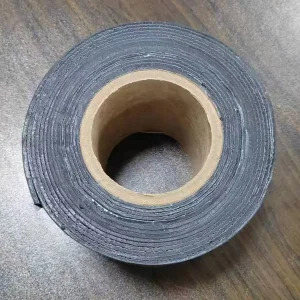
Explore our full catalog of mastic tapes, hot melt sticks, polypropylene joints, and specialty heat shrink sleeves.
 CYCT
CYCT