Engineered to withstand extreme environments, our top-tier shrinkable sleeves and anti-corrosive tapes secure critical pipelines worldwide.
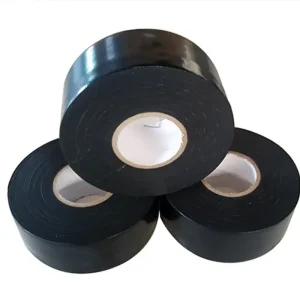
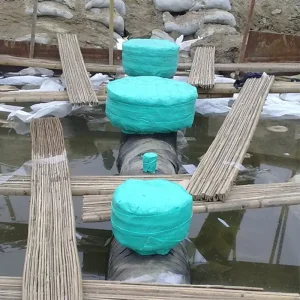
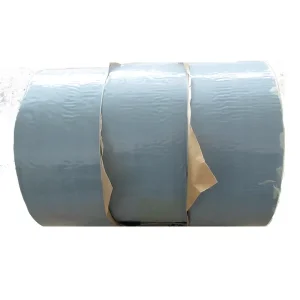
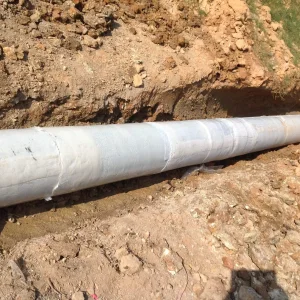
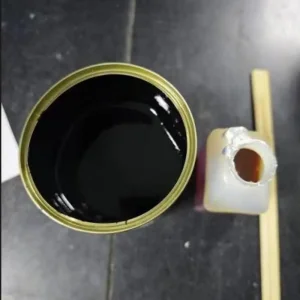
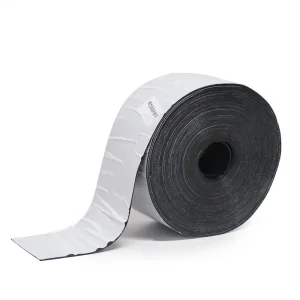
In modern pipeline construction, buried pipelines transport vital commodities like crude oil, natural gas, chemical raw materials, and potable water across vast geographical expanses. While factory-applied anti-corrosion coatings (such as 3-layer Polyethylene [3LPE] or 3-layer Polypropylene [3LPP]) provide exceptional security to the main body of the pipe, the field joint—where individual pipes are welded together on-site—presents a vulnerable interface. Field joint coating (FJC) failure accounts for more than 70% of external corrosion failures in buried pipeline networks. Selecting a premium, certified China shrinkable sleeves manufacturer & supplier is not merely a purchasing decision; it is a critical step in long-term risk mitigation.
As a state-level high-tech enterprise founded in 2000, CYCT New Materials Company Limited (CYCT) has spent decades researching, formulating, and manufacturing advanced pipeline corrosion protection systems. By deploying state-of-the-art polymer radiation cross-linking technology and proprietary viscoelastic systems, CYCT ensures that field joints match or exceed the durability of factory-applied pipeline coatings, maintaining structural integrity across thermal cycles, soil shifts, and mechanical stresses.
Innovation in material science is driving higher standard specifications across the pipeline industry. Explore the primary technical pathways.
Transitioning from 2-layer mastic tapes to 3-layer systems featuring liquid epoxy primers and copolymer hot-melt adhesives, guaranteeing minimal cathodic disbondment.
Viscoelastic tapes present a cold-flow characteristic that naturally repairs minor cuts and defects, remaining entirely impermeable to water, oxygen, and electrolytes.
With deep water flowlines and high-flow oil transmission requiring operations up to 85°C and 120°C, polypropylene (PP) heat shrinkable sleeves are replacing standard PE.
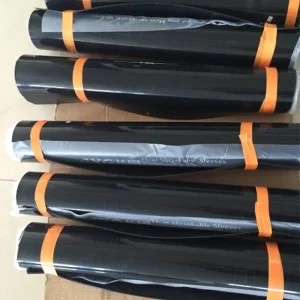
To fully grasp the functionality of modern heat-shrinkable sleeves, one must examine their composite material structure. Typically, a high-performance heat shrinkable sleeve (such as CYCT's FRDP series) consists of two or three primary layers:
By leveraging these combined materials, CYCT designs shrinkable sleeves that guarantee a lifetime matching that of the pipeline, preventing moisture ingress and subsequent under-film corrosion.
CYCT New Materials Company Limited (CYCT) is a state-level high-tech enterprise integrating R&D, production, and sales of pipeline corrosion protection materials, as well as buried pipeline detection services and pipeline coating field application services. Decades of dedicated field experience have made CYCT a primary, trusted supplier to global pipeline projects.
Partnering with top-tier research institutes, including the CNPC Pipeline Science Research Institute, CYCT delivers complete lifecycle protection solutions for steel pipelines, covering risk assessment, design schemes, cathodic protection, rehabilitation project execution, and high-performance material supply.
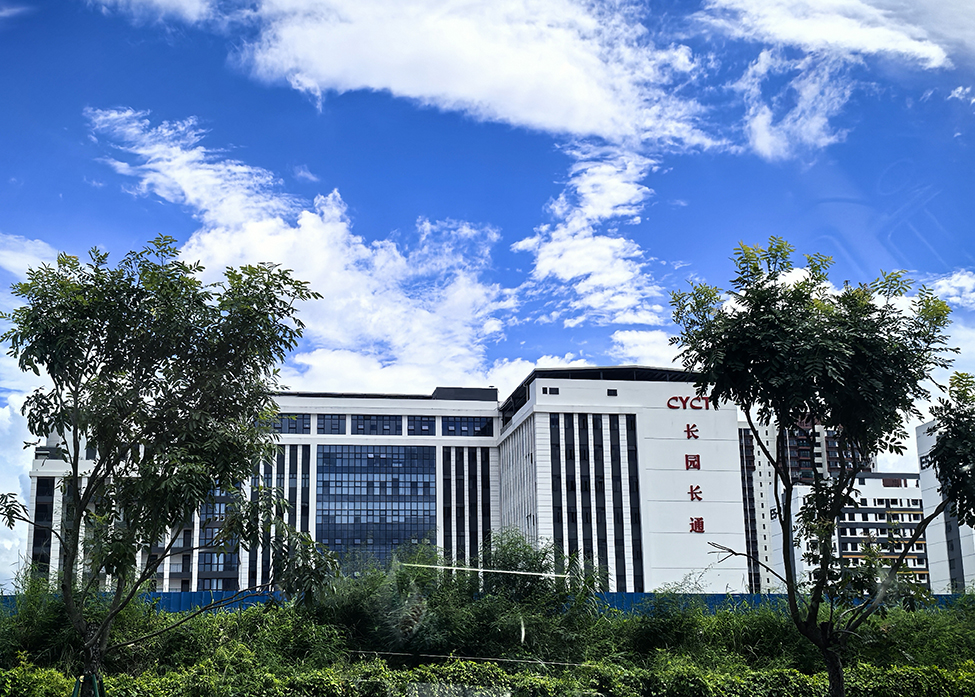
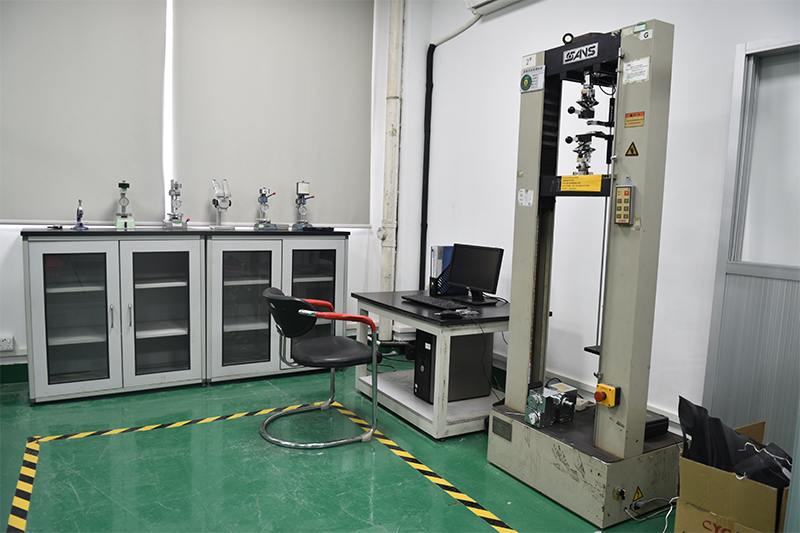
CYCT Industrial Manufacturing Facility & Material Production Line

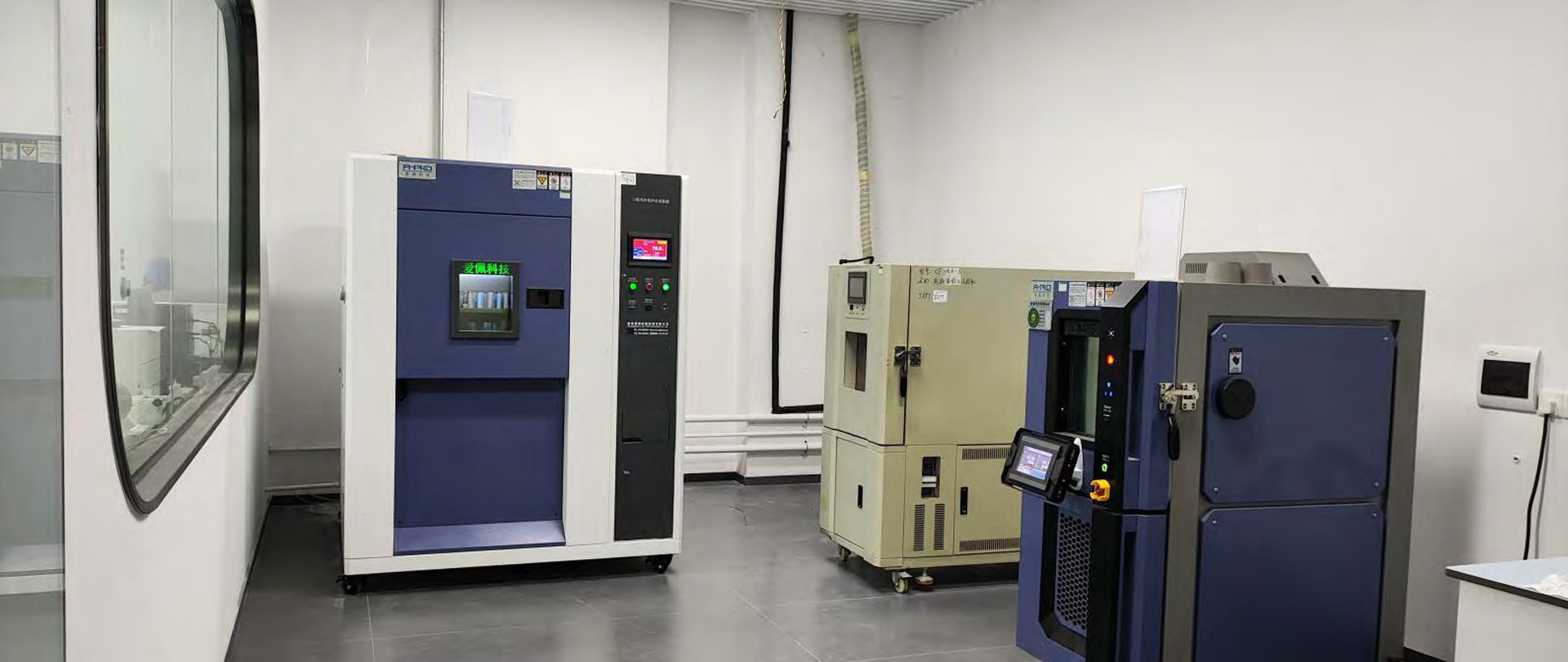
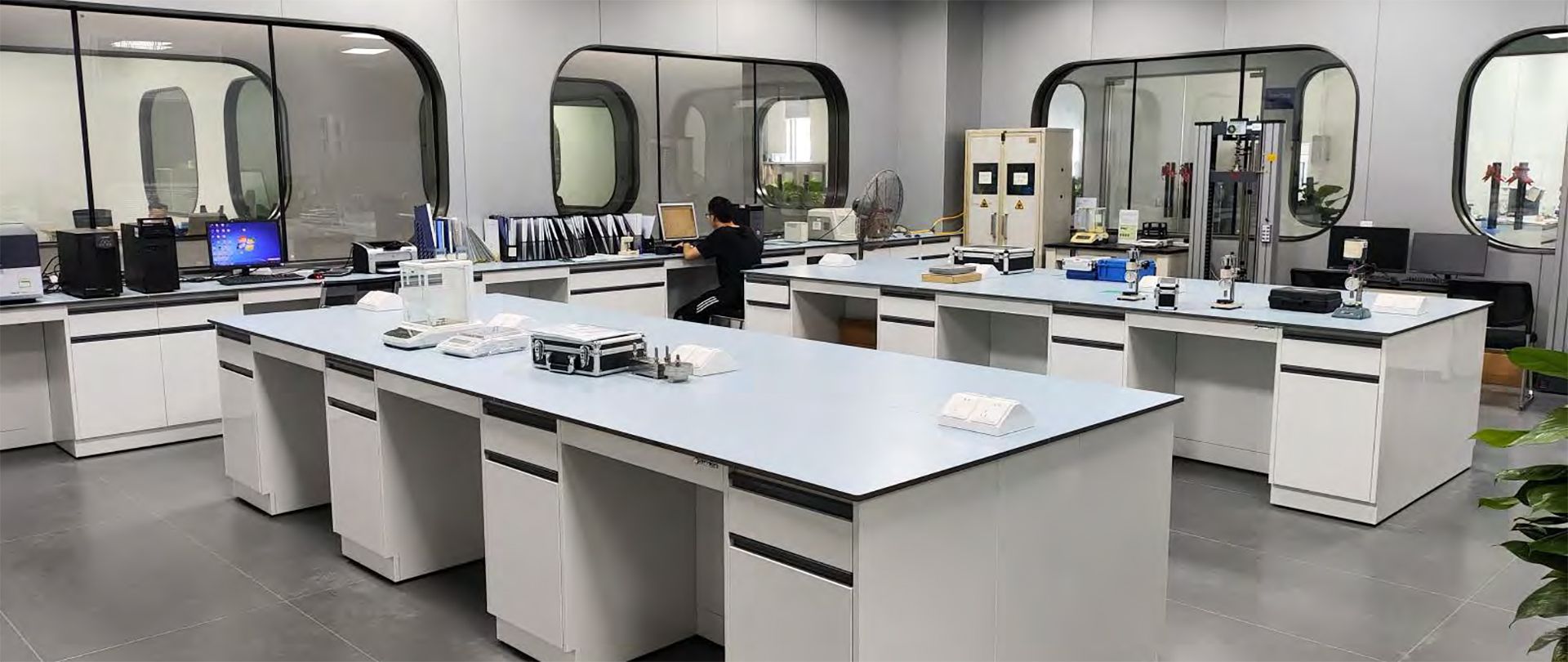
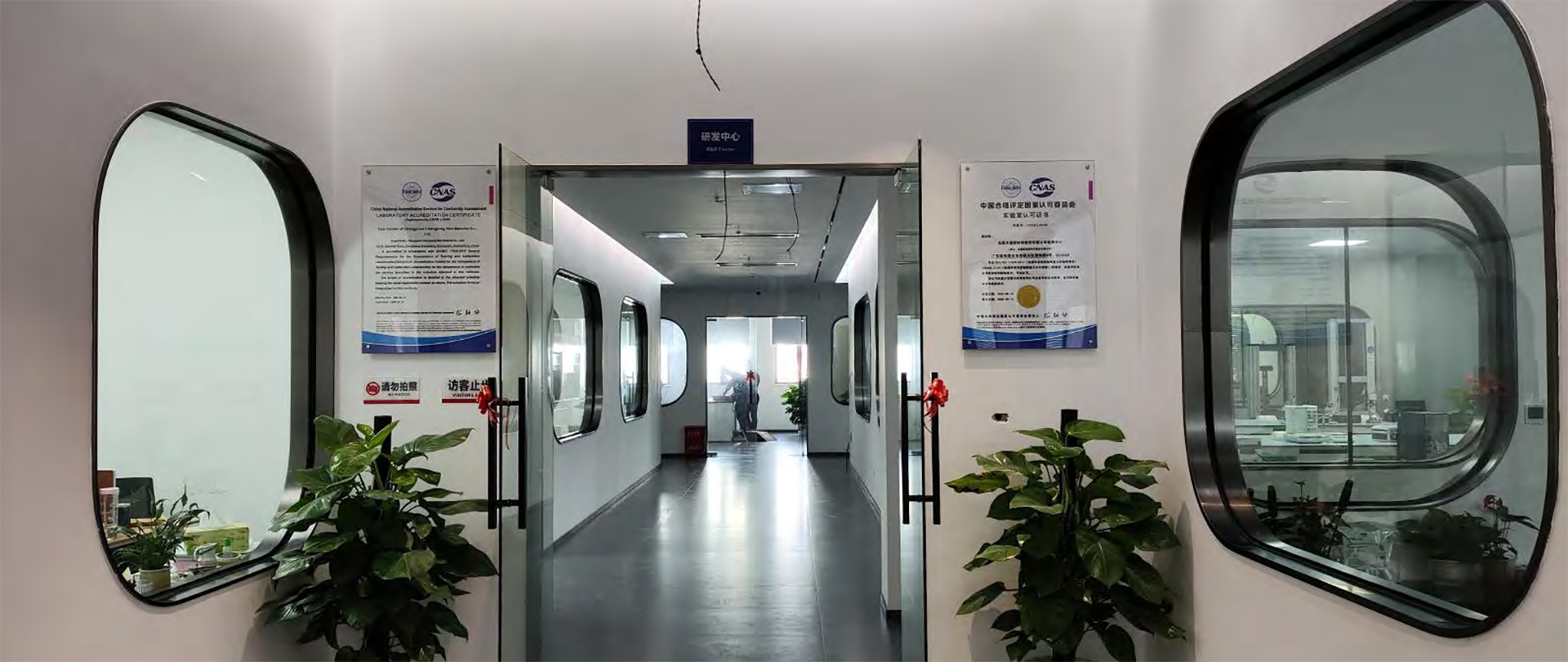
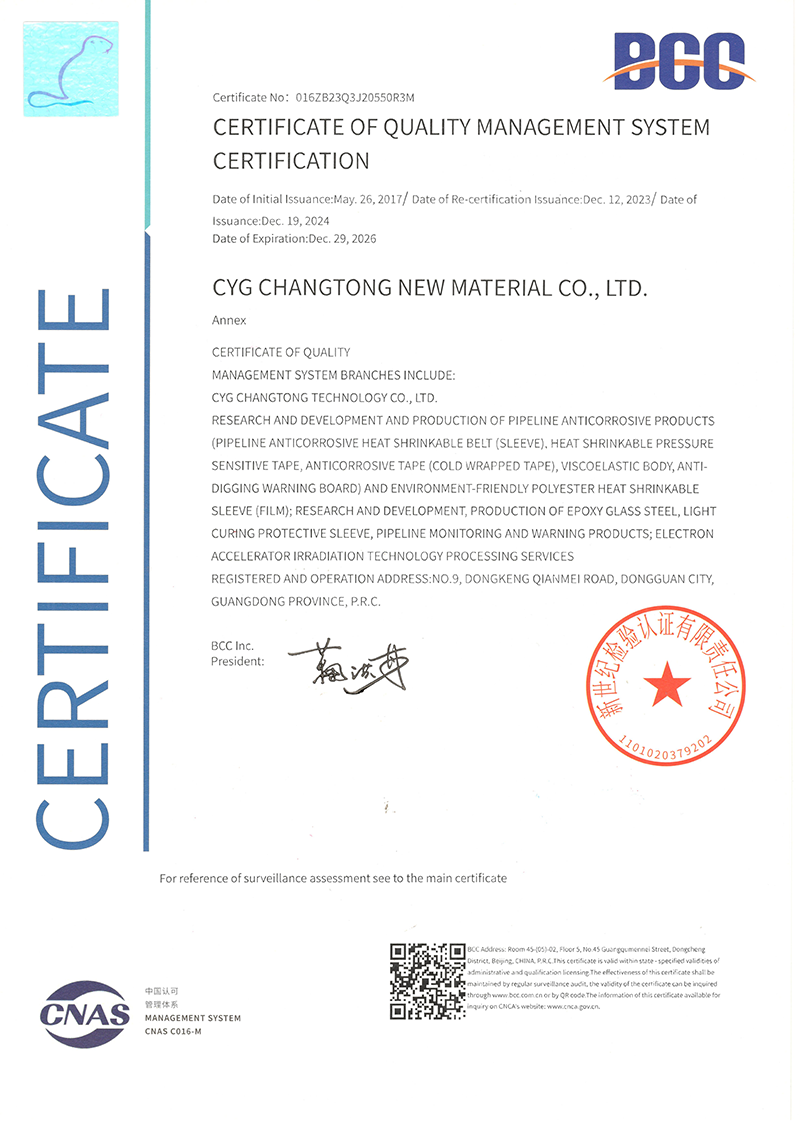
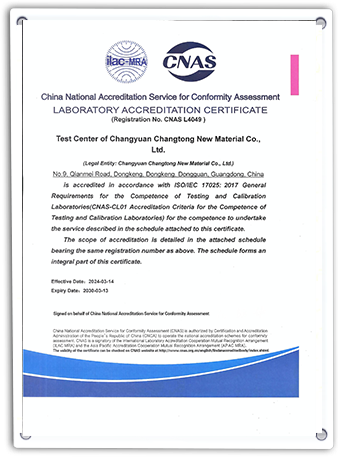
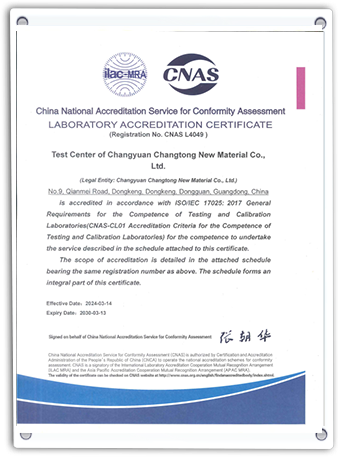
CYCT owns leading testing and R&D capabilities, supported by a highly specialized team and a national CNAS-accredited laboratory. This accreditation guarantees that every production batch—ranging from viscoelastic anticorrosion wraps and heat shrinkable sleeves to specialty photo-curing sleeves for HDD protection and polyurea coatings—undergoes rigorous verification before leaving the plant.
No single coating material fits all environments. CYCT categorizes solutions to align with specific pipeline environments.
Trenchless construction methods, such as Horizontal Directional Drilling (HDD), subject field joint coatings to extreme shear, gouging, and friction stresses as the pipeline is pulled through subterranean rocky pathways. Standard shrinkable sleeves fail under these forces, peeling or wearing thin.
CYCT's FRDP Heat Shrinkable Fiberglass Reinforced Sleeve is specifically engineered for HDD projects. Reinforced with heavy-duty structural fiberglass mesh, the backing layer achieves unparalleled scratch, impact, and gouge resistance. Combined with a robust solvent-free liquid epoxy primer, the FRDP system remains completely intact, ensuring that the critical joints emerge from the borehole fully protected.
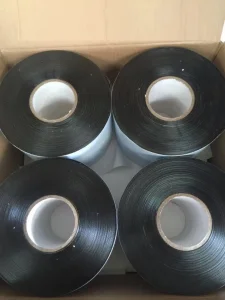
Complex geometries, such as flanges, tees, elbows, and valves, present a challenge for standard heat-shrink sleeves because of their irregular shapes. For these sections, CYCT supplies viscoelastic materials like the **VT95 Viscoelastic Tape** and **VE Putty**.
Viscoelastic coatings exhibit high viscous and elastic properties (cold-flow), maintaining 100% surface contact by flowing into micro-irregularities on the steel. They never cure or harden, offering continuous self-healing properties that automatically seal minor punctures. This system requires minimal surface preparation (St 2 or St 3 hand wire-brushing), making it an ideal choice for maintenance, repair, and field joint protection of valves in complex stations.
Flowlines transporting warm crude or processing fluids demand materials that maintain mechanical strength under elevated temperatures. CYCT's polypropylene heat shrinkable sleeves (**FRPD-PP**) operate up to 120°C. Polypropylene exhibits high thermal stability, resisting melting and shear deformation under constant cyclic thermal stress, preventing cathodic disbondment in high-temp applications.

High-integrity international compliance makes CYCT a tier-one supplier for global petroleum and energy conglomerates.
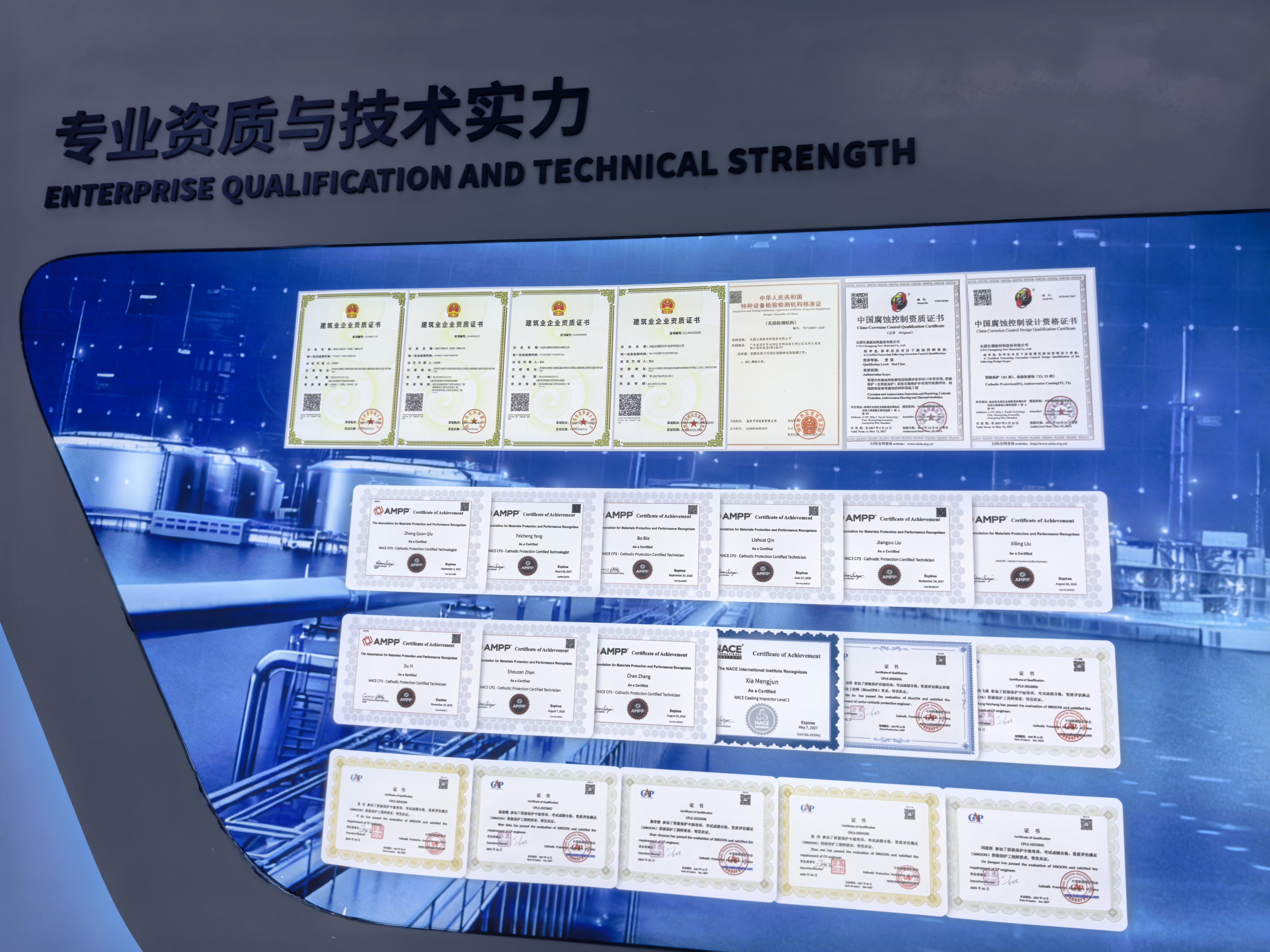
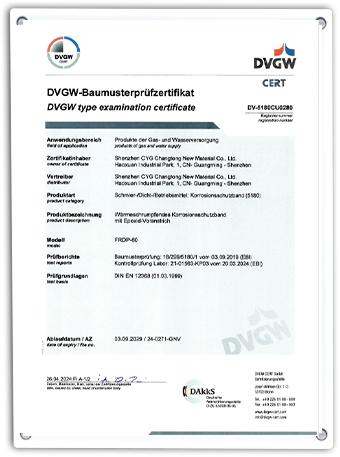
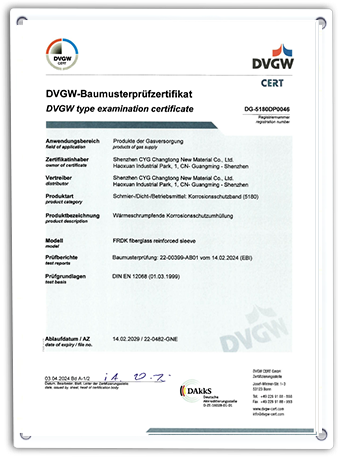
Procuring raw materials and finished field joint coatings requires strict compliance with international testing frameworks. CYCT’s production lines and testing protocols are aligned with major global standards, including:
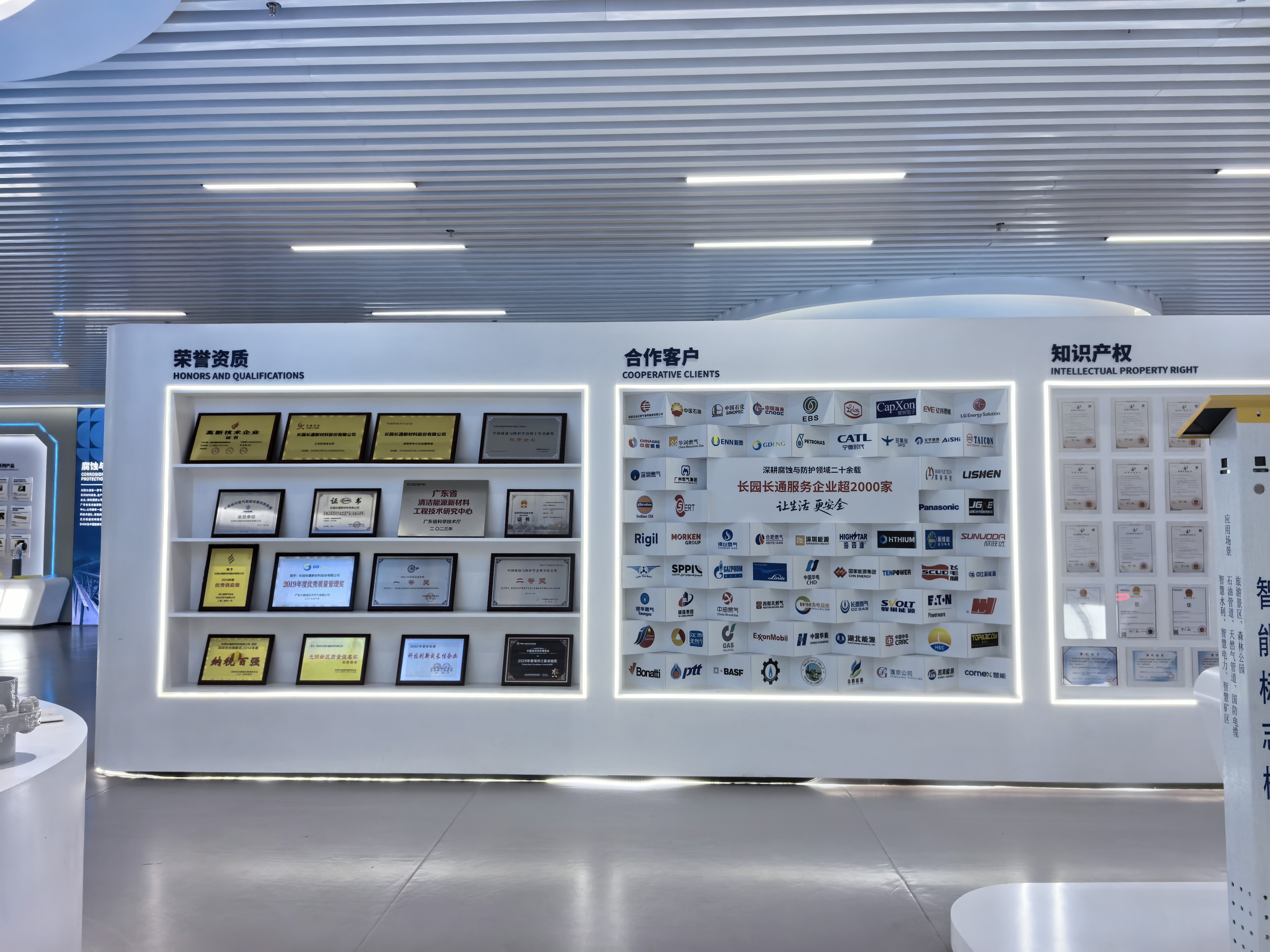
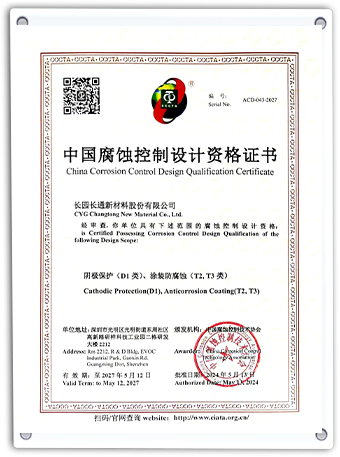
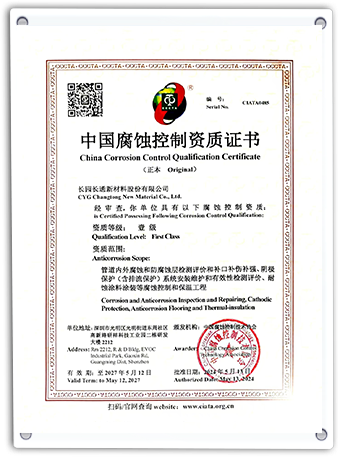
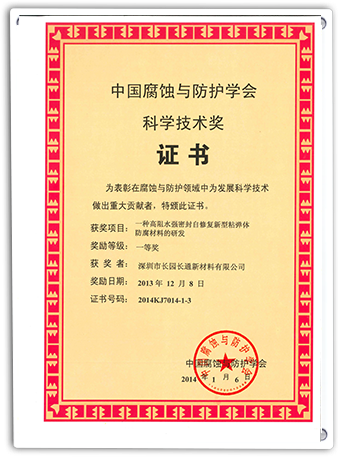
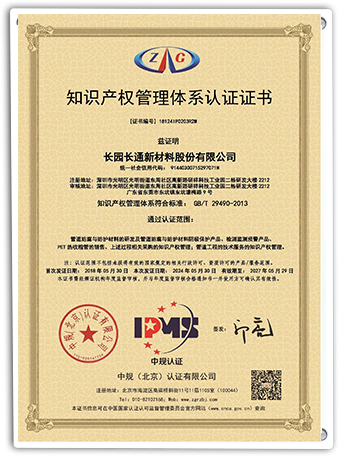
As a Member of the Council in the Chinese Society for Corrosion and Protection (CSCP) and a Corporate Member of the China Association of Petroleum Engineering Construction (CAPEC), CYCT is globally integrated with regulatory networks. CYCT has been qualified as a stable, long-term supplier of pipeline protection materials for massive corporations, including PetroChina, Sinopec, PipeChina, China Gas Group, and Indian Oil.
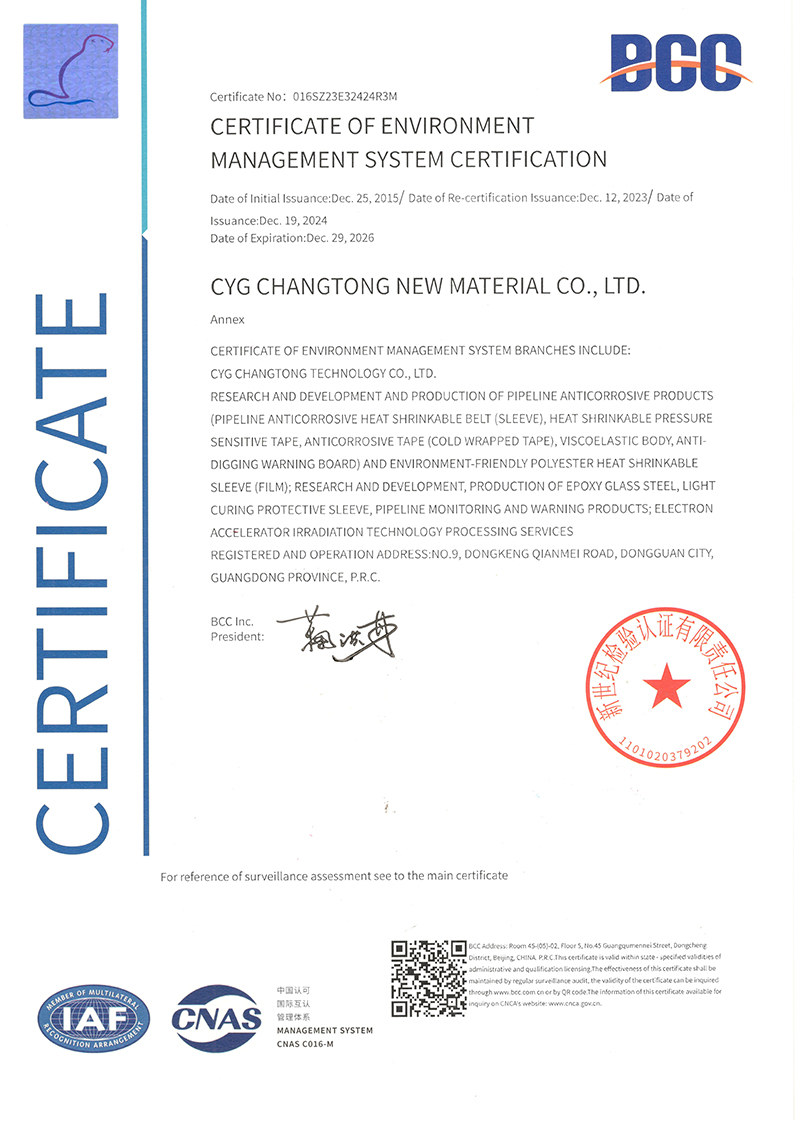
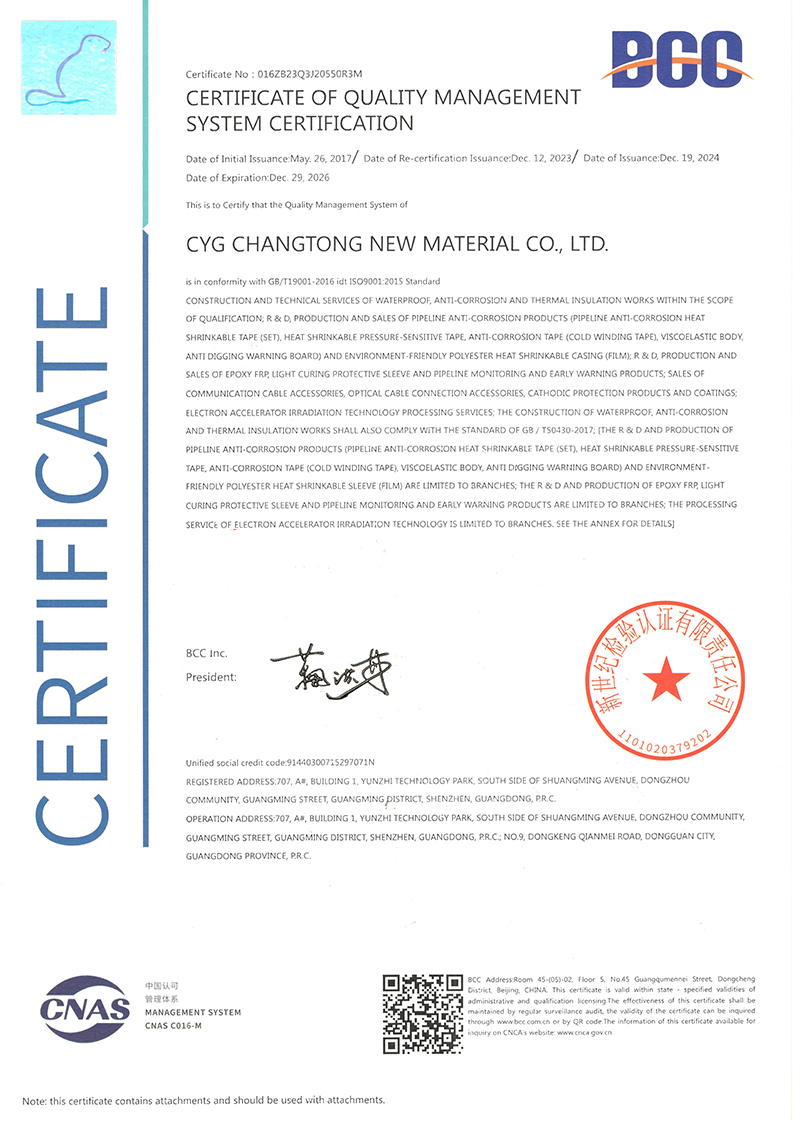
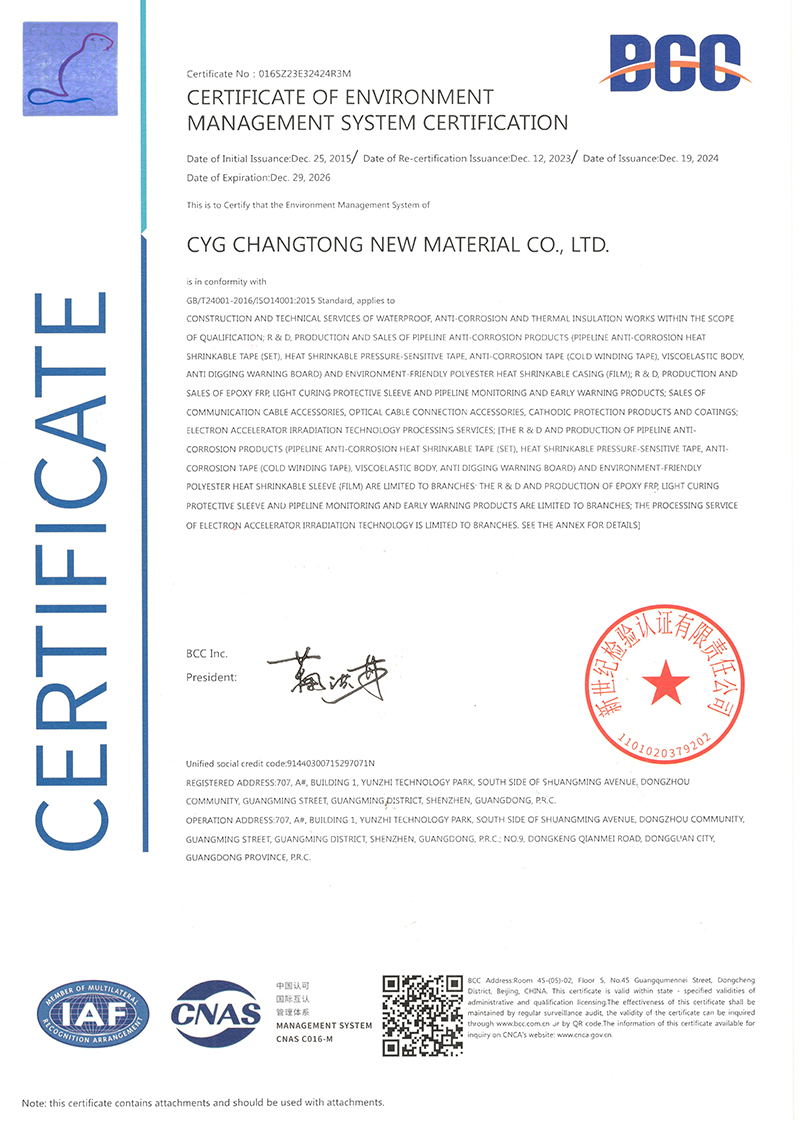
Pioneering the next generation of pipeline integrity and smart corrosion protection solutions.
As the energy transition takes center stage, global pipeline networks are evolving to transport new energy sources, including green hydrogen and carbon dioxide (CCS). These systems operate under different pressure and temperature characteristics, necessitating the development of next-generation protection technologies:
Technical answers to common pipeline corrosion protection queries, compiled by CYCT engineers.
A 2-layer system consists of a radiation cross-linked polyolefin backing coated on the inside with a hot-melt or mastic adhesive. A 3-layer system adds a liquid epoxy primer applied directly to the sandblasted steel substrate before installing the sleeve. The 3-layer system provides significantly higher resistance to cathodic disbondment and elevated temperatures, making it the preferred standard for critical oil and gas transmission trunklines.
The primary global standards are ISO 21809-3, EN 12068, and ASTM D1000. These govern testing parameters such as peel strength to steel and plant coatings, lap shear strength, impact resistance, indentation resistance, and cathodic disbondment under varied temperature conditions.
Horizontal Directional Drilling (HDD) involves pulling the pipeline through an underground borehole where it encounters friction against soil, gravel, and rock formations. A standard sleeve would easily tear. Fiberglass-reinforced sleeves provide structural reinforcing strength, increasing the sleeve's puncture, shear, and abrasion resistance, protecting the steel joint throughout the entire pullback phase.
Viscoelastic tape operates on a cold-flow principle and does not require heat activation. It remains in a semi-solid, viscous state, maintaining constant contact with the substrate. This allows it to "self-heal" minor mechanical damages. Viscoelastic tape is highly effective for irregularly shaped fittings, valves, and elbows where rigid heat-shrinkable materials are difficult to apply.
For 3-layer systems, the steel surface should be blast-cleaned to Sa 2.5 grade cleanliness with a surface profile of 50-85 micrometers. For viscoelastic tape application, a hand wire-brushing to St 2 or St 3 is generally sufficient, providing flexibility in challenging field situations.
Explore our extended range of specialized pipeline repair tapes, visco-elastic putties, and chemical primers.
 CYCT
CYCT