Engineered field joint systems, viscoelastic coatings, and high-performance tapes safeguarding critical oil, gas, and water infrastructure globally.
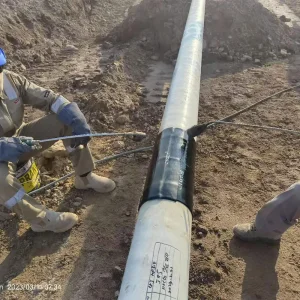
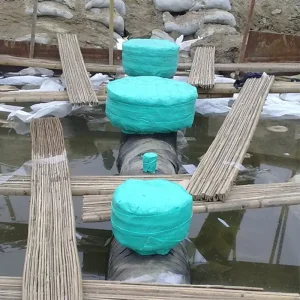
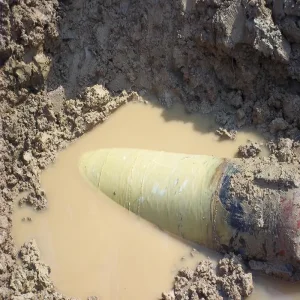
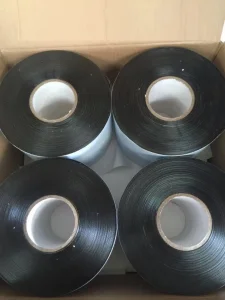
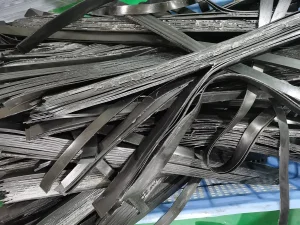
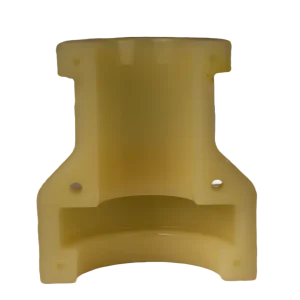
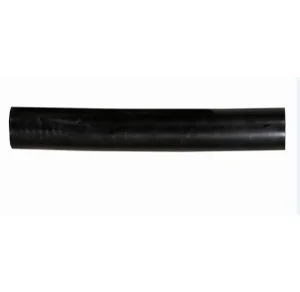
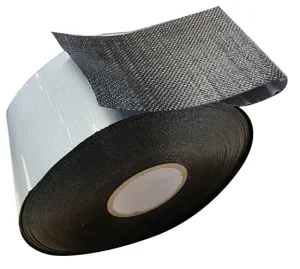
CYCT New Materials Company Limited (for short, CYCT) is a state-level high-tech enterprise integrating research & development, advanced manufacturing, and sales of pipeline corrosion protection materials, as well as buried pipeline detection services and field coating application services. For over two decades, CYCT has dedicated its engineering expertise to solving the challenges of moisture ingress, chemical degradation, mechanical shear, and temperature fluctuations that affect modern transport systems.
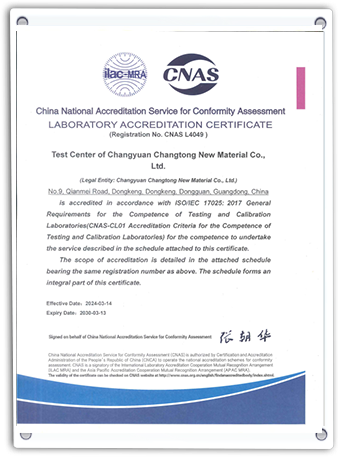
As a council member of the Chinese Society for Corrosion and Protection (CSCP) and a certified manufacturer with a national CNAS-accredited laboratory, we design field joint systems that guarantee the structural integrity of oil, gas, water, and petrochemical infrastructure. By partnering with leading R&D organizations, such as the CNPC Pipeline Science Research Institute, we offer comprehensive solutions that range from diagnostic pipeline inspections to the installation of high-temperature heat shrinkable sleeves.
Modern industrial distribution systems traverse extreme topographies—from sub-zero Arctic zones to arid deserts and high-salinity subsea beds. Corrosion protection is no longer just about compliance; it is a critical strategy for asset life extension and environmental protection. According to AMPP (formerly NACE), the cost of corrosion in the oil and gas sector exceeds tens of billions of dollars annually. The most vulnerable point of any pipeline is the Field Joint Coating (FJC), where individual pipe sections are welded together in the field.
Standard factory coatings like 3-layer Polyethylene (3LPE) or 3-layer Polypropylene (3LPP) provide robust protection along the body of the pipe. However, if the field joint coating is sub-standard or poorly applied, it becomes a point of ingress. Moisture, corrosive ions, and cathodic disbondment can quickly degrade the exposed steel, leading to catastrophic system failures. This is where advanced heat shrinkable sleeve (HSS) technology becomes essential. By providing a continuous, impenetrable protective barrier over the field joint, shrink sleeves prevent environmental degradation and ensure long-term pipeline integrity.
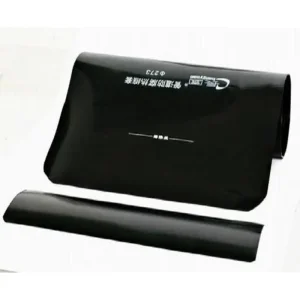
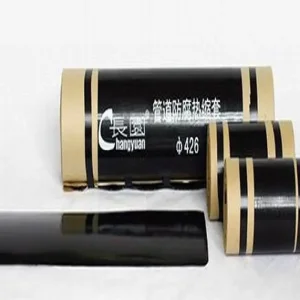
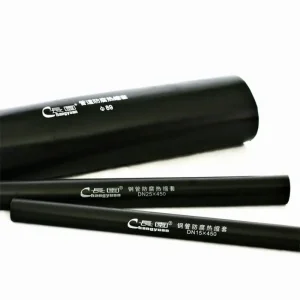
The performance of heat shrinkable sleeves relies on two main components: the radiation cross-linked polyolefin backing and the active, high-shear mastic or hot-melt adhesive. During manufacturing, the polyolefin backing (either PE or PP) is extruded and then exposed to an electron beam. This irradiation process creates strong covalent bonds between the polymer chains, transforming the material from a thermoplastic into an elastomer with "elastic memory."
When the cross-linked backing is heated above its crystalline melting point, it can be stretched without tearing. Once cooled in its stretched state, it retains its expanded form. Upon reheating during field application, the backing shrinks back to its original dimensions, creating a tight, uniform radial force around the pipe weld joint. Together with a high-performance adhesive layer, the sleeve forms a continuous barrier that resists soil stress, cathodic disbondment, and moisture penetration.
The pipeline protection industry is evolving rapidly, driven by three key trends:
1. Higher Operating Temperatures: Modern deep-well extractions and high-throughput gas lines operate at elevated temperatures, often exceeding 100°C. Conventional PE sleeves can soften under these conditions, leading to degradation. In response, manufacturers have developed polypropylene-based heat shrinkable sleeves (3LPP compatible) designed to perform at temperatures up to 120°C.
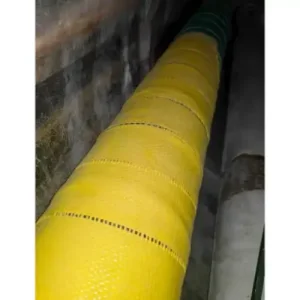
2. Mechanical Protection for Trenchless Technologies: Horizontal Directional Drilling (HDD) is increasingly used to cross rivers, highways, and urban areas. HDD installations expose field joint coatings to extreme shear and abrasion. New fiber-reinforced, multi-layered shrink sleeves provide the high mechanical strength needed to protect coatings from rock scrapes and friction during pipe pulling.
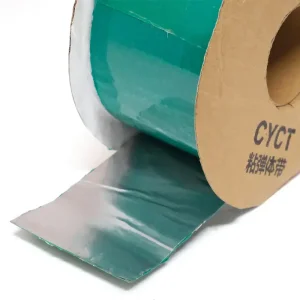
3. Viscoelastic Self-Healing Technology: Viscoelastic coatings represent a major advancement in corrosion protection. Made from non-crystalline, low-viscosity polyolefins, these coatings flow into micro-roughness on the steel surface. This self-healing ability ensures that minor scratches or gouges seal themselves automatically, preventing moisture from reaching the pipe.
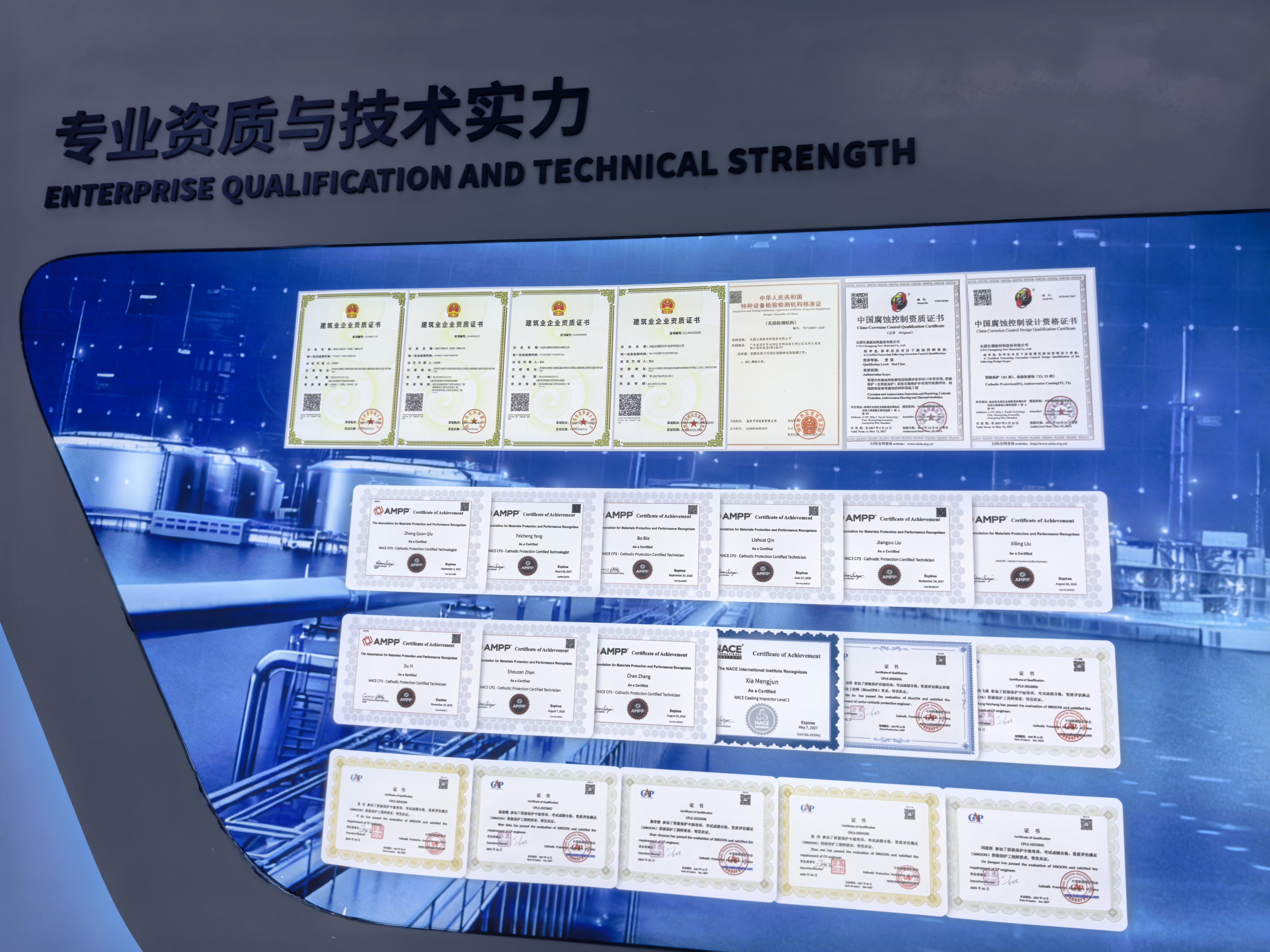

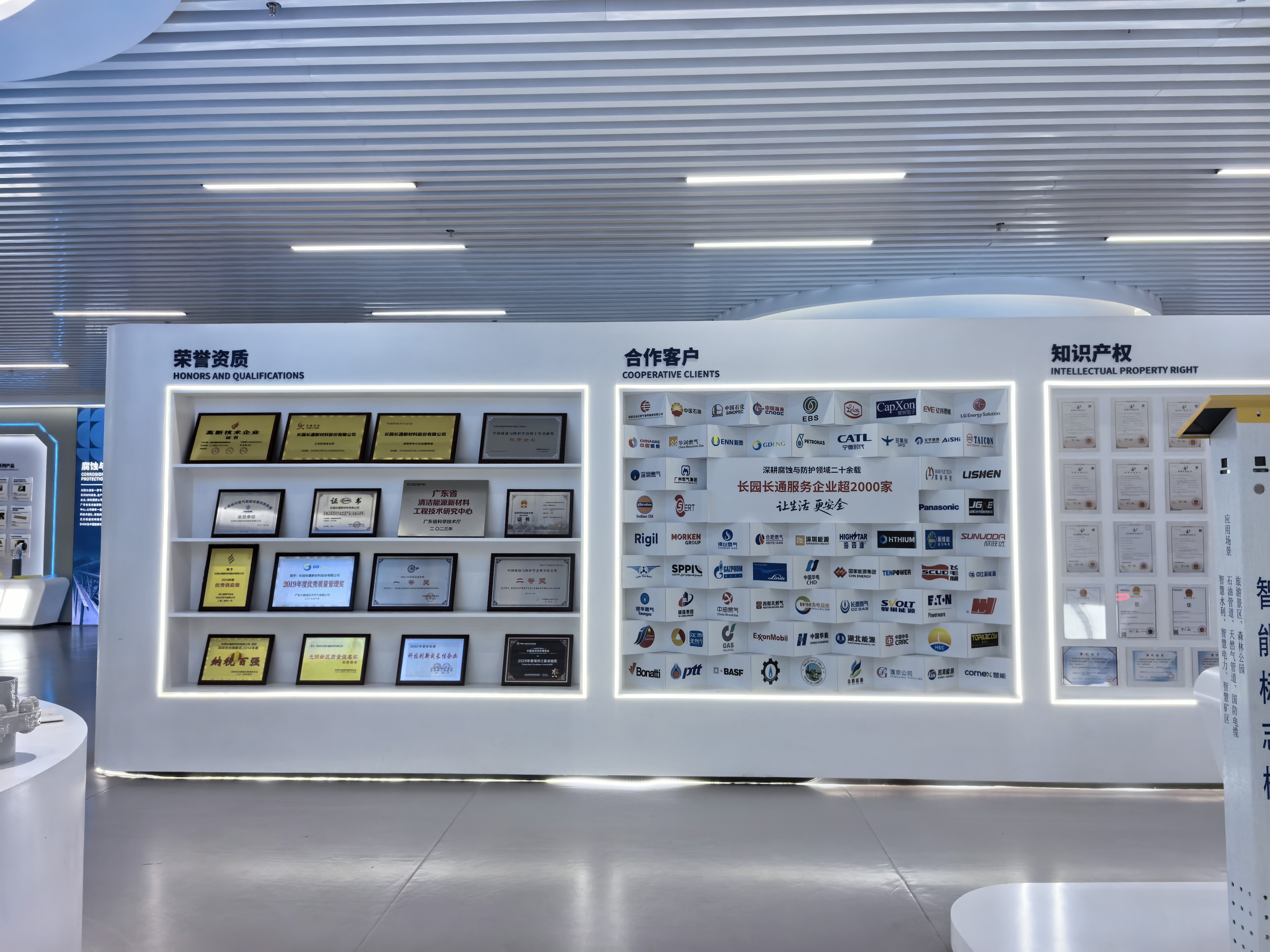
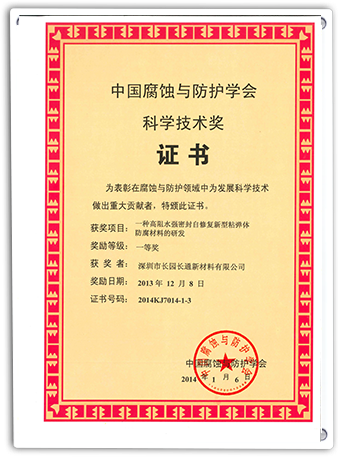
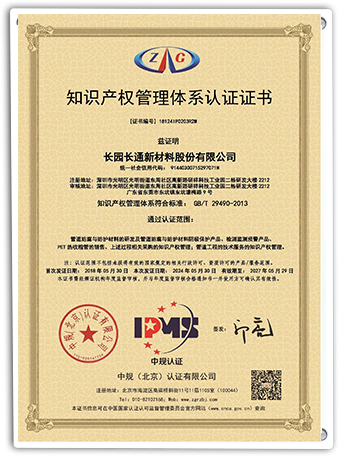
Member of Council in Chinese Society for Corrosion and Protection (CSCP), Qualification Certificate of Corrosion Protection Construction, Qualification Certificate of Pipeline Detection, Well-known Brand of Pipeline Corrosion Protection in China, Corporate Member of China Association of Petroleum Engineering Construction (CAPEC), State-Level High-Tech Enterprise with more than ten proprietary intellectual property rights. Stable supplier of PetroChina, Stable supplier of Sinopec, Stable supplier of China Gas Group, Supplier of Indian Oil.
By collaborating with leading research institutes, such as the CNPC Pipeline Science Research Institute, CYCT delivers complete technical support for operating pipelines. Our team offers a range of services, including buried pipeline inspection, cathodic protection design, custom rehab schemes, and integrated safety management.
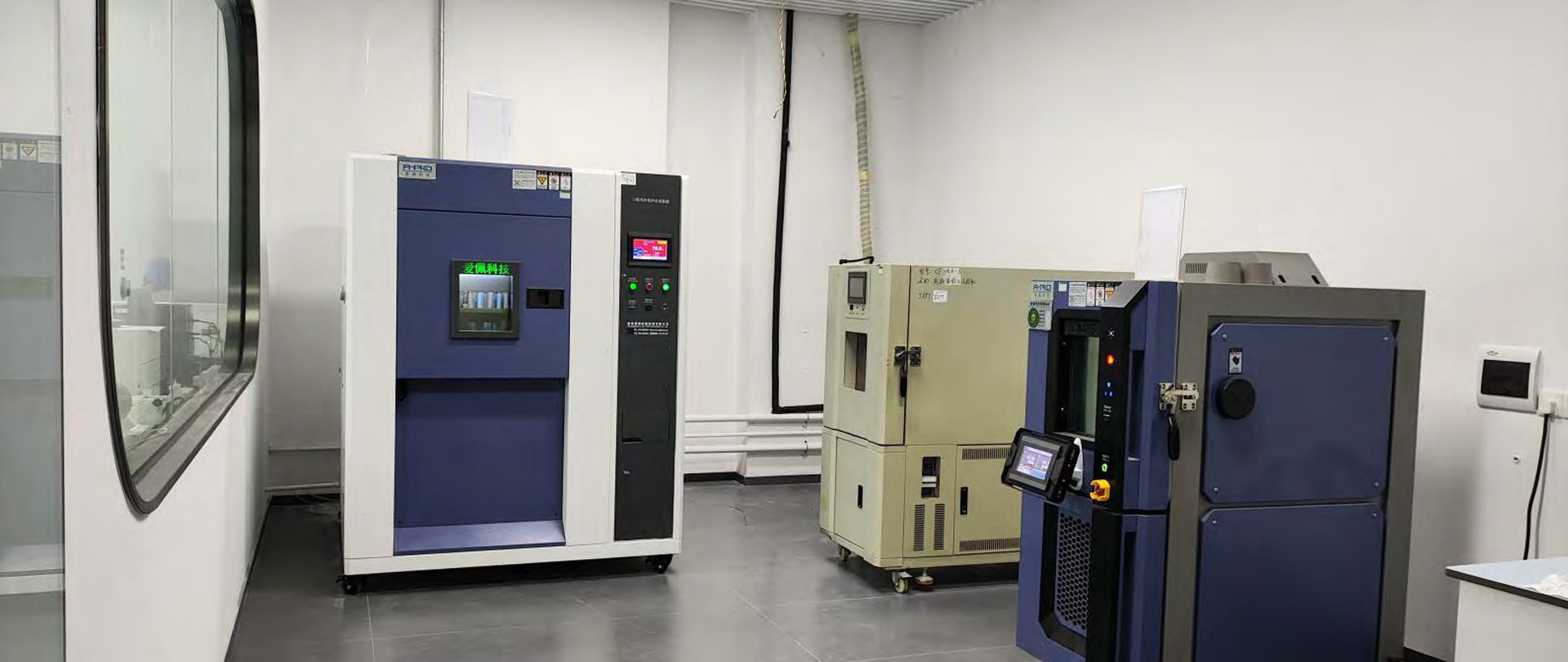
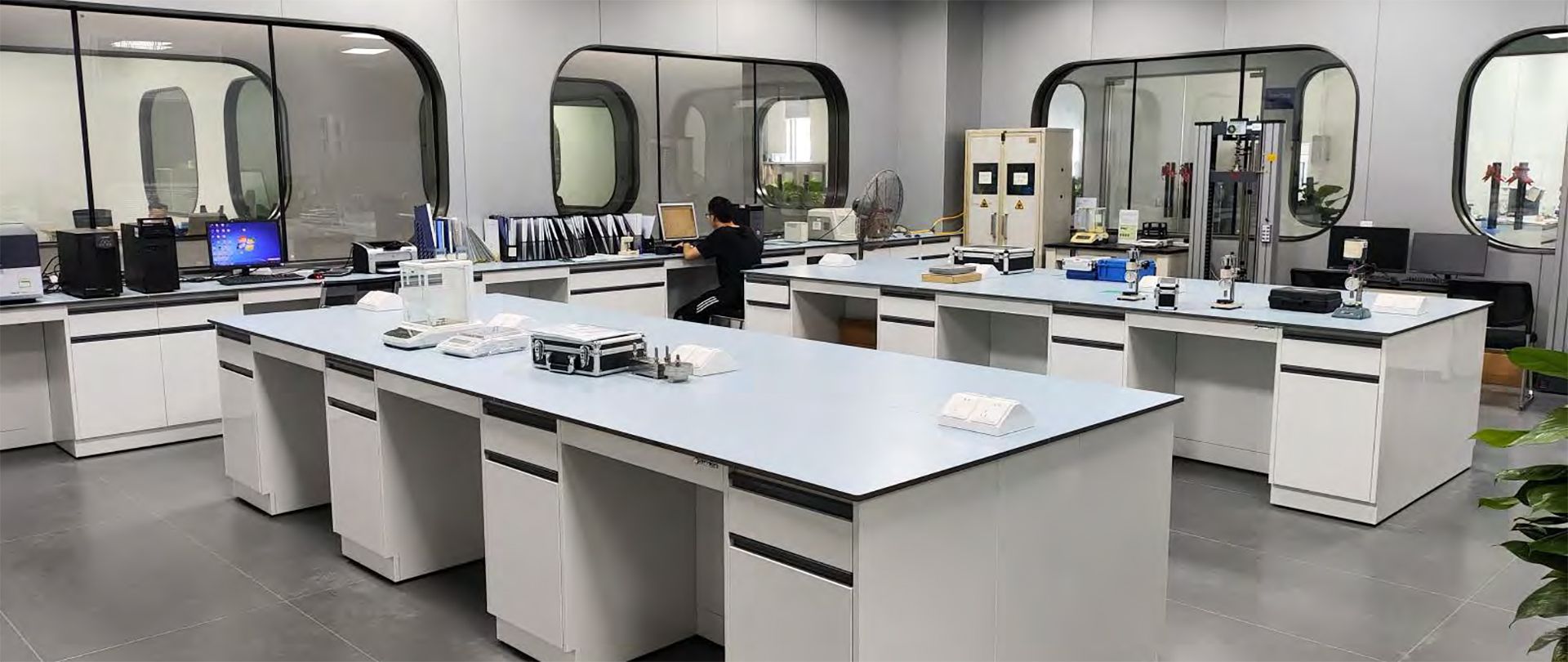
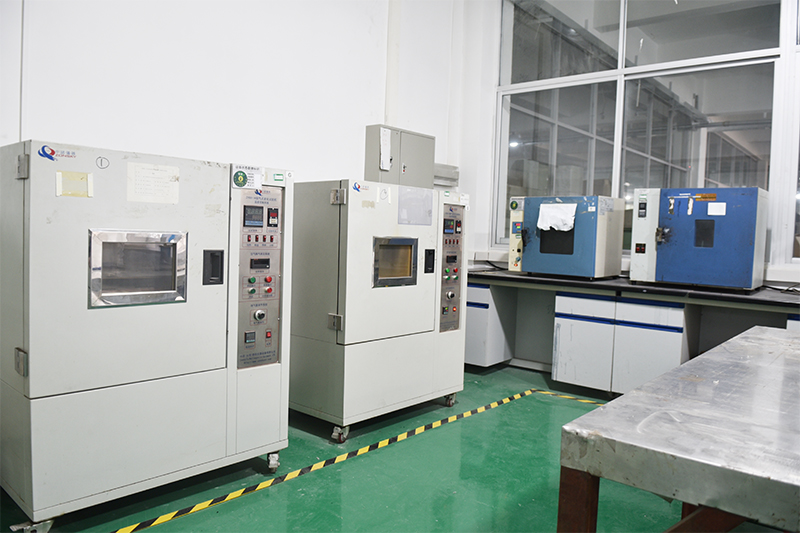
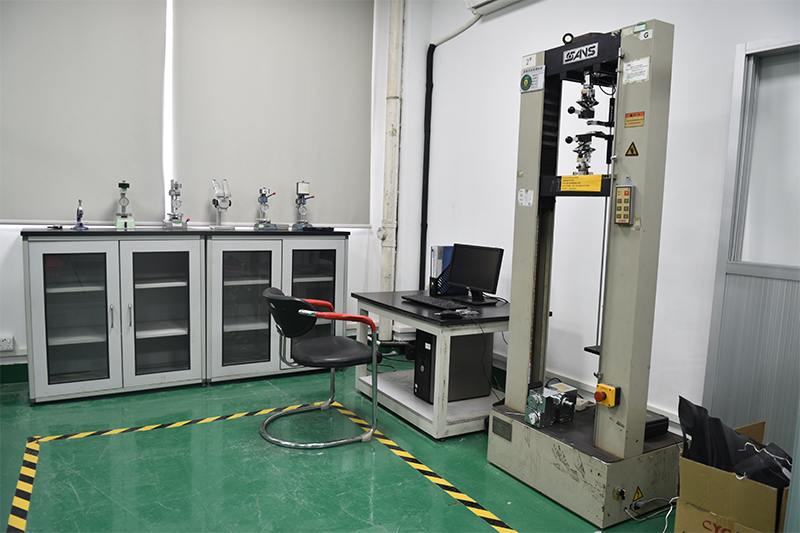
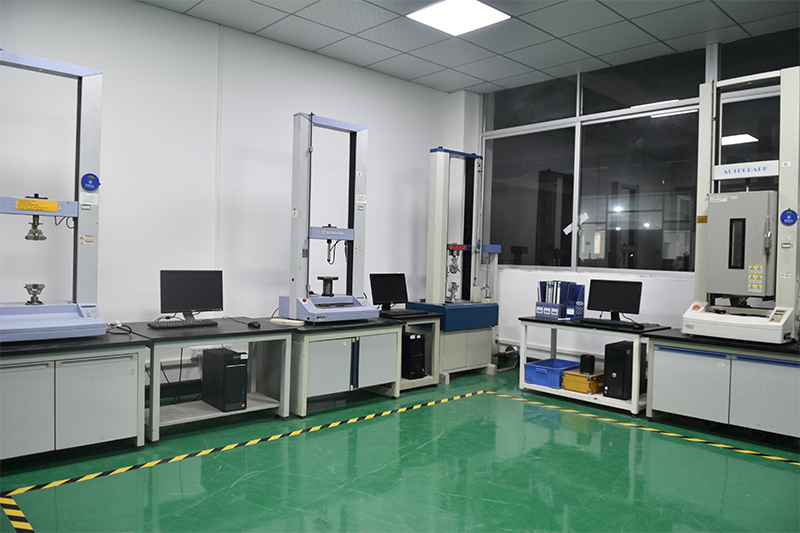
Our in-house capabilities allow us to simulate harsh site conditions in our laboratory. This helps us ensure that our field joint coatings—whether viscoelastic systems or heat shrinkable wraps—meet critical specifications before they arrive on site.
Procuring field joint coatings and pipeline protection materials requires careful attention to technical compliance, logistics, and quality assurance. EPC contractors and pipeline operators typically focus on the following key requirements:
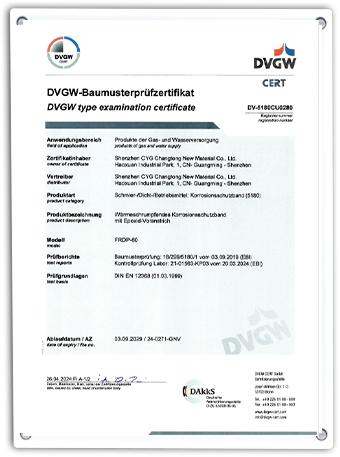
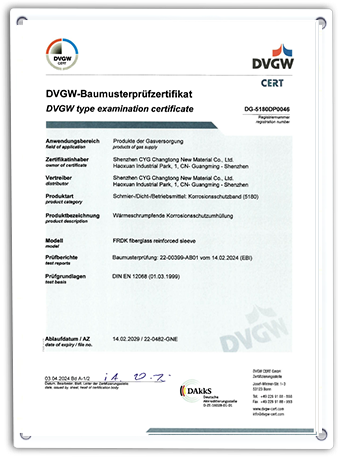
International Standards Compliance: All materials must meet established global standards, including ISO 21809-3 (standard for field joint coatings), EN 12068 (standard for organic coatings), and NACE SP0169 (standard for control of external corrosion). Manufacturers must provide complete, independent test reports covering properties such as peel strength, cathodic disbondment resistance, impact strength, and heat aging.
Raw Material Traceability & QC: Pipeline projects require comprehensive quality documentation. A reliable manufacturer must trace raw material batches—including polyethylene resin, polypropylene resin, and hot-melt adhesives—through the production line. Standard documentation must include Mill Test Certificates (MTC) and third-party inspection clearances from organizations like SGS or Bureau Veritas.
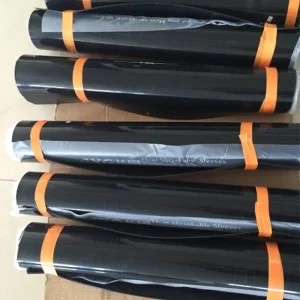
Logistics & Packaging: Heat shrinkable sleeves are sensitive to heat and moisture. Storage and transport conditions must be carefully managed to prevent premature shrinking or damage to the adhesive layer. Packaging must protect the rolls or sheets from UV exposure and high humidity during shipping and storage in harsh field environments.
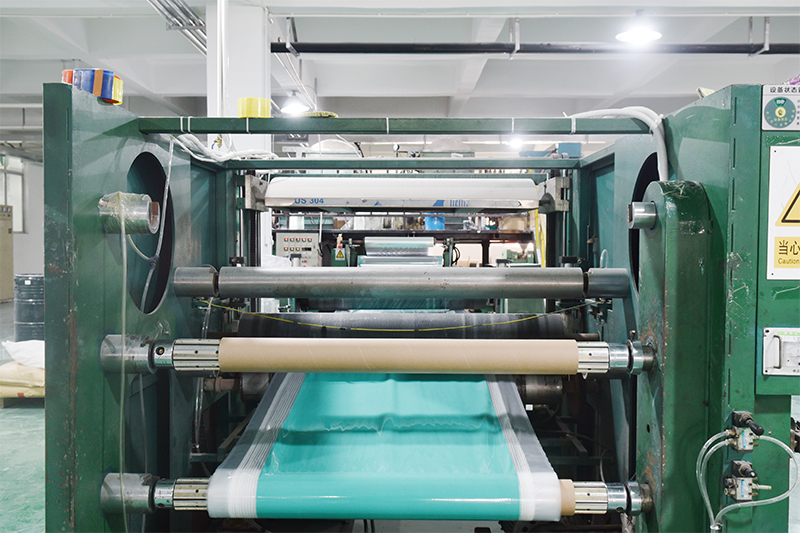
CYCT utilizes advanced manufacturing processes to ensure quality, reliability, and competitive lead times:
1. Automated Raw Material Blending: Utilizing computerized gravimetric dosing systems ensures that the polymer resins, carbon black masterbatch, UV stabilizers, and antioxidants are blended to precise ratios. This ensures consistent mechanical properties in the finished backing.
2. Precision Extrusion Control: Online thickness monitoring systems measure the backing thickness in real-time, preventing variations that could compromise mechanical protection.
3. In-House Electron Beam Crosslinking: Owning and operating our own radiation crosslinking lines gives us full control over the dosage rate. This ensures a consistent gel content across the backing, providing optimal shrink force and thermal recovery.
4. Advanced Adhesive Coating: Using slot-die coating processes allows us to apply hot-melt or viscoelastic adhesives at precise, uniform thicknesses. This provides strong, reliable adhesion without void spots.
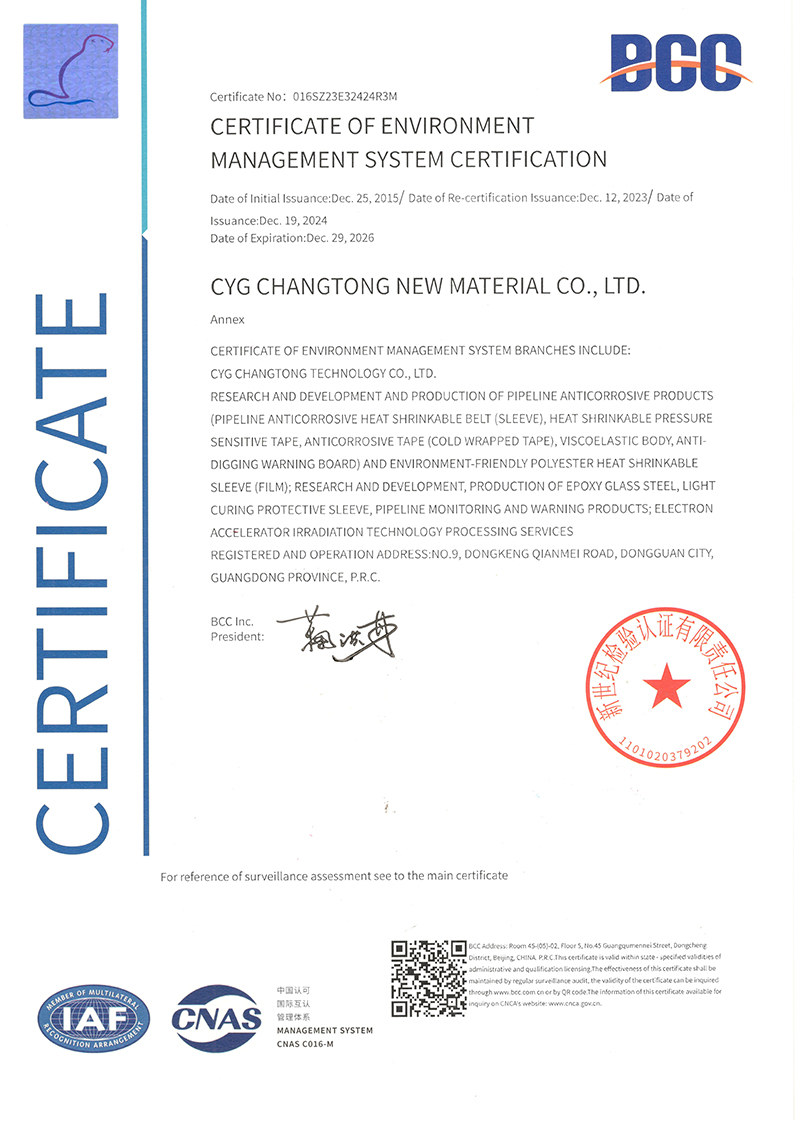
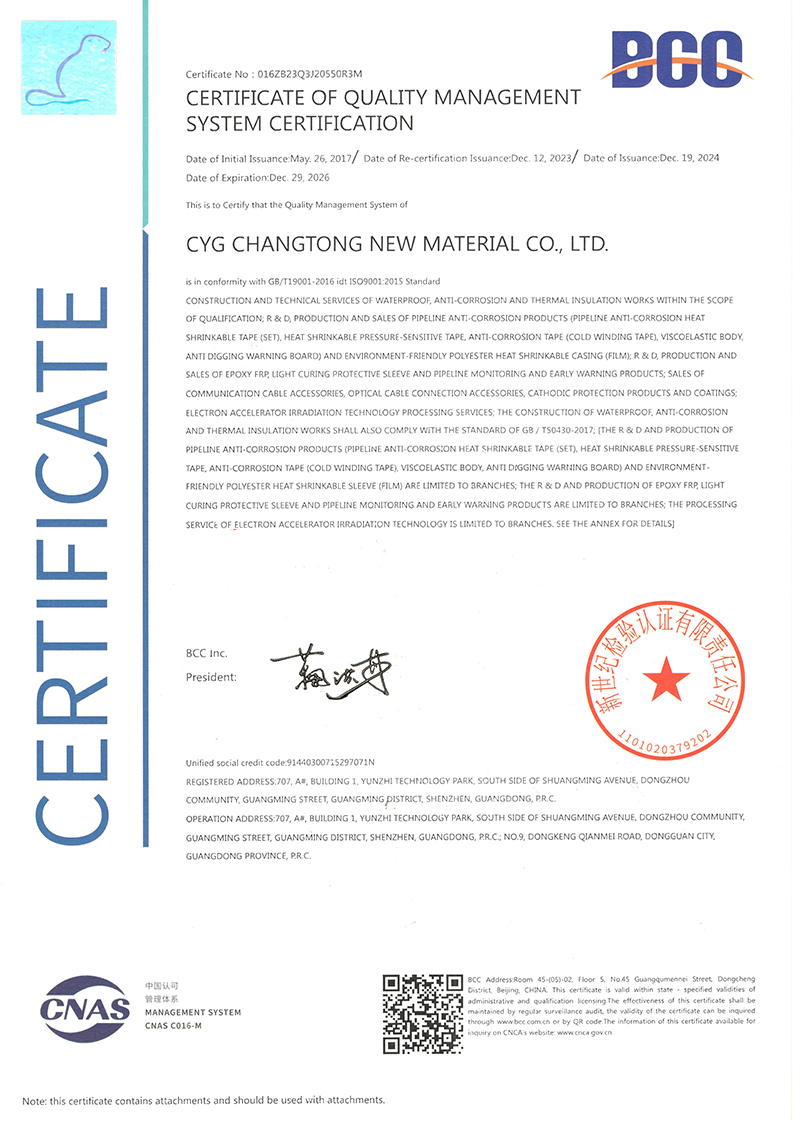
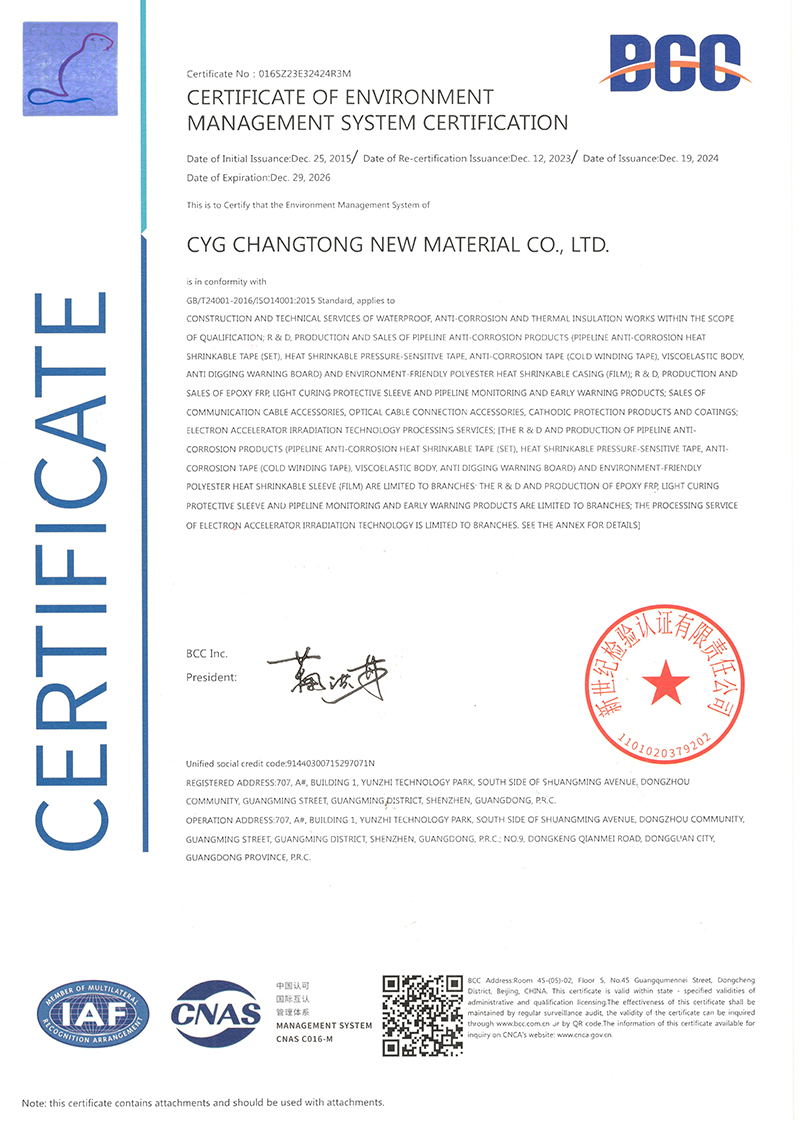
Verified compliance under international regulatory frameworks and rigorous quality management audits.
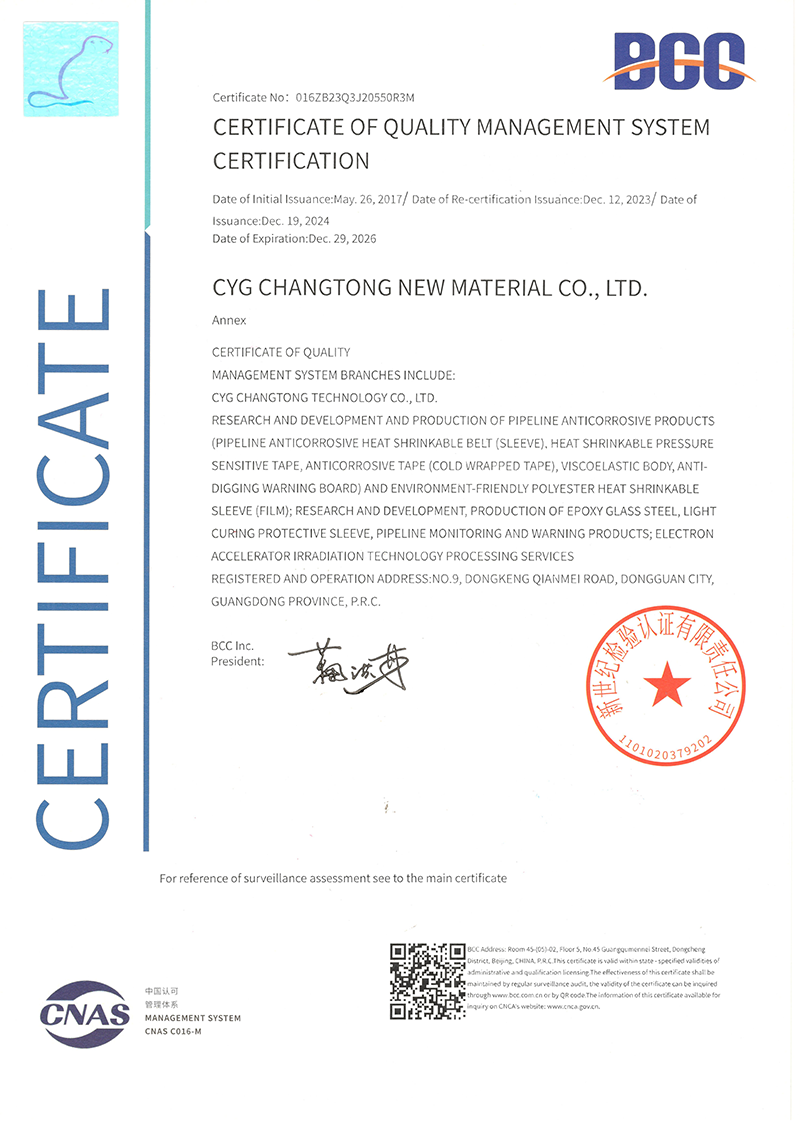
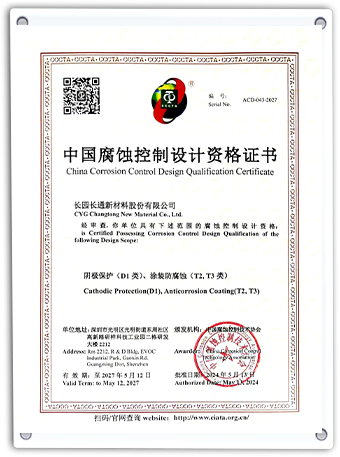
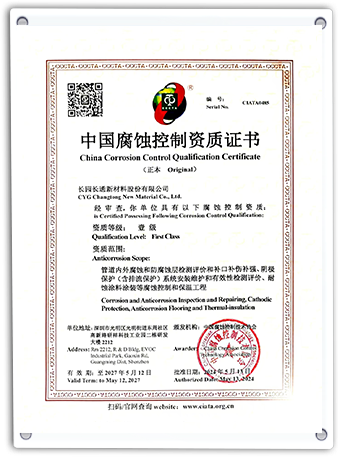
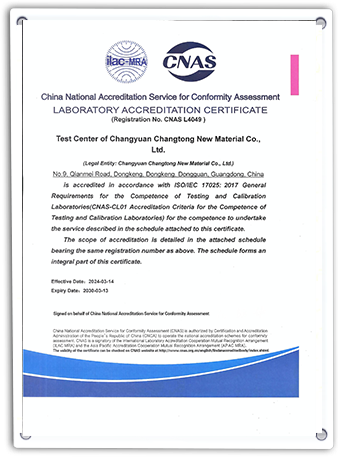
How our advanced corrosion solutions protect pipelines in challenging environments.
Answers to common technical and engineering questions regarding shrink sleeve selection, application, and performance.
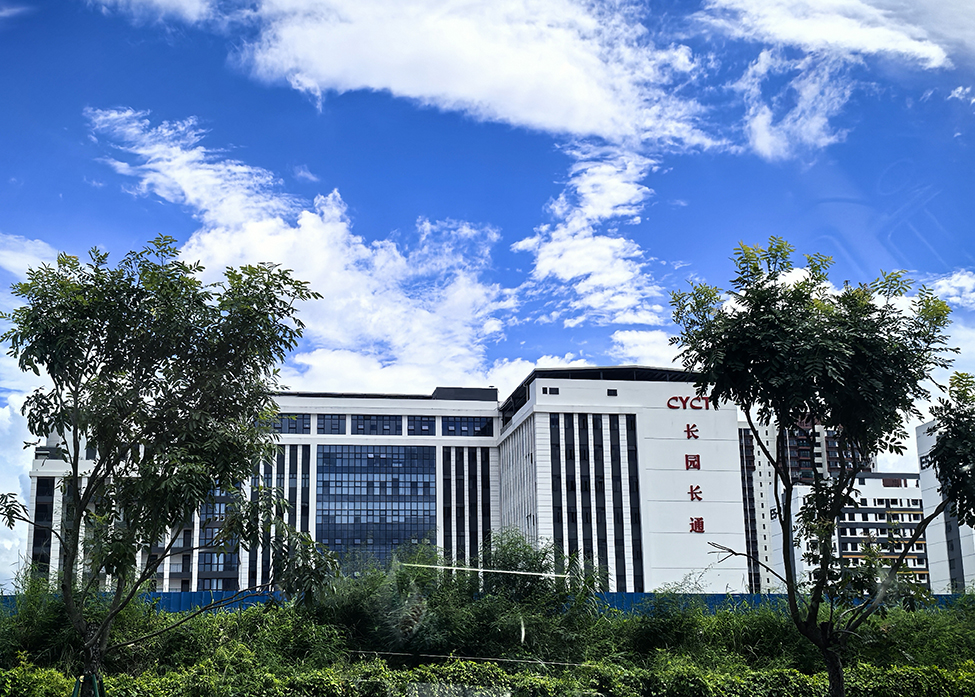
 CYCT
CYCT