Premium corrosion prevention products, joint protection tapes, and hot melt repair solutions manufactured at state-of-the-art facilities in China.
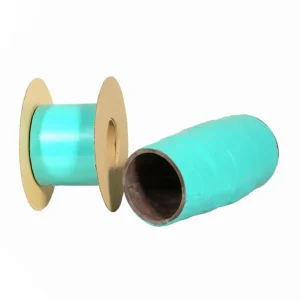
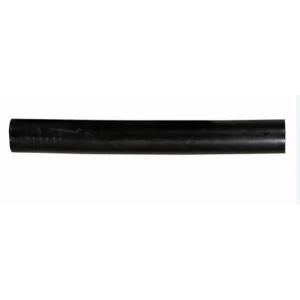
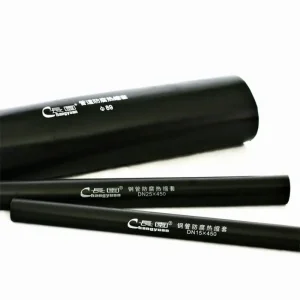
In modern industrial infrastructure, pipeline integrity is paramount. Transporting hydrocarbon fluids, gas, petrochemical derivatives, municipal potable water, and high-pressure steam requires hundreds of thousands of miles of steel pipelines globally. However, steel is inherently susceptible to electrochemical deterioration when exposed to soils, moisture, saline coastal settings, and aggressive chemical environments. The global cost of pipeline corrosion is estimated in the tens of billions of dollars annually. To mitigate this threat, anti-corrosion engineering systems have become a non-negotiable standard in municipal, national, and transnational infrastructure projects.
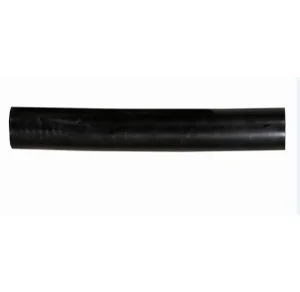
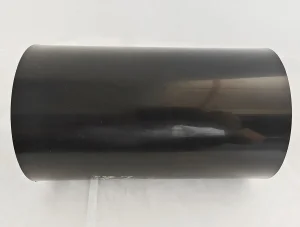
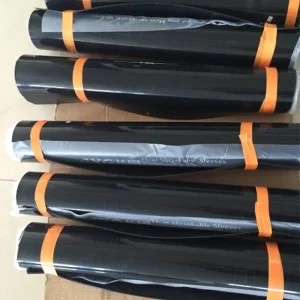
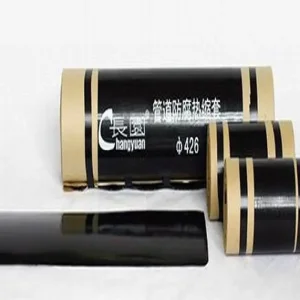
Among various pipeline external protection techniques, heat shrink sleeve tubing (often referred to within the industry as Field Joint Coatings, or FJC) is recognized as one of the most reliable, durable, and field-adaptable solutions. Typically consisting of a radiation cross-linked polyolefin backing coated with a high-shear protective adhesive (either mastic or hot-melt co-polymer), heat shrink sleeves provide a continuous, impervious barrier over weld joints, pipe bends, and damaged mill-applied coatings (such as 3LPE, 3LPP, or FBE).
As standard-setting bodies like ISO (International Organization for Standardization), AMPP (Association for Materials Protection and Performance), and EN continue to tighten the regulatory frameworks around pipeline durability, global procurement teams are seeking manufacturing partners capable of delivering products that conform to strict scientific thresholds. This search intent demands not just simple tubing, but complete, engineered systems tested to withstand thermal expansion, mechanical indentation, and cathodic disbondment over a design life exceeding 30 to 50 years.
Engineered barrier properties combined with sacrificial or high-dielectric materials to stop corrosion at the microscopic scale.
Fewer field failures and minimized repair down-times translate directly to billions saved in pipeline lifecycle costs.
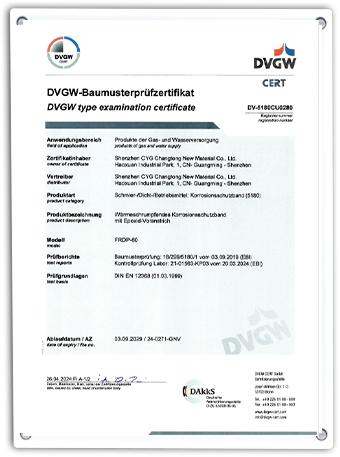
Full alignment with ISO 21809-3, DIN 30672, and EN 12068 parameters to satisfy complex international tenders.
In the global market for anti-corrosion materials, Chinese manufacturing facilities have evolved from simple processing workshops into highly automated, research-driven engineering hubs. Choosing a China-based factory for your shrink sleeve tubing and pipeline repair patches offers distinct structural benefits:
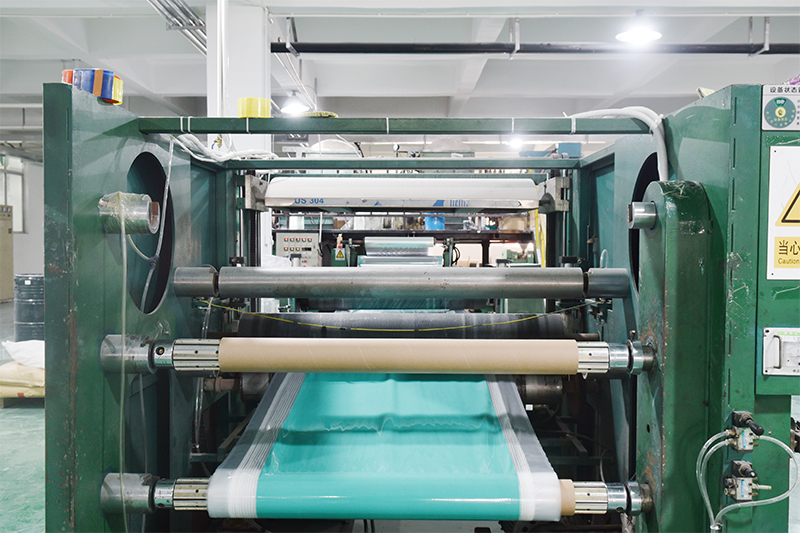
Unlike Western suppliers that often outsource raw polymer compounding or radiation cross-linking, major Chinese suppliers like CYCT operate fully integrated processing facilities. This integration encompasses polymer resin formulation, sheet extrusion, proprietary radiation expansion (using high-energy electron accelerators), and custom adhesive synthesis (both viscoelastic mastic formulations and hot-melt co-polymer adhesives). This eliminates intermediate logistics delays, ensures raw material traceability, and dramatically stabilizes production costs.
Chinese factories leverage advanced automation systems to maintain precise tolerances during the extrusion and expansion phases. Automated thickness gauges, laser calibration tools, and digital control loops ensure that every roll of heat shrinkable wrapping tape or sleeve meets minimum thickness thresholds consistently. This minimizes manual errors and guarantees that backing thickness and adhesive load remain within design specifications.
Radiation cross-linking uses high-energy electron beams to alter the molecular structure of polyethylene. This chemical transformation changes a thermoplastic material into an elastomeric backing that has a "memory effect". Upon application of heat, the sleeve attempts to shrink back to its pre-expanded dimension, exerting permanent radial pressure over the pipeline joint. Only advanced Chinese factories with dedicated accelerator complexes can execute this process with extreme consistency.
Infrastructure projects operate under strict deadlines; any delay in joint coating can stall entire excavation crews, costing hundreds of thousands of dollars per day. With immense production capacities, Chinese factories can scale up production lines overnight to process orders of thousands of sleeves, delivering within a fraction of the timeframe required by localized domestic manufacturers in regional markets.
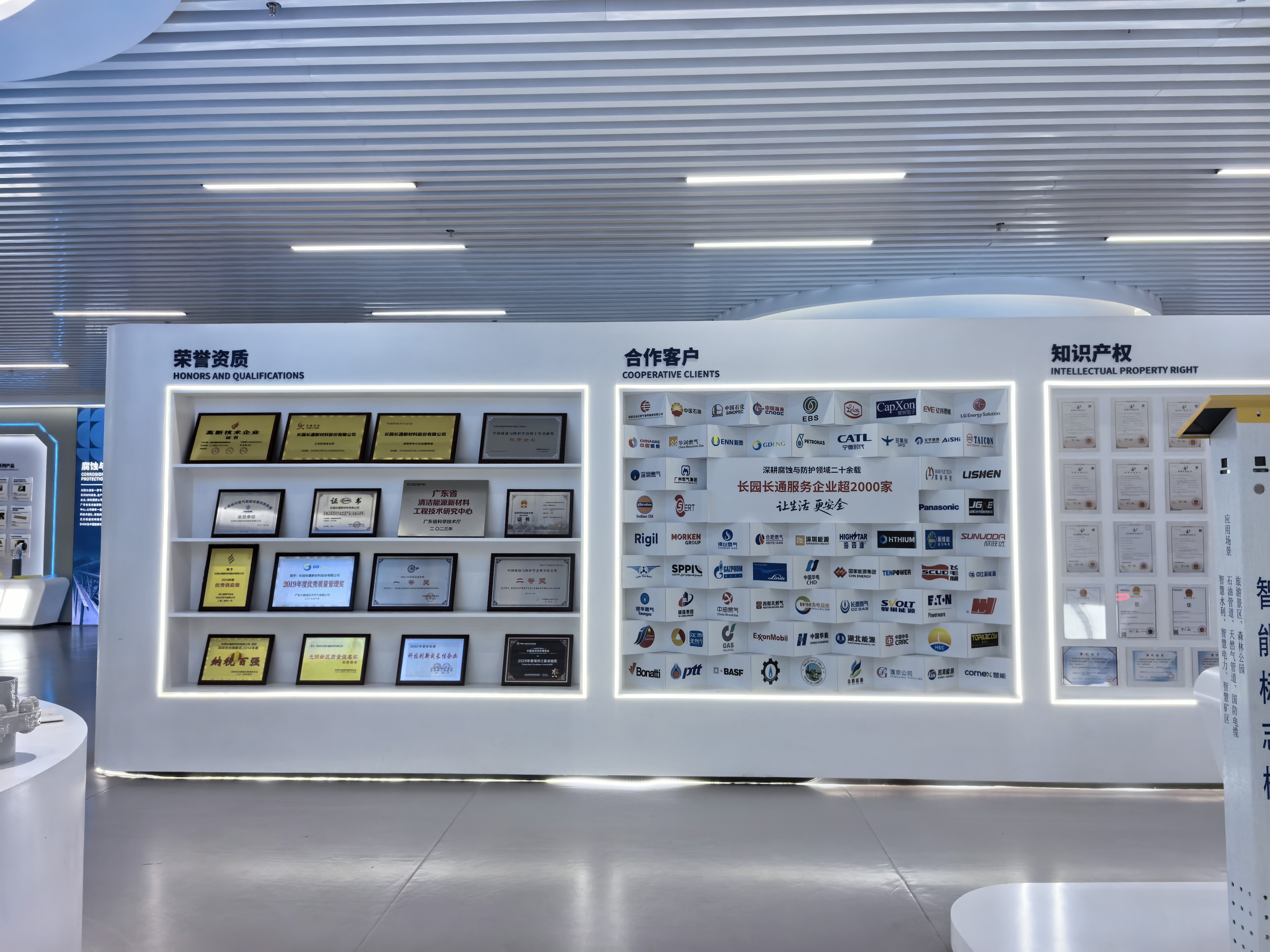
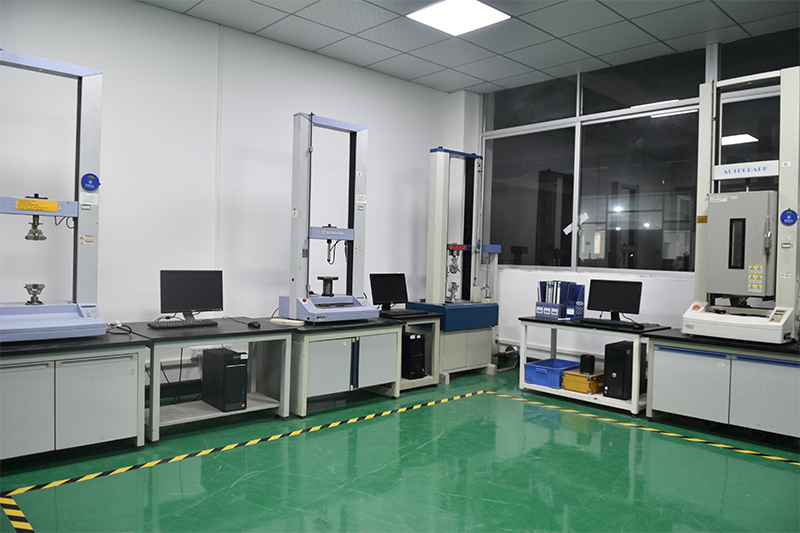
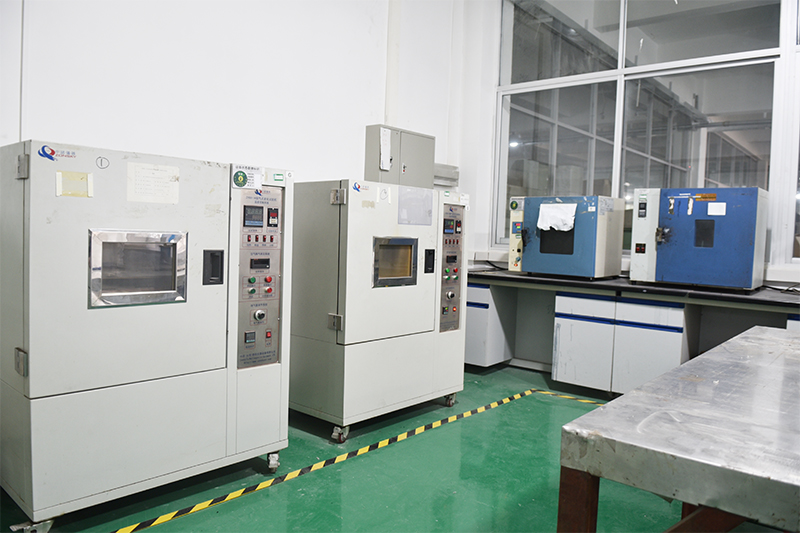
A visual proof of our global supply capabilities and industrial dominance in the field of pipeline protection.
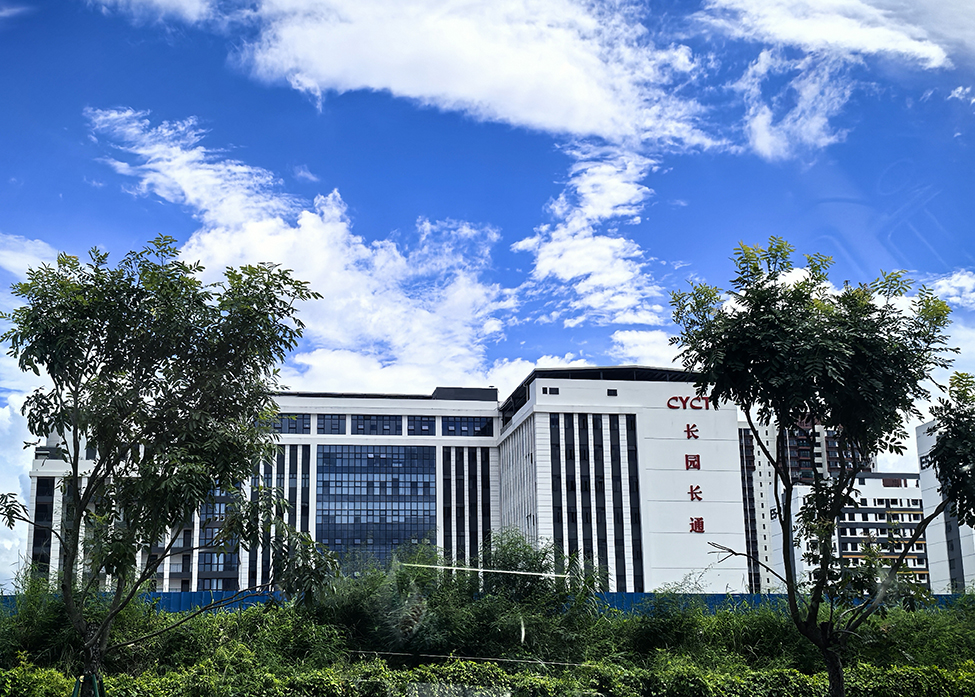
CYCT New Materials Company Limited (for short, CYCT) is a state-level high-tech enterprise integrating R&D, production and sales of pipeline corrosion protection materials as well as buried pipeline detection service and pipeline coating field application service into one.
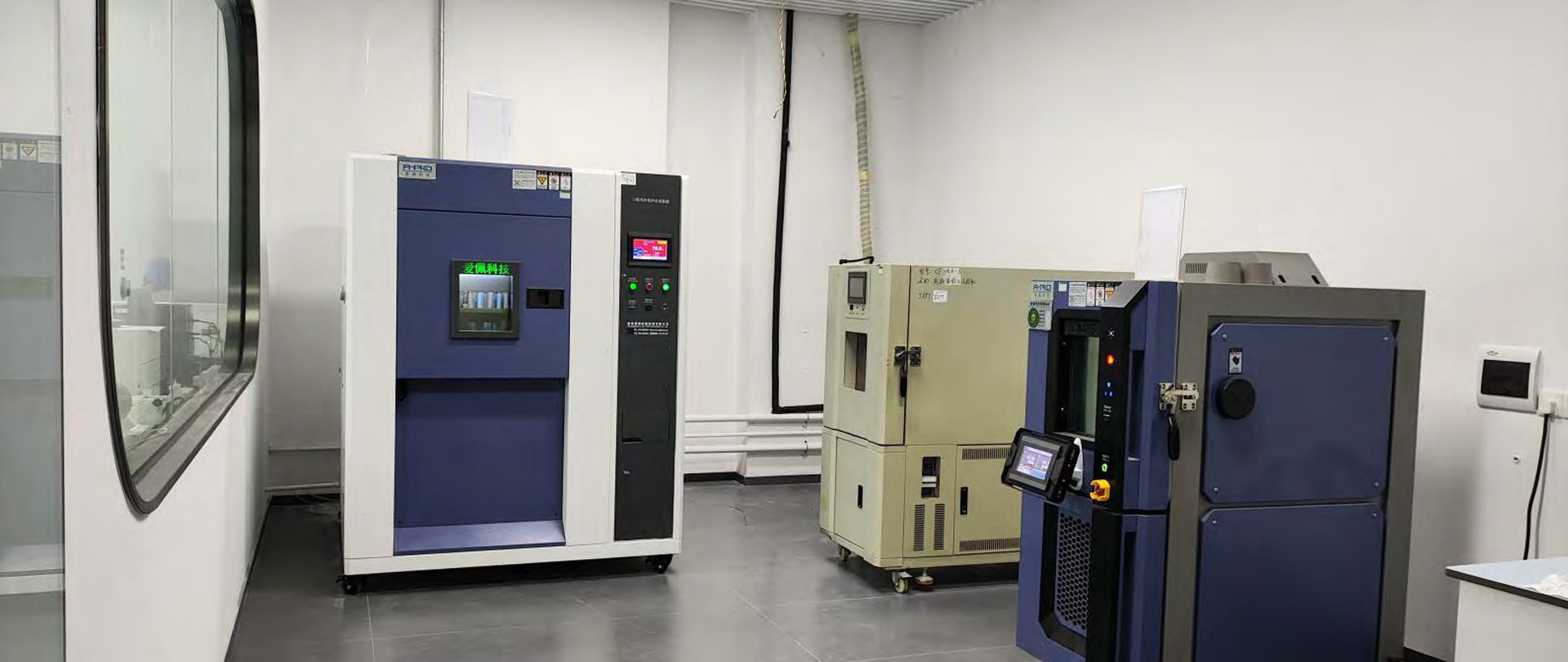
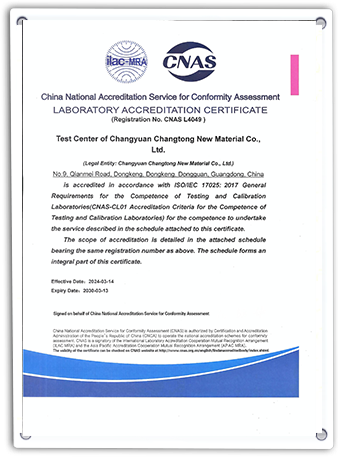
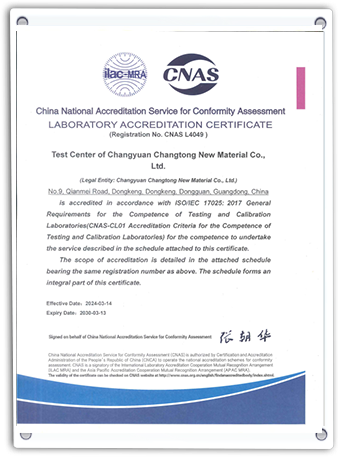
CYCT has dedicated itself to the research, development, and high-volume manufacture of pipeline corrosion protection materials for several decades. Over this period, we have developed leading-edge testing and R&D capabilities, supported by a professional technical team and a national CNAS-accredited laboratory. Our commitment to quality has enabled CYCT to become a stable, long-term supplier of field joint coatings for industry leaders such as PetroChina, Sinopec, PipeChina, and various municipal gas networks, securing a commanding market share in mainland China.
Furthermore, CYCT has successfully developed and introduced a number of specialty corrosion protection materials such as viscoelastic anticorrosion materials, special photo-curing sleeves for Horizontal Directional Drilling (HDD) protection, and high-strength polyurea coatings. By fostering active collaborations with leading research institutions like the CNPC Pipeline Science Research Institute, CYCT is capable of providing in-service pipeline operators with customized technical services, buried pipeline detection, design schemes, cathodic protection engineering, pipeline rehabilitation, and comprehensive integrity solutions.
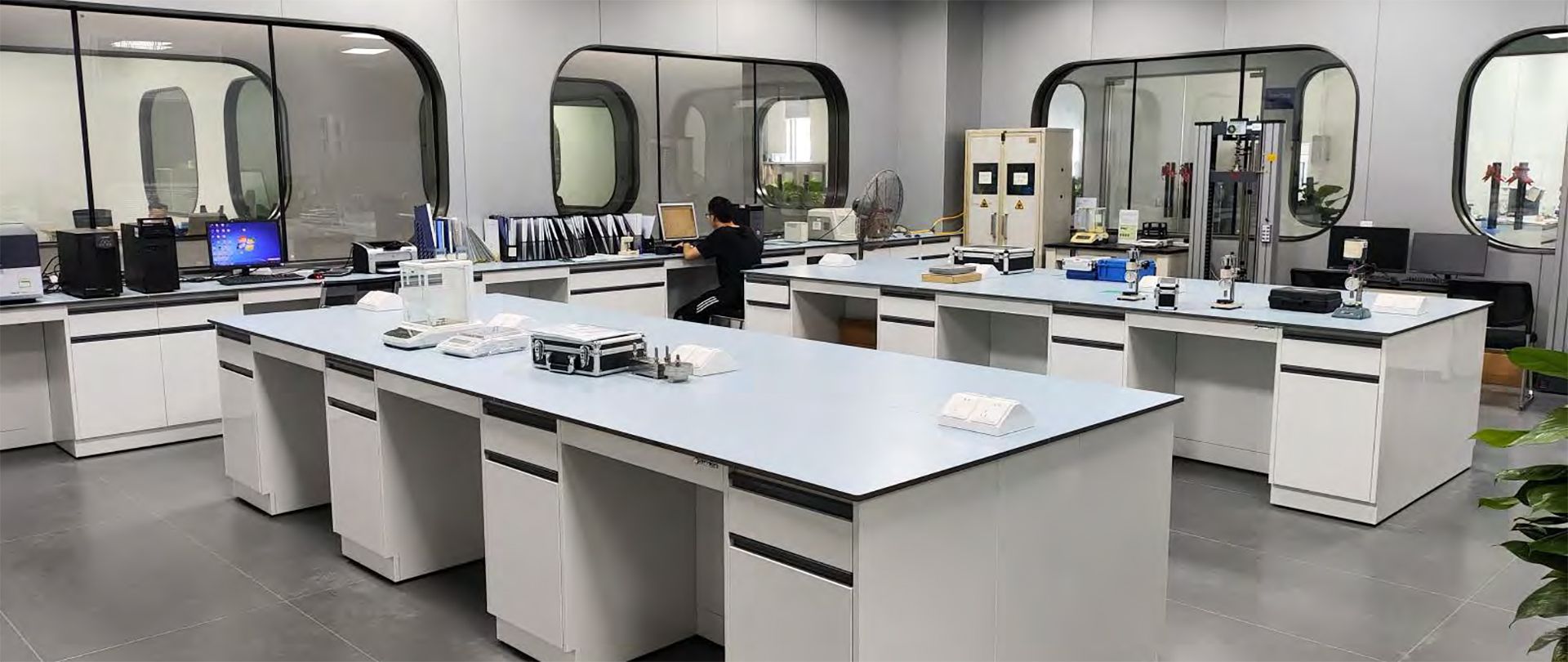
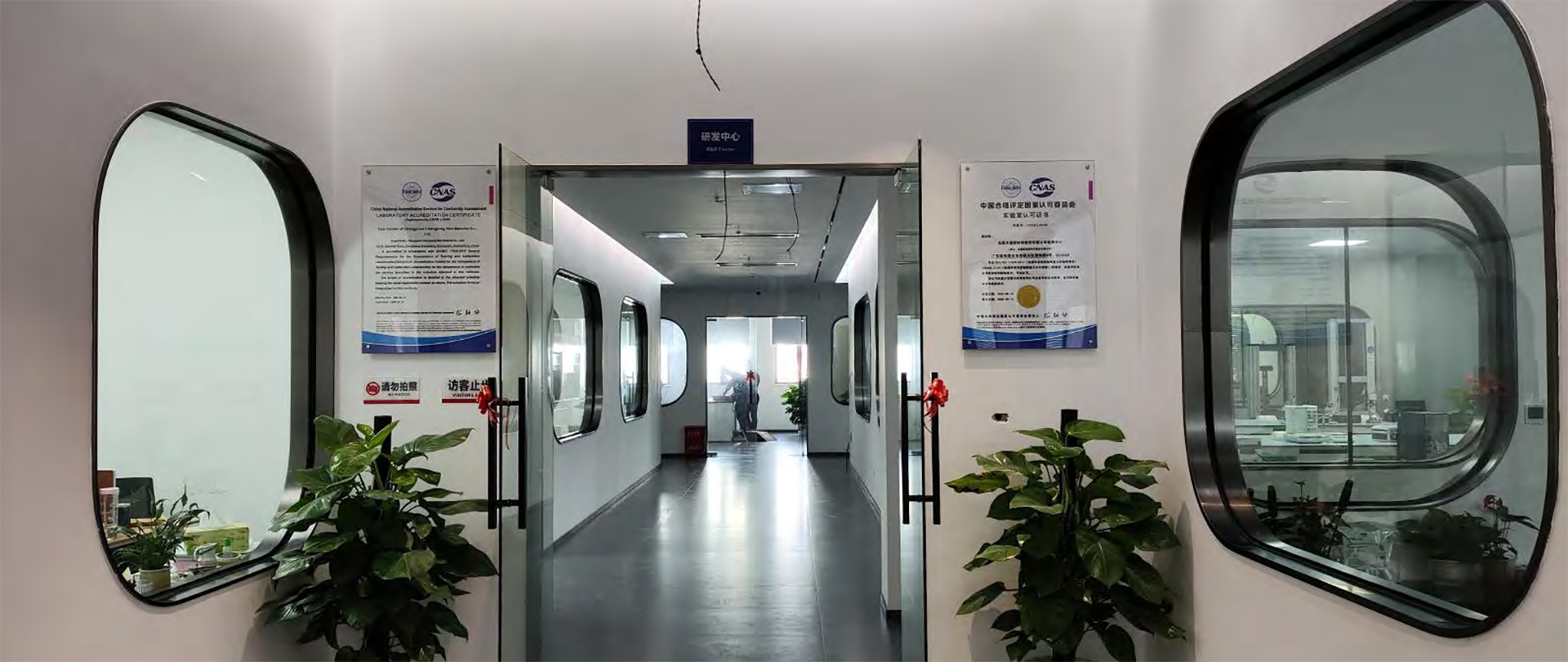
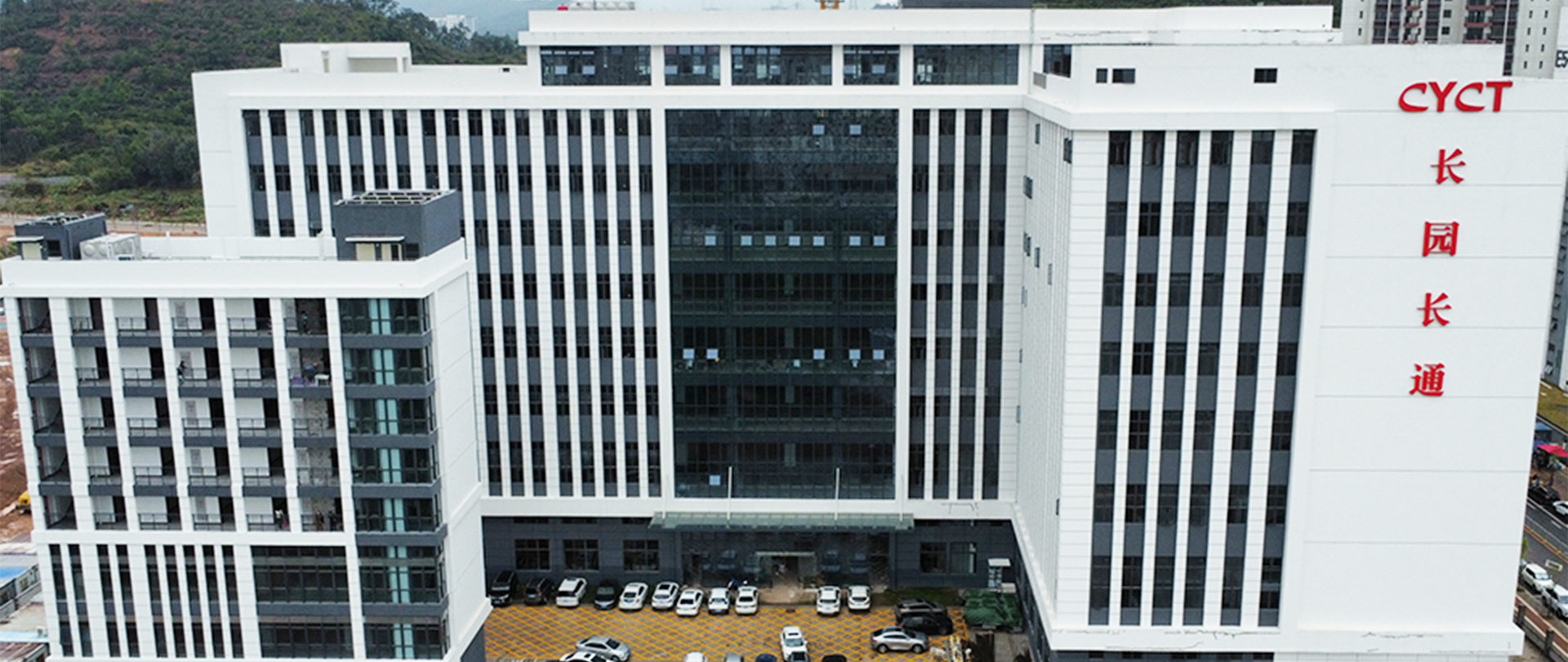
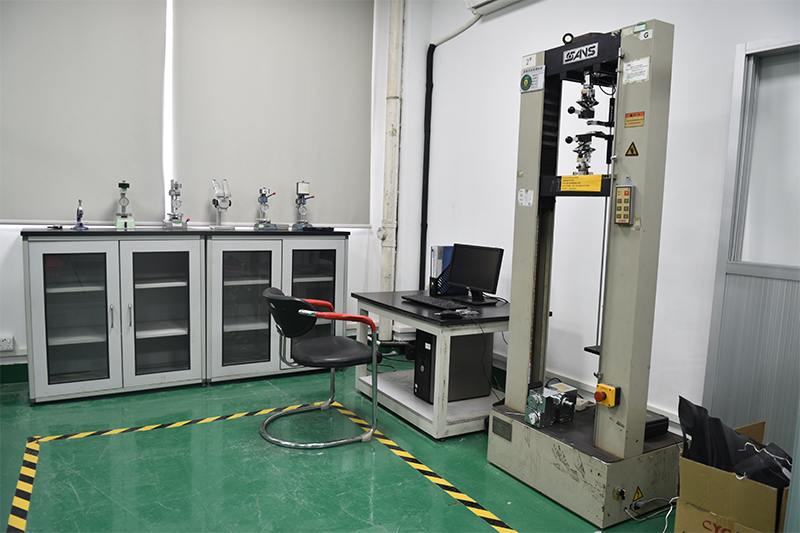
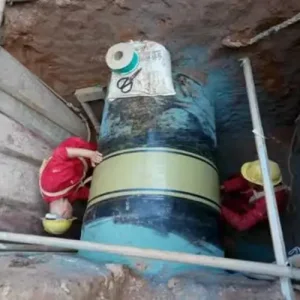
CYCT’s anti-corrosion products have been successfully deployed in multiple challenging engineering contexts globally. Understanding these localized application scenarios helps design engineers specify the exact system configurations required:
When a pipeline crosses rivers, highways, or urban areas, Horizontal Directional Drilling is employed. During the pulling process, the pipeline experiences extreme frictional drag, abrasive force, and shear stresses from gravel and rock layers. Standard 3LPE field joint coatings can peel off, leaving the weld joint exposed. For these applications, CYCT recommends its High-Performance Heat Shrinkable Fiberglass Reinforced Sleeve for HDD. Enhanced with high-tensile fiberglass grids, these sleeves withstand high mechanical pulling forces without tearing, protecting the joint barrier integrity.
Crude oil and heavy gas products are heated to lower their viscosity during transport. These pipelines run at elevated design temperatures up to 80°C or 85°C. Conventional mastic adhesives liquefy and slip under such conditions. CYCT’s OEM High Temperature Hot Melt Stick (85°C design temperature) and specialized FRDX HT PE Repair Patches use proprietary crosslinked hot-melt formulations that maintain chemical and mechanical properties under constant high-thermal loading, resisting cathodic disbondment and soil stress.
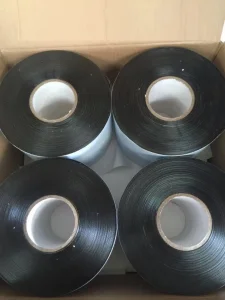
For existing pipelines that have been in service for decades, localized mill coating damage is common. Fully excavating and replacing entire lengths of pipeline is cost-prohibitive. Spot repairs using cold-applied tapes or viscoelastic systems offer a fast and reliable alternative. The VT95 Viscoelastic Tape combined with outer PE tape provides a self-healing, water-impermeable barrier that requires minimal surface preparation (often SSPC-SP2 or SP3 is sufficient), saving labor and equipment costs in remote field sites.
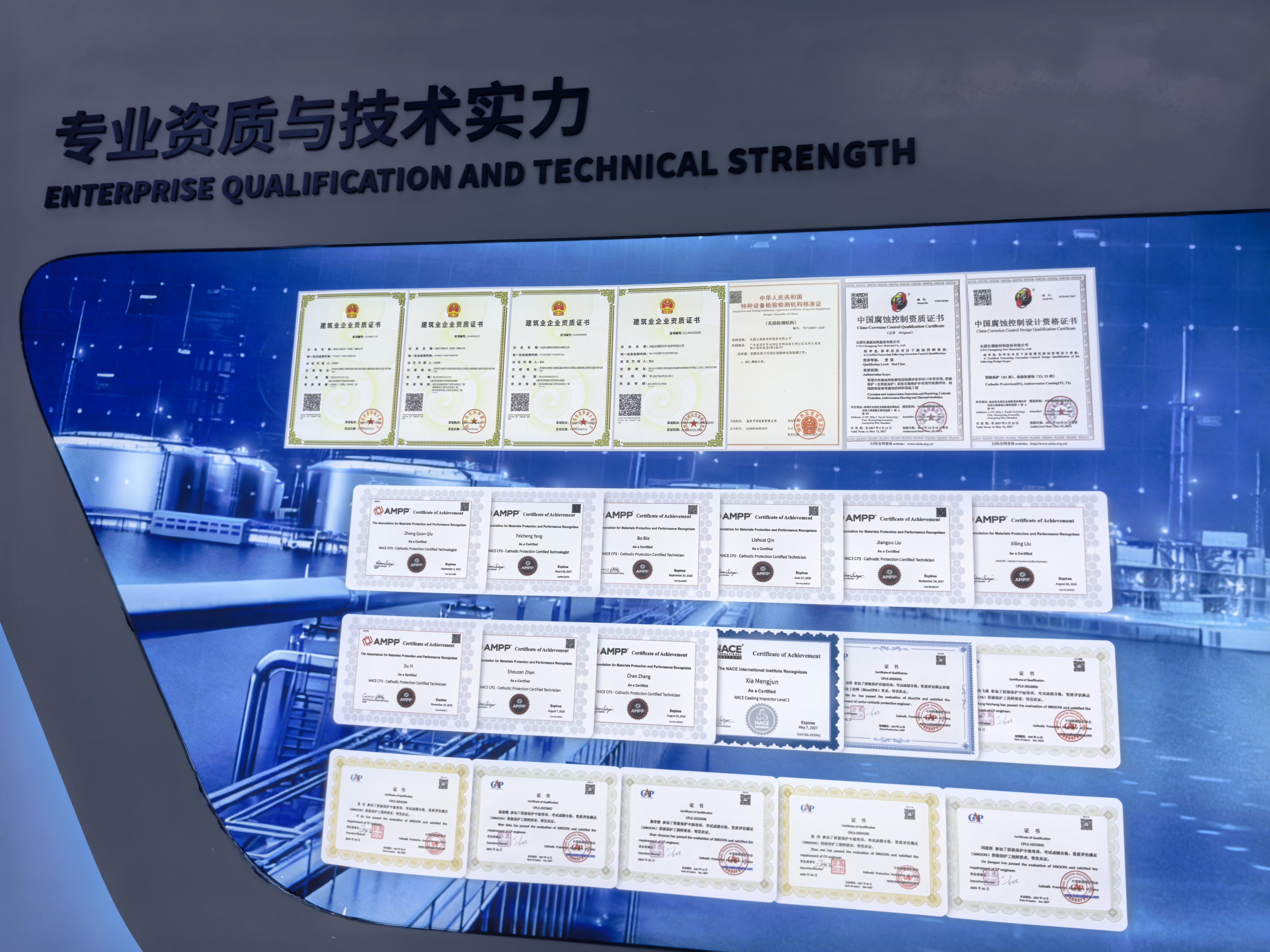
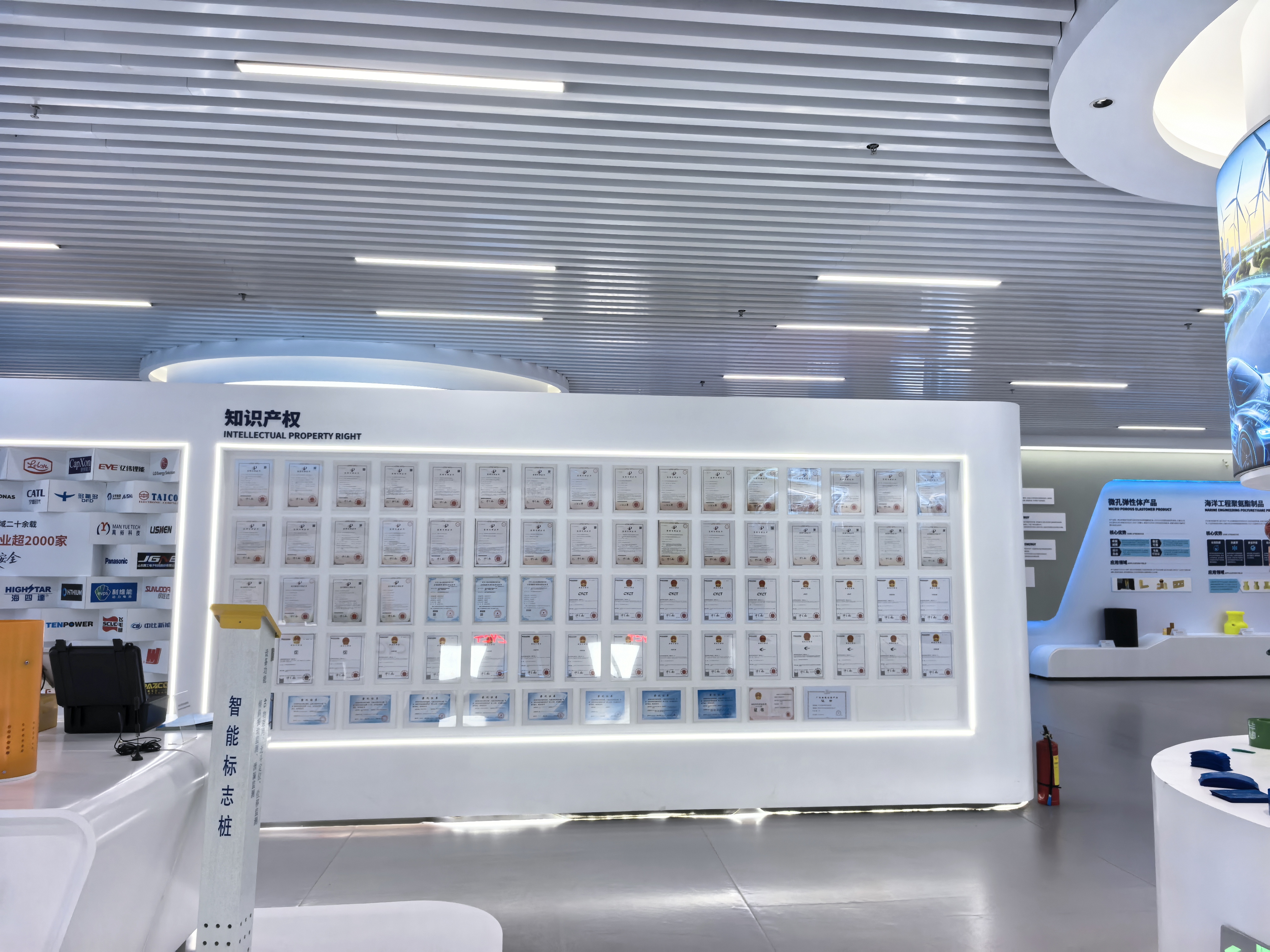
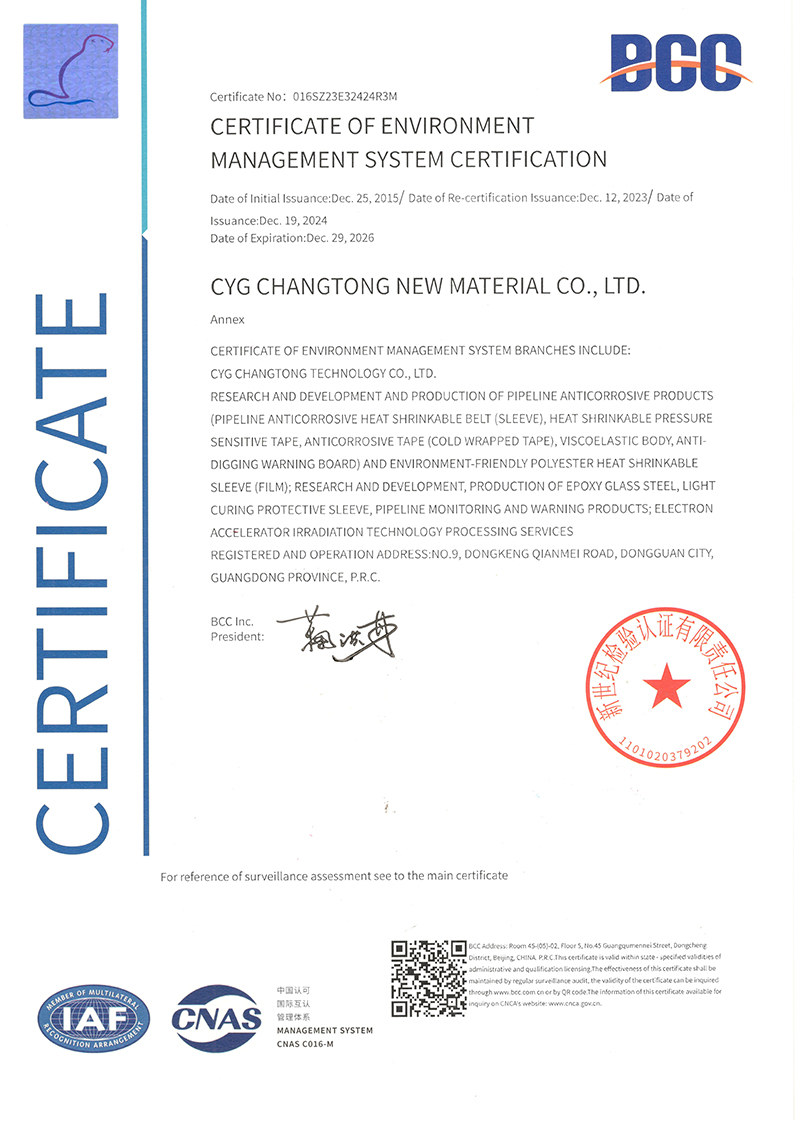
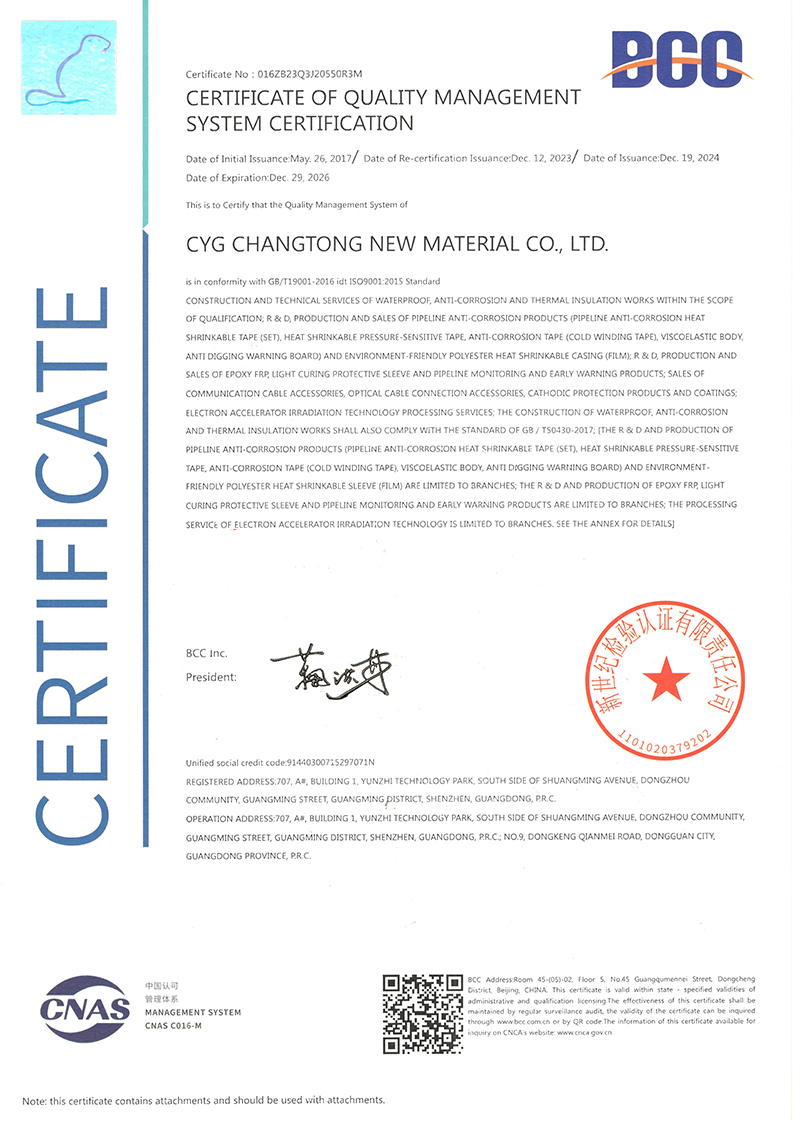
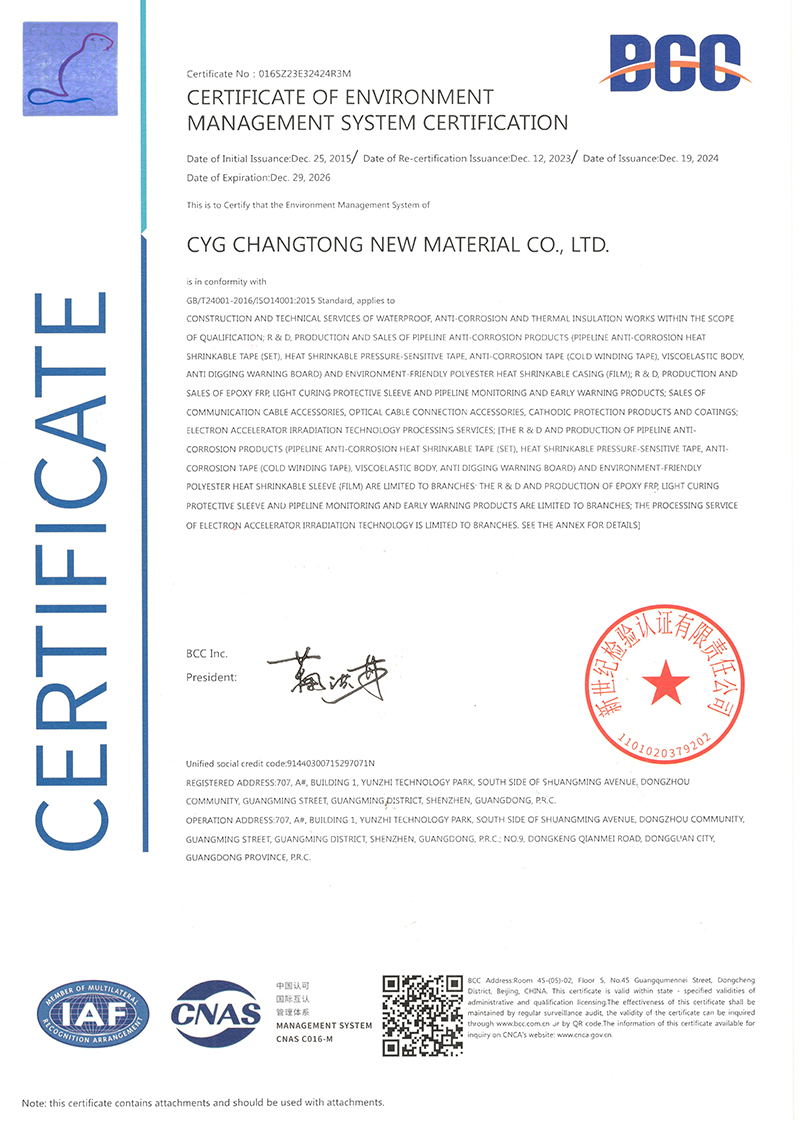
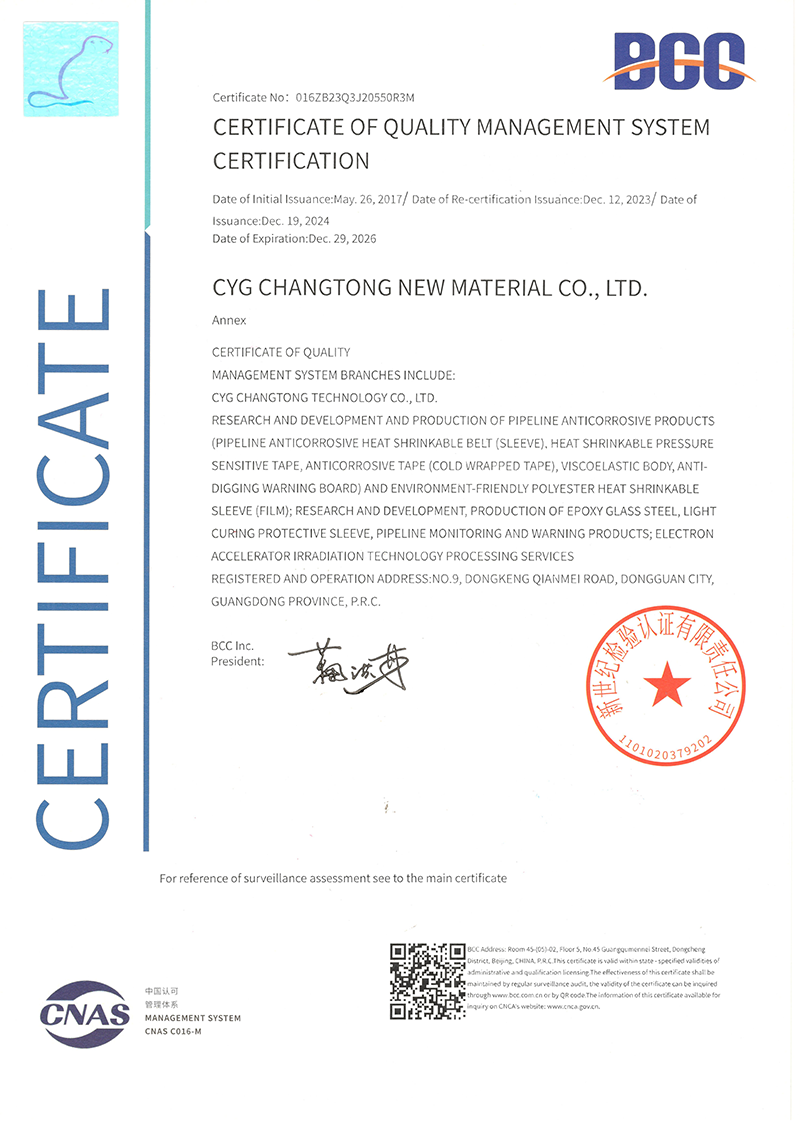
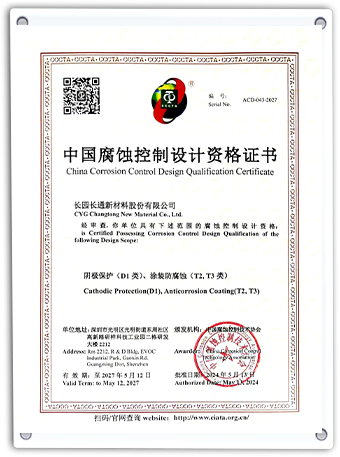
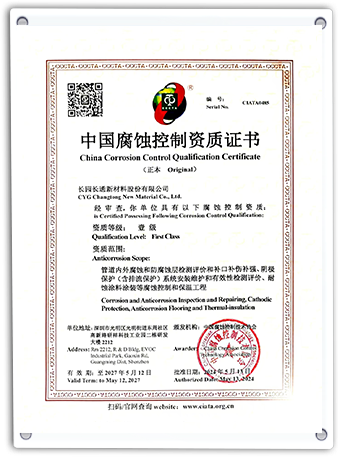
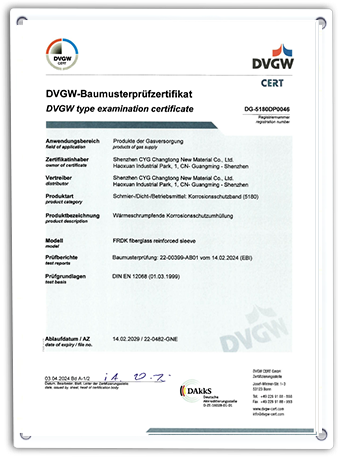
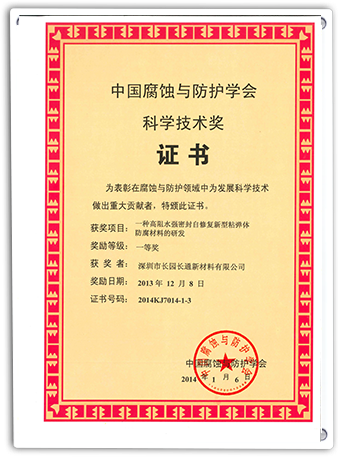
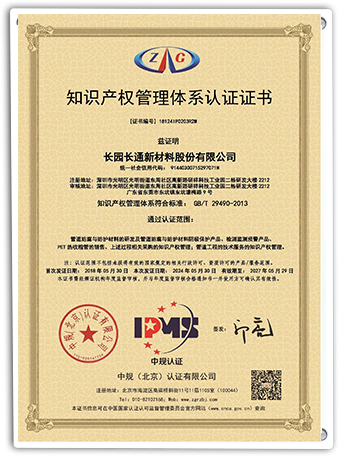
CYCT's products and factory systems have been recognized and certified by global standards organizations and major national energy conglomerates.
To ensure high standards of safety and performance, CYCT maintains active memberships in the Chinese Society for Corrosion and Protection (CSCP) and the China Association of Petroleum Engineering Construction (CAPEC). We are a registered corporate member of AMPP (formerly NACE & SSPC) and a certified supplier for international energy enterprises like Indian Oil, PetroChina, Sinopec, and China Gas Group.
As pipeline operators seek to balance environmental factors, carbon footprints, and safety, several technological trends are shaping the future of the field joint coating industry:
Subsea wells and deep geological gas deposits are increasingly operated at temperatures exceeding 100°C. Standard polyethylene (PE) backings reach their mechanical limits at these temperatures. Next-generation systems employ Polypropylene-based (PP) heat shrinkable sleeves, which can withstand continuous operations up to 110°C to 120°C, providing higher shear strength and resistance to chemical decomposition.
Unlike traditional hot-melt adhesives which require clean, grit-blasted steel substrates, viscoelastic materials exhibit cold-flow behavior, meaning they flow to fill micro-cavities on the steel surface. This ensures intimate surface contact and self-heals minor mechanical damages. The demand for viscoelastic coating systems (such as CYCT’s VT95 Viscoelastic Tape) is growing rapidly in aging pipeline rehabilitation projects where field grit blasting is restricted due to environmental rules.
Smart pipeline monitoring systems require coatings that do not shield cathodic protection (CP) currents or prevent the detection of defects. Modern shrink sleeves are engineered to prevent CP shielding, allowing CP monitoring tools to detect under-film corrosion if the outer barrier is compromised.
Detailed answers to questions frequently asked by pipeline engineers and procurement officers.
Explore our full line of industrial tapes, viscoelastic systems, and heavy-duty reinforcement coatings.
 CYCT
CYCT